
Wall paneling has experienced a remarkable renaissance in contemporary interior design, evolving from its traditional roots into a versatile design element that can completely transform the character of a living room. Whether you’re seeking to add architectural interest, create visual depth, or establish a specific aesthetic mood, wall paneling offers an elegant solution that combines both form and function. The right paneling choice can elevate your living space from ordinary to extraordinary, serving as a stunning backdrop for your furniture and decor while adding tangible value to your home.
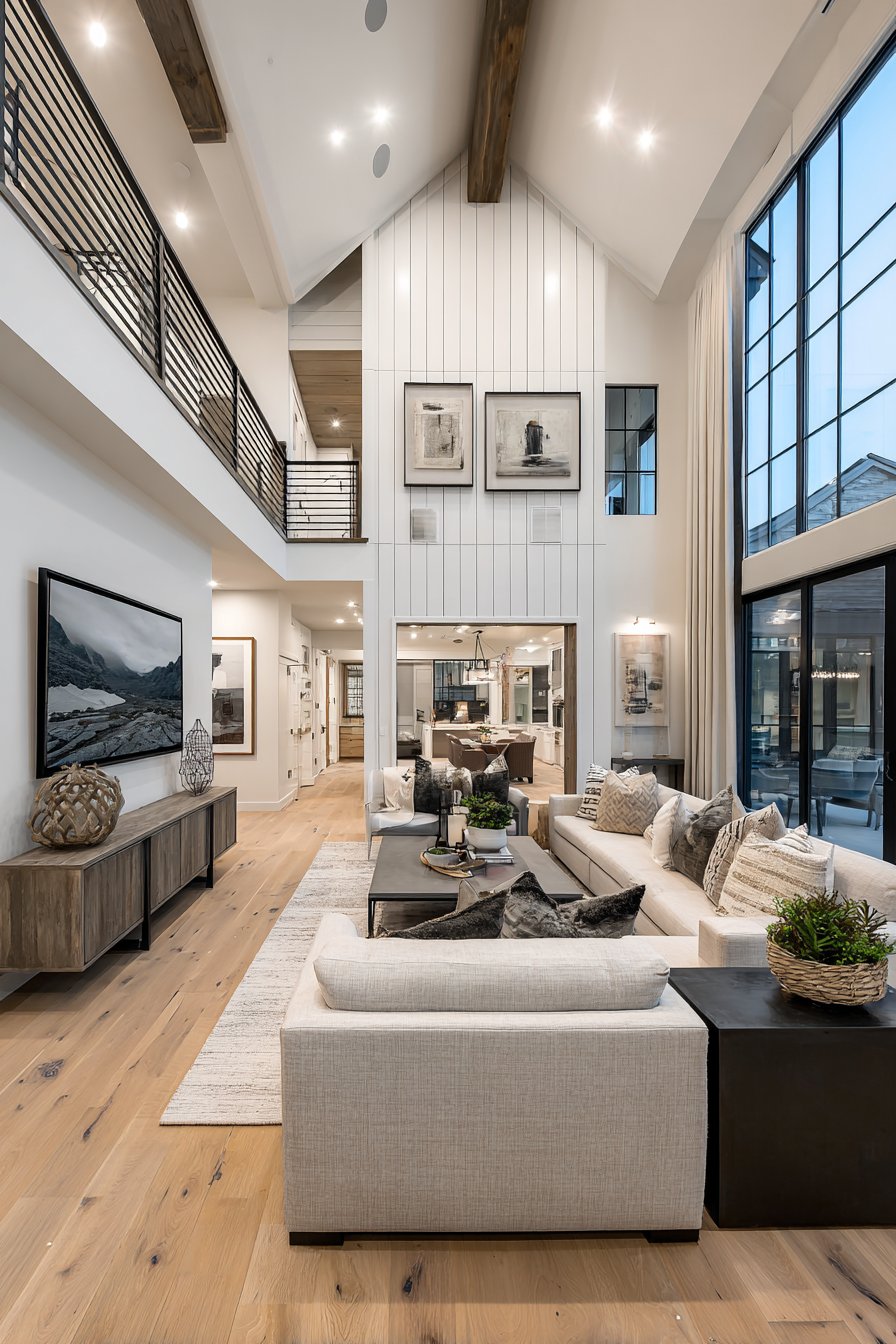
In today’s diverse design landscape, wall paneling transcends the limitations of traditional wainscoting and beadboard, embracing innovative materials, textures, and installation patterns that cater to every style preference. From sleek vertical slats that create modern sophistication to richly textured 3D panels that add dramatic dimension, the possibilities are virtually limitless. This comprehensive guide explores twenty-one distinct wall paneling concepts, each offering a unique approach to living room design that reflects different personalities, lifestyles, and aesthetic sensibilities.
The beauty of wall paneling lies in its ability to address multiple design challenges simultaneously—it can camouflage imperfect walls, enhance acoustics, provide insulation, and create focal points that anchor your entire decorating scheme. As we journey through these inspiring ideas, you’ll discover how strategic paneling choices can work harmoniously with various color palettes, lighting conditions, and furniture arrangements to create living rooms that are not only visually captivating but also deeply personal and inviting.
1. Classic Shiplap Elegance
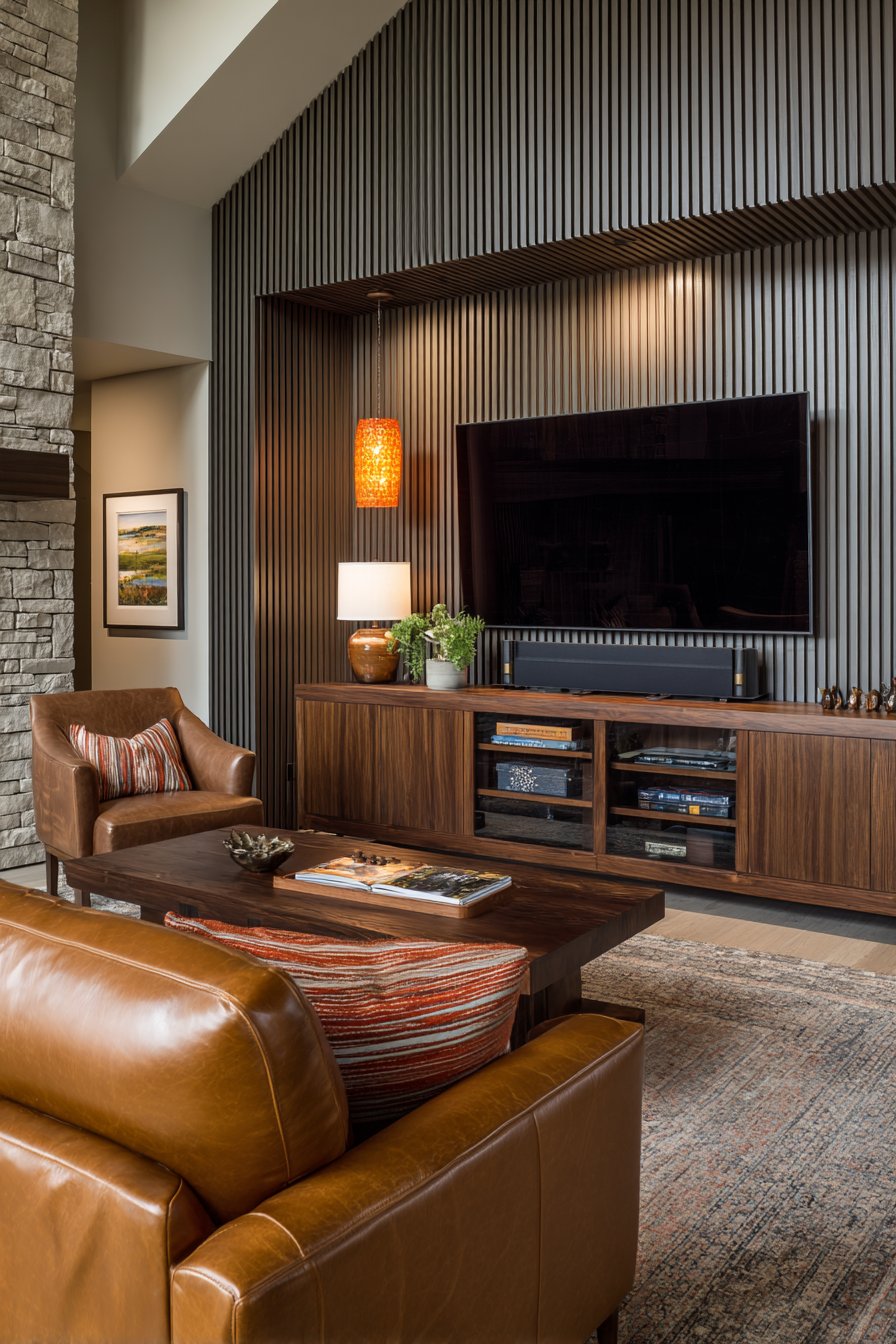
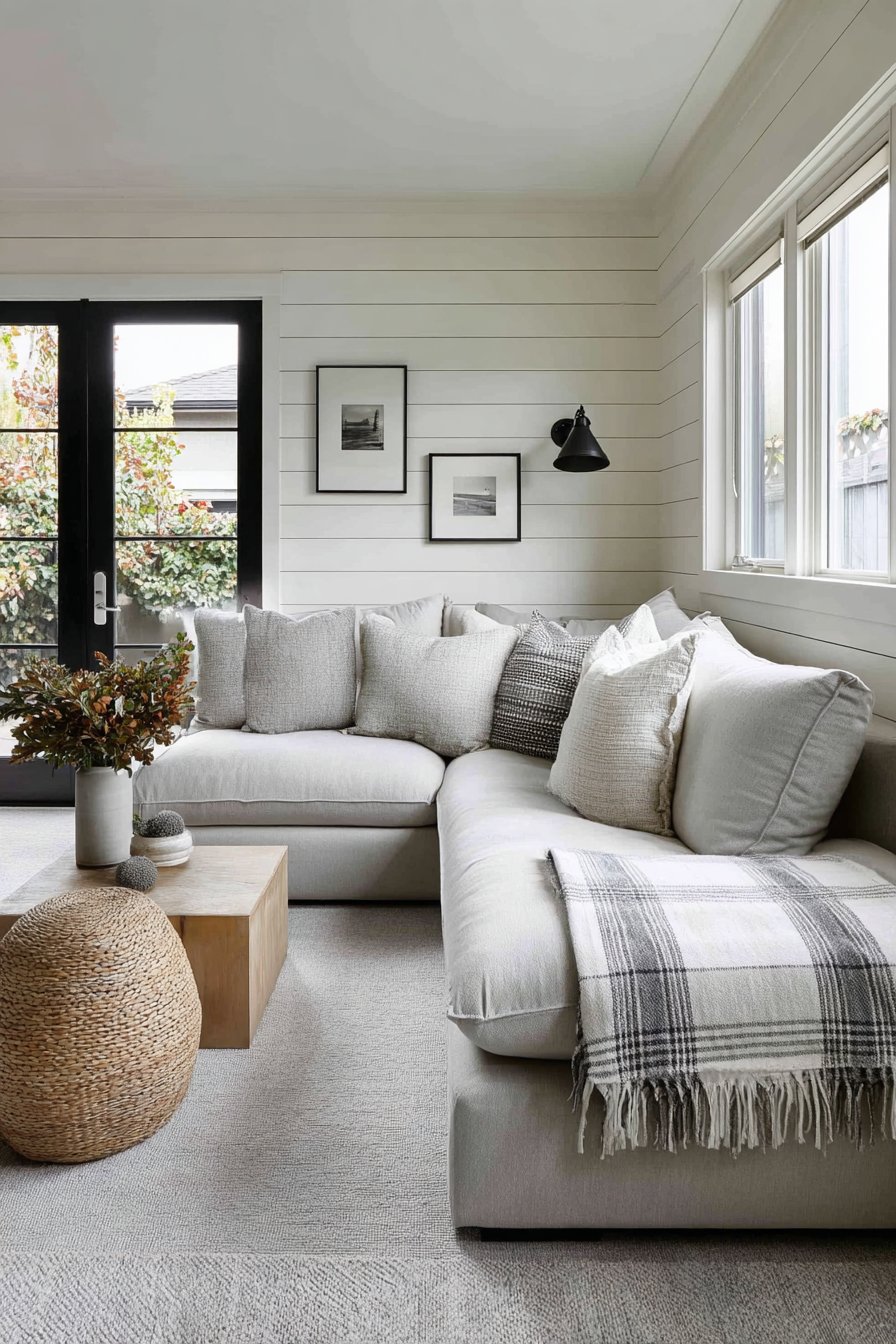
The timeless appeal of shiplap paneling brings an understated elegance to any living room, creating horizontal lines that subtly guide the eye across the space while adding architectural character. This traditional farmhouse staple has evolved into a versatile design element that works beautifully in both rustic and contemporary settings. When painted in crisp white or soft neutral tones, shiplap creates a clean canvas that allows your furniture and accessories to take center stage, while the subtle shadow lines between each plank add just enough visual interest to prevent the walls from feeling flat or monotonous.
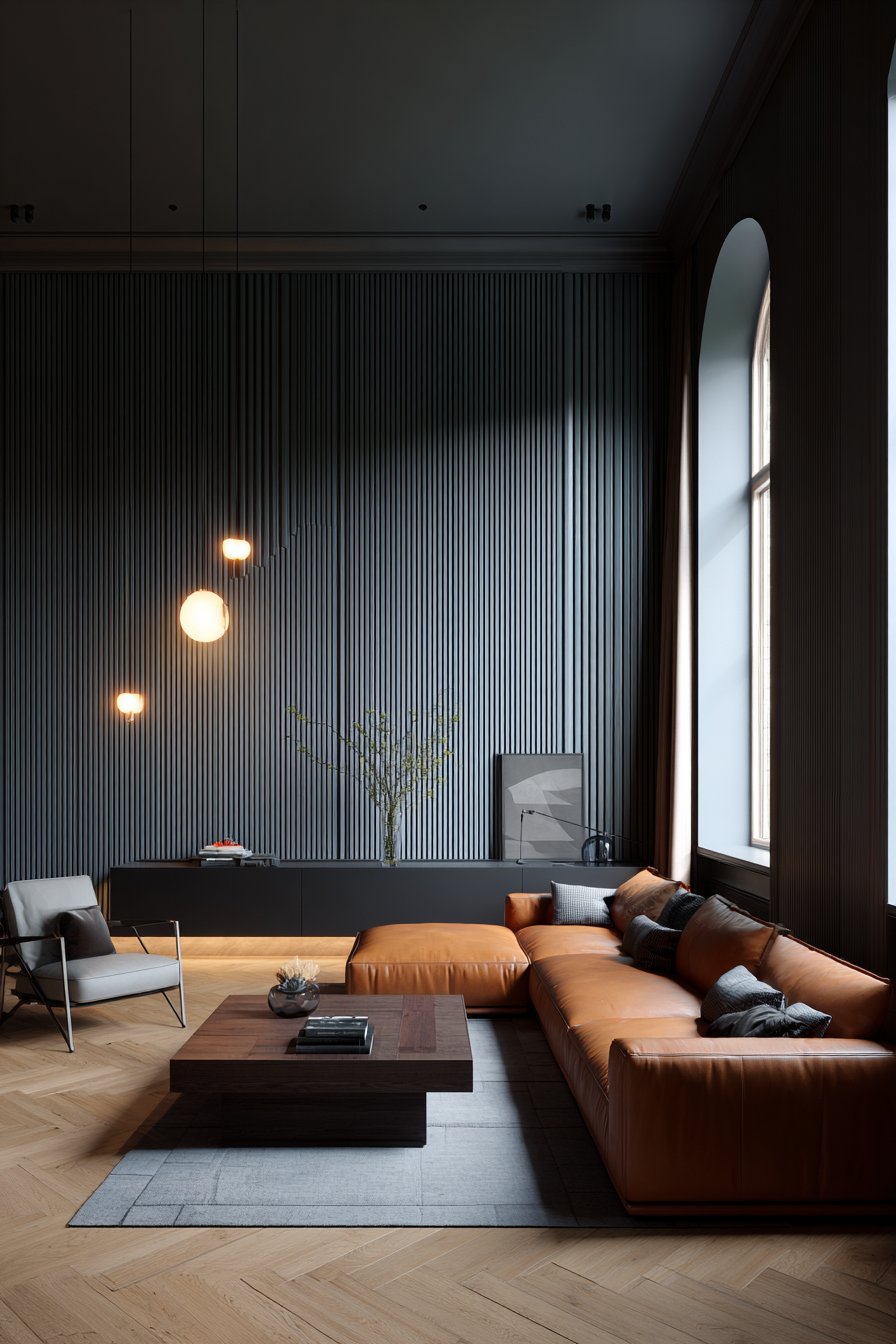
The beauty of shiplap extends beyond its aesthetic appeal—it’s also remarkably practical for homeowners seeking to refresh their living spaces without extensive renovation. The horizontal orientation of the planks can make rooms appear wider, an optical illusion that’s particularly valuable in narrower living areas. The slight texture created by the overlapping boards adds depth and dimension that changes beautifully throughout the day as natural light shifts across the surface.
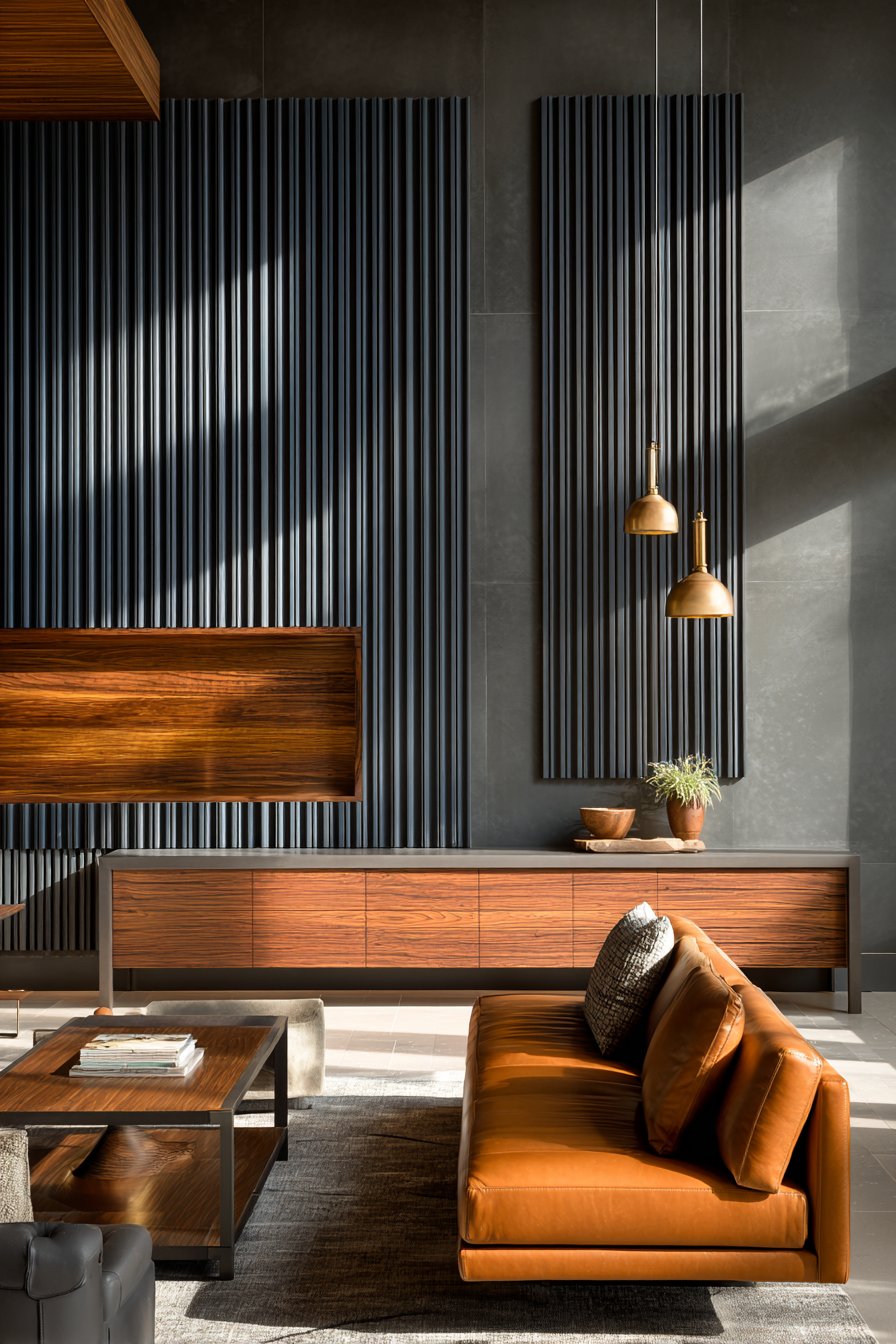
Installation flexibility makes shiplap an attractive option for DIY enthusiasts and professional contractors alike. Whether you choose to panel an entire room for maximum impact or create an accent wall behind your sofa or entertainment center, shiplap adapts beautifully to your vision. The gaps between boards also provide opportunities for creative painting techniques, such as contrasting the recesses with darker tones to emphasize the linear pattern and add extra visual depth.
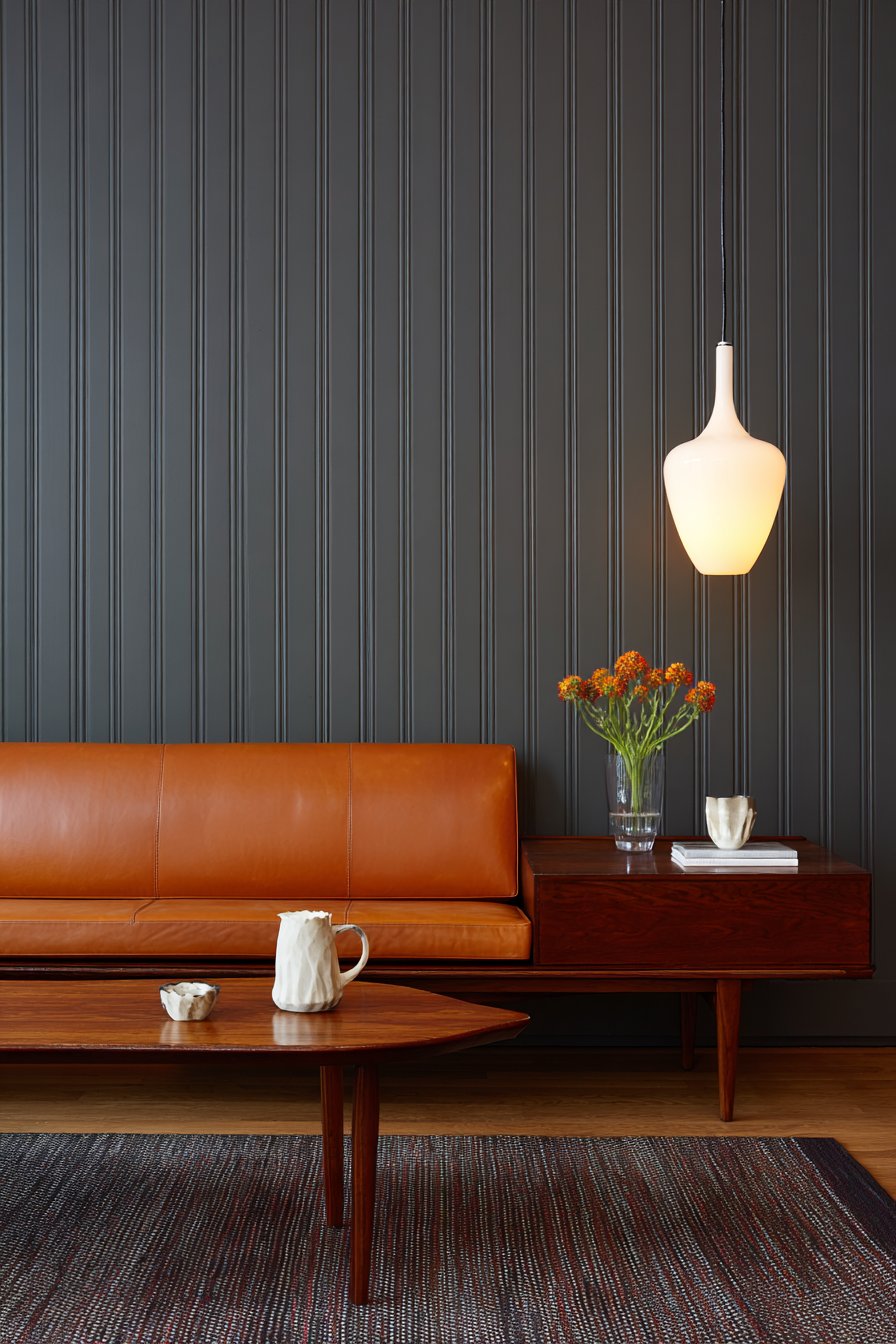
Key design considerations for shiplap paneling include selecting the appropriate plank width for your room scale, ensuring proper spacing between boards for that authentic look, choosing paint finishes that complement your existing decor, maintaining consistent installation height for a professional appearance, and considering the direction of boards to either widen or heighten your space visually.
2. Sophisticated Board and Batten
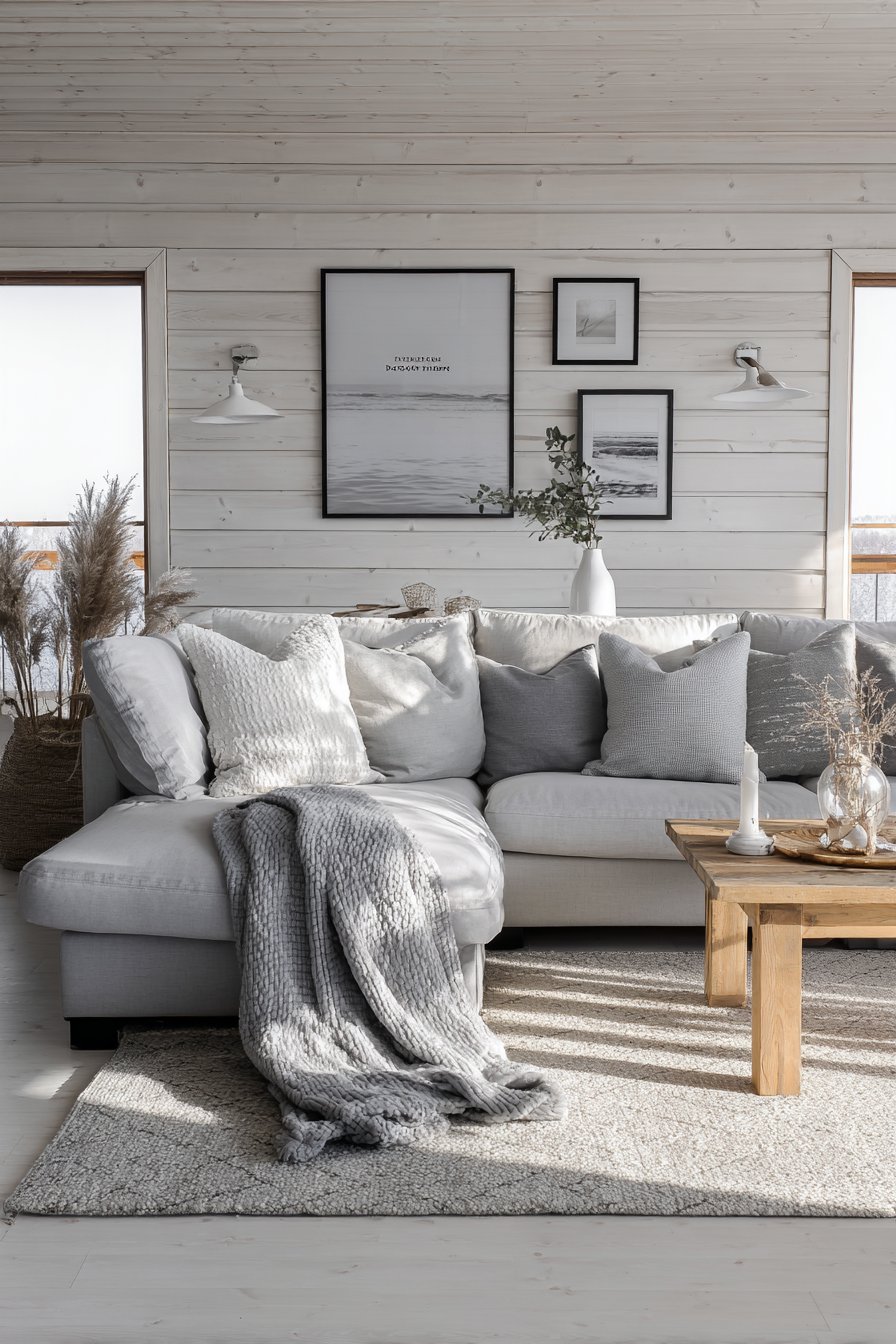
Board and batten paneling delivers instant architectural sophistication through its vertical rhythm and dimensional appeal, creating a structured yet elegant framework that transforms plain walls into design statements. This classic technique combines narrow vertical strips (battens) applied over wider boards, resulting in a grid-like pattern that adds both visual interest and perceived height to your living room. The interplay of light and shadow across the raised battens creates a dynamic surface that evolves throughout the day, bringing life and movement to your walls.
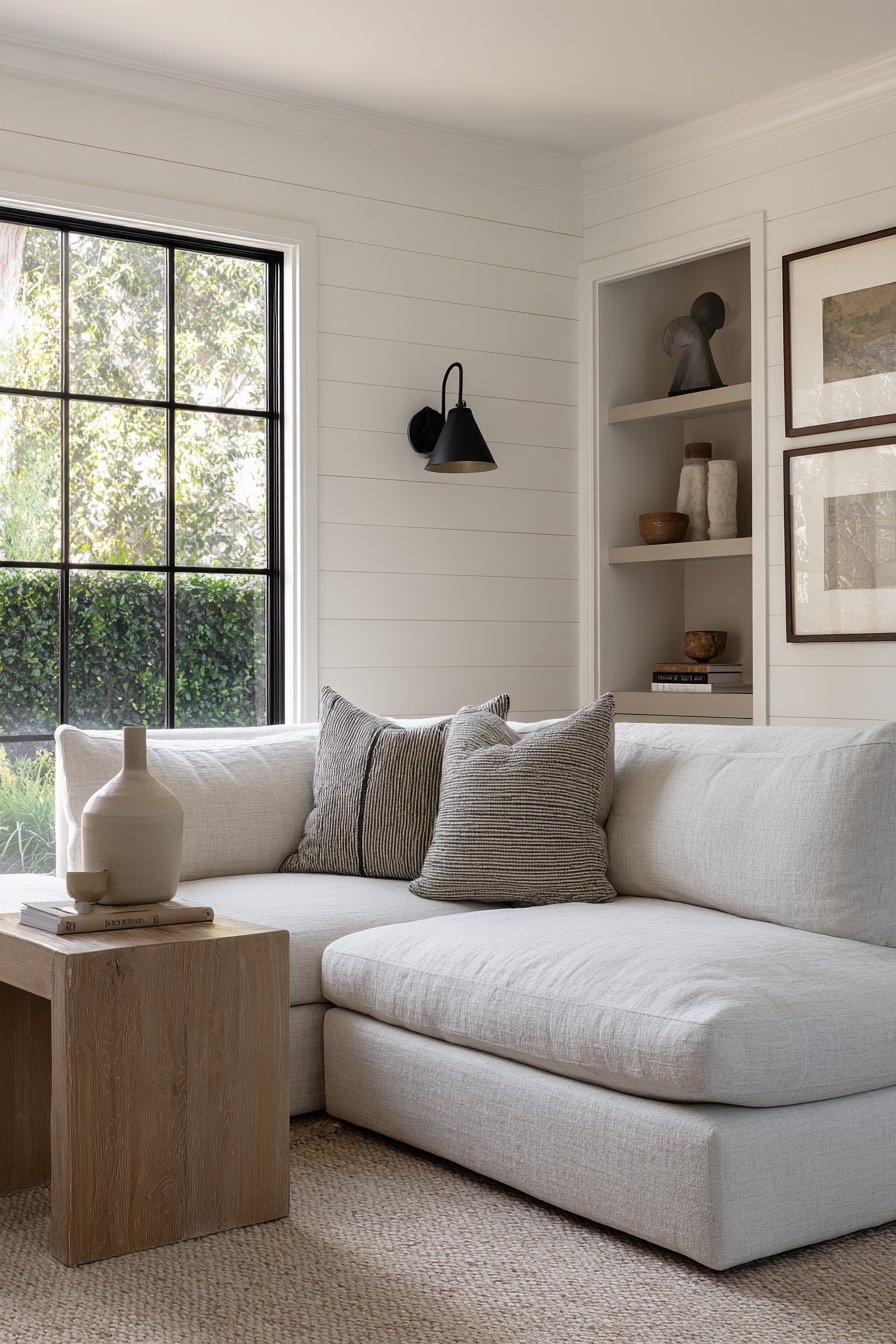
This paneling style offers remarkable versatility in terms of scale and proportion—the spacing between battens can be adjusted to suit your room dimensions and personal preferences. Wider spacing creates a more relaxed, contemporary feel, while tighter intervals evoke traditional formality. The lower portion of walls often features board and batten treatment, creating a substantial wainscoting effect that grounds the space and provides visual weight, while the upper wall remains smooth for balance and contrast.
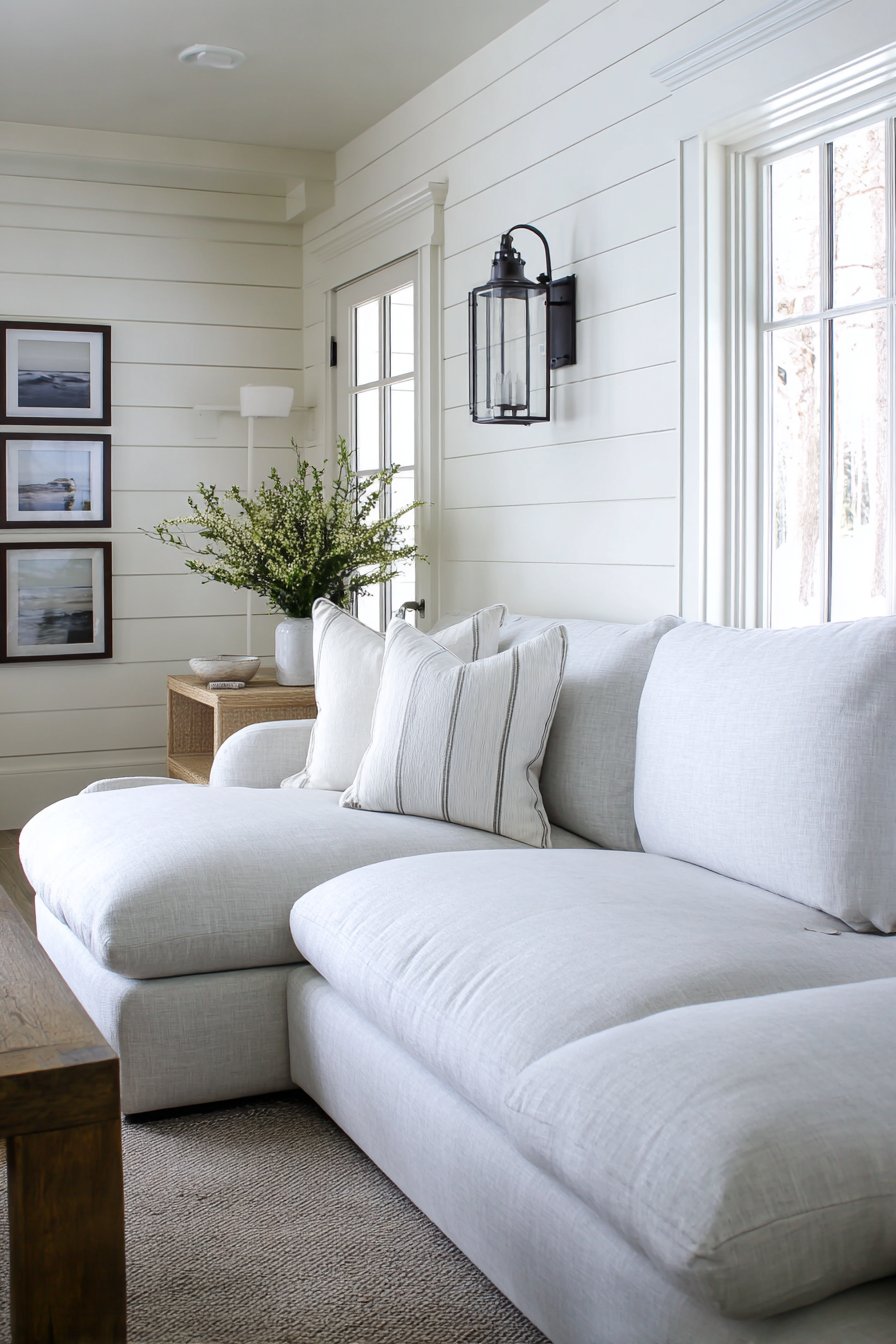
Color choices dramatically influence the overall impact of board and batten paneling. Classic white creates a crisp, clean aesthetic that serves as a perfect backdrop for colorful furnishings and artwork. Bold, saturated hues like navy, forest green, or charcoal gray can transform the paneling into a dramatic focal point that anchors your entire design scheme. Two-tone approaches, with battens painted in contrasting shades, offer another layer of design sophistication.
Essential tips for board and batten success include planning your batten spacing carefully to ensure even distribution across your wall, using a level religiously to maintain perfectly vertical lines, selecting batten widths that complement your room’s proportions, priming and painting before installation for easier finishing, and considering full-height application to maximize the ceiling-heightening effect.
3. Modern Vertical Slat Divinity
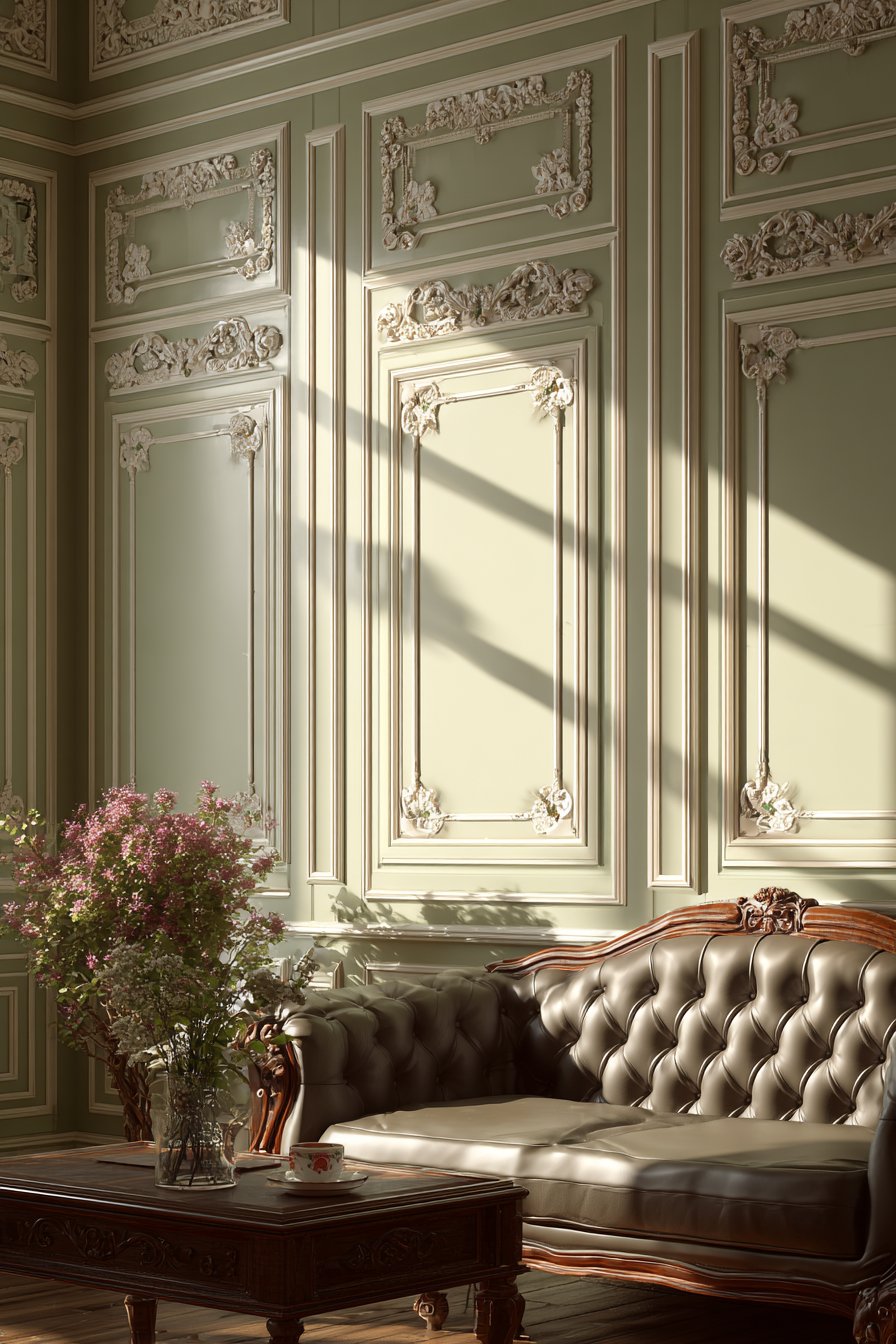
Vertical slat paneling represents the pinnacle of contemporary design, offering a sleek, minimalist aesthetic that creates visual interest through repetition and rhythm rather than ornamentation. These evenly spaced vertical elements, often crafted from wood, metal, or composite materials, establish a sense of order and sophistication while maintaining an airy, open feeling. The spaces between slats allow light to filter through in captivating ways, creating dynamic patterns that shift and change as the sun moves across your windows throughout the day.
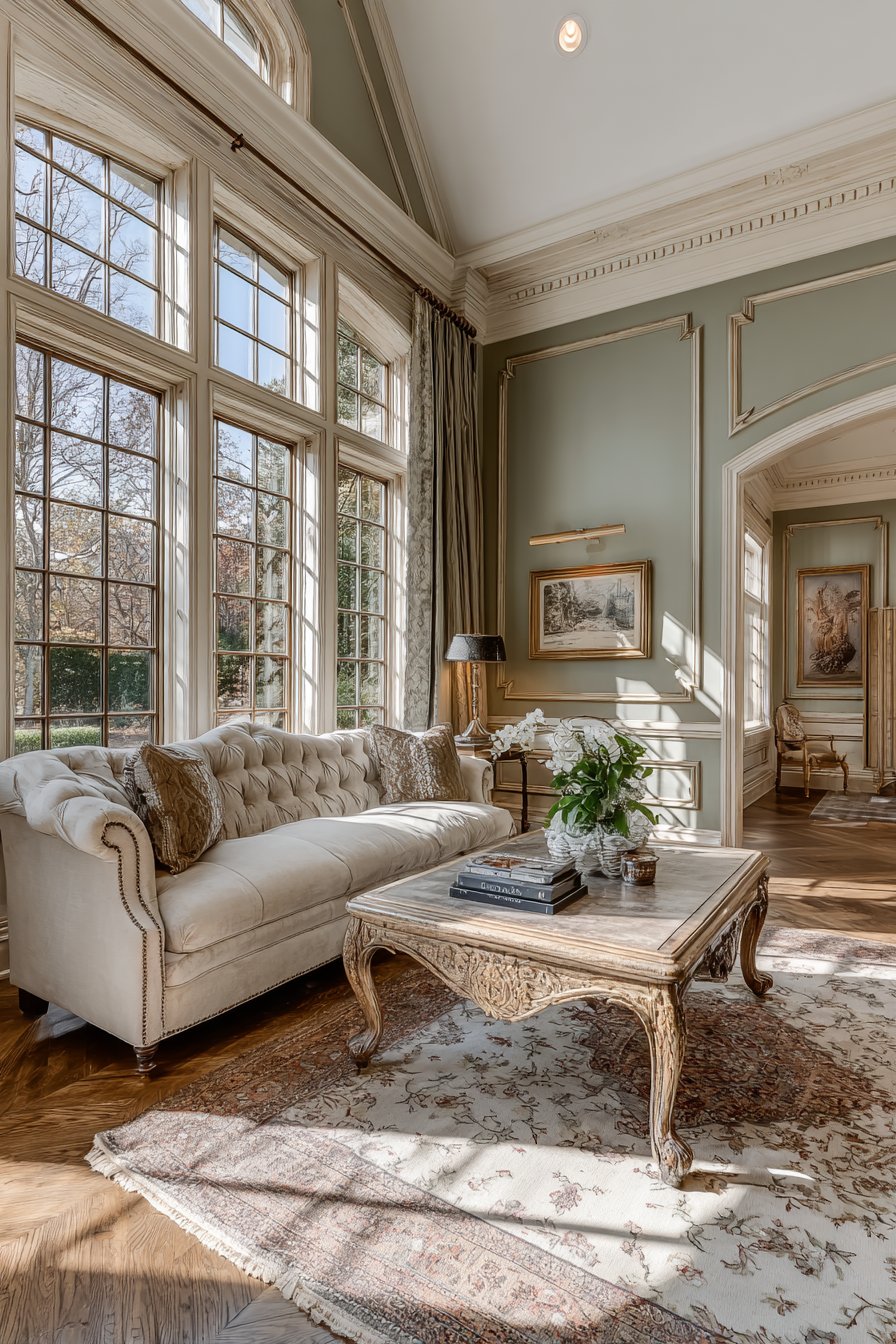
The slimness of vertical slats creates an elegant, refined appearance that doesn’t overwhelm smaller living rooms, while the vertical emphasis draws the eye upward, making ceilings appear higher than they actually are. This paneling style works exceptionally well as a room divider or partial wall treatment, offering the benefits of spatial definition without completely closing off areas—an ideal solution for open-concept living spaces where you want to create zones without sacrificing light or sight lines.
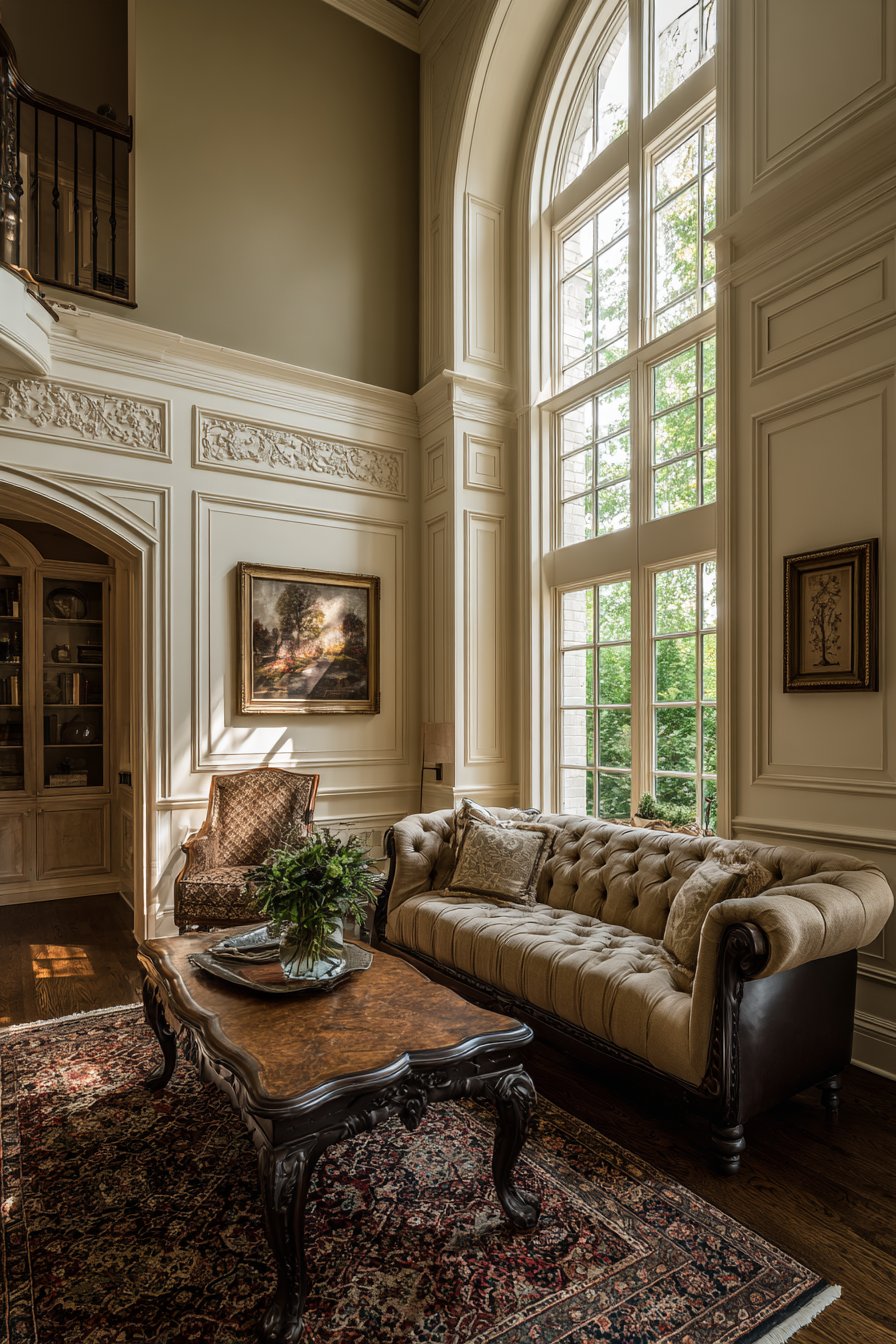
Material selection significantly impacts the overall aesthetic and functionality of vertical slat installations. Natural wood slats bring organic warmth and texture, with the grain patterns adding subtle visual complexity. Metal slats in brushed brass, copper, or matte black finishes introduce industrial elegance and contemporary edge. The spacing between slats can be adjusted to control privacy, light transmission, and visual density, offering customization opportunities that align perfectly with your specific needs.
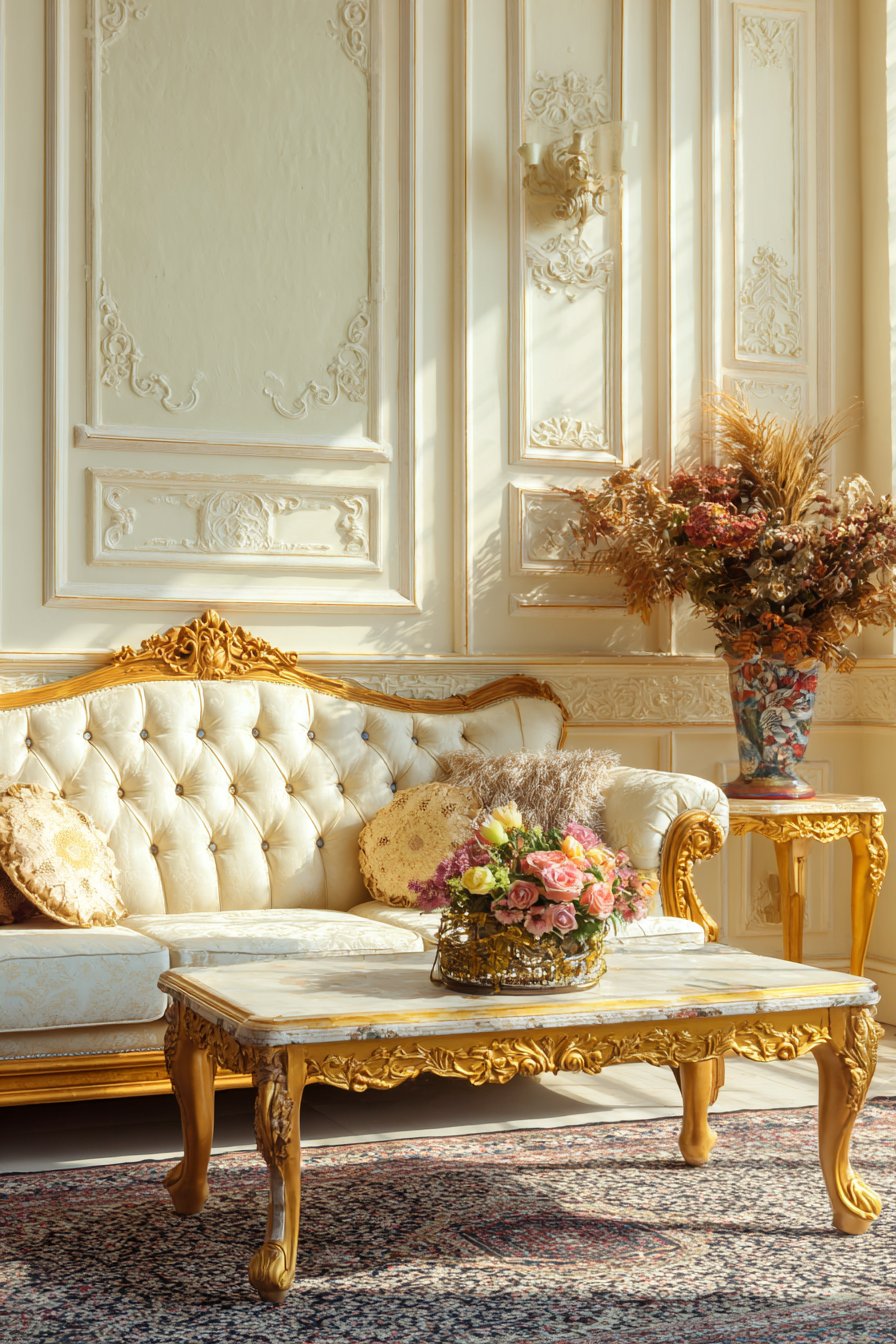
Critical considerations for vertical slat installations include determining optimal spacing based on your functional needs and aesthetic preferences, ensuring slats are perfectly plumb for a professional finish, selecting materials that complement your existing architectural elements, anchoring securely to wall studs for long-term stability, and incorporating indirect lighting behind slats for dramatic evening ambiance.
4. Luxurious Fluted Panel Drama
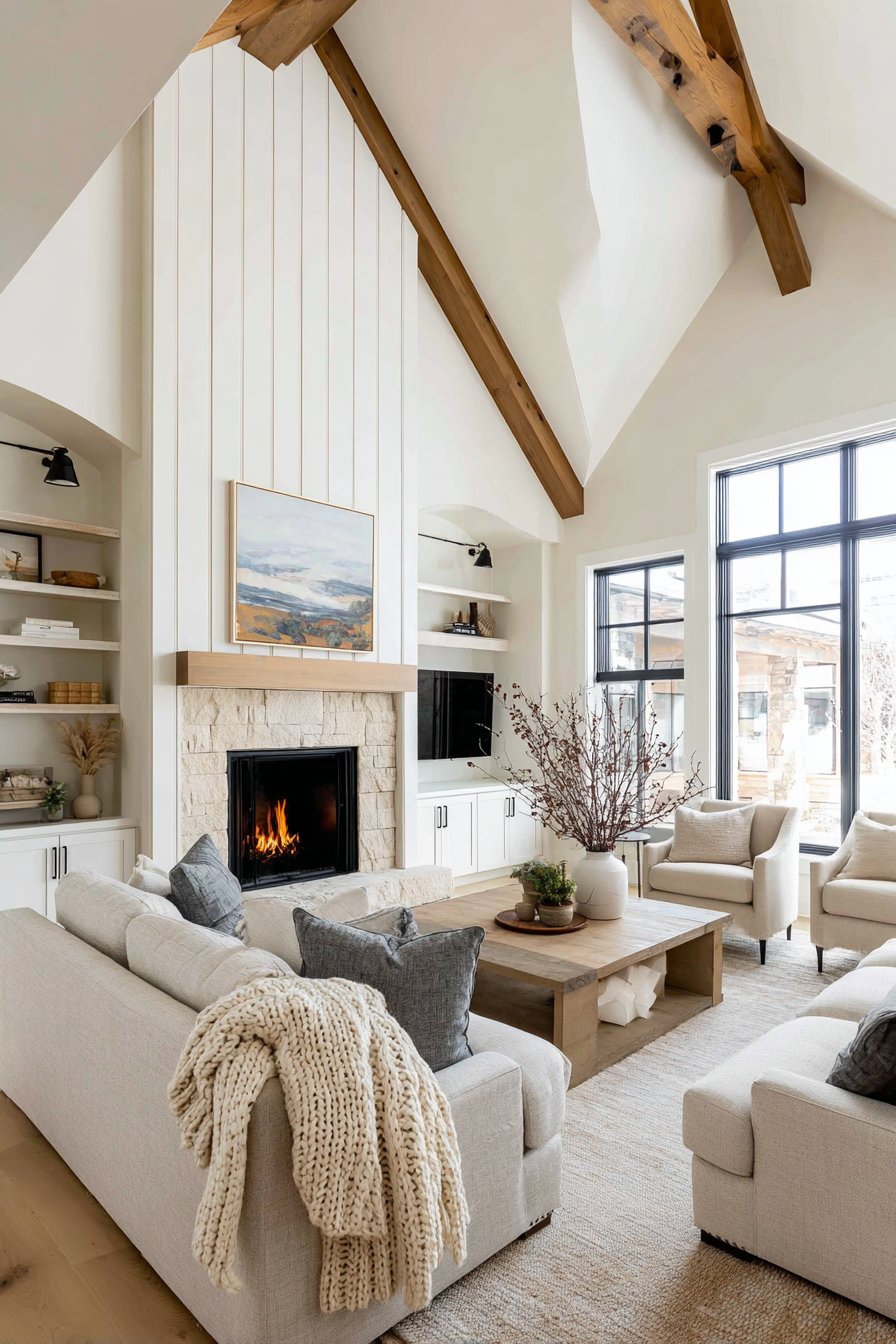
Fluted wall panels bring sculptural elegance and Art Deco glamour to living rooms, featuring vertical grooves that create mesmerizing patterns of light and shadow across their surfaces. These dimensional panels transform walls into works of art, adding a sense of luxury and sophistication that elevates your entire space. The parallel channels catch and reflect light in ways that flat surfaces simply cannot, creating visual interest that changes throughout the day and under different lighting conditions, ensuring your walls never appear static or boring.
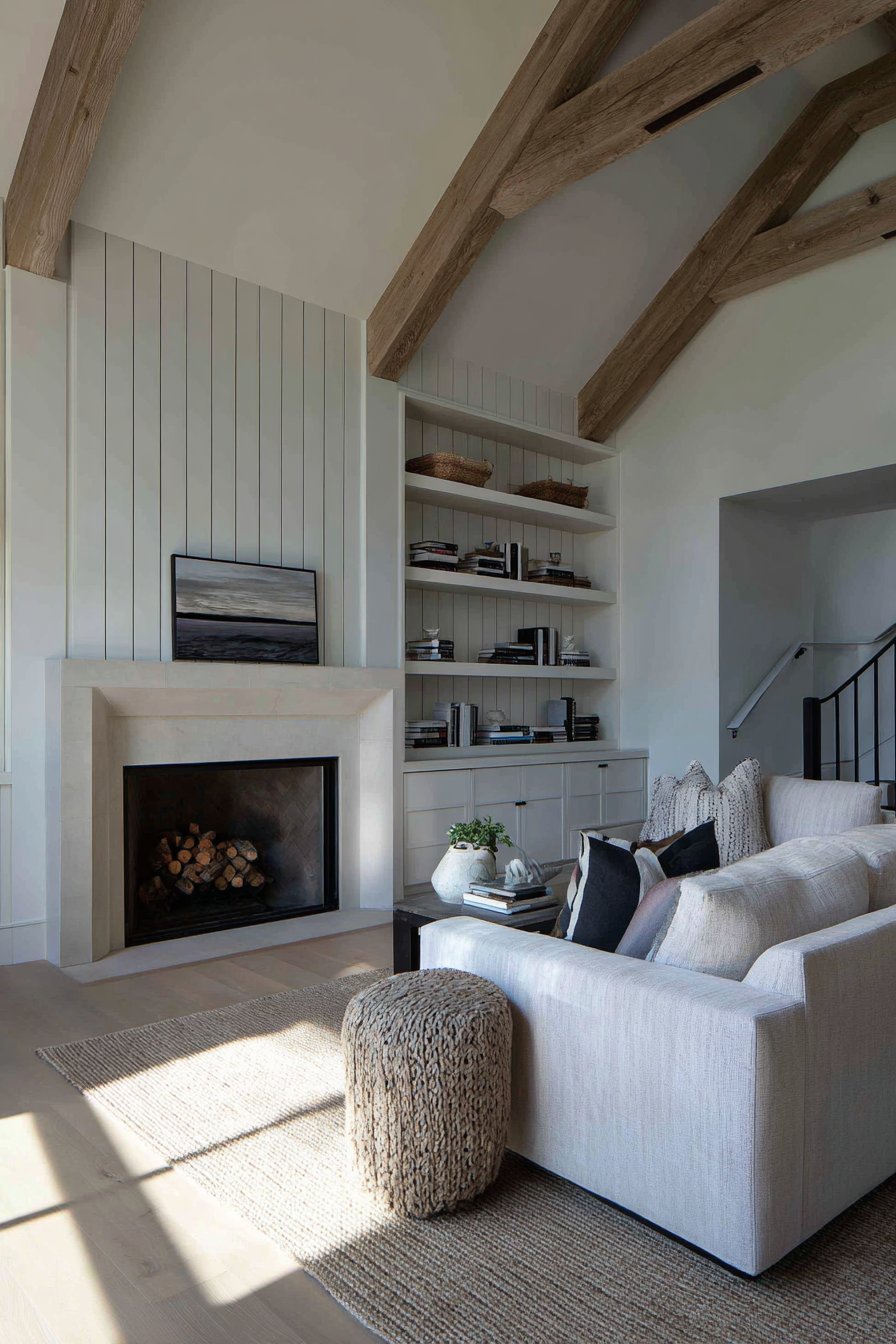
The tactile quality of fluted panels adds another dimension to your living room experience—the ridged surface invites touch and creates a sensory richness that smooth walls lack. This texture also serves practical purposes, as the dimensional surface helps diffuse sound, improving the acoustics in your living space. The vertical orientation of the flutes naturally draws the eye upward, creating the illusion of greater height and adding a sense of grandeur even in modestly sized rooms.
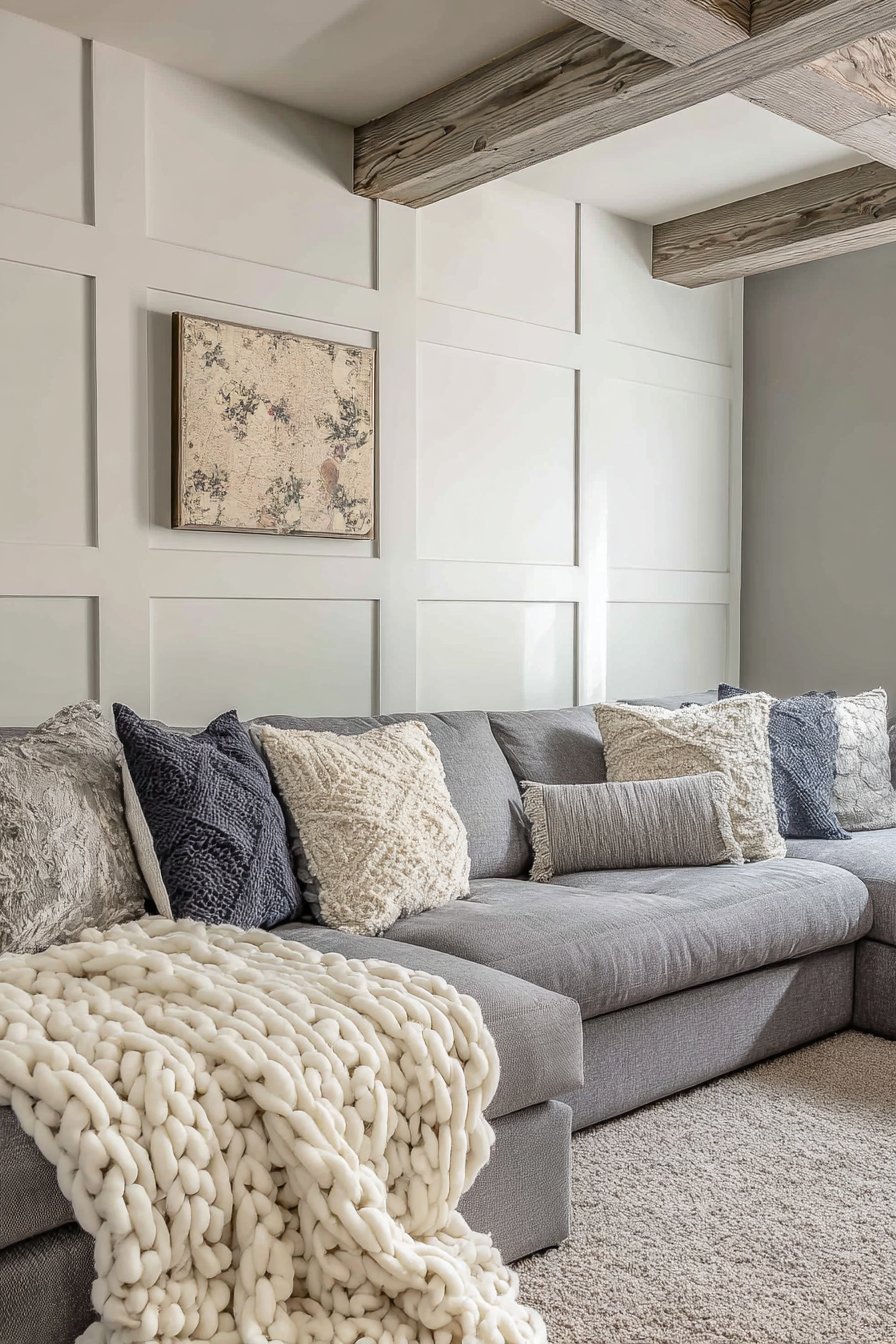
Fluted panels offer tremendous versatility in application and material selection. They can be crafted from wood, MDF, plaster, or even metal, with each material bringing its own character to the design. Painting fluted panels in monochromatic schemes creates subtle sophistication, while metallic finishes like gold, brass, or pewter introduce opulent glamour. Consider using fluted panels as an accent wall behind your seating area or as a backdrop for your media center to create a focal point that commands attention.
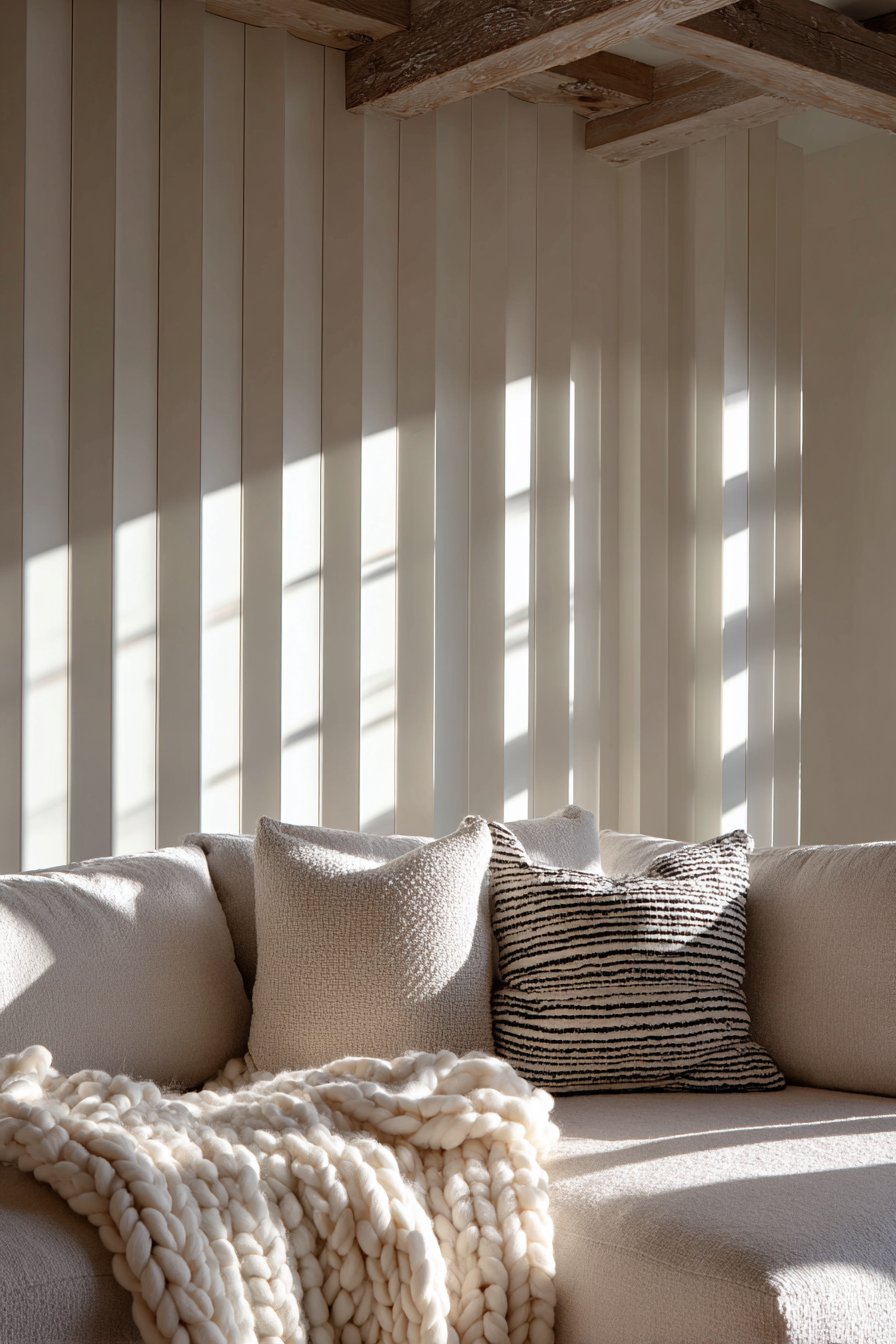
Key implementation strategies for fluted panels include choosing panel height that complements your room’s proportions, ensuring consistent groove spacing for visual harmony, selecting appropriate mounting methods based on panel weight and material, considering lighting placement to maximize shadow play, and finishing edges professionally for seamless integration with adjacent walls.
5. Rustic Reclaimed Wood Character
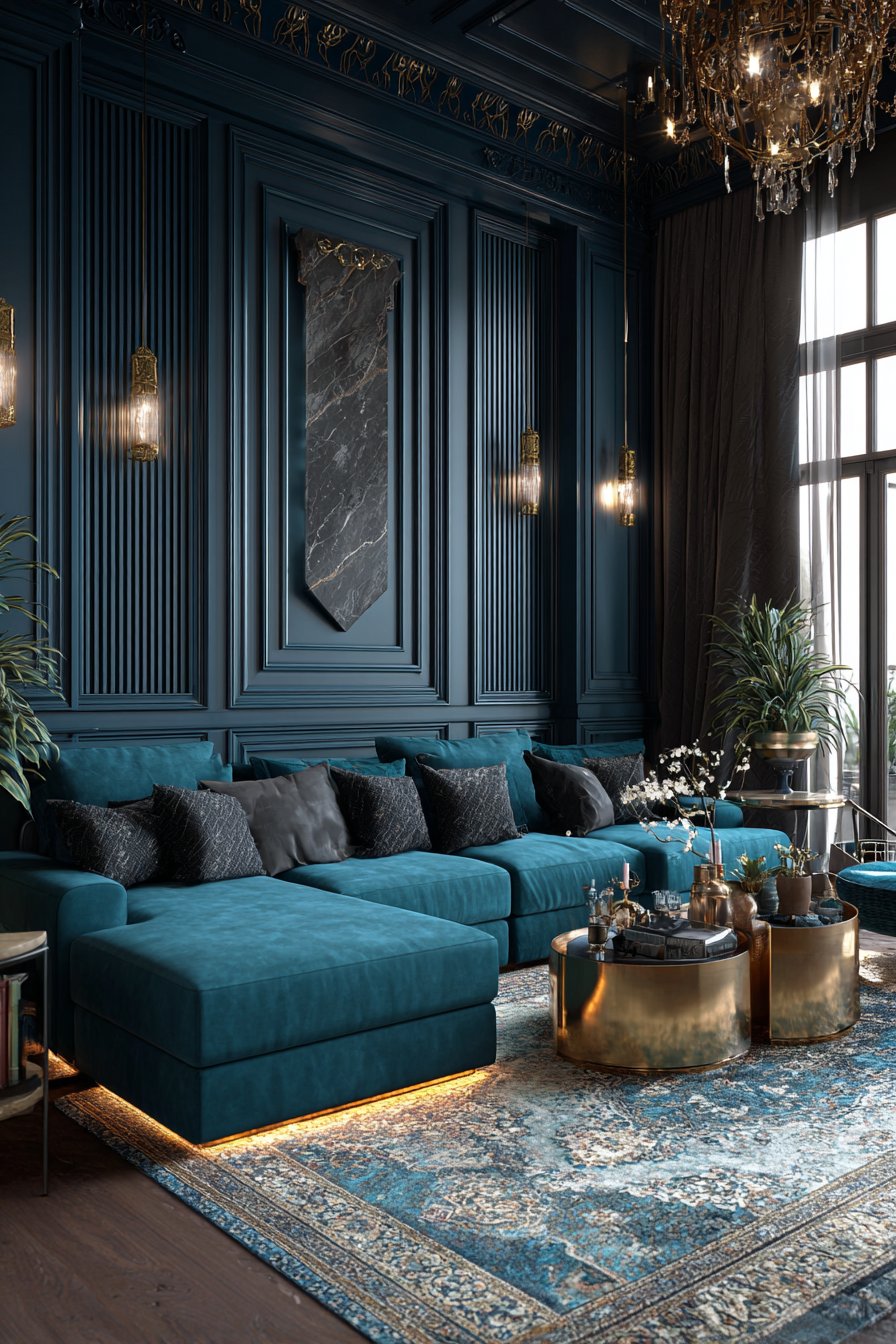
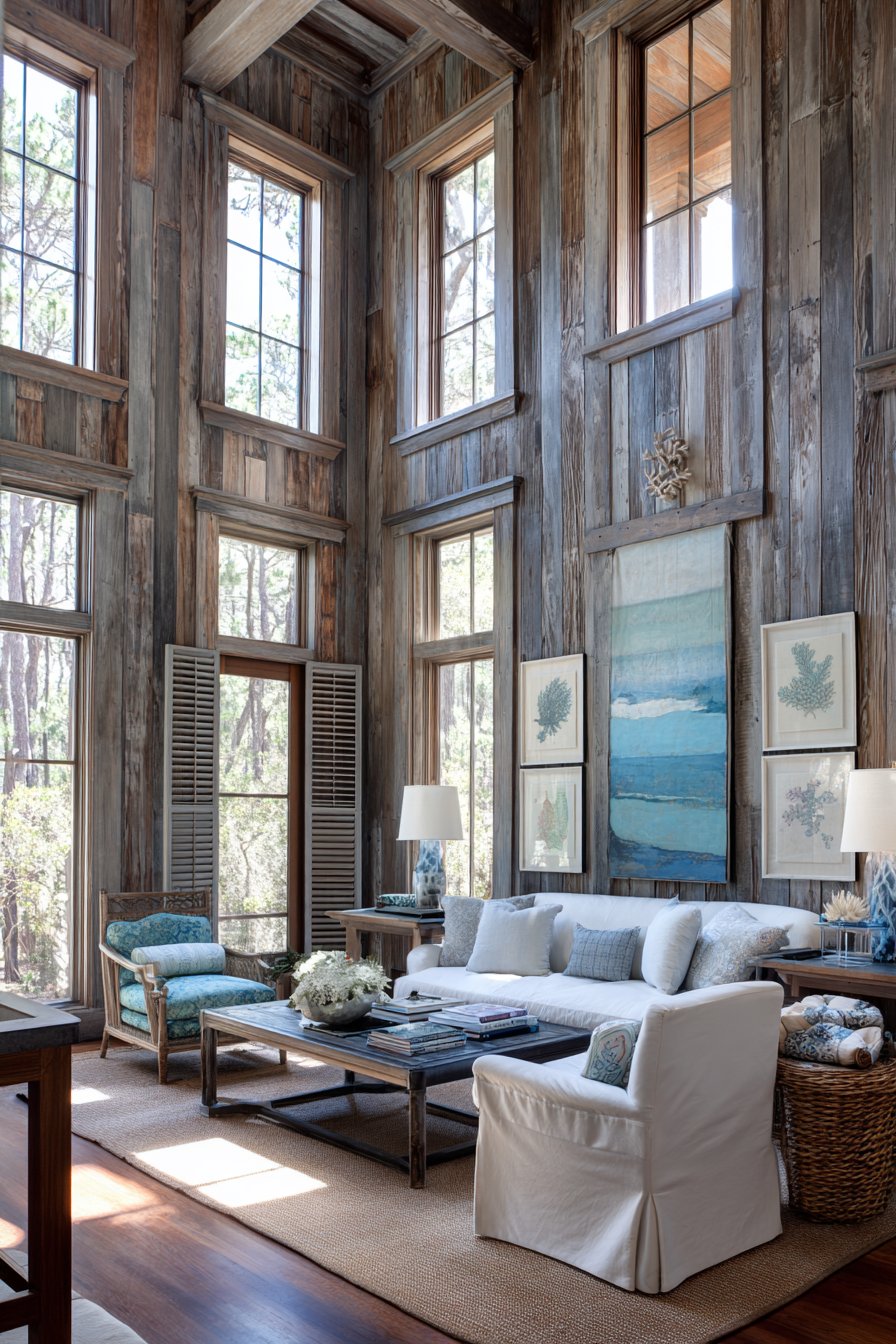
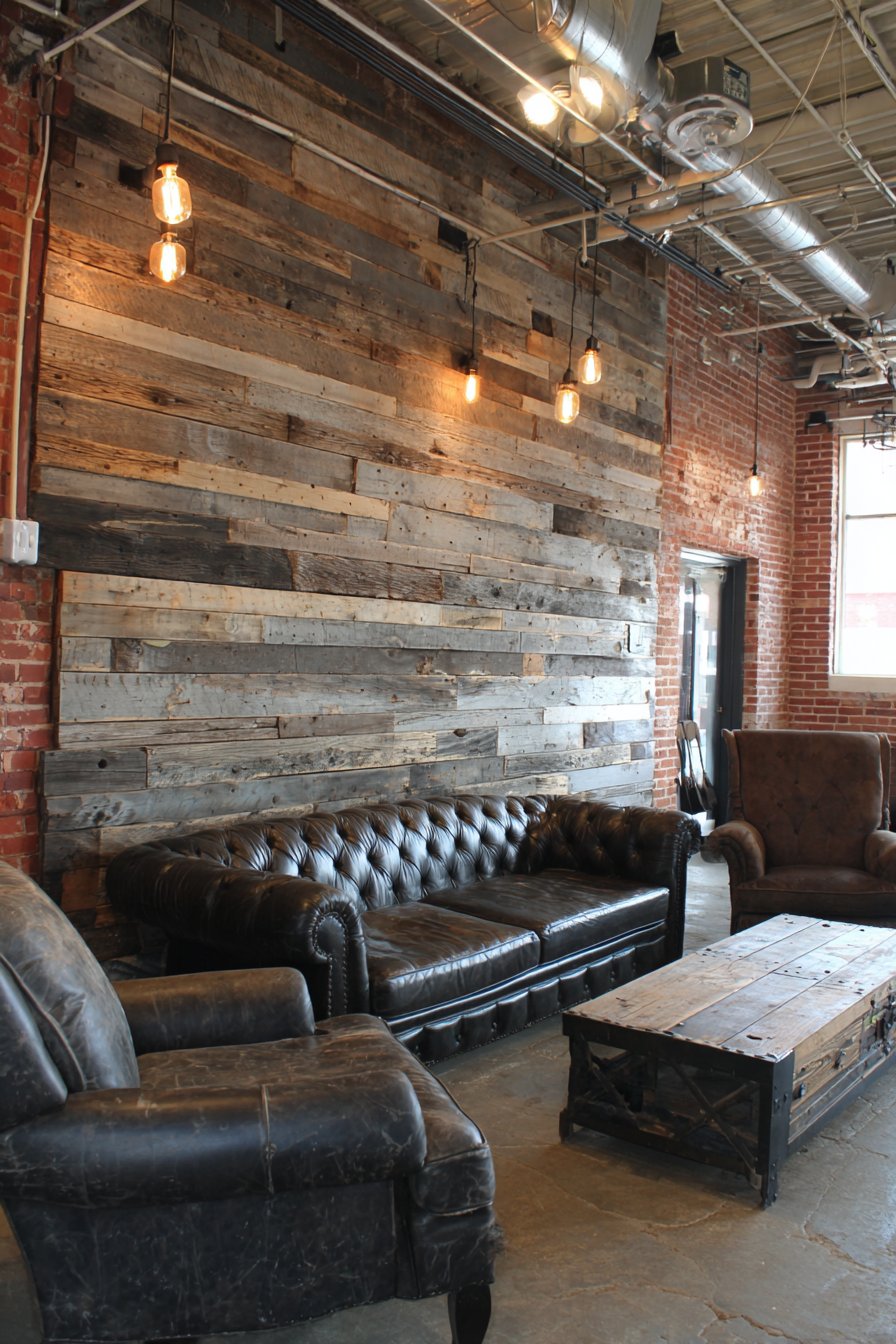
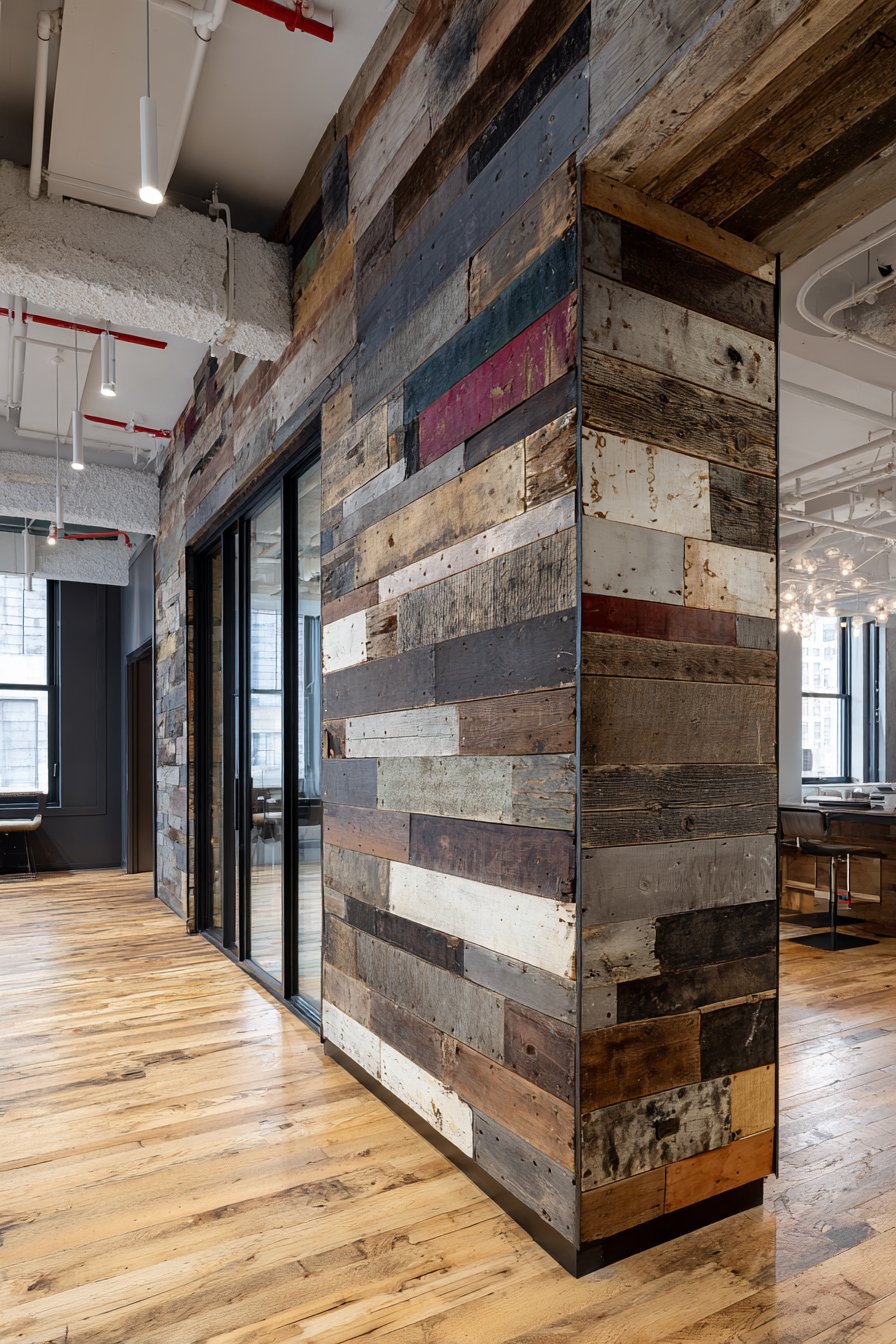
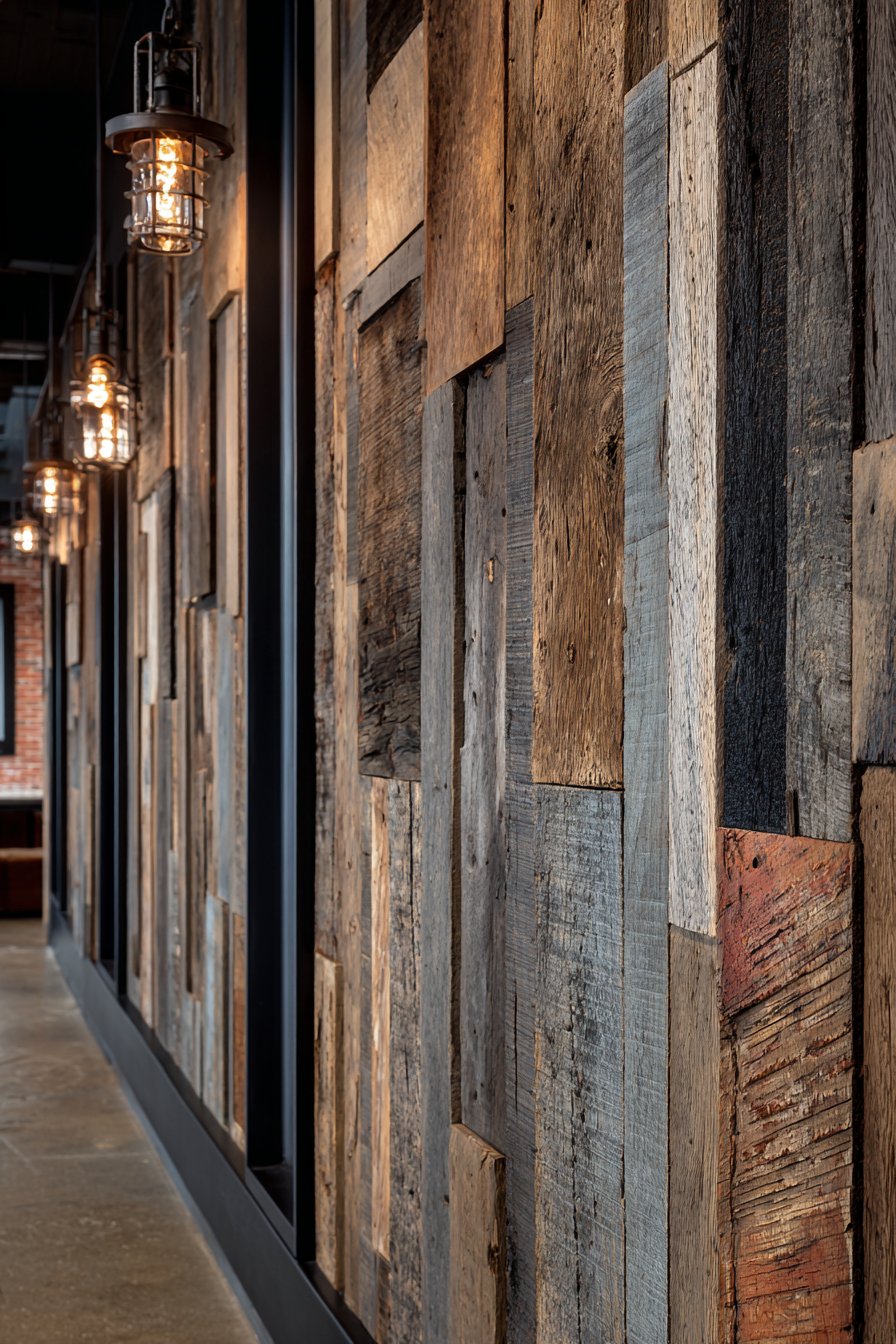
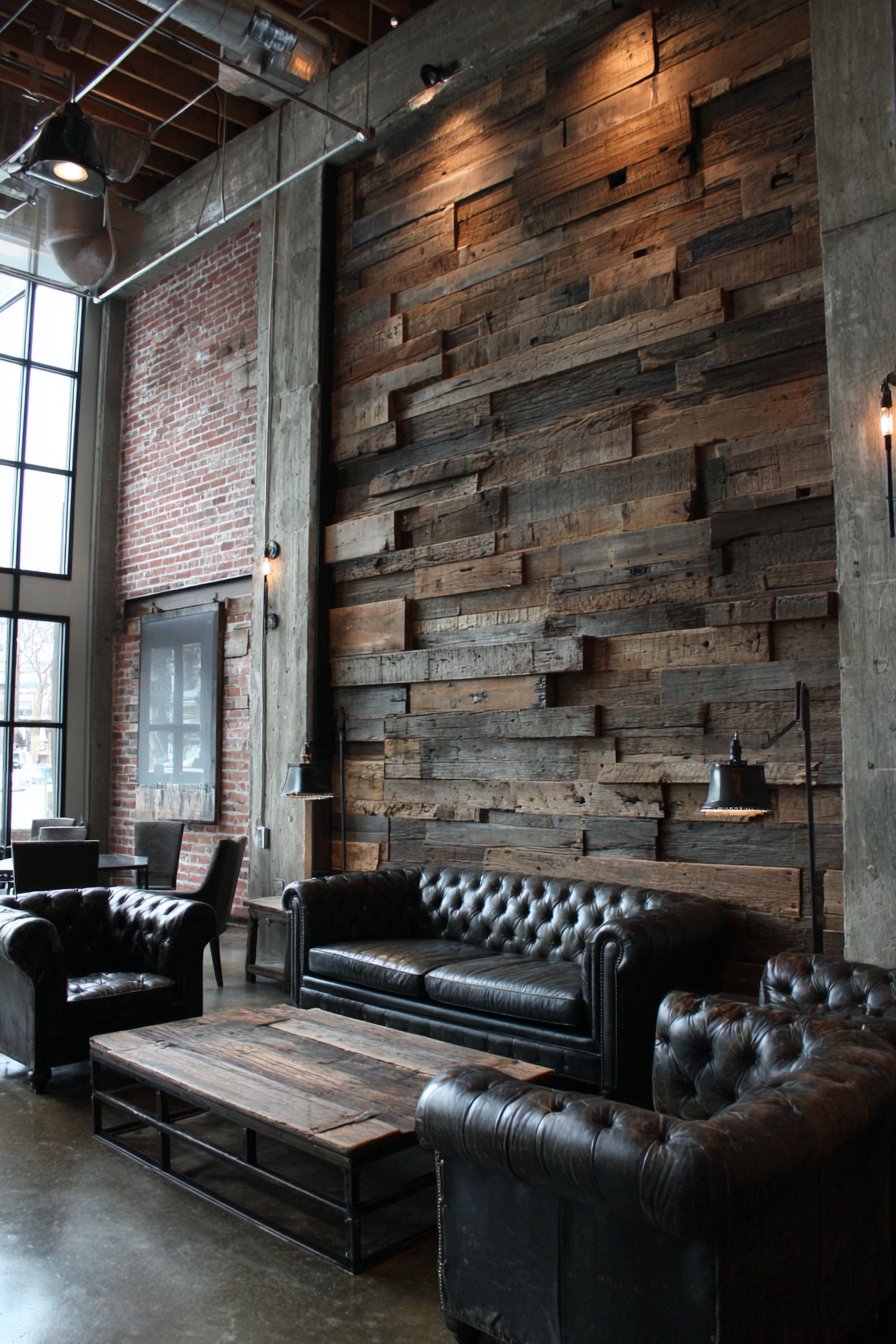
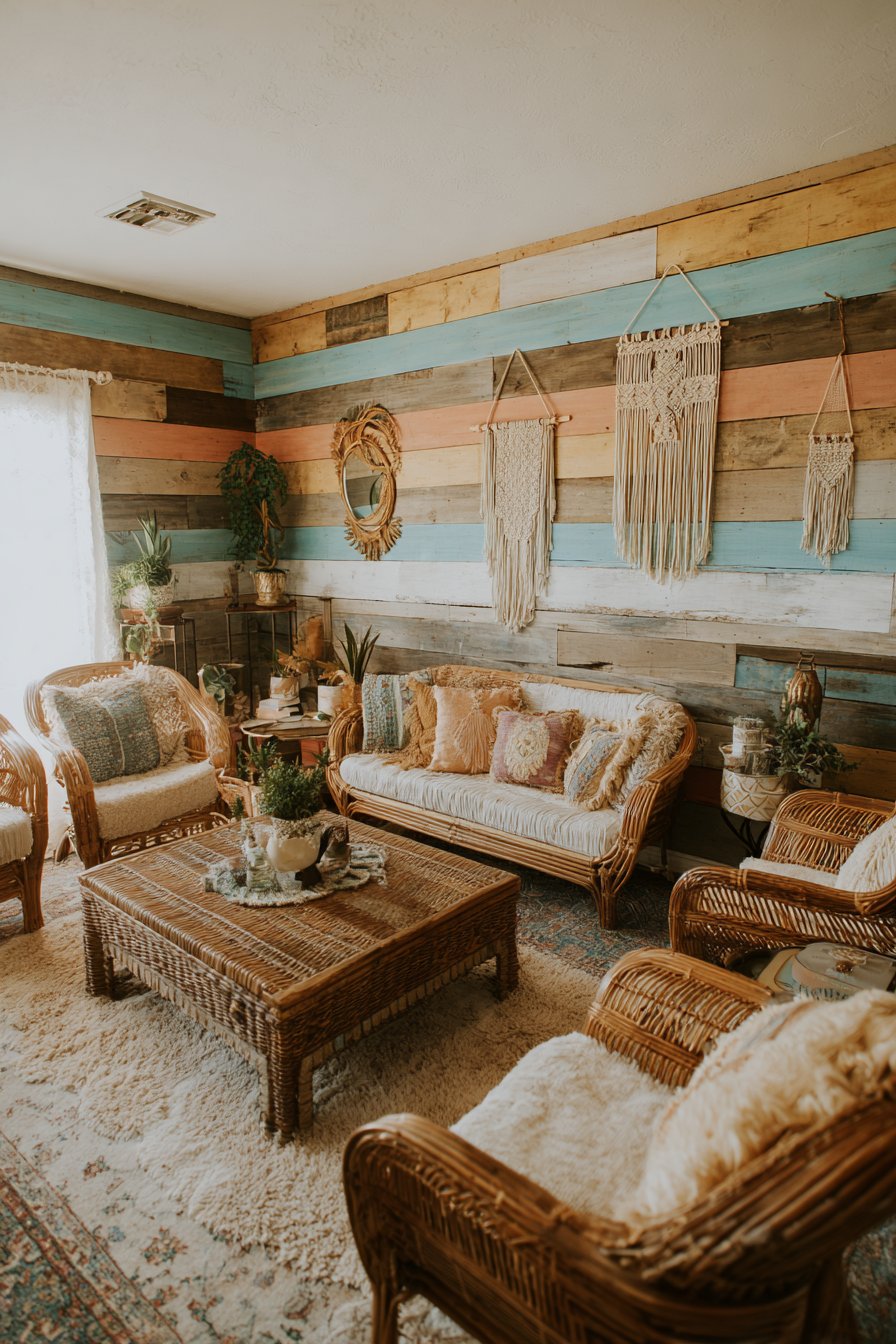
Reclaimed wood paneling infuses living rooms with authentic character, history, and environmental consciousness, celebrating the natural beauty of aged timber while creating spaces that feel grounded and warm. Each plank tells a story through its weathered surface, nail holes, saw marks, and color variations, bringing a sense of heritage and authenticity that new materials simply cannot replicate. The rich patina developed over decades of use creates depth and visual interest that makes your walls genuinely unique—no two reclaimed wood installations ever look exactly alike.
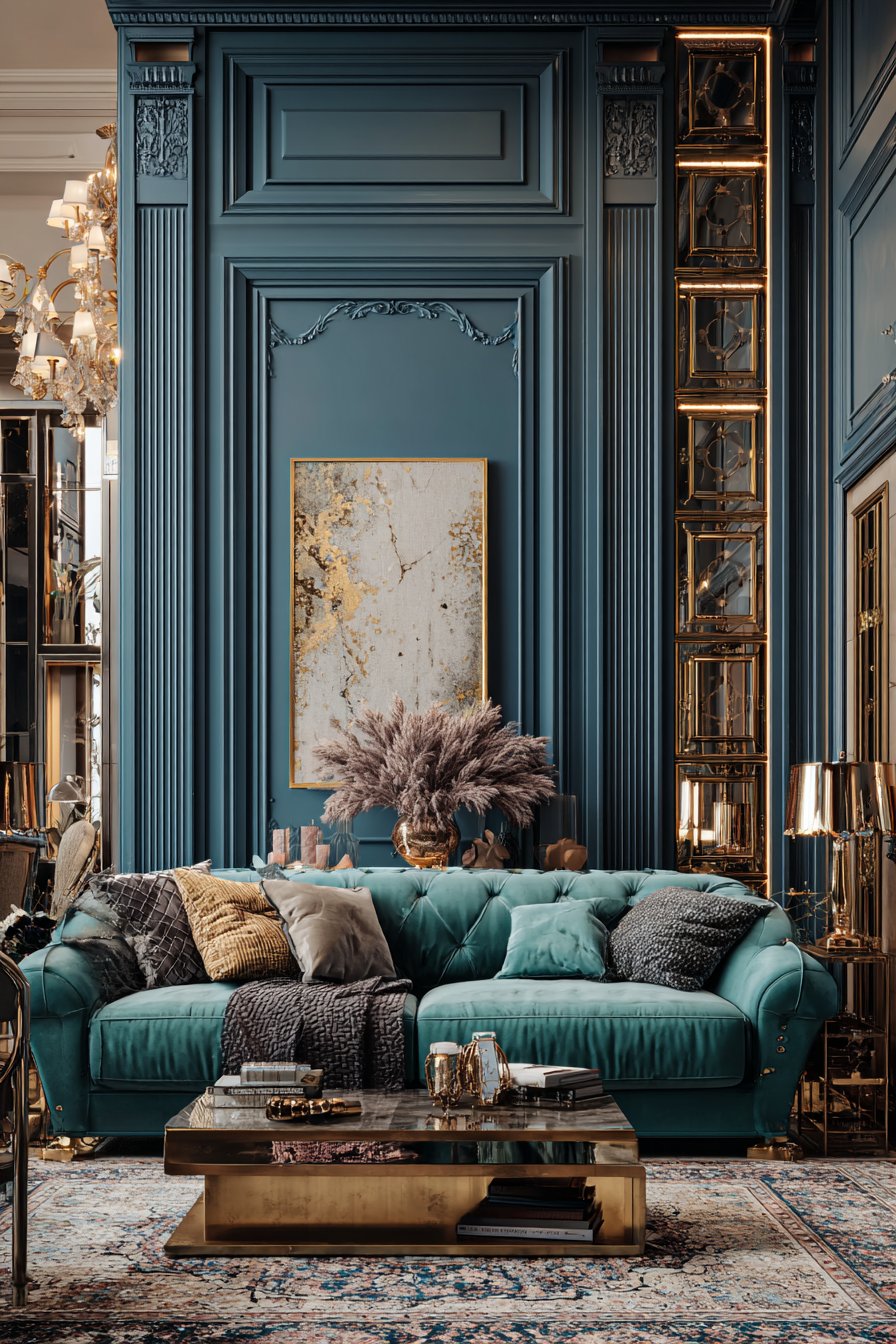
The textural complexity of reclaimed wood adds remarkable visual richness to living spaces, with varying grain patterns, wood species, and weathering creating a tapestry of natural beauty. The irregular widths, subtle warping, and surface imperfections contribute to the rustic charm rather than detracting from it, celebrating the imperfect beauty of aged materials. This organic aesthetic pairs beautifully with both traditional farmhouse decor and more eclectic, contemporary furnishings, proving remarkably versatile across different design approaches.
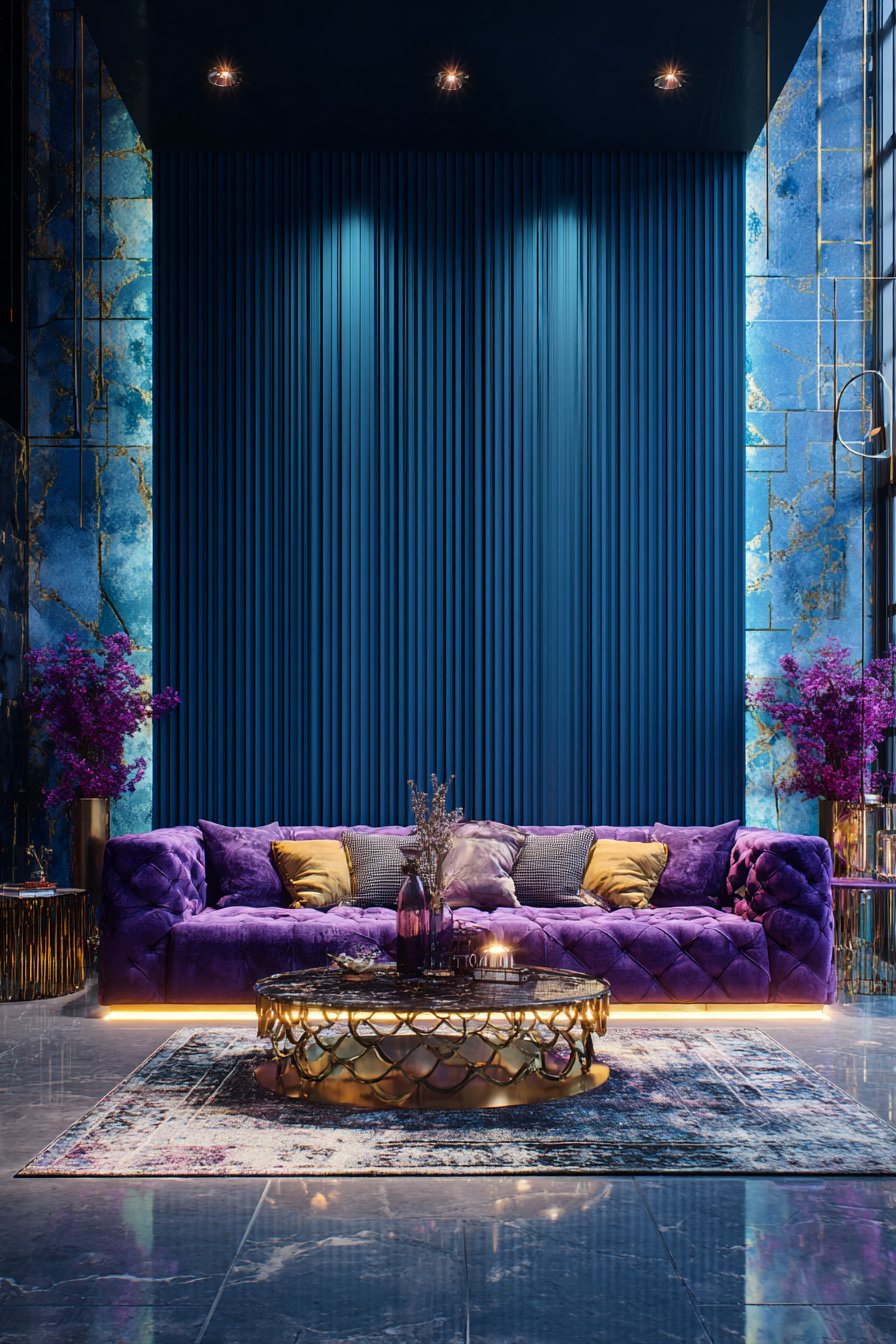
Sustainability represents another compelling reason to choose reclaimed wood paneling—you’re giving new life to materials that might otherwise end up in landfills while reducing demand for newly harvested timber. The carbon footprint of reclaimed wood is dramatically lower than new lumber, making it an environmentally responsible choice that doesn’t compromise on beauty or quality. Many reclaimed wood suppliers can provide documentation about the wood’s origin, allowing you to incorporate fascinating historical narratives into your home’s story.
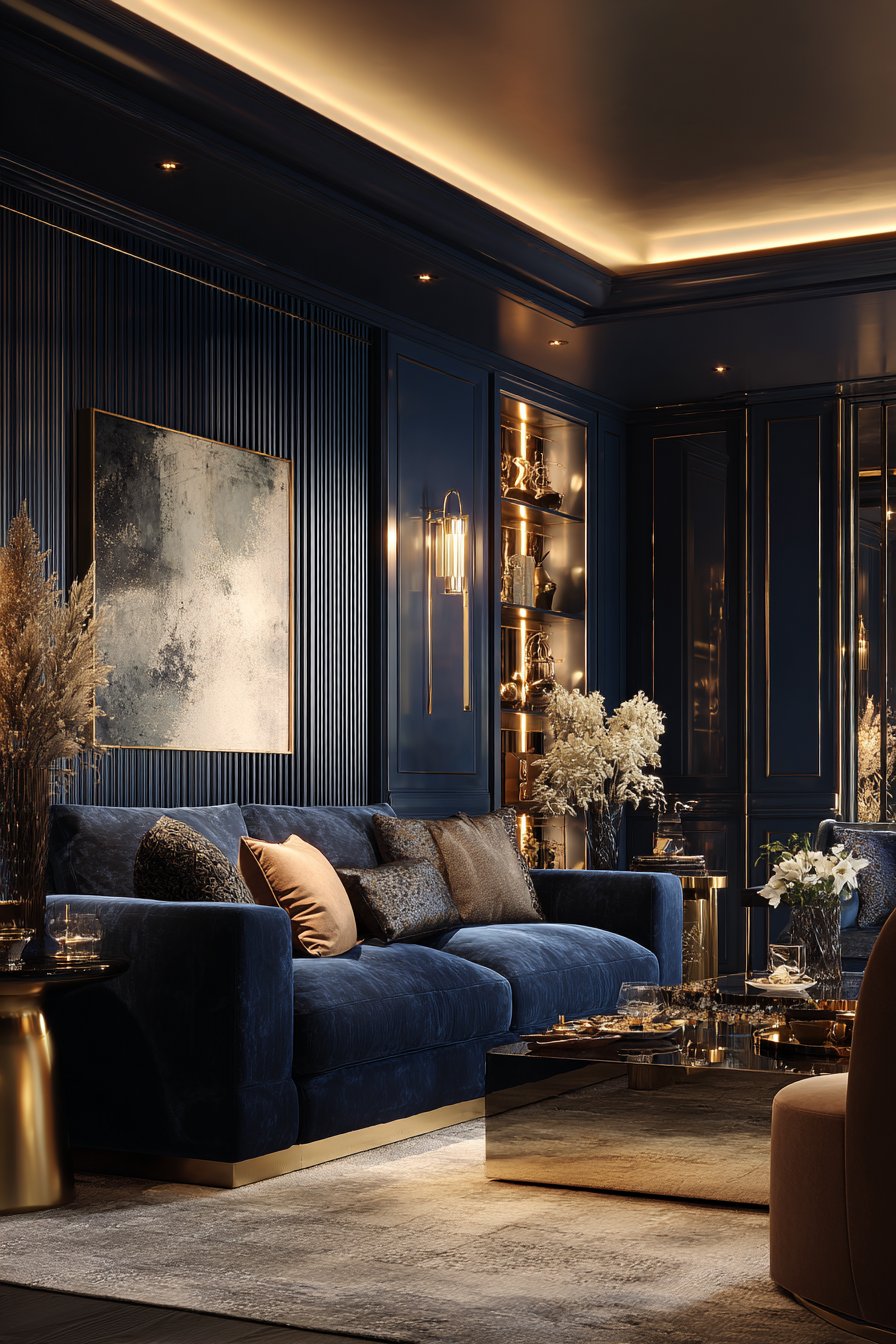
Essential considerations for reclaimed wood installations include thoroughly cleaning and treating wood to eliminate pests and contaminants, ensuring panels are properly sealed to prevent moisture issues, mixing different wood species and tones for visual interest, planning layout before installation to optimize aesthetic impact, and embracing imperfections as character-adding features rather than flaws.
6. Geometric 3D Panel Innovation
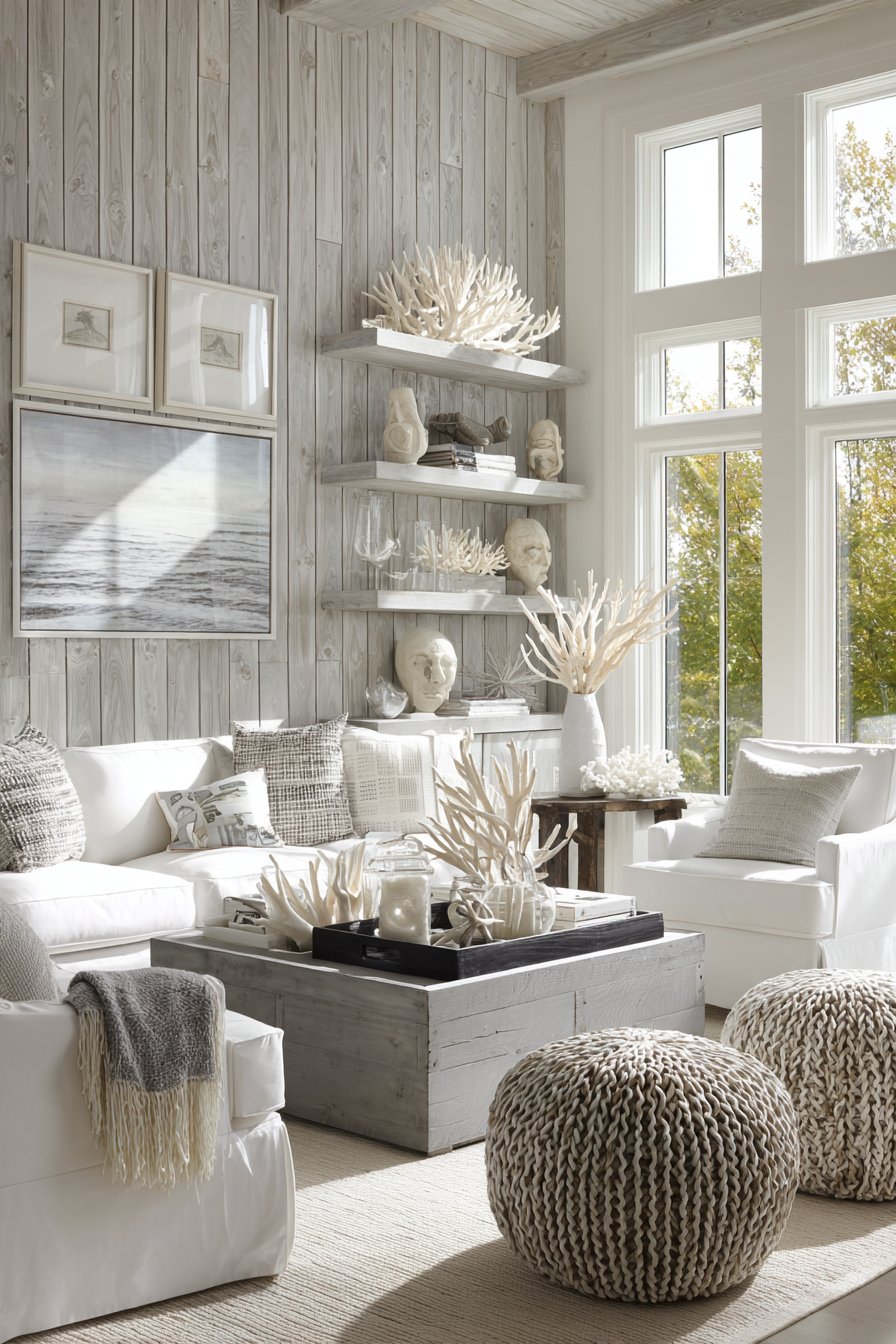
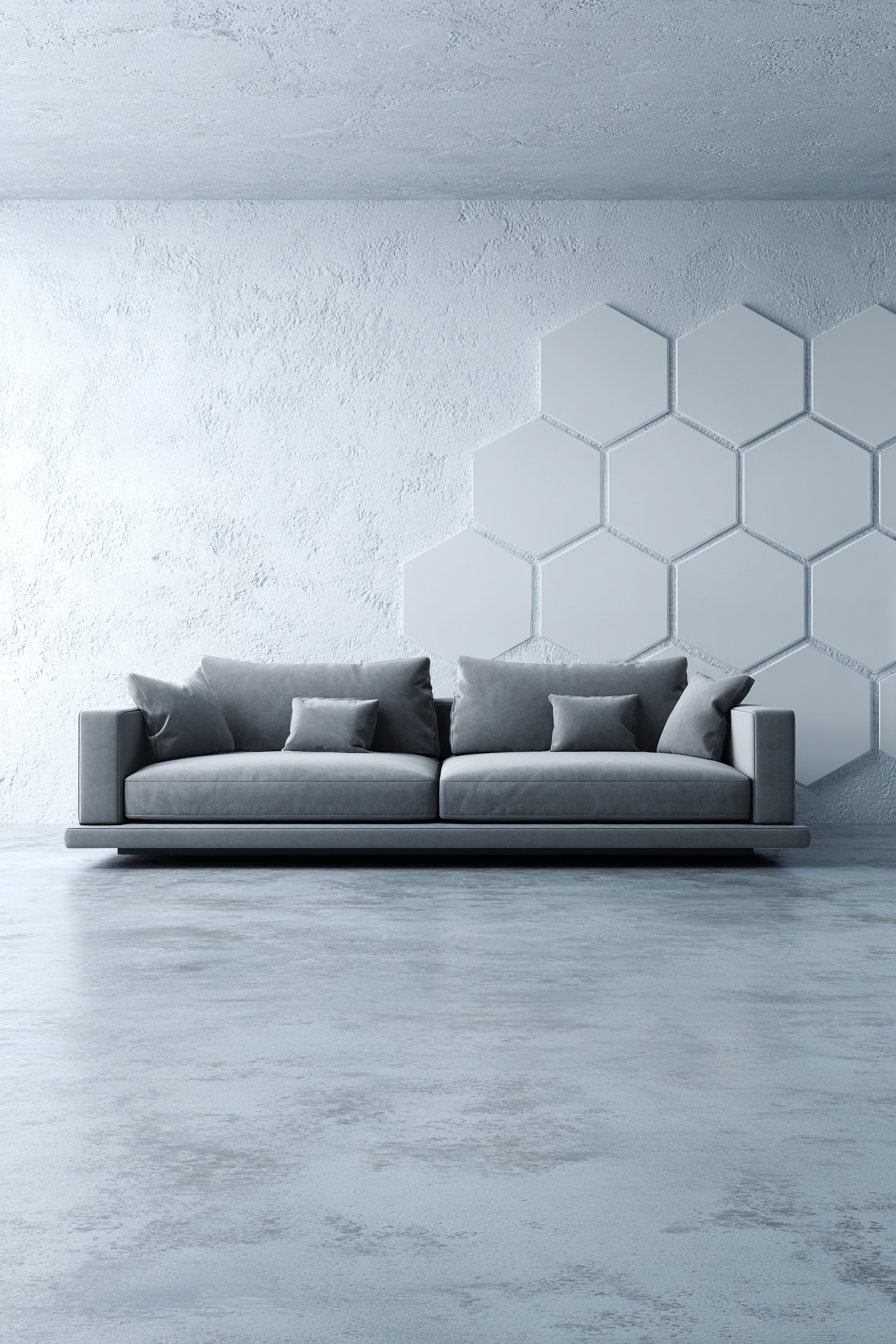
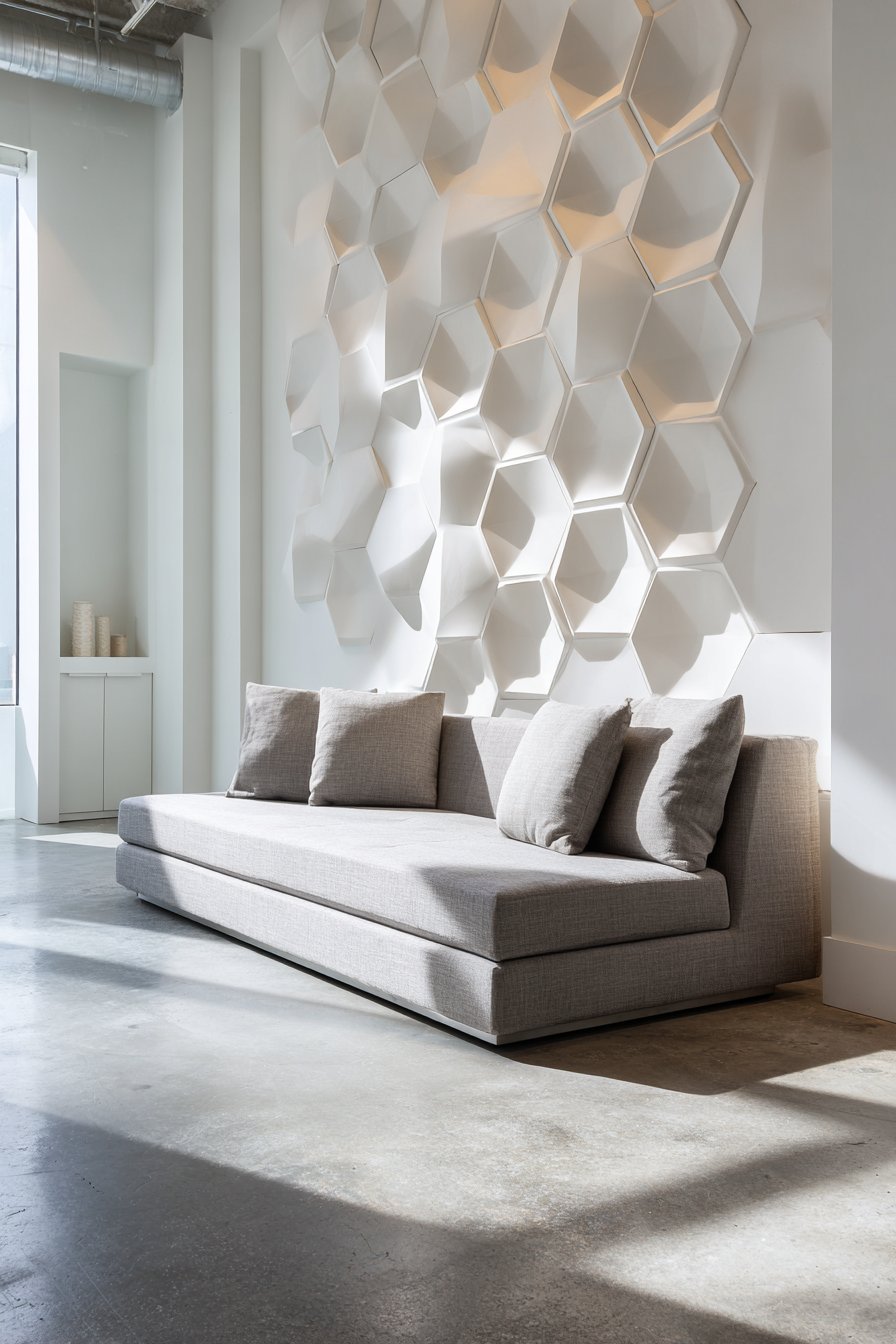
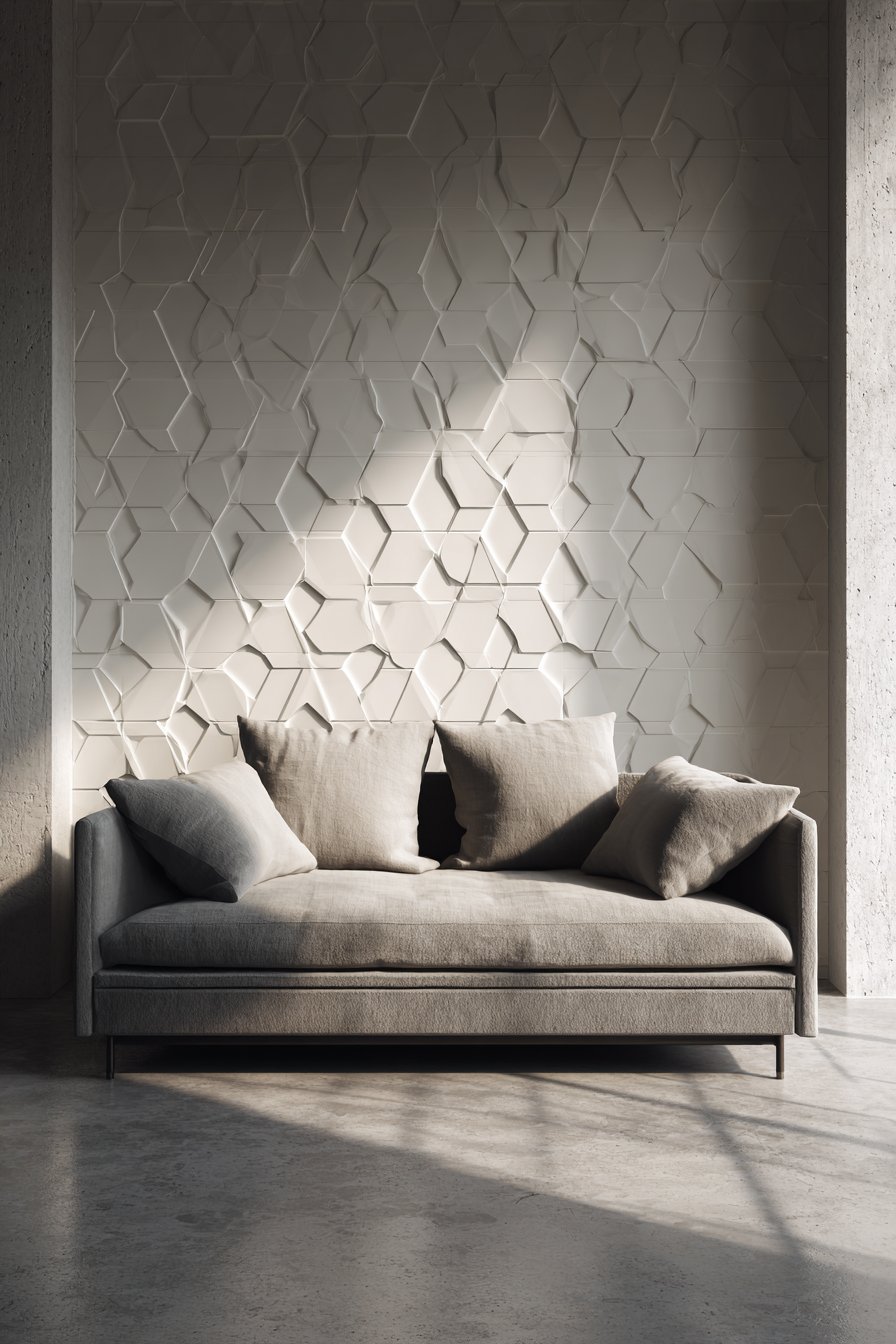
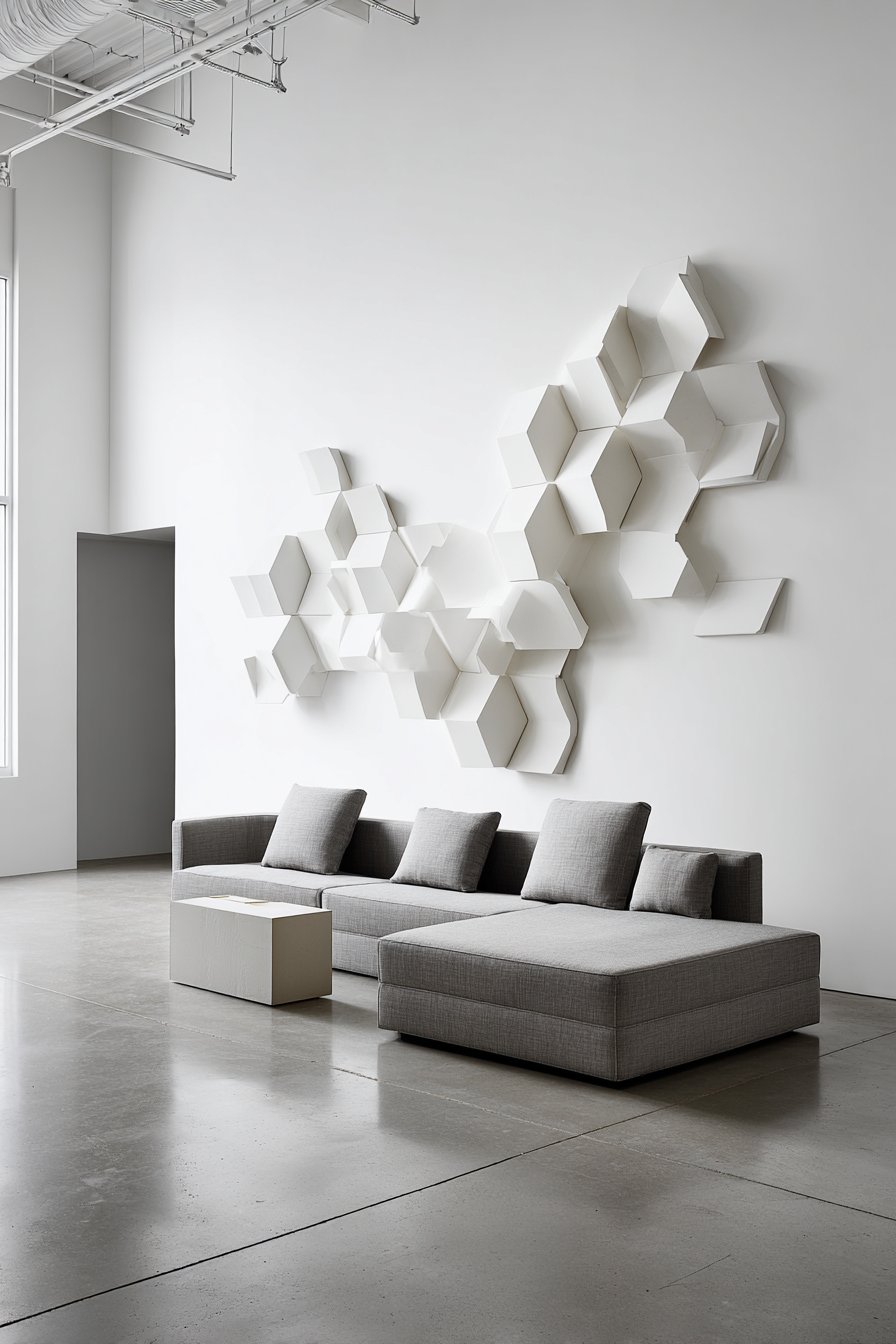
Three-dimensional geometric wall panels represent the cutting edge of contemporary interior design, transforming flat surfaces into sculptural installations that create dramatic visual impact and architectural intrigue. These panels feature raised patterns—triangles, hexagons, waves, or abstract organic shapes—that cast shadows and create depth, making your walls appear to come alive with movement and dimension. The interplay between light and shadow across these textured surfaces creates an ever-changing display that responds to both natural daylight and artificial illumination.
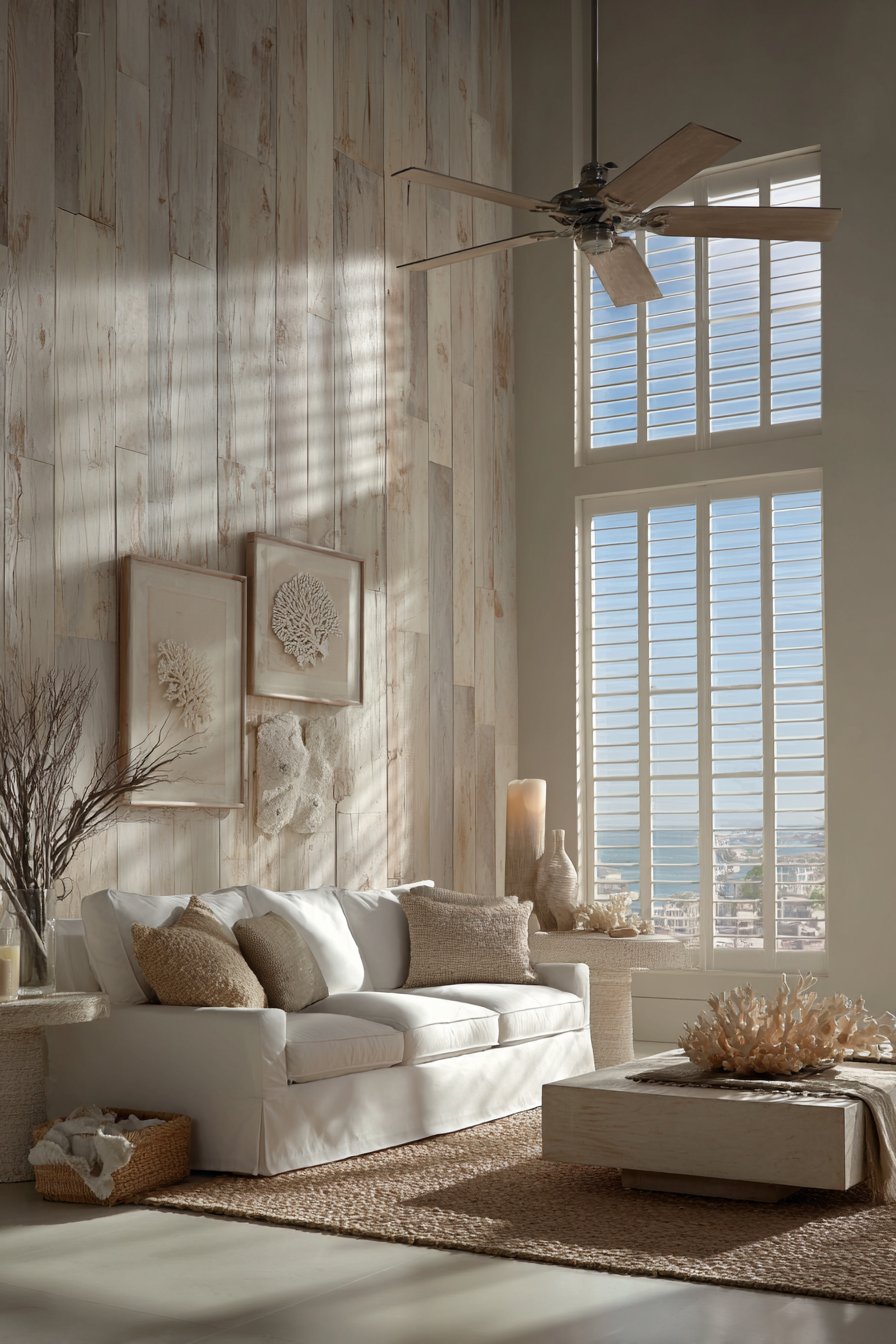
The architectural quality of 3D panels allows them to serve as genuine art installations rather than mere wall coverings, eliminating the need for additional wall decor in many cases. A well-designed 3D panel installation becomes the primary focal point of your living room, drawing attention and conversation while establishing a bold design statement. The dimensionality adds visual weight and presence that grounds your space, creating a sense of substance and intentional design that elevates the entire room.
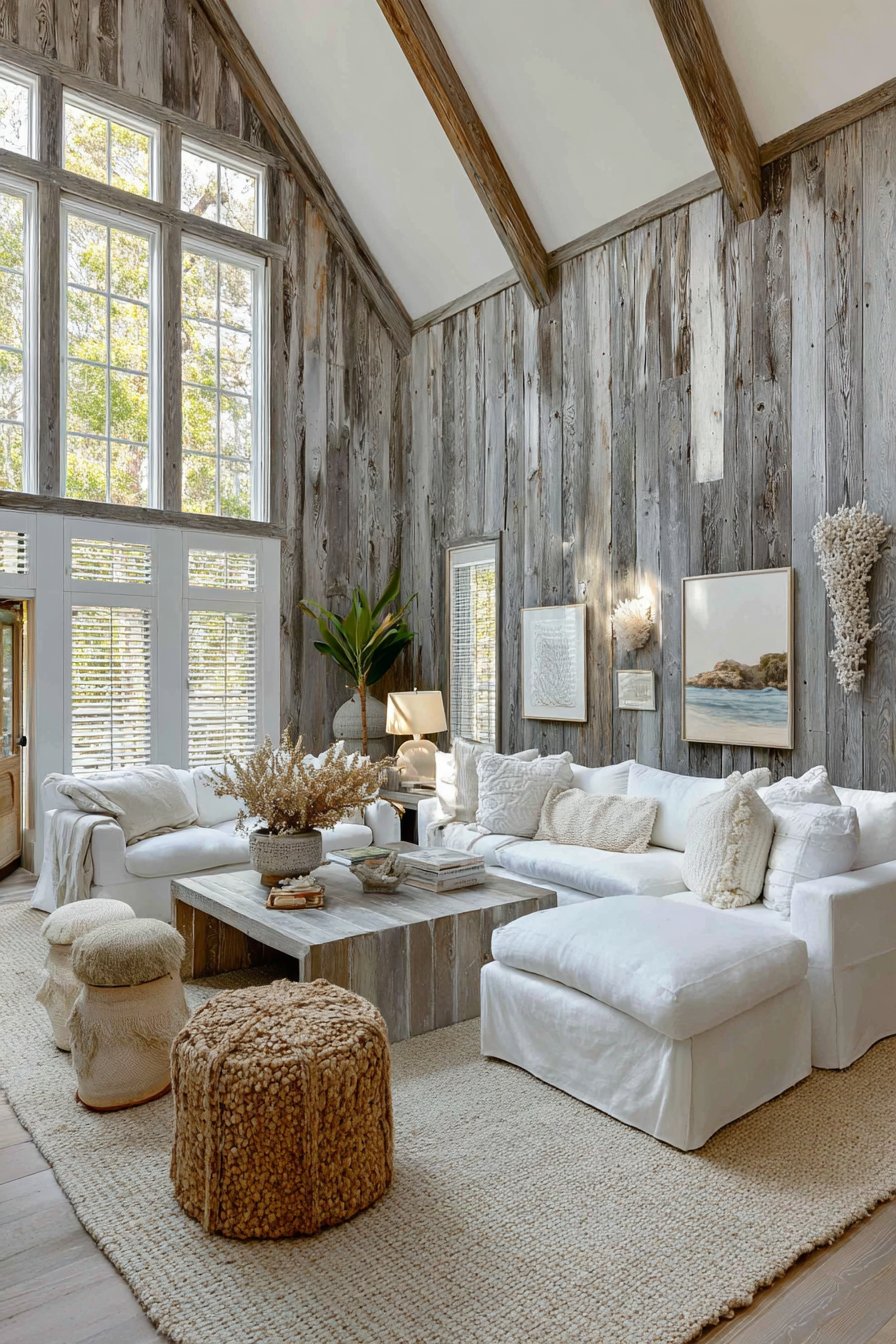
Material options for 3D panels range from lightweight foam and MDF to more substantial wood, plaster, or even concrete, each offering different aesthetic qualities and installation requirements. Painted finishes can create seamless, monolithic appearances, while natural materials showcase organic beauty and texture. The scale of the geometric patterns should be carefully considered in relation to your room size—larger patterns work well in spacious living rooms, while more delicate designs suit smaller, intimate spaces.
Critical success factors for 3D panel installations include selecting pattern scales appropriate for your room dimensions, planning lighting carefully to maximize shadow effects and visual drama, ensuring proper wall preparation for secure mounting, considering acoustic benefits when selecting materials and patterns, and maintaining consistent orientation throughout the installation for professional results.
7. Timeless Wainscoting Refinement
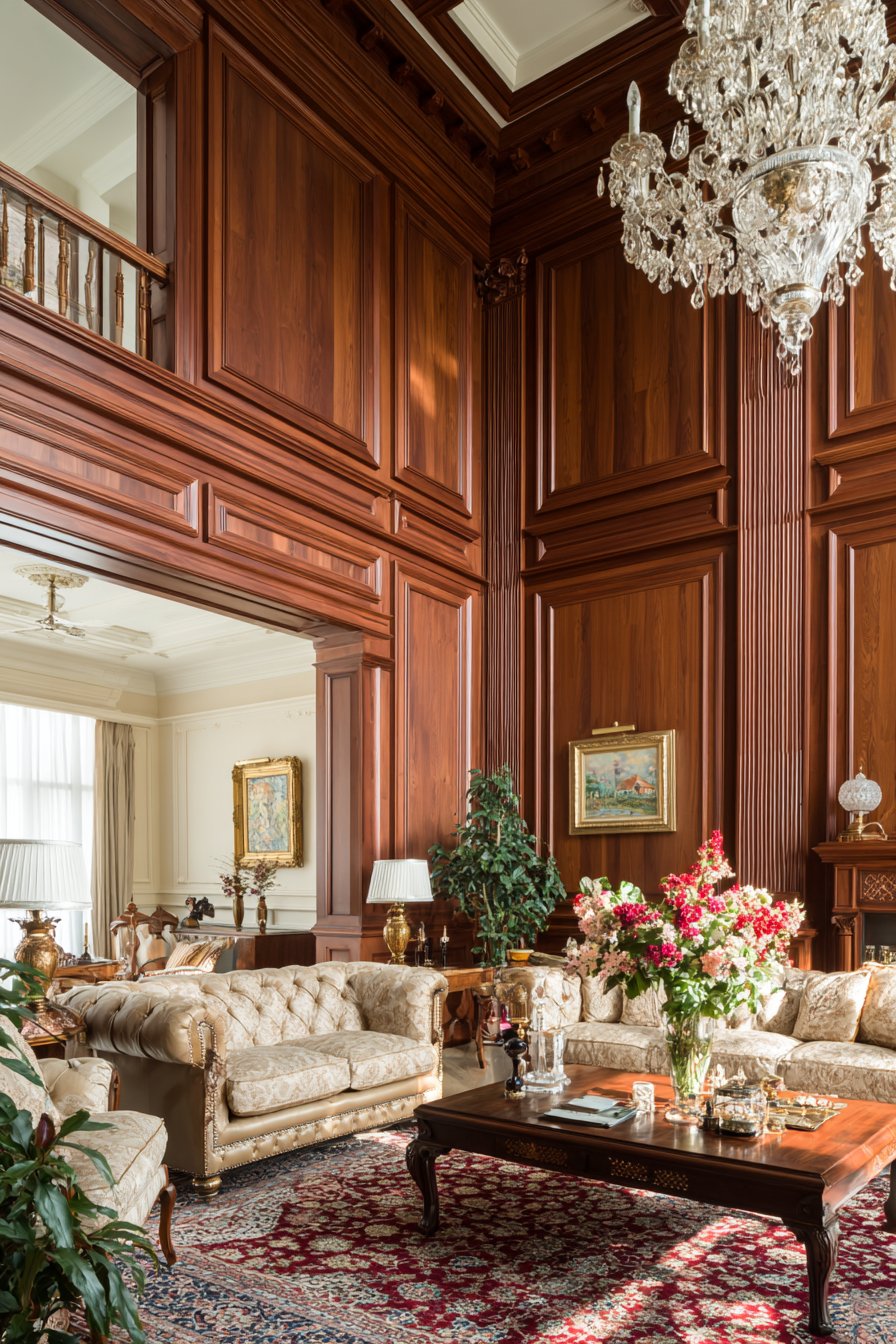
Traditional wainscoting brings refined elegance and classical sophistication to living rooms, creating a distinguished lower wall treatment that adds architectural character while protecting walls from daily wear. This time-honored approach typically extends from the floor to approximately one-third or one-half of the wall height, creating a visual foundation that grounds your space and provides opportunities for creative color blocking. The horizontal division created by wainscoting adds proportion and balance to room designs, particularly in spaces with challenging dimensions or awkward proportions.
The craftsmanship evident in quality wainscoting installations speaks to attention to detail and design sophistication, with carefully measured panels, precisely mitered corners, and cleanly finished cap rails demonstrating professional execution. The raised panels or beadboard inserts create subtle texture and visual interest without overwhelming the space, maintaining an appropriate balance between decoration and restraint. This measured approach allows wainscoting to serve as an elegant backdrop that complements rather than competes with your furniture and accessories.
Color strategies for wainscoting offer creative opportunities to define your living room’s character. Classic white wainscoting paired with colored upper walls creates traditional elegance with visual interest. Alternatively, darker wainscoting tones combined with lighter upper walls reverse the conventional approach, creating a more contemporary, grounded feeling. Monochromatic schemes, where wainscoting and upper walls share the same hue, create seamless sophistication with subtle dimensional interest provided by the paneling itself.
Essential wainscoting implementation guidelines include determining appropriate height proportions based on ceiling height and room scale, ensuring level installation with careful measurement at every stage, selecting panel styles that complement your home’s architectural period, finishing joints and seams meticulously for professional appearance, and choosing cap rail profiles that enhance rather than overwhelm the overall design.
8. Industrial Metal Panel Edge
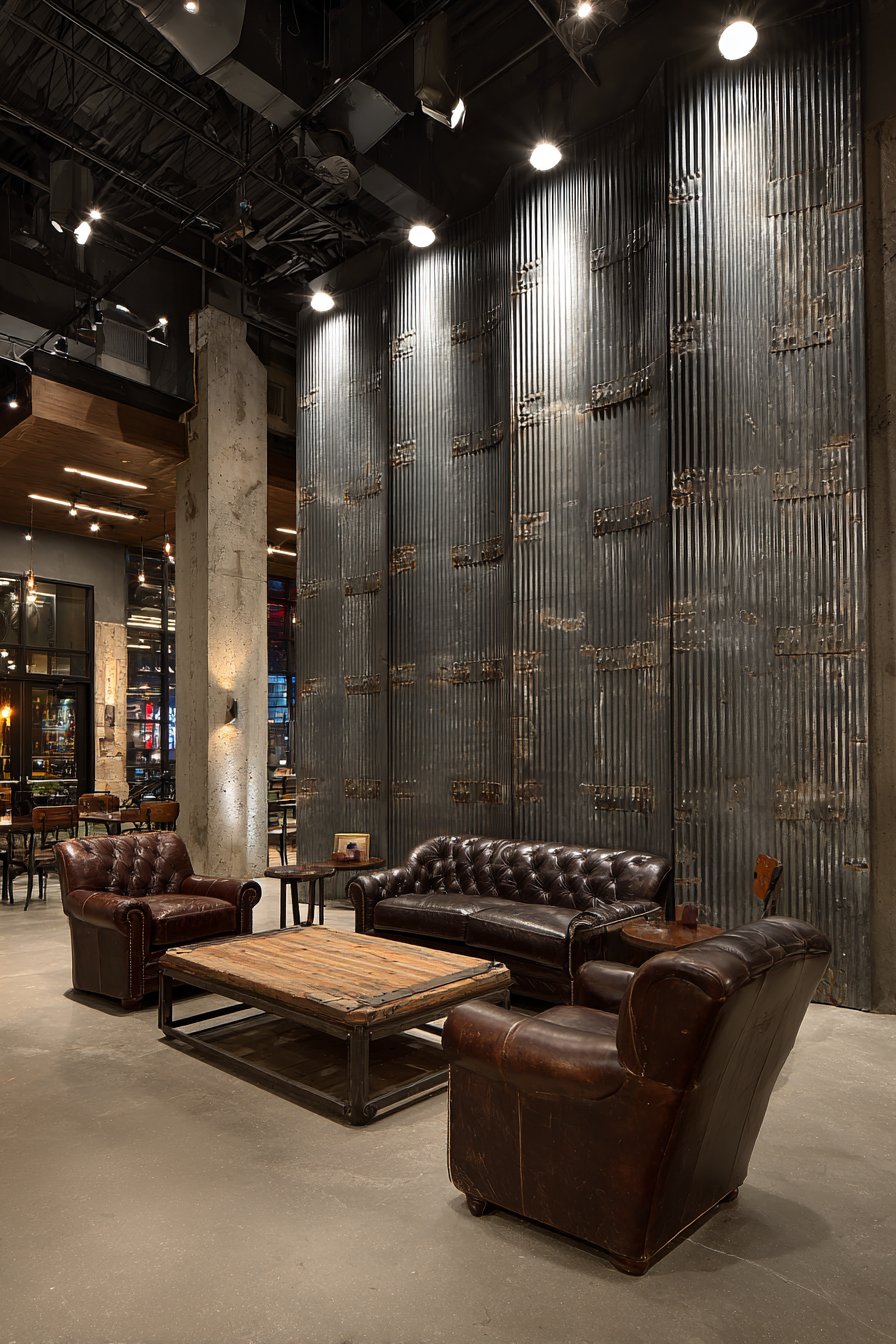
Metal wall paneling introduces industrial chic and contemporary edge to living rooms, offering durability, unique aesthetic appeal, and striking visual contrast against traditional materials. Corrugated metal, brushed aluminum, copper, or steel panels create bold architectural statements that work particularly well in loft-style spaces, modern homes, or eclectically designed interiors seeking unexpected material combinations. The reflective qualities of metal surfaces interact with light in distinctive ways, creating shimmer and movement that adds energy and dynamism to your living space.
The inherent strength and durability of metal paneling make it a practical choice for high-traffic areas or homes with active families and pets, as metal resists damage, doesn’t dent easily, and maintains its appearance with minimal maintenance. Unlike painted surfaces that show every scuff and scratch, metal panels develop character over time, with natural patination adding to their appeal rather than detracting from it. This aging process creates evolving beauty that makes your walls more interesting as years pass.
Metal paneling offers unique acoustic properties that can be leveraged for functional benefits—perforated metal panels can improve sound absorption, while solid panels reflect sound in ways that can enhance audio quality in media rooms. The temperature-regulating properties of metal can also contribute to energy efficiency, particularly when installed with appropriate backing and insulation. These practical benefits complement the aesthetic appeal, making metal paneling a smart choice beyond its visual impact.
Key implementation considerations for metal paneling include selecting appropriate gauges for your application and desired appearance, ensuring proper mounting systems that accommodate material weight and expansion, incorporating safety measures for sharp edges during and after installation, considering acoustic treatments if sound reflection becomes problematic, and mixing metal finishes strategically to create visual interest without chaos.
9. Warm Tongue and Groove Comfort
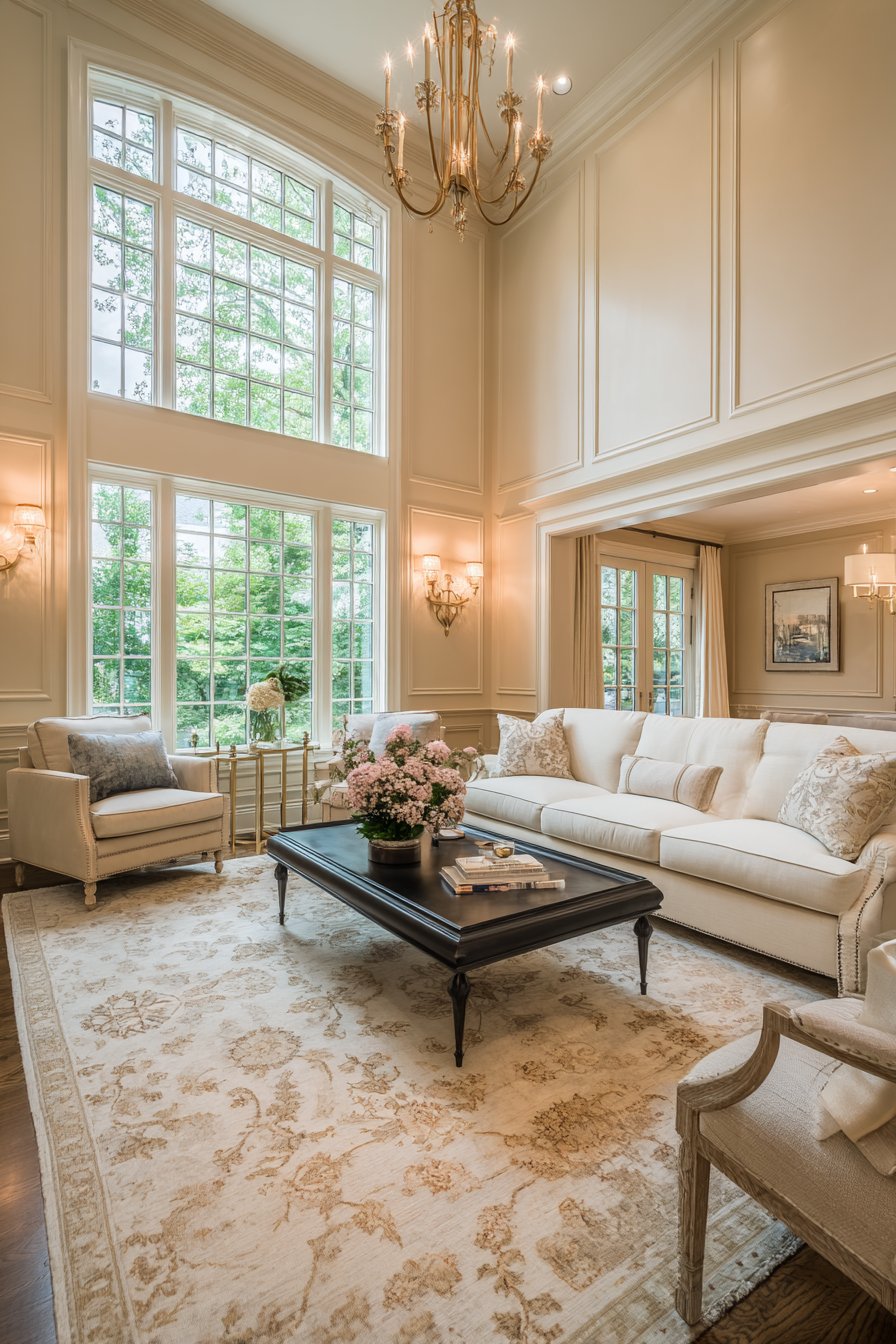
Tongue and groove paneling delivers seamless beauty and organic warmth to living rooms, creating continuous wood surfaces that showcase natural grain patterns and colors without visible fasteners or seams. This traditional joining method produces exceptionally tight fits between boards, resulting in smooth, unified walls that appear crafted from single pieces of wood rather than assembled from individual components. The precision required for quality tongue and groove installation speaks to craftsmanship and attention to detail, creating walls that reward close inspection.
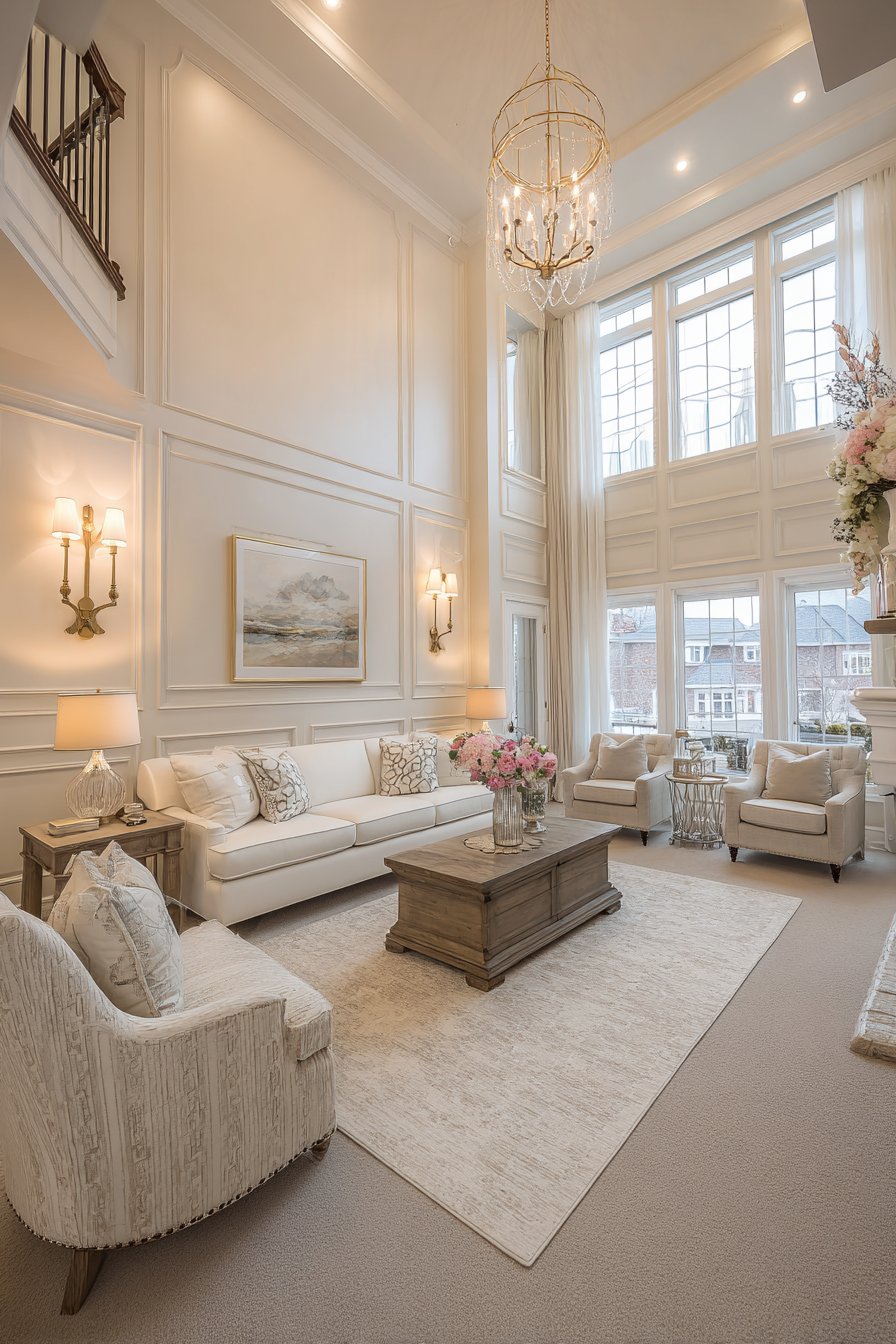
The natural insulating properties of wood tongue and groove paneling provide practical benefits beyond aesthetics, helping regulate temperature and improving energy efficiency. The substantial thickness of quality wood panels adds mass to walls, contributing to better sound dampening and creating quieter, more peaceful living environments. These functional advantages make tongue and groove paneling particularly valuable in open-concept homes where sound control and energy efficiency present ongoing challenges.
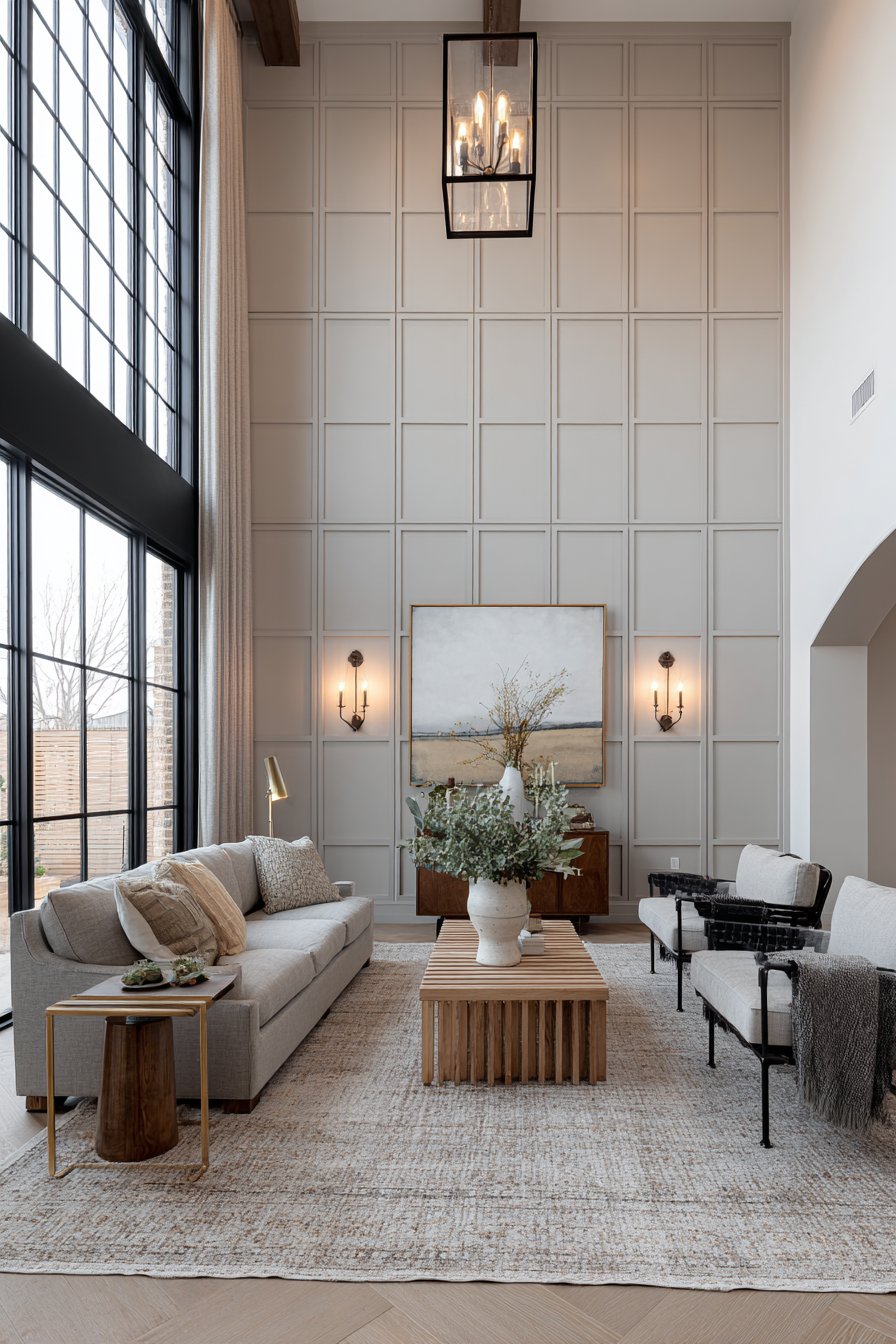
Wood species selection dramatically influences the character of tongue and groove installations—pine offers affordable warmth with prominent grain patterns, cedar brings aromatic qualities and natural pest resistance, oak provides durability with classic beauty, and exotic woods like teak or mahogany introduce luxury and distinctive coloration. Finishing options range from natural oils that preserve and enhance wood’s authentic appearance to stains that adjust color while maintaining grain visibility, to painted surfaces that create more contemporary, streamlined aesthetics.
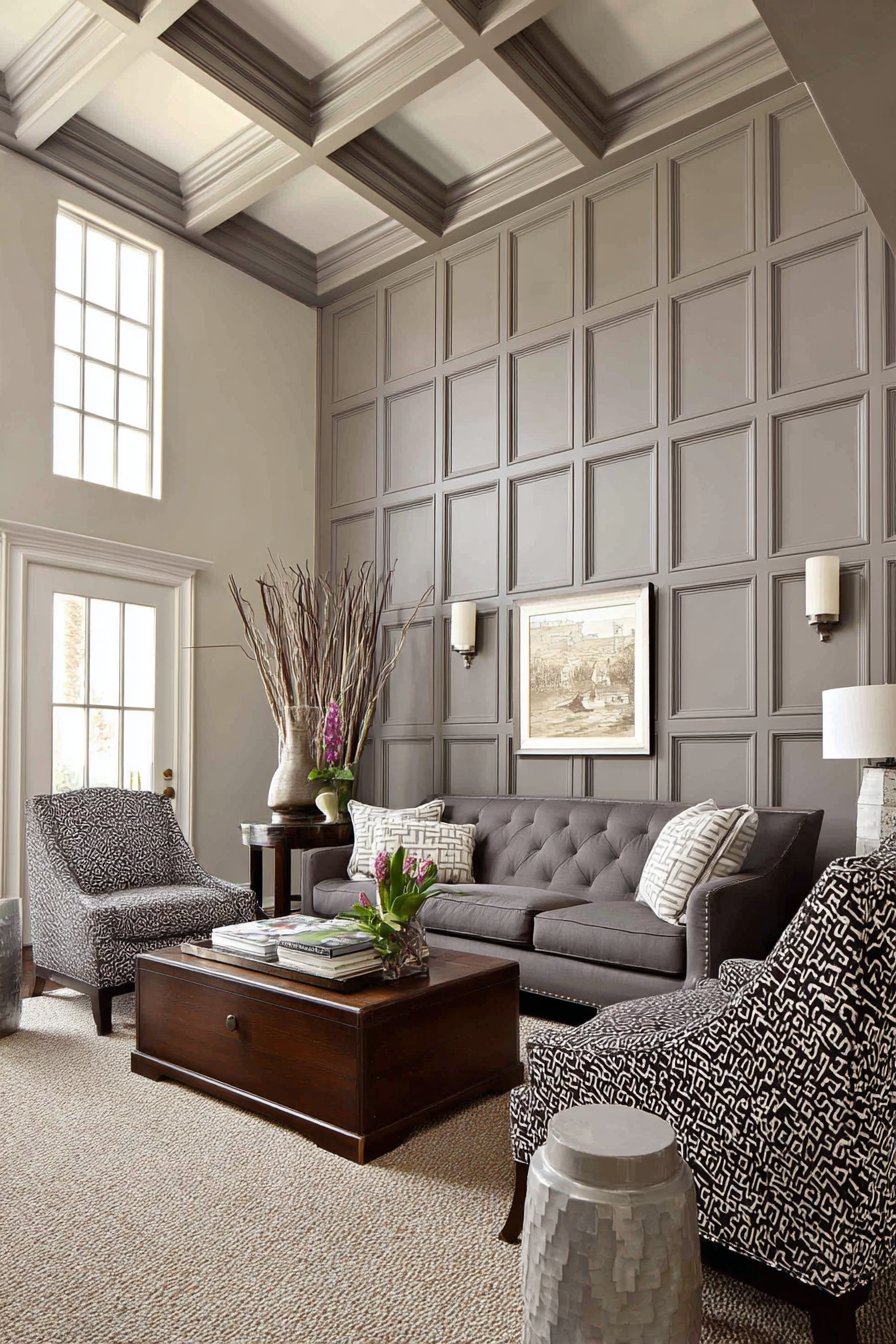
Critical success factors for tongue and groove installations include acclimating wood to room conditions before installation to prevent future warping, maintaining consistent reveals between boards for professional appearance, using appropriate fastening methods that allow for wood movement, selecting board widths that complement room proportions, and applying proper finishes to protect wood while enhancing its natural beauty.
10. Elegant Picture Frame Molding
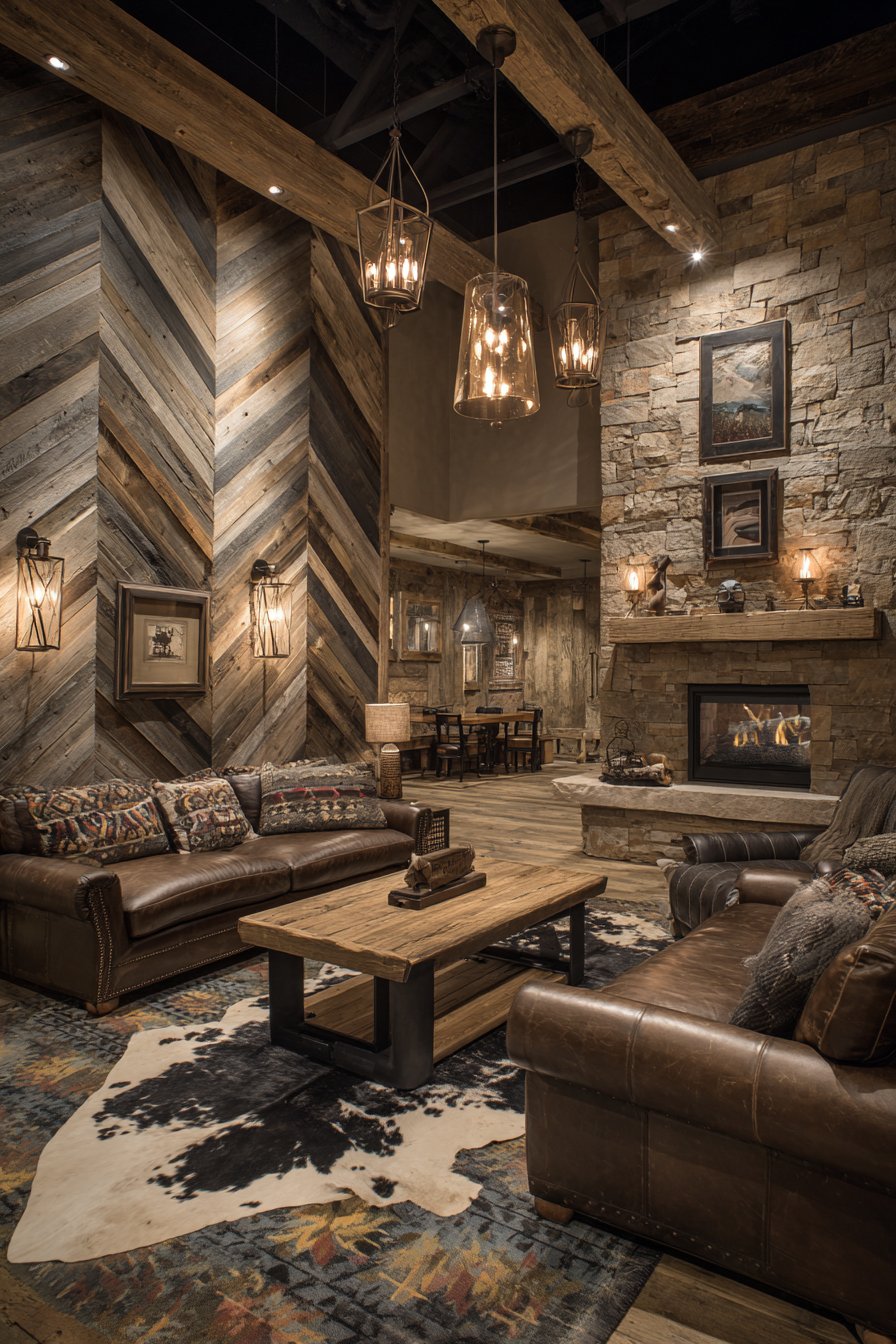
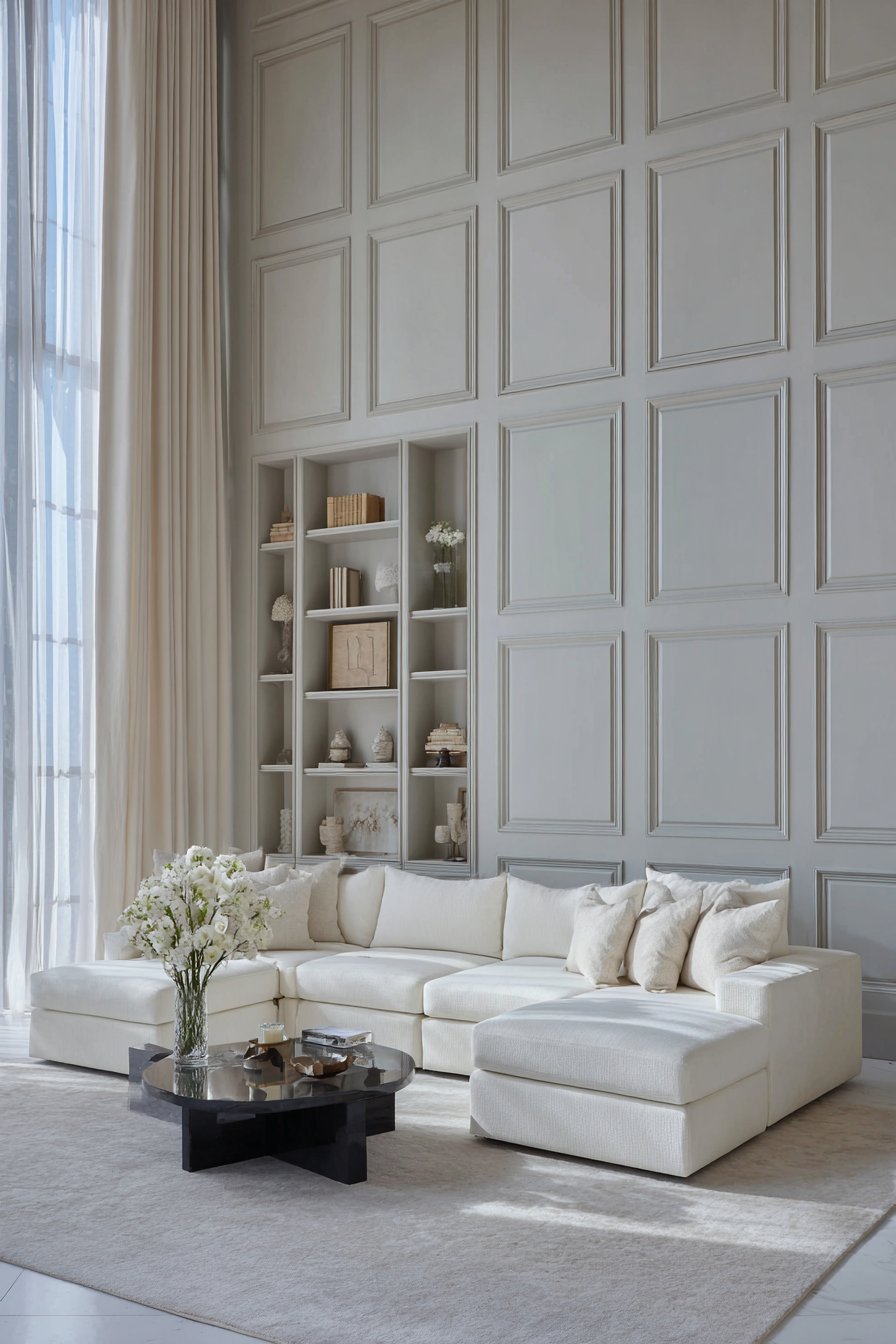
Picture frame molding creates sophisticated wall treatments through rectangular or square frames applied directly to wall surfaces, mimicking the look of multiple framed artworks while creating architectural interest and classical elegance. This technique transforms plain walls into gallery-like displays that suggest refinement and attention to design detail. The raised molding creates subtle shadows that add dimension without the substantial projection of deeper paneling systems, making it ideal for rooms where maintaining maximum floor space is important.
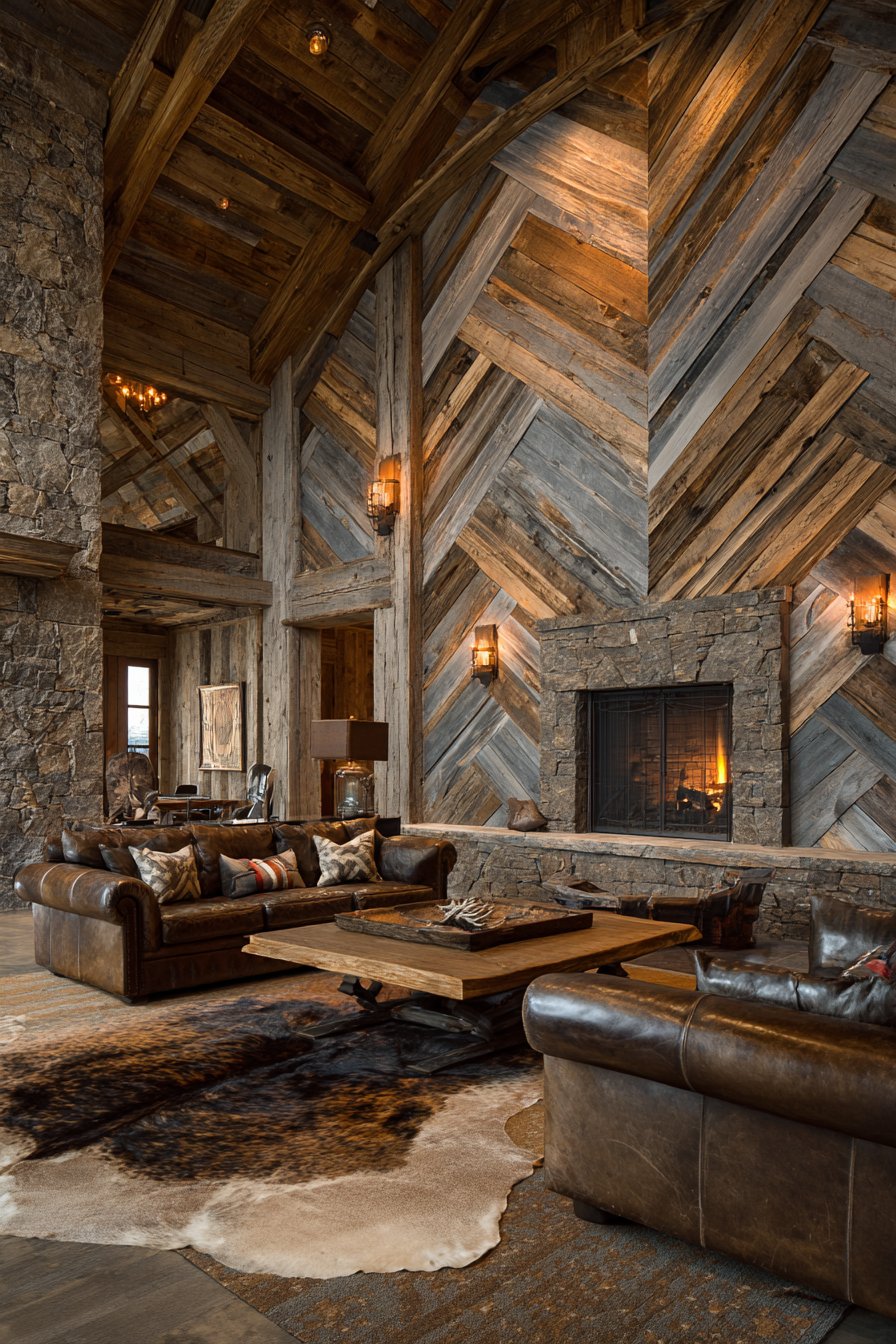
The versatility of picture frame molding allows for endless customization in terms of frame size, spacing, and arrangement—symmetrical grids create formal, traditional elegance, while asymmetrical layouts introduce contemporary flair and visual dynamism. The frames themselves can contain painted surfaces in contrasting colors, wallpaper inserts for added texture and pattern, or even different paint finishes like matte versus high-gloss for subtle differentiation. These creative filling options transform simple molding into complex, layered design statements.
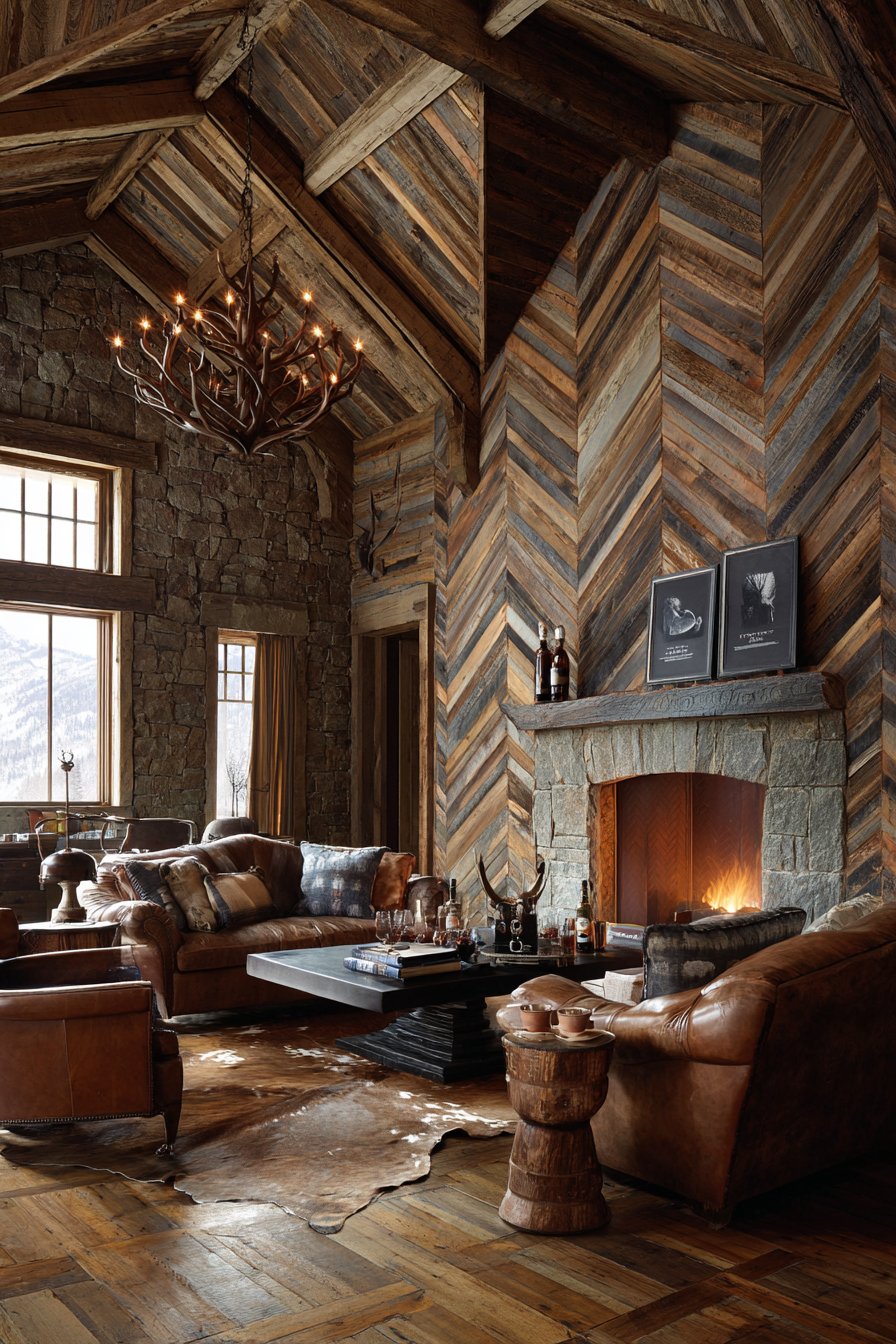
Picture frame molding works particularly well in living rooms with period architecture, enhancing existing classical details while adding layers of sophistication. However, this technique also translates beautifully to contemporary spaces, where clean-lined frames in bold colors create striking modern statements. The key lies in adjusting proportions, spacing, and finish details to align with your overall design direction—narrow moldings with tight spacing suit delicate traditional interiors, while substantial moldings with generous spacing complement modern minimalist aesthetics.
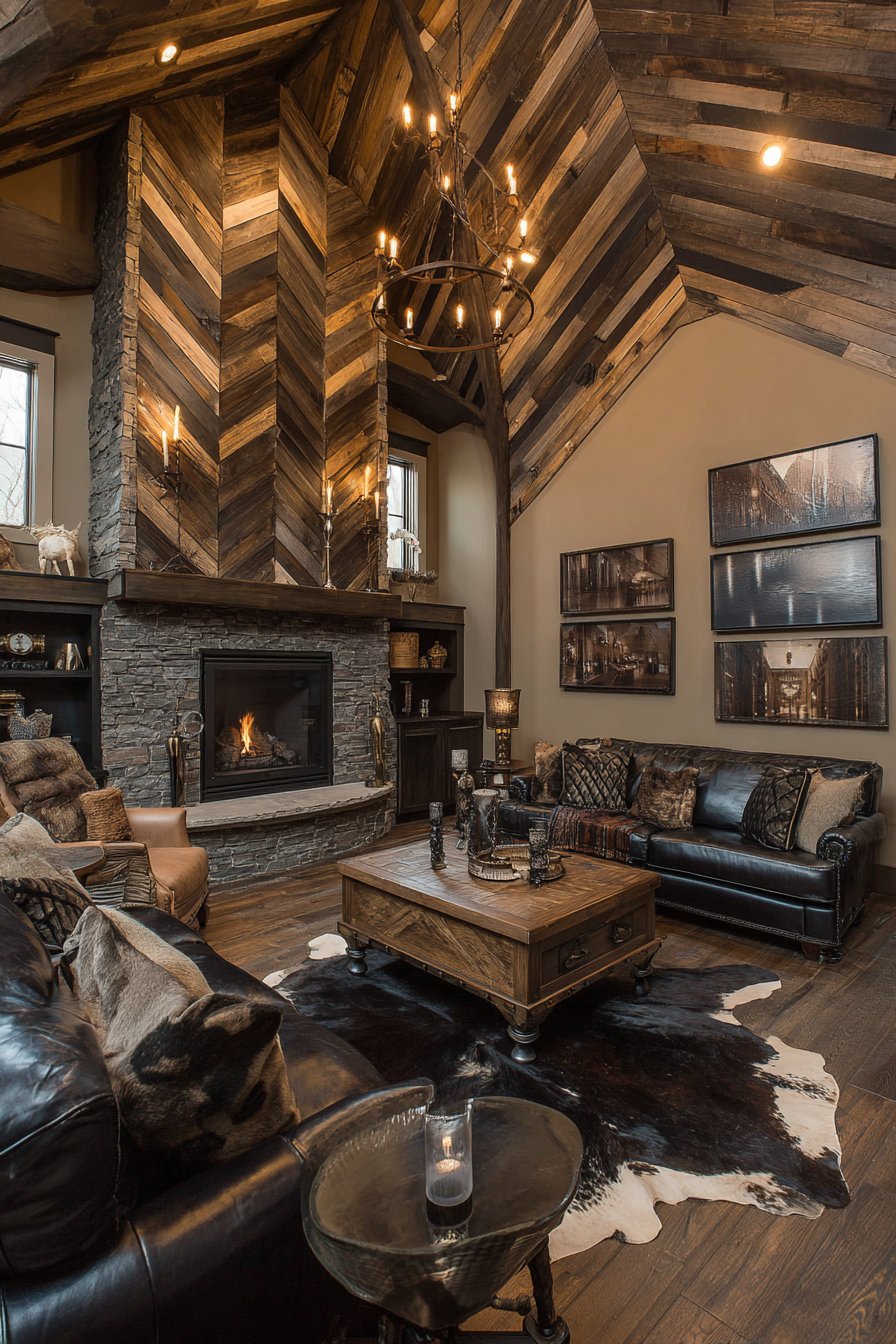
Essential implementation guidelines for picture frame molding include carefully planning frame layouts on paper before installation, using laser levels to ensure perfect alignment and consistent spacing, mitering corners precisely for seamless joints, selecting molding profiles that complement existing trim work, and considering color relationships between frames, frame interiors, and surrounding walls.
11. Contemporary Horizontal Plank Simplicity
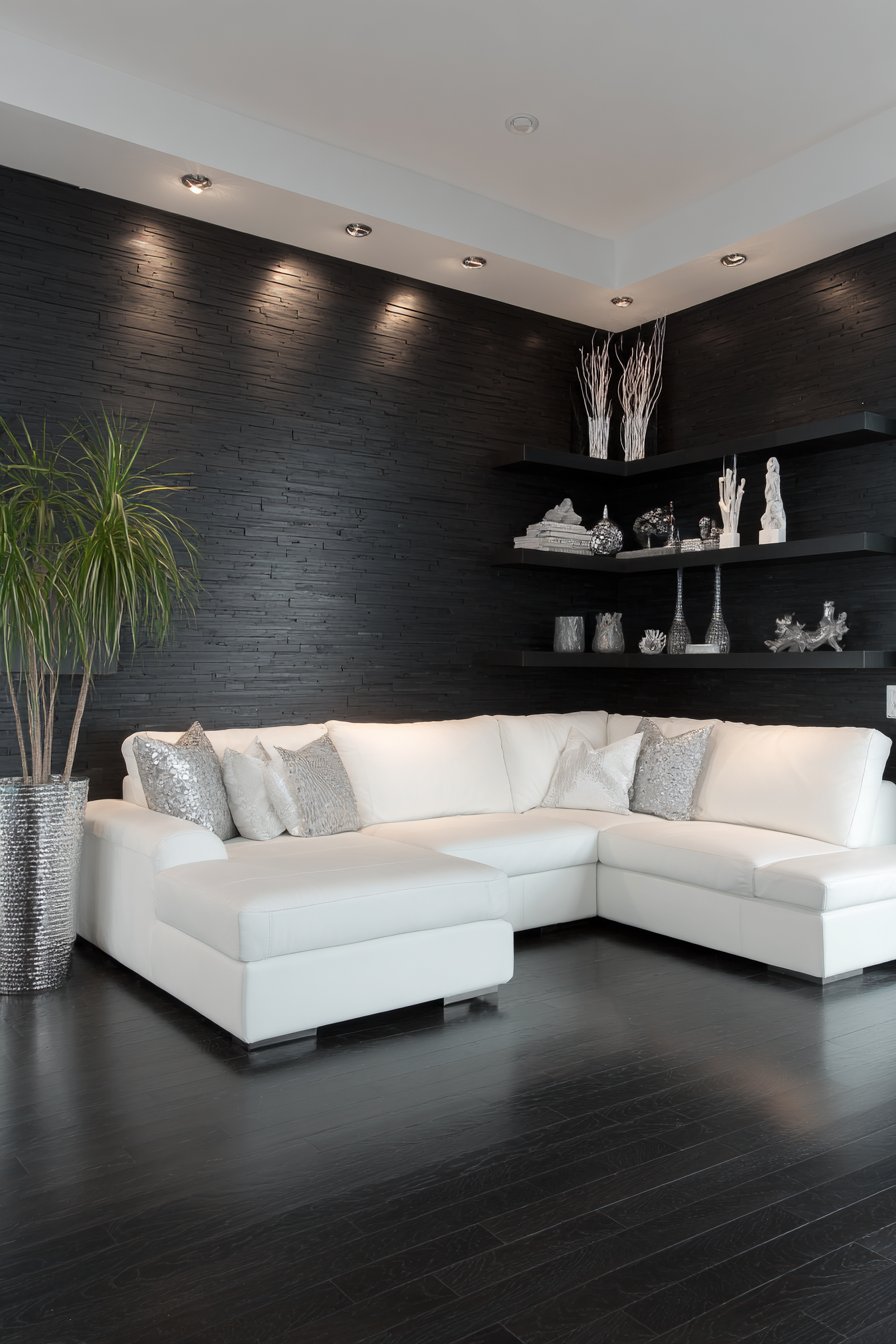
Horizontal plank paneling creates clean-lined contemporary appeal through wide boards installed parallel to the floor, establishing strong horizontal emphasis that makes rooms appear wider and more expansive. This modern take on traditional paneling eliminates fussy details in favor of straightforward geometry and material honesty, allowing wood grain, color, and texture to provide visual interest rather than decorative embellishments. The result is sophisticated simplicity that serves as an ideal backdrop for modern furnishings and minimalist decor.
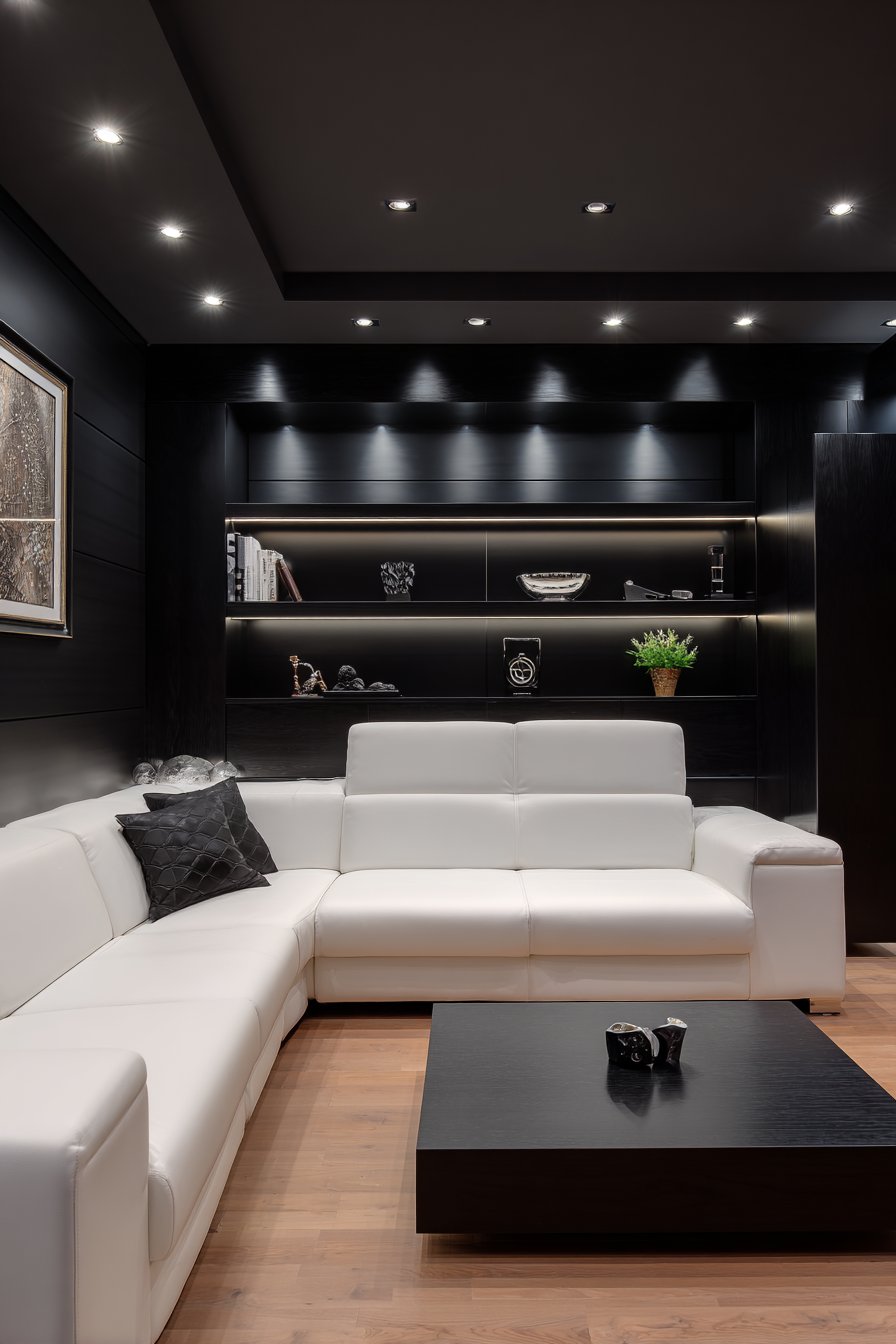
The width of planks significantly influences the overall aesthetic—wider boards create bold, dramatic statements with fewer visual interruptions, while narrower planks produce more subtle, textured appearances. Very wide planks approaching twelve to sixteen inches showcase wood grain patterns dramatically, turning walls into displays of natural beauty. The spacing between planks can be adjusted from tight, nearly invisible gaps that create seamless surfaces, to more pronounced reveals that emphasize the horizontal lines and create shadow play.
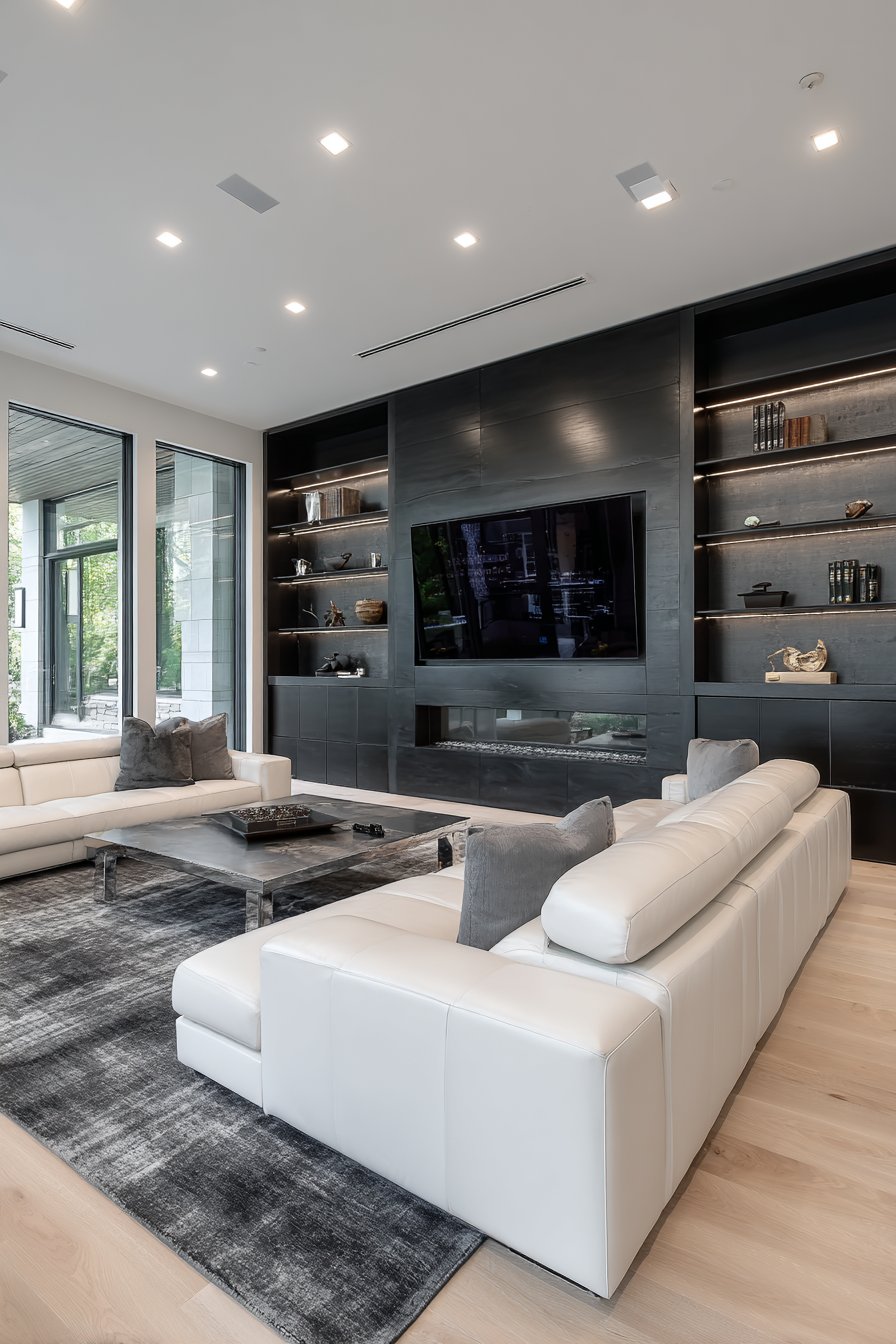
Material selection extends beyond traditional wood to include engineered products, composites, and even porcelain or ceramic planks that mimic wood appearances while offering enhanced durability and moisture resistance. These alternative materials expand installation possibilities to include challenging locations like basement living rooms prone to humidity or spaces where maintenance concerns make natural wood less practical. The consistency of manufactured products also ensures uniform appearance across large installations.
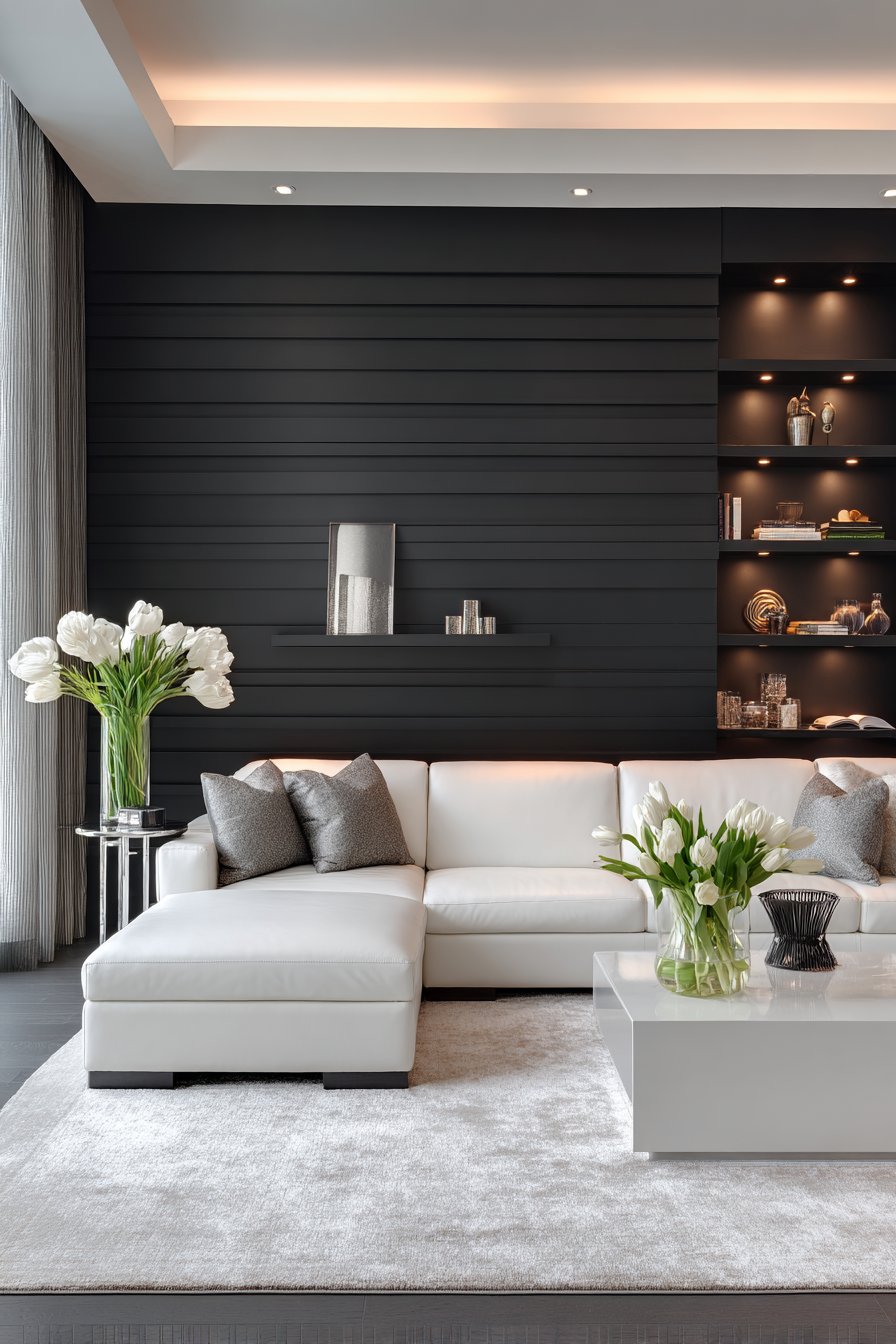
Key design considerations for horizontal plank installations include selecting plank widths proportional to wall height and room size, ensuring level installation with careful checking at each course, choosing finishes that protect surfaces while highlighting natural beauty, planning seam locations to minimize visual impact, and considering full-wall versus partial-height applications based on desired visual effect.
12. Distinctive Herringbone Pattern Mastery
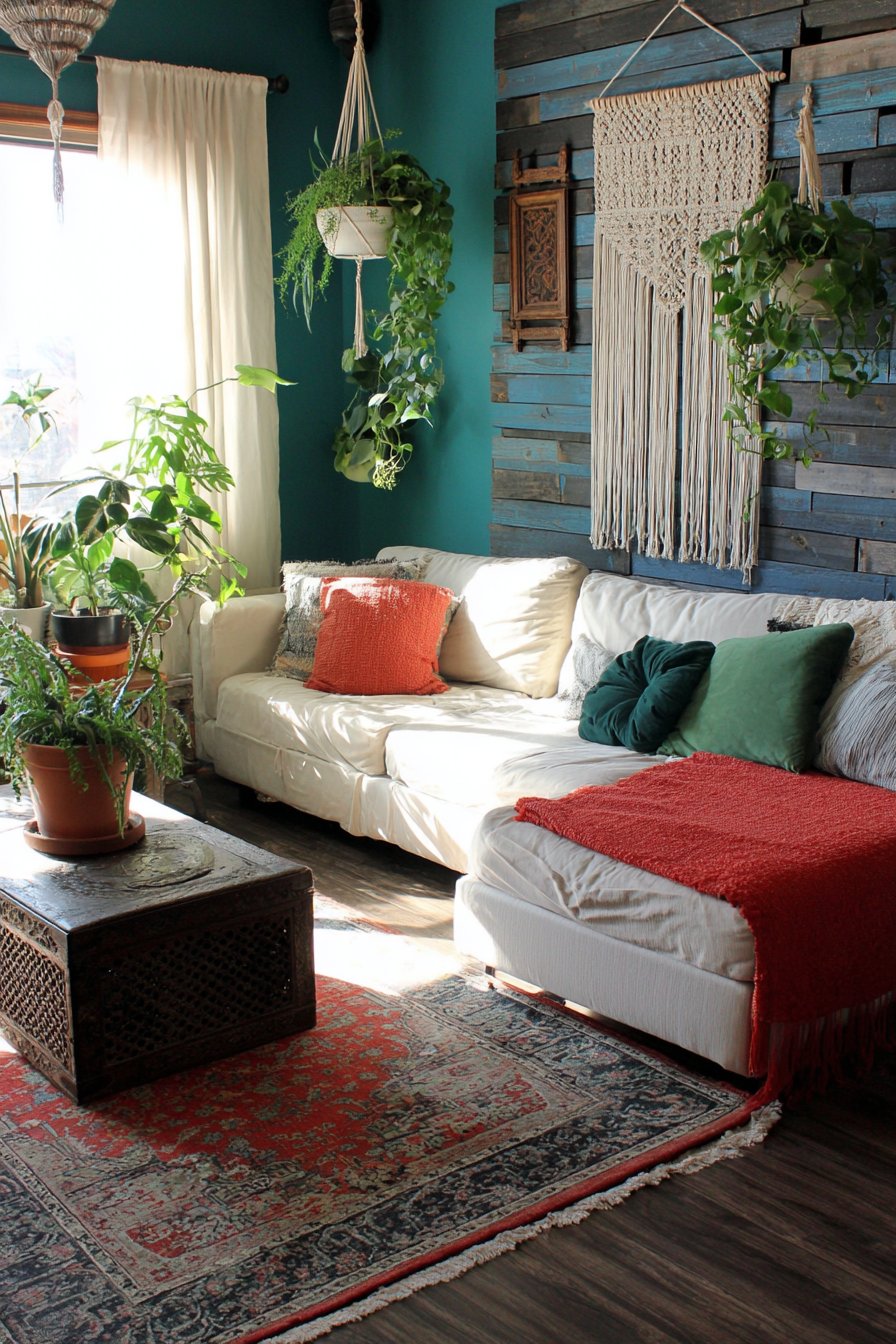
Herringbone paneling introduces dynamic visual movement and sophisticated geometry through angled boards arranged in distinctive V-shaped patterns that create directional flow and architectural intrigue. This classic pattern elevates wall treatments from simple coverings to design features that command attention and admiration. The diagonal orientation of individual pieces creates visual complexity that rewards contemplation, with the eye following the zigzag pattern across the wall in engaging, never-static compositions.
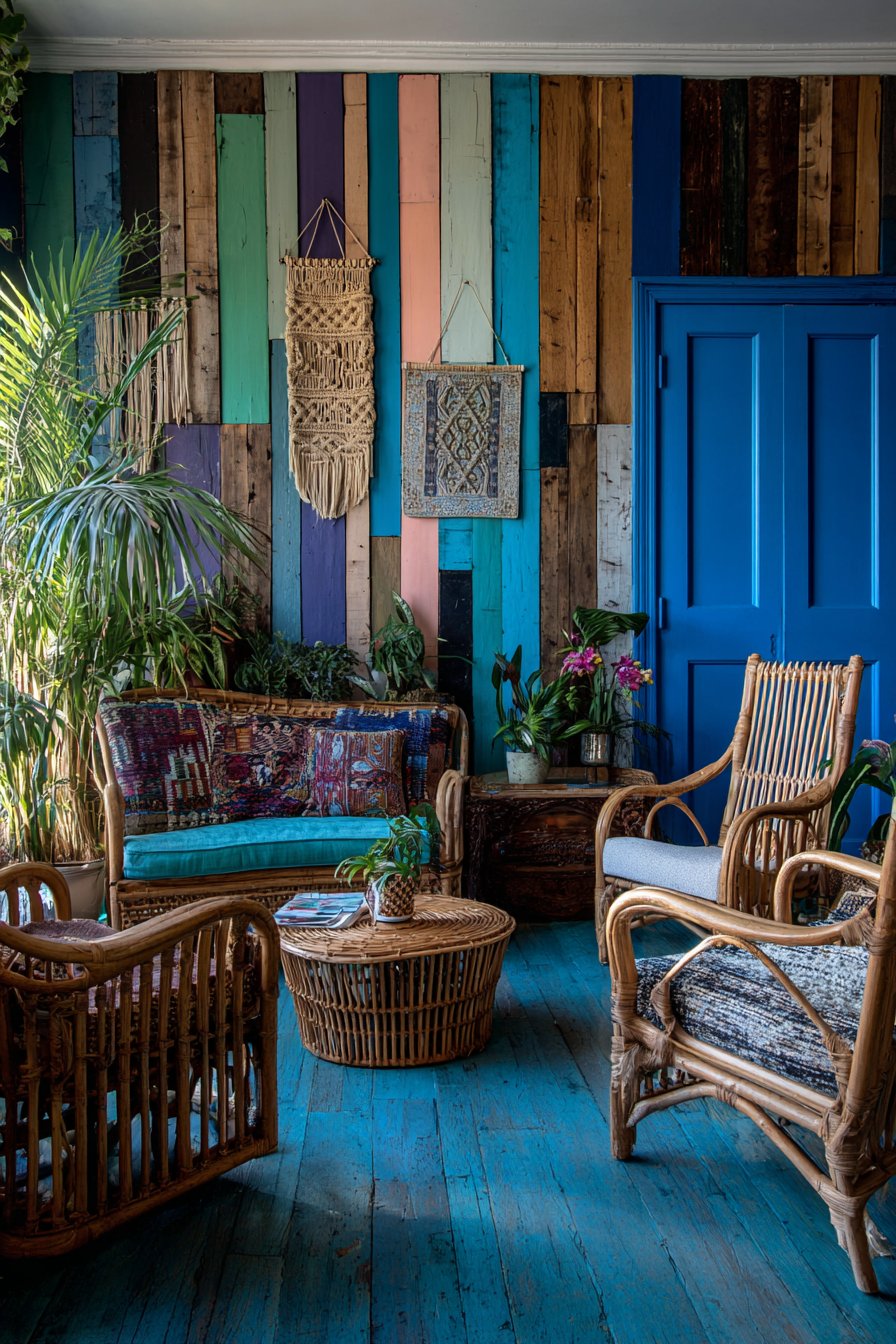
The installation complexity of herringbone patterns results in finished walls that clearly demonstrate craftsmanship and design commitment—the precision cutting and careful fitting required for successful herringbone work sets it apart from simpler paneling approaches. This evident skill and effort translate to perceived value, making herringbone installations feel luxurious and special. The pattern works beautifully at various scales, from delicate designs with narrow strips to bold statements using wider boards, allowing customization to suit different room sizes and design sensibilities.
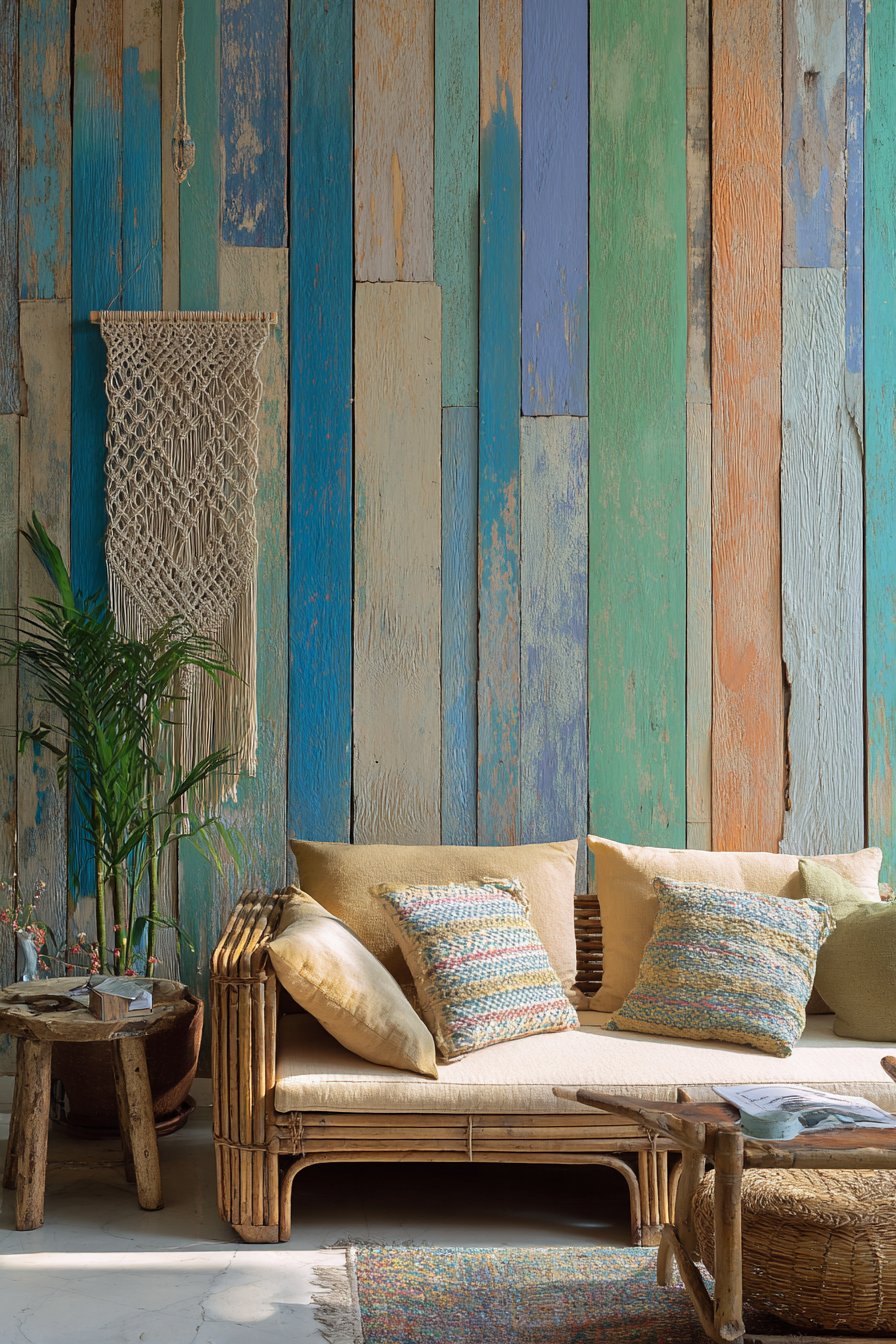
Color and finish choices dramatically affect herringbone paneling’s impact—natural wood tones showcase the pattern’s geometry while celebrating organic beauty, while painted surfaces create graphic, almost textile-like appearances. Two-tone herringbone, with alternating colors creating even more pronounced zigzag patterns, introduces contemporary boldness. The pattern’s inherent busyness means surrounding elements should maintain relative simplicity—herringbone walls work best when furniture and accessories adopt more restrained aesthetics.
Critical implementation strategies for herringbone paneling include creating detailed layout plans before beginning installation, cutting angles precisely for tight, professional fits, maintaining consistent spacing throughout for visual harmony, securing pieces adequately to prevent future shifting or separation, and selecting appropriate center points or focal areas from which patterns emanate.
13. Textured Grasscloth Natural Beauty
Grasscloth paneling brings organic texture and natural elegance to living rooms through woven plant fibers that create subtly irregular, handcrafted surfaces rich with visual and tactile interest. This natural material introduces warmth and earthiness that synthetic alternatives cannot replicate, with the inherent variations in fiber thickness, color, and weave pattern creating walls that feel alive and connected to nature. The eco-friendly credentials of grasscloth appeal to environmentally conscious homeowners seeking sustainable design solutions that don’t compromise aesthetic quality.
The light-absorbing qualities of grasscloth’s textured surface create soft, diffused reflections that contribute to calm, serene atmospheres—particularly valuable in living rooms intended as relaxation and retreat spaces. Unlike glossy surfaces that create bright reflections, grasscloth gently moderates light, creating subtle illumination that feels restful rather than stimulating. The dimensional texture also adds acoustic benefits, absorbing sound rather than reflecting it, contributing to quieter, more peaceful environments.
Grasscloth’s natural origins mean each installation is unique, with color variations, fiber irregularities, and weave differences creating one-of-a-kind walls. This organic variation should be celebrated rather than seen as inconsistency—the subtle differences across panels add to grasscloth’s handcrafted charm and authenticity. Installation requires specialized techniques and careful handling to avoid damaging the delicate fibers, making professional installation advisable for achieving optimal results.
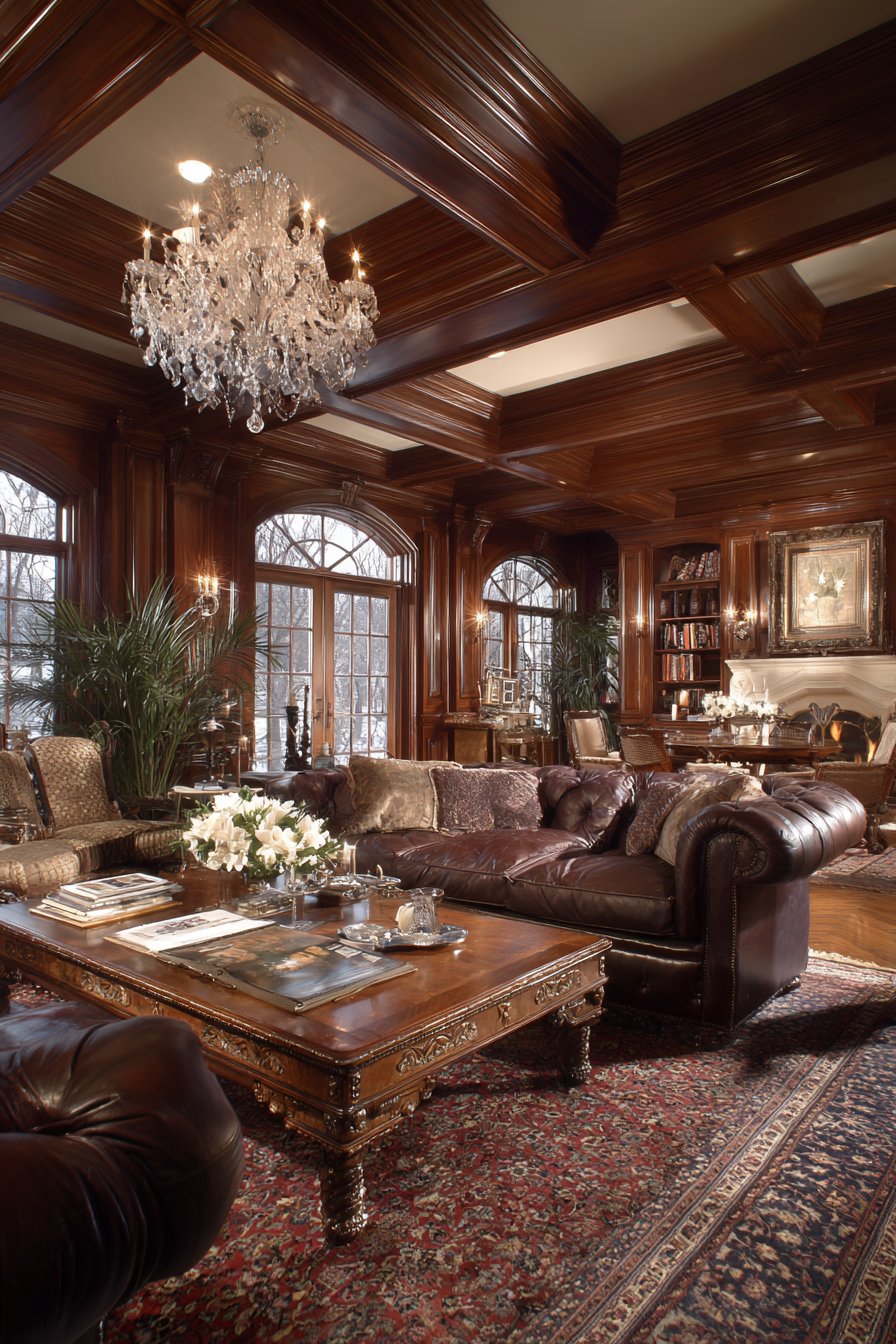
Essential considerations for grasscloth installations include understanding that natural variation is inherent and desirable, protecting surfaces from excessive moisture exposure which can damage natural fibers, avoiding installation in high-traffic areas where abrasion might occur, working with experienced installers familiar with grasscloth’s unique requirements, and embracing the organic aesthetic rather than expecting perfect uniformity.
14. Bold Chevron Angular Energy
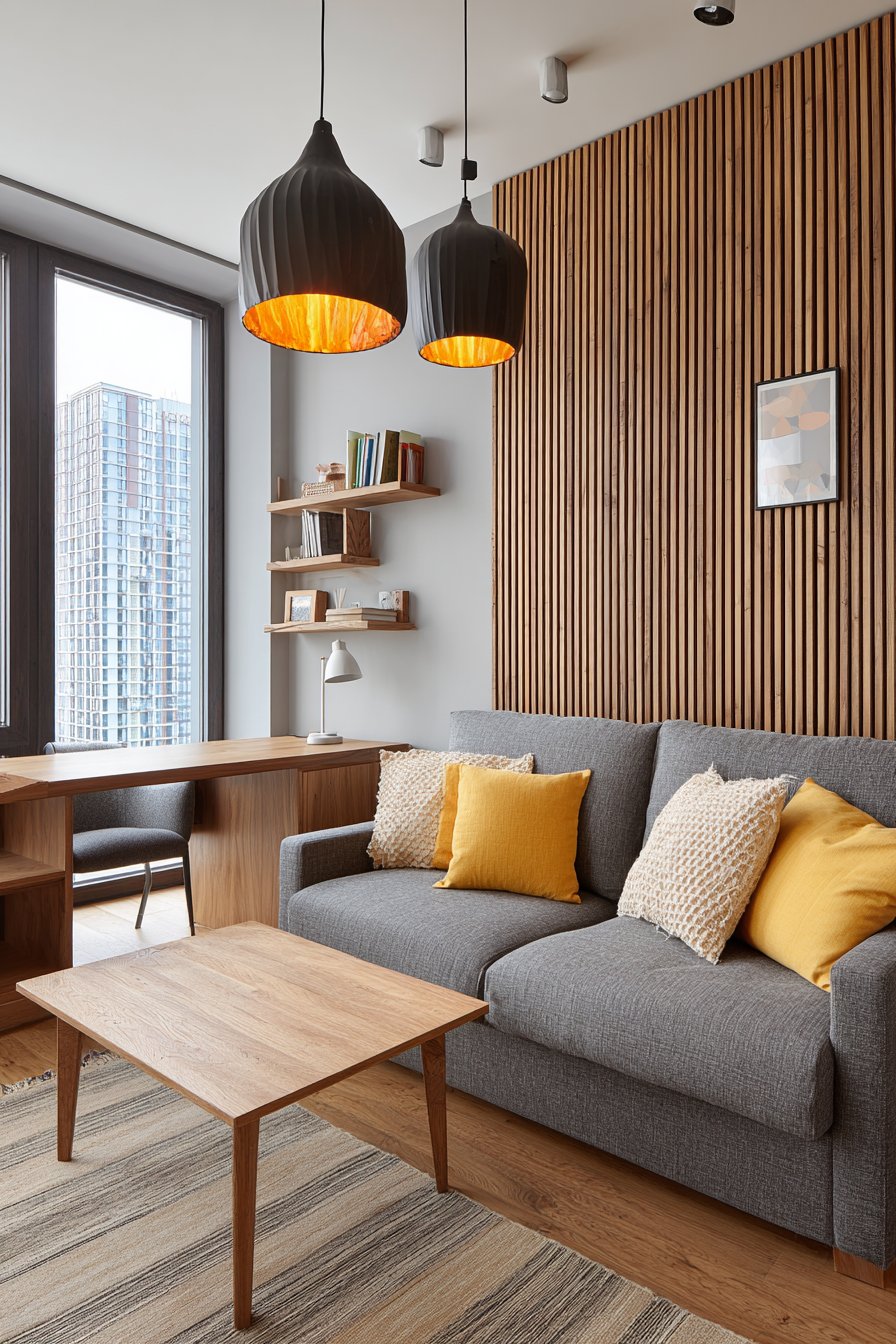
Chevron wall paneling creates energetic, directional flow through continuous V-shaped patterns that point upward or downward, introducing dynamic movement and contemporary boldness to living room walls. Unlike herringbone patterns where pieces meet at right angles, chevron patterns align seamlessly at their points, creating uninterrupted zigzag lines that guide the eye across the wall with purposeful direction. This geometric precision creates graphic impact that makes powerful design statements, particularly effective in modern and transitional interiors.
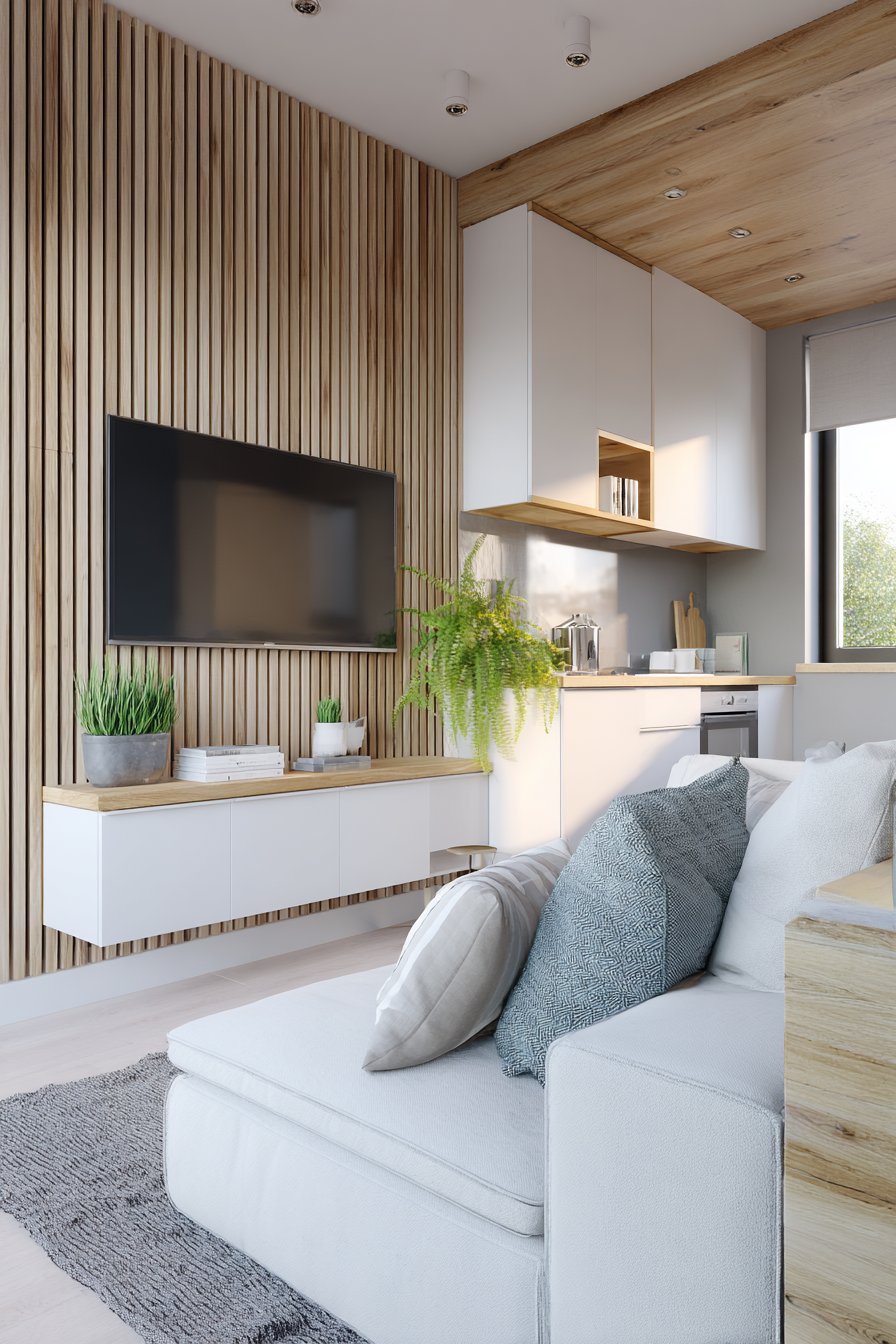
The strong directionality of chevron patterns can be strategically employed to influence room perception—upward-pointing chevrons draw attention toward ceilings, making spaces feel taller, while downward orientations create grounding, stabilizing effects. Horizontal chevron arrangements emphasize width, making narrow rooms appear more spacious. This ability to manipulate spatial perception through pattern orientation provides valuable design tools for addressing challenging room proportions.
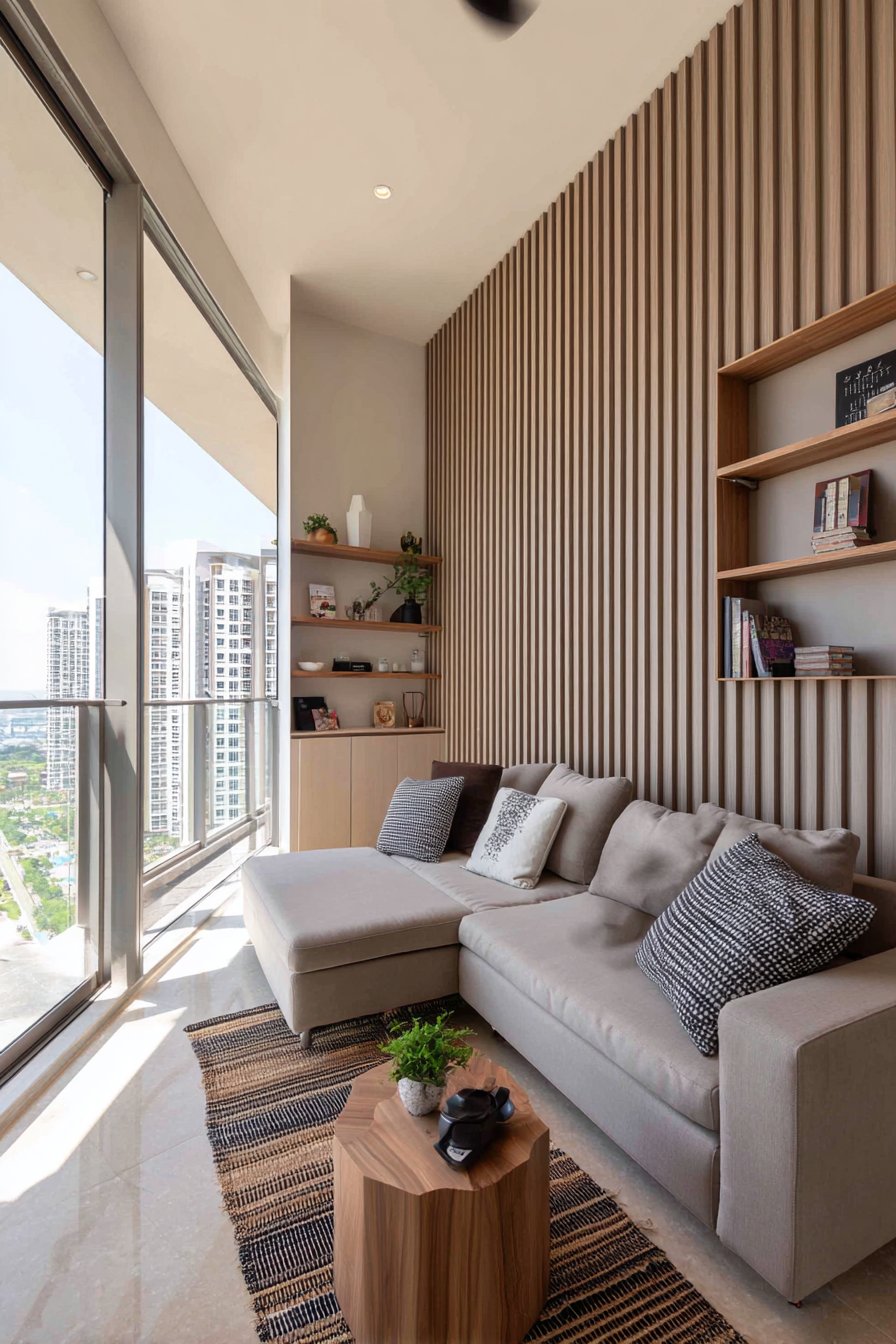
Material and color choices significantly influence chevron paneling’s aesthetic impact. Wood chevron patterns celebrate natural grain while creating sophisticated geometry, with different wood species creating subtle or dramatic color variations within the pattern. Painted chevron designs in contrasting colors create bold, graphic statements with strong contemporary appeal. Single-color chevron installations rely entirely on dimensional shadow play for visual interest, creating subtle sophistication that works beautifully in refined, minimalist interiors.
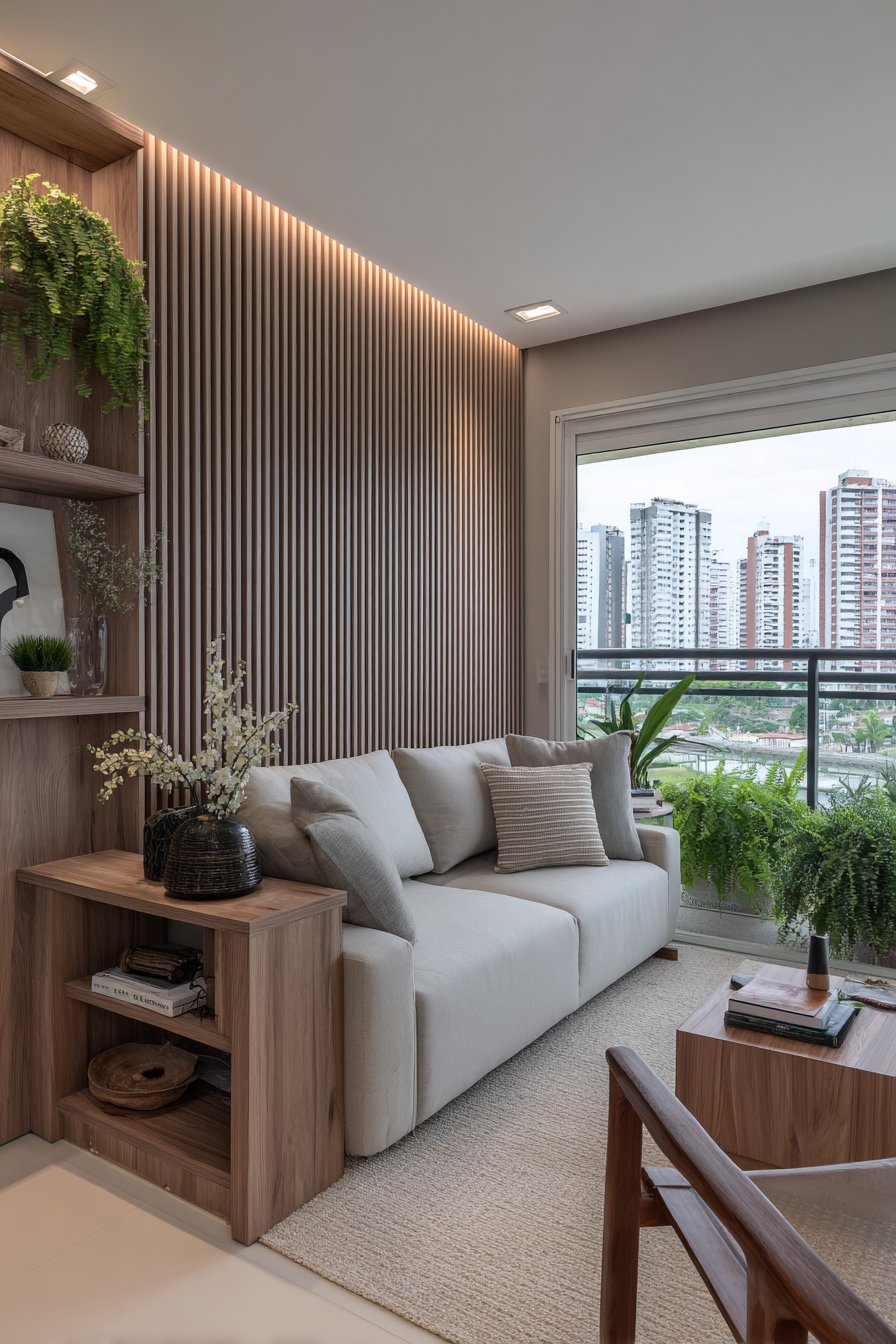
Key implementation requirements for chevron paneling include precise angle cutting for seamless point alignment, careful planning to center patterns on walls for balanced composition, selecting appropriate chevron widths based on room scale, ensuring consistent spacing if gaps are incorporated into the design, and finishing edges cleanly where chevron patterns meet adjacent walls or ceilings.
15. Classic Beadboard Cottage Charm
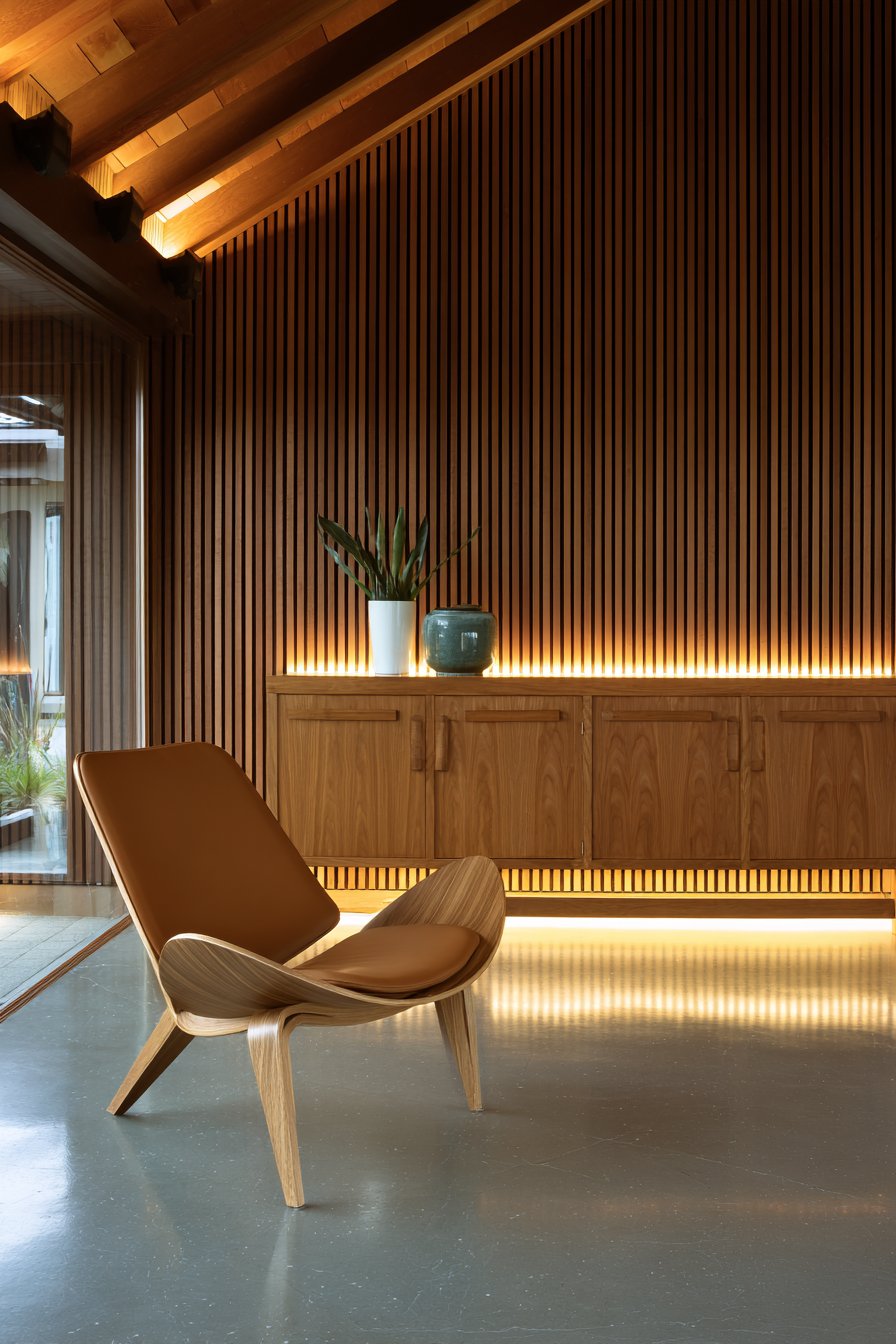
Beadboard paneling delivers cottage charm and casual elegance through narrow vertical planks featuring distinctive bead details along their edges, creating rhythmic linear patterns with traditional appeal. This versatile paneling style works beautifully in various applications—covering full walls for complete cottage character, as wainscoting for traditional lower-wall treatments, or on ceilings for unexpected overhead interest. The vertical emphasis naturally draws eyes upward, creating the impression of greater height while the repetitive pattern establishes visual rhythm.
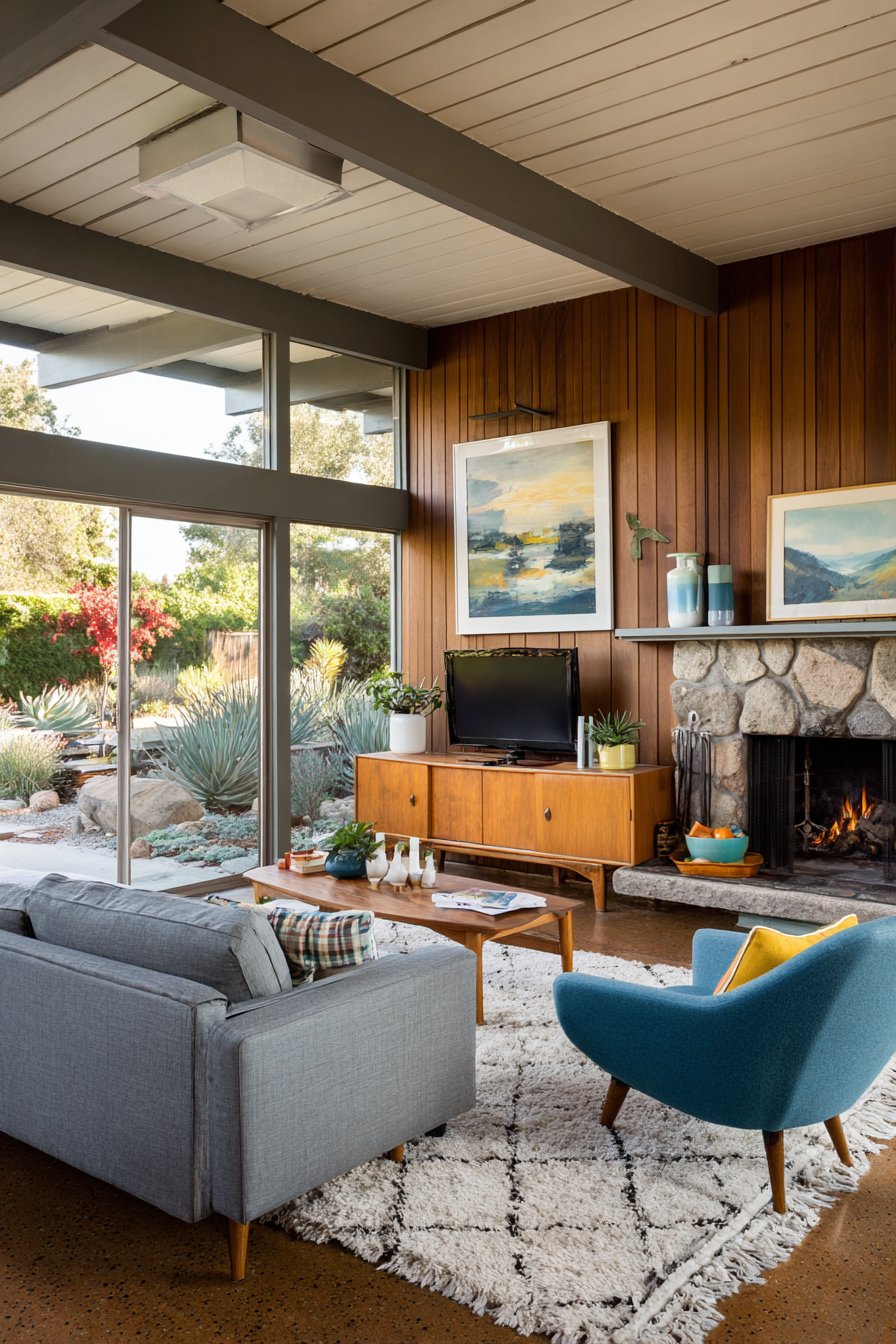
The narrow width of beadboard panels—typically just a few inches—creates fine-scaled texture that adds interest without overwhelming spaces, making it particularly well-suited to smaller living rooms where larger paneling systems might feel too heavy or dominant. The bead detailing catches and reflects light, creating subtle sparkle and dimensional play that enlivens surfaces. This delicate texture provides just enough visual complexity to prevent walls from appearing flat while maintaining clean, uncluttered aesthetics.
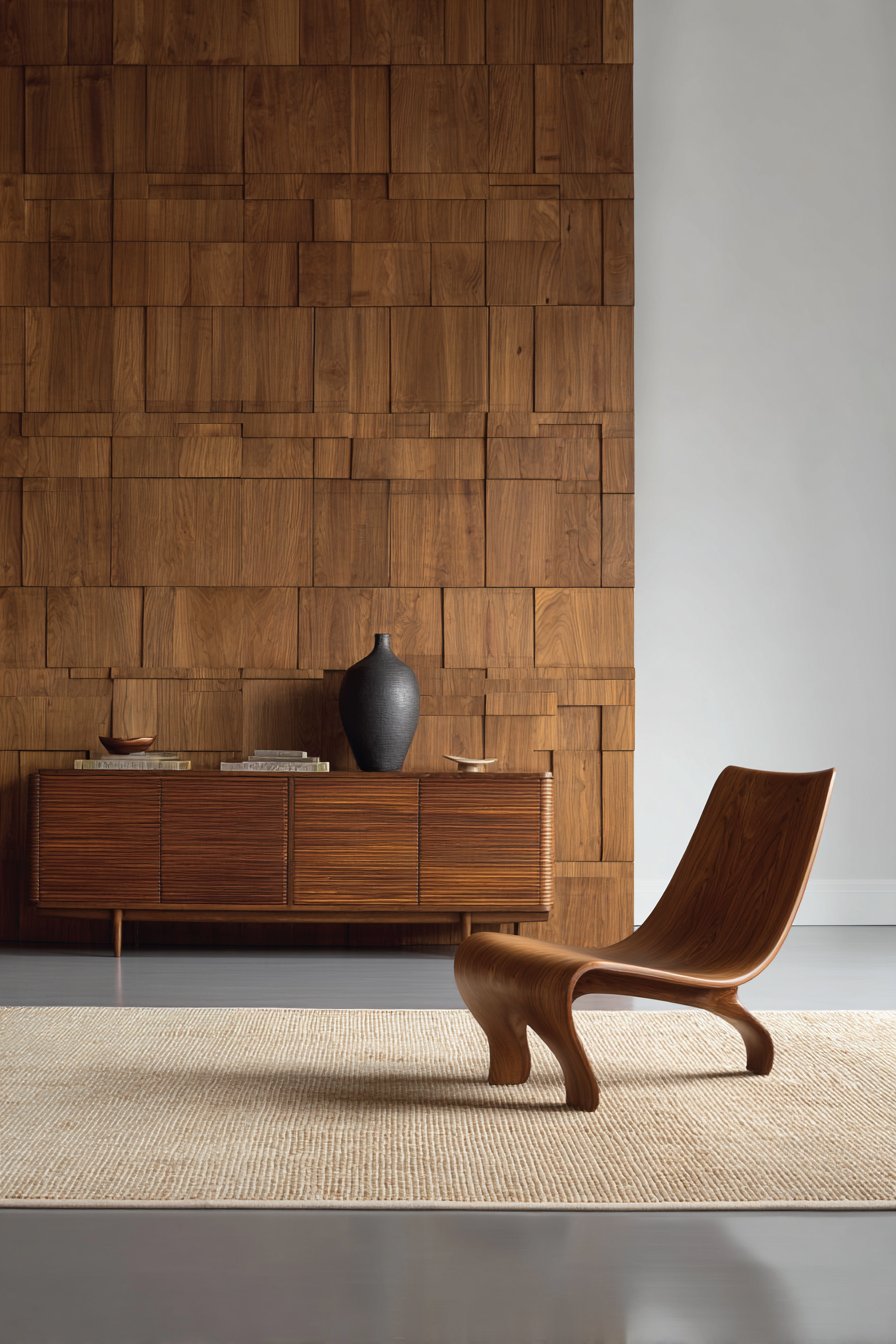
Beadboard’s traditional associations with coastal cottages and farmhouse interiors shouldn’t limit its application—this classic material translates beautifully into contemporary contexts when painted in bold, modern colors or installed in unexpected configurations. The key lies in styling and surrounding decor—pair beadboard with sleek modern furniture and minimalist accessories for fresh, updated looks, or embrace its traditional roots with vintage pieces and cottage-style textiles for authentic period charm.
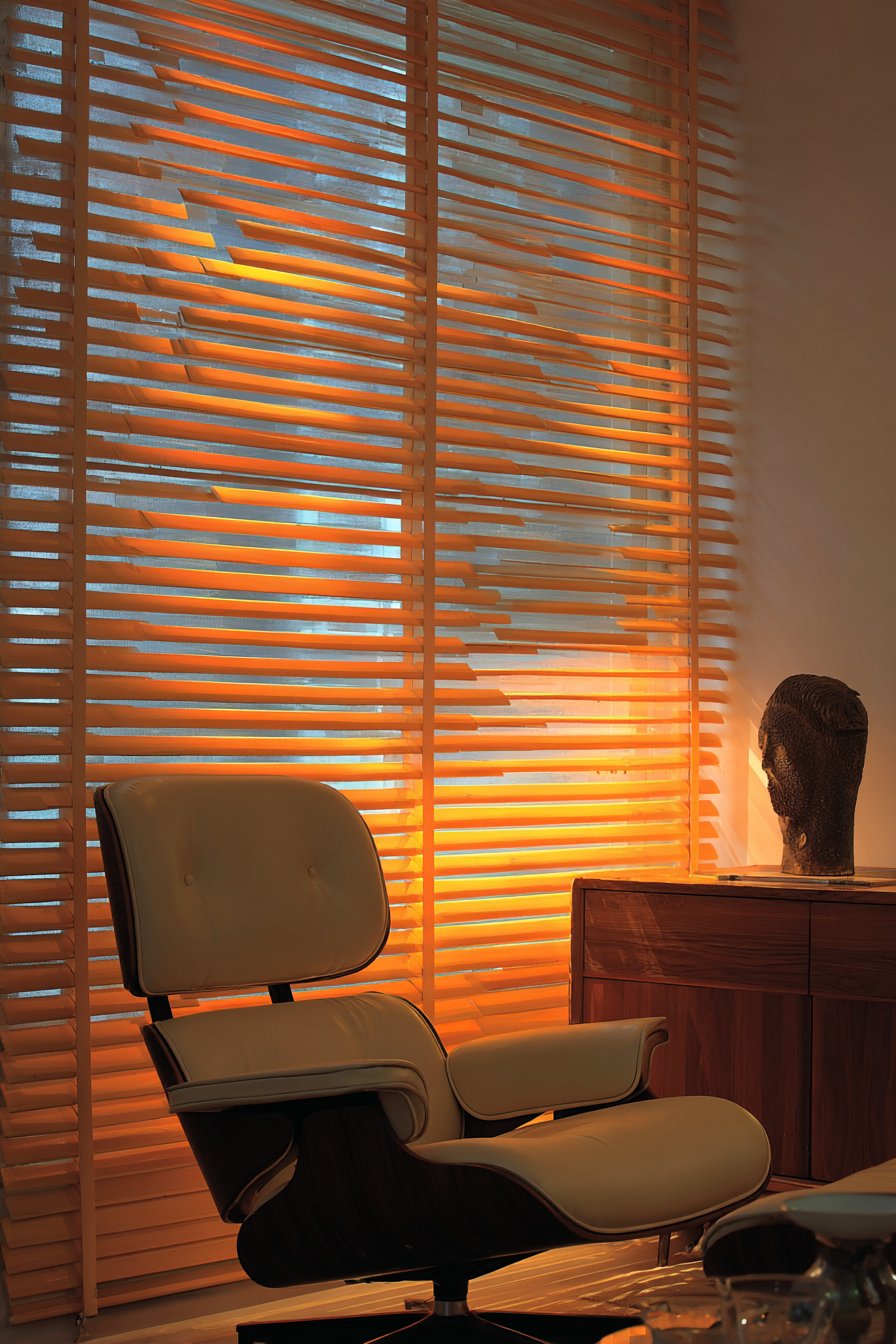
Essential guidelines for beadboard installations include ensuring perfectly vertical alignment for professional appearance, selecting appropriate board widths for your room scale and aesthetic goals, planning corner treatments carefully for seamless transitions, finishing paint or stain applications meticulously to highlight bead details, and considering moisture-resistant materials for humidity-prone spaces.
16. Dramatic Dark Accent Wall Impact
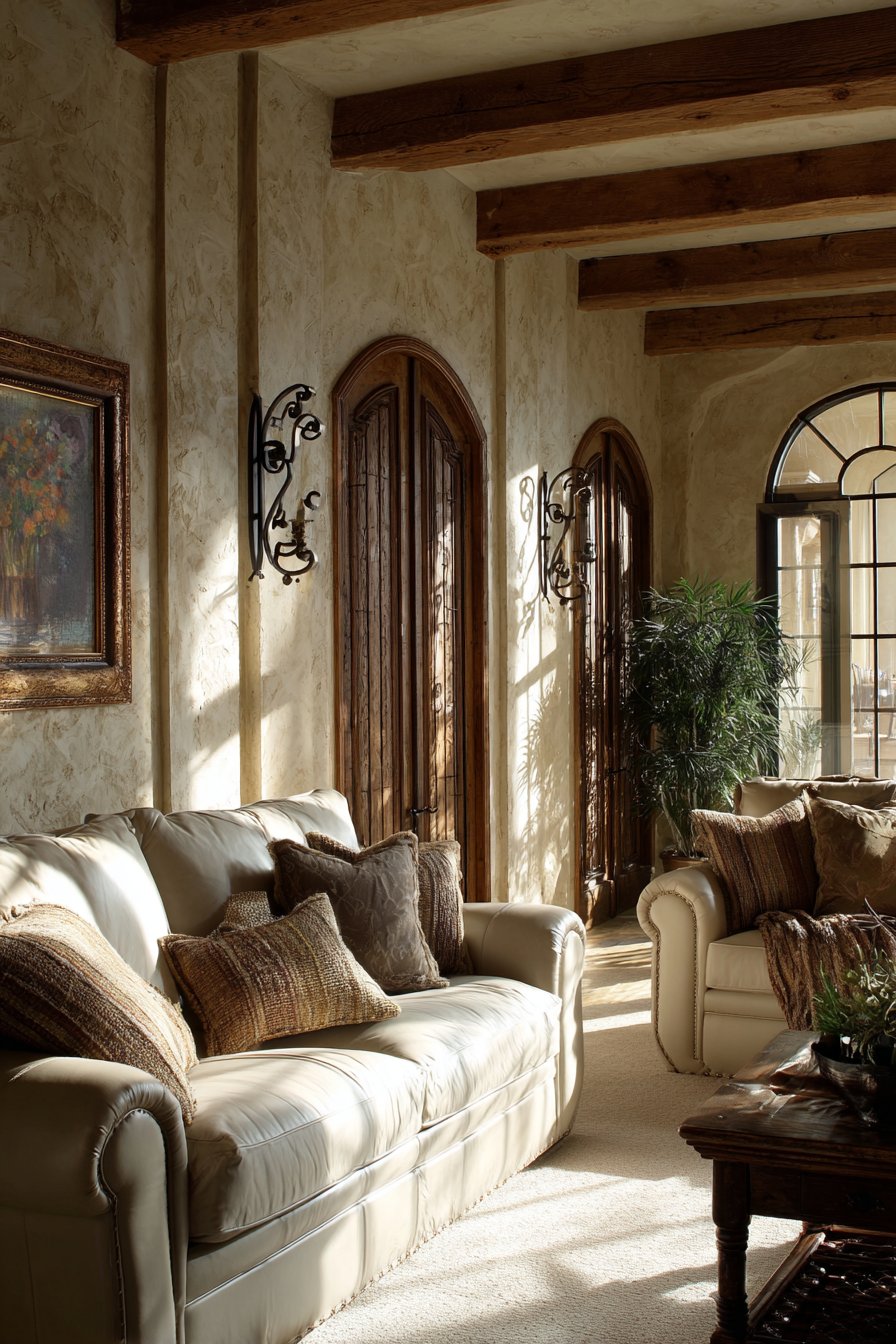
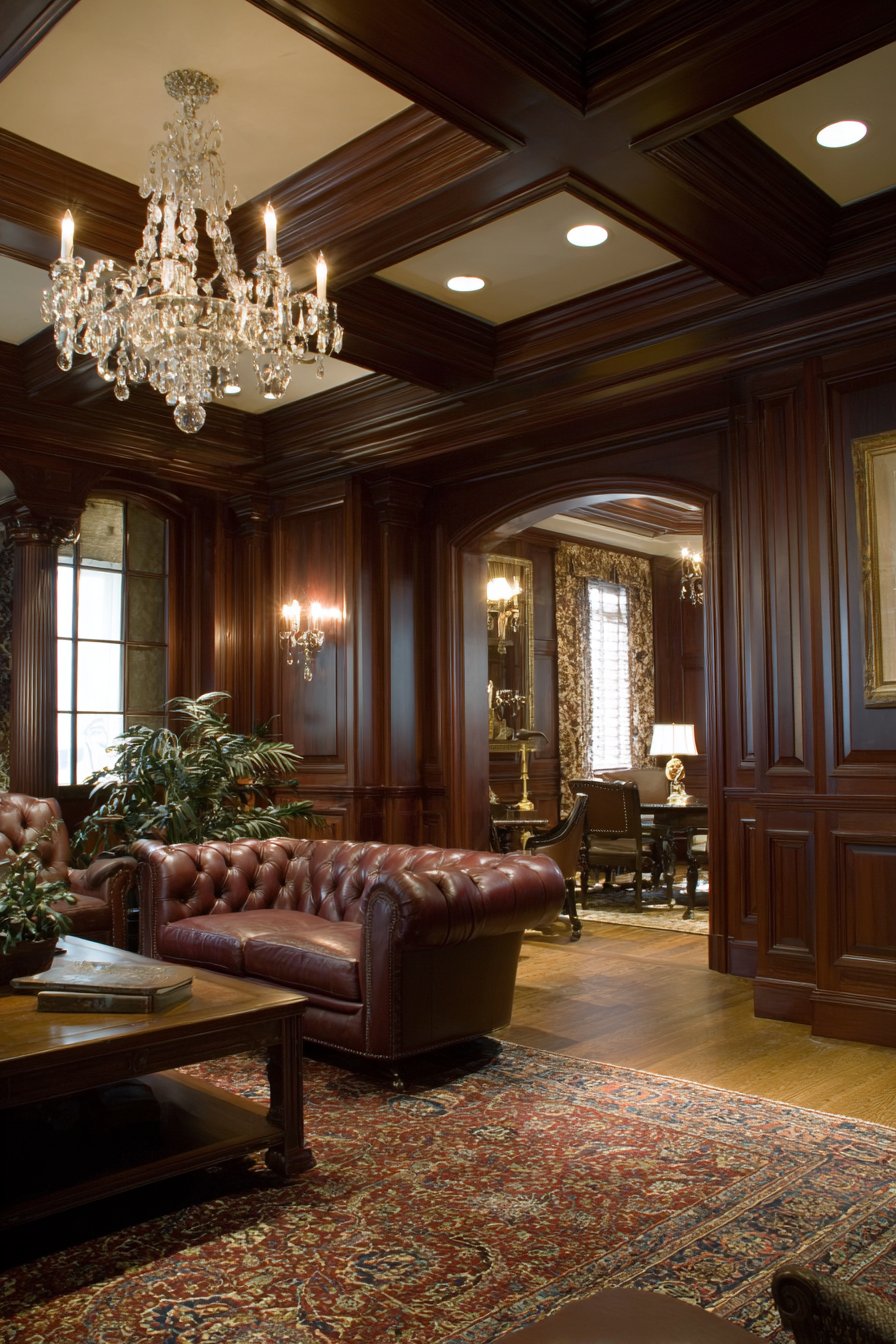
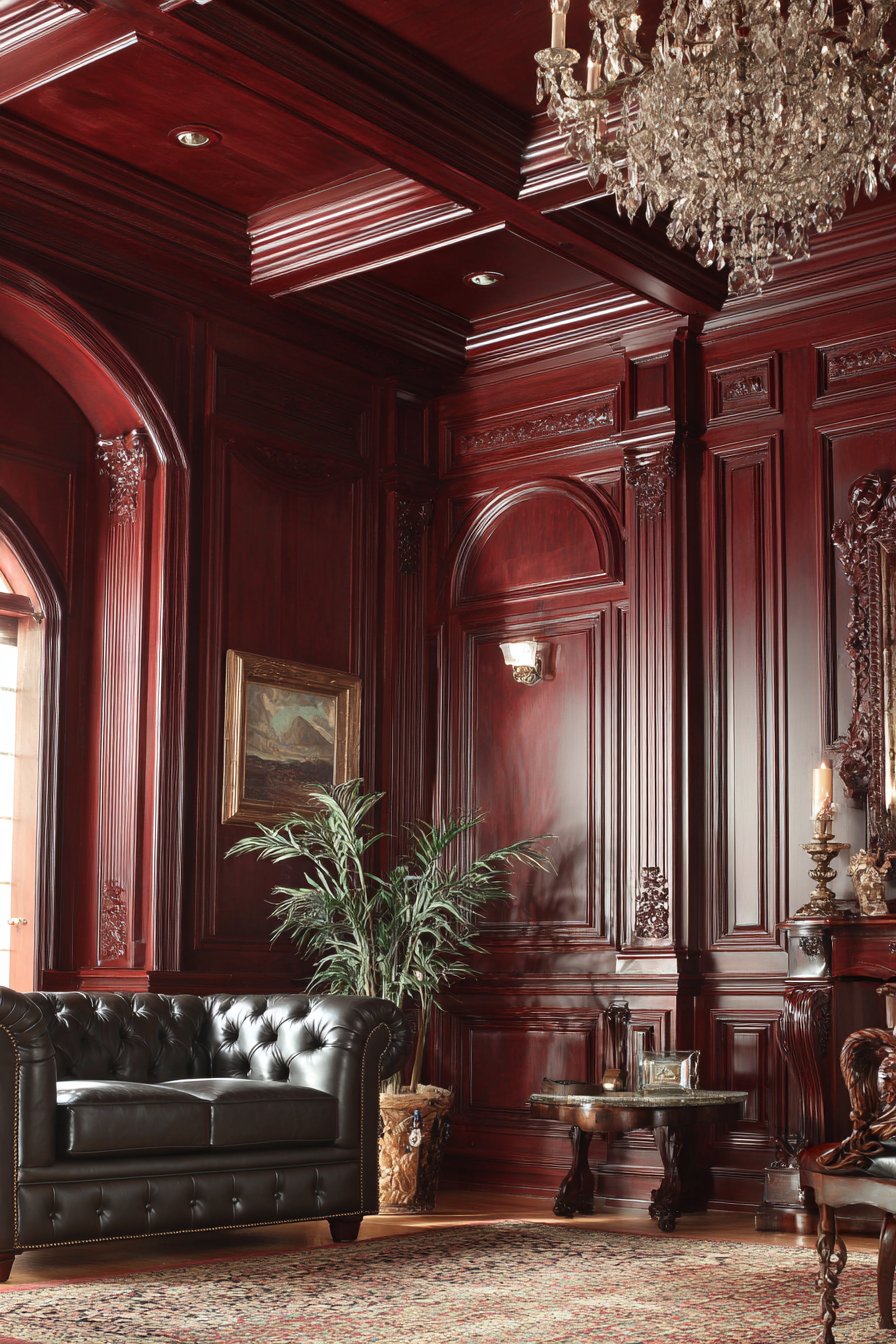
Dark-colored wall paneling creates sophisticated drama and intimate atmosphere in living rooms, using deep charcoals, navies, forest greens, or black to establish moody elegance and contemporary boldness. These rich, saturated hues transform paneling from subtle architectural detail into commanding focal points that anchor entire room designs. The depth of dark colors creates cocooning effects that make spaces feel embracing and intimate, perfect for creating conversation areas or media viewing spaces where atmospheric lighting enhances the experience.
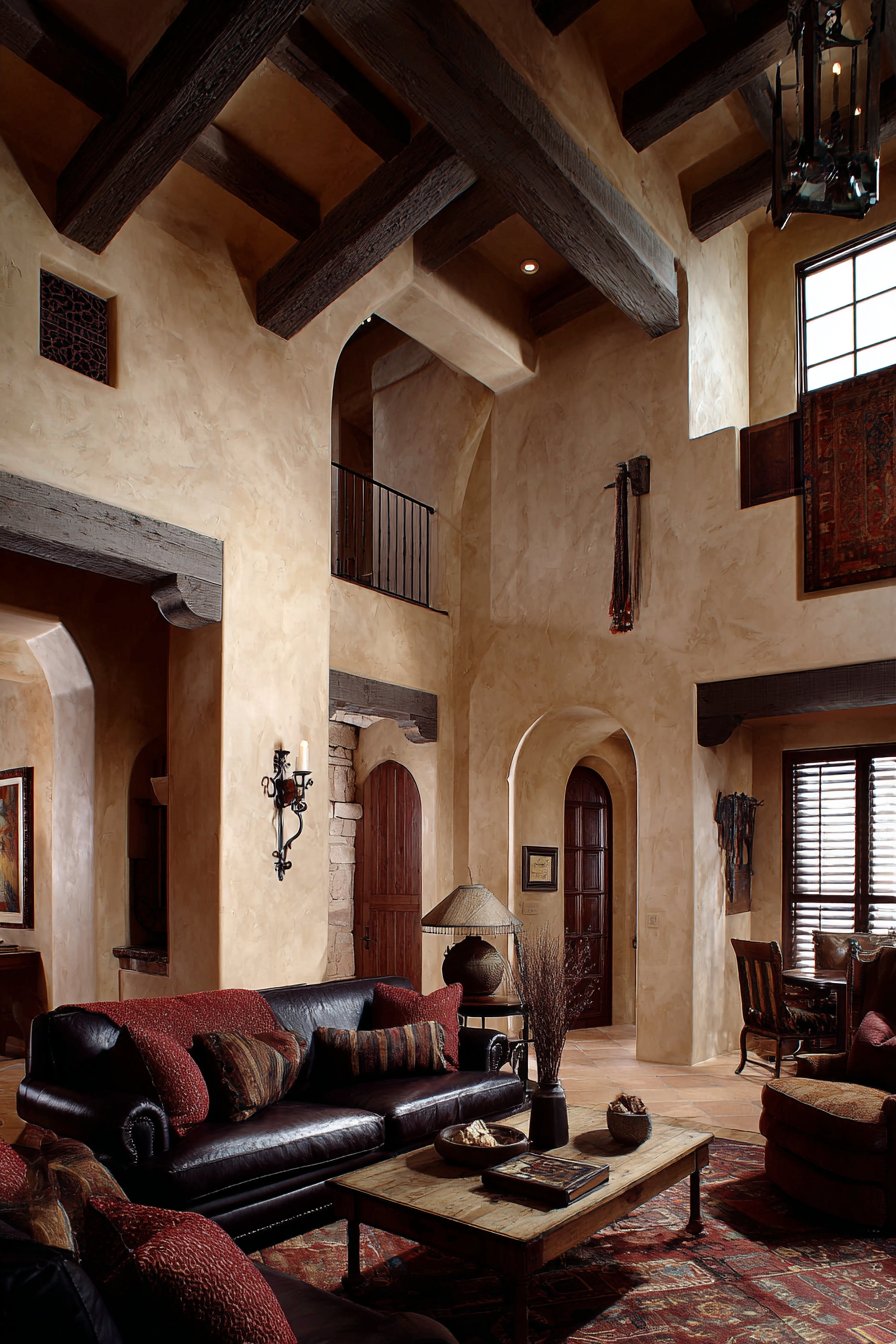
Dark paneling serves as stunning backdrop for lighter furniture and accessories, creating high-contrast compositions that highlight each element with clarity and impact. Artwork displayed against dark walls gains enhanced presence and importance, with the dramatic background elevating pieces and drawing attention to their details. Metallic accents—brass light fixtures, gold-framed mirrors, or copper decorative objects—shine brilliantly against dark surfaces, creating luxurious jewel-box effects.
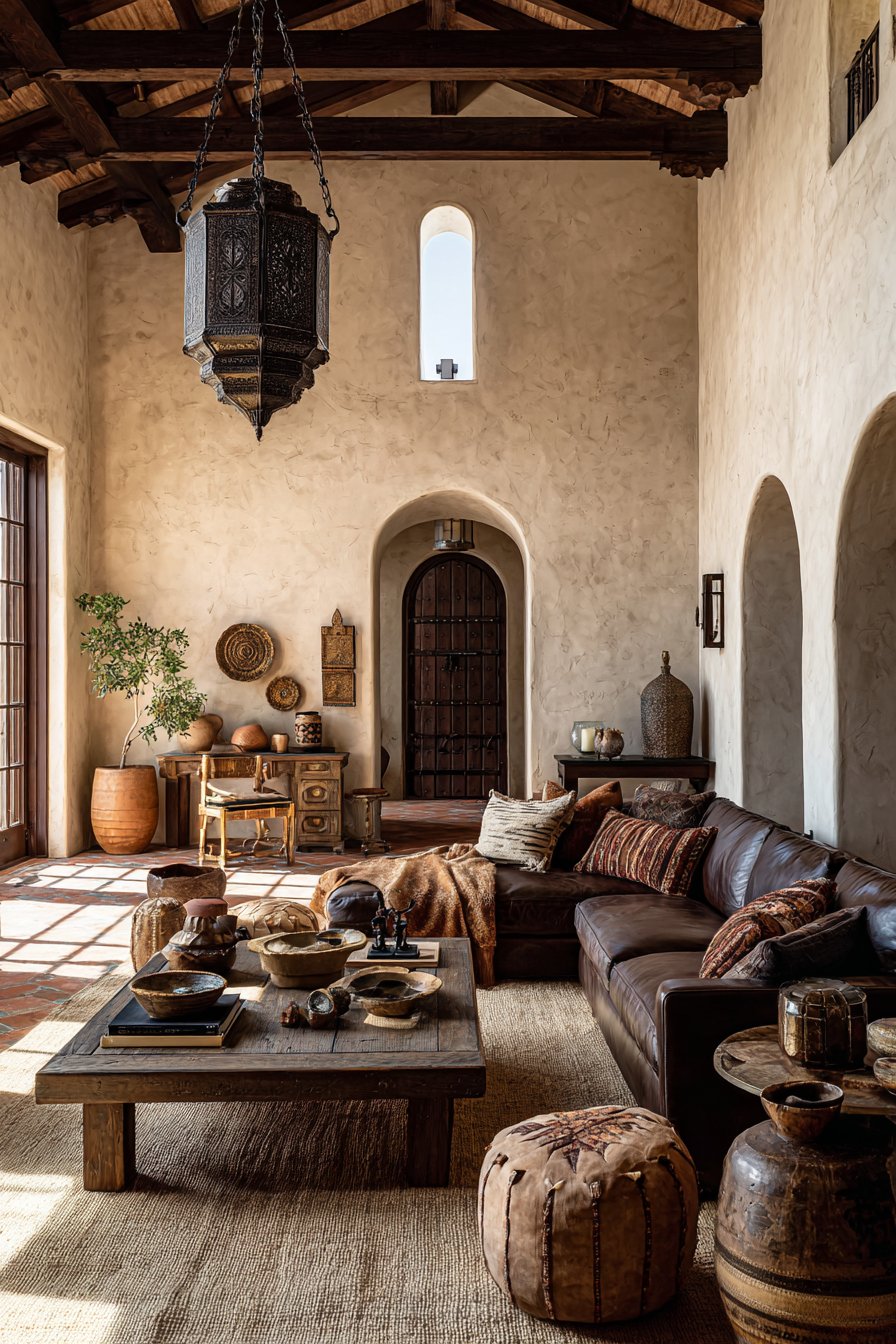
The texture and dimensionality of paneling become even more pronounced in dark colors, as shadows deepen and highlights become more dramatic. Fluted panels, board and batten treatments, or 3D geometric designs gain extra impact when rendered in dark hues, with the interplay of light and shadow creating mesmerizing visual complexity. This enhanced dimensionality prevents dark walls from feeling flat or oppressive, maintaining visual interest that keeps spaces feeling dynamic rather than heavy.
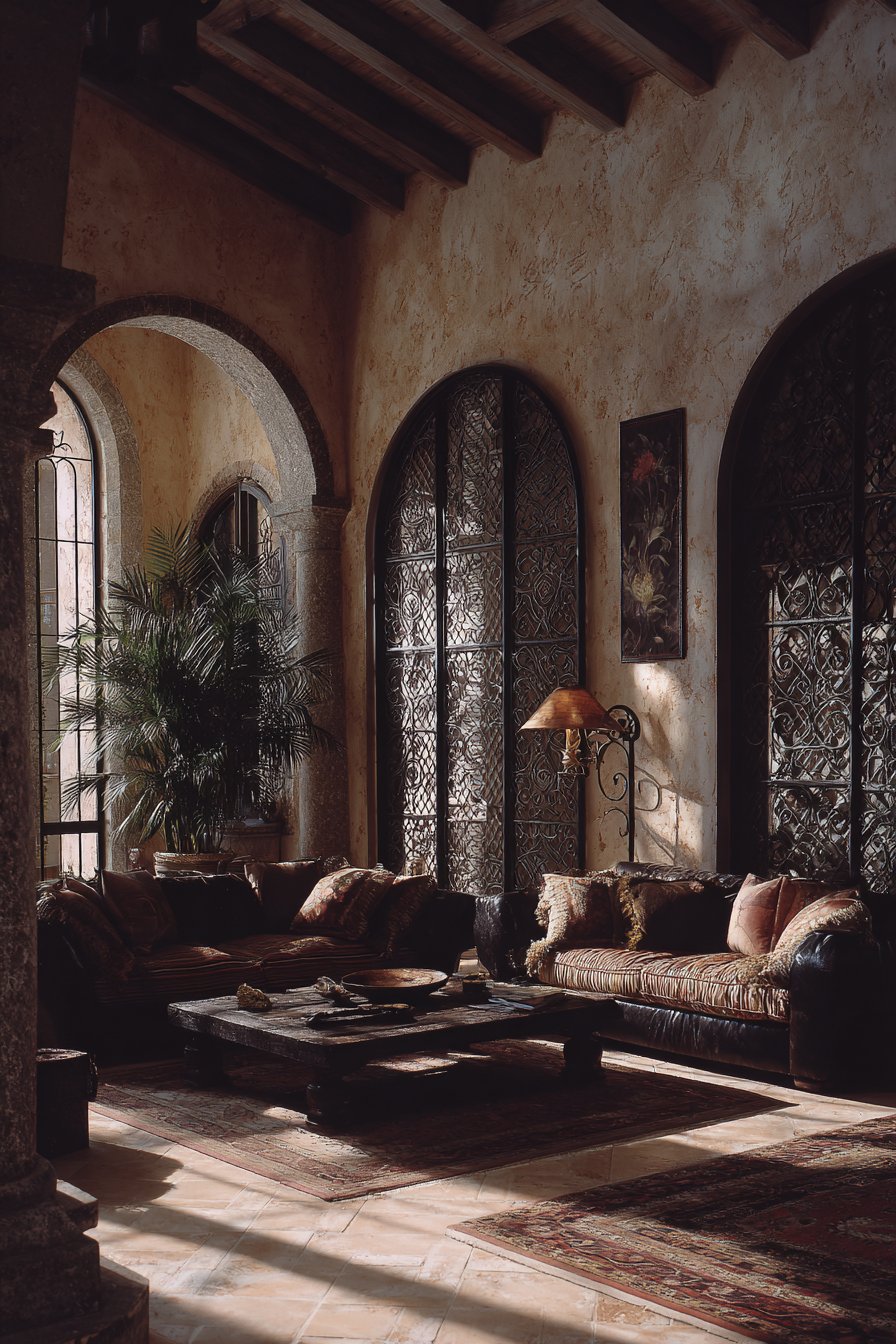
Critical considerations for dark paneling success include ensuring adequate lighting to prevent spaces from feeling too dark or cave-like, balancing dark walls with lighter furnishings and accessories to maintain visual interest, selecting appropriate sheen levels to control light reflection, considering the psychological impact of dark colors on room perception and mood, and testing color samples in various lighting conditions before committing.
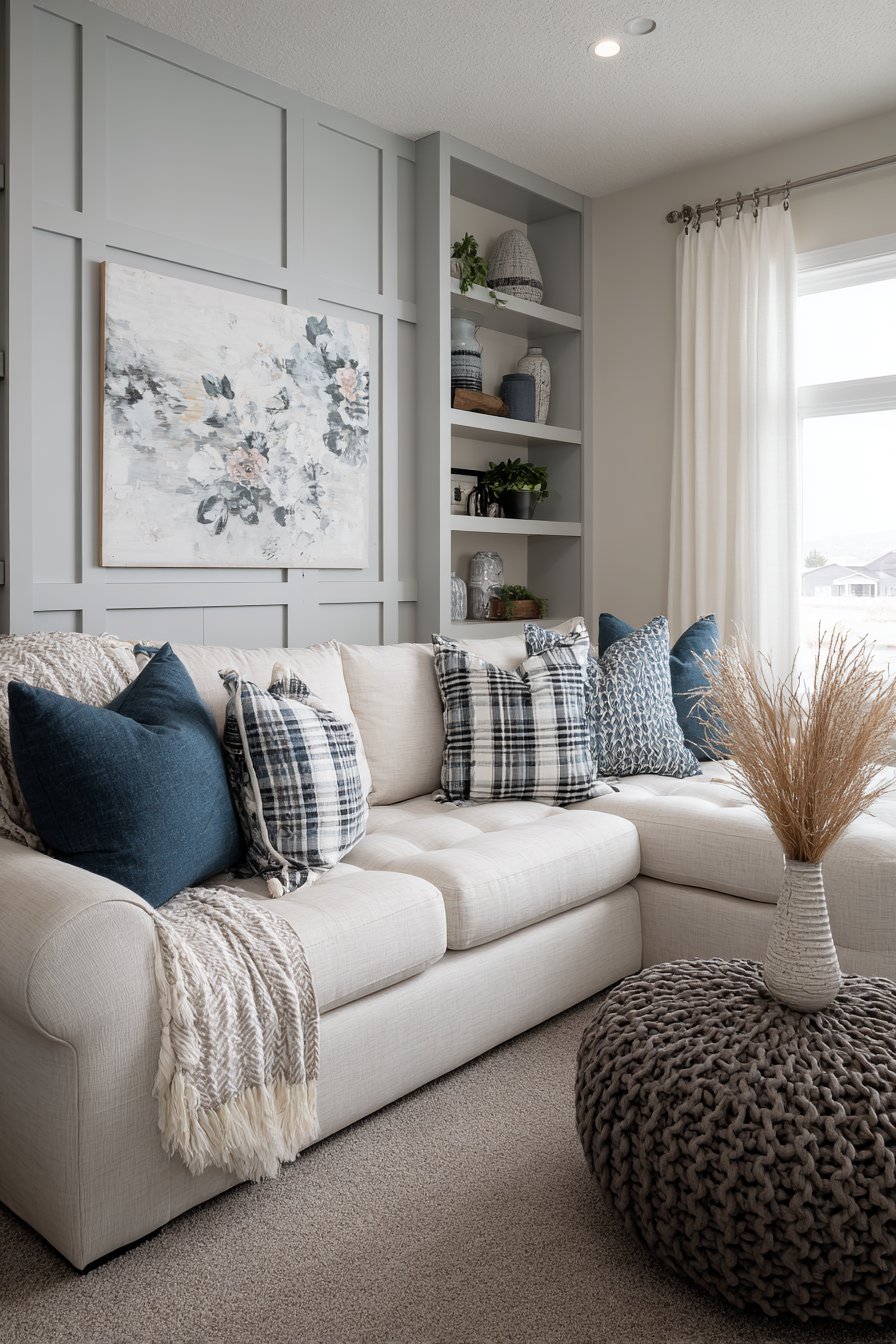
17. Minimalist Flat Panel Serenity
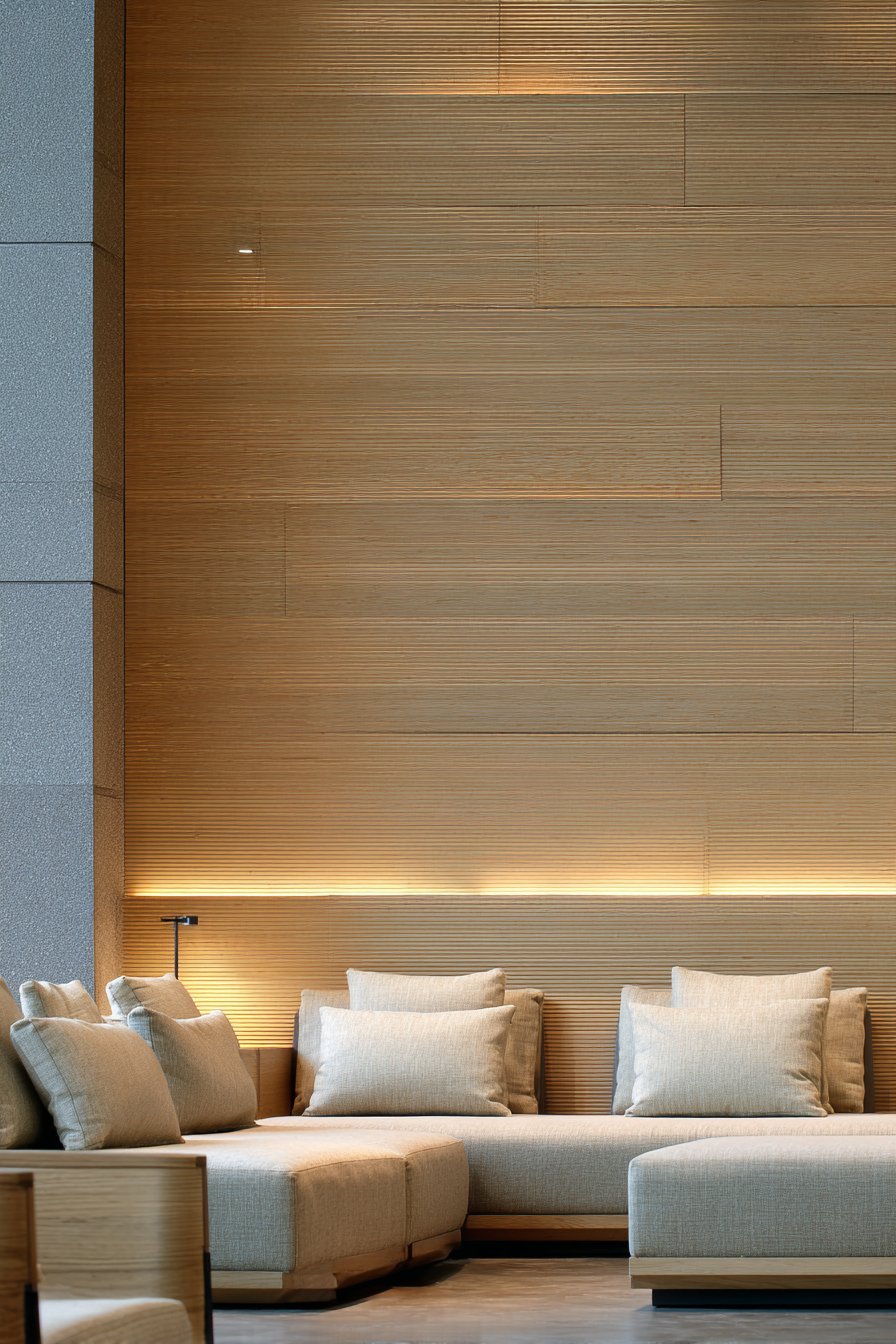
Flat panel wall treatments create serene minimalist beauty through simple rectangular sections divided by subtle reveals or trim, establishing clean-lined architecture without excessive ornamentation. This pared-down approach celebrates restraint and precision, allowing wall planes themselves to serve as design elements rather than supporting decorative additions. The geometric simplicity of flat panels creates calm, uncluttered environments that serve as perfect backdrops for carefully curated furnishings and accessories.
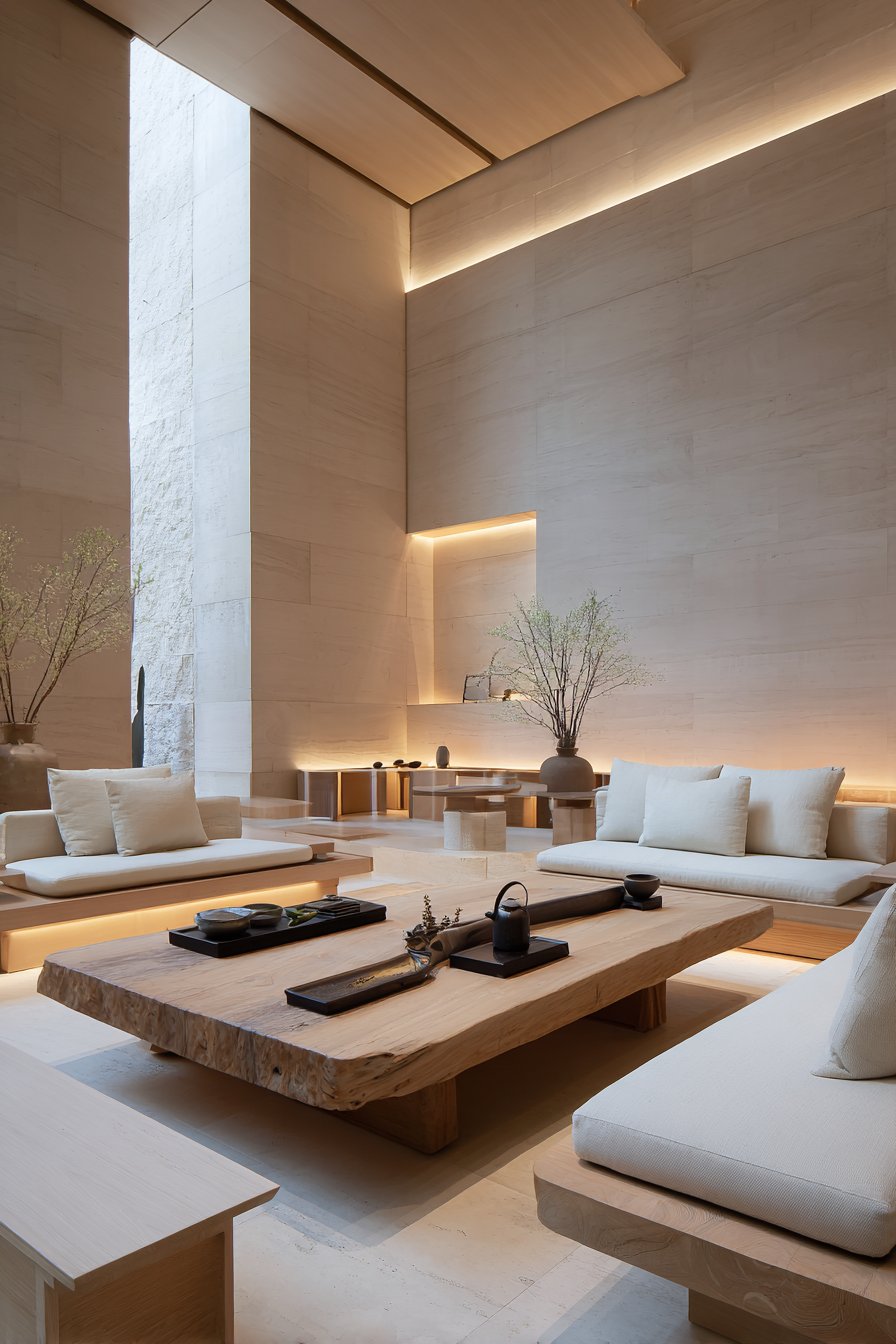
The proportions of flat panel divisions significantly influence overall aesthetics—large panels create bold, architectural statements with strong presence, while smaller, more numerous divisions introduce refined detail without busyness. Symmetrical layouts reinforce formality and order, while asymmetrical arrangements introduce contemporary dynamism. The reveals between panels can be minimal, creating nearly seamless appearances, or more pronounced to emphasize geometric divisions and create stronger shadow lines.
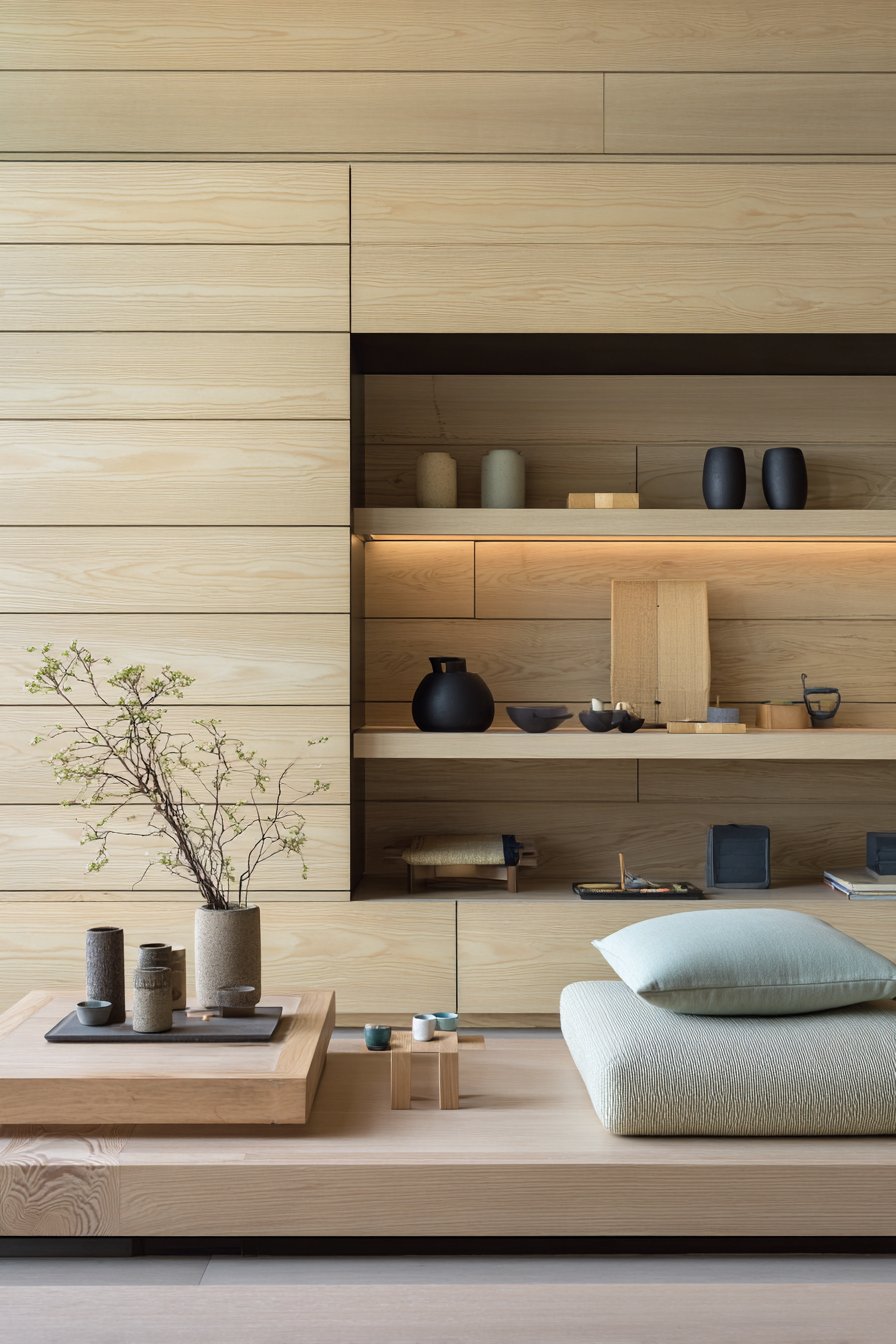
Color strategies for flat panel installations range from monochromatic schemes where panels and surrounding walls share identical hues for subtle dimensional interest, to contrasting approaches where panels in different colors create graphic impact. Textural contrasts—matte panels against eggshell walls, or high-gloss sections amid flat surroundings—add sophistication through surface variation rather than color differences. The simplicity of flat panels makes them ideal vehicles for material exploration, showcasing beautiful woods, unique veneers, or interesting finishes.
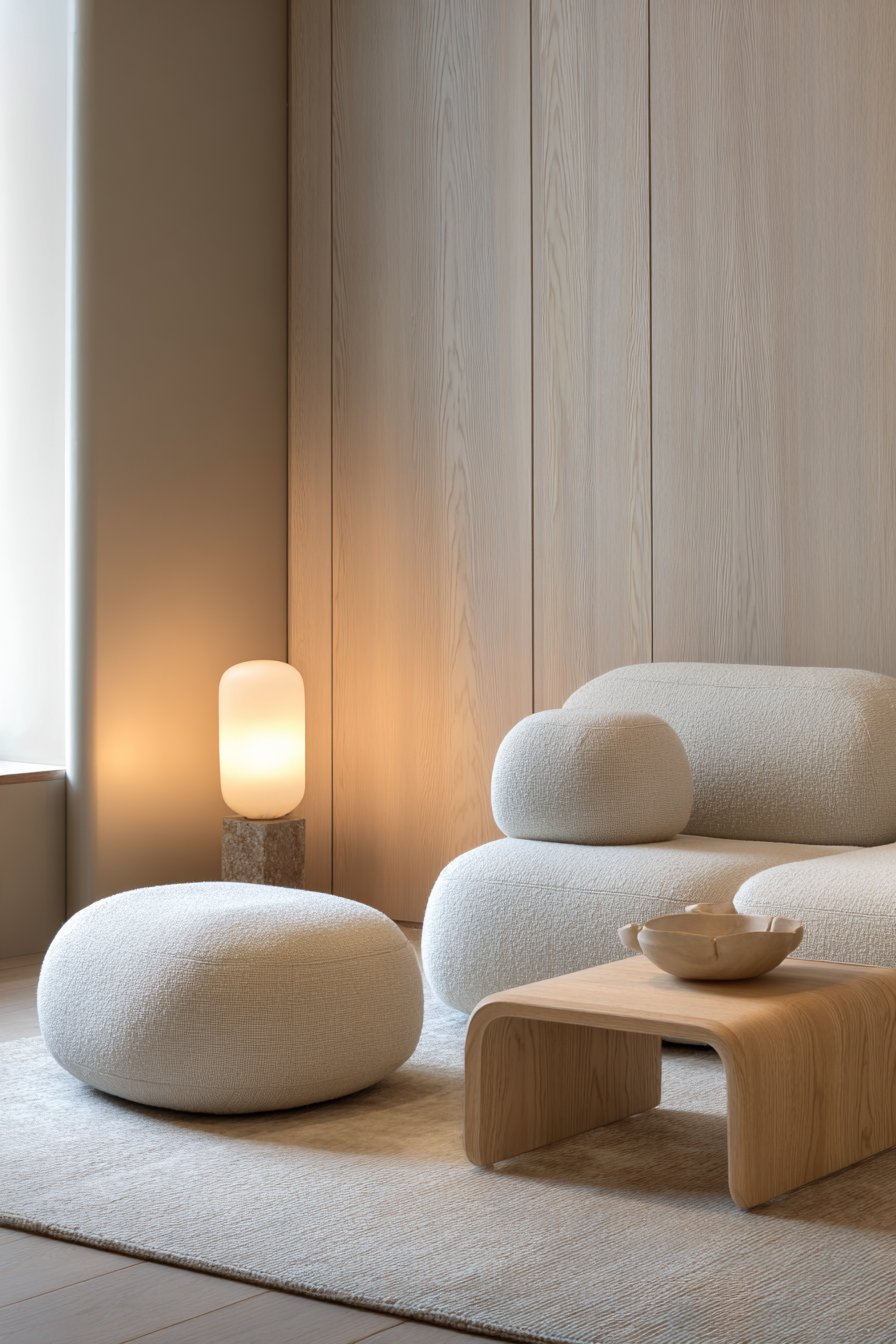
Key implementation factors for flat panel installations include planning panel proportions carefully to ensure pleasing mathematical relationships, maintaining consistent reveal widths throughout for visual harmony, ensuring perfectly level and plumb installation for professional results, selecting appropriate mounting methods based on panel materials and weights, and finishing edges and seams meticulously for seamless appearances.
18. Organic Live Edge Wood Character
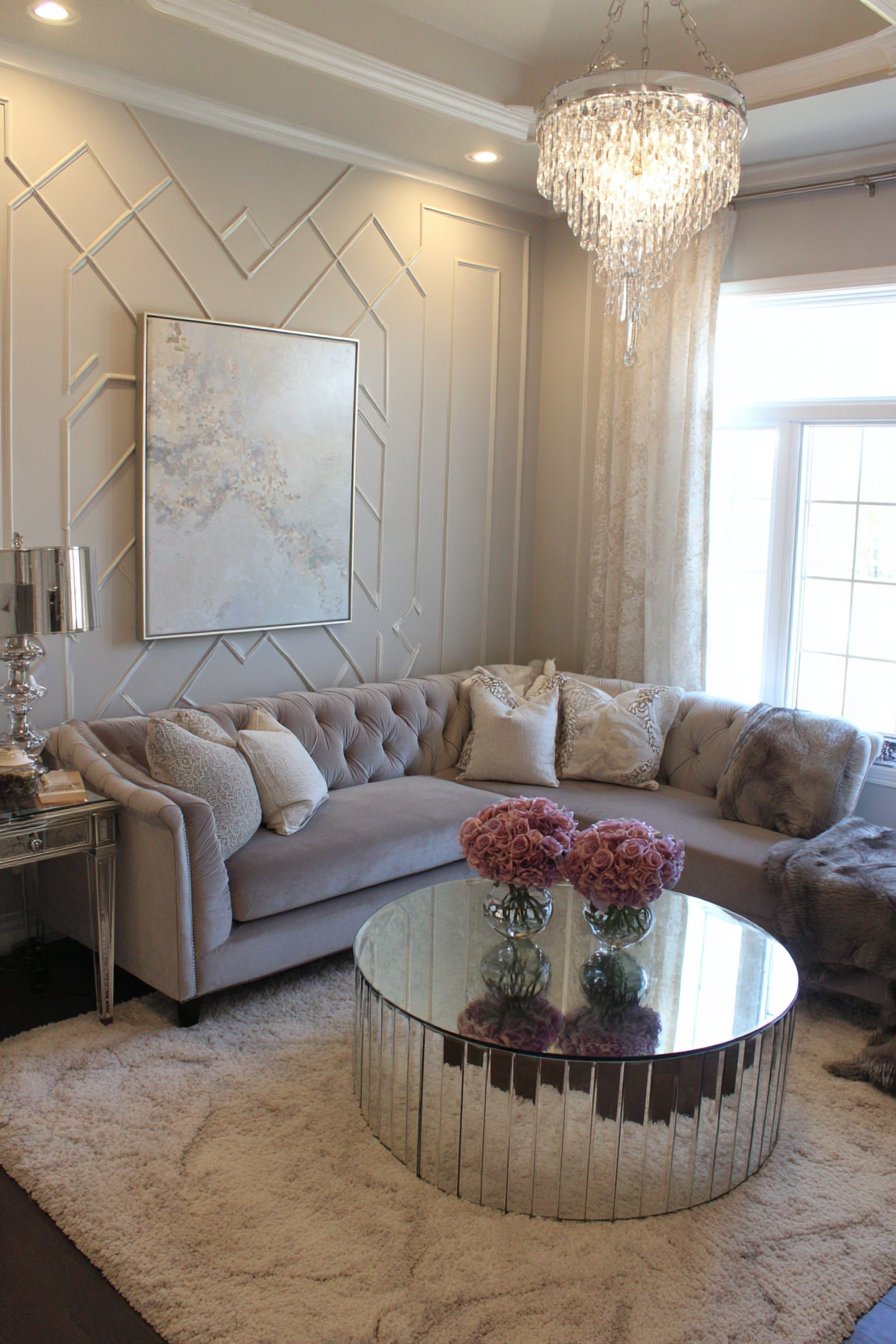
Live edge wood paneling brings raw natural beauty and organic irregularity to living rooms through boards that retain their natural edges—complete with bark, wavy contours, and unprocessed character. This approach celebrates wood in its most authentic form, showcasing the transition between refined interior surface and natural exterior edge. The resulting walls feel connected to forests and nature, bringing outdoor elements inside in ways that feel genuine rather than merely decorative.
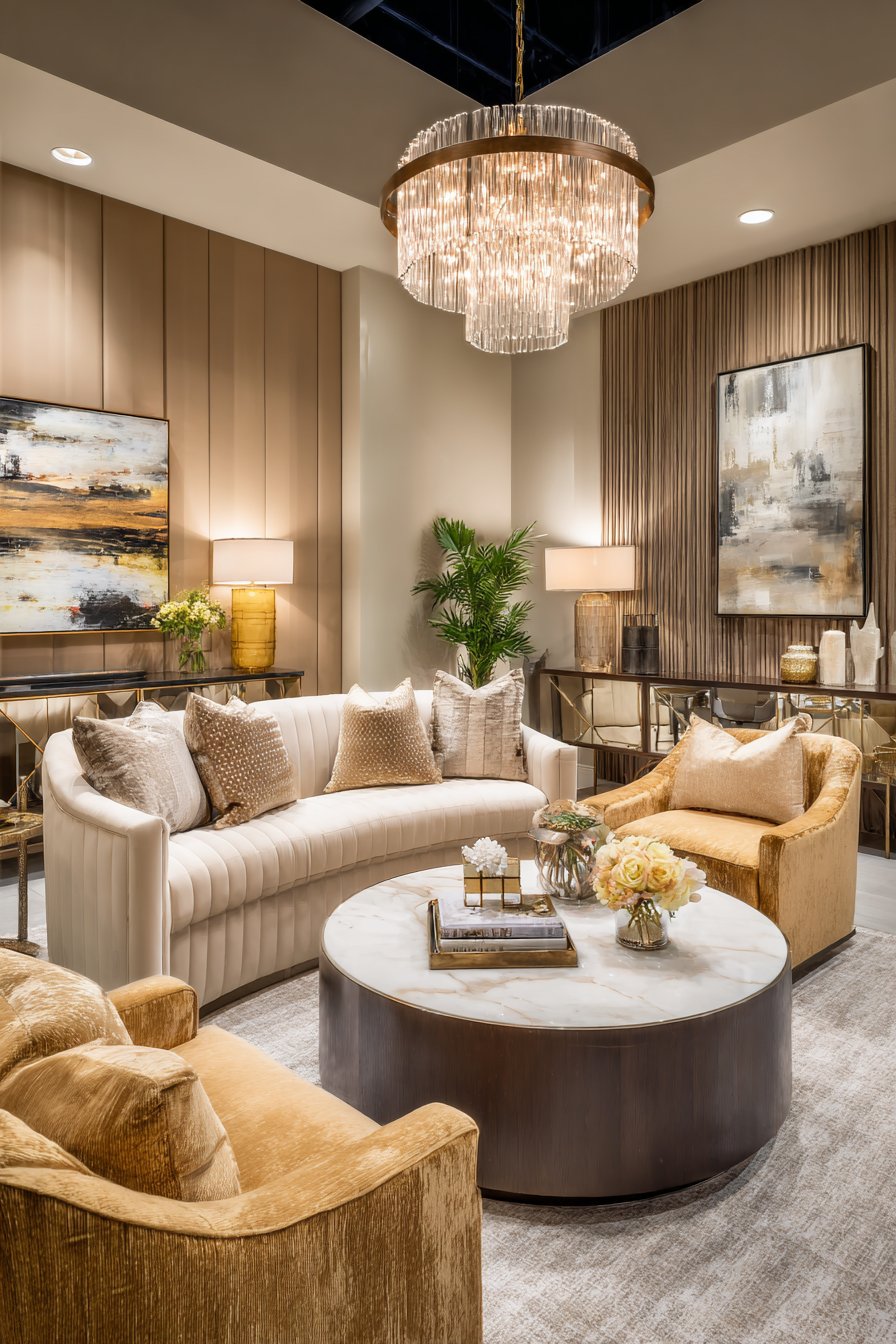
The inherent uniqueness of live edge installations means no two walls ever look identical—each piece’s individual character, shape, and coloration contributes to completely original compositions. This one-of-a-kind quality appeals to homeowners seeking distinctive, personalized spaces that reflect their appreciation for natural materials and organic aesthetics. The irregular edges create visual movement and flow, with wavy lines guiding eyes across walls in unpredictable, engaging patterns.
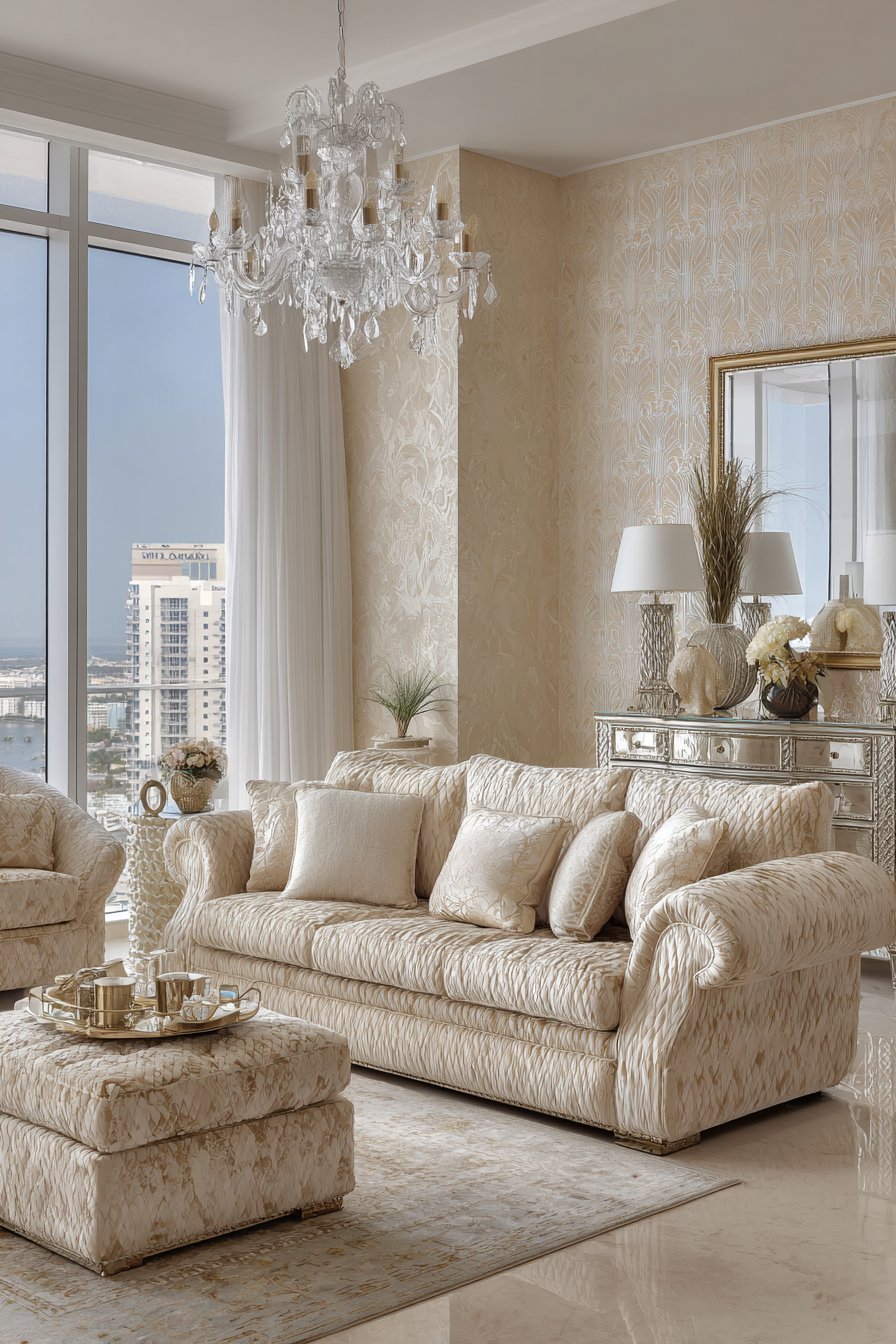
Live edge paneling works particularly well in contemporary rustic, organic modern, and biophilic design approaches where natural materials play central roles. The contrast between refined, processed elements—sleek furniture, smooth textiles, clean-lined accessories—and raw, unprocessed wood edges creates compelling tension that adds depth and interest to overall designs. Strategic lighting that highlights the dimensional quality of edges and emphasizes wood grain enhances the natural beauty.
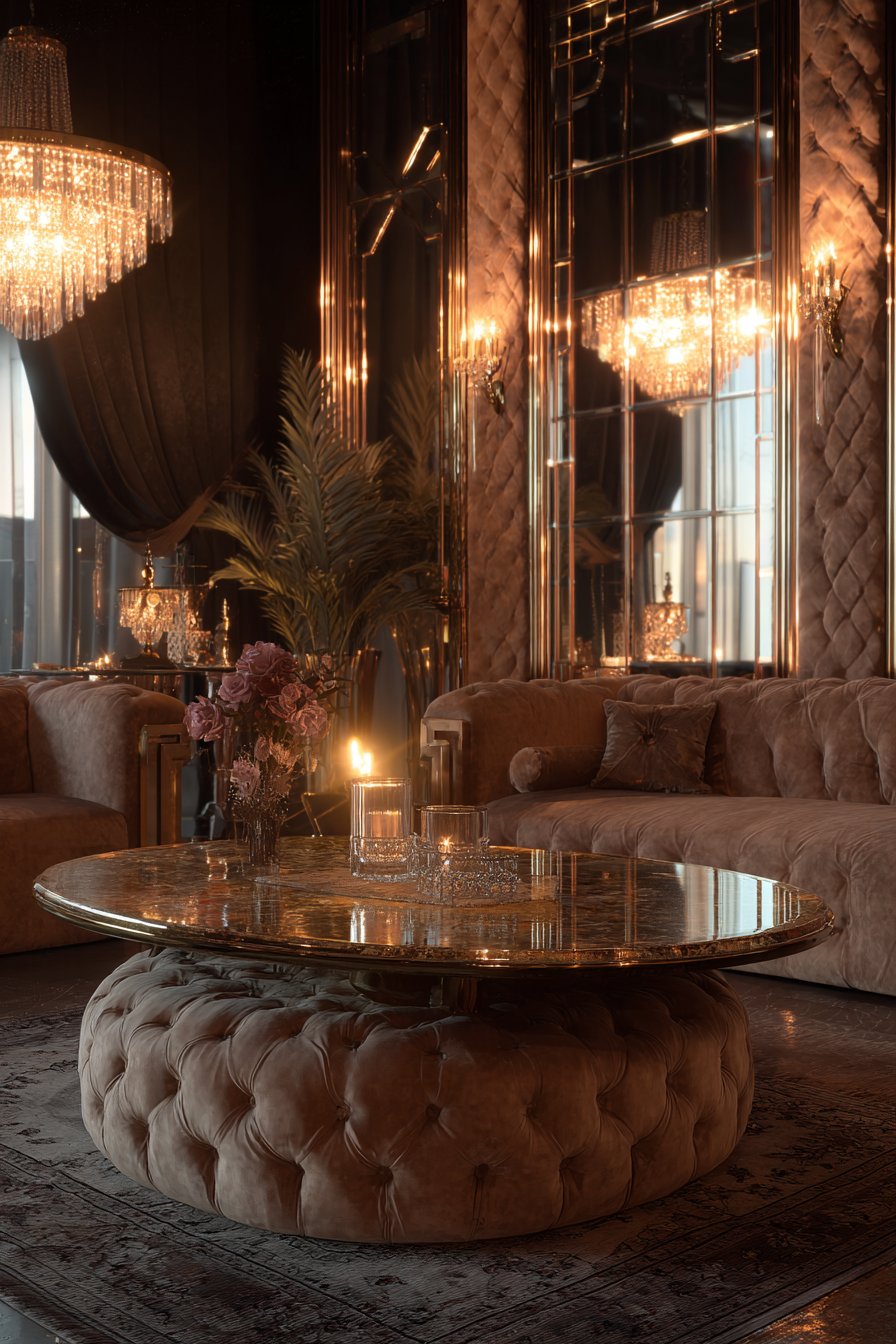
Essential considerations for live edge installations include thoroughly cleaning and preparing wood to eliminate pests and debris, applying appropriate finishes to stabilize bark and protect wood while maintaining natural appearance, planning layouts to optimize individual pieces’ visual impact, ensuring adequate support for irregular pieces, and embracing organic variation rather than seeking uniformity.
19. Sophisticated Two-Tone Contrast
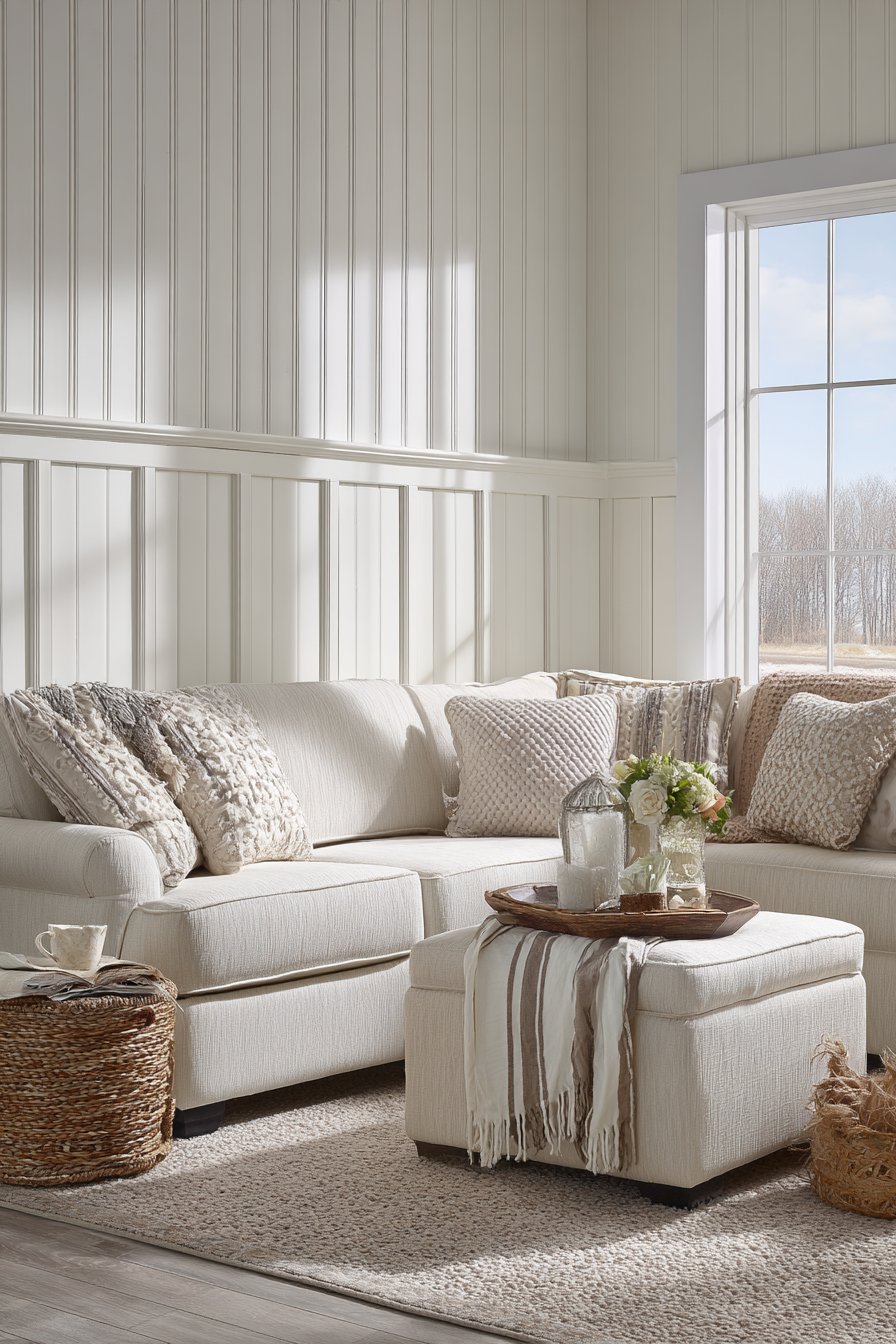
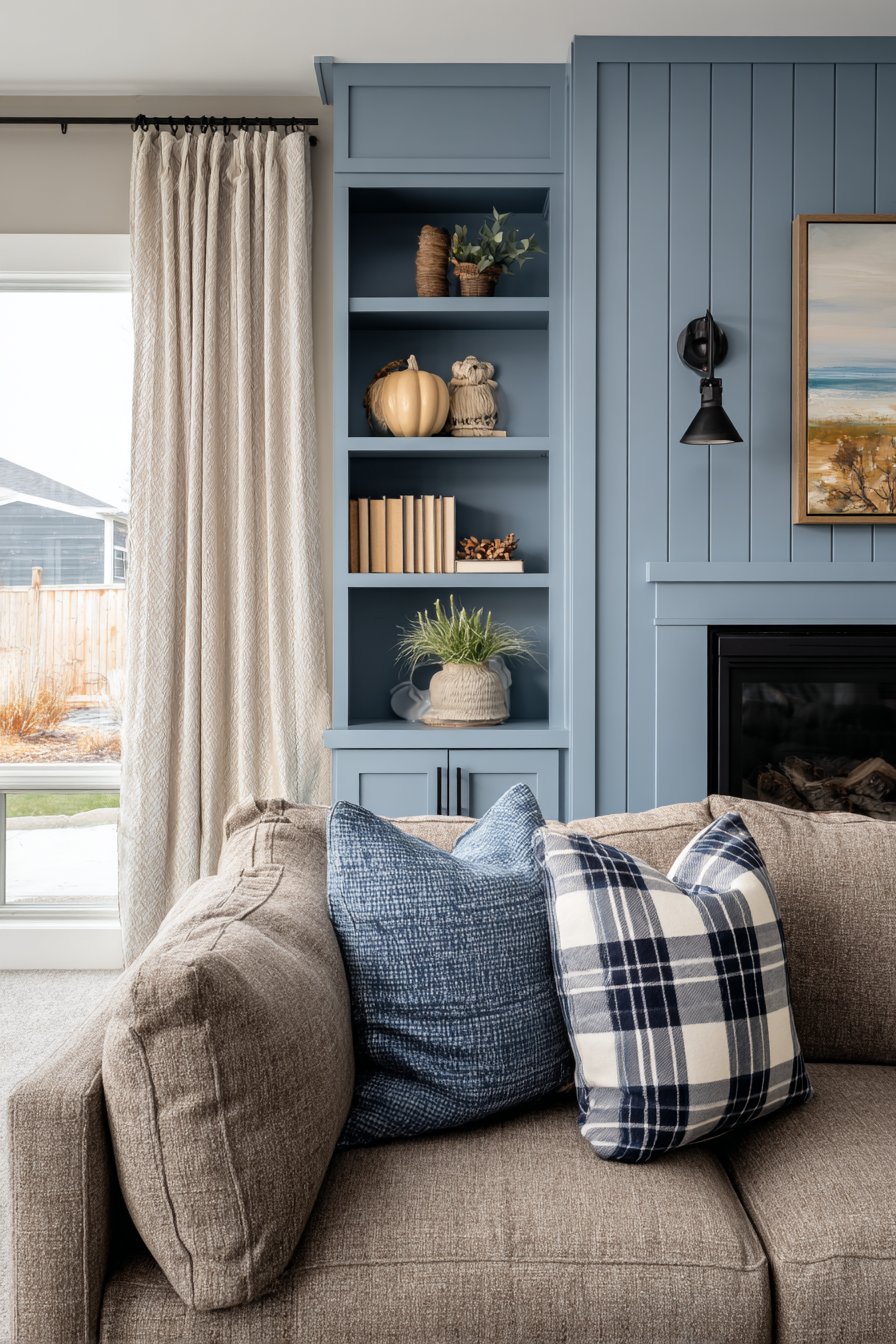
Two-tone wall paneling creates visual interest and architectural definition through strategic color contrasts that highlight paneling details and establish clear design hierarchies. This approach uses different colors for panel surfaces and surrounding walls, or contrasts panel frames with their interior fields, creating layered compositions that add complexity and sophistication. The color relationships establish mood and energy—soft, analogous combinations create harmonious calm, while bold complementary contrasts generate dynamic excitement.
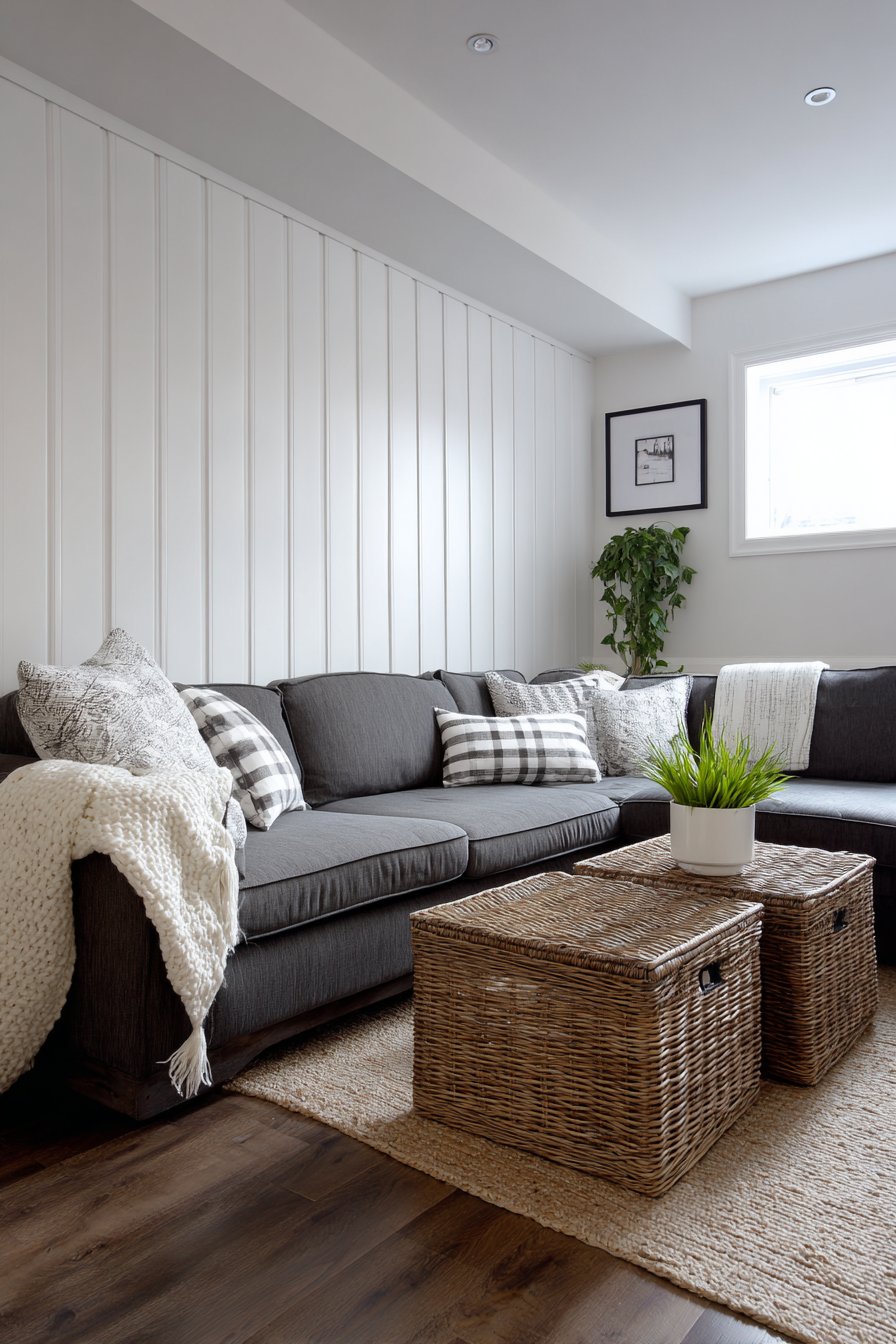
The strategic use of lighter and darker values can manipulate room perception—darker lower panels with lighter upper walls create traditional grounding that makes ceilings feel higher, while reversed arrangements with light lower sections and dark upper areas subvert expectations for contemporary drama. The horizontal division created by two-tone treatments adds proportion and balance to challenging room dimensions, providing visual structure that makes spaces feel more carefully considered and intentionally designed.
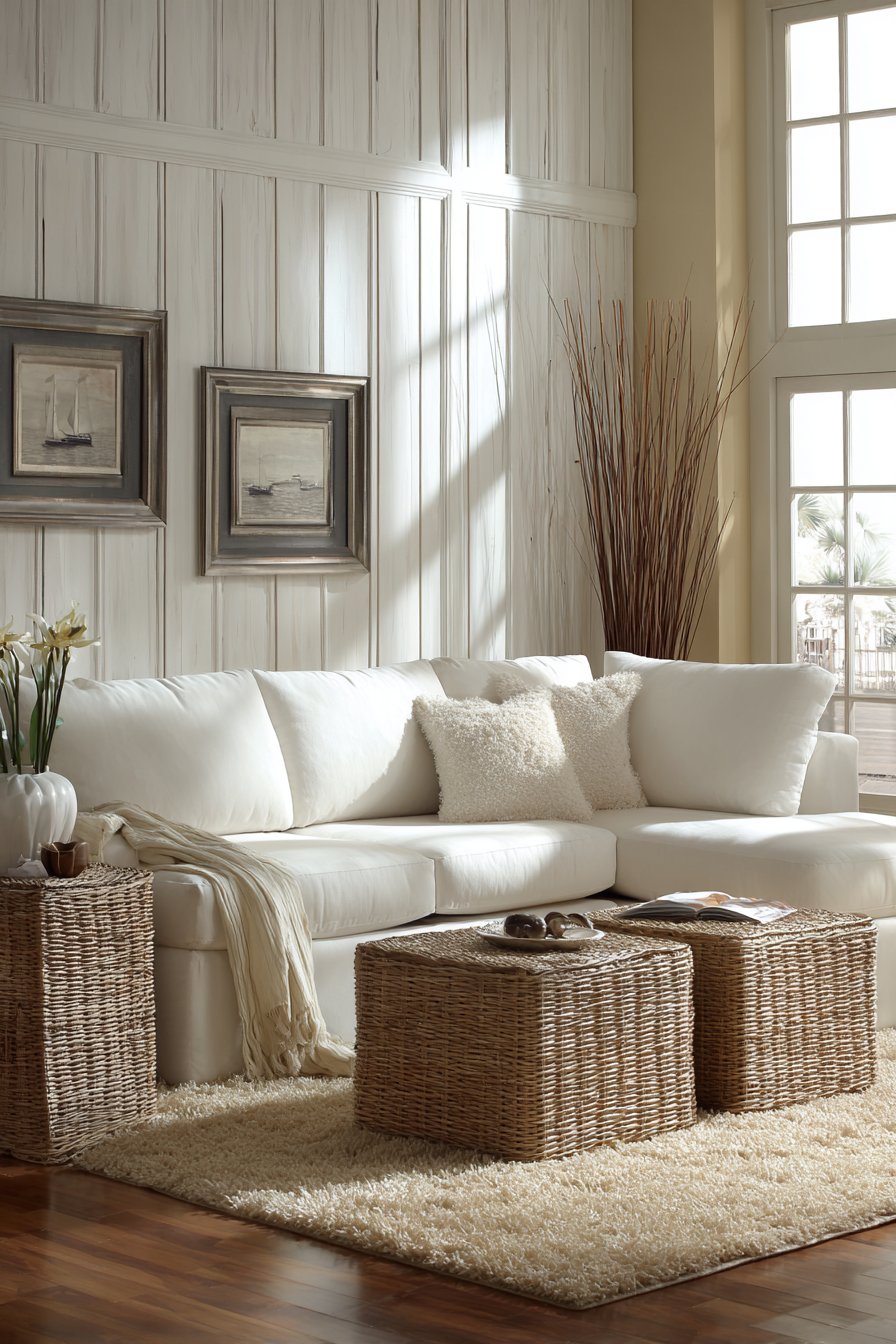
Two-tone approaches work across various paneling styles—board and batten gains extra impact when battens contrast with background walls, picture frame molding becomes more pronounced when frame interiors differ from surroundings, and simple flat panels transform into graphic statements through color contrast. The technique also offers opportunities to incorporate trendy colors without full commitment—use bold hues on panels while keeping surrounding walls neutral for easier future updates.
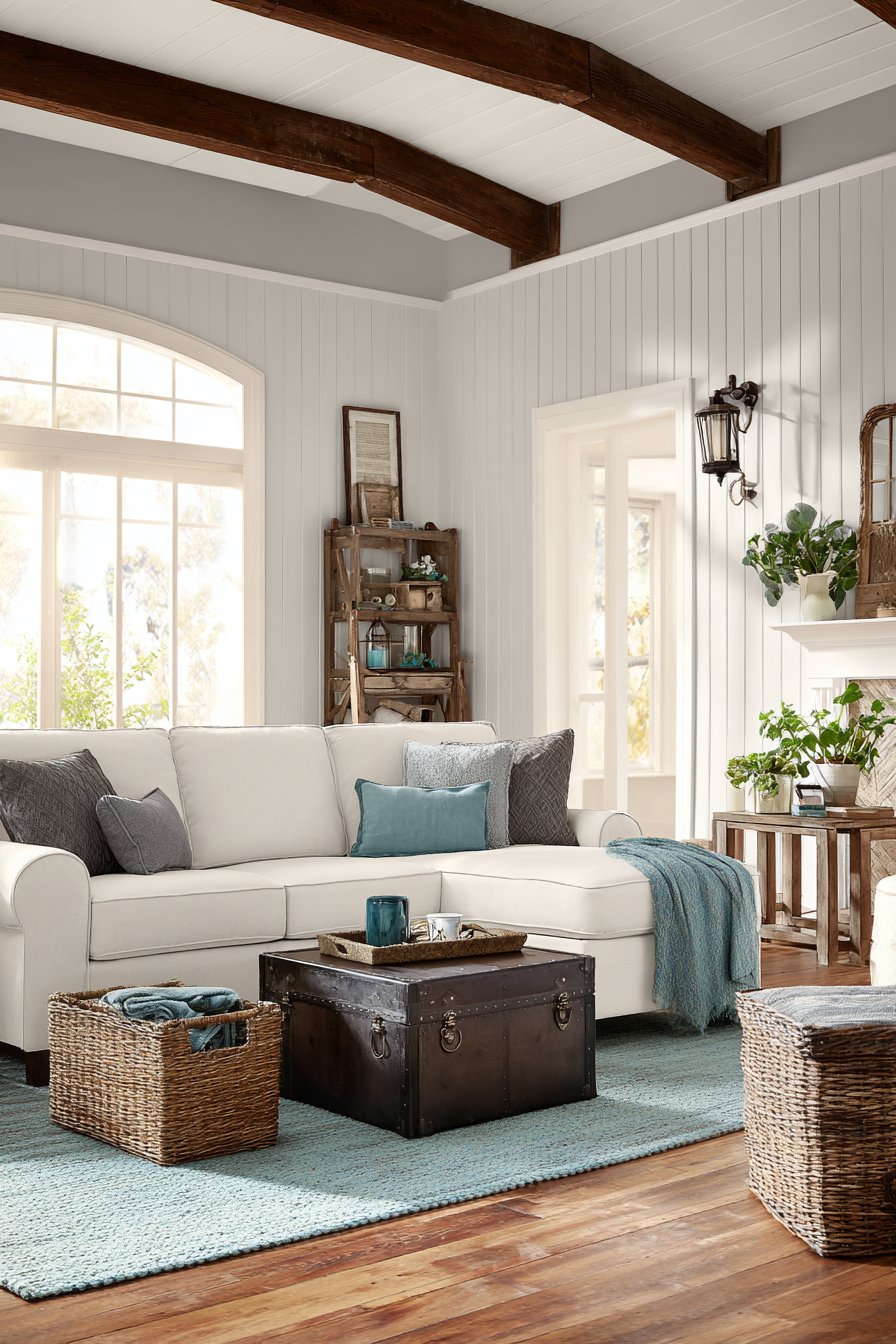
Critical success factors for two-tone paneling include selecting colors that complement overall room palettes and furnishings, maintaining clean, crisp lines where colors meet for professional appearance, testing color combinations in your actual space before committing, considering how natural and artificial light affect color relationships, and balancing contrast levels to create impact without overwhelming.
20. Artistic Mixed Material Fusion
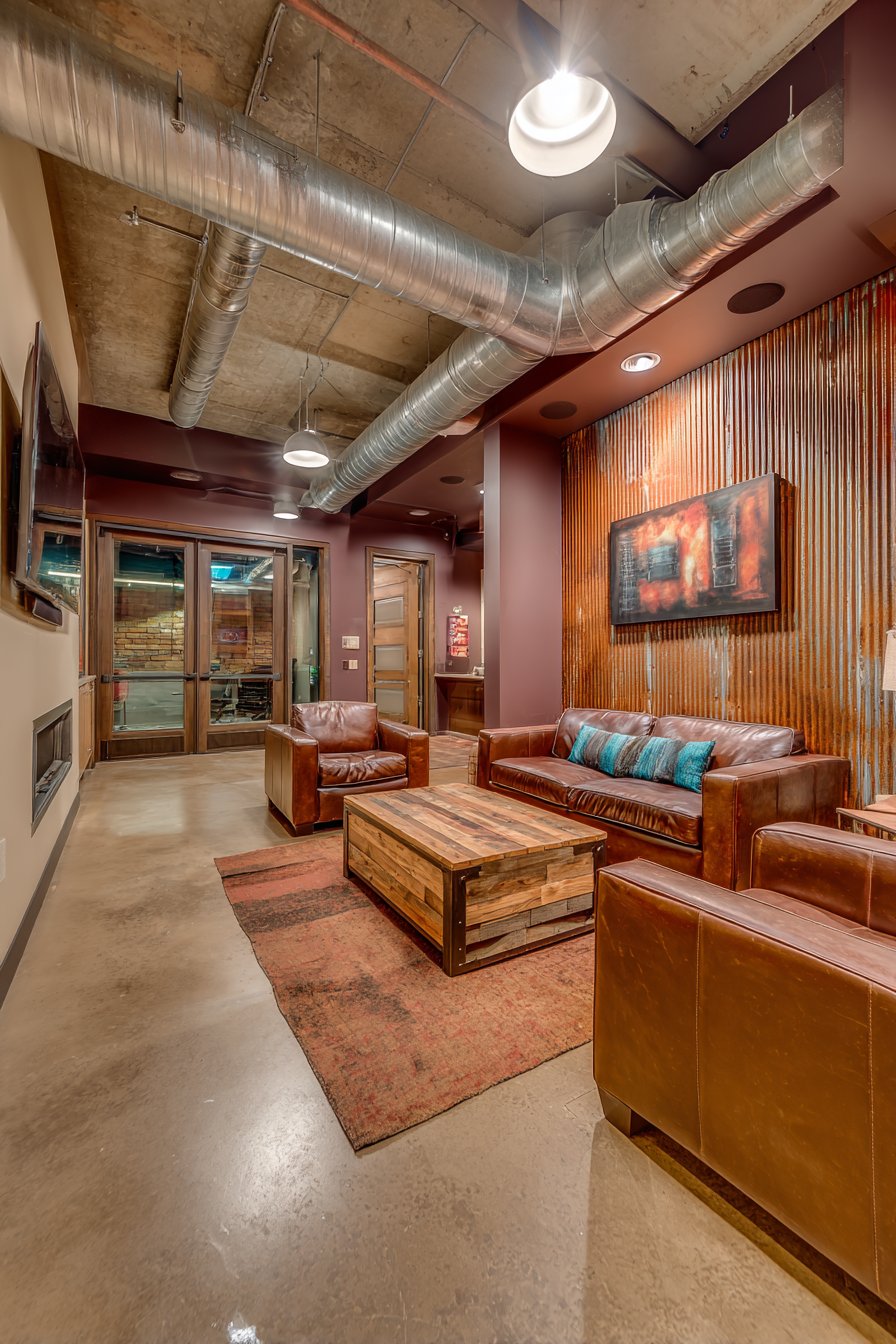
Mixed material wall paneling creates eclectic sophistication through intentional combinations of different surfaces—wood planks interspersed with metal accents, stone or brick sections alternating with smooth panels, or fabric inserts within wooden frames. This creative approach celebrates diversity and visual complexity, creating walls that function as three-dimensional collages. The interplay between contrasting textures, colors, and materials generates rich visual interest that rewards extended observation and contemplation.
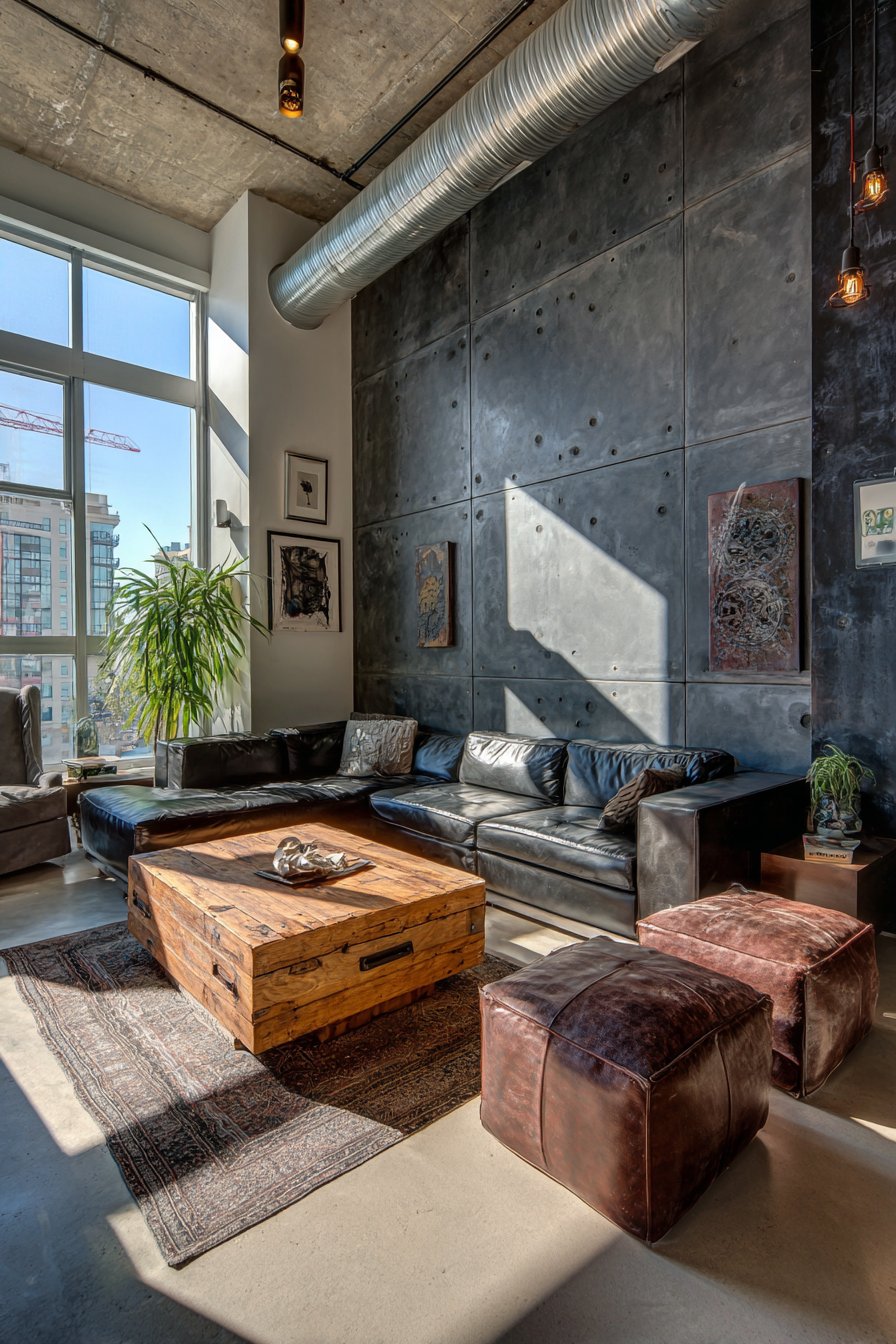
The successful execution of mixed material paneling requires careful planning and strong design vision to prevent chaos—establishing clear patterns or rhythms in material placement creates coherence, as does maintaining consistent color relationships across different materials. The approach works particularly well when one material dominates while others serve as accents, creating hierarchy and preventing visual competition. For instance, primarily wood paneling with occasional metal stripe insertions maintains wood as the primary statement while metal adds contemporary edge.
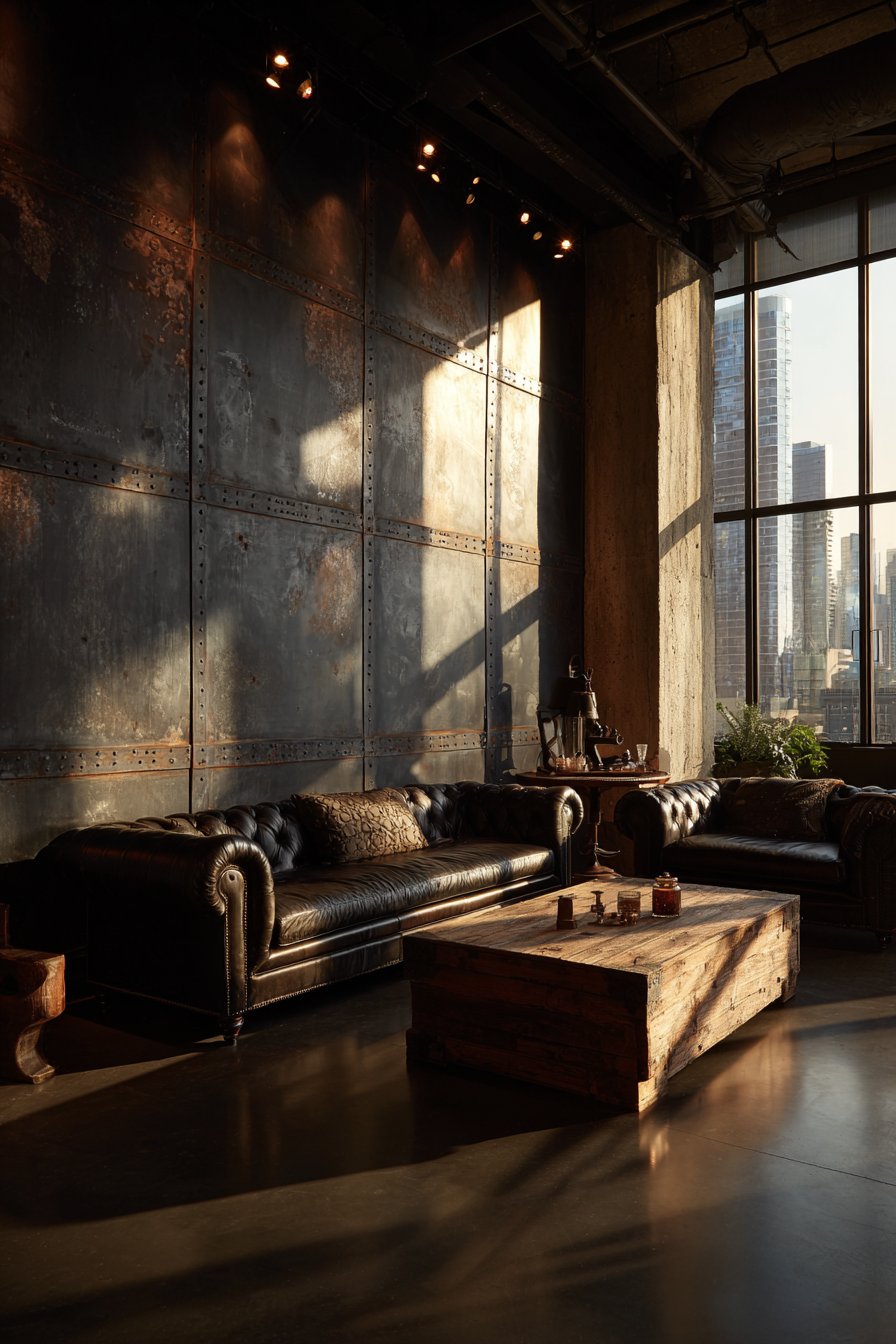
Mixed material installations offer excellent opportunities for personalization and storytelling, incorporating meaningful elements like reclaimed wood from significant locations, metal from family heirlooms, or tiles from memorable travels. These personal touches transform walls into narrative expressions that reflect homeowner histories and values. The technical complexity of working with different materials—each requiring specific installation methods, treatments, and maintenance—makes professional installation advisable for achieving optimal results.
Key implementation considerations for mixed material walls include ensuring compatible thickness across different materials for flush surfaces, planning transitions carefully to create clean, professional junctions, selecting materials with similar maintenance requirements when possible, considering weight implications and installing appropriate support structures, and maintaining cohesive design vision to prevent materials from competing visually.
21. Luxurious Upholstered Soft Walls
Upholstered wall panels introduce luxurious softness and acoustic benefits to living rooms through fabric-covered surfaces that provide tactile warmth and visual richness. This elegant approach transforms walls into cushioned surfaces that invite touch while absorbing sound for quieter, more intimate atmospheres. The fabric options range from rich velvets and sumptuous linens to textured wools and elegant silks, each bringing distinct character and aesthetic qualities. The depth created by padding beneath fabrics adds dimensional interest while providing subtle insulation benefits.
The acoustic advantages of upholstered walls prove particularly valuable in media rooms or conversation-focused living areas where sound quality matters—fabric absorbs sound waves rather than reflecting them, reducing echo and creating more pleasant audio environments. This functional benefit combines beautifully with aesthetic appeal, making upholstered panels practical luxury additions rather than purely decorative indulgences. The softness also provides practical protection in homes with children, creating forgiving surfaces that cushion impacts.
Design possibilities with upholstered walls extend beyond simple fabric-covered surfaces to include tufted panels with button details, channeled surfaces with linear stitching patterns, or even custom embroidered or printed fabrics that incorporate personal designs or meaningful imagery. Frame styles, from simple smooth edges to elaborate moldings, further customize appearances. The ability to change fabric covers offers flexibility for future updates—refresh your walls by recovering panels in new fabrics without complete reinstallation.
Essential guidelines for upholstered wall panels include selecting appropriate padding thickness for desired softness and acoustic performance, choosing fabrics suitable for vertical applications that won’t sag over time, considering stain-resistant treatments for practical maintenance, ensuring proper attachment methods that accommodate fabric-covered thickness, and planning regular cleaning schedules to maintain fresh, beautiful appearance.
Why These Wall Paneling Designs Work Best
The wall paneling ideas presented in this comprehensive guide represent the finest approaches to living room transformation because they address multiple design considerations simultaneously—aesthetic appeal, functional performance, installation practicality, and long-term value. Each paneling style offers distinct advantages that make it ideal for specific design goals, room conditions, and personal preferences, ensuring homeowners can find perfect solutions regardless of their unique situations.
Classic options like shiplap paneling, board and batten, and wainscoting endure because they deliver timeless architectural character that transcends passing trends. These traditional approaches add permanent value to homes while providing the flexibility to update surrounding decor without the paneling ever feeling dated. Their proven track records spanning decades, even centuries, demonstrate their fundamental design soundness and enduring appeal. The wainscoting installation techniques and board and batten wall treatments have been refined over generations, resulting in construction methods that ensure lasting beauty and durability.
Contemporary designs including vertical slat paneling, fluted panels, and 3D geometric patterns excel in modern living rooms because they create architectural interest through form and shadow rather than ornamental detail. These modern wall paneling ideas align perfectly with current design preferences for clean lines and material honesty while offering sufficient visual complexity to prevent sterile appearances. The vertical wall panels and contemporary paneling designs work particularly well in open-concept spaces, creating definition and focal points without installing permanent walls that would compromise sight lines or light flow.
Material-focused approaches like reclaimed wood paneling, grasscloth walls, and live edge installations succeed by celebrating authentic natural beauty and sustainable design principles. Today’s homeowners increasingly value eco-friendly wall treatments and materials with genuine stories, making these options not just aesthetically appealing but also emotionally satisfying. The rustic wood paneling and natural wall covering ideas connect interior spaces to nature in meaningful ways that support biophilic design principles proven to enhance wellbeing.
Pattern-based designs including herringbone, chevron, and mixed material fusion work exceptionally well because they transform walls into genuine design features rather than mere backgrounds. These decorative wall panel patterns create visual interest that eliminates or reduces the need for additional wall art, simplifying decor while maximizing impact. The geometric paneling designs demonstrate how thoughtful pattern application can manipulate spatial perception, making rooms appear larger, taller, or more balanced through purely visual means.
Specialized treatments like upholstered panels, dark accent walls, and two-tone contrasts address specific functional needs while delivering sophisticated aesthetics. The fabric wall panels improve acoustics while adding luxury, dramatic dark paneling creates intimate atmospheres perfect for media viewing, and contrasting wall treatments establish clear architectural hierarchy. These targeted solutions prove that excellent design balances beauty with practical performance, delivering spaces that function as well as they look.
The versatility across these living room wall paneling ideas ensures appropriate solutions exist for every budget, skill level, and design preference. DIY-friendly options like painted shiplap and basic board and batten allow homeowners to achieve professional-looking results without extensive construction experience, while complex installations like herringbone patterns and mixed materials provide opportunities for craftspeople to showcase their skills. This range of complexity means paneling projects can match available resources without compromising design quality.
The dimensional quality inherent in most paneling approaches—whether the subtle shadow lines of horizontal planks, the pronounced depth of 3D panels, or the organic irregularity of live edge wood—adds architectural character that flat painted walls simply cannot achieve. This textured wall paneling creates visual interest that changes throughout the day as light angles shift, ensuring walls never appear static or boring. The dimensional wall treatments provide value through their ability to engage and interest viewers over time rather than revealing all their beauty immediately.
The wall paneling installation methods associated with these designs have been developed and refined to ensure long-term durability and easy maintenance. Quality paneling properly installed provides decades of beauty with minimal upkeep, making the initial investment cost-effective when evaluated over the life of the installation. The durable wall panel options resist damage better than painted drywall, often requiring only occasional cleaning to maintain their appearance rather than periodic repainting.
Color and finish flexibility across these wall treatment ideas means paneling adapts to evolving tastes and decor changes. Most wood paneling accepts paint or stain refinishing, allowing complete color transformations without replacing materials. Painted wall panels can be refreshed in new hues as trends change, while natural wood can transition from clear finish to stained or painted surfaces as preferences evolve. This adaptability protects investment value while accommodating personal growth and design evolution.
The acoustic wall panels and sound-dampening properties of many paneling options—particularly upholstered, wood, and 3D textured surfaces—provide functional benefits that enhance living room comfort. These sound-absorbing wall treatments reduce echo and improve conversation quality, making spaces more pleasant for both quiet reading and lively entertainment. The practical performance supplements aesthetic appeal, delivering complete solutions rather than purely decorative additions.
Architectural enhancement represents perhaps the most significant benefit across all these wall paneling solutions—they add perceived value and sophistication that prospective home buyers recognize and appreciate. Quality paneling distinguishes properties in competitive real estate markets, creating memorable impressions that generic painted walls cannot achieve. The architectural wall details signal attention to quality and design consciousness that extends throughout homes, suggesting well-maintained properties worth premium prices.
The creative wall paneling applications demonstrated in these twenty-one designs inspire homeowners to view walls as opportunities for artistic expression rather than neutral backgrounds. This shift in perspective encourages more adventurous, personalized design choices that result in distinctive, memorable spaces reflecting individual personalities and values. The unique paneling ideas presented here demonstrate that walls can contribute actively to room character rather than passively supporting other design elements.
Ultimately, these paneling approaches work best because they recognize that excellent living room wall ideas must balance multiple considerations—aesthetic beauty, functional performance, installation practicality, maintenance requirements, budget realities, and personal preferences. No single solution works universally for all homeowners and situations, but within this diverse collection, virtually everyone can identify approaches that align with their specific needs and aspirations. The versatile wall paneling options ensure that whether your style tends toward traditional elegance, contemporary minimalism, rustic warmth, or eclectic creativity, appropriate paneling solutions exist to bring your vision to life.
Conclusion
Wall paneling represents one of the most impactful transformations you can make in your living room, elevating ordinary spaces into architecturally distinguished environments that reflect your personal style and design sensibility. The twenty-one approaches explored in this guide demonstrate the remarkable versatility and creative potential of wall paneling, from time-honored classics like shiplap and wainscoting to cutting-edge contemporary solutions like 3D geometric patterns and vertical slat installations. Each design offers unique aesthetic qualities and functional benefits, ensuring appropriate solutions exist for every home, budget, and skill level.
As you consider which paneling approach might work best in your living room, remember that the most successful installations authentically reflect your personality and lifestyle while addressing your space’s specific characteristics and challenges. Don’t feel constrained by design rules or trend dictates—the best choice is always the one that makes you happy every time you enter the room. Consider how natural light moves through your space throughout the day, how your furniture arrangement might interact with paneled walls, and how the paneling will coordinate with your existing architectural features and decor elements.
We encourage you to experiment with these ideas, adapting and customizing them to create truly personalized spaces that feel uniquely yours. Start with small projects like accent walls to build confidence and skills before tackling full-room installations. Visit showrooms and model homes to see paneling options in person, as photographs never fully capture the dimensional quality and tactile appeal of textured walls. Collect samples of materials and colors, testing them in your own space under your specific lighting conditions before making final commitments. Most importantly, trust your instincts and design sensibilities—your living room should ultimately please you and support your lifestyle, making it a space where you genuinely want to spend time. With thoughtful planning, careful execution, and the inspiration provided by these diverse paneling ideas, you can transform your living room into a stunning showcase of architectural character and personal style.
