
In the realm of interior design, lighting serves as one of the most powerful yet often underutilized tools for transforming a space. While we invest considerable time selecting furniture, paint colors, and decorative accessories, the strategic use of wall highlights can elevate an ordinary room into an extraordinary sanctuary. Wall highlighting isn’t merely about illumination—it’s about creating depth, emphasizing architectural features, showcasing cherished collections, and establishing mood through carefully planned layers of light. These thoughtful lighting choices can make rooms feel larger, cozier, more dramatic, or more serene, depending on your design goals.
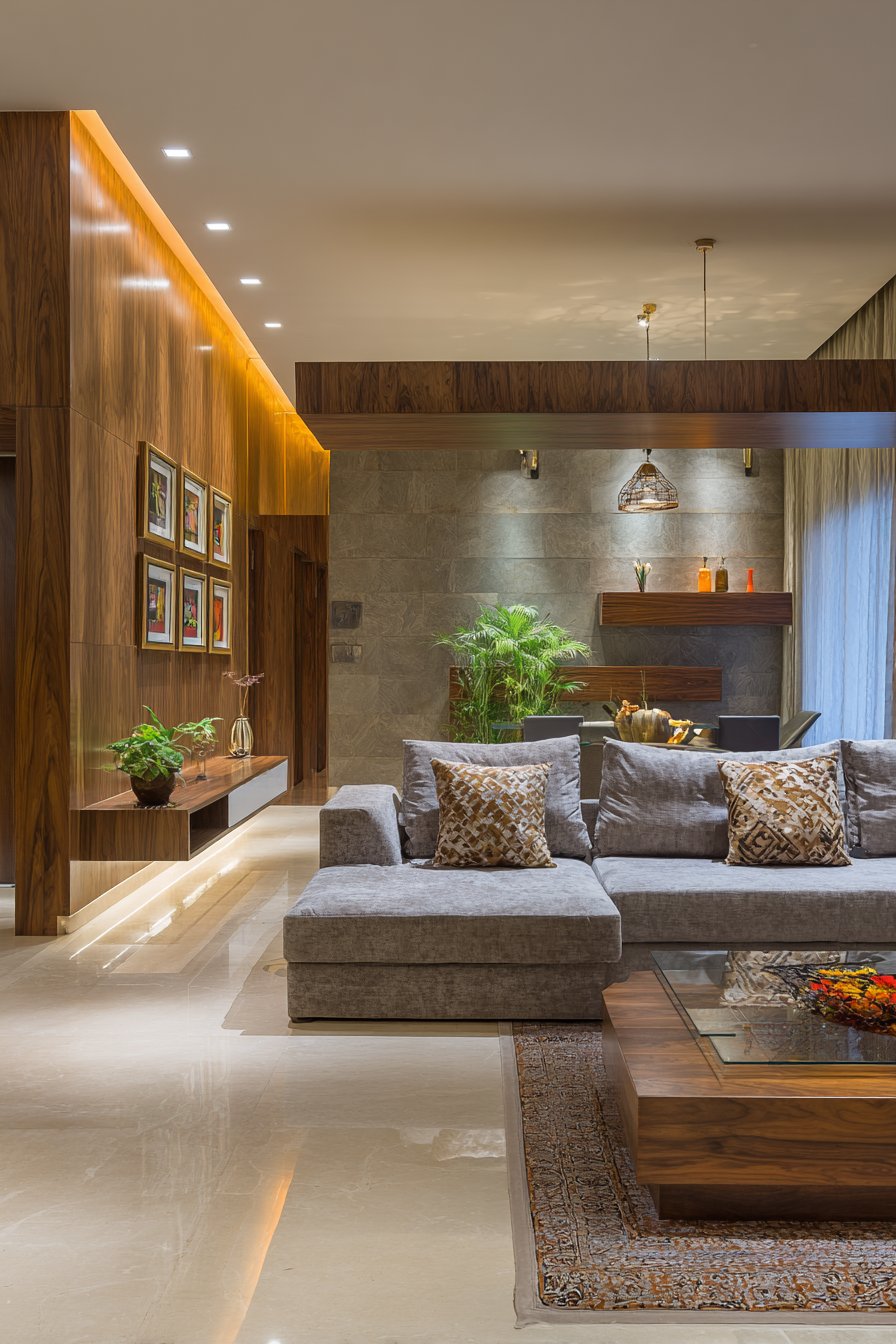
The beauty of wall highlight ideas lies in their versatility and accessibility. Whether you’re working with a compact powder room or an expansive living area, there are countless approaches to incorporating strategic lighting that suits your space, budget, and aesthetic preferences. From sleek LED strips that create modern floating effects to traditional picture lights that showcase artwork, wall highlights offer both functional and decorative benefits. They can guide movement through hallways, create focal points in living areas, improve task lighting in workspaces, and add that professional, polished touch that distinguishes a thoughtfully designed home from a simply furnished one.
This comprehensive guide explores twenty-three innovative wall highlight ideas that span various rooms and design styles. Each concept demonstrates how strategic lighting can address specific challenges while enhancing the overall ambiance of your home. Whether you’re drawn to minimalist contemporary aesthetics, cozy traditional warmth, or bold dramatic statements, you’ll discover practical approaches to illuminating your walls in ways that reflect your personal style while improving the functionality and beauty of every space. Let’s explore how these lighting solutions can transform your home into a masterfully lit showcase of design excellence.
1. Contemporary Living Room with Recessed LED Perimeter Lighting
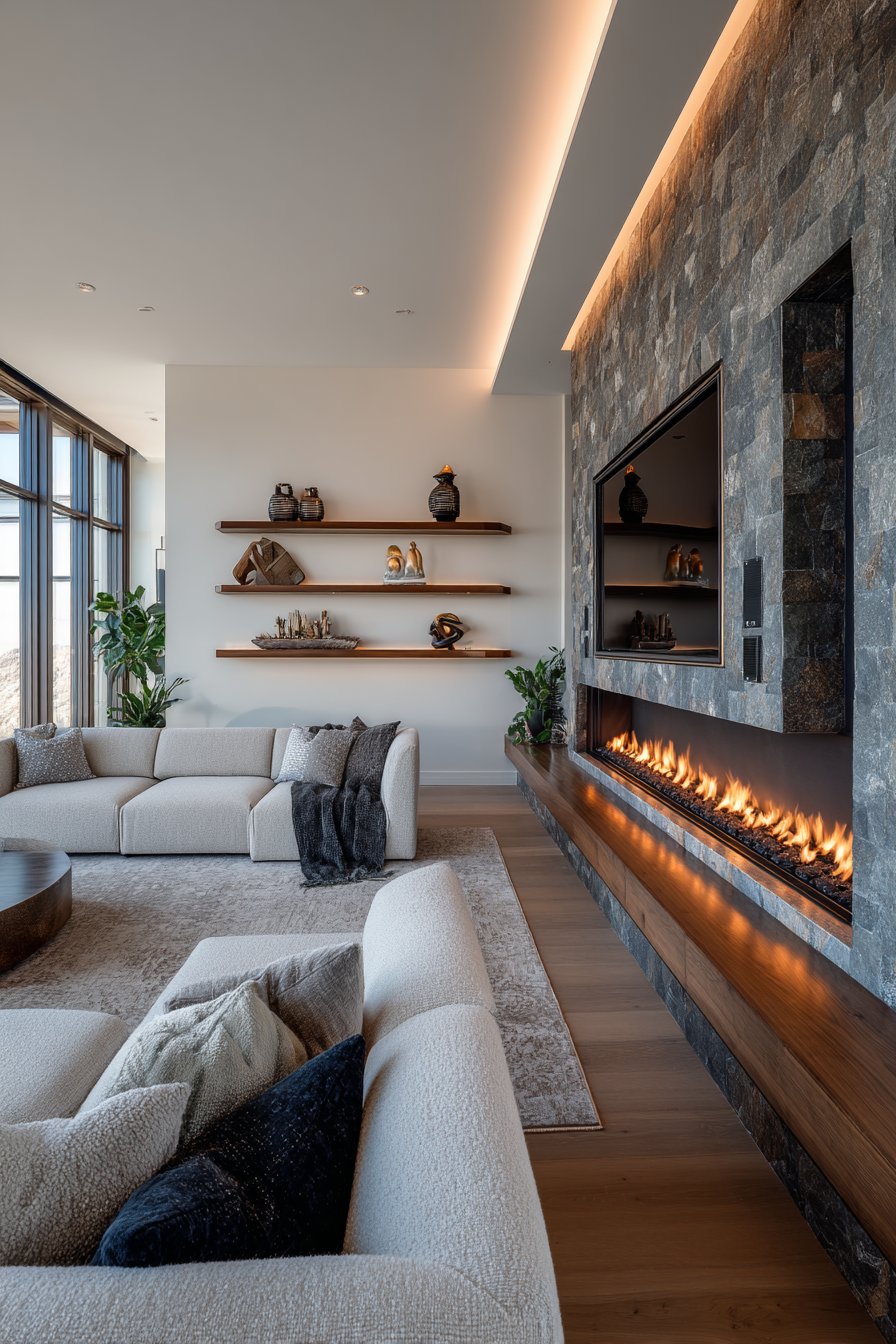
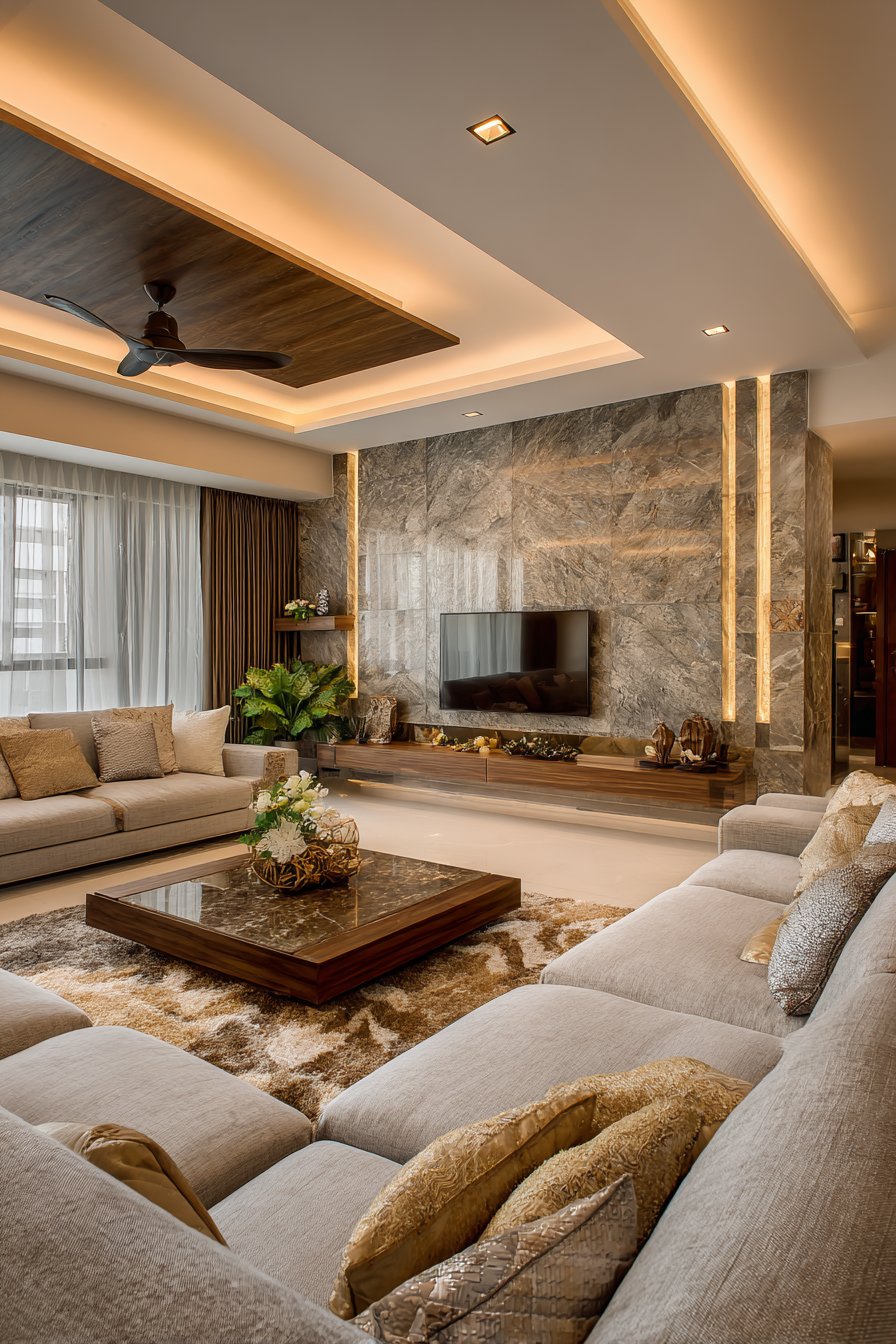
The foundation of exceptional wall highlighting begins with understanding how light can reshape spatial perception. In a contemporary living room setting, recessed LED strip lighting installed along the ceiling perimeter creates an illusion of height and spaciousness that traditional lighting simply cannot achieve. This floating effect occurs when light washes upward against the ceiling and downward along the walls, effectively dissolving the boundaries between vertical and horizontal planes. The main wall in this design showcases vertical accent lighting that highlights a textured stone panel installation, creating dramatic shadows that emphasize the dimensional quality of natural materials.
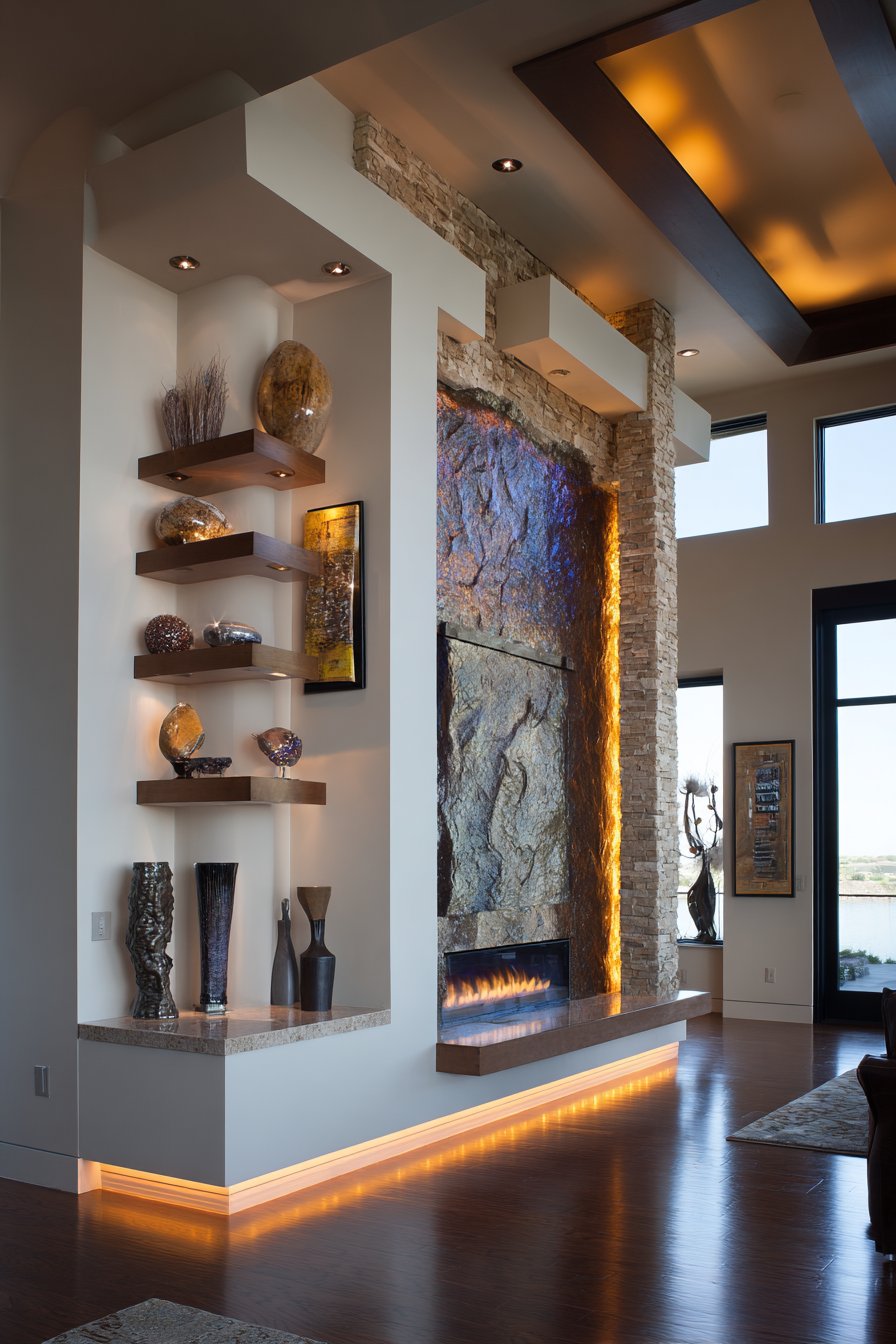
Natural oak floating shelves with integrated underlighting add another layer of illumination while serving both practical and aesthetic purposes. These shelves display decorative objects that become mini exhibitions when properly lit from below, casting subtle shadows against the wall and creating visual interest at eye level. The warm glow emanating from beneath the shelves adds warmth to the space while drawing attention to carefully curated collections. This approach transforms simple storage into an architectural feature worthy of admiration.
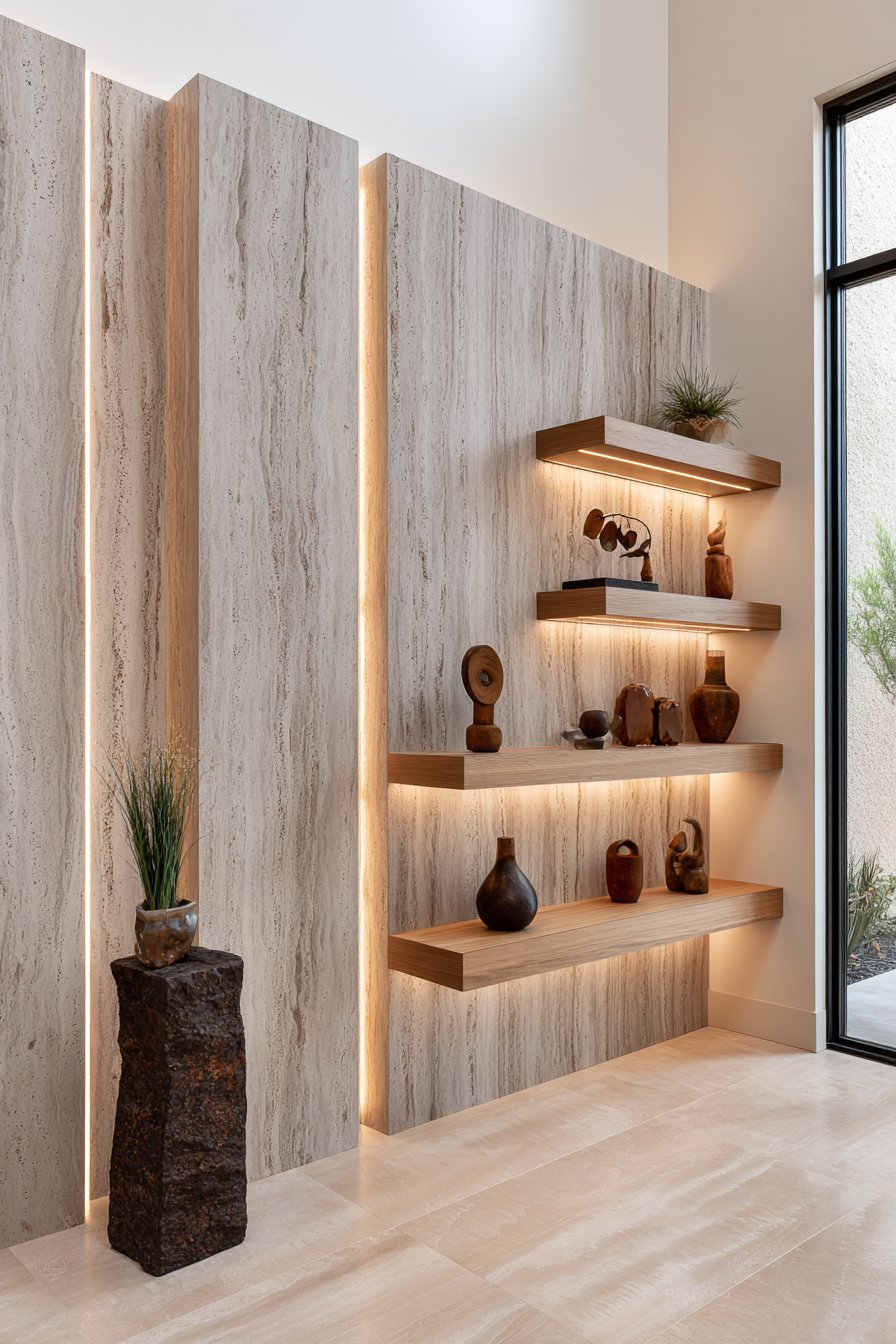
The interplay between natural daylight and artificial accent lights requires careful balancing to ensure the space feels cohesive throughout the day. During daytime hours, the LED highlights subtly enhance architectural features without competing with natural light. As evening approaches, these same highlights become the primary light source, transforming the room’s character from bright and airy to intimate and sophisticated. The warm ambient glow created by multiple light sources working in harmony eliminates harsh shadows while maintaining visual interest through varied intensity and direction.
Key Design Tips:
- Install dimmable LED strips to adjust lighting intensity based on time of day and desired mood
- Choose warm white LEDs (2700-3000K) for living spaces to create inviting ambiance
- Position floating shelves at varying heights to create dynamic visual rhythm
- Use textured wall materials that respond beautifully to grazing light, emphasizing their dimensional qualities
- Combine perimeter lighting with focused accent lights for comprehensive illumination
- Consider smart lighting controls that allow preset scenes for different activities
2. Modern Bedroom with Backlit Wall Panels
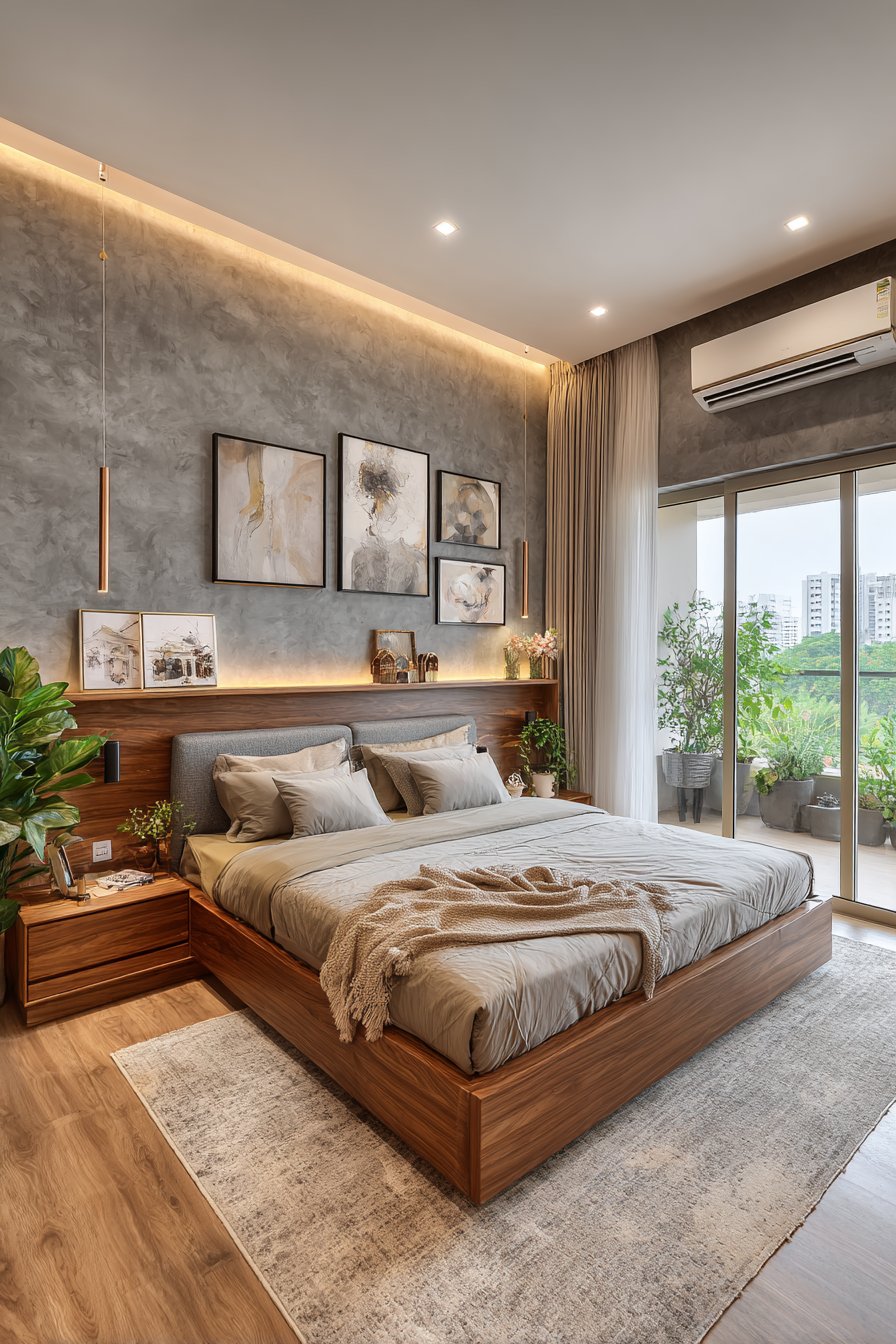
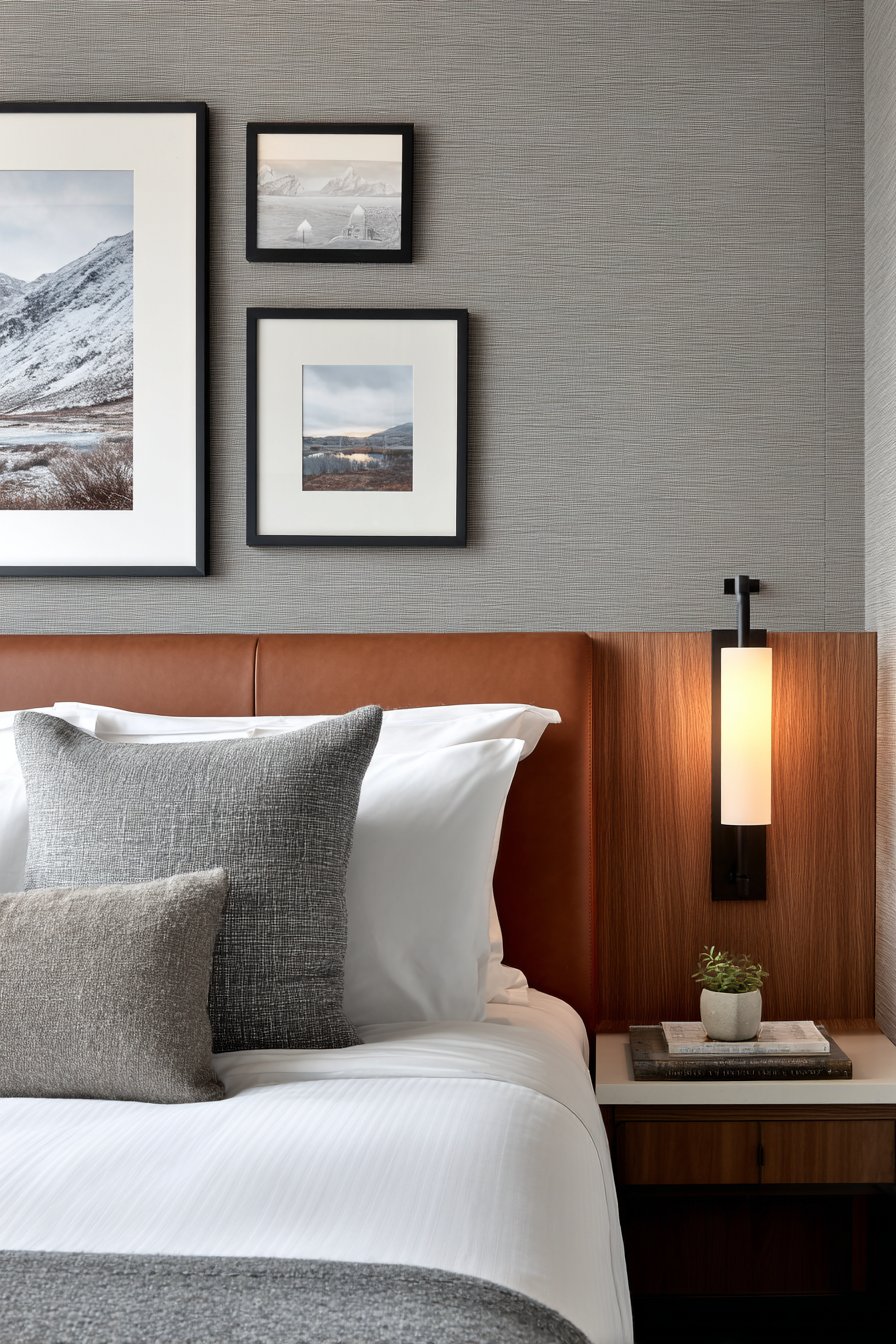
Creating a serene bedroom sanctuary requires thoughtful consideration of how lighting affects relaxation and sleep quality. Backlit wall panels in warm walnut veneer positioned behind the headboard establish an unmistakable focal point while providing gentle ambient illumination perfect for evening unwinding. The warm tones of the walnut gain depth and richness when illuminated from behind, creating a soft halo effect that eliminates the need for harsh overhead lighting. This approach transforms a simple headboard wall into a sophisticated architectural statement that anchors the entire room design.
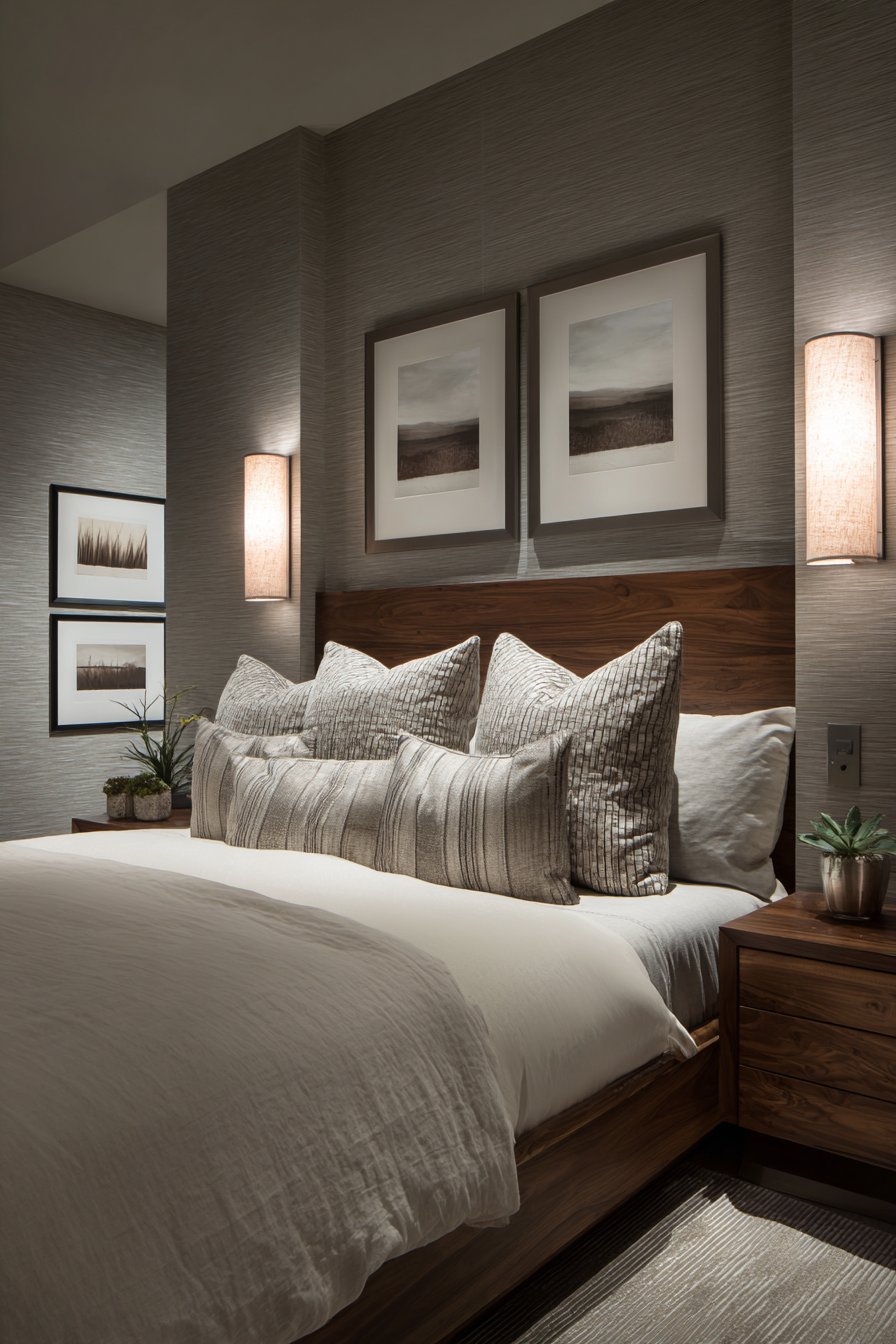
Slim vertical LED fixtures flanking the bed create symmetrical uplighting against textured gray walls, establishing visual balance while serving practical purposes. These fixtures provide sufficient light for bedtime reading without disturbing a sleeping partner, and their vertical orientation draws the eye upward, enhancing the perception of ceiling height. The symmetry they create contributes to the room’s sense of calm and order—qualities essential in spaces dedicated to rest and rejuvenation. When dimmed to their lowest settings, these fixtures provide just enough illumination for safe navigation during nighttime hours.
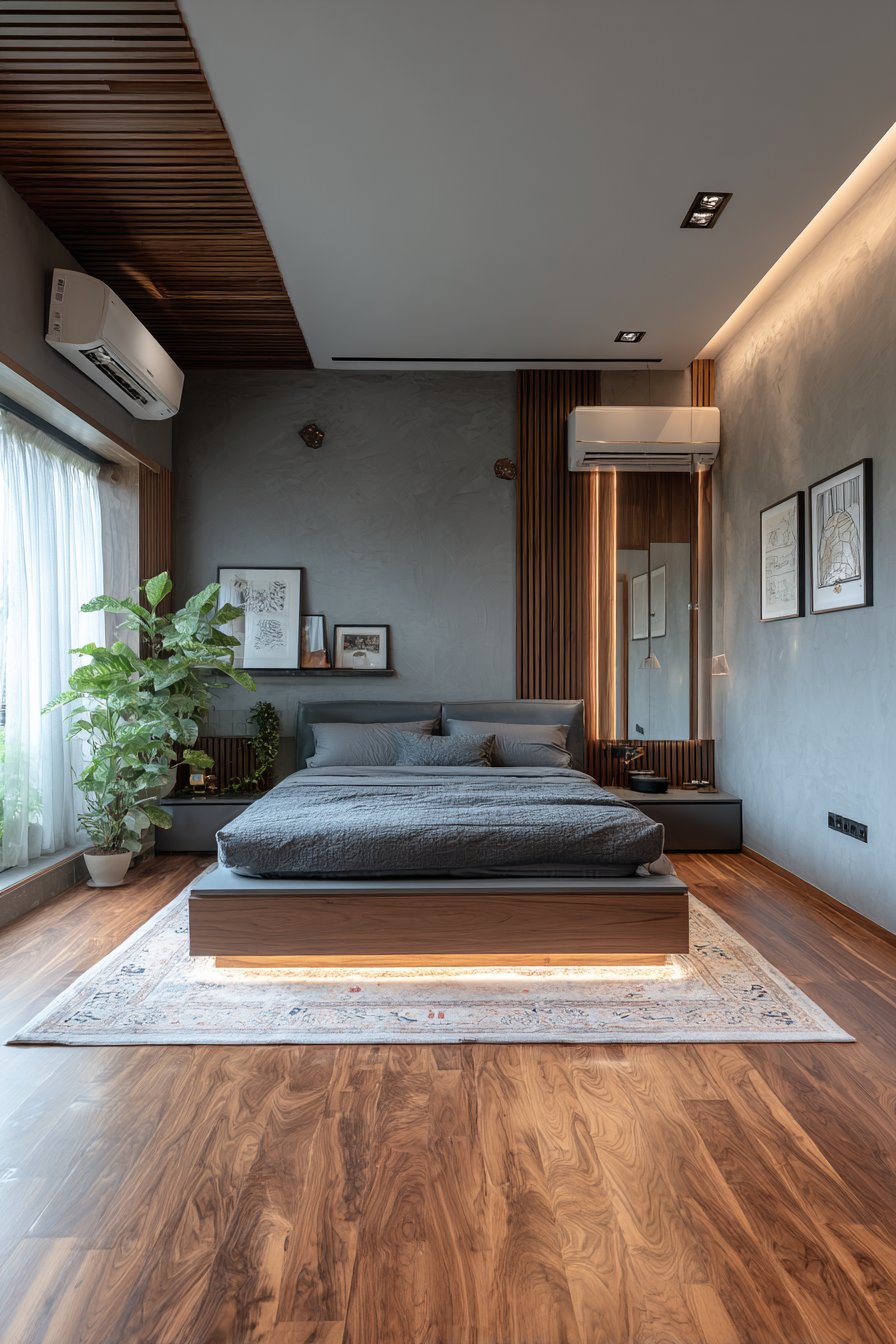
Small picture lights illuminate framed artwork on adjacent walls, extending the lighting scheme beyond the bed wall and creating visual interest throughout the space. This distribution of light sources prevents the room from feeling cave-like or overly focused on a single area. The combination of backlit panels, vertical fixtures, and picture lights creates multiple layers of illumination that can be controlled independently, allowing for countless lighting scenarios to match different moods and activities. The subtle light gradients achieved through this layered approach add sophistication and depth that single-source lighting could never accomplish.
Key Design Tips:
- Select backlit panels with adjustable color temperature to transition from energizing morning light to relaxing evening warmth
- Position vertical fixtures 18-24 inches from the bed edge for optimal reading light without glare
- Use picture lights with adjustable heads to properly illuminate artwork while avoiding reflective glare
- Install separate switches or smart controls for each lighting element to maximize flexibility
- Choose matte or textured gray wall finishes that diffuse light beautifully without creating hot spots
- Consider motion-sensor nightlights integrated into the lighting scheme for safety and convenience
3. Dining Room with Grazing Wall Washers and Geometric Patterns
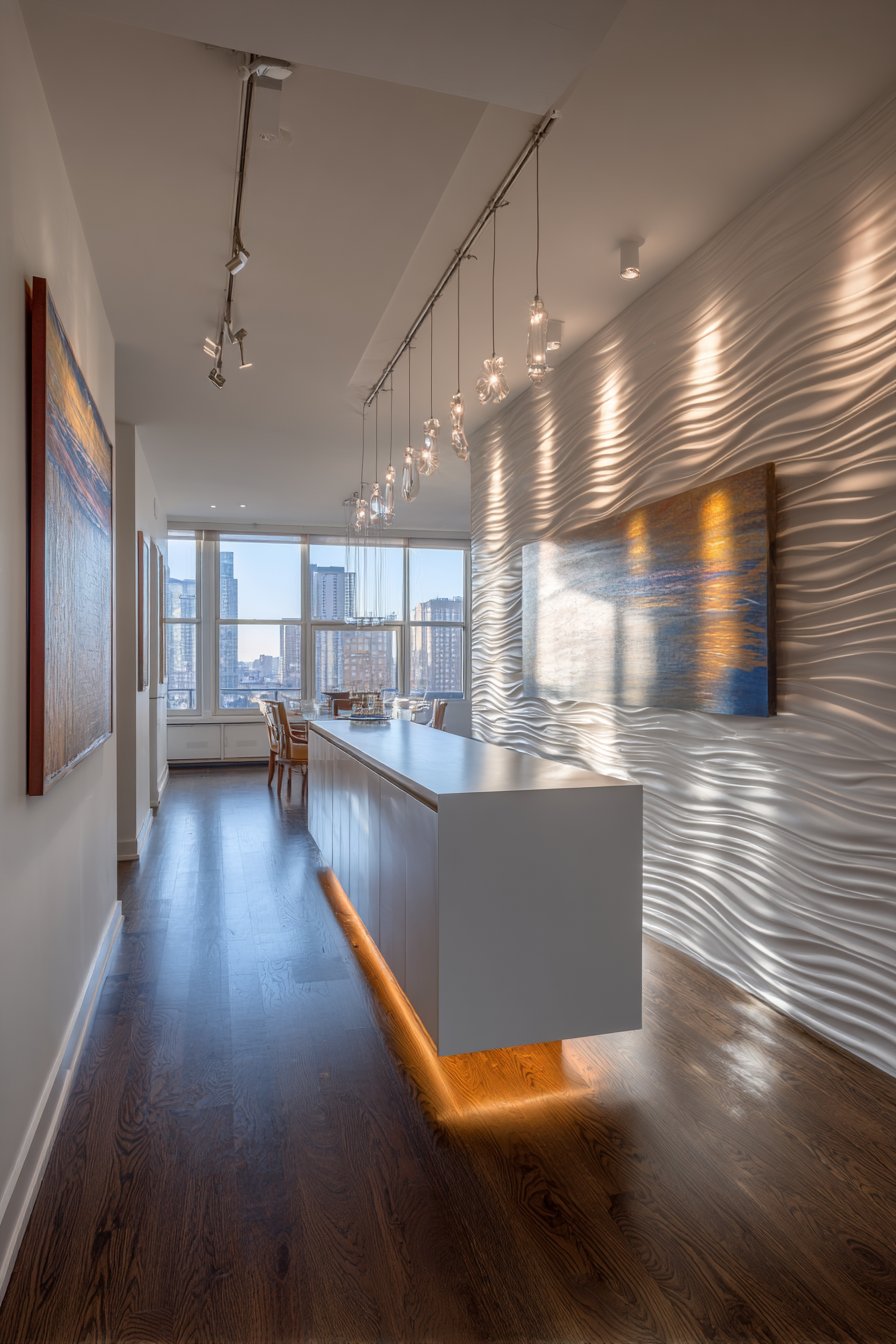
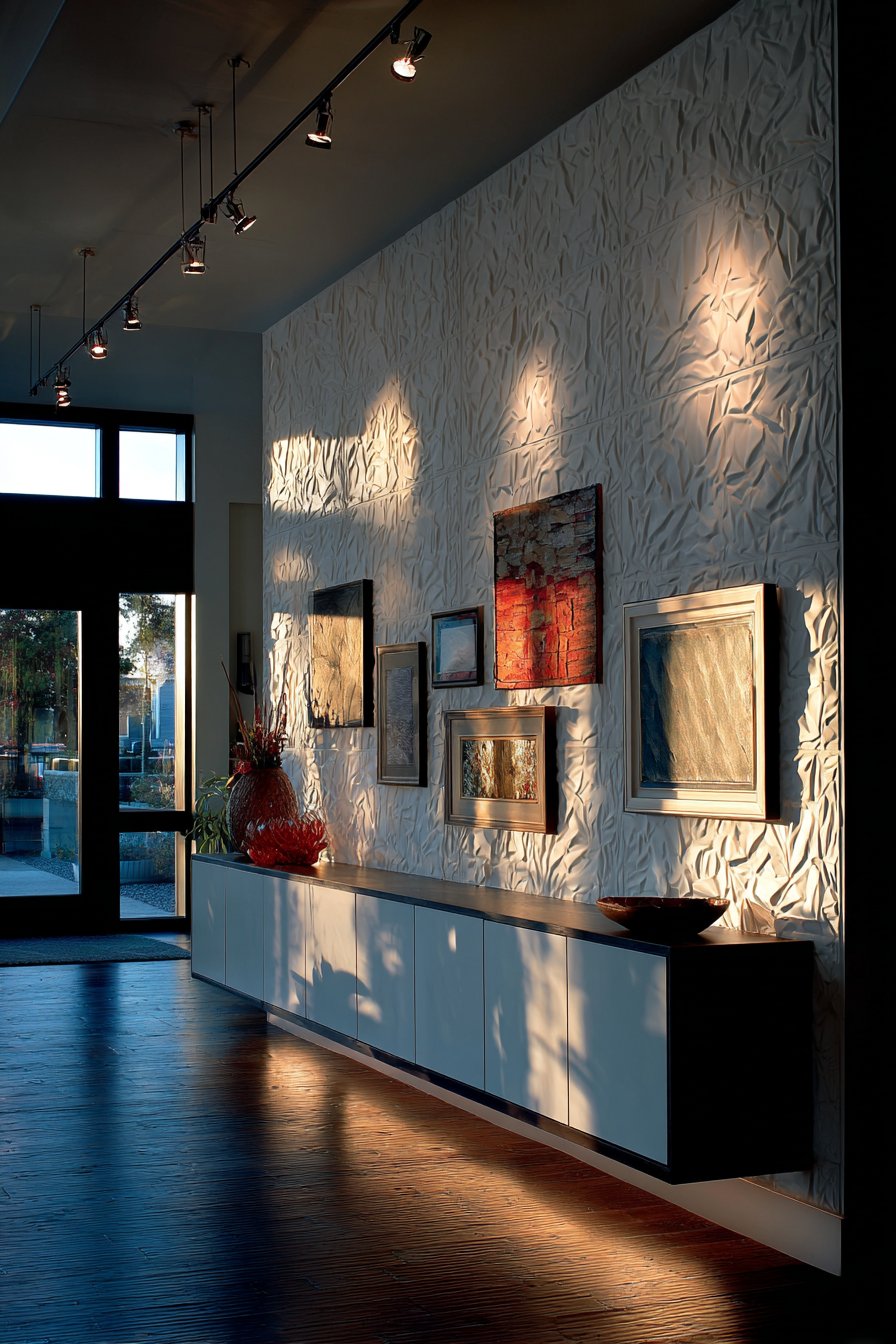
The dining room presents unique opportunities for dramatic wall highlighting that enhances the ceremonial nature of shared meals. Grazing wall washers illuminating decorative plaster walls with three-dimensional geometric patterns create captivating visual texture that becomes a conversation piece during gatherings. The technique of grazing—positioning light fixtures close to the wall so that beams skim across the surface—emphasizes every ridge, valley, and contour of the geometric patterns. This creates constantly shifting shadows that change subtly as diners move around the table, adding dynamic visual interest to what might otherwise be a static backdrop.
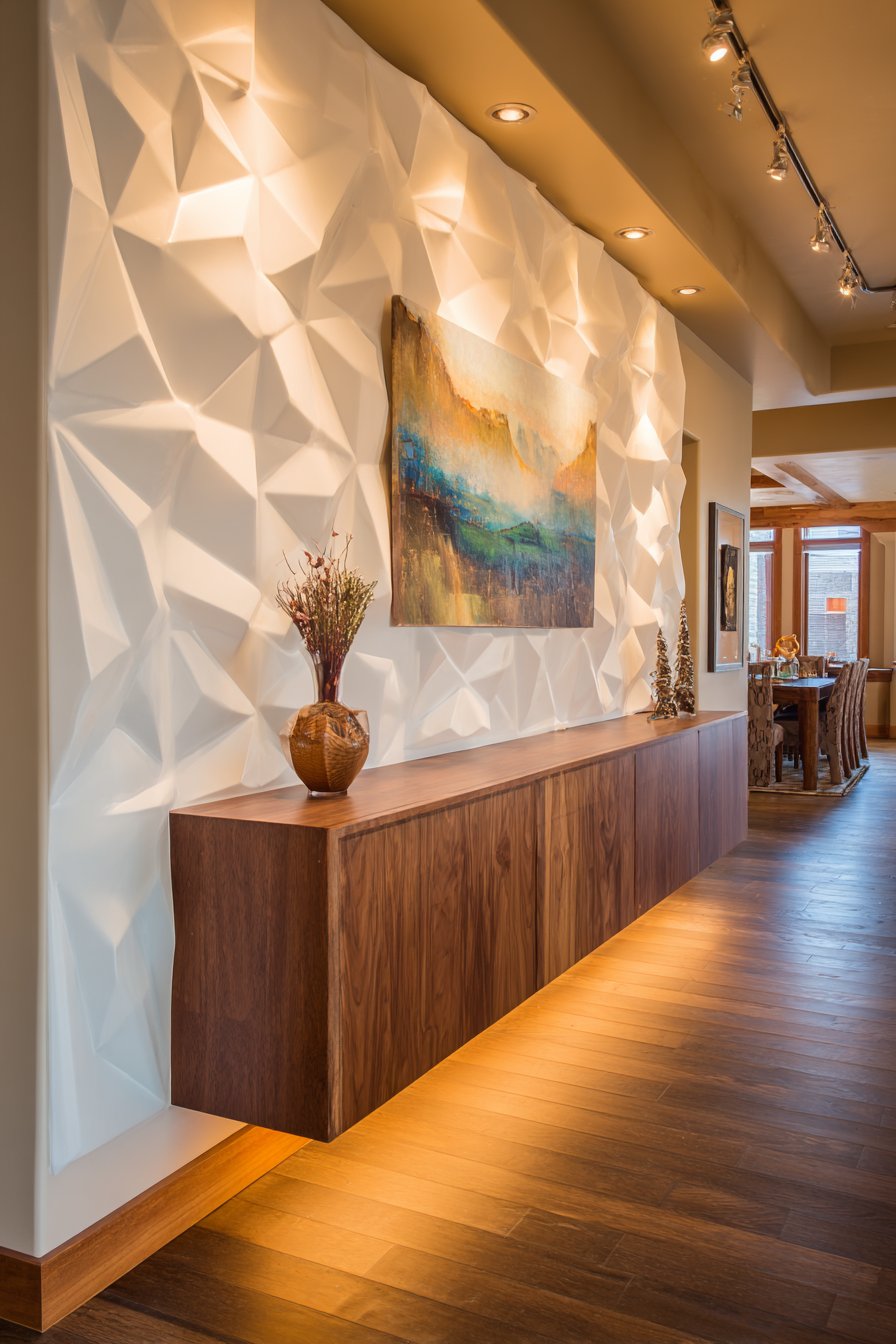
A floating credenza featuring integrated LED lighting beneath casts a warm glow on dark hardwood floors, creating the illusion that the furniture piece hovers weightlessly above the ground. This floating effect adds contemporary sophistication while providing subtle downward illumination that defines the room’s lower zone. The interplay between the dramatically lit wall above and the gentle floor wash below creates vertical layers of light that add depth and dimension to the dining experience. The warm glow reflecting off polished hardwood surfaces contributes additional ambient light while highlighting the quality of flooring materials.
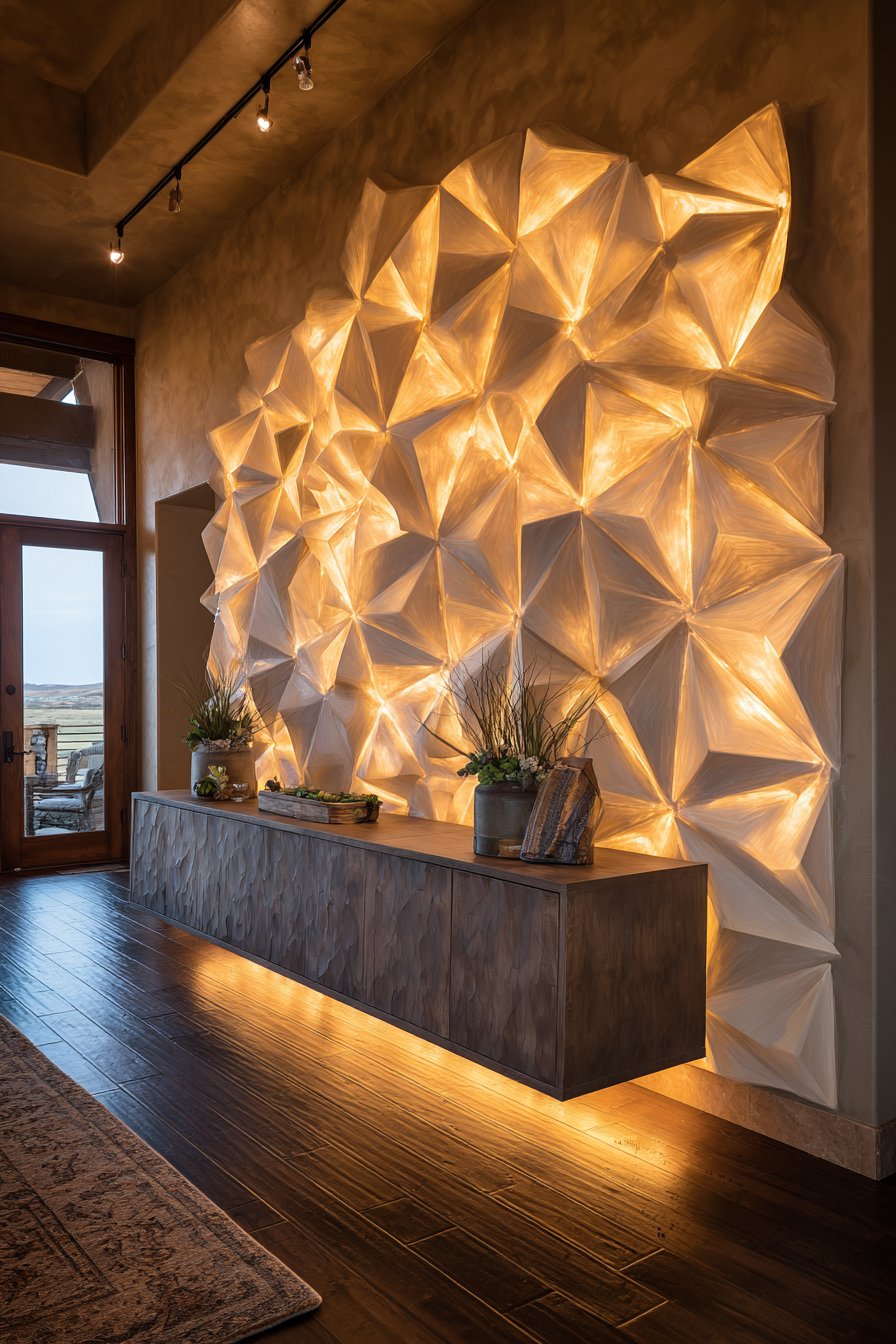
Track lighting with adjustable spotlights provides flexibility to highlight artwork and architectural features while supplementing the ambient lighting scheme. Unlike fixed lighting, track systems allow for repositioning as artwork changes or as furniture arrangements evolve. This adaptability ensures your lighting investment remains relevant through various design phases. The combination of grazing washers, floating credenza lighting, and adjustable track spotlights demonstrates how multiple highlighting techniques can work together to create a sophisticated, restaurant-quality dining atmosphere in a residential setting.
Key Design Tips:
- Position wall washers 6-12 inches from the wall surface for optimal grazing effect on textured surfaces
- Use narrow beam angle fixtures (15-25 degrees) for track lighting to create focused accent pools
- Coordinate the color temperature of all light sources (aim for 2700-3000K) for visual harmony
- Install dimmer controls on all circuits to adjust lighting intensity for different occasions
- Balance dramatic wall lighting with softer ambient sources to avoid creating a cave-like atmosphere
- Consider the reflectivity of flooring materials when planning under-furniture lighting to avoid excessive glare
4. Hallway Gallery Wall with Individual Picture Lights
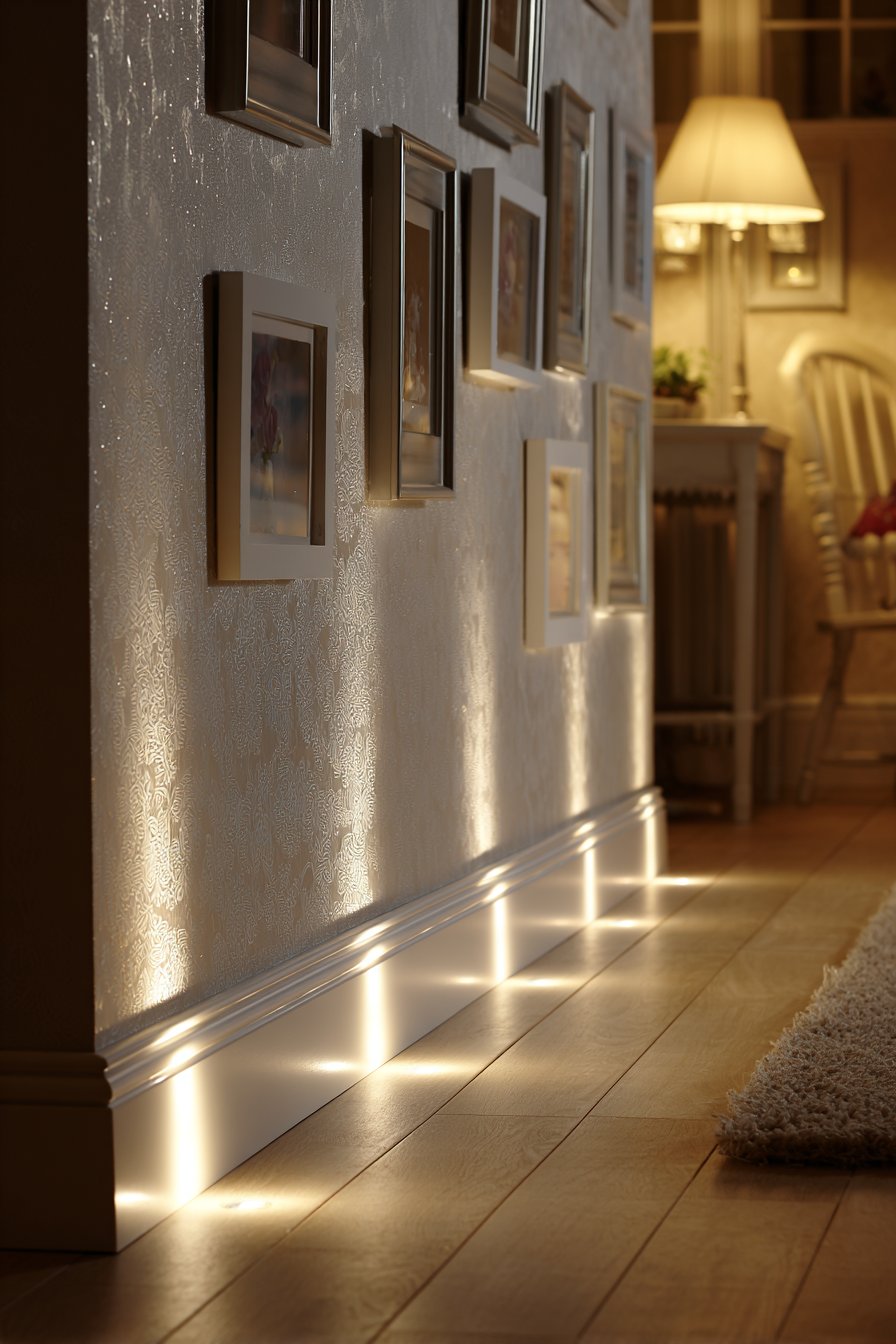
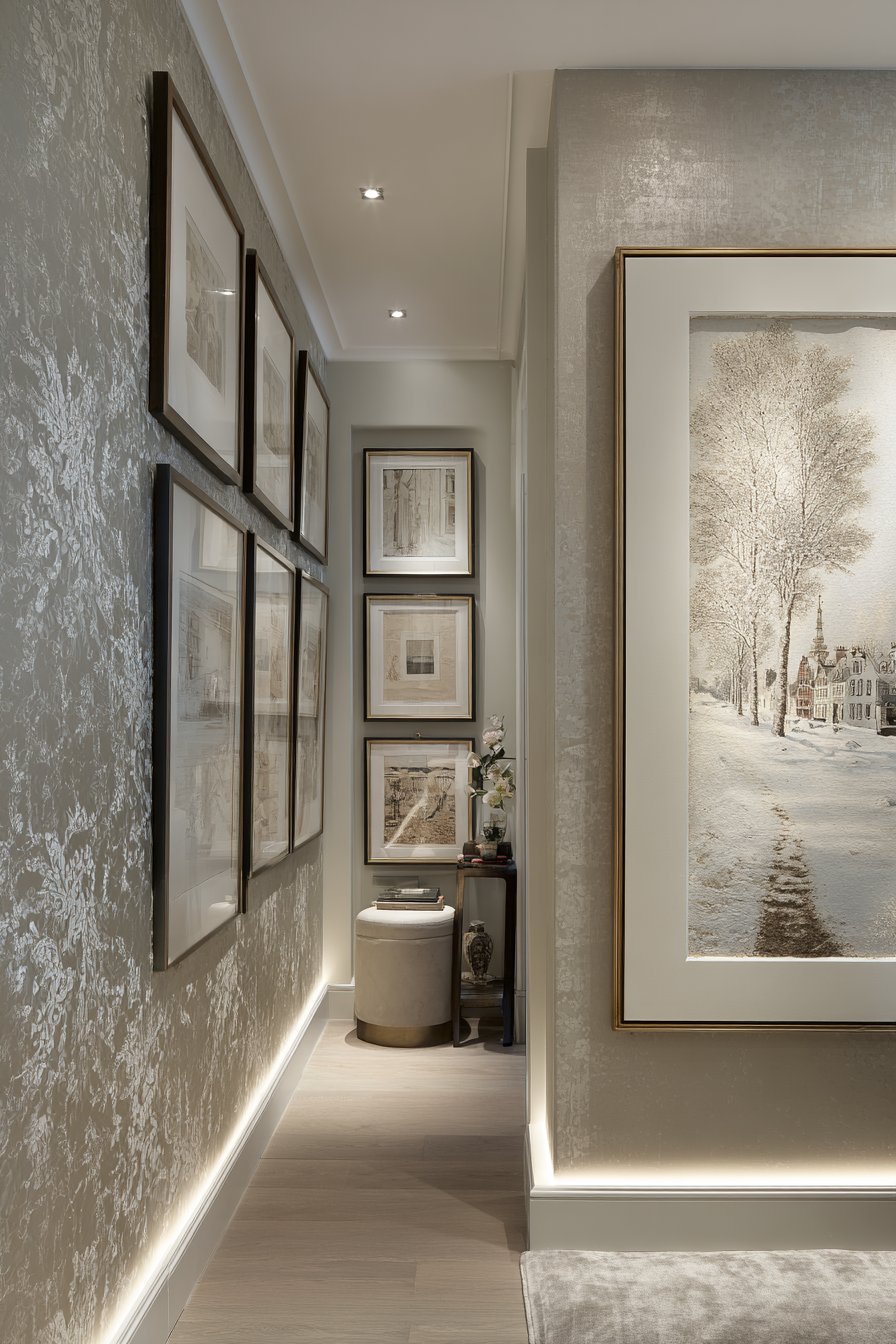
Hallways often receive minimal design attention despite being high-traffic transitional spaces that connect our homes’ various rooms. Transforming a hallway into a gallery experience through individual battery-powered picture lights above each framed photograph and artwork piece creates a museum-quality display that elevates everyday passage into a cultural experience. These dedicated lights ensure each piece receives proper illumination regardless of natural light availability, allowing artwork to be appreciated at any hour. The focused pools of light draw attention to the details, colors, and textures within each frame, transforming a utilitarian corridor into a curated exhibition space.
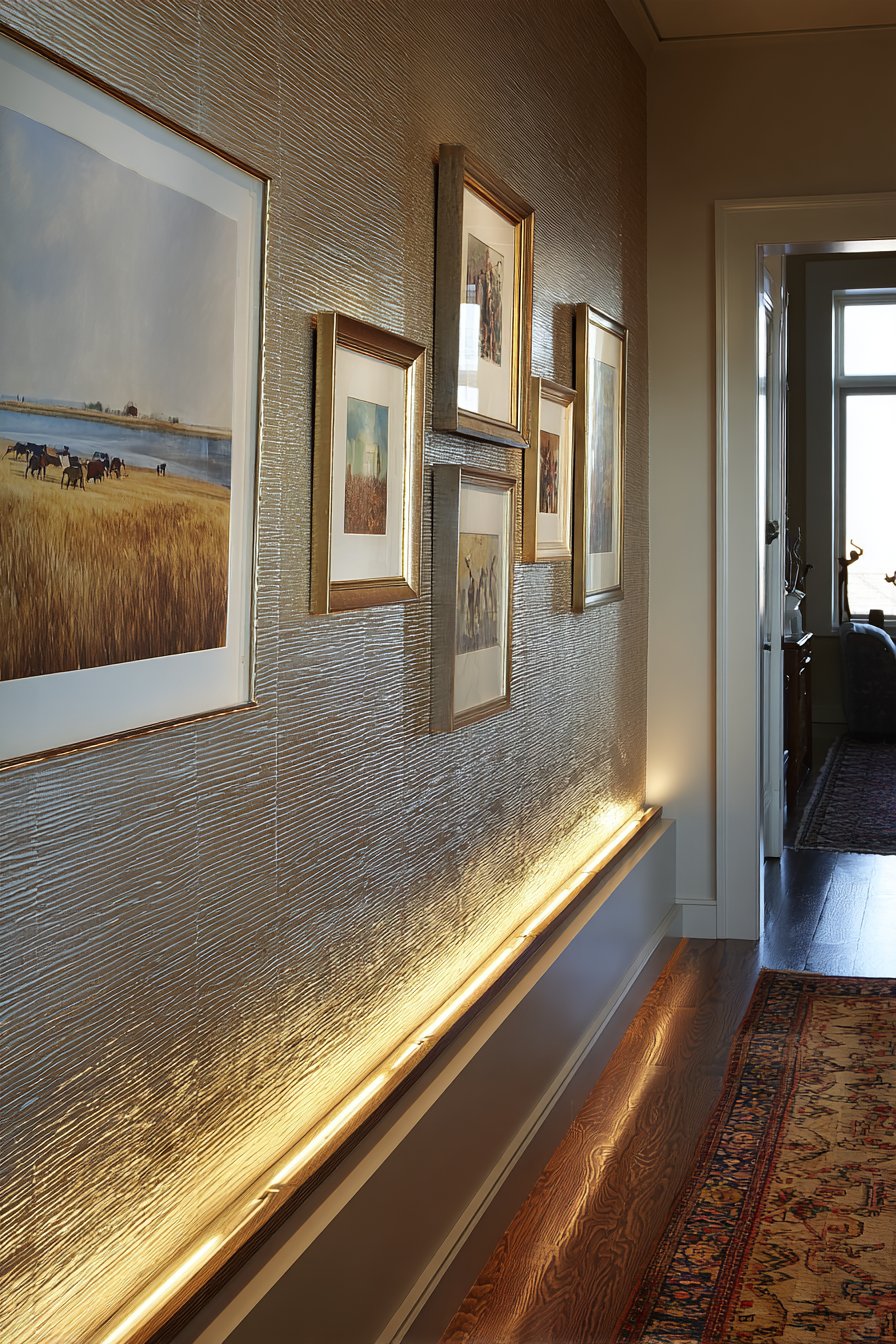
The opposite wall features a continuous LED channel light at the baseboard, creating a modern pathway glow that serves both aesthetic and practical purposes. This low-level lighting provides safe navigation during nighttime hours without the harsh awakening of overhead lights. The gentle wash of light against the baseboards and lower wall creates a futuristic, hospitality-inspired ambiance that makes even narrow hallways feel intentionally designed. The contrast between the focused picture lights above and the continuous baseboard glow below creates visual interest along both the vertical and horizontal planes.
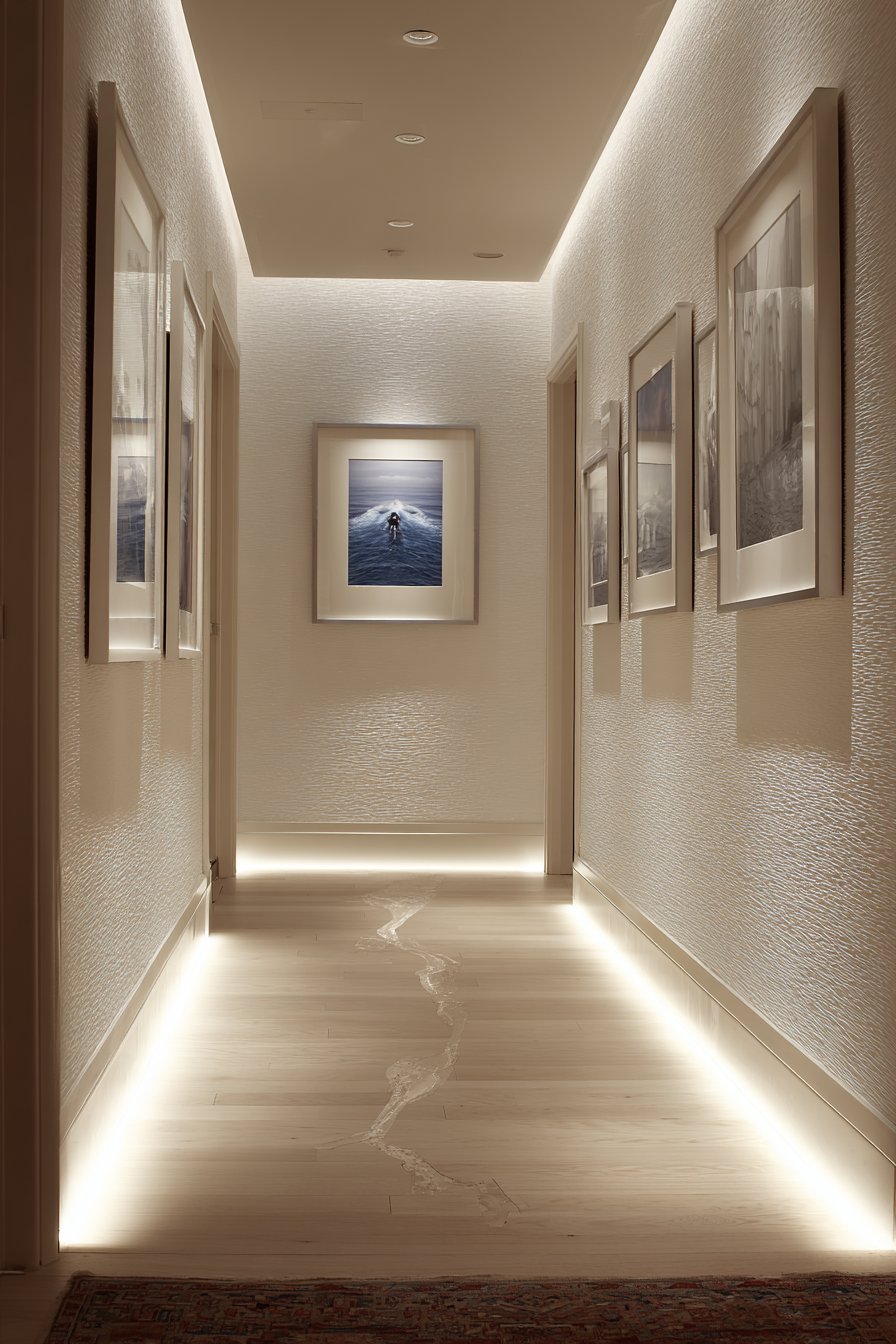
Textured wallpaper with subtle metallic threads catches and reflects the accent lighting in unexpected ways, adding sparkle and dimension that flat paint could never achieve. The interplay between light and texture becomes particularly dramatic in hallways where viewing angles constantly change as one moves through the space. Metallic elements within the wallpaper create small highlights that twinkle like stars, adding a touch of glamour to what might otherwise be a purely functional space. This combination of targeted artwork lighting and ambient pathway illumination demonstrates how even the smallest spaces deserve thoughtful lighting consideration.
Key Design Tips:
- Position picture lights approximately one-third of the frame height above the artwork for optimal illumination angle
- Choose battery-powered options to avoid visible cords and the expense of electrical installation
- Install baseboard LED channels with motion sensors for energy efficiency and convenience
- Select warm-toned LEDs (2700K) for baseboard lighting to create welcoming rather than clinical ambiance
- Use wallpaper with subtle rather than obvious metallic content to avoid overwhelming sparkle
- Maintain consistent spacing between frames and lights to create visual rhythm along the corridor
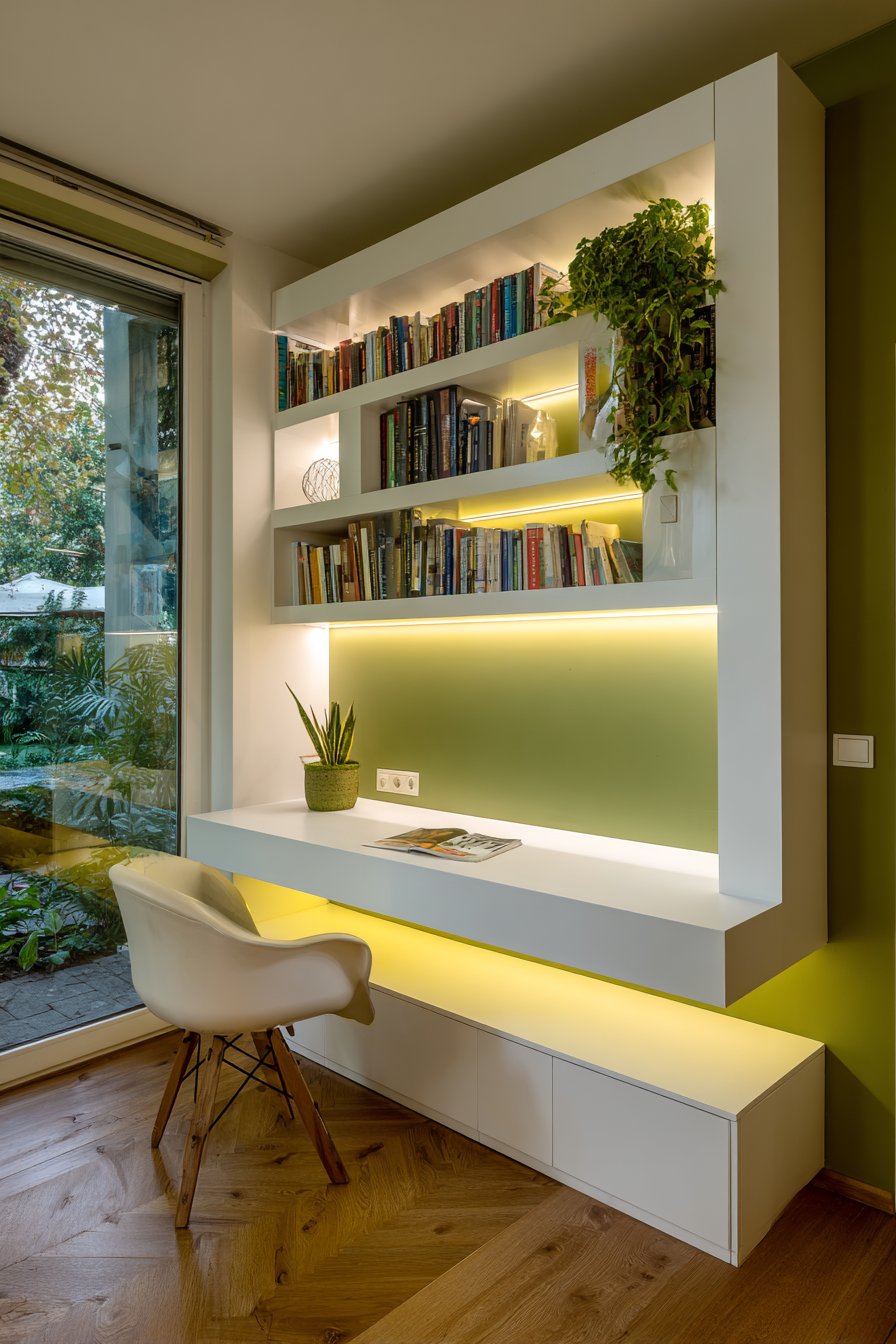
5. Home Office with Backlit Floating Desk Shelf System
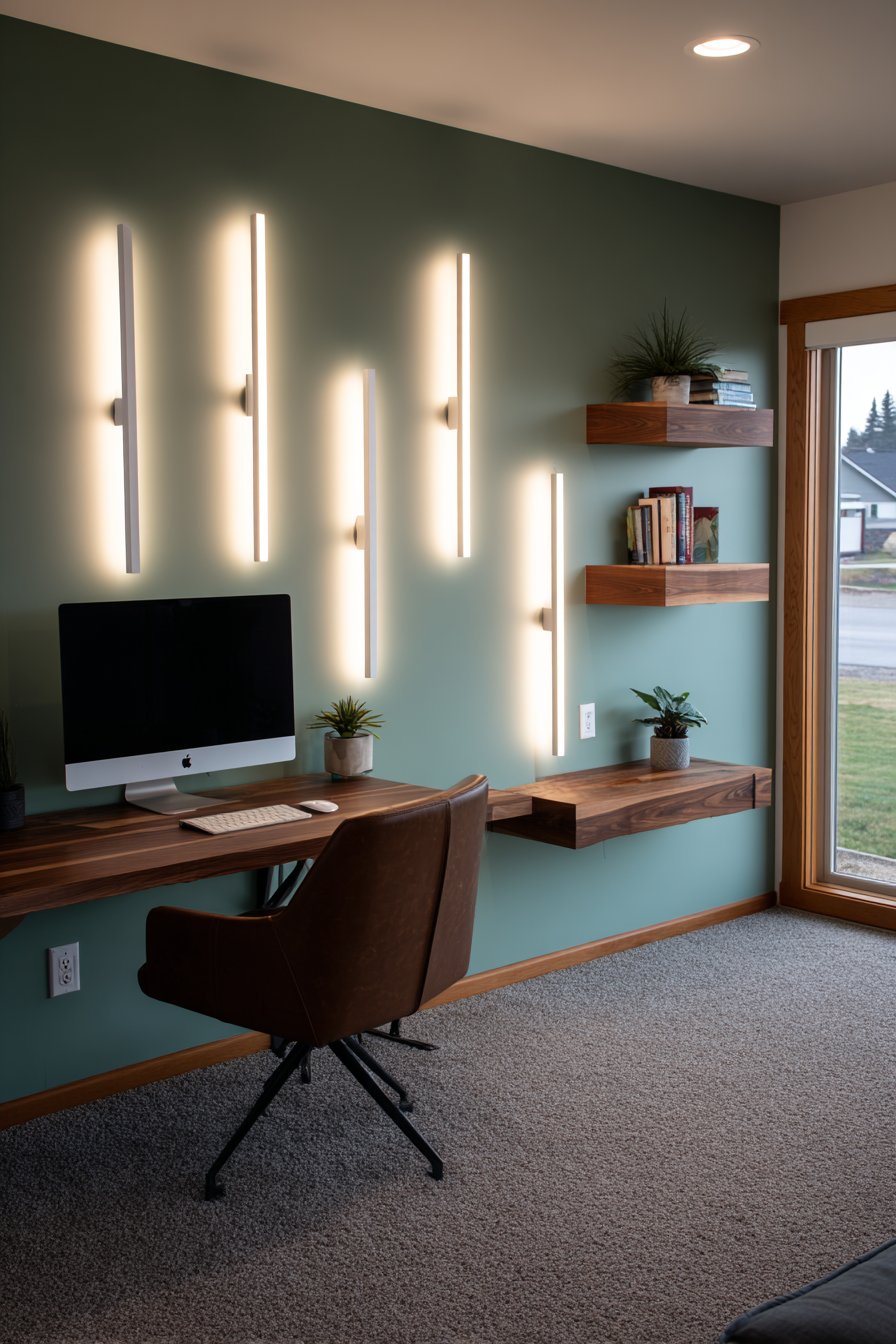
The modern home office demands lighting solutions that support productivity while reducing eye strain and fatigue. A backlit floating desk shelf system against a sage green accent wall creates a contemporary workspace that feels both professional and personal. The backlighting serves multiple purposes: it reduces the contrast between bright screens and dark walls (thereby reducing eye strain), creates a sophisticated floating effect that makes the workspace feel less heavy, and provides ambient illumination that supplements task lighting. The sage green wall color offers a calming backdrop that promotes focus without the sterility of pure white or the heaviness of darker tones.
Vertical LED tube lights installed in corners provide ambient uplighting that bounces off the ceiling to create soft, diffused general illumination throughout the space. This indirect lighting approach avoids the harsh shadows and glare associated with traditional overhead fixtures while providing sufficient overall light for moving around the office. The vertical orientation of these corner lights draws the eye upward, making the ceiling feel higher and the room more spacious—valuable perceptions in home offices that may occupy converted bedrooms or other compact spaces. The uplight also reduces the cave-like feeling that can develop in offices with insufficient overhead illumination.
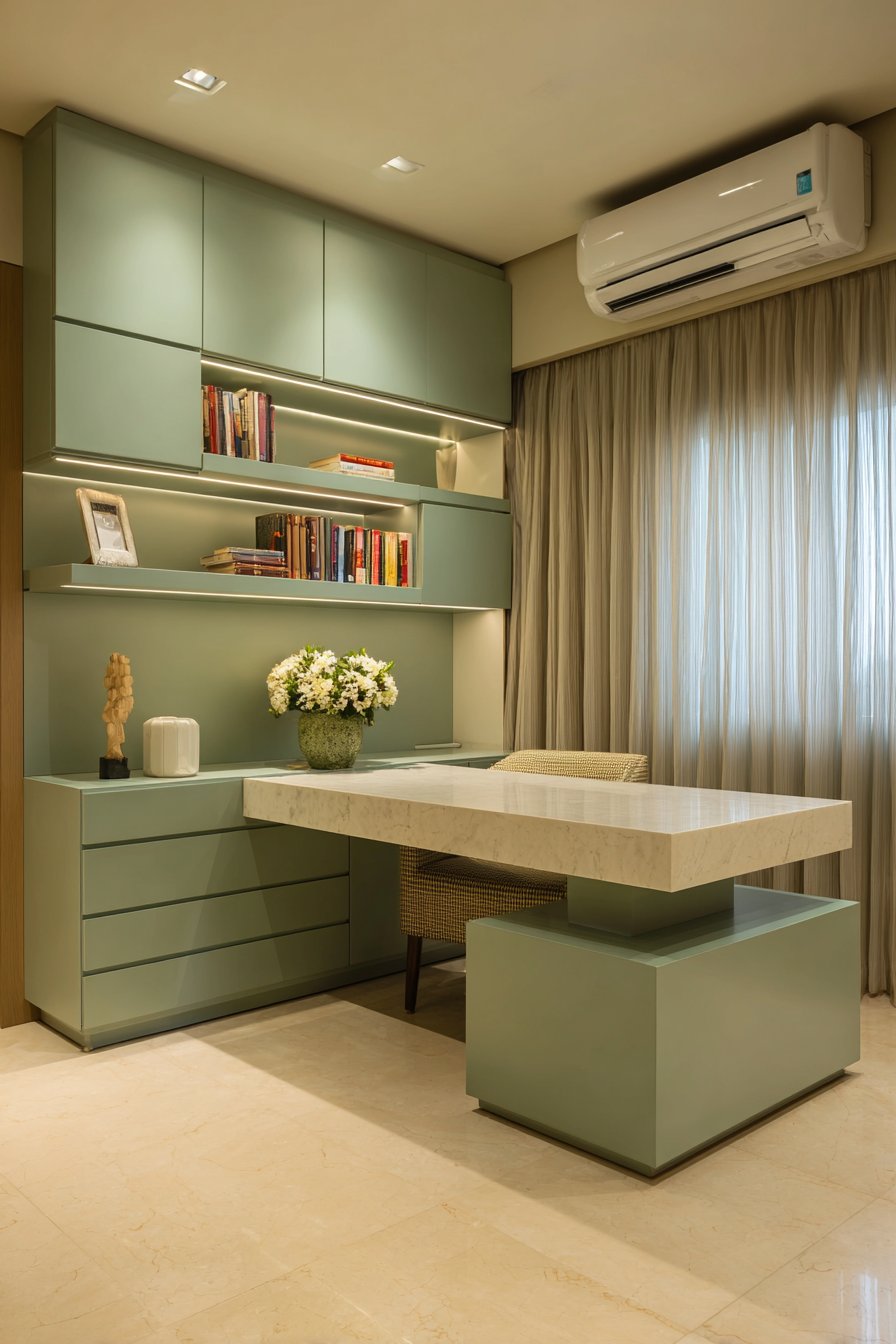
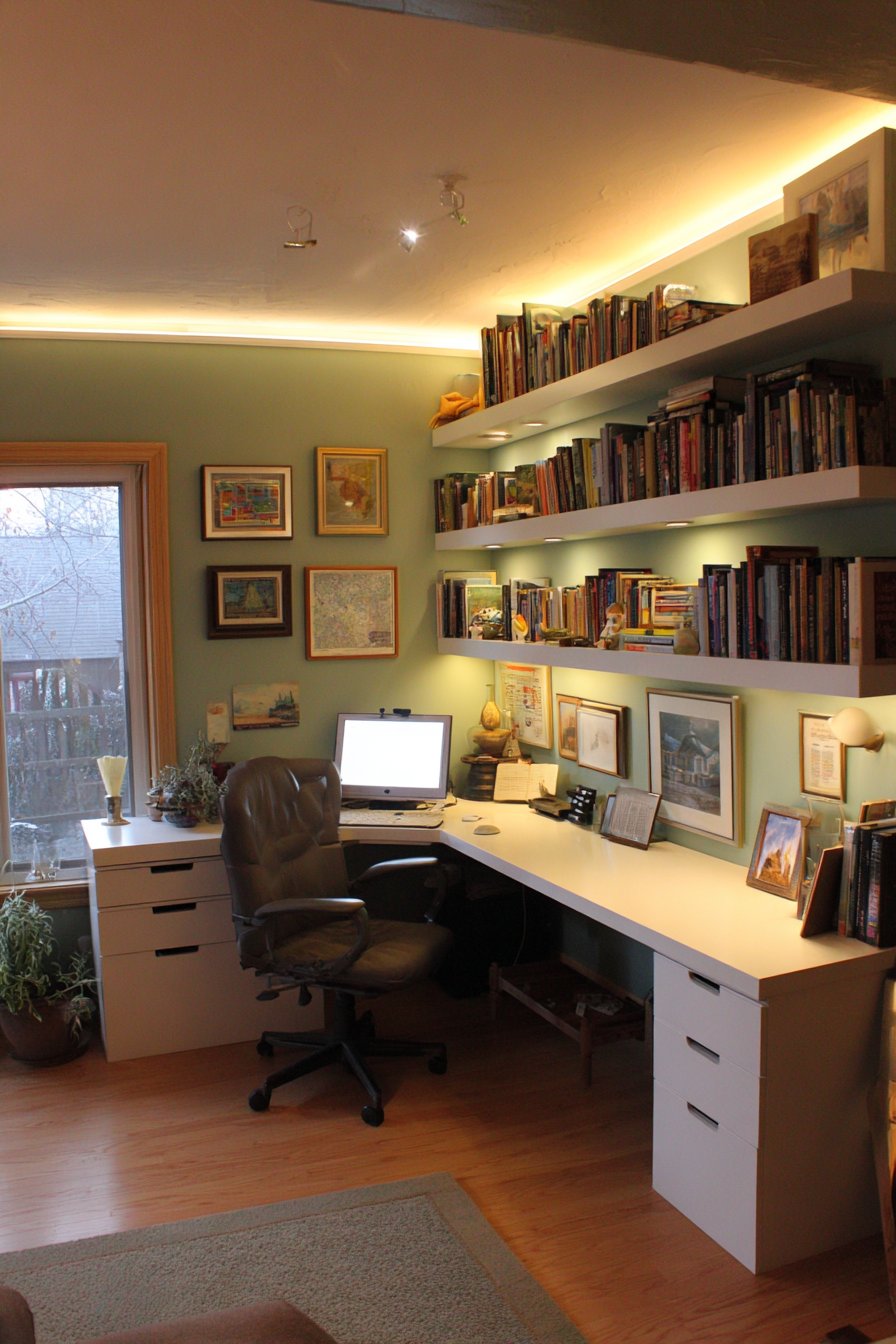
Open shelving with integrated strip lighting showcases books and decorative items while contributing to the room’s overall illumination scheme. These lit shelves transform necessary storage into display opportunities, allowing the workspace to reflect the occupant’s personality and interests. The lighting within shelves makes it easy to locate reference materials while adding depth and dimension to wall-mounted storage. Natural light from nearby windows complements rather than competes with the artificial highlights, creating an adaptable lighting environment that works effectively from early morning through late evening work sessions.
Key Design Tips:
- Use bias lighting (backlighting behind monitors) to reduce eye strain during extended screen time
- Position desk shelves at heights that minimize shadows falling across the primary work surface
- Choose adjustable color temperature LEDs that can shift from cool (5000K) for morning productivity to warm (3000K) for evening tasks
- Install separate controls for ambient, task, and accent lighting to customize for different work activities
- Incorporate natural elements like sage green walls to reduce mental fatigue during long work sessions
- Use shelf lighting with frosted diffusers to avoid harsh light spots on reflective surfaces
6. Bathroom with Backlit Mirror and Layered Illumination
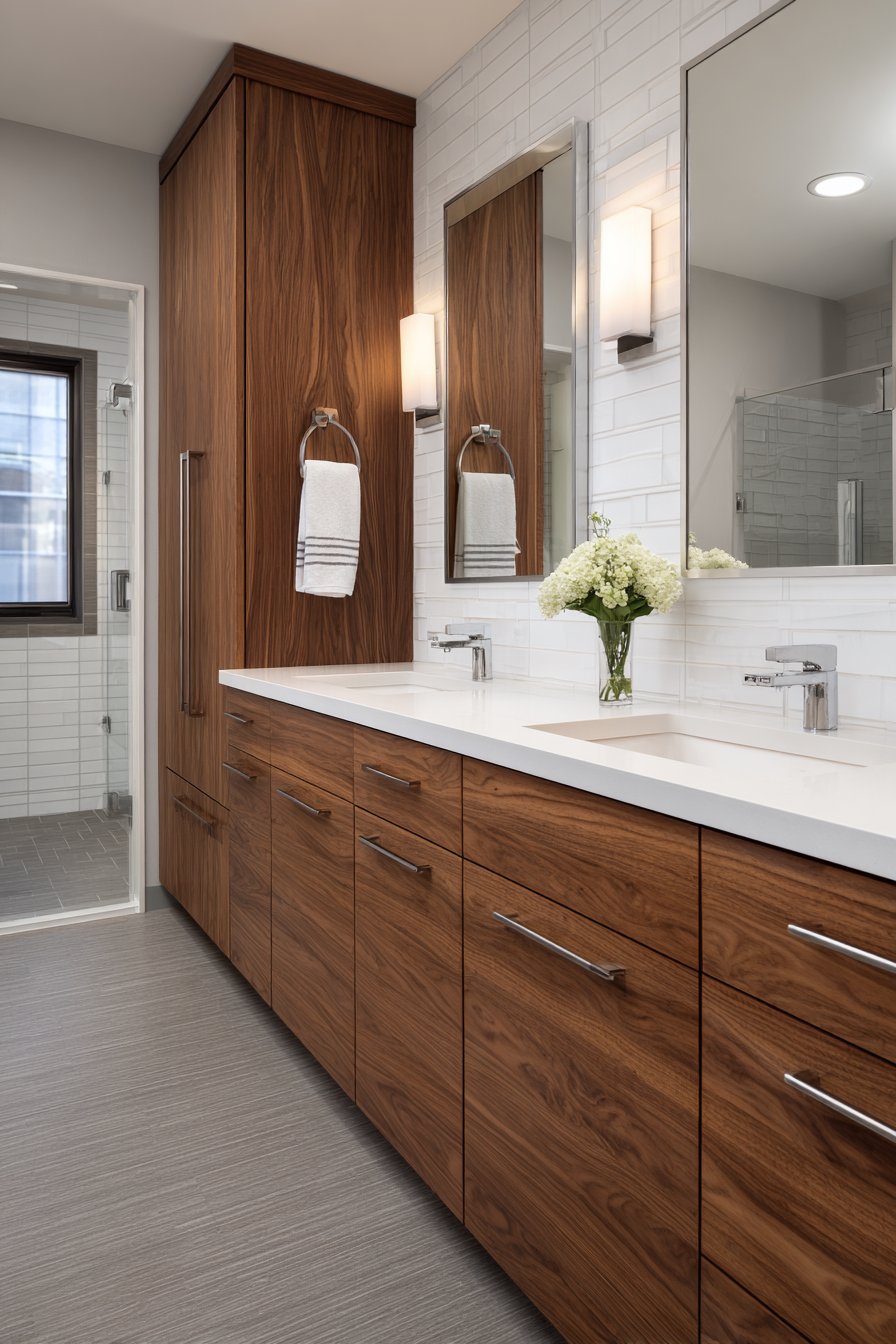
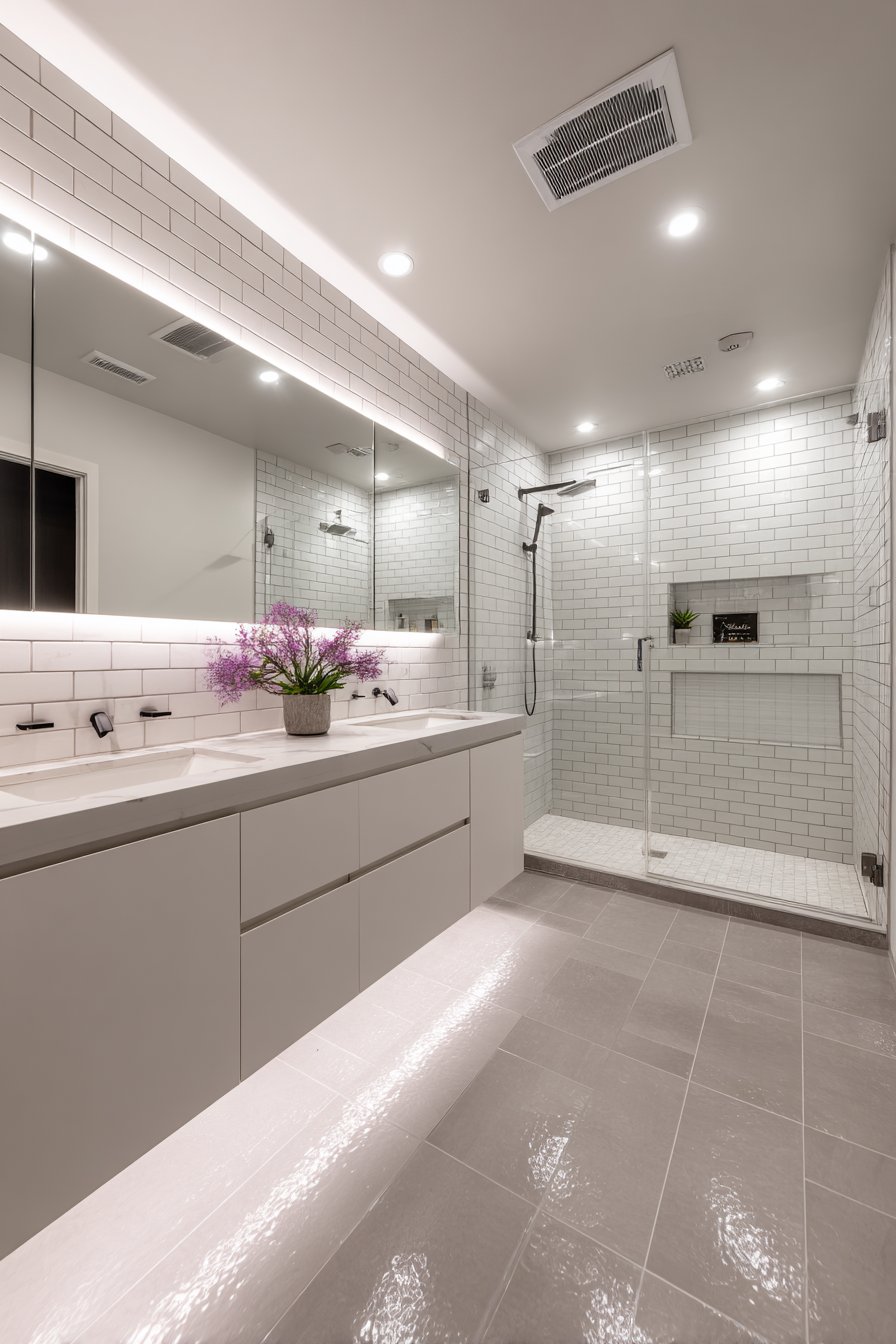
Bathroom lighting presents unique challenges that combine functional requirements with opportunities for aesthetic enhancement. A backlit mirror with integrated LED perimeter lighting creates even, shadow-free illumination ideal for grooming tasks while serving as a striking design element. Unlike traditional vanity lights that can cast unflattering shadows, perimeter-lit mirrors provide wraparound illumination that mimics the even lighting of professional makeup studios. The glow emanating from behind the mirror also creates a luxurious spa-like ambiance that transforms mundane morning routines into more pleasant experiences.
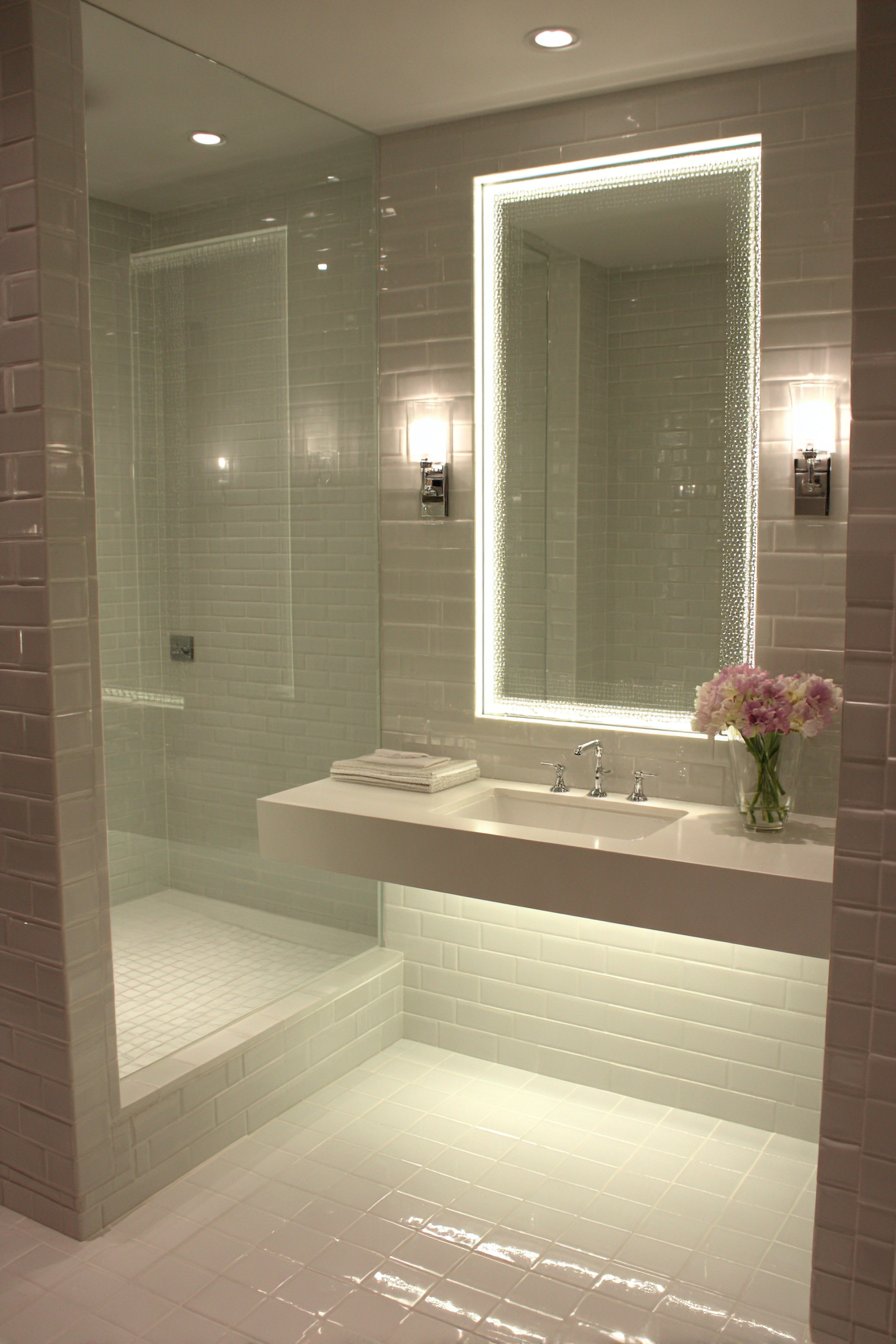
Additional wall sconces provide layered illumination that can be adjusted based on tasks and time of day. Morning grooming might require all light sources at full brightness, while evening bathing sessions might call for sconces alone at dimmed levels. This flexibility allows the bathroom to transition from a bright, energizing space in the morning to a relaxing retreat in the evening. The combination of mirror backlighting and sconces eliminates the harsh single-source overhead lighting that plagues many bathrooms, creating instead a sophisticated, multi-layered scheme worthy of luxury hotels.
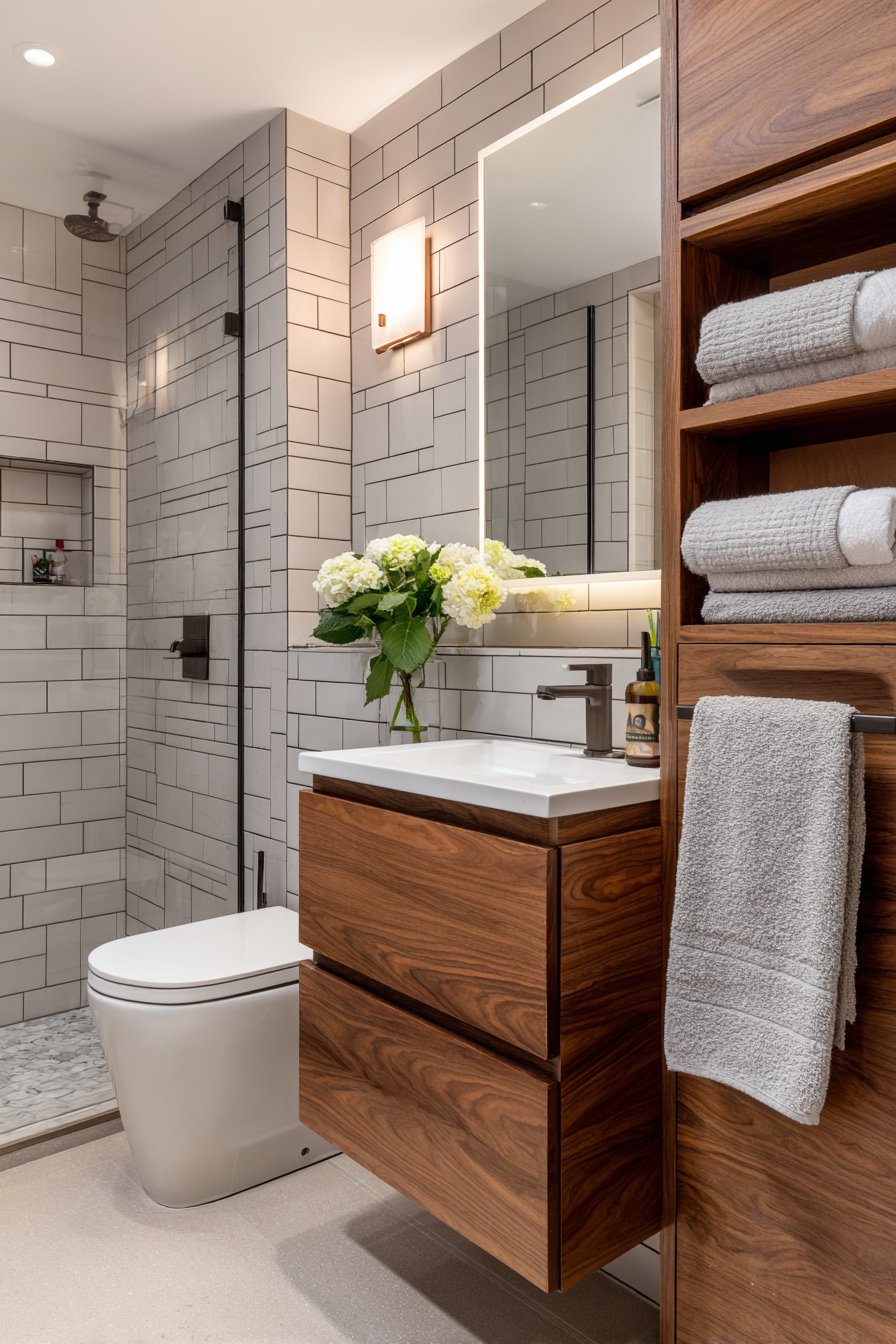
A recessed niche in the shower features waterproof LED strip lighting that highlights white subway tiles while providing practical illumination for bathing. This attention to detail extends the lighting scheme into the shower enclosure, ensuring that no area of the bathroom feels neglected or dim. The LED strips are specifically rated for wet locations, with proper sealing against moisture infiltration. The floating vanity with under-cabinet lighting creates a hovering effect while providing subtle downward illumination that defines the floor plane and adds to the room’s overall ambient light levels.
Key Design Tips:
- Select mirrors with integrated defoggers to maintain clarity in steamy bathroom environments
- Use high CRI (Color Rendering Index) LEDs above 90 to ensure accurate color perception for makeup application and grooming
- Install waterproof LED strips rated for wet locations (IP65 or higher) in shower applications
- Position vanity lighting at face height (approximately 60-65 inches) for optimal task illumination
- Include dimmer controls to adjust lighting from bright morning tasks to relaxing evening ambiance
- Consider adding motion sensors for nighttime safety lighting at minimal brightness levels
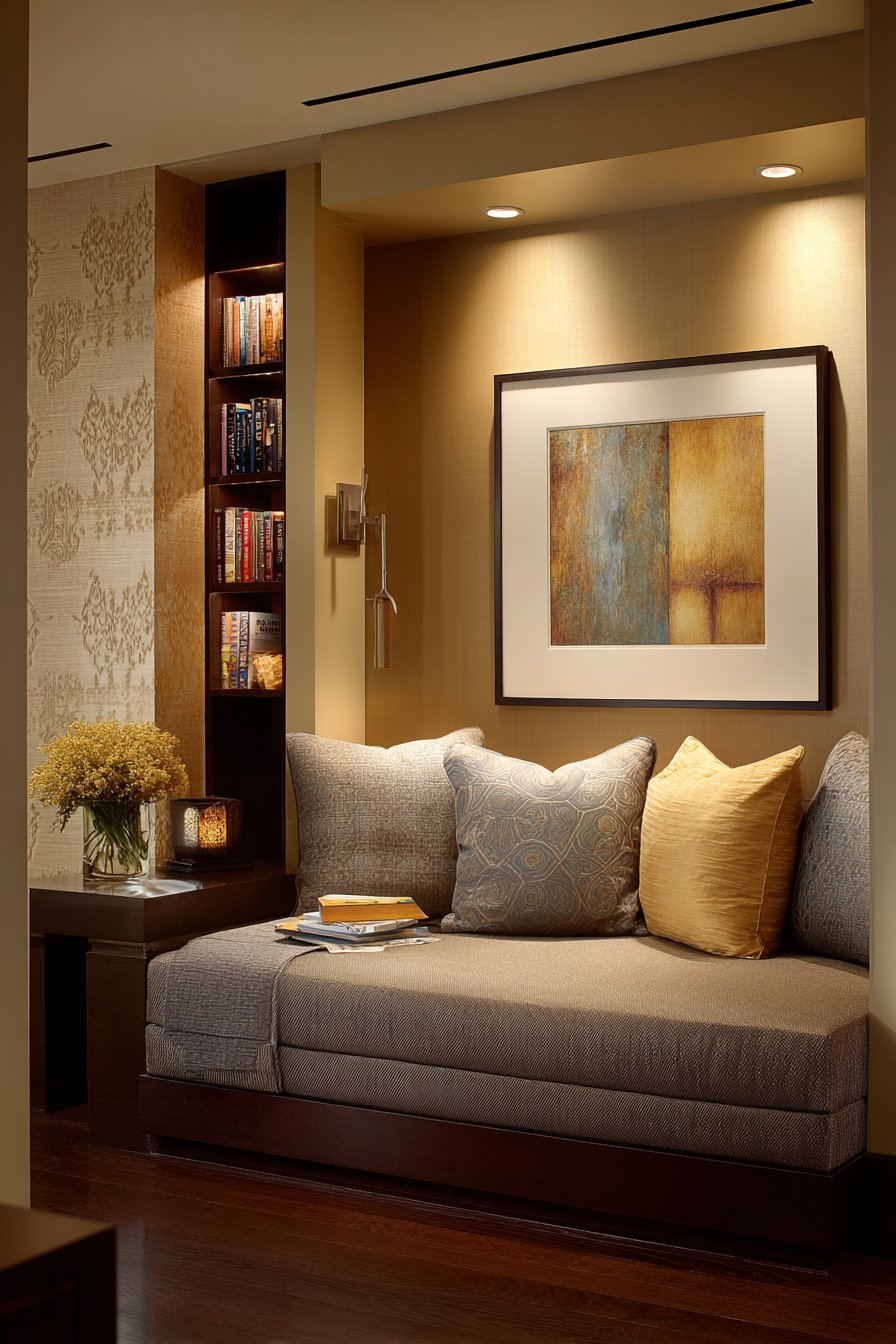
7. Cozy Reading Nook with Adjustable Wall-Mounted Lamps
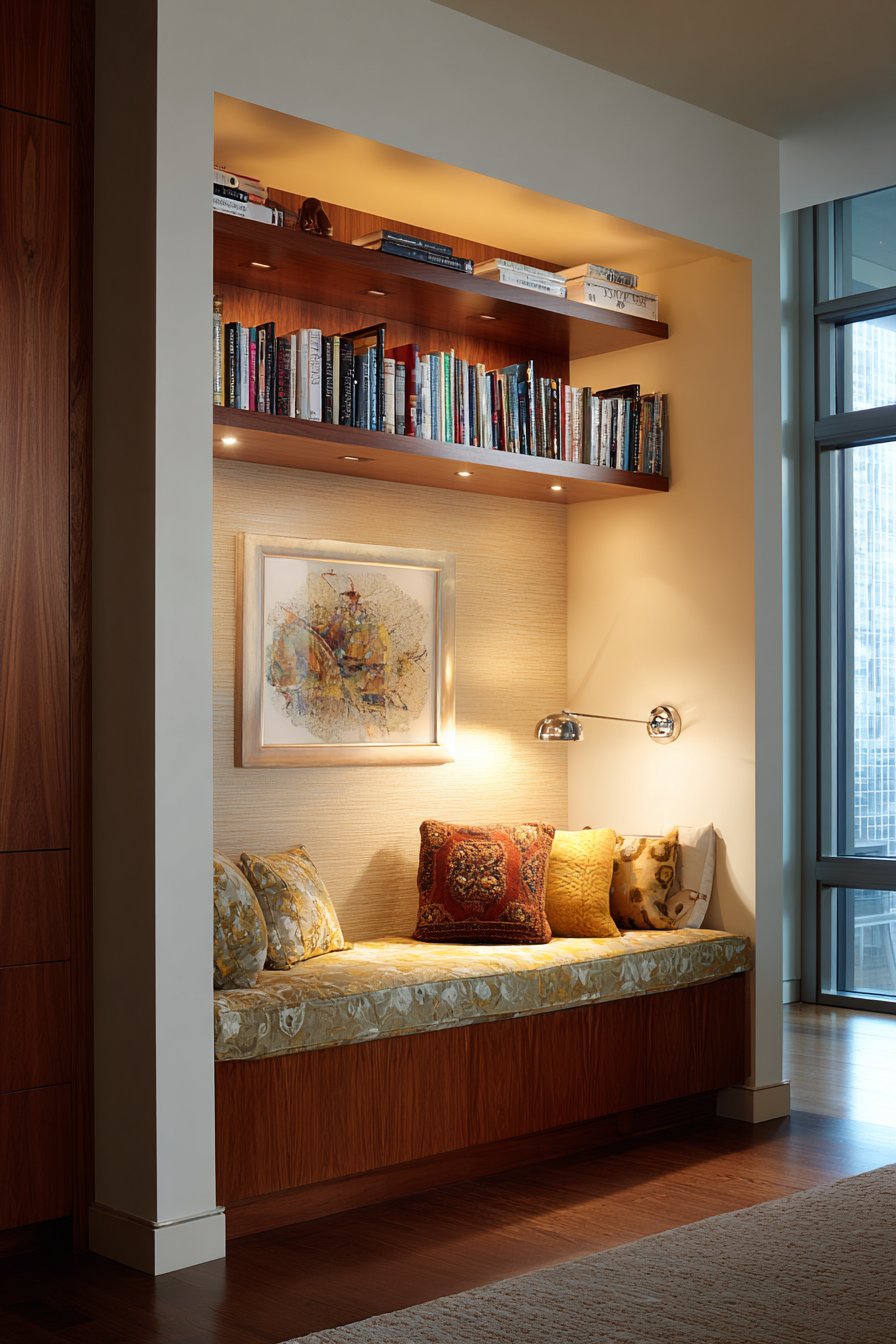
Creating a dedicated reading space requires careful attention to lighting quality and adjustability. Adjustable wall-mounted reading lamps positioned to cast light over the shoulder provide targeted illumination that reduces eye strain during extended reading sessions. These fixtures should allow for both vertical and horizontal adjustment, ensuring proper light placement regardless of whether you’re reading in an upright or reclined position. The flexibility of wall-mounted lamps frees up valuable table space while keeping light sources stable and non-tipple—a significant advantage over floor or table lamps in compact nooks.
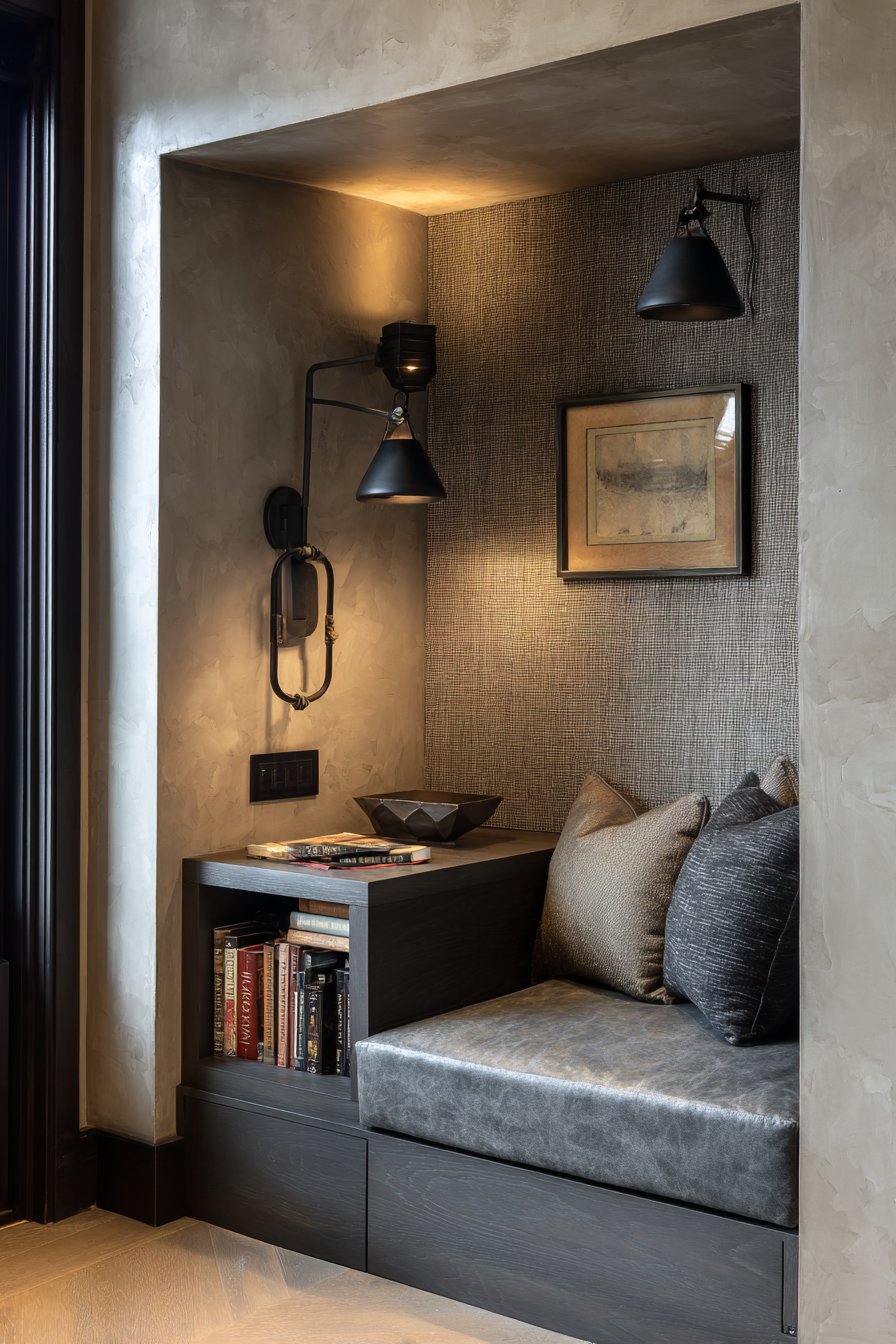
A backlit alcove shelf displaying favorite books creates a personalized library display that celebrates your literary collection. The backlighting transforms books from mere objects into design elements, highlighting their spines and creating visual interest even when the nook isn’t in use. This display lighting makes selecting your next read easier while contributing to the nook’s overall ambient illumination. The warm glow emanating from the bookshelf creates an inviting atmosphere that beckons you to settle in with a good book.
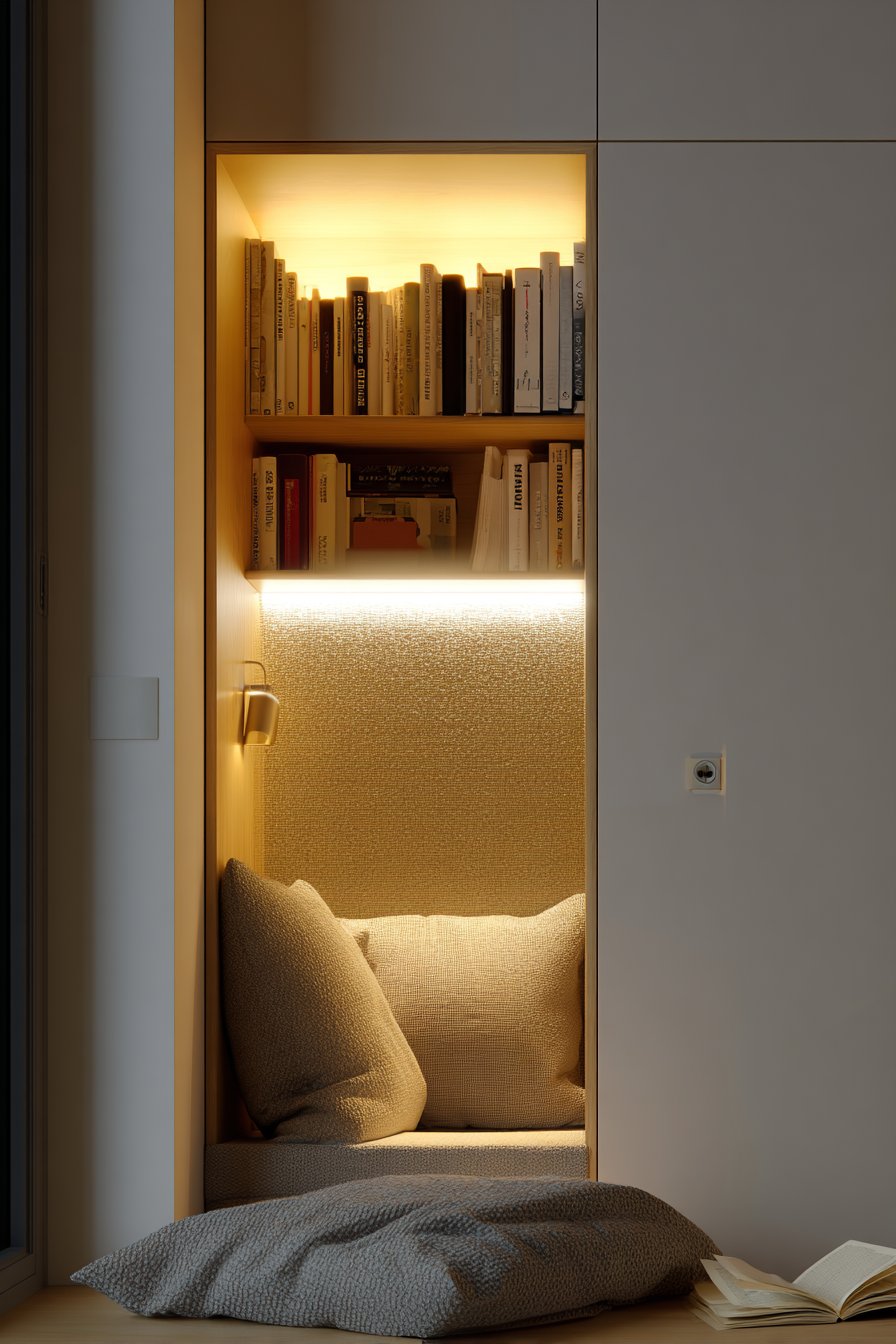
Subtle cove lighting at the ceiling junction creates indirect ambient glow that prevents the reading nook from feeling like a harsh spotlight in an otherwise dark room. This general illumination fills the space softly, reducing the contrast between the bright reading light and surrounding areas. A textured fabric wall panel adds warmth and acoustic dampening—particularly valuable in open-concept homes where you want the reading nook to feel like a separate retreat. Nearby accent lights create focused task lighting that can be adjusted as natural light levels change throughout the day.
Key Design Tips:
- Choose reading lamps with a minimum 60-watt equivalent LED output for sufficient task lighting without glare
- Position reading lights approximately 40-42 inches above the seat surface for optimal illumination angle
- Select warm white LEDs (2700-3000K) for reading spaces to reduce eye strain and create cozy ambiance
- Install three-way switches to control reading lamps from both the entrance and seating position
- Use textured wall panels in sound-absorbing materials to create acoustic privacy in open spaces
- Consider battery-operated or rechargeable lamps if electrical installation is impractical
8. Minimalist Kitchen with Under-Cabinet and Open Shelf Lighting
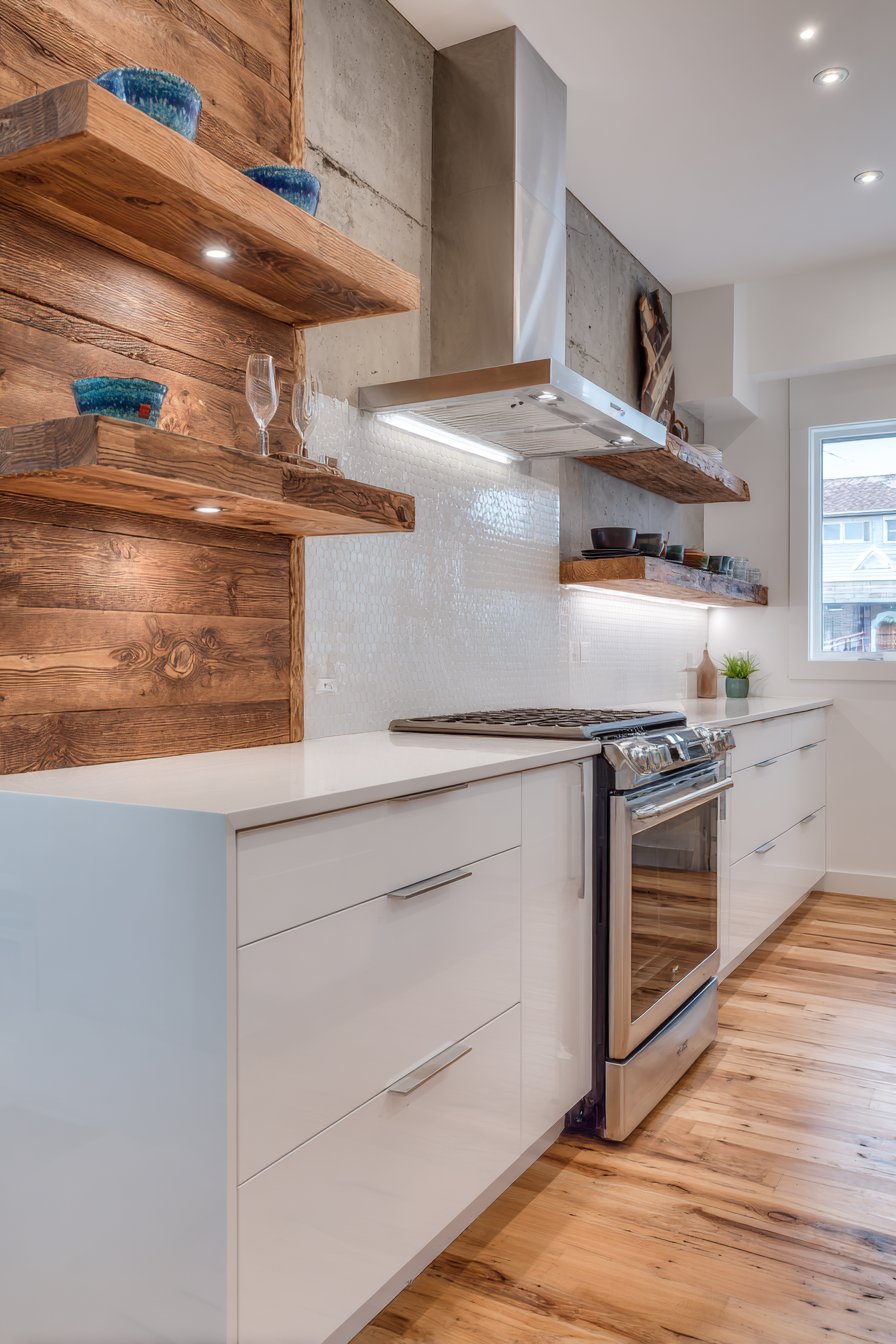
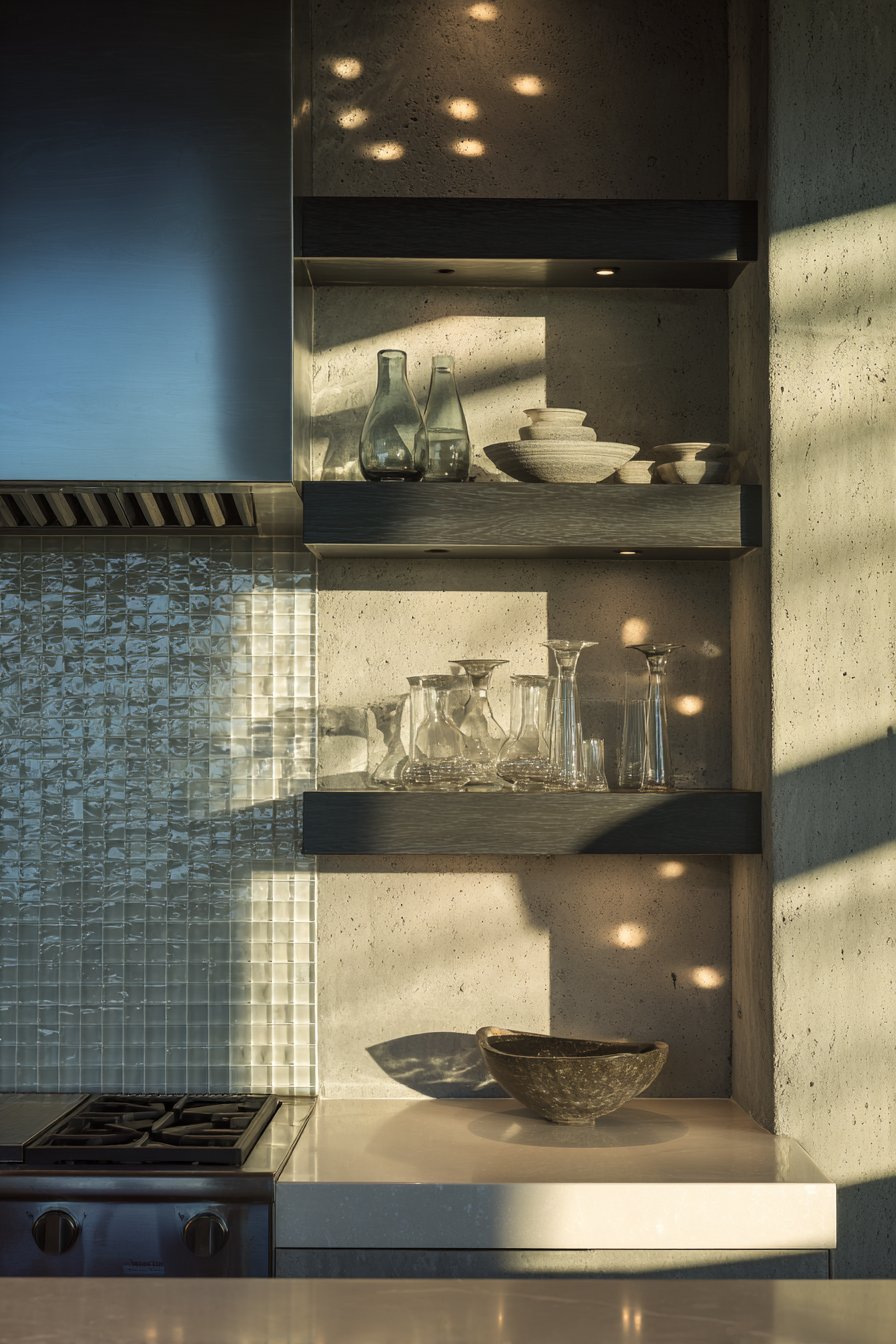
Kitchen lighting demands both functionality and aesthetics, with wall highlights playing crucial roles in both aspects. Under-cabinet LED lighting illuminating white quartz countertops and glass tile backsplash eliminates shadows in food preparation areas while showcasing the beauty of quality materials. This task lighting is essential for safe, efficient cooking, providing bright, even illumination exactly where it’s needed most. The reflection of light off white quartz and glossy tiles amplifies the brightness while creating a clean, contemporary aesthetic that defines modern kitchen design.
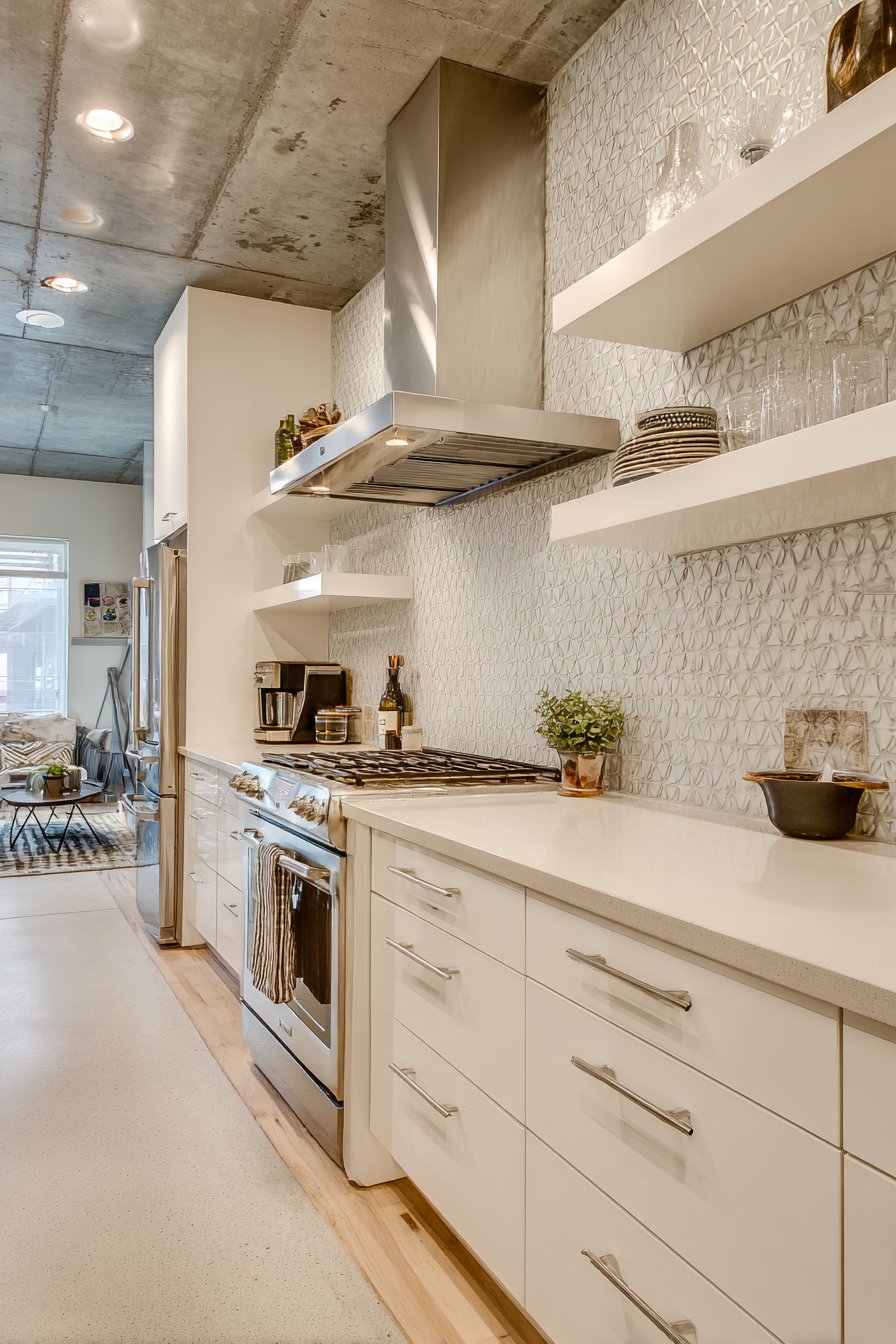
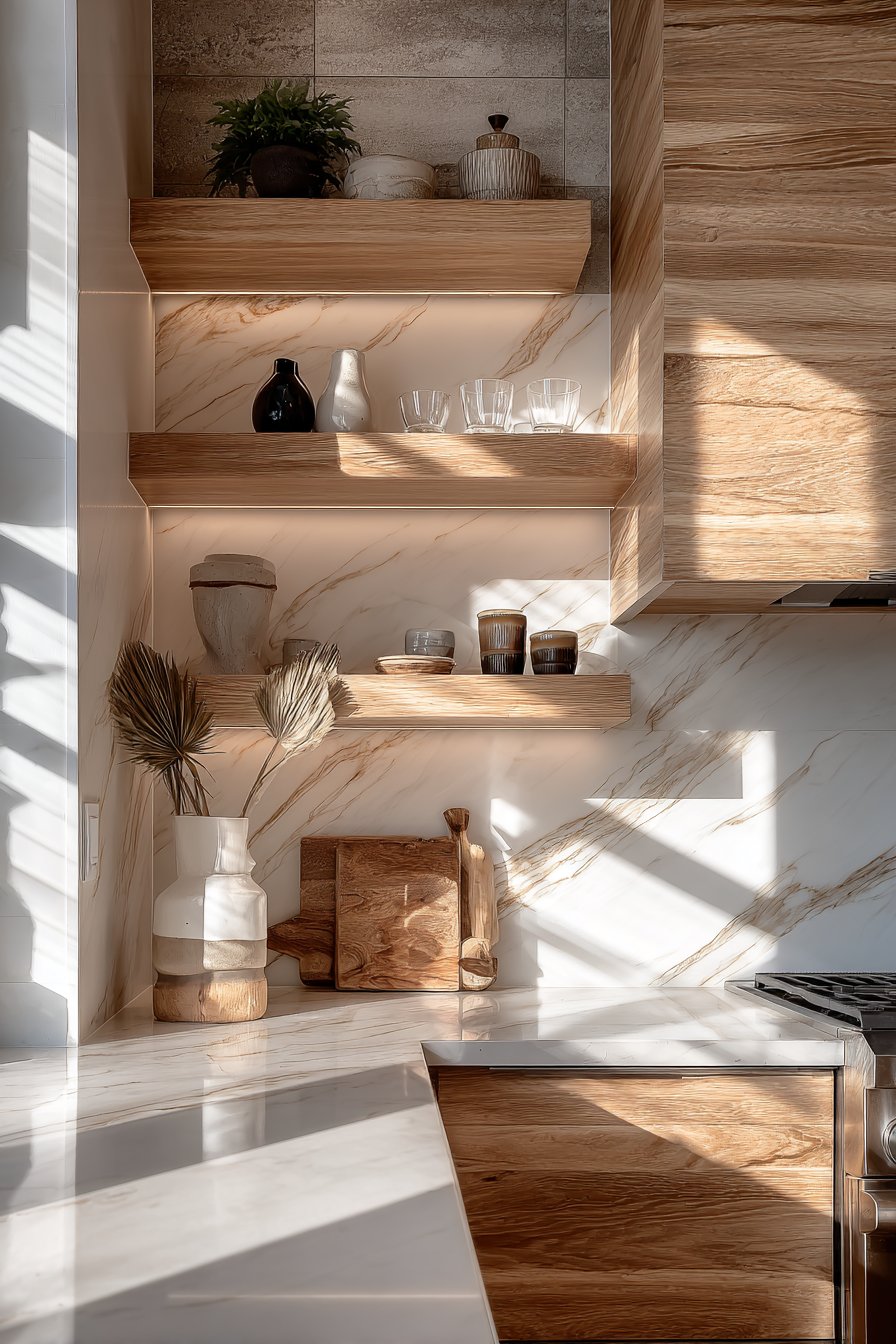
Open floating shelves with integrated strip lighting showcase glassware and ceramics while contributing to the room’s overall illumination scheme. Unlike closed cabinets that hide contents in darkness, lit open shelving displays your most beautiful dishes and glassware as design elements. The lighting also makes it easier to locate items quickly, adding functional value to the aesthetic enhancement. The warm glow from shelf lighting softens the potentially clinical feel of stainless steel appliances and white surfaces, adding necessary warmth to contemporary kitchen designs.
A textured concrete accent wall behind the range includes recessed spotlights creating dramatic shadows that emphasize the material’s industrial beauty. This focal wall transforms the cooking zone into a design statement while the directional spotlights provide task lighting for the range. The combination of smooth white surfaces and rough concrete texture creates visual interest through material contrast, while the varied lighting approaches—under-cabinet strips, shelf lighting, and directional spots—demonstrate how different highlighting techniques can coexist harmoniously within a single space.
Key Design Tips:
- Install under-cabinet lighting toward the front edge of cabinets to maximize countertop coverage and minimize shadows
- Use bright white LEDs (4000-5000K) for task areas to ensure accurate food color perception during cooking
- Add shelf lighting with frosted diffusers to avoid harsh spotting on glassware while providing even illumination
- Position accent lights on concrete features at grazing angles to emphasize texture and create dramatic shadows
- Include separate switches for task, accent, and ambient lighting to customize illumination for different activities
- Choose linkable LED strips for under-cabinet applications to minimize visible wiring and transformers
9. Master Bedroom with Fabric-Wrapped Upholstered Wall Panel
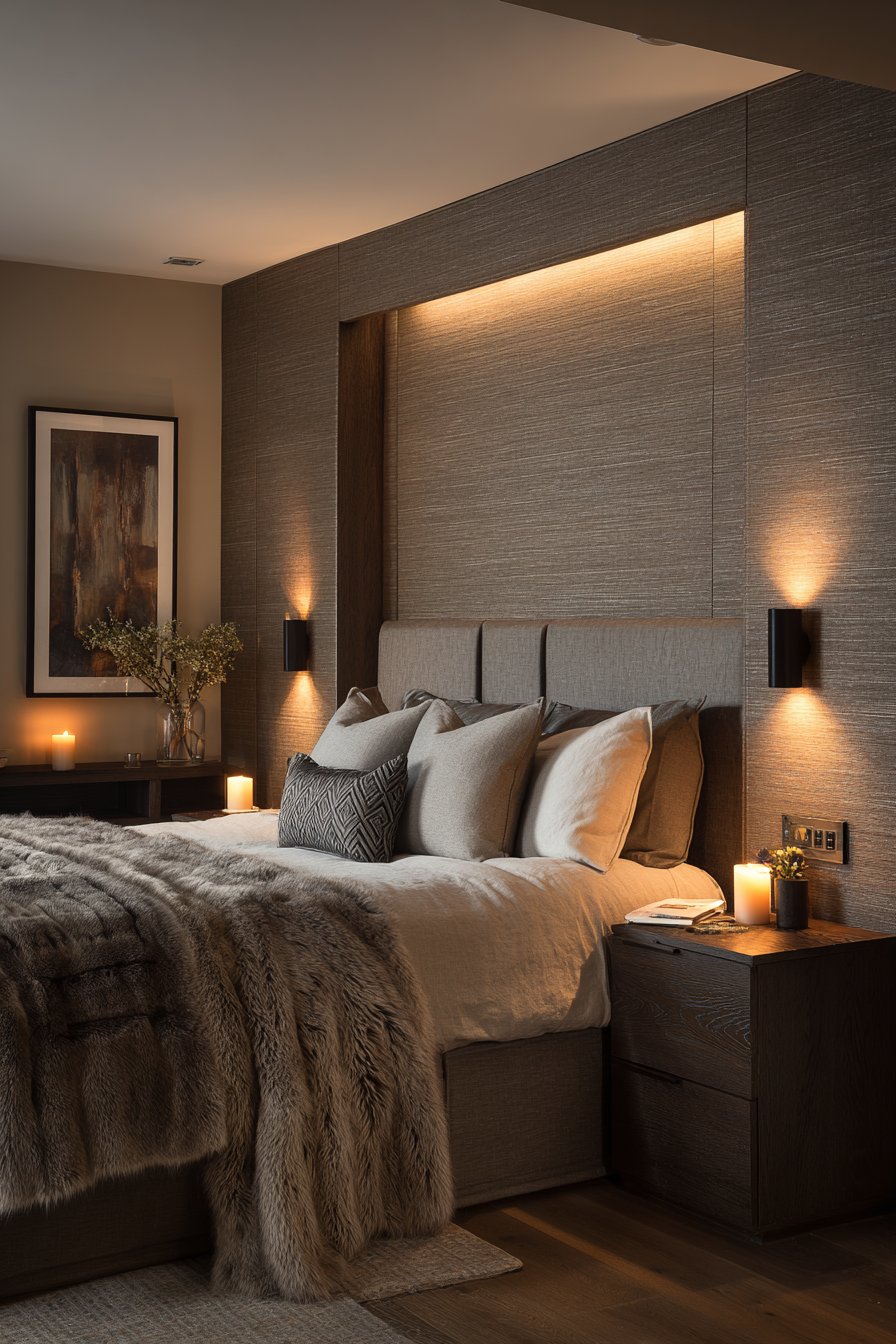
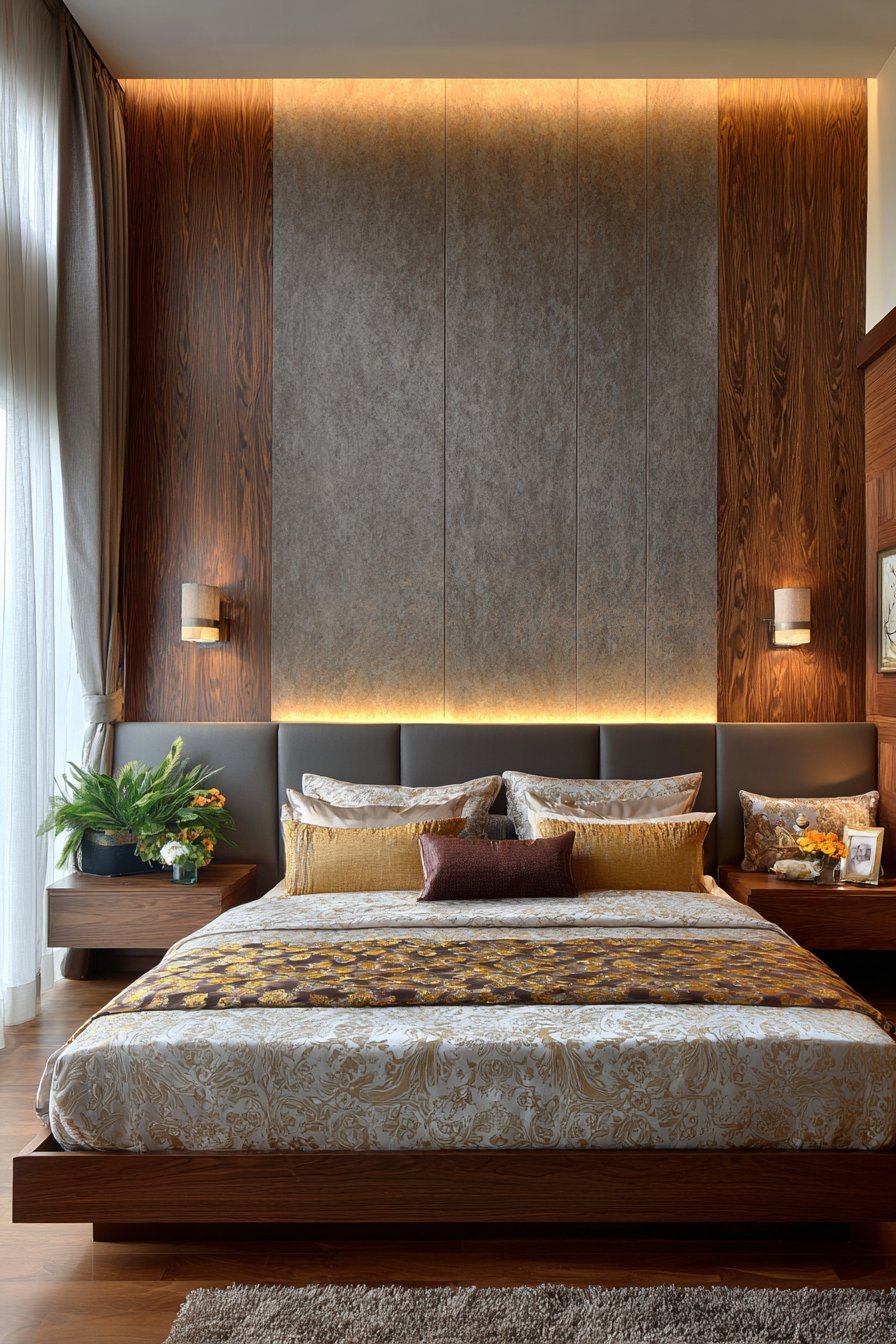
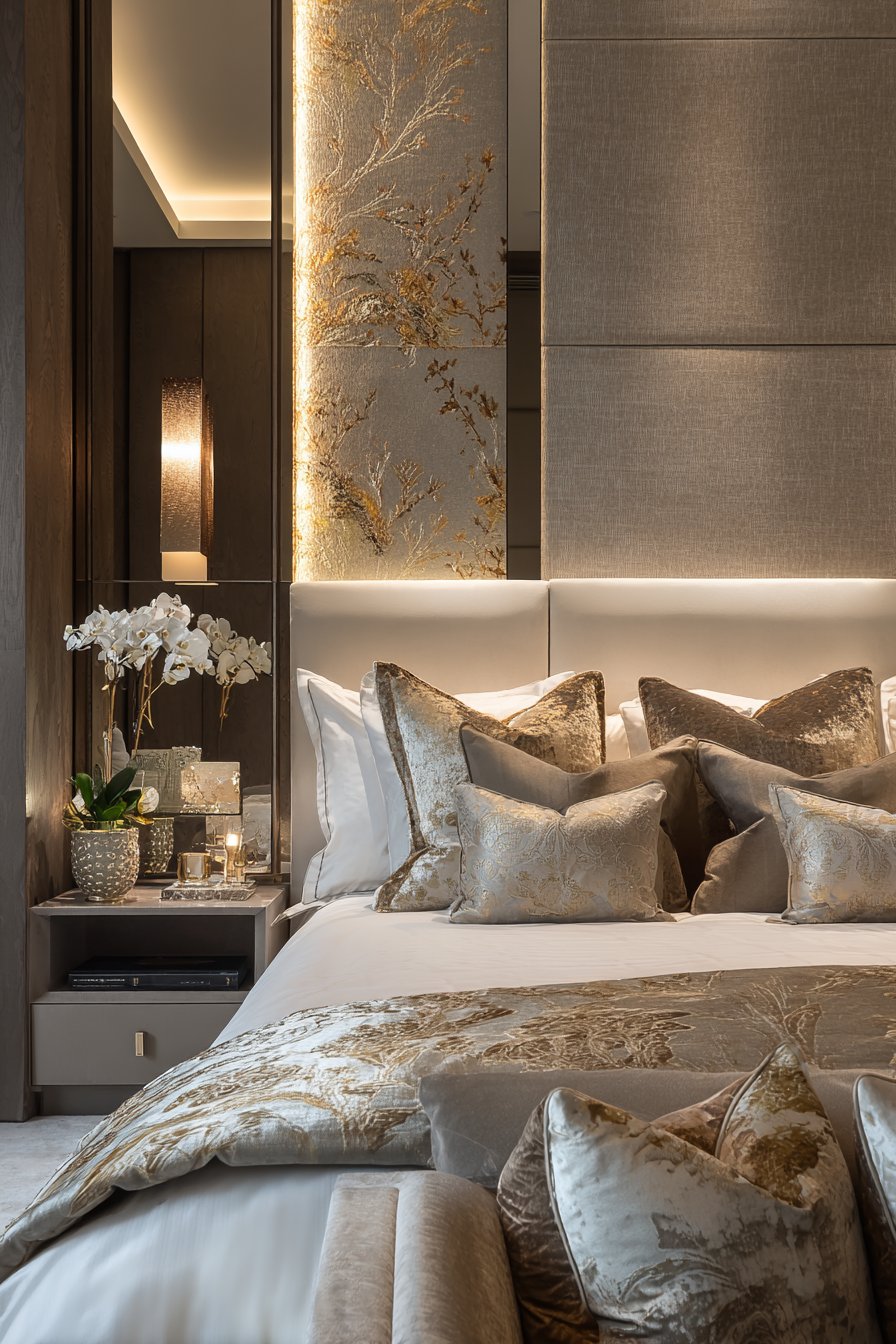
The master bedroom represents our most personal sanctuary, deserving lighting that promotes both relaxation and romance. A fabric-wrapped upholstered wall panel behind the bed, highlighted by concealed LED lighting, creates a soft halo effect that serves as a sophisticated focal point. The upholstered surface adds tactile warmth and acoustic dampening while the backlighting prevents the large headboard wall from feeling heavy or oppressive. The soft glow emanating from behind the panel creates an intimate atmosphere perfect for unwinding after demanding days.
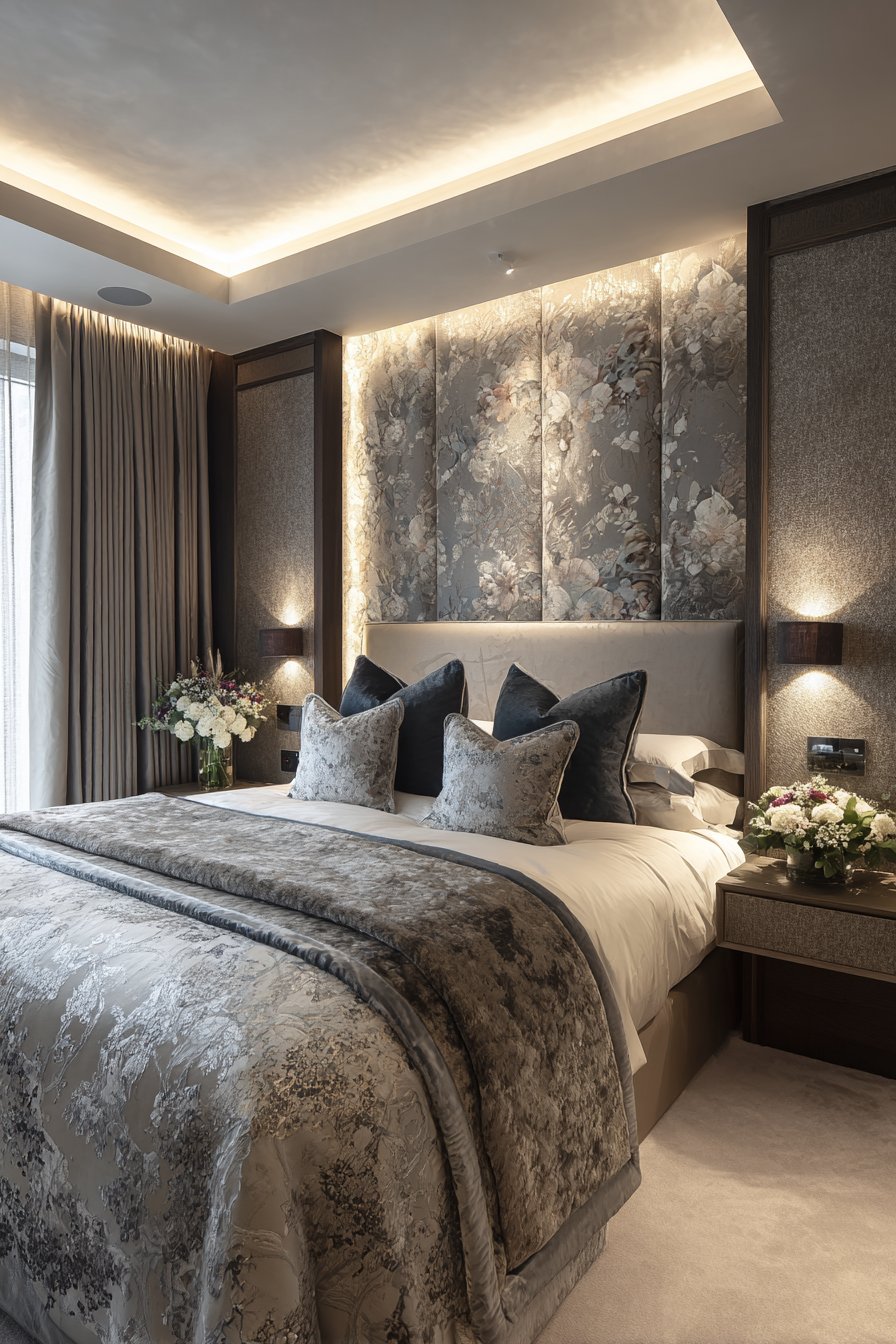
Floating nightstands with integrated reading lights provide dedicated task illumination for bedtime reading without disturbing a sleeping partner. These built-in lights eliminate the need for table lamps that can be knocked over and consume valuable nightstand surface area. The floating design, emphasized by subtle underlighting, maintains the airy, uncluttered aesthetic essential to restful bedroom environments. Decorative wall sconces offer adjustable task lighting that can be directed precisely where needed, whether for reading, working on laptops, or simply creating ambient illumination during evening conversations.
A textured grasscloth accent wall on the opposite side features grazing uplights that emphasize the natural material’s organic texture. This secondary focal point prevents the room from feeling unbalanced while adding natural warmth that contrasts beautifully with upholstered surfaces. The warm evening ambiance created through layered lighting transforms the master bedroom into a true retreat—a space where the outside world’s stresses dissolve in carefully orchestrated light and shadow.
Key Design Tips:
- Use extra-warm LEDs (2200-2700K) for bedroom backlighting to promote relaxation and prepare for sleep
- Install integrated nightstand lights with individual controls and dimmer switches for each side of the bed
- Position wall sconces 60-68 inches above the floor for optimal reading light placement
- Choose grasscloth or similar natural wall coverings that reveal beautiful texture when grazed with light
- Connect all bedroom lighting to smart controls that allow preset scenes for different times and activities
- Add blackout capabilities to ensure lighting can be completely eliminated when sleep requires total darkness
10. Living Room Entertainment Wall with LED Backlighting
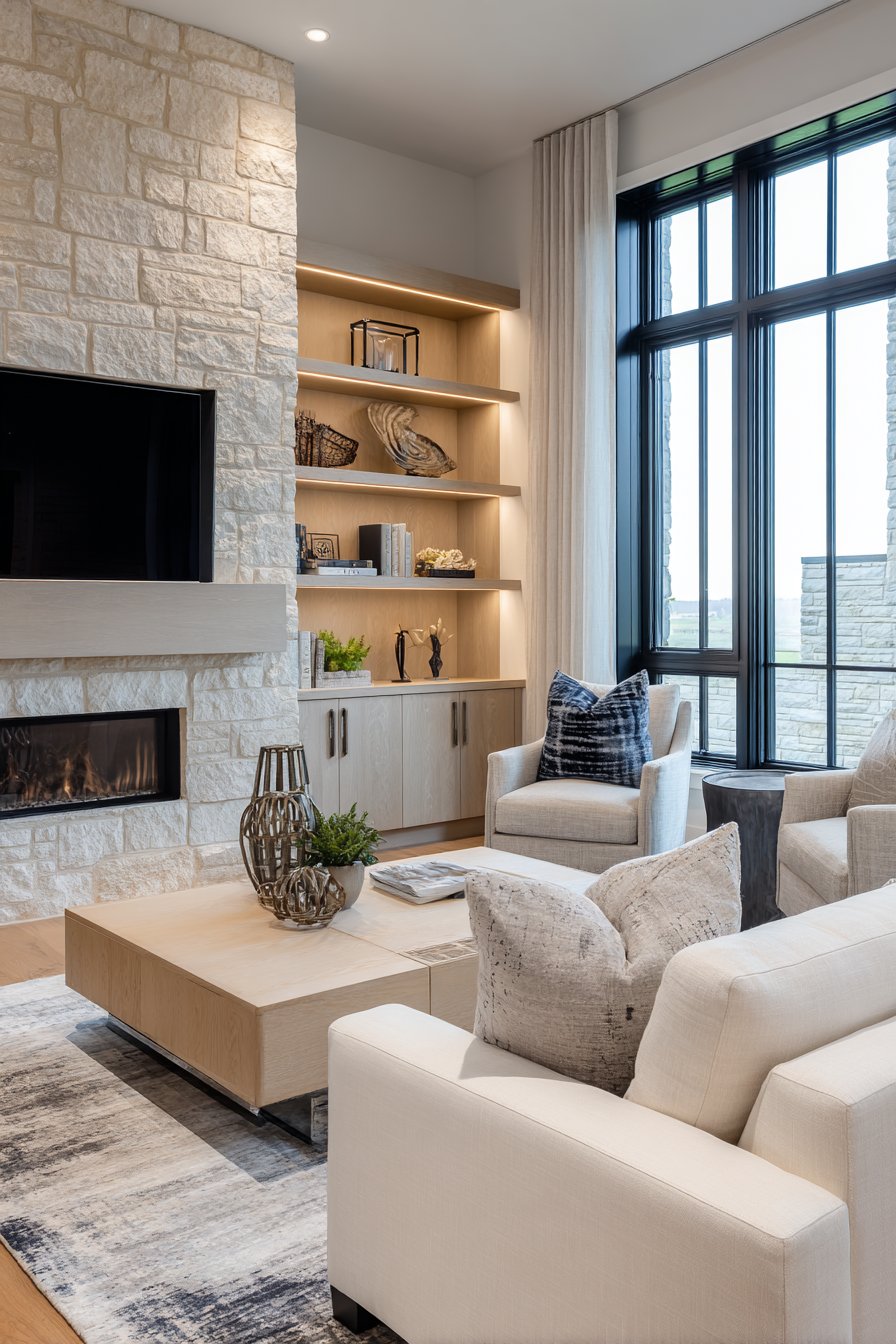
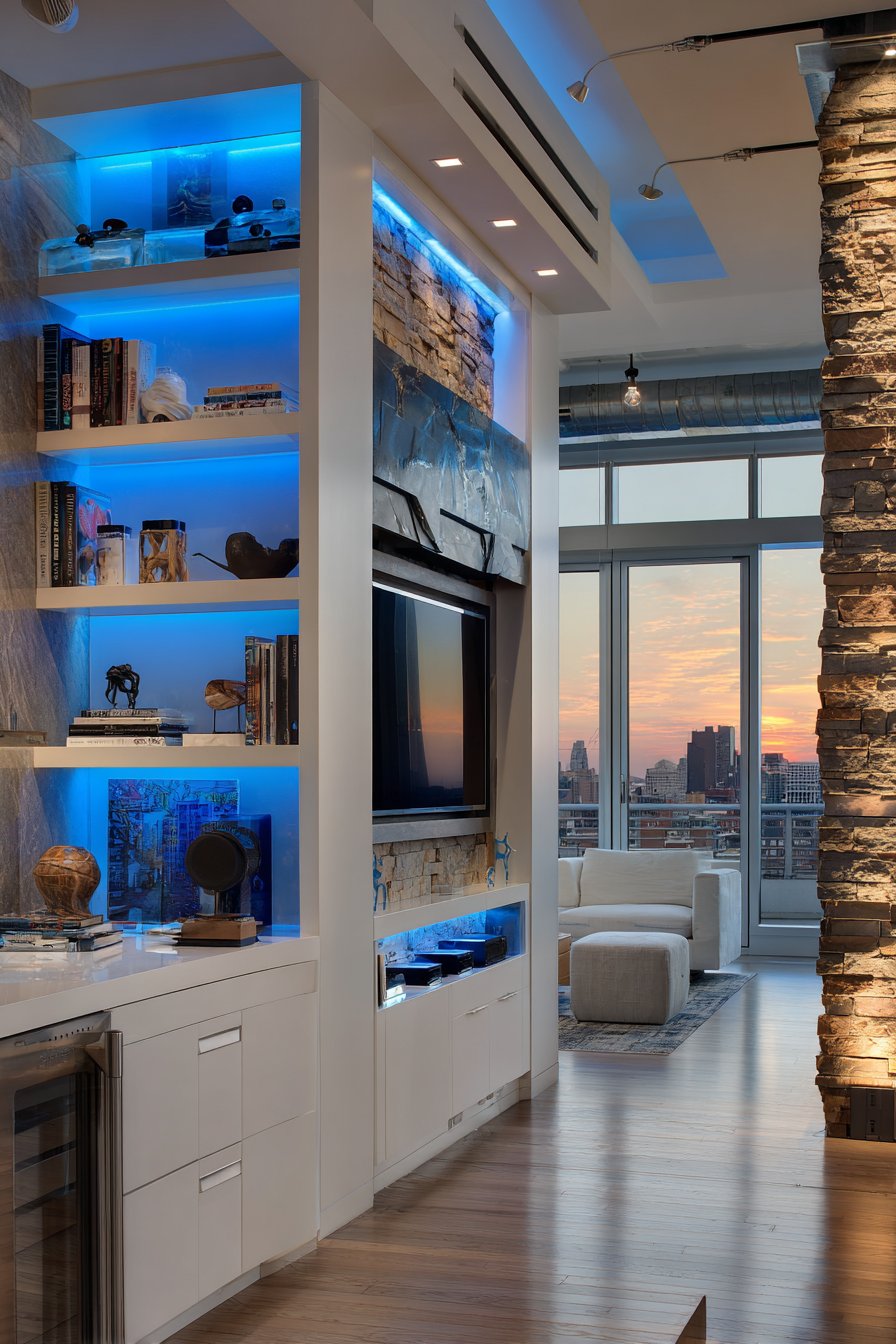
Modern entertainment centers benefit enormously from strategic wall highlighting that enhances viewing experiences while reducing eye strain. LED backlighting behind wall-mounted televisions creates reduced eye strain by minimizing the contrast between bright screens and dark walls. This bias lighting technique, borrowed from professional video editing suites, significantly reduces the eye fatigue associated with extended viewing sessions. The ambient glow also creates a modern, high-tech aesthetic that transforms simple television watching into a more immersive experience.
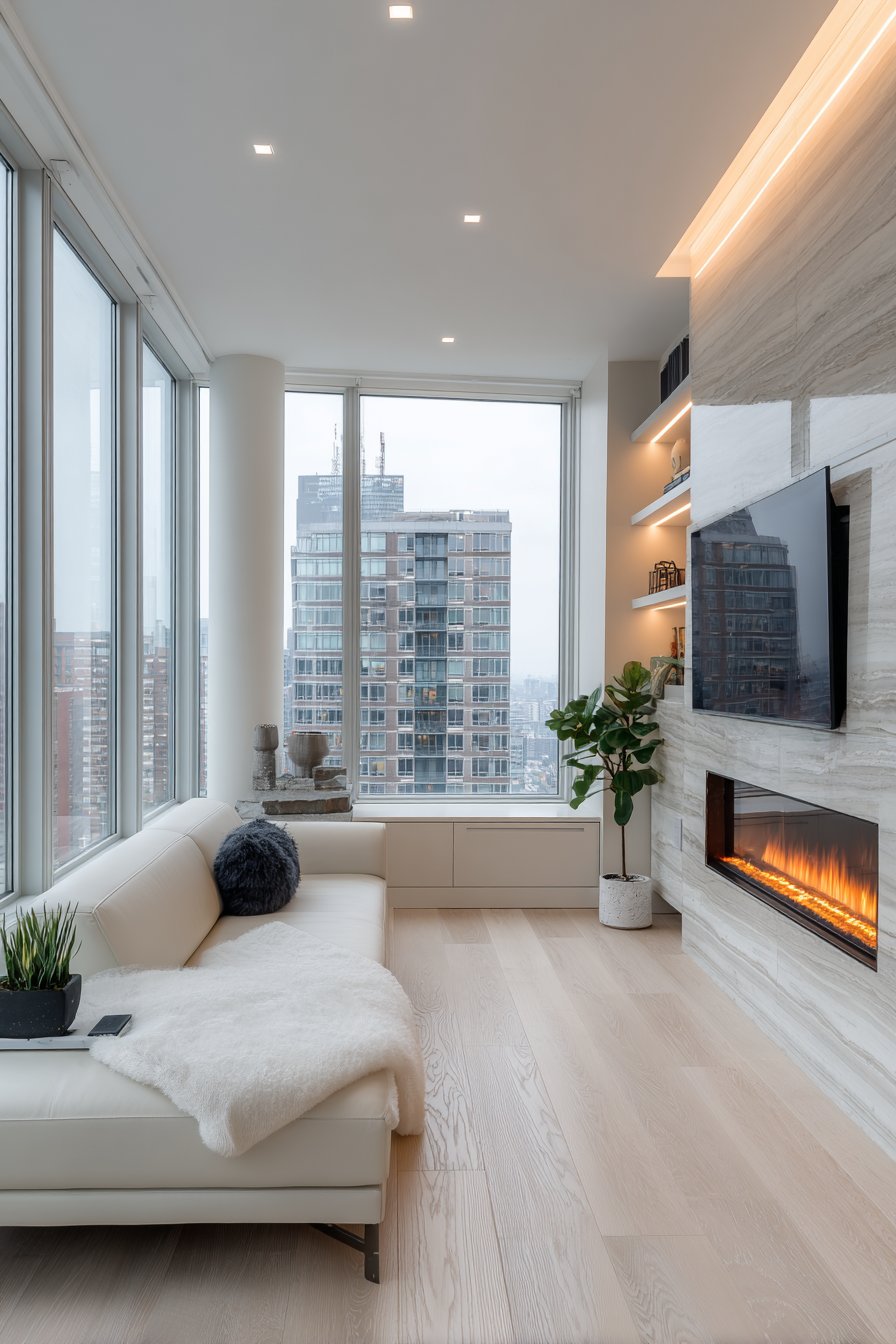
Surrounding built-in shelving features integrated lighting that highlights decorative objects and books, creating visual interest during non-viewing hours while supplementing the room’s ambient illumination during movie nights. The lit shelving prevents the entertainment wall from becoming a dark void when the television is off, maintaining visual interest throughout the day. This approach transforms necessary media storage into attractive display space that contributes to the room’s overall design rather than detracting from it.
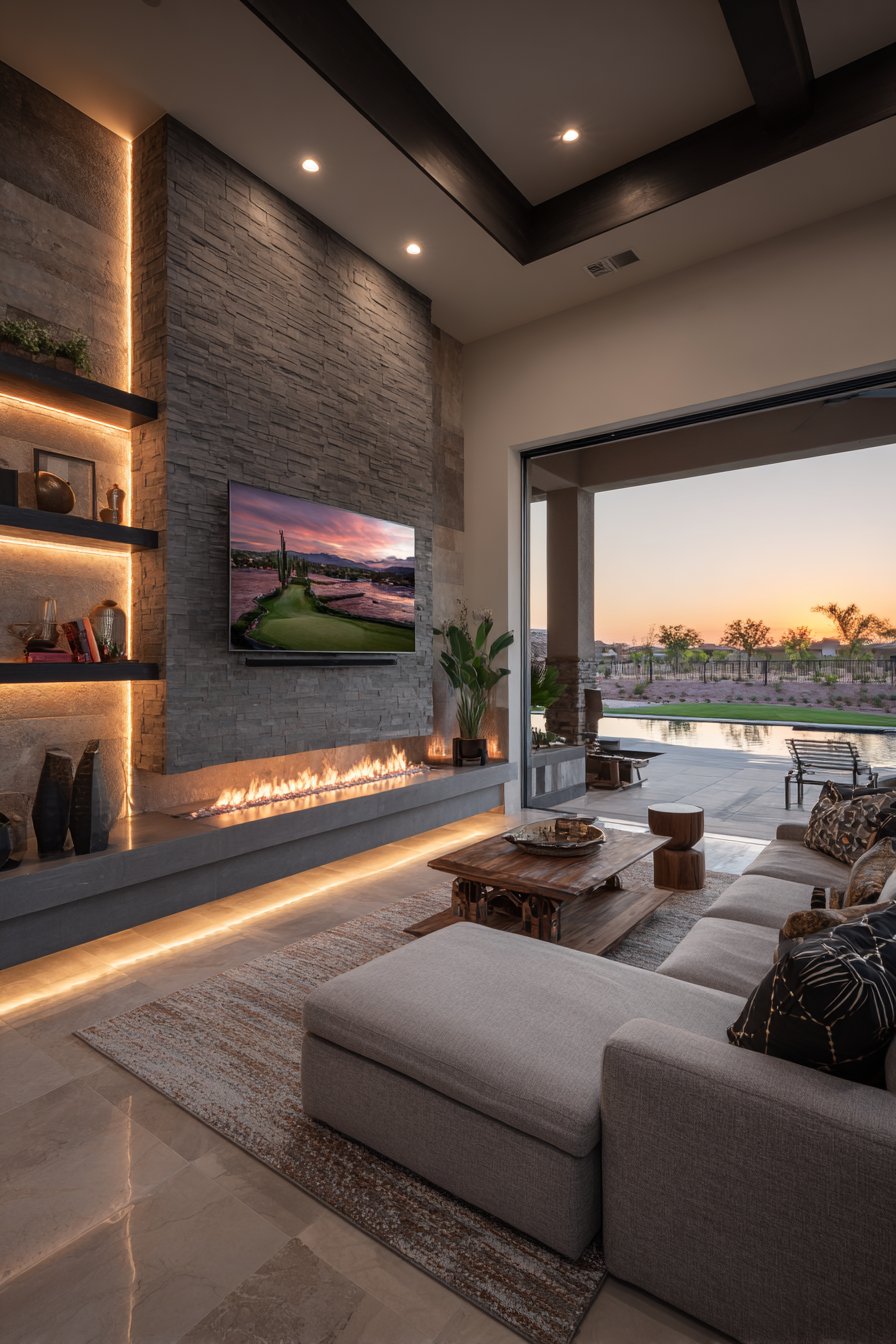
The adjacent wall displays architectural lighting washing down a natural stone veneer surface, creating texture and dimension that prevents the room from feeling too focused on the screen. This secondary lighting draws the eye away from the entertainment center periodically, providing visual rest that reduces the hypnotic effect screens can create. The combination of screen backlighting, shelf illumination, and architectural wall washing creates a comprehensive lighting scheme that supports both active media consumption and passive relaxation in the same space.
Key Design Tips:
- Match bias lighting color to the screen’s white point (typically 6500K) for optimal eye strain reduction
- Keep bias lighting at approximately 10% of the screen’s brightness for ideal contrast balance
- Use RGB+White LED strips behind shelving to customize accent colors for different viewing moods
- Install stone veneer with varied texture depths to create dramatic shadows under grazing light
- Add motion sensors to automate lighting when entering the room or activating entertainment systems
- Include cinema mode lighting presets that dim ambient lights while maintaining subtle bias lighting
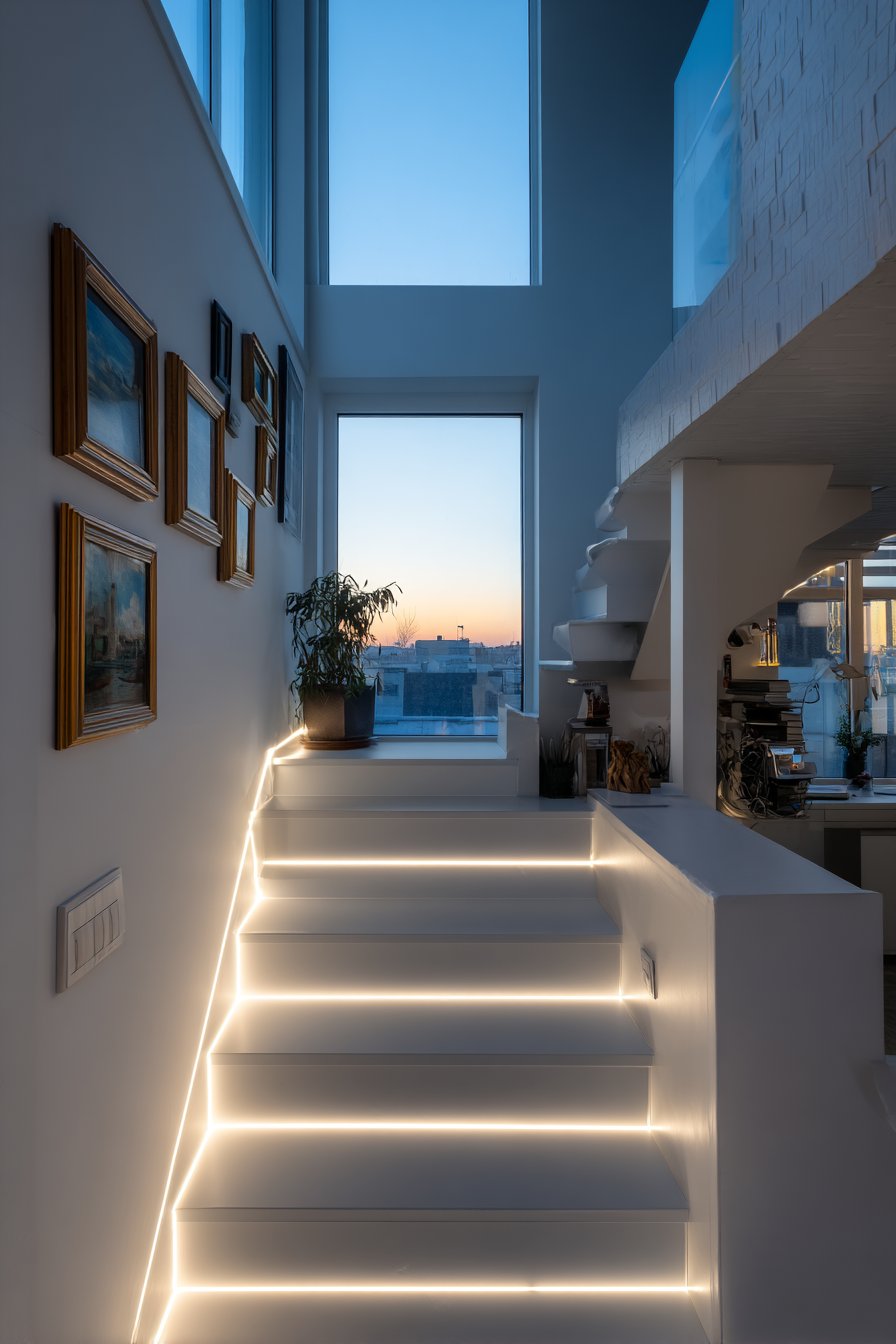
11. Stairway with LED Step Riser Lighting and Wall Photography
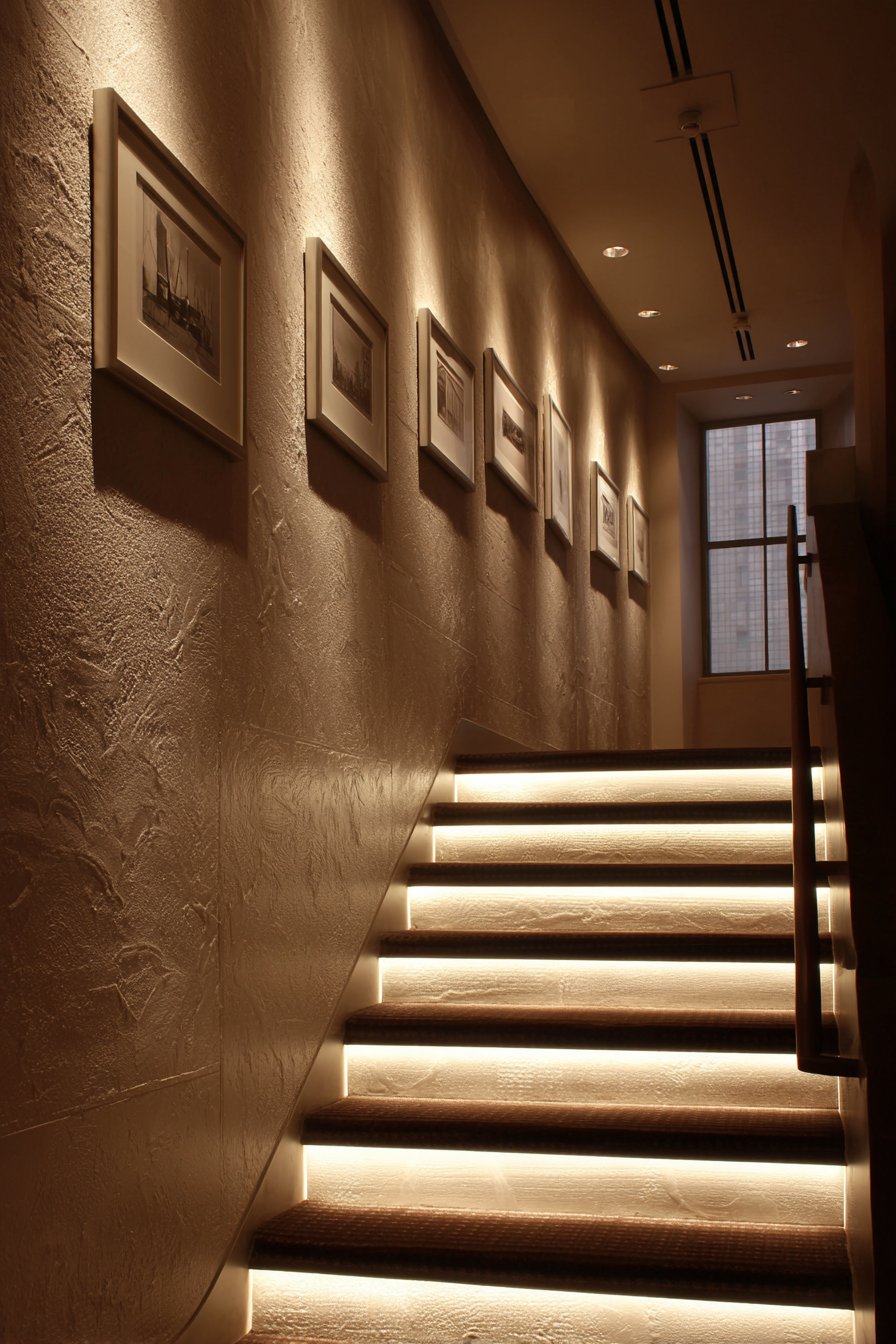
Stairways present unique safety and design opportunities that wall highlighting addresses beautifully. LED strip lighting installed along each step’s riser creates both a modern safety feature and striking design element that guides movement through the home. The low-level illumination clearly defines each step edge, reducing trip hazards while creating a floating effect that makes stairs appear to hover mysteriously. This approach is particularly valuable in homes with elderly residents or late-night movement patterns where traditional overhead lighting might be too bright and awakening.
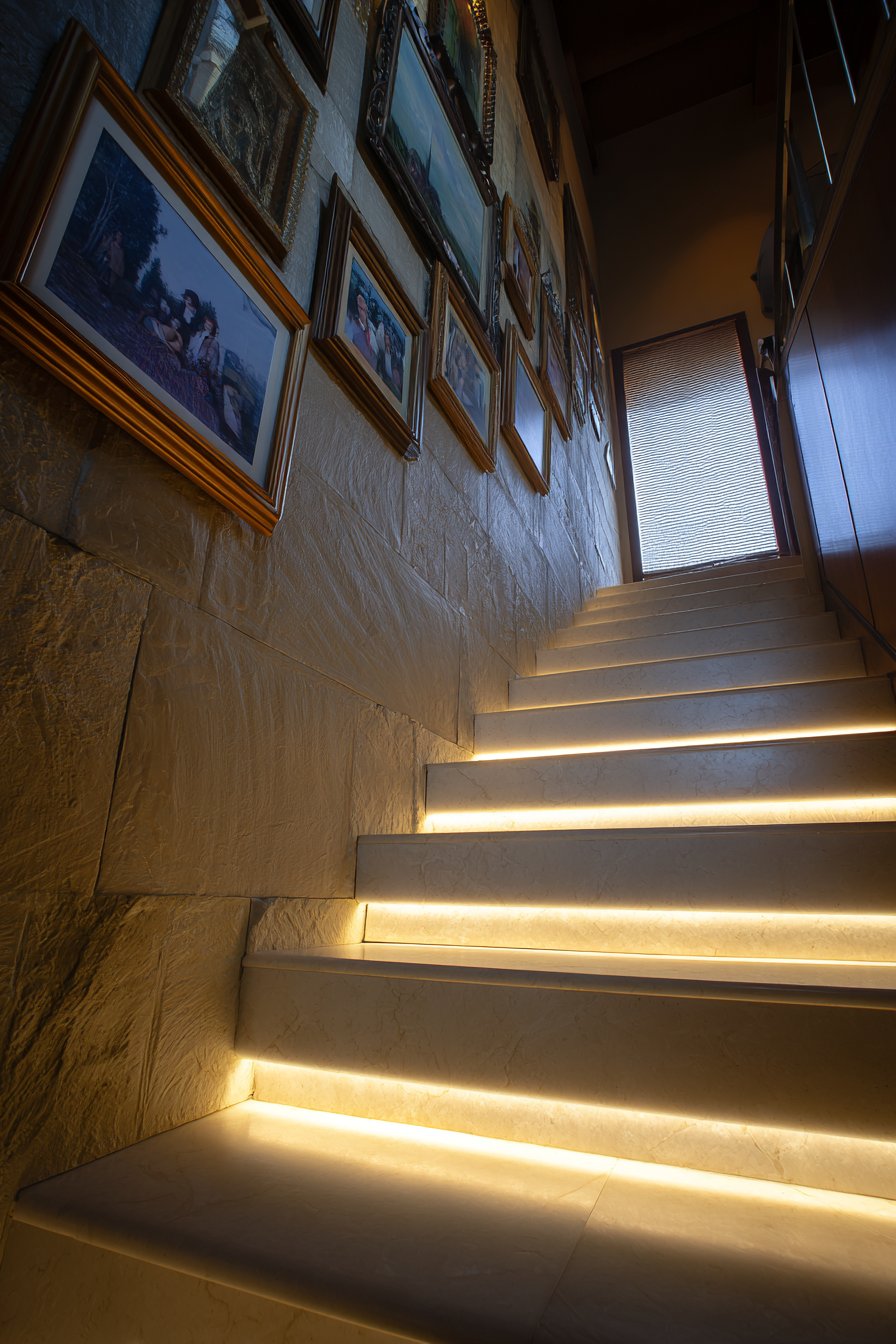
The adjacent wall features a series of recessed wall washers highlighting framed family photographs arranged in an ascending pattern. This gallery-style presentation transforms a utilitarian stairwell into a personal museum celebrating family history and cherished memories. The recessed wall washers create focused pools of light on each photograph without the visual clutter of individual picture lights. The ascending arrangement of photographs naturally guides the eye upward, enhancing the vertical movement inherent in stairway architecture.
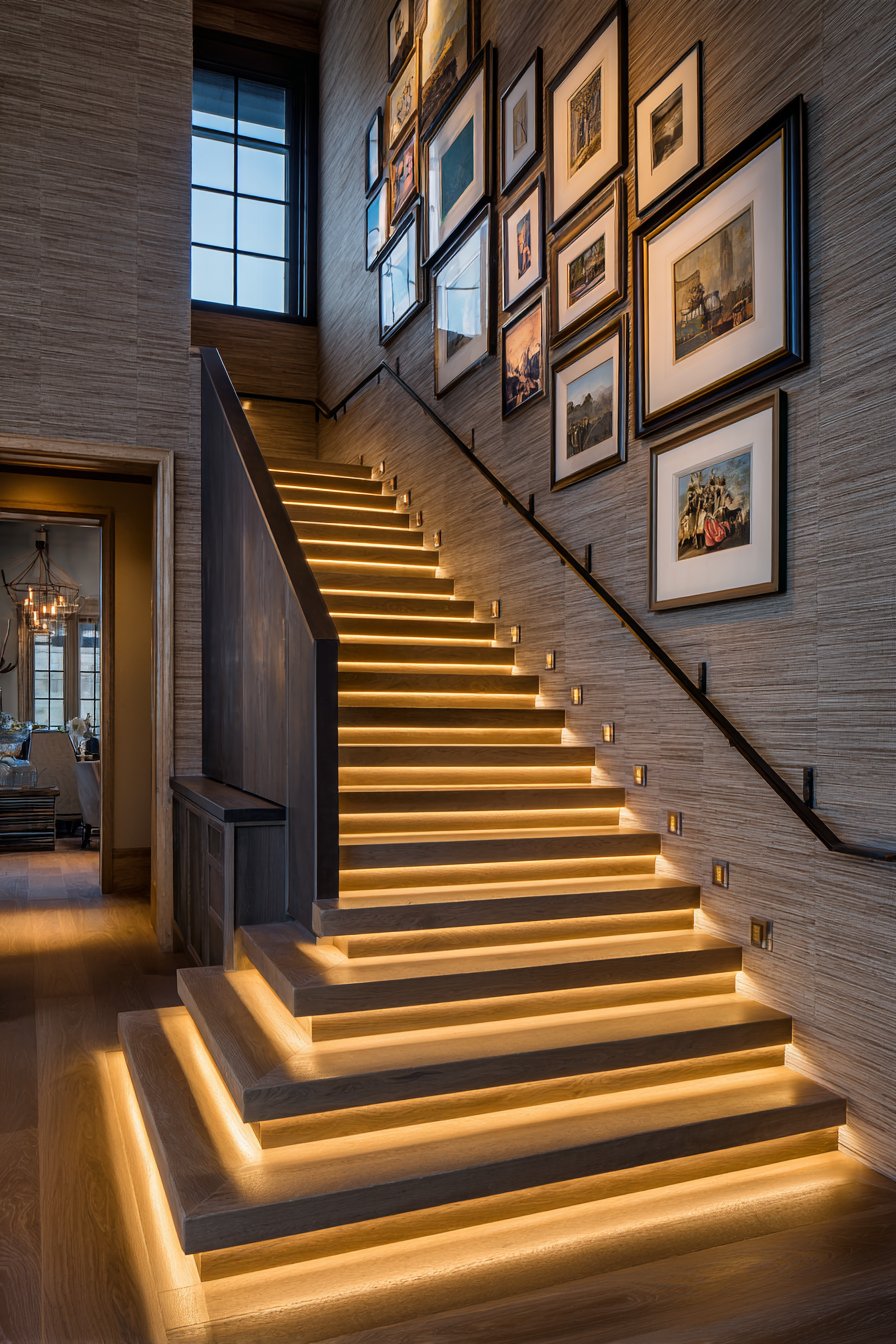
Textured wall covering catches the grazing light beautifully, adding tactile interest that elevates the stairway beyond mere circulation space. The combination of functional step lighting, targeted photograph illumination, and textured wall highlights demonstrates how even purely transitional spaces deserve comprehensive lighting consideration. The vertical perspective of stairways makes them ideal showcases for creative wall highlighting that might feel excessive in single-level rooms.
Key Design Tips:
- Use motion-activated controls for stair lighting to provide illumination only when needed, conserving energy
- Install LED strips in aluminum channels with frosted covers for even light distribution and professional appearance
- Position wall washers at the same spacing as stairs to create visual rhythm between steps and artwork
- Choose warm white LEDs (2700-3000K) for residential stairways to maintain welcoming ambiance
- Use waterproof LED strips in outdoor or potentially wet stairway applications
- Add emergency backup power to critical stairway lighting for safety during power outages
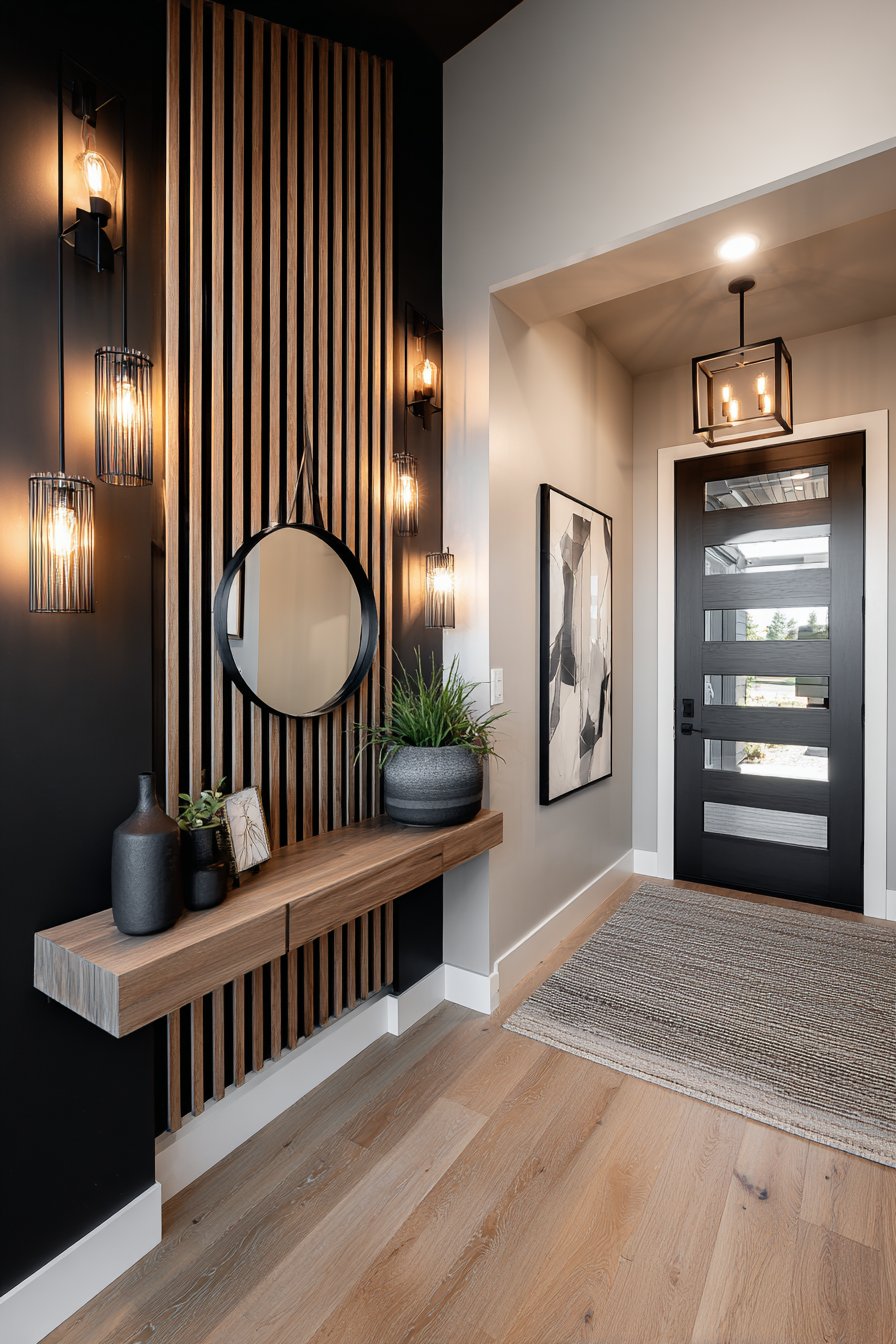
12. Contemporary Entryway with Backlit Decorative Wooden Slat Wall
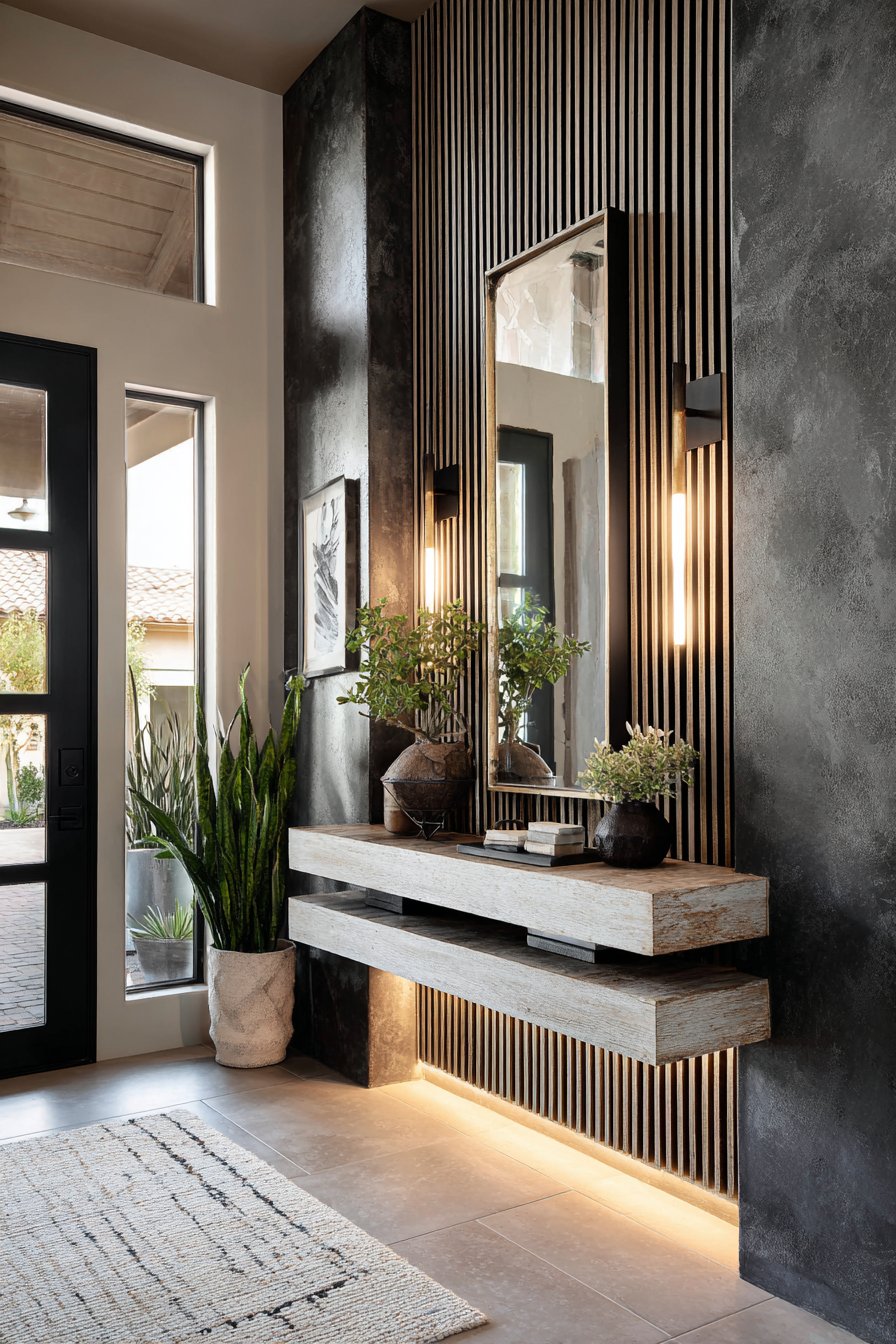
First impressions matter enormously in home design, making entryway lighting critical for setting tone and expectation. A backlit decorative wooden slat wall creates dramatic vertical shadows that immediately establish contemporary sophistication. The interplay between solid slats and illuminated gaps creates a rhythmic pattern that adds visual interest to what might otherwise be a blank wall. The backlighting emphasizes the dimensional quality of the wood slats while creating a warm, welcoming glow that draws visitors into the home.
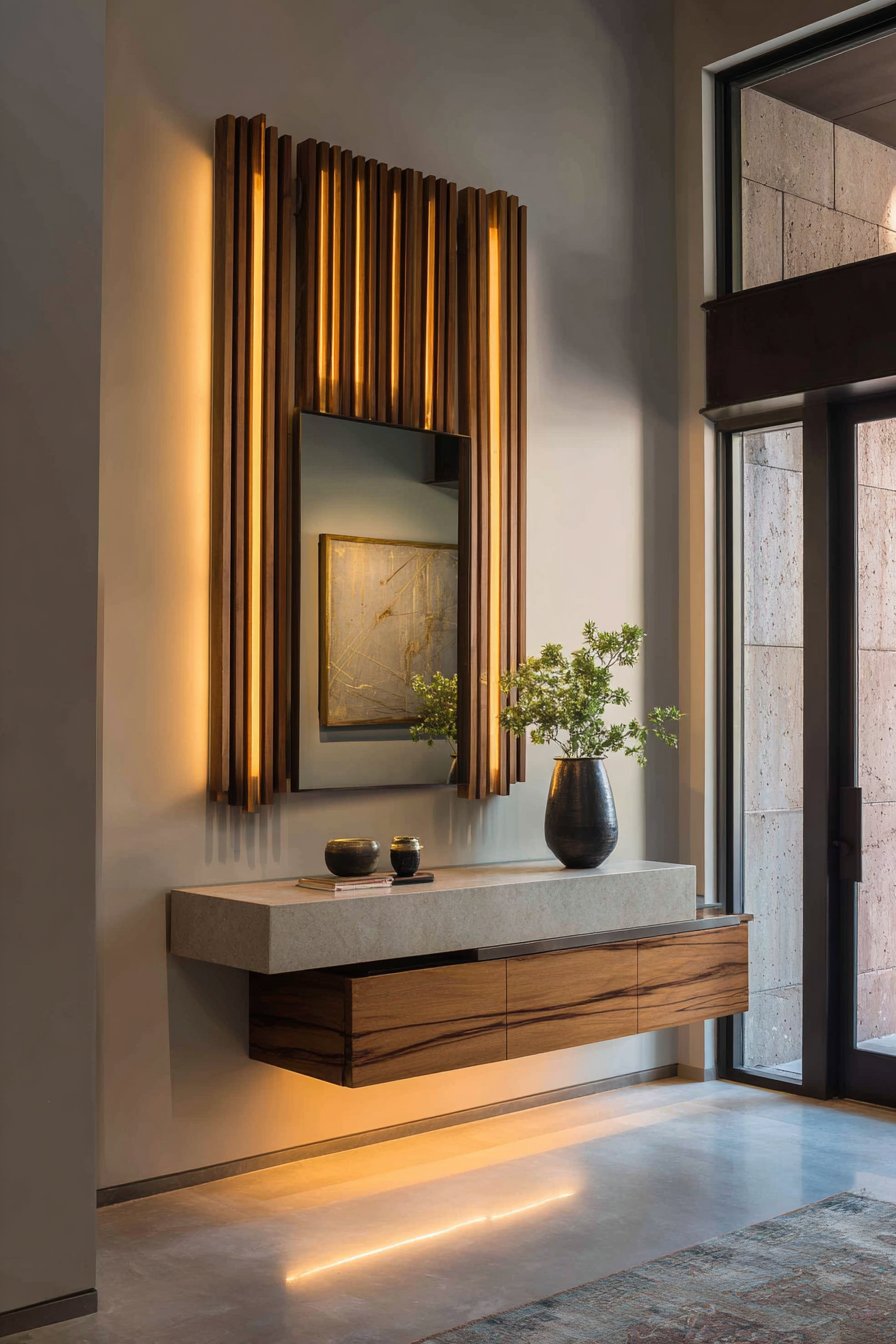
A floating console table with under-lighting creates a hovering effect against charcoal gray walls that challenges gravity and convention. This modern design statement provides practical surface area for keys, mail, and decorative objects while maintaining the clean, uncluttered aesthetic that contemporary design demands. The underlighting washes the charcoal wall with warm light, preventing the dark color from feeling oppressive while emphasizing the table’s floating nature. Small accent lights highlight statement mirrors and artwork, distributing visual interest throughout the entry rather than concentrating it on a single feature.
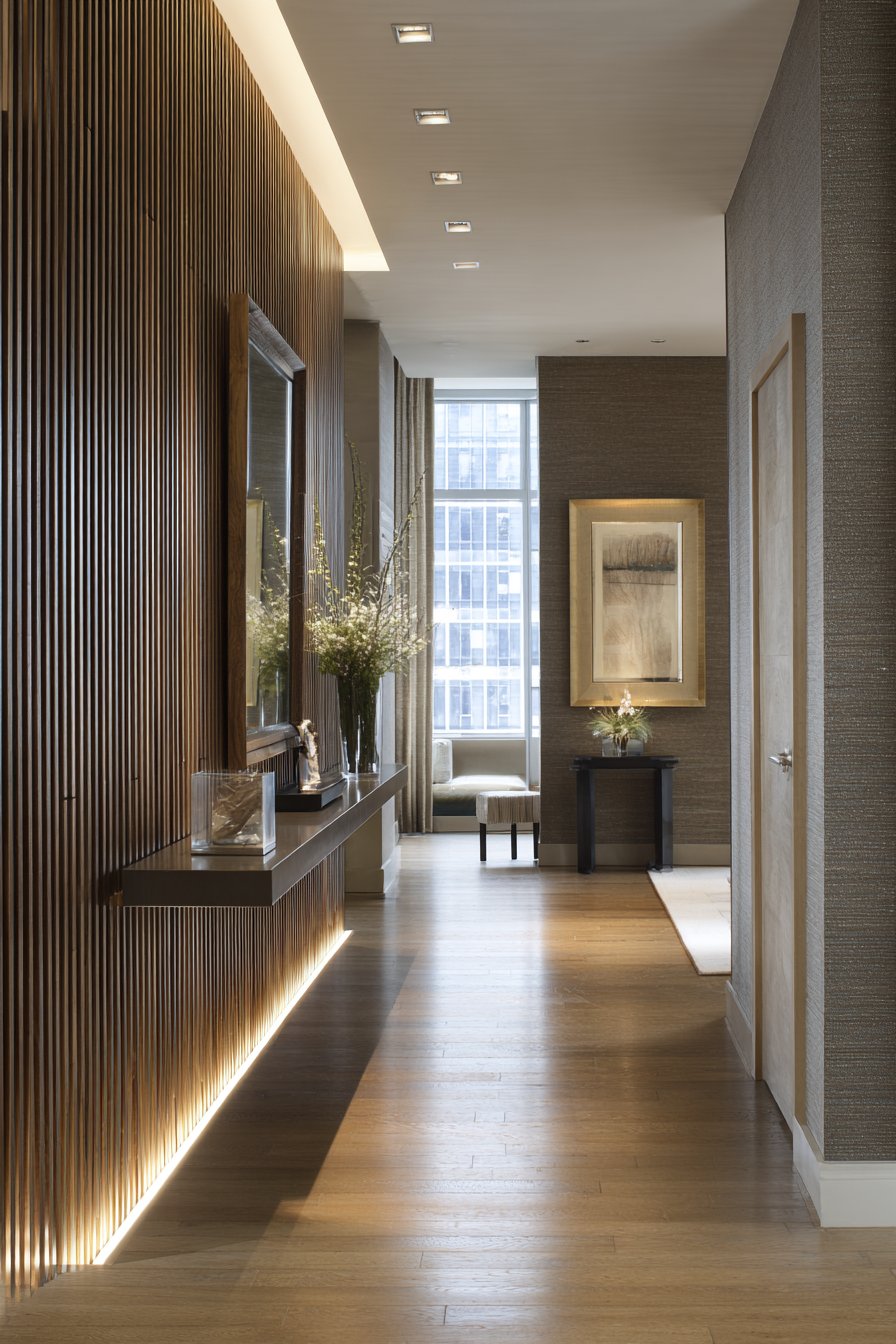
The combination of natural light from nearby doors and strategic artificial highlights creates an entry that feels welcoming throughout the day. Morning sunlight might stream through glass panels while evening arrivals are greeted by the warm glow of backlit wood and floating furniture. This adaptable lighting scheme ensures the entryway always makes a positive impression regardless of when guests arrive or family members return home.
Key Design Tips:
- Space wooden slats 2-4 inches apart for optimal backlighting effect without excessive light spillage
- Use warm white LEDs (2700-3000K) behind wood features to enhance natural material warmth
- Position console underlighting to create a 6-8 inch glow zone on the wall behind
- Install accent lights on separate circuits from primary backlighting for lighting flexibility
- Choose low-profile LED channels that remain invisible between slats when viewed straight-on
- Add dimmer controls to adjust entry lighting from bright welcoming to subtle nighttime levels
13. Home Library with Floor-to-Ceiling Illuminated Bookshelves
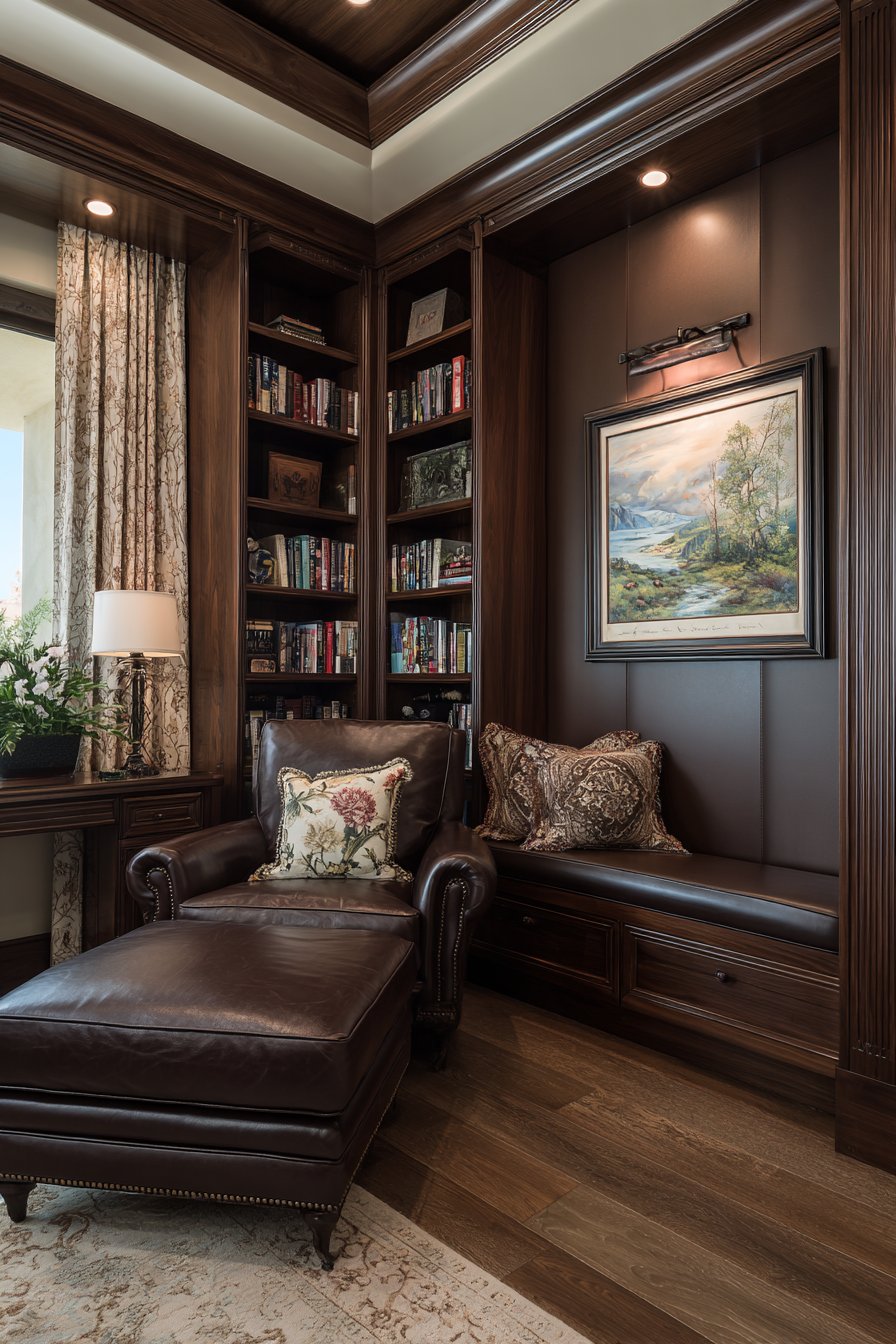
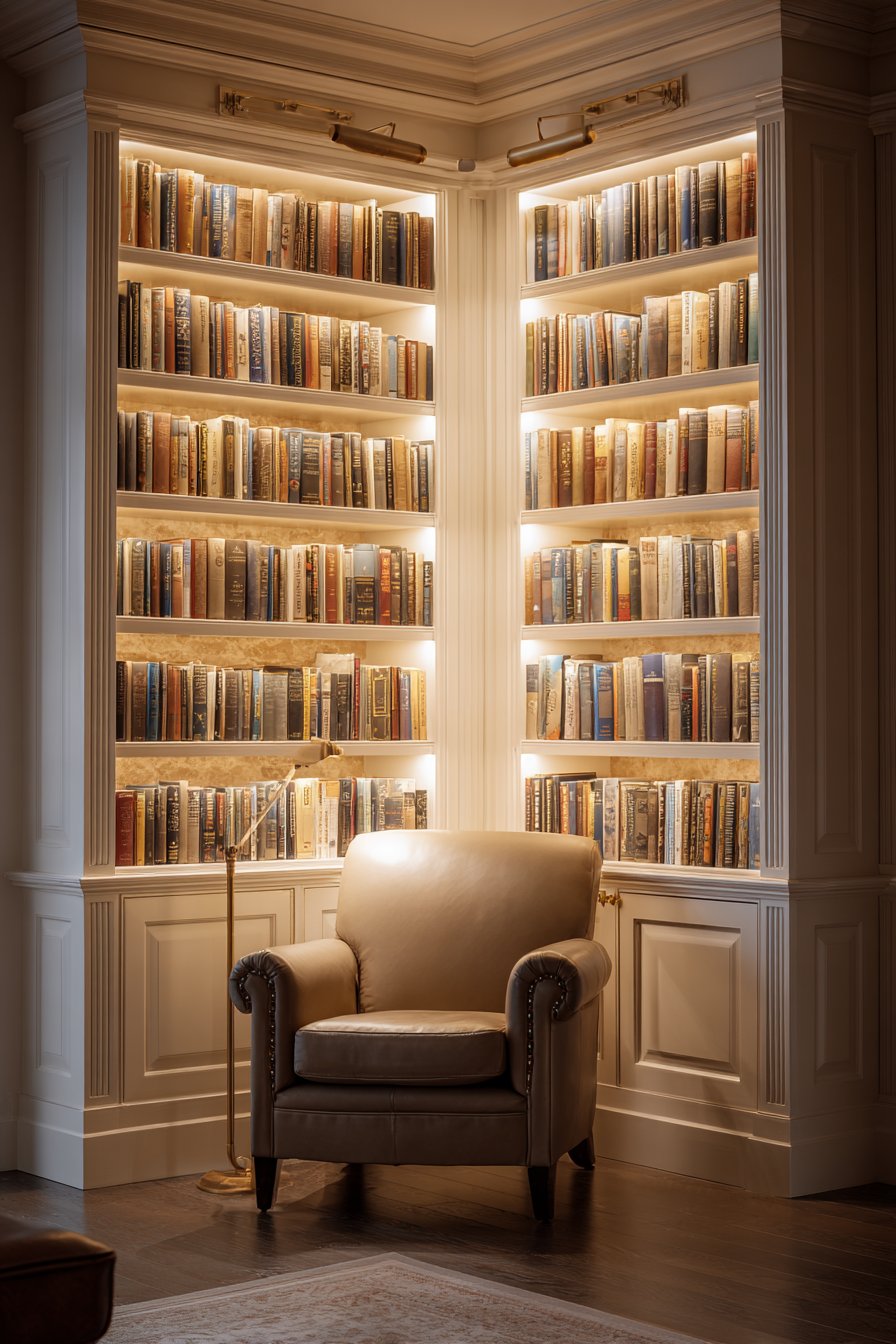
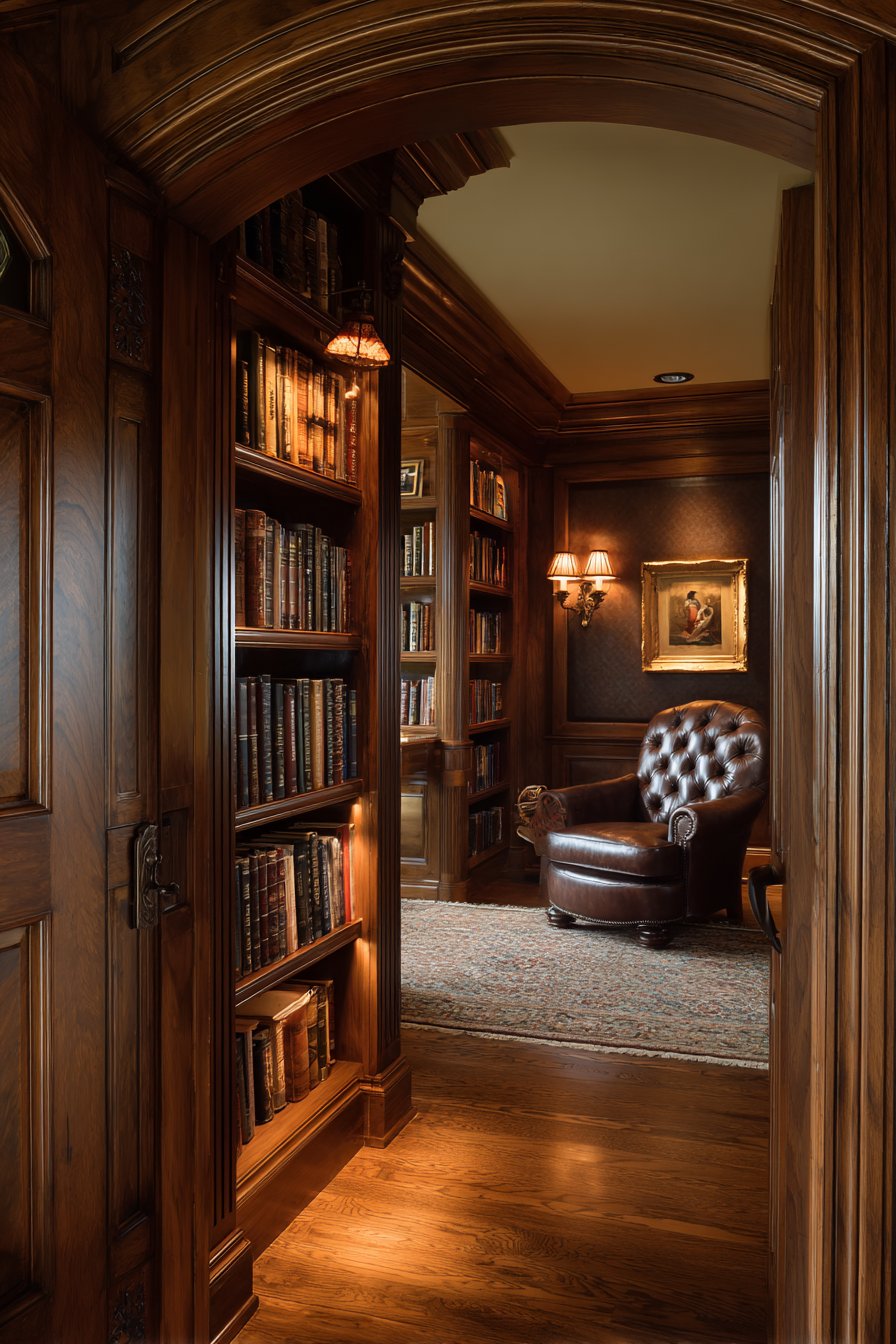
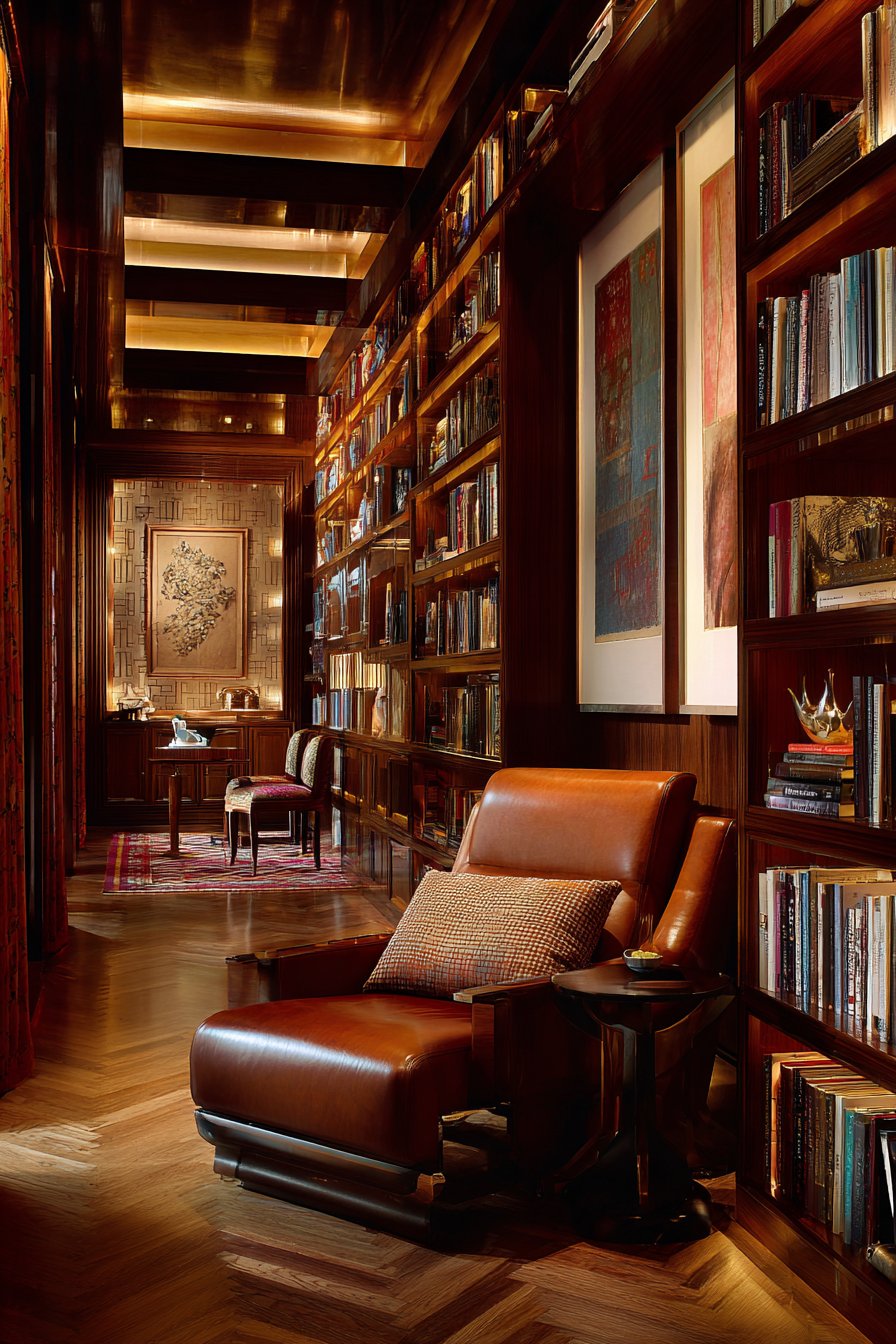
Book lovers understand that a well-designed library requires lighting that protects precious volumes while allowing easy browsing and reading. Floor-to-ceiling built-in bookshelves featuring integrated LED lighting on each shelf level create a warm glow among books that celebrates literary collections while providing functional illumination. The per-shelf lighting approach ensures every title remains visible and accessible regardless of its position within the extensive shelving. This targeted illumination also highlights the varied colors and textures of book spines, transforming a utilitarian storage solution into a design feature worthy of architectural photography.
A reading chair positioned against a leather-paneled accent wall with adjustable wall-mounted reading lights creates the perfect environment for extended literary immersion. The leather panels add masculine sophistication and acoustic dampening that makes the library feel like a true retreat from household activity. The adjustable reading lights provide directed illumination that can be positioned precisely for optimal reading comfort regardless of time of day or seating position. Cove lighting at the crown molding provides ambient illumination that prevents the library from feeling cave-like despite floor-to-ceiling shelving.
The combination of shelf lighting, task lighting, and ambient cove lighting creates multiple layers that can be controlled independently for different activities. Browsing for books might require all lights at full brightness, while reading might call for only task lighting and subtle shelf illumination. Evening conversation might use only the warm glow of shelf and cove lighting without task lights. This lighting flexibility ensures the home library serves multiple functions while maintaining its identity as a space dedicated to the life of the mind.
Key Design Tips:
- Position LED strips at the front edge of each shelf to illuminate book spines without creating harsh shadows
- Use warm white LEDs (2400-2700K) to create the cozy, contemplative atmosphere libraries require
- Install UV-filtering lenses on shelf lights to protect valuable books from light-induced fading
- Choose adjustable reading lights with minimum 75-watt equivalent output for sufficient task lighting
- Add separate dimmer controls for shelf, task, and ambient lighting to maximize functional flexibility
- Consider smart lighting controls that can recall preset scenes for different library activities
14. Powder Room with Dramatic Backlit Onyx Feature Wall
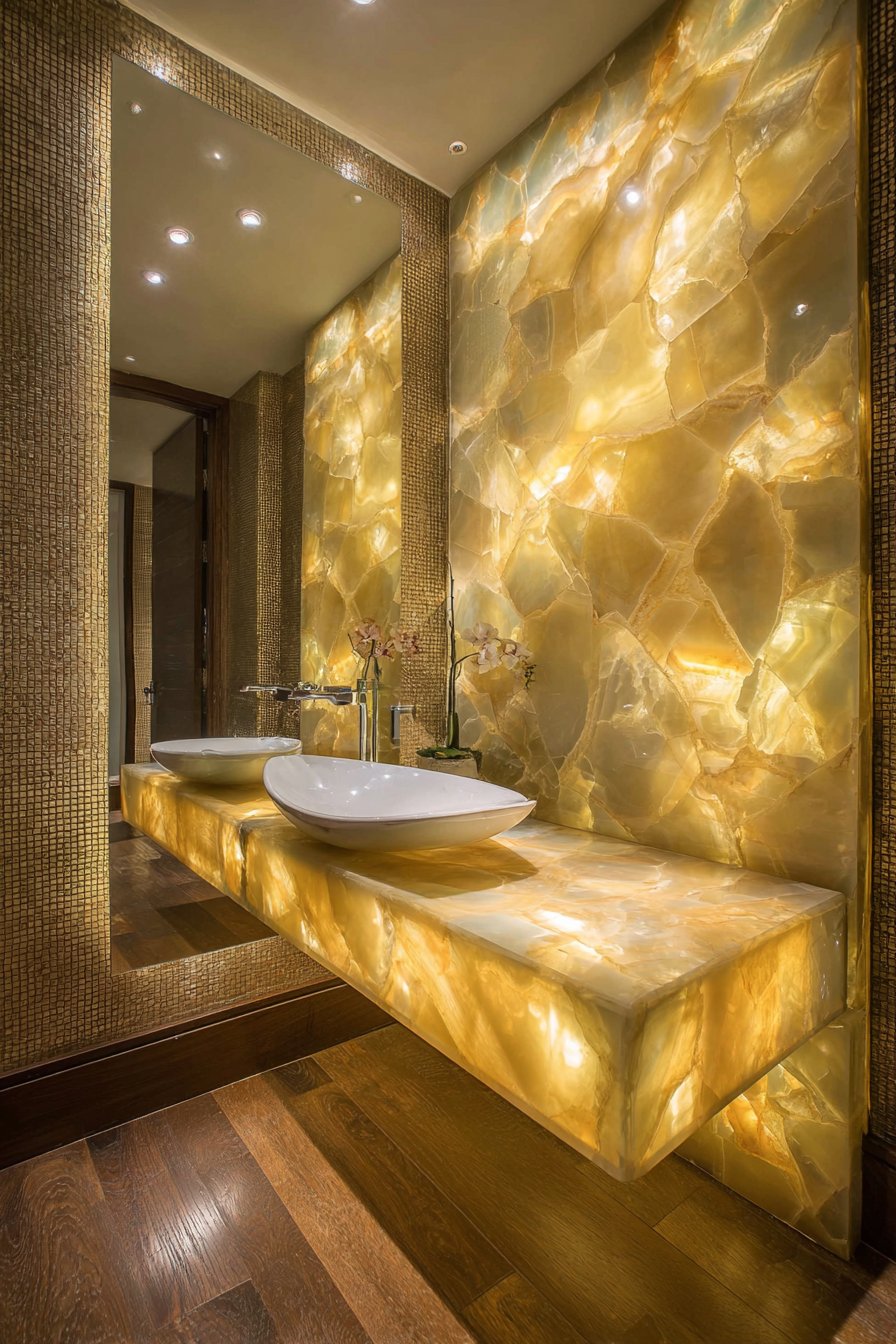
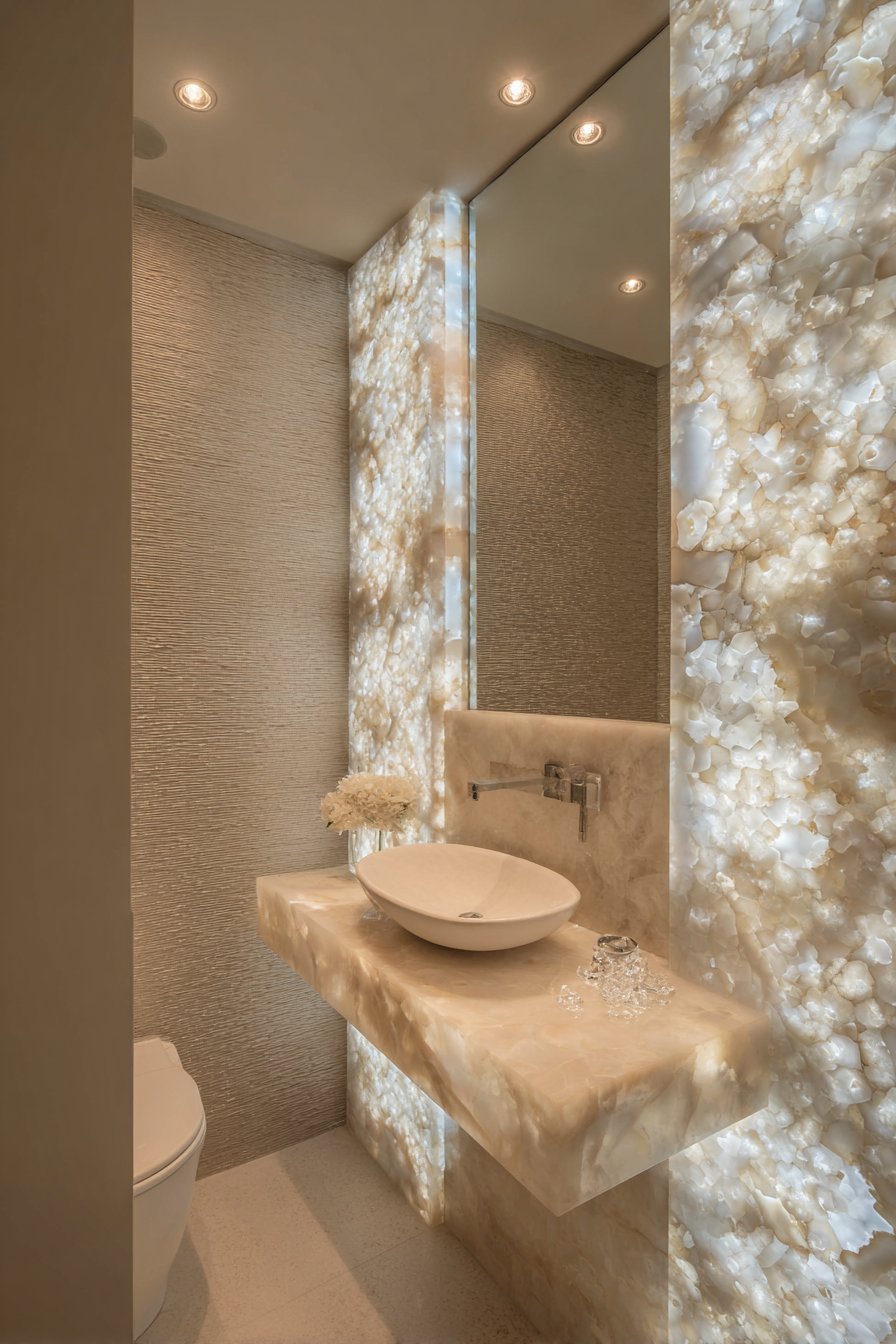
Small powder rooms offer opportunities for design drama that might overwhelm larger spaces. A backlit onyx feature wall behind a floating vessel sink transforms a compact space into a jewel box of luxury. The translucent stone glows from concealed LED panels behind, revealing the onyx’s internal structure and creating a luminous focal point that guests remember long after visiting. This dramatic feature demonstrates that even the smallest rooms can make powerful design statements when lighting is used creatively and boldly.
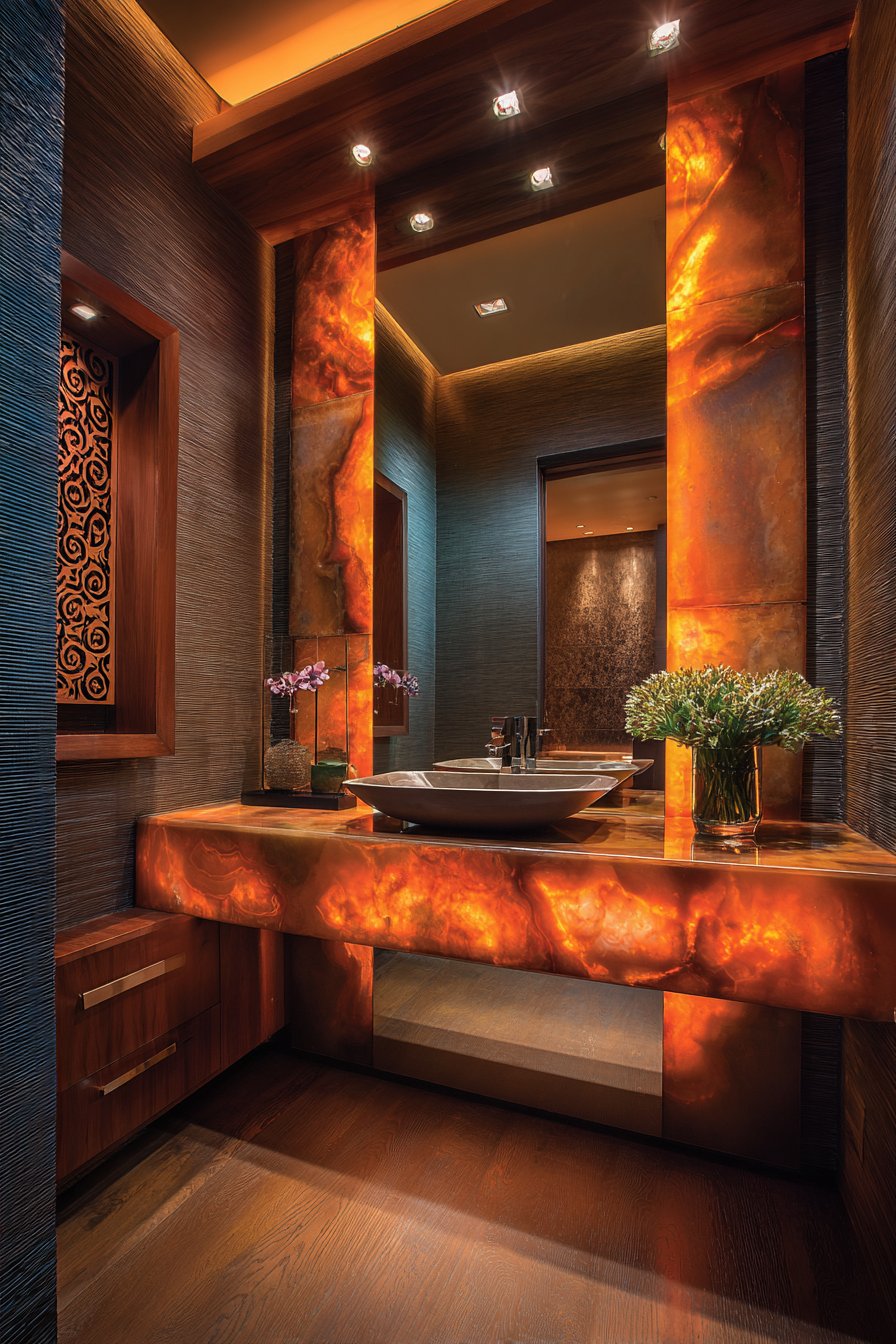
A mirror with integrated perimeter lighting and small recessed ceiling spots create layered illumination that ensures the powder room functions as well as it impresses. The perimeter-lit mirror provides even, shadow-free lighting for hand washing and quick appearance checks while the ceiling spots supplement overall brightness. Textured wallpaper on remaining walls catches subtle light, adding tactile interest that prevents the space from feeling too focused on the single dramatic feature wall.
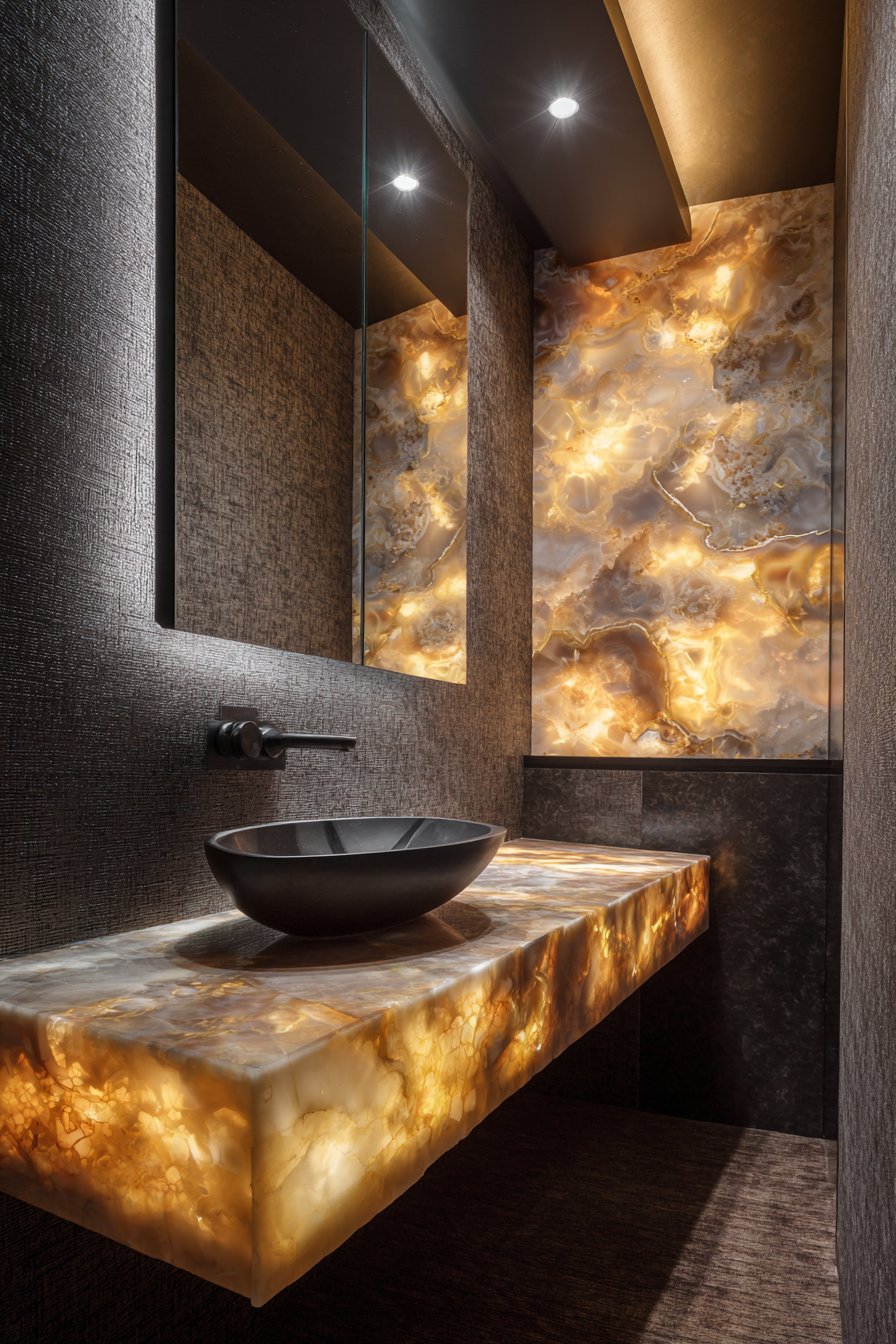
The balanced exposure achieved through careful lighting planning highlights the luxurious effect of creative wall highlighting in compact spaces. Every element receives appropriate illumination without competing for attention or creating visual chaos. The result is a powder room that feels significantly larger than its actual dimensions while maintaining an intimate, special atmosphere that makes ordinary hand washing feel like a momentary escape.
Key Design Tips:
- Select onyx or alabaster slabs between 1-2 inches thick for optimal translucency when backlit
- Use warm white LEDs (2700-3000K) behind stone to enhance warm tones and create inviting glow
- Install the LED panel on a dimmer to adjust stone glow intensity for different occasions
- Position the backlit feature as the focal point visible immediately upon entering the powder room
- Use moisture-resistant LED installations rated for bathroom humidity levels
- Balance the dramatic feature wall with simpler finishes on remaining surfaces to avoid visual overwhelm
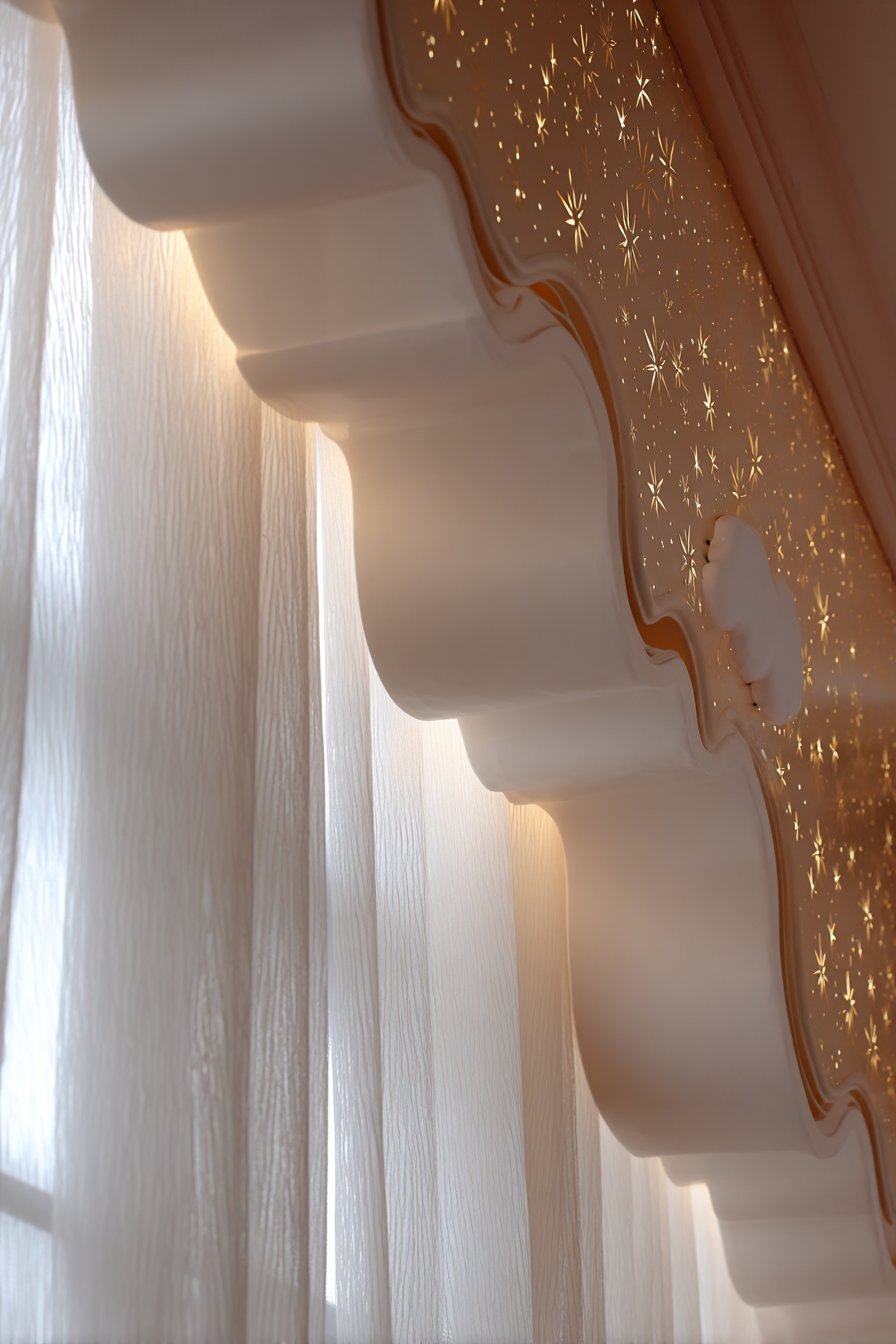
15. Nursery with Gentle Cloud-Shaped Shelves and Soft Lighting
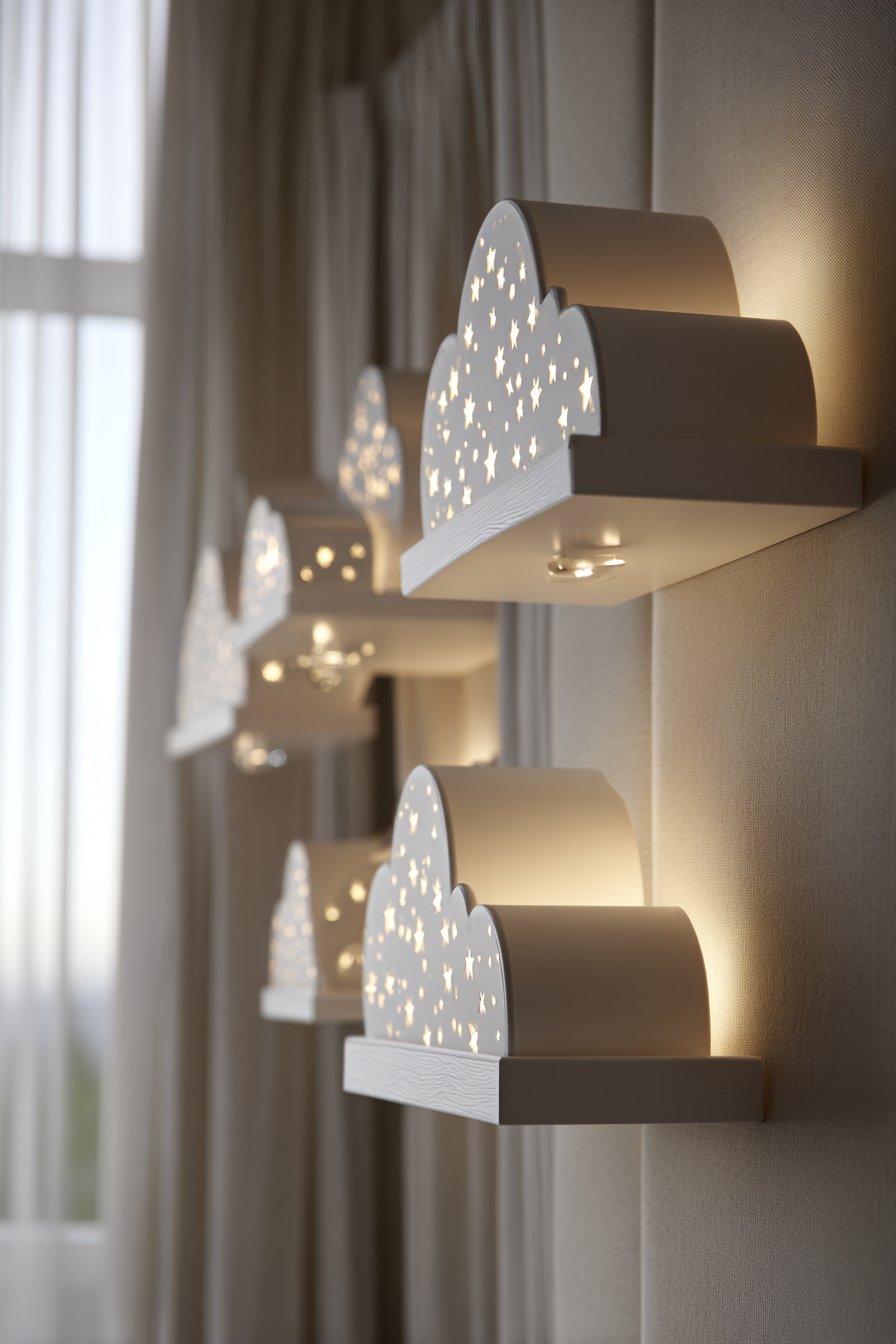
Designing a nursery requires balancing functionality with the creation of a soothing environment that promotes rest and development. Soft LED strip lighting behind floating cloud-shaped shelves creates a dreamy nighttime glow that comforts without overwhelming developing eyes. These whimsical shelves serve dual purposes—providing storage for books and small toys while creating a nightlight effect that helps children navigate their space during nighttime wakings. The gentle illumination proves sufficient for checking on sleeping infants without fully awakening them with harsh overhead lights.
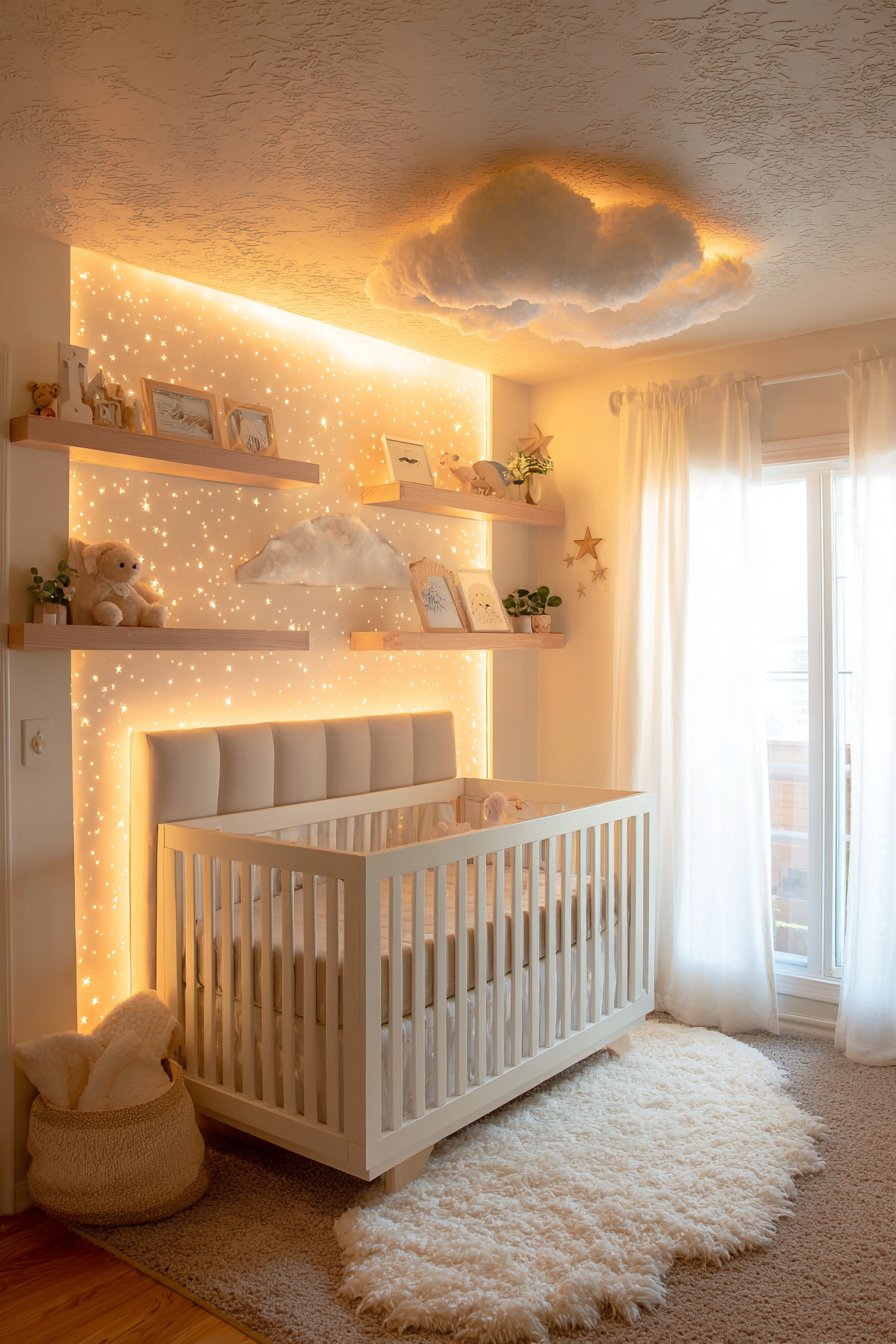
A fabric panel headboard area includes adjustable dimmable wall sconces that provide necessary lighting for nighttime feedings and changings while maintaining the soothing atmosphere essential for returning to sleep. The adjustability allows parents to direct light precisely where needed—toward a book during bedtime stories or toward the changing area during late-night diaper changes—without flooding the entire room with bright light that fights against sleep rhythms. Star-pattern perforations in a decorative wall panel are backlit to create a magical effect that captures young imaginations while providing subtle ambient illumination.
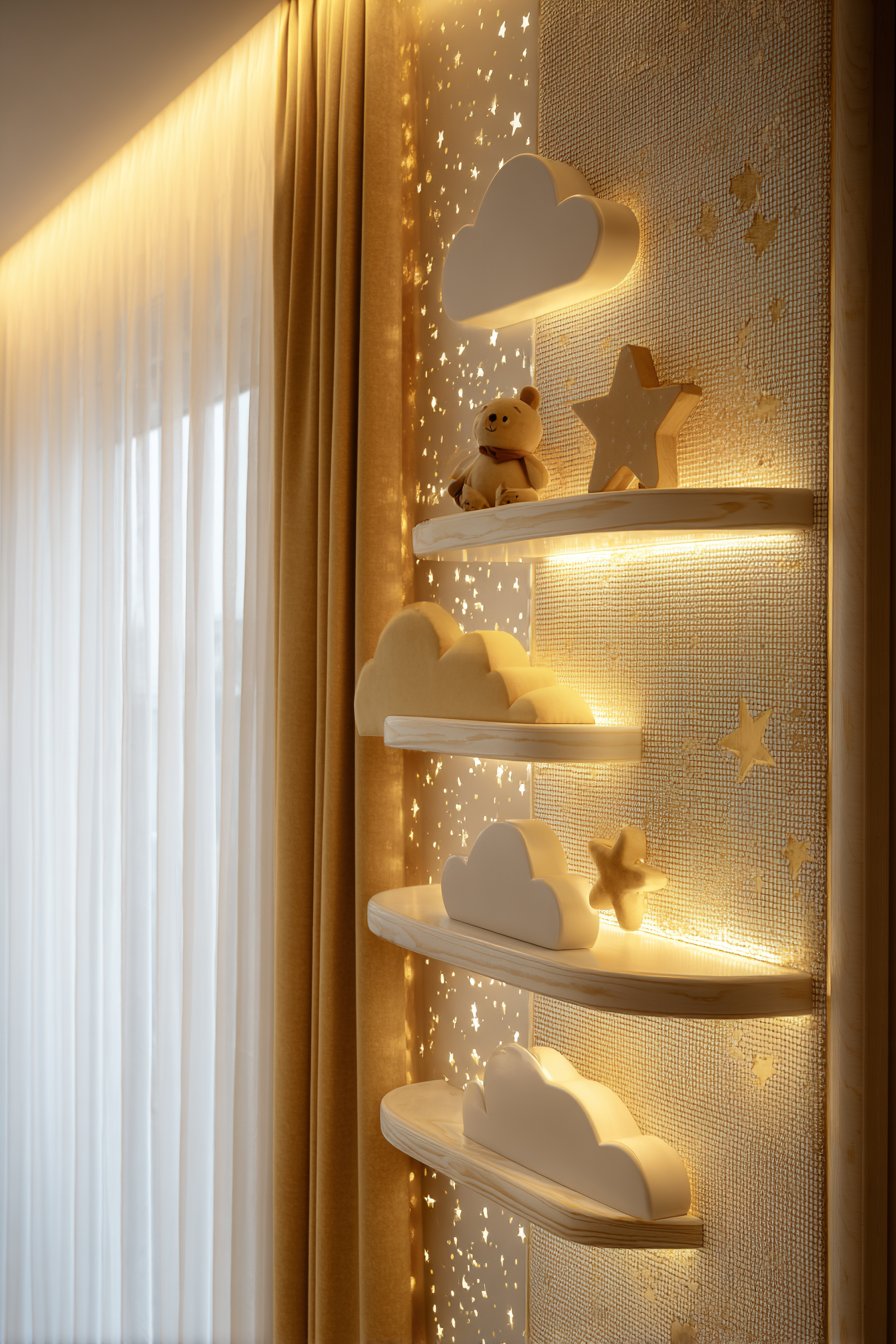
Natural light filtering through sheer curtains during the day creates a bright, cheerful environment for play and exploration, while the multiple artificial lighting sources provide appropriate illumination for evening routines and nighttime comfort. This combination ensures the nursery adapts to the varied needs of both infant care and child development stages. The safe and soothing wall highlight ideas appropriate for children’s spaces demonstrate how lighting can be both functional and developmentally supportive.
Key Design Tips:
- Use extra-warm LEDs (2200-2400K) for nursery lighting to minimize disruption of infant circadian rhythms
- Install all lighting on dimmer switches to adjust brightness from full daytime levels to minimal nighttime glow
- Position sconces high enough (60+ inches) to remain out of reach as children grow and become mobile
- Choose LED strips with low brightness output (less than 200 lumens per foot) for comfortable nighttime viewing
- Add smart controls that allow remote adjustment without entering the room and disturbing sleeping children
- Ensure all lighting installations meet electrical safety codes with appropriate covers and cord management
16. Basement Rec Room with Color-Changing LED Technology
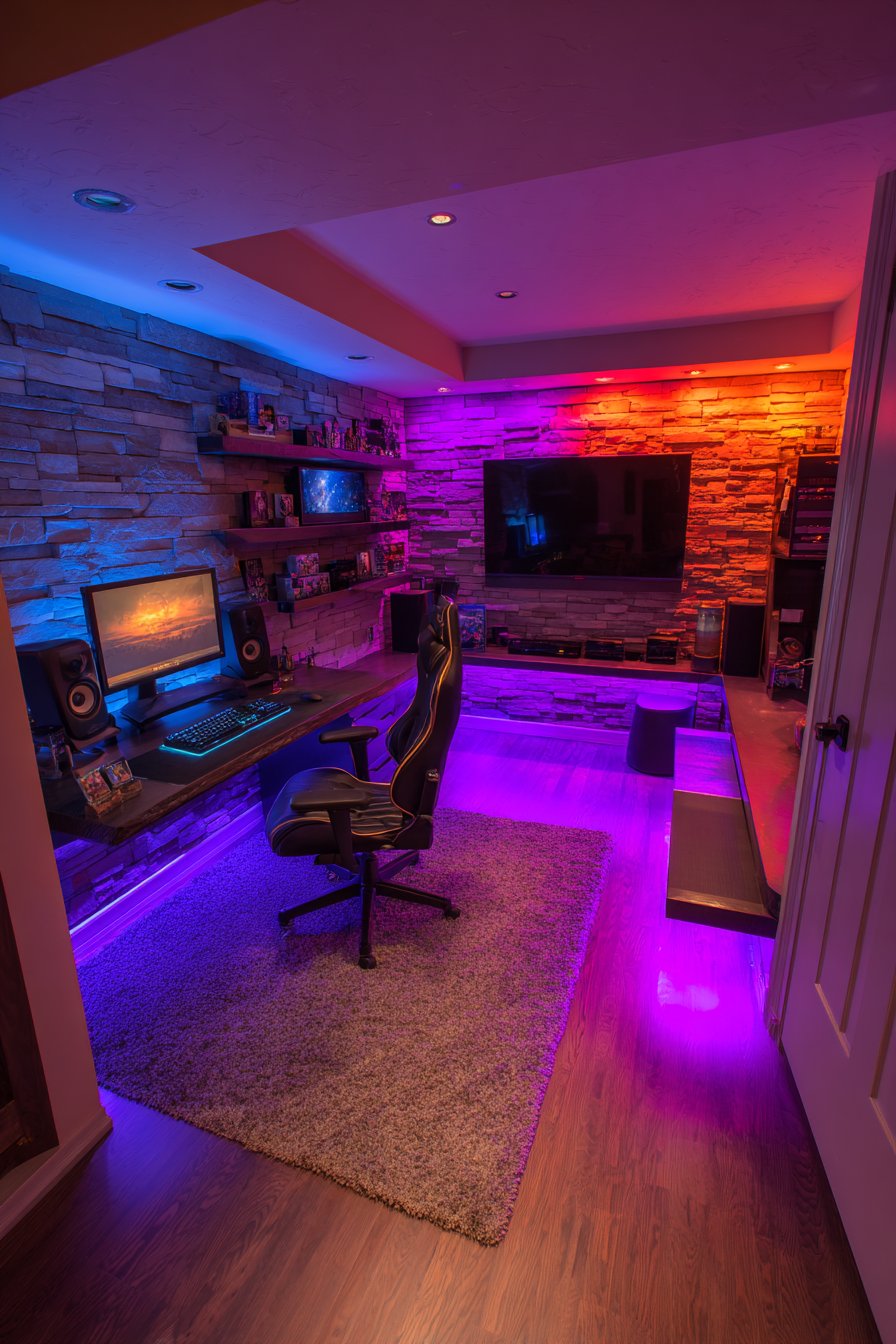
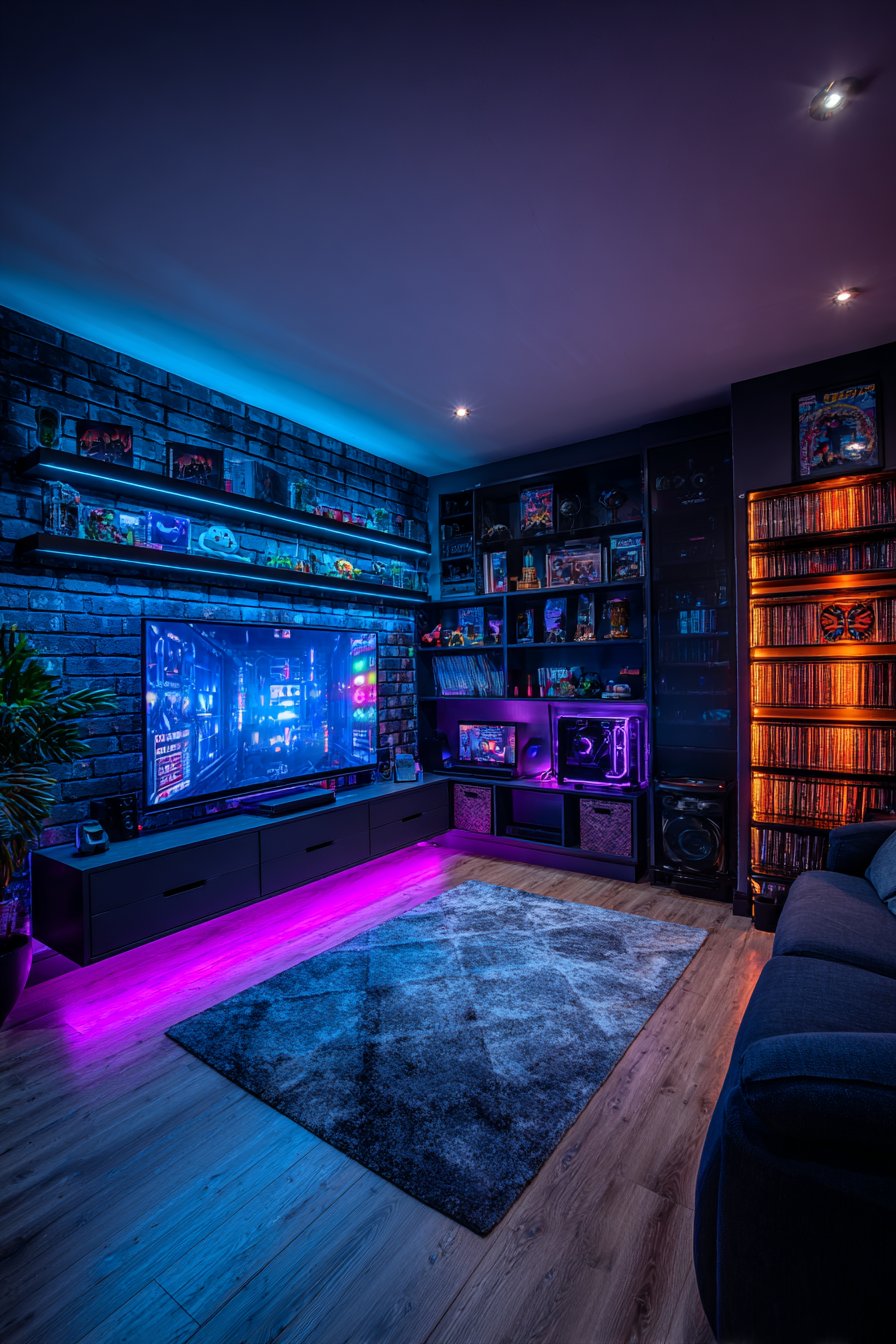
Basement spaces often suffer from insufficient natural light and low ceilings, making creative wall highlighting essential for transformation. Color-changing LED strips installed behind wall-mounted floating shelves displaying collectibles and gaming equipment create a customizable atmosphere that adapts to different activities and moods. The ability to shift from cool blue for gaming sessions to warm amber for movie watching demonstrates how modern LED technology expands lighting possibilities beyond simple on-off functionality. This adaptable approach makes the basement feel less static and more responsive to occupant needs.
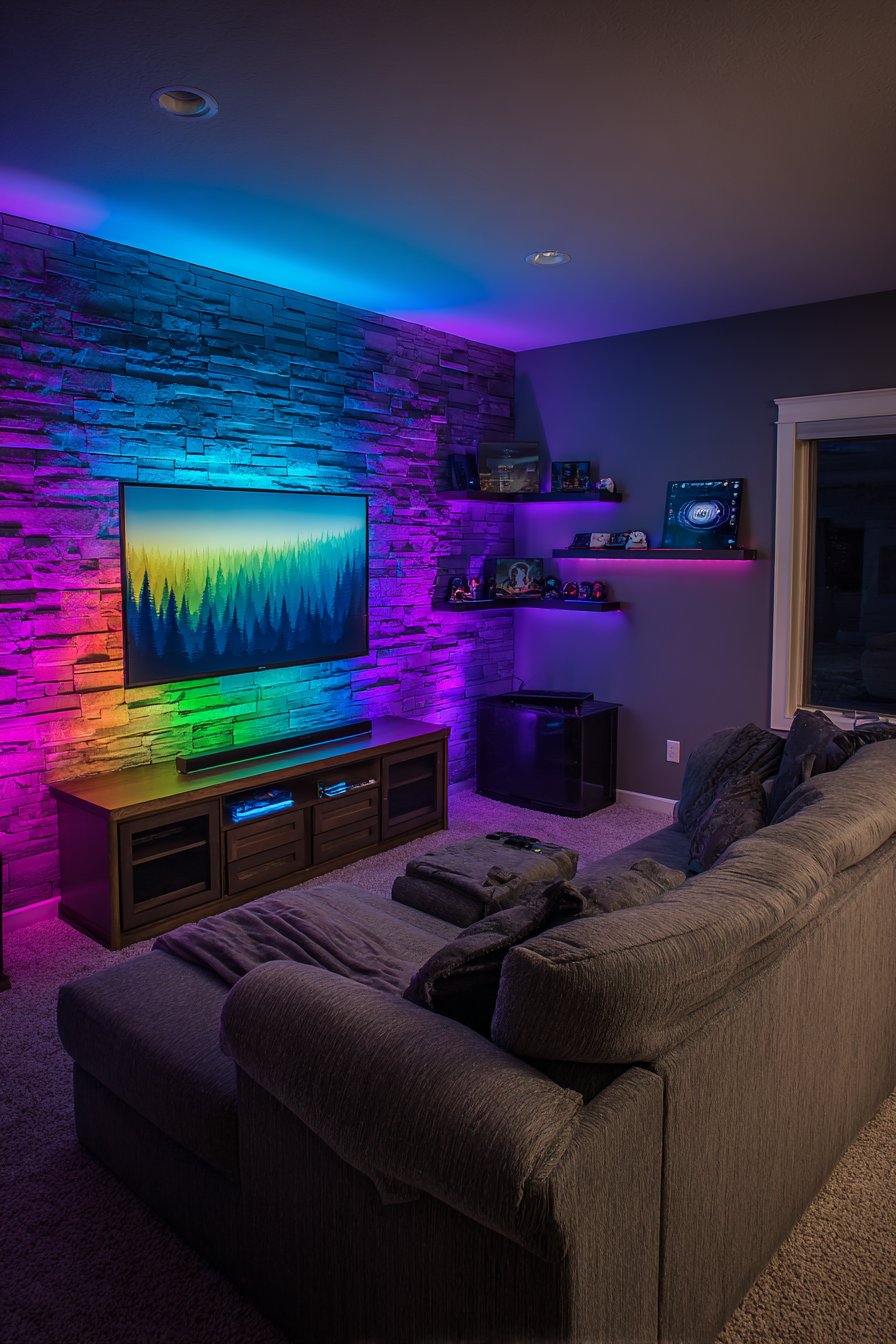
A brick accent wall features uplighting that creates dramatic texture shadows, celebrating the industrial character often found in basement architecture. Rather than hiding or covering exposed brick, strategic lighting transforms potential negatives into design positives. The directional uplighting emphasizes the irregular texture and varied colors within the brickwork, creating visual interest that draws attention away from lower ceiling heights or limited windows. The media wall includes bias lighting behind screens that reduces eye strain during extended viewing while contributing to the room’s overall ambient illumination.
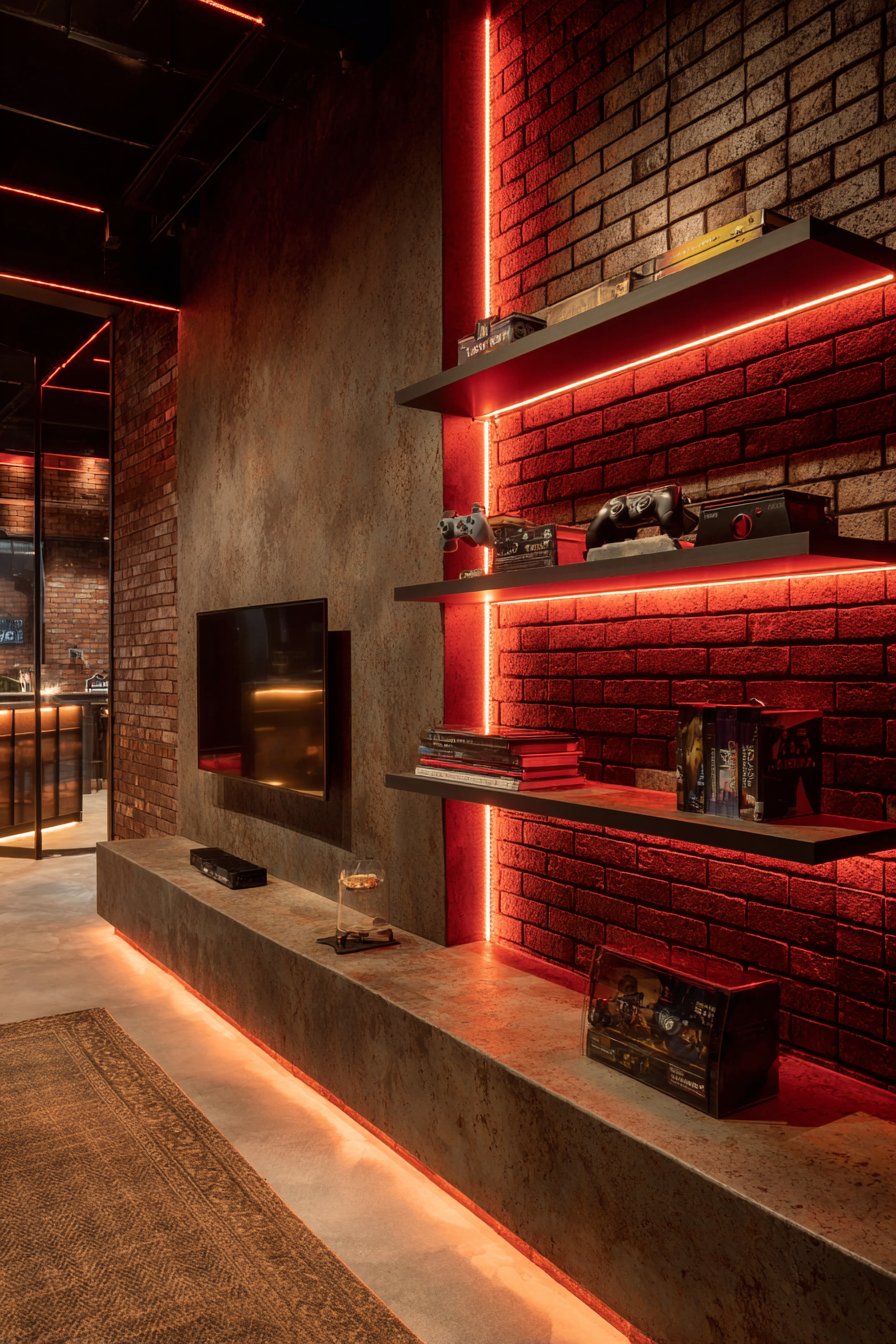
The combination of vibrant accent lighting against darker ambient conditions creates a club-like atmosphere that transforms below-grade spaces into desirable destinations rather than afterthought storage areas. The layered lighting approach—color-changing shelves, textured wall uplights, and screen backlighting—demonstrates how wall highlighting techniques can overcome the inherent challenges of basement design while creating unique atmospheres impossible in above-grade rooms.
Key Design Tips:
- Choose RGB+White LED strips that can produce both saturated colors and quality white light
- Install color-changing features on smart controls that allow preset scenes for different activities
- Position brick wall uplights 12-18 inches from the wall surface for dramatic grazing effect
- Use darker ambient lighting in media-focused basements to enhance screen viewing experience
- Add motion sensors to activate minimal lighting when entering dark basement spaces
- Consider acoustic treatments on non-brick walls to improve sound quality for entertainment purposes
17. Meditation Room with Indirect Cove Lighting
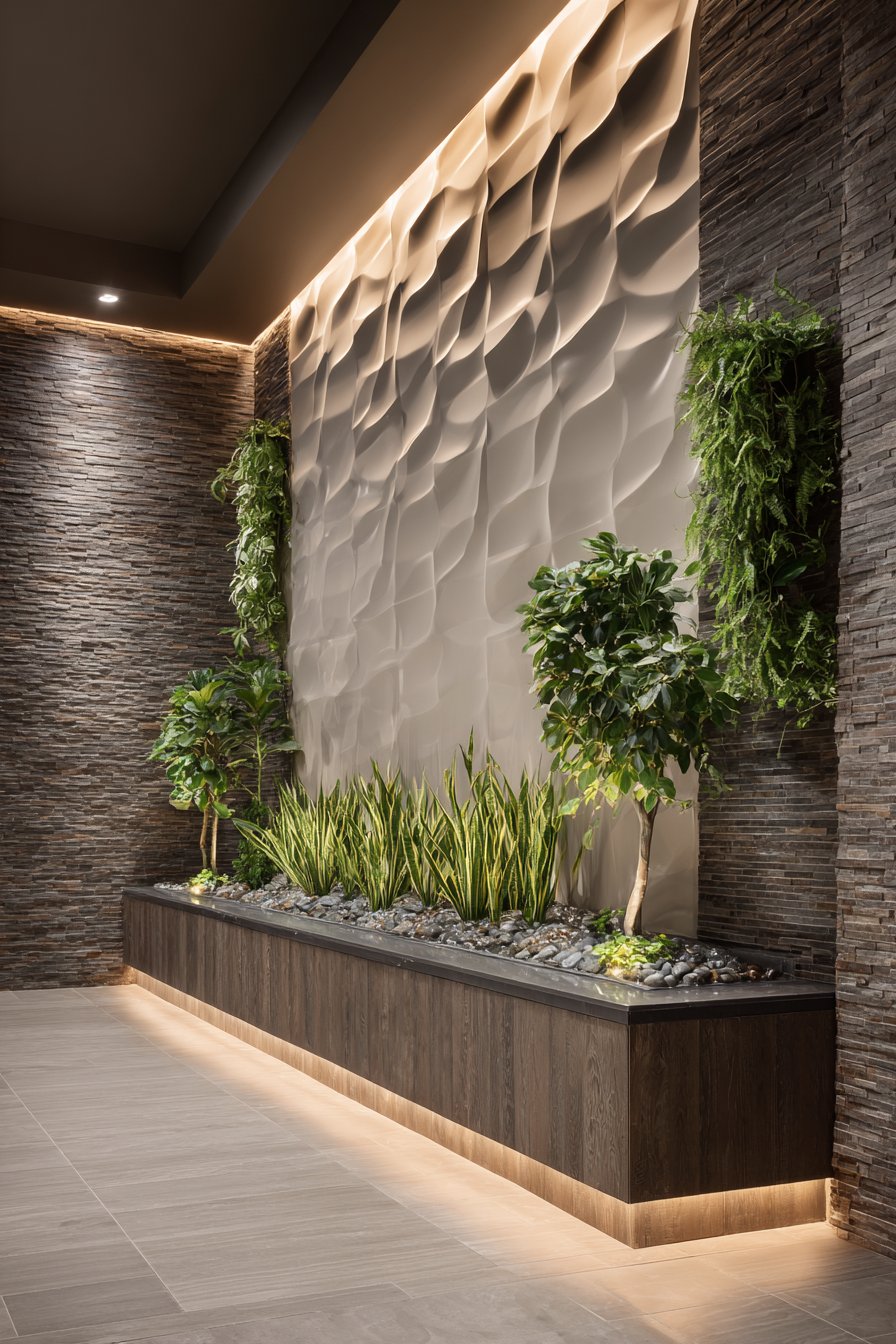
Spaces dedicated to meditation and mindfulness require lighting that promotes calm without inducing drowsiness. Indirect cove lighting creating a soft glow around the room’s perimeter provides ambient illumination without the directional quality that can prove distracting during meditation practice. The hidden light sources eliminate glare while the upward wash creates an expanding, opening feeling that supports the expansive awareness meditation cultivates. The gentle illumination proves sufficient for movement while maintaining the quiet, introspective atmosphere essential to contemplative practices.
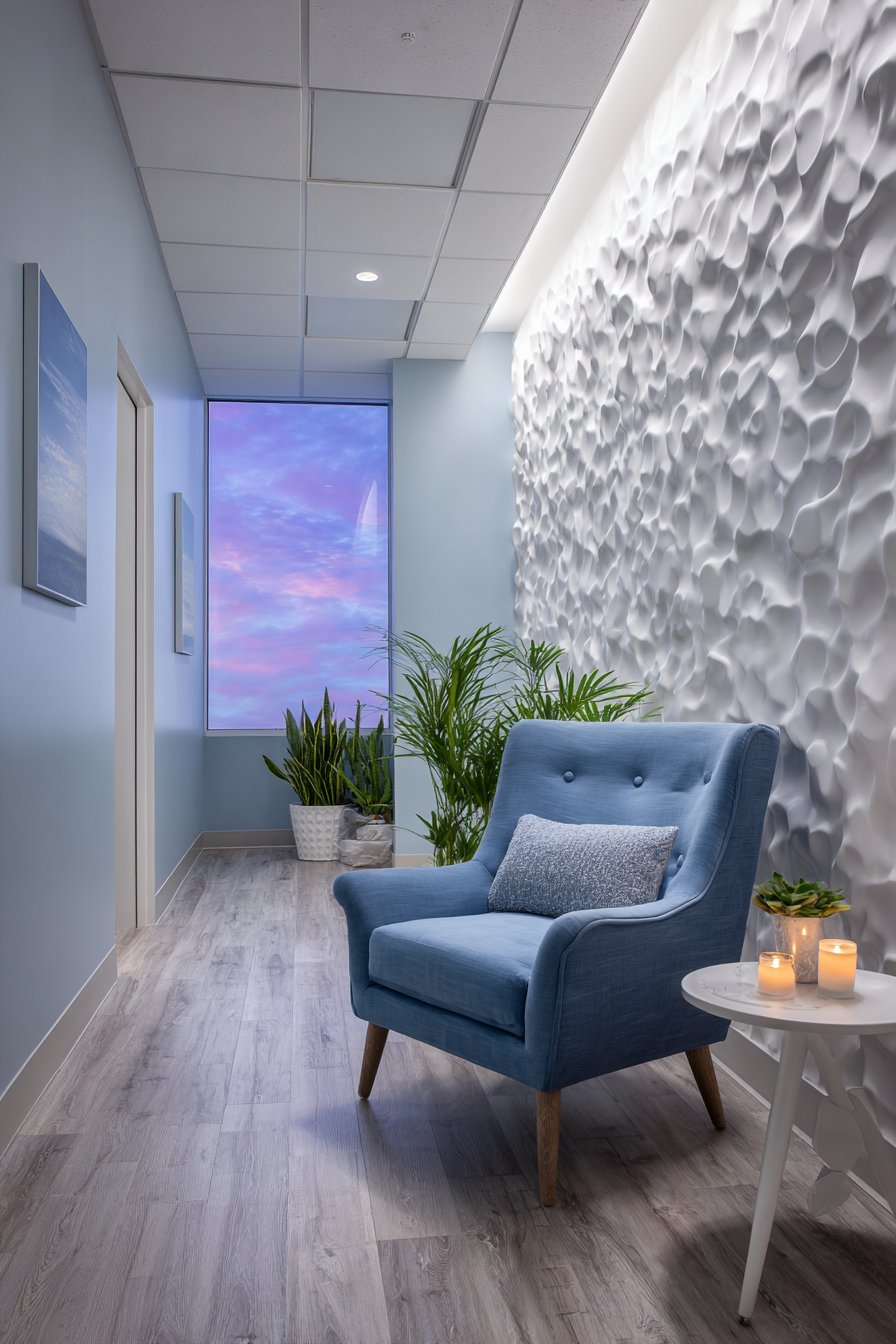
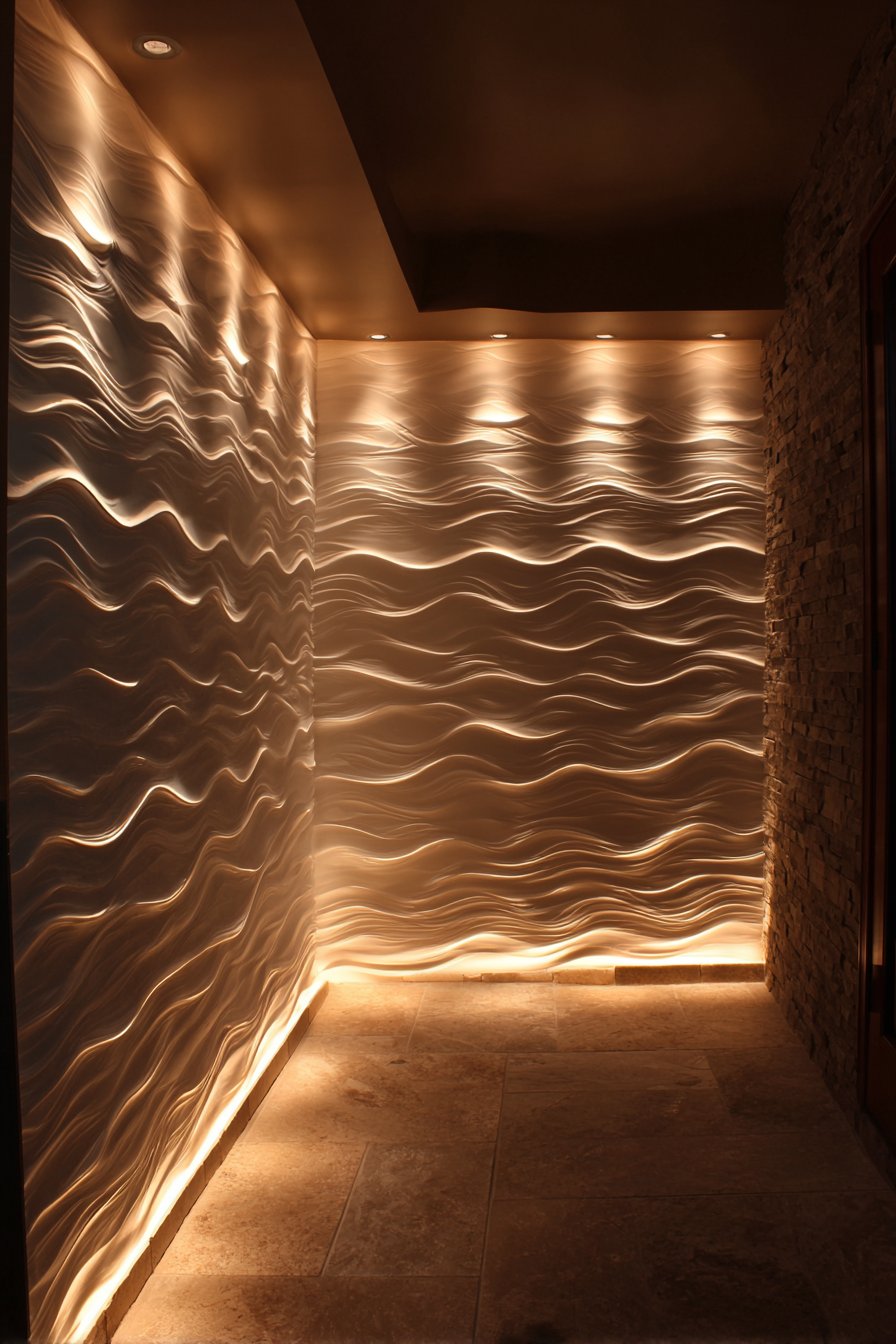
A featured wall with three-dimensional acoustic panels includes subtle uplighting that emphasizes texture and dimension while serving the practical purpose of sound management. The textured panels absorb sound reflections that might prove distracting during meditation while creating visual interest through their dimensional relief. The uplighting reveals these dimensions without creating harsh contrasts, maintaining the room’s overall serenity. Small recessed floor lights graze a natural stone accent wall, connecting the meditation space to natural materials and earth-based imagery that many contemplative traditions emphasize.
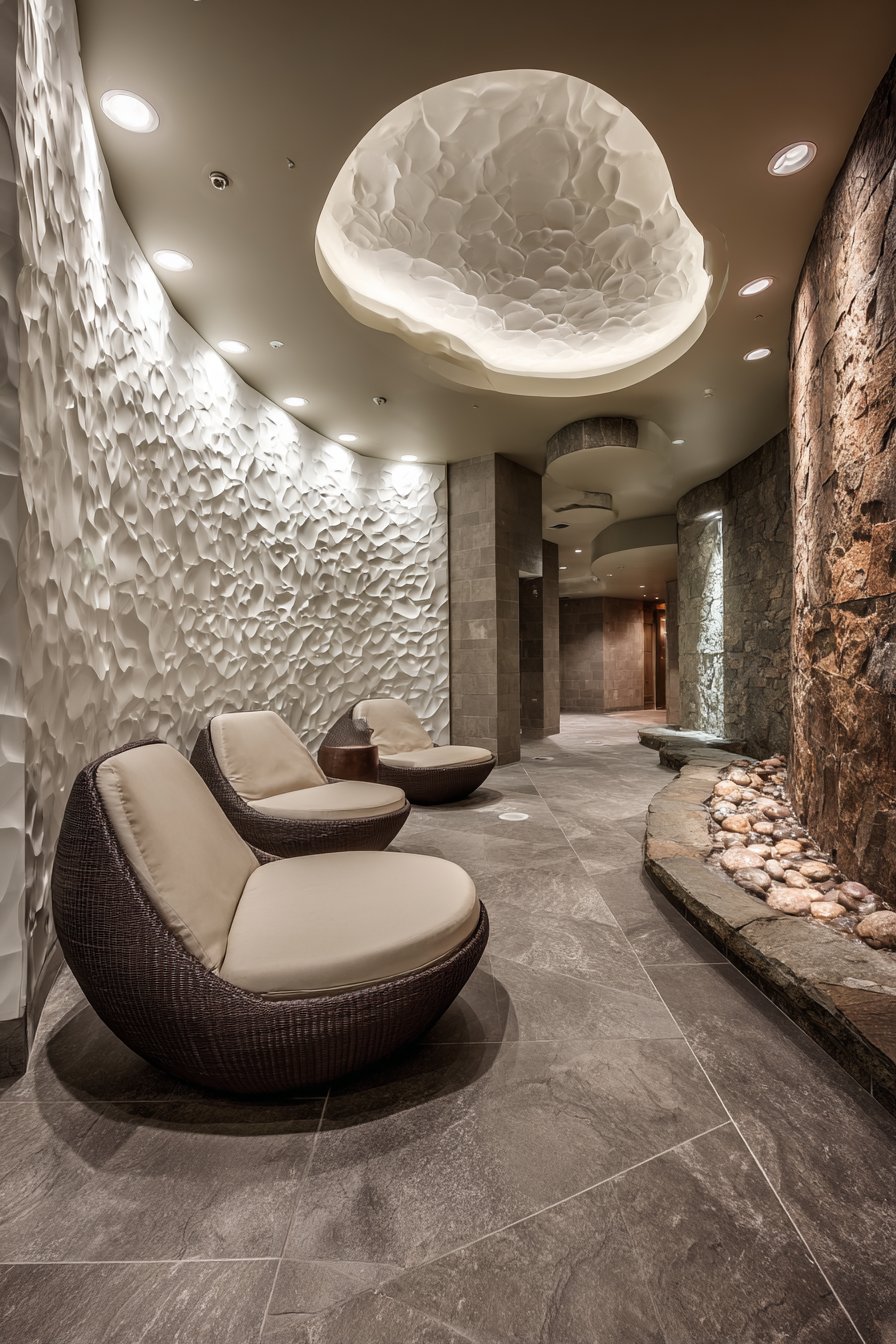
The serene twilight ambiance created through mindful wall highlighting demonstrates how lighting can support specific activities and states of consciousness. Every element works in harmony to create an environment that supports turning inward—no bright spots to grab attention, no harsh shadows to create unease, just gentle, even illumination that fades into the background of awareness while providing sufficient light for safe, comfortable practice.
Key Design Tips:
- Use extra-warm LEDs (2200-2700K) to promote relaxation without inducing sleepiness
- Install all lighting on dimmer controls to adjust for different meditation practices and times of day
- Position cove lighting to create completely indirect illumination without any visible light source
- Choose acoustic panels specifically designed to absorb frequencies common in speech and music
- Add smart controls that allow preset lighting scenes for different meditation types and durations
- Consider circadian lighting systems that automatically adjust color temperature throughout the day
18. Modern Closet with Comprehensive Internal Lighting
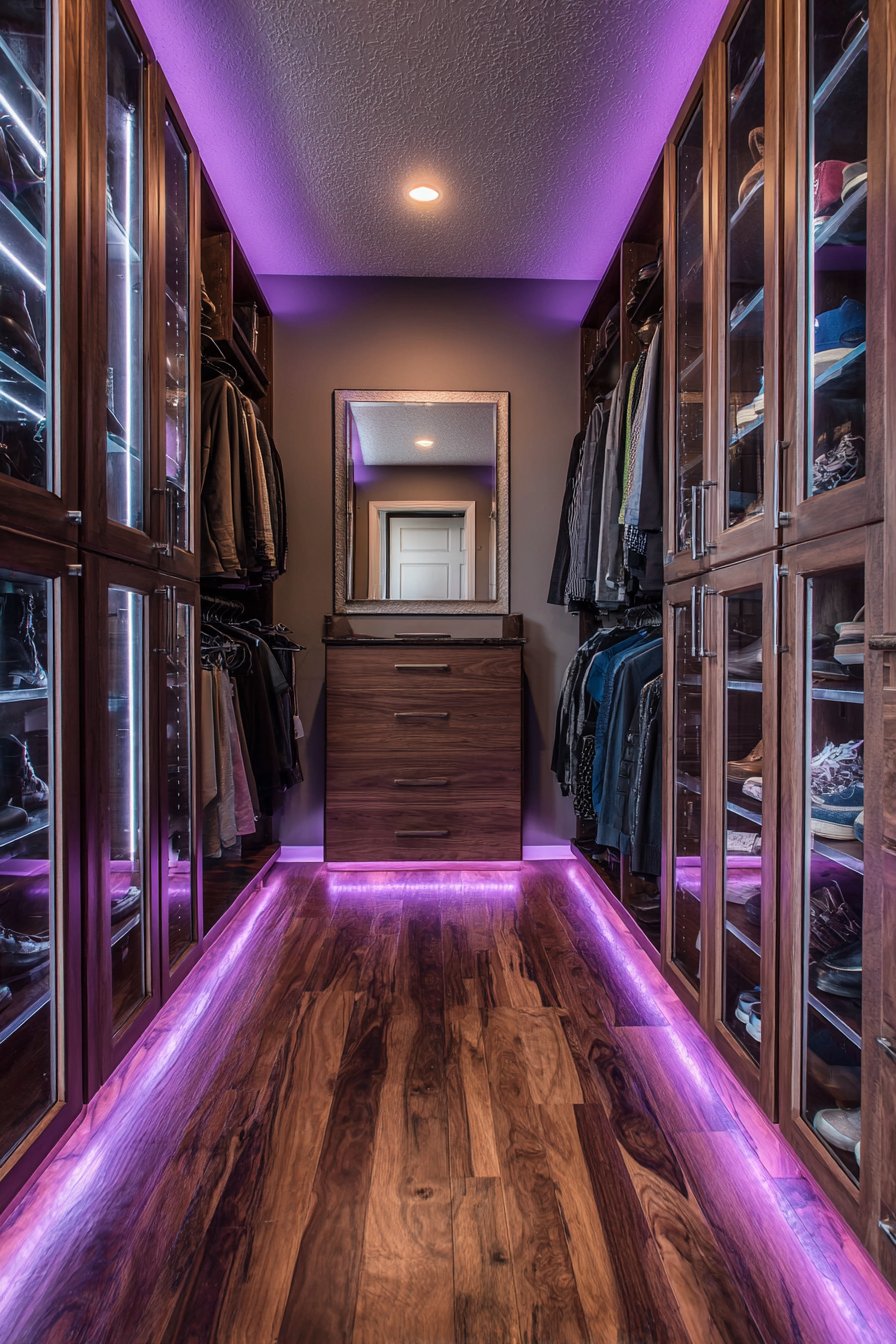
Luxury closets demonstrate that practical spaces deserve the same lighting consideration as showcase rooms. LED strip lighting installed along the top of each closet rod illuminates hanging clothes, making outfit selection easier while showcasing the quality of garments and organization systems. This simple addition transforms morning routines by eliminating the shadows that traditional overhead closet lighting creates, allowing accurate color assessment and style coordination. Glass-front cabinets with internal lighting showcase accessories and shoes, elevating necessary storage into attractive displays worthy of boutique retail environments.
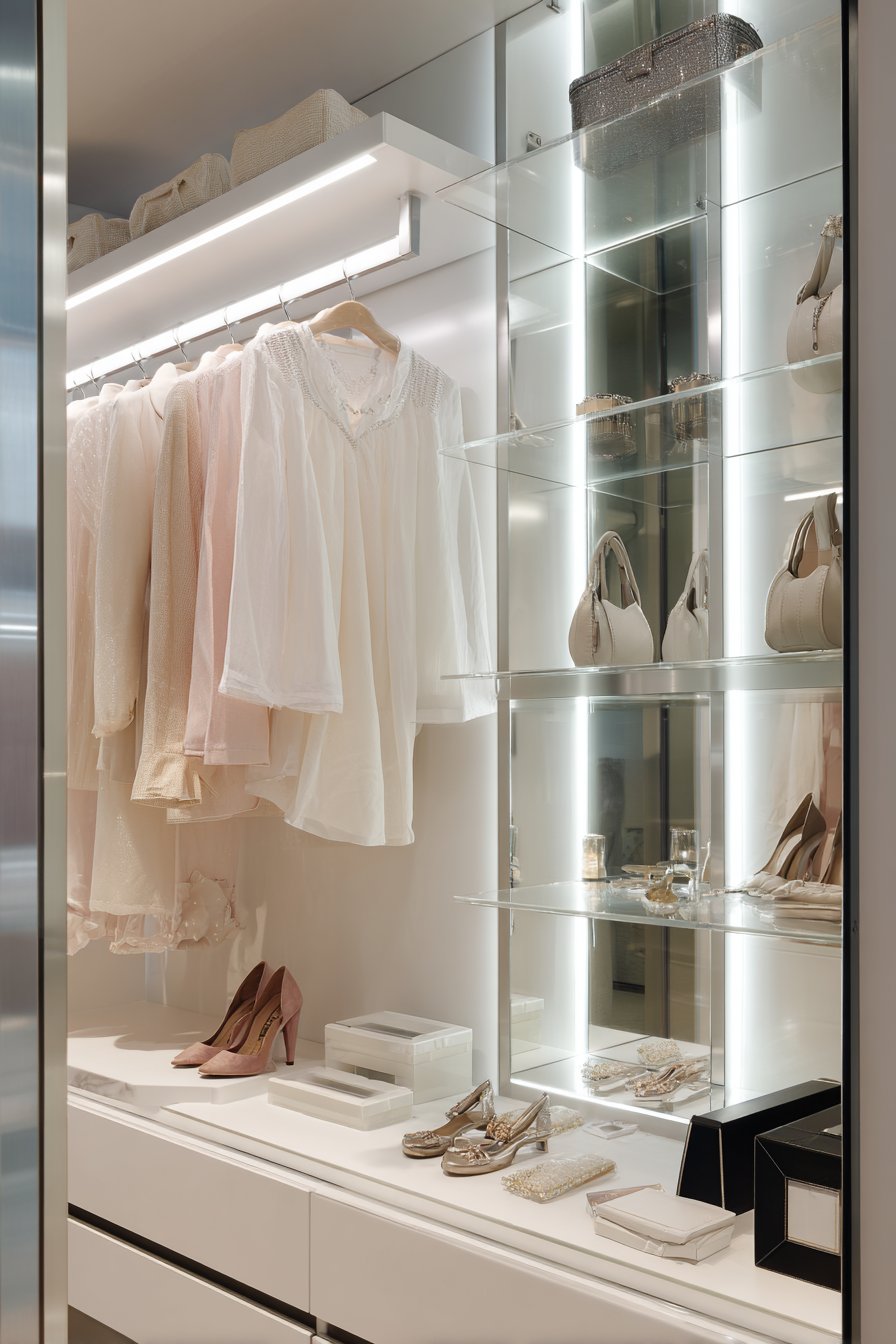
A full-length mirror with integrated perimeter lighting provides even, shadow-free illumination for final appearance checks before leaving the home. The mirror lighting serves the same function as backlit bathroom mirrors—creating wraparound illumination that shows how outfits truly appear rather than the shadowy approximations created by single-source overhead lighting. The back wall features a subtle backlit panel that adds depth while preventing the closet from feeling cave-like despite being an interior space without windows.
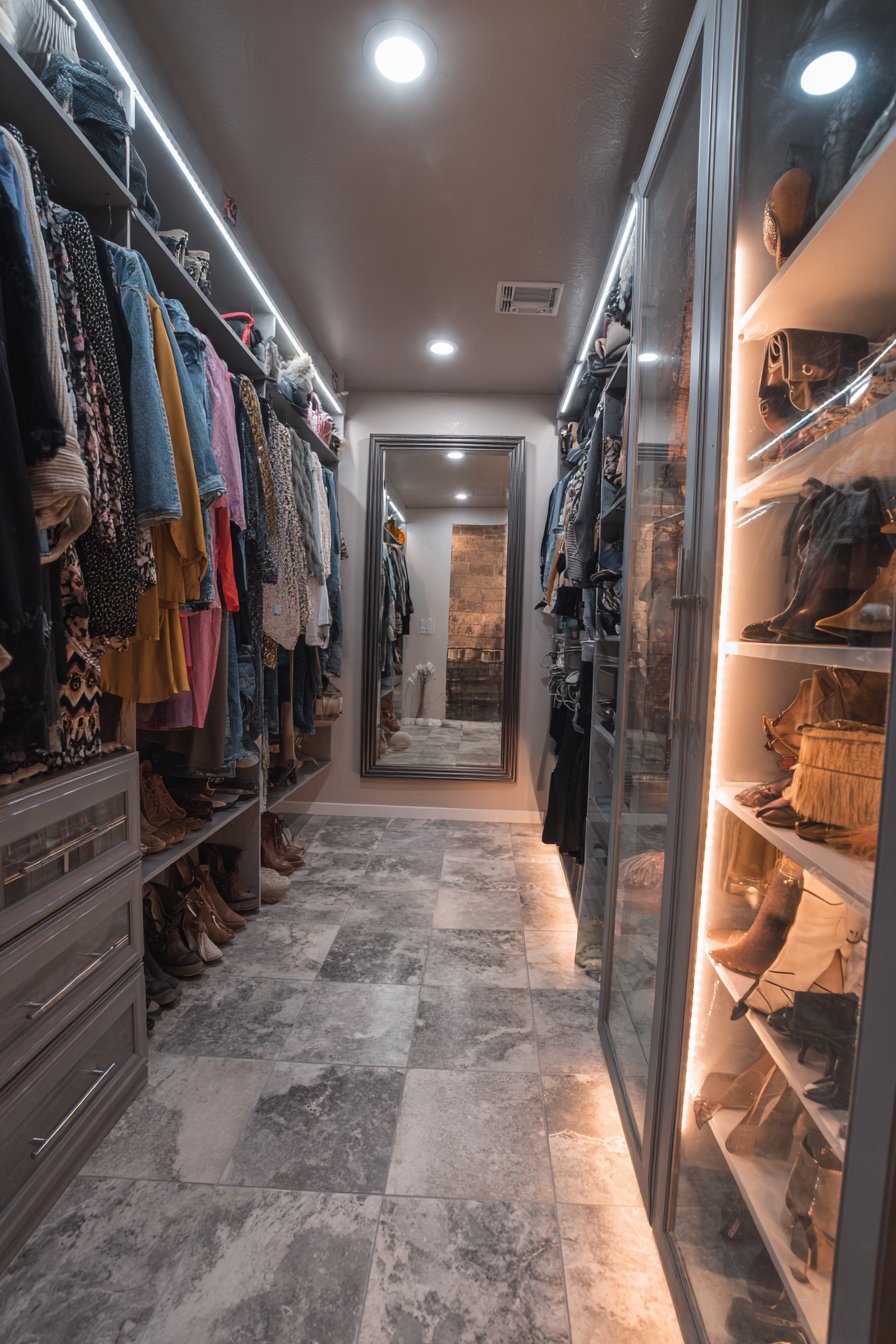
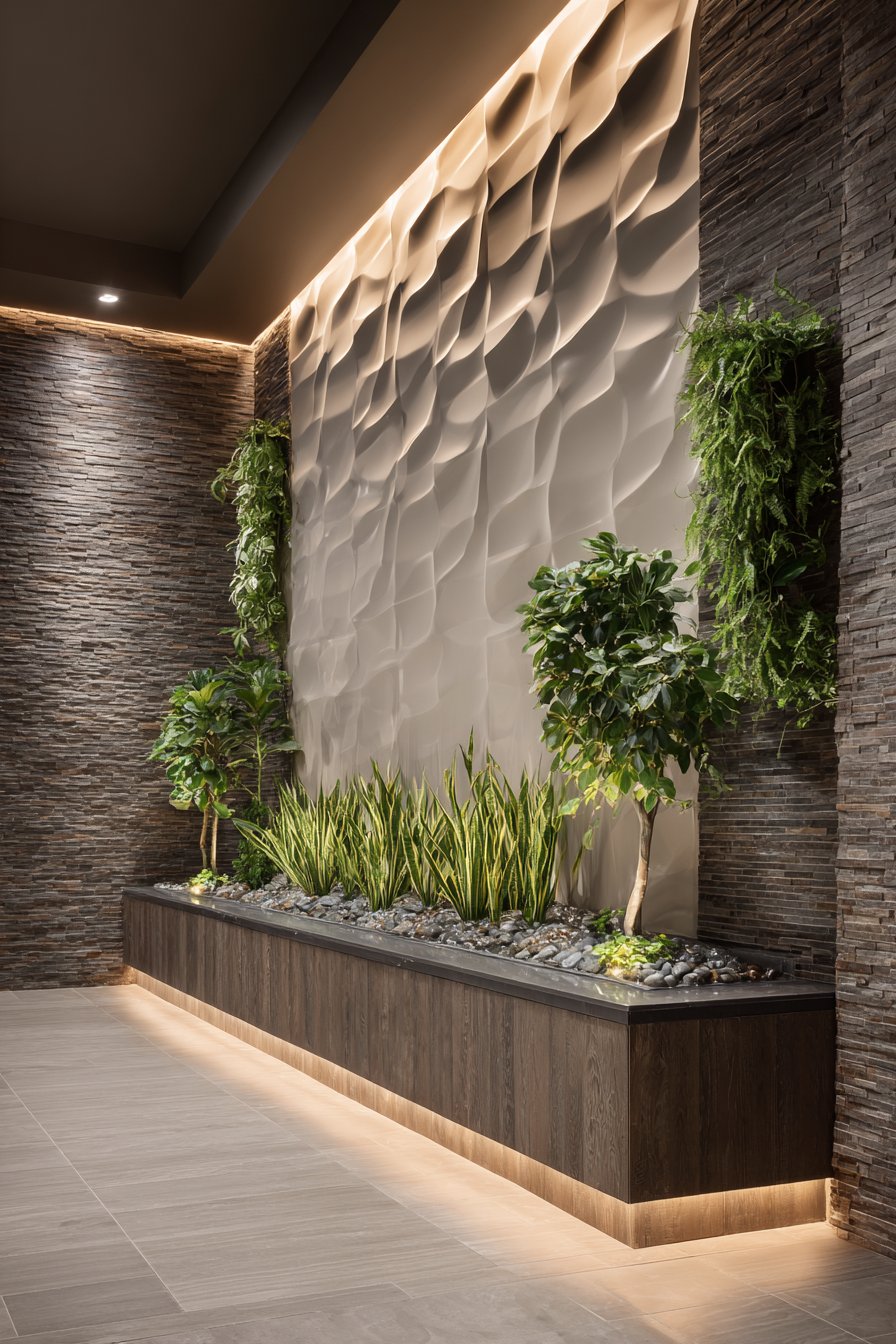
The bright, even lighting throughout the closet demonstrates how wall highlighting improves functionality and luxury in storage spaces. The multiple light sources working together eliminate all shadows and dark corners, ensuring every item remains visible and accessible. This comprehensive approach to closet lighting transforms getting dressed from a potentially frustrating search through dim spaces into a pleasant, efficient process that starts each day positively.
Key Design Tips:
- Use bright white LEDs (4000-5000K) in closets to ensure accurate color perception for clothing coordination
- Install motion sensors to activate closet lighting automatically when doors open or upon entry
- Position clothing rod lighting at the front edge of rods to illuminate garment fronts rather than backs
- Add internal cabinet lighting on separate switches from general closet lighting for flexible control
- Choose high CRI LEDs (90+) to ensure accurate representation of fabric colors and textures
- Consider battery-powered LED strips for existing closets where electrical installation is impractical
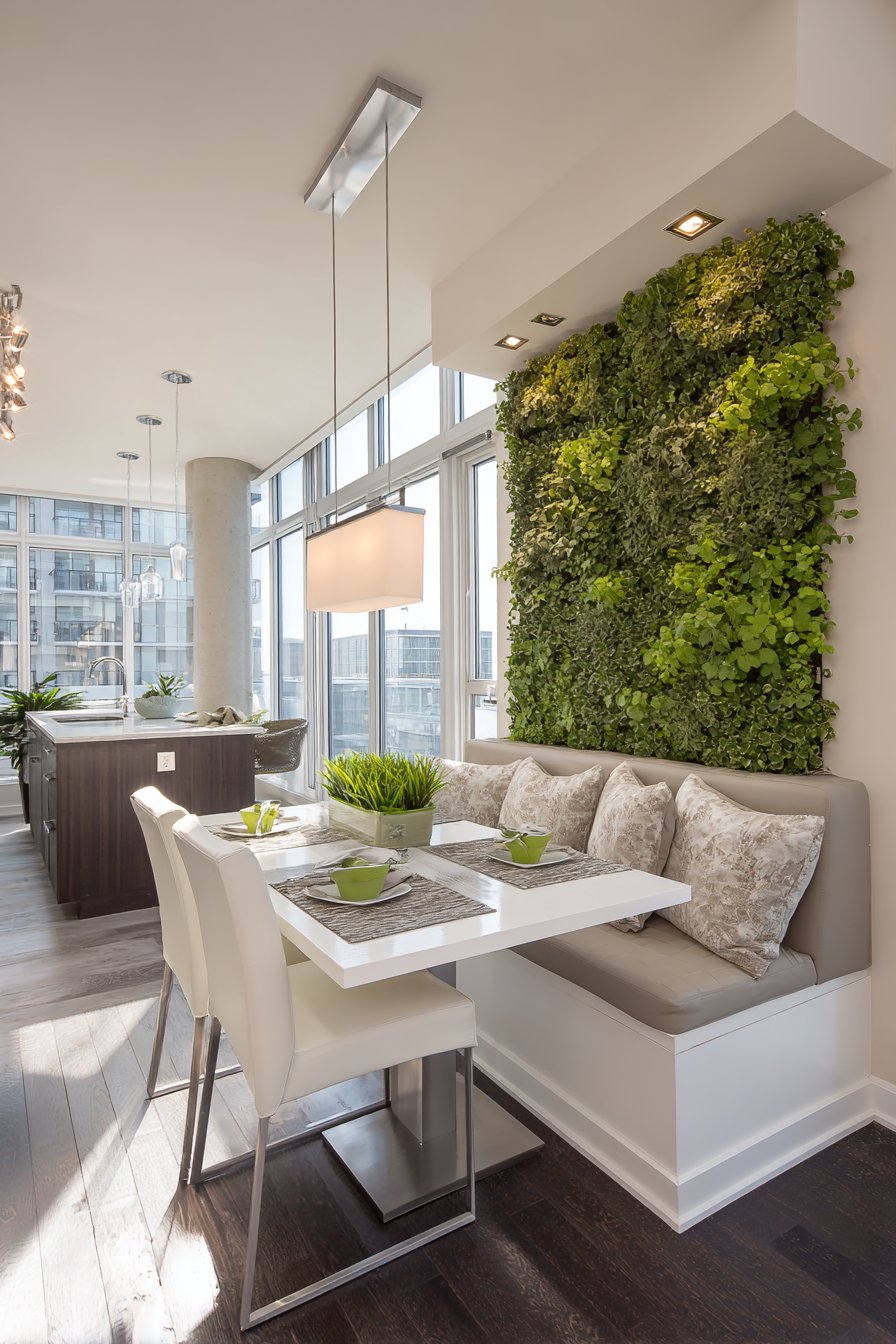
19. Kitchen Breakfast Nook with Under-Seating LED Lighting
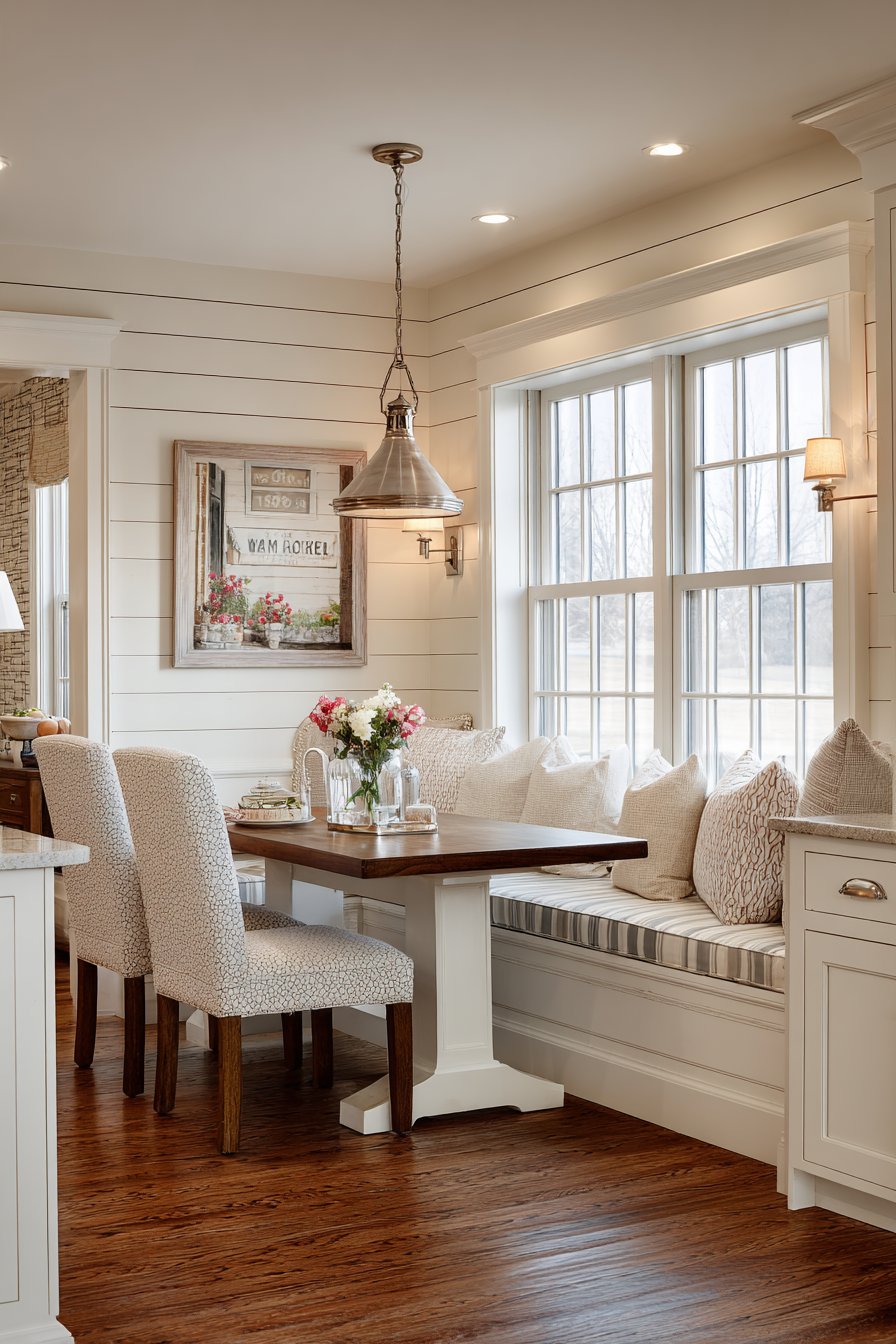
Breakfast nooks represent the casual, everyday dining that forms the backbone of family life. A built-in banquette featuring under-seating LED lighting creates a floating effect that makes substantial furniture appear lighter and more contemporary. The glow emanating from beneath the seating platform provides subtle ambient lighting while defining the nook’s floor plane. This approach maintains visual openness in kitchens where bulky furniture might otherwise feel overwhelming. The adjacent wall displays a vertical herb garden with integrated grow lights serving dual decorative and functional purposes—the herbs thrive under specific light wavelengths while creating a living wall feature that adds freshness and fragrance.
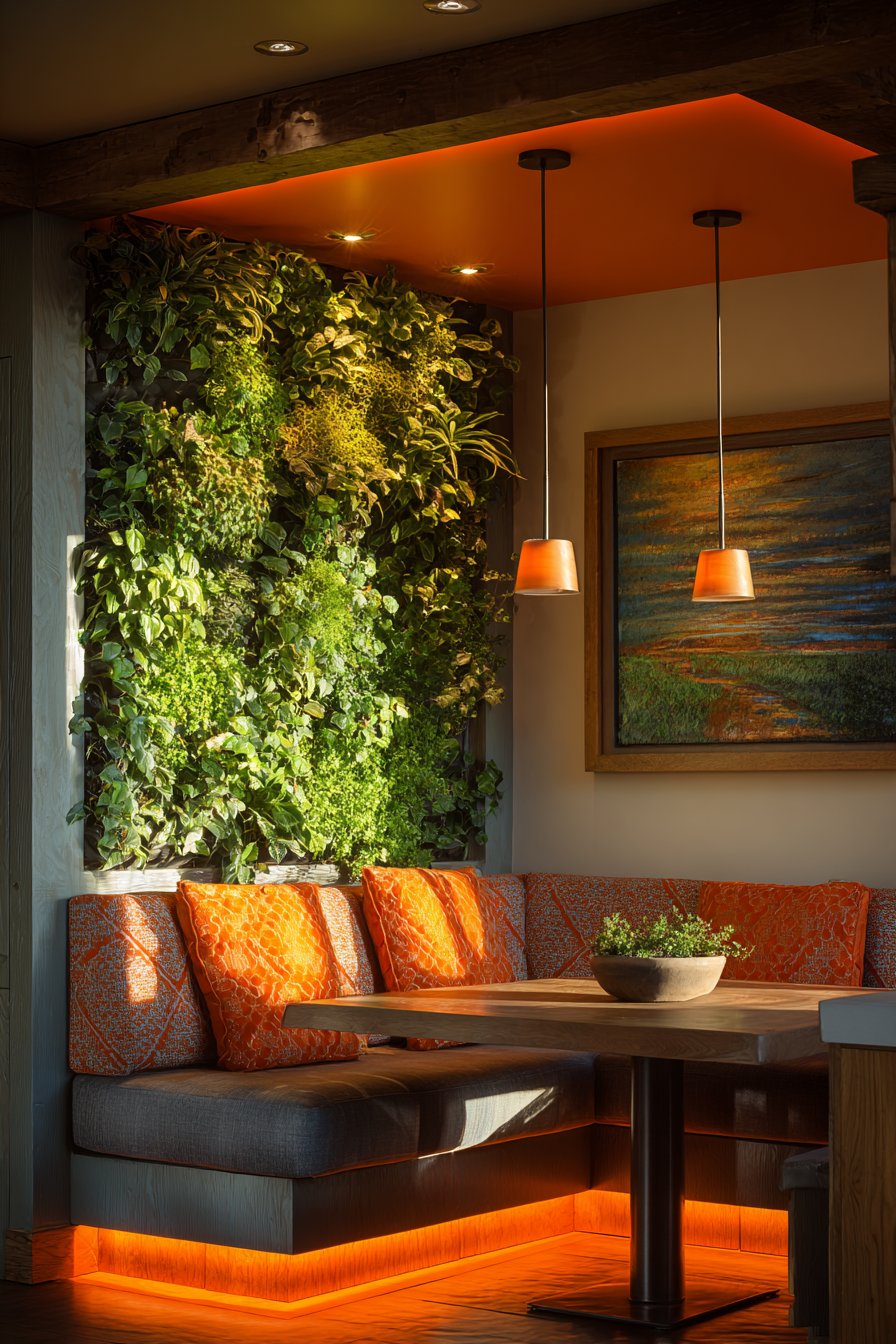
Pendant lights above the table complement wall-mounted accent lights highlighting artwork, creating layered illumination that adapts to different times and activities. Morning breakfast might rely primarily on natural light supplemented by grow lights and under-seating glow. Evening meals might require pendants at full brightness while accent lights highlight artwork. Late-night conversations over tea might use only the gentle under-seating illumination. This lighting flexibility ensures the breakfast nook serves multiple functions throughout the day while maintaining its identity as a cozy gathering spot.
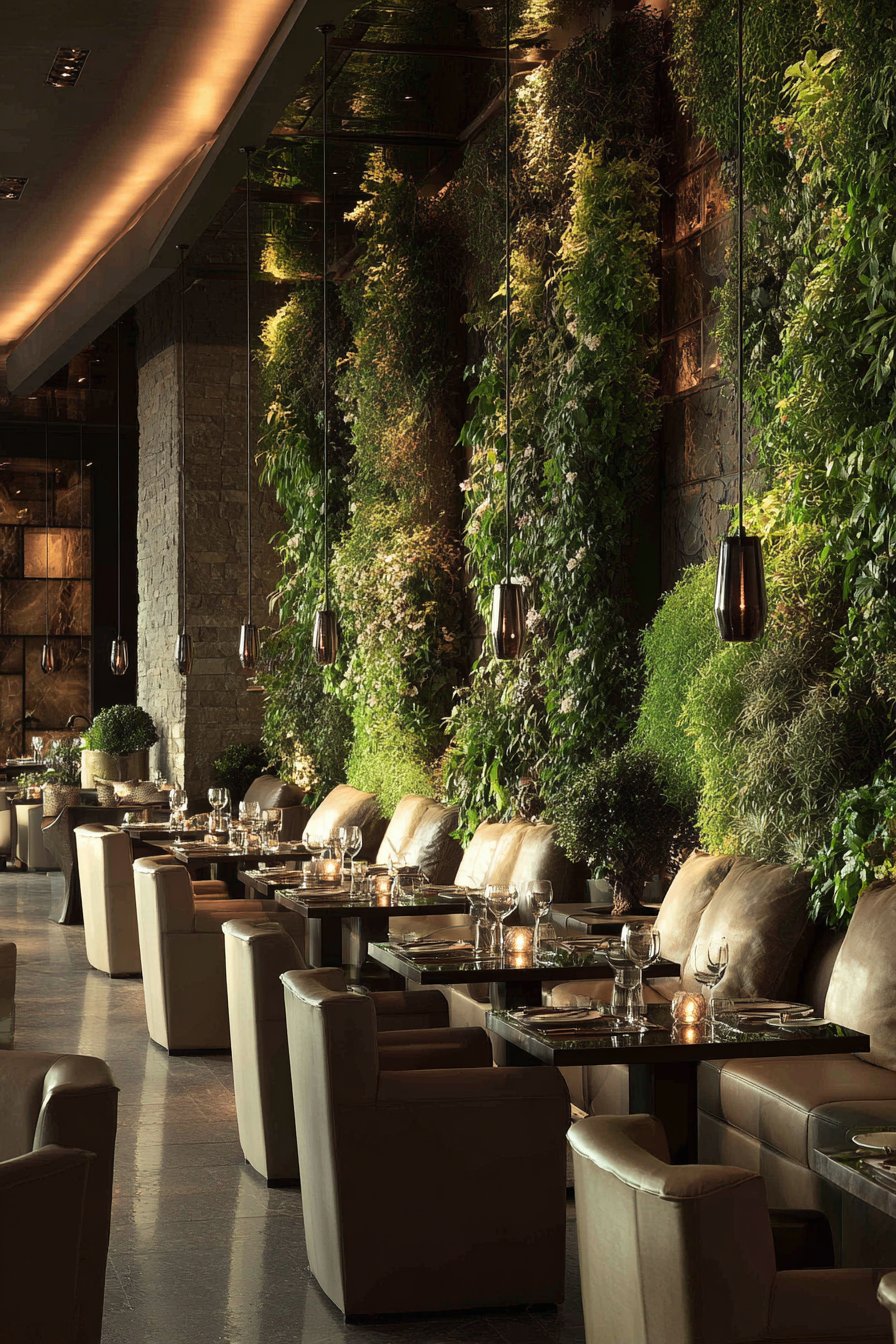
The combination of natural morning light enhanced by strategic artificial highlights creates an inviting atmosphere that encourages lingering over coffee and conversation. The warm glow from multiple light sources working together transforms a simple eating area into the heart of the home—a space where family naturally gathers and where the day begins with warmth and connection.
Key Design Tips:
- Install under-seating lighting toward the front edge of the platform for optimal floor glow without excessive spillage
- Use full-spectrum grow lights (5000-6500K) for herb gardens to support healthy plant growth
- Position pendant lights 30-36 inches above the table surface for proper task lighting without glare
- Add dimmer controls on all circuits to adjust lighting for different meals and times of day
- Choose warm white LEDs (2700-3000K) for under-seating and accent lighting to create cozy ambiance
- Consider waterproof LED strips for under-seating installations in case of spills or moisture
20. Home Gym with Color-Changing Motivational Lighting
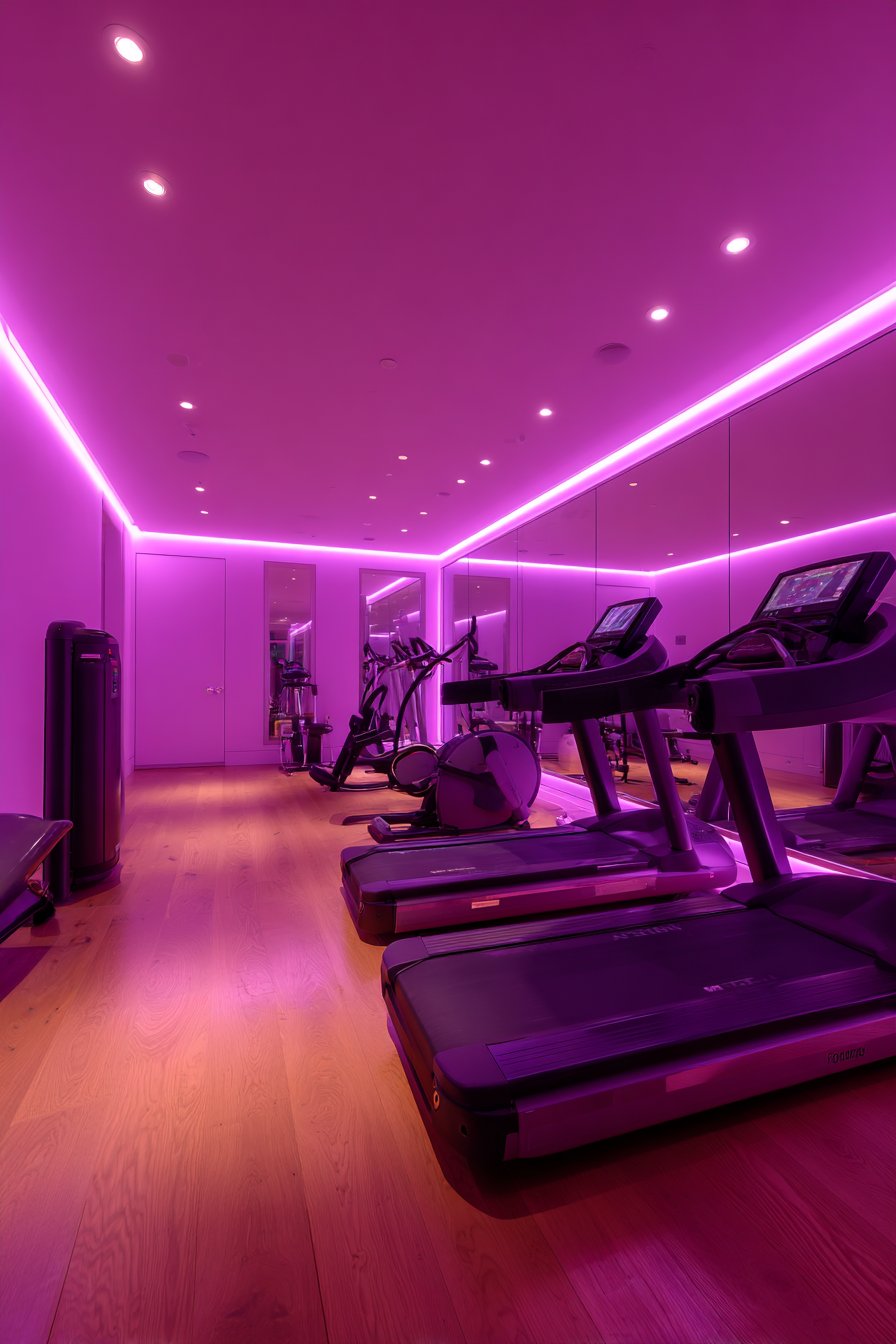
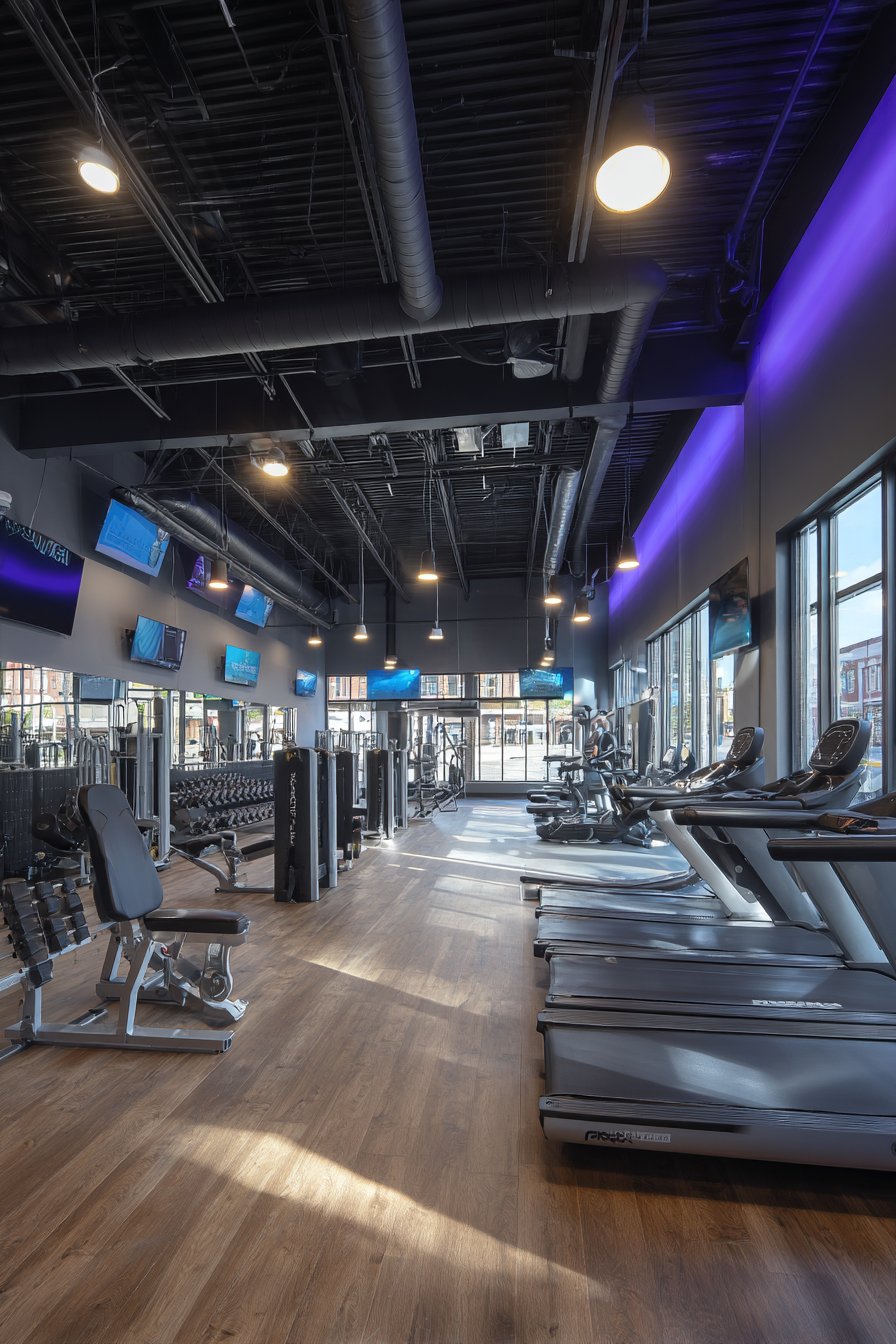
Fitness spaces benefit from energizing lighting that supports motivation and safety during workouts. Color-changing LED panels mounted on the main wall create motivational ambiance that can shift from energizing blues and greens for cardio sessions to calming purples for cool-down stretching. This psychological use of color demonstrates how lighting extends beyond mere visibility into emotional and physiological support for activities. The ability to customize wall colors without repainting provides variety that keeps the gym feeling fresh and engaging rather than becoming stale through repetition.
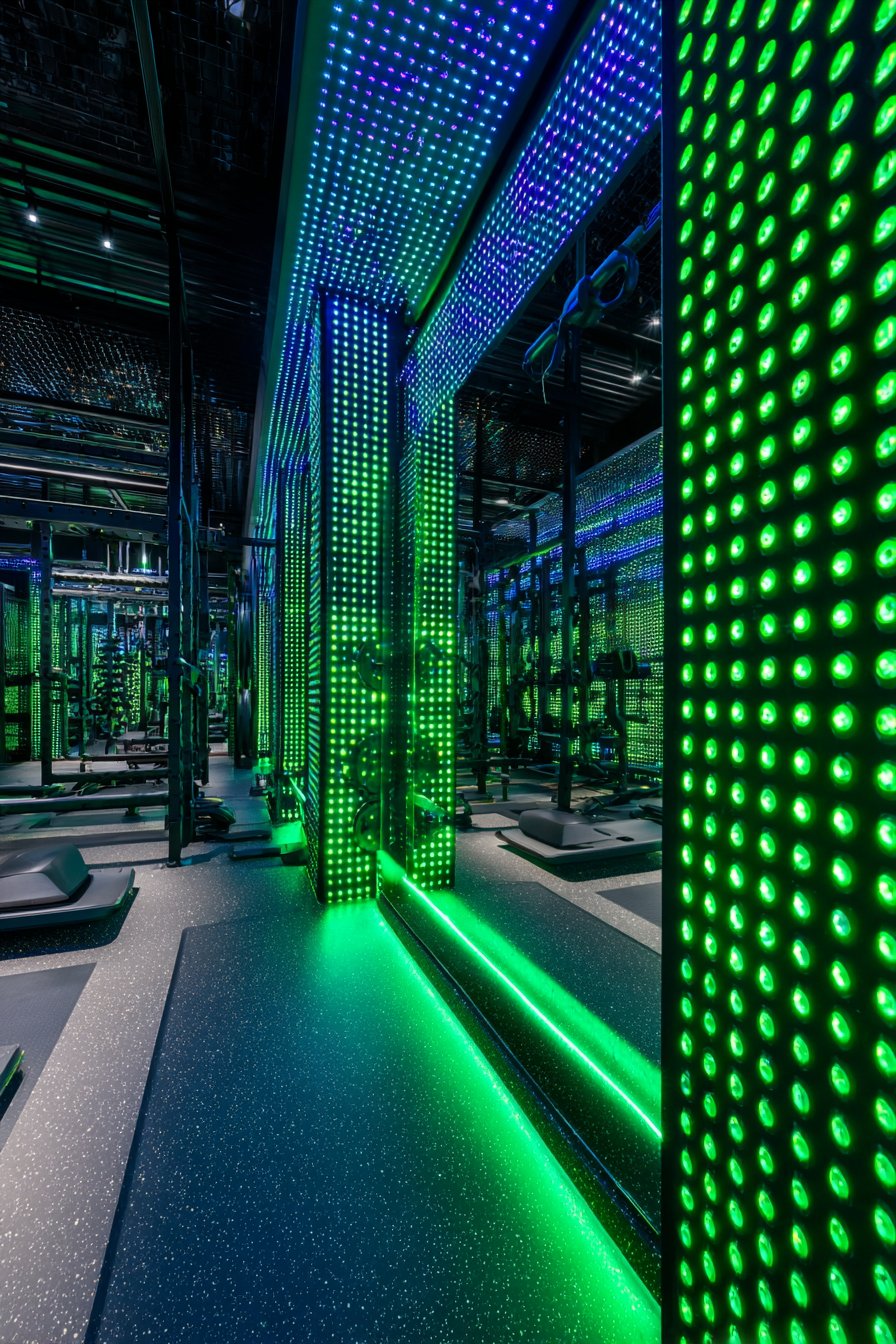
Mirror walls feature top and bottom LED strips providing even illumination for form checking during exercises. Proper form proves essential for both effectiveness and injury prevention, making high-quality mirror lighting a functional necessity rather than pure luxury. The dual-position lighting—both above and below the mirrors—eliminates the shadows that single-source overhead lighting creates, ensuring accurate feedback during movements. Equipment storage walls include backlit pegboard organization systems that transform utilitarian storage into design features while making equipment selection obvious and efficient.
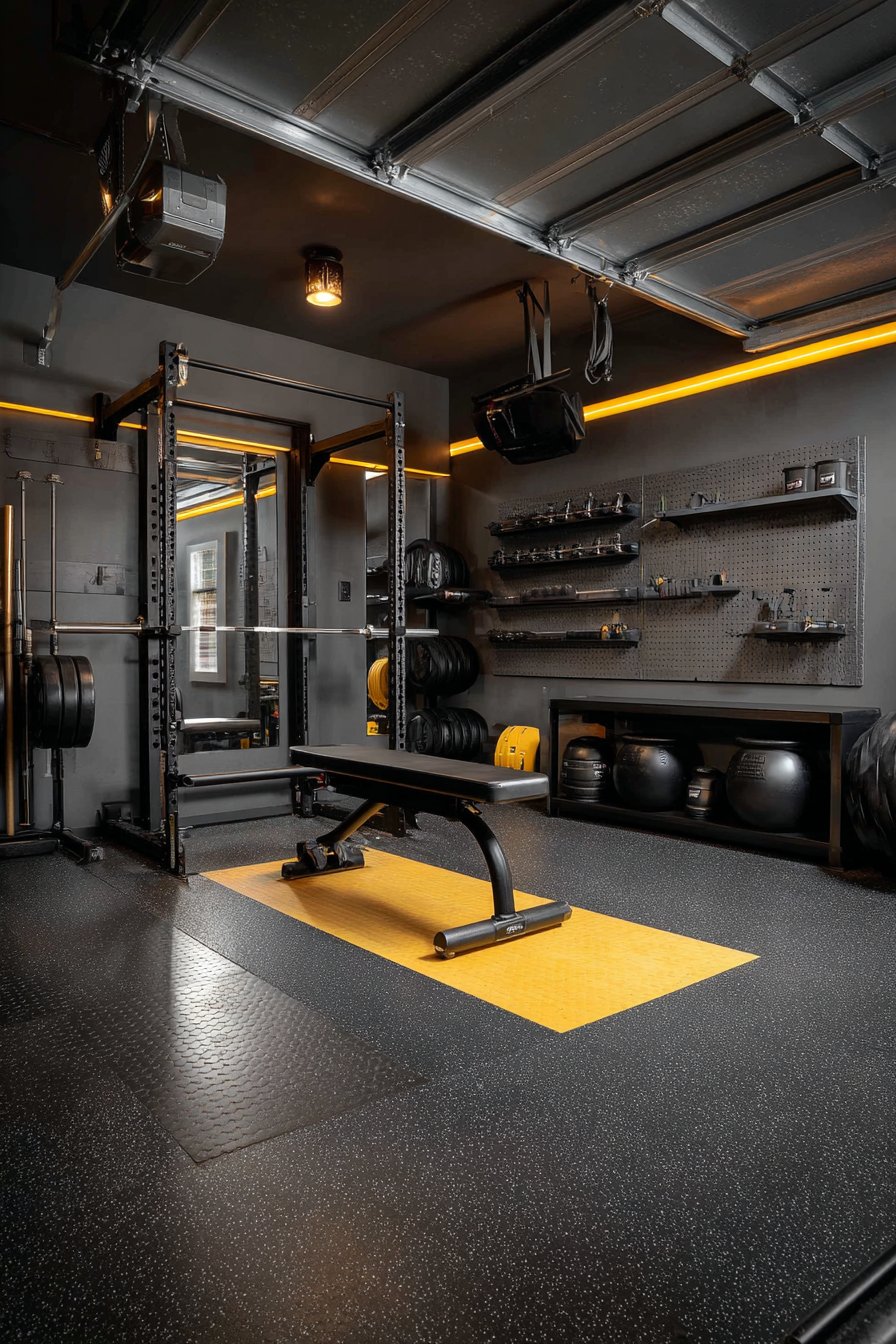
The bright, energetic lighting scheme demonstrates how wall highlighting enhances fitness spaces through both functional and motivational lighting design. The comprehensive illumination ensures safe movement while the color-changing capability provides psychological support for maintaining workout routines. This approach recognizes that home gyms compete with the inertia of rest and relaxation, requiring environmental design that actively supports the decision to exercise.
Key Design Tips:
- Choose RGB+White LED panels that can produce both saturated motivational colors and neutral workout lighting
- Install color-changing features on smart controls that allow preset scenes for different workout types
- Position mirror lighting to eliminate shadows on users standing 3-4 feet from the mirror surface
- Use bright white LEDs (5000-6500K) for general gym lighting to maintain alertness and energy
- Add motion sensors to activate lighting when entering the gym space
- Consider circadian lighting that energizes for morning workouts and calms for evening sessions
21. Sunroom with Natural Light Enhancement
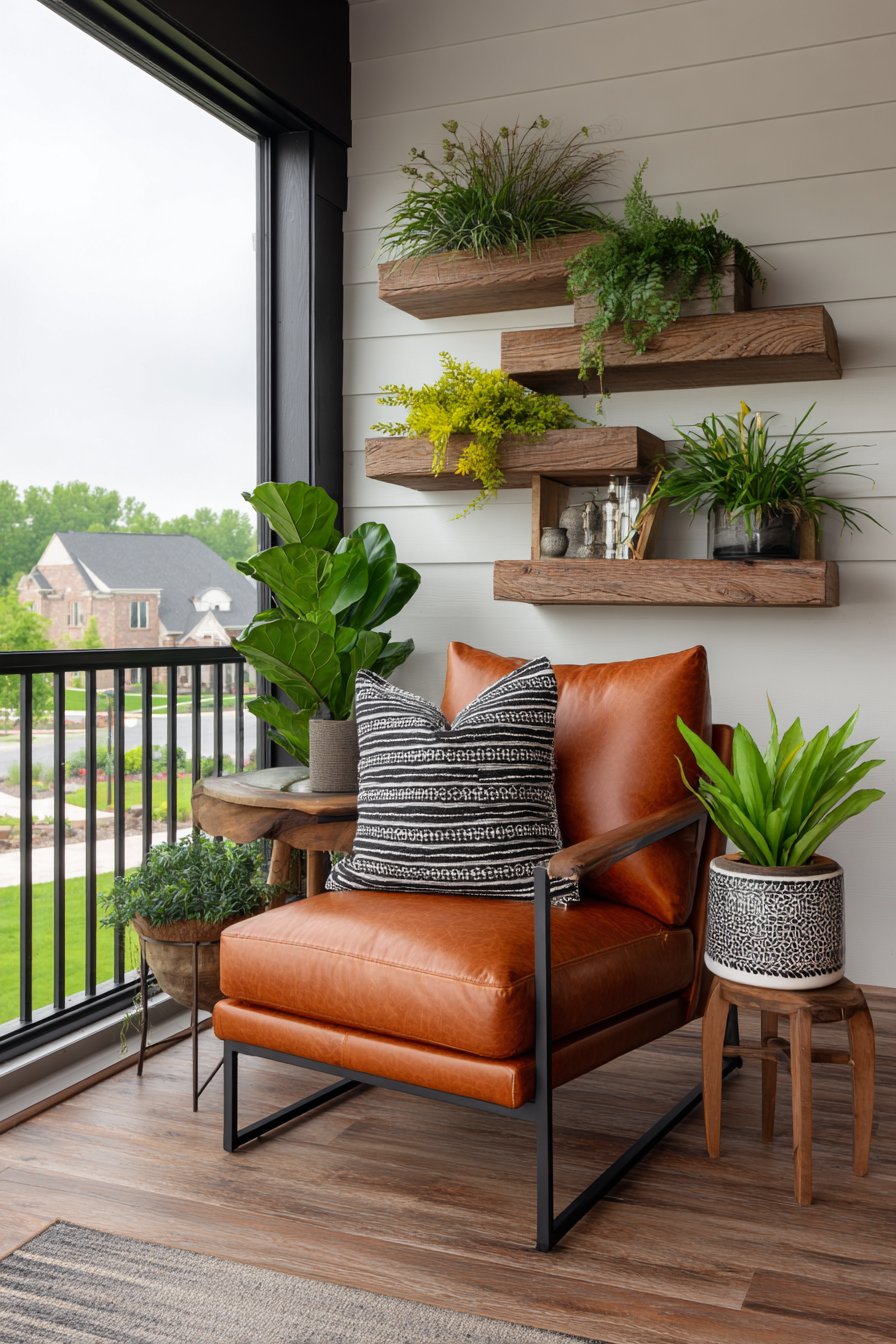
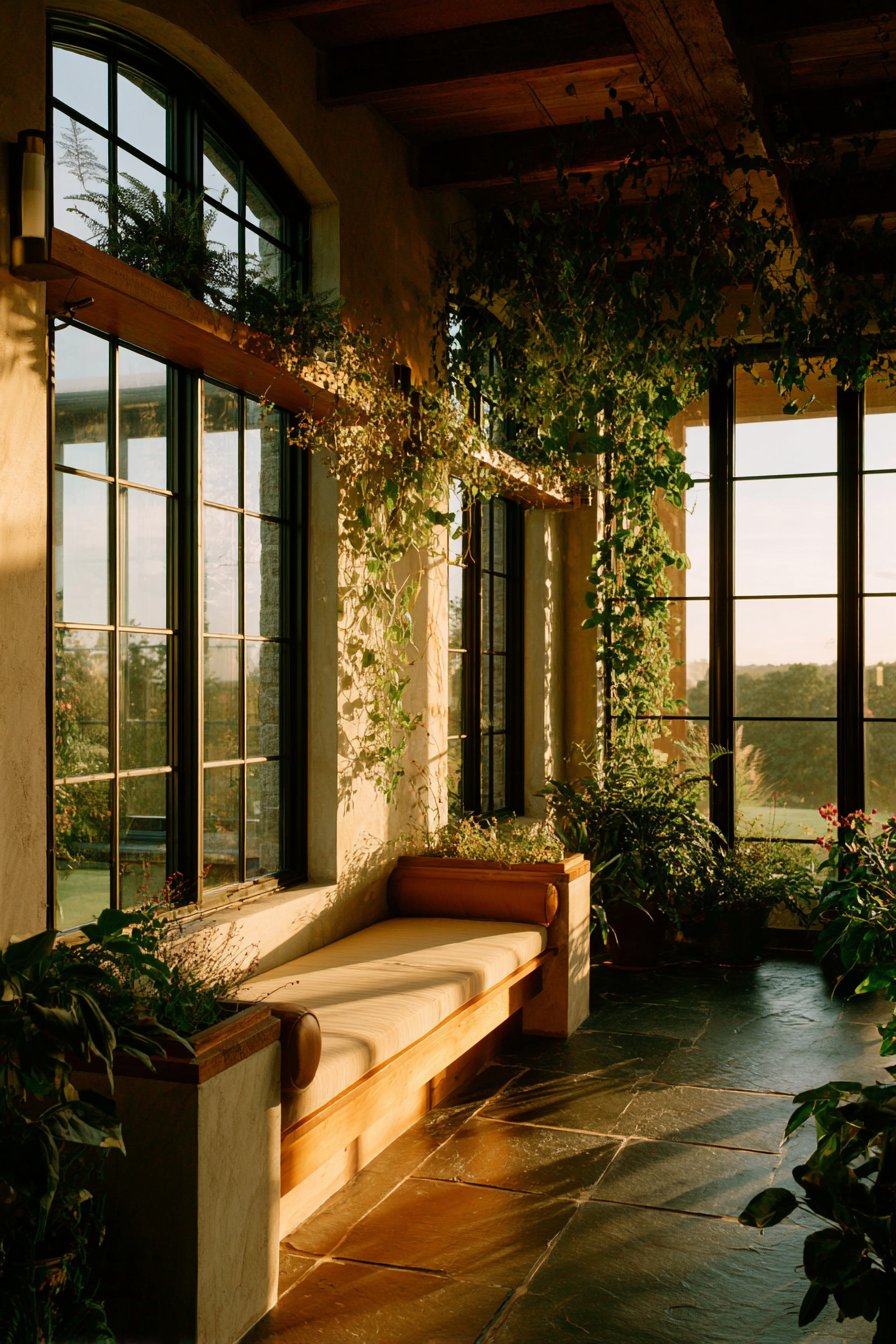
Sunrooms celebrate natural light but still benefit from strategic wall highlighting for evening use and cloudy days. Adjustable wall sconces positioned throughout provide supplemental lighting for evening use without detracting from the room’s connection to outdoors during daylight hours. The adjustability allows light direction to change based on activities—reading might require downward-directed light while conversation might benefit from upward-washing ambient illumination. A shiplap accent wall includes subtle uplighting that emphasizes horizontal lines and texture, celebrating the casual coastal aesthetic often associated with sunrooms.
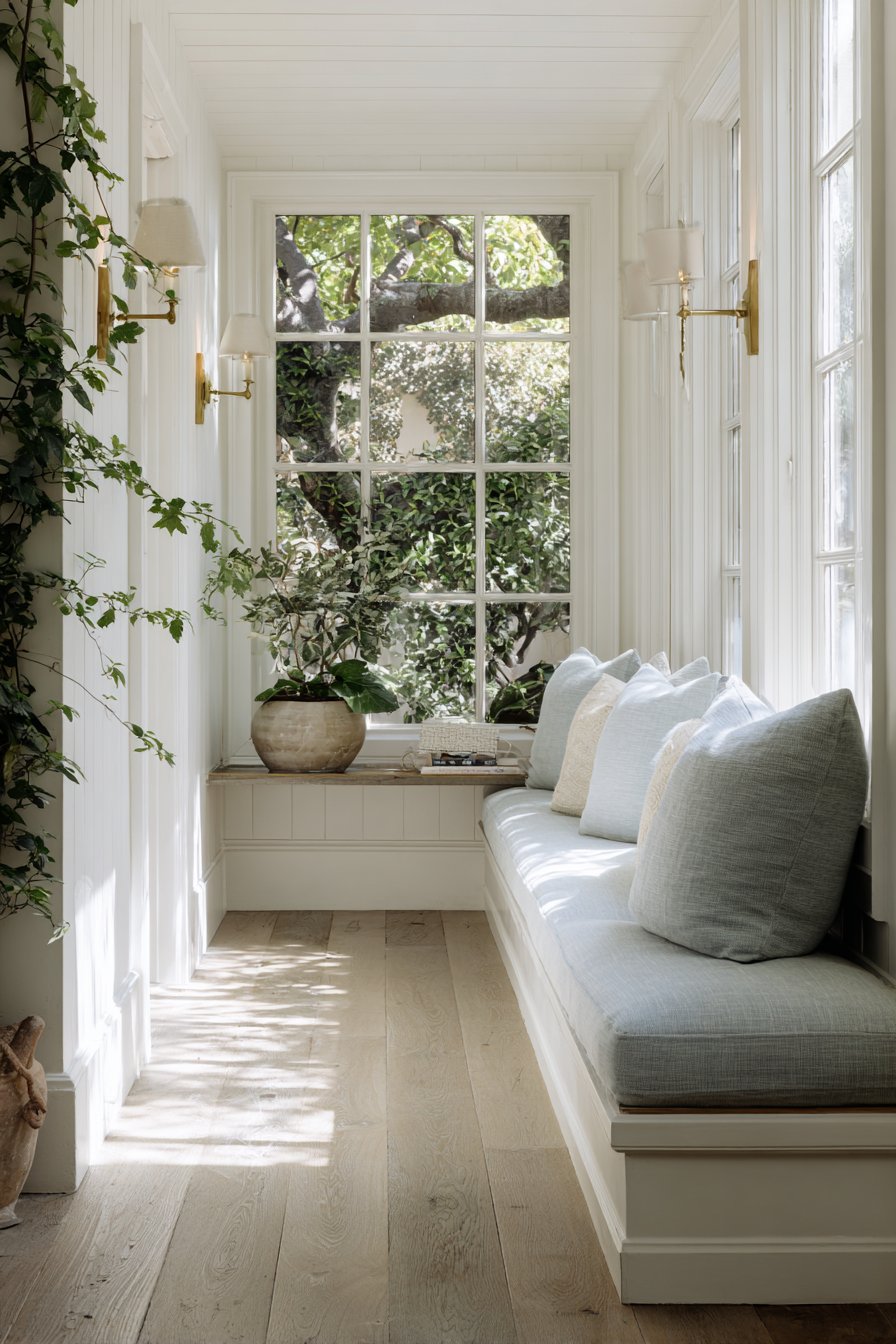
Floating plant shelves incorporate grow lights that serve dual purposes—supporting healthy plant growth while creating decorative highlights that showcase botanical collections. The specific wavelengths required for photosynthesis happen to create appealing warm or cool glows depending on the light composition, adding color and life to the space. Floor-to-ceiling windows transition to walls with grazing lights highlighting textured plaster, creating visual continuity between transparent and solid surfaces while preventing the solid walls from feeling heavy or confining.
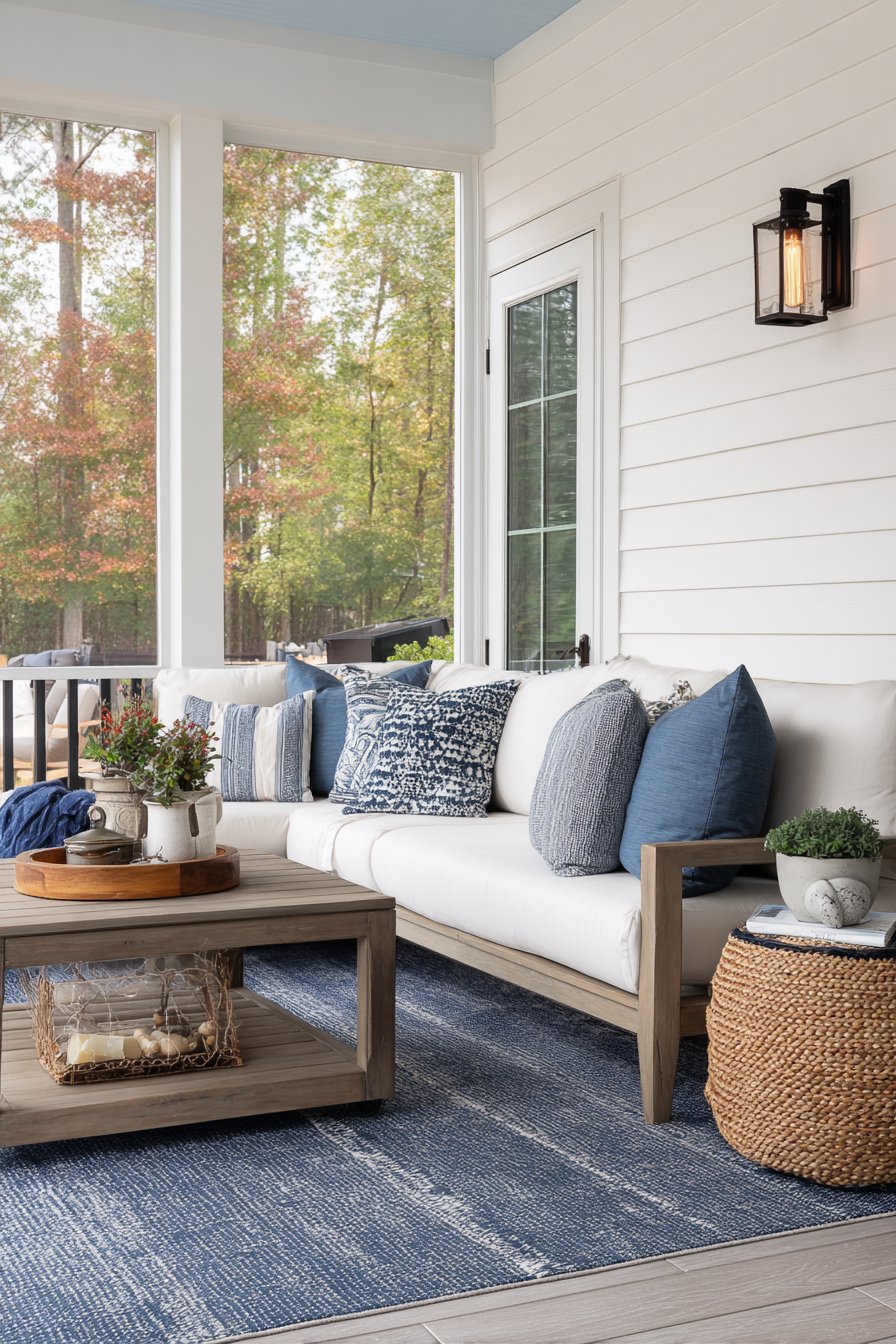
The golden hour natural light blending with warm artificial highlights demonstrates the seasonal adaptability of thoughtful wall highlighting. Summer evenings might extend usable sunroom hours through supplemental lighting, while winter’s earlier darkness requires artificial sources to maintain the room’s appeal throughout the day. This comprehensive approach ensures sunrooms remain valuable living spaces year-round rather than seasonal amenities.
Key Design Tips:
- Choose adjustable sconces that allow both vertical and horizontal light direction adjustment
- Use warm white LEDs (2700-3000K) to complement natural light without creating color temperature clashes
- Install grow lights with timers to provide consistent supplemental lighting for plants
- Position uplighting on shiplap walls to create long horizontal shadow lines that emphasize the pattern
- Add smart controls that gradually transition lighting as natural light fades
- Consider photocell sensors that automatically activate artificial lighting when natural light diminishes
22. Wine Cellar with Individual Bottle Spotlight System
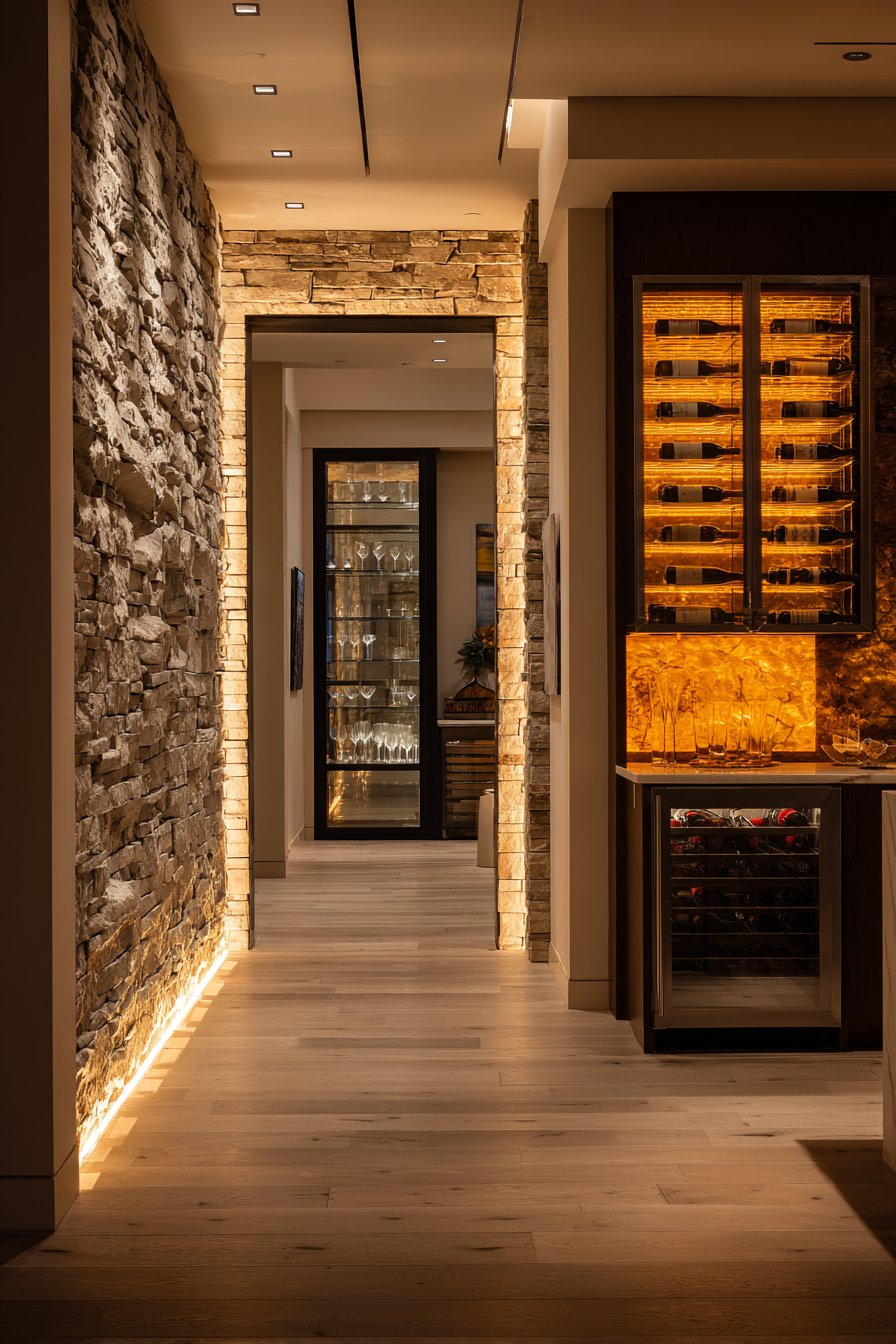
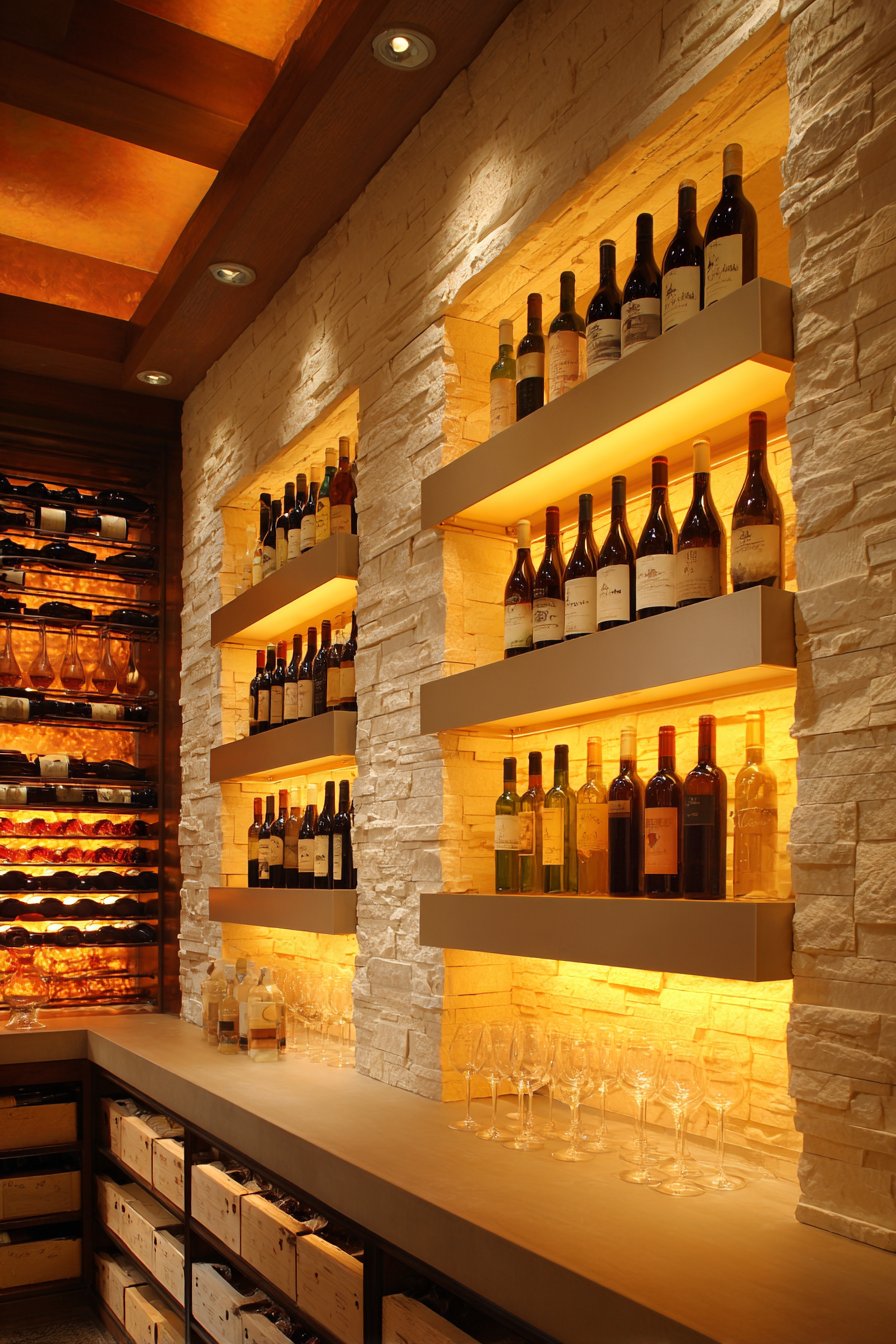
Wine cellars represent serious collections deserving of museum-quality lighting that protects while showcasing. Individual spotlight fixtures illuminating wine bottle labels on custom racks allow easy identification while creating an upscale retail aesthetic. These targeted lights prove particularly valuable in large collections where locating specific vintages might otherwise require extensive searching. The focused illumination also creates a sense of importance and value around the collection, transforming wine storage from mere practicality into a celebration of connoisseurship.
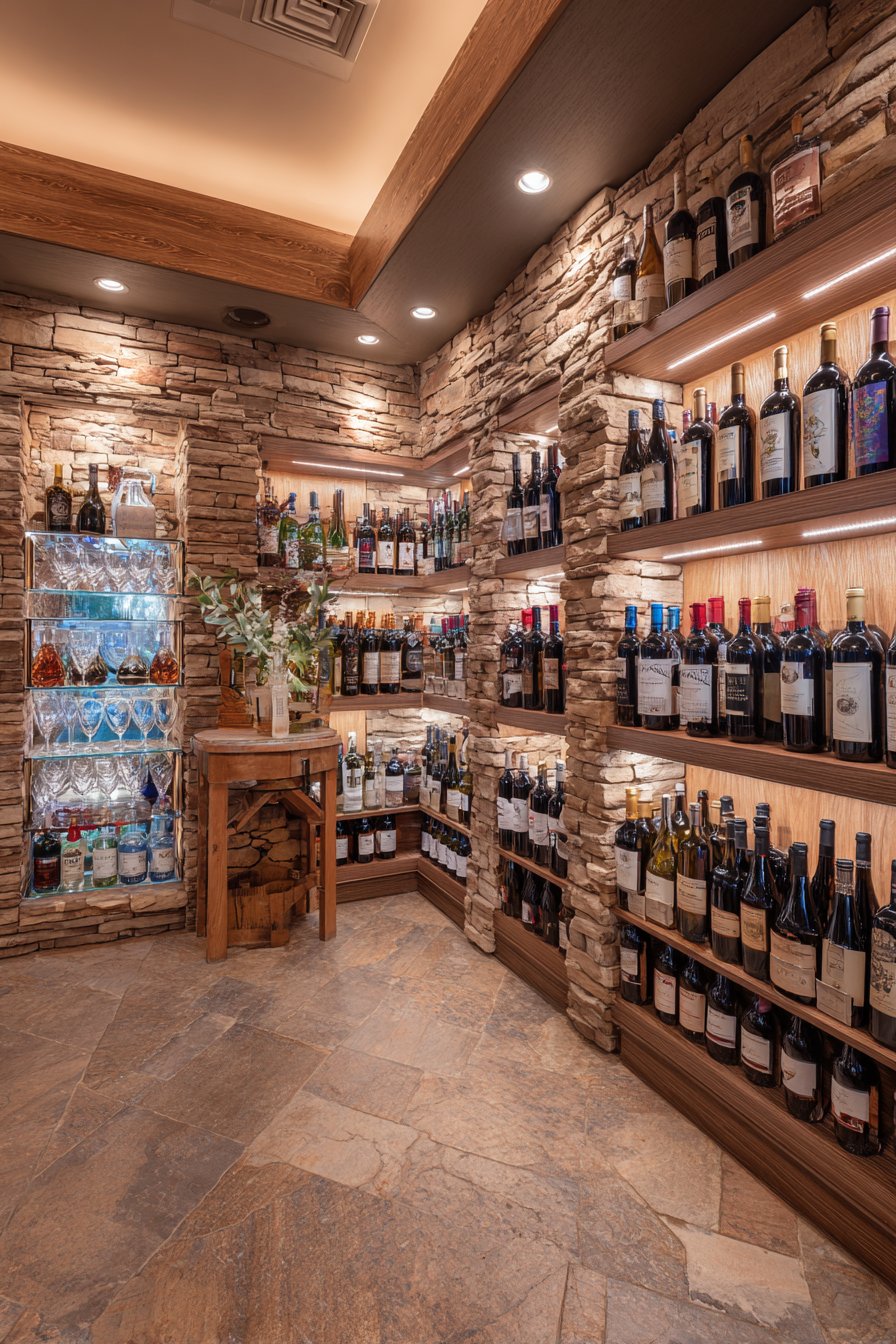
A feature wall of stacked stone includes LED strip lighting in horizontal reveals creating dramatically layered shadows that add depth and texture. The interplay between rough stone and precise linear lighting creates sophisticated contrast between natural and manufactured elements. The ceiling features recessed lighting with dimmer controls that allow adjustment from bright workspace levels during bottle selection to intimate ambiance during tastings. A tasting area wall has backlit glass shelving displaying glassware, creating a dedicated zone for appreciation and evaluation.
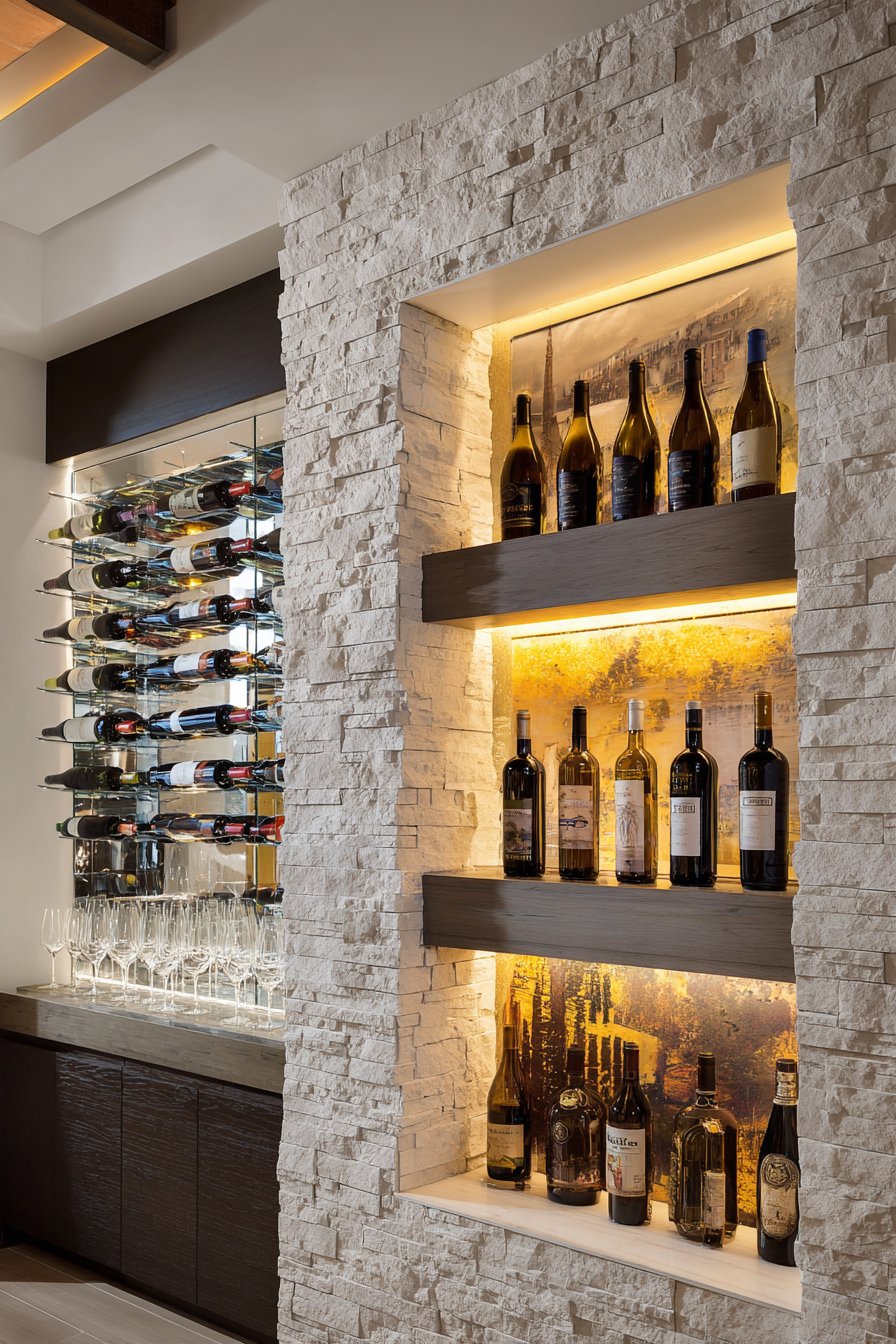
The warm amber lighting throughout demonstrates how sophisticated wall highlighting creates ambiance in specialty spaces. Every element of the lighting design serves both practical and atmospheric purposes—spotlights for identification, stone reveals for drama, dimmers for flexibility, and backlit shelving for display. This comprehensive approach recognizes that wine cellars serve both utilitarian storage and experiential functions, requiring lighting that supports both roles equally.
Key Design Tips:
- Use warm white or amber LEDs (2200-2700K) to create traditional wine cellar atmosphere
- Position bottle spotlights to illuminate labels without creating glare on glass surfaces
- Install UV-filtering lenses on all lighting to protect wine from light-induced degradation
- Choose dimmable fixtures throughout to adjust from working brightness to tasting ambiance
- Add humidity-resistant lighting rated for wine cellar environmental conditions
- Consider motion sensors that activate minimal lighting when entering the cellar
23. Laundry Room with Practical Under-Cabinet Task Lighting
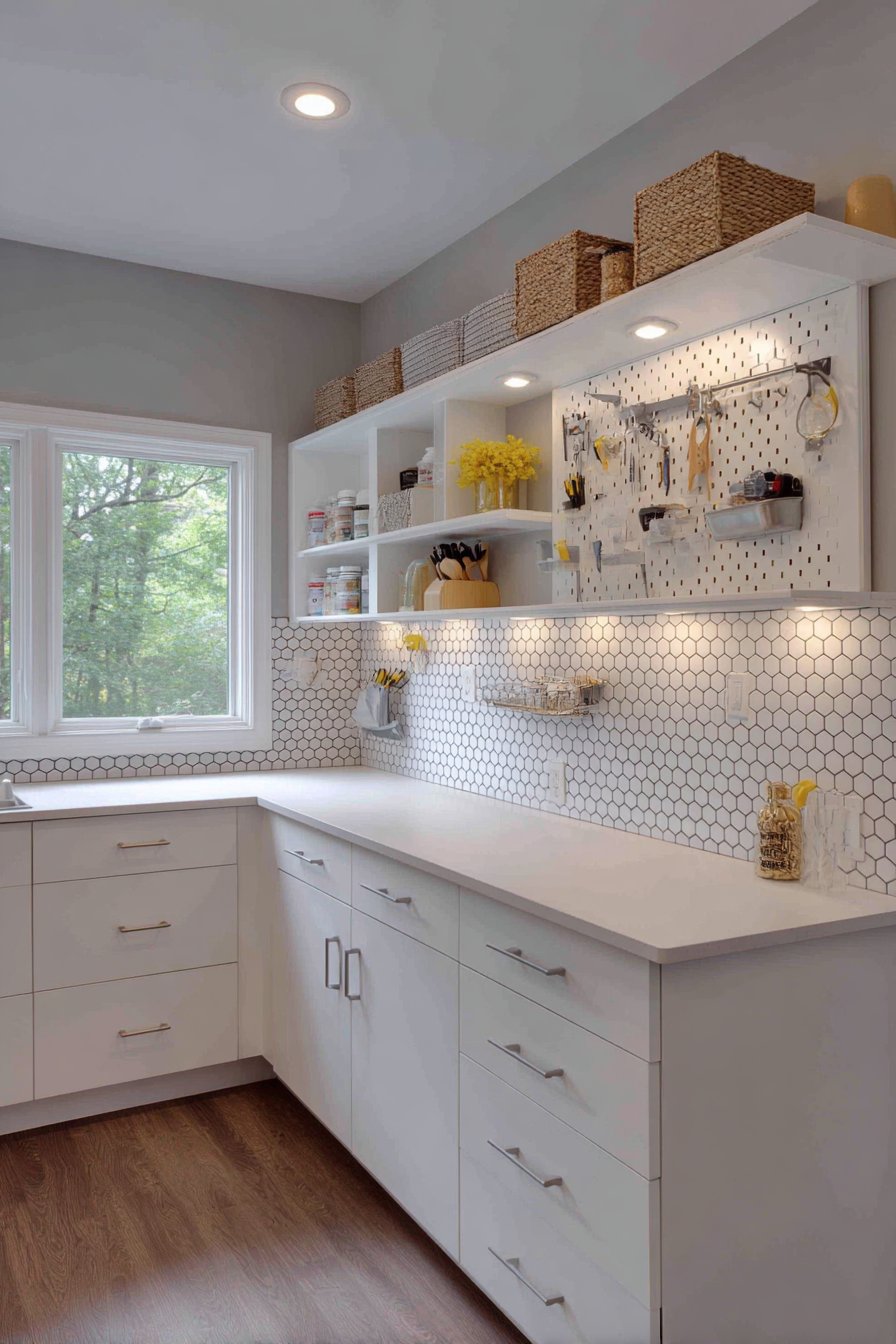
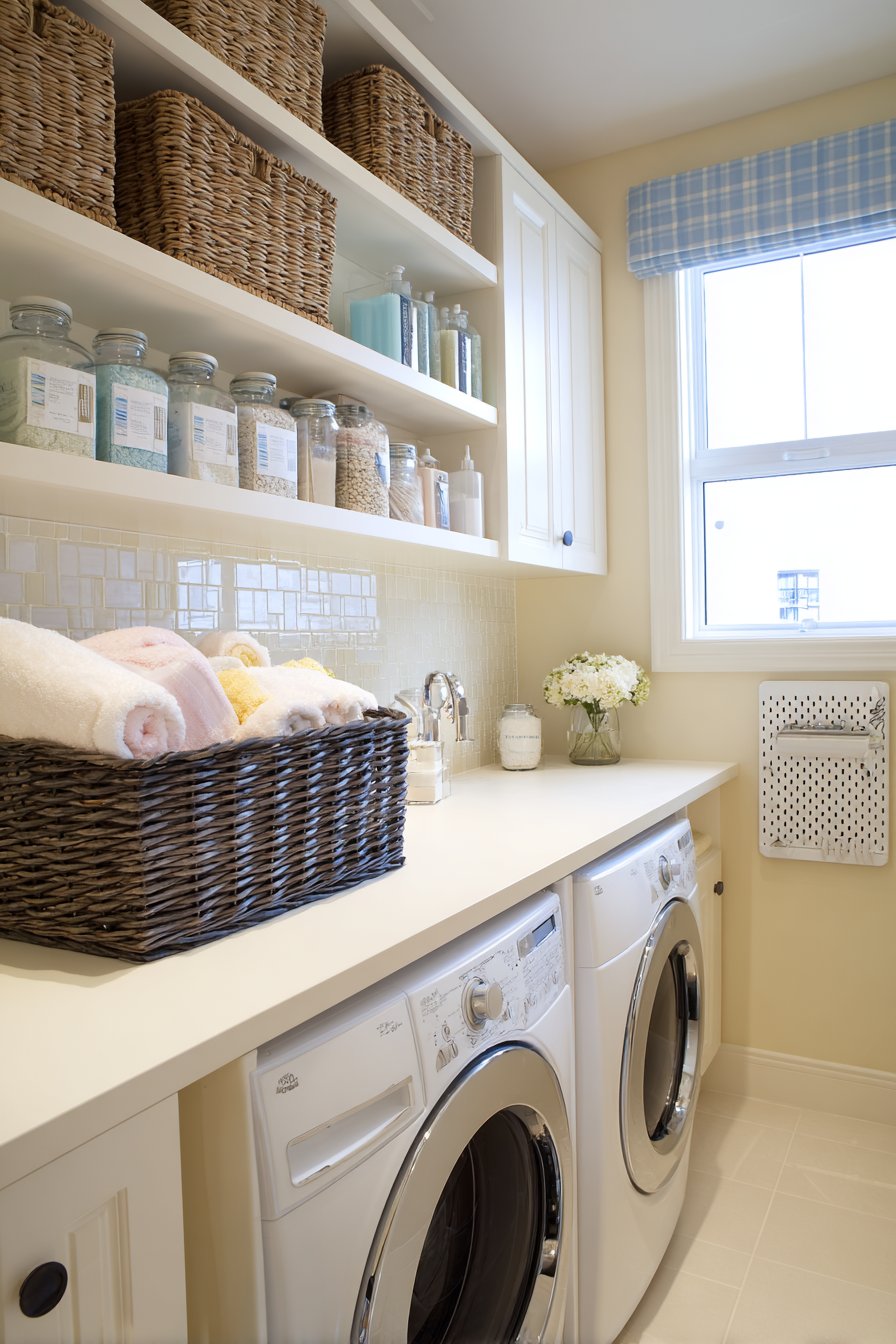
Even purely utilitarian spaces deserve thoughtful wall highlighting that elevates everyday tasks. Under-cabinet LED lighting illuminating folding counter workspace and backsplash eliminates shadows in work areas while making laundry processing more efficient and pleasant. This targeted task lighting proves particularly valuable for treating stains, checking for residual spots, and precisely folding garments—activities that require clear visibility. Open shelving with integrated lighting displays organized supplies and baskets, transforming necessary storage into attractive displays while making inventory assessment obvious at a glance.
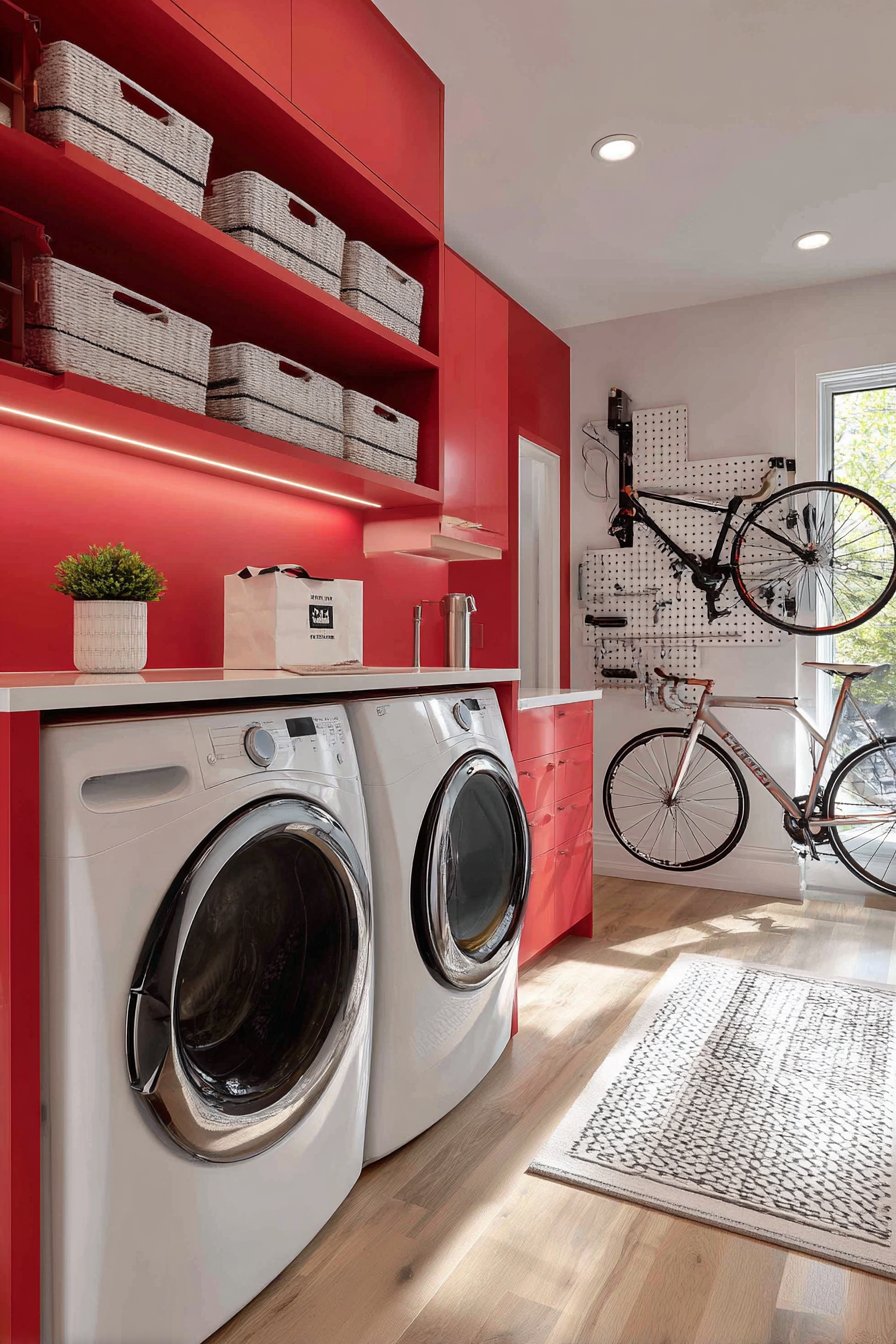
A pegboard organization wall features adjustable magnetic LED pods that highlight tools and supplies while providing flexibility as storage needs evolve. The magnetic mounting allows light repositioning without tools or electrical work, ensuring the lighting scheme adapts as organization systems change. Natural light from windows mixes with functional task lighting, creating a bright, cheerful environment that makes laundry processing less tedious. The combination of natural and artificial sources ensures consistent lighting regardless of time of day or weather conditions.
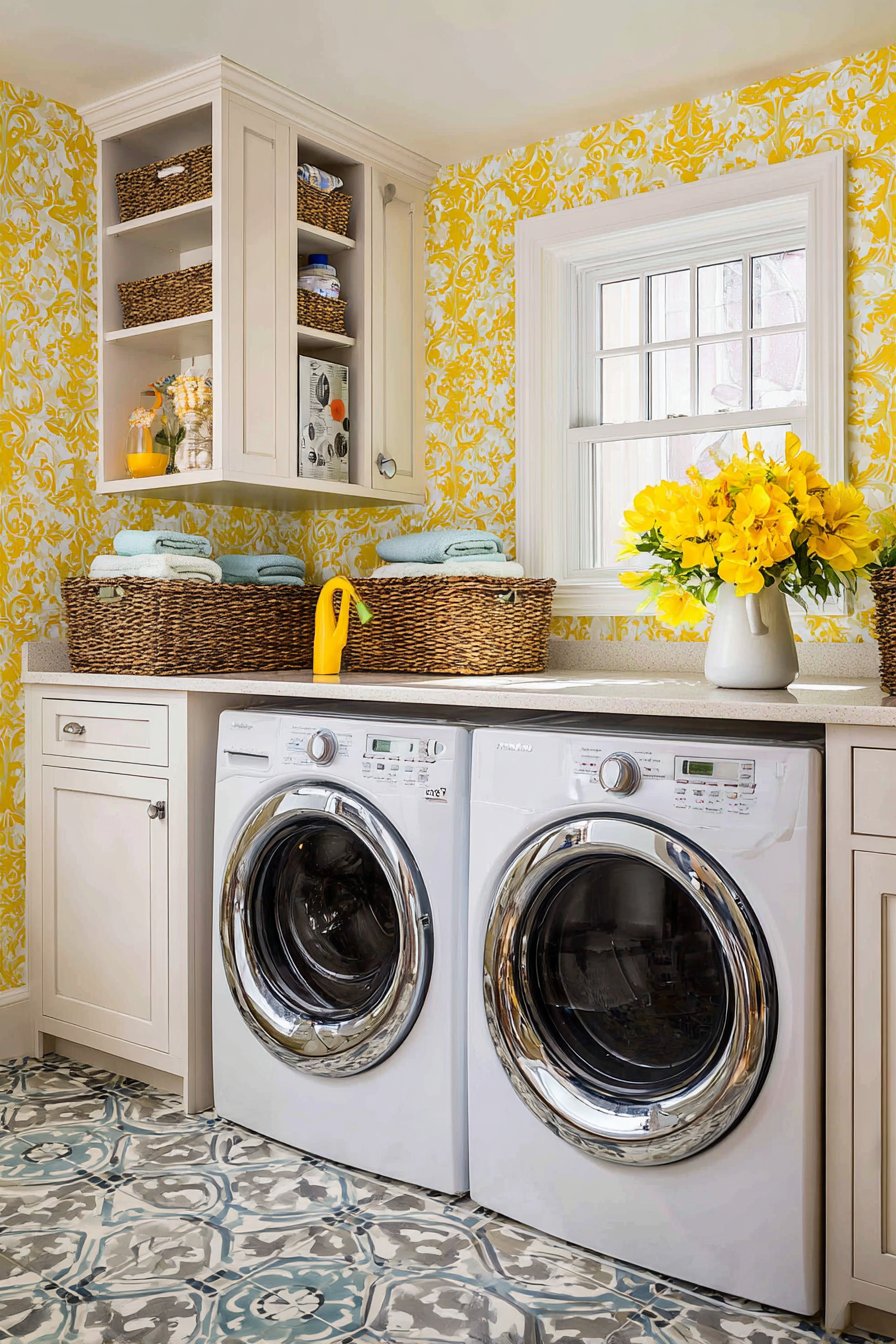
The bright, clean lighting scheme demonstrates how wall highlighting elevates utilitarian spaces through thoughtful illumination and organization. The comprehensive approach—under-cabinet task lighting, illuminated open shelving, adjustable pegboard lighting, and natural light—ensures every work area receives appropriate illumination while the overall space feels intentionally designed rather than merely functional. This recognition that laundry rooms deserve the same lighting consideration as showcase spaces reflects the understanding that we spend significant time in utility areas and deserve to enjoy those hours.
Key Design Tips:
- Use bright white LEDs (4000-5000K) in laundry rooms to ensure accurate color perception for stain assessment
- Position under-cabinet lighting at the front edge of cabinets to maximize work surface coverage
- Install open shelving lighting with motion sensors to activate only when accessing supplies
- Choose waterproof LED strips (IP65+) for installations near sinks and potential moisture exposure
- Add task lighting on separate switches from ambient lighting for flexibility during different activities
- Consider battery-powered magnetic LED pods for rental properties or existing installations
Why These Wall Highlight Ideas Represent the Best in Contemporary Lighting Design
The twenty-three wall highlight ideas presented throughout this comprehensive guide represent the culmination of decades of lighting design evolution, architectural innovation, and technological advancement. These concepts aren’t merely decorative flourishes—they’re thoughtfully engineered solutions that address fundamental human needs for safety, functionality, beauty, and emotional wellbeing within our homes. The best wall highlighting transcends simple illumination to become an integral component of spatial design that shapes how we experience and interact with our living environments.
Contemporary LED technology has democratized sophisticated lighting techniques that were once available only in commercial or luxury residential applications. The energy efficiency, longevity, and controllability of modern LEDs make comprehensive wall highlighting systems practical for average homeowners rather than exclusive luxuries. Color-changing capabilities, dimming precision, and smart home integration transform static lighting installations into dynamic systems that adapt to our daily rhythms, activities, and moods. This technological revolution means that wall highlight ideas that would have required expensive custom installation a decade ago can now be implemented through accessible, DIY-friendly products.
The diversity of approaches demonstrated—from floating furniture effects to museum-quality gallery lighting, from safety-focused stair illumination to motivational gym environments—proves that wall highlighting serves every room type and design style. Whether your aesthetic leans toward minimalist contemporary, cozy traditional, industrial modern, or coastal casual, appropriate wall highlighting techniques exist to enhance your chosen style. The key lies in understanding how light interacts with materials, how shadow creates depth, and how brightness levels affect perception and emotion. These universal principles apply regardless of specific design preferences.
Material considerations play crucial roles in successful wall highlighting implementation. Textured surfaces like grasscloth, concrete, stacked stone, and three-dimensional wall panels respond dramatically to grazing light that skims across their surfaces, emphasizing every ridge and valley. Smooth, reflective materials like glass tile, polished quartz, and glossy paint amplify light through reflection, creating brightness multiplication effects. Translucent materials like onyx and alabaster glow from within when backlit, creating luminous focal points that appear to generate rather than merely reflect light. Understanding these material-light relationships allows for strategic selection that maximizes impact.
The layering principle underlying all successful wall highlighting schemes recognizes that single-source lighting creates flat, uninteresting spaces regardless of how bright that source might be. The most successful approaches combine ambient lighting (overall room illumination), task lighting (focused brightness for specific activities), and accent lighting (highlighting architectural features or decorative elements). This three-layer approach creates depth through varied brightness levels, prevents harsh shadows through multiple light sources, and provides flexibility through independent control of each layer. The result is sophisticated, professional-quality lighting that adapts to different needs throughout the day.
Color temperature selection significantly impacts how wall highlighting affects room atmosphere and functionality. Warm white LEDs (2200-3000K) create cozy, intimate environments ideal for bedrooms, living rooms, and dining areas where relaxation and conversation occur. Neutral white (3500-4000K) provides balanced lighting suitable for transitional spaces and areas requiring both task and ambient illumination. Cool white (4000-5000K) delivers energizing, alert-promoting light perfect for kitchens, home offices, and fitness spaces where concentration and activity dominate. Understanding these psychological effects allows strategic color temperature selection that supports room function.
Installation quality determines whether wall highlighting systems achieve their potential or become maintenance headaches. Professional-grade LED strips with proper aluminum channels and diffuser covers create even, attractive light lines free from the hot spots and irregular brightness of bargain-basement alternatives. Properly sized power supplies prevent voltage drop that causes dimming and color shifting along strip runs. Appropriate waterproofing ratings ensure safety and longevity in moisture-prone bathrooms, kitchens, and outdoor applications. While DIY installation remains possible for many wall highlighting projects, understanding these technical requirements prevents common pitfalls that compromise results.
Smart home integration represents the frontier of wall highlighting innovation, allowing unprecedented control and customization. Voice commands can adjust brightness without interrupting activities or touching switches with dirty hands. Scheduled scenes automatically transition lighting from energizing morning brightness through productive daytime levels to relaxing evening ambiance that prepares bodies for sleep. Motion sensors activate appropriate lighting levels upon room entry, providing convenience while conserving energy. Integration with other smart home systems enables sophisticated programming—dimming entertainment room lights when movie playback begins, brightening kitchen task lighting when recipe apps activate, or creating morning routines that gradually increase bedroom lighting to simulate natural dawn.
The psychological impacts of quality wall highlighting extend far beyond mere aesthetics into wellbeing and life quality. Proper lighting reduces eye strain during extended tasks, preventing headaches and fatigue. Circadian-supportive lighting helps regulate sleep-wake cycles, improving both sleep quality and daytime alertness. Customizable ambiance lighting supports emotional regulation—bright, cool light for motivation and productivity, warm dim light for relaxation and stress reduction. The ability to control one’s lighting environment provides a sense of agency and comfort that contributes to overall life satisfaction. These benefits justify viewing wall highlighting not as optional decoration but as essential infrastructure supporting human flourishing.
Energy efficiency considerations make LED-based wall highlighting environmentally responsible and economically sensible. Modern LEDs consume 75-90% less energy than incandescent alternatives while lasting 25-50 times longer. The reduced energy consumption lowers utility bills while decreasing carbon footprint. The extended lifespan means less frequent replacement, reducing waste and the resources required for manufacturing and disposal. When selecting wall highlighting components, choosing quality LEDs with high efficacy ratings (lumens per watt) maximizes these benefits. The initial investment in quality LED systems typically returns through energy savings within 2-3 years while providing decades of reliable service.
Safety considerations require particular attention when implementing wall highlighting in certain applications. Stairway lighting must meet local building codes for minimum brightness levels and emergency power backup. Bathroom installations require appropriate waterproof ratings (IP65 or higher) to prevent shock hazards. Children’s spaces need secure installations that prevent access to electrical components and small parts. Outdoor or wet-location applications require specific weatherproof ratings. Understanding and adhering to these safety requirements ensures wall highlighting systems protect occupants while enhancing their environments.
The future of wall highlighting promises even more sophisticated integration between lighting, architecture, and daily life. Emerging technologies include human-centric lighting systems that automatically adjust color temperature and brightness to support circadian rhythms, tunable white systems offering infinite color temperature adjustment throughout the day, and AI-powered lighting that learns occupant preferences and adjusts automatically. As these technologies mature and costs decrease, wall highlighting will become increasingly responsive, personalized, and integrated into the smart home ecosystem. The wall highlight ideas presented here represent current best practices while establishing foundations for these future innovations.
Conclusion
The journey through these twenty-three wall highlight ideas reveals that strategic illumination represents one of the most powerful and accessible tools in the interior designer’s arsenal. From the practical task lighting that makes daily activities safer and more efficient to the atmospheric accent lighting that transforms ordinary rooms into memorable spaces, wall highlighting serves essential functions while creating beauty that enriches our daily experience. The diversity of approaches demonstrated—spanning every room type, design style, and budget level—proves that thoughtful lighting belongs not just in luxury showcases but in every home where people value comfort, functionality, and aesthetic pleasure.
The most important takeaway is that effective wall highlighting doesn’t require enormous budgets or professional installation for every application. Many of the techniques presented—LED strip lighting, battery-powered picture lights, plug-in wall sconces—can be implemented through accessible DIY methods that deliver professional results. The key lies not in expensive equipment but in understanding fundamental principles: how light reveals texture, how shadow creates depth, how brightness affects mood, and how layering creates flexibility. Armed with this understanding, homeowners can approach wall highlighting with confidence, starting with simple applications and expanding as skills and budgets allow.
We encourage you to experiment with these wall highlight ideas in your own home, beginning with the spaces where you spend the most time or where existing lighting proves most frustrating. A simple LED strip under kitchen cabinets might transform your cooking experience. Battery-powered picture lights could finally showcase artwork collecting dust in dark hallways. A backlit mirror might revolutionize your bathroom routine. These small interventions demonstrate lighting’s power to enhance daily life while building confidence for more ambitious projects. Remember that lighting design is iterative—you’ll refine your approach through experience, discovering which techniques resonate with your lifestyle and aesthetic preferences.
The investment in quality wall highlighting returns dividends far exceeding the initial costs. Better lighting means less eye strain, fewer headaches, and improved productivity. Enhanced ambiance supports relaxation, conversation, and emotional wellbeing. Properly highlighted homes feel more valuable, appearing larger, cleaner, and more sophisticated. These benefits accumulate over years of daily enjoyment, making wall highlighting one of the highest-return improvements available to homeowners. As you implement these ideas, you’ll discover that light transforms not just spaces but the quality of life experienced within those spaces—the ultimate measure of successful design.
