
The living room serves as the heart of any home—a sanctuary where families gather, guests are entertained, and daily life unfolds in comfort. In an era where bold colors and dramatic statements often dominate design conversations, there’s something profoundly sophisticated about embracing the subtle beauty of neutral palettes. Neutral living rooms offer a timeless elegance that transcends fleeting trends, creating spaces that feel both calming and endlessly versatile. These understated color schemes—ranging from warm creams and soft taupes to cool greys and natural beiges—provide the perfect canvas for layered textures, varied materials, and personal expression.
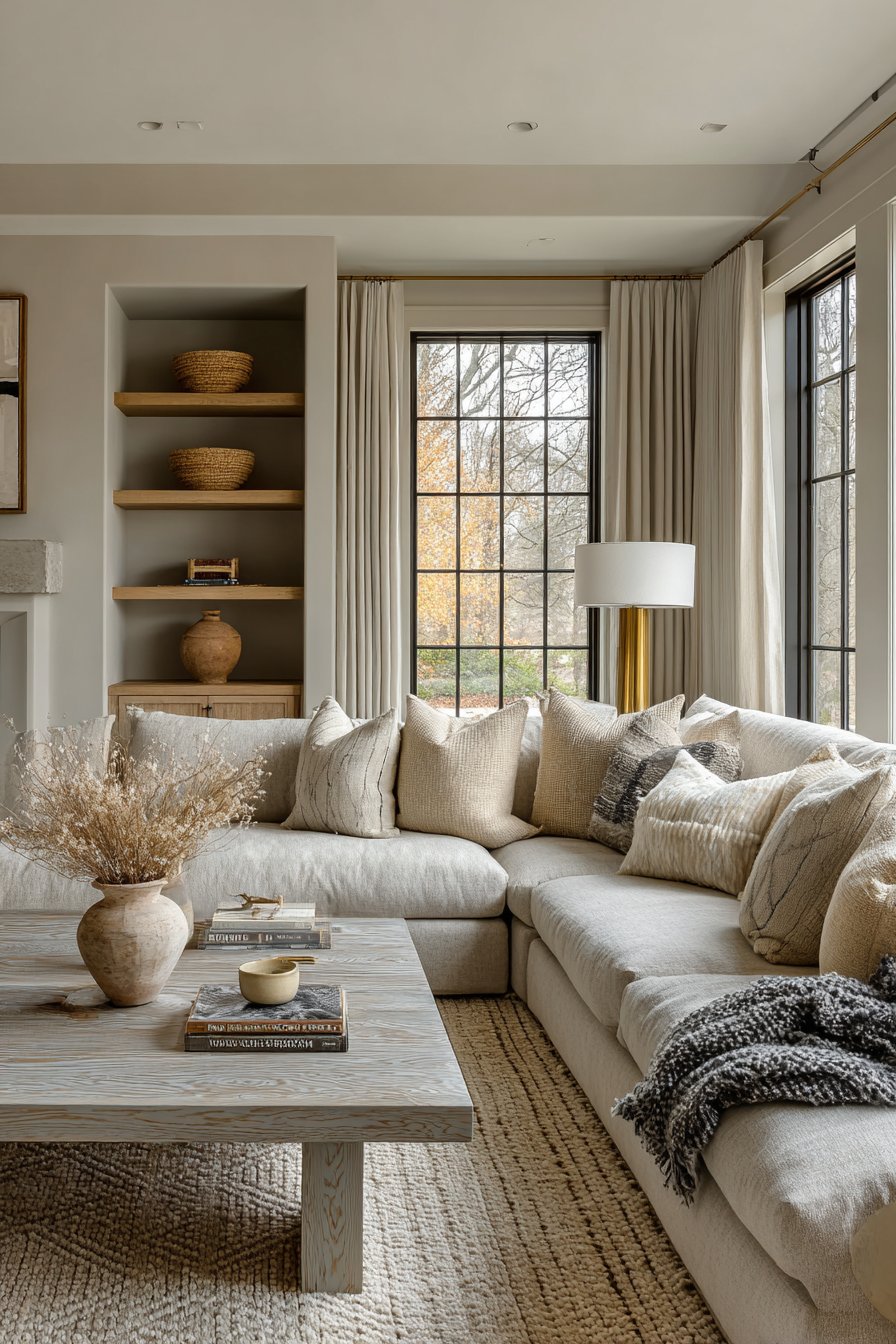
The power of neutral design lies not in its simplicity, but in its complexity. A truly exceptional neutral living room is a masterclass in nuance, where multiple shades work harmoniously together, where textures create visual interest without relying on color contrasts, and where every element contributes to an atmosphere of refined comfort. Whether you’re drawn to Scandinavian minimalism, coastal tranquility, or contemporary luxury, neutral palettes adapt beautifully to any design philosophy while maintaining their characteristic serenity.
In this comprehensive guide, we explore 29 distinct neutral living room concepts, each offering unique inspiration for transforming your space into a haven of sophisticated calm. From budget-friendly solutions to high-end designs, from compact apartments to spacious open-concept layouts, these ideas demonstrate the remarkable versatility of neutral color schemes. You’ll discover how to layer textures, balance proportions, incorporate natural materials, and create depth—all while maintaining the peaceful elegance that makes neutral living rooms so enduringly popular.
1. Harmonious Neutral Showcase
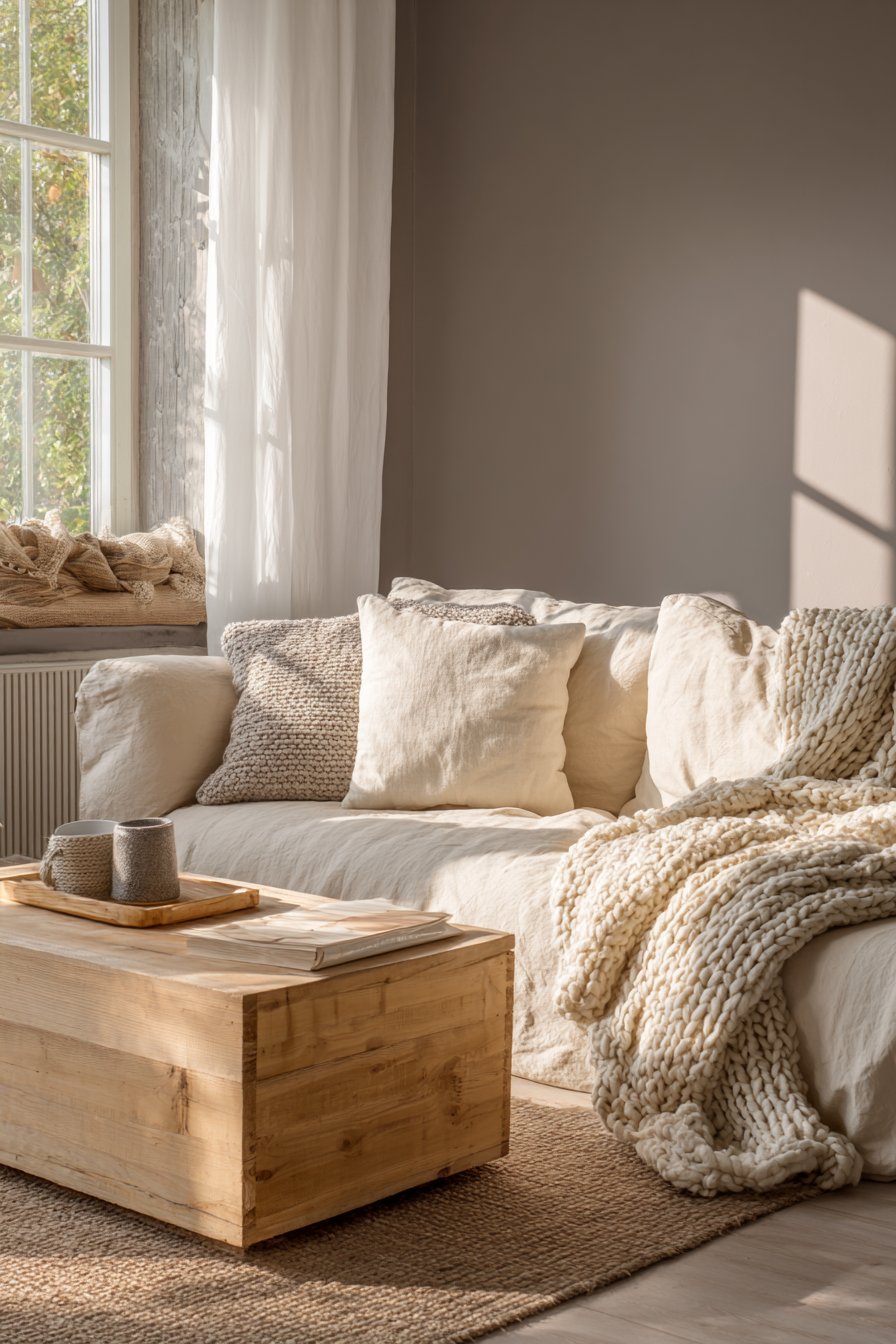
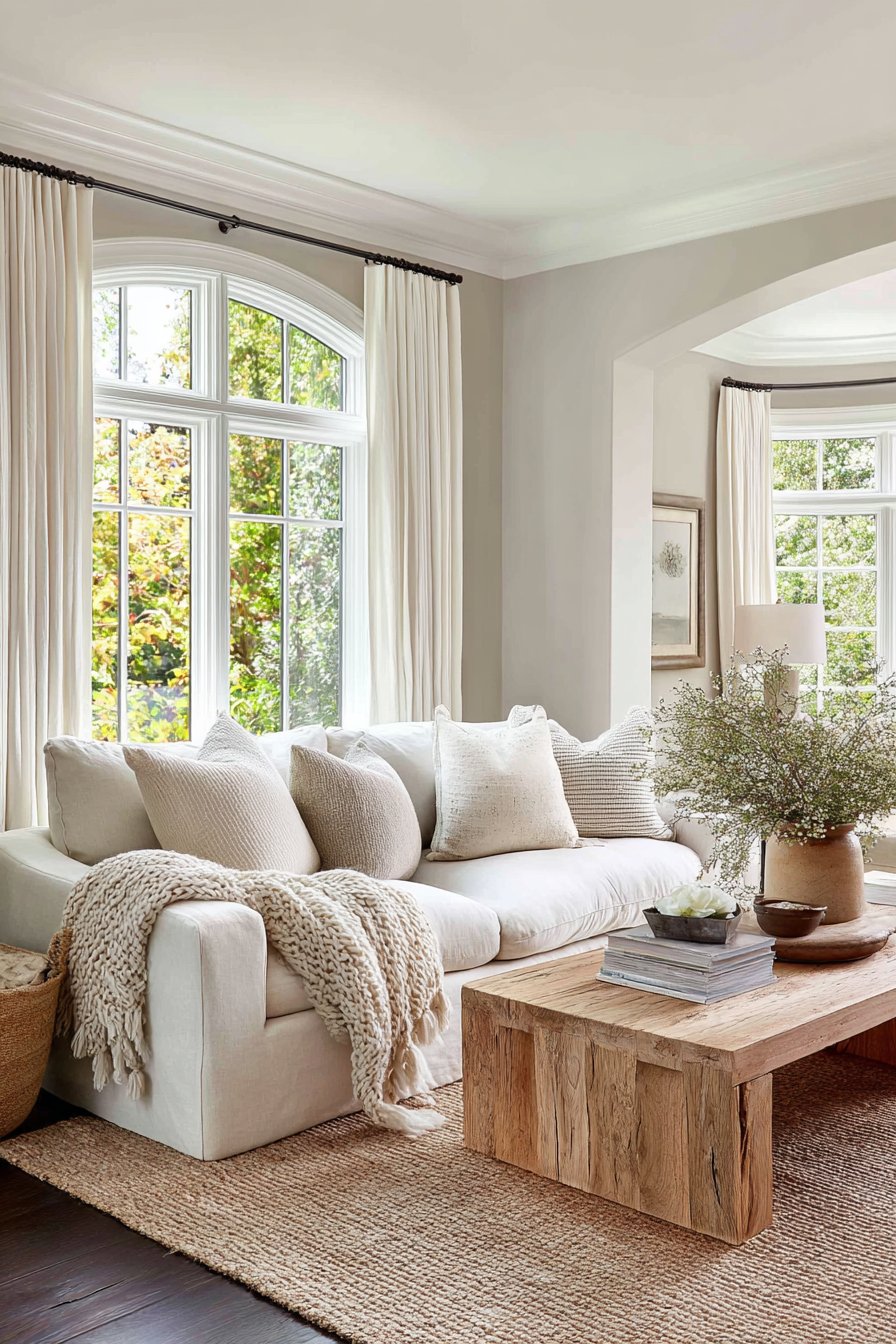
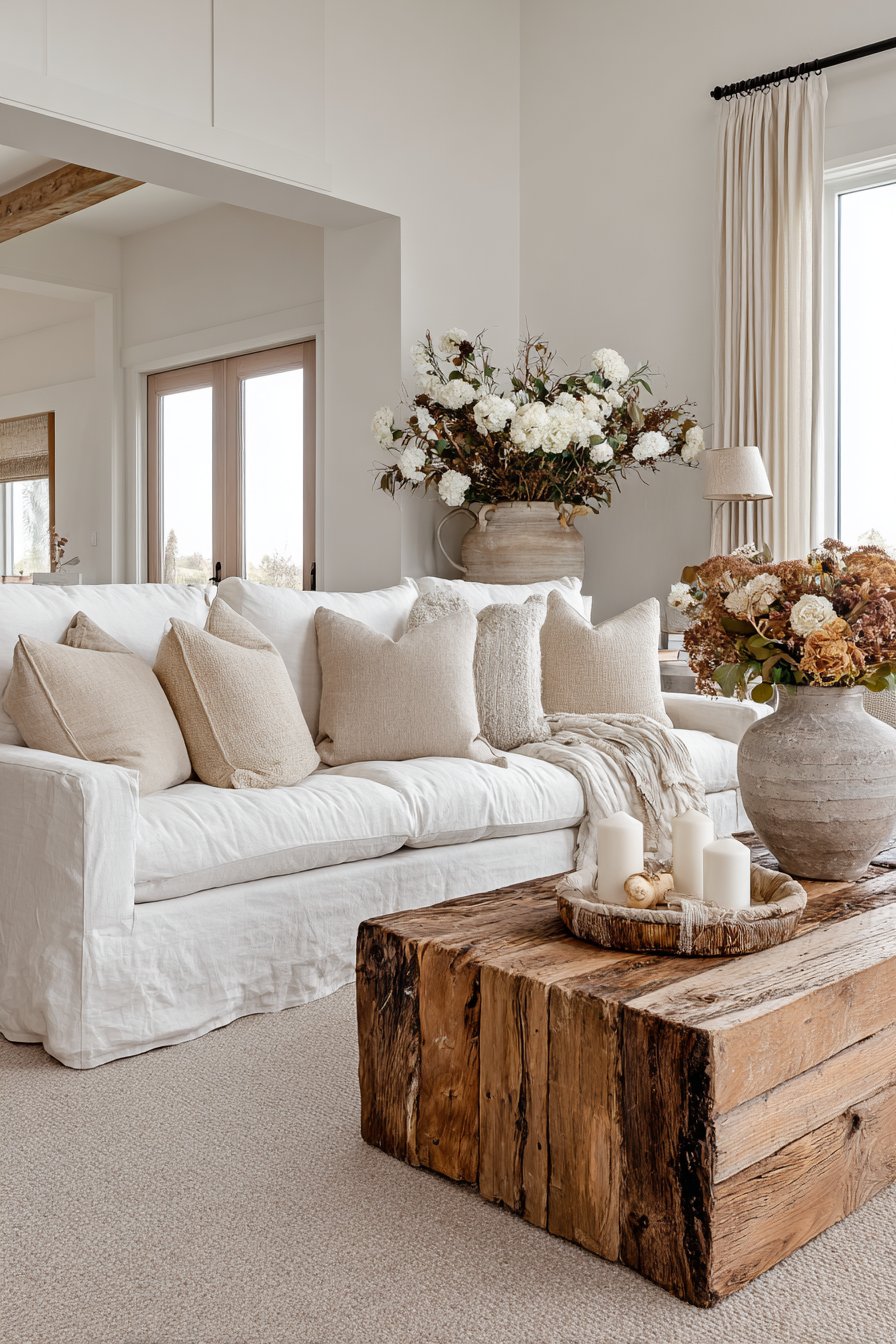
This stunning showcase represents the epitome of neutral living room design, where every element works in perfect harmony to create a space of exceptional beauty and tranquility. The foundation begins with a plush oatmeal linen sectional that anchors the room with its generous proportions and inviting texture. The sofa’s natural fabric showcases subtle variations in tone, while varied throw pillows in ivory, sand, and natural flax add dimensional interest without disrupting the cohesive palette.
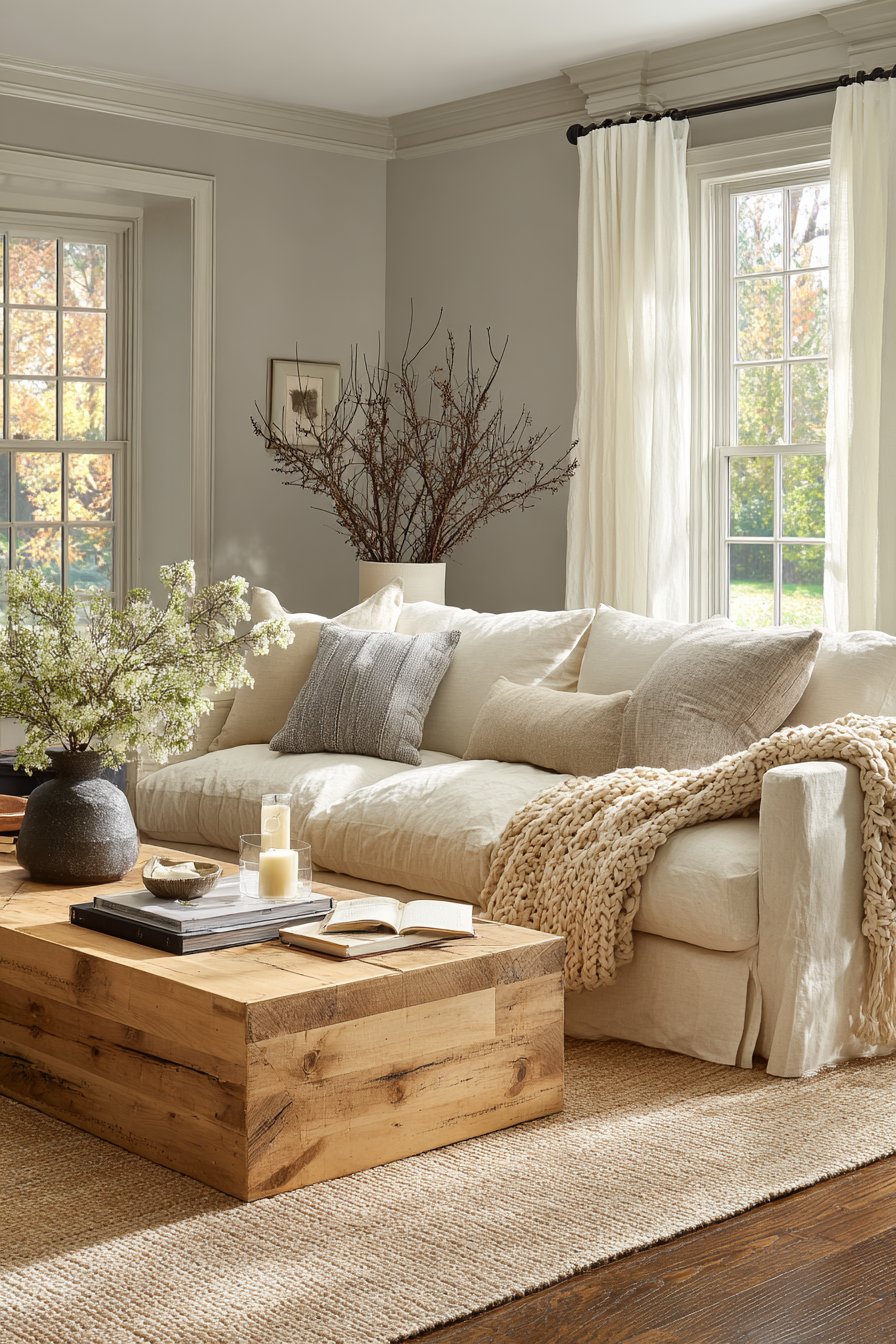
The reclaimed wood coffee table serves as a grounding element, its weathered finish introducing organic character and a sense of history to the contemporary setting. Positioned atop a hand-woven jute rug featuring subtle geometric patterns, the table creates a focal point that draws the eye while maintaining the room’s serene atmosphere. The interplay between the smooth linen upholstery and the rough-hewn wood demonstrates how contrasting textures can elevate a monochromatic scheme.
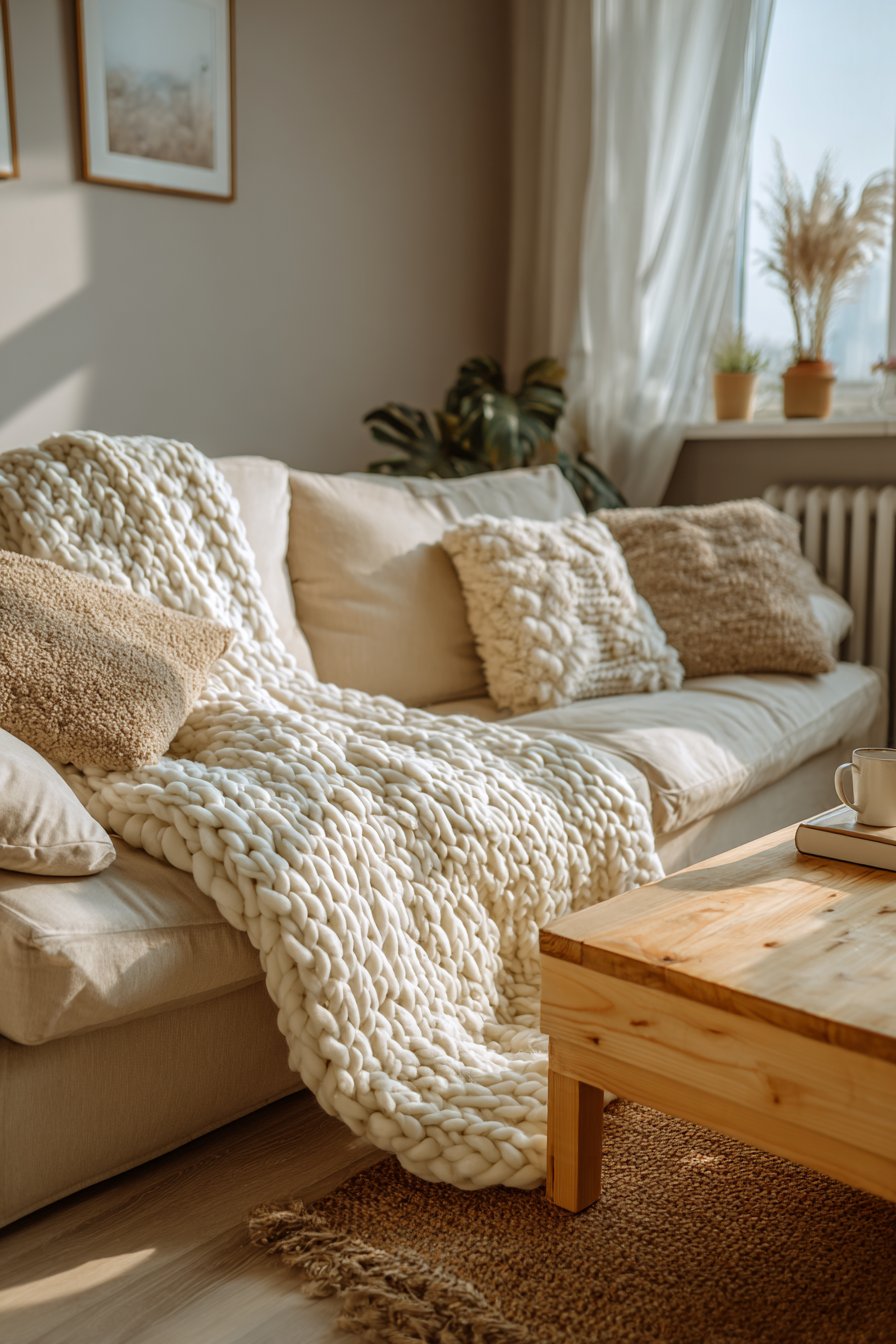
Floor-to-ceiling sheer linen curtains in warm white frame expansive windows, transforming harsh sunlight into a soft, diffused glow that illuminates the space throughout the day. The walls, painted in a sophisticated greige with subtle undertones, shift appearance with changing light conditions, sometimes appearing warmer, sometimes cooler, but always providing the perfect backdrop for the carefully curated furnishings. Natural oak floating shelves display ceramic vases and woven baskets, introducing additional organic elements while providing practical storage.
Key Design Tips:
- Layer multiple shades within the same neutral family to create depth without introducing color
- Combine smooth and textured fabrics to add visual interest to monochromatic schemes
- Position sheer curtains to maximize natural light diffusion while maintaining privacy
- Incorporate reclaimed or weathered wood to introduce character and authenticity
- Use floating shelves to display organic accessories that reinforce the natural aesthetic
- Select a statement floor lamp with mixed materials to provide both function and sculptural interest
2. Cream Linen Comfort
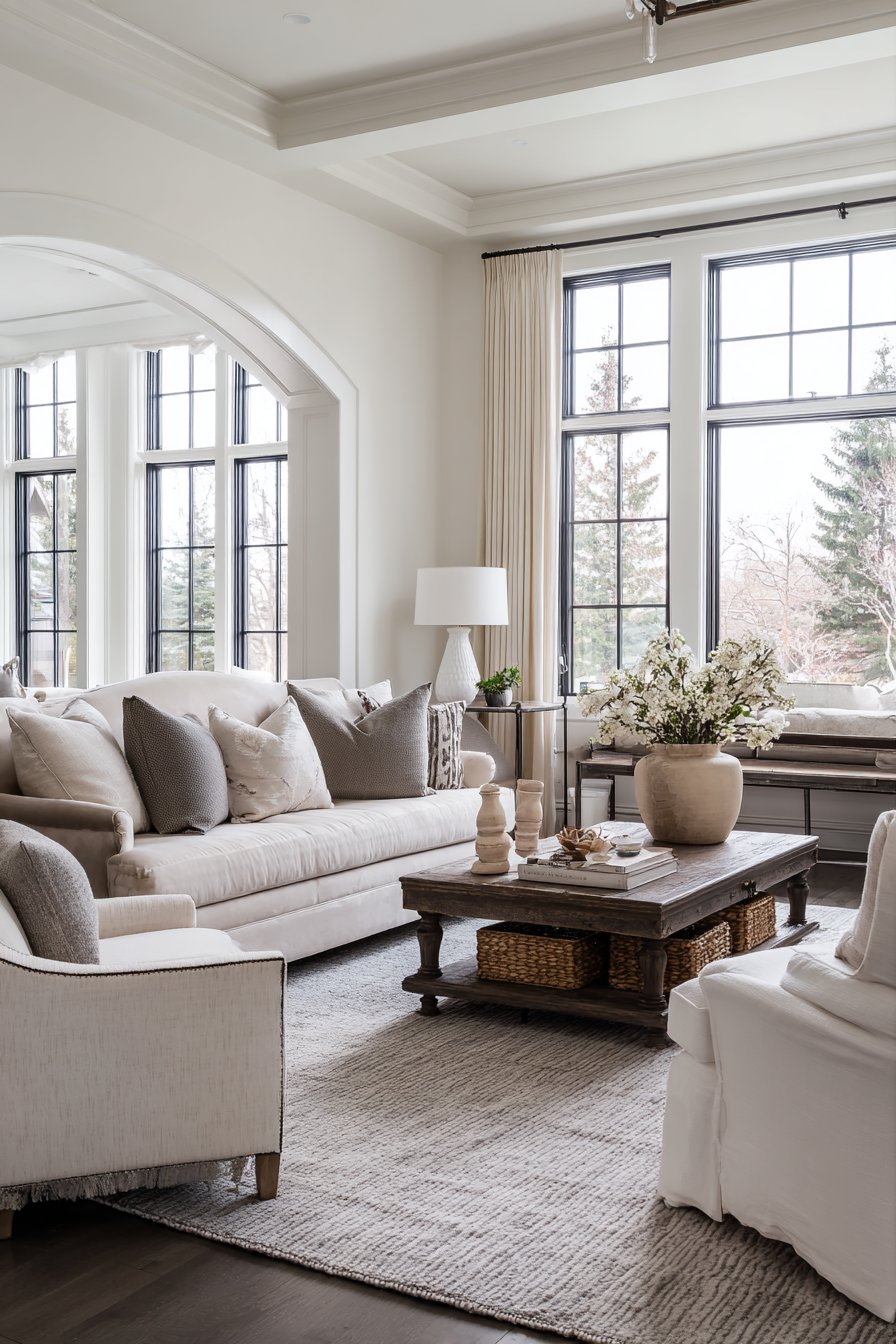
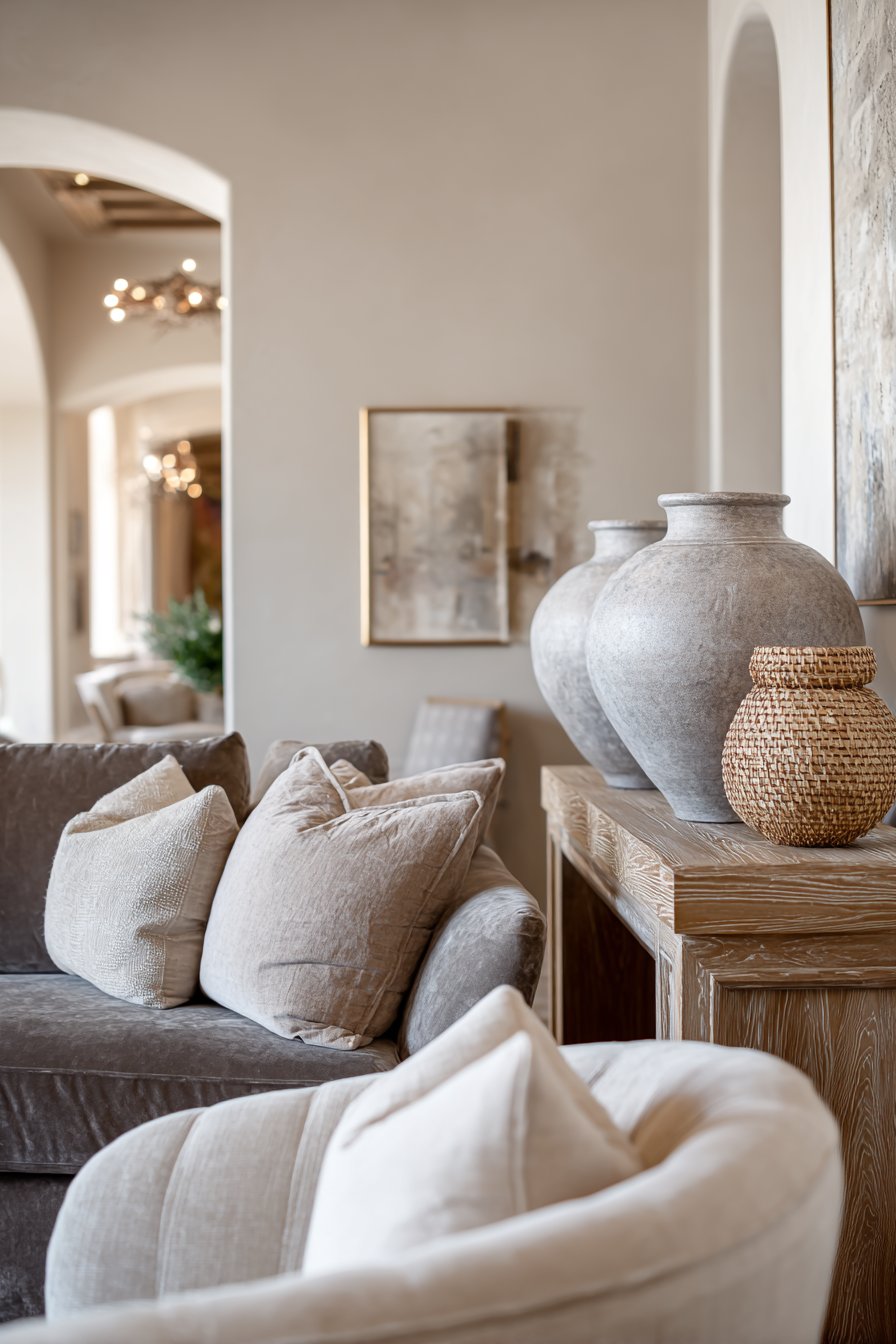
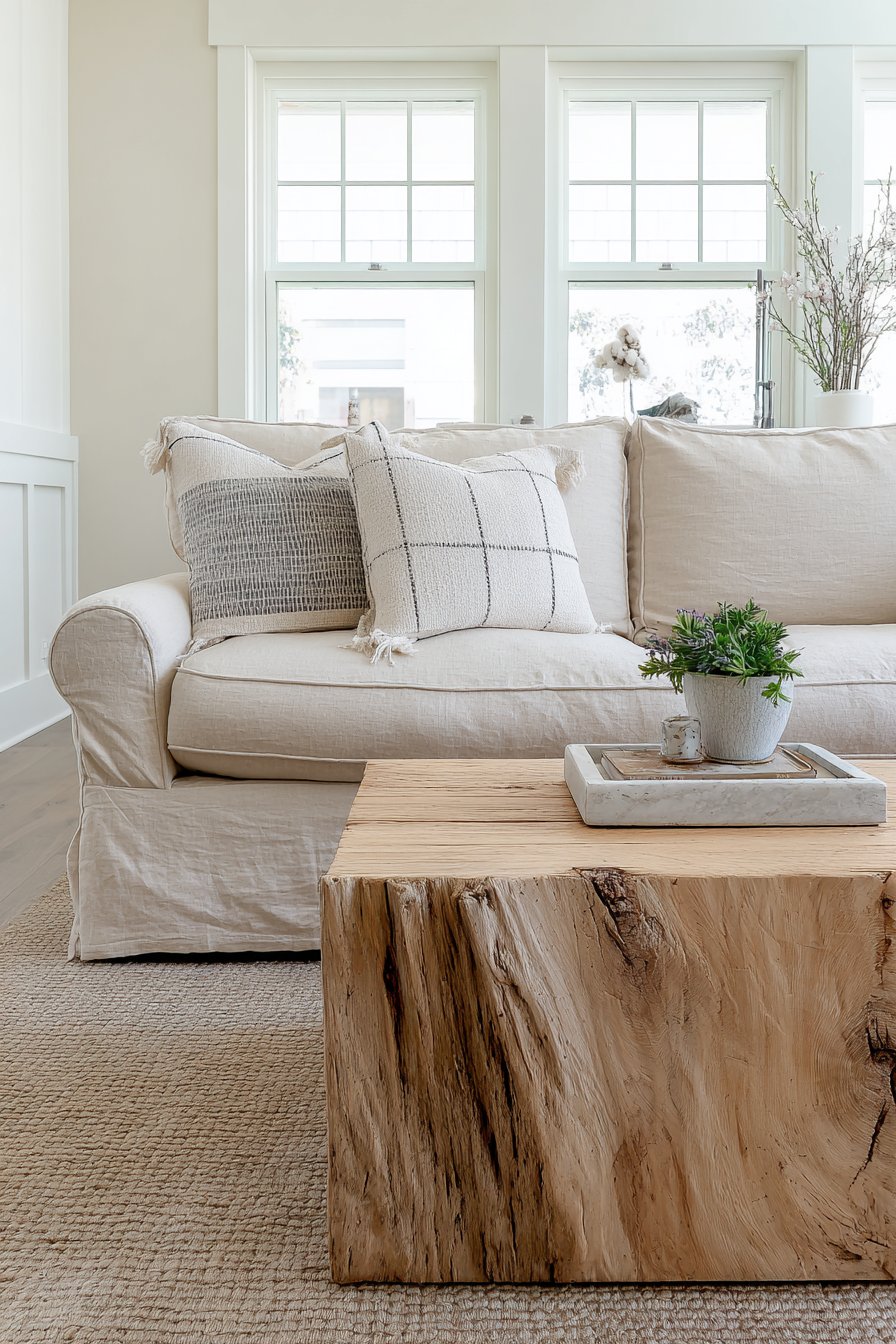
The foundation of this inviting space centers on a comfortable cream-colored linen sofa with deep seating and generously proportioned loose cushions that practically invite you to sink in and stay awhile. The sofa’s relaxed silhouette and natural fabric create an atmosphere of effortless elegance, while chunky knit throw blankets in oatmeal and natural cotton draped casually across the arms suggest a lived-in warmth that makes guests feel immediately at home.
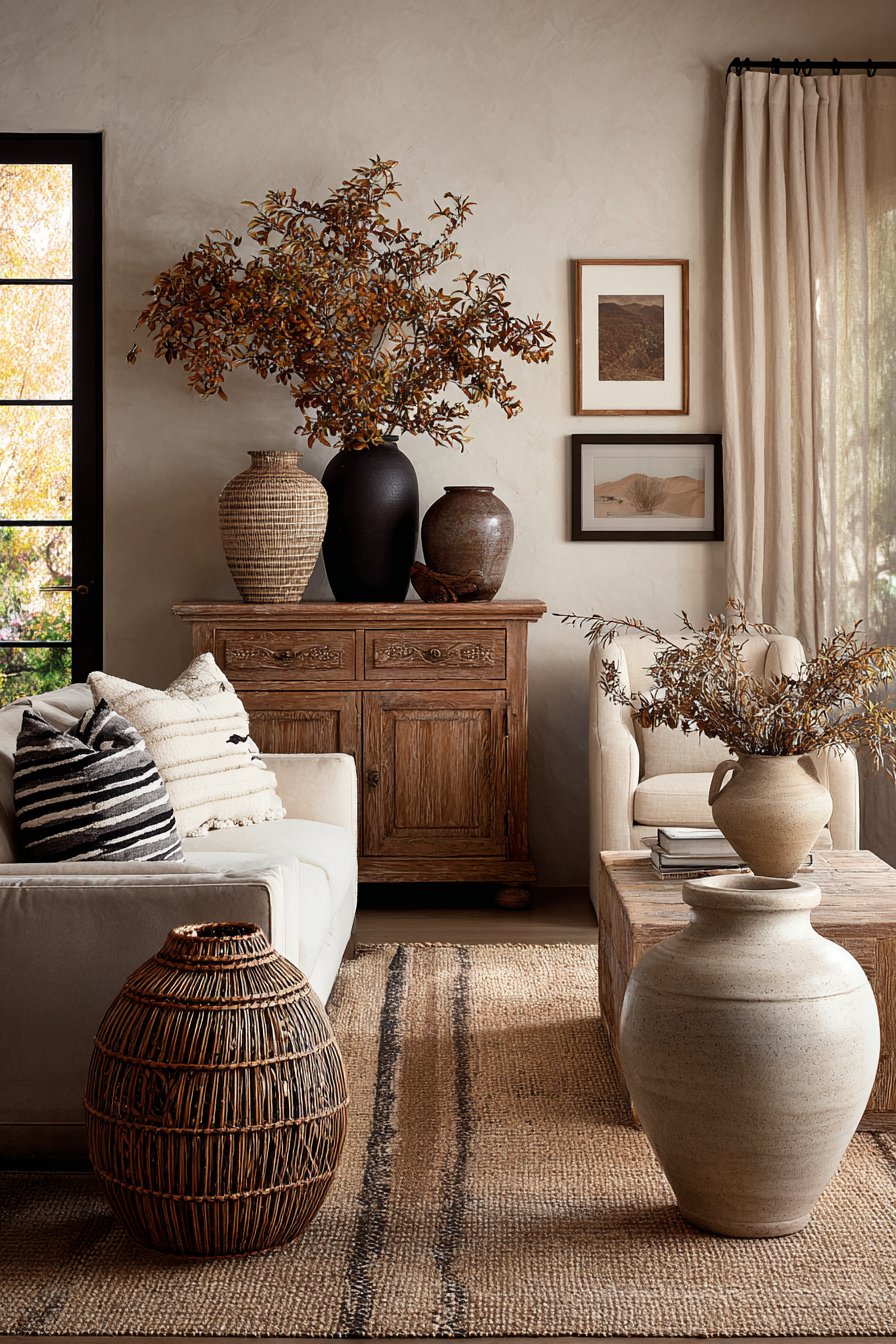
A low-profile coffee table crafted from light oak showcases the wood’s visible grain patterns, bringing organic beauty and authenticity to the arrangement. The table’s minimal height maintains sightlines across the room while providing practical surface space for books, beverages, and decorative objects. Beneath, a natural fiber area rug grounds the furniture grouping, its woven texture adding another layer of tactile interest to the space.
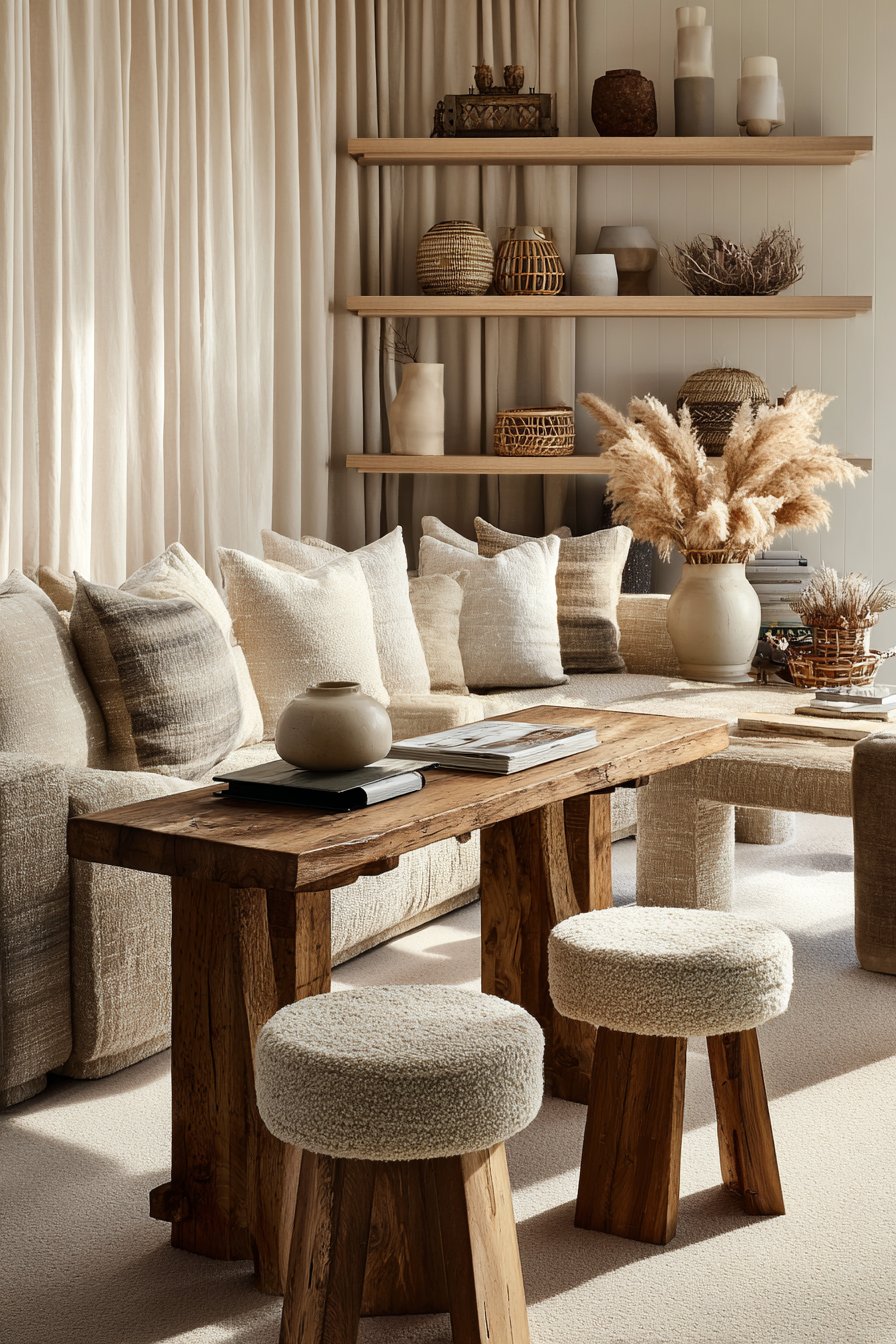
The walls, painted in a soft greige, create a warm backdrop that shifts subtly with the changing quality of natural light throughout the day. Large windows dressed with gauzy white curtains allow sunlight to stream through, casting gentle shadows that dance across the textured surfaces and highlight the varied materials in the room. This interplay of light and shadow adds dynamic visual interest to the neutral palette.
Key Design Tips:
- Choose sofas with deep seating and loose cushions for maximum comfort and a relaxed aesthetic
- Layer throw blankets in similar tones but different textures for visual richness
- Select coffee tables at a lower profile to maintain open sightlines in the space
- Use natural fiber rugs to introduce organic texture underfoot
- Paint walls in greige to create warmth while maintaining neutral sophistication
- Hang sheer curtains to filter natural light while preserving brightness
3. Sophisticated Monochromatic Palette
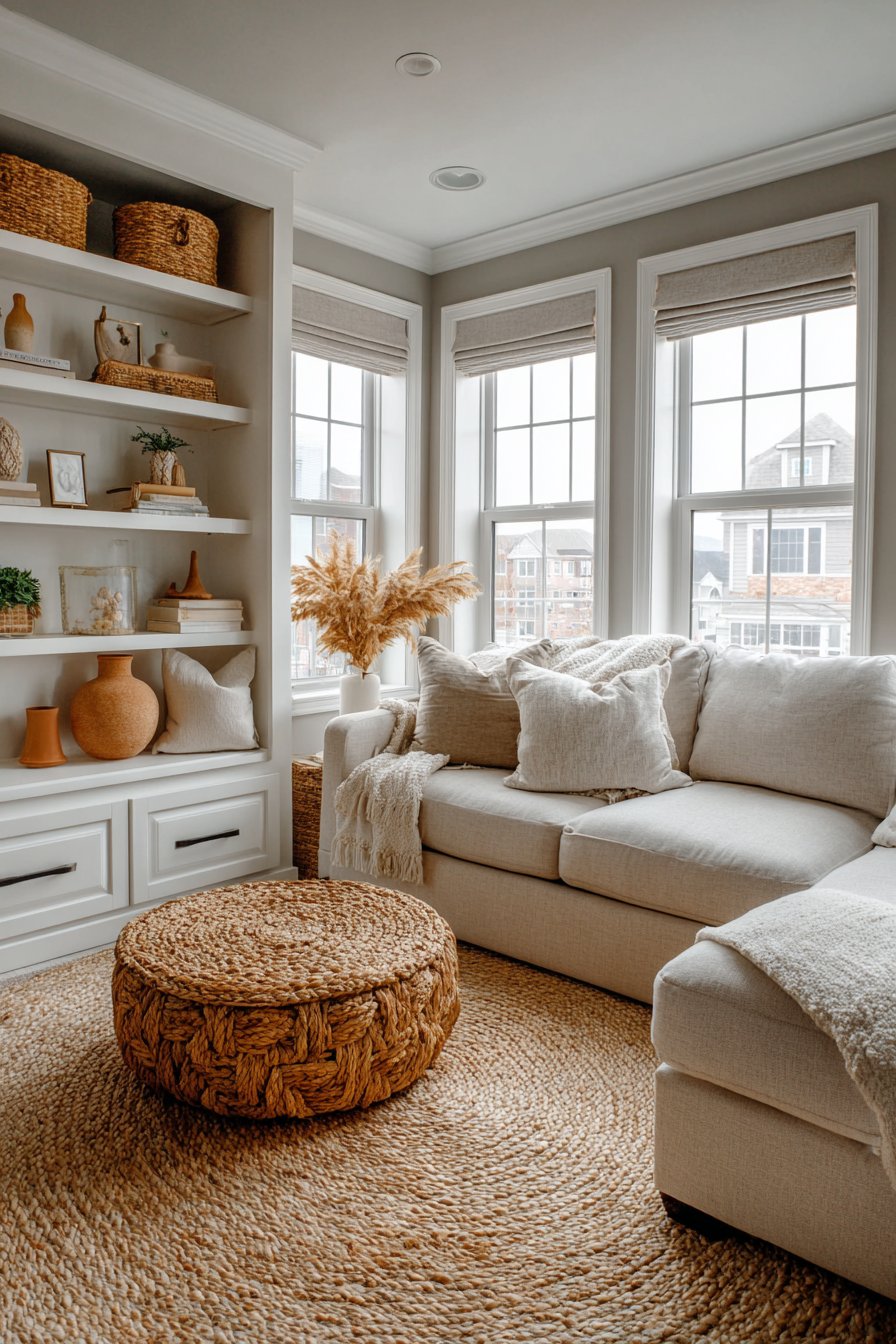
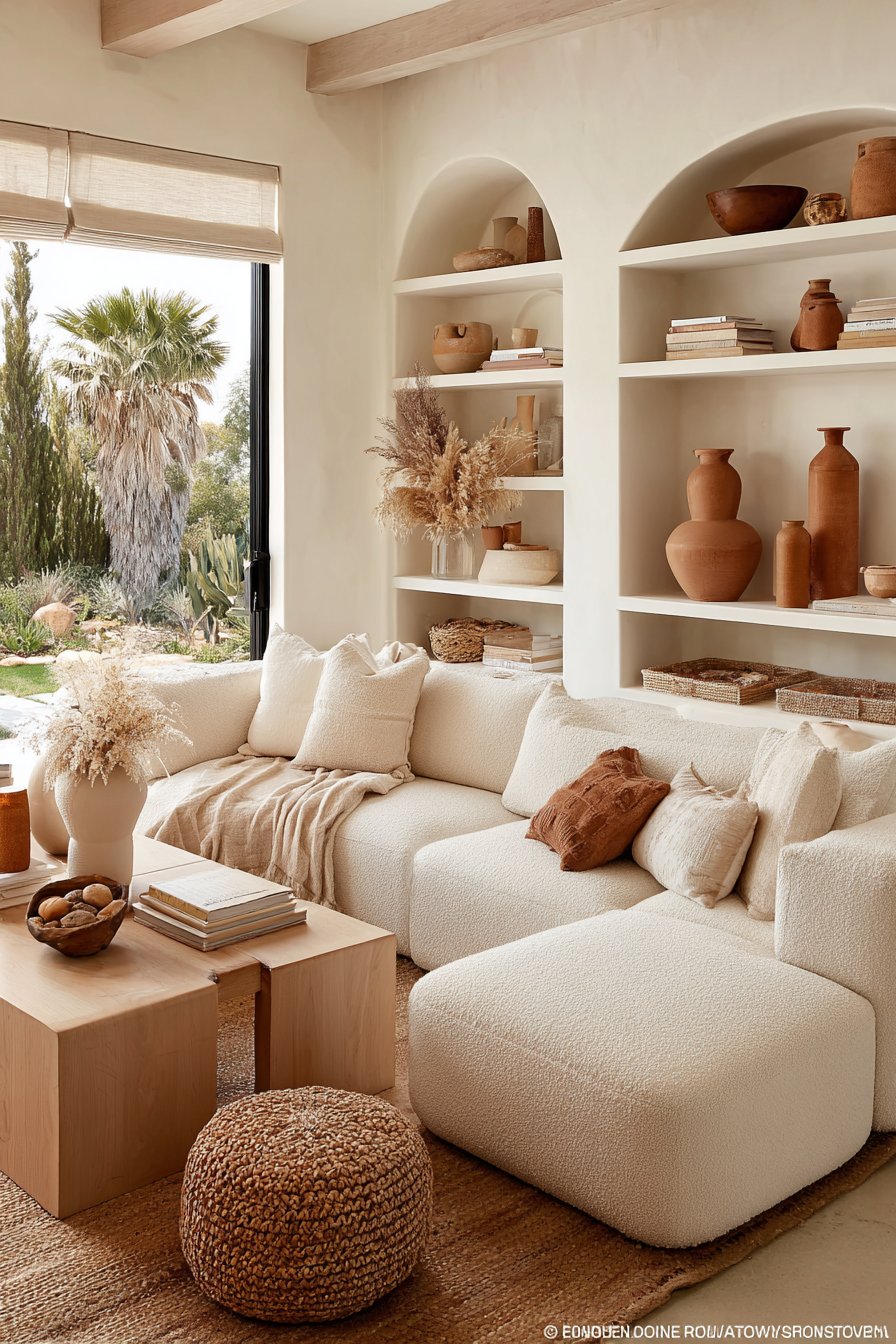
This design demonstrates the refined beauty achievable within a strictly monochromatic approach, where a taupe velvet sofa serves as the luxurious centerpiece. The velvet upholstery catches and reflects light differently throughout the day, creating subtle variations in appearance that keep the eye engaged despite the limited color range. Paired with ivory accent chairs featuring natural linen upholstery, the seating arrangement creates a sophisticated conversation area that balances formality with approachability.
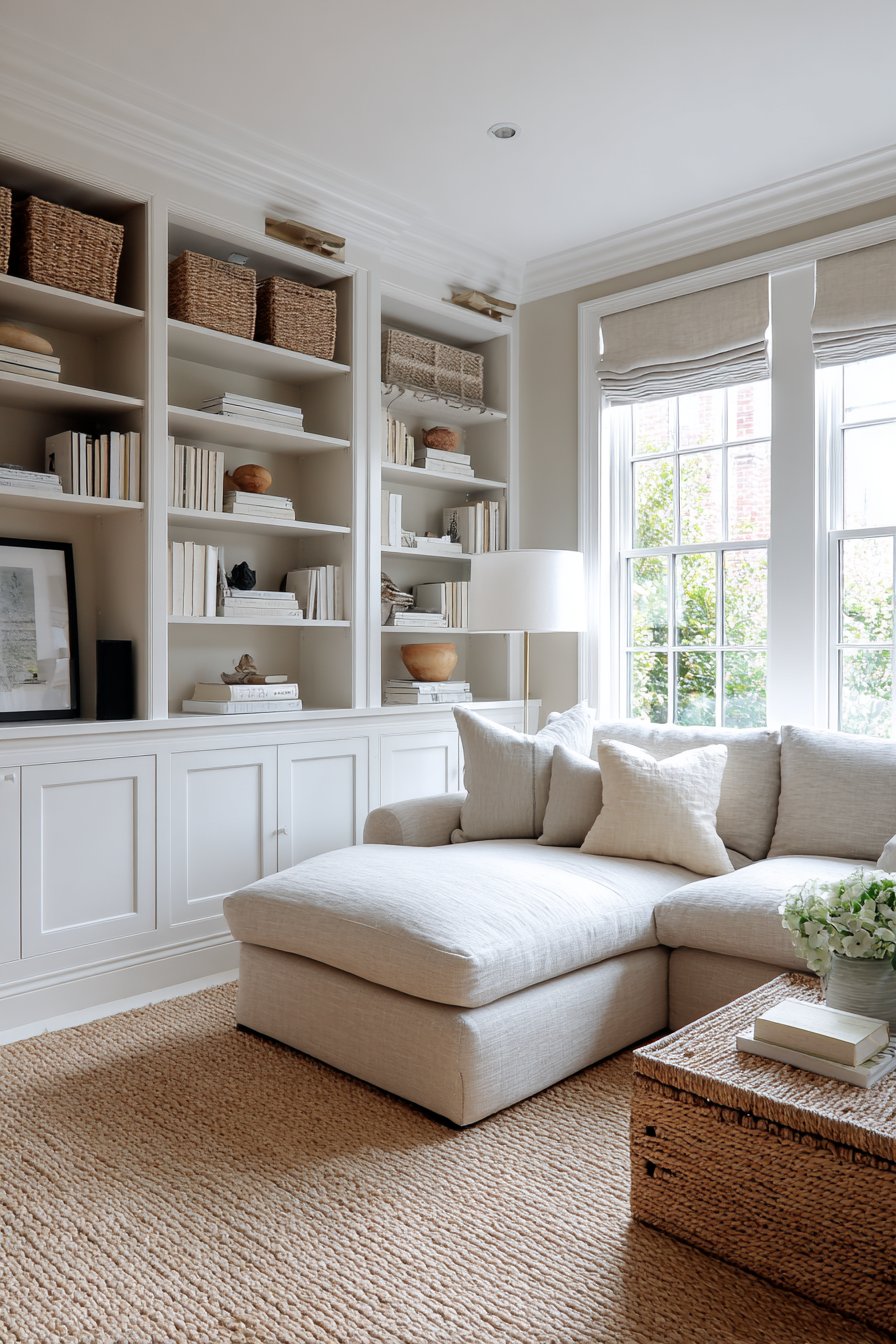
A rustic wooden console table positioned behind the sofa provides both practical storage and an opportunity for artful display. Simple ceramic vases in matte finishes and woven decorative objects arranged on its surface introduce organic shapes and handcrafted quality that prevent the monochromatic scheme from feeling too polished or cold. The console’s weathered wood finish adds character and a sense of history to the contemporary arrangement.
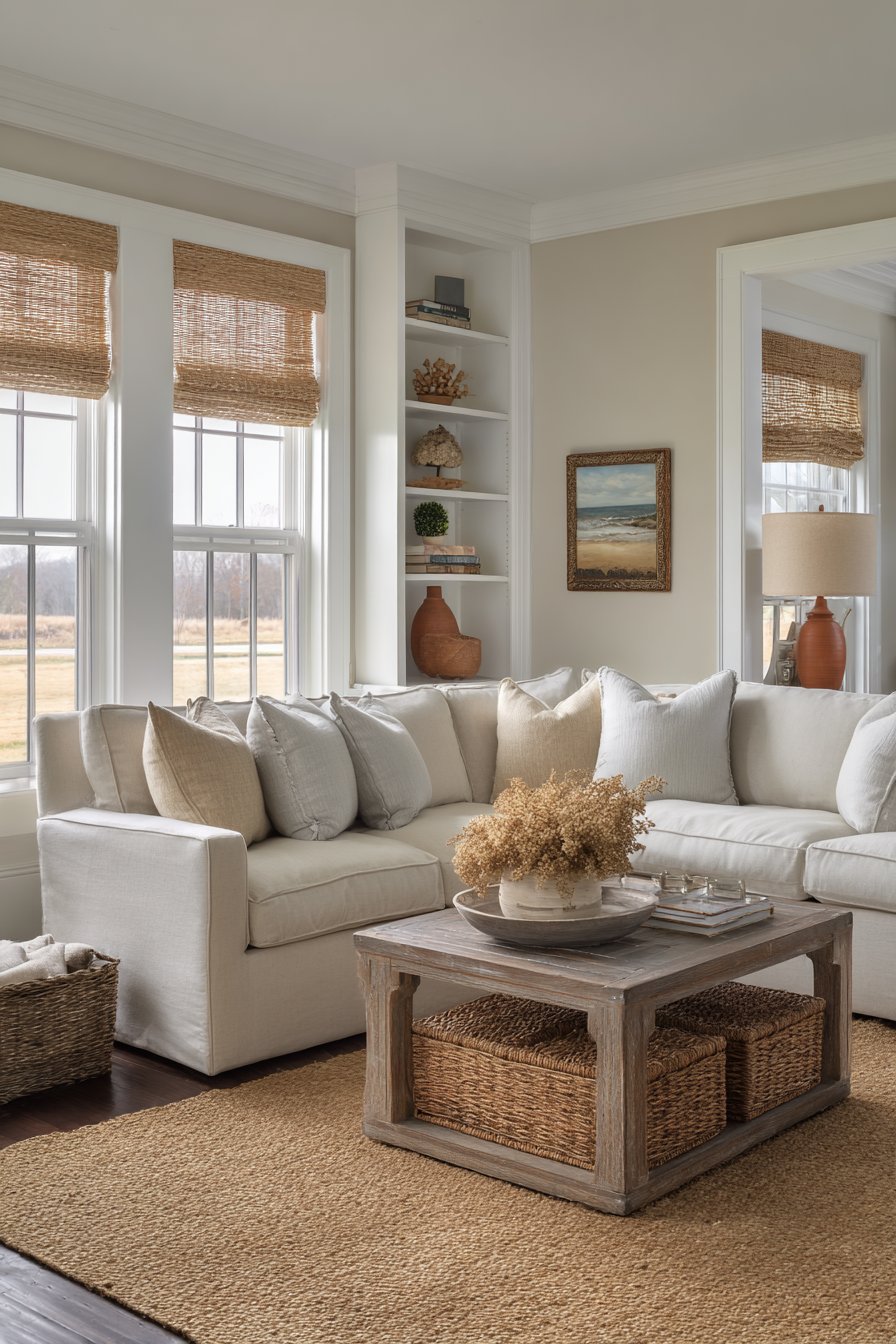
The space showcases masterful use of layered neutral tones, ranging from sand to mushroom grey, each shade carefully selected to create subtle transitions rather than stark contrasts. Soft afternoon light filtering through the windows highlights these varied textures and subtle color gradations, revealing the complexity and thoughtfulness behind the seemingly simple palette. The result is a room that feels cohesive yet never monotonous.
Key Design Tips:
- Incorporate velvet upholstery to add luxury and light-reflecting properties to neutral spaces
- Mix seating types and fabrics within the same color family for visual variety
- Use console tables for both storage and curated display opportunities
- Select handcrafted ceramic and woven objects to introduce organic authenticity
- Layer tones from light to dark within your neutral palette for dimensional depth
- Position furniture to maximize how afternoon light reveals texture and color subtleties
4. Practical Storage Solutions
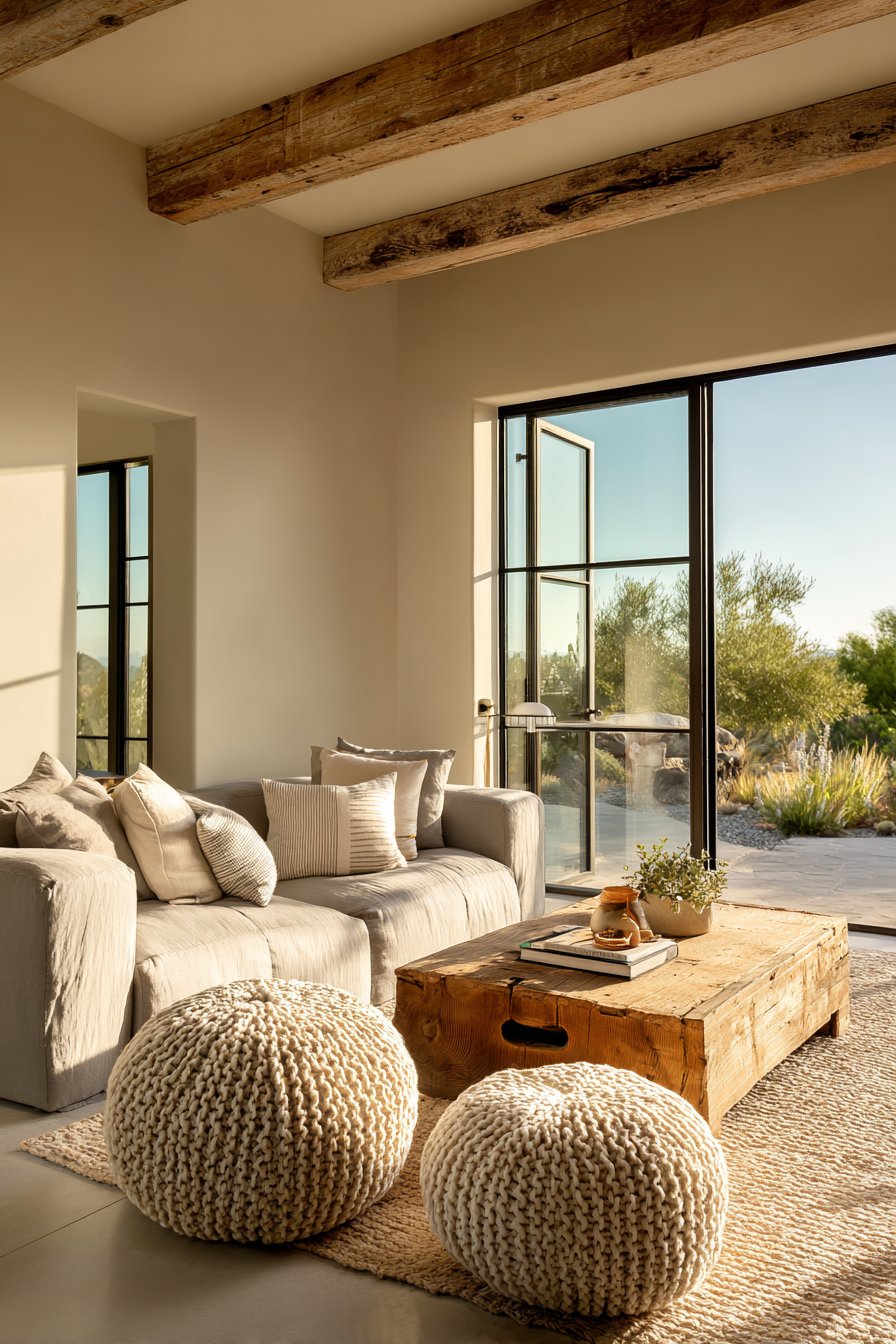
Functionality meets aesthetics in this thoughtfully designed space where built-in shelving in warm white provides extensive storage while maintaining the room’s neutral elegance. The shelving units, custom-fitted to the wall, house natural woven baskets that conceal clutter while adding textural interest, cream-bound books arranged by color for visual cohesion, and terracotta pottery that introduces earthy warmth without disrupting the neutral palette.
The beige sectional sofa offers ample seating for family and guests while seamlessly integrating into the neutral color scheme. Its generous proportions make it both practical for everyday use and sufficiently substantial to balance the visual weight of the built-in storage units. The sectional’s simple lines and neutral upholstery allow the architectural shelving to remain the focal point of the room.
A natural jute rug anchors the furniture arrangement, its tightly woven texture providing durability for high-traffic areas while contributing to the space’s organic aesthetic. Large windows dressed with simple roller shades in linen fabric offer precise light control without the visual bulk of traditional curtains, maintaining the room’s clean, uncluttered appearance while allowing for privacy when needed.
Key Design Tips:
- Install built-in shelving to maximize storage while creating architectural interest
- Use woven baskets in consistent neutral tones to conceal everyday items
- Arrange books by color to create visual cohesion on open shelving
- Choose sectional sofas for spaces that need flexible, abundant seating
- Select jute rugs for durability in high-traffic family areas
- Install roller shades for clean-lined window treatments with excellent light control
5. Stone Grey Intimacy
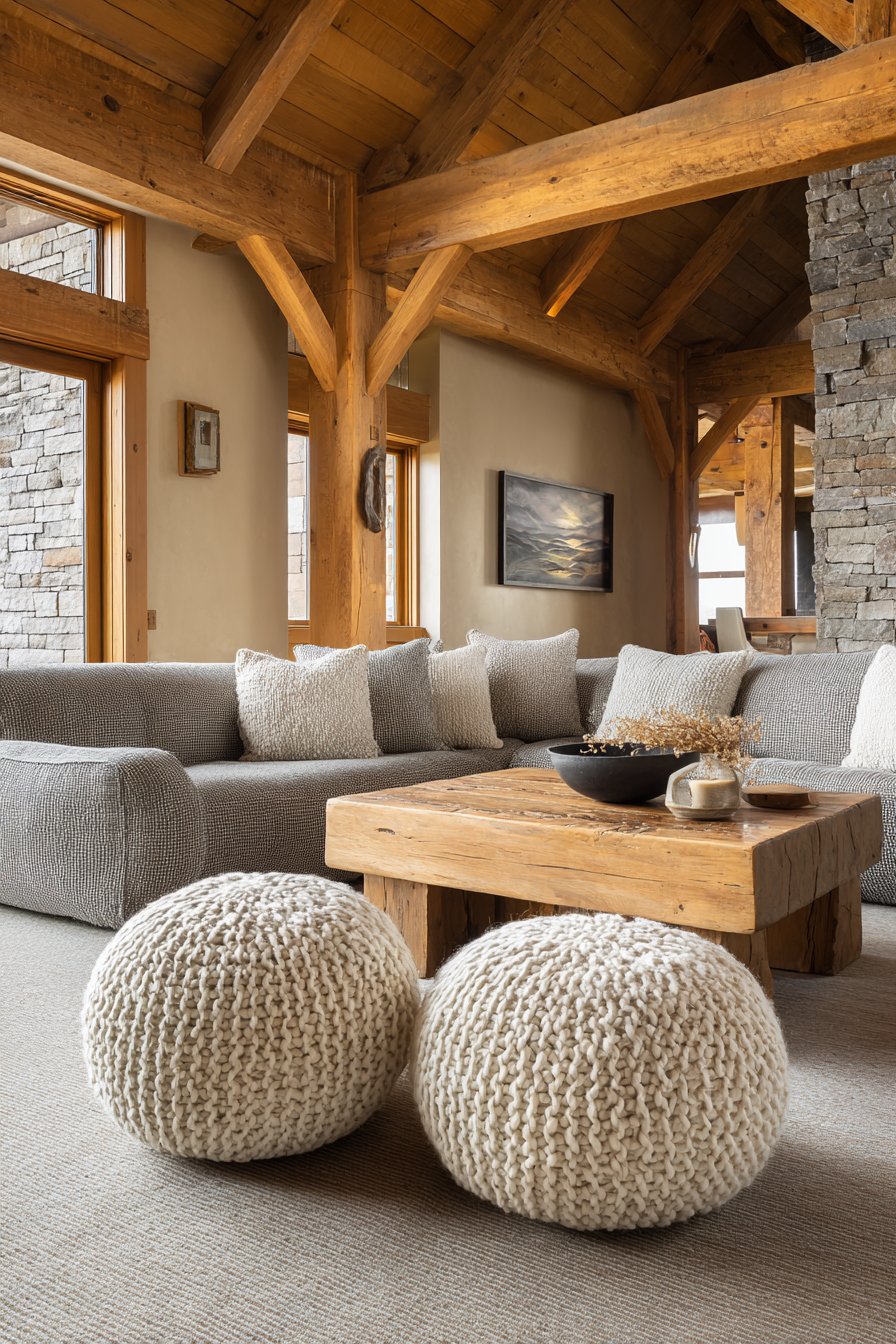
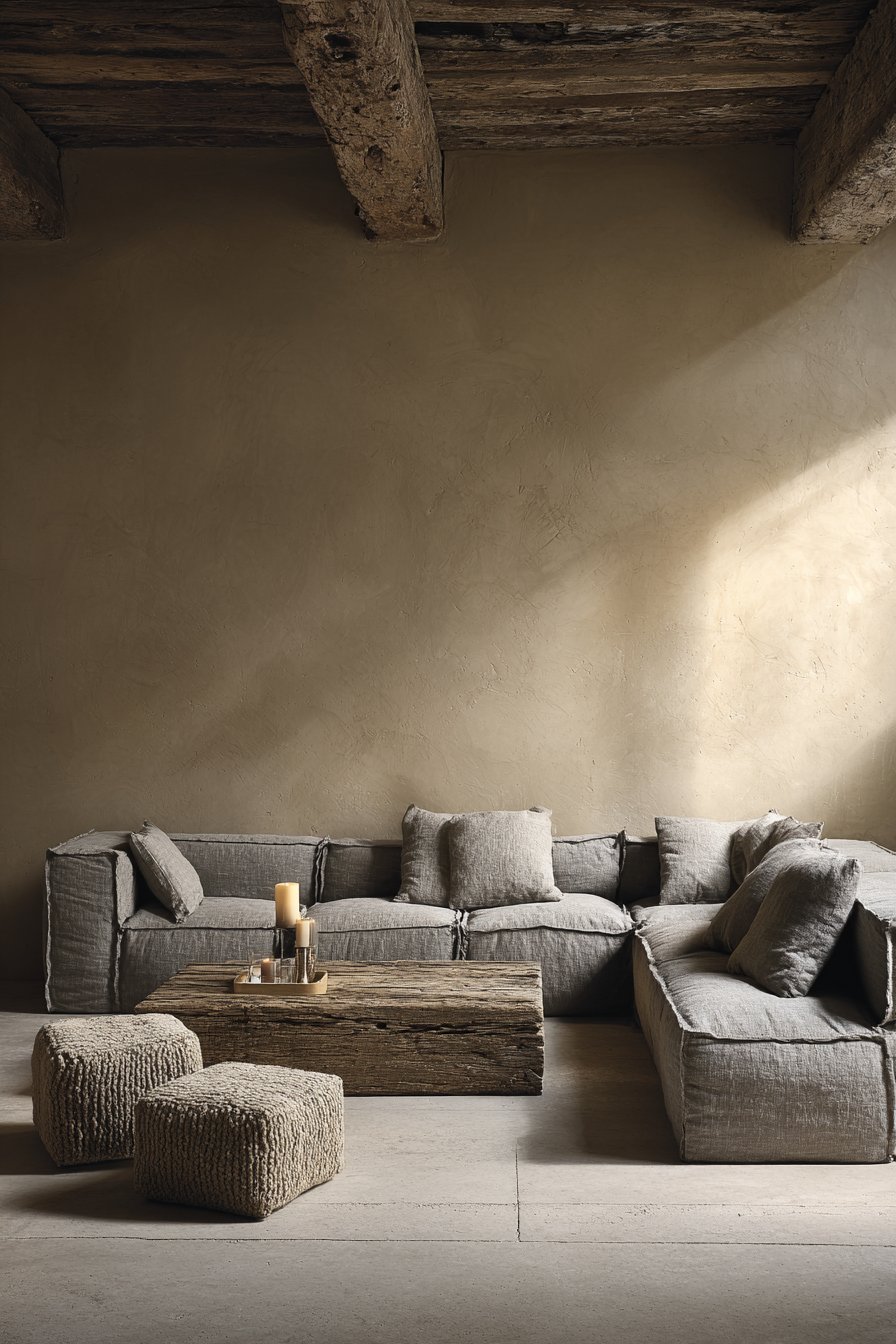
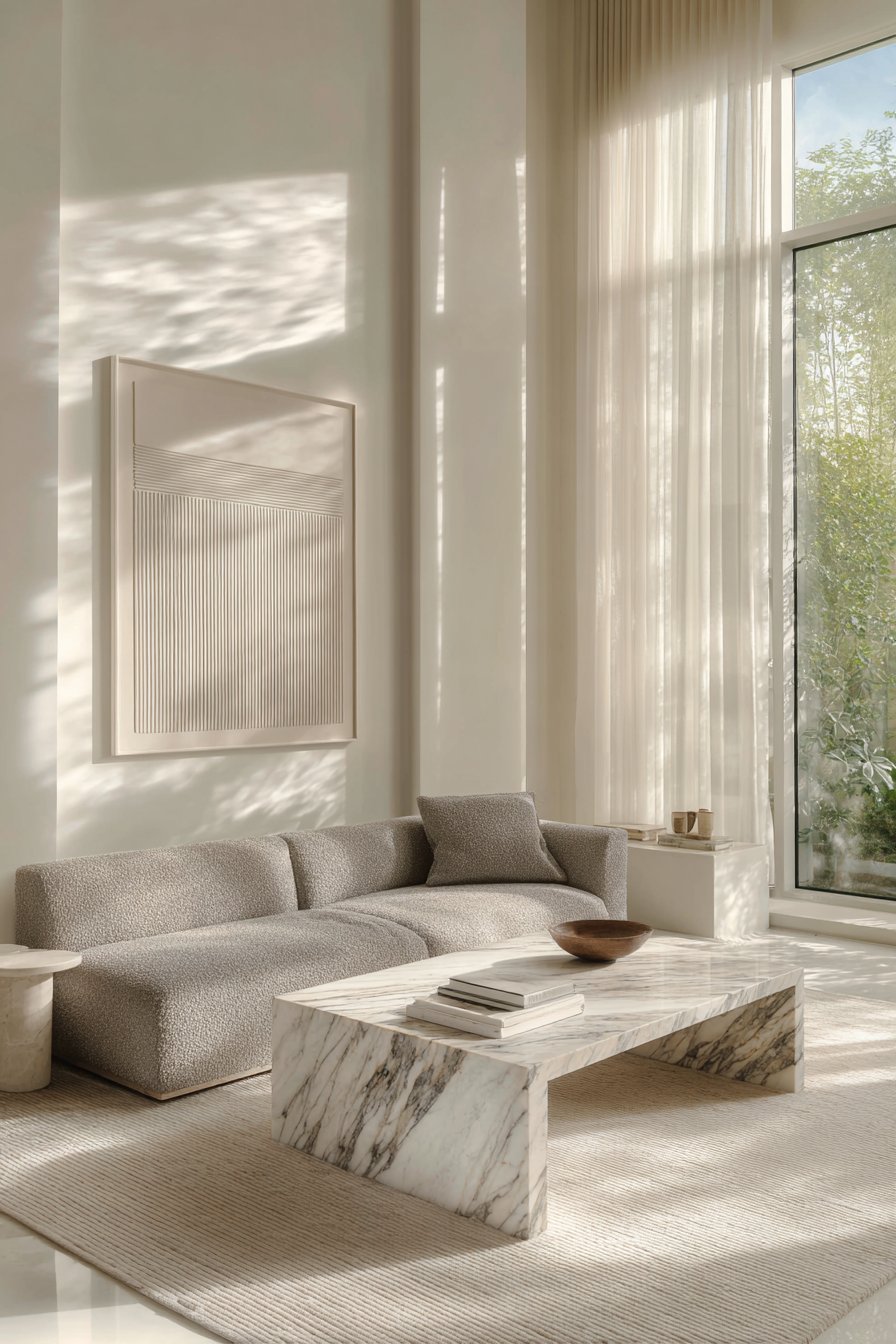
The stone-grey modular sofa with removable linen slipcovers serves as the practical yet beautiful foundation of this intimate living space. The modular design allows for flexible arrangements to suit different occasions, while the slipcovers offer the practical advantage of easy cleaning—essential for real-life living. The sofa’s arrangement creates a U-shaped conversation area that encourages face-to-face interaction and comfortable gatherings.
A reclaimed wood beam repurposed as a rustic coffee table brings raw, organic beauty to the refined setting. Its substantial proportions and weathered surface tell a story of previous use, adding character and authenticity that new furniture simply cannot replicate. Paired with poufs upholstered in natural undyed wool, the seating area offers flexible additional seating that can be easily moved as needed.
Walls painted in warm sand tone create an enveloping atmosphere that feels both cozy and sophisticated. The slightly warmer undertone prevents the grey sofa from reading as cold or institutional, instead creating a balanced palette that feels inviting throughout the day. Golden hour sunlight streaming through the windows creates soft highlights on the textured fabrics, emphasizing the tactile quality of the linen and wool while casting gentle shadows that add depth to the space.
Key Design Tips:
- Choose modular sofas with removable slipcovers for flexibility and easy maintenance
- Repurpose architectural salvage like wood beams as unique furniture pieces
- Add poufs for flexible, movable seating that doesn’t overwhelm small spaces
- Paint walls in warm sand tones to prevent grey furnishings from feeling cold
- Position seating to maximize the impact of golden hour light
- Select undyed natural fibers for authentic, sustainable textile choices
6. Minimalist Marble Elegance
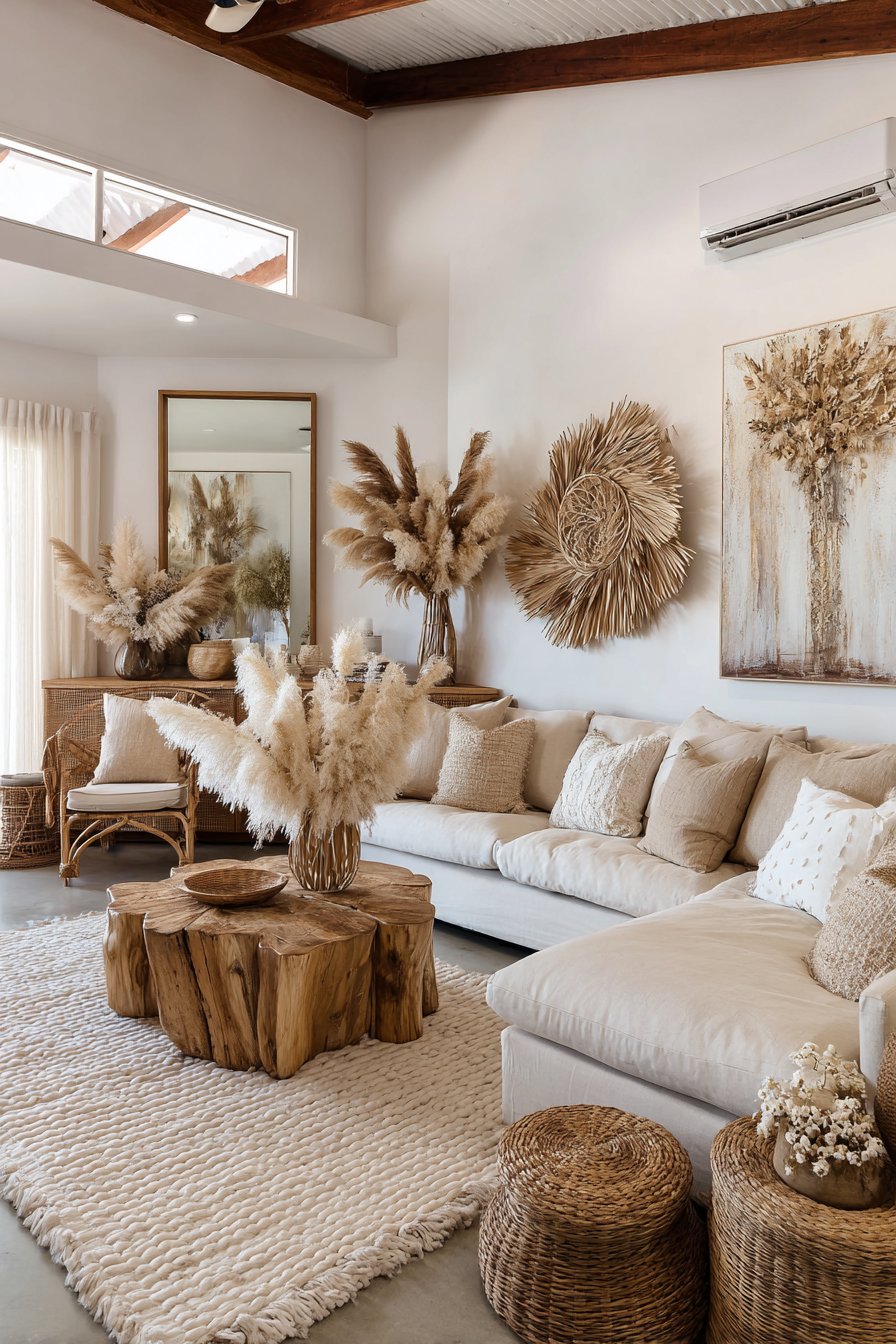
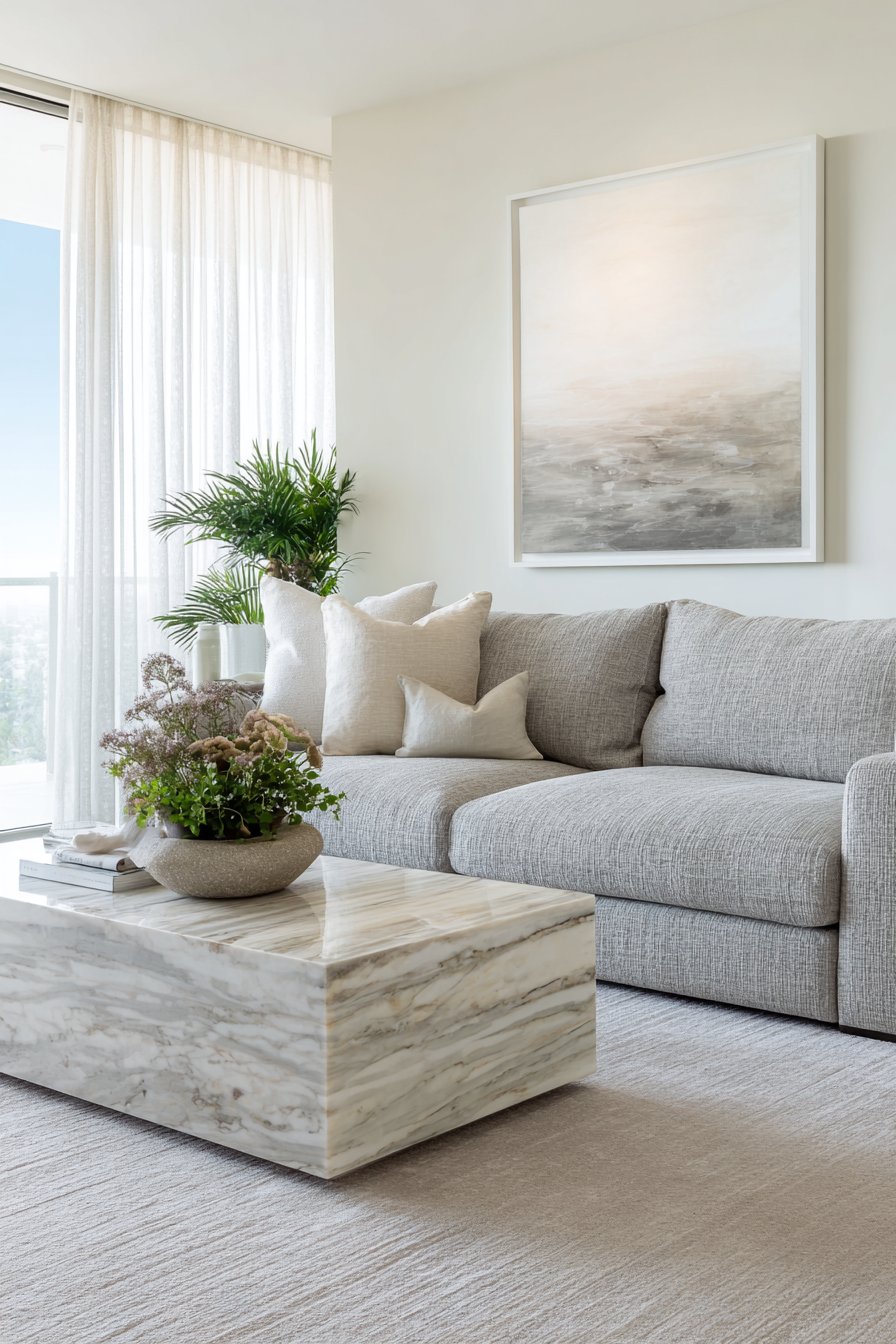
This design embraces minimalist principles while maintaining warmth through careful material selection and thoughtful spatial composition. The low-profile sofa in heather grey fabric sits close to the ground, its horizontal emphasis creating a sense of calm and visual stability. The restrained silhouette and neutral upholstery allow other elements in the room to shine without competing for attention.
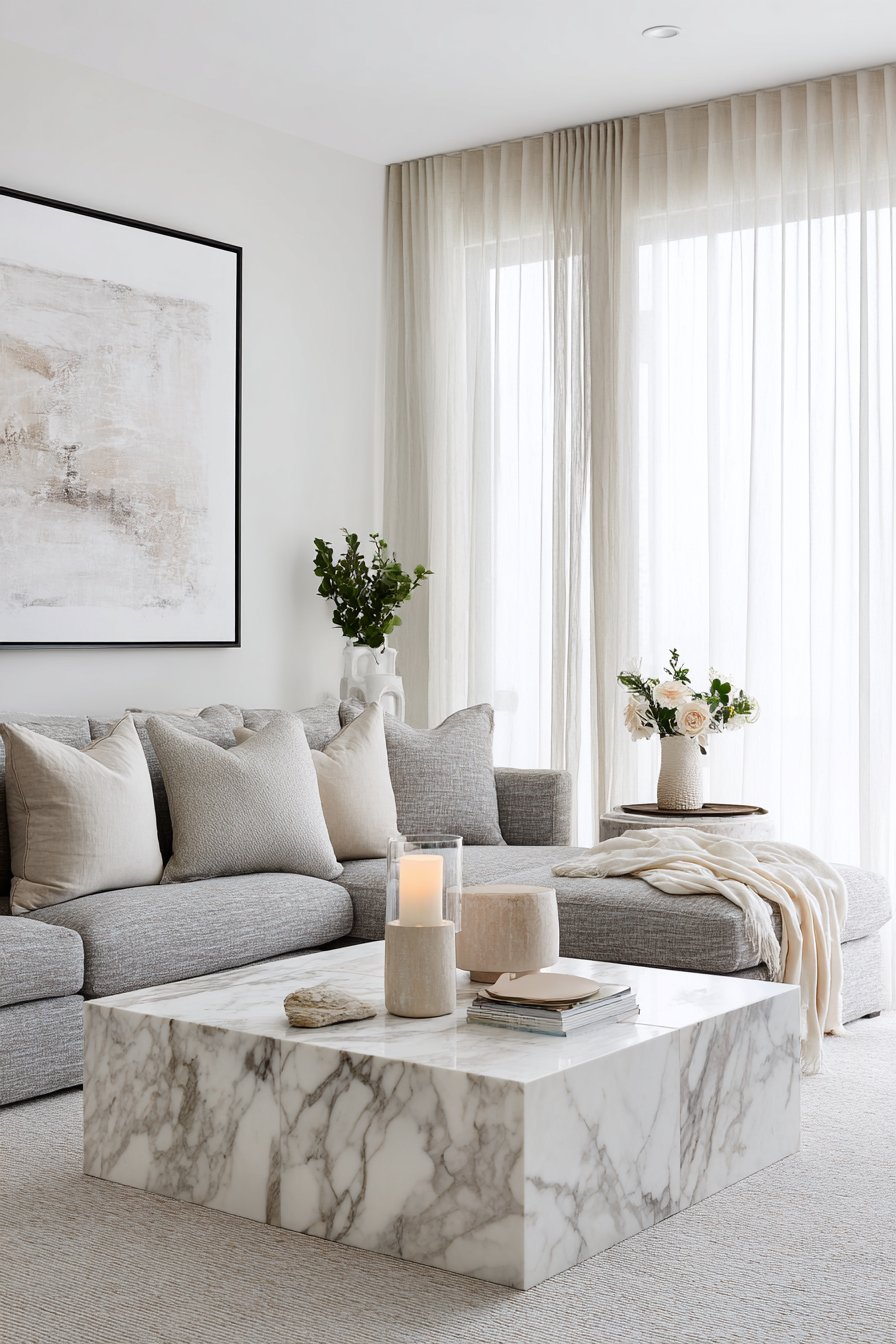
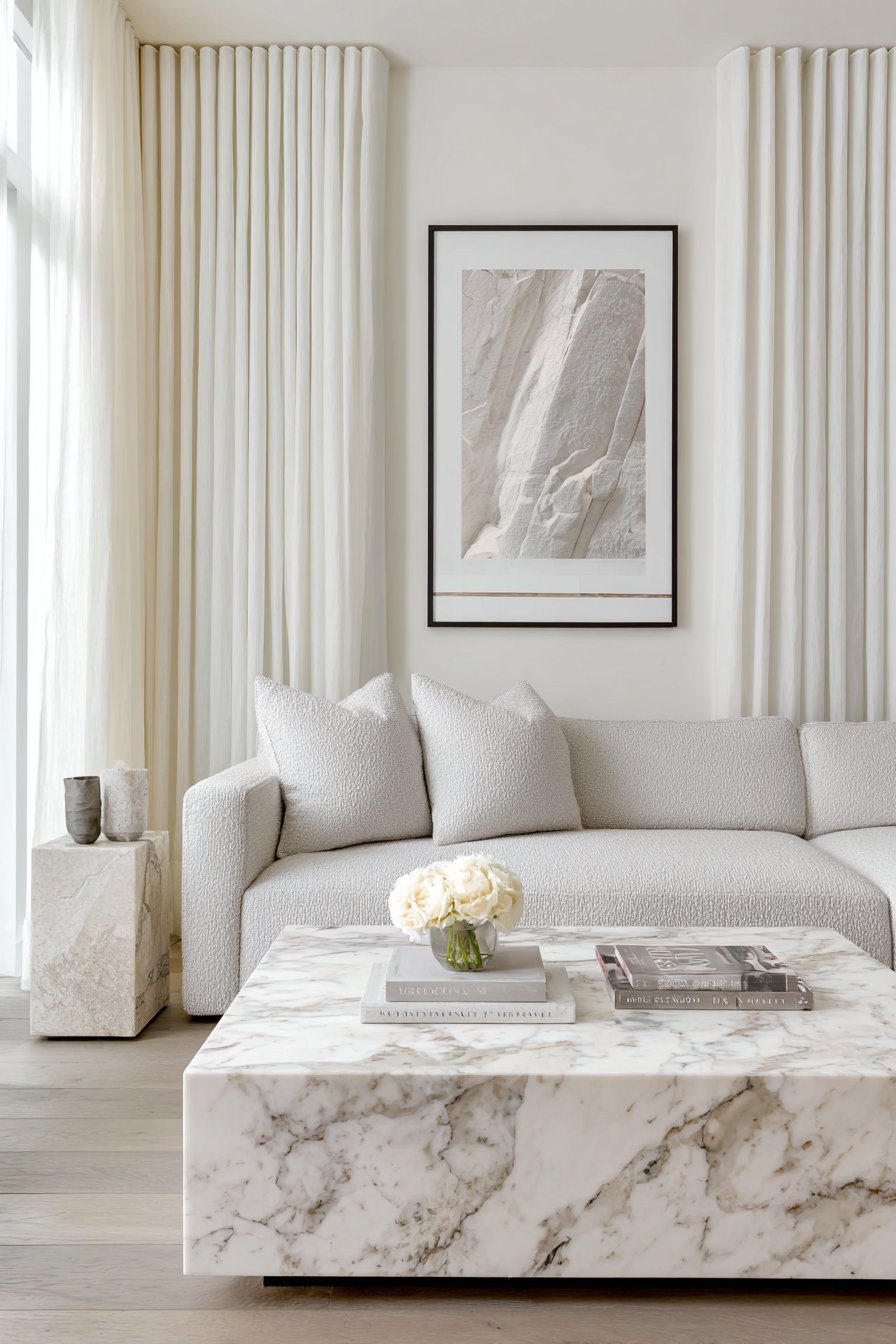
A sleek marble coffee table in cream with subtle grey veining serves as the room’s sculptural centerpiece. The natural stone’s cool elegance contrasts beautifully with the soft textile of the sofa, while its veining patterns introduce organic movement to the otherwise geometric composition. The marble’s polished surface reflects light, adding brightness to the space and creating visual interest through its natural variations.
Sheer curtains in natural white linen diffuse bright natural light, creating an ethereal quality that enhances the room’s serene atmosphere. A single large abstract artwork in neutral tones—creams, taupes, and soft greys—serves as the focal point above the sofa, its generous scale appropriate for the minimalist setting where fewer elements mean each one carries more visual weight.
Key Design Tips:
- Select low-profile furniture to create visual calm and emphasize horizontal lines
- Incorporate marble elements for cool elegance and natural pattern
- Hang oversized artwork in minimalist spaces where each piece must make an impact
- Use sheer linen curtains to diffuse harsh light while maintaining brightness
- Limit accessories in minimalist designs, allowing each element to be appreciated
- Choose cream marble with grey veining to bridge warm and cool neutrals
7. Natural Material Harmony
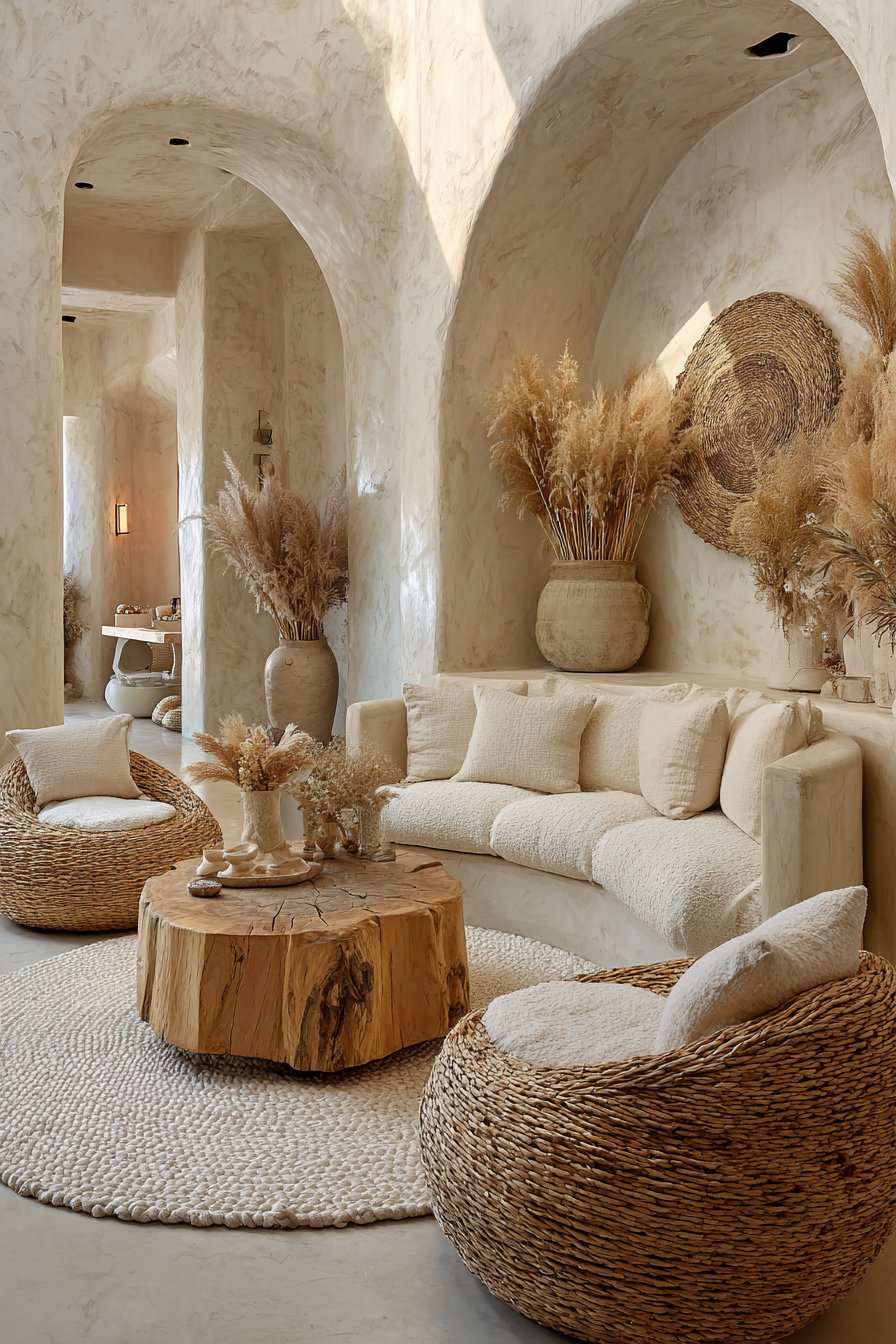
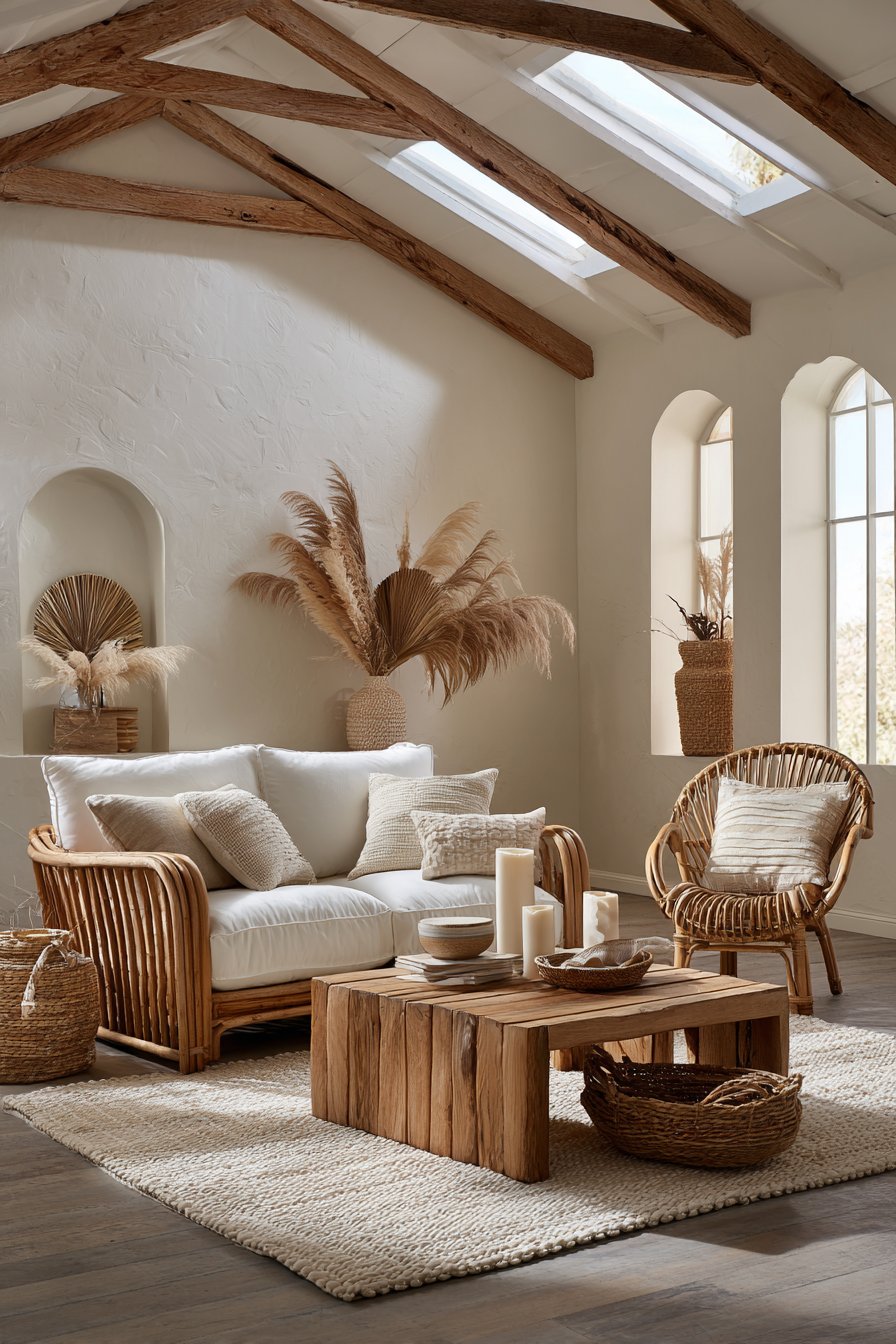
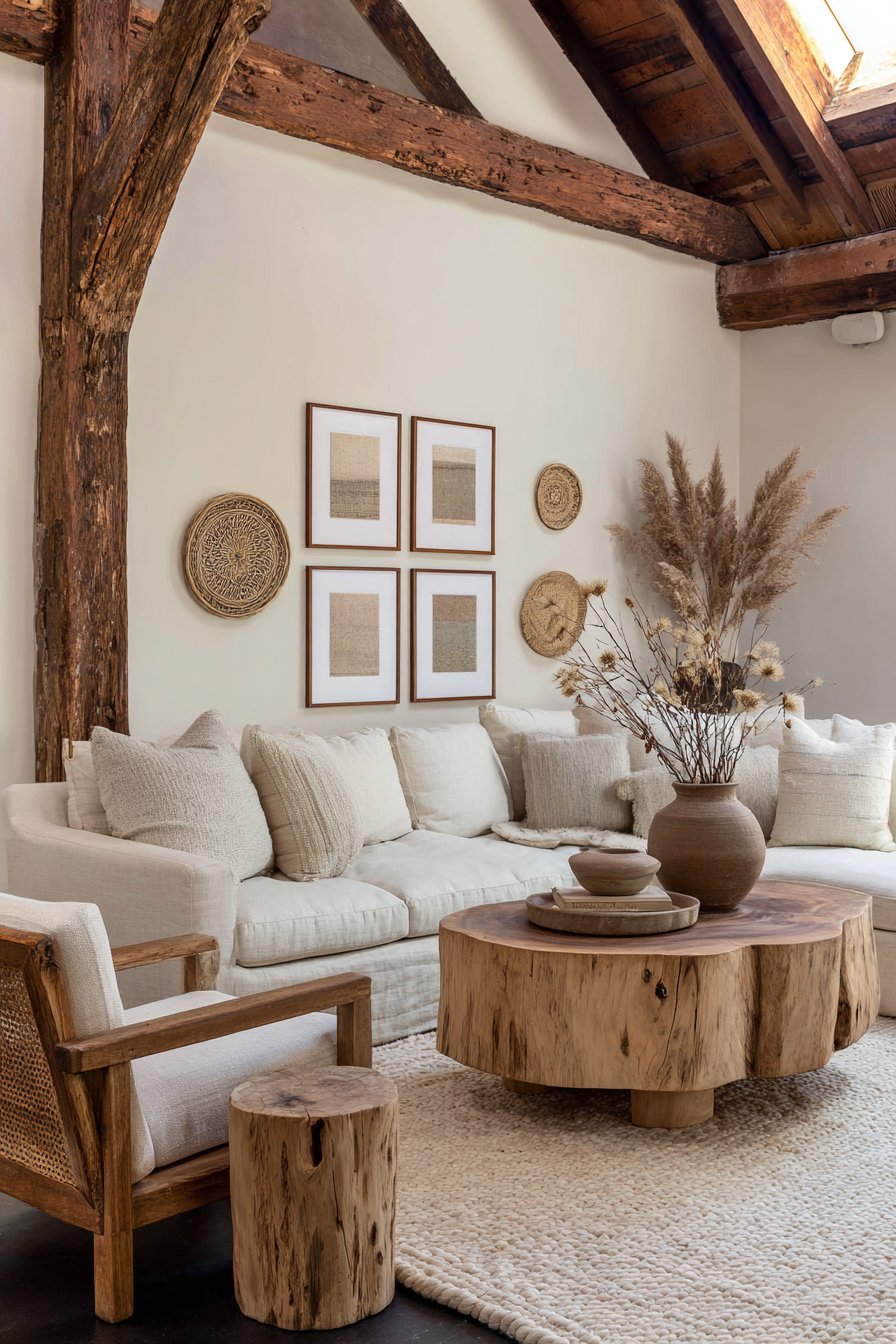
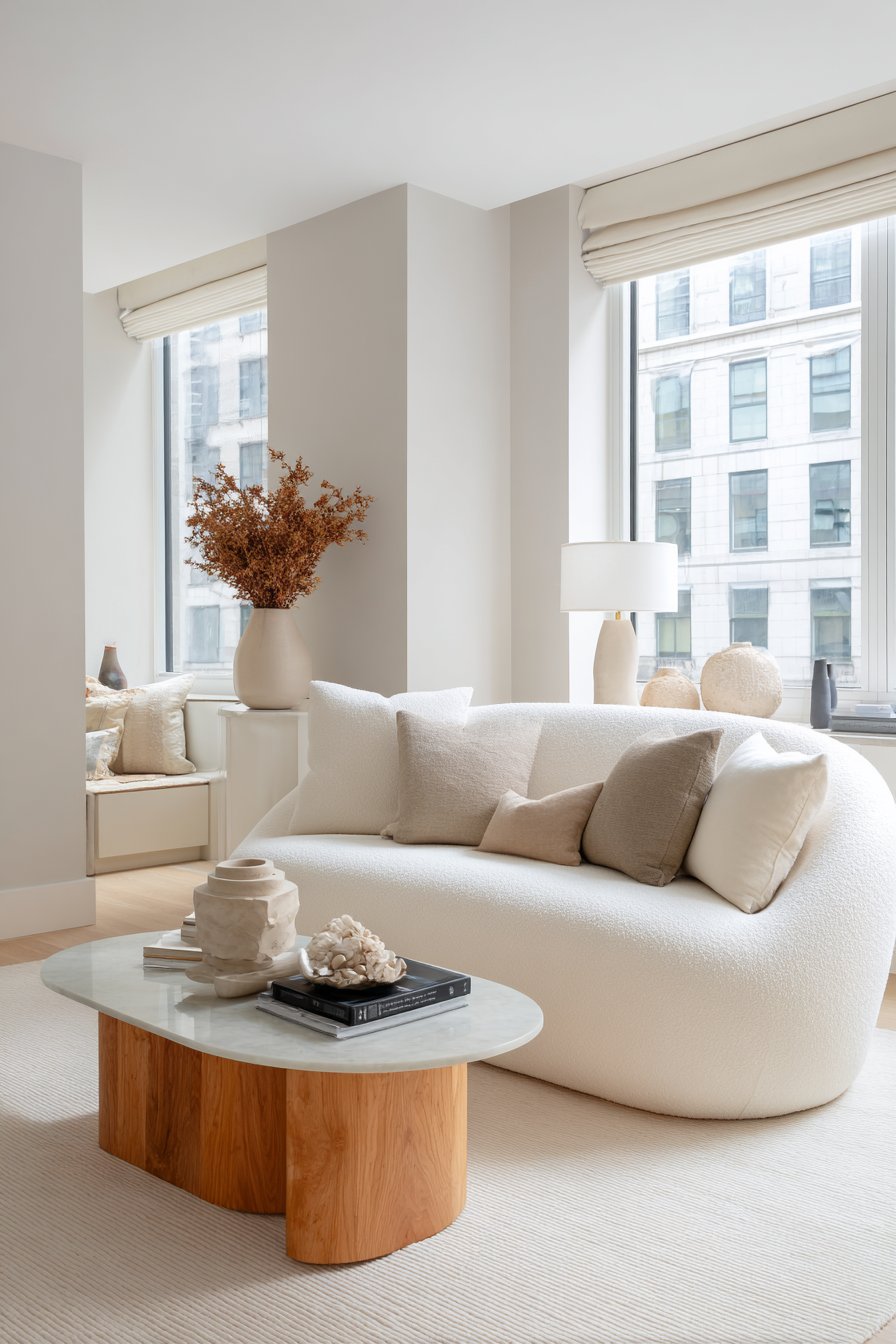
This space celebrates the inherent beauty of natural materials, beginning with a rattan accent chair that introduces organic texture and artisanal craftsmanship. The chair’s woven construction creates intricate shadow patterns when illuminated by natural light, adding visual complexity without relying on color or pattern. Paired with a beige linen sofa, the combination demonstrates how different natural materials can work together harmoniously.
A chunky braided wool rug in cream anchors the seating arrangement, its substantial texture adding weight and warmth underfoot. The rug’s handcrafted quality is evident in the irregular braiding and slight variations in tone—imperfections that actually enhance its appeal and authenticity. Above this foundation, a live-edge wood coffee table celebrates the tree’s natural form, with the bark edge preserved to showcase the wood’s organic origins.
Walls in soft ivory create an airy backdrop that allows the natural materials to take center stage. Woven wall hangings and arrangements of dried pampas grass introduce additional organic elements while adding vertical interest to the composition. Natural daylight from skylights provides gentle overhead illumination that shifts throughout the day, highlighting the varied textures and creating an ever-changing play of light and shadow across the natural materials.
Key Design Tips:
- Incorporate rattan furniture to add artisanal texture and organic warmth
- Choose chunky braided wool rugs for substantial texture and handcrafted authenticity
- Select live-edge wood furniture to celebrate natural forms and imperfections
- Use dried botanicals like pampas grass for textural interest without ongoing maintenance
- Paint walls in soft ivory to create an airy backdrop for natural materials
- Install skylights to provide overhead natural light that highlights textures
8. Contemporary Curved Sophistication
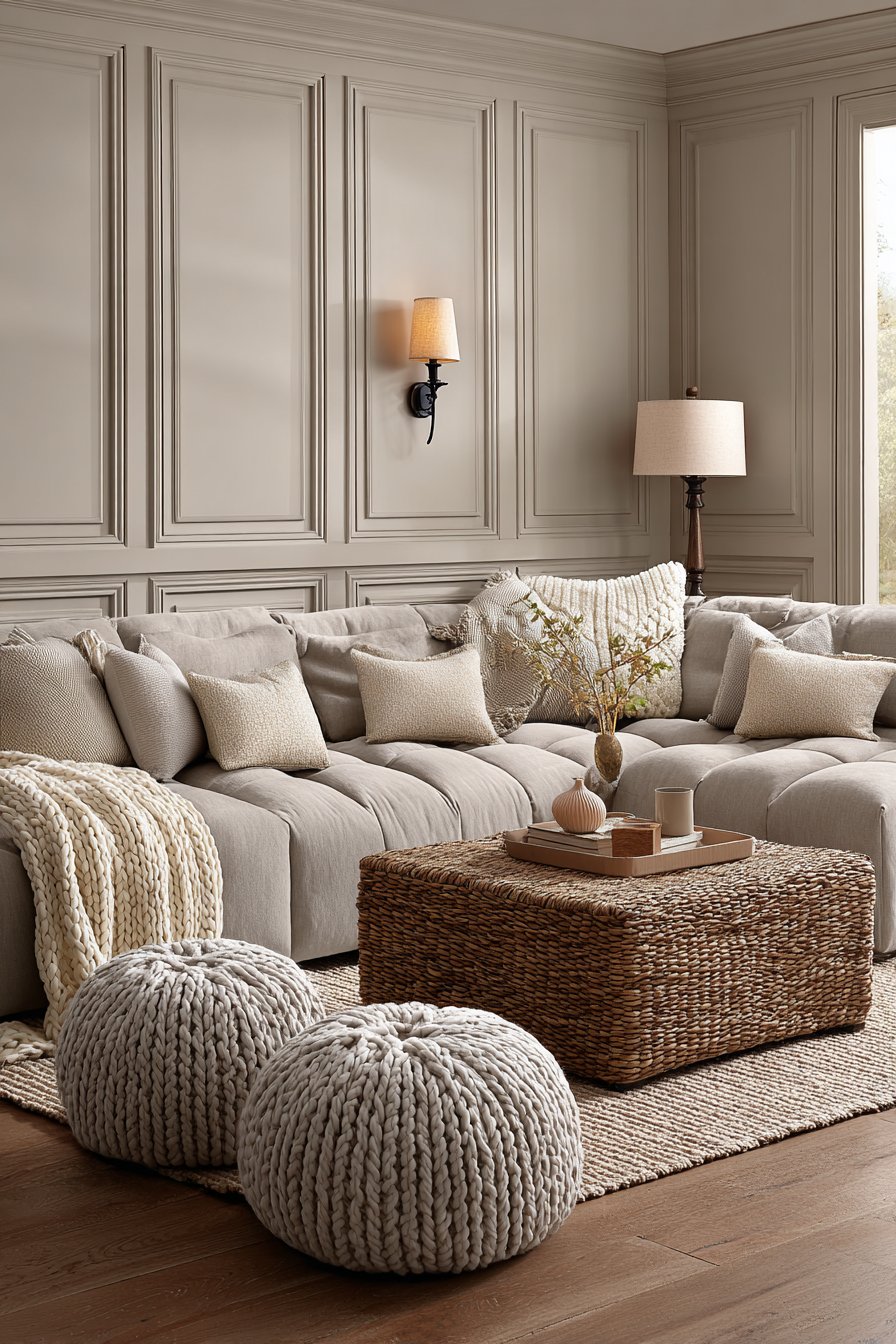
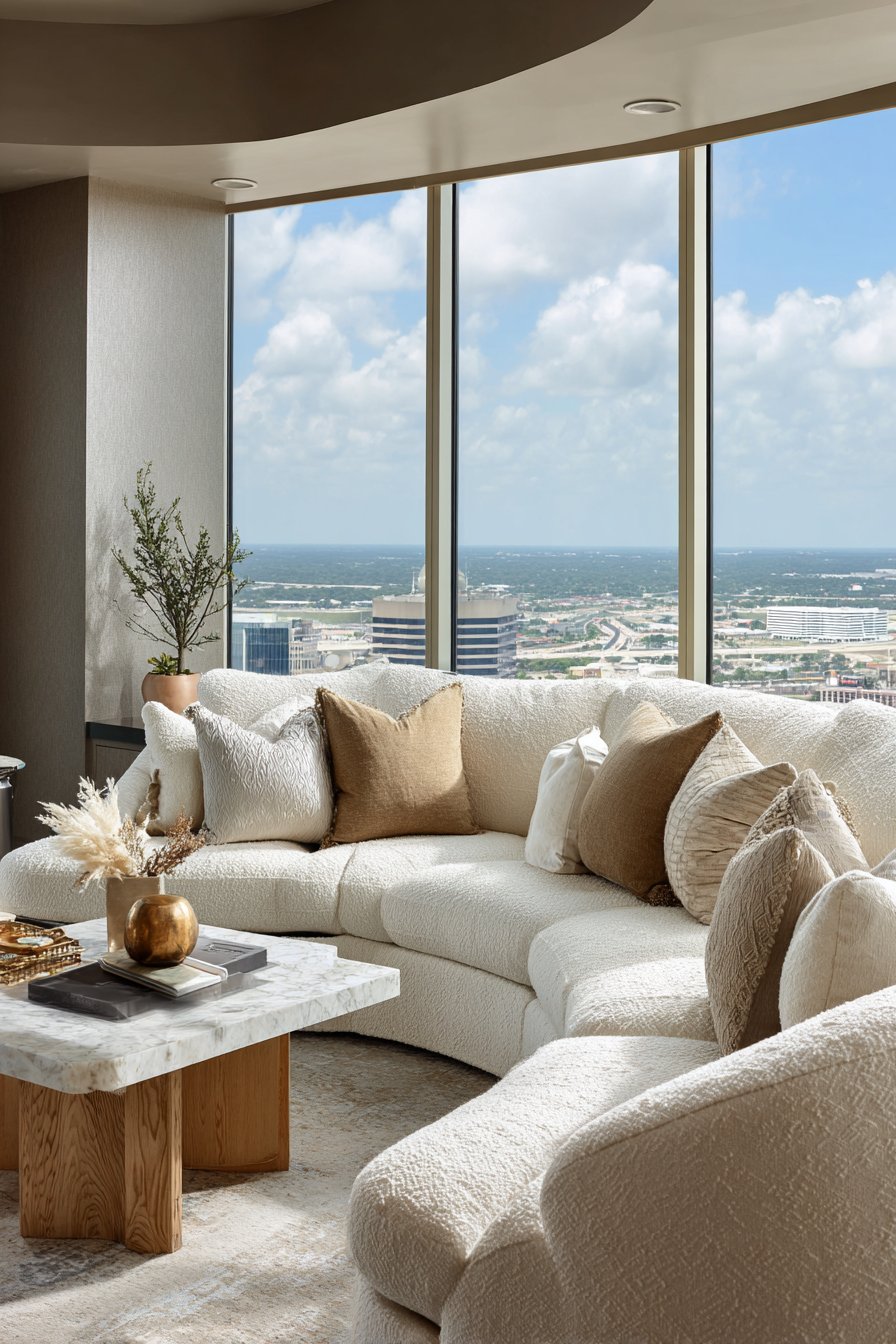
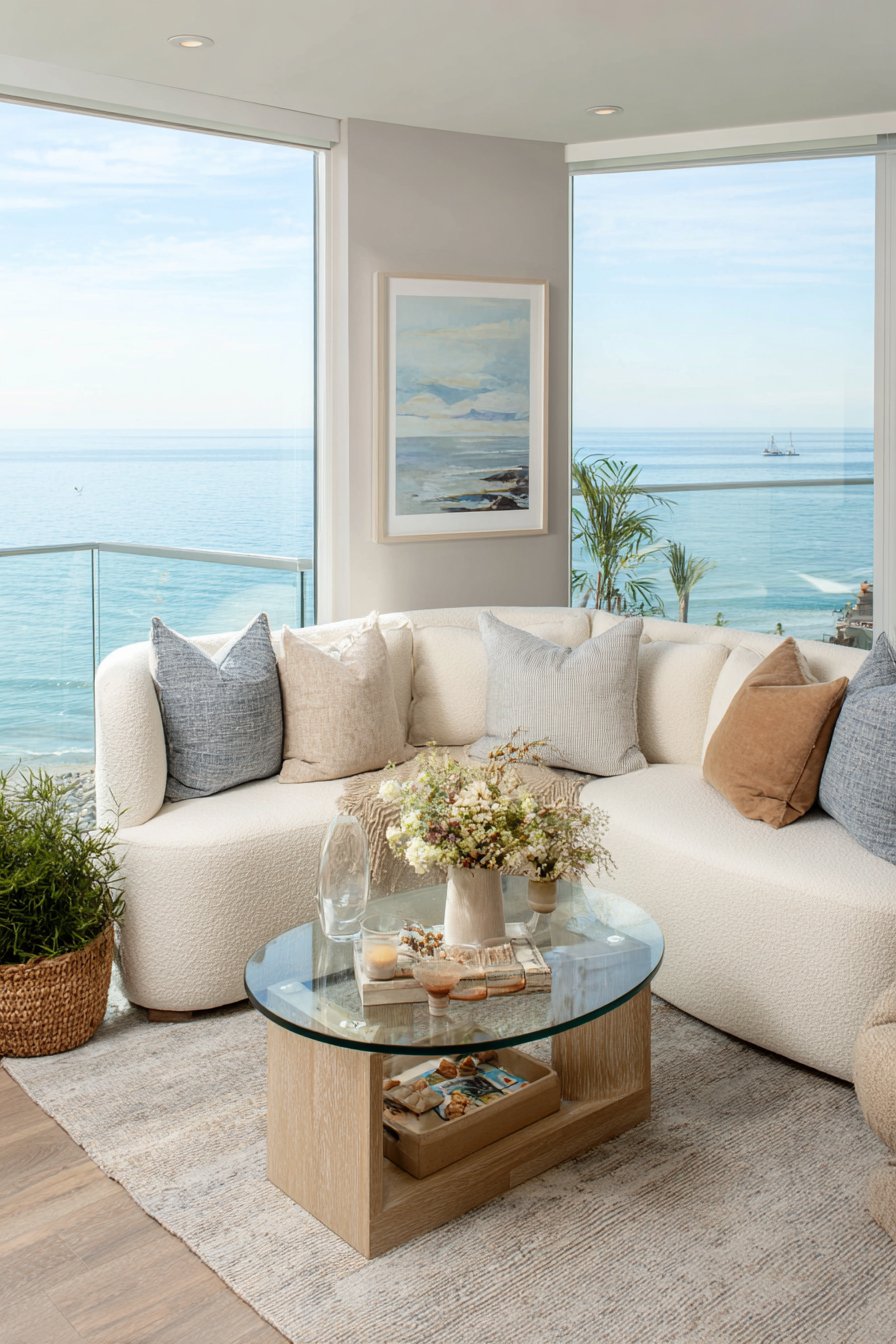
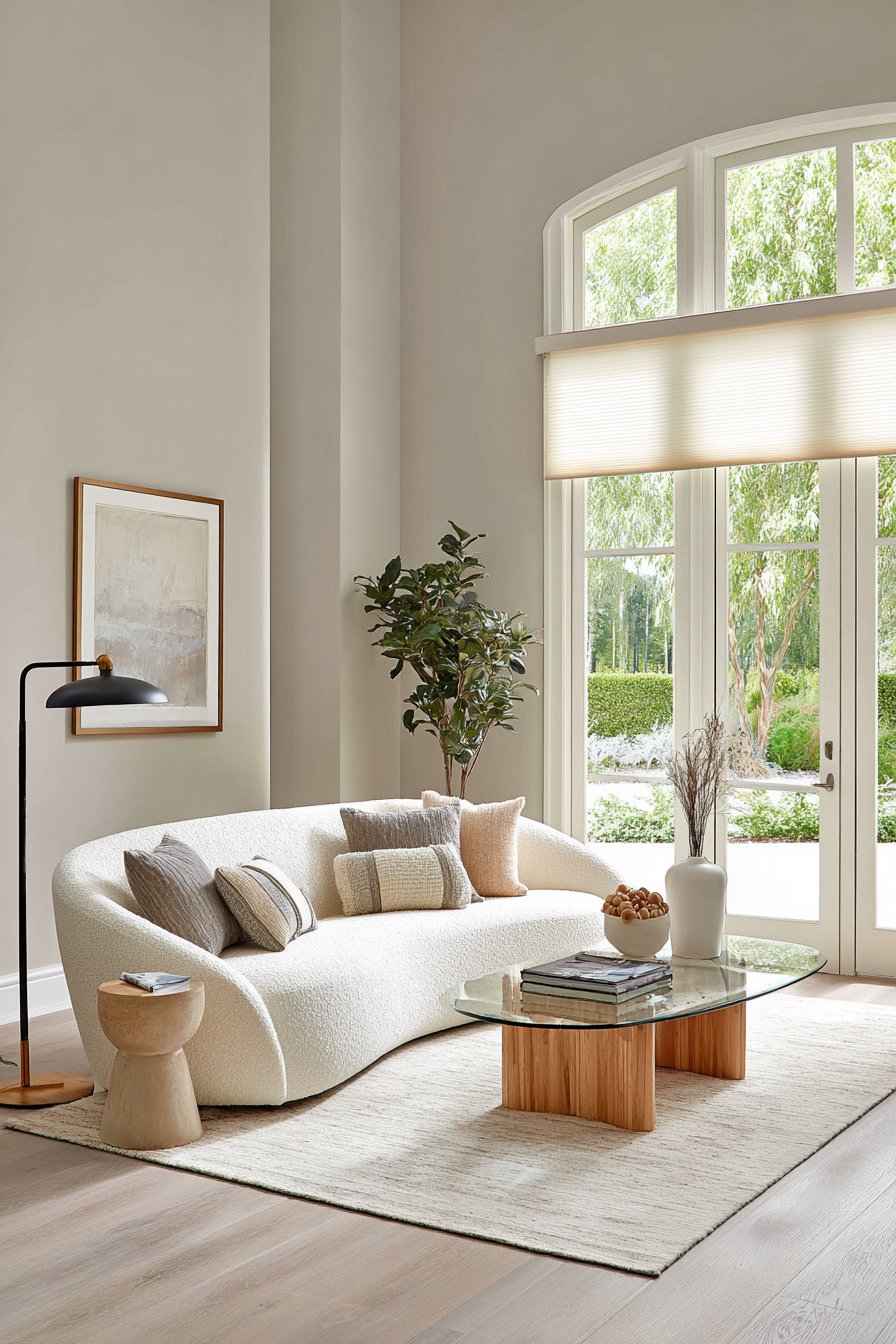
The curved beige bouclé sofa commands attention as the sculptural centerpiece of this contemporary space. Its rounded silhouette softens the room’s angular architecture while the bouclé fabric introduces tactile luxury and visual texture. The sofa’s generous curves create an embracing form that invites relaxation while making a bold design statement within the neutral palette.
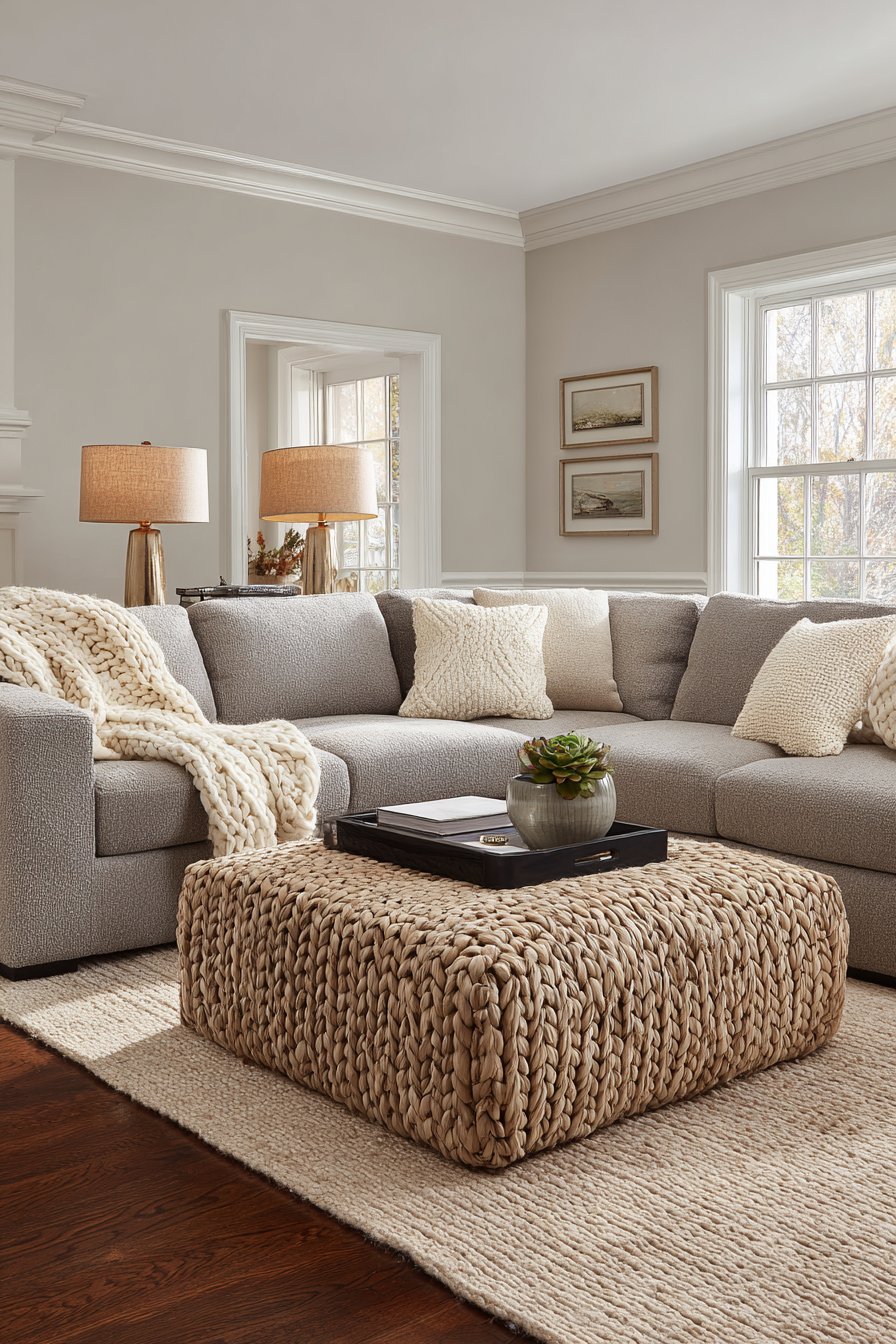
Styling the curved sofa with pillows in varying shades of sand and stone demonstrates how to create depth within a monochromatic scheme. Each pillow’s subtle difference in tone becomes more apparent when placed beside its neighbors, revealing the complexity possible within seemingly simple neutral palettes. A glass-top coffee table with natural oak base maintains visual lightness, preventing the room from feeling too heavy despite the substantial sofa.
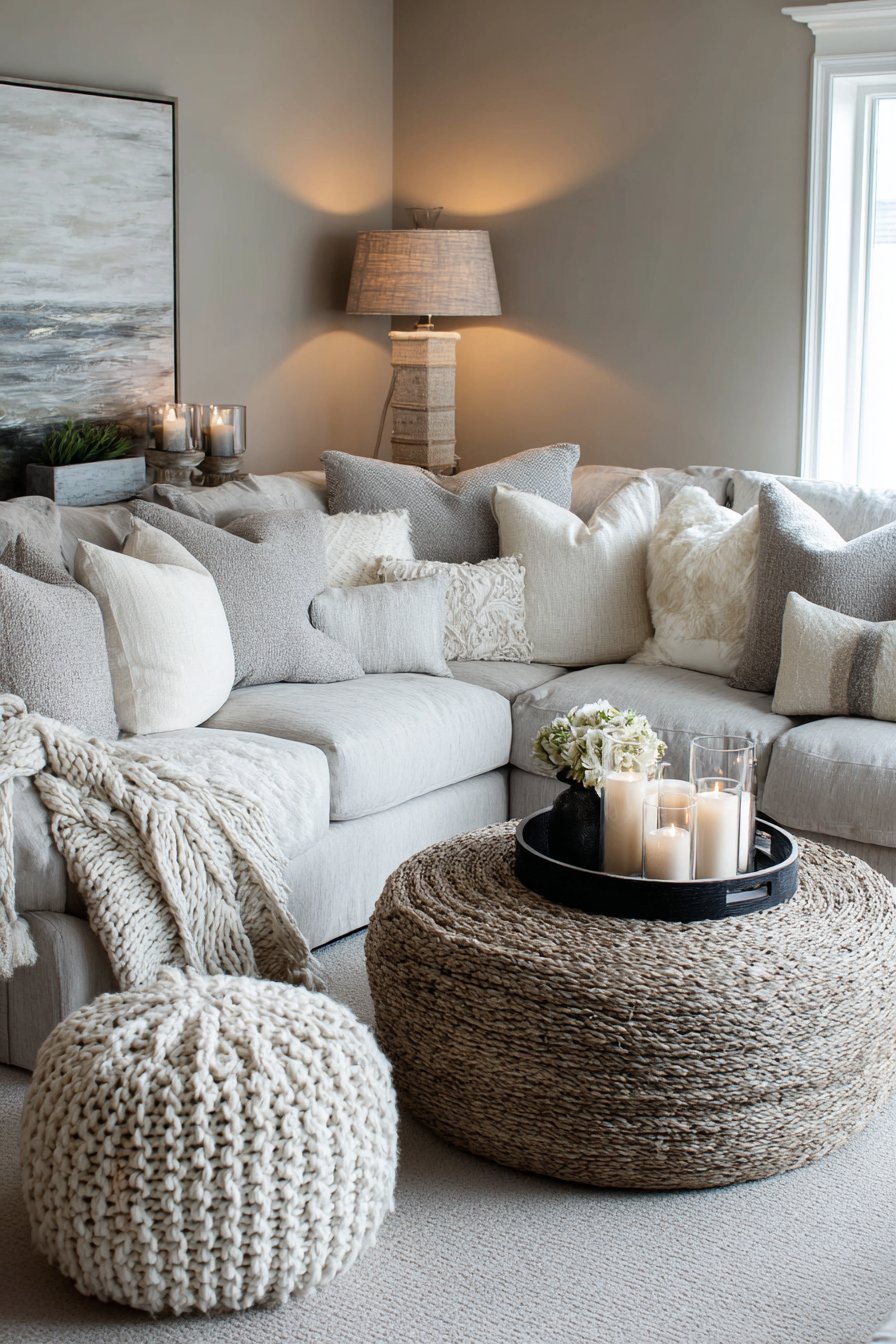
Warm grey walls complement the beige upholstery while light oak flooring introduces natural wood tones that warm the entire space. Floor-to-ceiling windows with motorized linen shades offer precise control over natural light levels throughout the day, allowing occupants to adjust the ambiance from bright and energizing to soft and intimate. The combination of curved furniture, varied neutral tones, and flexible lighting creates a sophisticated contemporary environment.
Key Design Tips:
- Choose curved sofas to soften angular architecture and create sculptural focal points
- Select bouclé fabric for tactile luxury and visual texture in neutral palettes
- Use glass-top tables to maintain visual lightness in rooms with substantial furniture
- Layer pillow tones from light to dark to reveal depth in monochromatic schemes
- Install motorized window treatments for convenient light control throughout the day
- Combine warm grey walls with oak flooring to create balanced neutral warmth
9. Cozy Textured Layers
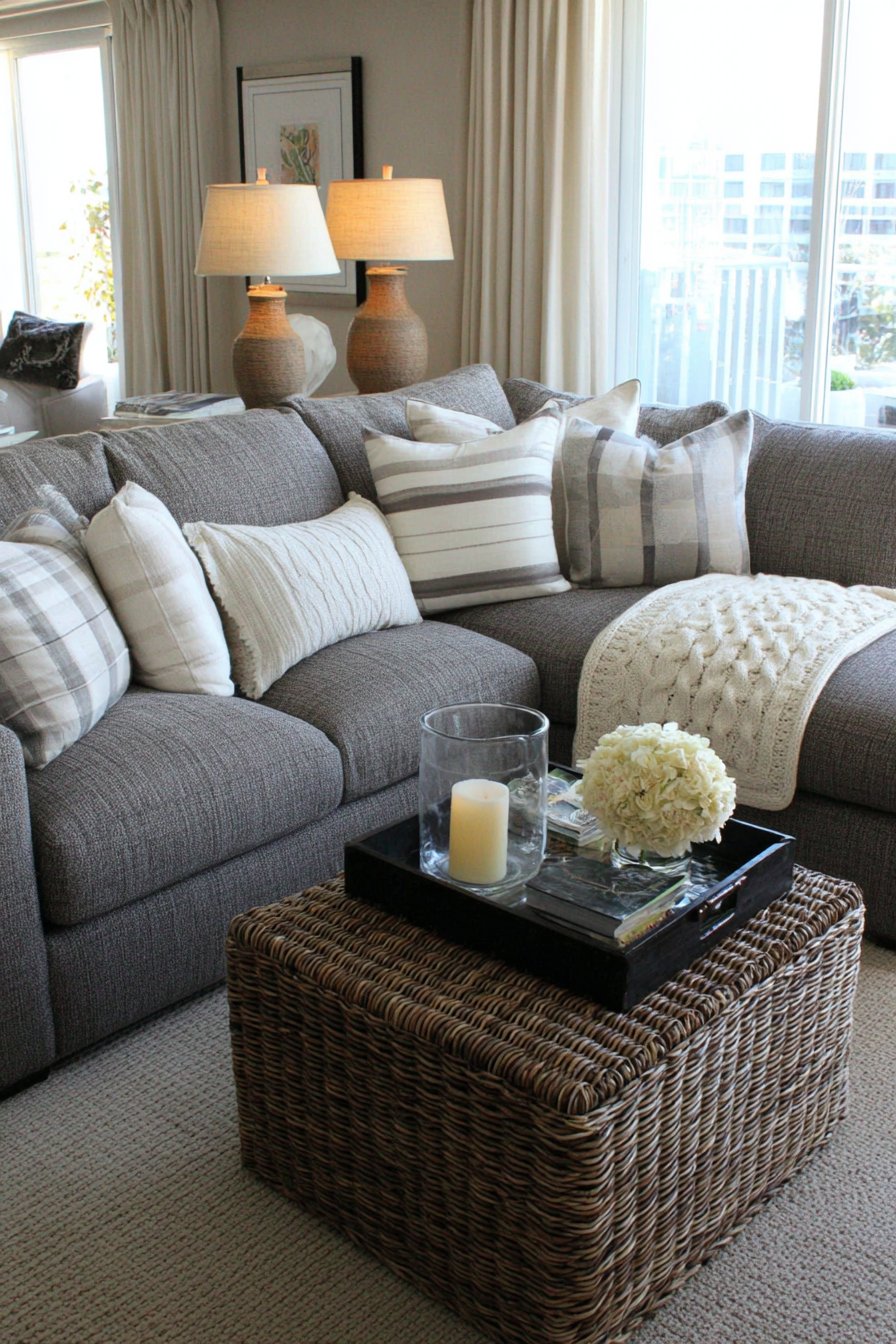
This design prioritizes tactile comfort through extensive use of varied textures, beginning with an oversized sectional upholstered in warm grey chenille fabric. The chenille’s plush pile creates a soft, inviting surface that begs to be touched, while the sectional’s generous proportions ensure ample seating for family gatherings. Layered cable knit throws and linen pillows in cream and taupe add dimension and visual richness.
A woven seagrass ottoman serves as a coffee table alternative, introducing natural texture while providing flexible functionality. The ottoman can be used for seating, as a footrest, or as a surface for trays and accessories, making it an especially practical choice for casual family living. Its organic material and rounded form soften the room’s geometry while maintaining the neutral aesthetic.
Walls in greige with subtle warm undertones create a cocoon-like atmosphere that feels protective and comforting. Table lamps with natural linen shades positioned on side tables provide warm ambient lighting that enhances the room’s cozy character, particularly important during evening hours when natural light fades. The combination of plush fabrics, natural materials, and warm lighting creates an irresistibly comfortable retreat.
Key Design Tips:
- Choose chenille upholstery for ultimate softness and tactile appeal
- Layer cable knit throws over sofas for added texture and warmth
- Use seagrass ottomans as flexible alternatives to traditional coffee tables
- Paint walls in greige with warm undertones for a cocooning effect
- Position table lamps with linen shades for warm ambient evening lighting
- Combine multiple textures in similar tones for rich, layered neutral schemes
10. Scandinavian Simplicity
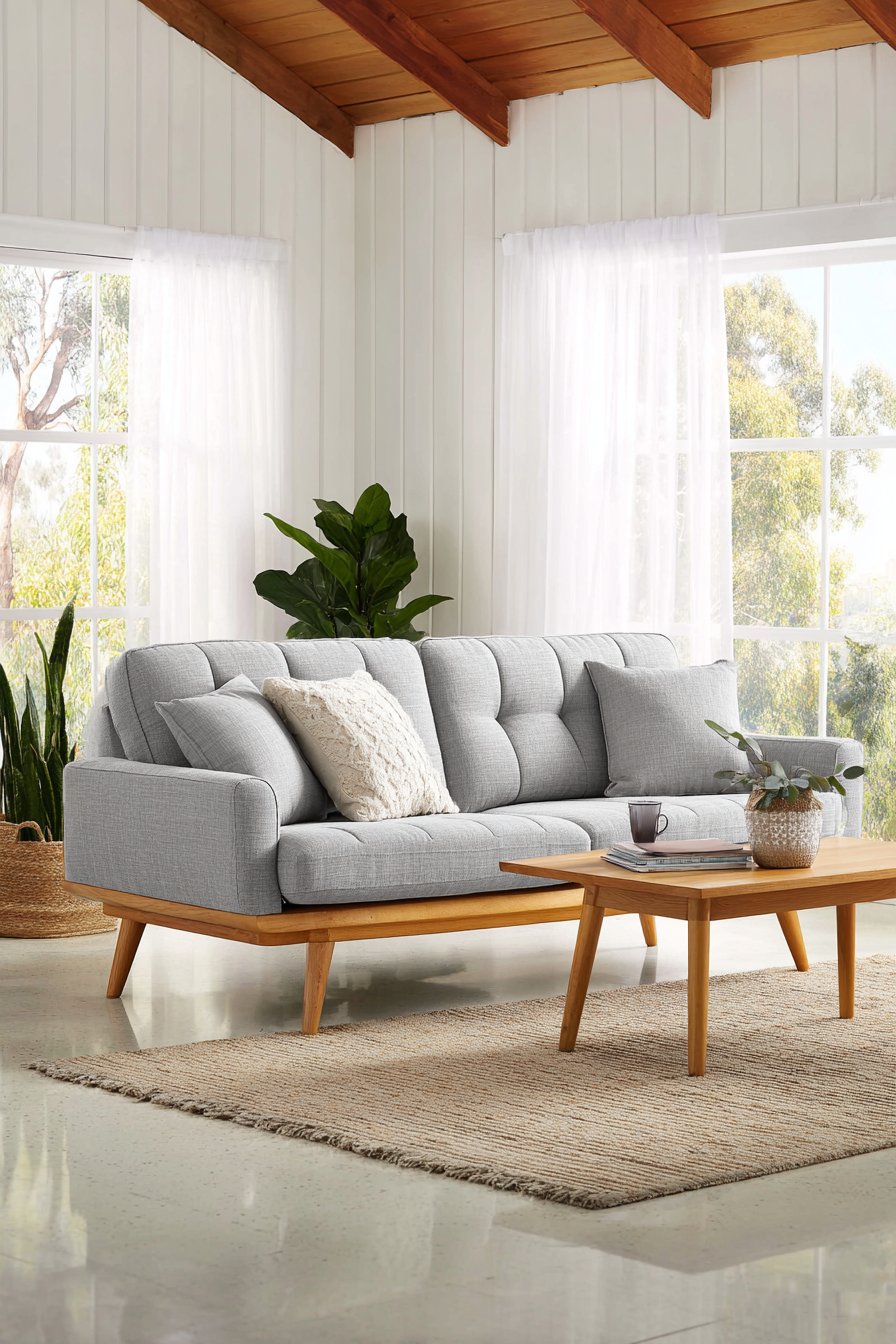
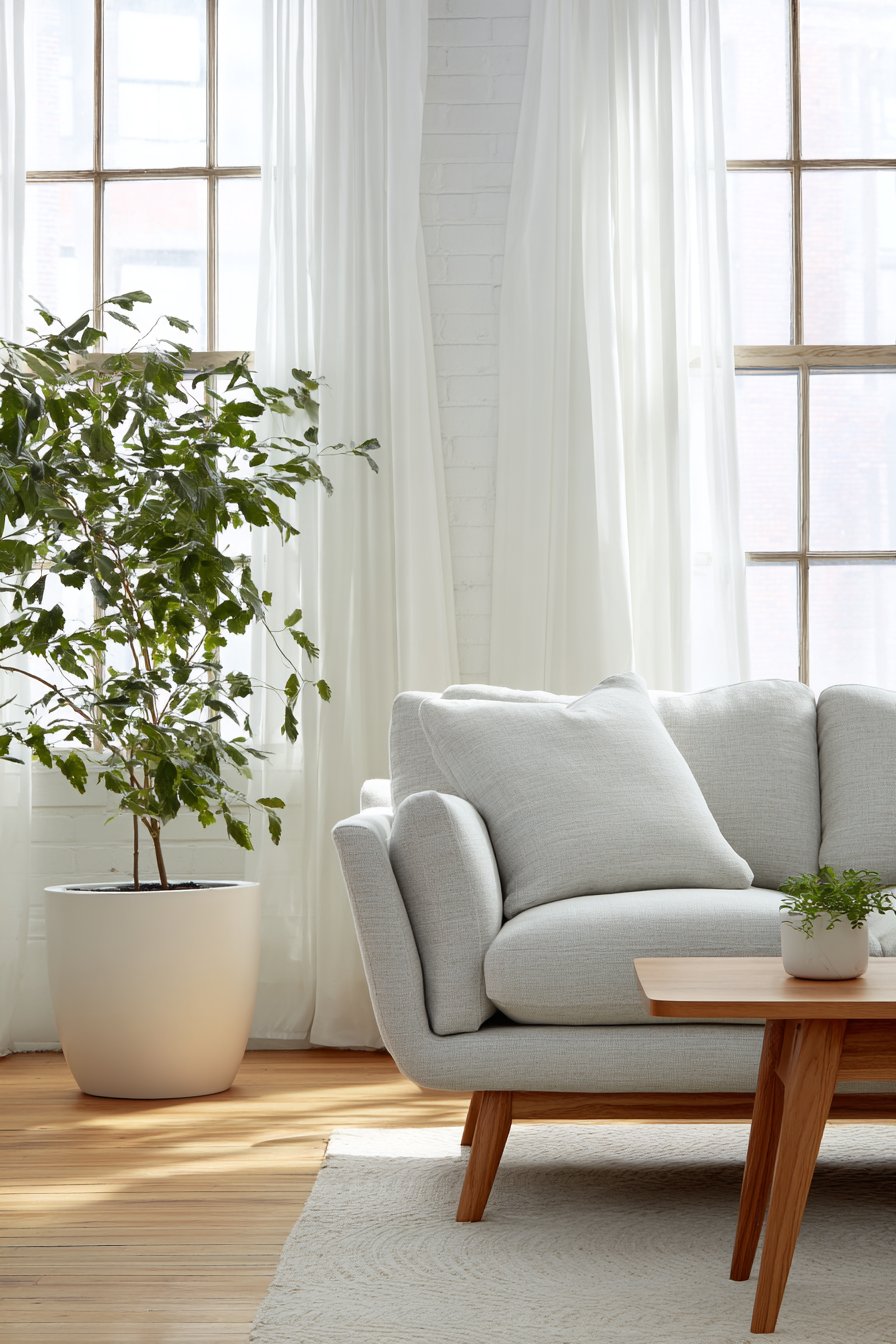
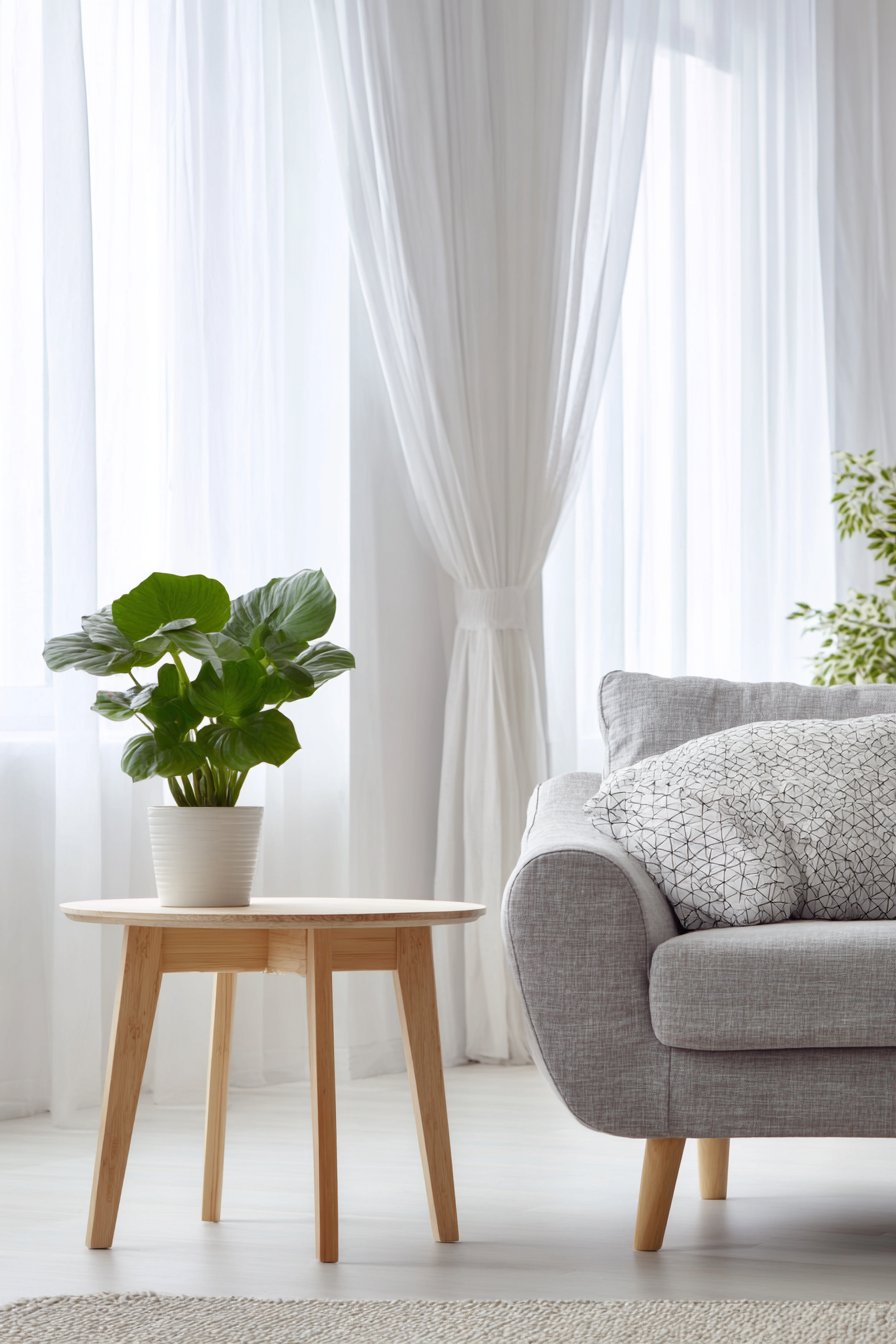
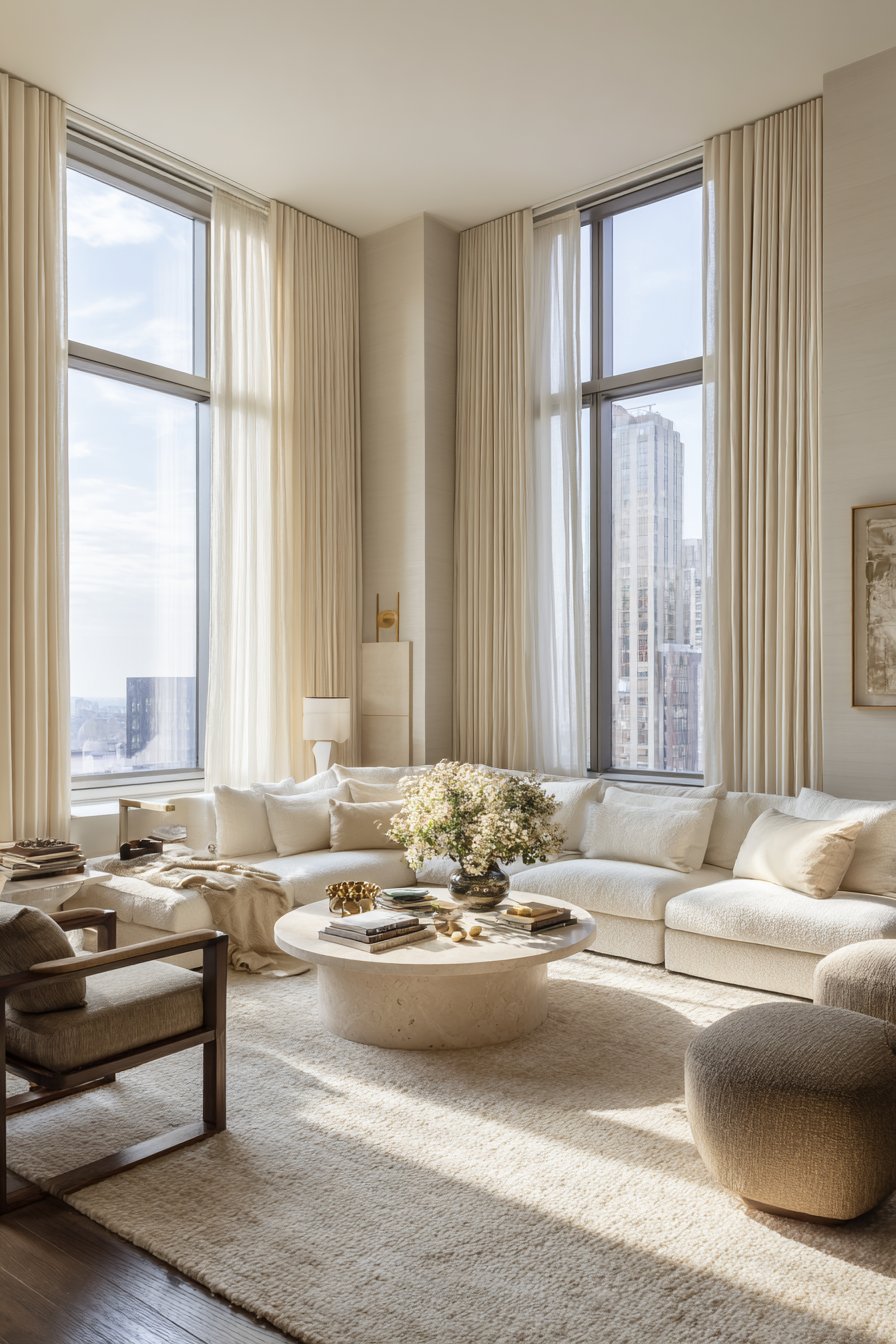
This space embodies Scandinavian design principles through its emphasis on functionality, natural materials, and restrained aesthetic. A light grey fabric sofa with wooden legs demonstrates the characteristic Scandinavian combination of soft textiles and exposed wood construction. The sofa’s simple lines and modest scale make it appropriate for various room sizes while maintaining visual lightness.
A simple oak coffee table with clean lines and minimal ornamentation continues the Scandinavian theme, its natural wood grain providing subtle visual interest without unnecessary decoration. Positioned on a neutral wool area rug, the arrangement creates a functional seating group that prioritizes comfort and practicality over excessive styling. The wool rug adds warmth underfoot while its neutral tone ensures it recedes visually, allowing the furniture to remain the focus.
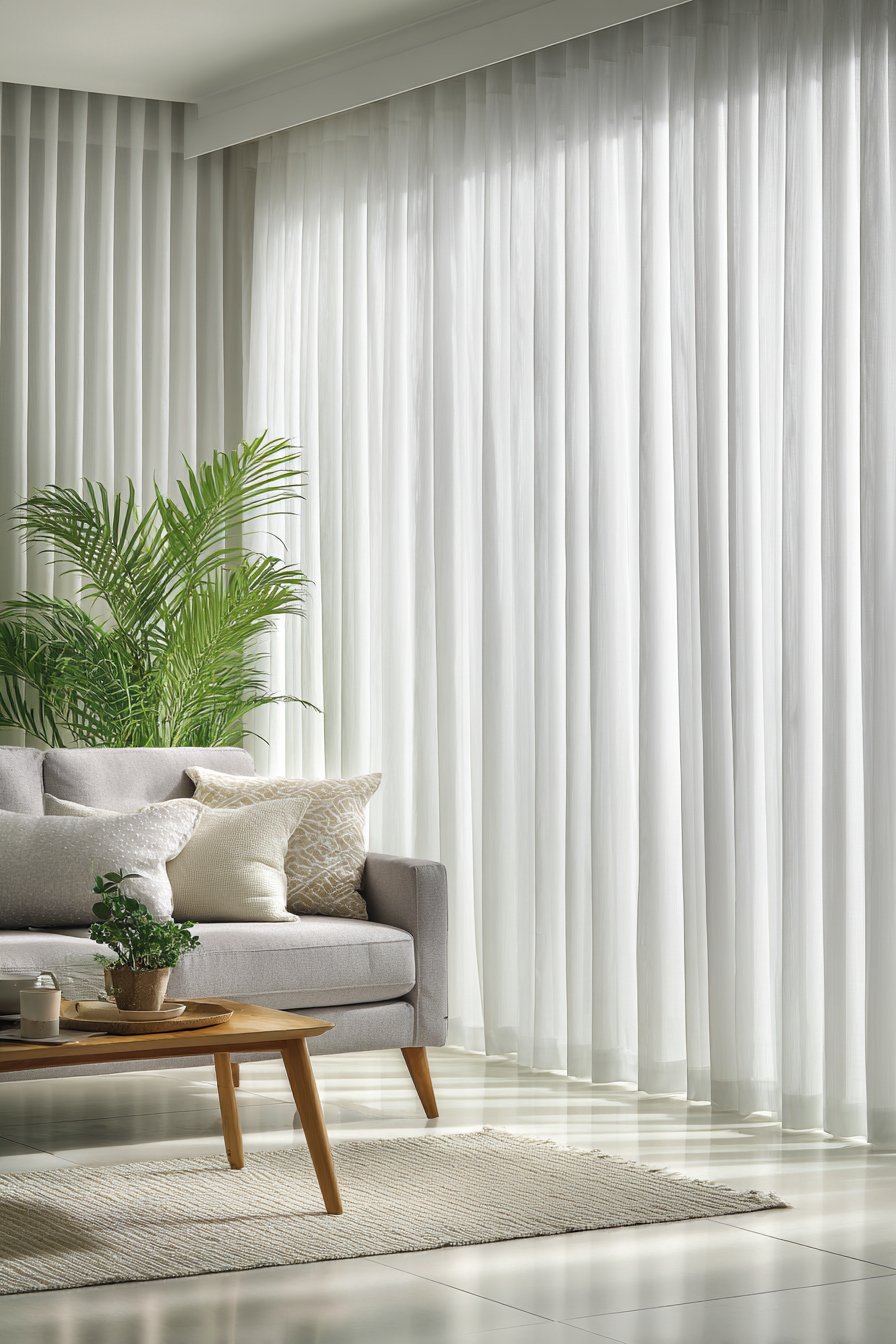
White walls maximize natural light reflection, creating the bright, airy quality essential to Scandinavian interiors. Sheer white curtains frame the windows without blocking precious natural light, while a single green plant introduces organic life and a touch of color that enlivens the neutral scheme without overwhelming it. This restrained approach to both color and accessories creates a calm, uncluttered environment that promotes mental clarity and relaxation.
Key Design Tips:
- Select sofas with exposed wooden legs for authentic Scandinavian style
- Choose simple oak furniture with visible grain for natural beauty
- Paint walls white to maximize light reflection in northern climates
- Use sheer white curtains to preserve natural light while providing privacy
- Add a single green plant for organic life without color overload
- Maintain minimal accessories for clean, uncluttered Scandinavian spaces
11. Plush Ivory Luxury
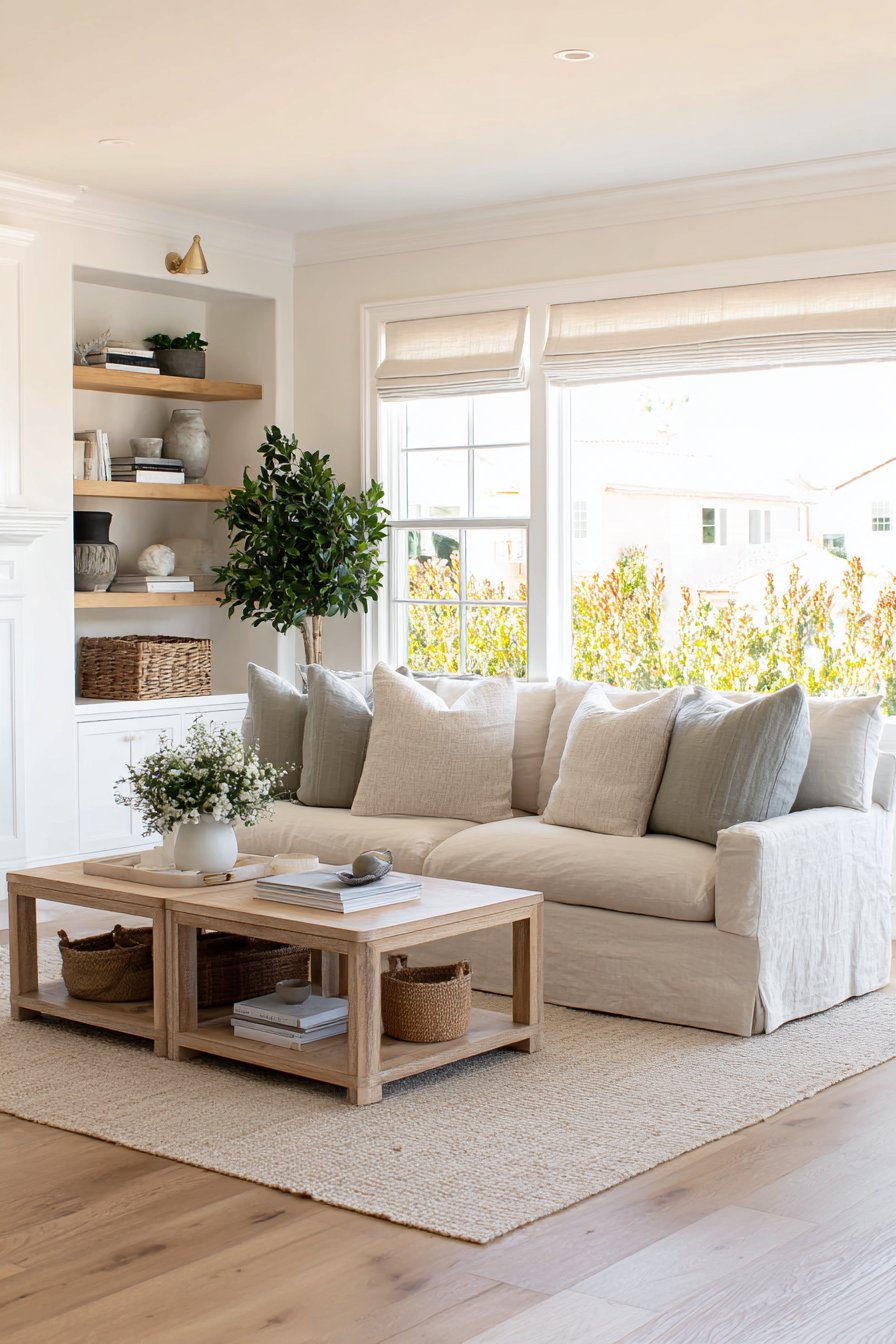
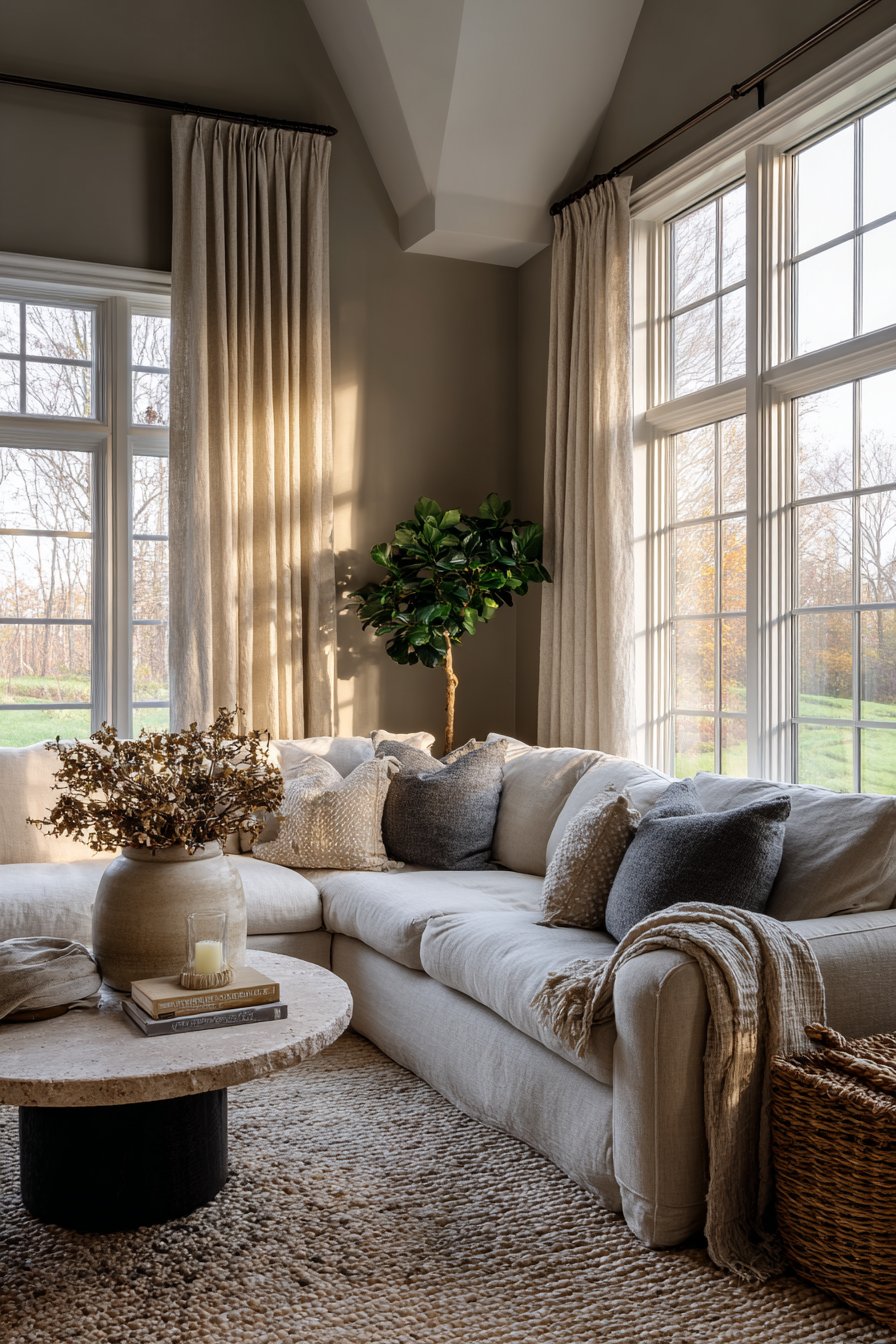
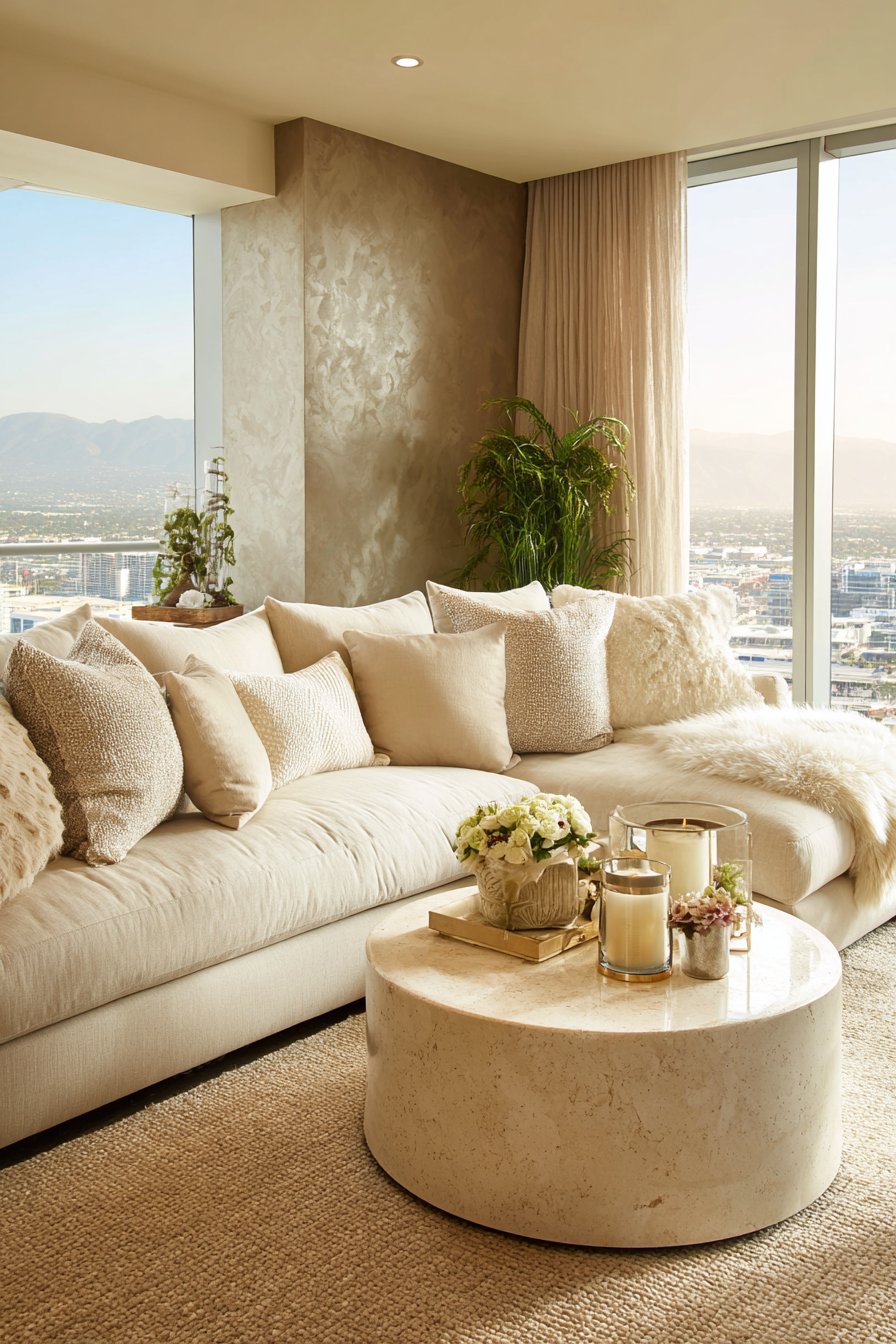
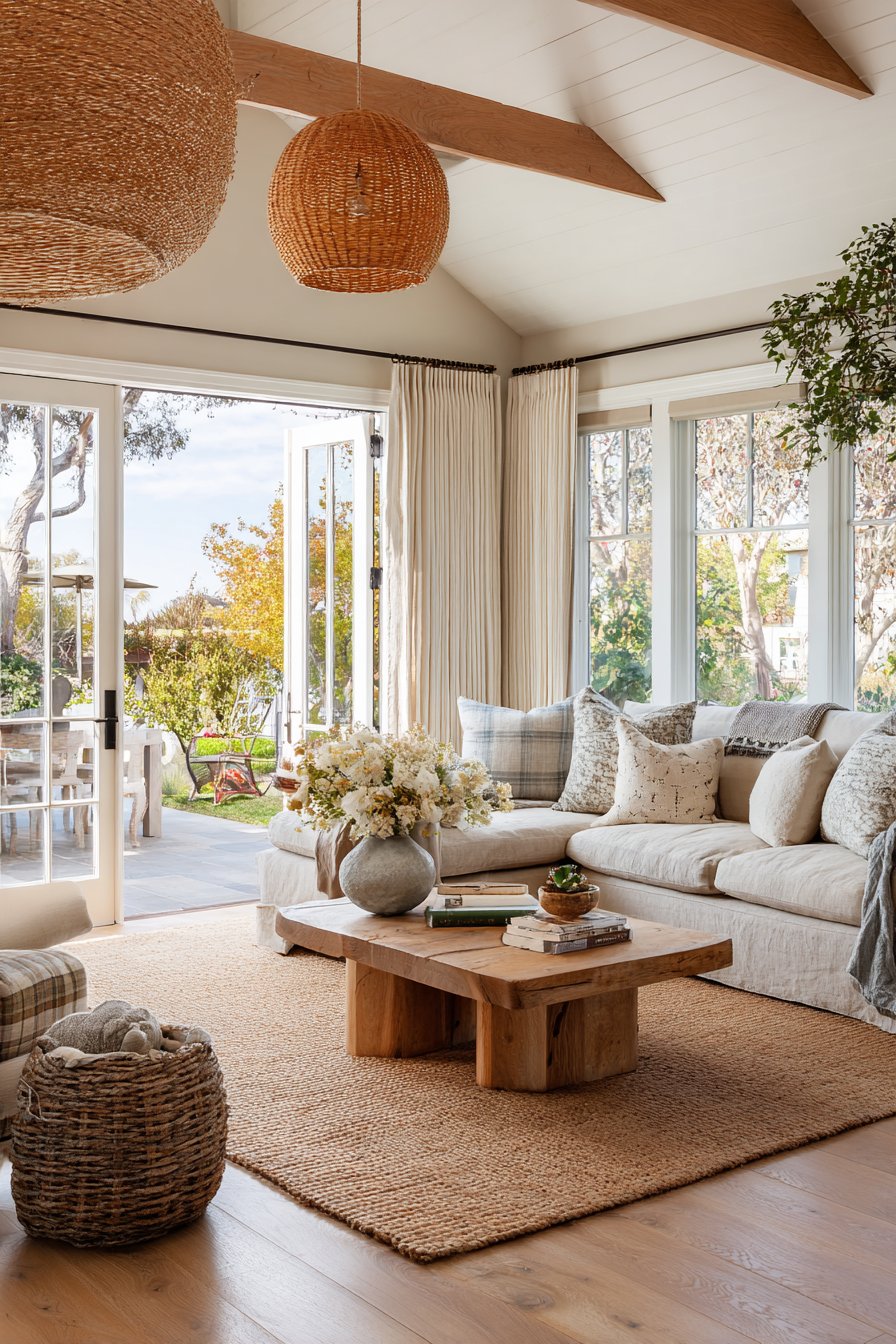
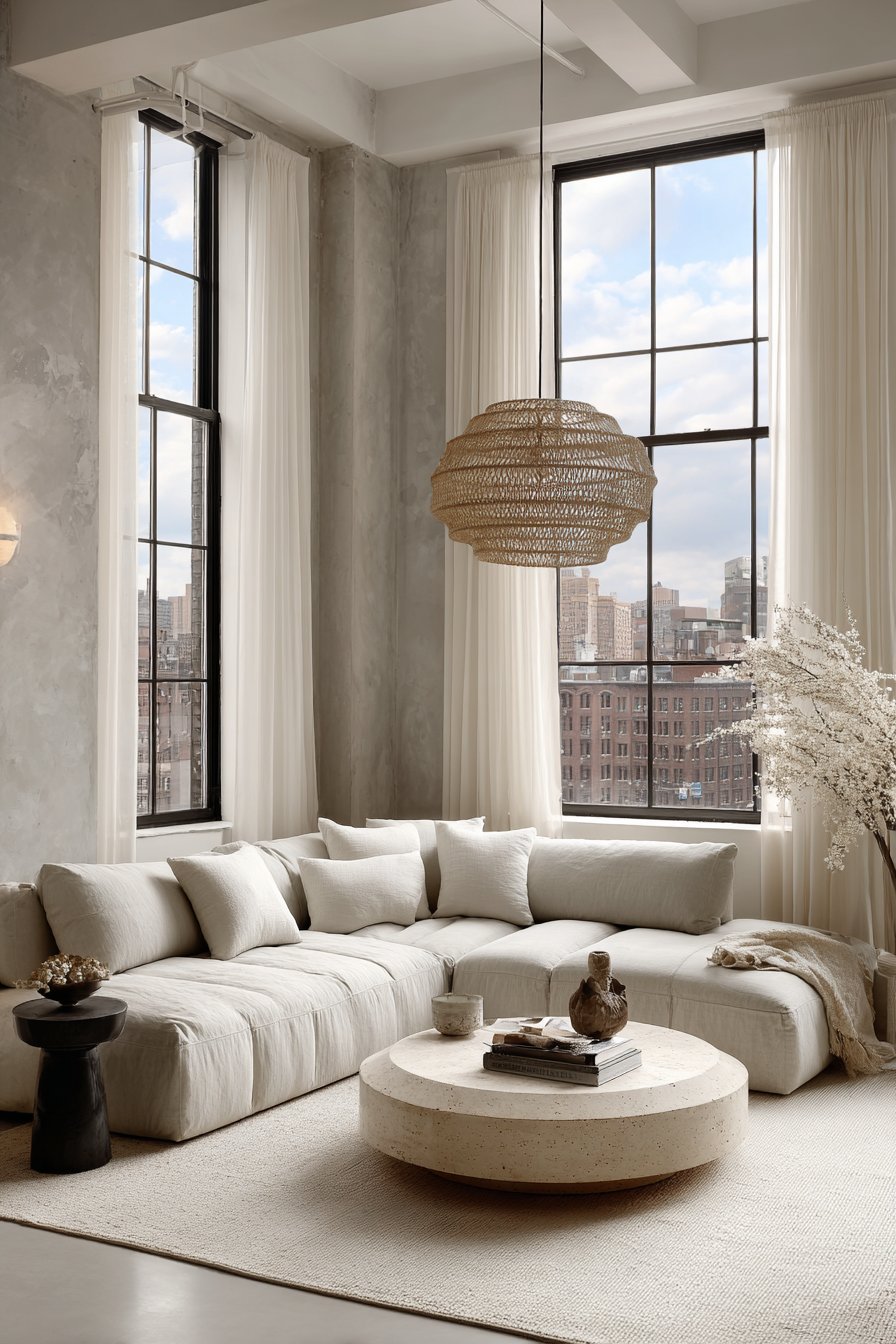
Centered around a plush ivory sectional with deep cushions, this design celebrates luxurious comfort within a neutral palette. The sectional’s generous cushioning and substantial scale create an inviting foundation perfect for relaxed lounging, while the ivory upholstery brings luminosity to the space. The arrangement around a round travertine coffee table establishes a balanced composition that encourages conversation and interaction.
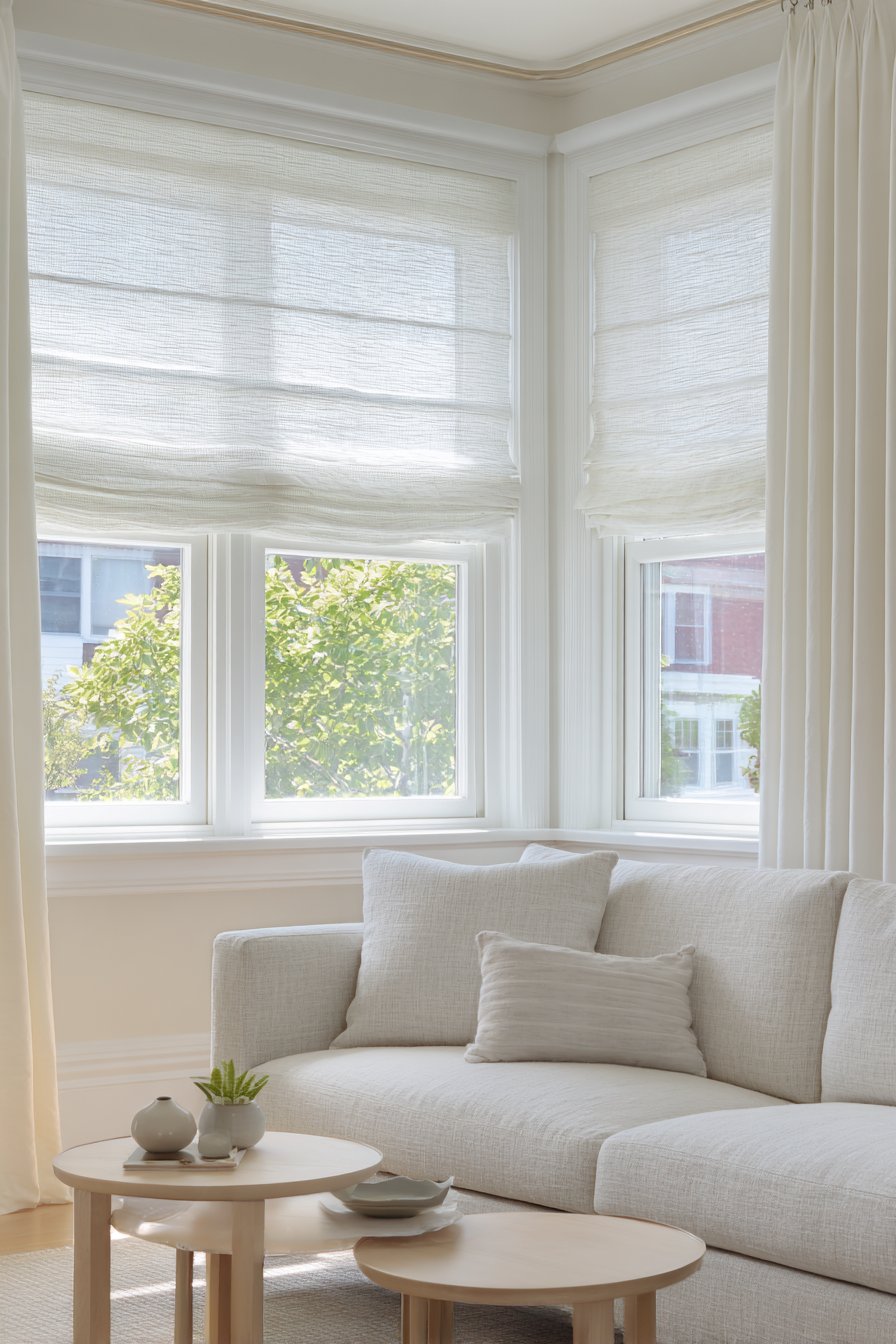
Layered neutral rugs in jute and cream wool define the seating area while adding dimensional texture underfoot. The jute rug on bottom provides durability and natural texture, while the wool rug layered on top introduces softness and warmth. This layering technique creates visual interest while serving the practical purpose of defining the conversation zone within a larger space.
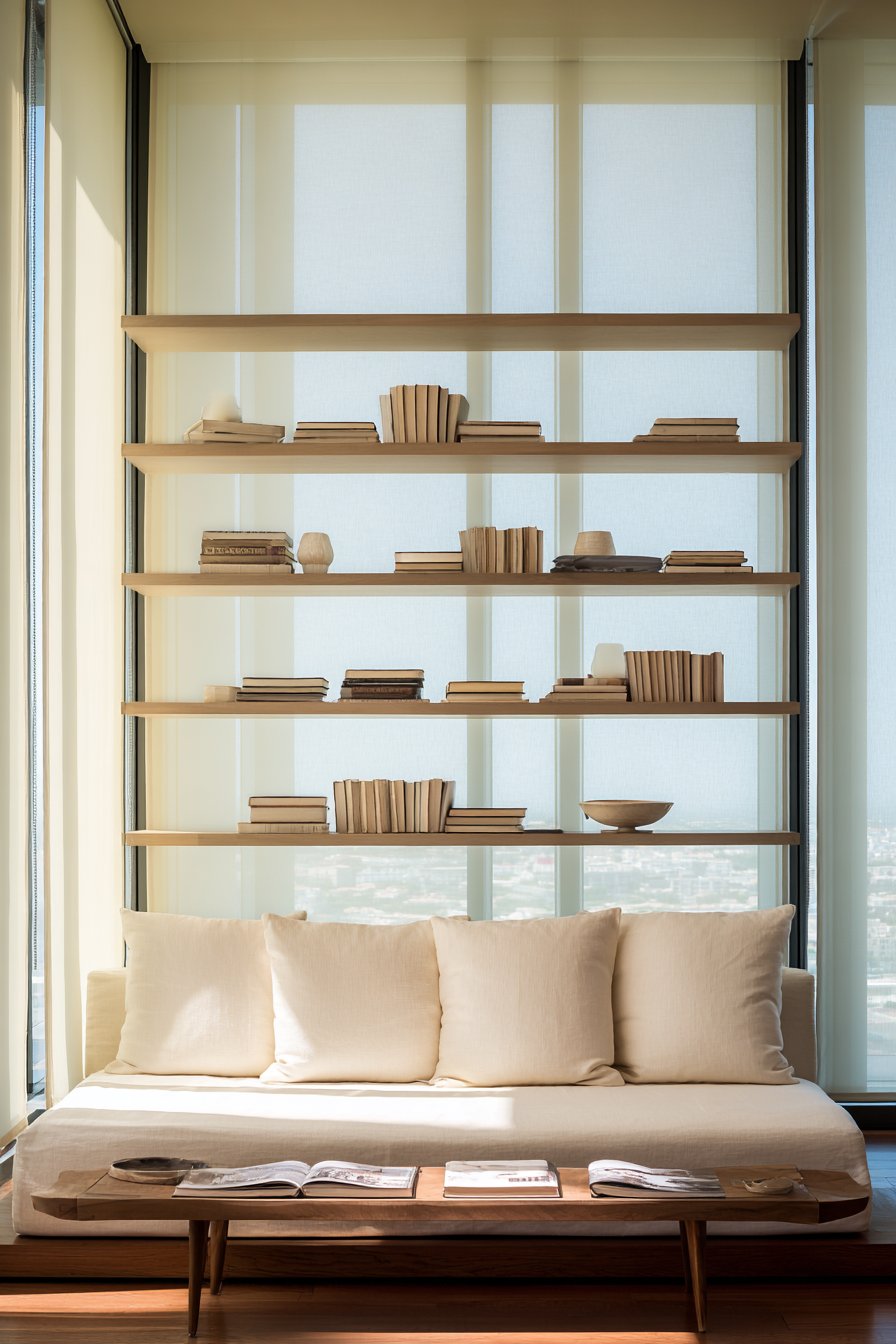
Walls in warm mushroom grey provide depth without heaviness, creating a sophisticated backdrop that allows the ivory sectional to stand out as the room’s brightest element. Floor-to-ceiling linen drapes in natural flax soften the architectural lines while controlling natural light. Morning light streaming through these sheer layers creates subtle shadows that highlight the varied textures, transforming the space as the sun moves across the sky.
Key Design Tips:
- Choose deep-cushioned sectionals for ultimate comfort and relaxed elegance
- Select round coffee tables to soften angular seating arrangements
- Layer rugs of different materials for added texture and zone definition
- Paint walls in warm mushroom grey for sophisticated depth
- Hang floor-to-ceiling drapes to add architectural height and light control
- Position seating to maximize morning light on textured surfaces
12. Smart Small-Space Design
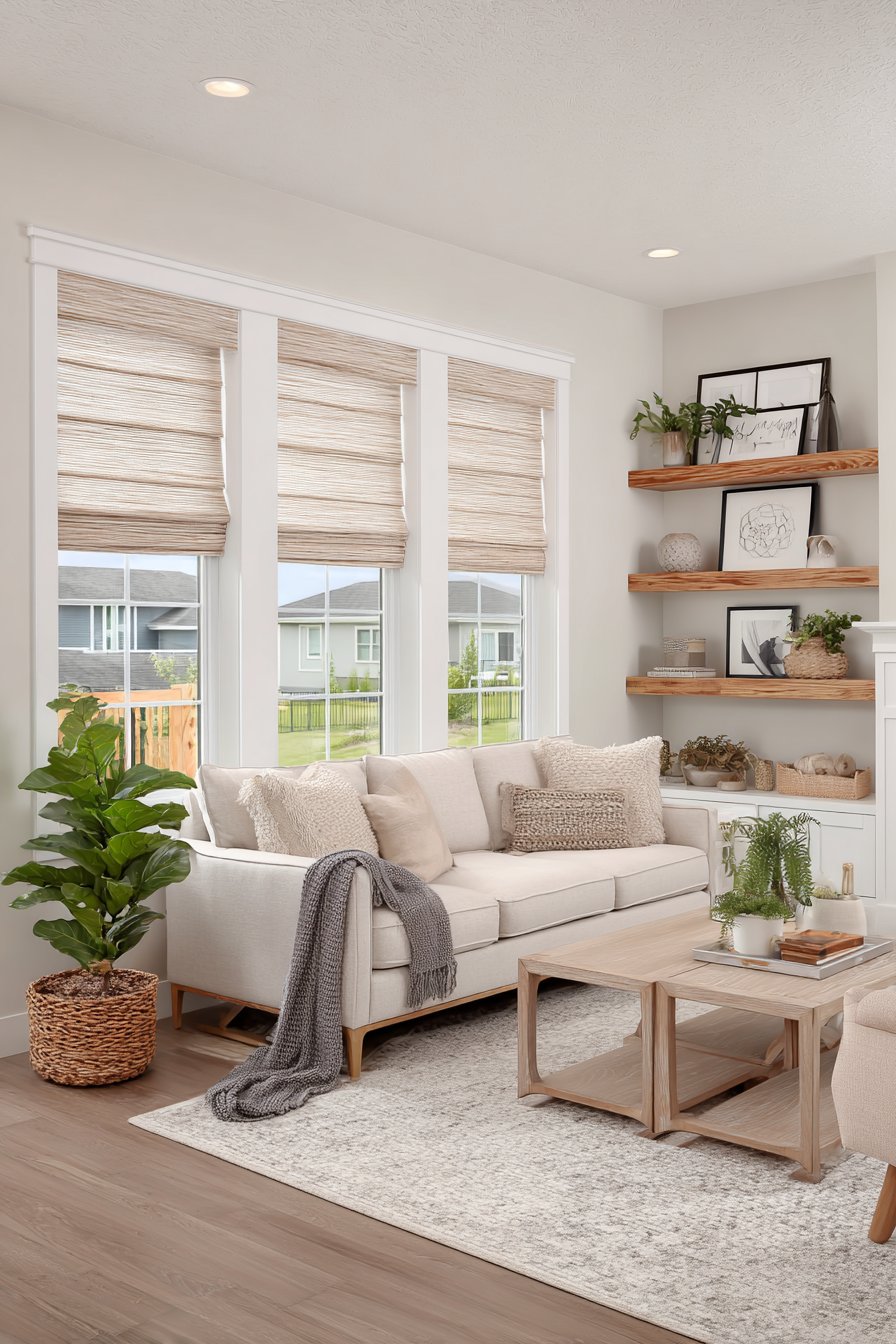
This compact space demonstrates how neutral palettes can make small living rooms feel larger and more open. A compact linen loveseat in oatmeal provides essential seating without overwhelming the limited square footage. Its simple silhouette and neutral upholstery recede visually, making the room feel less crowded than a larger or more colorful piece might.
Nesting coffee tables in light ash wood offer flexibility for a small space—they can be separated when surface area is needed or nested together when more floor space is desired. The light wood tone contributes to the airy quality while providing practical functionality. Floating shelves in matching wood mounted on the walls display minimal neutral decor while keeping floor space clear.
Walls painted in soft white with warm undertones maximize the sense of space, reflecting available light throughout the room. Sheer roman shades filter natural light beautifully while taking up minimal visual space compared to traditional curtains with hardware and fabric panels. Every design decision prioritizes spatial efficiency without sacrificing style, proving that small spaces can be both beautiful and functional.
Key Design Tips:
- Choose compact loveseats instead of full sofas in truly small spaces
- Use nesting tables for flexible surface area in limited square footage
- Install floating shelves to preserve floor space while providing display area
- Paint walls in soft white with warm undertones to maximize perceived space
- Select roman shades for clean-lined window treatments in compact rooms
- Keep accessories minimal and neutral in small spaces to avoid visual clutter
13. Coastal-Inspired Serenity
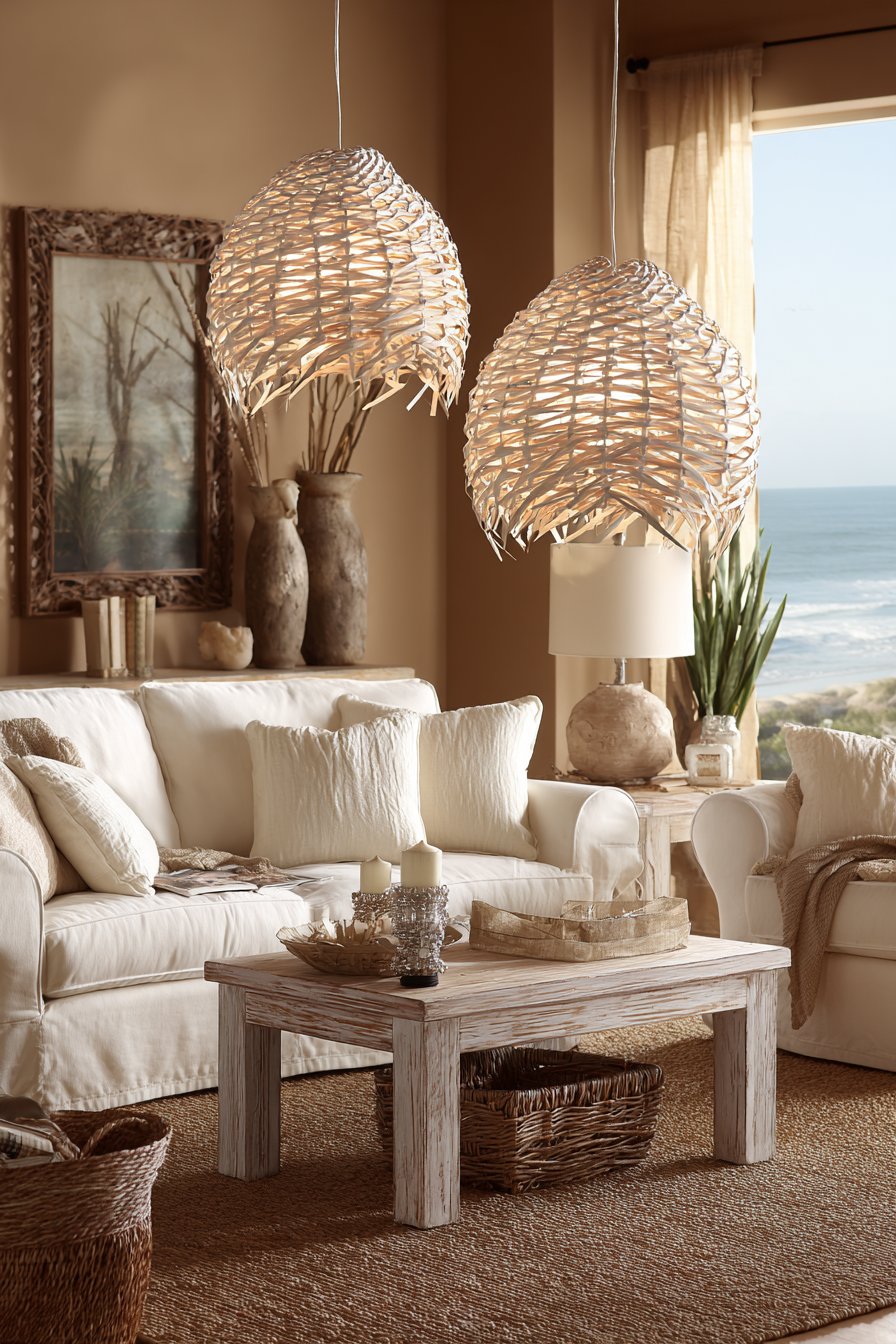
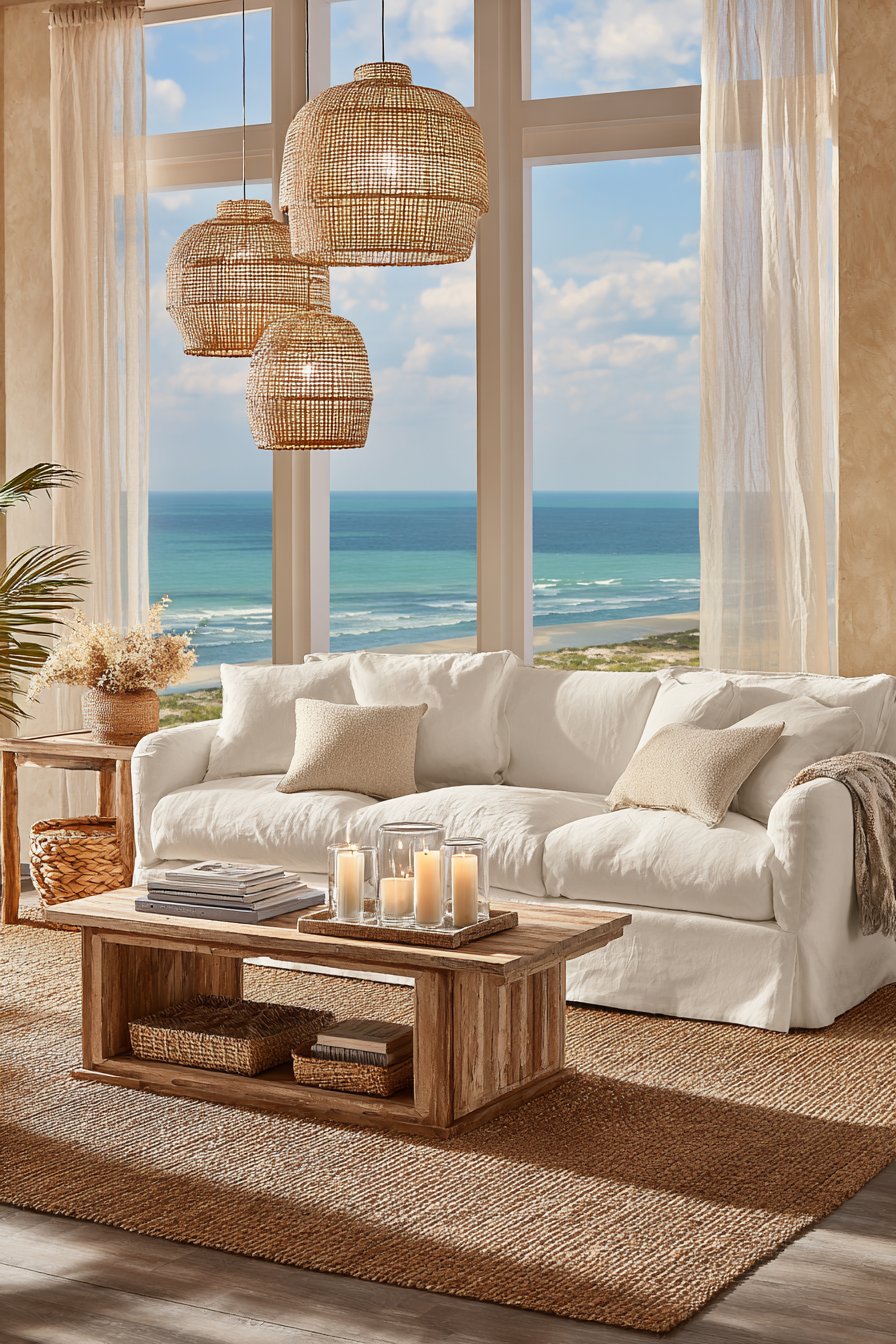
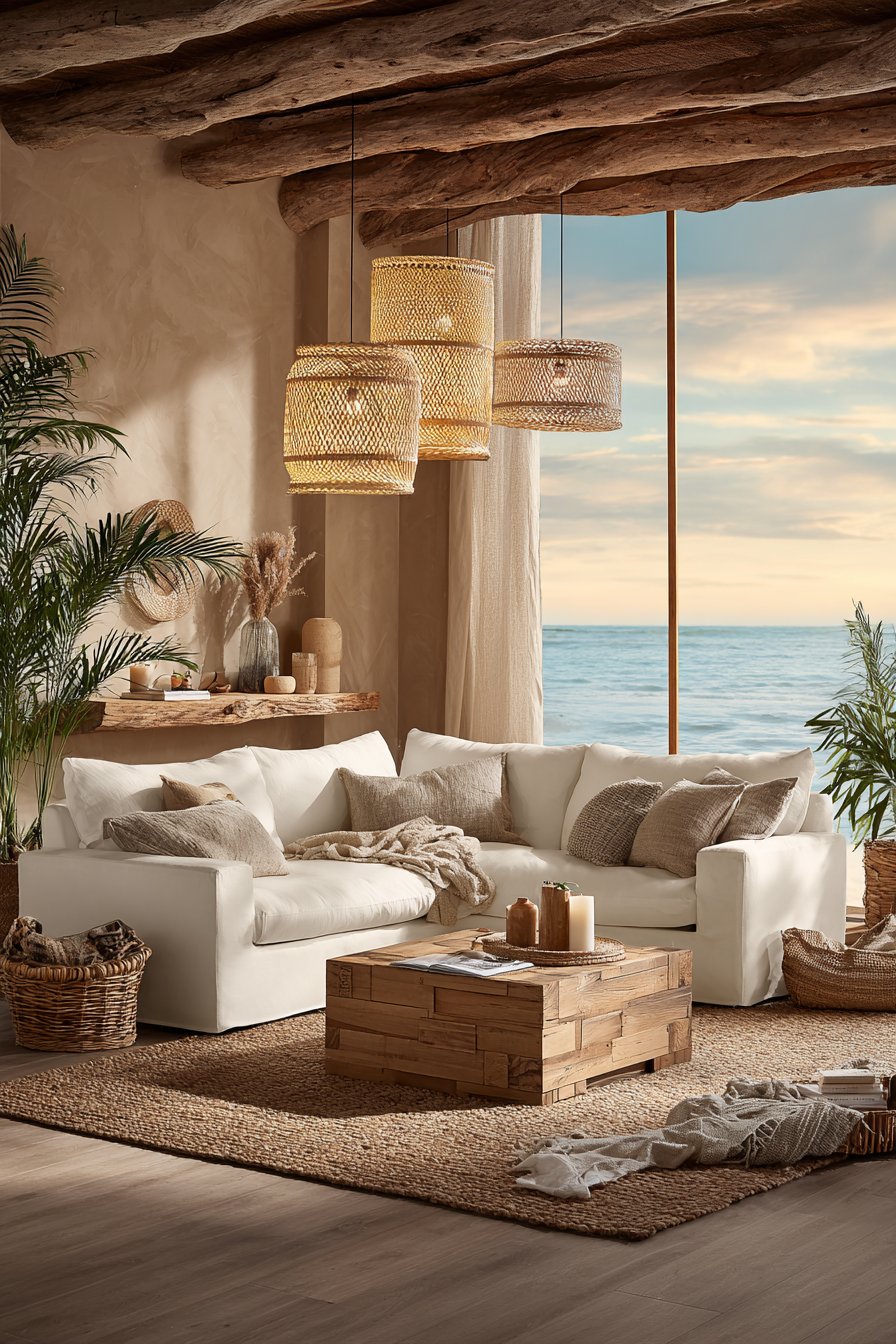
This design captures the tranquil essence of coastal living through its carefully selected natural materials and breezy neutral palette. A slipcovered sofa in natural cotton introduces the relaxed elegance characteristic of beachside homes, where casual comfort takes precedence over formality. The slipcover’s washability makes it practical for sandy, sun-drenched living, while its natural fiber breathes and ages beautifully.
A driftwood-finish coffee table evokes the weathered beauty of beach finds, its silvery grey tone suggesting wood bleached by sun and salt. Positioned on a sisal rug, the arrangement celebrates natural fibers and organic textures that reference the coastal environment without literal beach-themed accessories. The sisal’s nubby texture provides visual interest while remaining neutral and understated.
Walls in warm sand tone evoke beachy serenity while maintaining sophistication that extends beyond vacation-home aesthetics. Woven pendant lights and linen curtains complete the organic feel, their natural materials and simple forms echoing the unpretentious beauty of coastal design. Natural afternoon light highlights the bleached wood tones and soft fabric textures, creating an atmosphere of breezy relaxation regardless of actual proximity to the ocean.
Key Design Tips:
- Choose slipcovered sofas in natural cotton for casual coastal elegance
- Select driftwood-finish furniture to evoke weathered beach finds
- Use sisal rugs for durable, textural natural fiber flooring
- Paint walls in warm sand tones for sophisticated coastal ambiance
- Install woven pendant lights for organic overhead lighting
- Hang linen curtains for breezy, natural window treatments
14. Architectural Detail Celebration
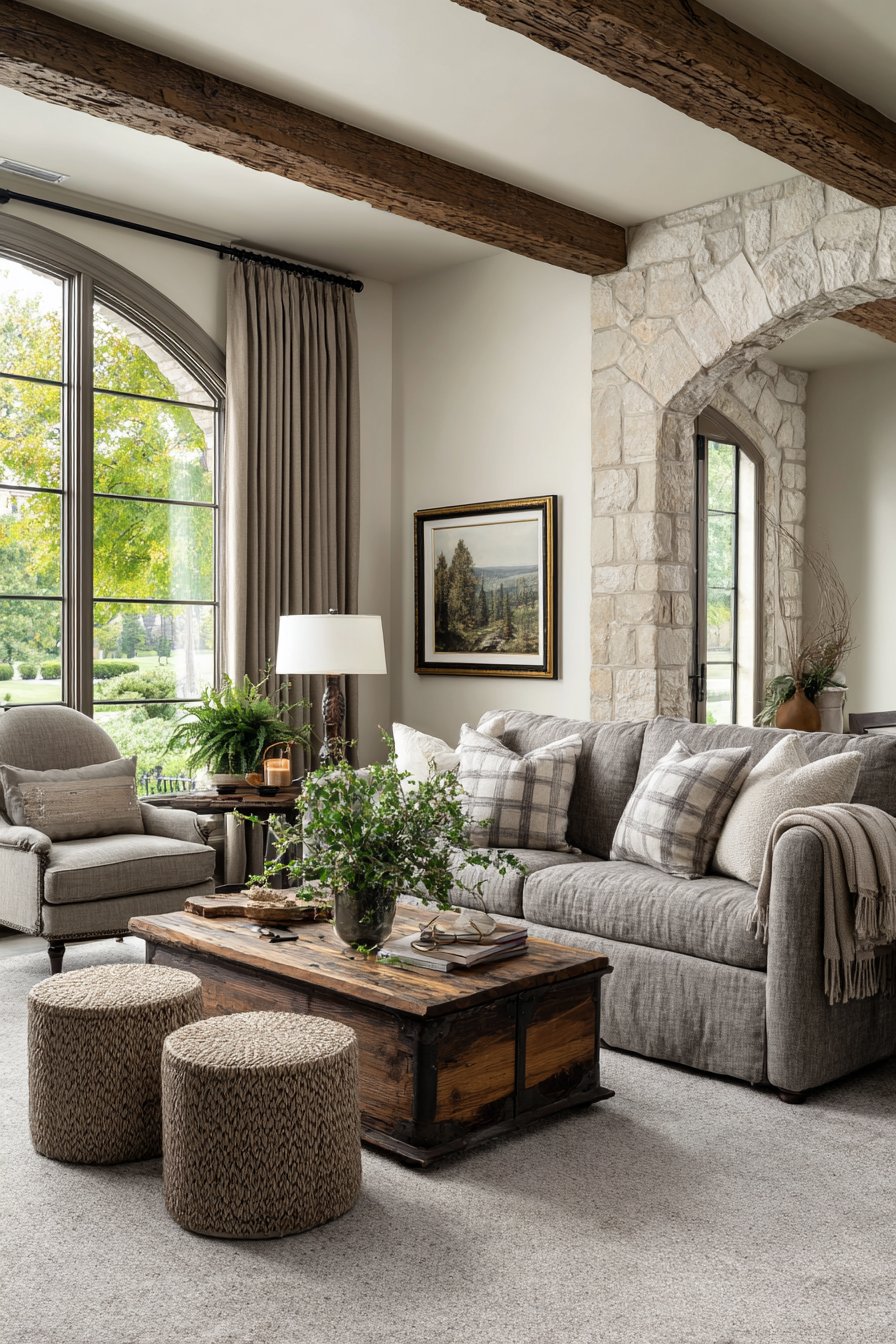
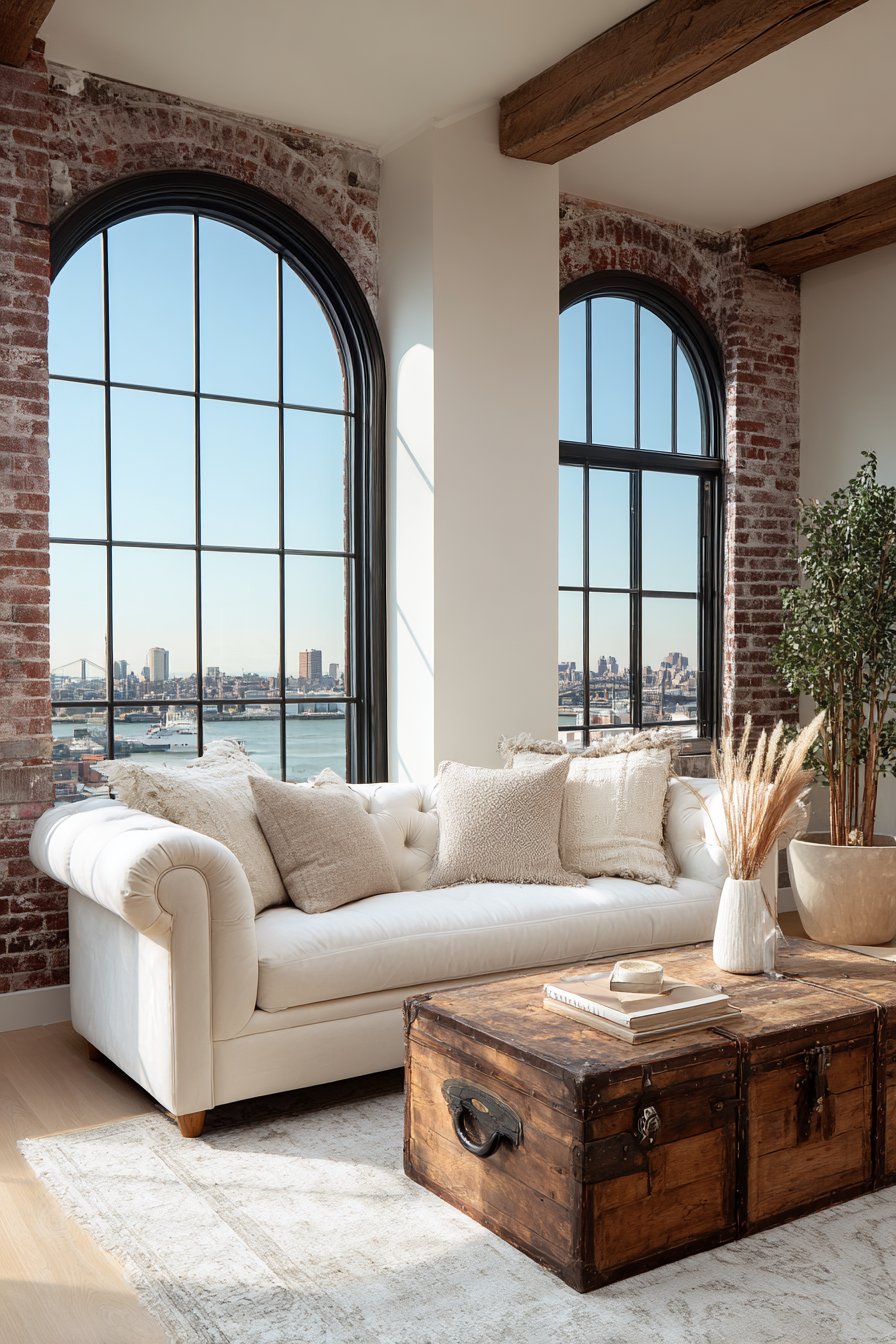
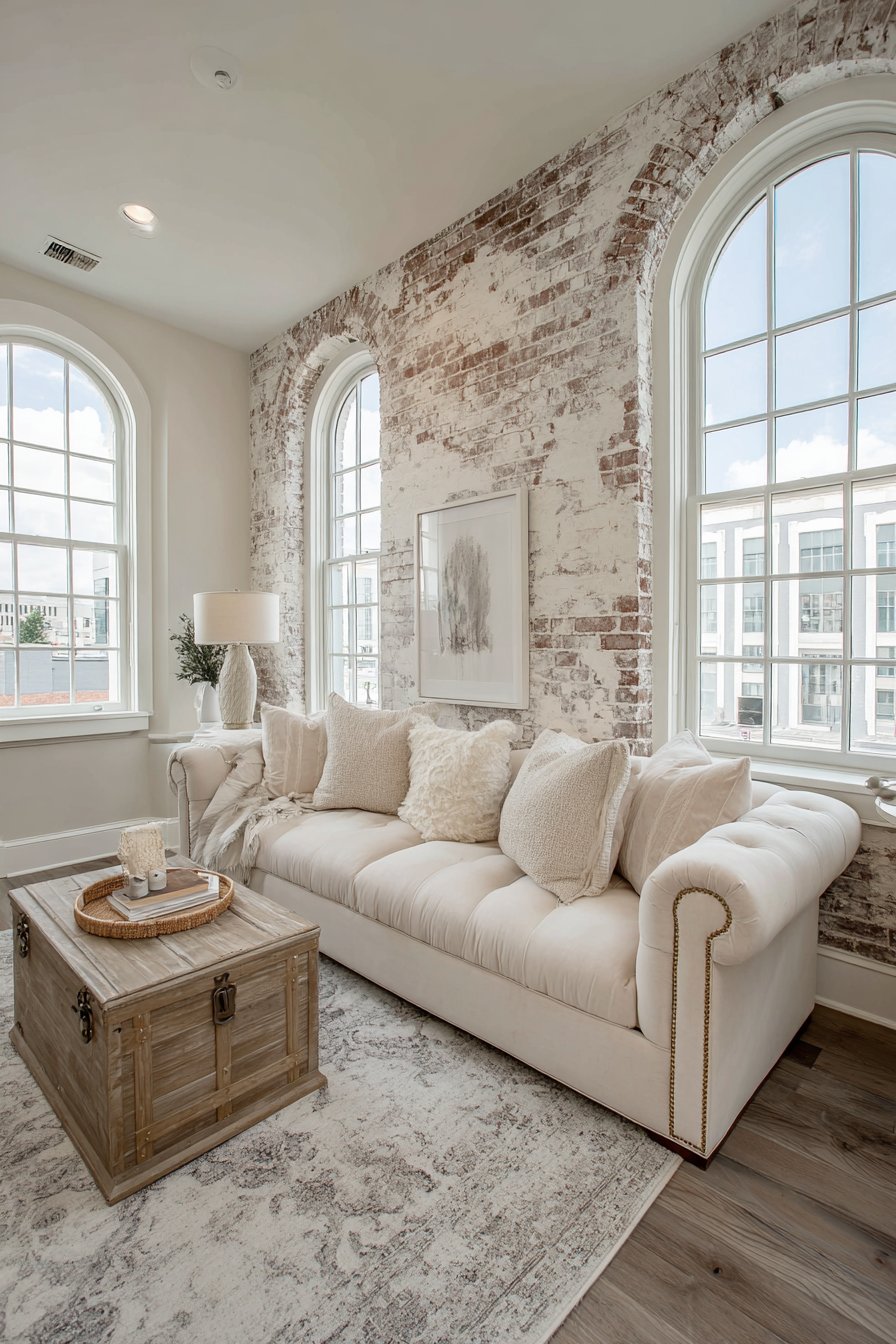
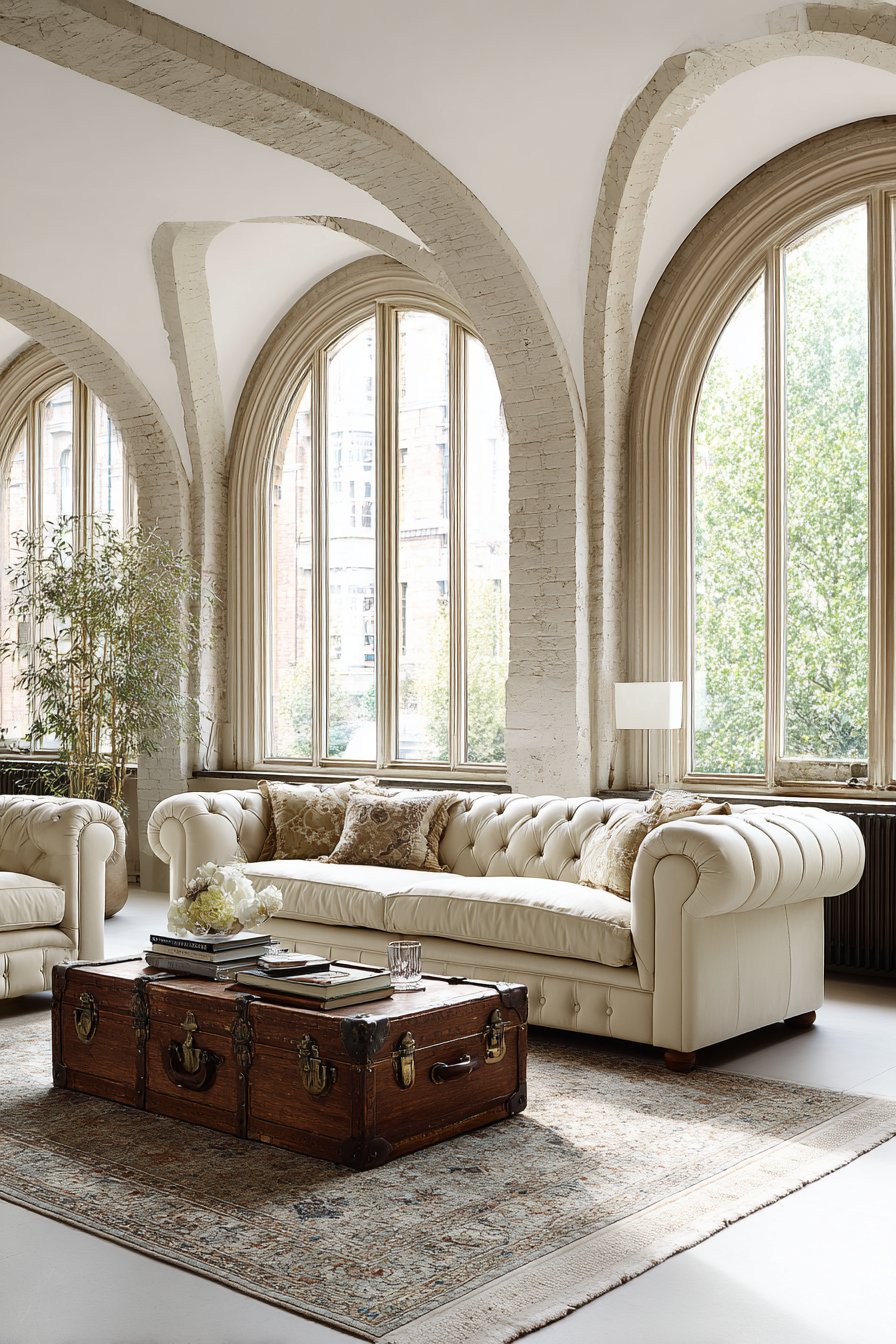
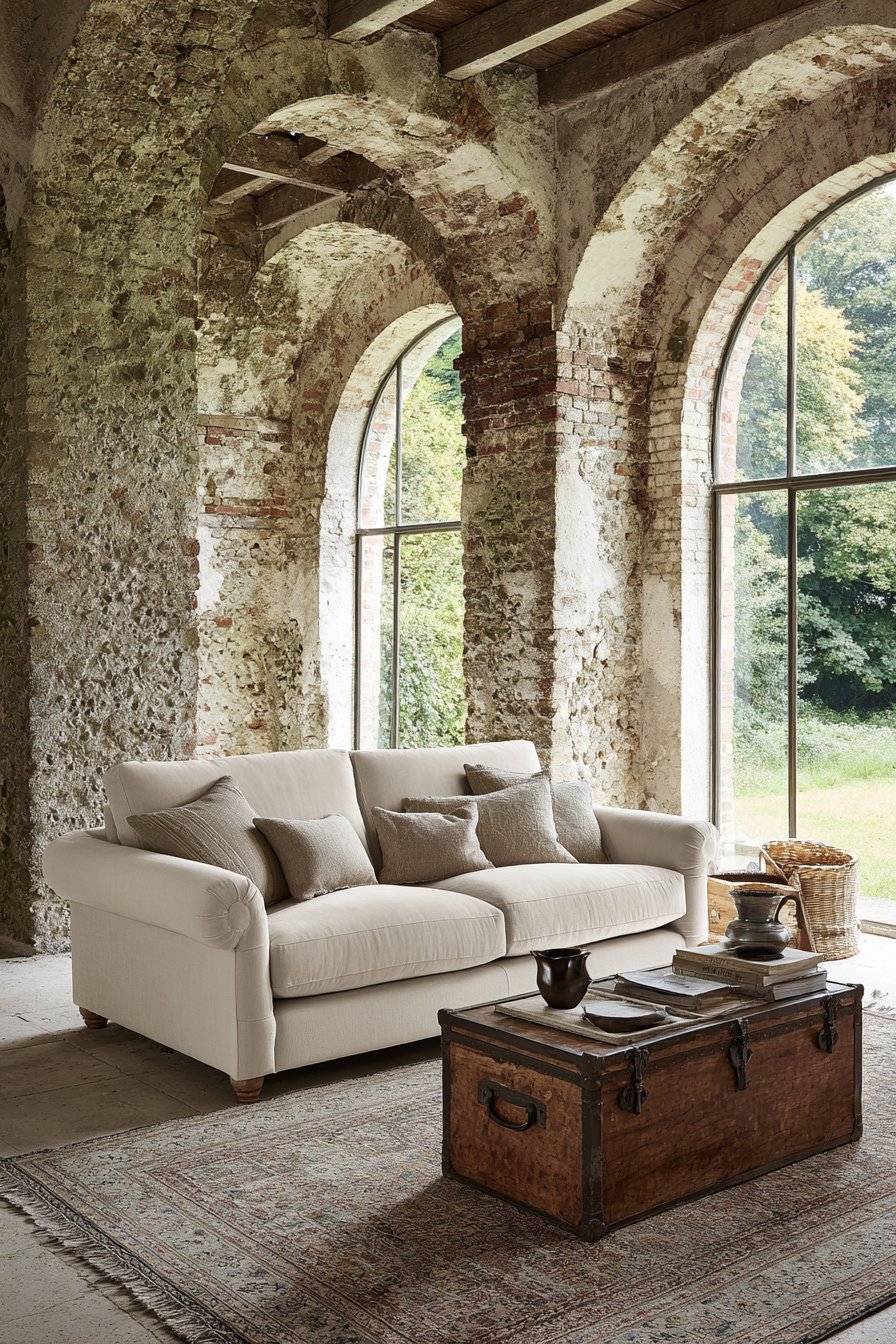
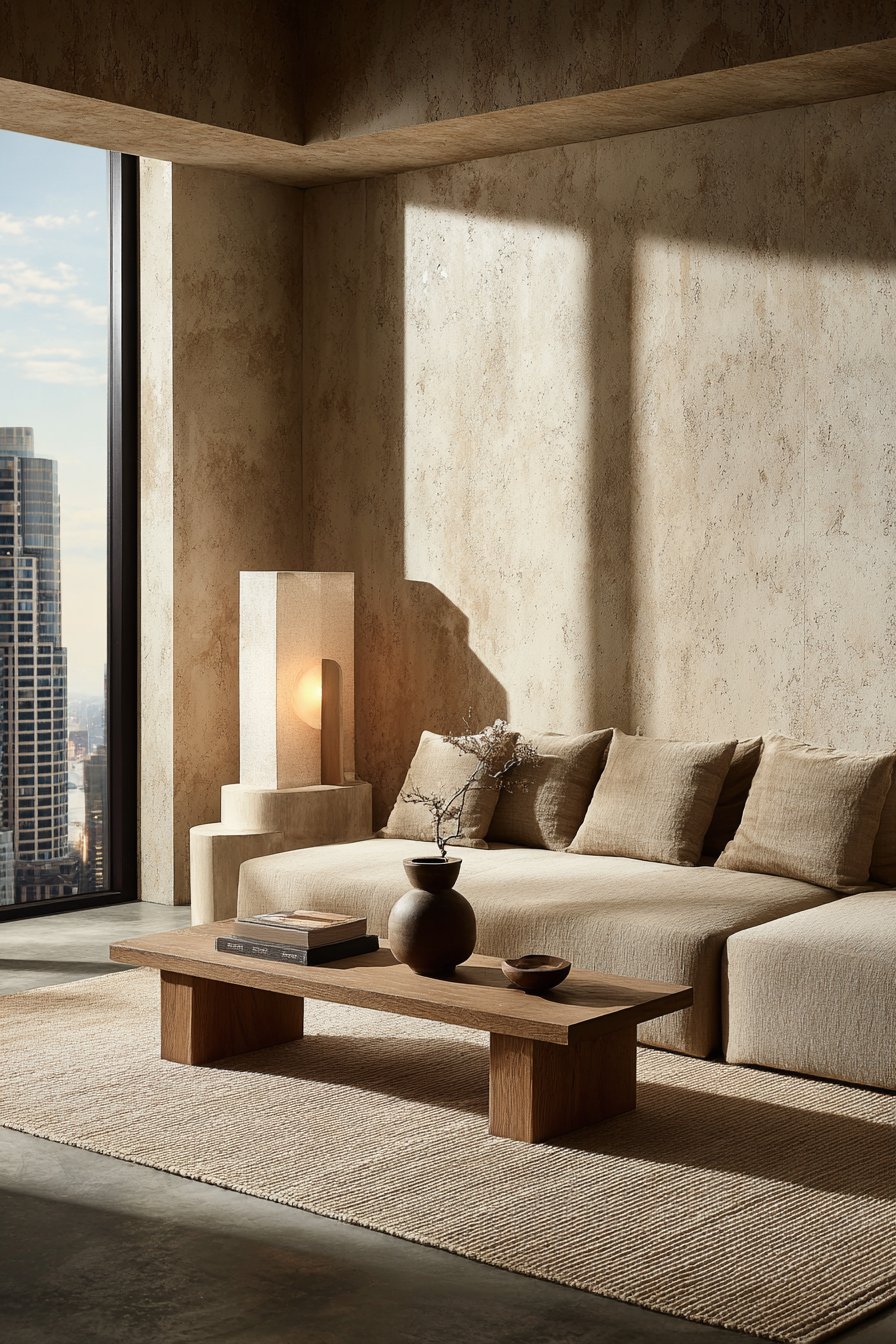
This space demonstrates how neutral palettes can highlight architectural features rather than compete with them. A cream velvet chesterfield sofa positions to showcase original exposed brick painted in soft white wash, the sofa’s classic silhouette complementing the room’s architectural character. The velvet upholstery adds luxury while the cream tone ensures the brick wall remains the focal point.
A vintage wooden trunk repurposed as a coffee table introduces additional history and character to the space. Its weathered finish and aged hardware tell stories of previous use, creating conversation and interest that new furniture cannot replicate. Positioned on a Persian-style rug in faded neutrals, the trunk demonstrates how vintage elements can integrate seamlessly into neutral schemes when color palettes align.
Large arched windows with minimal treatments allow abundant natural light to flood the space, illuminating the textured brick wall and casting shadows that emphasize its dimensional surface. The architectural details—the brick, the arches, the proportions—become the room’s decoration, with furnishings selected to complement rather than overwhelm these existing features. This approach celebrates the building’s character while creating a livable, comfortable space.
Key Design Tips:
- Position furniture to showcase architectural features like exposed brick
- Paint brick in soft white wash to lighten while preserving texture
- Repurpose vintage trunks as coffee tables for character and storage
- Select Persian-style rugs in faded neutrals for aged elegance
- Minimize window treatments on architecturally interesting windows
- Choose classic furniture silhouettes that complement period architecture
15. Layered Lighting Design
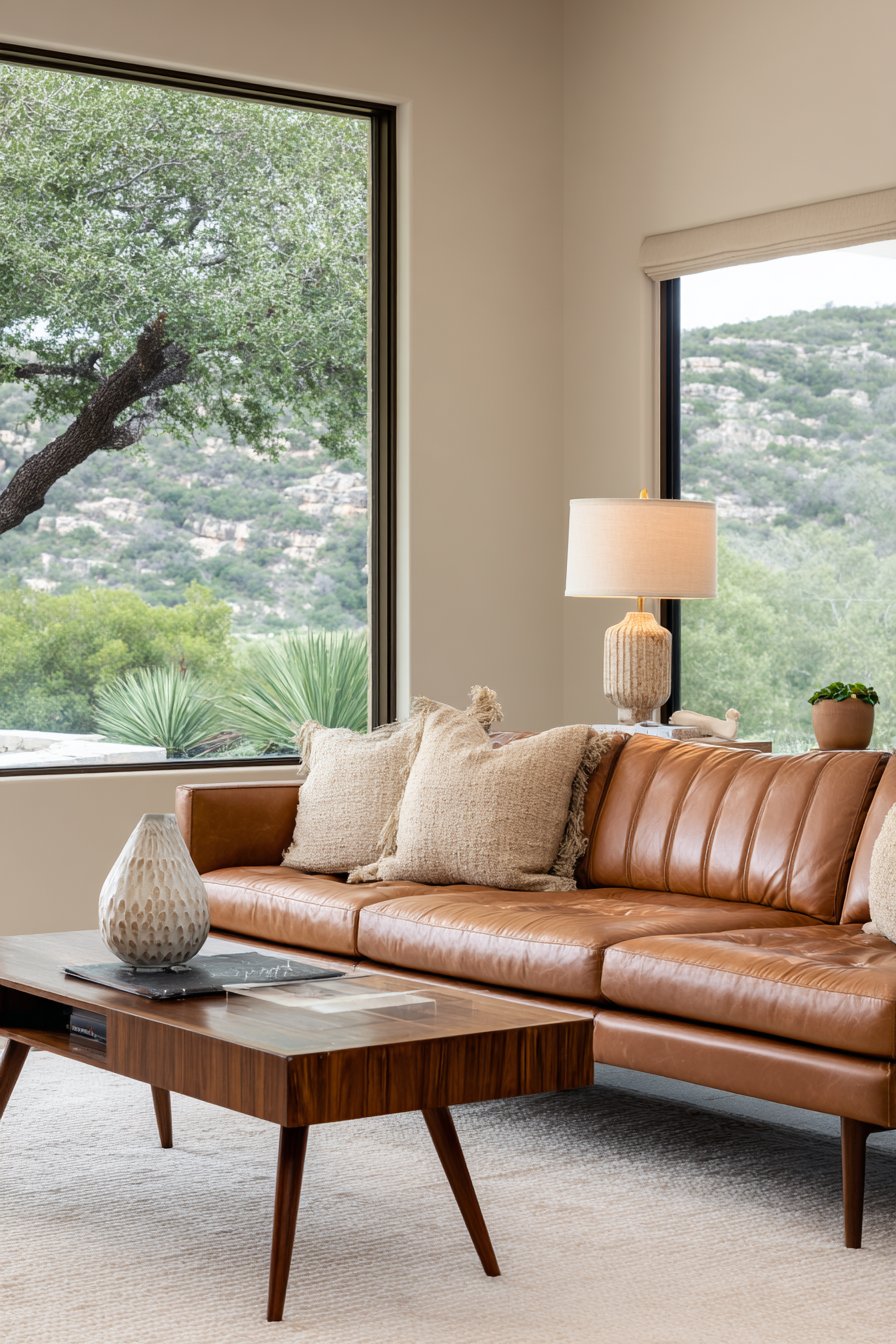
This design showcases the importance of layered lighting in creating versatile, functional neutral living spaces. The beige linen sectional serves as the foundation, but it’s the thoughtful lighting design that truly brings the room to life. Natural window light provides the base layer, filling the space with changing illumination throughout the day and maintaining connection to the outdoors.
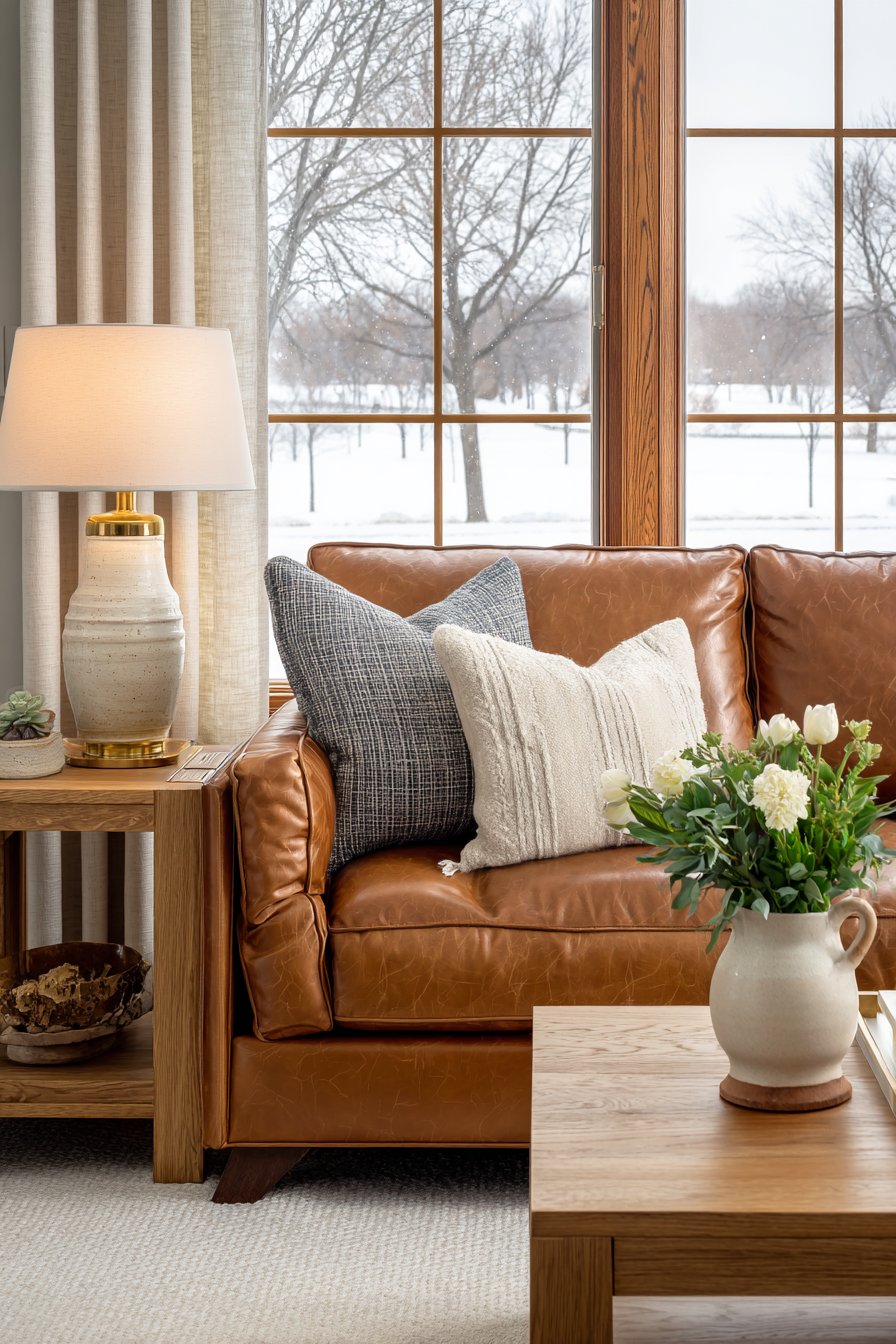
A sculptural floor lamp with warm LED bulb adds task lighting while serving as a design element in its own right. Its organic form and mixed materials—perhaps a wood tripod base with brass accents and linen shade—introduce visual interest without disrupting the neutral palette. Recessed ceiling lights provide ambient illumination for evening hours, their subtle presence maintaining the room’s clean aesthetic.
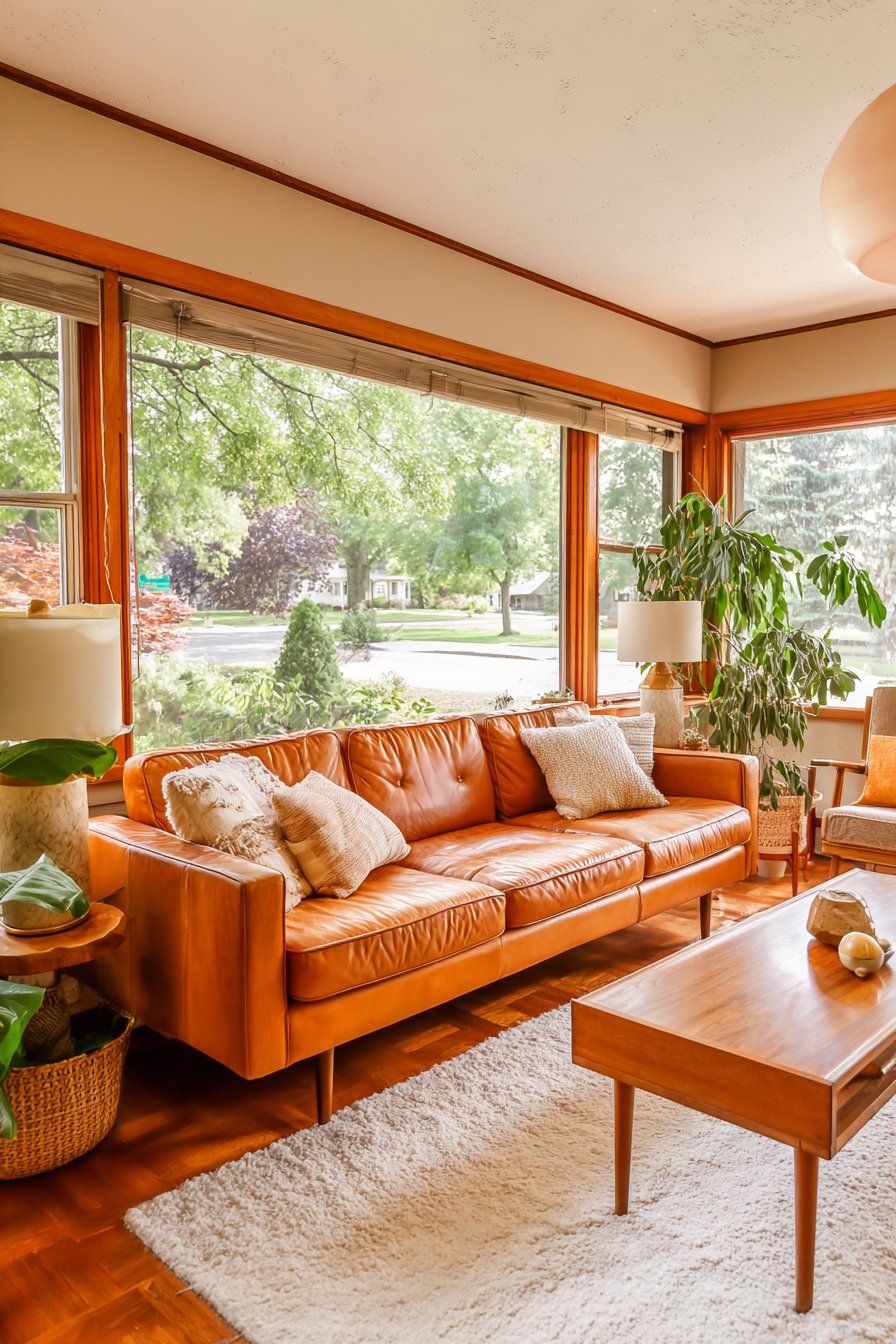
The low wood coffee table and layered neutral rugs complete the foundation, but it’s the walls in warm greige that truly demonstrate the power of layered lighting. Throughout the day, as light quality shifts from cool morning brightness to warm golden hour glow to soft artificial evening light, the wall color appears to transform, sometimes reading cooler, sometimes warmer. This dynamic quality adds life and interest to the neutral space.
Key Design Tips:
- Combine natural, task, and ambient lighting for flexible functionality
- Choose sculptural floor lamps that serve as both light source and art
- Install recessed ceiling lights for unobtrusive ambient illumination
- Select warm LED bulbs to enhance the warmth of neutral palettes
- Paint walls in greige to showcase how changing light transforms color
- Position task lighting near seating areas for reading and activities
16. Mid-Century Modern Warmth
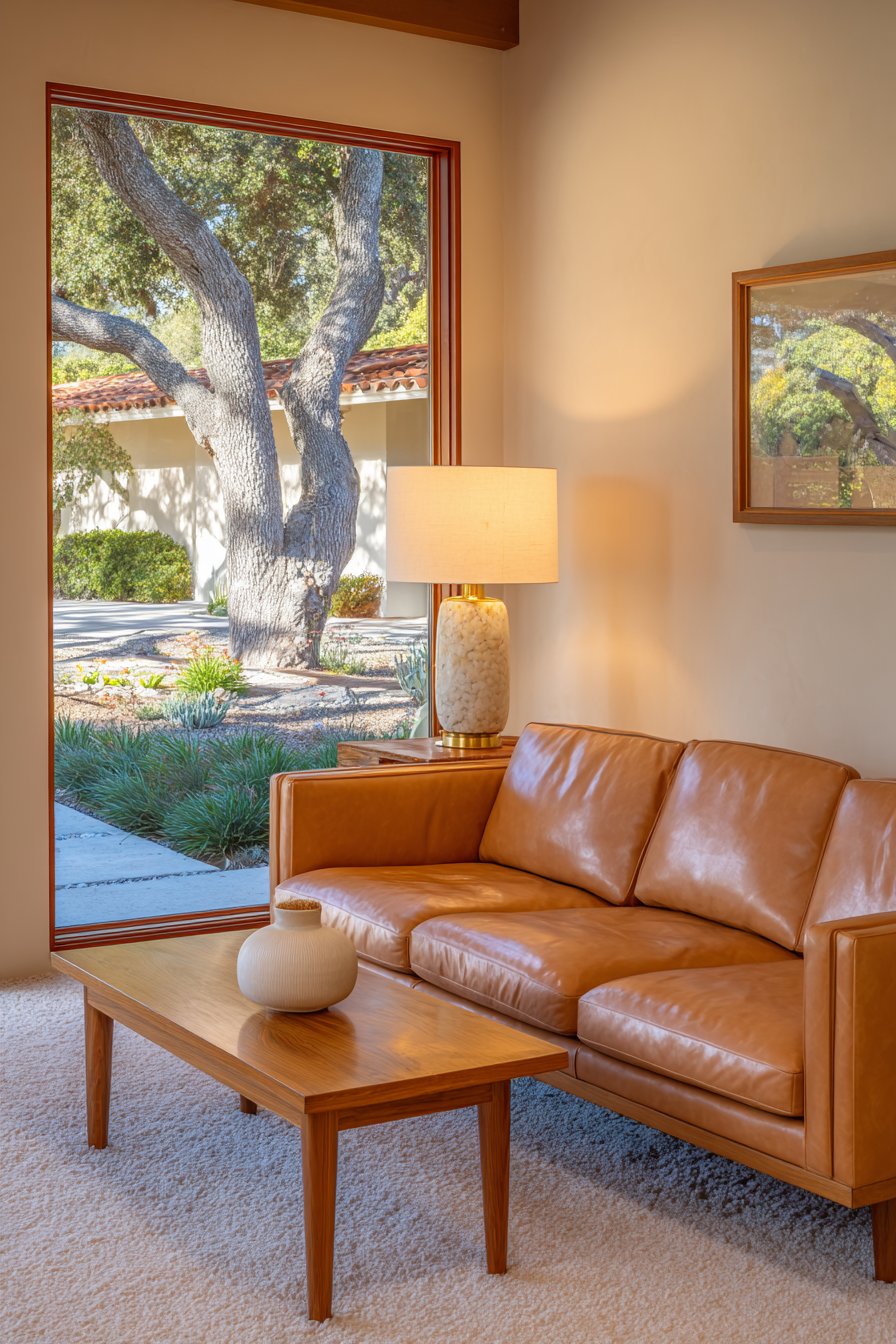
This space draws inspiration from mid-century modern design while maintaining a neutral palette that feels contemporary and fresh. A camel-colored leather sofa anchors the room, its warm tone and natural material aging beautifully over time. The leather’s slight patina and natural variations add character and authenticity, while the sofa’s clean lines and tapered legs reference classic mid-century forms.
A teak coffee table continues the period-appropriate material palette, its rich wood tone providing warmth and contrast against the lighter surrounding elements. Positioned on a cream wool area rug, the arrangement demonstrates the mid-century preference for natural materials and organic forms. The wool rug’s neutral tone grounds the composition while adding softness underfoot.
Walls in soft putty tone complement the warm wood tones without competing for attention, creating a sophisticated backdrop that allows the furniture to shine. A ceramic table lamp with linen shade and brass accents provides task lighting while incorporating multiple materials—ceramic, metal, and fabric—in a single piece. Large windows with simple linen panels frame outdoor views, maintaining the connection to nature valued in mid-century design.
Key Design Tips:
- Choose camel leather sofas for warm, aging-beautifully mid-century style
- Select teak furniture for authentic period-appropriate wood tones
- Use cream wool rugs to ground mid-century compositions
- Paint walls in soft putty tones that complement warm wood
- Incorporate ceramic lamps with brass accents for material variety
- Hang simple linen panels that preserve views and natural light
17. Budget-Friendly Achievable Style
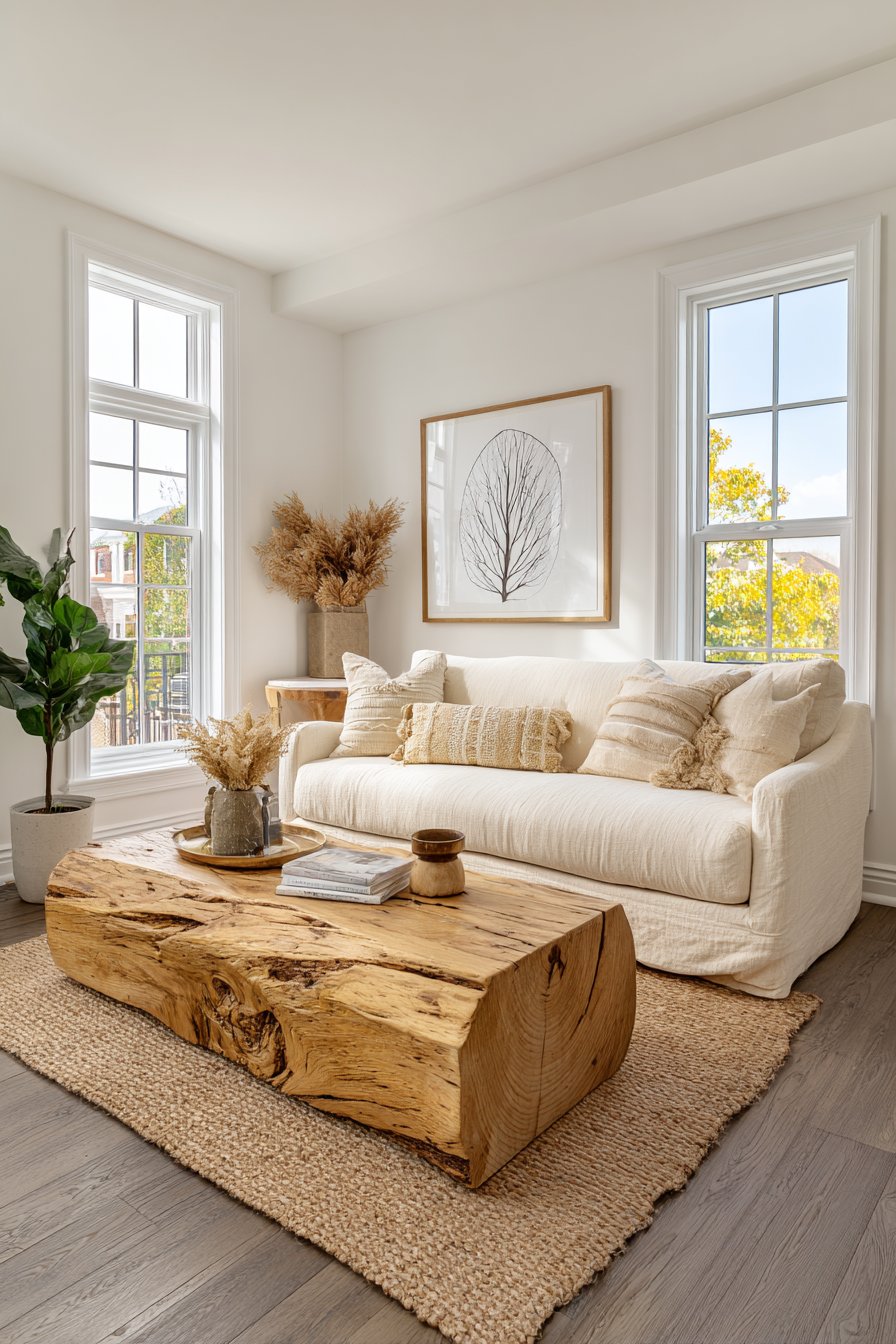
This design proves that beautiful neutral living rooms don’t require unlimited budgets, demonstrating how thoughtful choices can create style on accessible means. A beige slipcover sofa provides the neutral foundation while offering the practical advantage of being washable and updatable as needs change. Slipcovers allow for affordable transformations without replacing entire furniture pieces.
A DIY coffee table made from reclaimed wood shows how creativity can substitute for expensive purchases. Whether constructed from old pallets, salvaged boards, or building materials, the handmade piece adds character and personalization while keeping costs down. Paired with an affordable jute rug that brings natural texture at minimal expense, the foundation remains budget-conscious.
Walls painted in accessible warm white provide a fresh backdrop using commonly available, affordable paint. Thrifted neutral accessories and homemade pillow covers in natural fabrics demonstrate how resourcefulness and creativity can achieve designer looks without designer prices. Natural light from standard windows provides free illumination, proving that beautiful spaces don’t require expensive architectural features.
Key Design Tips:
- Use slipcovers to affordably update existing furniture
- Build DIY coffee tables from reclaimed materials for budget-friendly character
- Choose jute rugs for inexpensive natural texture
- Paint walls in accessible paint colors widely available at home stores
- Shop thrift stores for unique accessories at fraction of retail prices
- Sew pillow covers from affordable natural fabrics for custom looks
18. Integrated Reading Nook
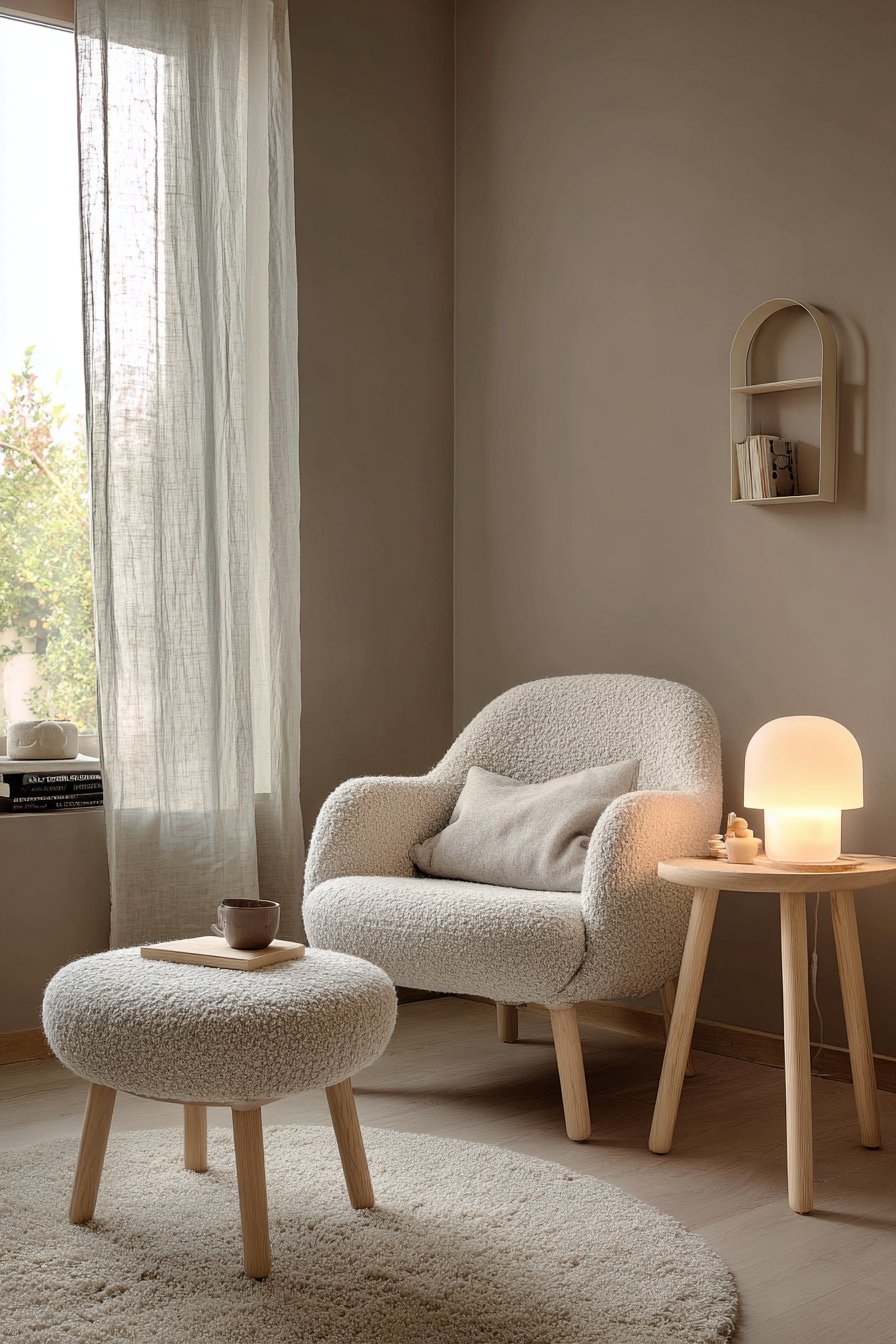
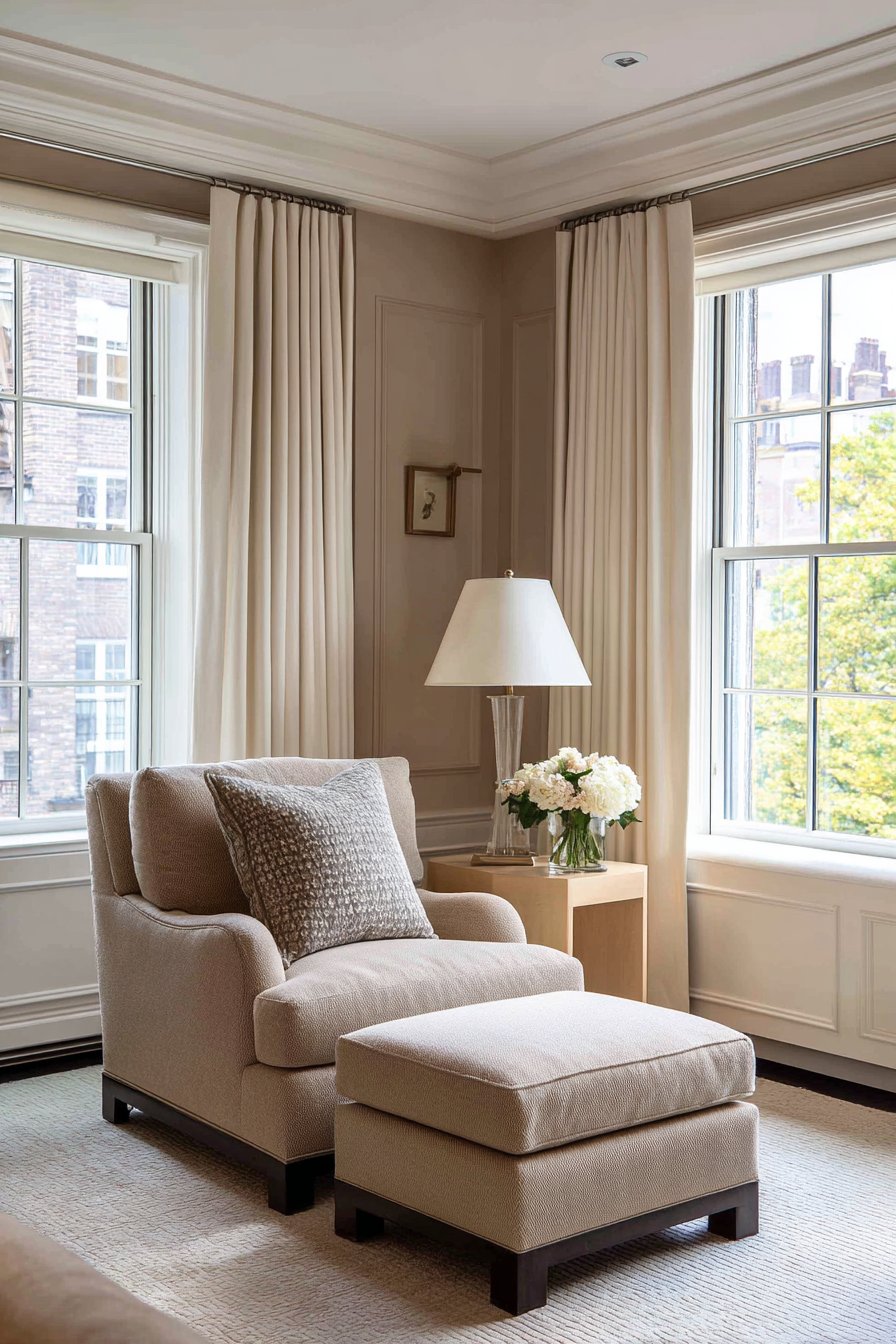
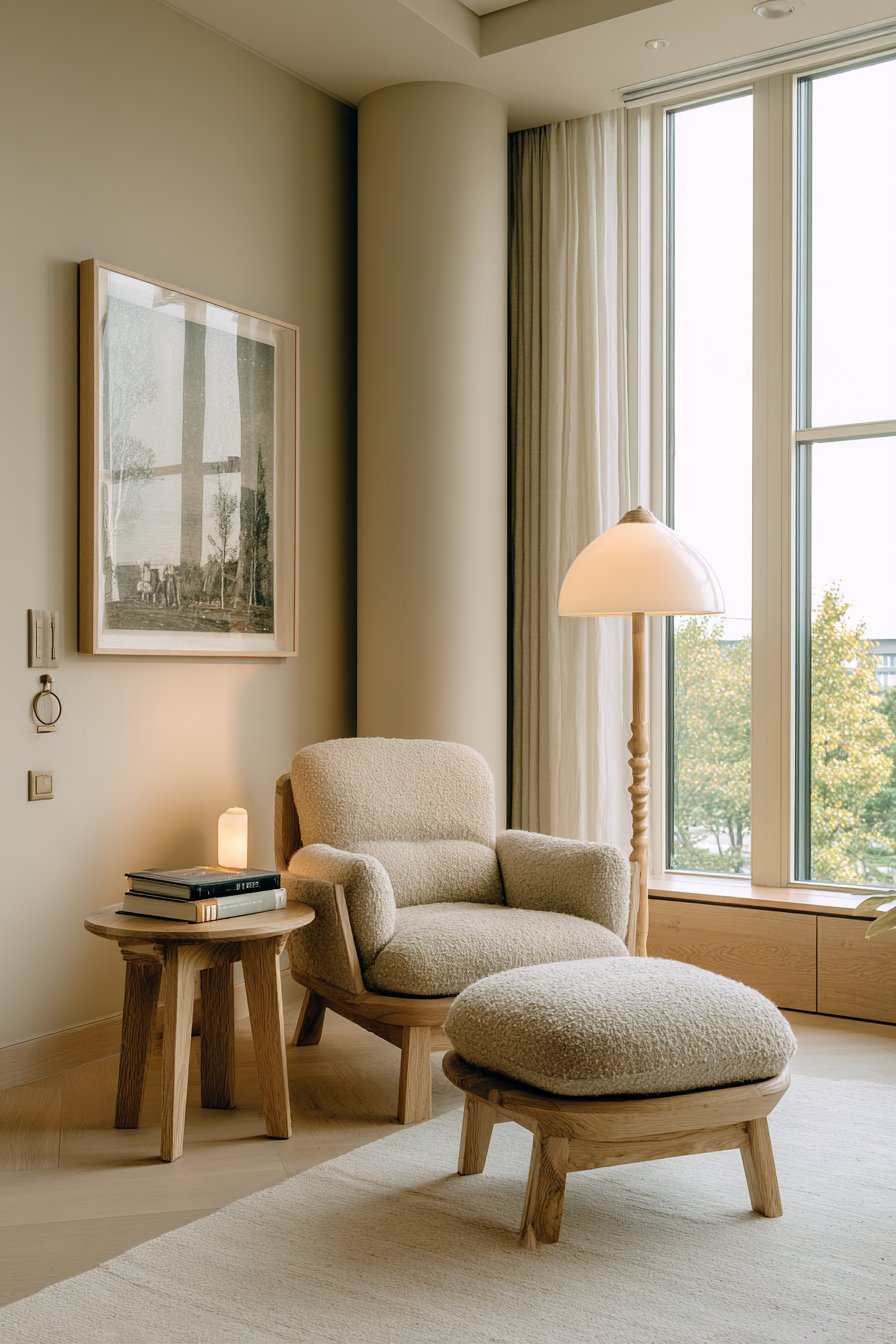
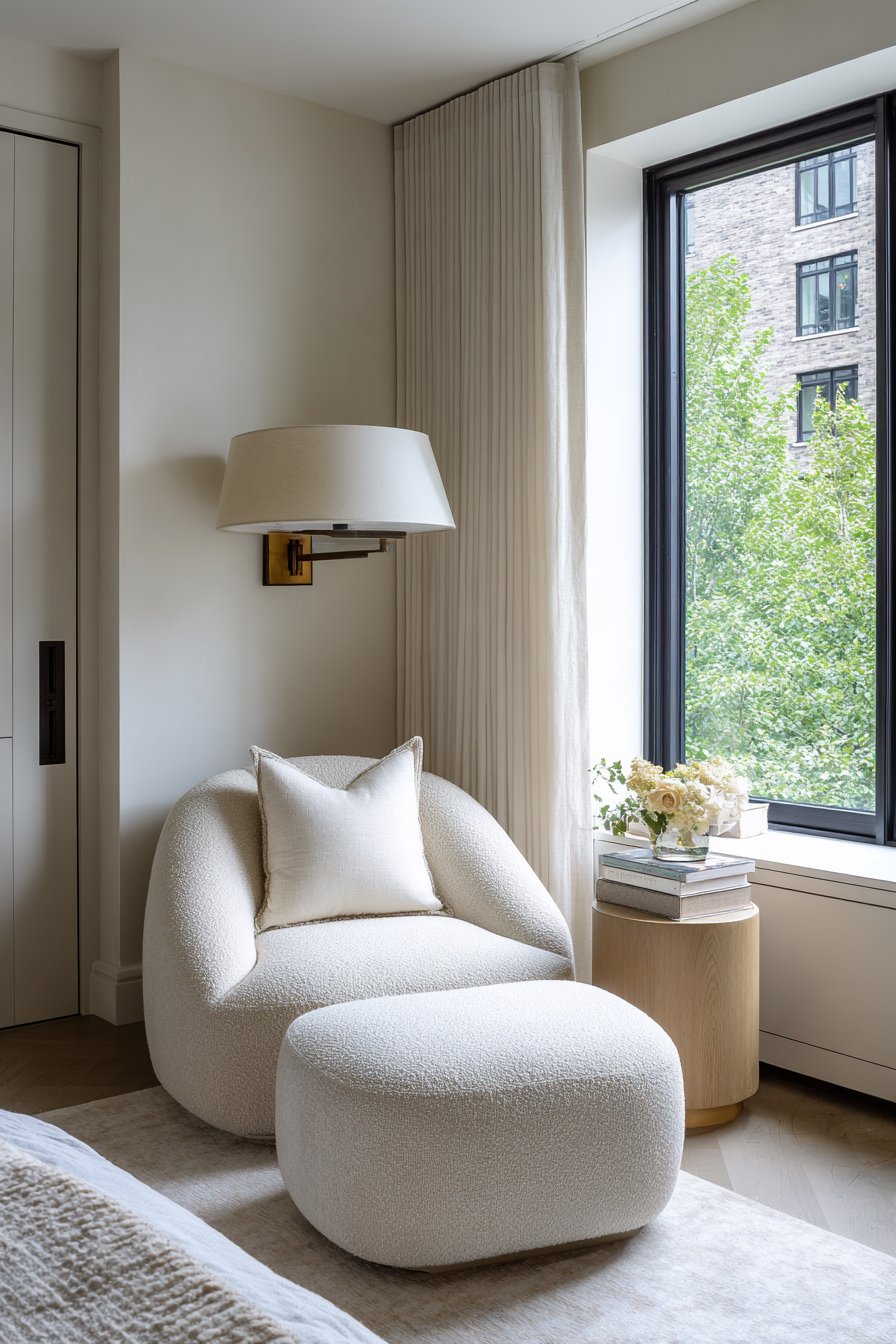
This design demonstrates how to create functional zones within a larger neutral living room, centered around a reading nook positioned near a window with sheer linen curtain. A comfortable oat-colored armchair with ottoman provides the perfect perch for extended reading sessions, its neutral tone integrating seamlessly with the surrounding living room while remaining distinct as its own zone.
A simple side table in light oak holds a reading lamp with cream shade, providing essential task lighting for evening reading without disturbing others in the space. The lamp’s warm glow creates an intimate pool of light that defines the nook even in a larger open room. The nook’s positioning near the window maximizes natural reading light during daytime hours, reducing eye strain and creating connection to the outdoors.
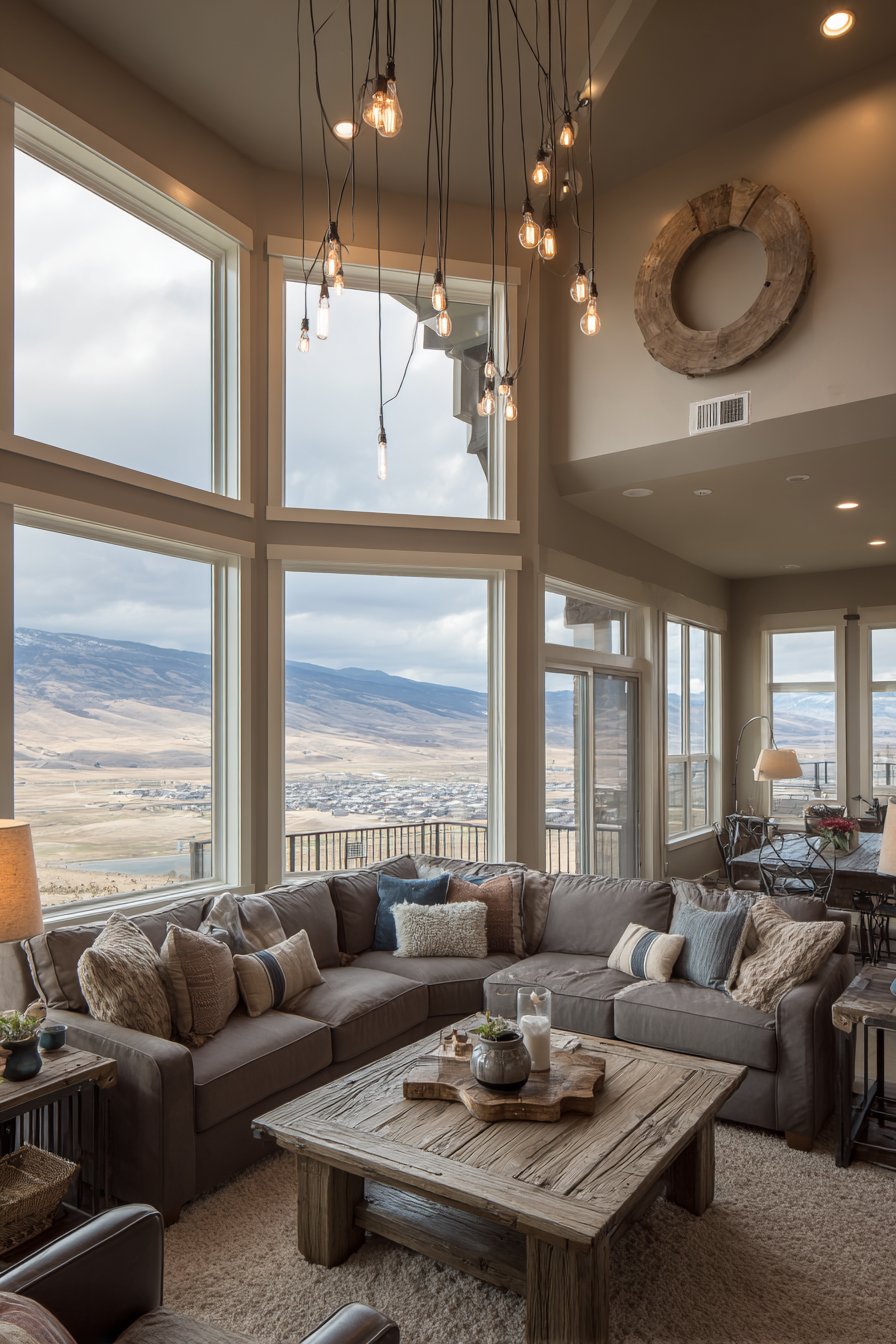
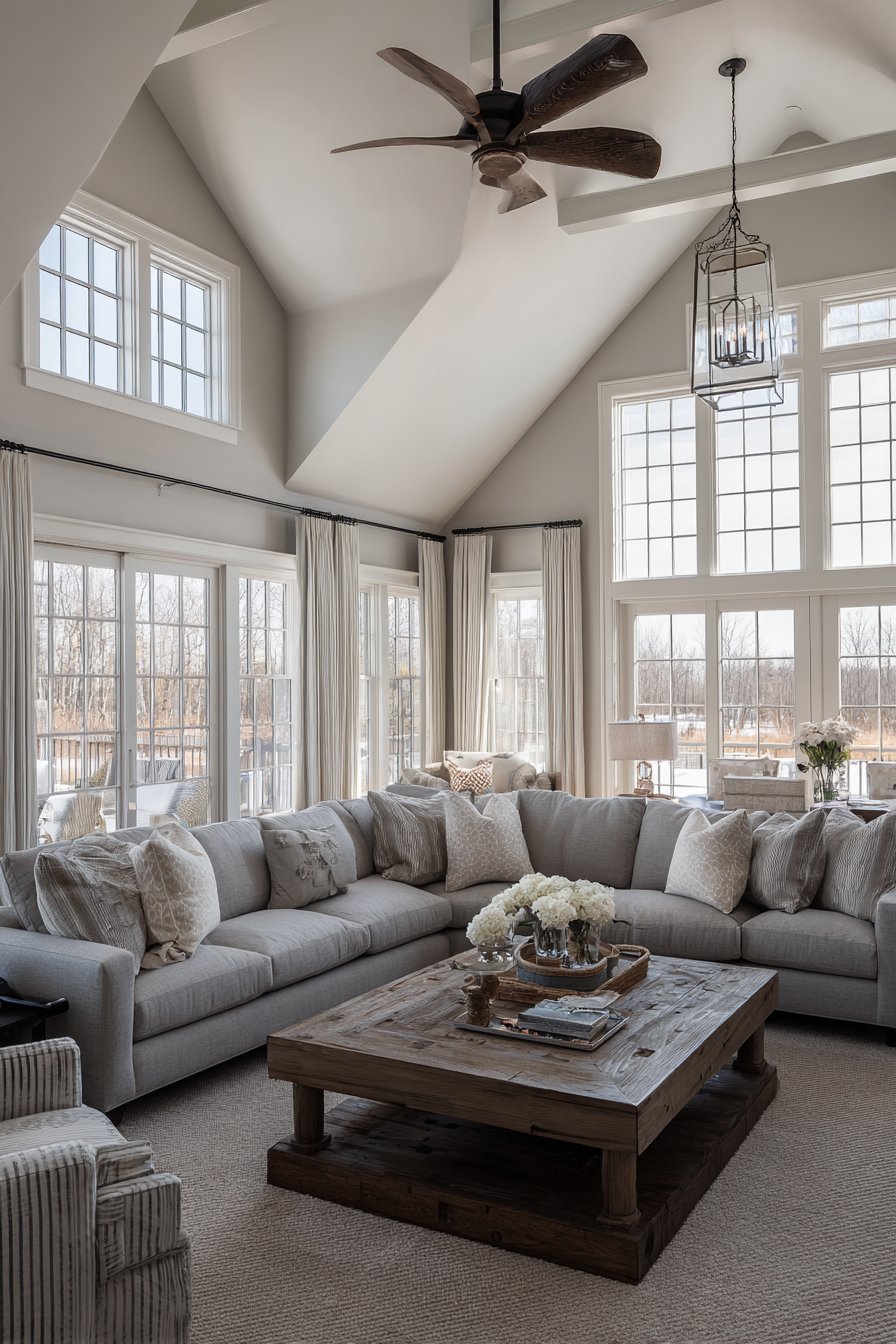
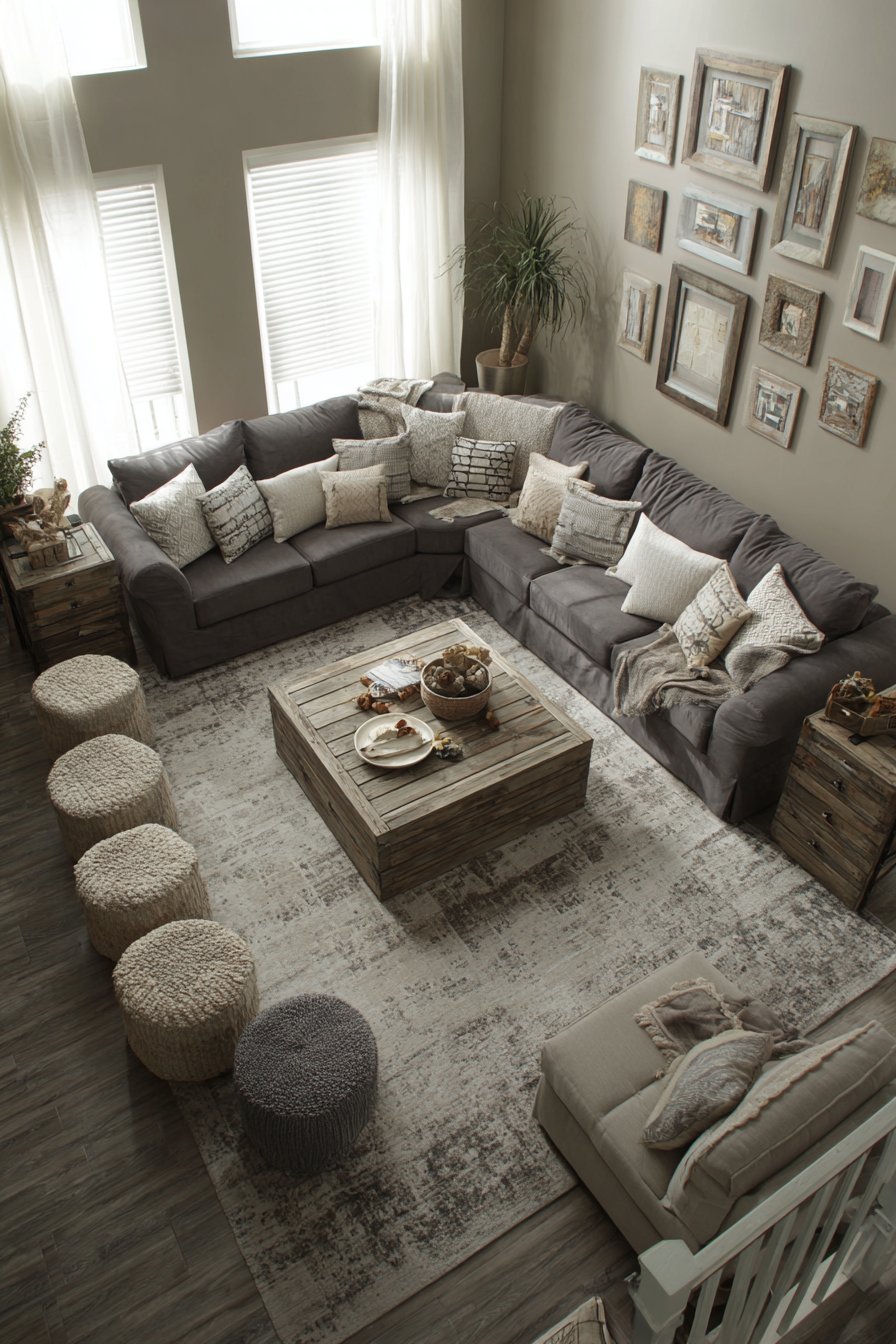
The surrounding neutral living room with taupe walls and cream area rug remains visible in the background, demonstrating how the nook integrates into the larger space rather than standing separate from it. The cohesive neutral palette allows the functional zones to coexist harmoniously, creating a multi-functional living space that serves various needs without feeling fragmented or disjointed.
Key Design Tips:
- Position reading nooks near windows to maximize natural light
- Choose comfortable armchairs with ottomans for extended reading sessions
- Provide task lighting specifically for reading with warm LED bulbs
- Use simple side tables scaled appropriately for chair-side use
- Maintain cohesive neutral palette to integrate nooks into larger rooms
- Create distinct zones without physical barriers in open living spaces
19. Open-Concept Flow
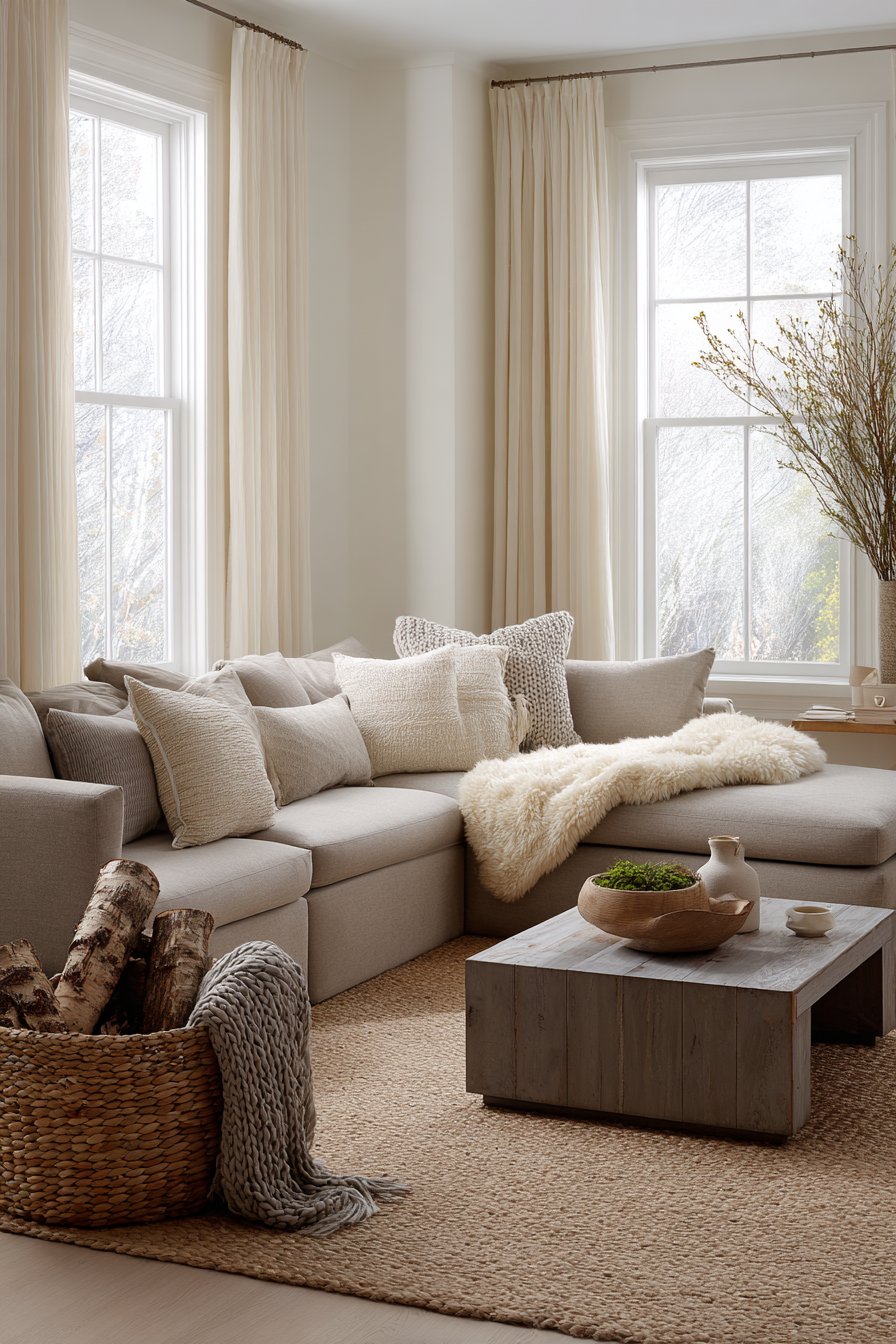
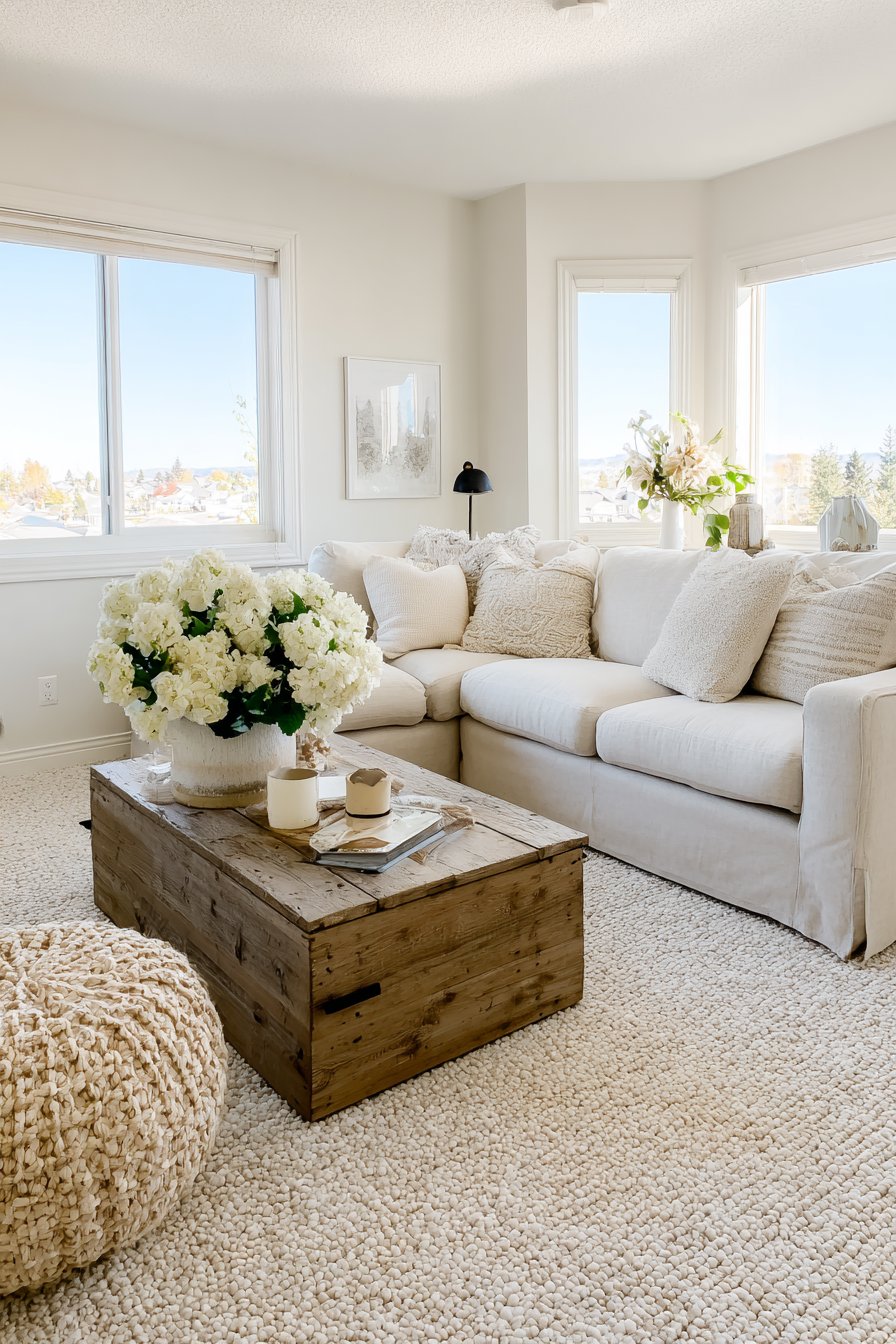
This design addresses the challenges of open-concept living, where a large L-shaped sectional in warm grey defines the living area within a larger undivided space. The sectional’s substantial size and solid color create a visual anchor that establishes the living zone without requiring walls or barriers. Its configuration creates an implied boundary that organizes the open floor plan.
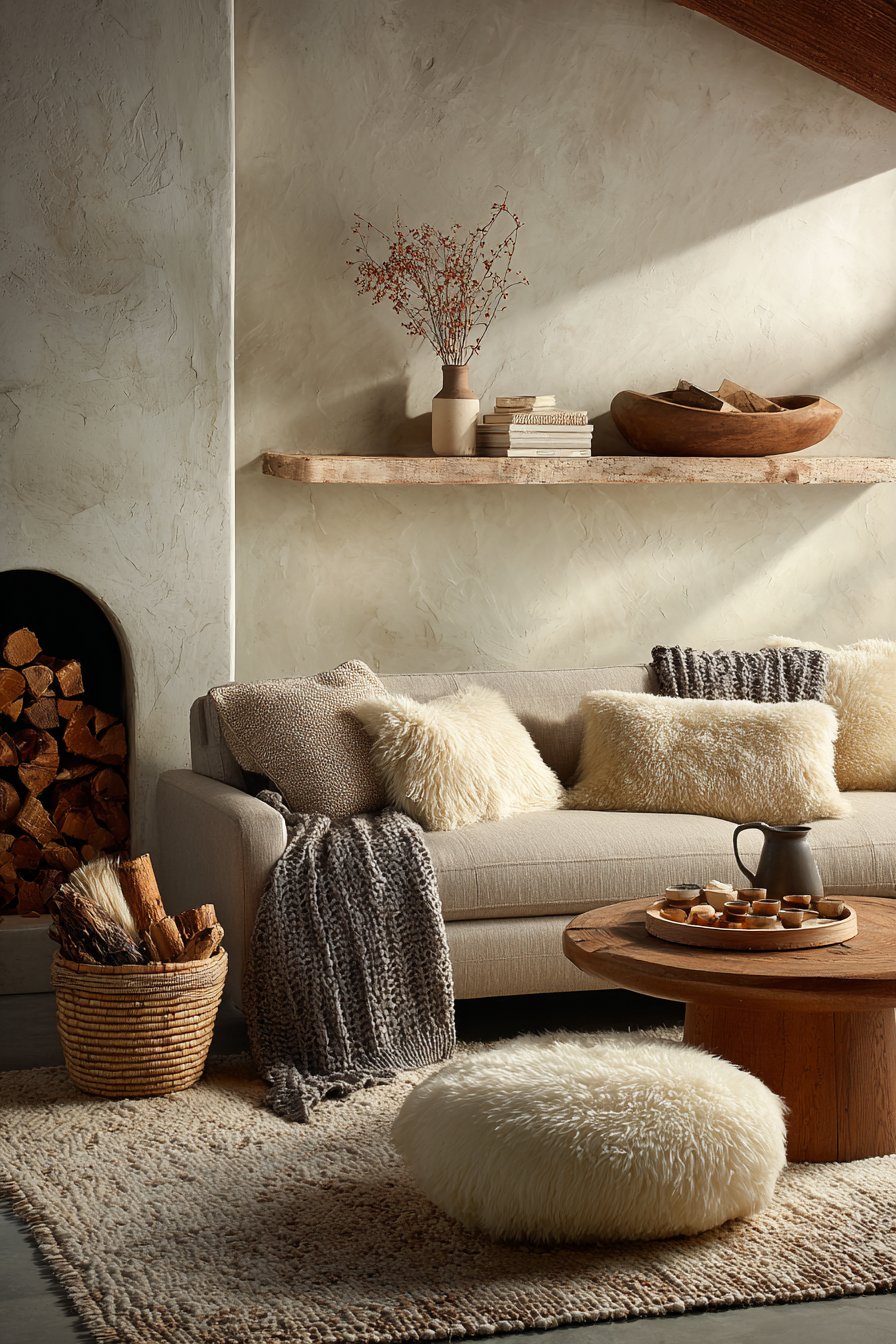
A substantial coffee table in reclaimed wood grounds the seating arrangement on a large-scale neutral area rug. The rug’s size is critical in open concepts—it must be large enough to encompass all front furniture legs, clearly defining the living area’s footprint. The reclaimed wood table adds weight and presence appropriate for the sectional’s scale, preventing the pairing from feeling unbalanced.
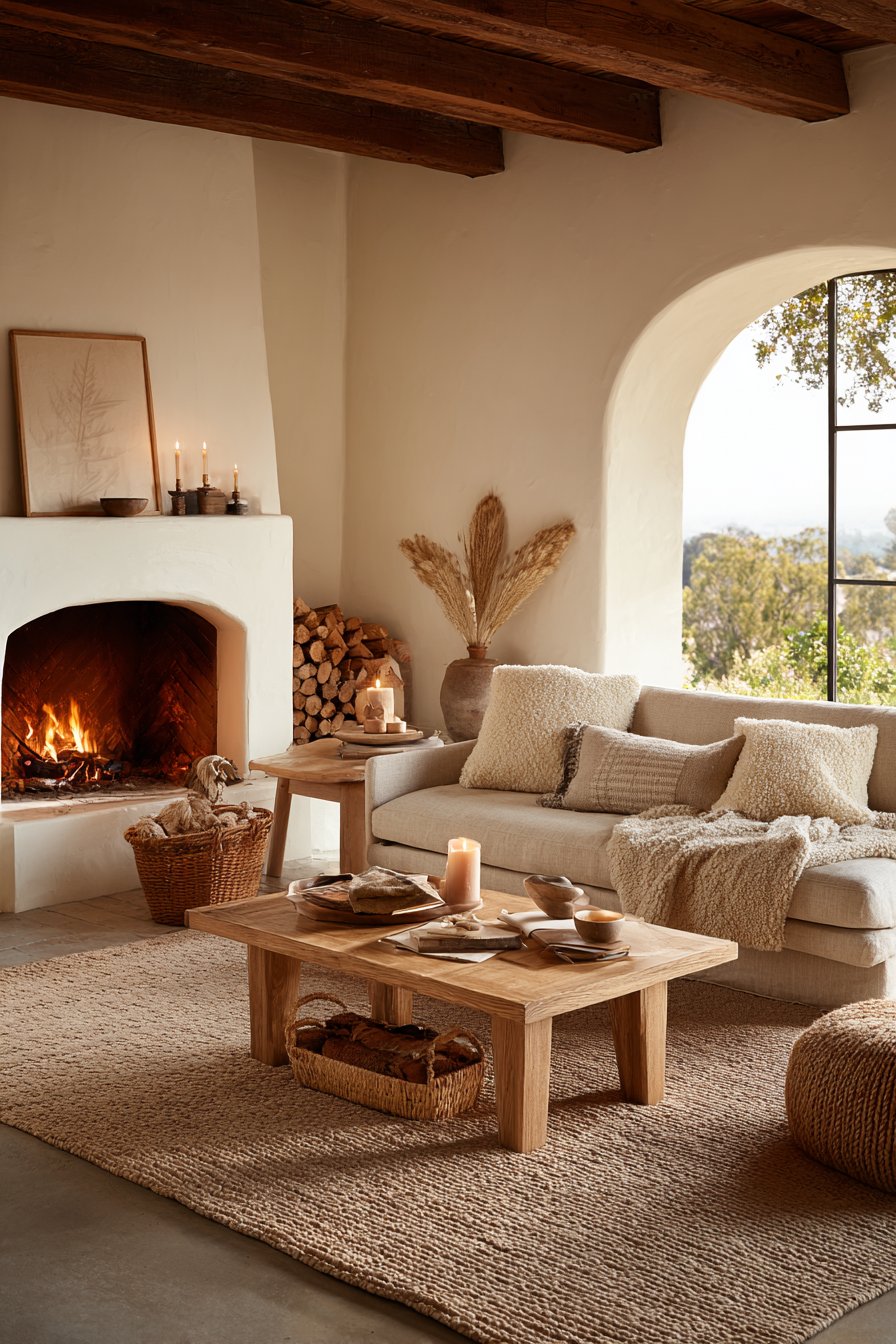
Walls in soft greige flow seamlessly between spaces, creating visual continuity throughout the open floor plan. This consistent color treatment helps various zones feel connected rather than disjointed, while the neutral tone provides flexibility as functions and furnishings change over time. Abundant natural light from multiple exposures illuminates the space throughout the day, with the neutral palette maximizing light reflection and creating an airy, spacious feeling.
Key Design Tips:
- Use large sectionals to define living zones in open-concept spaces
- Select substantial coffee tables scaled appropriately for large sectionals
- Choose large-scale rugs that encompass all front furniture legs
- Paint walls consistently throughout open spaces for visual flow
- Maximize natural light with minimal window treatments in open concepts
- Create implied boundaries through furniture arrangement rather than walls
20. Seasonal Versatility
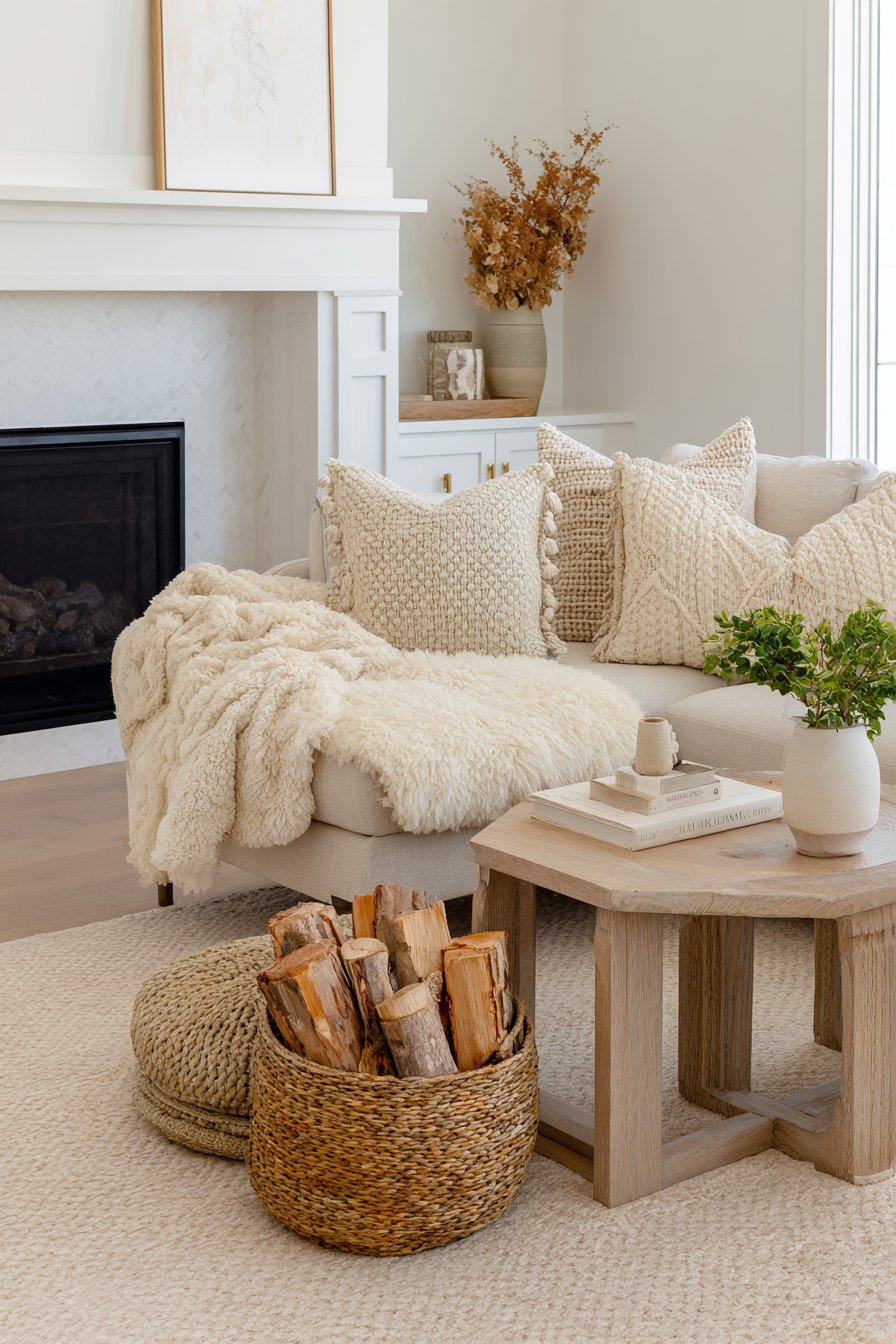
This design showcases how a neutral foundation allows easy seasonal updates without major overhauls. The beige sofa and cream walls create a year-round base that works with any season’s accessories. For winter warmth, chunky knit throws in oatmeal drape over the sofa arms, faux sheepskin accent pillows add cozy texture, and a basket of firewood positioned near a subtle fireplace suggests warmth and comfort.
The natural wood coffee table and jute rug remain constant throughout the year, demonstrating how classic neutral elements provide continuity while allowing seasonal accessories to rotate. In summer, the heavy throws might be replaced with light linen, the sheepskin with cotton, and the firewood basket with fresh flowers. The neutral base accommodates these transformations effortlessly.
Soft winter afternoon light streams through the windows, illuminating the cozy layers and creating shadows that emphasize the textural variety. The same space would feel entirely different in summer’s bright light with lighter accessories, proving how neutral palettes provide the perfect canvas for seasonal expression without requiring permanent changes or major investment.
Key Design Tips:
- Create neutral foundations that work year-round with any accessories
- Use seasonal textiles like knits and sheepskin for winter warmth
- Replace heavy textiles with light linens for summer freshness
- Keep key furniture pieces neutral for continuity across seasons
- Position baskets near fireplaces for decorative wood storage
- Embrace how different light quality transforms neutral spaces seasonally
21. Pet-Friendly Practicality
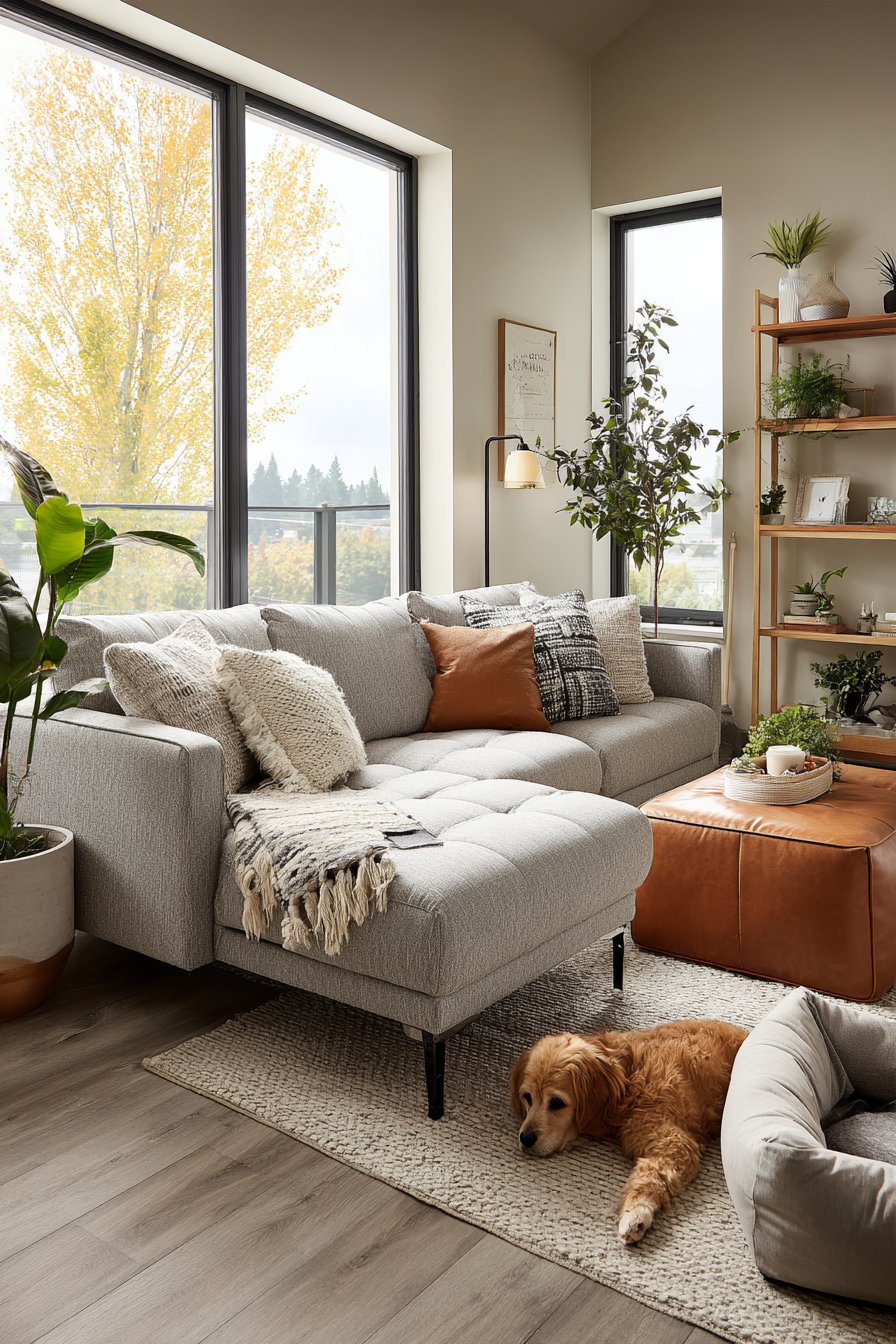
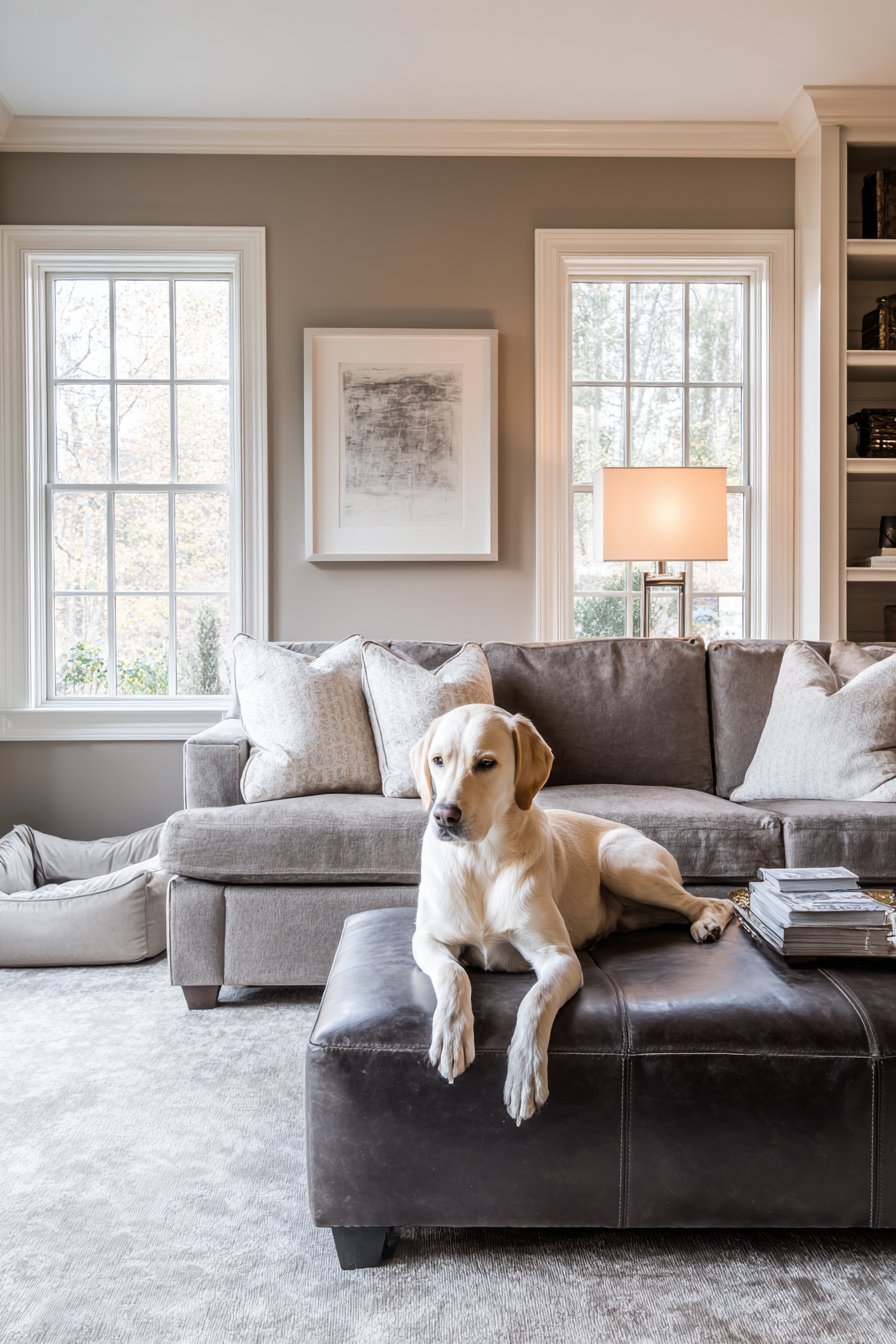
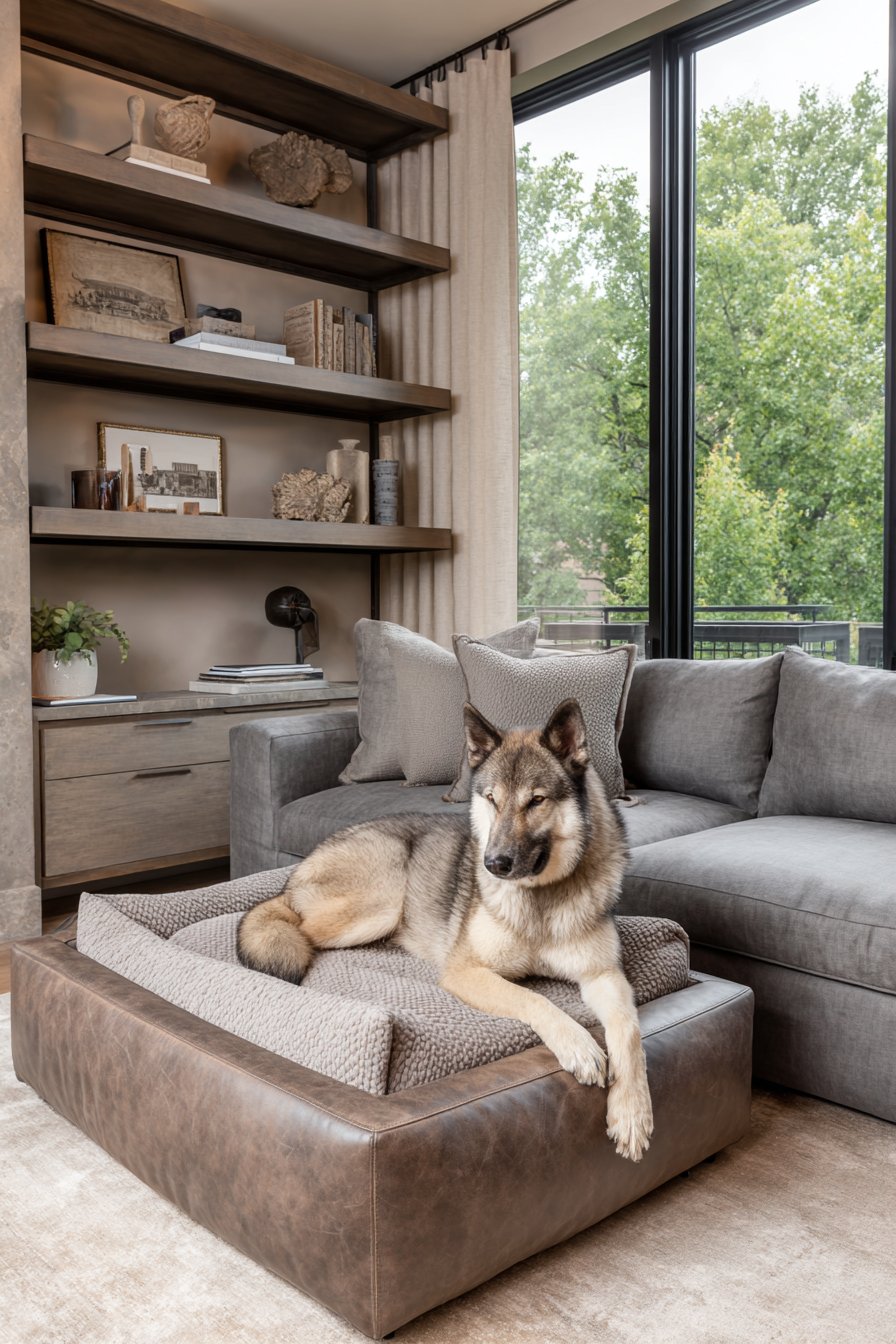
This design addresses the real-world need for pet-friendly interiors without sacrificing style. A durable performance fabric sofa in mushroom grey provides the neutral aesthetic while resisting stains, wear, and pet hair better than traditional upholstery. Performance fabrics have evolved dramatically, now offering the look and feel of natural textiles with enhanced durability essential for pet owners.
An easy-clean leather ottoman serves dual purpose as both footrest and coffee table, its material choice deliberate for pet-friendly living where spills and scratches are inevitable. Paired with a washable neutral area rug, the foundation can withstand the wear of daily pet life. Wall-mounted shelving keeps decorative items safely elevated above wagging tails and curious paws.
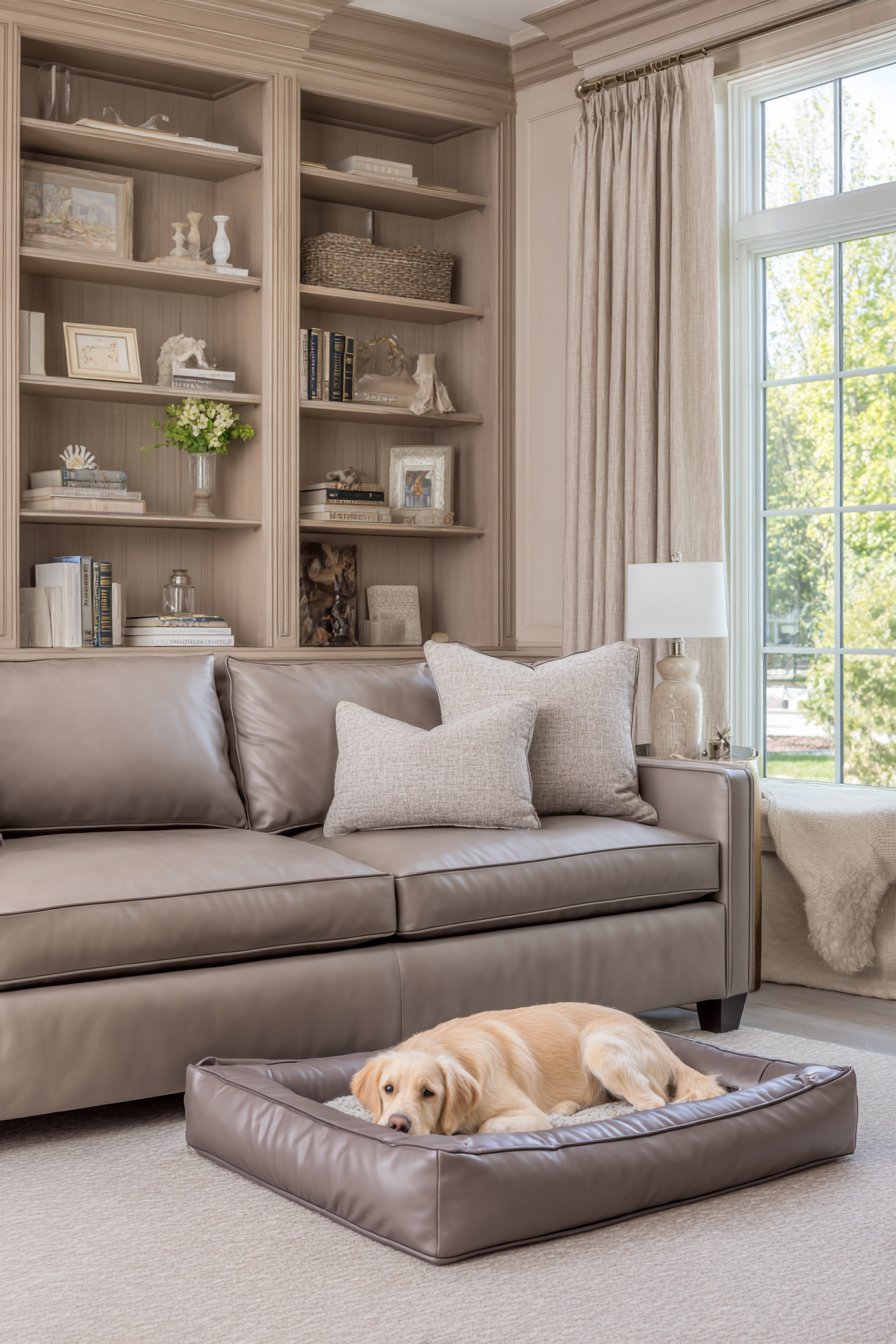
Walls in warm taupe hide minor marks and nose prints better than stark white would, a practical consideration often overlooked in design discussions. A dog bed in complementary neutral tone integrates seamlessly into the design rather than standing out as an eyesore. Natural light from large windows provides warmth while the neutral palette remains practical and beautiful despite the challenges of pet ownership.
Key Design Tips:
- Choose performance fabrics that resist stains and pet hair
- Select leather ottomans for easy-clean pet-friendly surfaces
- Use washable area rugs that can withstand regular cleaning
- Mount shelving on walls to keep breakables away from pets
- Paint walls in warm taupe to hide minor marks and wear
- Integrate pet beds in matching neutral tones for cohesive design
22. Vertical Drama with High Ceilings
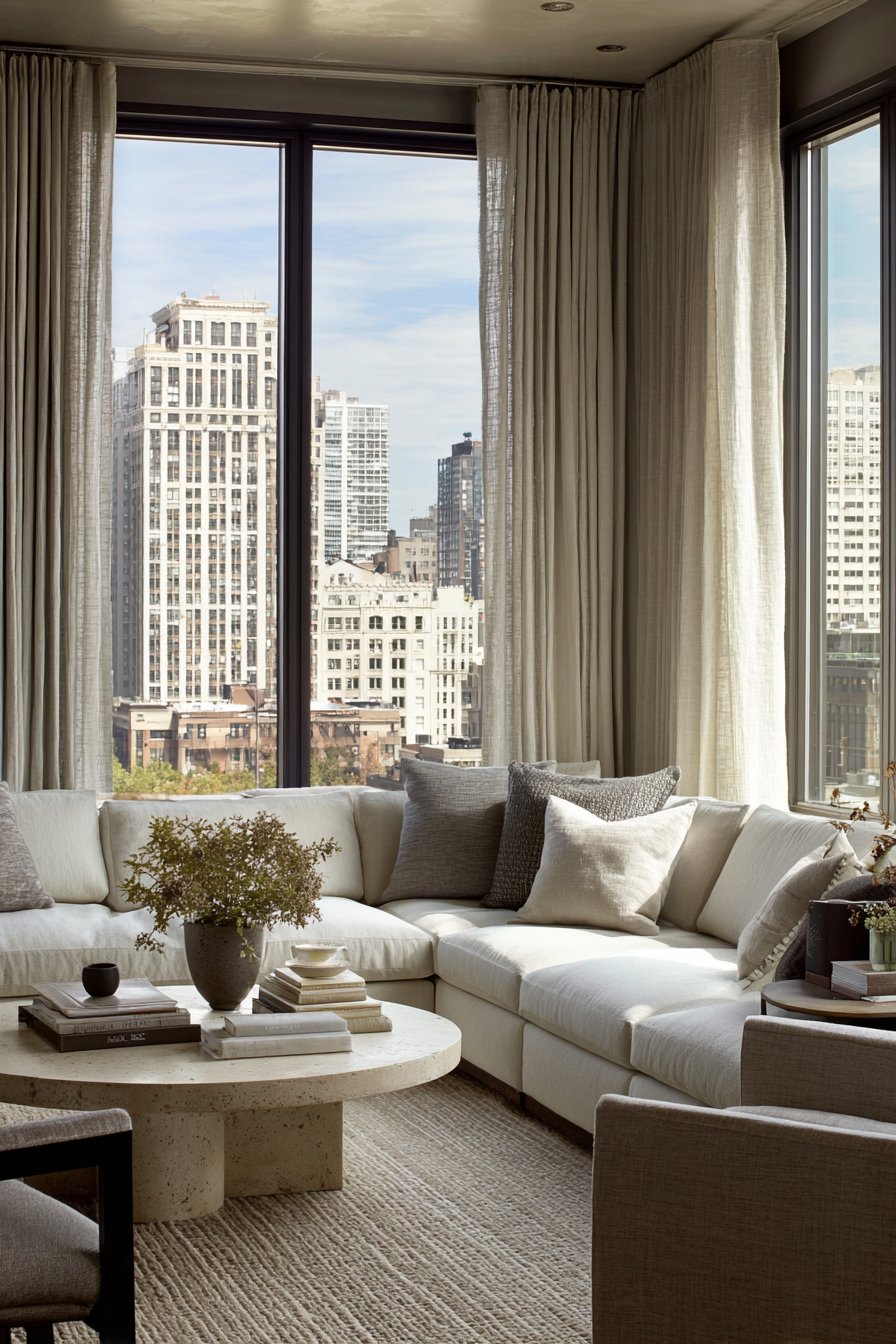
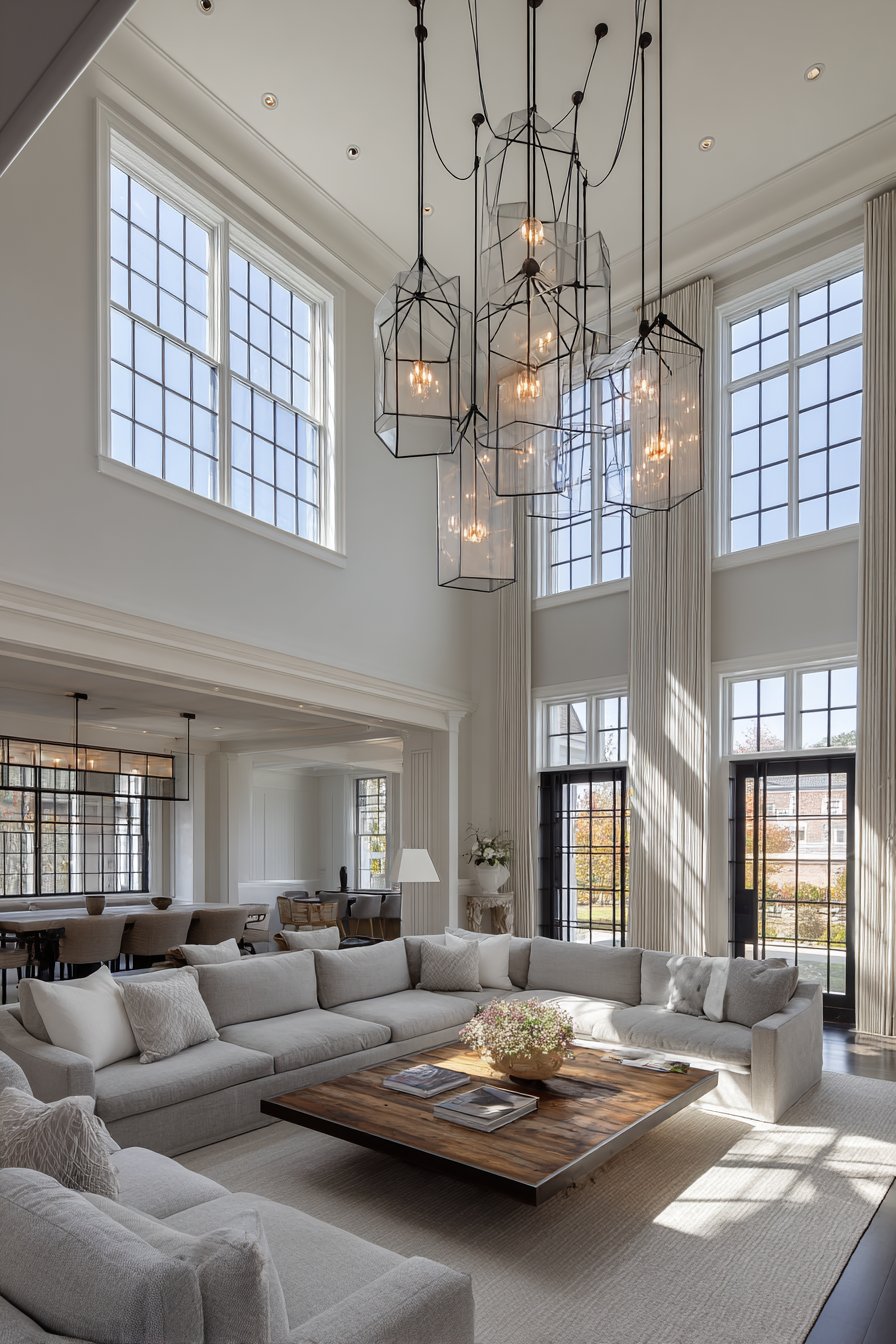
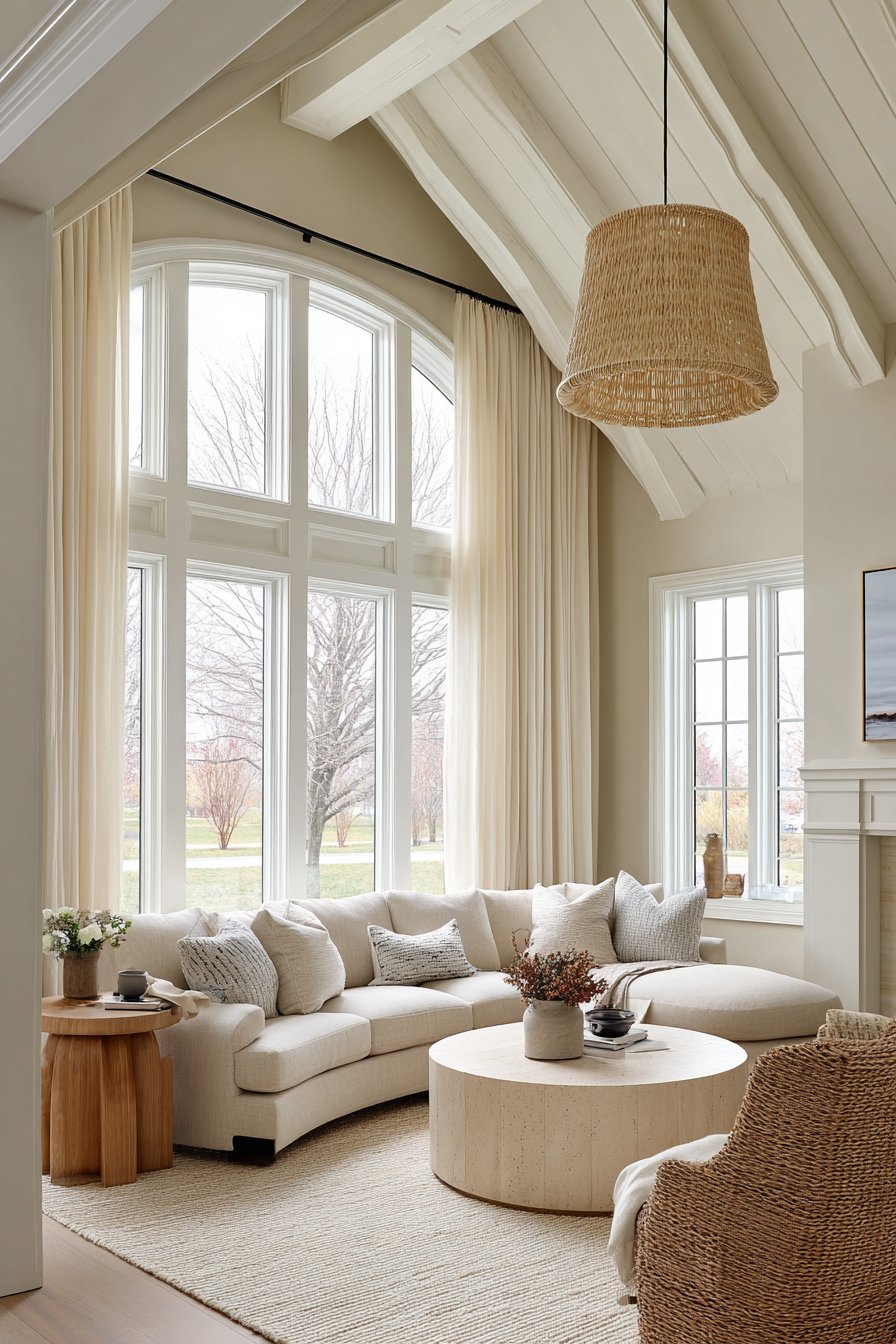
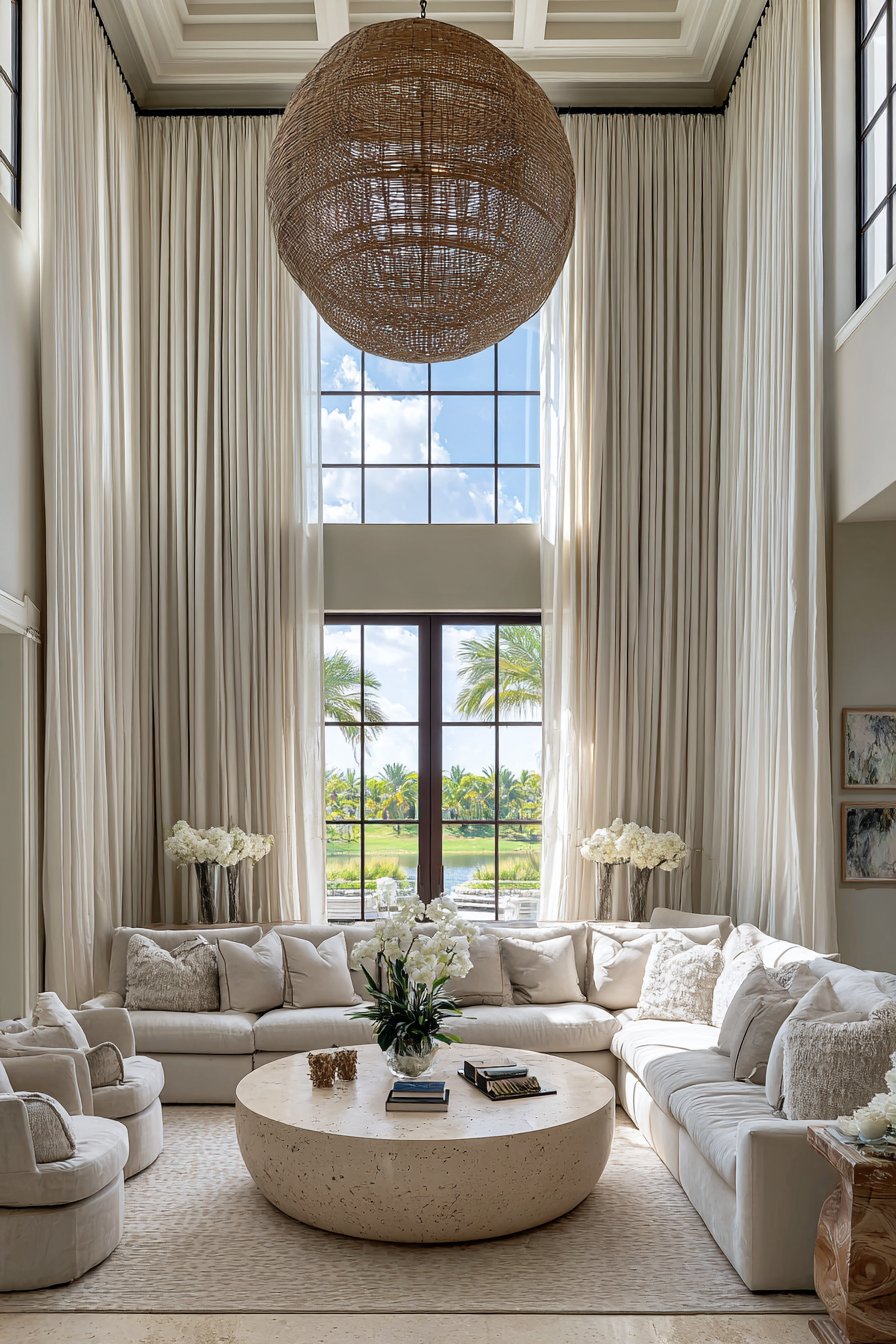
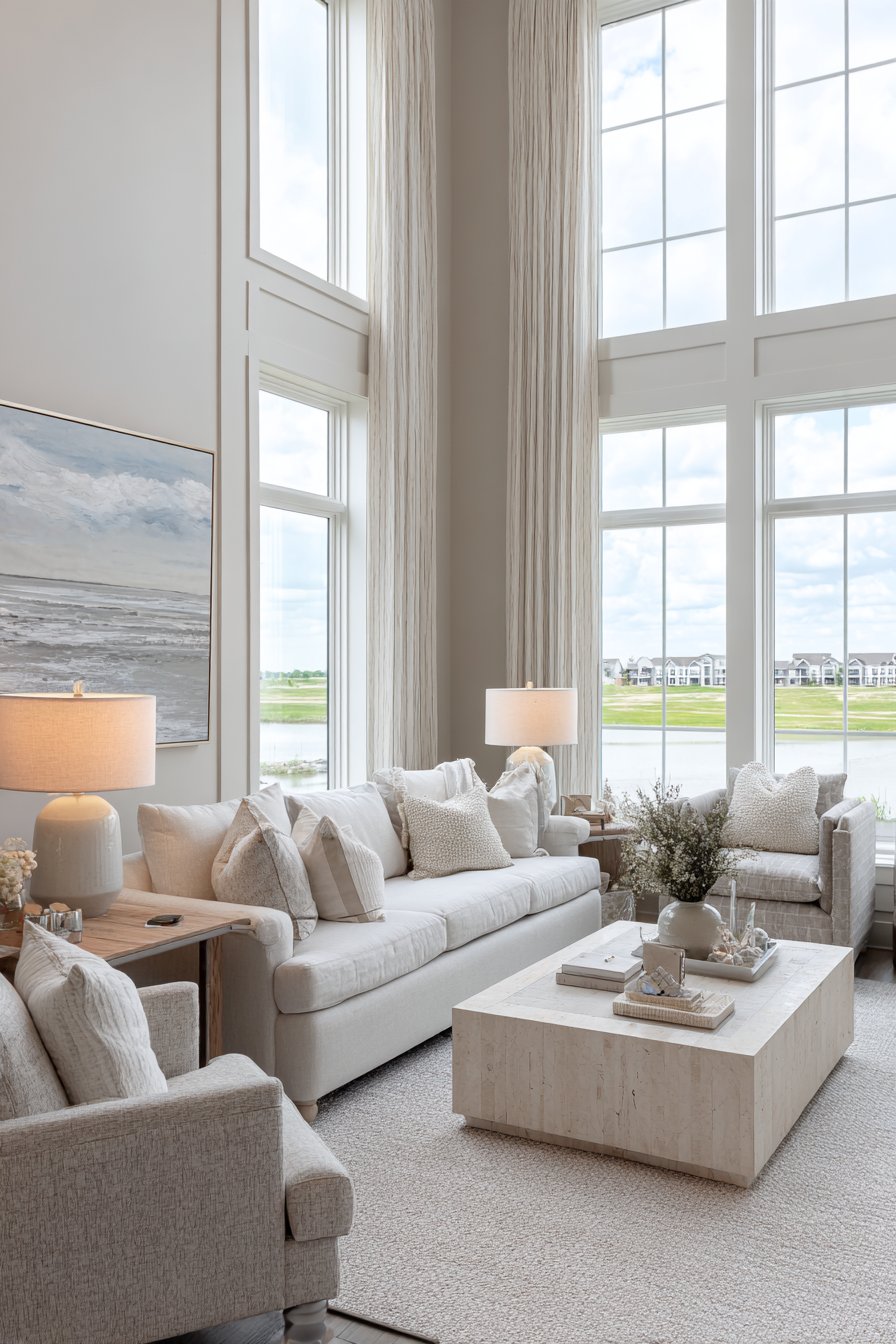
This design addresses the unique opportunities and challenges of rooms with dramatic high ceilings. A tall neutral-toned sectional appropriately scaled for the vertical space prevents furniture from appearing dwarfed by the room’s proportions. The sectional’s substantial height and presence anchor the space while its neutral upholstery maintains visual calm despite its size.
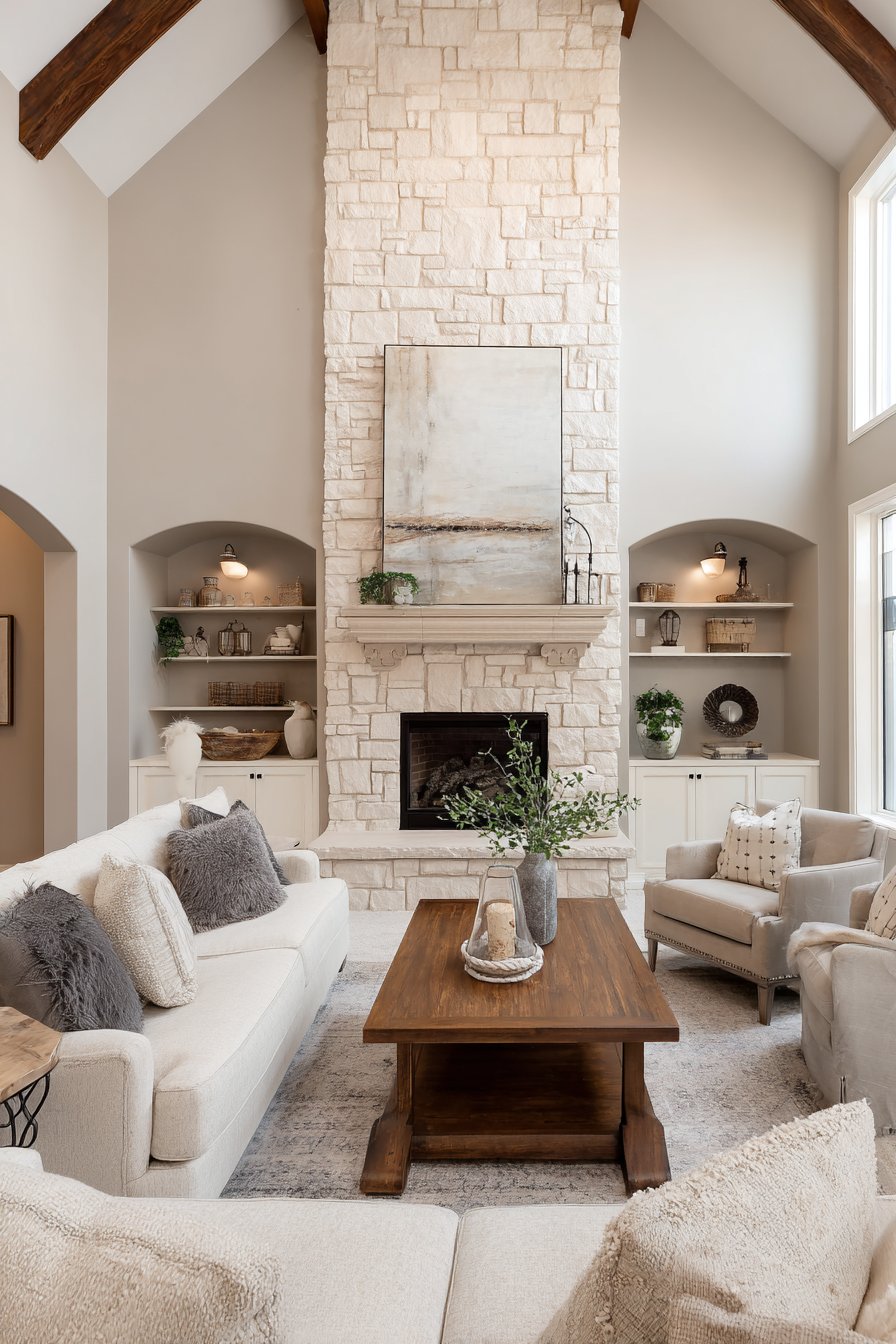
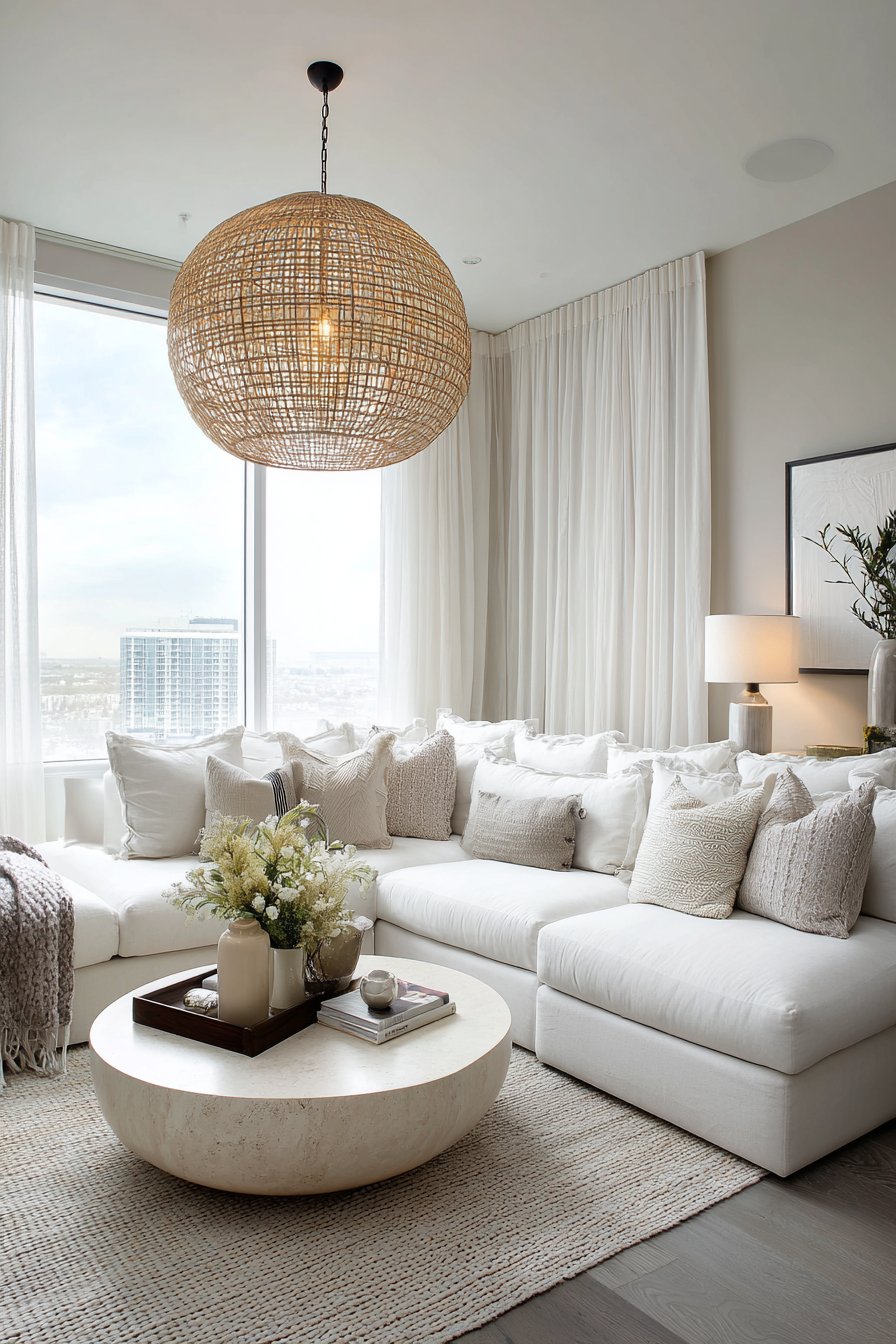
An oversized round coffee table in light travertine provides generous surface area while its circular form softens the angular seating arrangement. The table’s scale must be substantial enough to balance the tall sectional without being overwhelmed. Floor-to-ceiling sheer linen curtains in ivory emphasize the room’s height, drawing the eye upward and celebrating the architectural volume.
Walls in soft greige extend upward to white ceiling, the color transition helping to define where walls end and ceiling begins in such a tall space. A statement pendant light in natural materials hangs at appropriate scale, its size proportional to the room’s volume while providing focal interest in the vertical dimension. The pendant’s position draws attention to the ceiling height while providing functional illumination for the seating area below.
Key Design Tips:
- Scale furniture height appropriately for rooms with tall ceilings
- Choose oversized coffee tables to balance tall, substantial seating
- Hang floor-to-ceiling curtains to emphasize and celebrate vertical space
- Paint walls and ceilings in different tones to define boundaries
- Select statement pendant lights scaled for high-ceiling volumes
- Use vertical dimension as design opportunity rather than challenge
23. Fireplace Focal Point
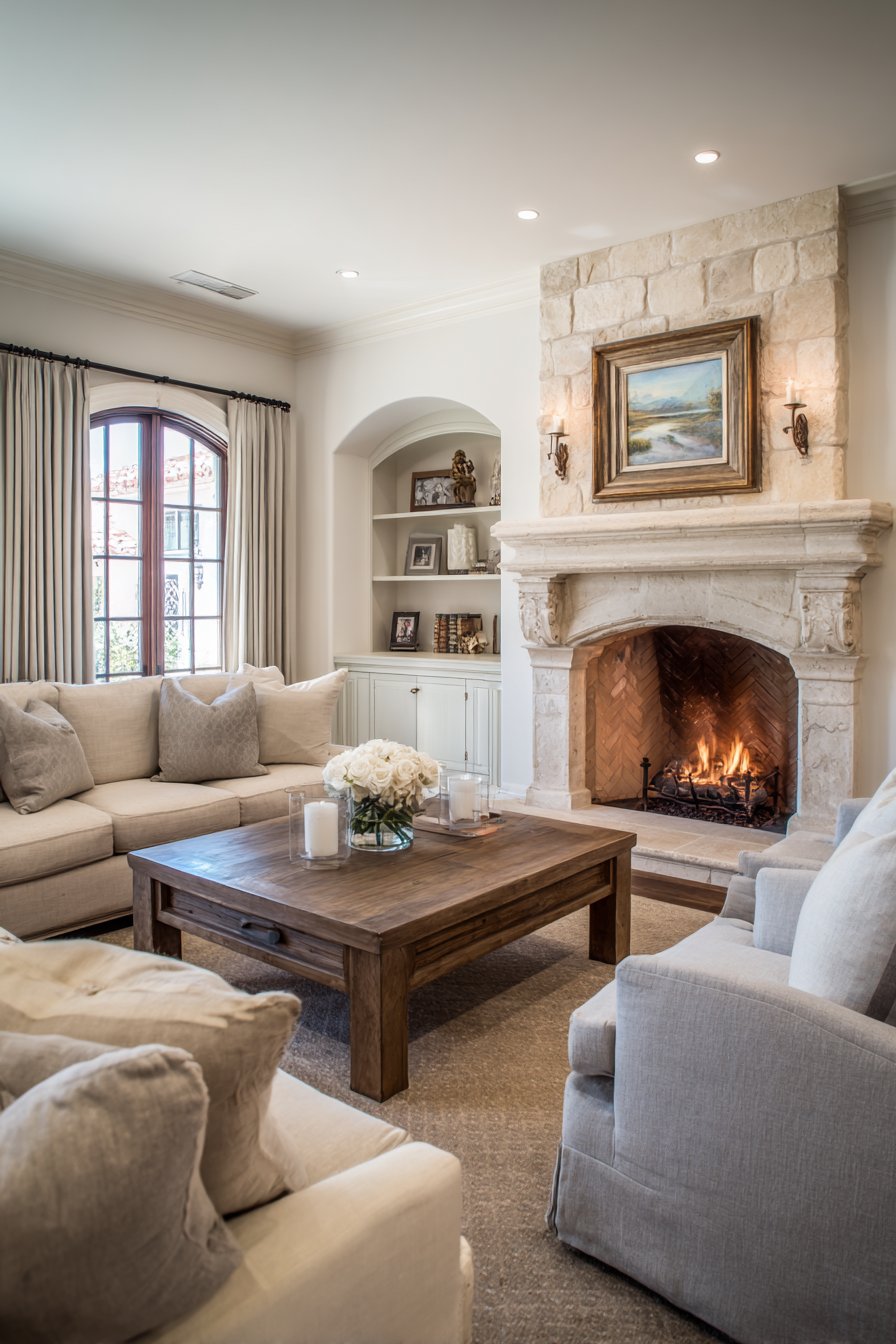
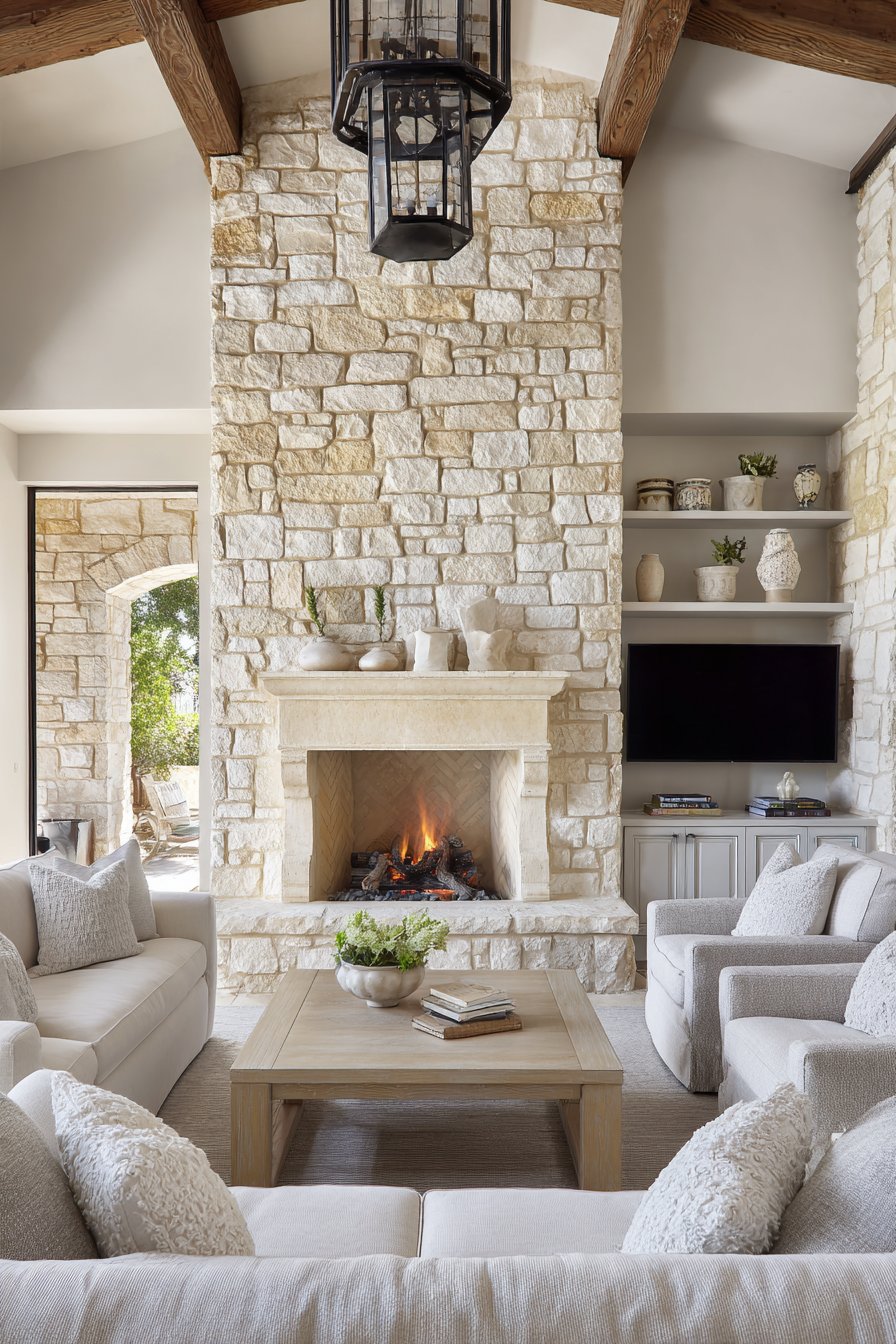
This design centers around the fireplace as the room’s architectural focal point, with a cream limestone surround and hearth creating a substantial visual anchor. The natural stone’s neutral tone and subtle variations add organic beauty while the fireplace’s prominent position determines the entire room’s furniture arrangement. Flanking built-in shelving in warm white provides symmetrical balance while offering storage and display opportunities.
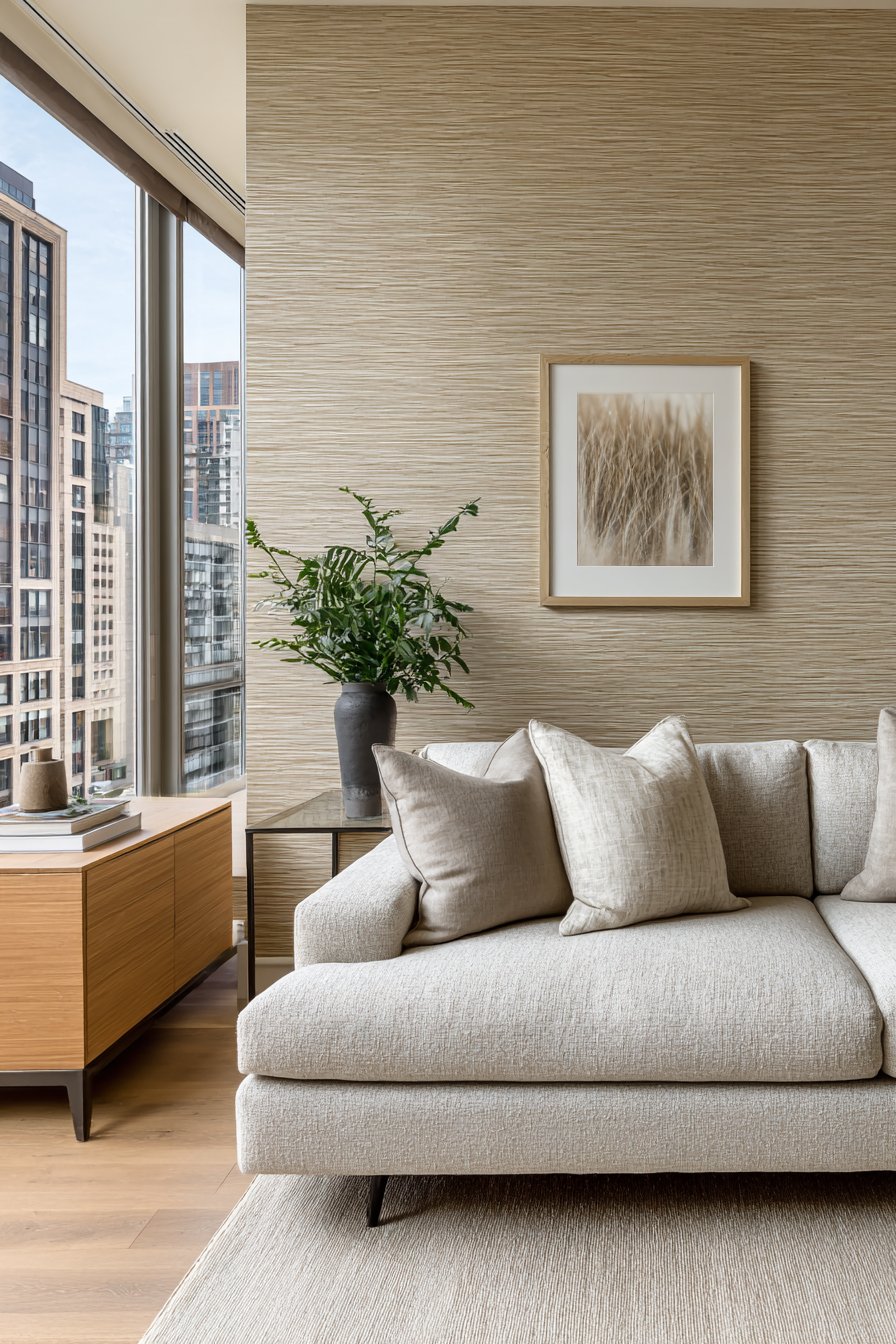
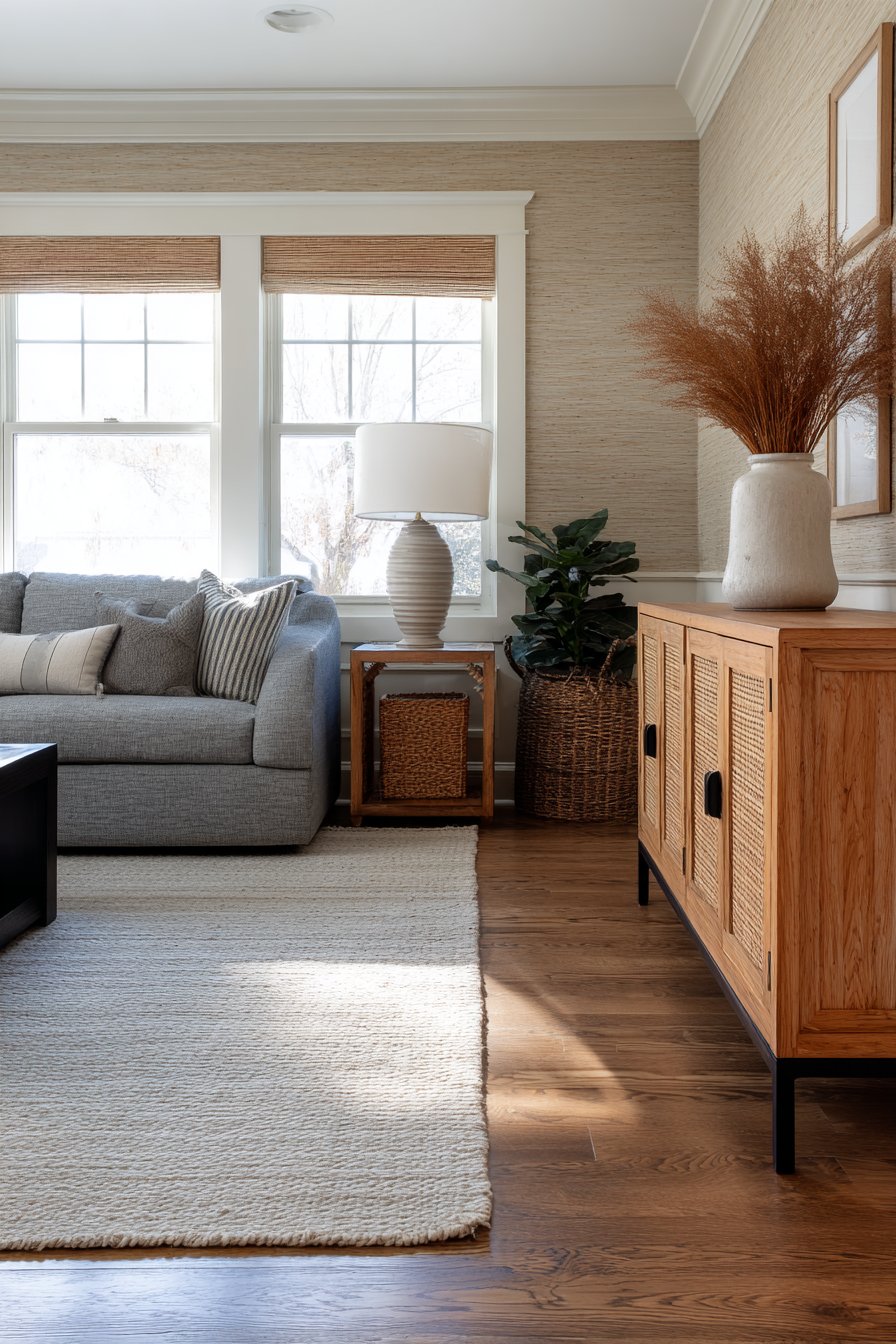
A beige linen sofa faces the fireplace with matching armchairs creating a conversation area around a simple wood coffee table. This traditional arrangement acknowledges the fireplace’s importance while creating a functional seating group oriented toward both the fire and fellow occupants. The furniture’s neutral tones allow the limestone fireplace to remain the visual focus.
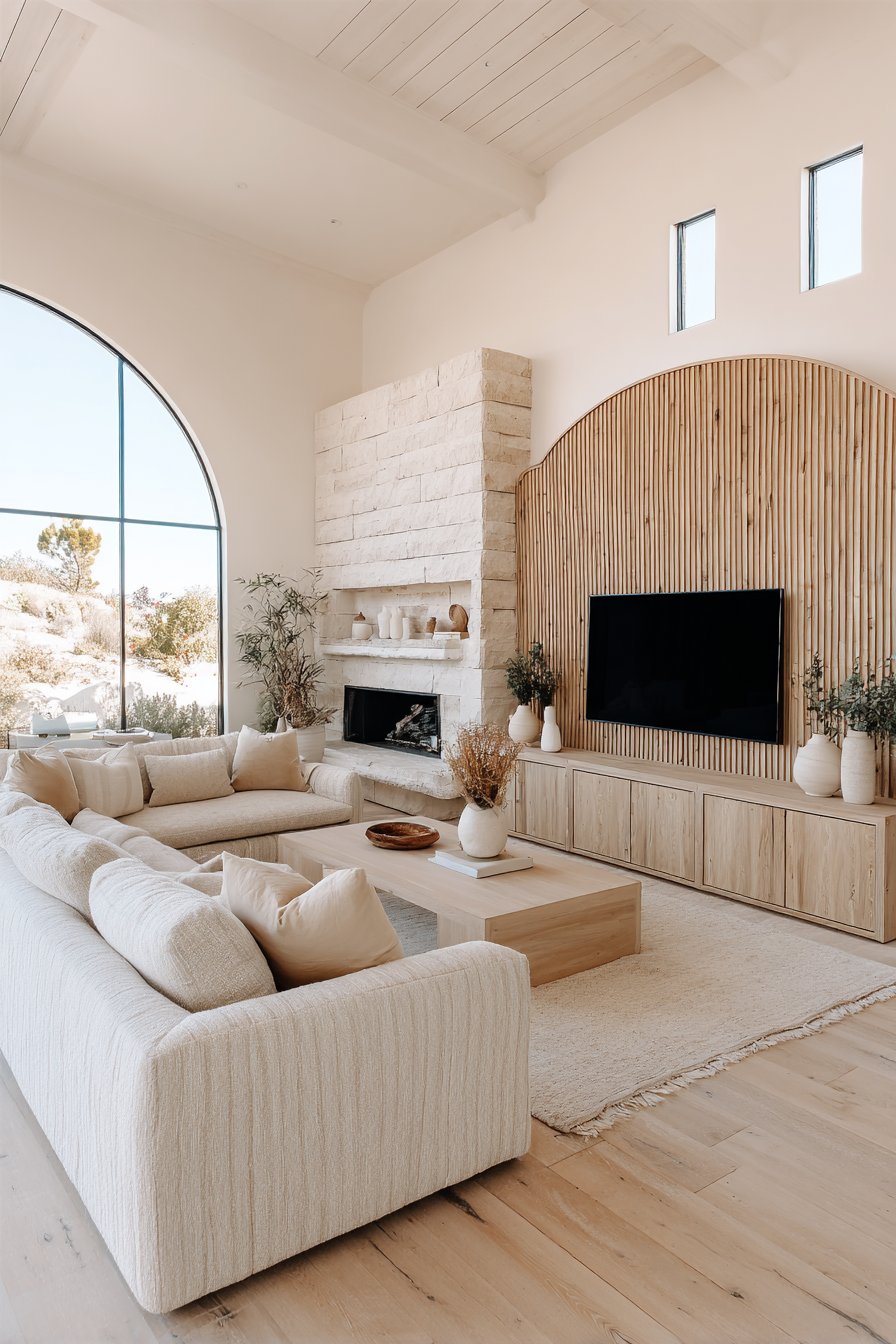
Soft grey-beige walls complement the cream limestone while providing subtle color variation that prevents the entirely neutral room from feeling flat. The combination of natural firelight and daylight creates warm ambiance that shifts throughout the day, with the neutral surfaces reflecting and amplifying both light sources. During evening hours, the fireplace becomes a glowing focal point that transforms the room’s atmosphere.
Key Design Tips:
- Choose limestone fireplace surrounds for neutral elegance and durability
- Install built-in shelving flanking fireplaces for symmetrical storage
- Arrange seating to face fireplaces in rooms where they’re primary features
- Select furniture in neutral tones that allow architectural features to dominate
- Paint walls to complement rather than compete with stone fireplaces
- Embrace how firelight transforms neutral rooms during evening hours
24. Textured Wall Treatment
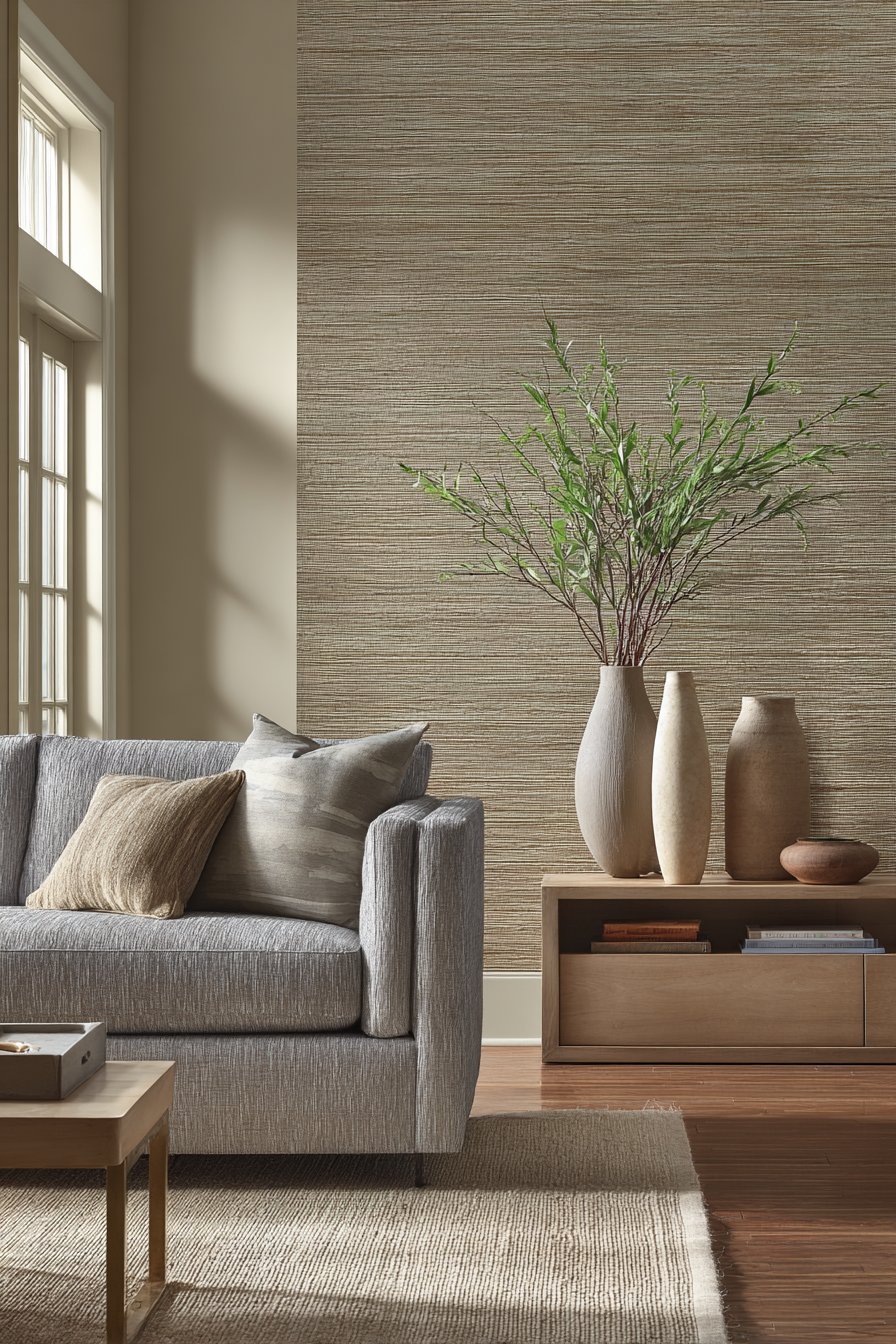
This design showcases how wall treatments can add significant interest to neutral spaces, with one accent wall featuring textured grasscloth wallpaper in natural tan contrasting with smooth walls in soft cream. The grasscloth’s organic texture and natural material add depth and dimension that paint alone cannot achieve, creating a focal point without introducing color.
A grey linen sofa faces the textured wall, positioned to appreciate the surface variation while providing comfortable seating. A light oak media console mounted below the wallpapered wall provides practical storage for electronics while its simple design doesn’t compete with the wall treatment. The console’s wood tone bridges the warm and cool neutrals in the space.
A neutral area rug and simple accessories maintain cohesion while allowing the textured wall to remain the room’s primary point of interest. Natural light from windows positioned perpendicular to the accent wall emphasizes the grasscloth’s texture variations throughout the day, casting shadows that accentuate its three-dimensional quality. This lighting position maximizes the wall treatment’s impact.
Key Design Tips:
- Use grasscloth wallpaper for natural texture without pattern or color
- Apply textured treatments to single accent walls for focal interest
- Position furniture to appreciate and showcase wall treatments
- Select media consoles in wood tones that bridge warm and cool neutrals
- Keep accessories minimal when walls provide primary visual interest
- Position windows to sidelight textured walls for maximum shadow detail
25. Gallery Wall Styling
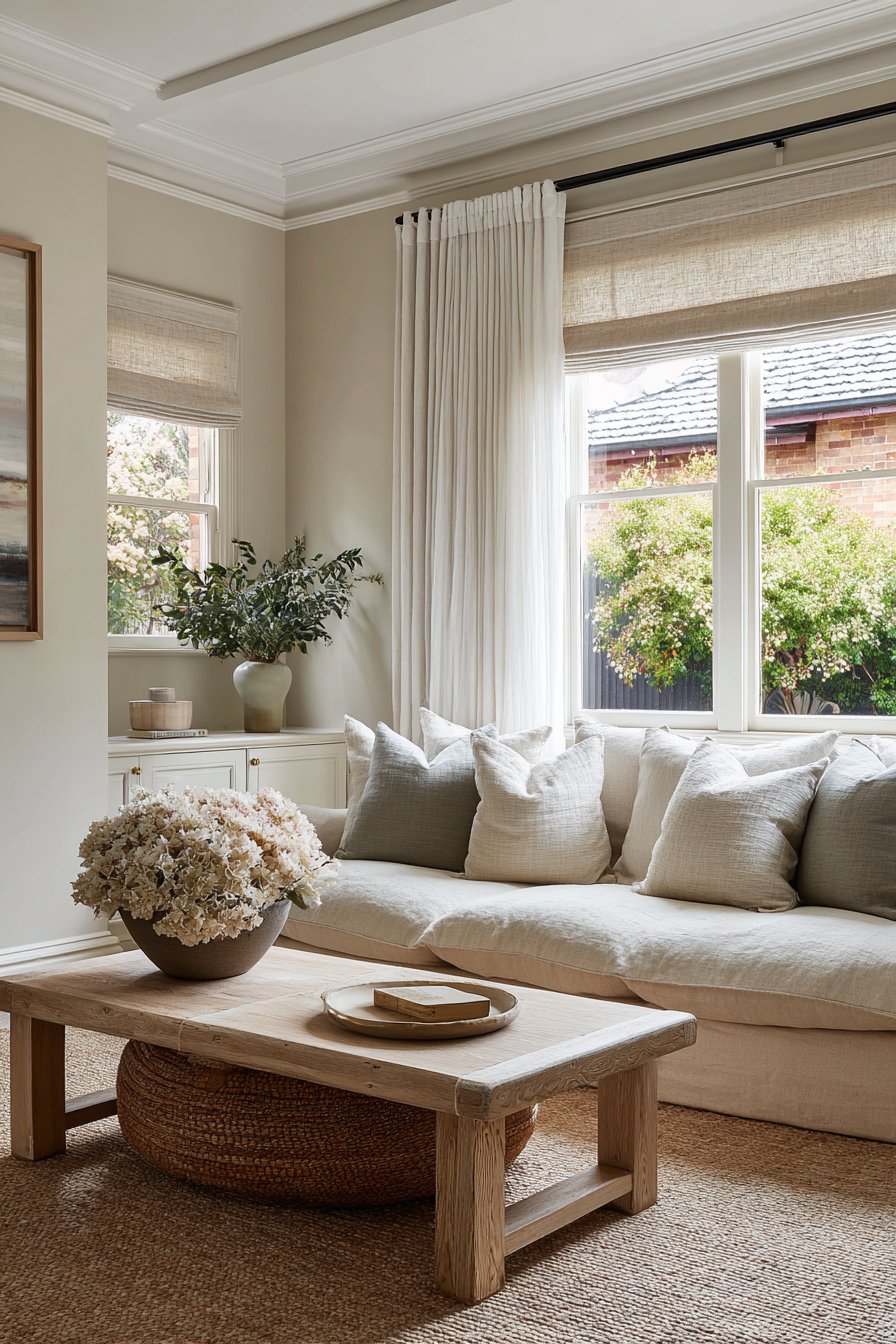
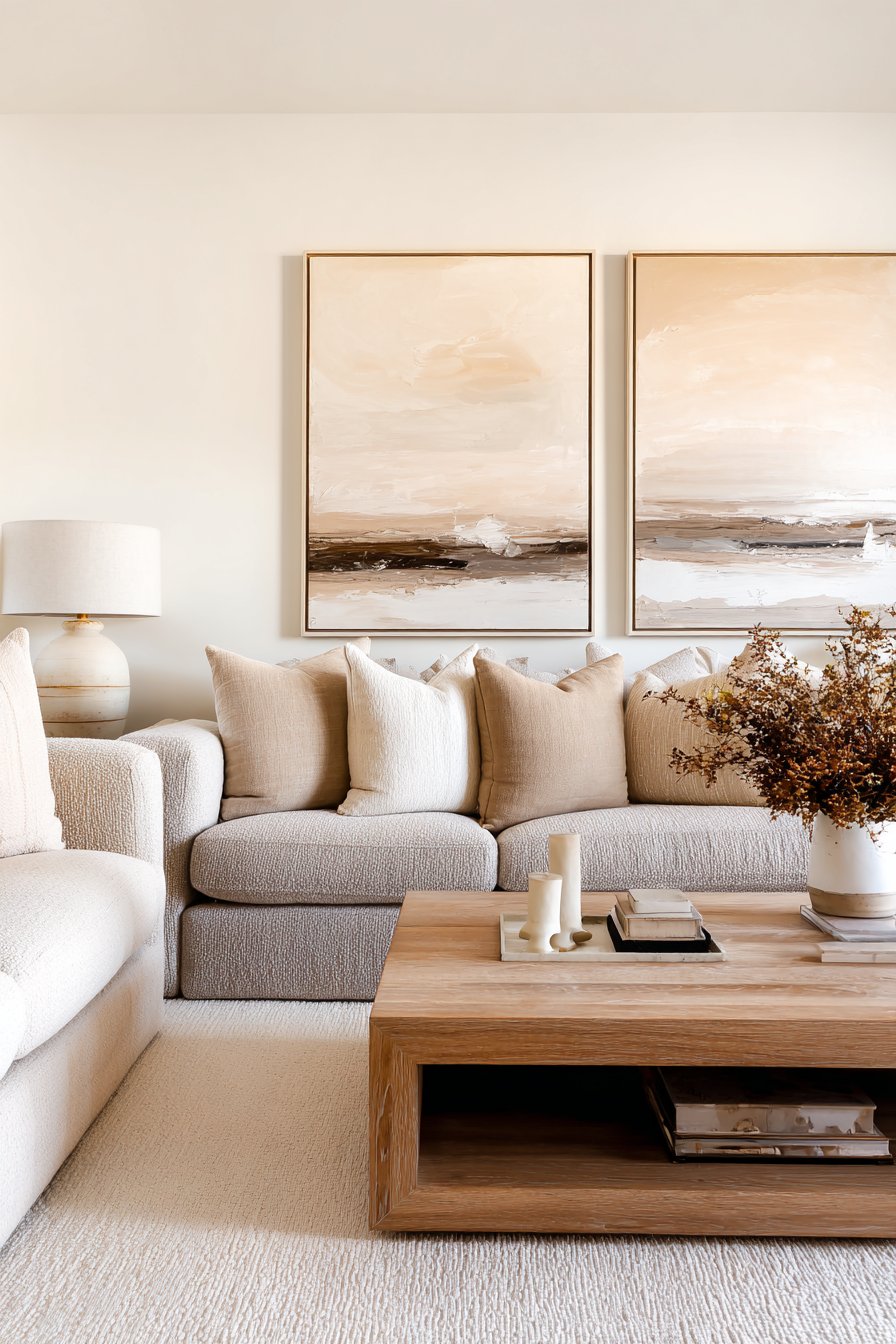
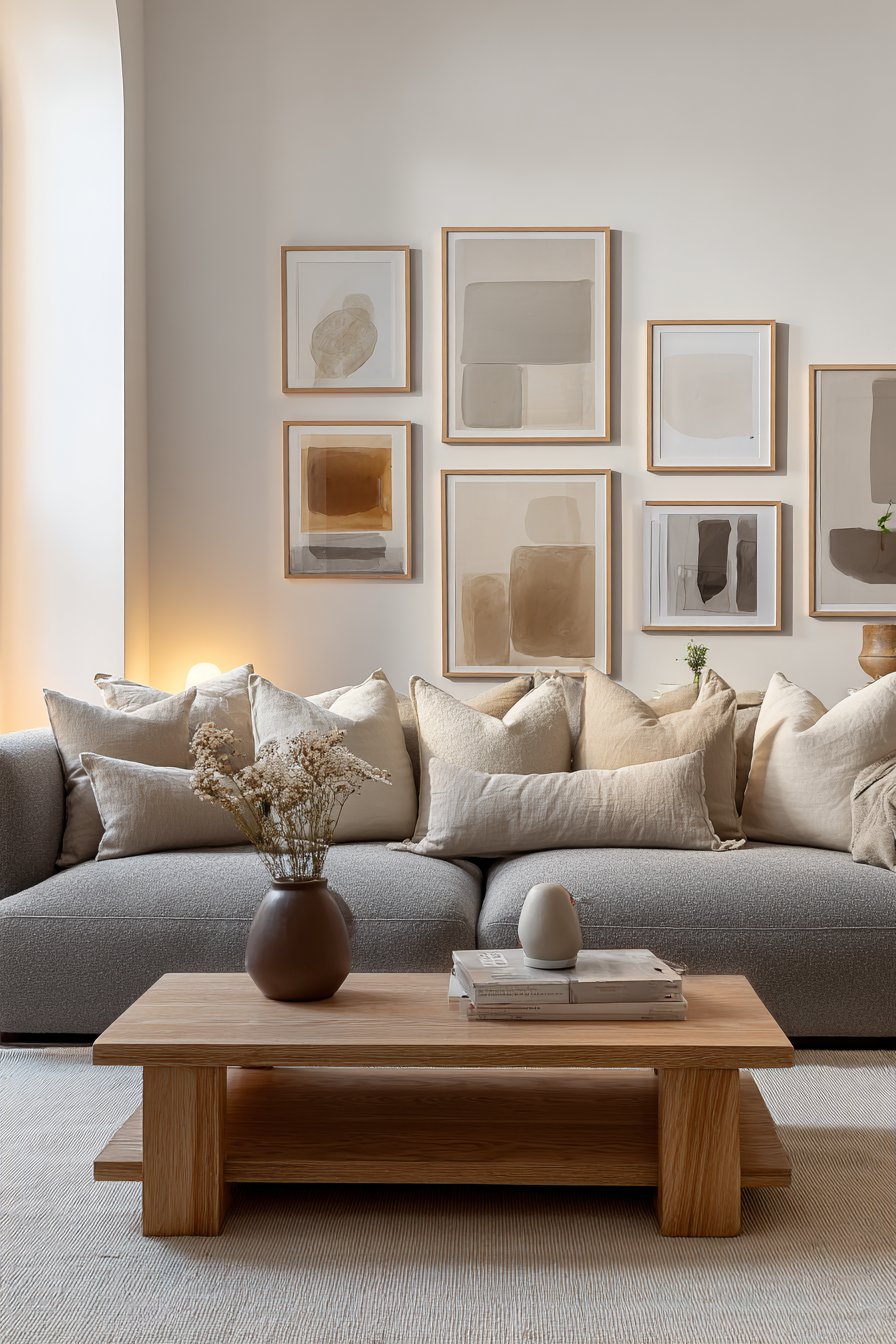
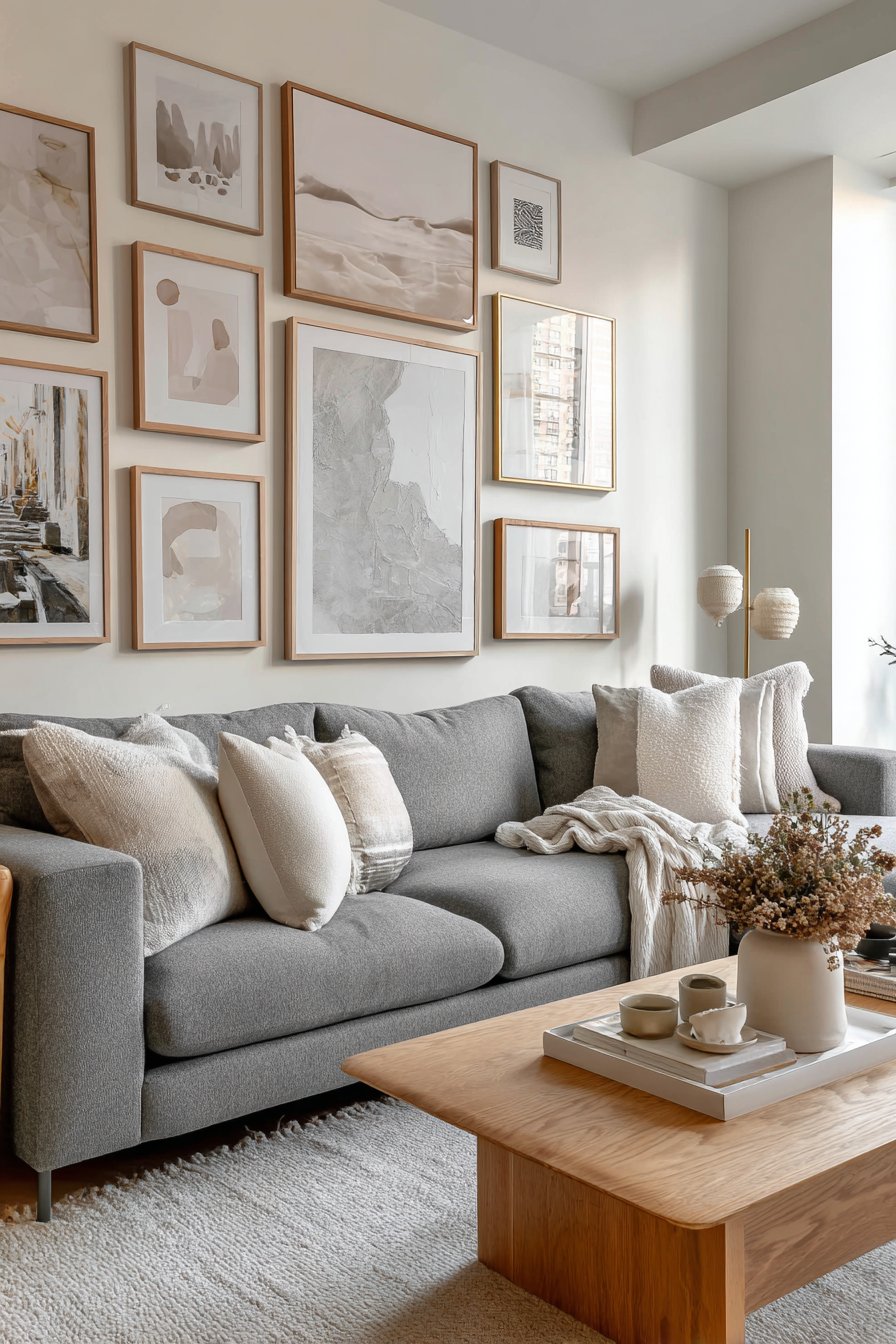
This design demonstrates how to create impactful gallery walls within neutral color schemes. Oversized neutral abstract art in creams, taupes, and soft greys hangs above a low-profile sofa in heather grey, the art’s generous scale appropriate for the minimal furniture below. Simple wood frames in natural oak unite the collection while their understated design keeps focus on the artwork itself.
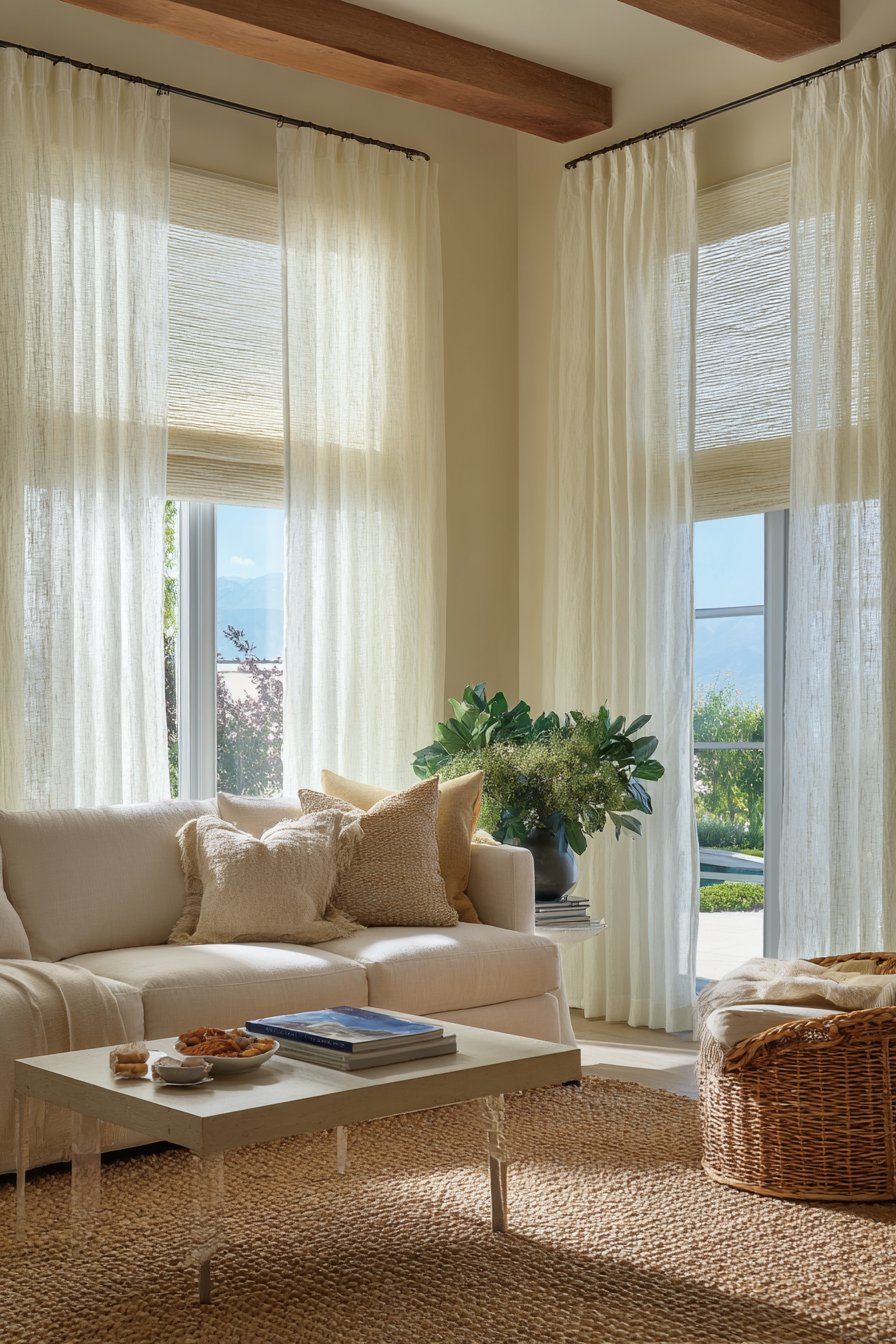
A minimal coffee table and cream area rug keep the foundation simple and unobtrusive, allowing the gallery wall to function as the room’s primary focal point. In gallery wall compositions, supporting furniture should recede rather than compete, with neutral palettes particularly effective for this approach. The low coffee table profile maintains sightlines to the lower artwork pieces.
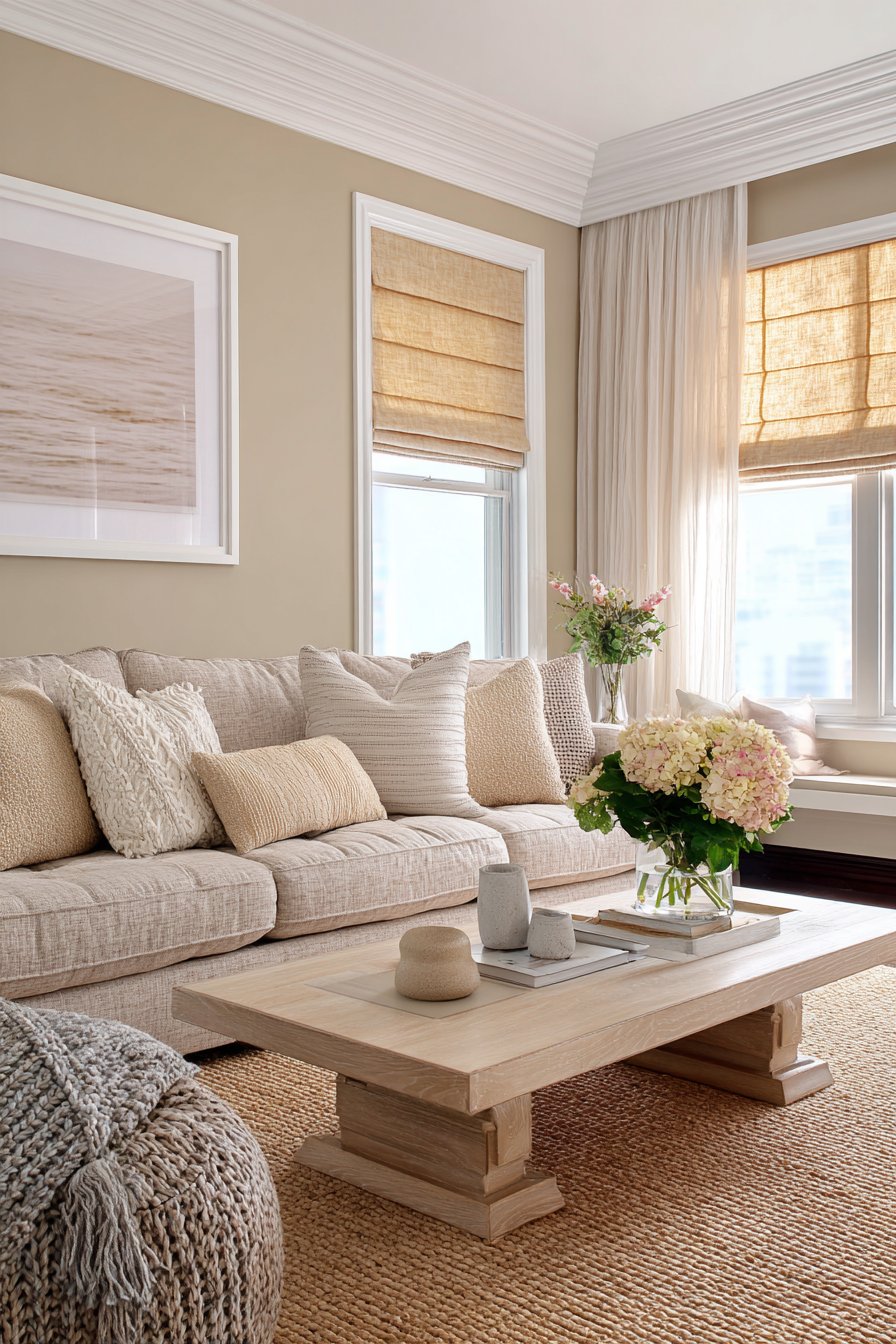
Walls in warm white provide a clean backdrop that allows the neutral artwork to read clearly without visual competition. Professional interior photography techniques ensure balanced lighting that prevents glare on framed pieces while showcasing their subtle tonal variations. The layered neutral tones within the artwork create sophisticated depth despite the limited color range.
Key Design Tips:
- Hang oversized artwork in spaces with minimal furniture and accessories
- Frame neutral art collections in matching simple wood frames
- Keep supporting furniture minimal when gallery walls are primary focus
- Paint gallery walls in warm white for clean, non-competing backdrop
- Position artwork to avoid window glare during brightest daylight hours
- Use low-profile furniture to maintain sightlines to lower artwork pieces
26. Layered Window Treatments
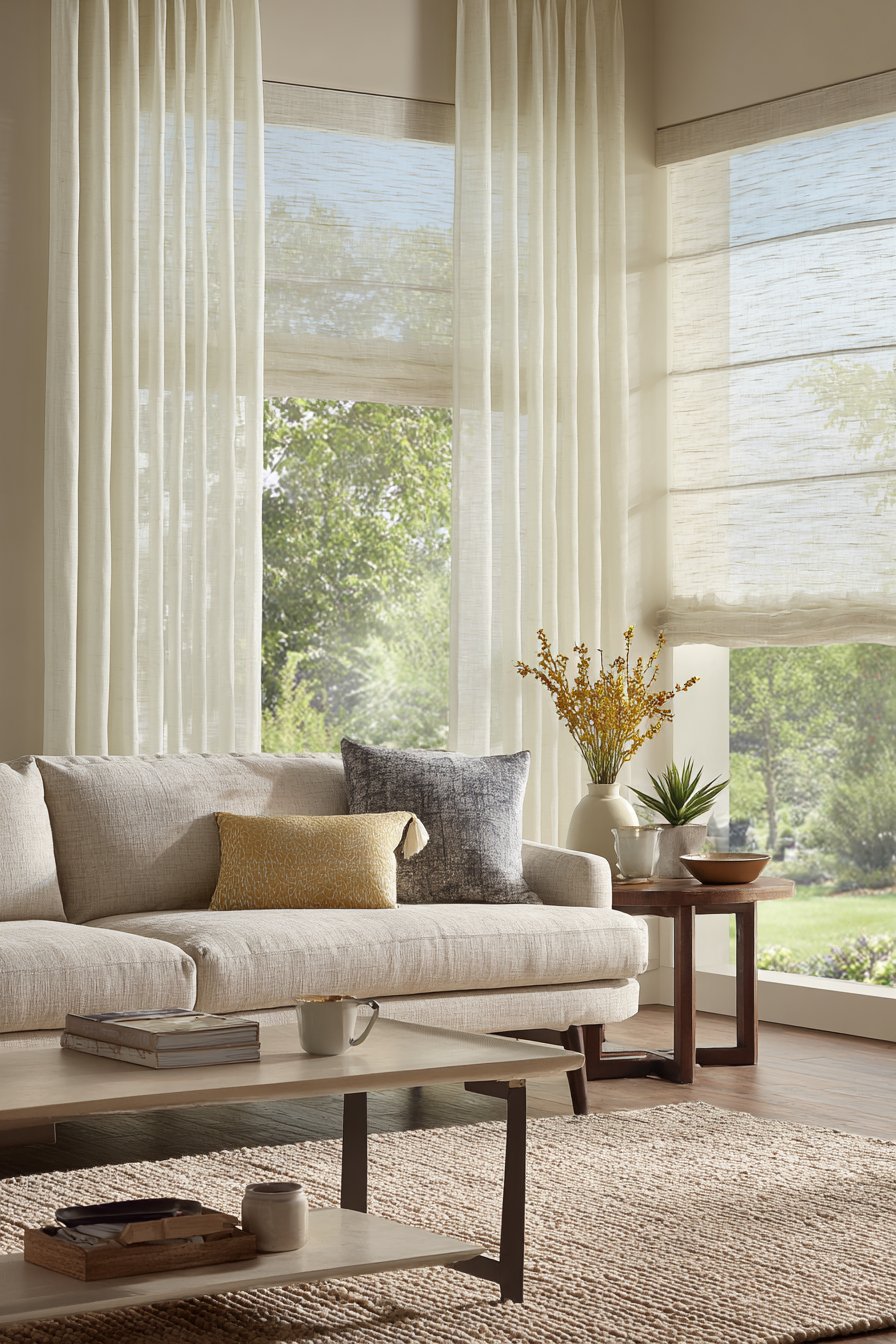
This design showcases sophisticated window treatment layering with linen roman shades in natural flax beneath flowing sheer curtains in warm white. The roman shades provide precise light control and privacy when lowered, their structured form adding architectural interest. The sheer curtains layer over them, softening the window’s hard edges and adding graceful movement.
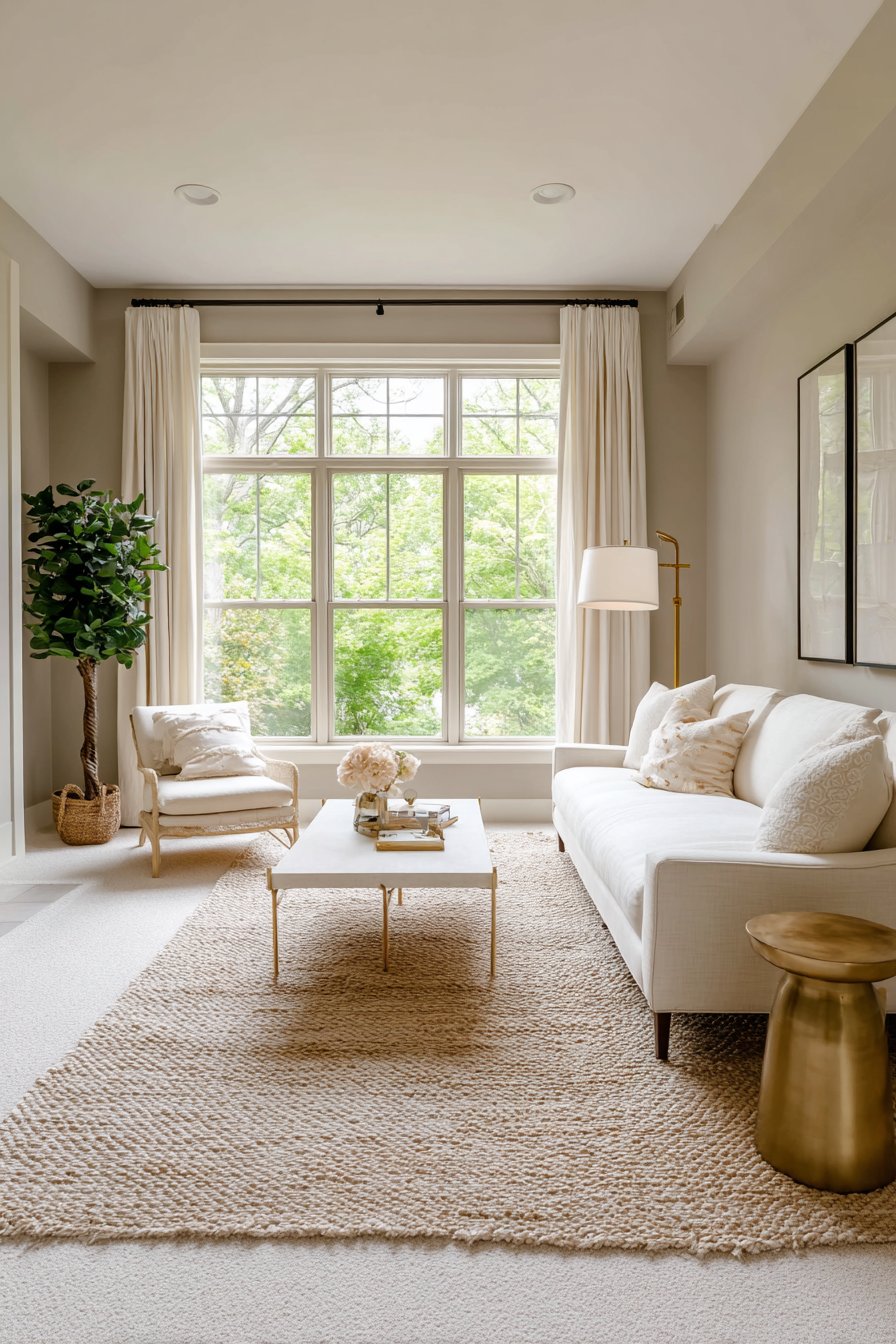
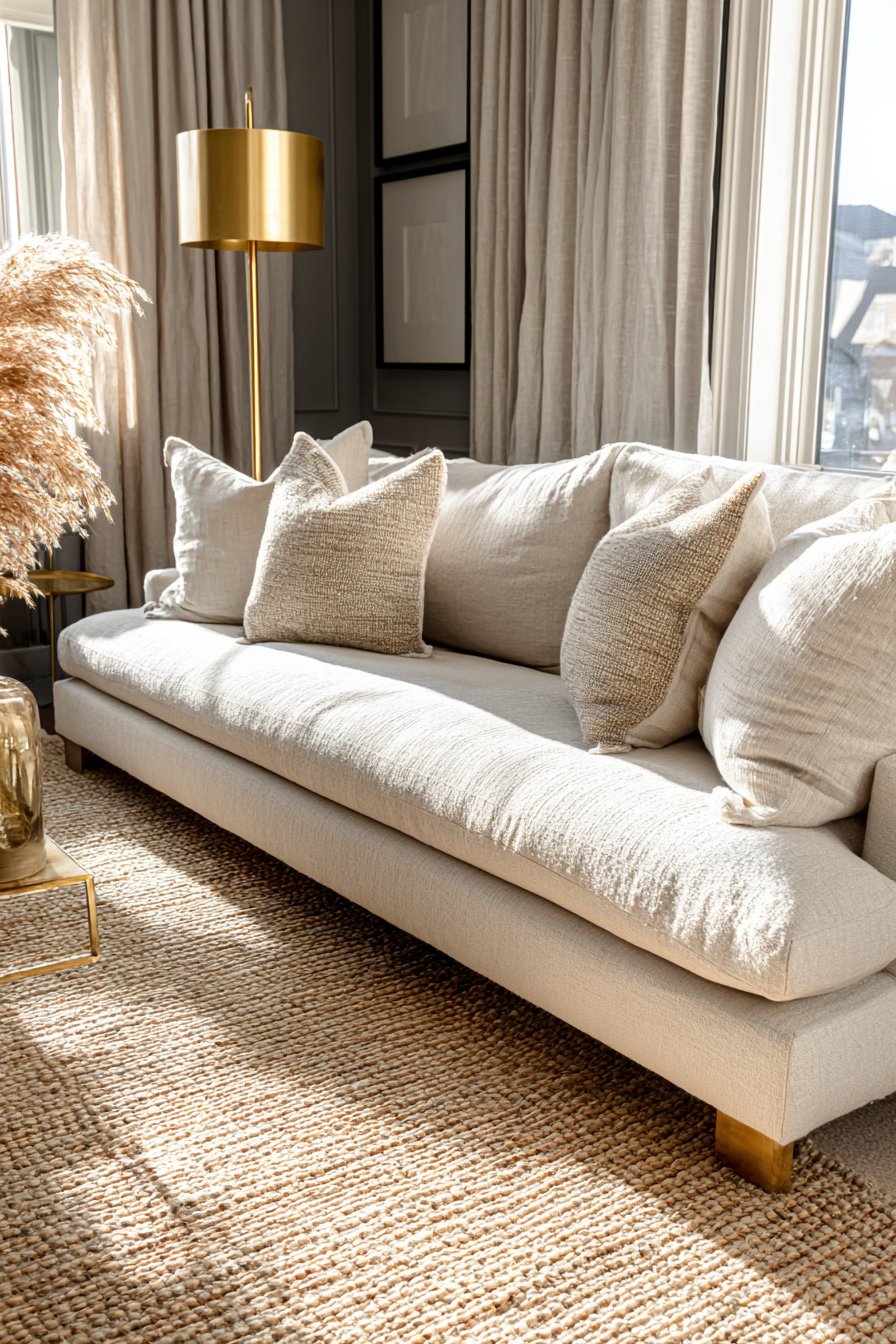
A beige sofa positioned to enjoy the filtered natural light benefits from the flexible control these layered treatments provide. On bright days, the sheers alone might suffice, while evening or harsh afternoon sun might require lowering the roman shades. Paired with a light wood coffee table and neutral woven rug, the arrangement creates a comfortable spot for reading or conversation.
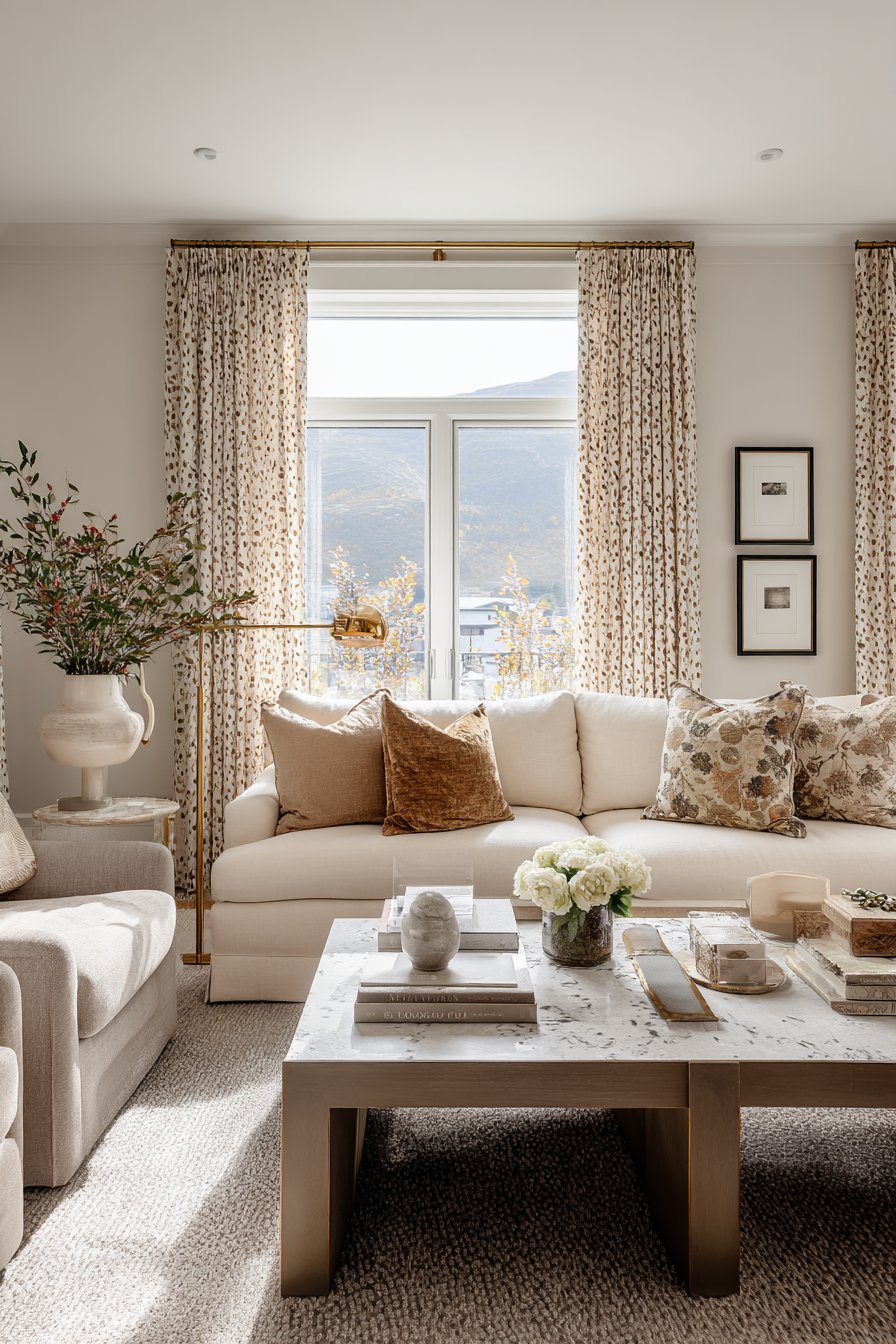
Walls in soft sand tone complement the window textiles’ natural flax and warm white tones, creating a cohesive palette that feels intentional and collected rather than matched. Natural light filtering through the various layers creates subtle variations in brightness and shadow throughout the day, demonstrating how neutral window treatments can actively contribute to a room’s changing ambiance.
Key Design Tips:
- Layer roman shades under sheer curtains for flexible light control
- Choose linen window treatments in natural tones for organic beauty
- Position seating to enjoy filtered natural light from layered treatments
- Select window treatment colors that complement wall paint tones
- Use structured shades for privacy and flowing curtains for softness
- Appreciate how layered treatments create varied light quality throughout day
27. Mixed Metal Accents
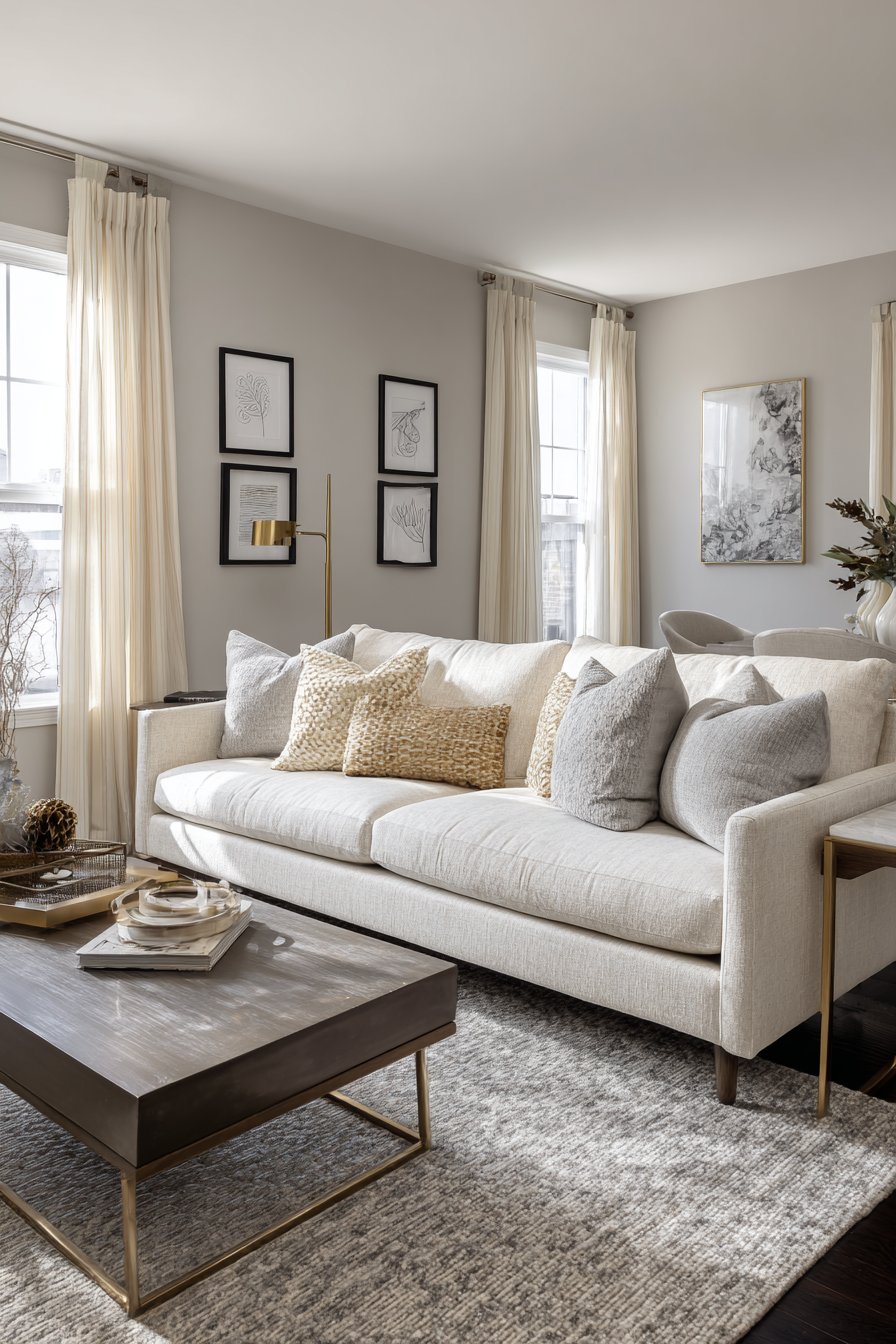
This design demonstrates how metallic accents can add dimension to monochromatic neutral spaces without introducing color. A cream sofa provides the neutral foundation while a brushed brass floor lamp introduces warm metallic gleam. The lamp’s brass finish catches and reflects light, adding sparkle and sophistication to the otherwise matte neutral palette.
Aged brass coffee table legs provide additional metallic interest at a different level, their slightly tarnished patina suggesting history and authenticity rather than shiny newness. Matte black picture frames on warm grey walls introduce a third metal finish—iron or steel—creating visual variety through different metals and finishes rather than color contrast.
Natural linen curtains and jute rug maintain the neutral foundation while the varied metal finishes add layers of interest at different heights throughout the room. Soft natural light reflects off the brass elements differently than the matte black frames, creating visual complexity and depth. The combination proves that neutral palettes can achieve richness and sophistication through material and finish variation.
Key Design Tips:
- Mix multiple metal finishes within neutral spaces for dimensional interest
- Choose brushed brass for warm metallic accents that complement neutrals
- Use aged or tarnished metals for authentic character over shiny newness
- Introduce matte black metals for contrast with warmer finishes
- Position metallic elements at varying heights throughout the room
- Allow natural light to reflect off metals for added sparkle and depth
28. Pillow Styling Mastery
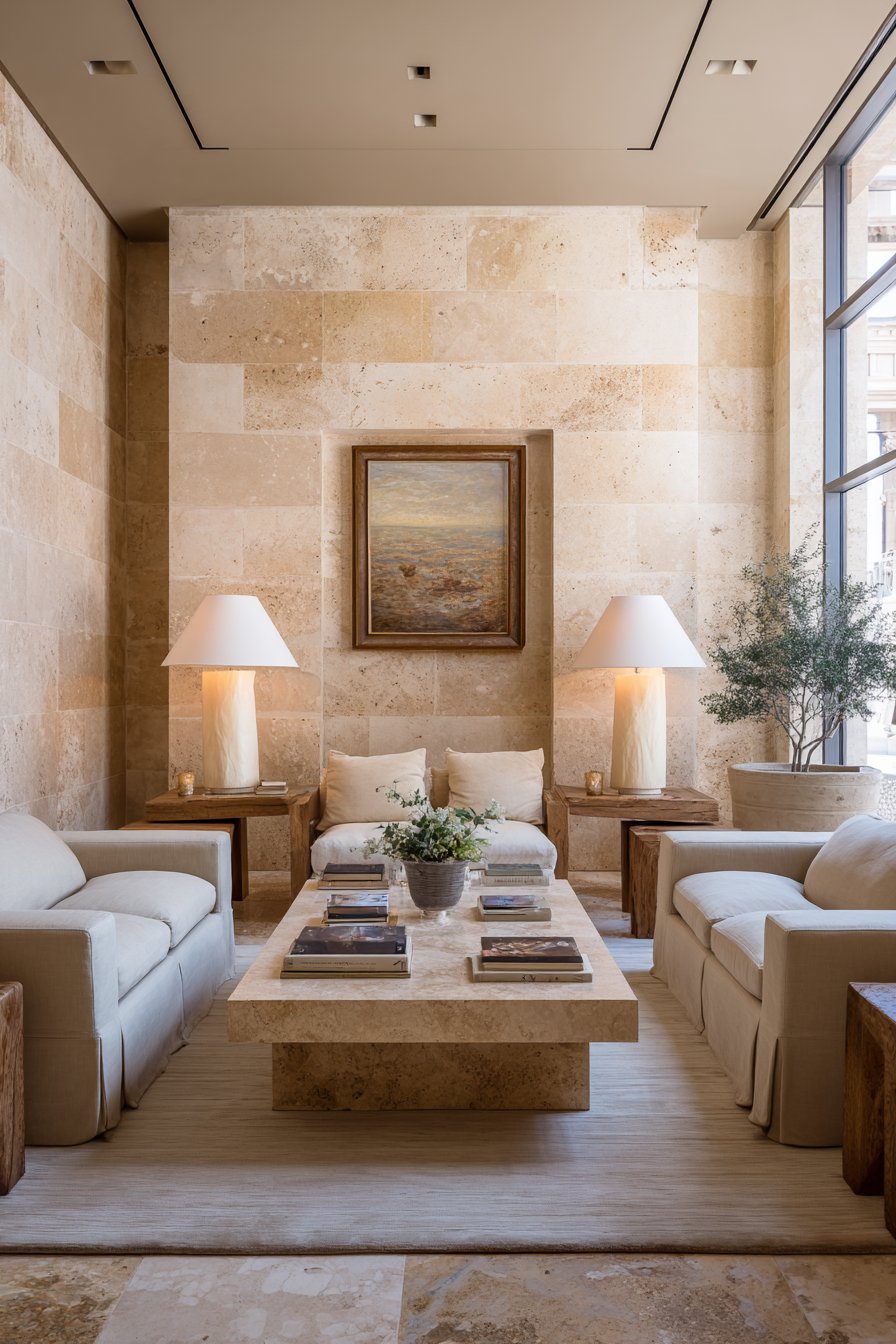
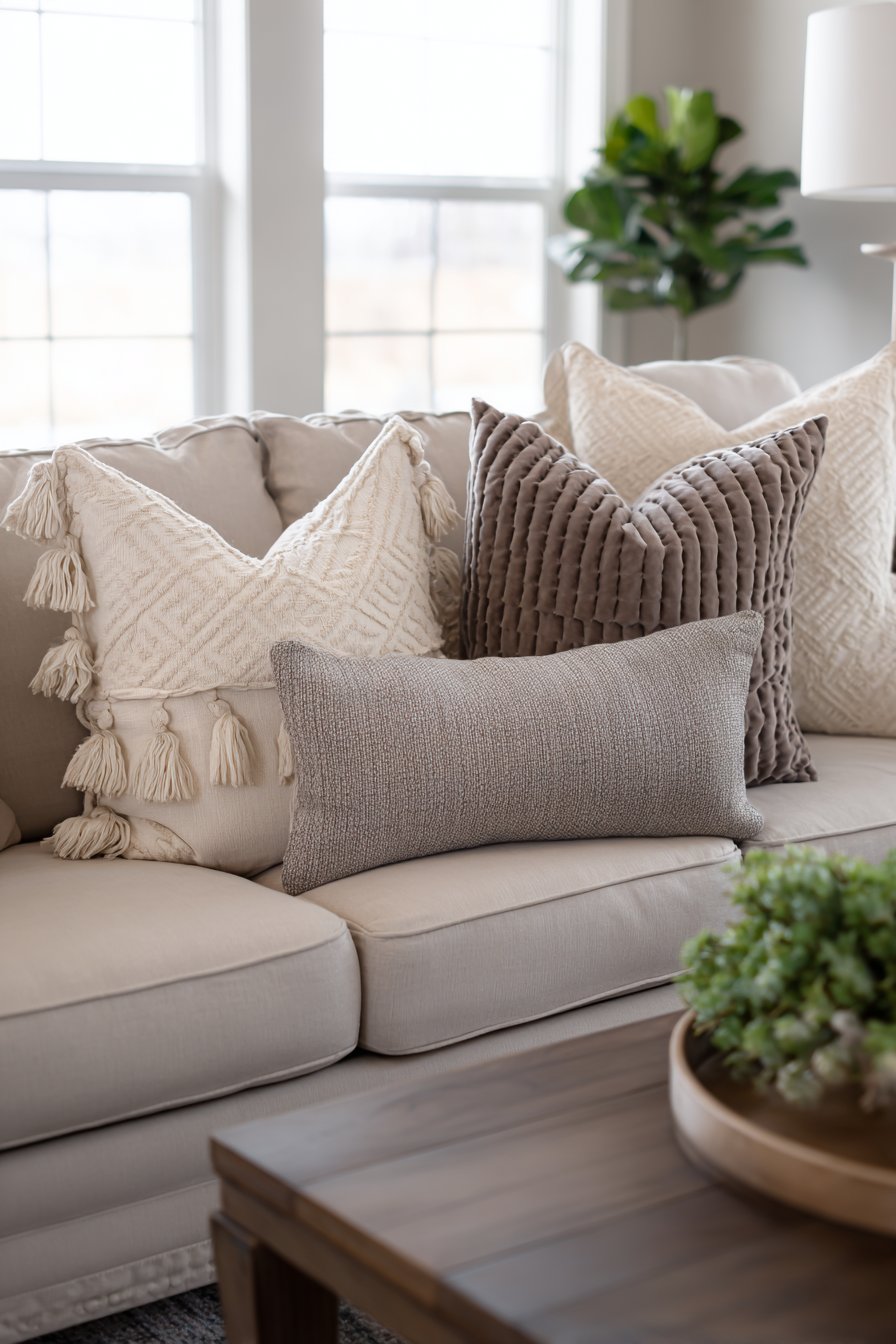
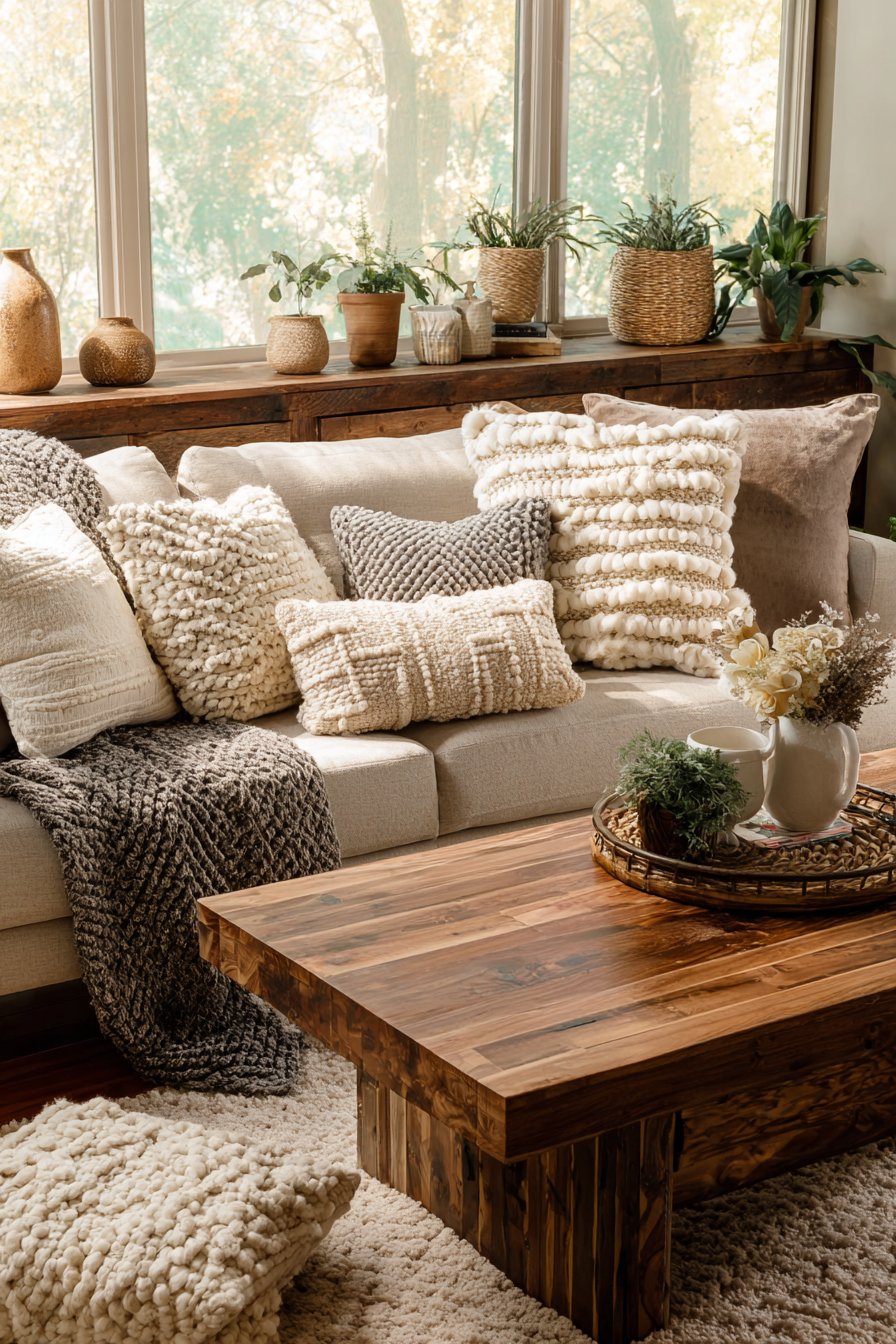
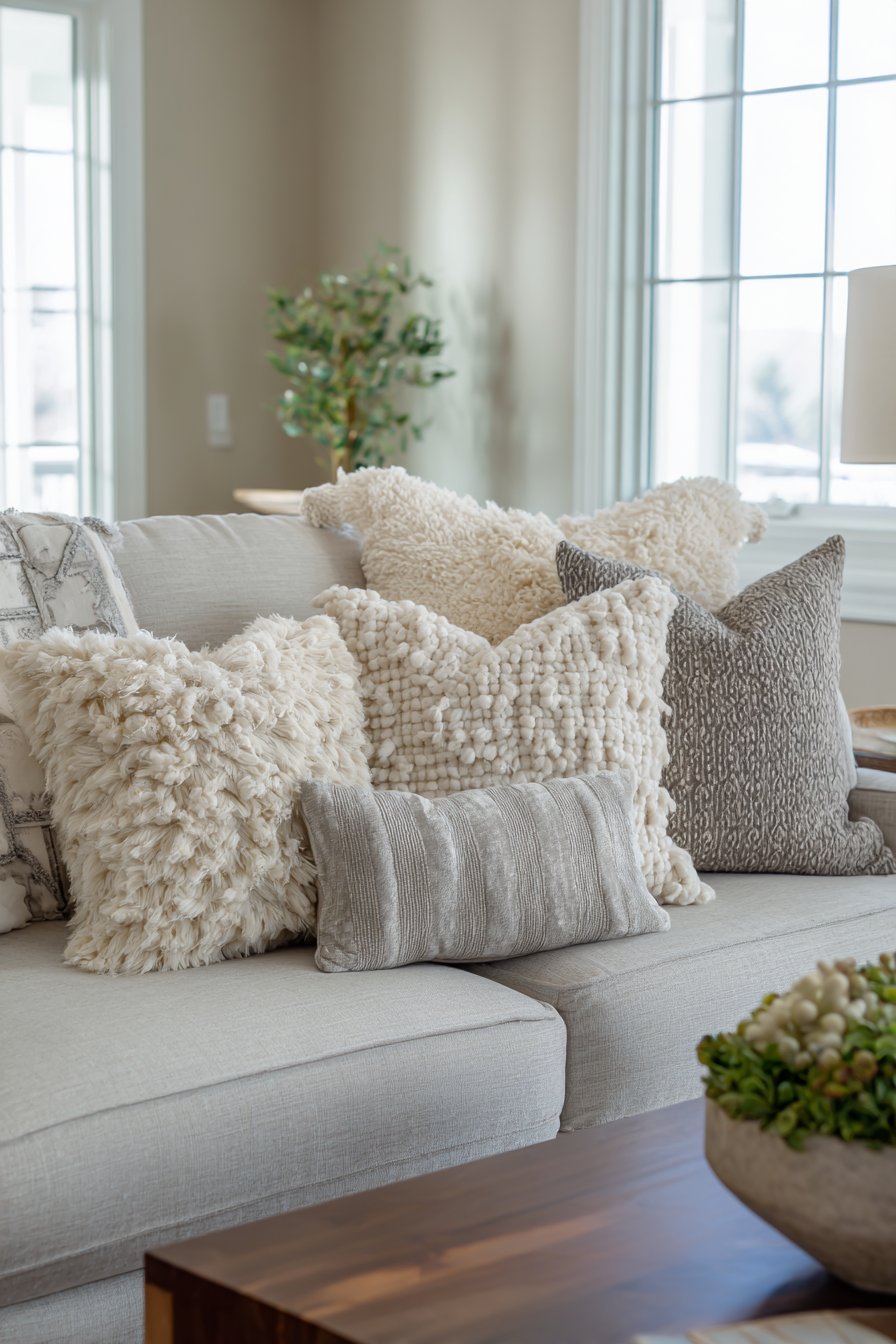
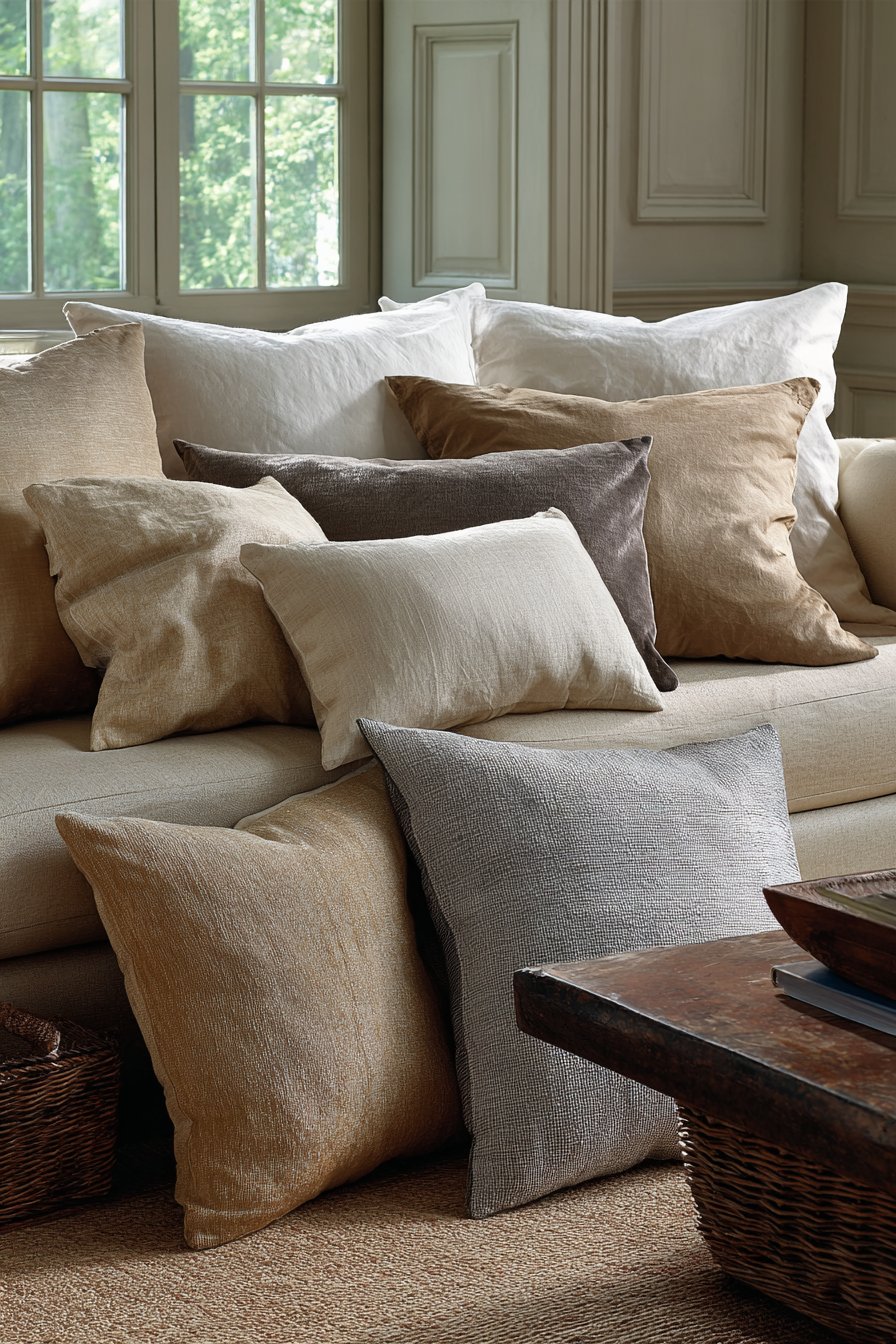
This design focuses specifically on the art of throw pillow arrangement, demonstrating how varied sizes, shapes, and textures create a collected, layered look. A neutral sofa serves as canvas for pillows in varied sizes: large linen euro shams in cream forming the back layer, medium velvet pillows in taupe providing mid-layer richness, smaller textured pillows in natural cotton adding detailed interest, and a lumbar pillow in soft grey providing horizontal contrast.
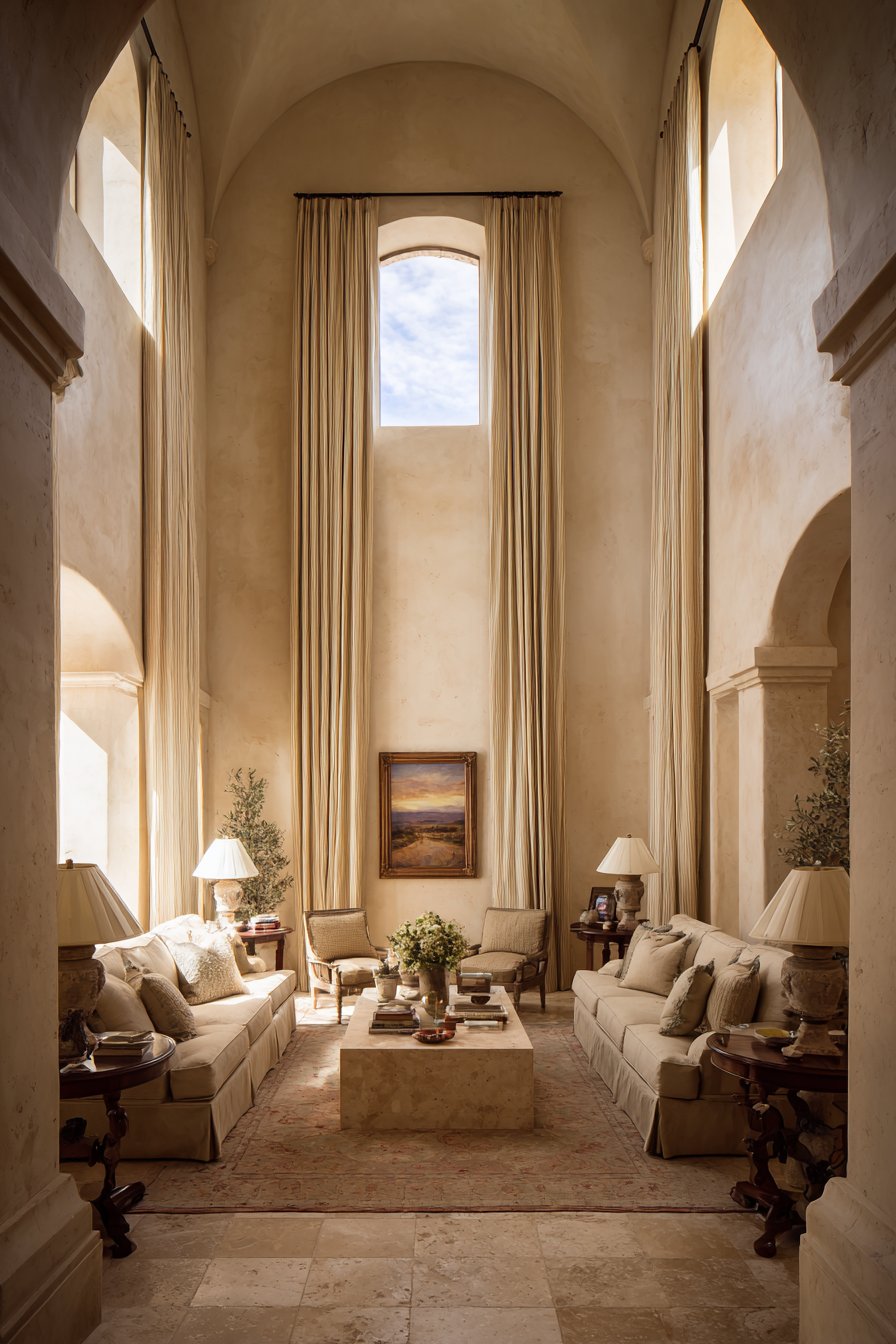
The arrangement follows classic design principles—largest pillows in back progressing to smallest in front, with the lumbar pillow’s horizontal orientation providing visual variety among the squares. Each pillow’s texture differs slightly—smooth linen, plush velvet, nubby cotton, soft solid—creating tactile interest despite the monochromatic palette. The neutral tones ensure cohesion while the varied textures prevent monotony.
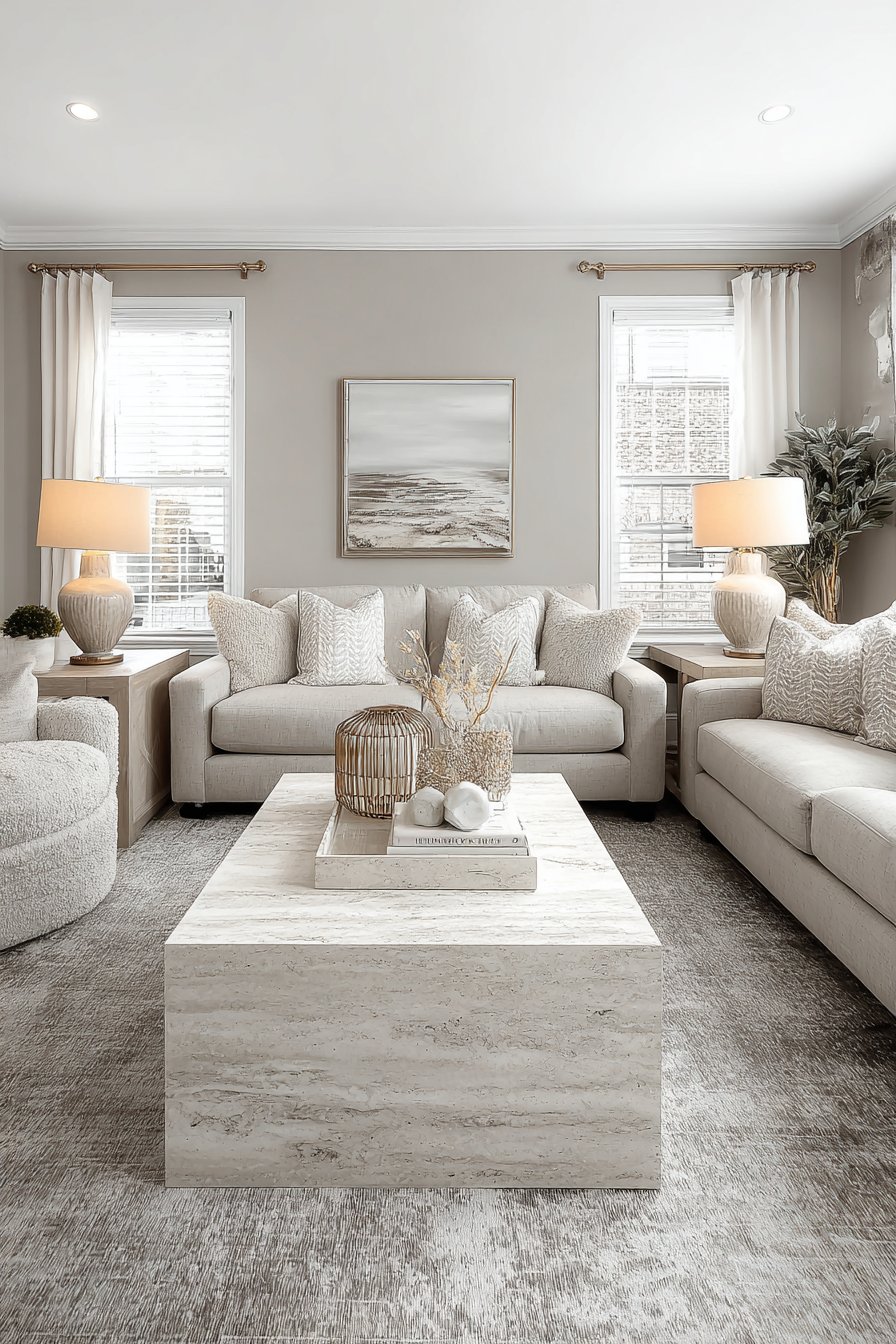
A wood coffee table and neutral rug visible in the composition provide context without distracting from the pillow arrangement. Natural light highlights the pillow textures, emphasizing how light reflects differently off velvet’s pile versus linen’s weave versus cotton’s texture. This detail-focused approach demonstrates that even small elements deserve thoughtful attention in creating beautiful neutral spaces.
Key Design Tips:
- Arrange pillows from largest in back to smallest in front
- Vary pillow shapes with primarily squares plus horizontal lumbar
- Mix textures extensively when color palette is limited
- Choose pillow fabrics that reflect light differently for visual variety
- Use odd numbers of pillows for collected rather than matched appearance
- Position pillows to catch natural light that highlights texture differences
29. Symmetrical Balance
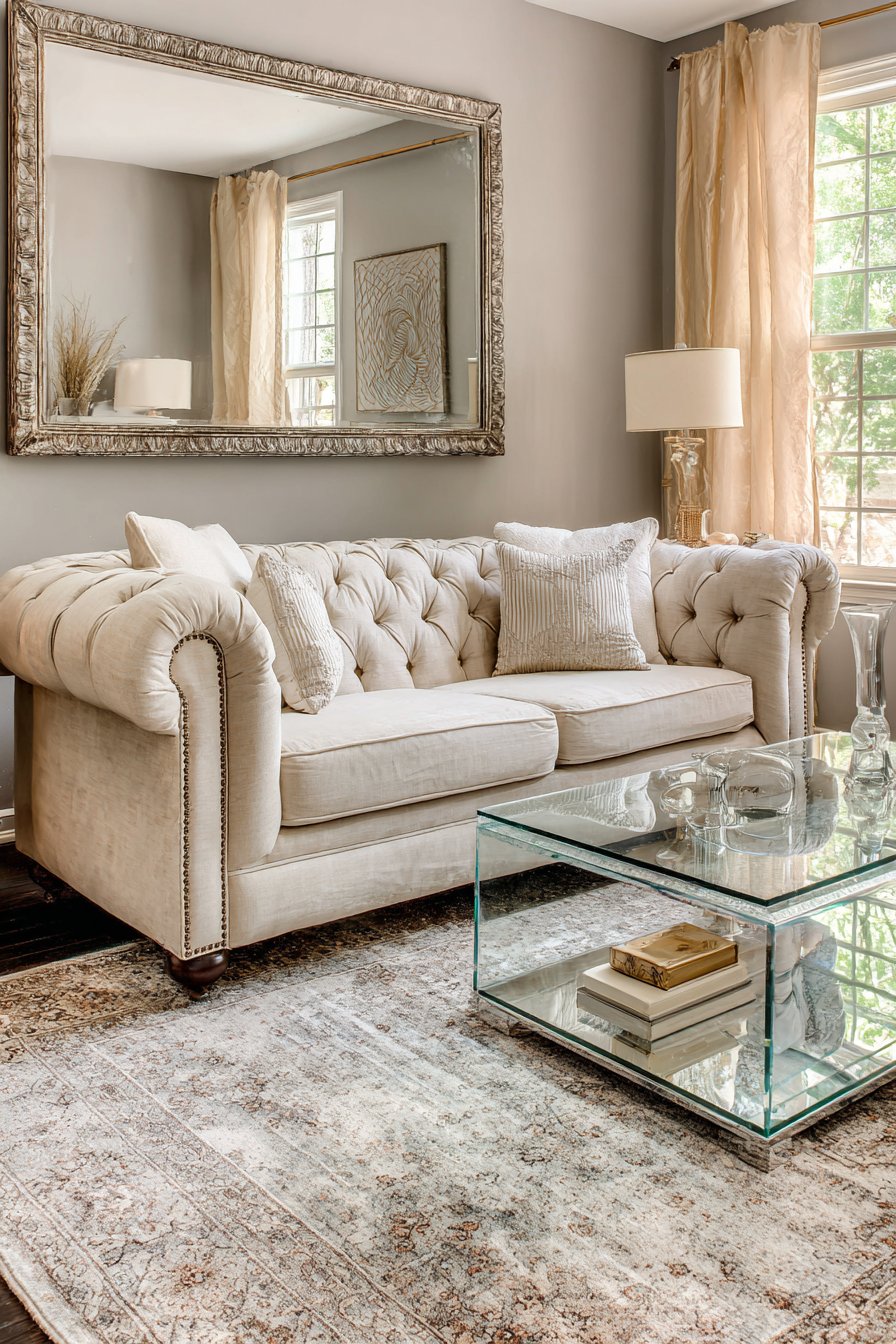
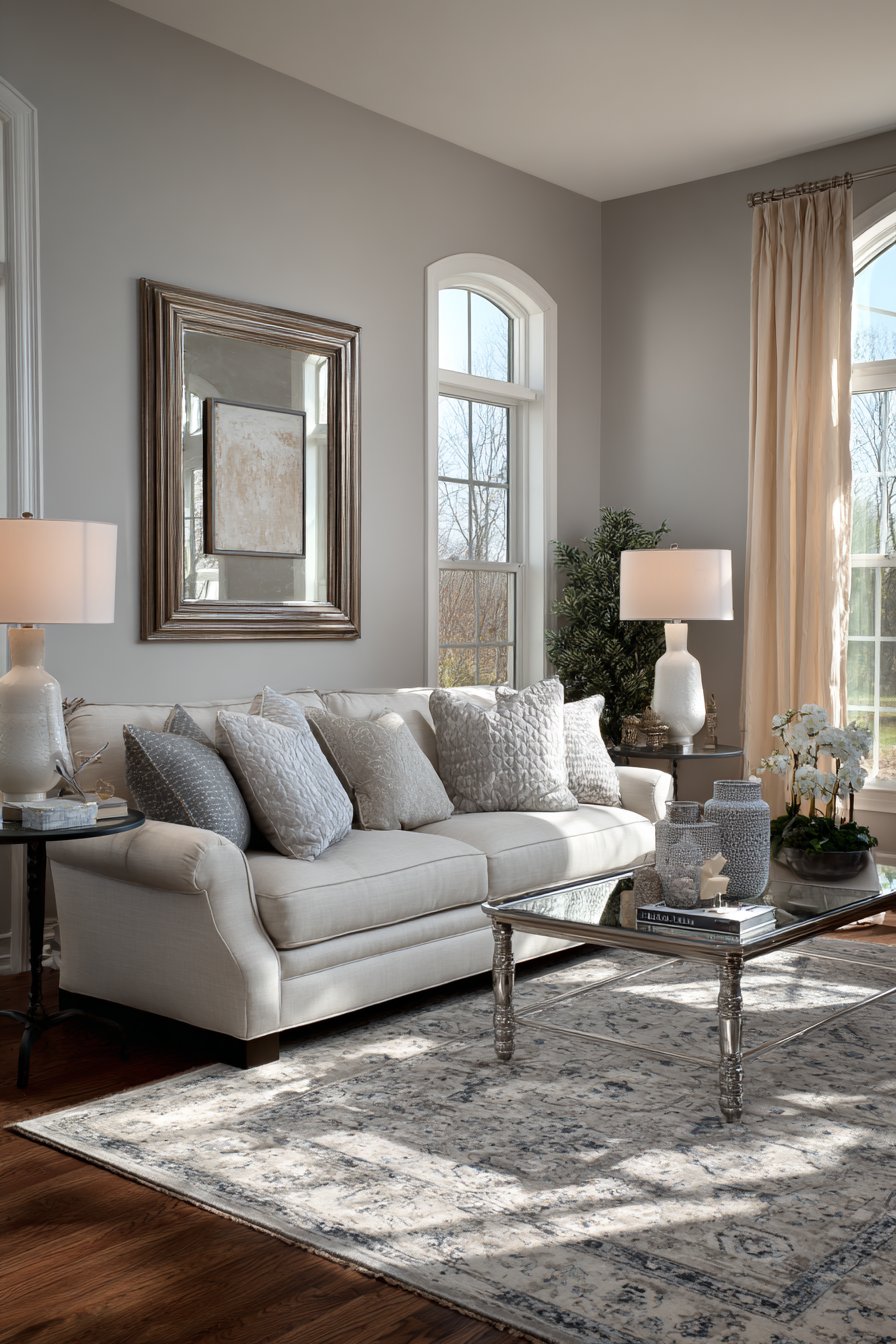
This design embraces classical symmetry through matching beige linen sofas facing each other across a square travertine coffee table. The symmetrical arrangement creates formal balance while the neutral palette prevents the formality from feeling stuffy or unapproachable. Positioned on a large neutral area rug, the identical sofas establish clear visual order.
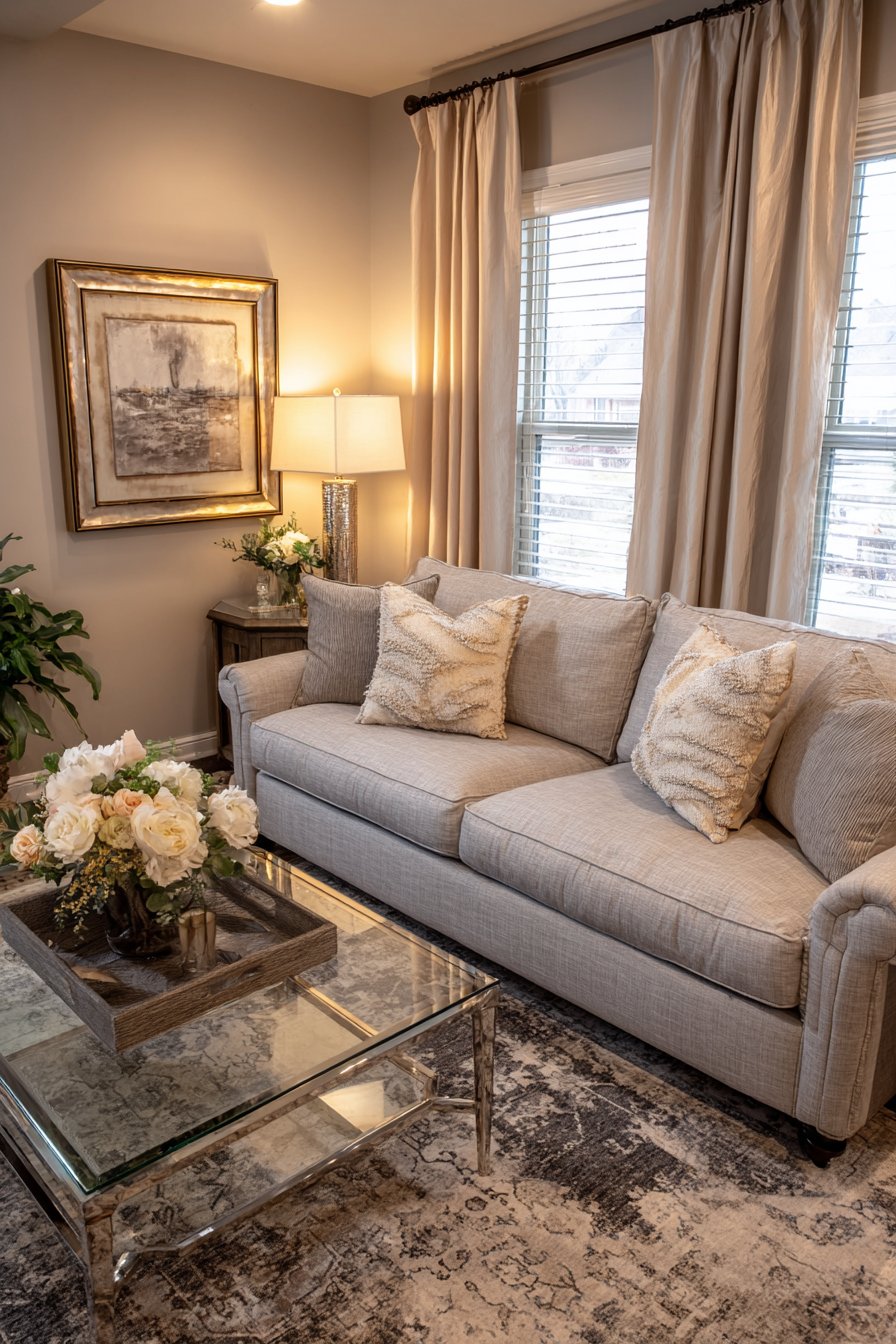
Identical table lamps with cream shades on matching side tables flanking each sofa reinforce the symmetrical composition. This mirrored approach creates a sense of calm and order that many find psychologically comforting, with the neutral tones enhancing the tranquil quality. Walls in warm greige provide a subtle backdrop that supports rather than disrupts the balanced arrangement.
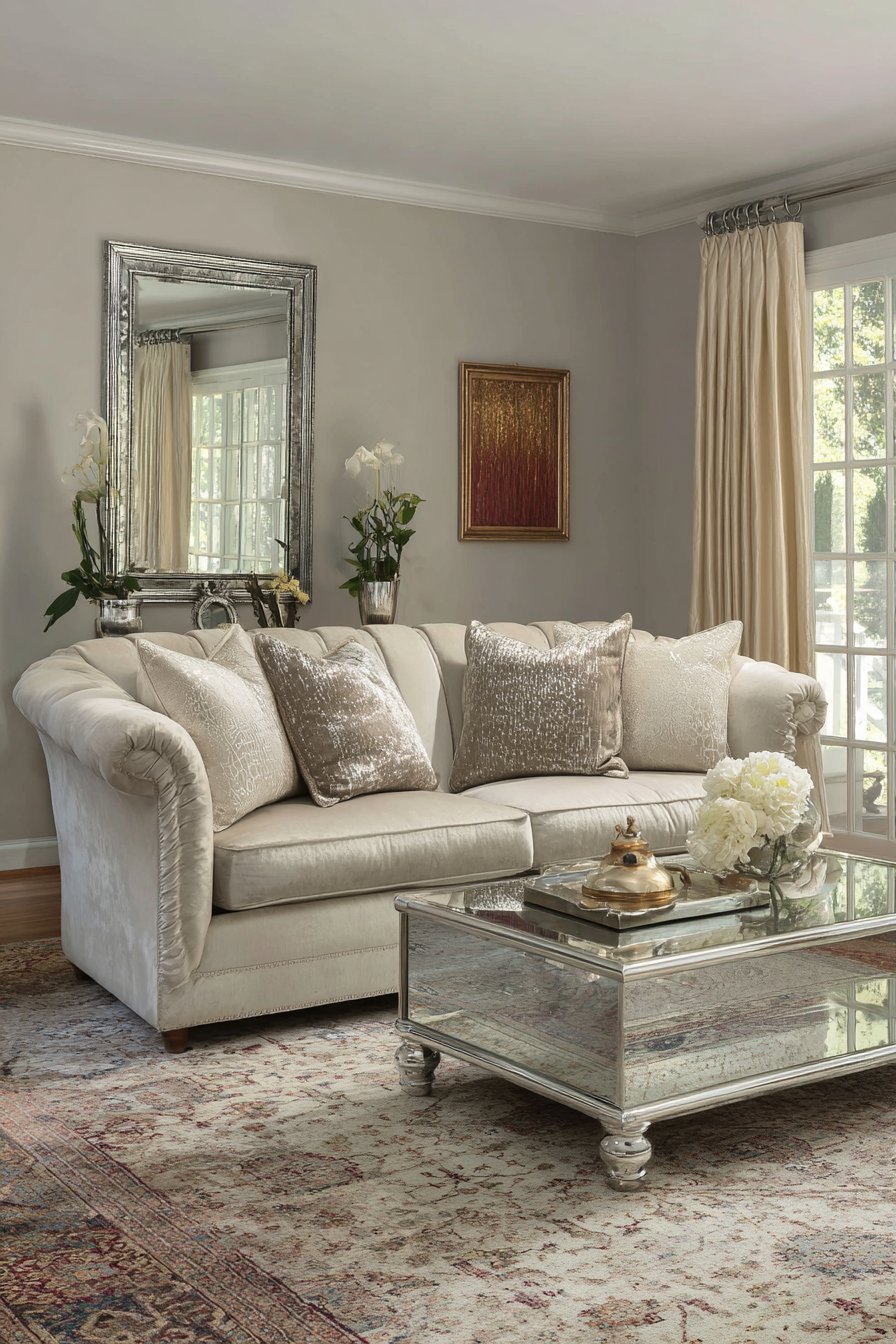
Centered artwork maintains the symmetry while large windows with simple linen panels provide even natural light that illuminates both sides of the room equally. The symmetrical approach works particularly well in formal living rooms where entertaining and conversation are primary functions, with the facing sofas facilitating interaction while the neutral palette maintains sophisticated restraint.
Key Design Tips:
- Use matching sofas facing each other for classical symmetrical balance
- Choose square coffee tables to anchor symmetrical seating arrangements
- Place identical lamps on matching side tables for reinforced symmetry
- Center artwork and architectural features within symmetrical compositions
- Use neutral palettes to prevent formal symmetry from feeling stuffy
- Provide even natural light from multiple windows in symmetrical rooms
Conclusion
The journey through these 29 neutral living room ideas reveals the extraordinary versatility and enduring appeal of neutral color palettes in interior design. Far from being boring or bland, thoughtfully designed neutral spaces demonstrate remarkable depth, sophistication, and personality through their masterful use of texture, material, proportion, and light. Whether embracing Scandinavian minimalism, coastal serenity, mid-century warmth, or transitional elegance, neutral palettes provide the perfect foundation for expressing personal style while maintaining timeless beauty.
The key to successful neutral design lies in understanding that neutrals are not a single color but rather a rich spectrum of tones—from warm creams and beiges to cool greys and soft taupes—each bringing subtle but significant character to a space. By layering multiple neutral shades, combining varied textures, incorporating natural materials, and paying careful attention to lighting, you can create rooms that feel both serene and visually engaging, sophisticated yet comfortable, aspirational while remaining achievable.
As you consider implementing these ideas in your own home, remember that the most successful neutral living rooms are those that reflect your personal lifestyle and needs. Whether you require pet-friendly durability, small-space efficiency, budget-conscious solutions, or luxurious comfort, neutral palettes adapt beautifully to any constraint while delivering lasting beauty. Start with a neutral foundation, layer thoughtfully chosen textures and materials, and don’t be afraid to experiment with the subtle variations in tone and finish that make neutral design so endlessly fascinating. Your perfect neutral living room awaits—timeless, elegant, and uniquely yours.
