
For those who cherish the thrill of the hunt, the joy of discovery, and the satisfaction of a well-curated collection, a dedicated collector’s room represents the ultimate sanctuary. Whether your passion lies in vintage vinyl, rare books, antique timepieces, or treasured memorabilia, creating a space that both protects and showcases your collection transforms a simple hobby into a lifestyle. A thoughtfully designed collector’s room is more than just storage—it’s a personal museum, a retreat, and a testament to your dedication and discerning eye.
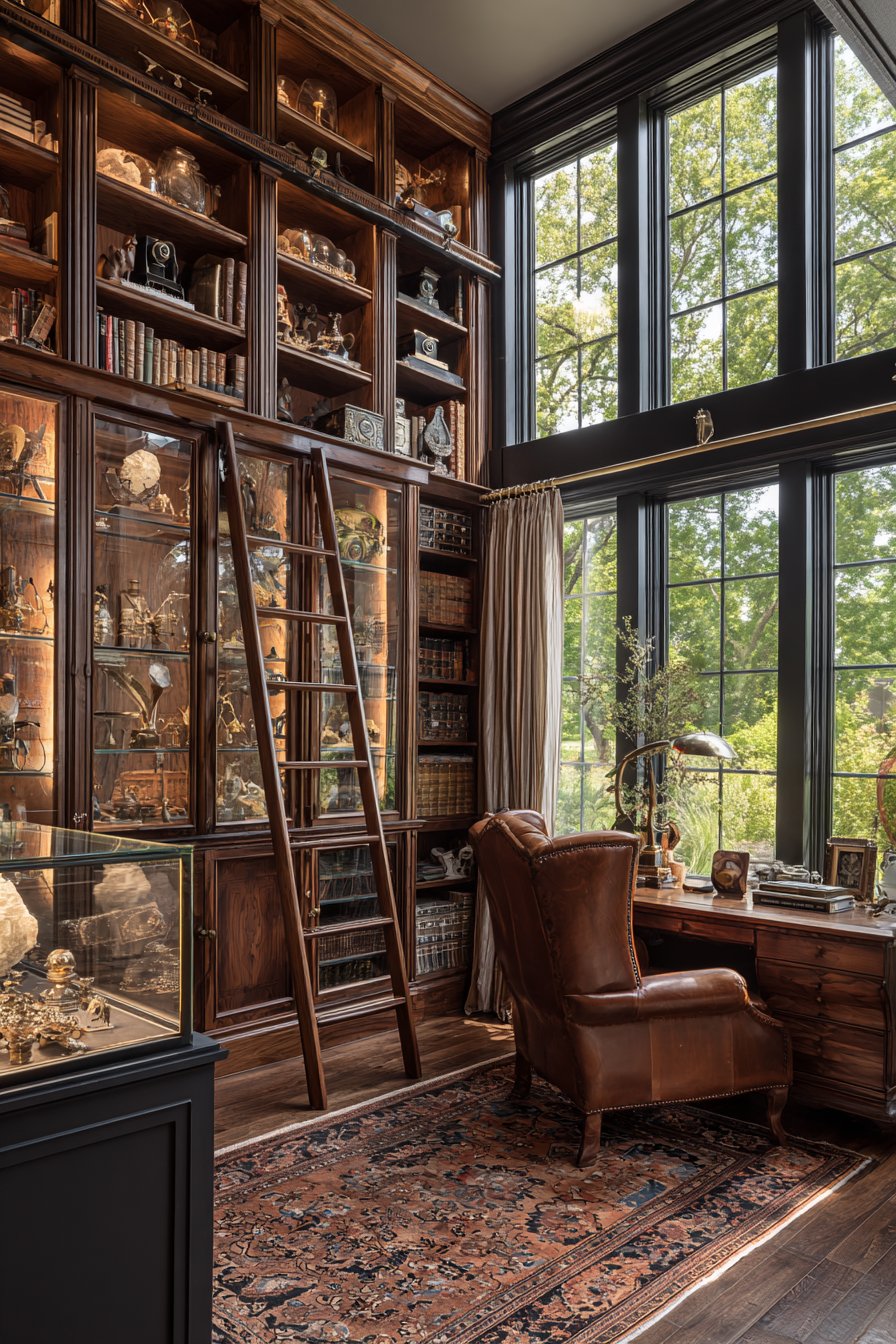
The art of designing a collector’s room requires balancing preservation with presentation, functionality with aesthetics, and accessibility with security. Each collection type demands specific considerations: climate control for delicate textiles, UV protection for rare documents, proper spacing for three-dimensional objects, and adequate lighting that illuminates without damaging. Beyond these practical requirements, the room should reflect your personal style and tell the story of your collection’s journey. From industrial lofts housing vintage cameras to elegant libraries filled with first editions, the possibilities are as diverse as collectors themselves.
In this comprehensive guide, we explore twenty-one distinctive collector’s room ideas, each tailored to specific collection types and aesthetic preferences. These designs range from minimalist modern displays to richly traditional galleries, offering inspiration whether you’re working with a dedicated room, converting a spare bedroom, or maximizing a compact space. Discover how professional-grade display techniques, creative storage solutions, and atmospheric lighting can transform your collection from boxes in the attic to a stunning showcase that honors your passion and invites both contemplation and conversation.
1. The Audiophile’s Vinyl Sanctuary
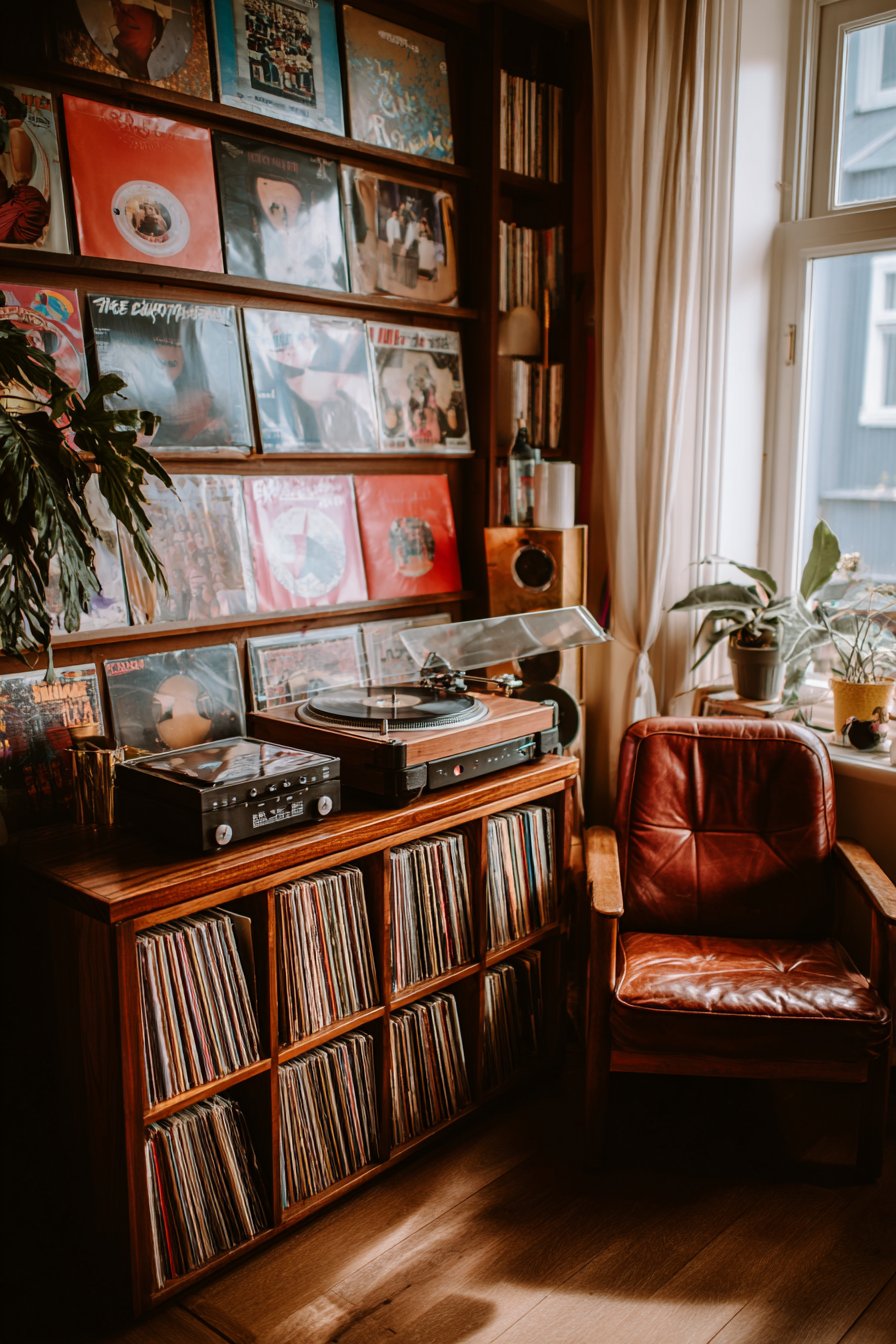
Step into a space where music history lives and breathes through carefully organized vinyl records displayed in custom built-in shelving. This collector’s room idea centers on the marriage of form and function, with albums arranged alphabetically in protective sleeves, creating both a visual library and an easily navigable system. The warm wood tones throughout the space—from floor to ceiling—establish an organic foundation that complements the vintage nature of vinyl collecting. A mid-century modern credenza serves as the operational heart of the room, housing a turntable setup with vintage audio equipment that transforms static collectibles into living, breathing music.
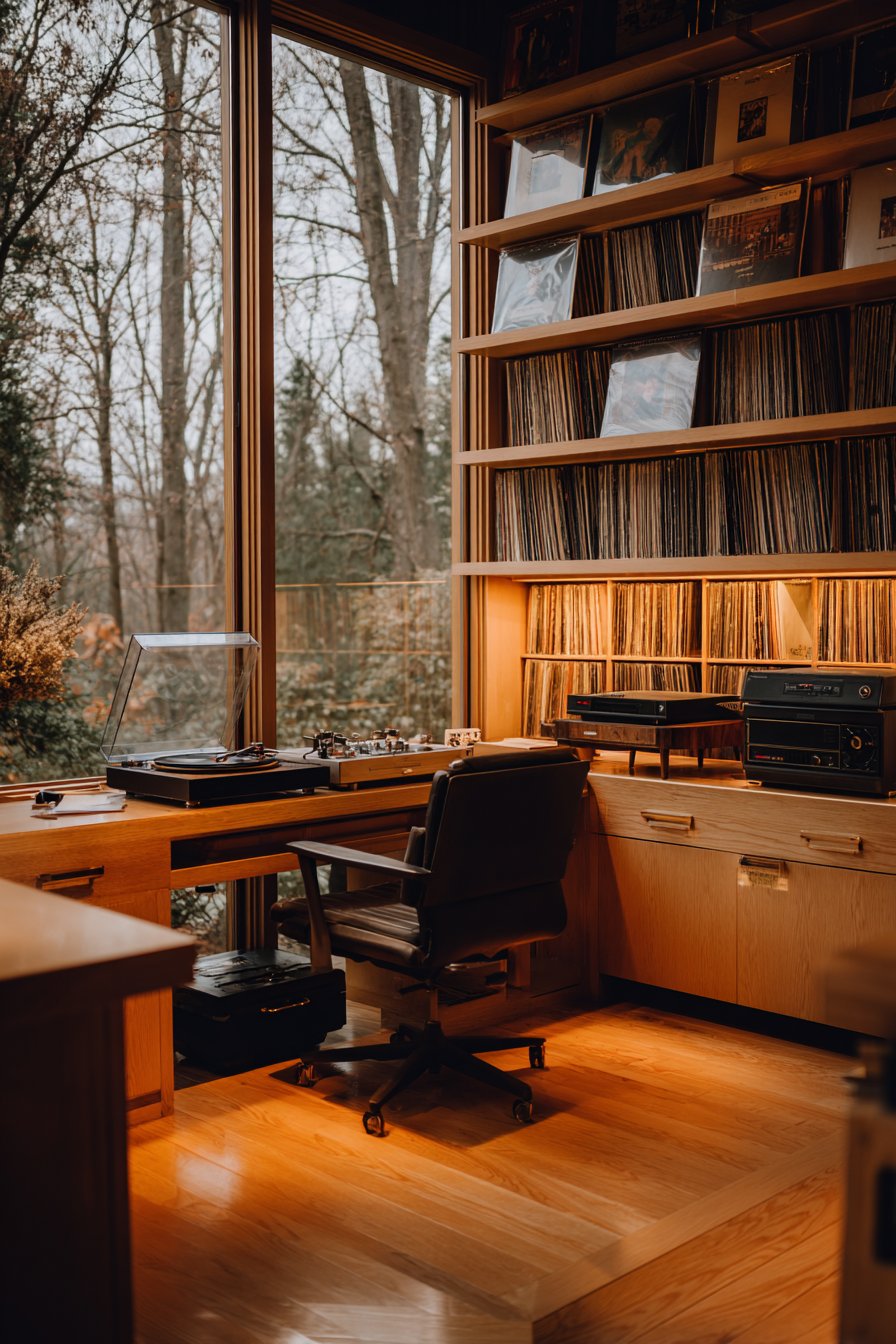
The design philosophy here embraces the golden era of music listening, with brass accents on hardware and lighting fixtures adding subtle glamour without overwhelming the space. Natural light filtering through windows bathes the collection in soft illumination during daytime hours, while strategically placed lamps provide focused light for evening listening sessions. A comfortable listening chair positioned near the window creates an intimate space for album selection and contemplation, turning the collection process into a ritual rather than a task.
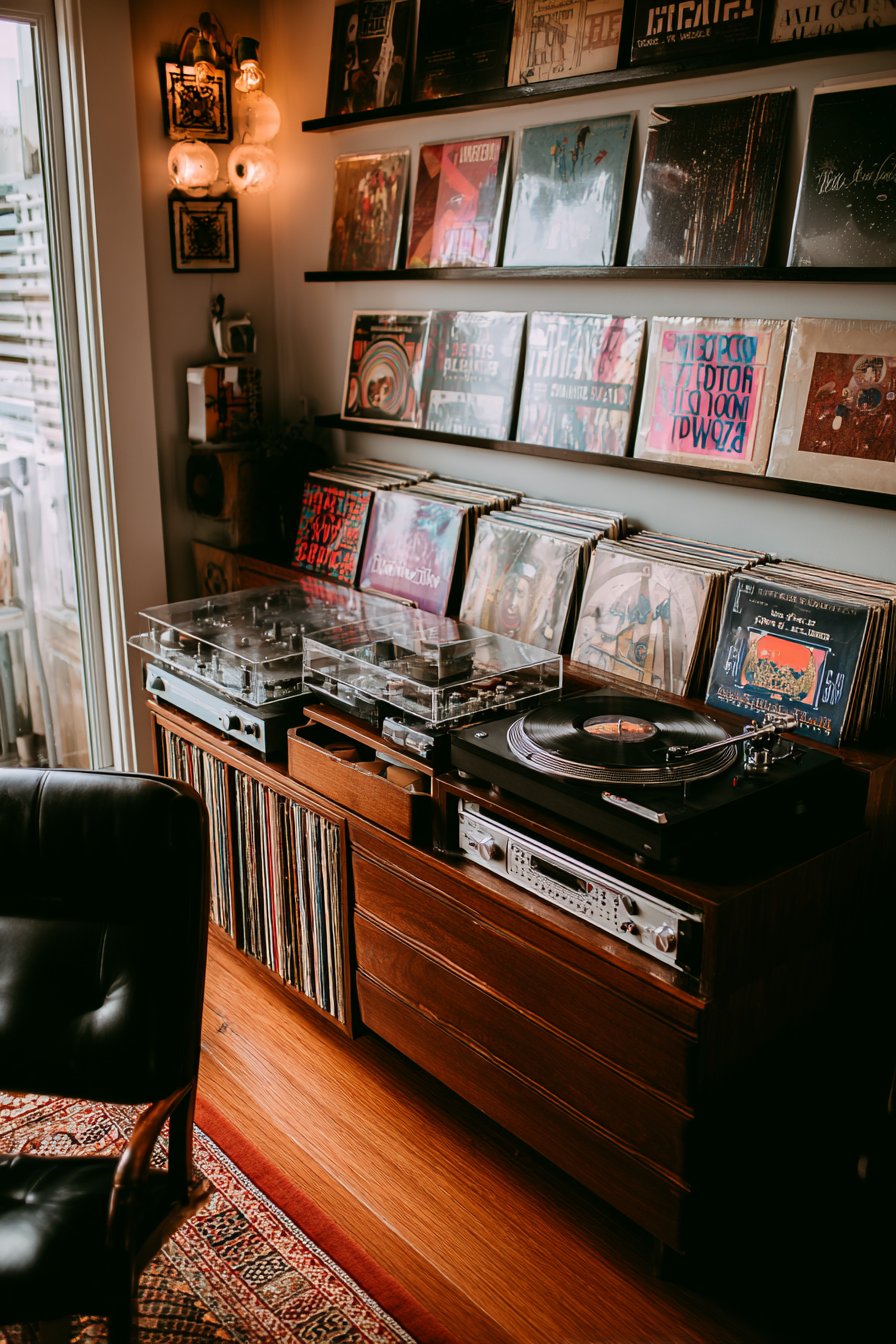
The room’s organization extends beyond mere aesthetics into practical functionality. Protective sleeves preserve album covers while allowing collectors to appreciate artwork and liner notes. The credenza’s storage capacity accommodates cleaning supplies, spare needles, and cataloging materials, keeping everything needed for vinyl maintenance within arm’s reach. This integration of display and utility means the space serves as both gallery and workshop, honoring the collection while facilitating its ongoing care and enjoyment.
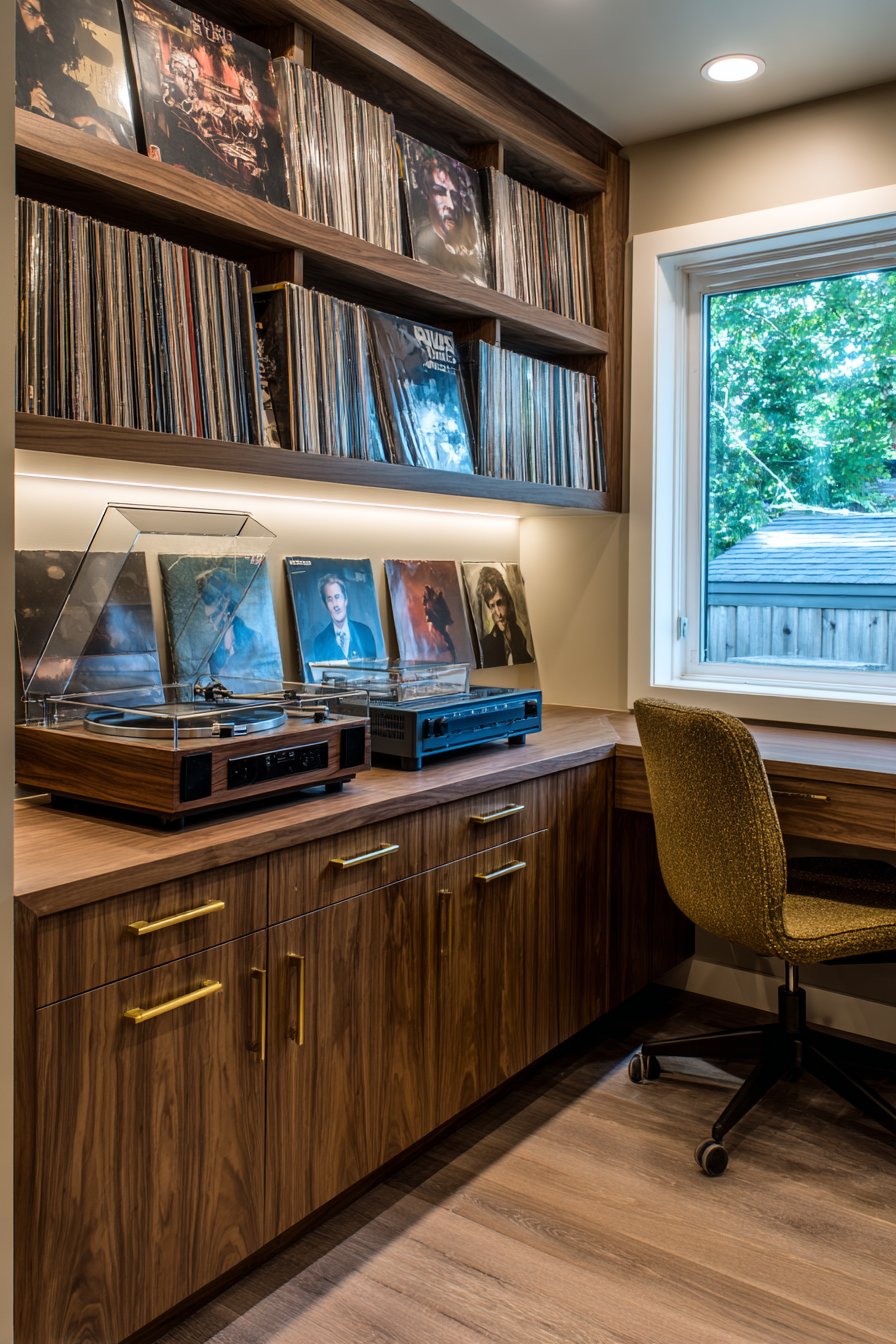
Key Design Tips: Choose shelving depth that accommodates records without wasting space, typically 13-14 inches deep. Install the credenza at a comfortable height for operating equipment while seated, usually 28-30 inches. Use warm-toned LED bulbs that won’t generate heat near valuable records. Position the listening chair approximately 6-8 feet from speakers for optimal sound quality. Include dedicated storage for cleaning supplies and record care tools. Consider cork or rubber flooring to absorb vibrations and improve acoustics.
2. Horological Haven for Watch Collectors
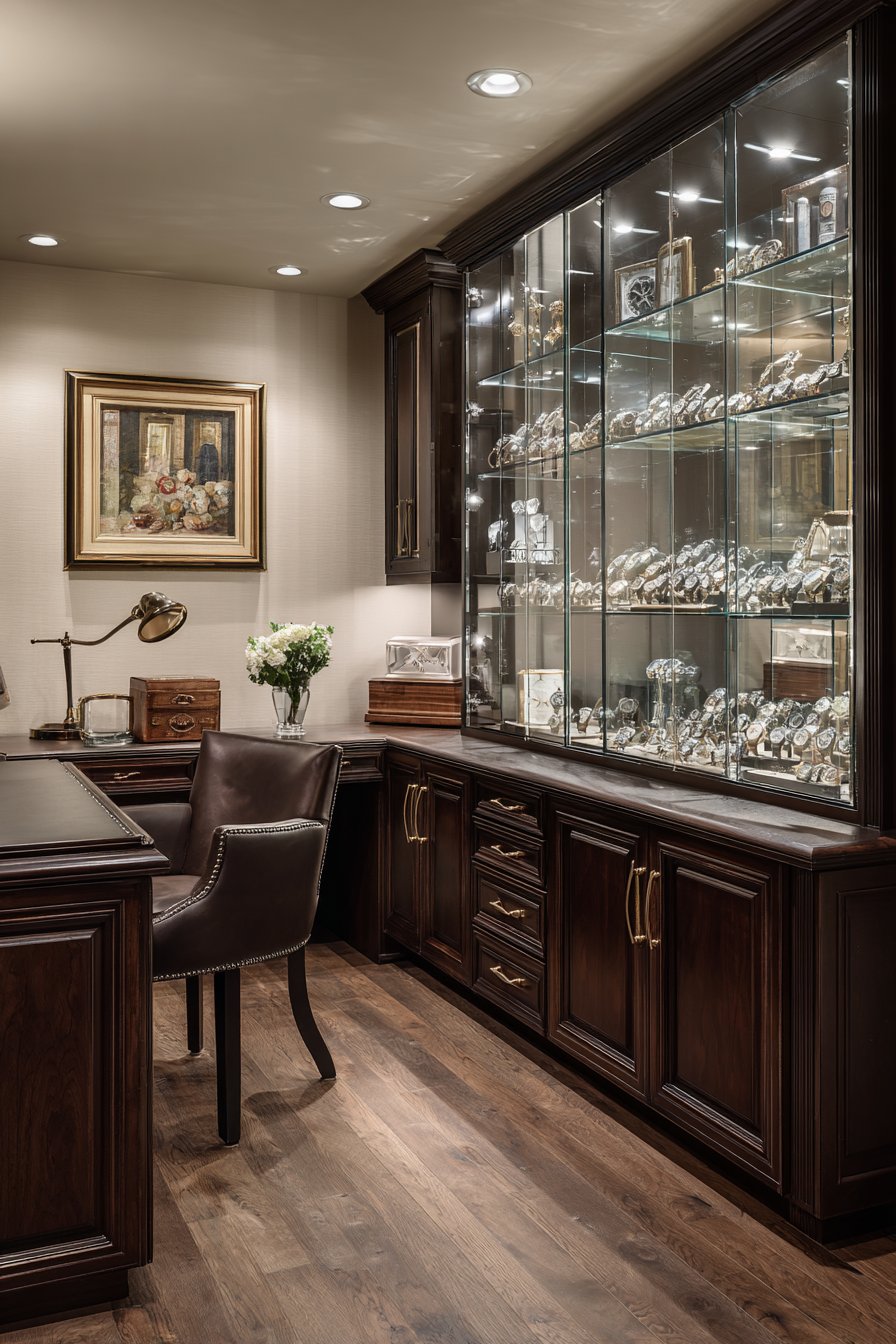
A collector’s room idea dedicated to vintage timepieces elevates small objects into museum-worthy displays through careful curation and climate control. The centerpiece climate-controlled glass cabinet maintains optimal humidity and temperature levels, protecting delicate movements while showcasing individual watches on cushioned displays. LED accent lighting within the cabinet illuminates each piece without generating damaging heat, allowing the interplay of light on polished metals and crystals to create a jewelry-box effect. The dark mahogany furniture provides an elegant backdrop that grounds the display in traditional luxury while remaining timeless itself.
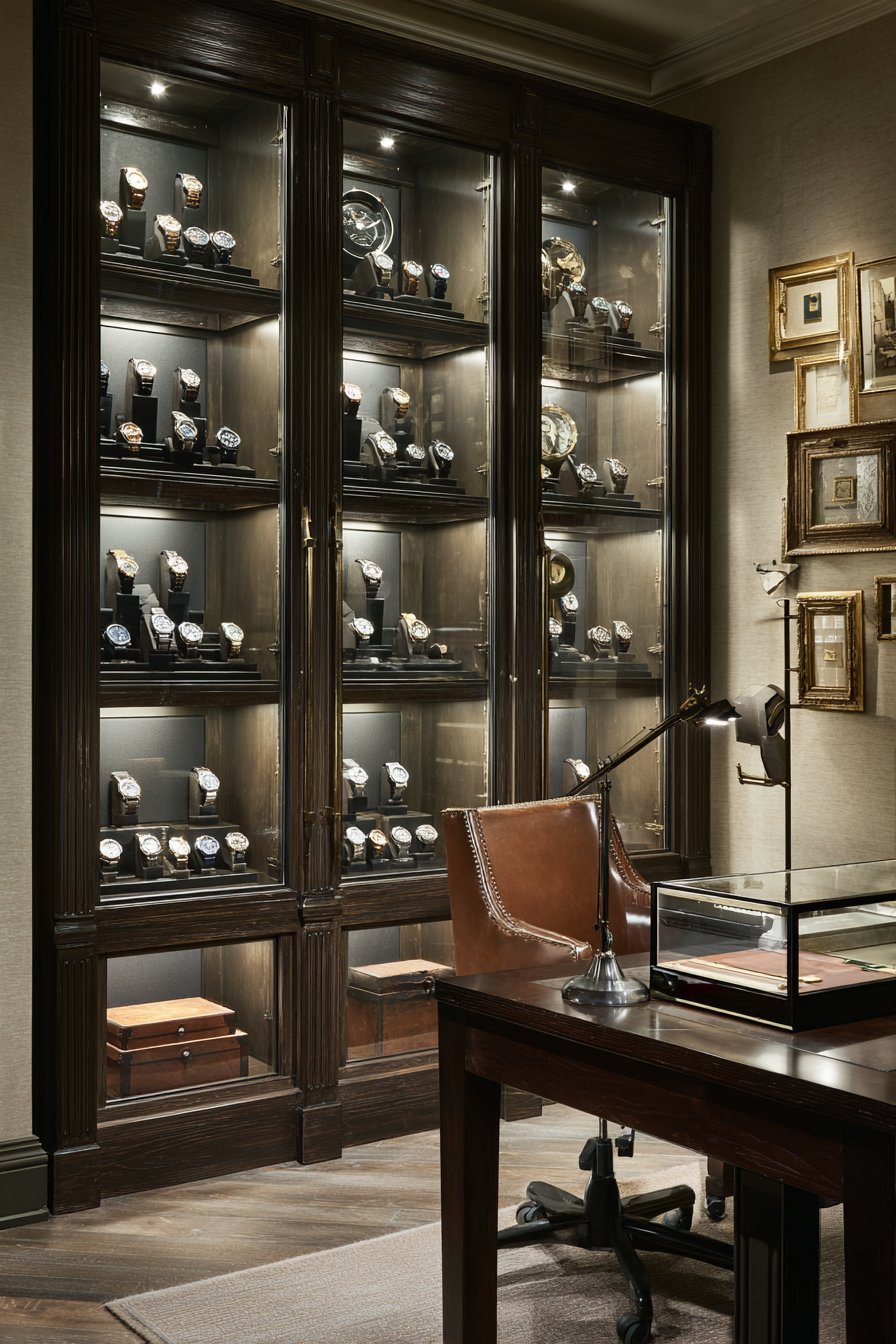
This space balances reverence with practicality, incorporating a leather desk chair and magnifying station for detailed viewing and maintenance. The examination area transforms collecting from passive appreciation into active engagement, allowing the collector to study complications, inspect movements, and document acquisitions. Neutral walls deliberately fade into the background, ensuring that the watches themselves remain the undisputed focal points. This restraint in decoration demonstrates sophisticated design thinking—knowing when to add elements and when to exercise restraint.
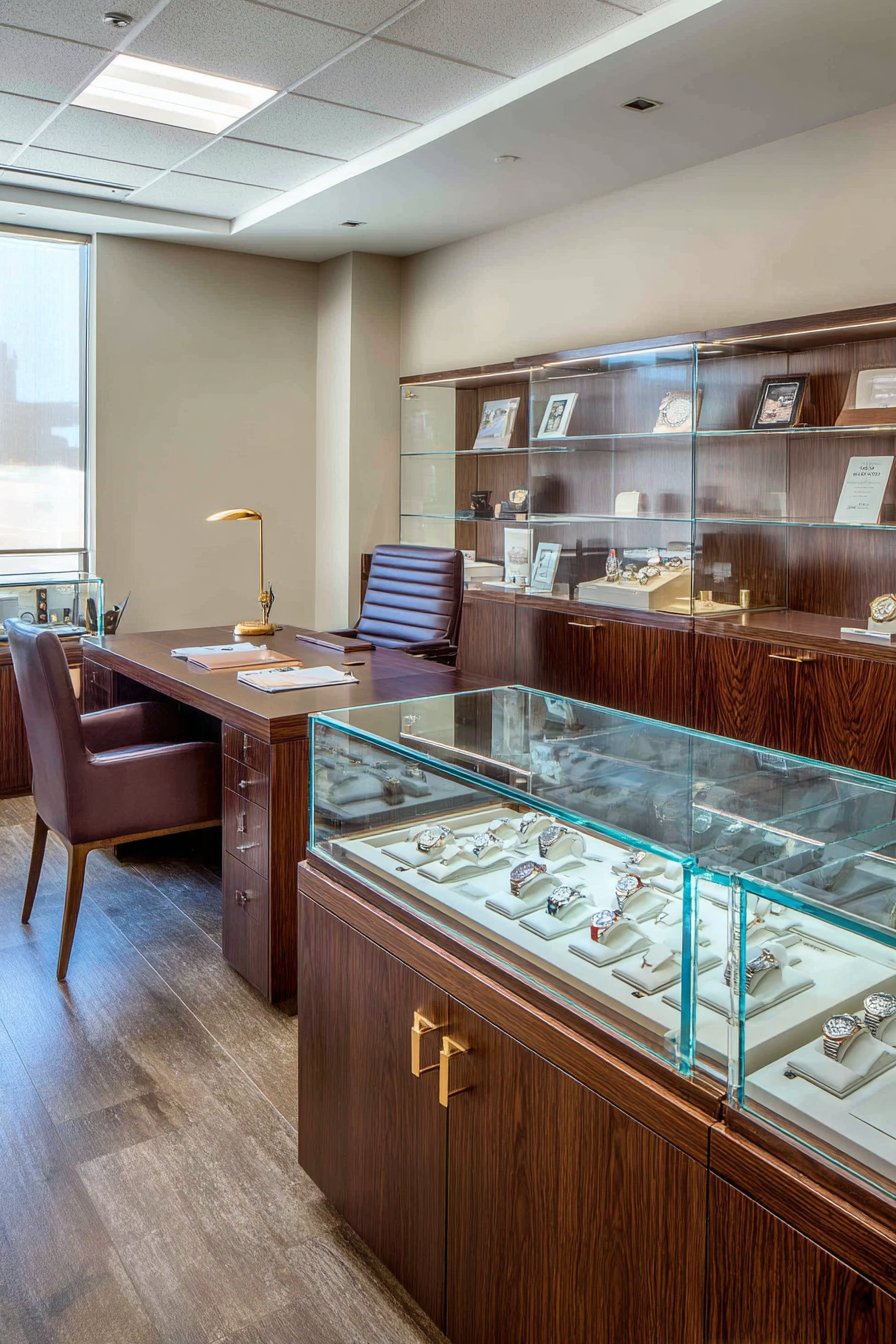
The refined atmosphere stems from careful attention to lighting layering. Ambient illumination provides overall visibility, while focused cabinet lighting creates drama and highlights specific pieces. This multi-level approach to lighting ensures that watches can be appreciated both as a cohesive collection and as individual masterworks. The room becomes a private gallery where each visit offers new details to discover, whether examining the guilloché pattern on a vintage dial or tracing the sweep of a mechanical second hand.
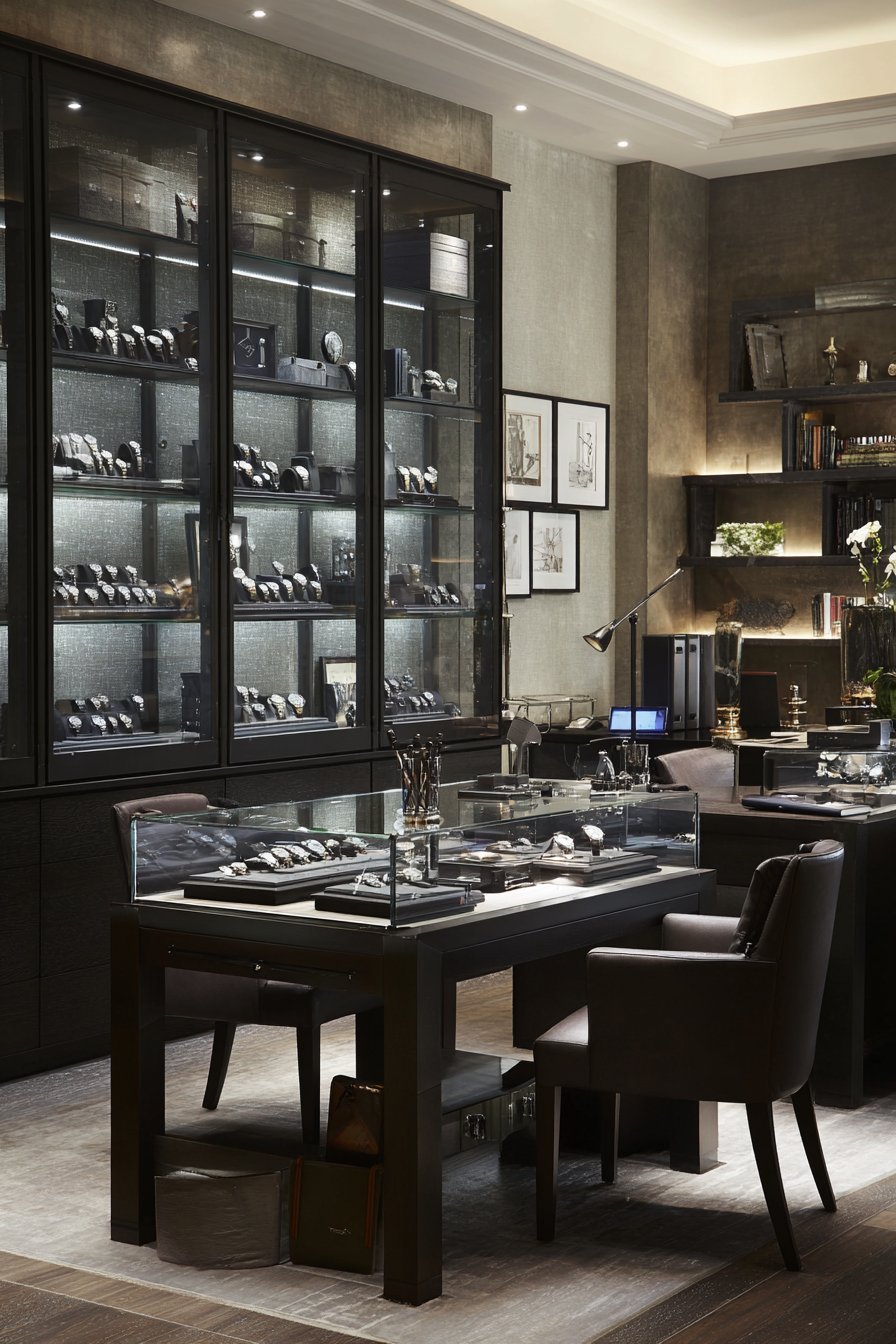
Key Design Tips: Maintain humidity between 40-60% to prevent movement damage and crystal fogging. Install UV-filtering glass on display cabinets to protect vintage luminous materials. Use microfiber-lined drawers for watches not on display. Position the magnification station near a window for natural light examination. Include a small workspace for strap changes and minor adjustments. Keep a detailed inventory system within the room for insurance and cataloging purposes. Invest in a quality dehumidifier for climate control.
3. Literary Treasure Trove
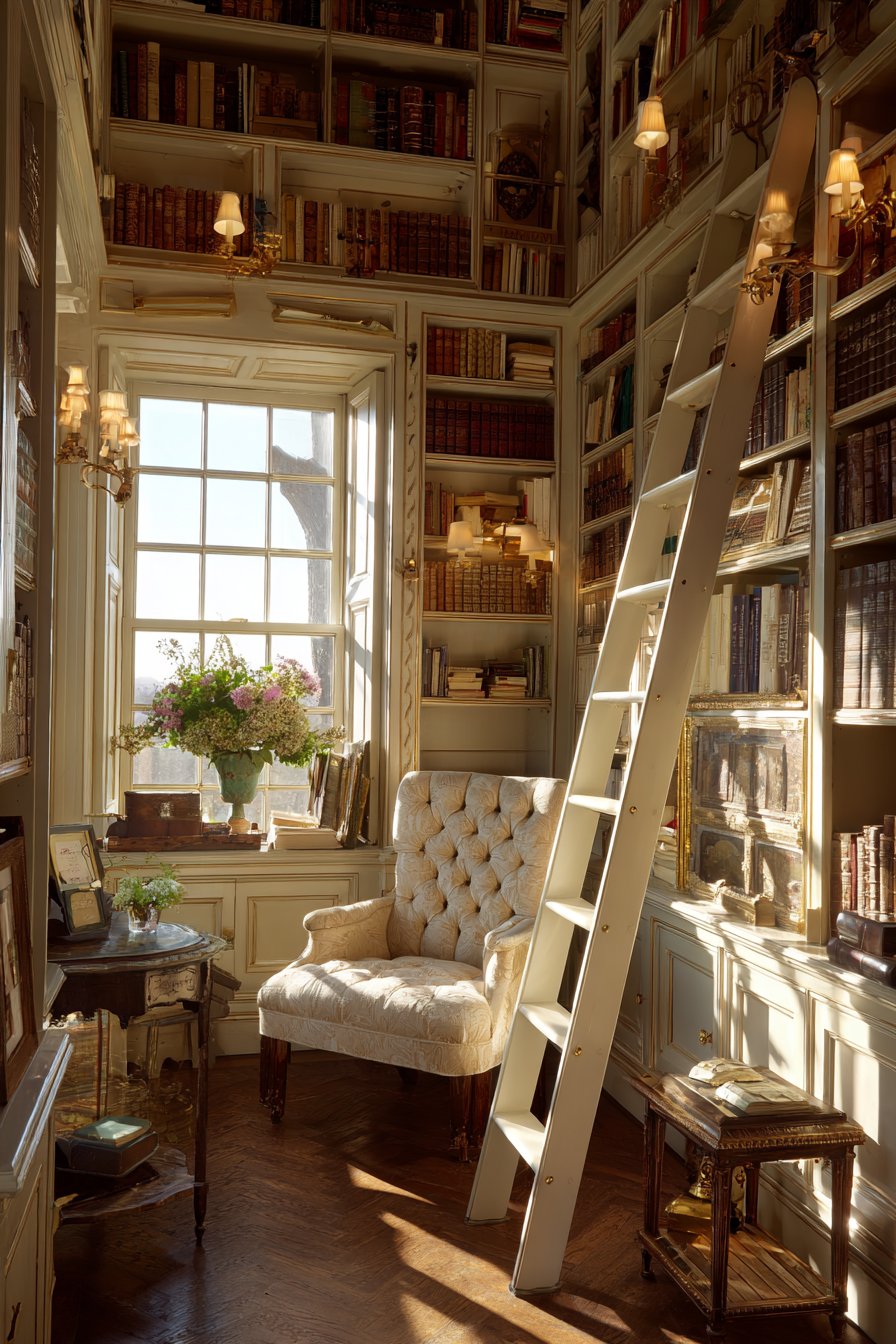
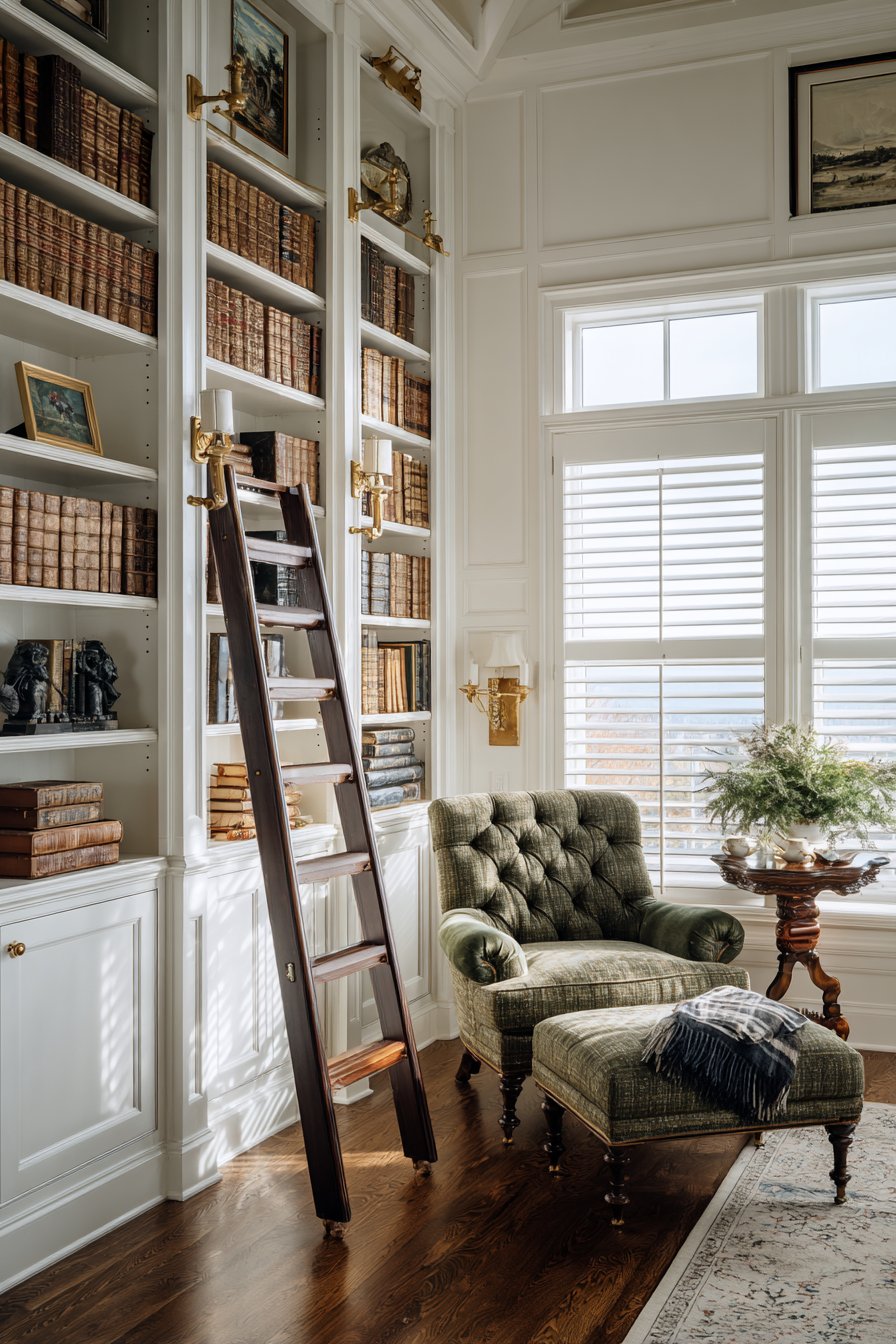
For bibliophiles, this collector’s room idea transforms walls into towering repositories of literary history through floor-to-ceiling bookshelves painted in clean white. The painted finish serves dual purposes: protecting the wood while creating a bright, gallery-like atmosphere that makes book spines pop with color. First edition novels and rare manuscripts occupy these shelves in organized sections, with the rolling library ladder providing both functional access and romantic visual appeal. This ladder isn’t merely decorative—it’s an essential tool that makes every book accessible without compromising the vertical storage capacity that maximizes the room’s potential.
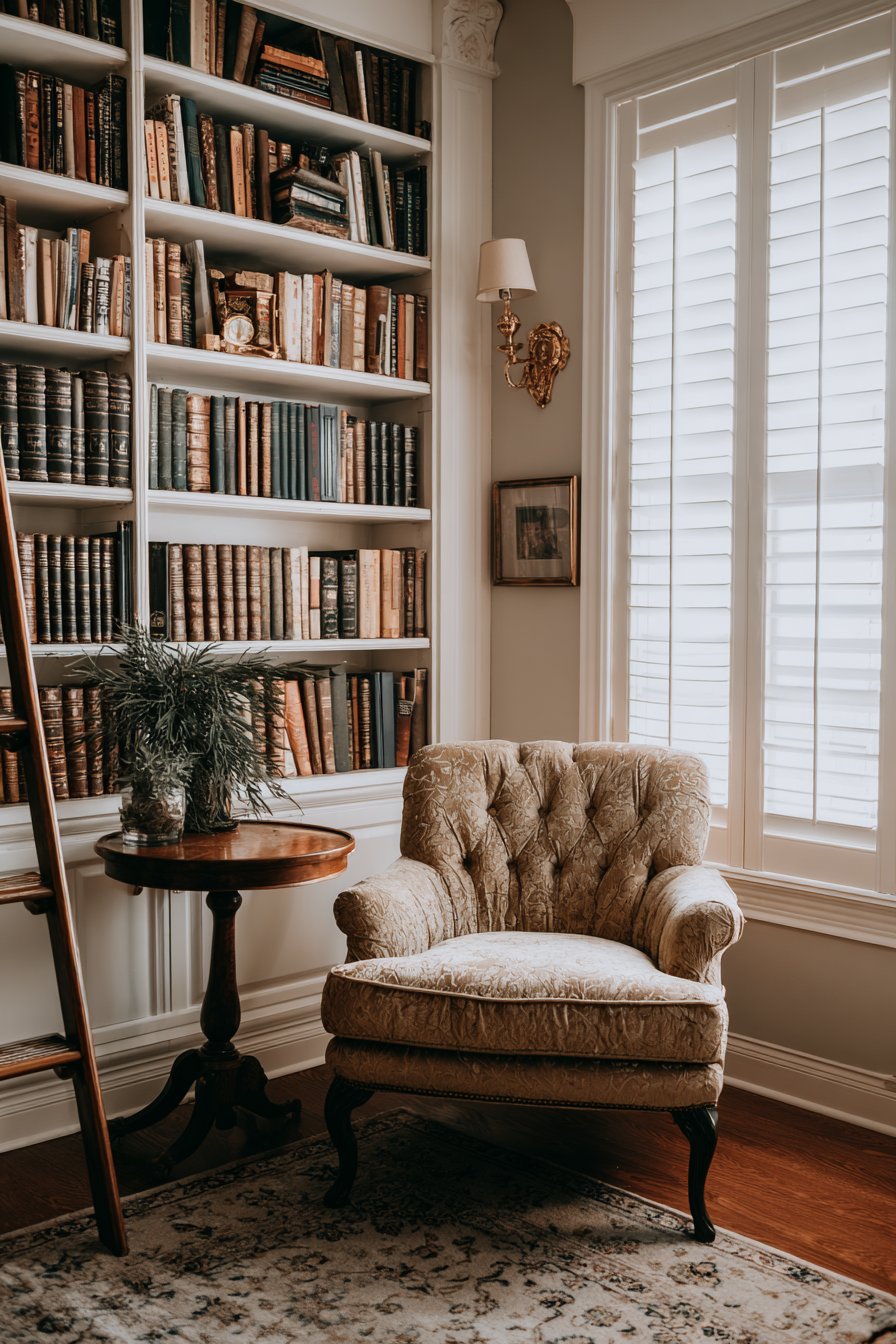
The cozy reading nook near the window represents the soul of this space, where acquisition meets appreciation. A tufted velvet armchair in deep jewel tones provides sumptuous comfort for extended reading sessions, while an antique side table holds reading glasses, bookmarks, and the current selection. Plantation shutters offer precise control over natural light—crucial for protecting valuable bindings from UV damage while still allowing readers to enjoy daylight. This thoughtful balance between preservation and use exemplifies intelligent collector’s room design.
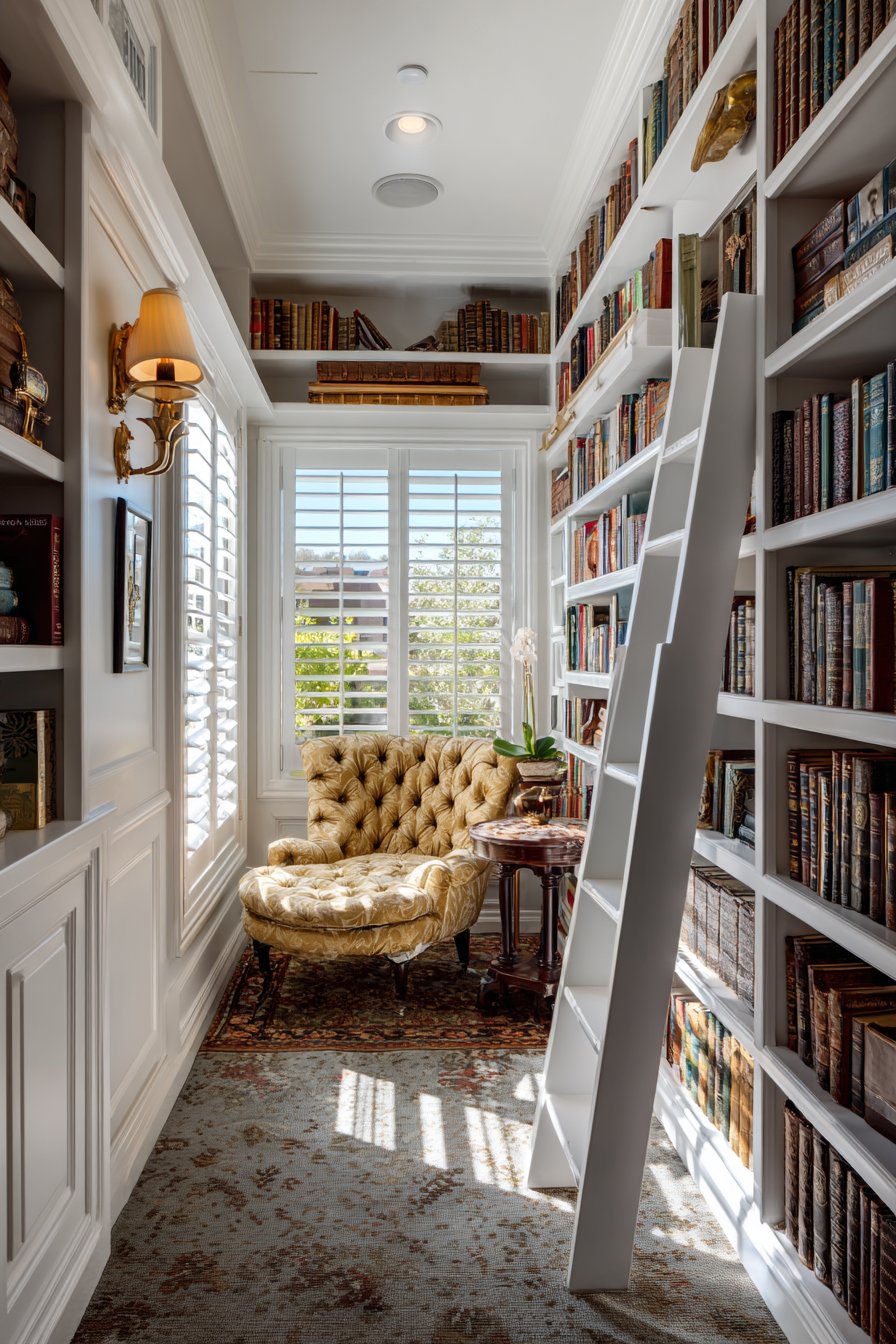
Warm ambient lighting from brass wall sconces creates an inviting atmosphere that transforms the room from archive into living library. These fixtures cast gentle pools of light across shelves, making titles legible while avoiding the harsh glare that fatigues eyes and damages paper. The scholarly elegance achieved here doesn’t rely on stuffiness or intimidation but rather on creating a space that celebrates books as both intellectual treasures and sensory pleasures—objects to be held, smelled, and savored as much as read.
Key Design Tips: Organize books by category, author, or acquisition date depending on your collecting focus. Use bookends to prevent leaning and spine damage. Install the ladder track securely into wall studs for safety. Keep rare books away from direct sunlight even with shutters closed. Maintain consistent temperature to prevent binding glue deterioration. Consider archival boxes for particularly fragile volumes. Include a small desk for cataloging and correspondence with dealers. Use acid-free bookplates to mark your collection.
4. Sports Memorabilia Showroom
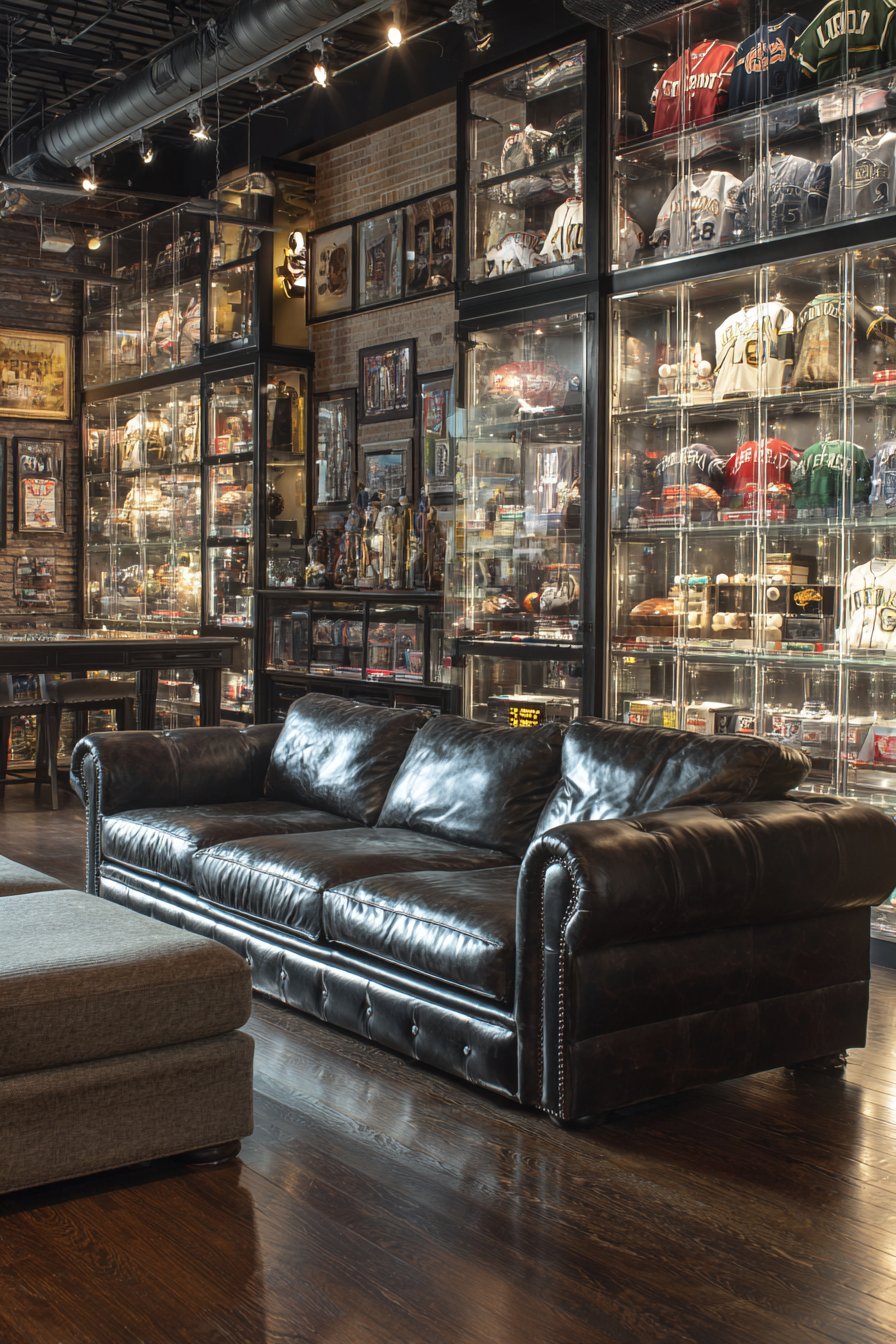
This collector’s room idea approaches sports memorabilia with museum-quality presentation techniques, transforming signed baseballs, jerseys, and equipment into gallery-worthy displays. Floating shelves showcase individual signed baseballs in crystal-clear acrylic cases that protect while maximizing visibility from all angles. Framed jerseys mounted with museum-quality UV-protective glass prevent fading while the spacing between frame and fabric ensures proper air circulation. The dark accent wall creates dramatic contrast that makes colors pop and white signatures stand out, proving that background choice can make or break a display.
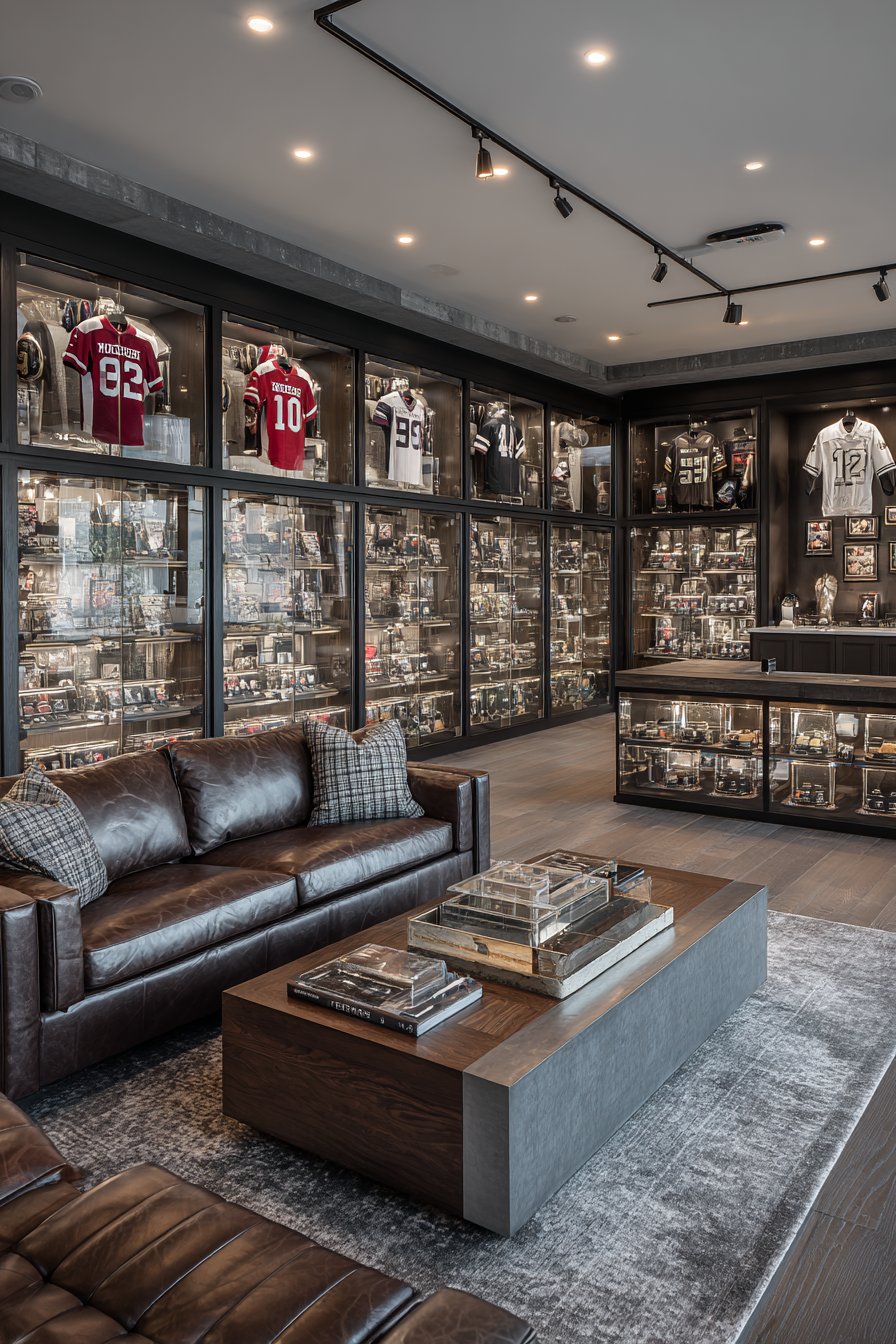
The comfortable seating area with a leather sofa transforms this from mere storage into an entertainment space where the collection becomes the focal point of gatherings. Track lighting with adjustable spotlights allows for customization as the collection grows and changes, directing attention to newest acquisitions or most prized pieces. This flexibility matters in active collections where rotation and rearrangement keep the display fresh and engaging. The dynamic presentation style mirrors the energy of sports themselves, capturing motion and excitement in a static display.
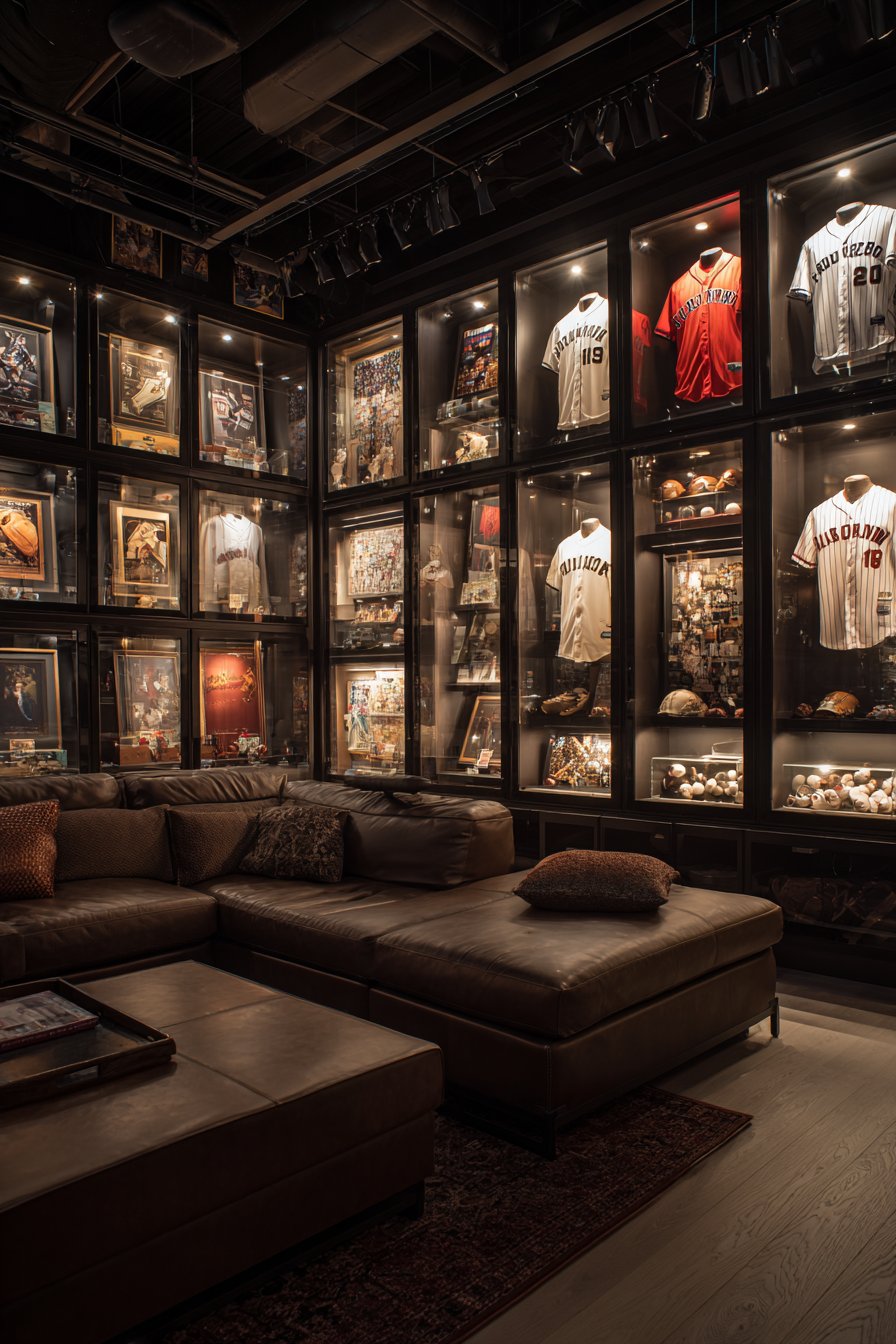
Authenticity certificates and provenance documentation stored in coordinated folders occupy dedicated drawer space, maintaining the value chain that makes sports memorabilia collecting viable long-term. The room’s design acknowledges that serious collecting requires both display and documentation, providing infrastructure for both. This dual focus on presentation and preservation demonstrates the sophisticated understanding that visual impact must never come at the expense of long-term value protection.
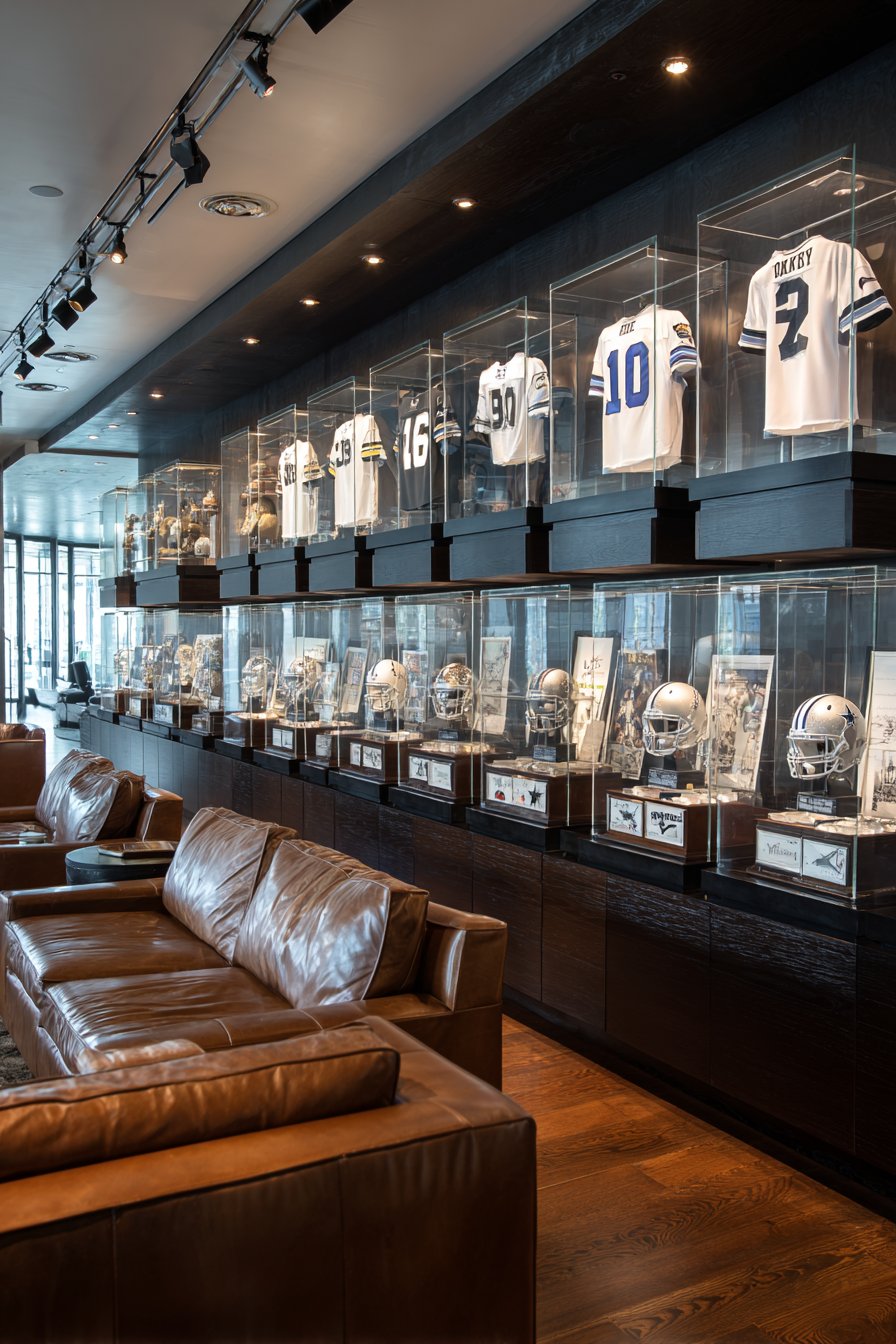
Key Design Tips: Use UV-protective glass on all framed items to prevent signature fading. Mount jerseys on acid-free backing boards to prevent yellowing. Keep humidity low to prevent mold on fabric items. Position spotlights at 30-degree angles to minimize glare on protective glass. Store authentication certificates in archival sleeves nearby each item. Consider shadow boxes for three-dimensional items like balls and gloves. Rotate displays periodically to prevent uneven light exposure. Include a small desk for researching values and acquisitions.
5. Comic Book Archive and Reading Room
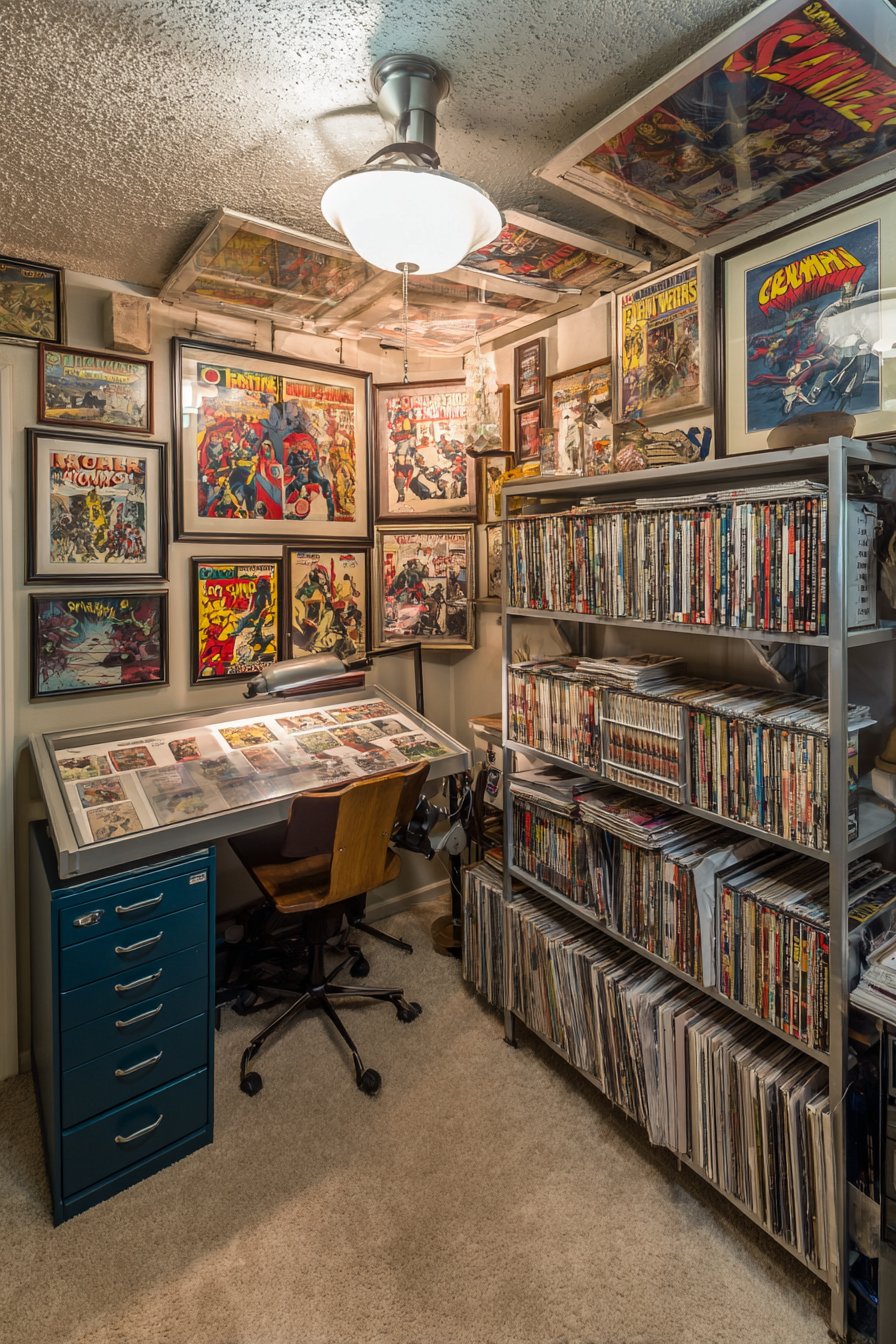
The specialized needs of comic book preservation drive this collector’s room idea, where custom vertical filing cabinets with pull-out drawers protect issues in acid-free dividers that prevent yellowing and deterioration. This filing system allows for density of storage while maintaining easy access and preventing the weight-based compression that occurs in traditional stacked storage. Wall-mounted frames display key issues in archival-quality cases, transforming significant comics from collection items into wall art that celebrates the medium’s artistic merit. The industrial-style metal shelving acknowledges comics’ modern origins while providing sturdy support for graphic novel collections.
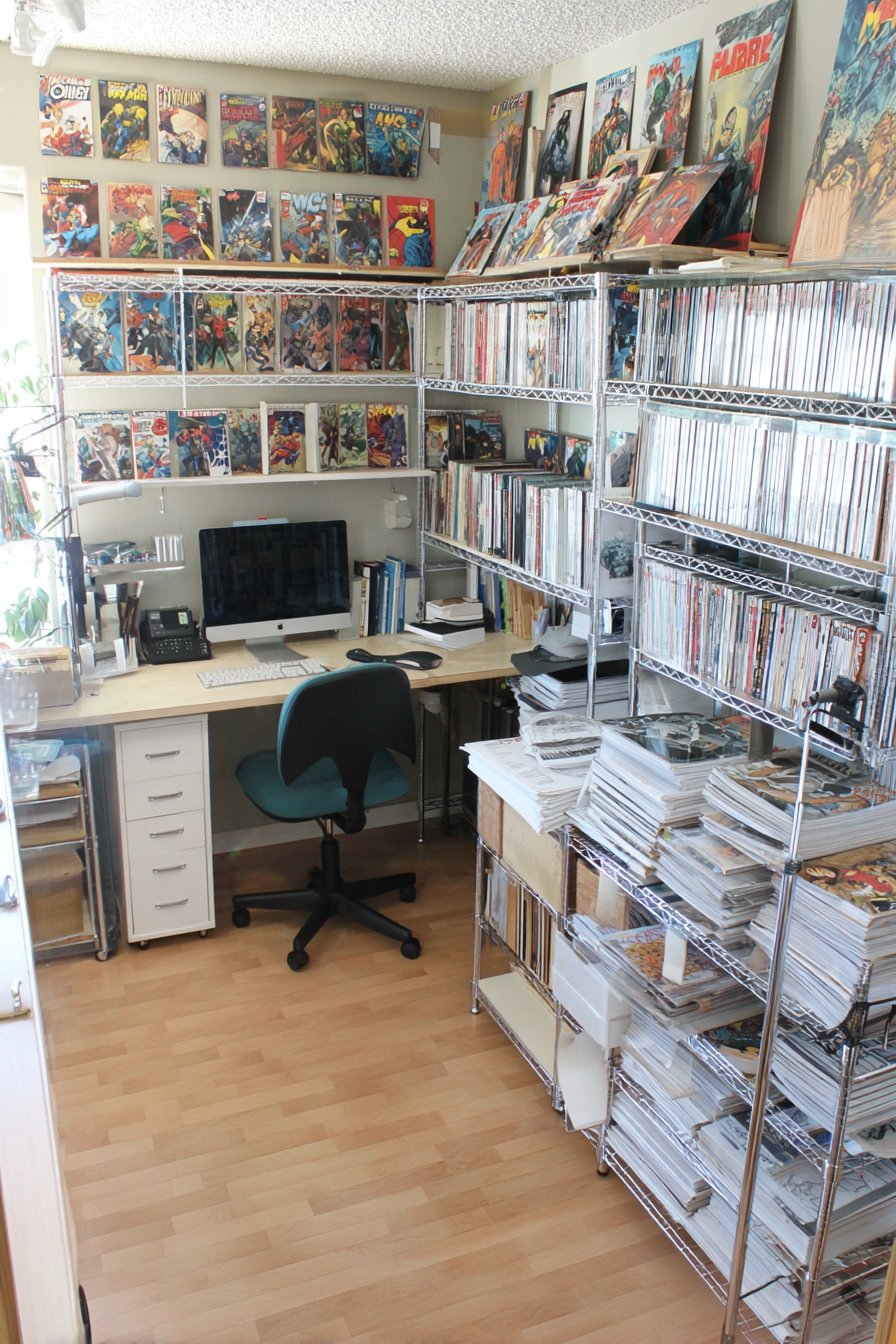
The drafting table serves as a viewing station where collectors can examine issues without damaging spines or covers, with an angled surface that allows comfortable reading while minimizing handling stress. Cool LED lighting throughout the space provides necessary visibility while avoiding the heat and UV radiation that accelerates paper decay. This attention to preservation details reflects understanding that comic book collecting requires balancing enjoyment with protection, making the space both functional archive and comfortable reading room.
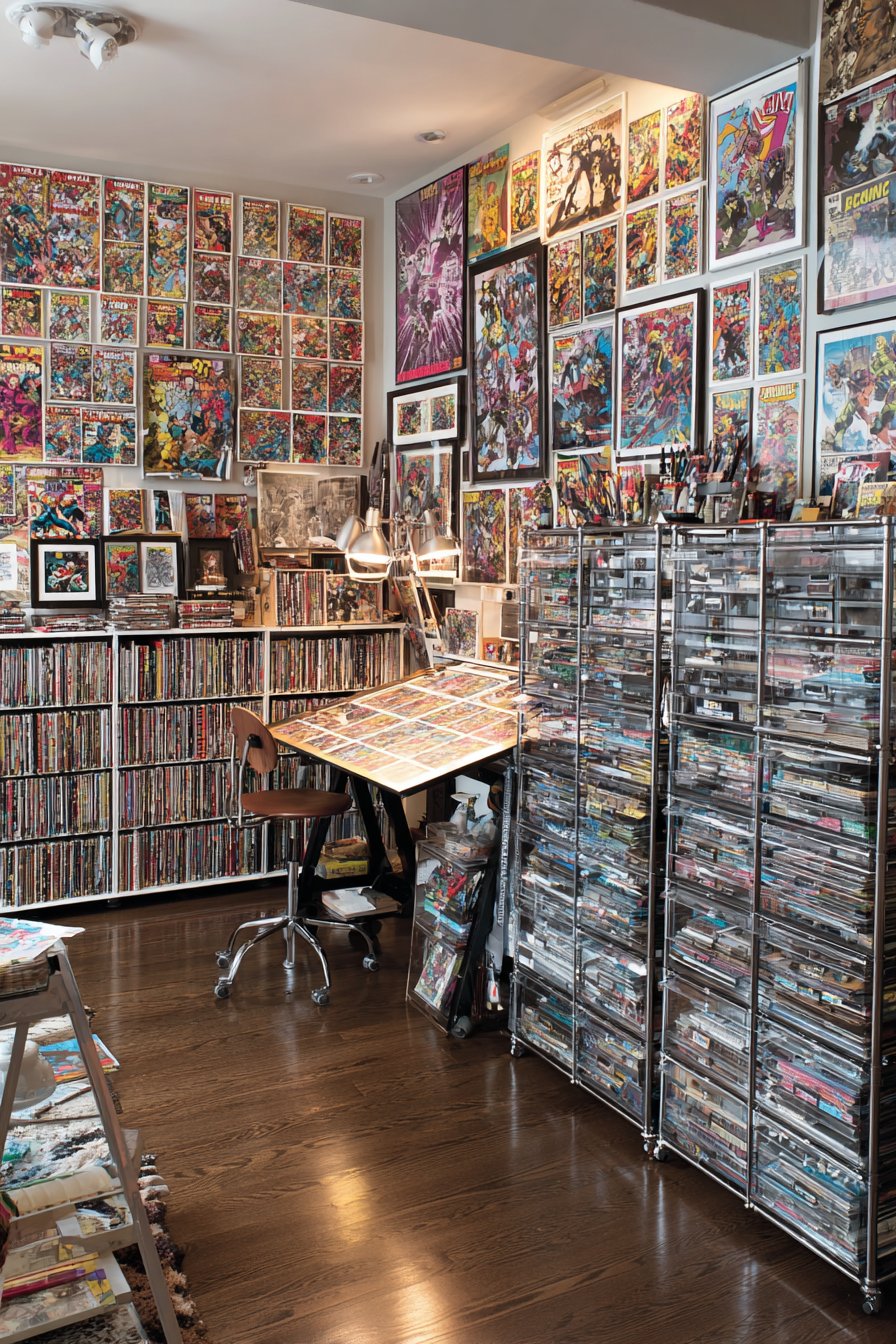
Organization extends beyond simple alphabetical sorting into a system that accommodates collecting methodology—whether by publisher, character, artist, or chronology. The room’s design provides infrastructure for whatever organizational philosophy the collector employs, with adjustable shelving and modular storage that adapts to collection growth and evolution. This flexibility acknowledges that serious comic collecting is a journey rather than a destination, with the room growing and changing alongside the collection itself.
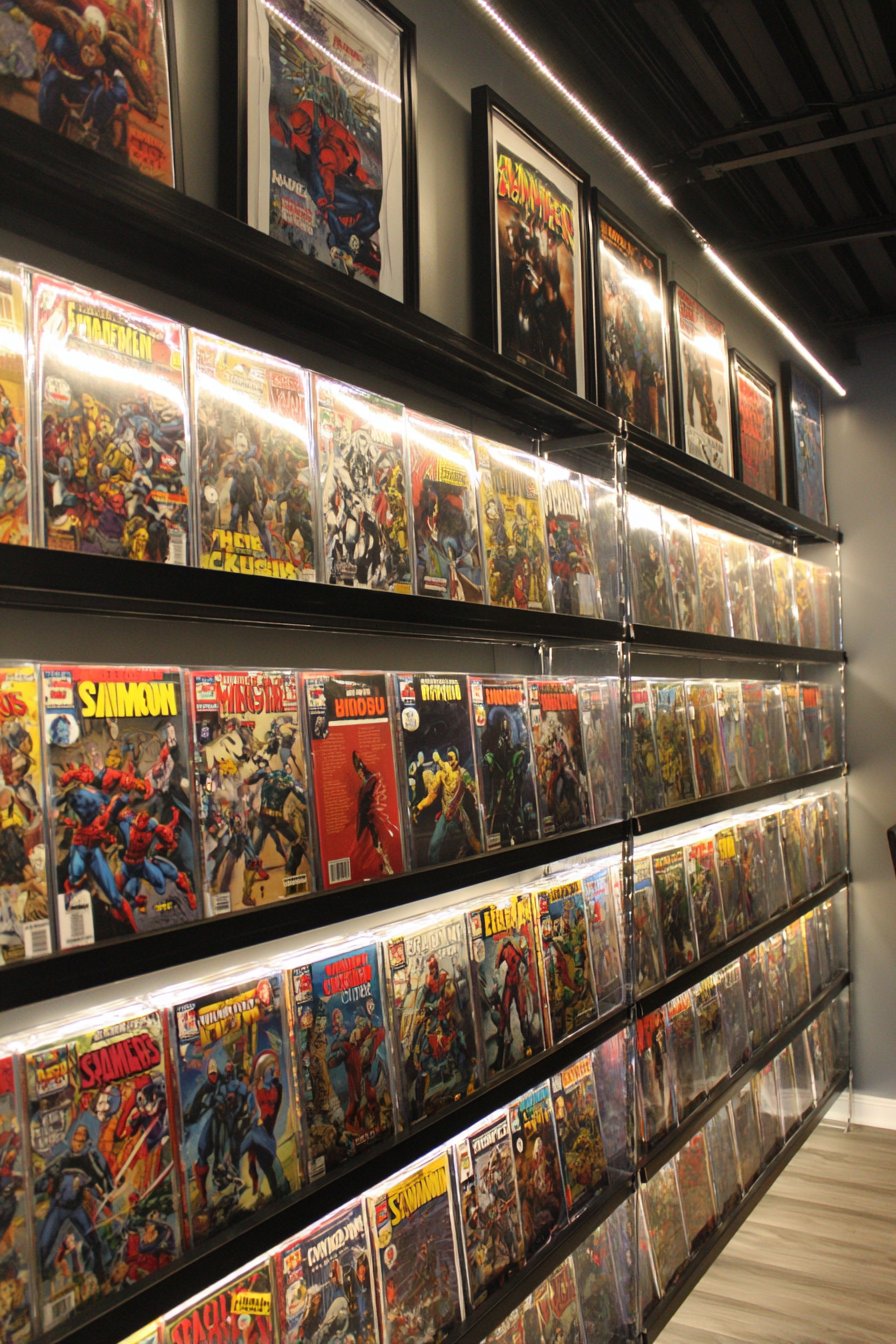
Key Design Tips: Store comics in Mylar sleeves with acid-free backing boards for maximum protection. Maintain humidity between 30-50% to prevent paper degradation. Keep temperature consistent between 65-70°F to prevent brittleness. Use color-coded dividers for easy navigation of large collections. Install pull-out drawers with stops to prevent removal accidents. Frame only duplicates or less valuable issues for display. Consider a flat file cabinet for oversized issues and artwork. Include a small scanner for creating digital backups of key pages.
6. Vintage Toy Museum
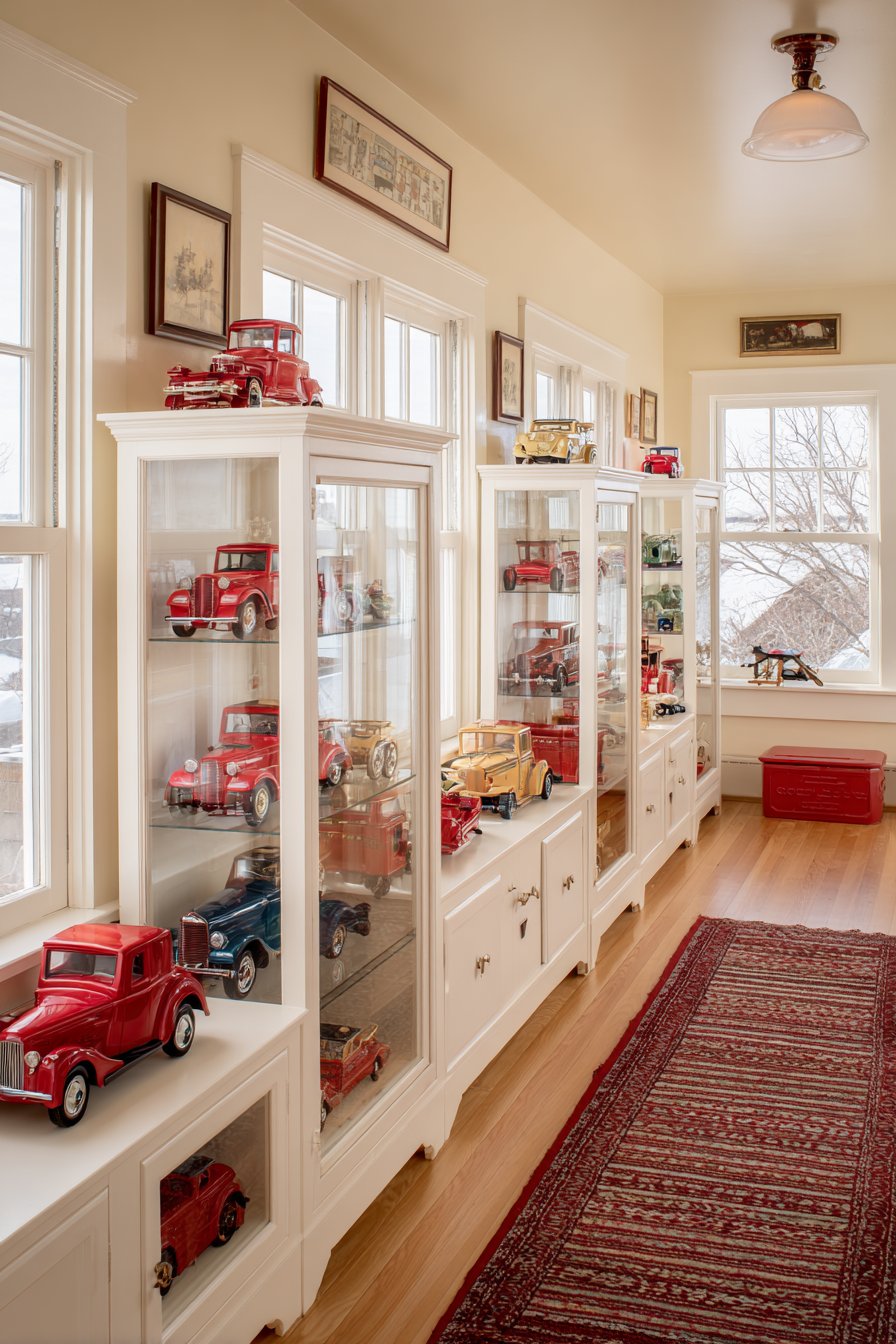
This collector’s room idea celebrates childhood nostalgia through glass-fronted cabinets that protect while displaying antique toys, vintage tins, and die-cast cars arranged by era and manufacturer. The systematic organization transforms random collectibles into a curated historical narrative, showing the evolution of toy design and manufacturing across decades. Interior cabinet lighting illuminates displays without requiring constant door opening, protecting fragile paint and decals from handling while allowing full appreciation. The nostalgic color palette of cream walls and strategic red accent pieces echoes classic toy packaging without overwhelming the space with excessive color.
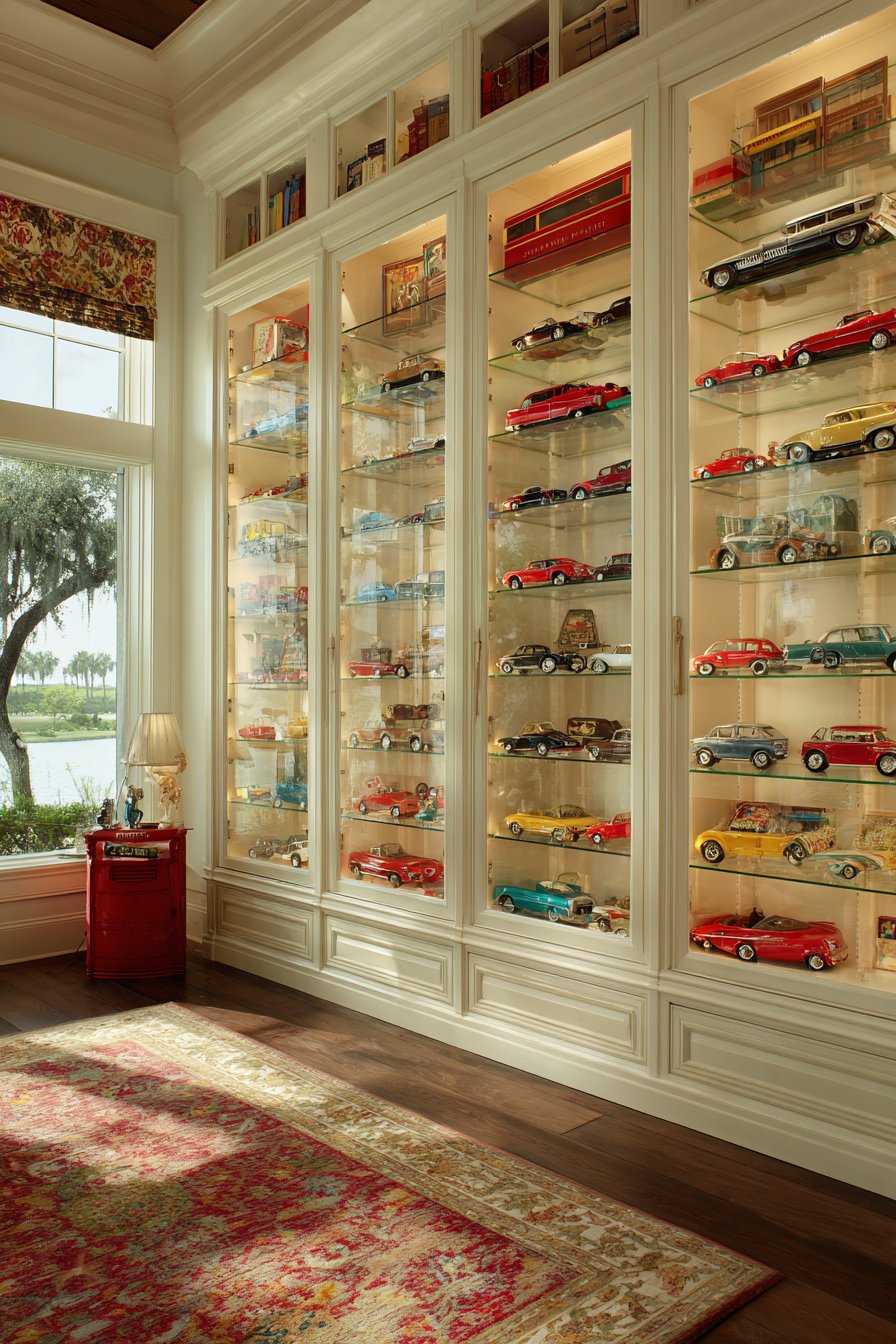
Natural wood flooring provides warmth and authenticity while the area rug defines the display zone, creating visual boundaries that guide visitor flow and prevent crowding around delicate displays. This spatial planning ensures that the room functions well for both solitary contemplation and small group tours when fellow collectors visit. The combination of soft natural light from large windows and supplemental picture lights creates layered illumination that adapts to different times of day and various viewing needs.
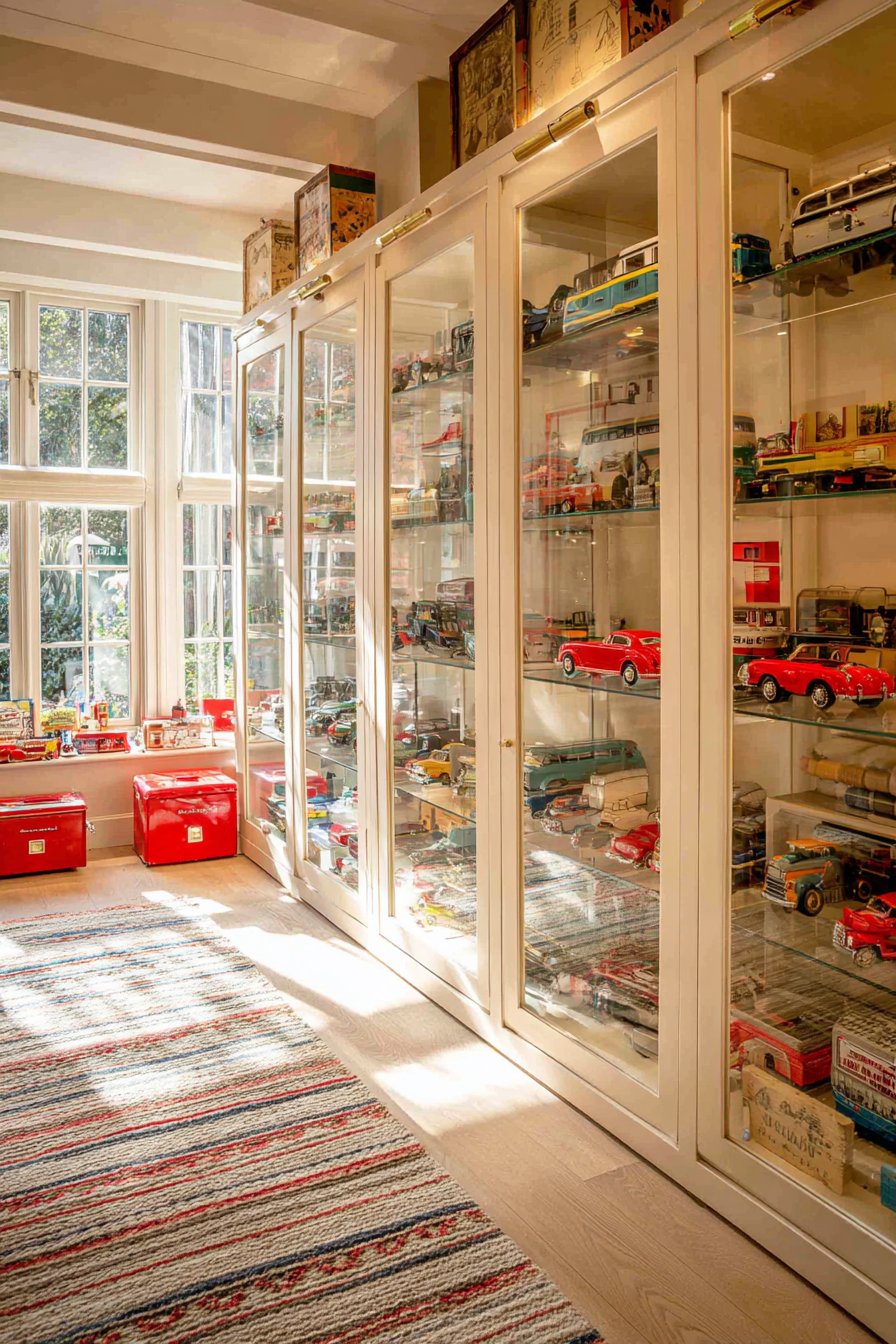
The whimsical yet sophisticated presentation acknowledges that toy collecting occupies a unique space between childlike joy and serious investment. Display choices honor both aspects—playful arrangements celebrate the toys’ original purpose while security measures and climate control protect financial and historical value. This balance creates a space that welcomes inner-child enthusiasm while respecting the adult dedication required for serious collecting.
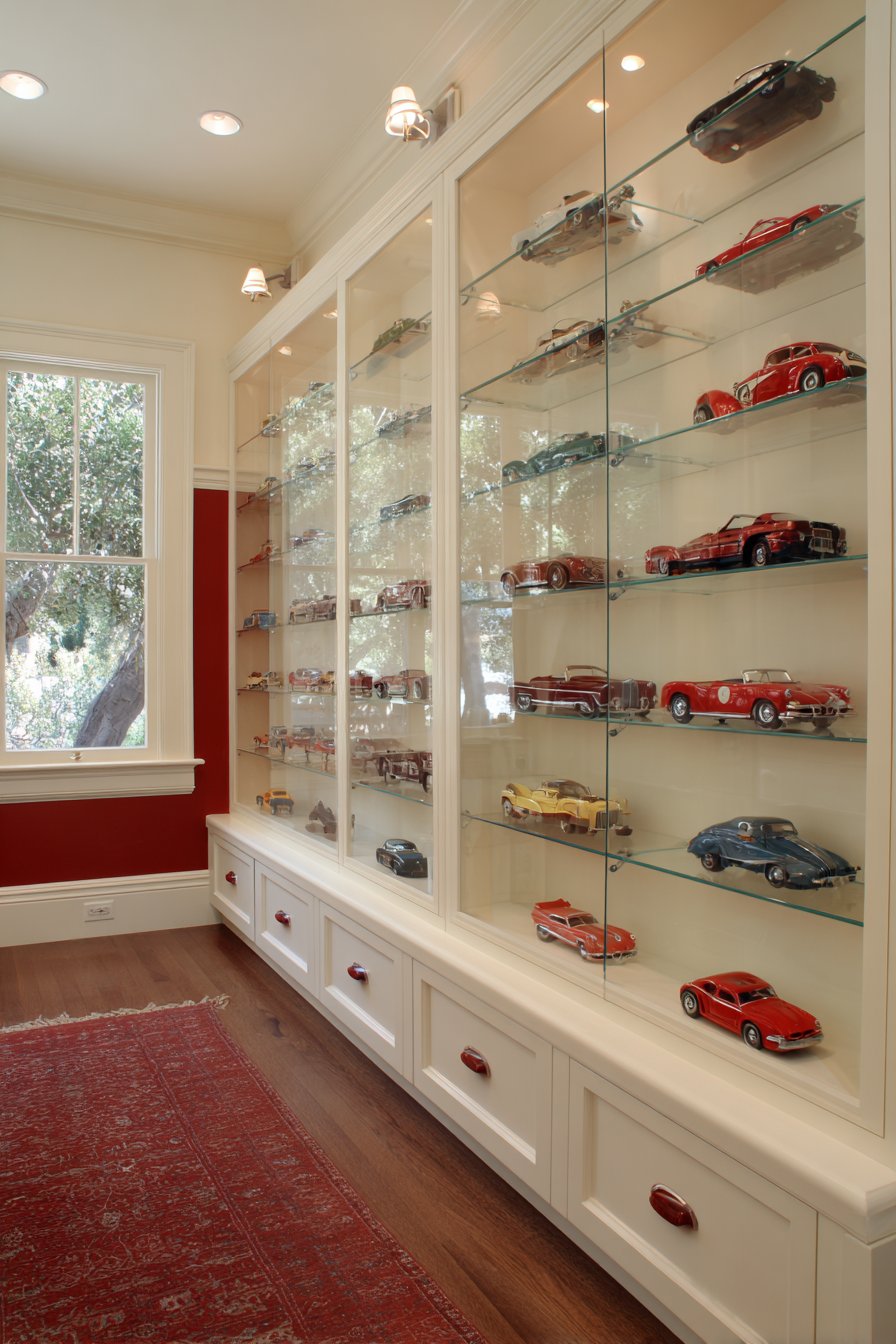
Key Design Tips: Group toys by manufacturer, era, or type for coherent displays. Use risers within cabinets to create varied height presentations. Install battery-operated LED puck lights in cabinets to avoid wiring complications. Keep original packaging when possible but display separately to show both box and toy. Use earthquake putty to secure items on shelves in active households. Document each piece with acquisition date and price for insurance. Consider rotating displays seasonally to prevent light damage. Include a workspace for gentle cleaning and minor repairs.
7. Geological Wonderland
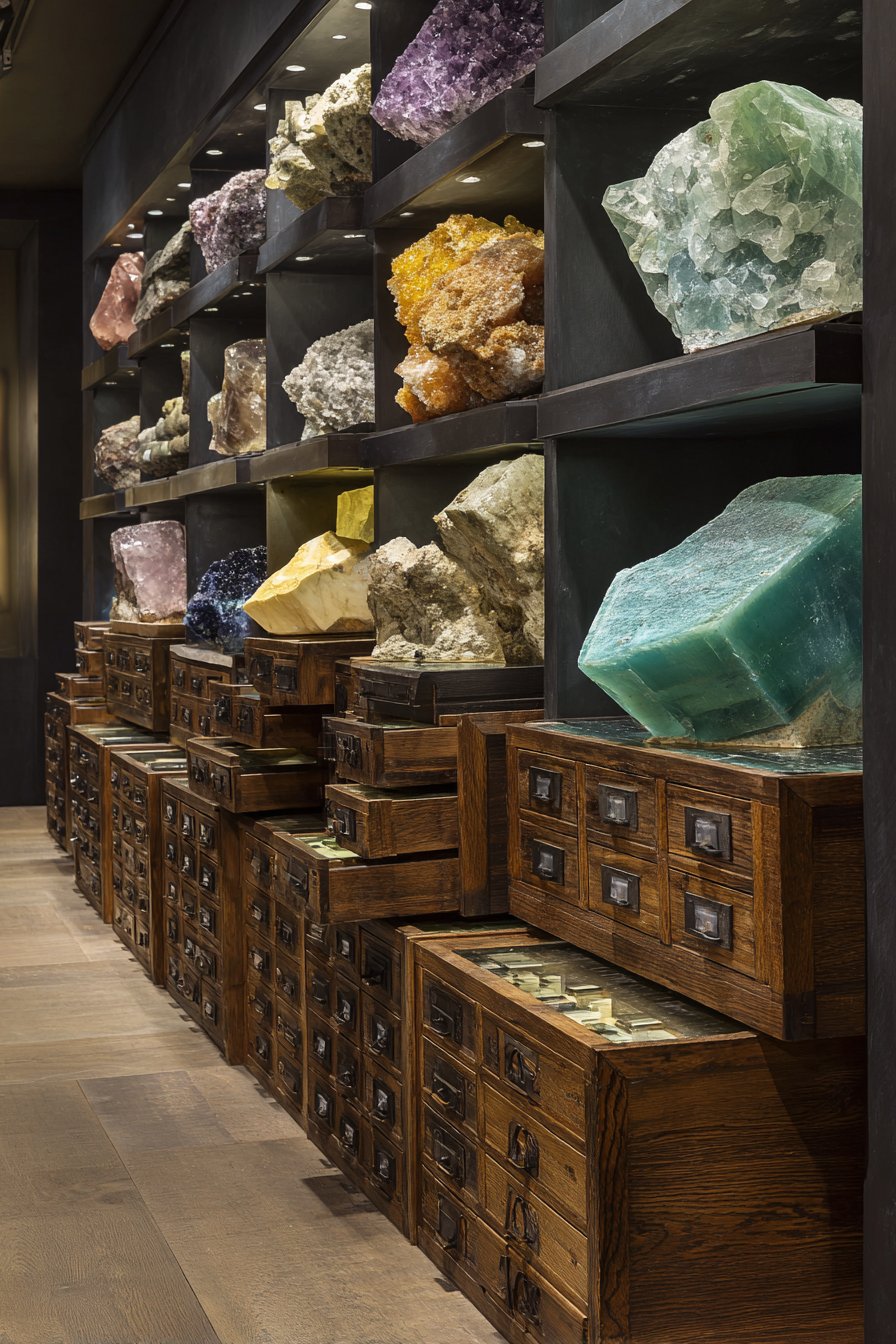
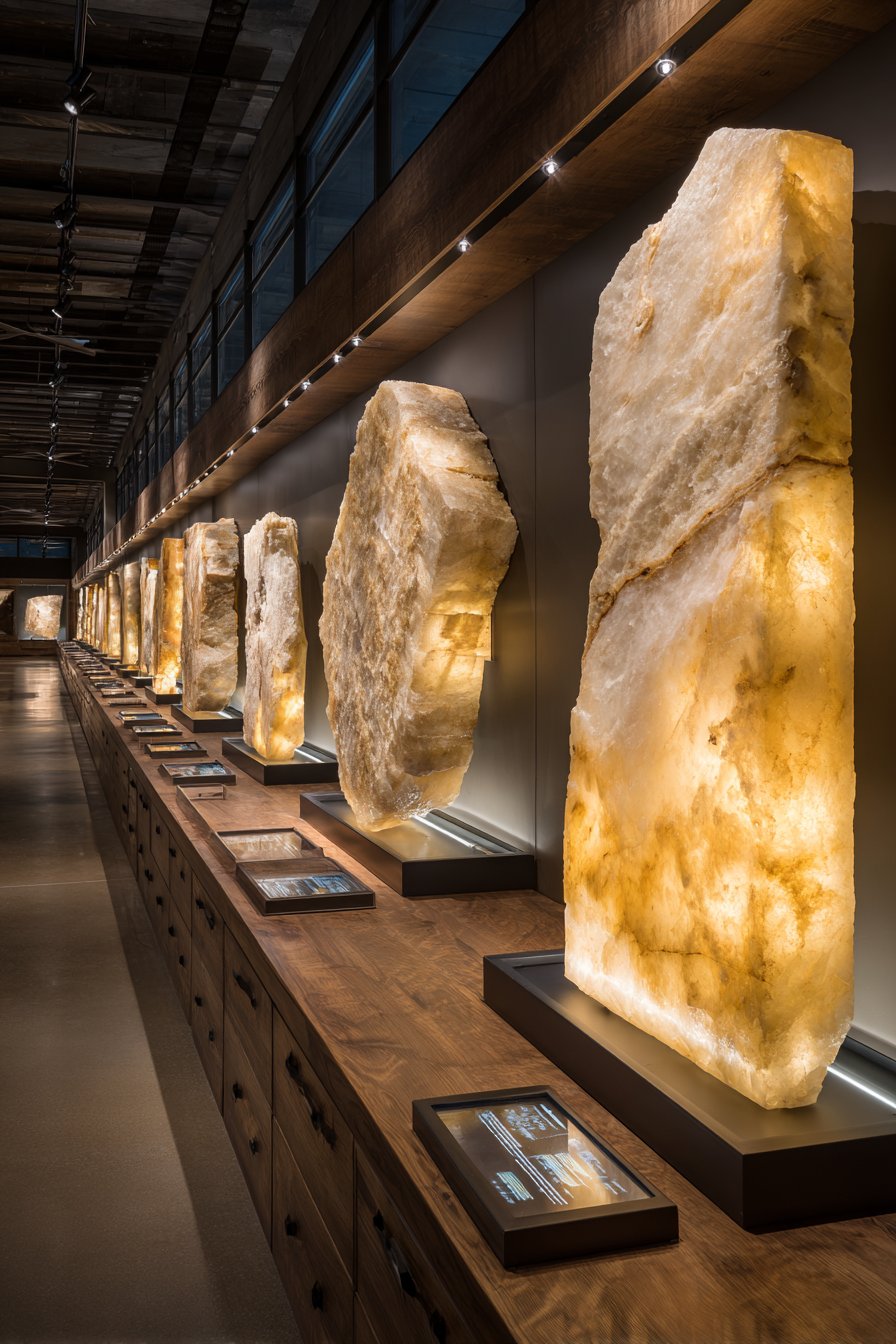
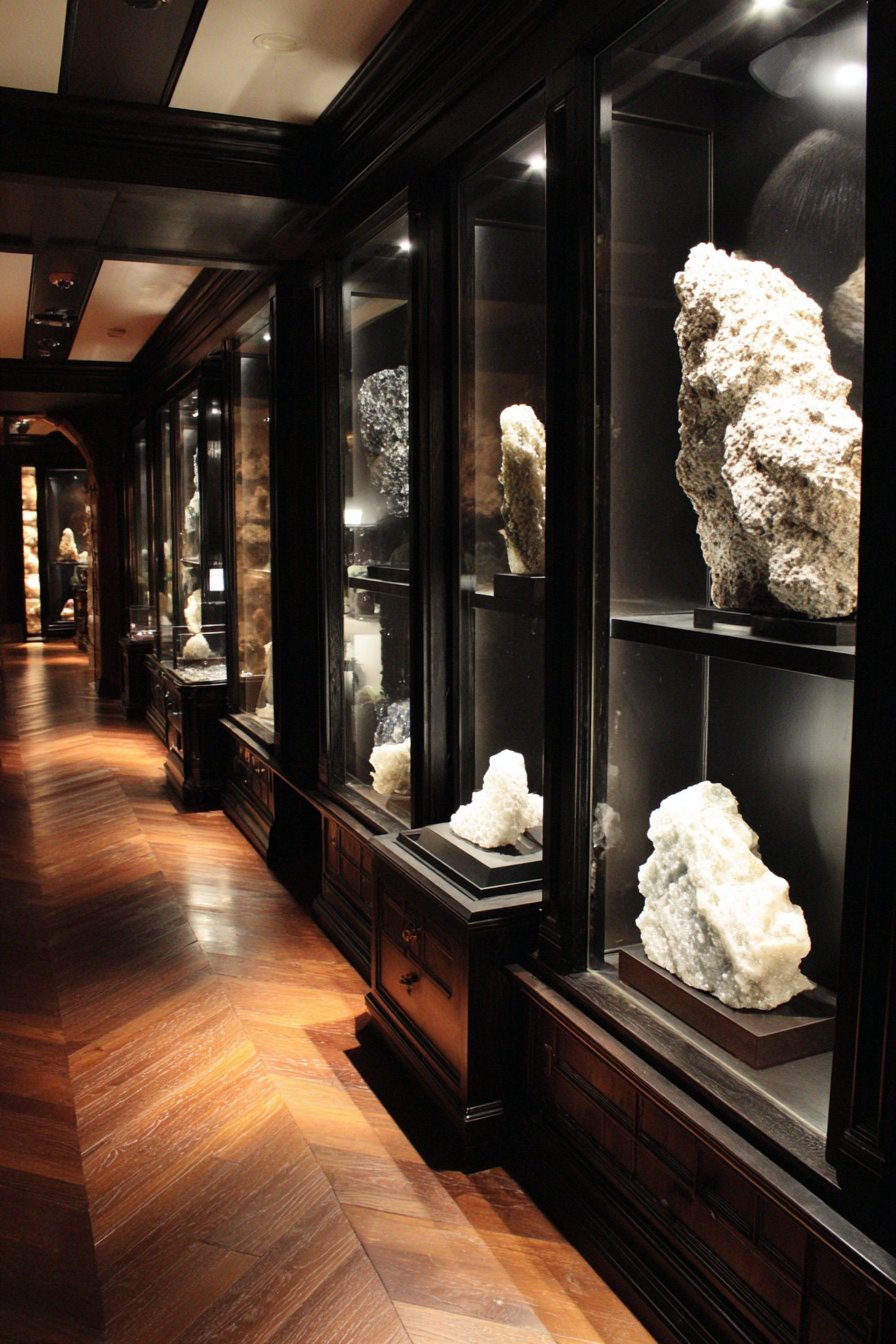
Minerals and gemstones demand specialized display techniques captured in this collector’s room idea, where backlit shelving units illuminate specimens from within, revealing internal structures and crystalline formations invisible in normal lighting. This dramatic presentation transforms stones from opaque objects into glowing jewels, showcasing the natural artistry locked within geological formations. Dark walls create a gallery-like atmosphere that enhances the dramatic lighting effects, with individual spotlights highlighting larger pieces that deserve focused attention. The contrast between dark backgrounds and illuminated specimens creates visual impact that rivals any art gallery.
Wooden specimen cabinets with shallow drawers provide organized storage for smaller pieces and duplicates, maintaining accessibility without cluttering displays. The drawer system allows for systematic cataloging while protecting delicate crystals from dust and handling damage. A magnification station with professional lighting enables detailed examination of crystal habits, inclusions, and geological features that make each specimen unique. This examination area transforms collecting from passive ownership into active study, encouraging deeper understanding of mineralogy and geology.
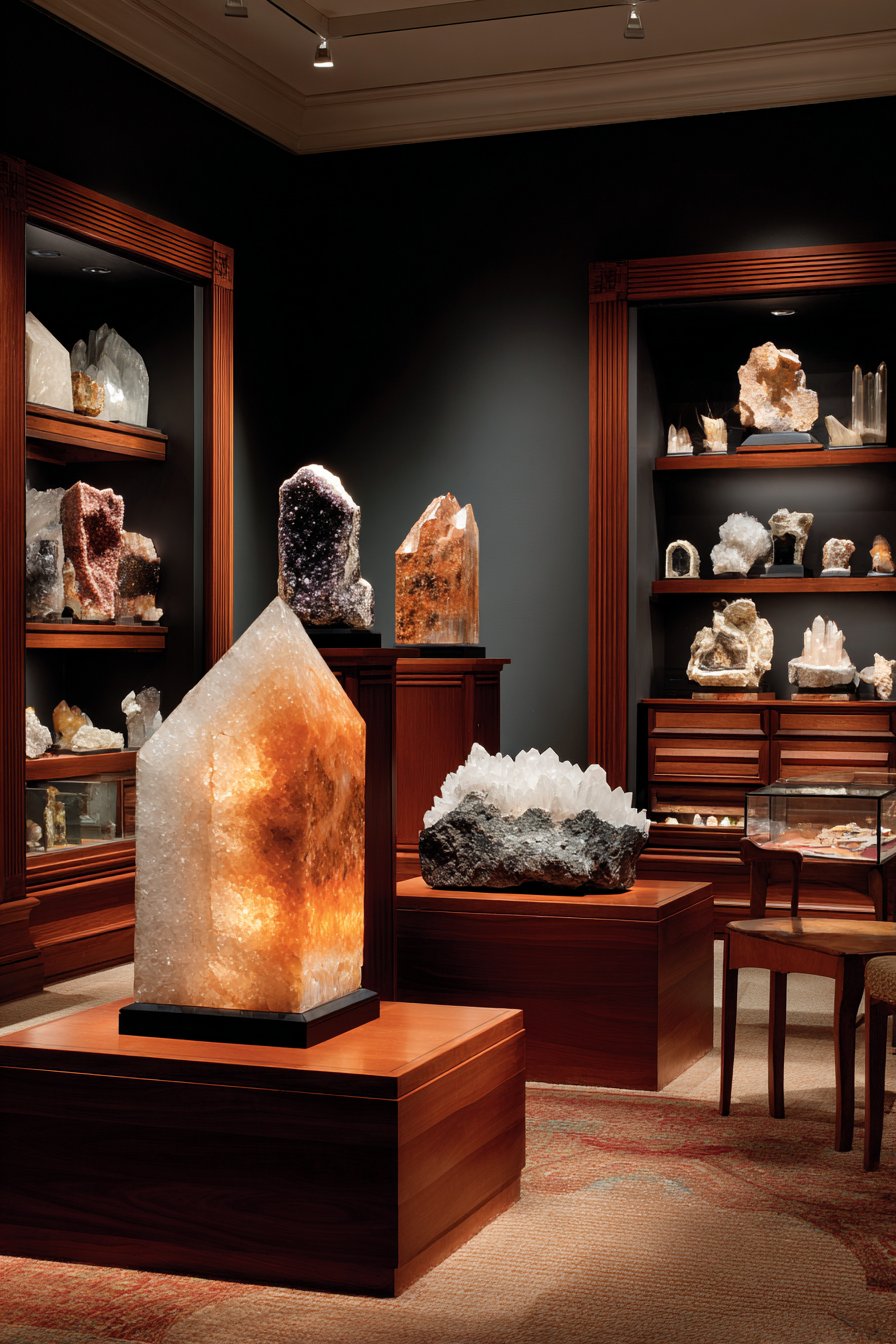
The museum-quality presentation elevates mineral collecting from hobby to serious scientific pursuit. The space acknowledges that while beauty draws initial interest, true appreciation comes from understanding formation processes, chemical compositions, and geological significance. Display choices and examination facilities support this deeper engagement, providing infrastructure for both aesthetic appreciation and educational exploration.
Key Design Tips: Use LED backlighting with cool white color temperature to accurately represent mineral colors. Install adjustable spotlights on track systems for flexibility as collections change. Keep detailed labels noting mineral name, location found, and acquisition information. Store specimens in felt-lined drawers to prevent scratching. Maintain low humidity to prevent efflorescence on soluble minerals. Use UV-filtering glass on display cases for minerals sensitive to light degradation. Include reference books and field guides for on-site identification and research. Consider a small desktop setup for photographing specimens.
8. Camera Collector’s Workshop
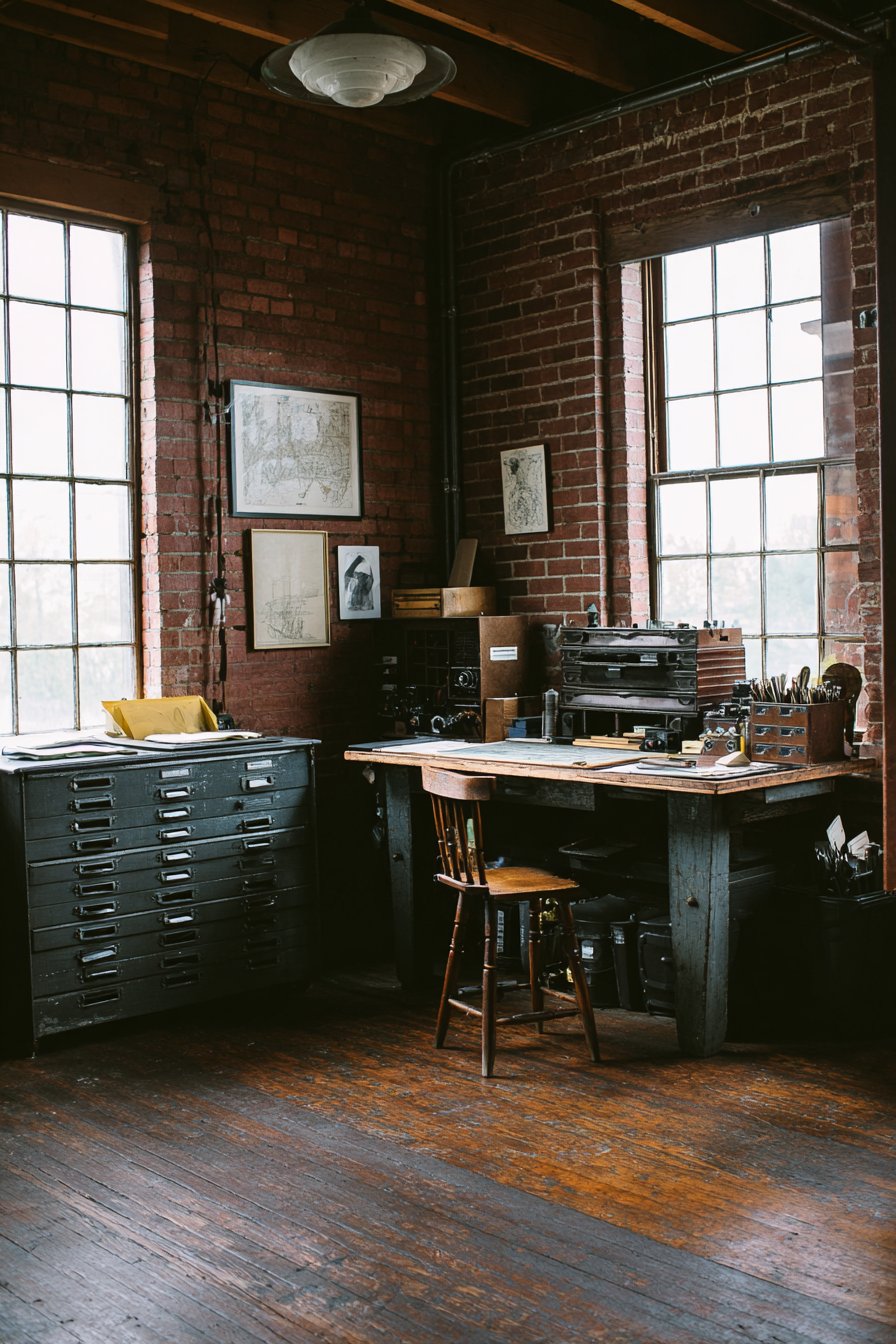
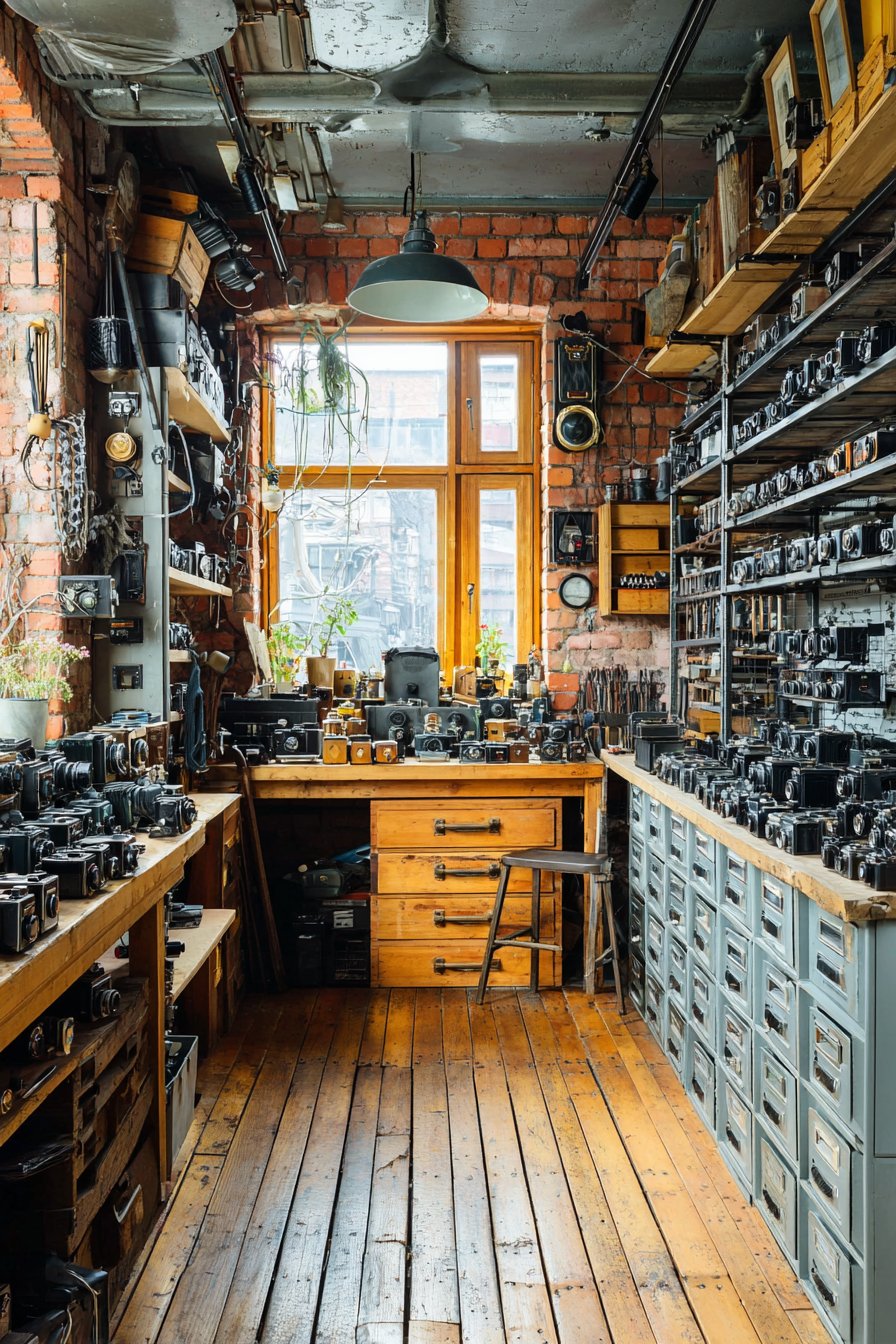
Vintage camera enthusiasts find their ideal space in this collector’s room idea, where open industrial shelving displays cameras organized by manufacturer and era, creating a visual timeline of photographic technology evolution. The weathered brick accent wall provides textural backdrop that complements the mechanical beauty of vintage cameras while adding architectural interest. This industrial aesthetic honors the cameras’ original working environments—newspaper offices, studios, and darkrooms where these tools created history. The wooden workbench serves practical purposes for maintenance and restoration, with organized tool storage keeping equipment accessible for the ongoing care these mechanical marvels require.
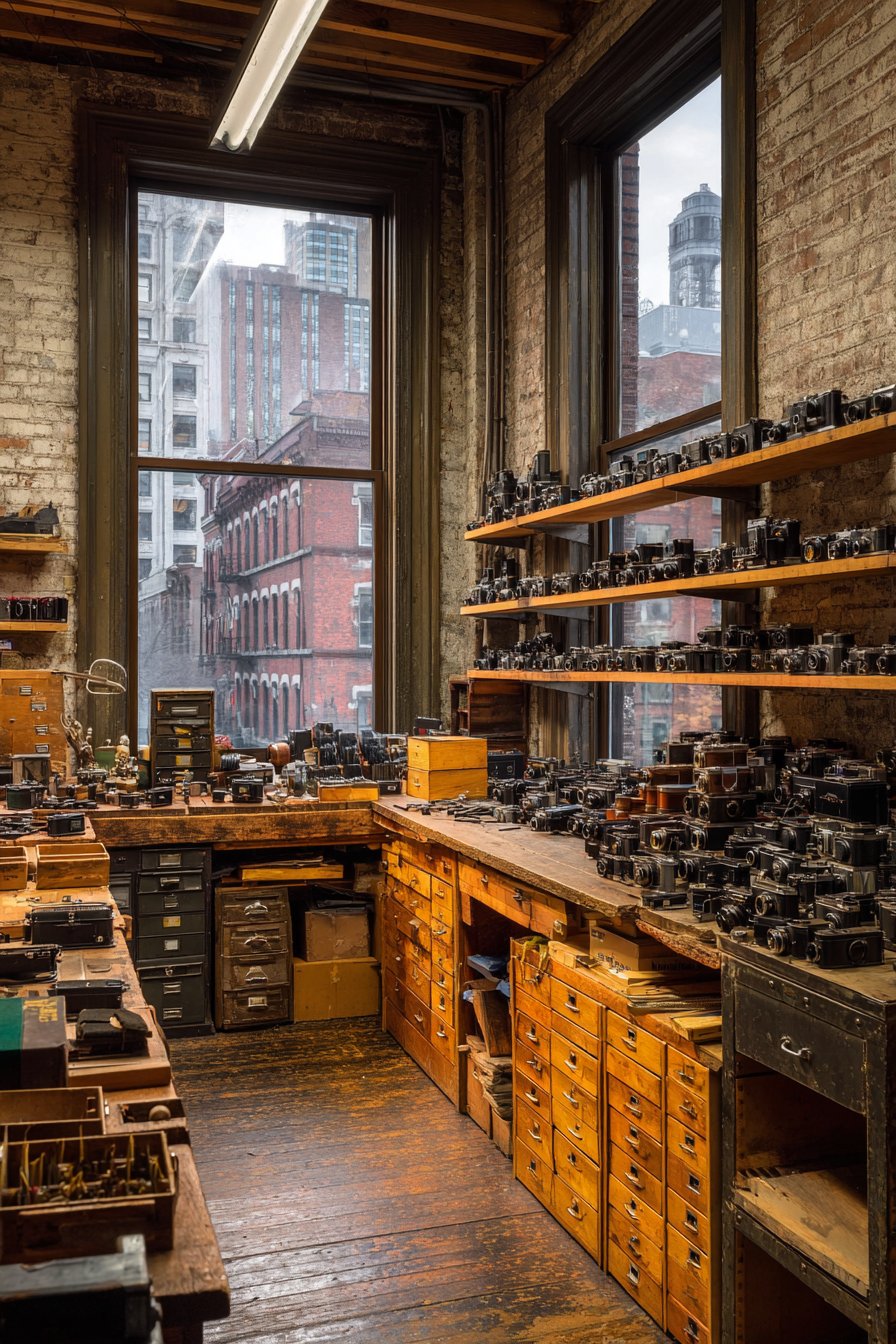
Metal file cabinets house photography archives and documentation—negatives, prints, instruction manuals, and historical research that provides context for the cameras themselves. This integration of equipment and archives creates a comprehensive collection that tells complete stories rather than simply accumulating objects. Natural light from large factory-style windows provides ideal illumination for examining camera mechanisms and glass elements, while the authentic workshop atmosphere encourages hands-on interaction rather than treating cameras as untouchable artifacts.
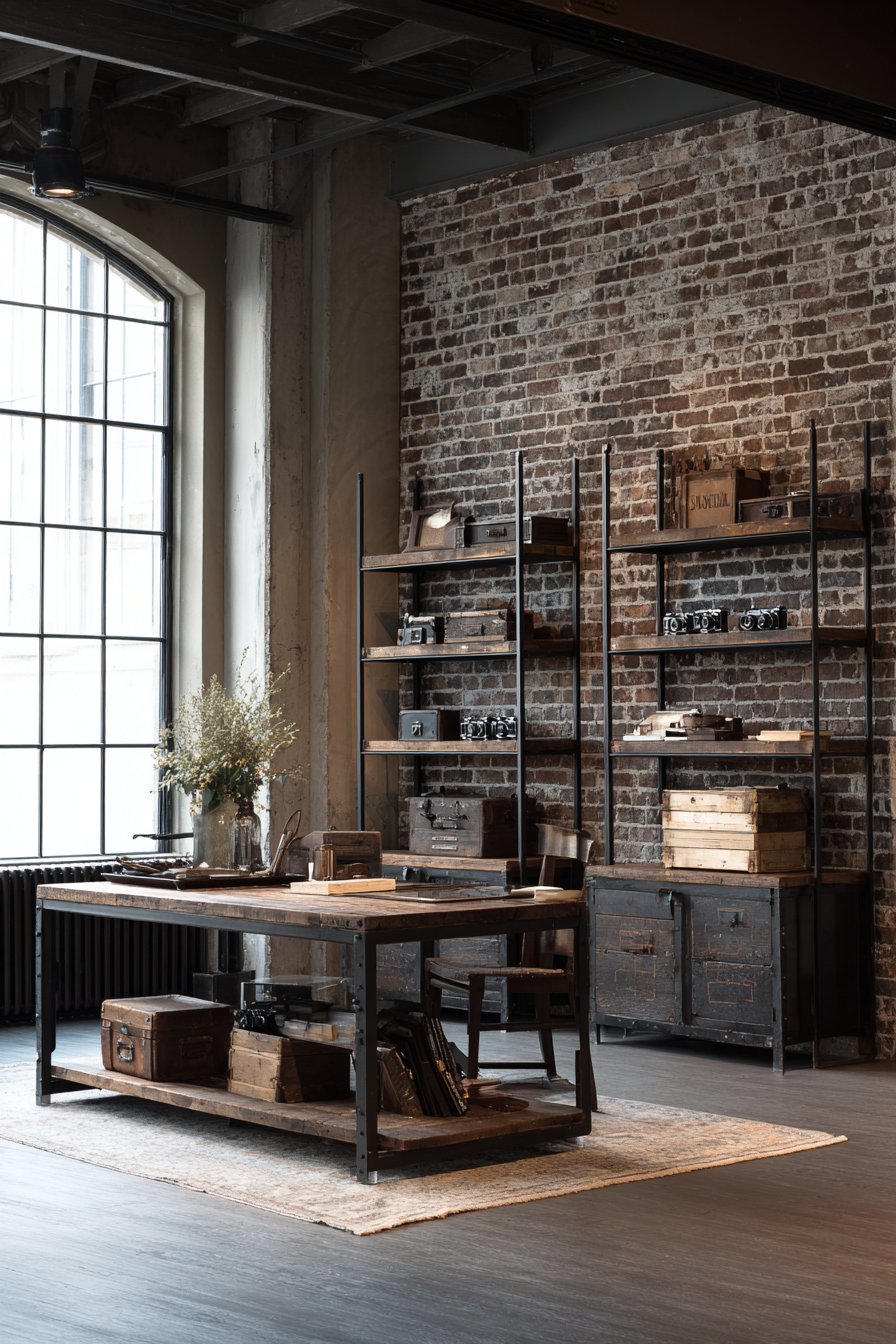
The functional layout acknowledges that camera collecting often involves active use and restoration rather than purely static display. The workbench area facilitates film loading practice, shutter testing, and gentle cleaning, keeping mechanical skills sharp while honoring these instruments’ original purposes. This active engagement prevents the collection from becoming a mausoleum, instead creating a living laboratory where photographic history remains relevant and tactile.
Key Design Tips: Display cameras with lenses facing forward to showcase optical quality. Store leather cases separately to prevent moisture transfer to camera bodies. Keep silica gel packets in display areas to control humidity around metal and glass. Organize by manufacturer or chronologically depending on collecting focus. Install good task lighting over the workbench for detailed work. Keep camera manuals and service documentation filed with corresponding models. Use foam-lined drawers for loose lenses and accessories. Maintain tools specific to vintage camera repair including lens spanners and shutter testers.
9. Fine Art Print Gallery
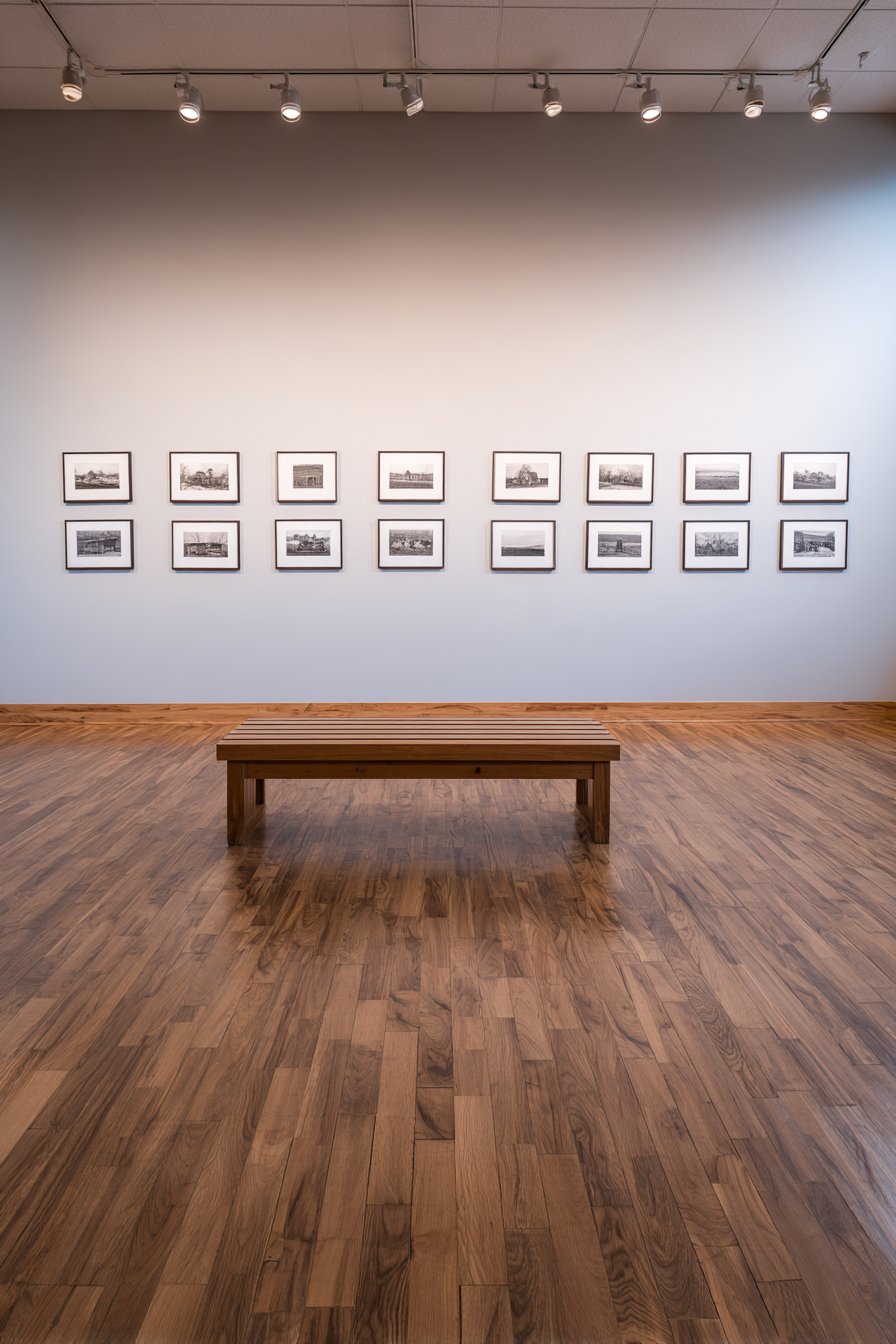
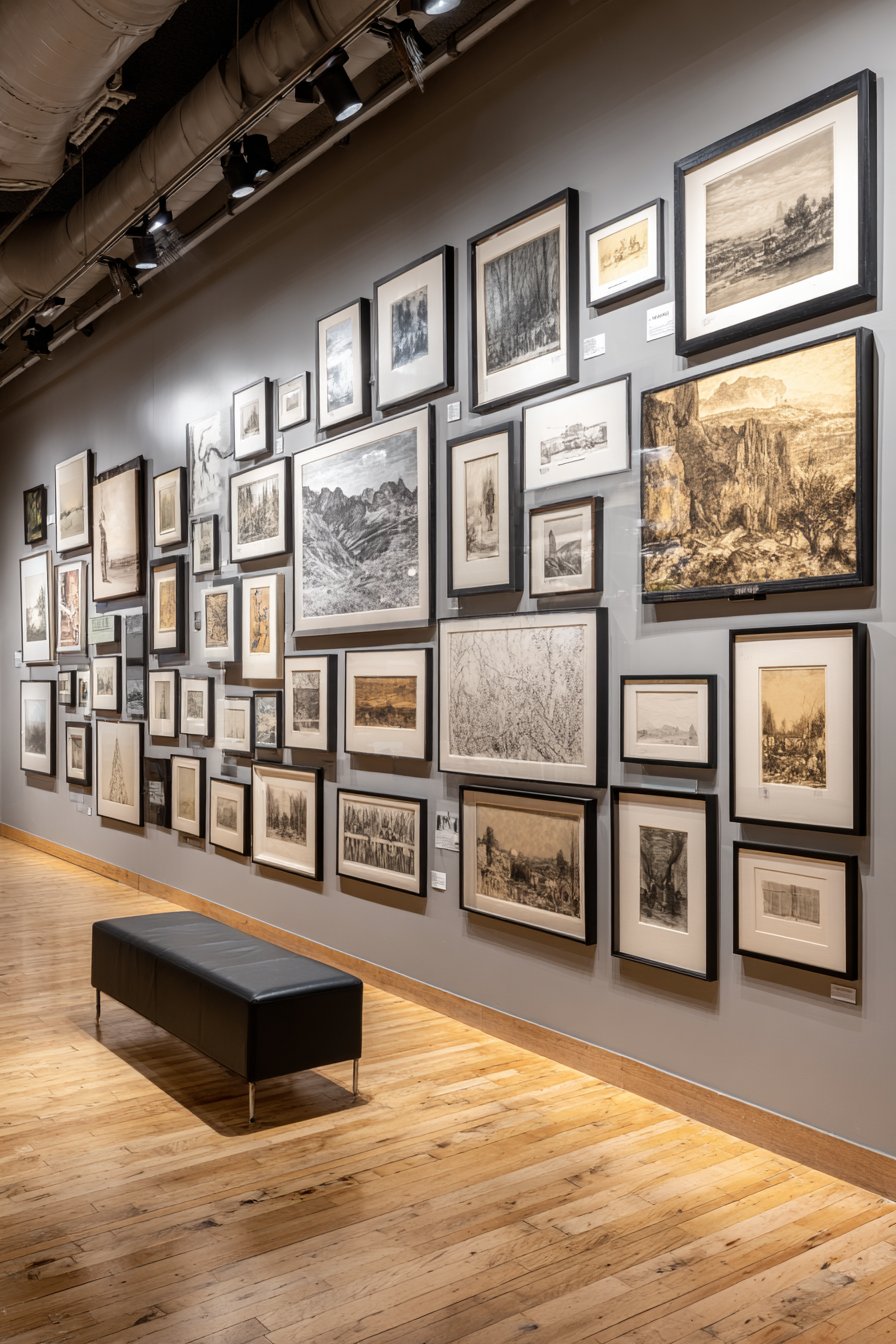
This collector’s room idea applies professional gallery techniques to home display, with fine art prints arranged in gallery wall formation using consistent black frames and archival matting that ensures preservation while creating visual cohesion. The uniform framing transforms individual prints into a curated collection that reads as intentional curation rather than random accumulation. Track lighting with adjustable heads allows precise illumination of each piece, with beam angles and intensities customizable to artwork size and subject matter. This professional lighting approach ensures that subtle tonal variations and fine details remain visible without creating glare on protective glass.
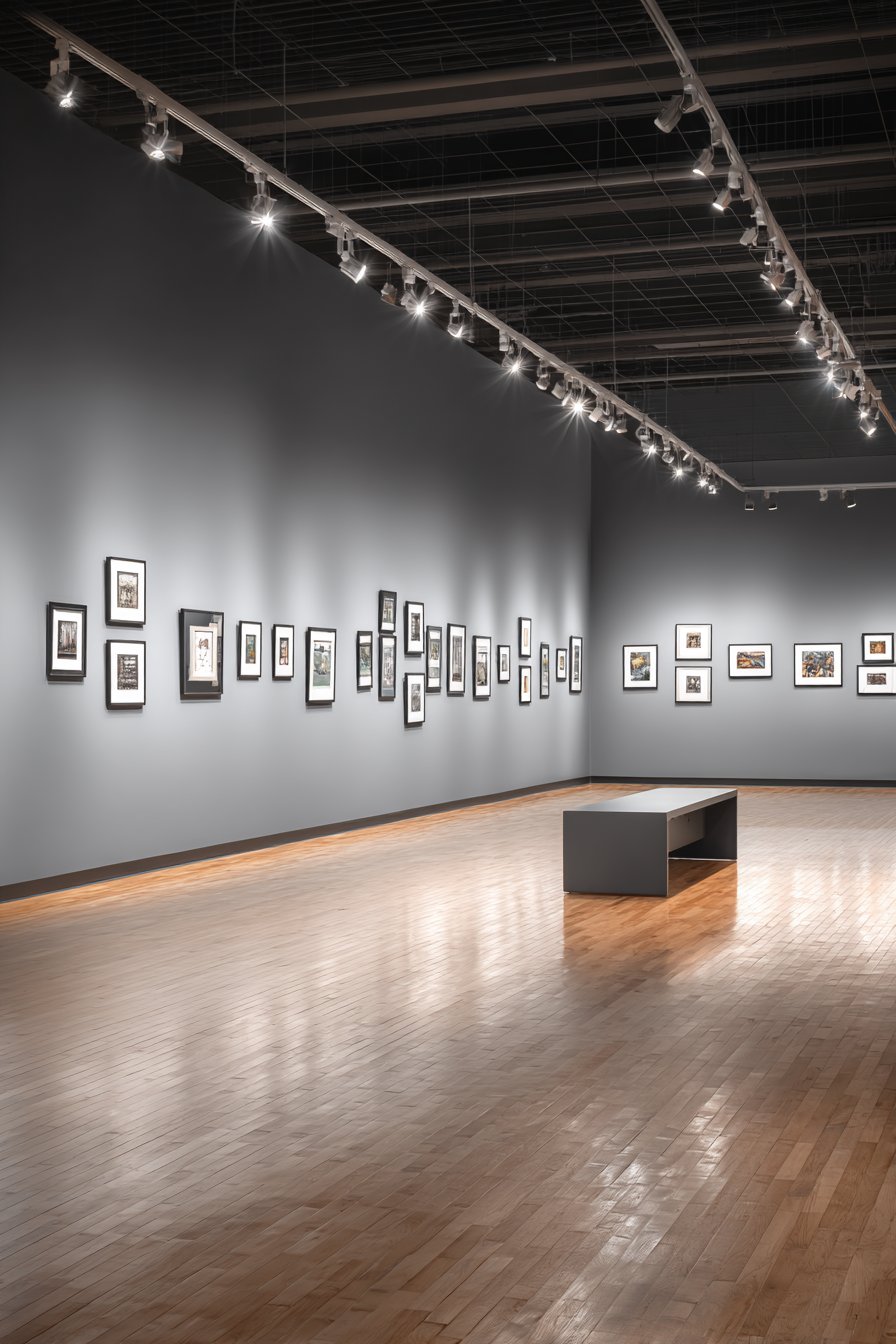
Neutral gray walls provide the perfect backdrop—neither competing with artwork nor fading into invisibility. This carefully calibrated neutrality demonstrates sophisticated understanding of how background color affects perception of displayed art. The minimalist bench positioned centrally serves dual purposes: providing comfortable viewing distance while maintaining the gallery aesthetic through simple, unobtrusive design. Hardwood flooring with subtle grain variation adds warmth without distraction, grounding the space in natural materials that complement rather than compete.
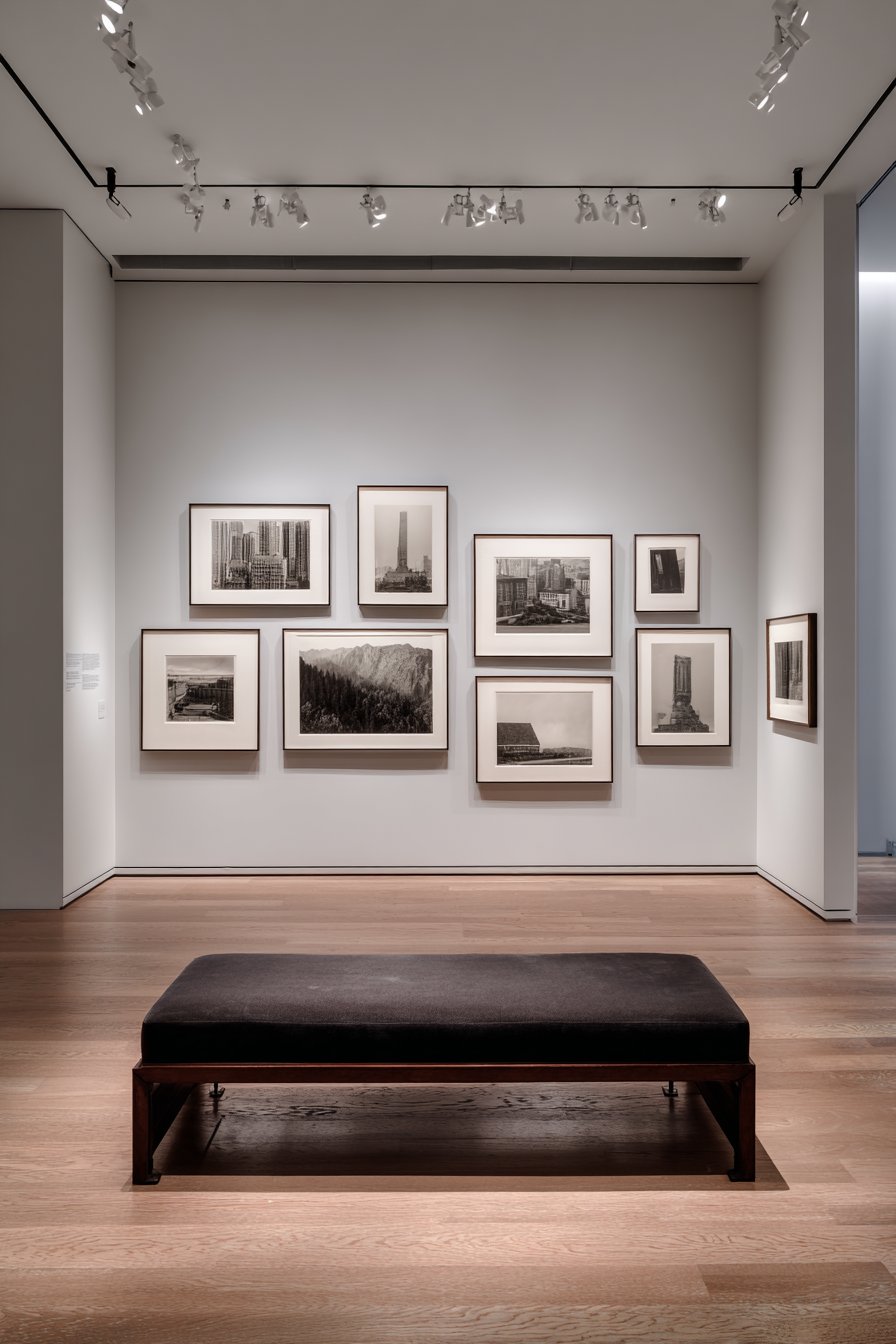
The sophisticated presentation honors printmaking as a legitimate art form deserving of the same respect given to paintings or sculptures. Display choices—consistent framing, professional lighting, and thoughtful spacing—communicate that these aren’t mere posters but valuable artworks requiring proper preservation and presentation. This elevation of prints validates the collector’s investment while creating an environment where the art can be properly appreciated on its own merits.
Key Design Tips: Maintain consistent spacing between frames for visual rhythm—typically 2-3 inches. Hang artwork at eye level, with centers approximately 57-60 inches from floor. Use UV-filtering acrylic rather than glass to reduce weight and glare. Change archival matting every 10-15 years to prevent acid migration. Install dimmer switches on track lighting to adjust for different times of day. Keep a floor plan documenting each print’s location for insurance purposes. Rotate displays annually to prevent uneven light exposure. Consider museum-quality hanging systems for easy rearrangement.
10. Philatelic Study
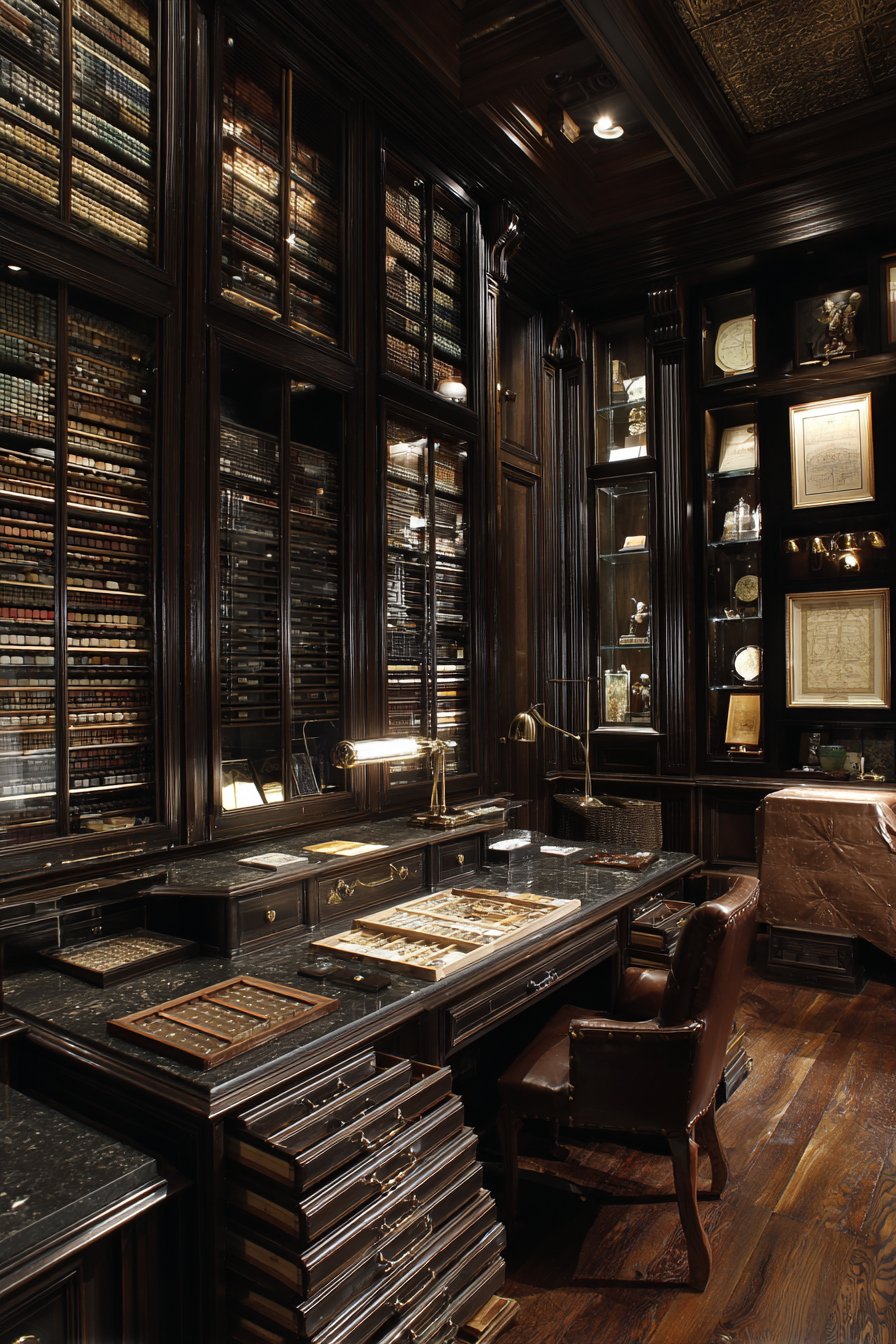
Stamp and coin collecting requires specialized storage captured in this collector’s room idea, where furniture features multiple shallow drawers lined with felt to prevent scratching and secure individual specimens. The magnifying desk with adjustable lamp creates an examination station where fine details—printing variations, mint marks, and condition issues—become clearly visible. Wall-mounted display cases showcase rare pieces behind UV-protective glass, transforming particularly significant items into focal points while keeping them secure. Traditional dark wood furniture establishes a refined atmosphere that honors philately’s long history as a gentleman’s pursuit.
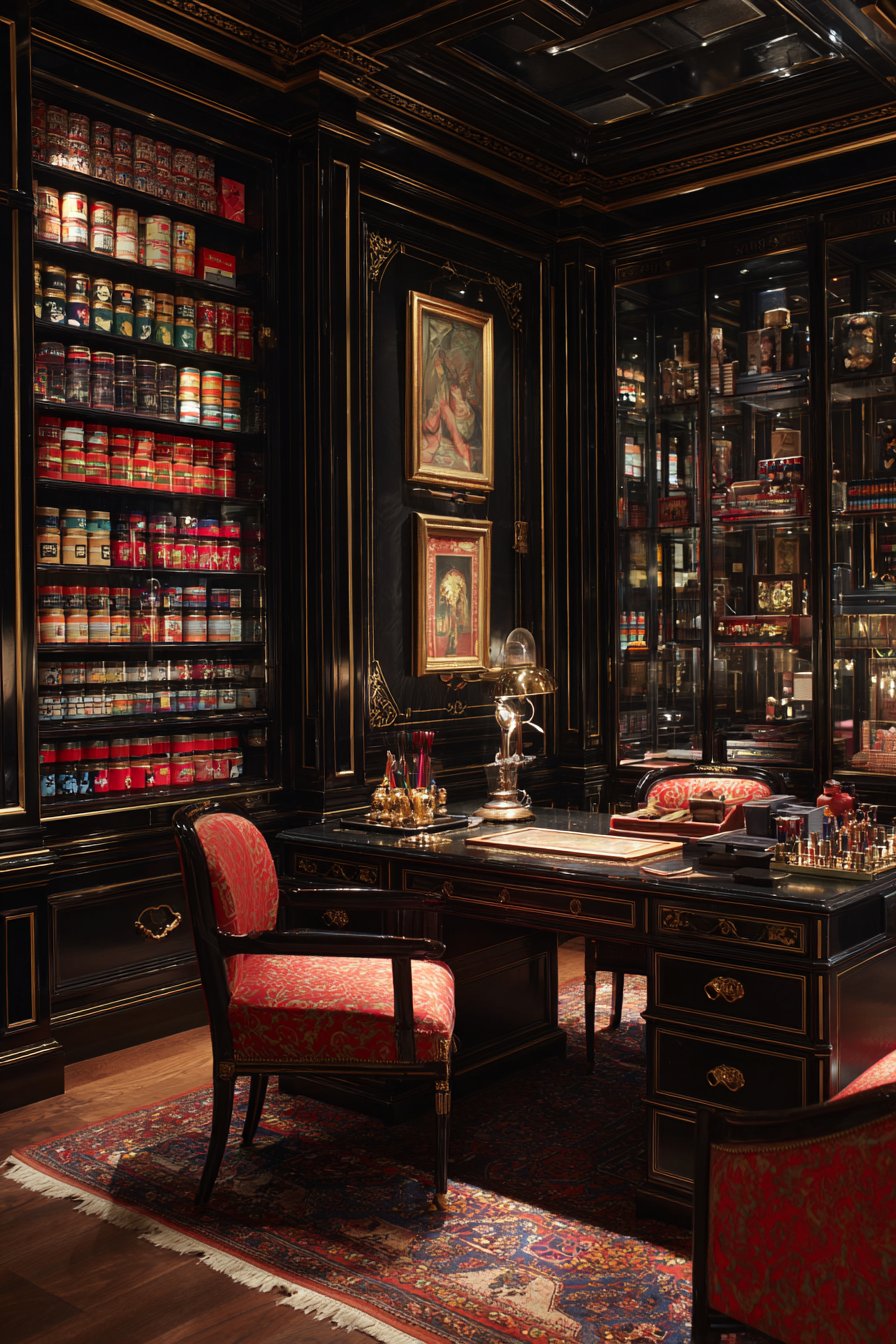
Soft ambient lighting prevents fading of delicate inks and papers while maintaining adequate visibility for handling and documentation. This careful balance acknowledges that stamp and coin collecting involves frequent examination and reorganization, requiring functional lighting rather than purely atmospheric effects. The meticulous organization system extends beyond simple chronological or geographical sorting into specialized categories reflecting serious collecting methodology—printing errors, first day covers, proof sets, or historical series.
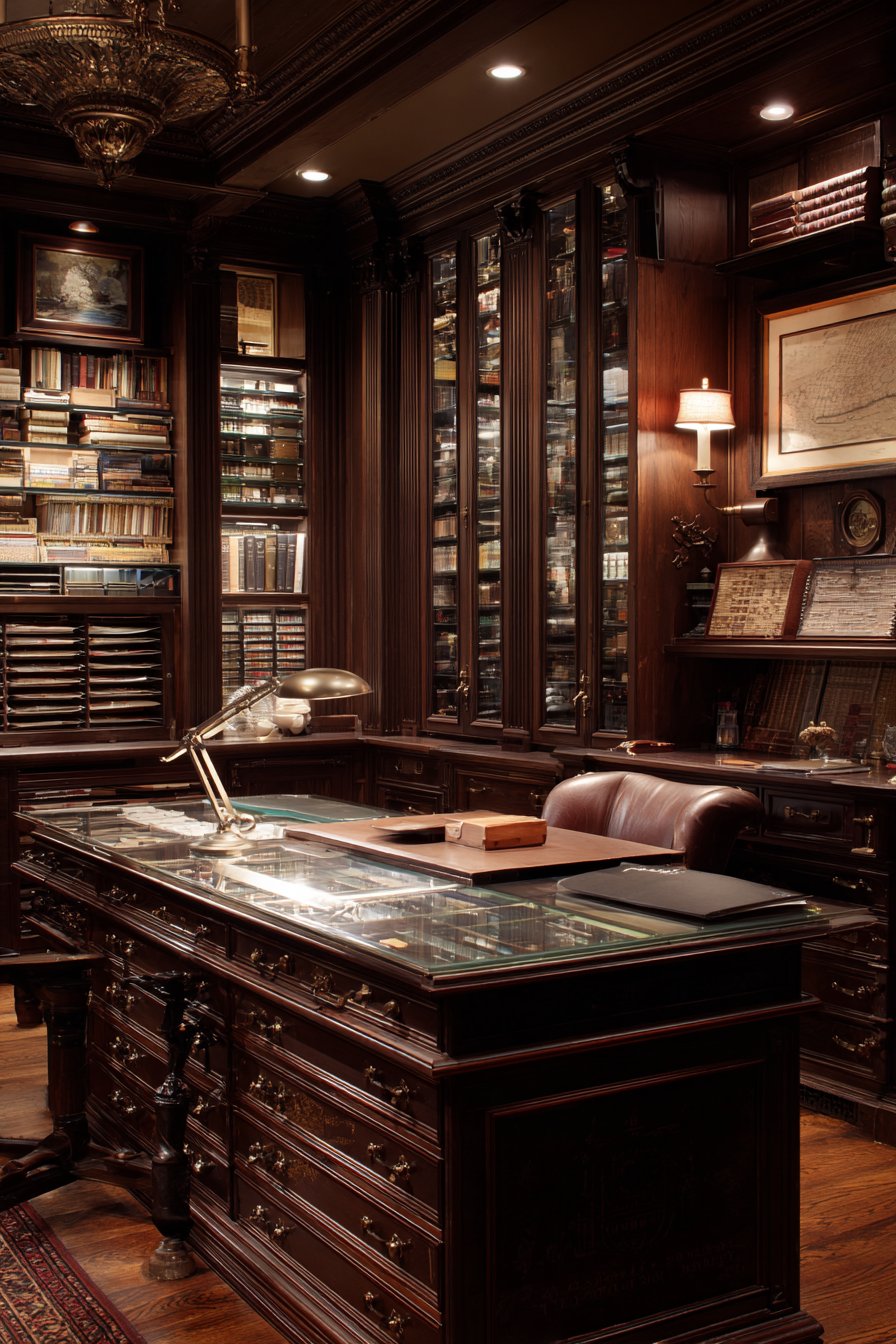
The classic study aesthetic creates an environment conducive to the patience and attention to detail that serious philately demands. Unlike more visually dramatic collections, stamps and coins reward close examination and scholarly research rather than across-the-room impact. The room’s design supports this contemplative approach, providing comfortable seating, adequate lighting, and organizational infrastructure for sustained study sessions where hours pass unnoticed.
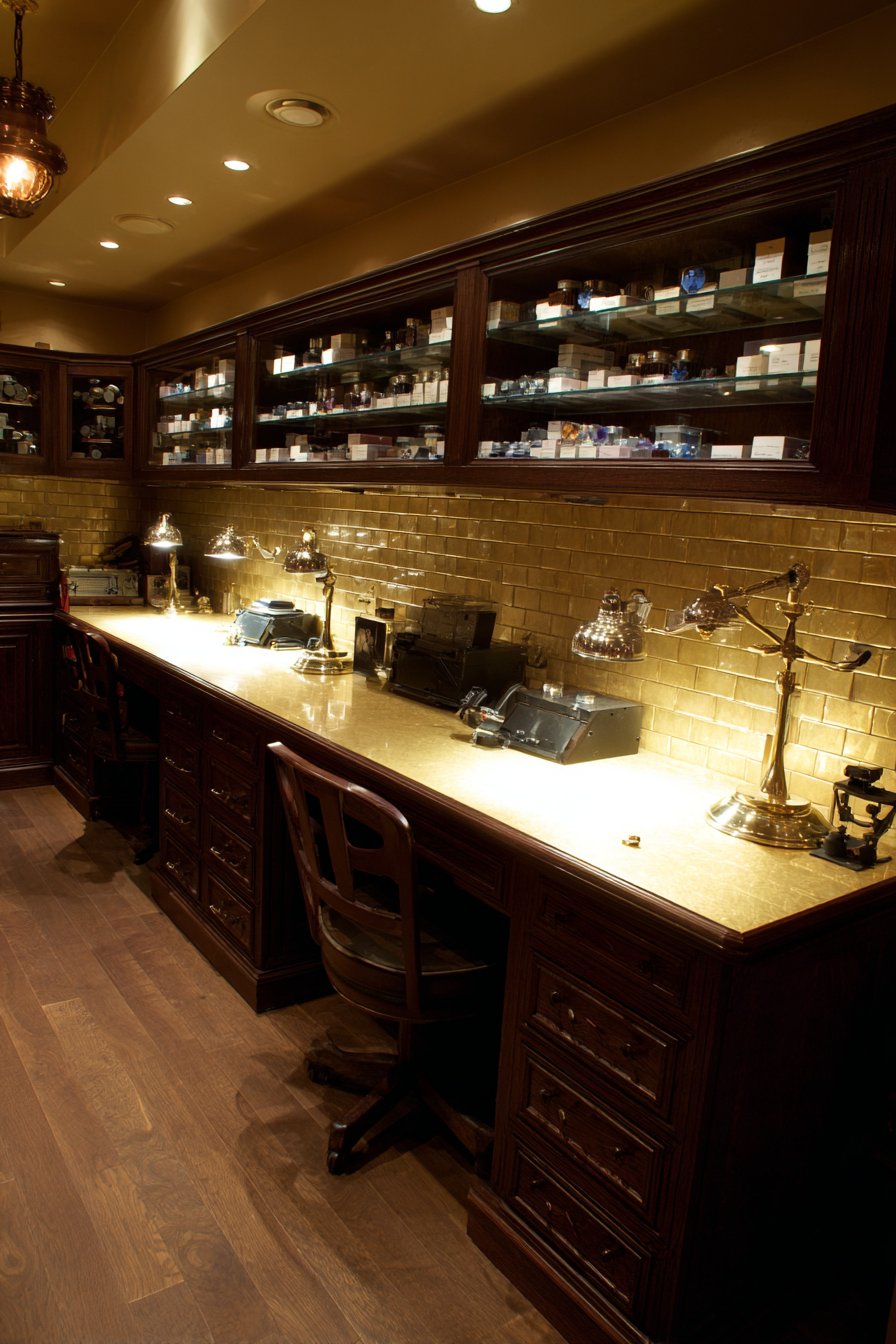
Key Design Tips: Store stamps in archival albums with acid-free pages and interleaving. Handle coins only by edges, never touching faces. Maintain stable humidity to prevent stamp gum deterioration and coin tarnishing. Use color-corrected lighting for accurate grading and authentication. Keep reference catalogs and price guides current and accessible. Document purchases with receipts and certificates of authenticity. Consider a digital microscope for detailed examination and photography. Install a secure safe for high-value pieces. Use cotton gloves when handling uncirculated coins.
11. Guitarist’s Gallery
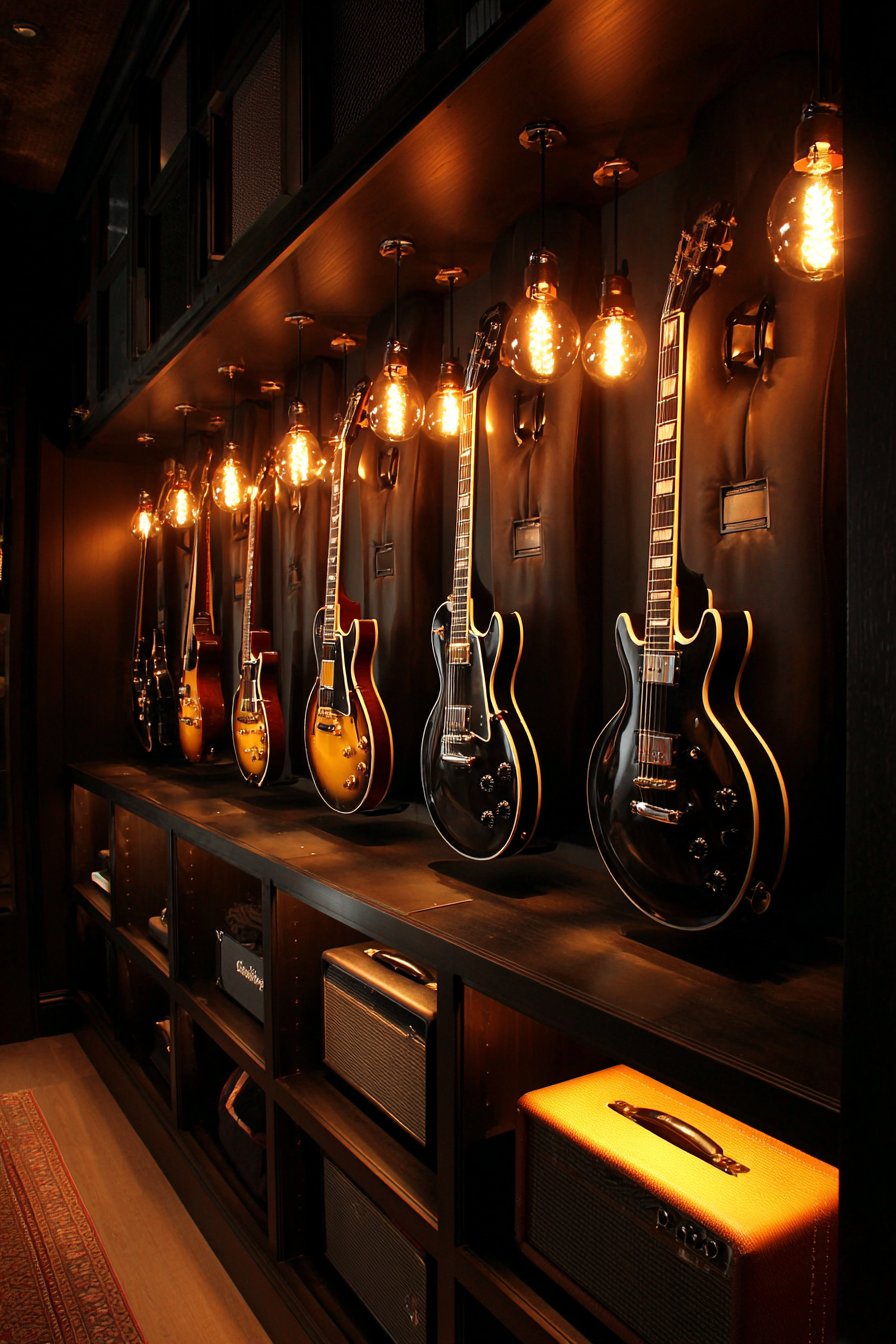
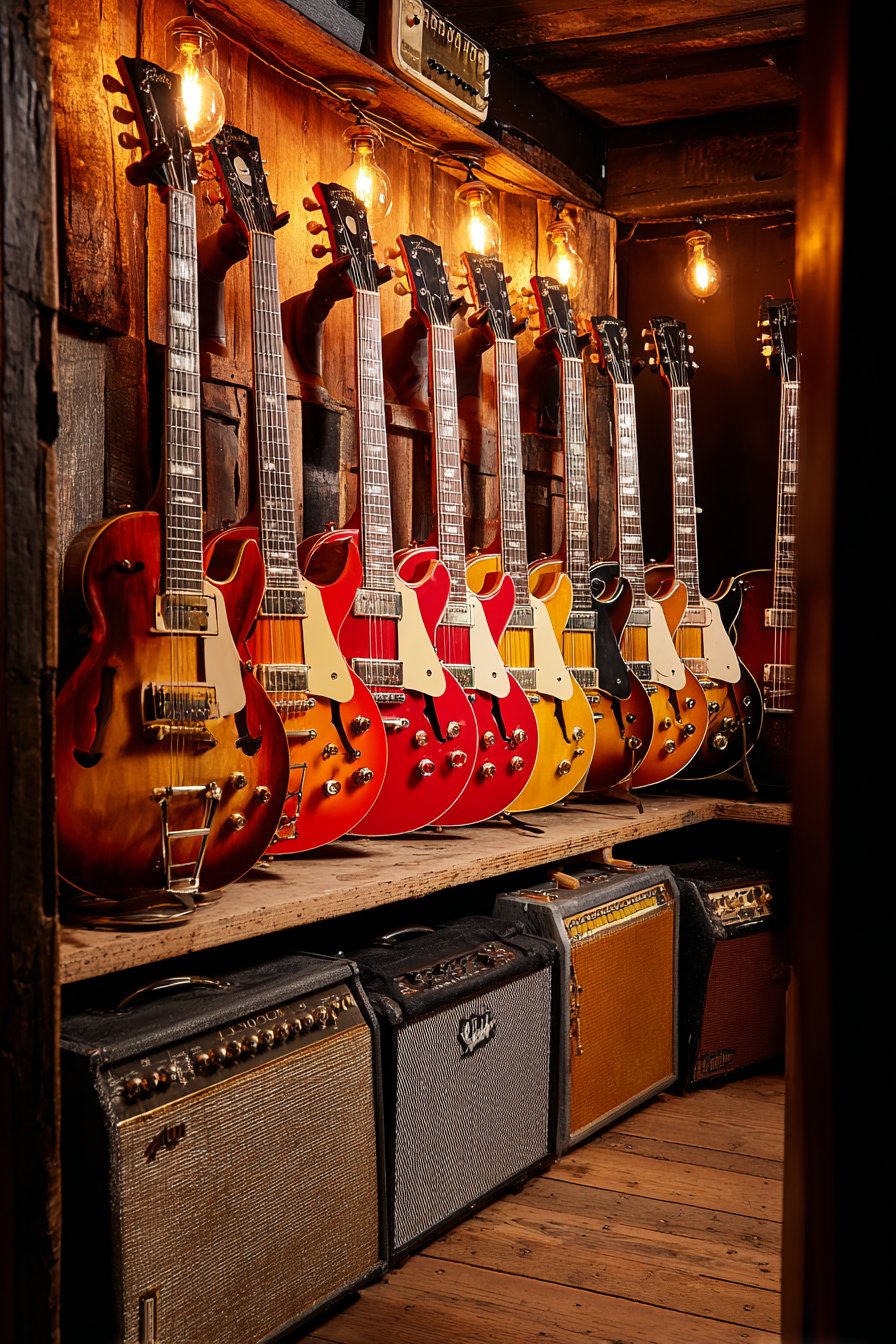
Musical instrument collectors find inspiration in this collector’s room idea, where wall-mounted hangers with padded cradles display electric and acoustic guitars while maintaining proper neck support and humidity control. The visible humidity monitoring system demonstrates serious attention to preservation—critical for wooden instruments susceptible to cracking, warping, and finish damage in unstable environments. Vintage amplifiers arranged on lower shelving create a functional display that honors the relationship between instruments and equipment, suggesting these guitars aren’t merely wall art but working tools awaiting performance.
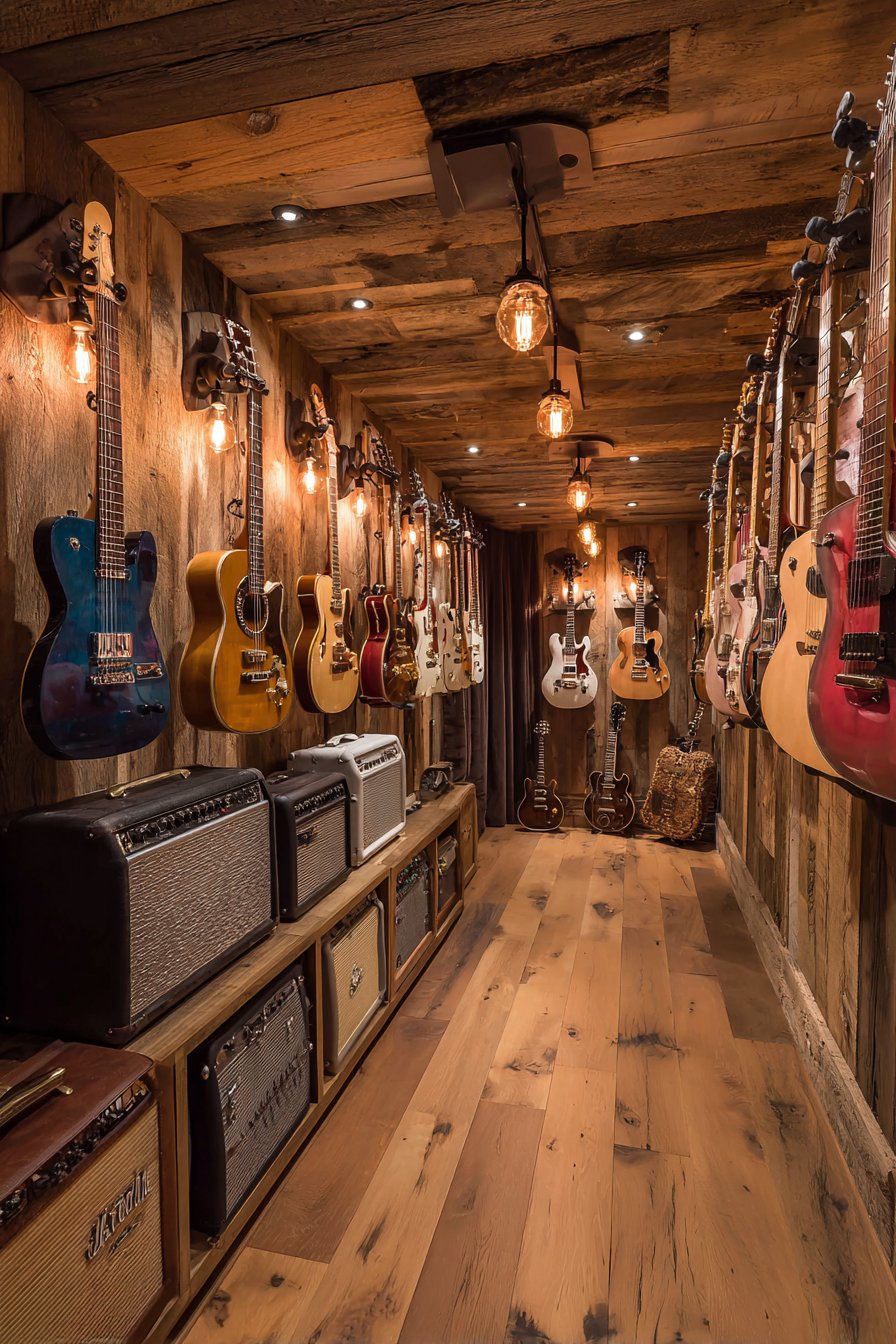
Warm Edison bulb lighting creates an intimate music room atmosphere that invites playing rather than just viewing. This lighting choice generates visual warmth without excessive heat that might damage instruments, while the vintage aesthetic complements the retro appeal of classic guitars and amplifiers. Sound-dampening panels integrate aesthetically into the design, acknowledging that a room full of guitars inevitably becomes a playing space requiring acoustic treatment. These panels prevent sound from bothering household members while improving the room’s sonic character for practice and recording.
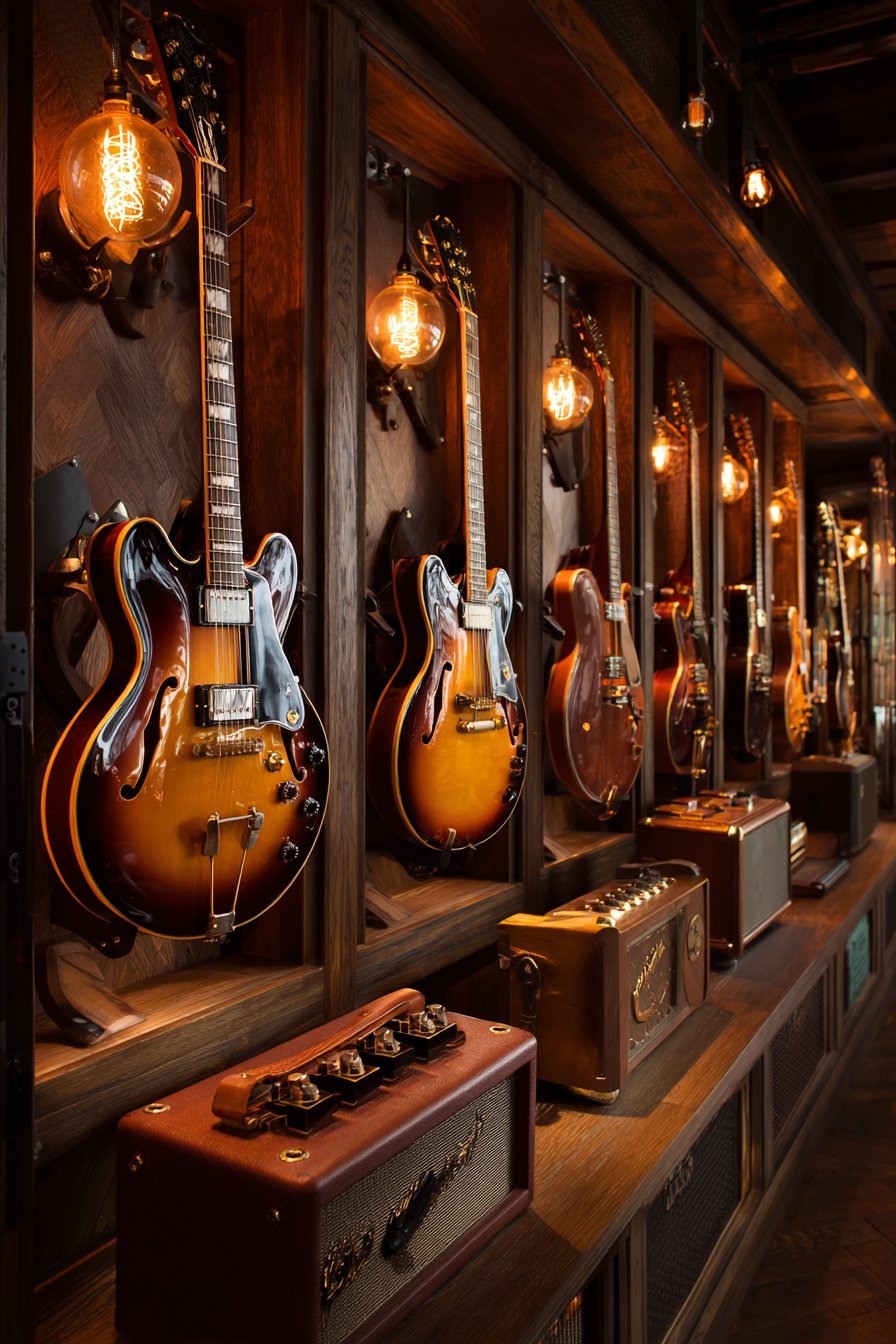
The functional beauty achieved here recognizes that instrument collecting differs fundamentally from collecting inert objects—guitars exist to be played, and a collection imprisoned behind glass loses its essential purpose. The room facilitates both preservation and performance, providing infrastructure for climate control and display while remaining a practical space for musical exploration. This dual functionality makes the room a living part of the collector’s musical journey rather than a static endpoint.
Key Design Tips: Maintain humidity between 45-55% to prevent wood movement and cracking. Position hangers according to neck weight distribution to prevent permanent warping. Keep guitars away from direct sunlight to prevent finish fading and checking. Use planet waves or similar humidity control systems inside acoustic guitars. Install dimmable lighting to adjust for playing versus display modes. Keep cleaning supplies and string sets organized in dedicated storage. Consider a small workbench for setups and minor repairs. Document serial numbers and modifications for insurance and resale purposes.
12. Sneaker Boutique
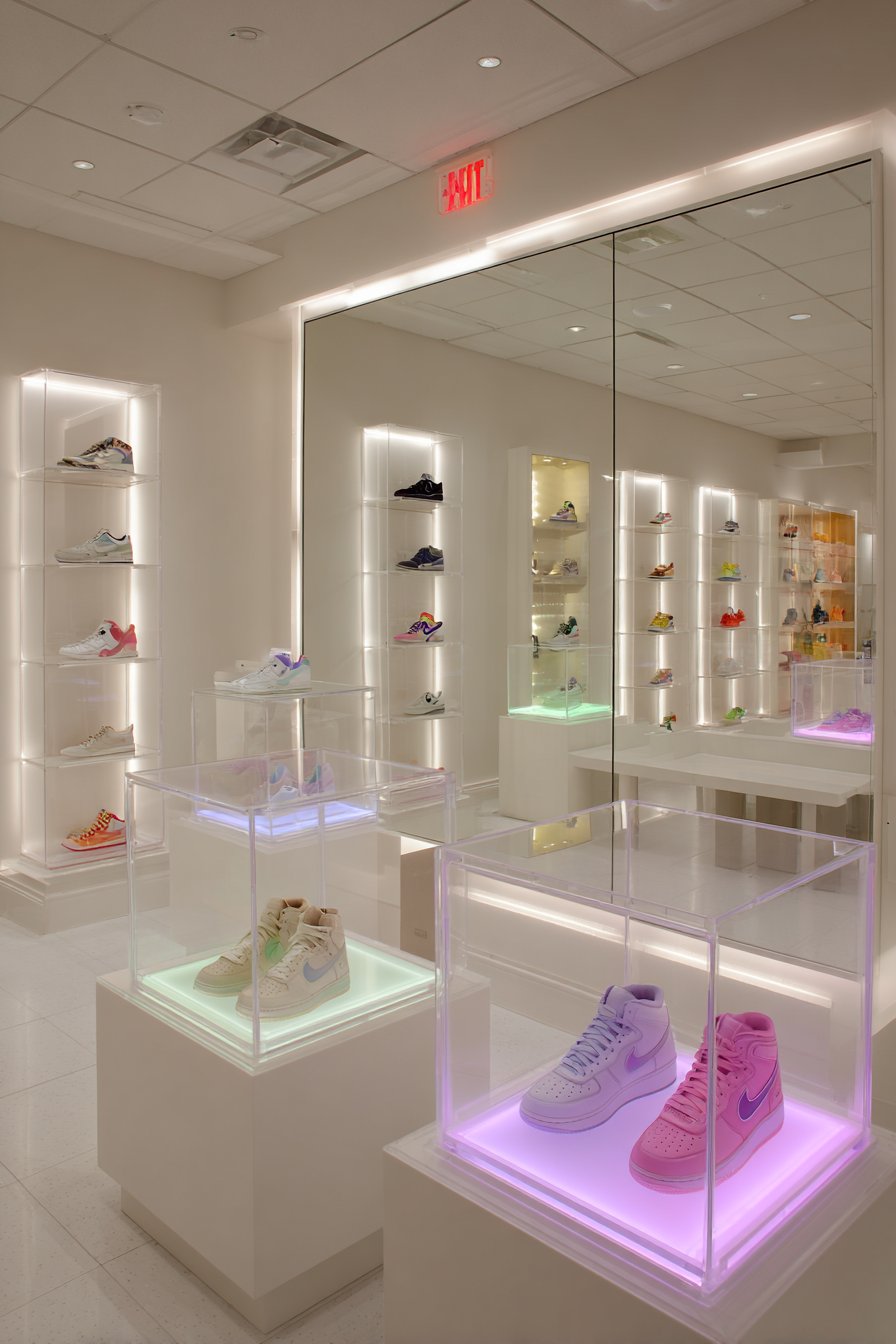
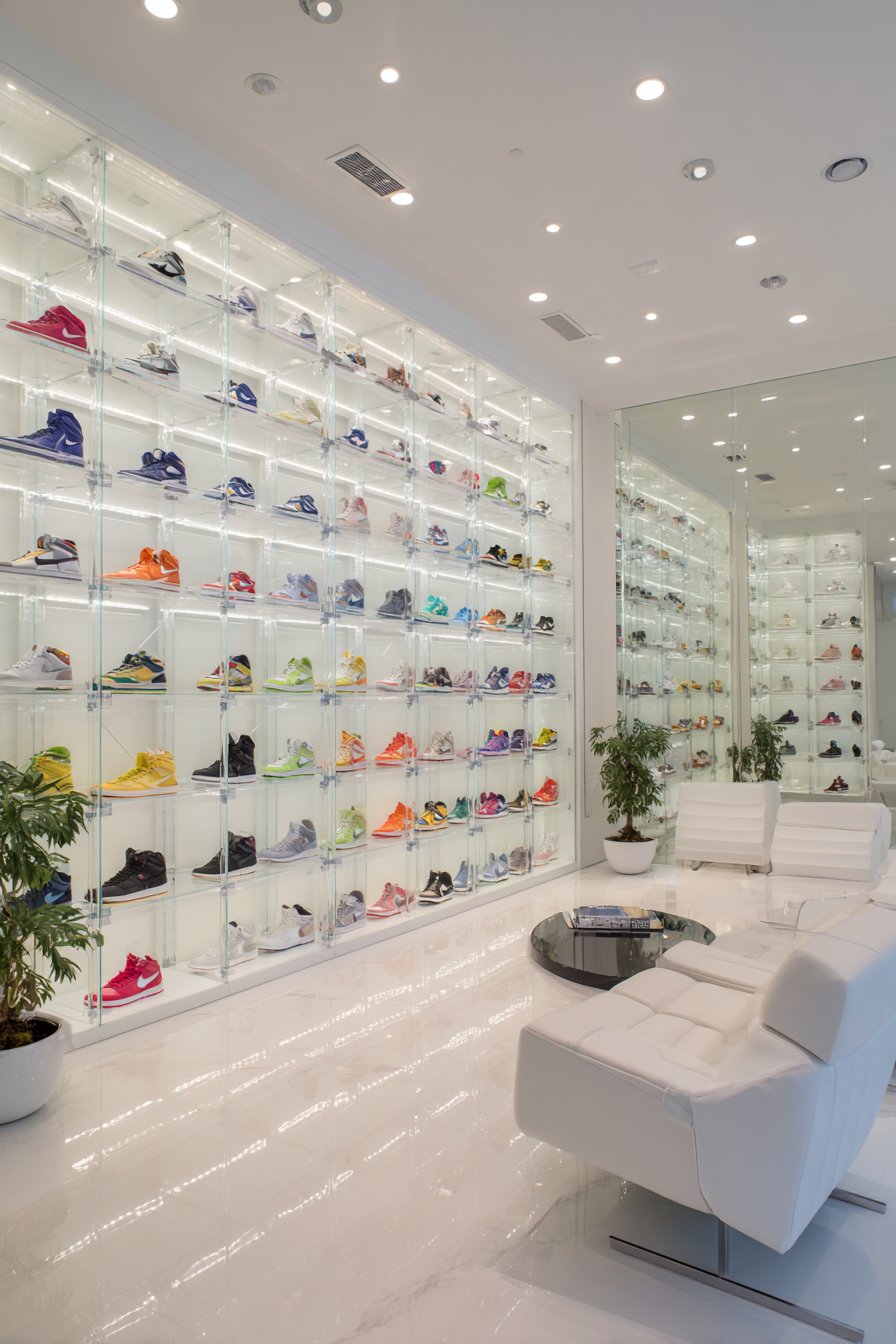
Contemporary collectors embrace this collector’s room idea designed for sneaker collections, where custom floor-to-ceiling acrylic display boxes with individual LED lighting transform each pair into a retail-quality presentation. The individual lighting approach allows each sneaker to receive focused illumination that highlights colorways, materials, and design details. Clean white walls and flooring create a boutique atmosphere that mimics high-end retail environments, validating sneaker collecting as a legitimate pursuit worthy of serious investment and careful curation. The minimalist aesthetic prevents visual competition, ensuring that the sneakers themselves remain undisputed focal points.
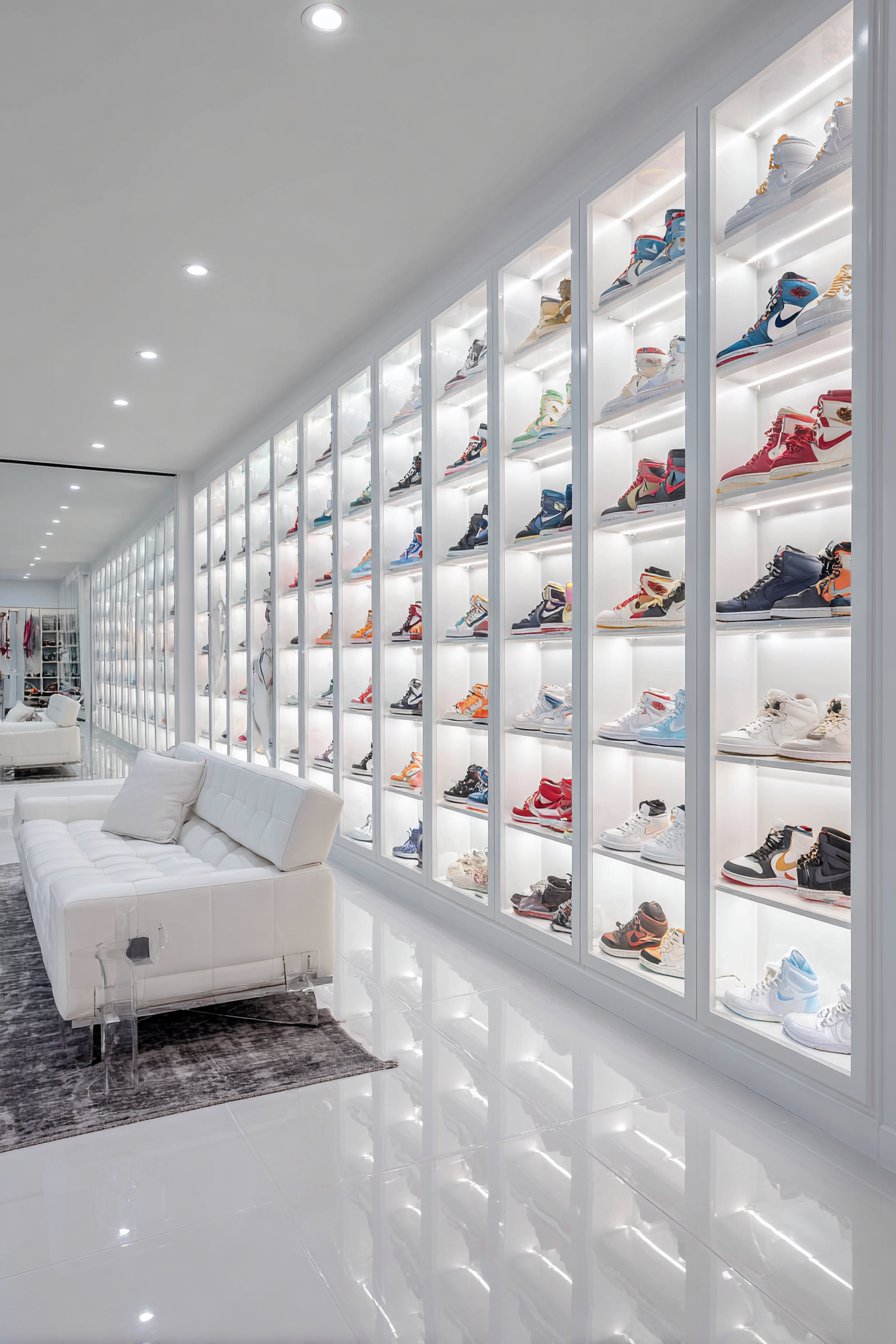
The seating area provides practical space for trying on and comparing pairs, acknowledging that sneaker collecting involves wearing and enjoying shoes rather than treating them as purely static displays. The mirror wall serves dual purposes—enhancing the sense of space in what might be a compact room while providing viewing angles that allow appreciation of sneaker design from multiple perspectives. This thoughtful functionality transforms the room from mere storage into a personal boutique where selection and styling become part of the collecting ritual.
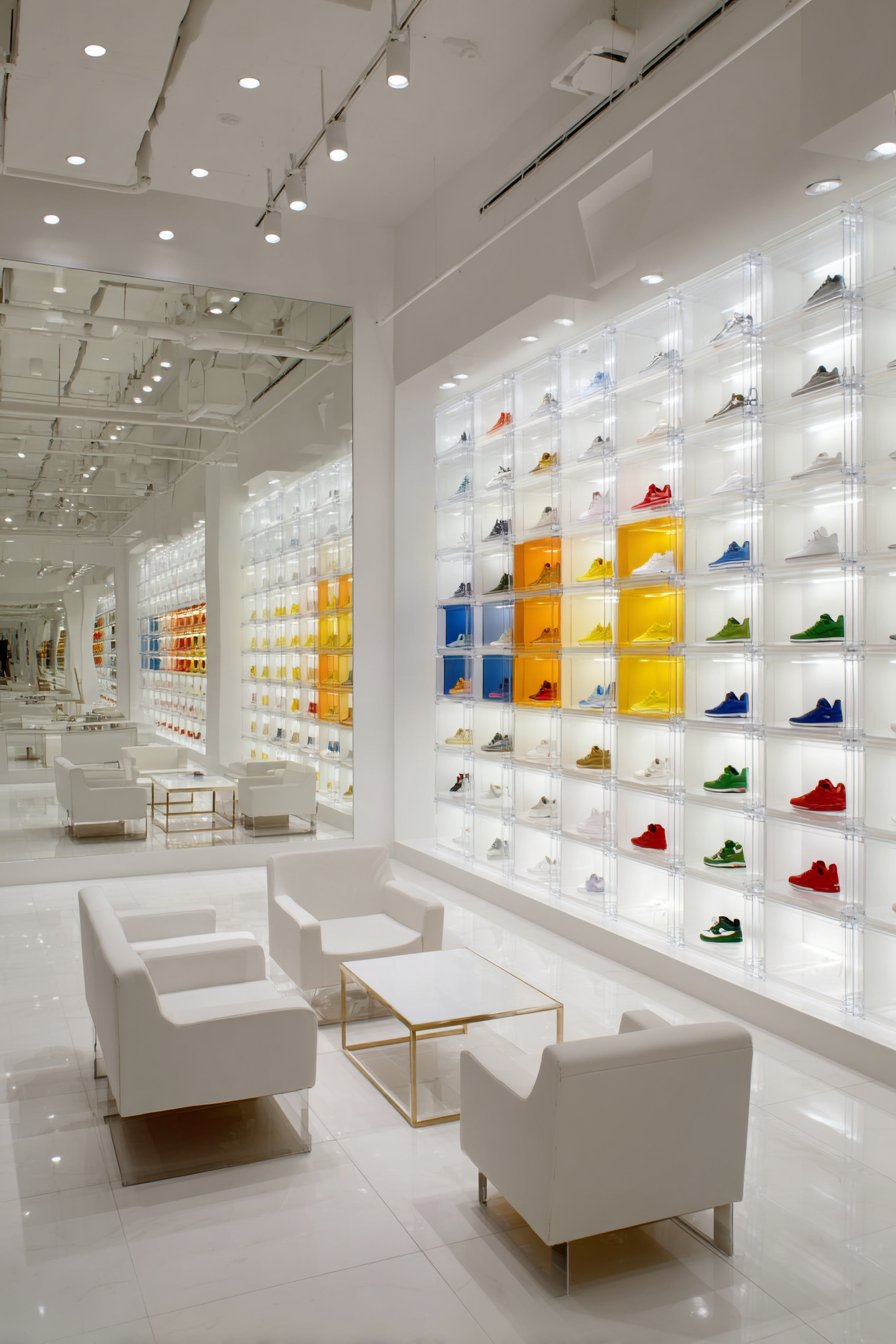
The modern organizational system reflects sneaker culture’s emphasis on presentation and accessibility. Unlike traditional collecting that prizes rarity and preservation over interaction, sneaker collecting embraces regular handling and rotation. The room’s design supports this active relationship, making it easy to pull pairs for wearing while maintaining display quality. This balance between preservation and use defines contemporary collecting in the Instagram age, where ownership and display often matter as much as physical possession.
Key Design Tips: Use clear acrylic boxes to minimize yellowing from UV exposure. Install boxes at varied heights to create visual interest and accommodate different viewing angles. Keep deadstock pairs in original boxes with silica gel packets. Rotate displayed pairs seasonally to prevent uneven fading. Maintain cool temperatures to prevent sole separation on older pairs. Document authenticity with receipts and verification apps. Consider a small cleaning station with appropriate brushes and solutions. Use shoe trees in leather pairs to maintain shape. Keep a digital inventory with purchase dates and prices.
13. Vintage Fashion Archive
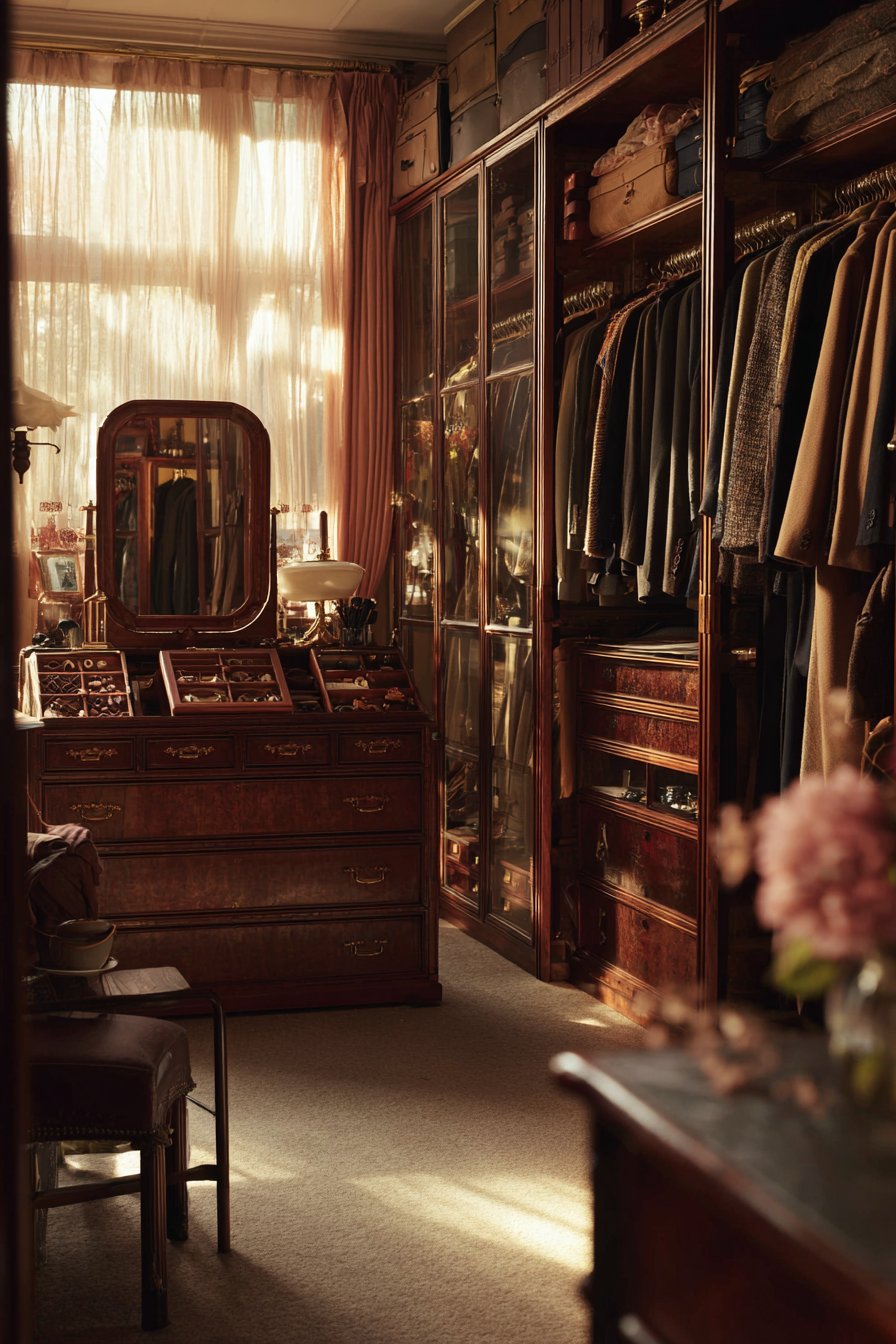
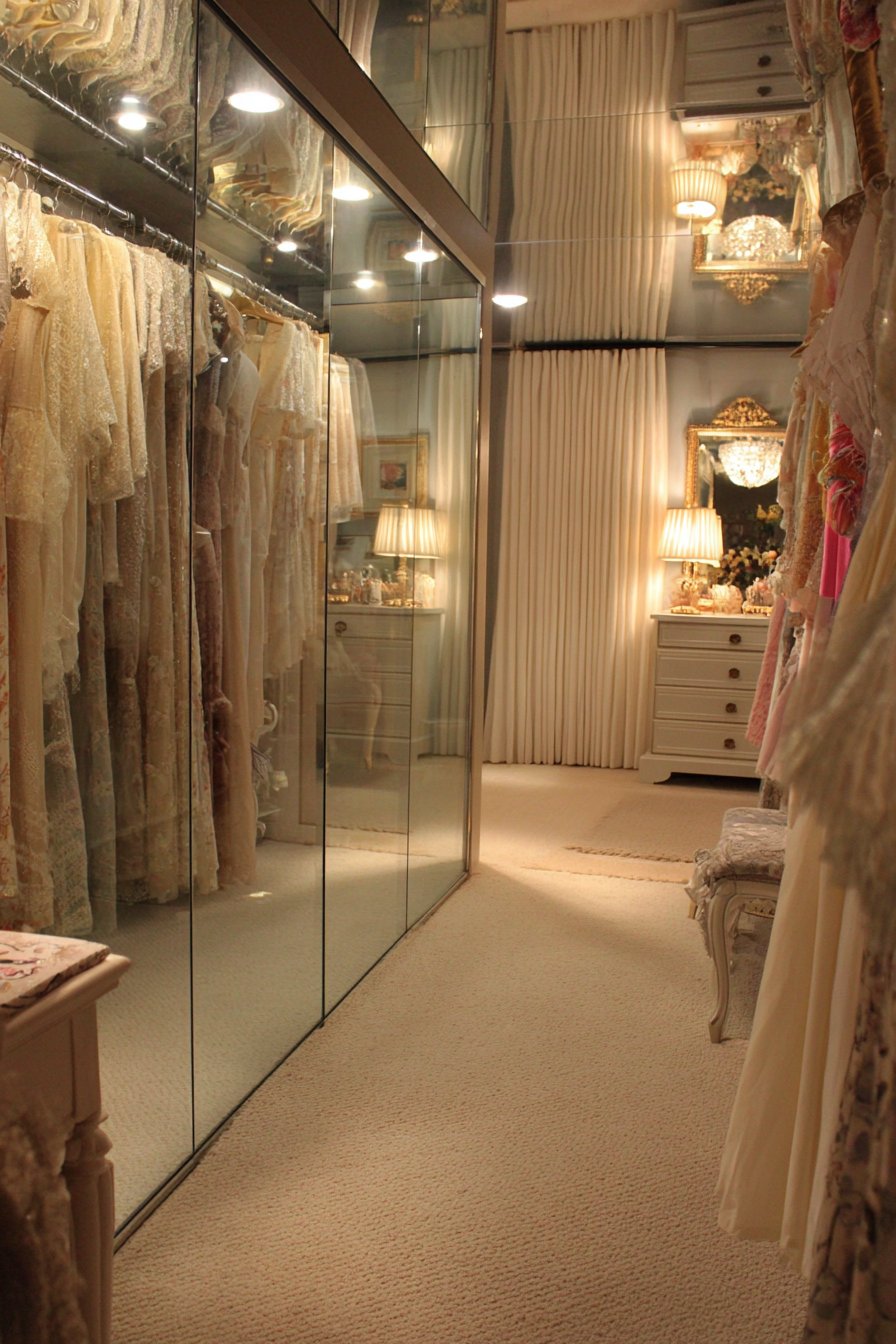
This collector’s room idea addresses the unique challenges of textile preservation through cedar-lined closets featuring glass doors that reveal organized garment collections while protecting against moths and moisture. Velvet hangers prevent shoulder dimpling and fabric slipping, maintaining garment shape during extended storage. The antique dresser displays accessories in organized trays, treating vintage jewelry, handbags, and scarves as the significant artifacts they are. A full-length vintage mirror and period-appropriate lighting fixtures complete the dressing room atmosphere, making the space functional for styling and photographing pieces while honoring their historical context.
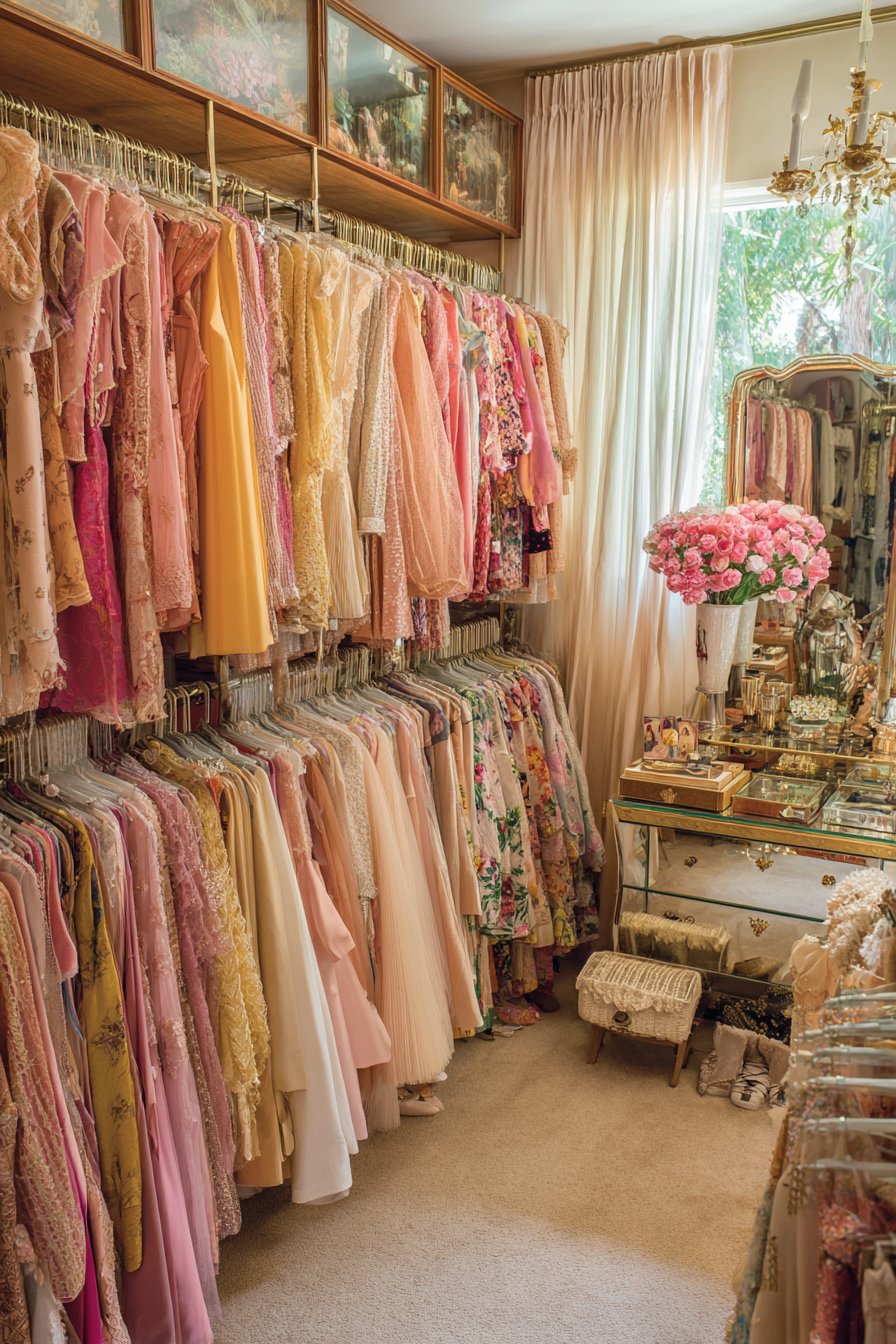
Soft carpet in neutral tones provides warmth underfoot while filtering natural light through sheer curtains protects delicate fabrics from UV damage that causes fading and fiber breakdown. This careful light control demonstrates understanding that vintage textiles require darkness for preservation but occasional light for appreciation and documentation. The elegant presentation transforms textile preservation from mere storage into curatorial work, acknowledging that vintage fashion represents both artistry and history worth protecting for future generations.
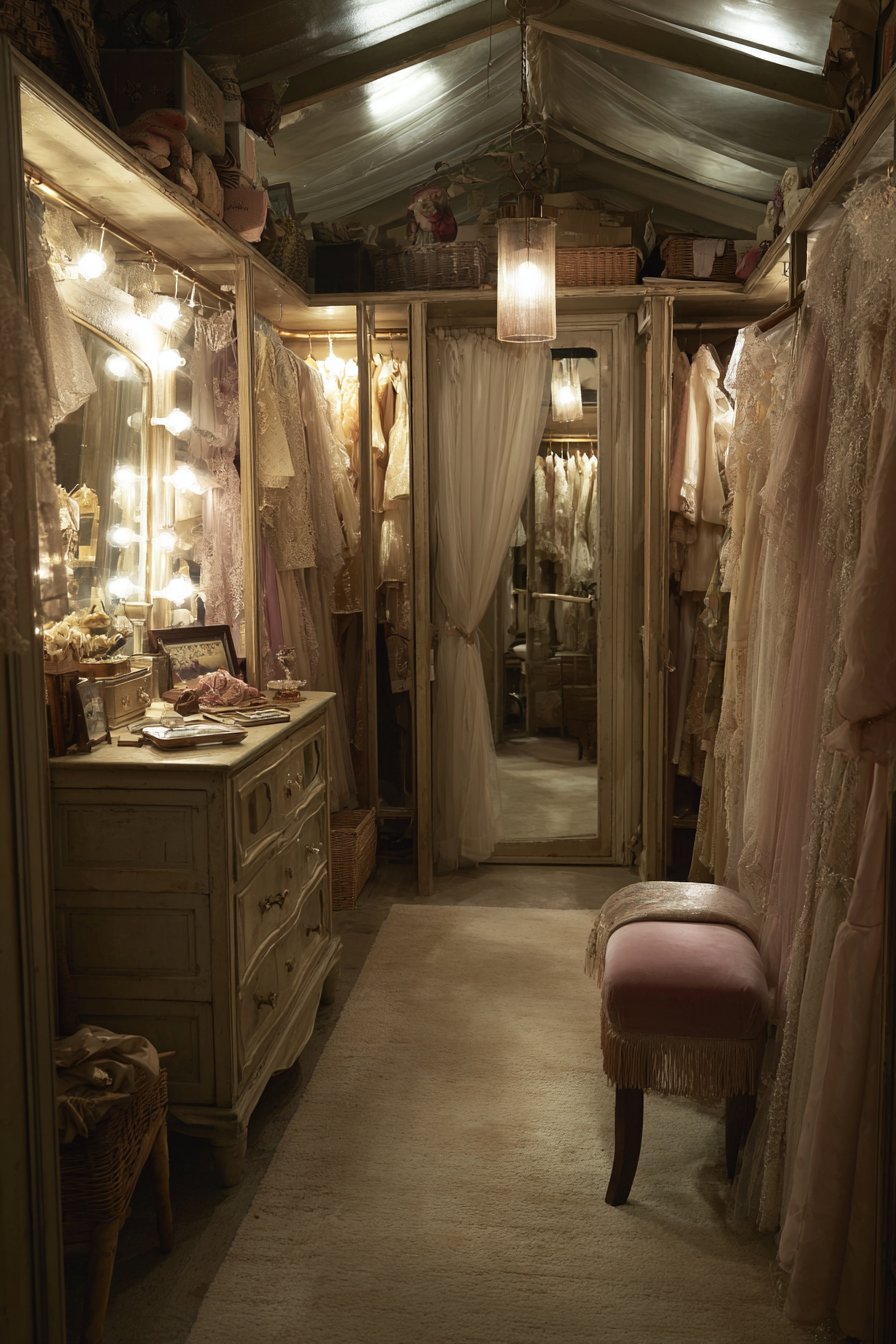
The scholarly approach to organization might categorize by era, designer, garment type, or condition, with each system requiring different infrastructure. The room provides flexibility through adjustable hanging rods, customizable drawer dividers, and modular storage that adapts to the collector’s methodology. This adaptability ensures the space serves current needs while accommodating collection evolution as interests deepen or shift focus.
Key Design Tips: Store garments in breathable cotton garment bags to prevent moisture accumulation. Use acid-free tissue paper to stuff sleeves and maintain shape. Avoid wire hangers that create rust stains and shoulder damage. Maintain consistent cool temperature to prevent fiber degradation. Install dehumidifiers in humid climates to prevent mold growth. Document each piece with photographs and condition notes. Consider mannequin display for particularly significant pieces. Keep basic conservation supplies available including gentle detergents and spot removers. Avoid plastic storage which traps moisture and yellowing chemicals.
14. Model Railroad Command Center
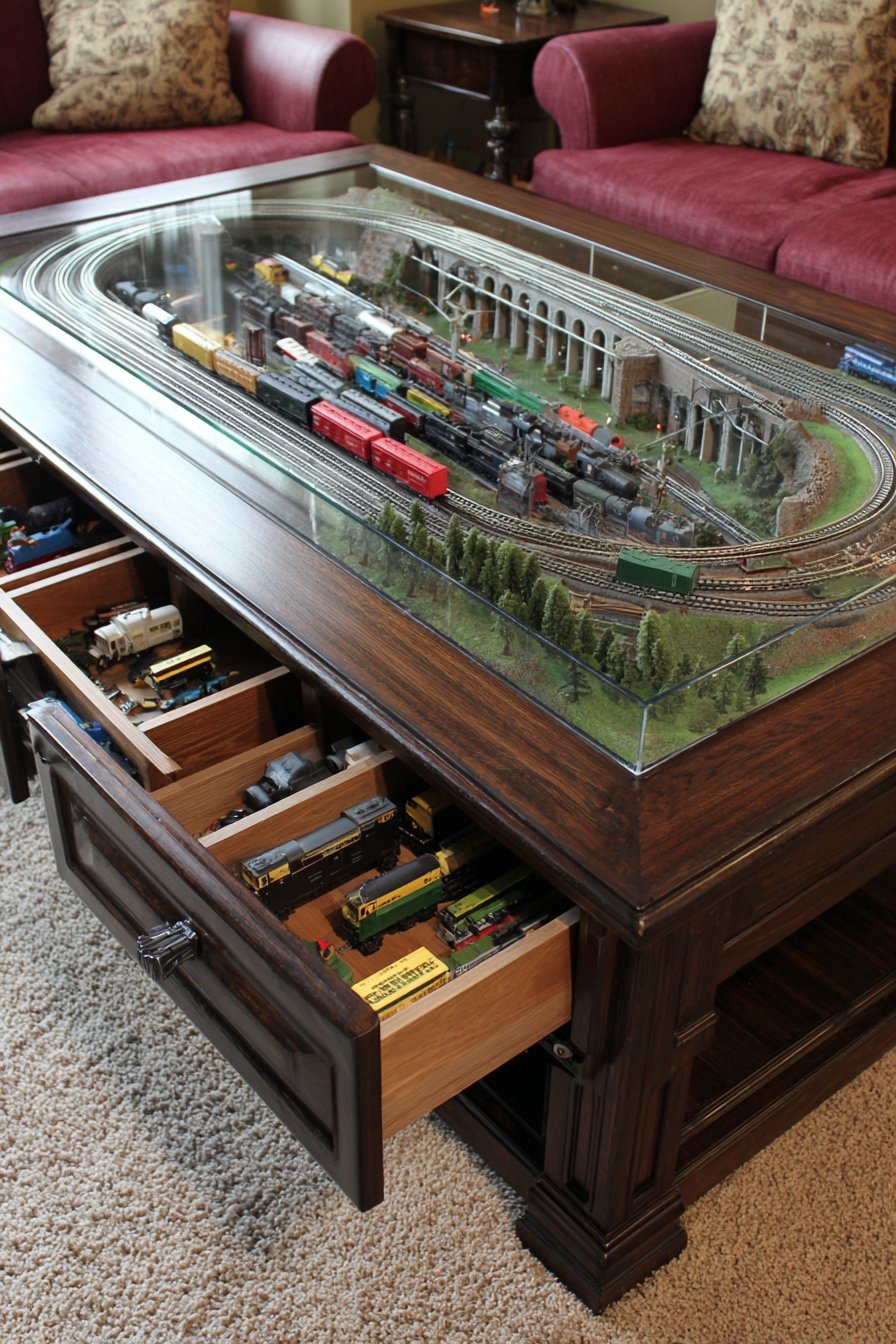
Model train enthusiasts discover their ideal space in this collector’s room idea, where a custom-built table supports an elaborate layout featuring detailed scenery and multiple track levels that create visual interest and operational complexity. Storage drawers beneath the table hold additional cars and accessories organized by type—freight cars separate from passenger stock, modern locomotives distinct from steam engines. Tool organization systems on walls keep maintenance equipment accessible, acknowledging that model railroading involves constant tinkering, upgrading, and repair. Comfortable viewing stools along the perimeter allow sustained operation sessions without fatigue.
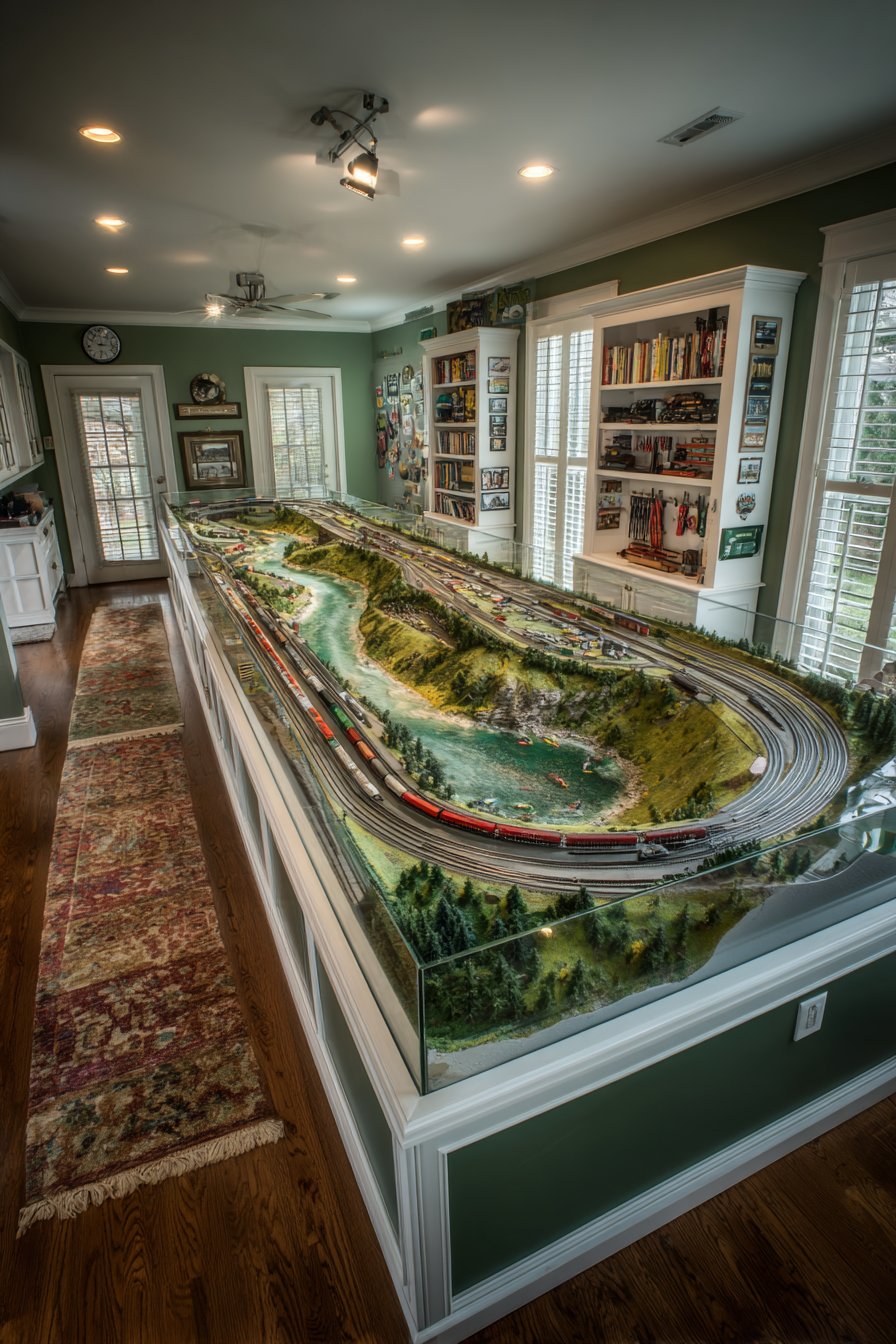
Adjustable overhead lighting illuminates the layout while allowing dimming for realistic day-night cycles that enhance operational realism. This lighting flexibility transforms static displays into dynamic scenes where time-of-day effects create atmosphere and drama. The intricate hobby space showcases the craftsmanship required for serious model railroading—scenery construction, trackwork, electrical systems, and structure building that make each layout unique. The room becomes workshop, theater, and laboratory where the collector’s vision materializes through patient, skilled hands-on work.
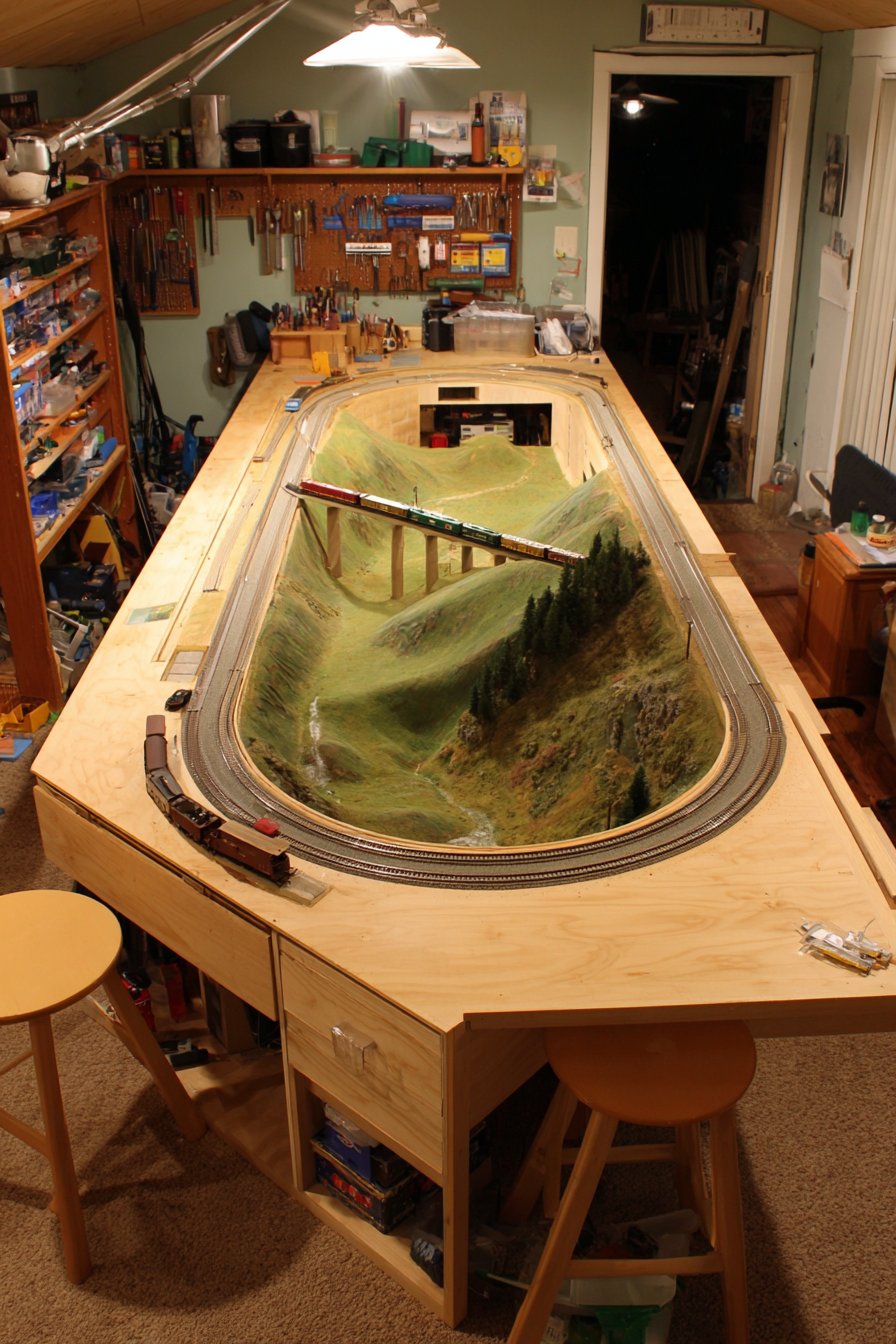
The practical functionality prioritizes operational concerns over pure display aesthetics. Track planning considers realistic operations—staging yards, interchange tracks, industrial sidings—that allow meaningful train movements rather than endless circles. This operational focus elevates model railroading from toy trains to serious hobby requiring planning, execution, and ongoing refinement. The room supports this complexity through thoughtful infrastructure that makes operation practical and enjoyable.
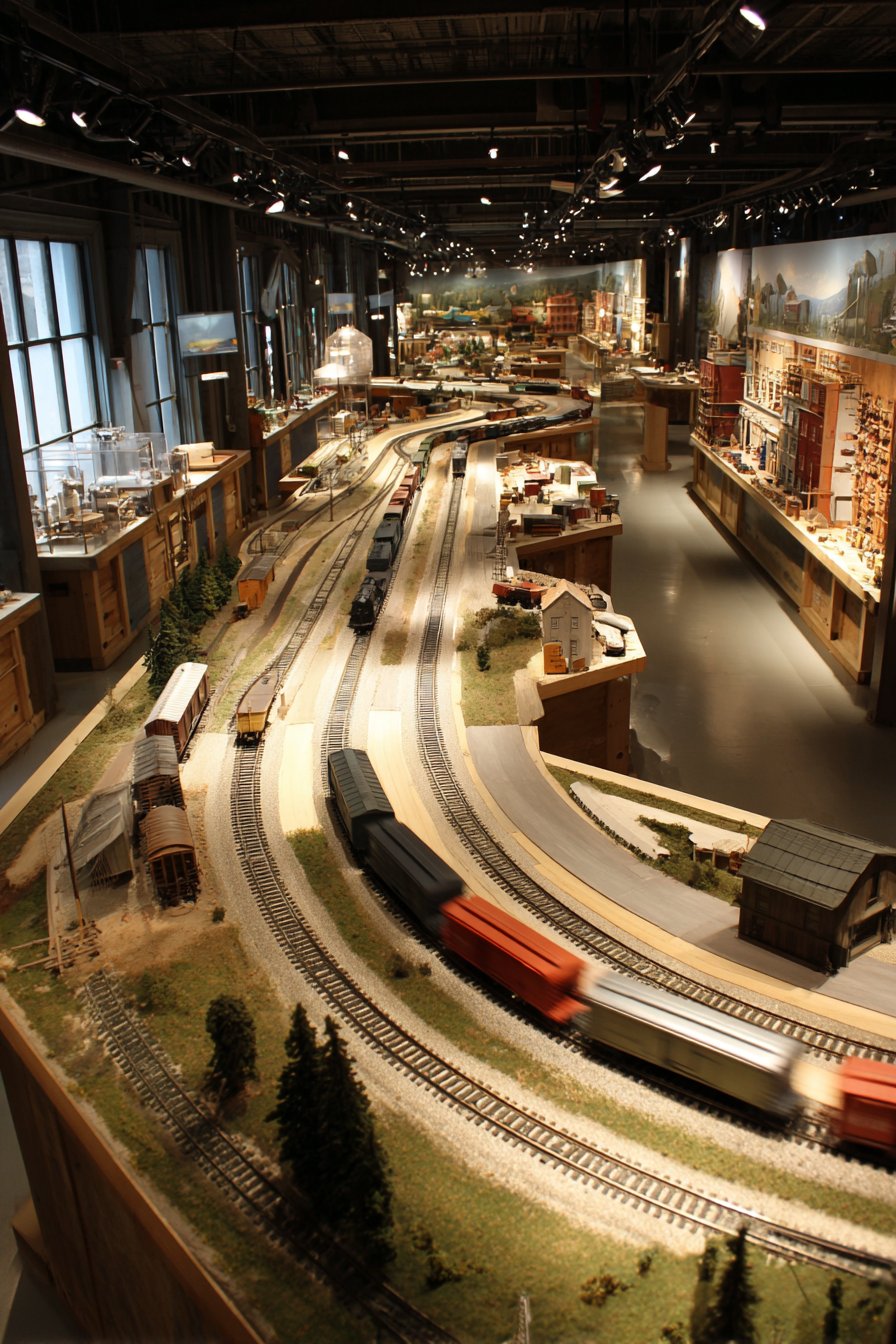
Key Design Tips: Build tables at comfortable operating height, typically 48-52 inches for standard gauge. Install electrical buses beneath layout for reliable power distribution. Use benchwork that can support your weight for scenery construction access. Keep track and wheels clean using track cleaning cars and appropriate solvents. Document wiring with clear labels and diagrams. Store rolling stock in padded cradles to prevent damage. Consider sound dampening beneath layout to reduce operational noise. Maintain backup locomotives and parts for operating sessions. Join a model railroad club for operational inspiration and social connection.
15. Porcelain and Ceramic Showcase
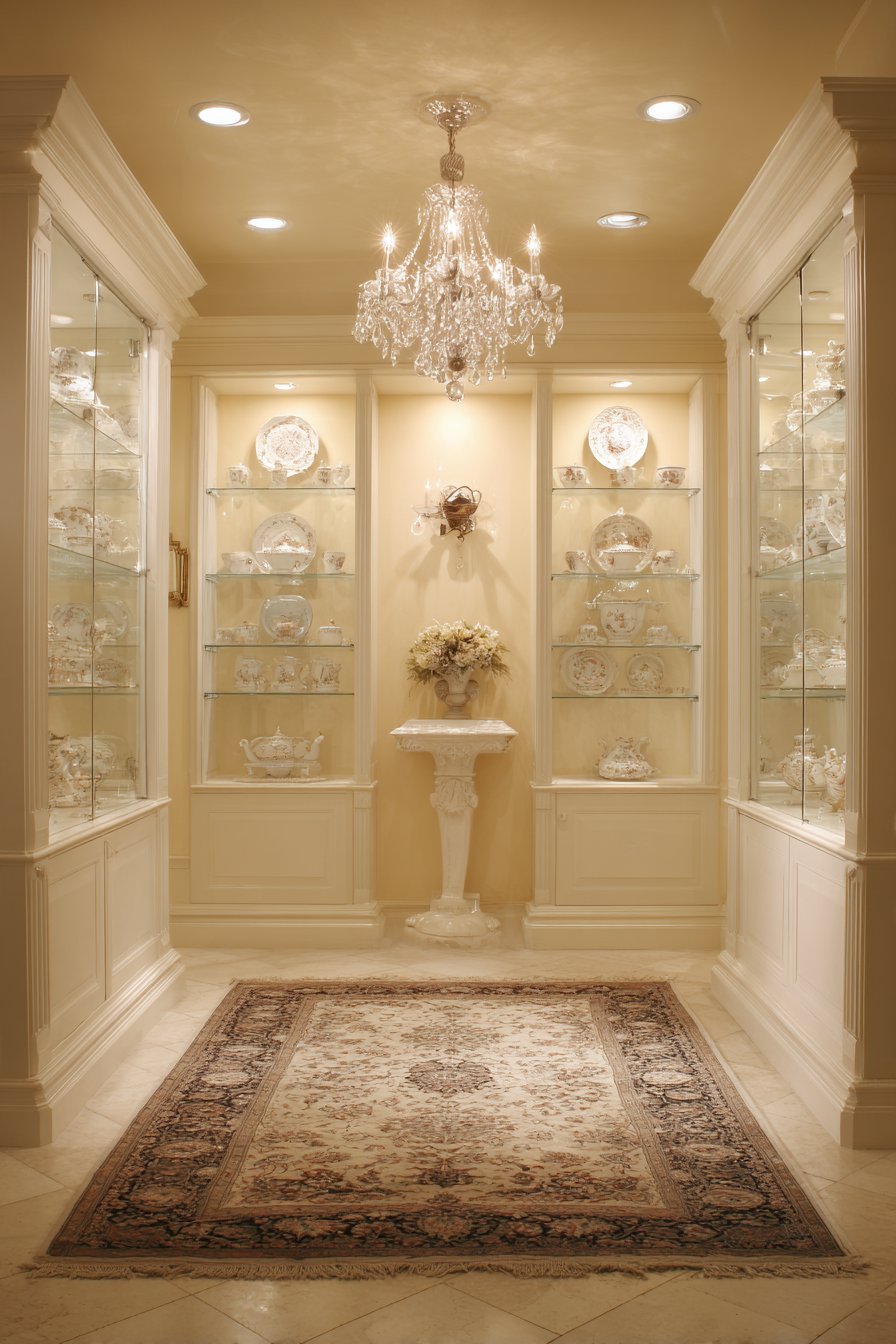
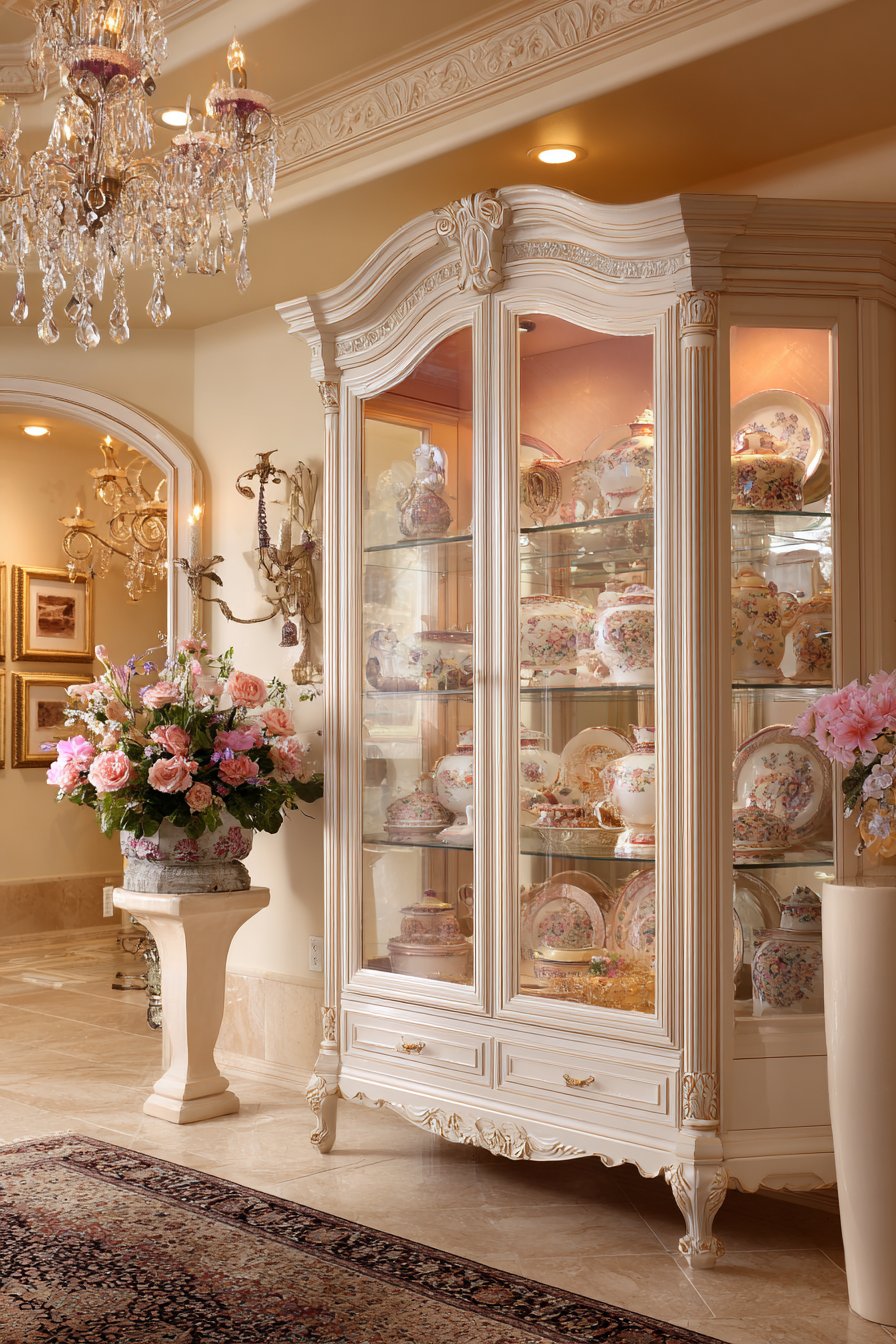
Fine china collectors embrace this collector’s room idea where lighted china cabinets with glass shelving and mirrored backs showcase pieces from multiple angles, allowing appreciation of backstamps, handles, and decorative details typically hidden in standard displays. Cream-colored walls provide a soft backdrop that enhances rather than competes with delicate patterns and glazes. Antique display pedestals highlight featured items—particularly significant pieces deserving individual attention and closer examination. The traditional rug defines the viewing area, creating intimate space within potentially larger rooms and grounding the display in classic decorating principles.
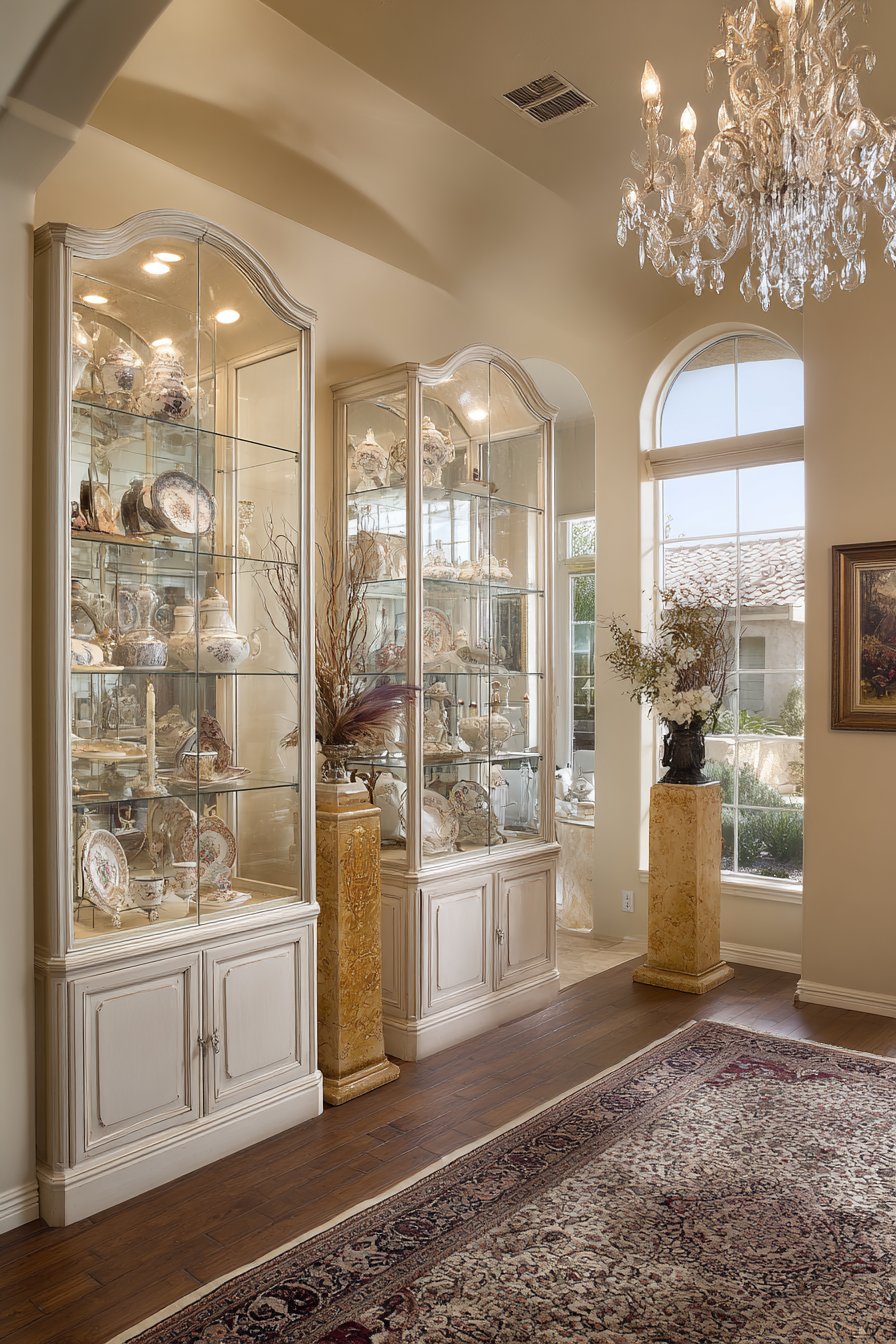
Crystal chandelier lighting provides ambient illumination while cabinet lights create focused displays that make translucent china glow with inner light. This layered lighting approach creates drama and elegance appropriate to fine porcelain’s refined nature. The sophisticated presentation honors china collecting’s long tradition while modern lighting technology enables displays impossible in historical contexts. This marriage of traditional aesthetics and contemporary infrastructure creates spaces where antique objects receive presentations worthy of their artistry and value.
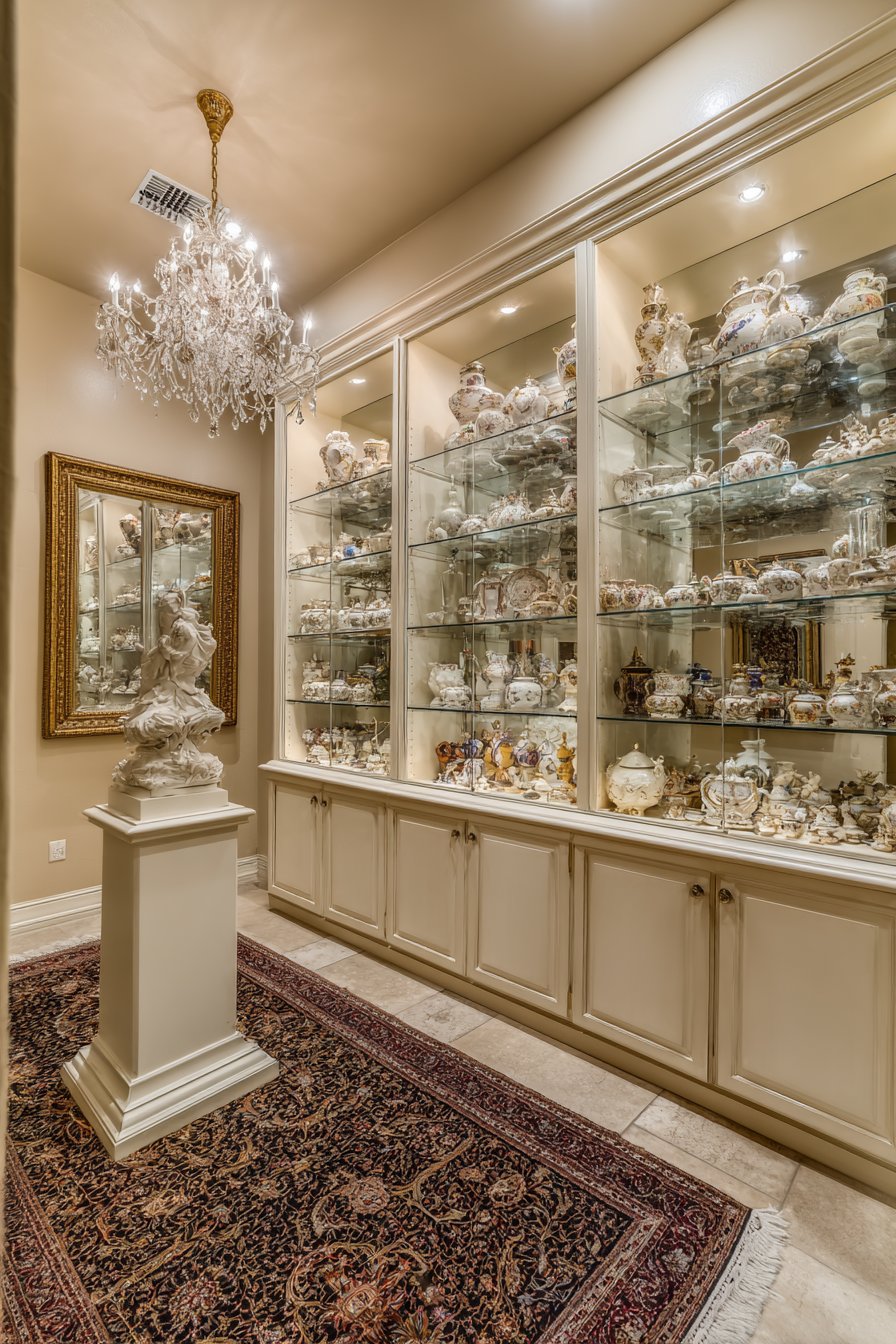
Organization might follow multiple methodologies—by manufacturer, pattern, era, or geography—with each approach requiring different labeling and documentation systems. The room provides infrastructure for whatever organizational philosophy the collector employs, with adjustable shelving and flexible cabinet interiors that accommodate pieces ranging from delicate teacups to substantial tureens and platters. This flexibility acknowledges that serious china collecting evolves over years and decades, with the room adapting to changing interests and growing expertise.
Key Design Tips: Store fine china away from kitchen heat and grease that can damage glazes. Use plate stands that support entire diameter rather than just edges. Clean china with gentle detergents and soft cloths to prevent pattern wear. Avoid temperature extremes that can cause cracking and crazing. Document maker’s marks and patterns for insurance and authentication. Consider earthquake-proof cabinet latches in active seismic zones. Rotate displays to prevent uneven light exposure on patterns. Maintain detailed inventory with photographs for insurance purposes. Handle pieces with clean, dry hands to prevent oil transfer.
16. Cinema Poster Collection
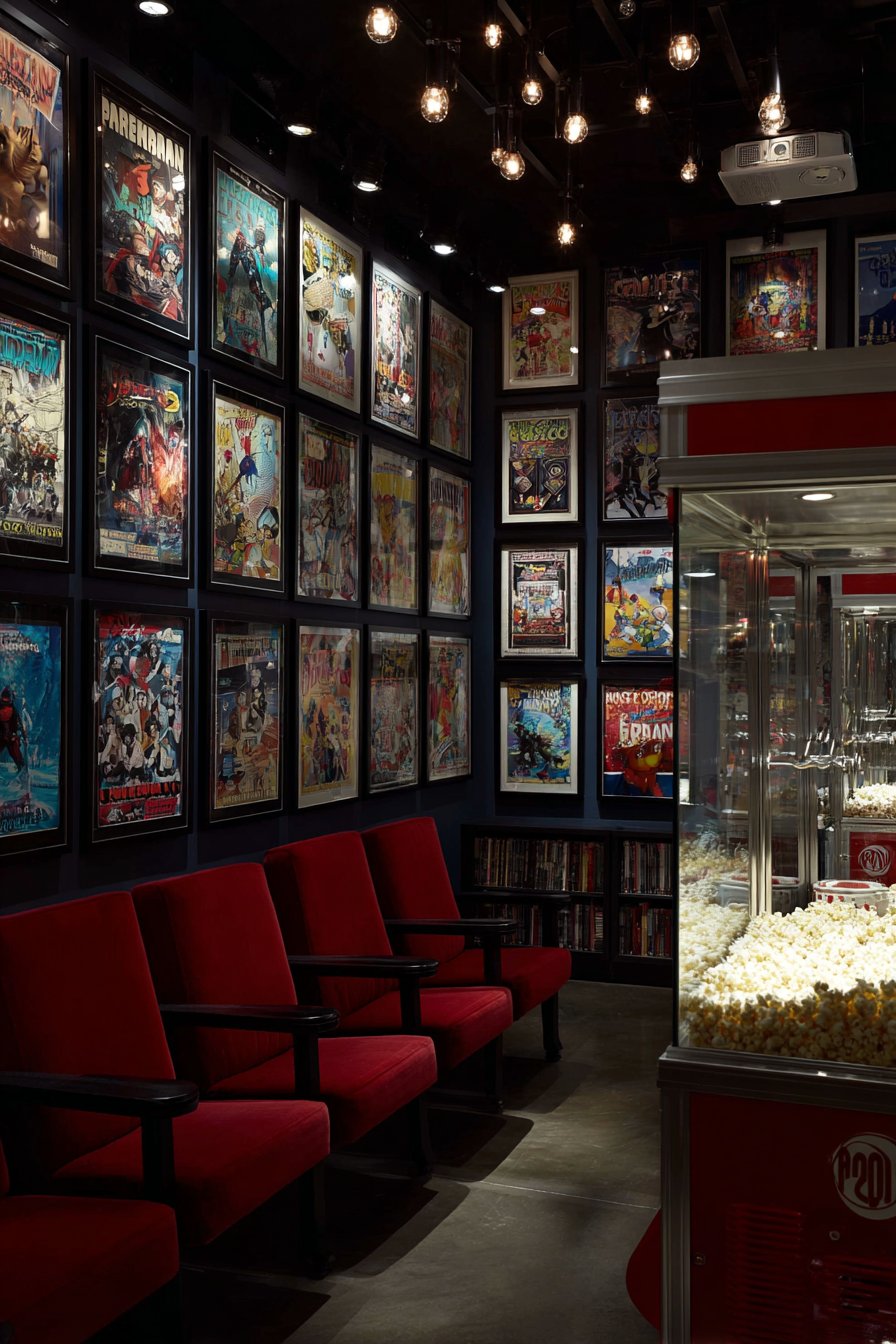
Movie poster collectors find ideal presentation in this collector’s room idea, where uniform black frames create dramatic gallery walls across multiple surfaces, transforming the space into a private cinema museum. Theater-style seating with vintage cinema chairs faces the largest posters, creating a viewing hierarchy that guides attention to most significant pieces. The dark accent wall enhances poster colors and makes white signatures on signed examples stand out dramatically. Recessed lighting with individual spotlights for each frame allows customization as collections grow and rotate, directing attention where the collector desires.
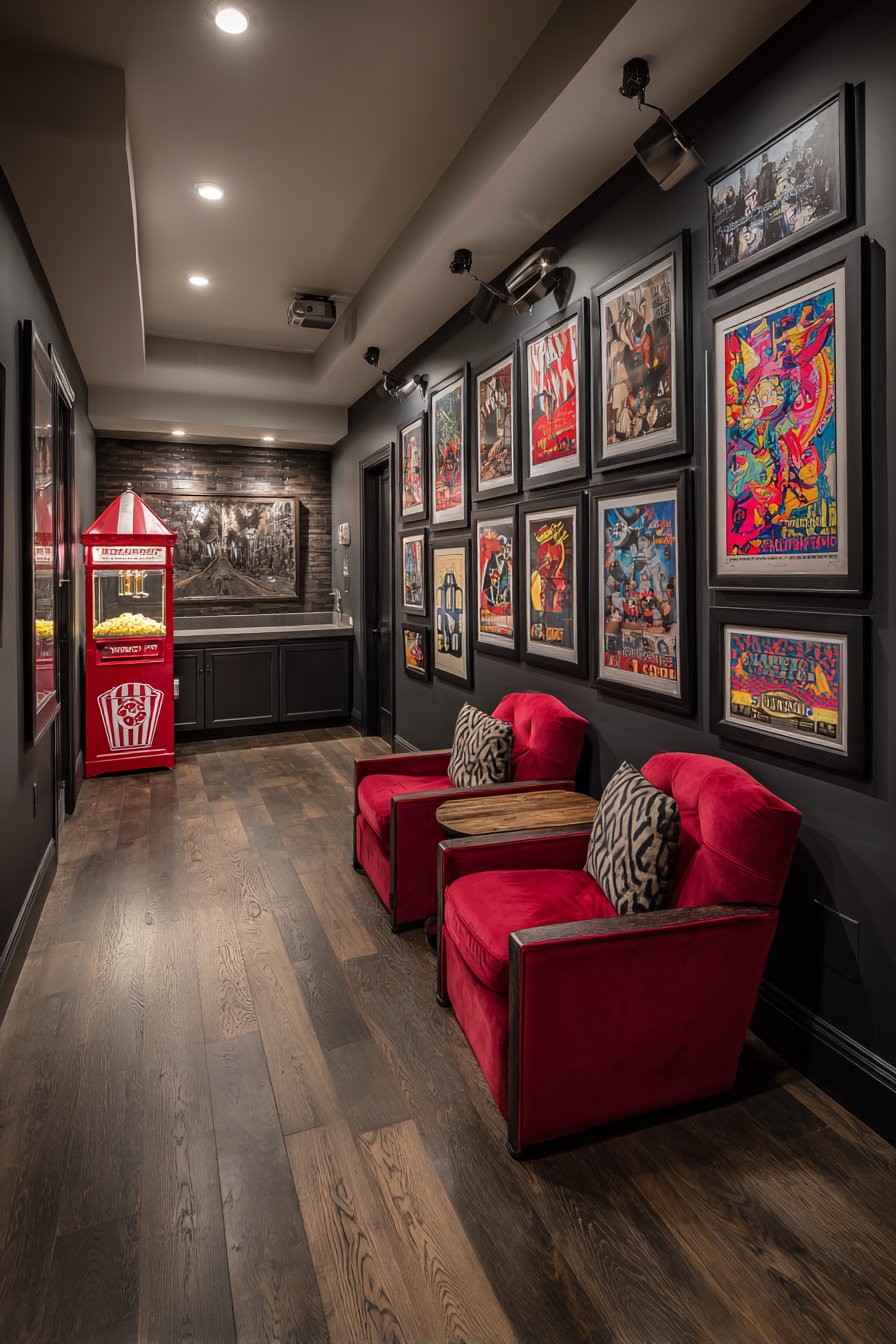
Thematic elements like a popcorn machine and concession-style storage add playful touches that acknowledge movie posters’ entertainment origins without diminishing their artistic and investment value. These elements create an immersive environment where simply being in the room evokes cinema’s magic and nostalgia. The entertainment atmosphere transforms poster appreciation from scholarly examination into experiential enjoyment, making the collection accessible to visitors who might not understand the intricacies of poster values and rarities but can appreciate the visual impact and cultural significance.
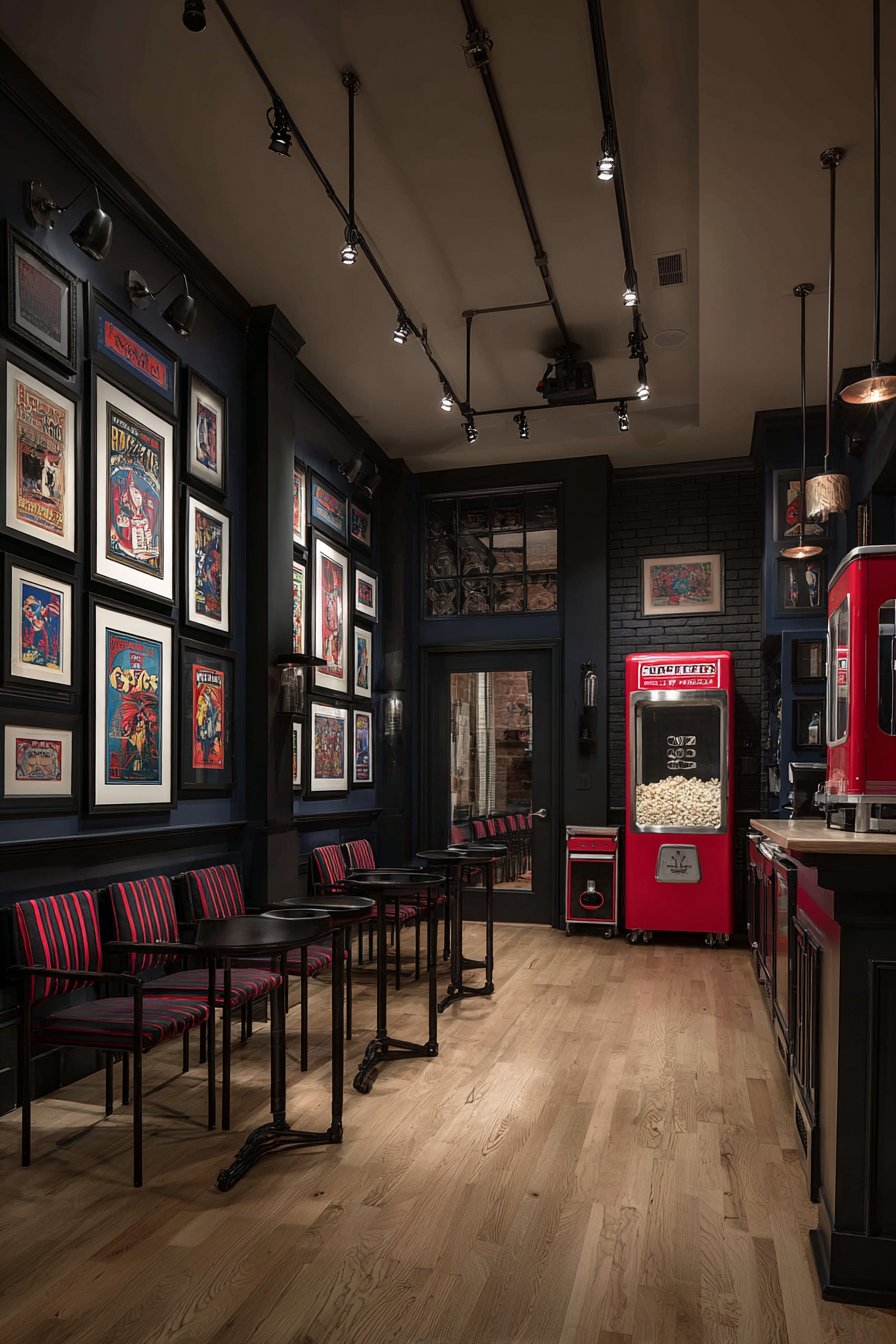
Professional framing with UV-protective glass protects against fading while maintaining visibility and color accuracy. This investment in proper presentation demonstrates serious collecting intent—acknowledging that original movie posters represent both entertainment history and potentially significant financial assets deserving proper conservation. The room balances whimsy and professionalism, honoring both the fun of movie collecting and the serious business of preservation and valuation.
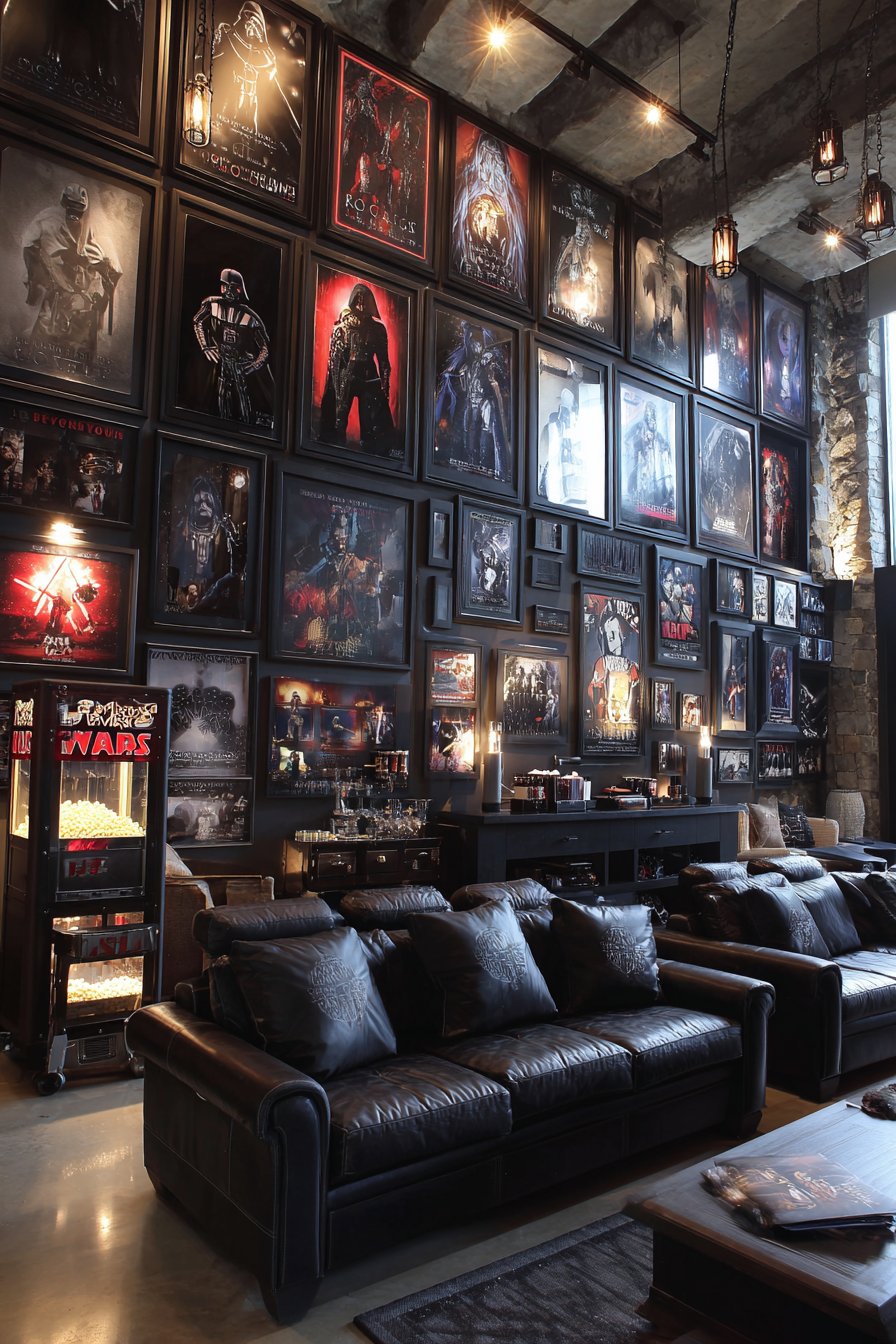
Key Design Tips: Use linen or alpha-cellulose matting to prevent acid damage to paper. Frame posters under UV-filtering acrylic rather than glass to reduce weight. Store unframed posters flat in archival sleeves between acid-free boards. Avoid adhesive mounting which damages paper and reduces value. Document condition issues and restoration work for provenance. Consider professional restoration for valuable damaged posters. Rotate displays annually to prevent uneven light exposure. Keep detailed records of purchases including seller and price paid. Join movie poster collecting groups for authentication and market information.
17. Natural History Collection
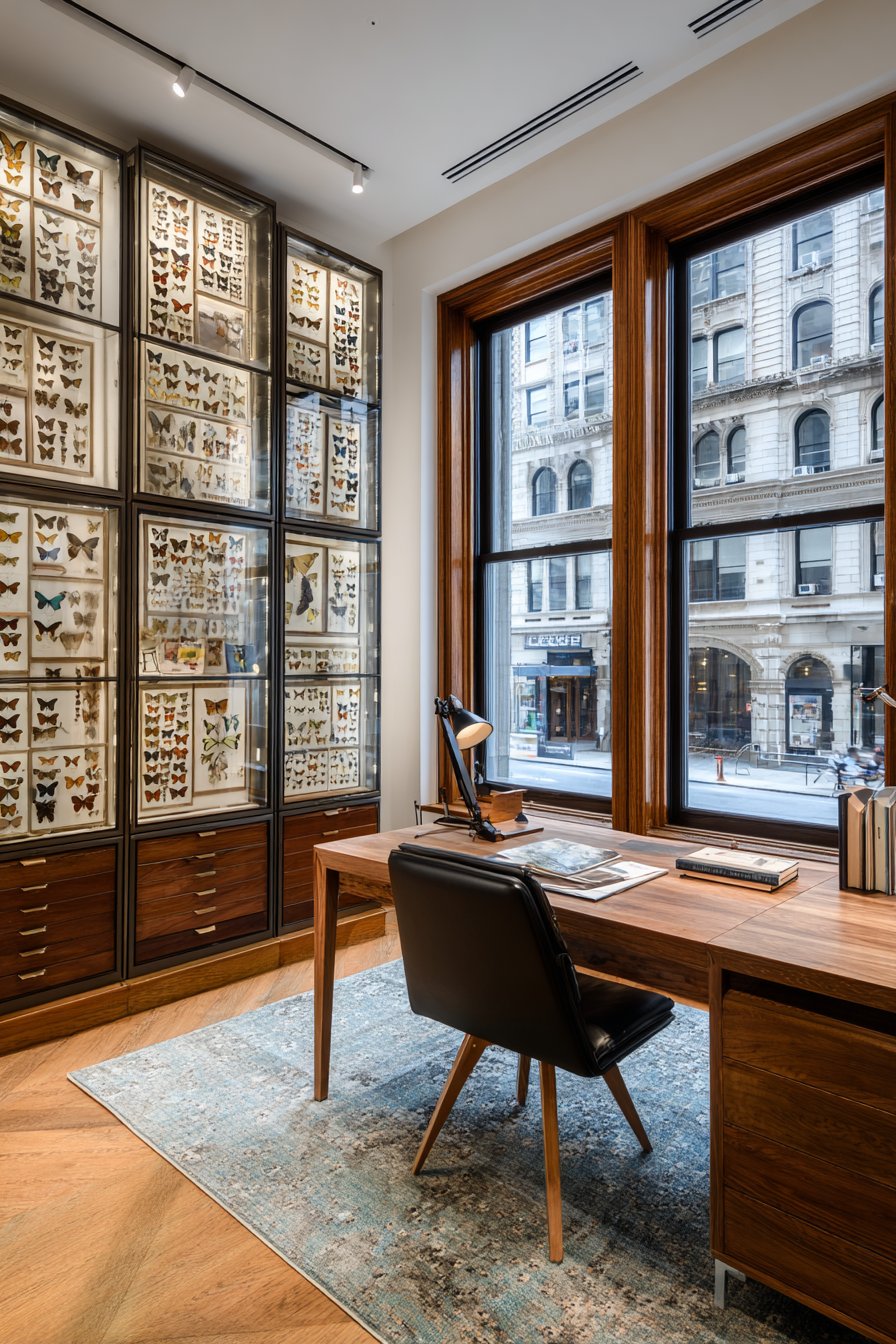
Butterfly and insect specimen collectors require specialized display captured in this collector’s room idea, where professional-grade shadow boxes with archival mounting and identification labels transform scientific specimens into educational displays. White walls create a gallery aesthetic appropriate to natural history collecting’s scholarly roots. Wooden specimen drawers provide additional storage for duplicates and study specimens, maintaining organization while protecting from light exposure. A research desk with magnification equipment and reference books supports identification and documentation, acknowledging that serious entomology involves ongoing study rather than passive accumulation.
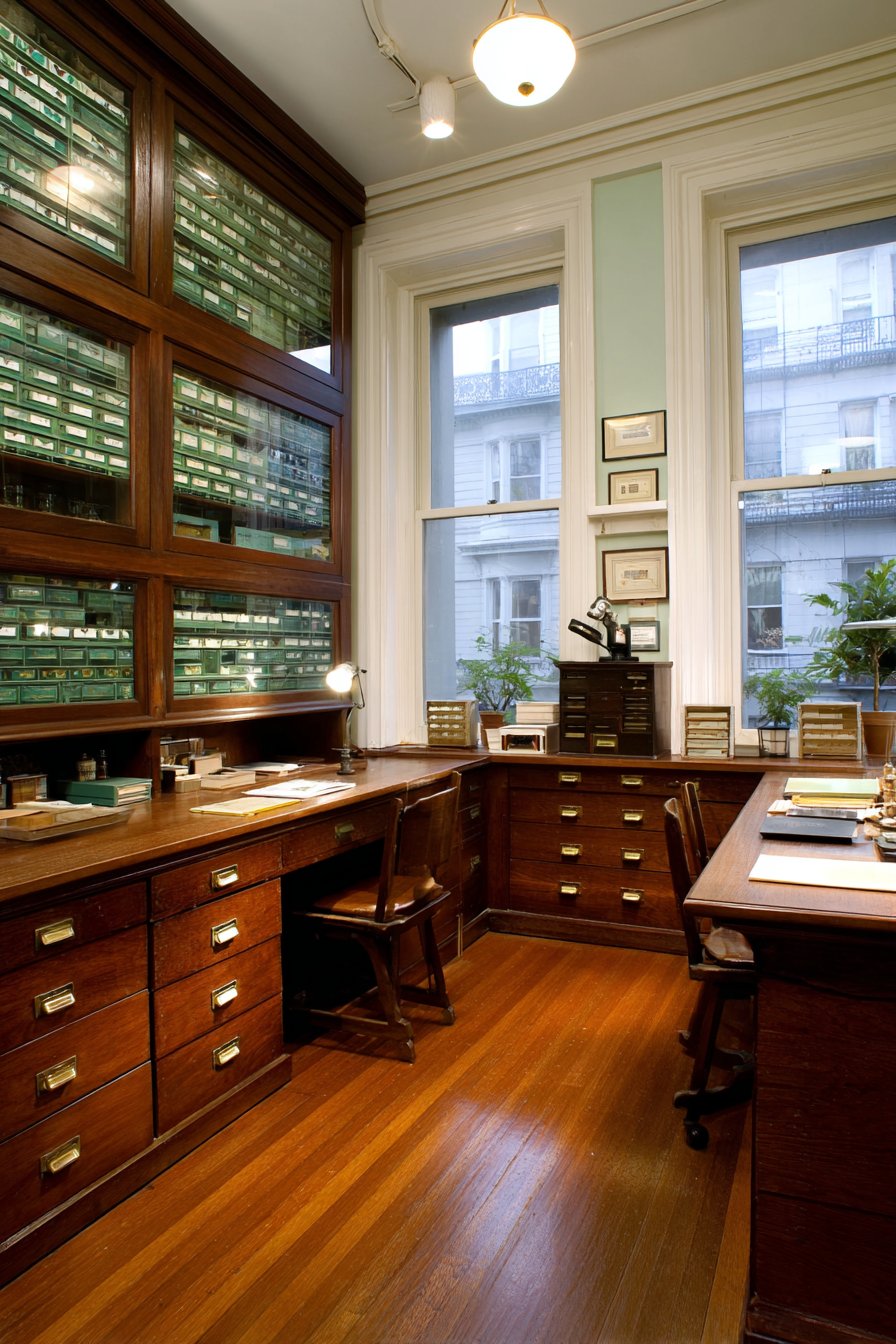
Natural daylight from north-facing windows prevents fading while providing true color rendition essential for species identification and condition assessment. This attention to lighting quality demonstrates understanding that insect collecting bridges science and art—specimens must be preserved for study while displayed for appreciation. The educational presentation style makes the collection accessible to visitors, sharing knowledge rather than hoarding specimens behind closed doors. Labels providing common and scientific names, collection locations, and dates transform displays from curiosities into teaching tools.
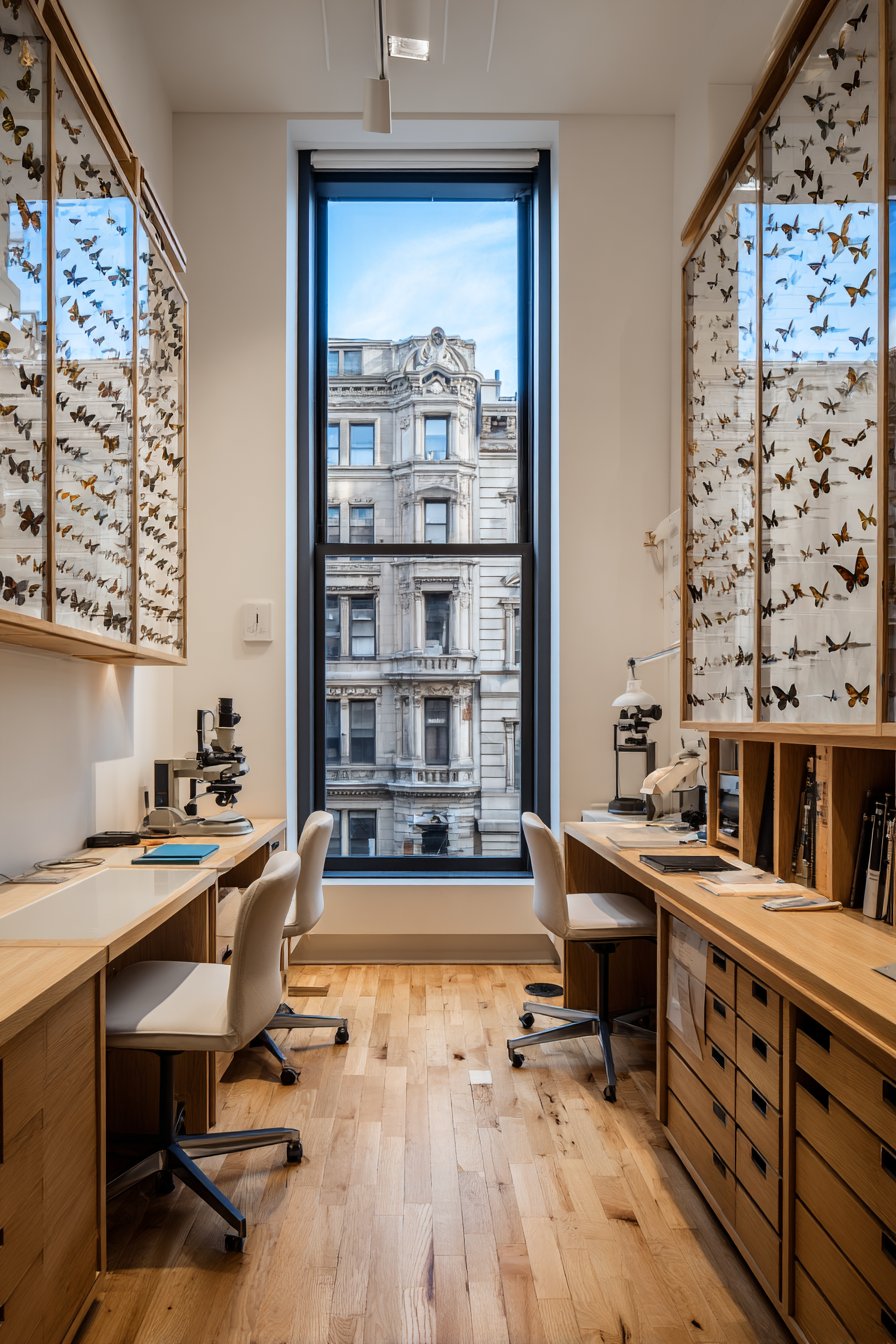
The careful preservation methods honor both the specimens and the effort involved in ethical collecting. Modern entomology emphasizes conservation and sustainable collecting practices, with serious collectors often contributing to scientific knowledge through careful documentation and specimen donation to research institutions. The room’s infrastructure supports these higher purposes, providing space for data recording, specimen preparation, and scholarly correspondence that elevate collecting beyond mere acquisition.
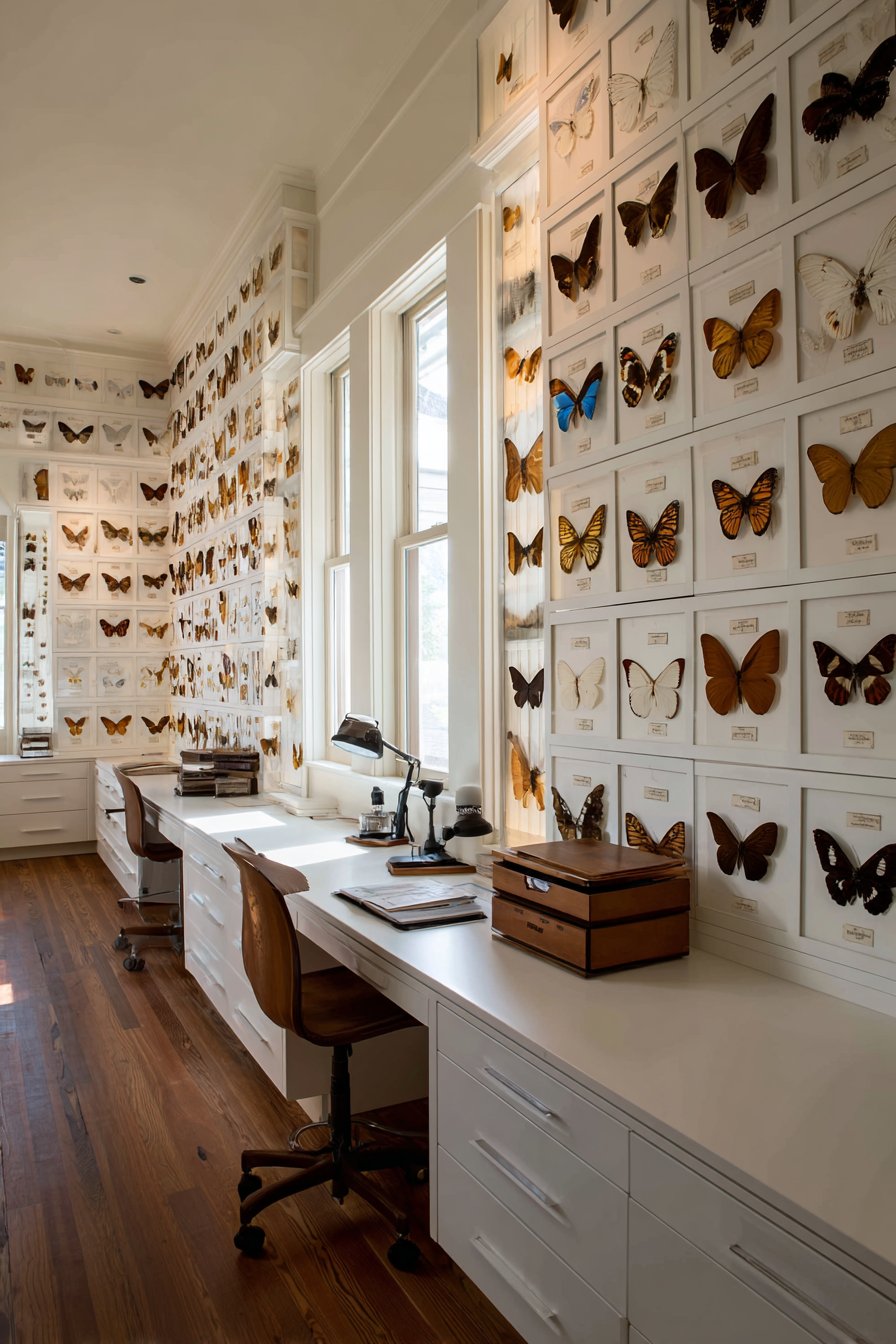
Key Design Tips: Use archival-quality foam boards that won’t off-gas and damage specimens. Pin insects through the thorax for lepidopterans or appropriate body parts for other orders. Store shadow boxes away from temperature extremes that cause pinning block expansion. Control humidity carefully to prevent mold growth on specimens. Use glass rather than plastic fronts to prevent static attraction of dust. Document collection data including exact locations and dates. Consider digital photography for creating reference collections without removing specimens. Join entomological societies for identification help and ethical collecting guidelines.
18. Industrial Americana Collection
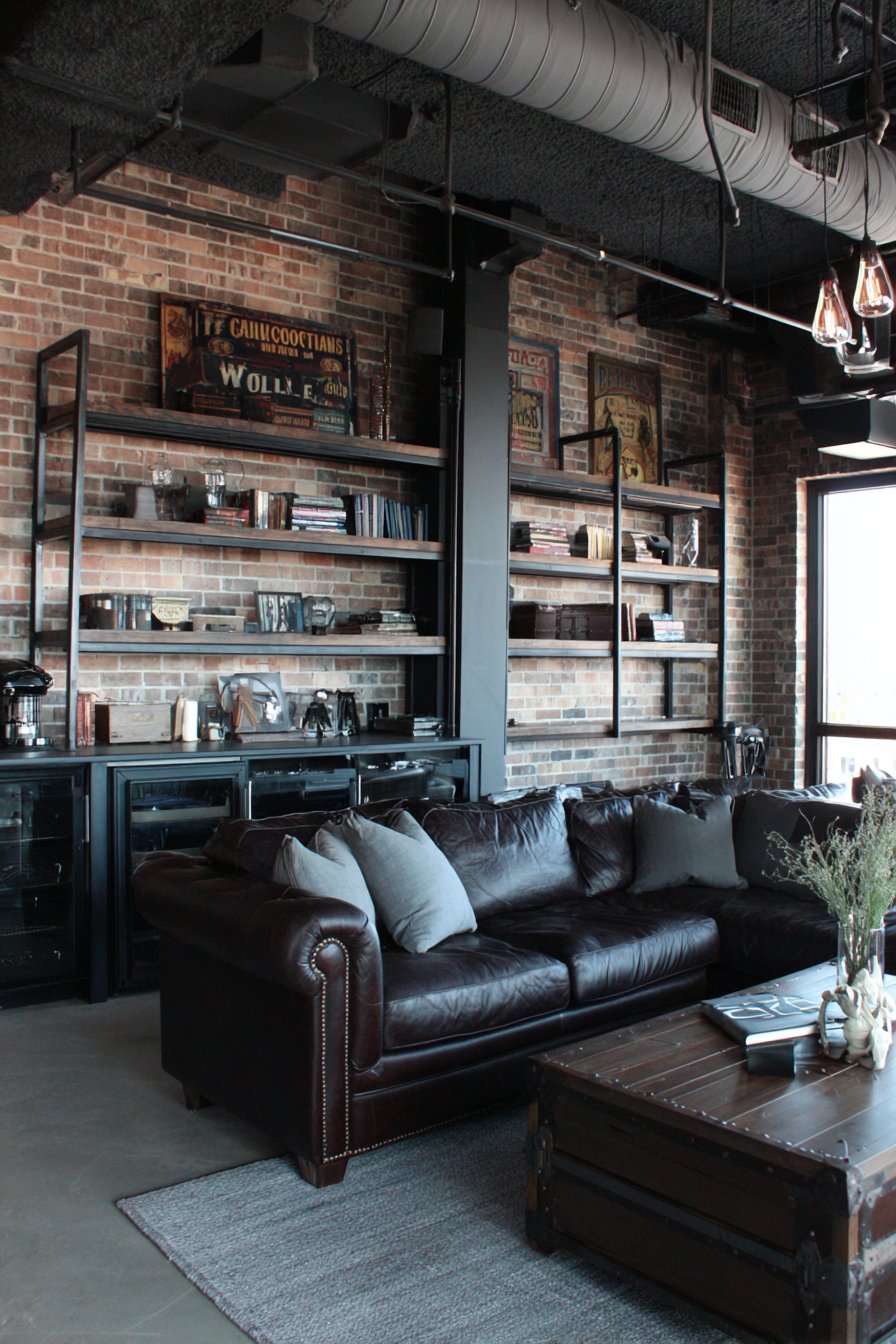
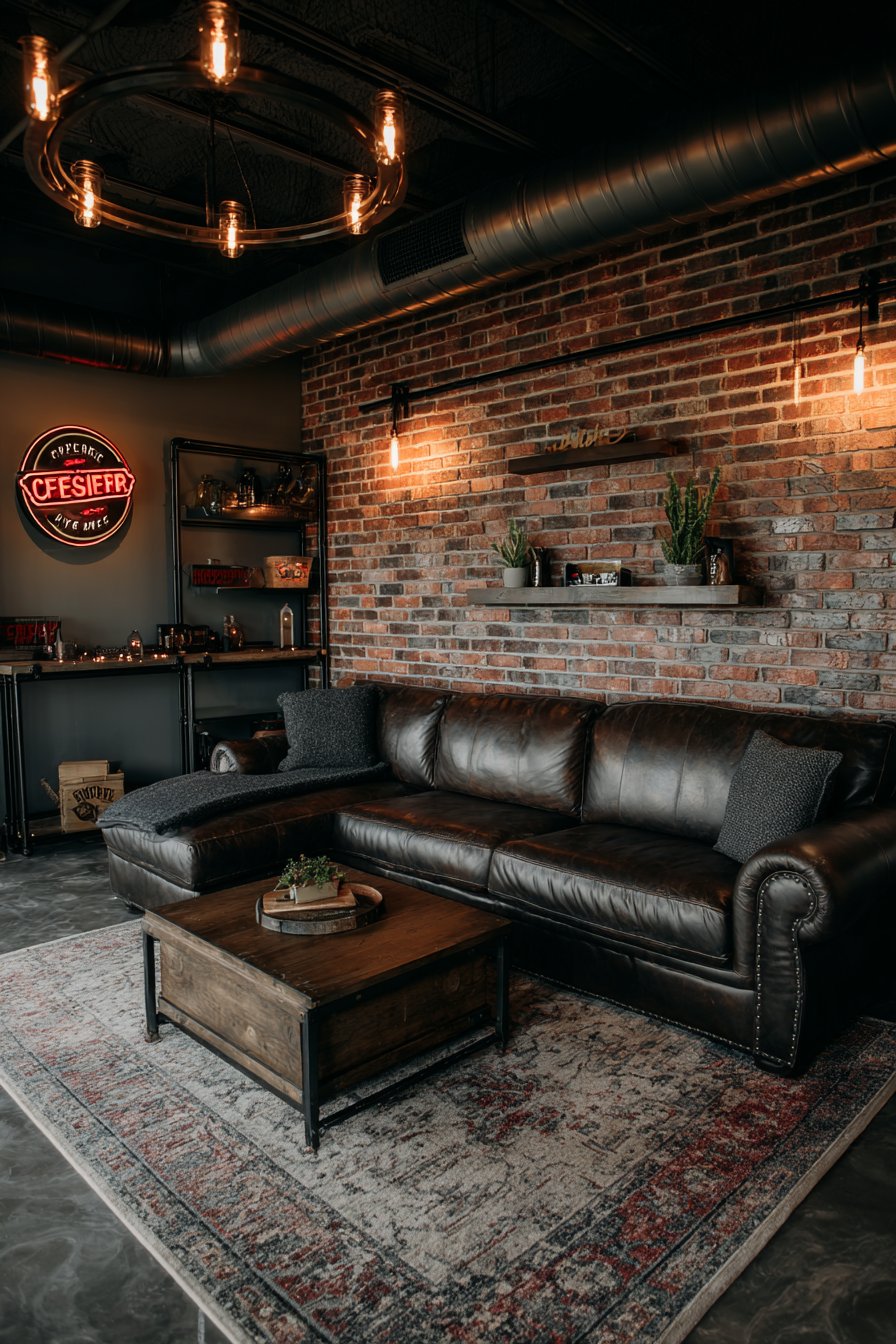
Vintage advertising sign collectors embrace this collector’s room idea where exposed brick walls provide authentic industrial backdrops for mounted signs with individual accent lighting that creates dramatic shadows and highlights embossed details. Industrial metal shelving displays smaller ephemera and collectibles—vintage tins, promotional items, packaging—that complement the larger signs while filling visual gaps. Distressed leather seating creates comfortable viewing areas where collectors can appreciate the collection’s scope while relaxing in furniture that matches the industrial aesthetic. Concrete floors with area rugs add warmth while maintaining the loft-like atmosphere.
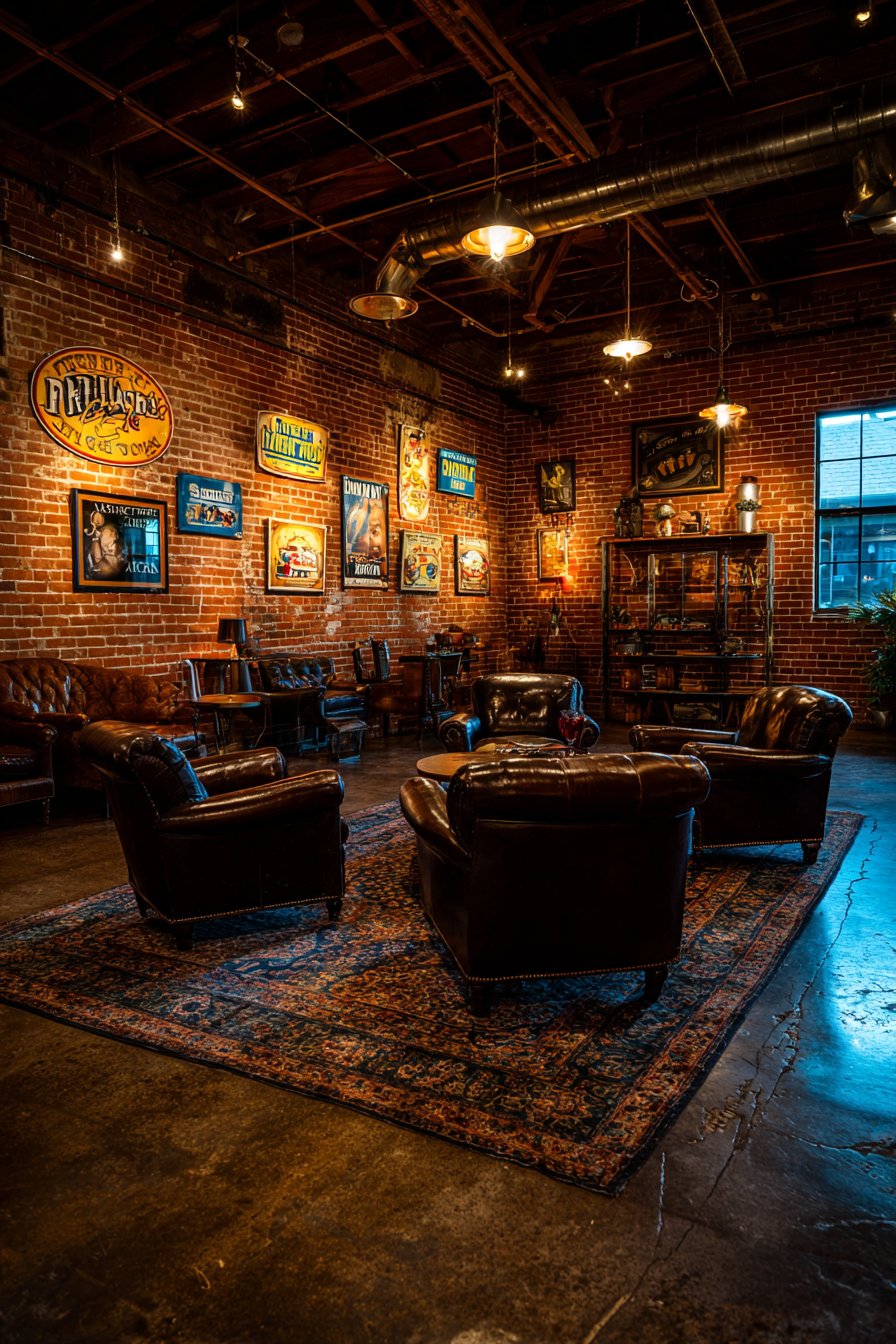
Edison bulb fixtures provide ambient lighting with vintage character that complements the collection’s time period without overwhelming displays with excessive brightness. The urban loft aesthetic honors advertising signs’ original contexts—storefronts, workshops, gas stations—keeping them connected to their working-class roots rather than sanitizing them through overly refined presentation. This authentic approach resonates with collectors drawn to advertising memorabilia for its connection to American commercial history and graphic design evolution.
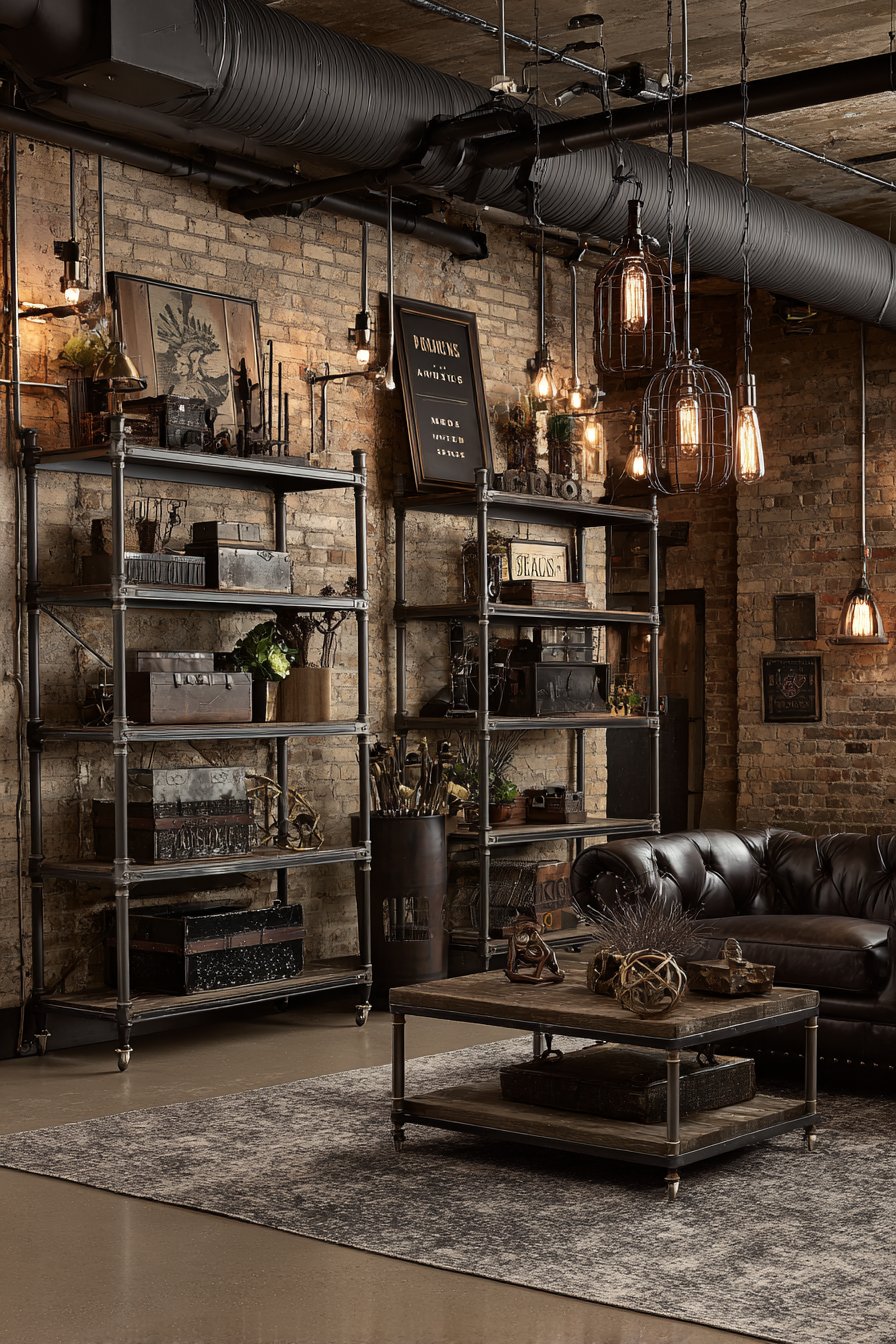
The aged materials throughout the space—brick, metal, leather, concrete—create textural richness that complements the signs’ weathered surfaces and faded graphics. This celebration of patina and wear acknowledges that perfect restoration often diminishes vintage advertising’s appeal, with collectors preferring honest wear to over-restored pieces. The room design extends this philosophy, embracing imperfection and authenticity over pristine perfection.
Key Design Tips: Research sign values and rarity before mounting to avoid damaging valuable pieces. Use appropriate mounting hardware rated for sign weight—porcelain signs are surprisingly heavy. Clean signs gently with appropriate solvents avoiding harsh chemicals that damage graphics. Document signs with photographs before and after cleaning. Verify authenticity before purchase as reproduction signs are common. Store valuable signs in climate-controlled areas to prevent rust and paint flaking. Avoid direct sunlight which accelerates fading. Consider insurance for valuable rare signs. Join advertising sign collecting clubs for authentication and market information.
19. Action Figure Paradise
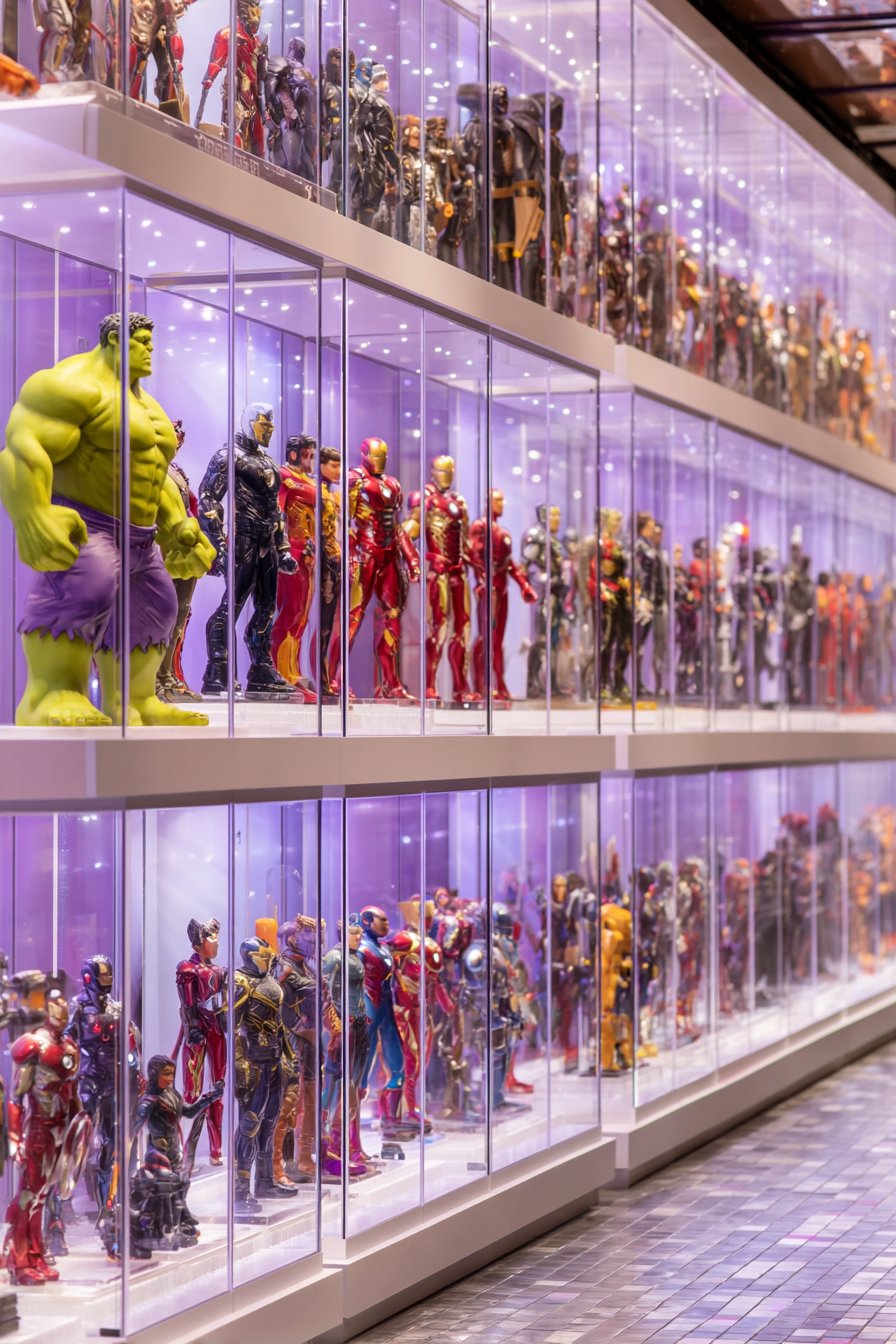
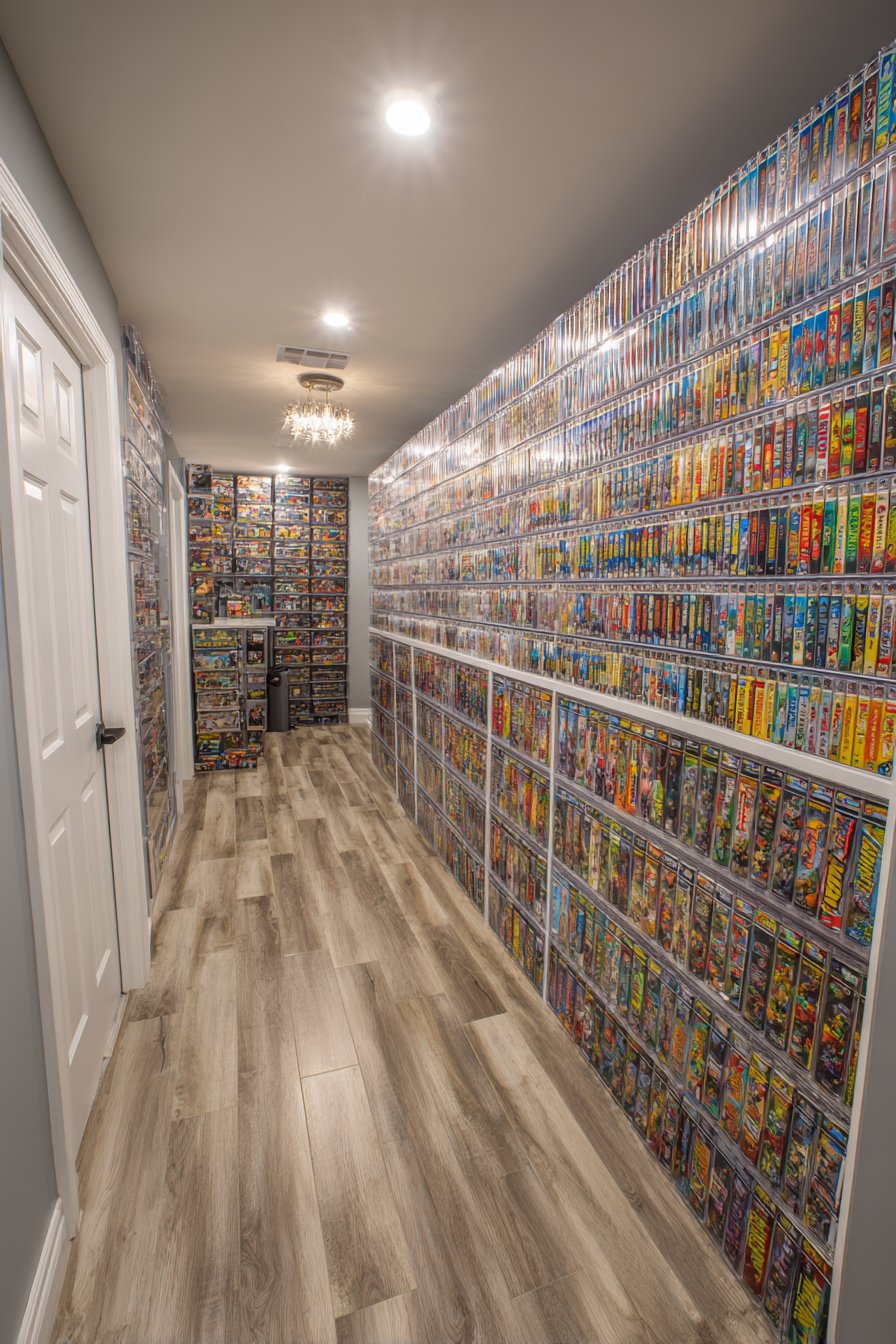
Contemporary toy collectors embrace this collector’s room idea featuring adjustable shelving systems with risers that create varied height presentations, preventing monotonous rows while maximizing display density. Illuminated cases protect rare items while allowing visibility, acknowledging that mint-in-box figures command premium values requiring special care. Organization by franchise with clear labeling systems helps navigate large collections while creating visual cohesion through grouping related figures. Modern floating shelves in white keep focus on the colorful figures themselves, providing clean backgrounds that enhance rather than compete.
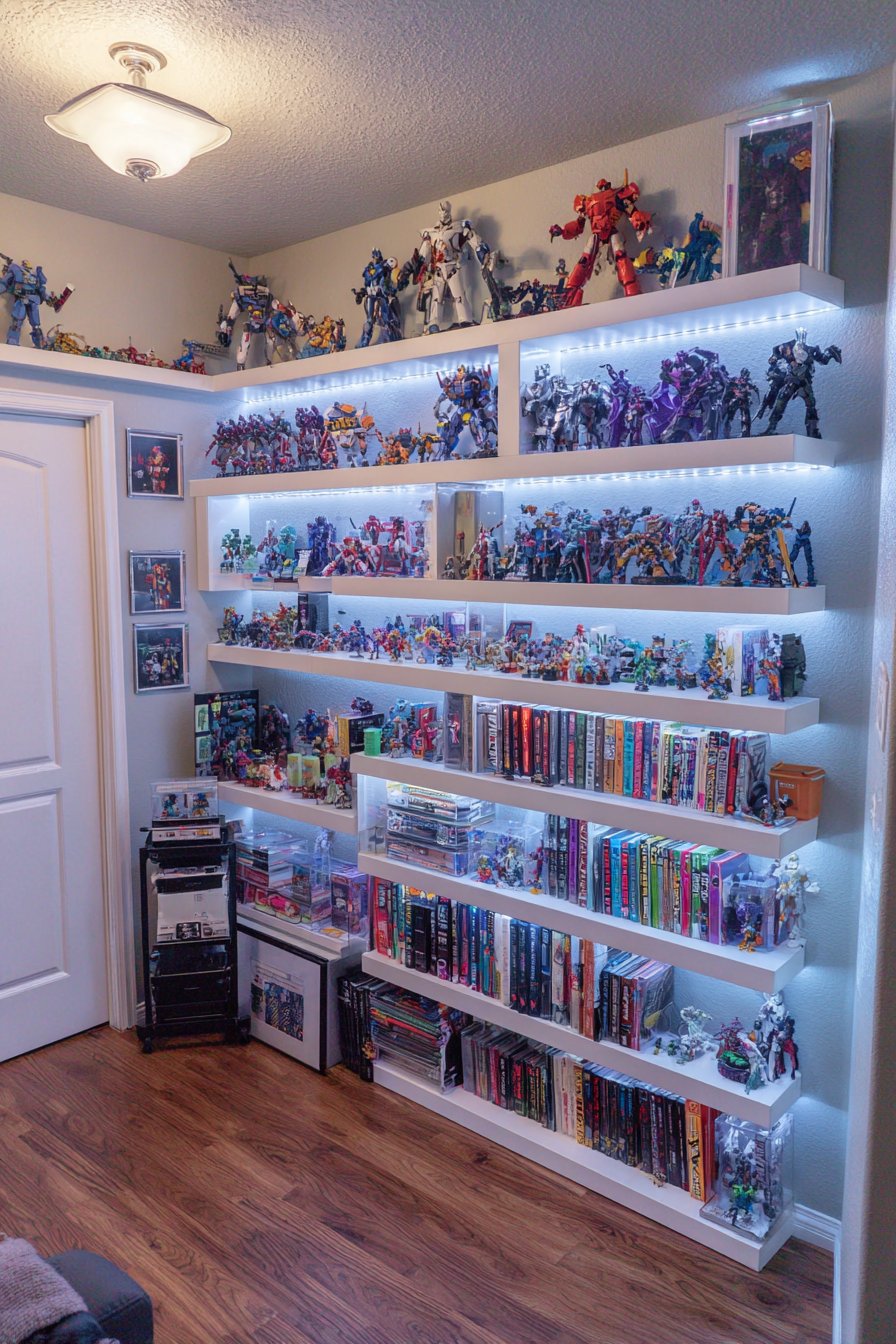
LED strip lighting provides even illumination without hot spots or shadows, making photography easy while maintaining consistent display quality. The professional presentation validates action figure collecting as a legitimate pursuit worthy of serious investment and care. The comprehensive organization transforms random accumulation into curated collection, showing evolution of character designs across years and manufacturers. This historical documentation aspect elevates collecting beyond mere nostalgia into scholarly pursuit tracking popular culture evolution through mass-produced objects.
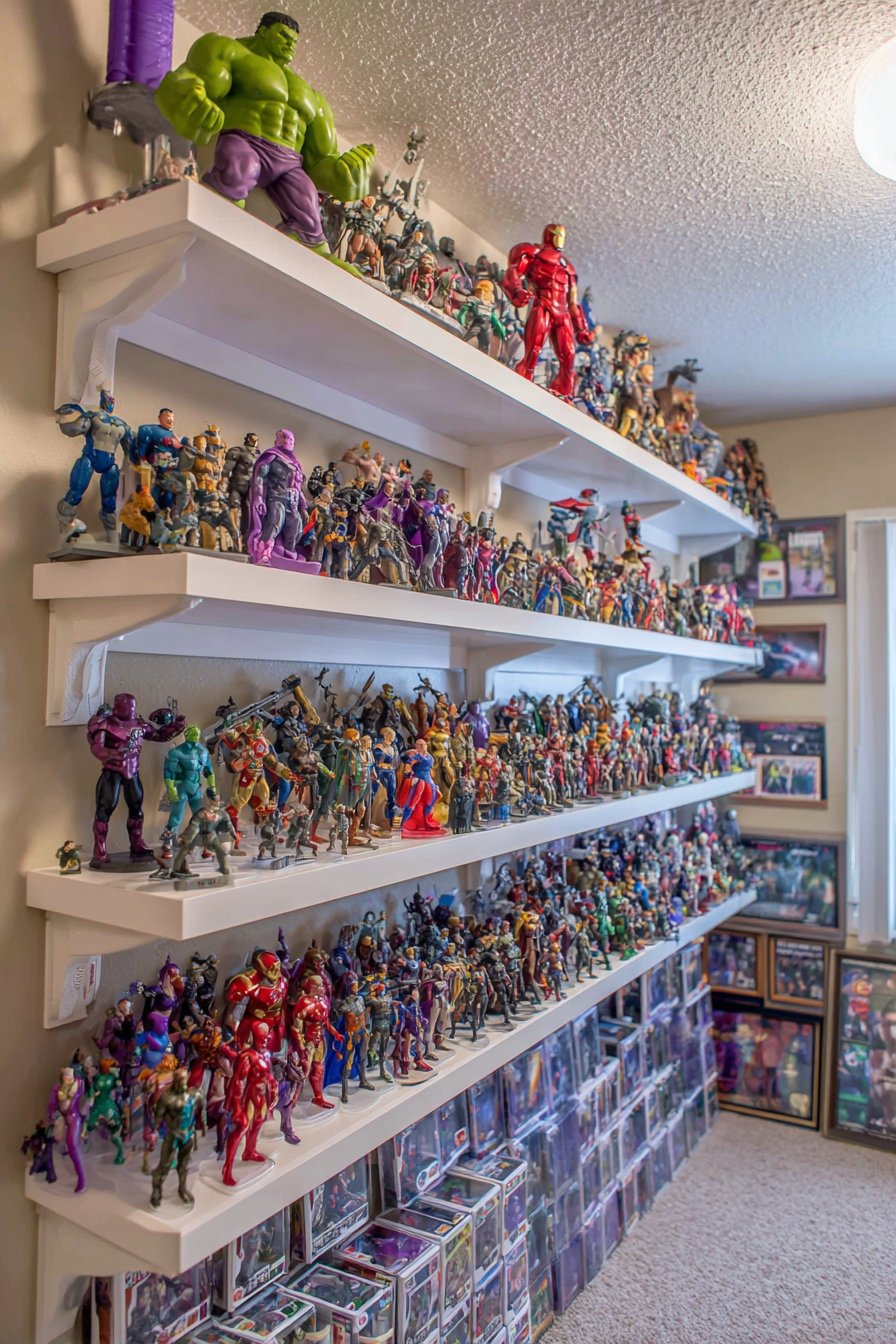
The vibrant display acknowledges action figures’ visual appeal—bright colors, dynamic poses, varied scales creating visual interest impossible with more subtle collectibles. The room celebrates this bold aesthetic through lighting choices and display density that create impact rivaling retail environments. This retail inspiration makes sense given that action figure collectors often appreciate packaging design and marketing as much as the figures themselves, with mint-in-box collectors preserving entire commercial presentation rather than just toys.
Key Design Tips: Store valuable mint-in-box figures away from direct sunlight to prevent package yellowing. Use figure stands to create dynamic poses and prevent toppling. Dust regularly using compressed air or soft brushes to prevent buildup in articulation points. Document complete collections with spreadsheets tracking variants and completeness. Consider UV-filtering acrylic for display case fronts. Rotate displayed figures periodically to prevent uneven fading. Keep original packaging when opening figures for potential future resale. Join collecting communities for variant information and market values. Consider insurance for particularly valuable collections.
20. Cartographic History Room
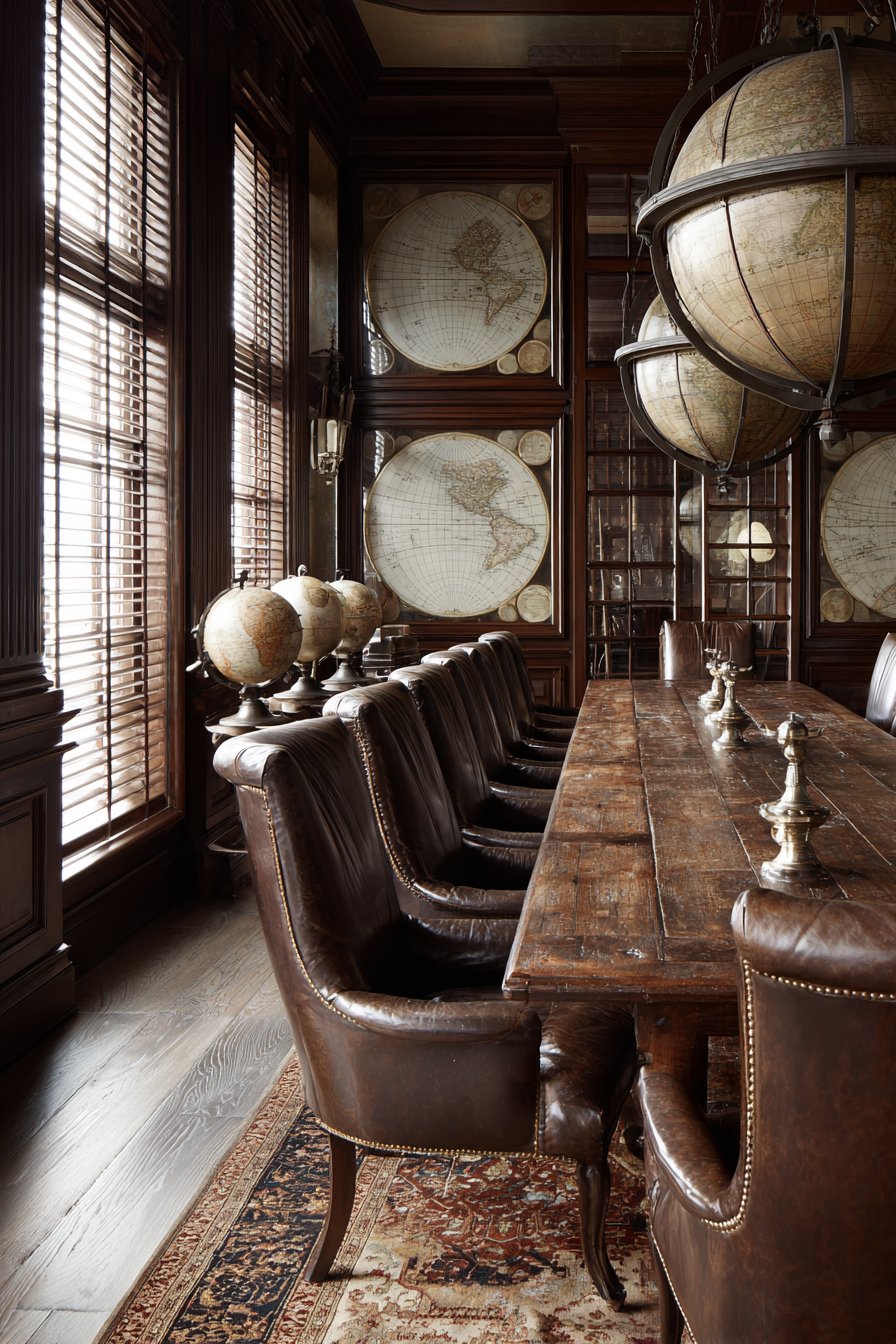
Antique map collectors find ideal presentation in this collector’s room idea, where custom frames with UV-protective glass display maps in chronological arrangements that illustrate geographical knowledge evolution across centuries. A large wooden table provides examination space for unframed maps with soft surface protection preventing damage during study sessions. Globe collections on dedicated stands add three-dimensional perspective while complementing the flat map displays. A library-style ladder accesses upper displays, combining functionality with scholarly aesthetic appropriate to cartographic study.
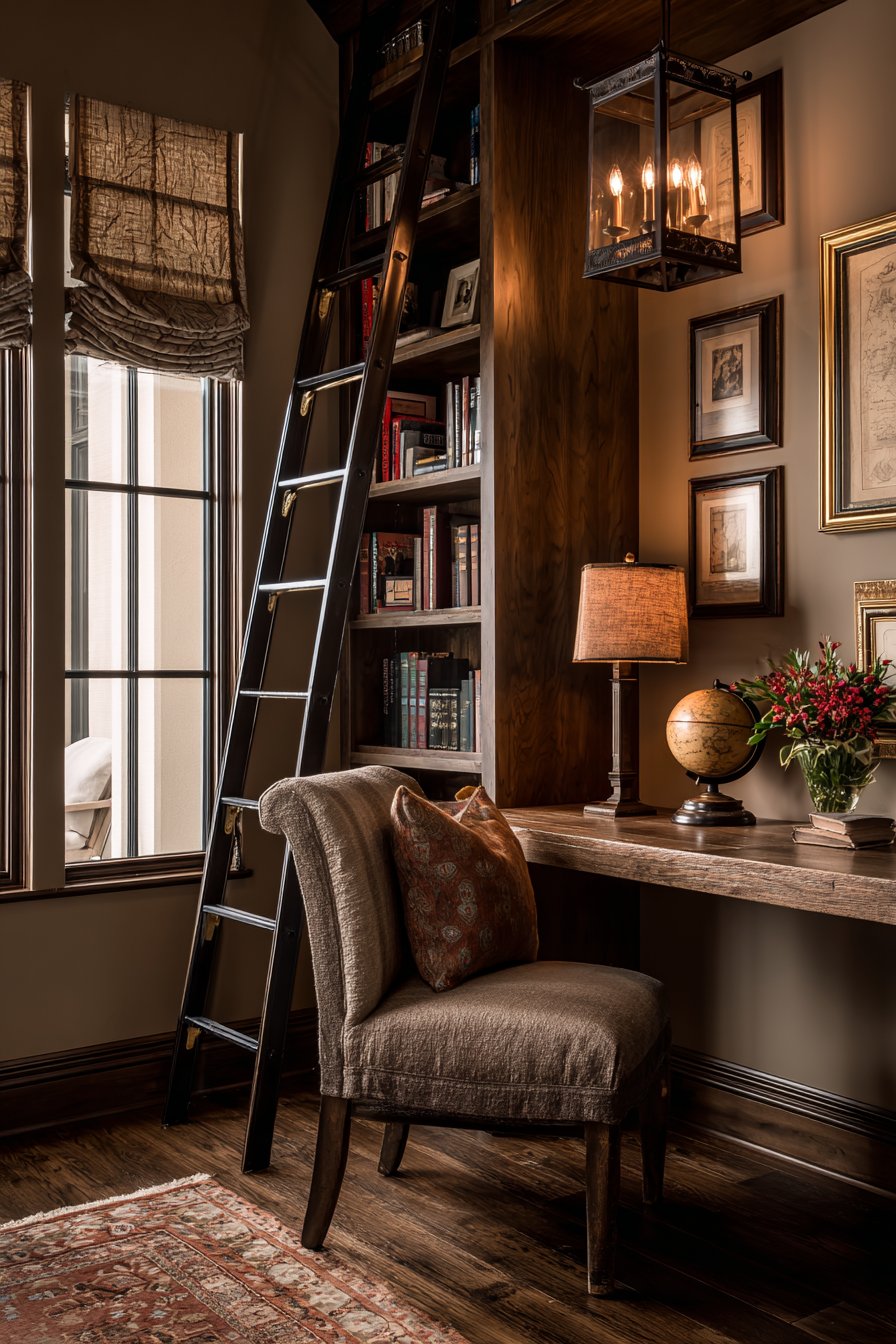
Warm wood paneling creates a traditional study atmosphere that honors map collecting’s academic roots in geography and history. Natural light controlled by Roman shades allows flexible illumination—bright for examination work, subdued for preservation. The scholarly elegance achieved here acknowledges that serious map collecting requires both appreciation and understanding, with infrastructure supporting both aesthetic enjoyment and historical research. Reference libraries of cartographic history and geographical exploration complete the study environment.
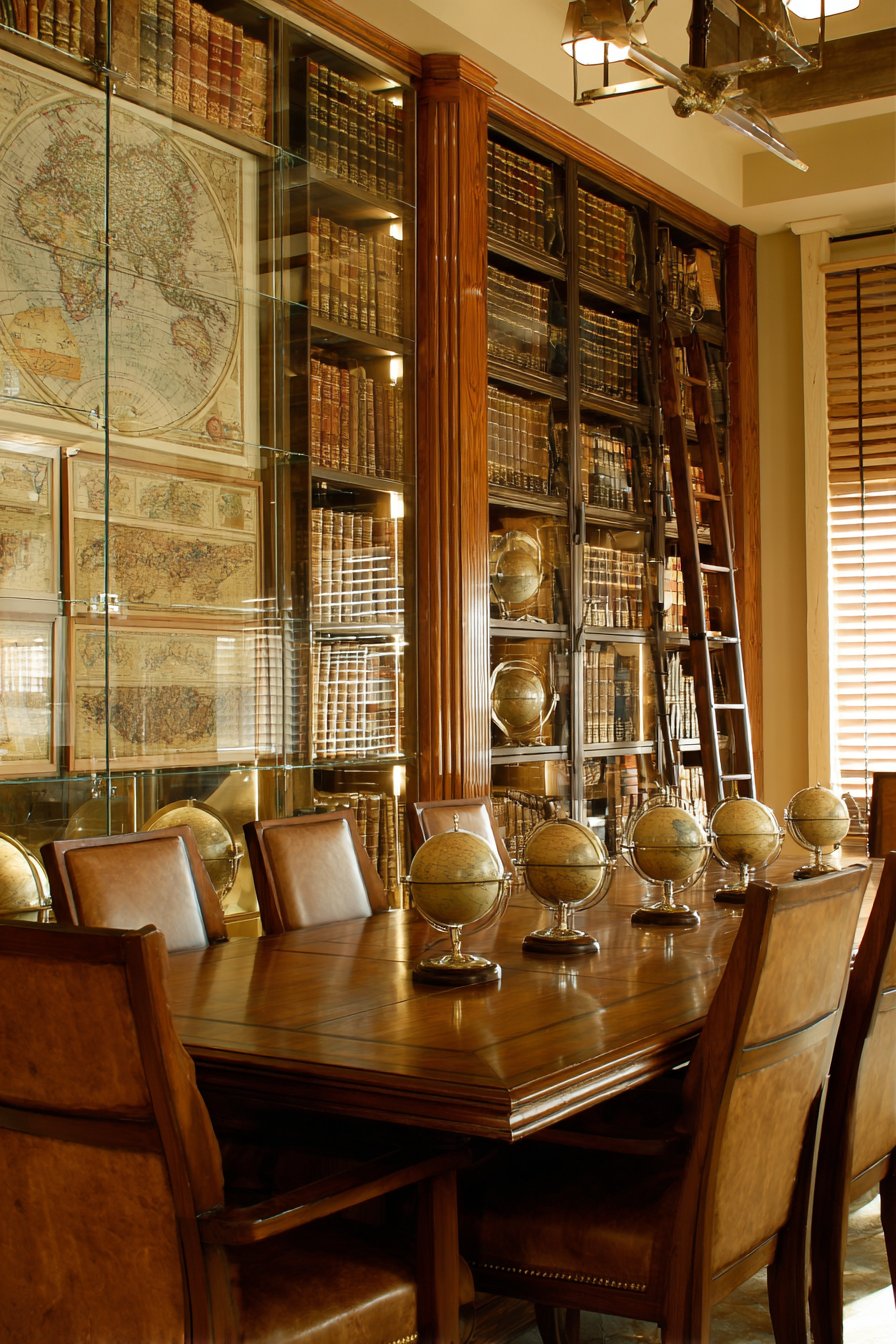
The historical significance inherent in map collecting demands respectful presentation that honors both artistry and information. Antique maps document human understanding evolution, showing how perceptions of the world changed across centuries. The room’s design acknowledges this weighty significance through traditional materials, careful conservation, and organizational systems that highlight historical progression rather than treating maps as mere decoration.
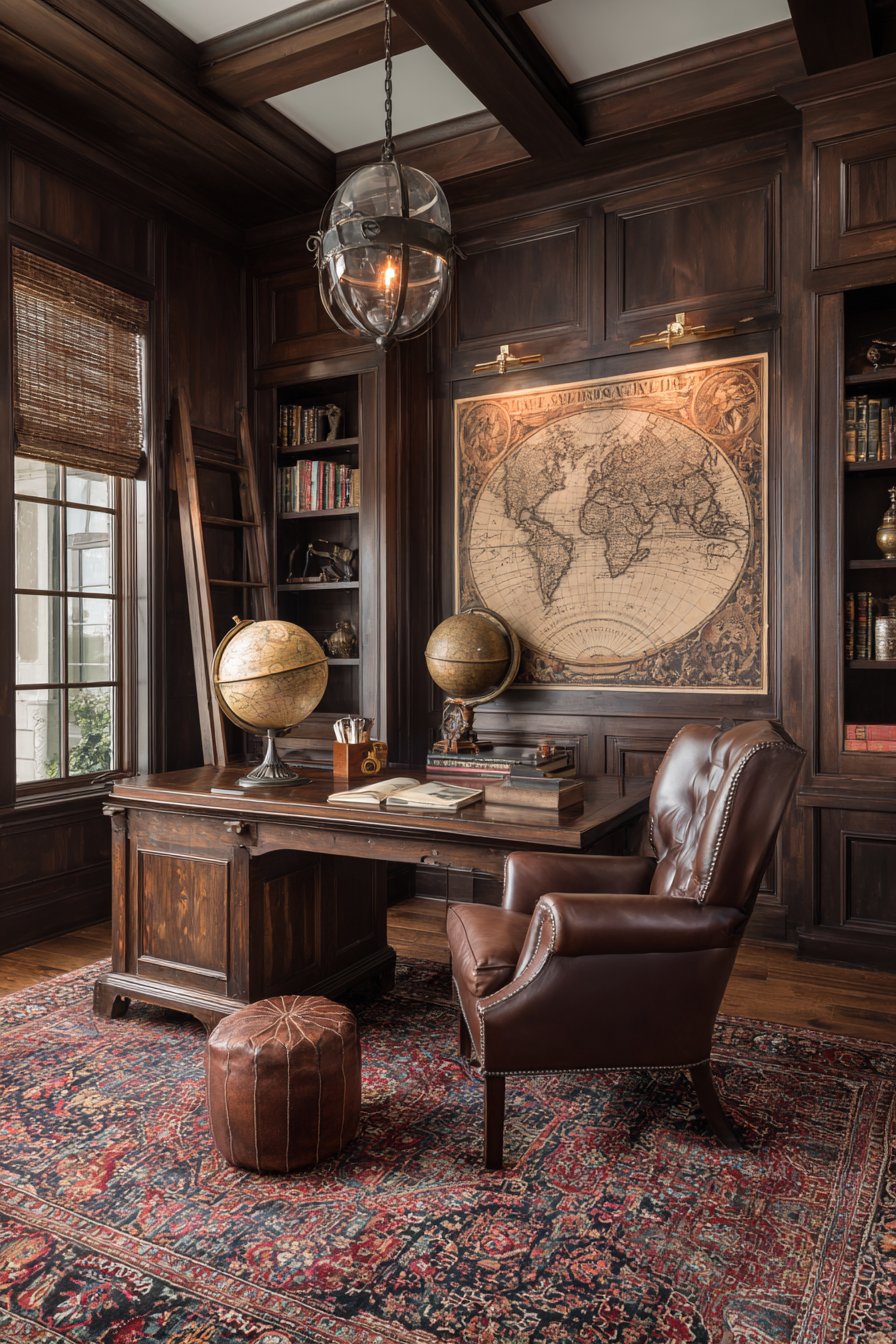
Key Design Tips: Store maps flat in archival boxes or map drawers to prevent fold damage. Frame maps using acid-free matting and archival mounting techniques. Avoid adhesive mounting which damages paper and reduces value. Control humidity to prevent paper cockling and mold growth. Document maps with photographs before framing for insurance purposes. Research provenance and printing history to verify authenticity and edition. Consider professional restoration for damaged valuable maps. Join map collecting societies for authentication help and market information. Maintain detailed inventory including purchase dates and prices.
21. Perfume Bottle Jewel Box
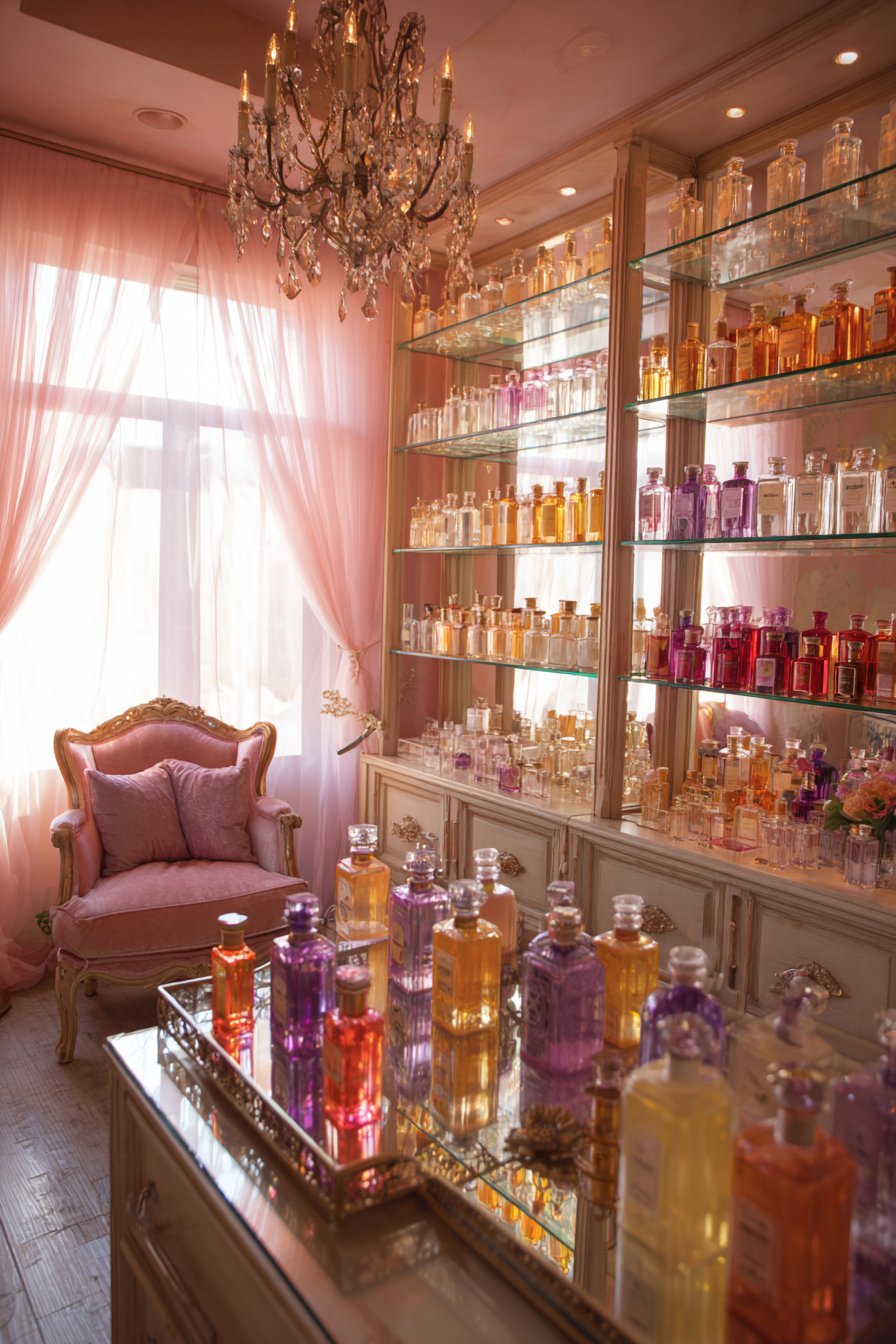
Vintage perfume bottle collectors embrace this collector’s room idea where mirrored vanity trays and illuminated glass shelving create jewel-box effects that honor these delicate objects’ decorative artistry. Soft pastel walls complement colorful glass without overwhelming displays, providing subtle backgrounds that enhance rather than compete. Antique dressers provide additional storage for fragrance archives—vintage advertisements, perfume labels, historical documentation—that provide context for the bottles themselves. Velvet seating creates luxurious viewing areas appropriate to perfume’s association with elegance and refinement.
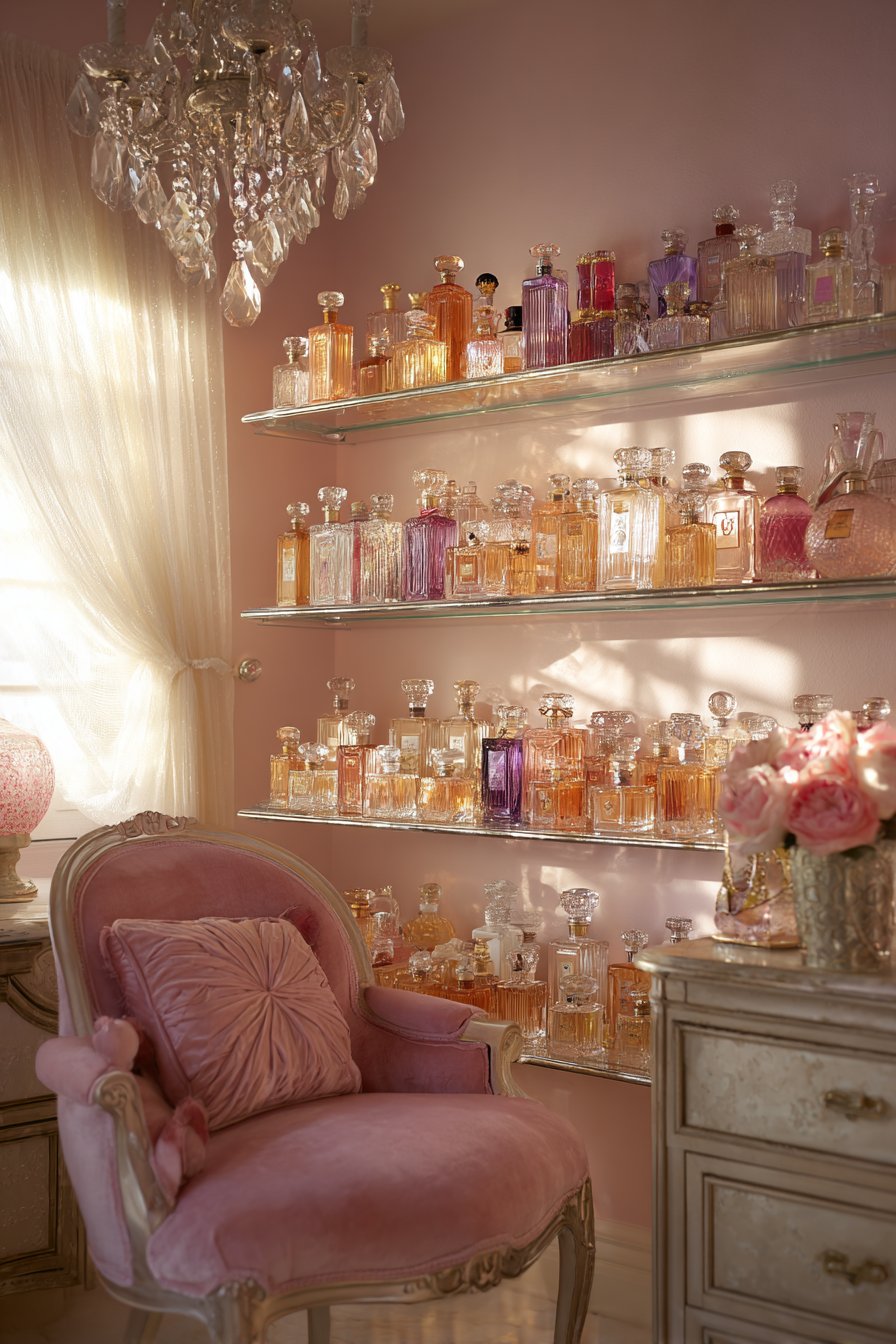
Crystal chandelier and natural light from sheer-draped windows create soft, diffused lighting that makes glass glow without creating harsh shadows or glare. This romantic atmospheric acknowledges perfume collecting’s connection to beauty, fashion, and personal adornment rather than purely historical or investment motivations. The delicate glass details—molded patterns, colored glass, decorative stoppers—require careful lighting to appreciate fully, with the room’s layered illumination approach providing flexibility for different viewing needs and times of day.
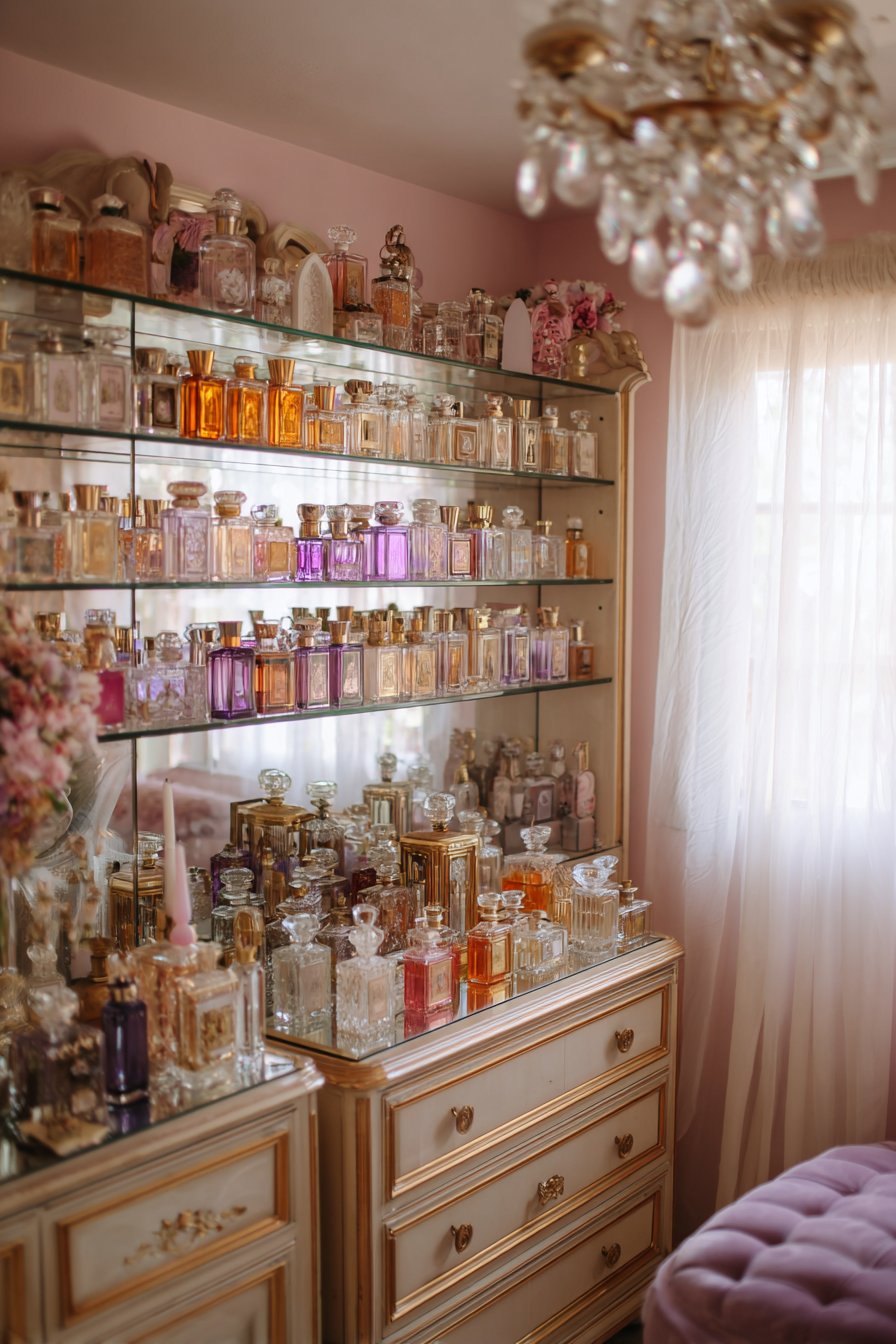
The feminine aesthetic honors perfume’s historical marketing while remaining sophisticated enough for serious collecting. Vintage perfume bottles represent significant artistry and craftsmanship, with designs by René Lalique and other masters commanding substantial prices. The room’s presentation validates these objects as legitimate art glass deserving careful curation and professional-quality displays. This elevation transforms what might seem frivolous into respected collecting category worthy of serious attention and investment.
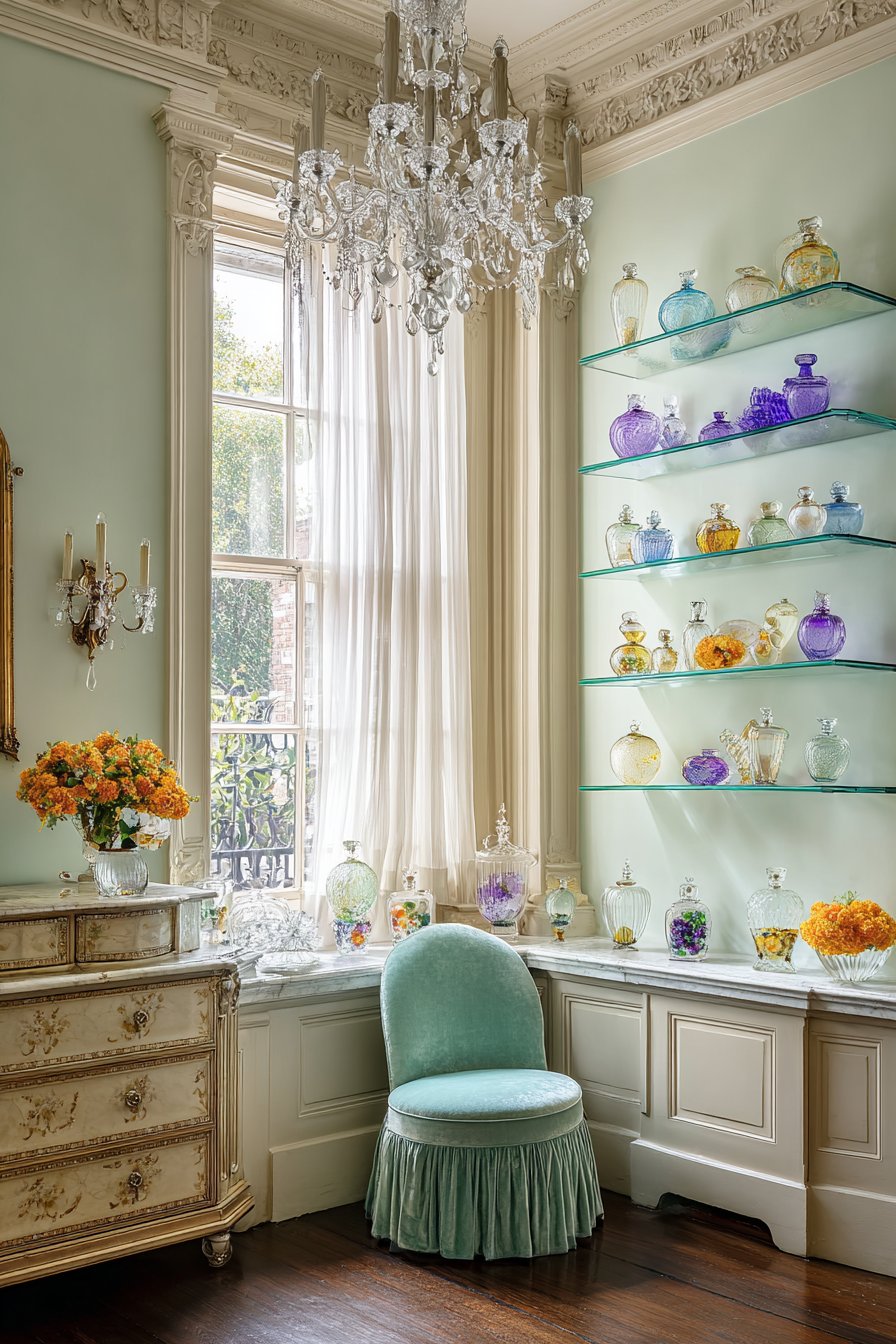
Key Design Tips: Store bottles away from temperature extremes which can damage remaining perfume and cause stopper sticking. Display colored glass away from direct sunlight to prevent fading. Clean glass gently with appropriate cleaners avoiding harsh chemicals. Document bottles with photographs and manufacturer research. Research perfume history to understand design context and rarity. Consider display cases for particularly valuable pieces. Join perfume bottle collecting clubs for identification help. Maintain detailed inventory with purchase information. Handle bottles carefully as antique glass is often fragile.
Why These Collector’s Room Ideas Represent the Best in Display Design
These twenty-one collector’s room ideas showcase the pinnacle of specialized display and preservation design, each addressing unique challenges inherent to specific collection types. The best collector’s rooms balance three fundamental requirements: preservation, presentation, and accessibility. Climate-controlled environments protect temperature-sensitive items like watches, textiles, and paper goods. UV-filtering glass and careful lighting preserve colors and materials while enabling appreciation. Storage systems provide organization that makes collections navigable while protecting from dust, humidity, and handling damage.
The diversity of approaches represented—from industrial aesthetics for advertising signs to refined elegance for porcelain—demonstrates that successful collector’s rooms must align with both collection type and collector personality. Vintage camera collections benefit from workshop functionality that encourages hands-on interaction, while stamp collections require the contemplative atmosphere of traditional studies. This alignment between form and function creates spaces that feel authentic rather than forced, natural extensions of collecting passions rather than generic showrooms.
Superior collector’s rooms integrate multiple design disciplines: interior design for spatial planning and aesthetic cohesion, archival science for preservation techniques, retail display for presentation strategies, and residential functionality for livability. The rooms featured here demonstrate this integration, providing museum-quality curation within comfortable residential contexts. Track lighting, adjustable shelving, climate control, and specialized storage create infrastructure supporting serious collecting while maintaining the warmth and personality essential to home spaces.
The organizational sophistication evident in these designs reflects understanding that collections are living entities requiring systems that accommodate growth, rotation, and evolving interests. Modular storage, flexible display options, and comprehensive documentation infrastructure ensure rooms serve collecting needs for years rather than becoming obsolete as collections mature. This forward-thinking approach separates serious collector’s rooms from temporary solutions that quickly outlive usefulness.
Material choices throughout these designs honor both collection requirements and aesthetic preferences. Wood shelving for books provides traditional beauty while avoiding the static electricity issues of metal. Glass cabinets for fragile items provide visibility and protection. Felt lining prevents scratching delicate surfaces. These thoughtful material selections demonstrate that successful collector’s rooms emerge from understanding both objects being collected and environments supporting them.
Professional-quality lighting appears consistently across these designs because illumination fundamentally affects both preservation and presentation. UV-filtering prevents fading. Adjustable track systems accommodate changing displays. LED technology provides bright light without damaging heat. Multiple lighting layers create flexibility for different activities—bright task lighting for examination work, subdued ambient lighting for contemplative viewing, dramatic accent lighting for focal pieces. This sophisticated approach to lighting elevates home collections to gallery standards.
The inclusion of examination and maintenance areas in many designs acknowledges that serious collecting involves ongoing care, documentation, and research rather than static display. Workbenches for camera maintenance, desks for philatelic study, cleaning stations for sneaker care—these functional elements transform collector’s rooms from passive galleries into active workshops where collections receive continuous attention. This infrastructure supports the deepening expertise that separates casual accumulation from serious collecting.
Security considerations appear subtly throughout these designs. Glass-fronted cabinets with locks protect valuable items. Documentation systems with photographs and receipts support insurance claims. Climate monitoring prevents environmental damage. These protections acknowledge that significant collections represent both personal passion and financial investment deserving appropriate safeguards. The best collector’s rooms build security into design rather than adding it awkwardly afterward.
The psychological aspects of these spaces deserve recognition—collector’s rooms provide retreat and sanctuary where passions flourish without judgment or explanation. The comfortable seating, thoughtful lighting, and careful curation create environments encouraging the focused attention and contemplative appreciation that collecting demands. These aren’t merely storage solutions but personal museums where collections tell stories and preserve histories meaningful to collectors.
Contemporary relevance appears in designs addressing modern collecting categories like sneakers and action figures alongside traditional pursuits like stamp collecting and fine china. This range demonstrates that collector’s room principles apply universally regardless of what’s being collected. The fundamentals—preservation, organization, presentation, accessibility—remain constant even as specific items and aesthetics vary dramatically.
Conclusion
Creating an exceptional collector’s room requires balancing competing demands: preservation versus accessibility, display versus storage, personal enjoyment versus investment protection. The twenty-one designs explored here demonstrate that these tensions resolve through thoughtful planning, appropriate infrastructure, and authentic alignment between collection type and room design. Whether showcasing vintage vinyl, rare timepieces, precious porcelain, or contemporary sneakers, successful collector’s rooms honor both objects and collectors through spaces that facilitate deepening appreciation and ongoing engagement.
The investment in proper display systems, climate control, and organizational infrastructure pays dividends through enhanced enjoyment and better preservation. Collections protected from environmental damage maintain value while remaining accessible for appreciation and study. Thoughtful lighting allows examination without causing deterioration. Systematic organization transforms overwhelming accumulation into navigable collections where individual pieces can be located and appreciated. These practical benefits justify the effort required to create dedicated collector’s spaces.
As you contemplate your own collector’s room, consider which elements from these designs align with your specific needs and aesthetic preferences. Start with preservation fundamentals—appropriate climate control, UV protection, secure storage. Add organizational systems matching your collecting methodology. Layer in lighting that serves both preservation and presentation needs. Finally, infuse the space with personal touches that reflect your journey as a collector. The result will be more than a storage solution—it will be a sanctuary celebrating your passion and protecting treasures for future appreciation and enjoyment.
