
Creating an outdoor kitchen transforms your backyard into more than just a place to grill—it becomes an extension of your home where culinary creativity meets fresh air and natural beauty. Whether you’re working with a sprawling patio or a compact balcony, small outdoor kitchen ideas offer ingenious solutions that maximize functionality without sacrificing style. The beauty of outdoor cooking spaces lies in their ability to blend practical utility with aesthetic appeal, turning everyday meal preparation into an alfresco experience that enhances your quality of life and property value.
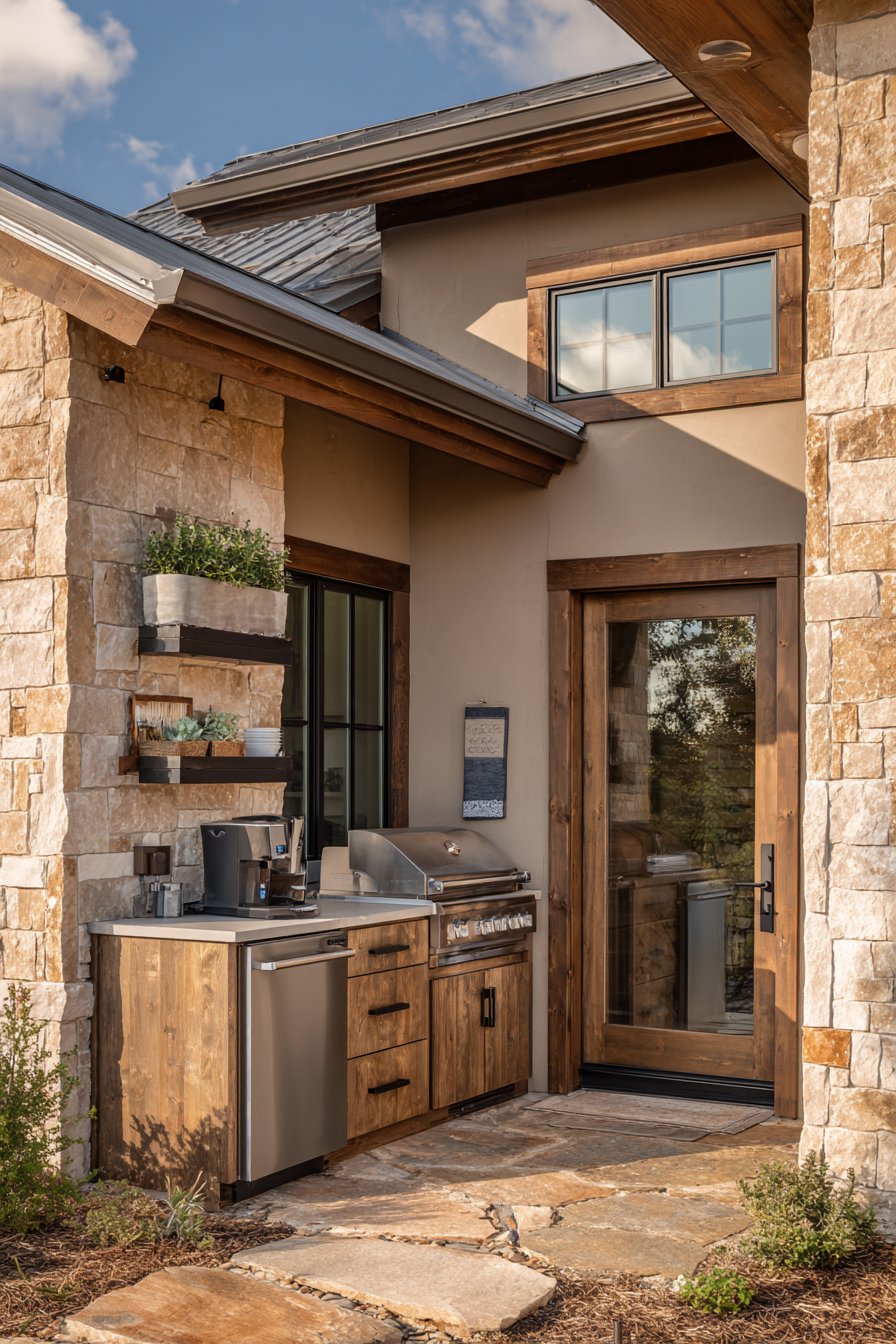
The outdoor kitchen revolution has evolved far beyond simple grill stations. Today’s designs incorporate sophisticated features like built-in refrigeration, prep sinks, storage solutions, and specialized cooking equipment—all scaled to fit spaces of varying sizes. From rustic stone constructions that evoke countryside charm to sleek contemporary setups with industrial flair, outdoor kitchens can be customized to reflect your personal style while meeting your specific cooking needs. The key is understanding how to optimize limited square footage through smart layout planning, vertical storage solutions, and multi-functional design elements.
In this comprehensive guide, we’ll explore twenty-one distinctive small outdoor kitchen concepts that prove you don’t need expansive real estate to create a remarkable outdoor cooking environment. Each design showcases unique approaches to materials, layouts, and styling—from Mediterranean-inspired pizza oven setups to minimalist Scandinavian configurations. Whether you’re a weekend grilling enthusiast or an aspiring outdoor chef, these ideas will inspire you to reimagine your outdoor space and discover practical solutions that balance beauty, functionality, and livability in perfect harmony.
1. Compact Built-In Grill Station
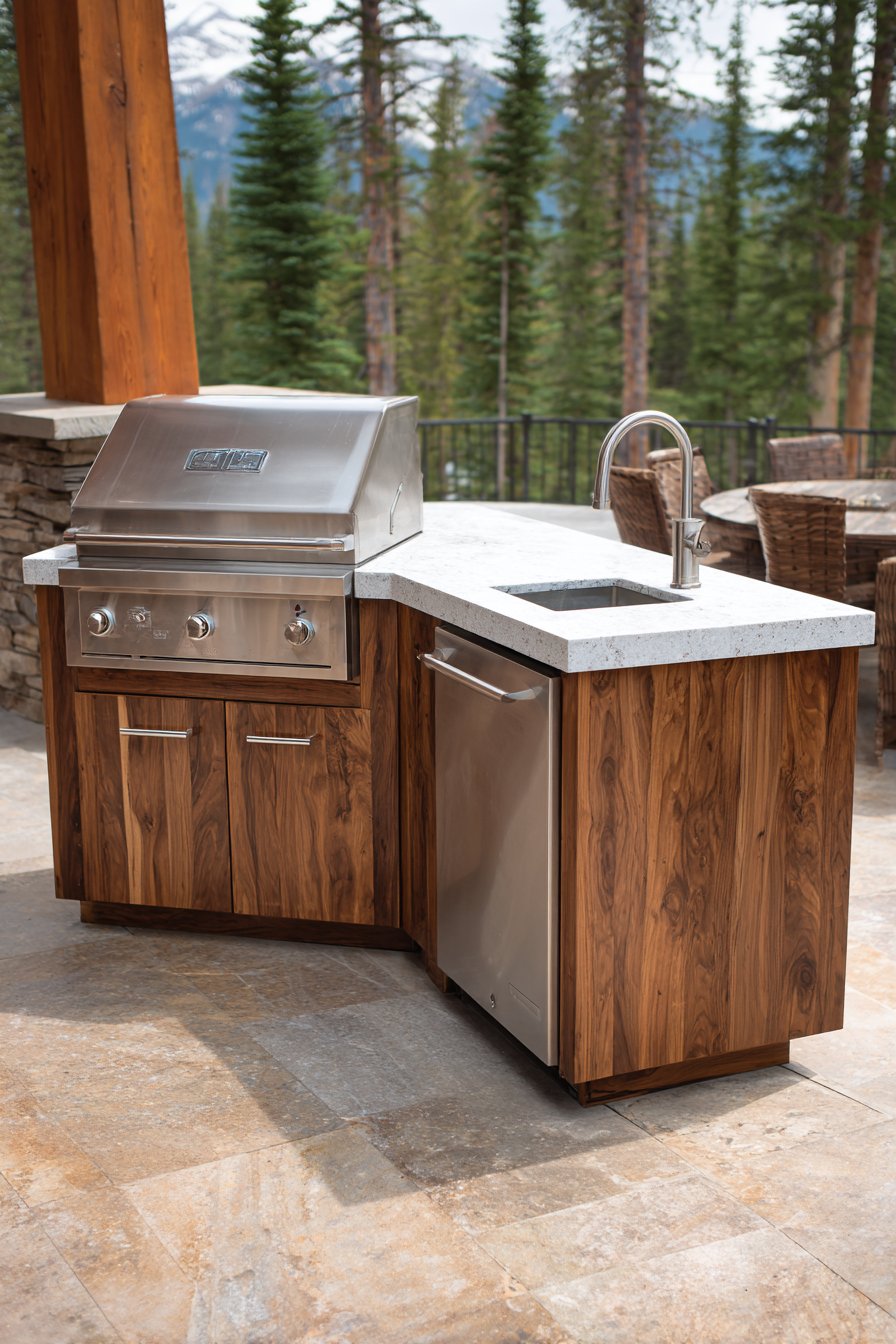
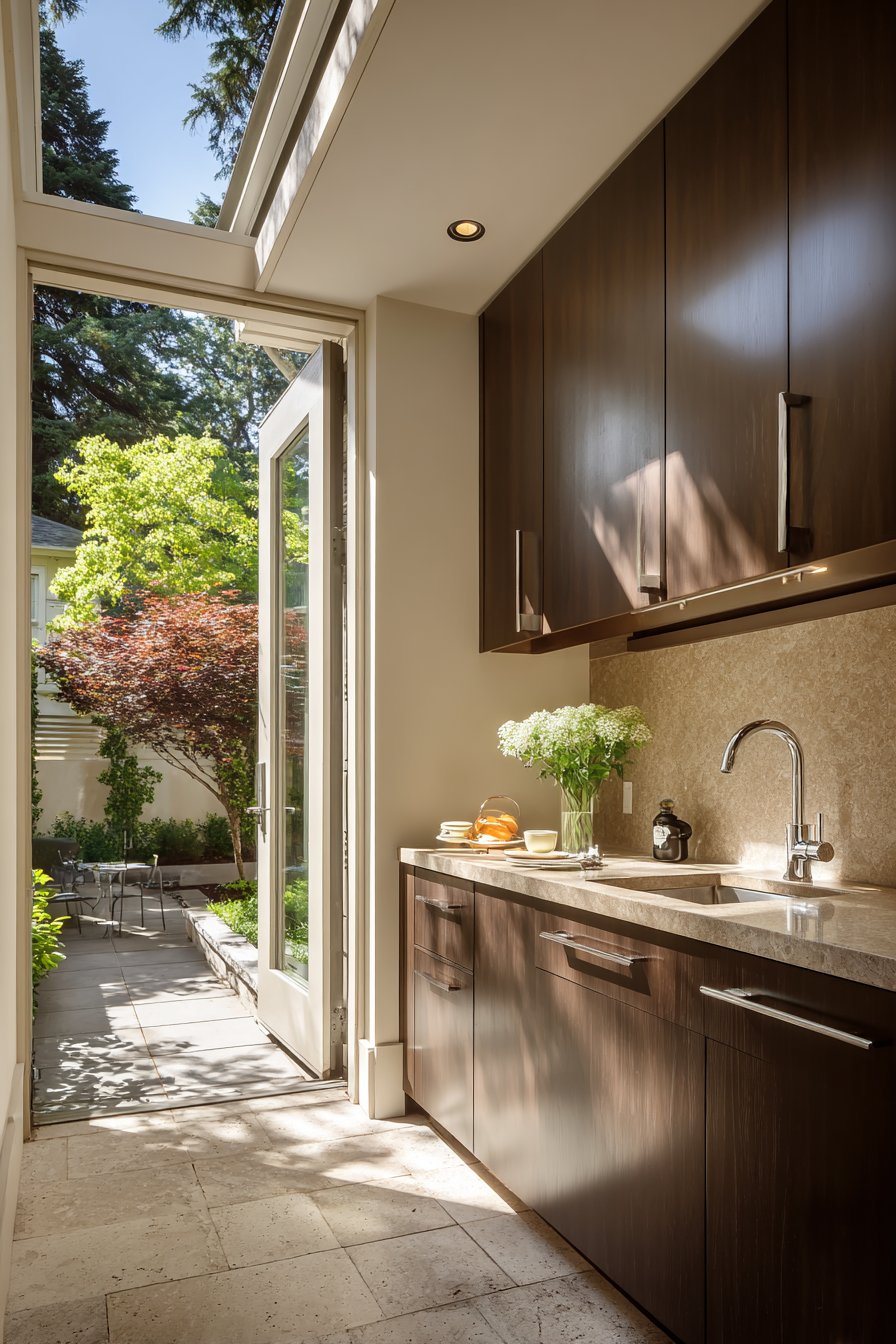
Efficiency meets elegance in this streamlined grill station that proves small spaces can deliver big functionality. The design centers around stainless steel appliances set into a concrete countertop with a natural aggregate finish that provides both visual texture and practical durability. Weather-resistant lower cabinets in dark stained wood maintain an open, uncluttered feel while offering essential storage for grilling tools, propane tanks, and outdoor entertaining supplies. The inclusion of a small prep area with a bar sink and modern brushed nickel faucet means cleanup happens right where you cook, eliminating the need for constant trips indoors.
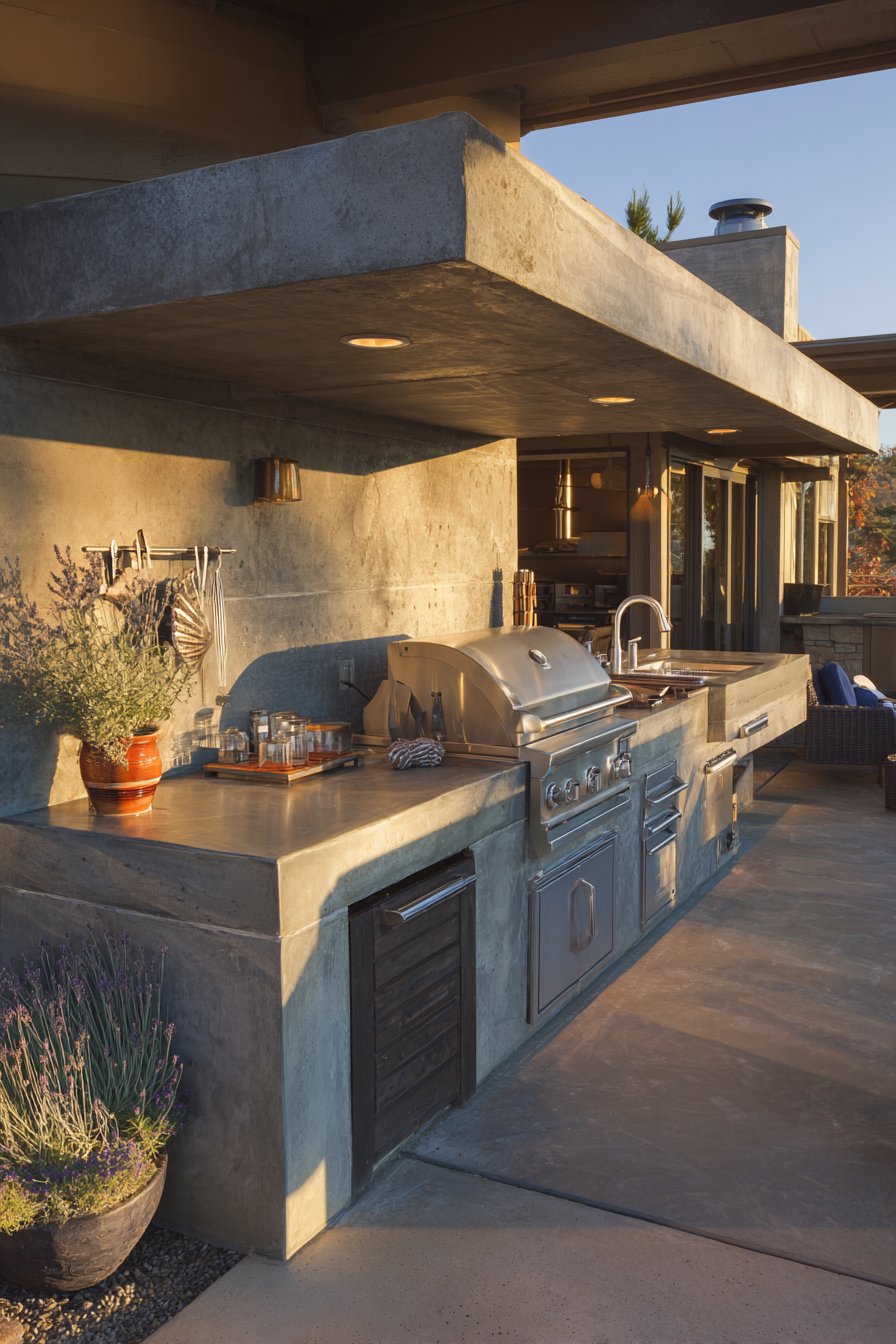
The covered patio positioning protects this outdoor kitchen from direct weather exposure, extending its usable season and protecting your investment in quality materials. Natural stone flooring creates a seamless transition from indoor living spaces to outdoor cooking zones, with the stone’s thermal properties helping keep the area cool underfoot even during hot summer months. The wide-angle layout captured in professional interior design photography demonstrates how thoughtful arrangement can make even the smallest footprint feel spacious and welcoming.
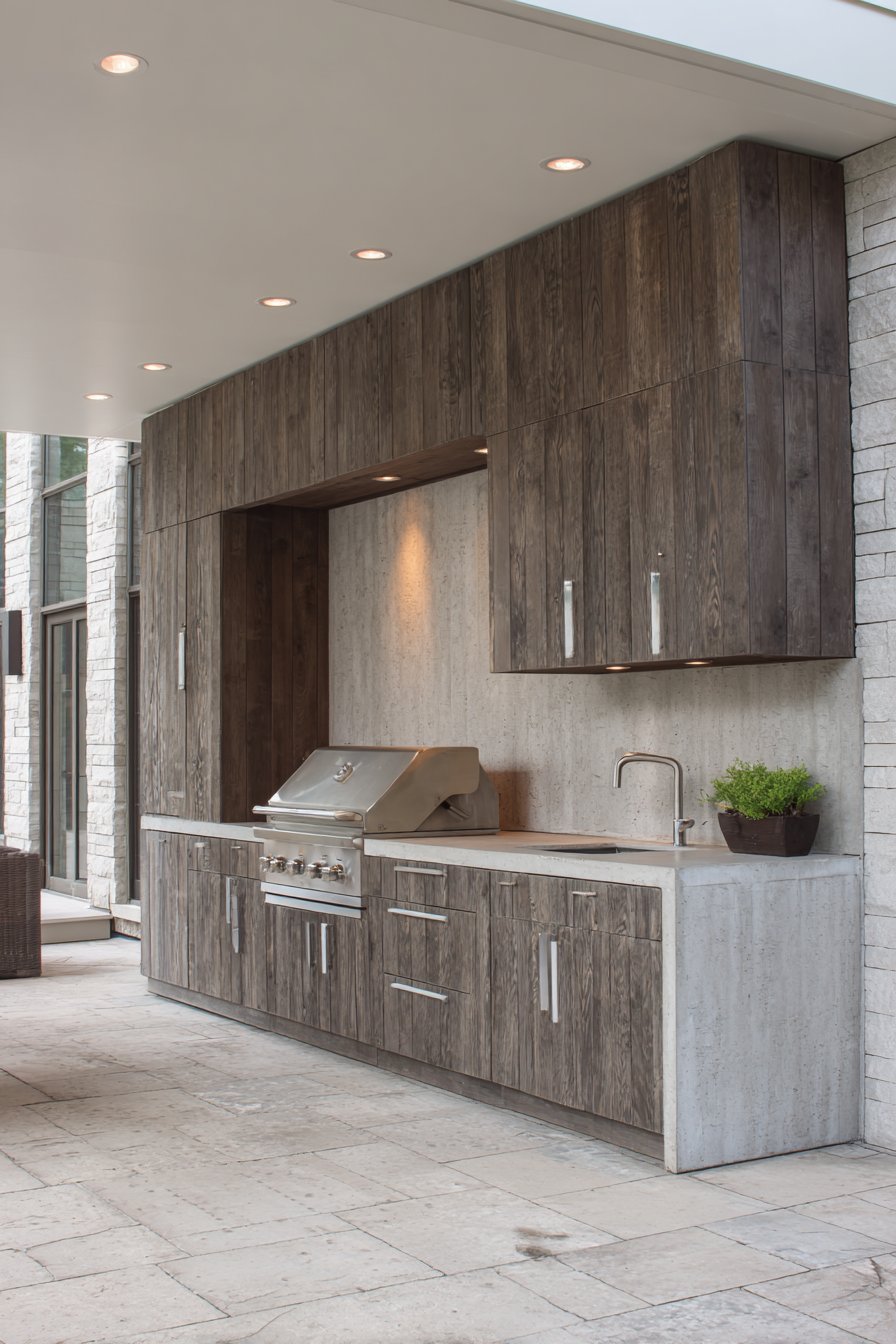
This design exemplifies the “less is more” philosophy, where every element serves a specific purpose without unnecessary ornamentation. The dark wood cabinetry grounds the design while the polished stainless steel and smooth concrete provide contemporary contrast. Soft natural lighting highlights the interplay of materials throughout the day, creating subtle shadows that add depth and dimension to the compact space.
Key Design Tips:
- Measure your grill carefully before building to ensure proper ventilation clearances on all sides
- Install a backsplash behind the grill area using heat-resistant materials like stone or metal
- Consider a concrete countertop with integrated drip edges to manage water runoff from the sink
- Use soft-close hinges on cabinet doors to prevent slamming and extend hardware lifespan
- Add a small shelf or rail behind the grill for frequently used spices and marinades
2. Mobile Cart-Style Flexibility
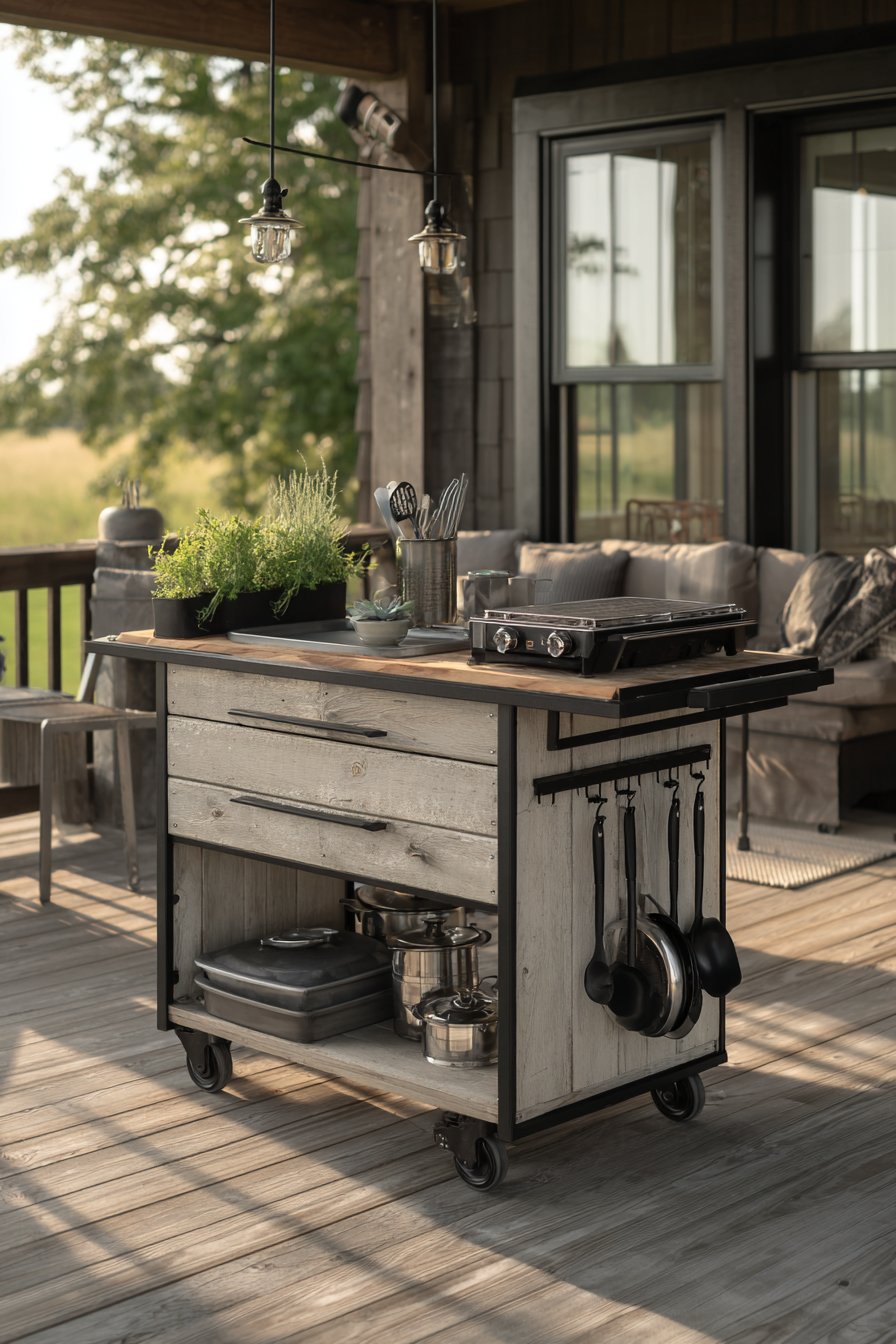
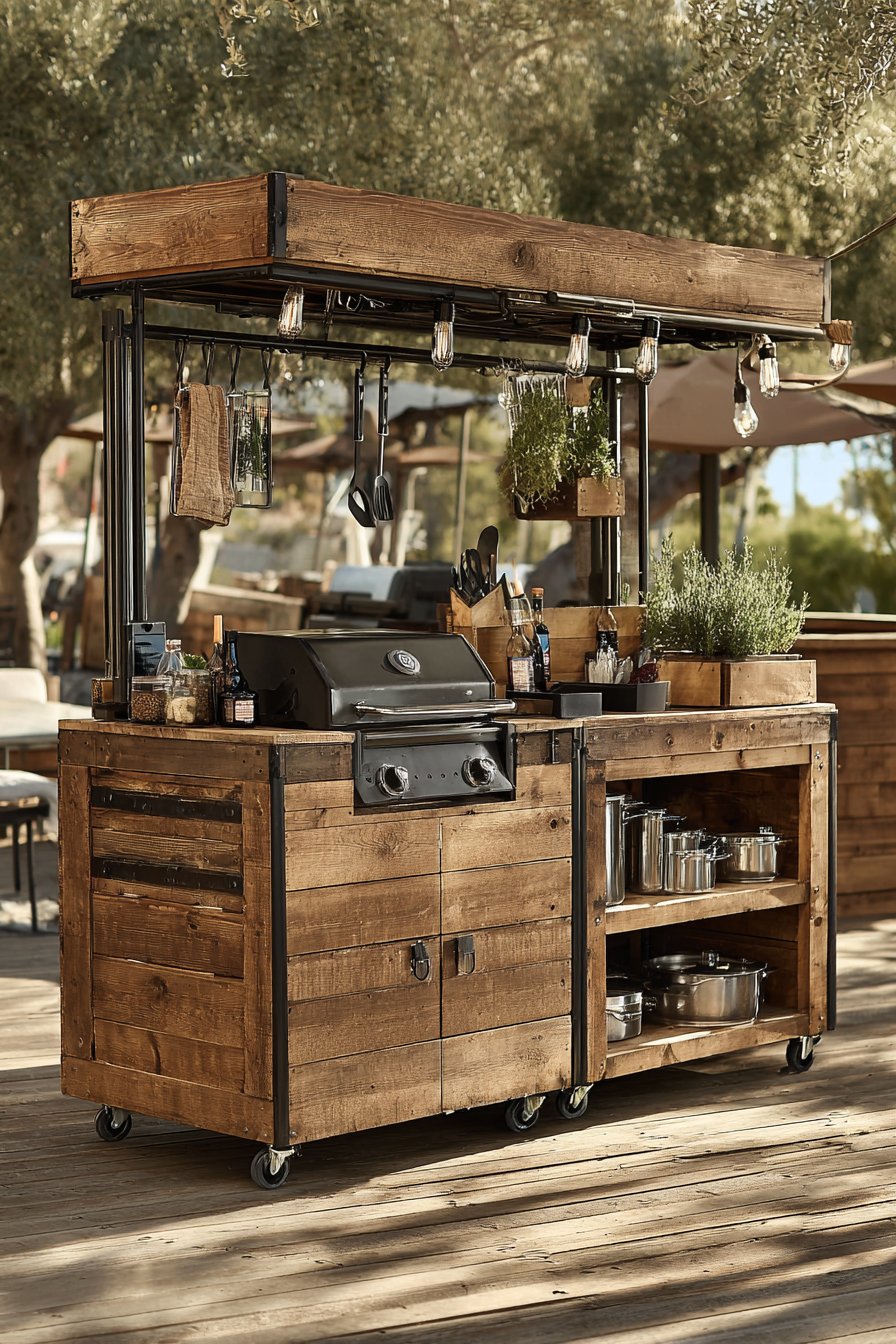
Embracing versatility and budget-consciousness, this charming mobile outdoor kitchen proves that permanent installations aren’t the only path to alfresco cooking excellence. The cart-style setup features a portable gas grill positioned on a butcher block prep surface, with a lower shelf providing convenient storage for cookware, grilling tools, and fuel supplies. The weathered wood finish develops character naturally over time, blending harmoniously with surrounding deck environments while requiring minimal maintenance beyond occasional sealing.
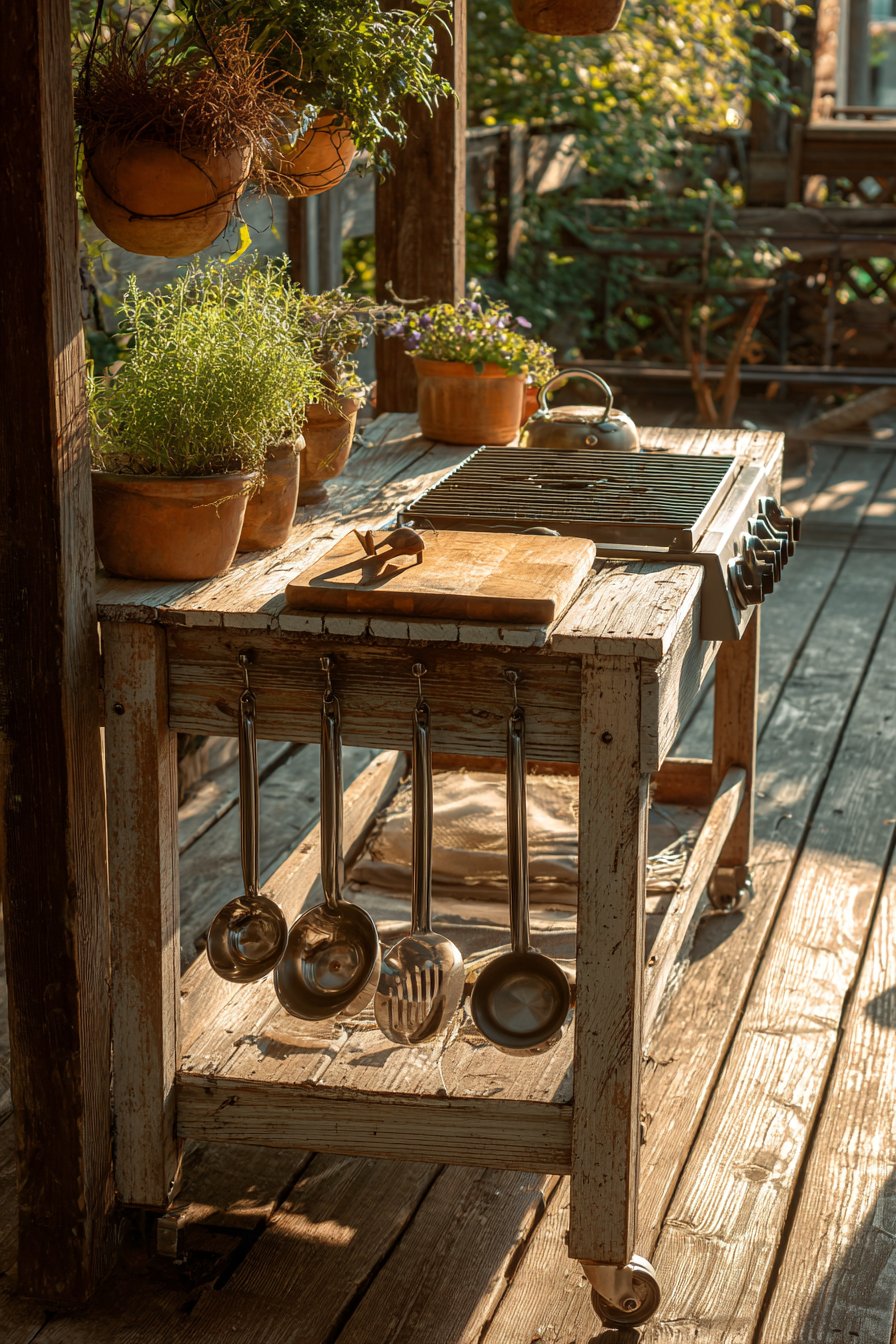
The genius of this design lies in its mobility—locking casters allow you to reposition the entire setup based on sun position, wind direction, or entertaining needs. Potted herbs lining the back edge provide fresh culinary ingredients while adding living greenery that softens the utilitarian aspects of the cooking station. Essential utensils hang from mounted hooks within easy reach, demonstrating how vertical organization maximizes the limited horizontal footprint of a cart-style kitchen.
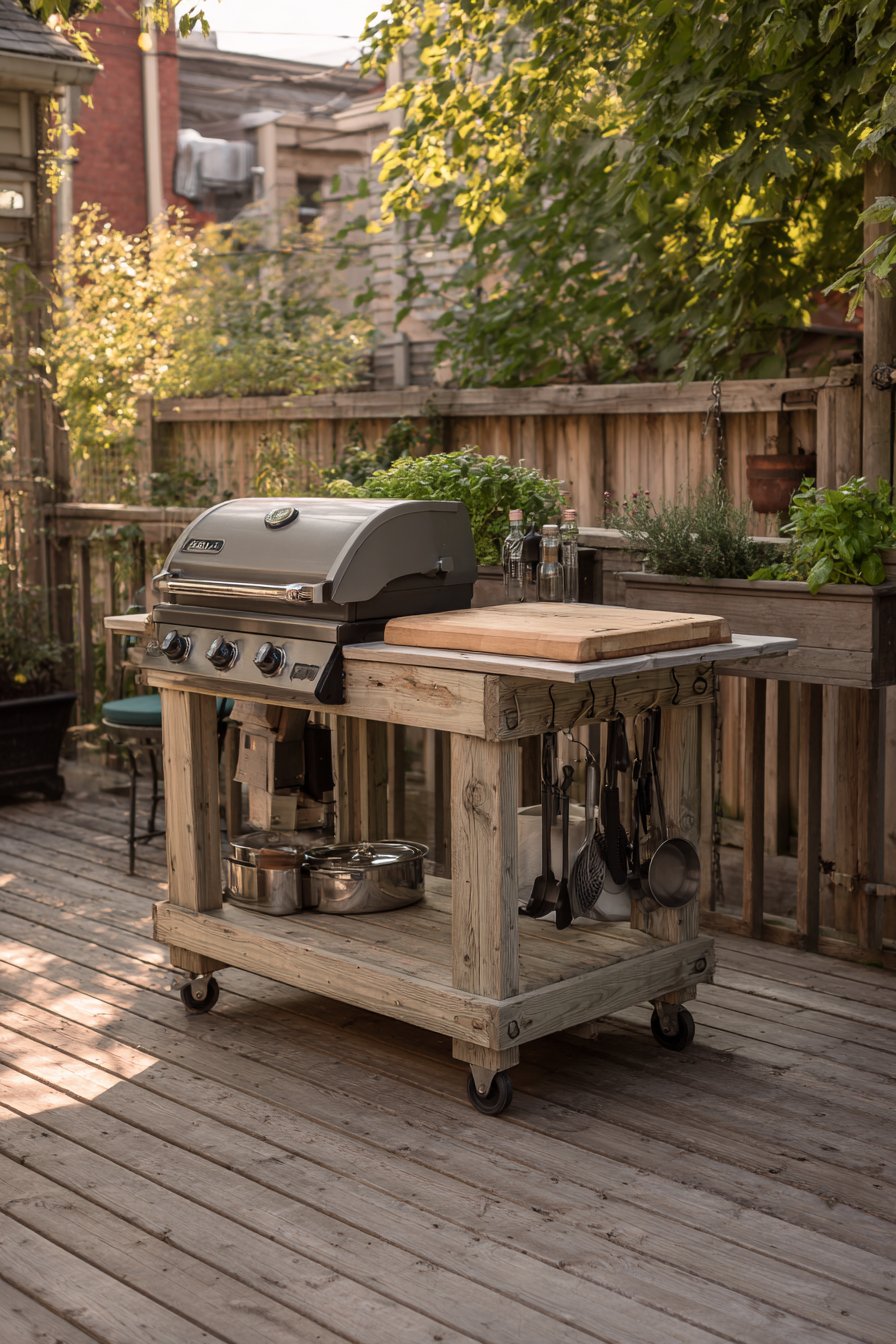
Late afternoon sunlight creates natural shadows that emphasize the rustic wood grain, showcasing how well-chosen materials can elevate even the most practical designs into aesthetically pleasing features. This approach works particularly well for renters or those who prefer flexibility over permanence, as the entire setup can move with you to a new home or be stored during harsh winter months.
Key Design Tips:
- Choose heavy-duty locking casters rated for outdoor use and capable of supporting the combined weight of grill and supplies
- Apply food-safe mineral oil to butcher block surfaces regularly to maintain moisture resistance and appearance
- Install a small propane tank holder on the side or underneath to keep fuel secure and accessible
- Add a weather-resistant cover to protect the cart when not in use, extending the life of wood and metal components
- Consider a cart with height-adjustable shelving to accommodate items of varying sizes
3. Minimalist Stainless Steel Elegance
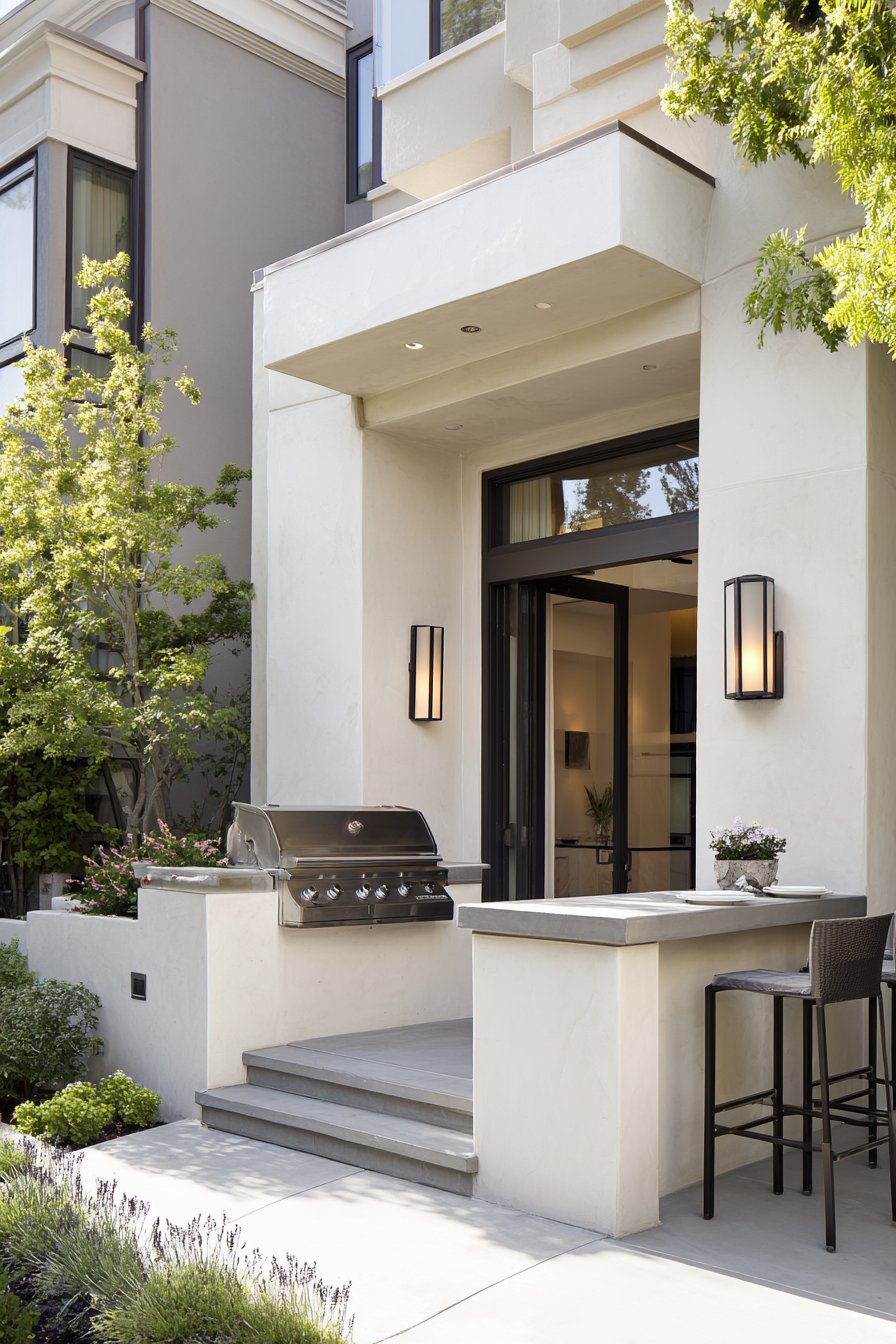
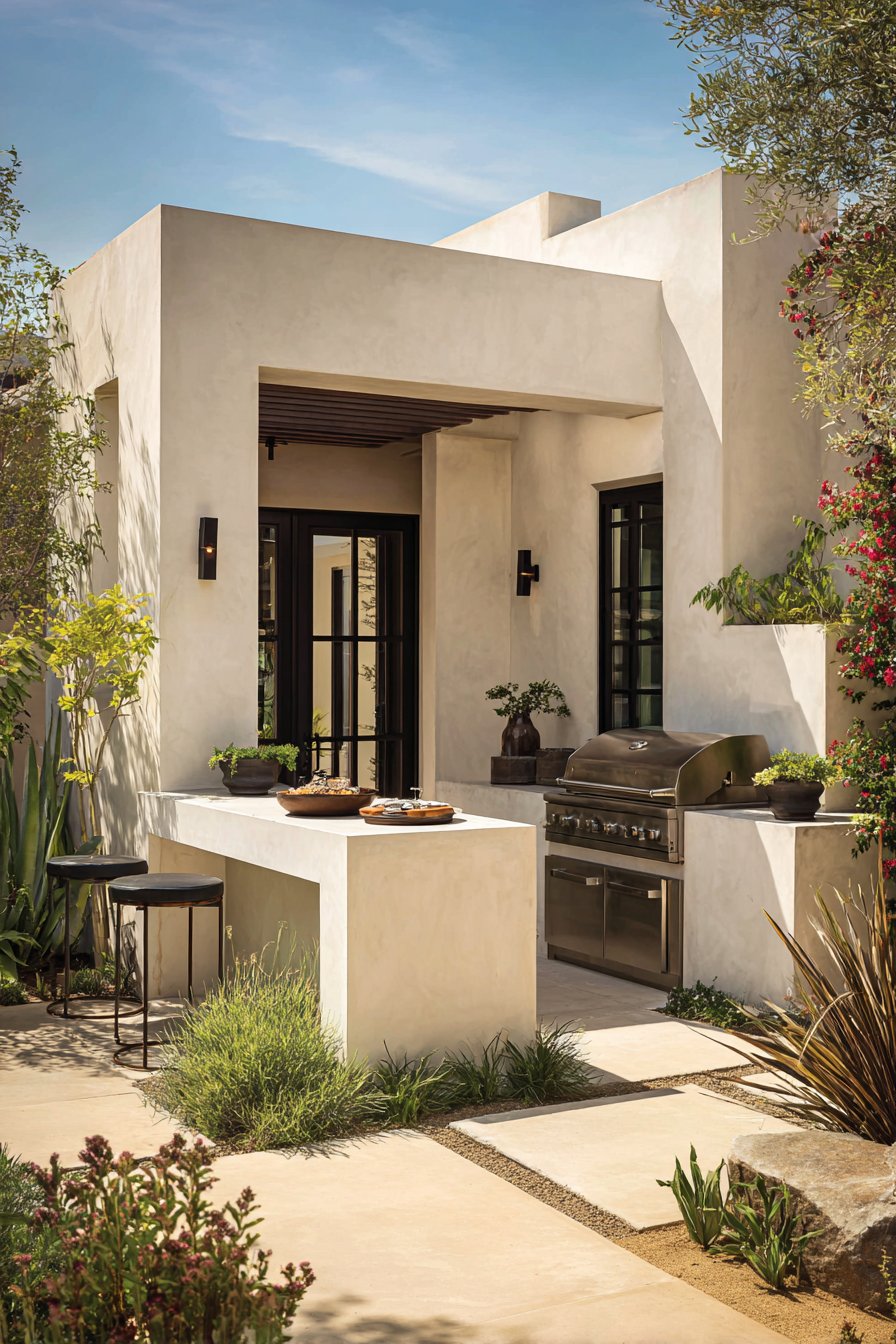
Clean lines and contemporary aesthetics define this minimalist outdoor kitchen that prioritizes simplicity without sacrificing functionality. The sleek stainless steel grill built into a white stucco island creates striking visual contrast, while the concrete countertop provides a durable work surface that complements the modern design vocabulary. The geometry of this compact setup maximizes every inch of the small footprint, proving that minimalism and practicality can coexist beautifully in outdoor spaces.
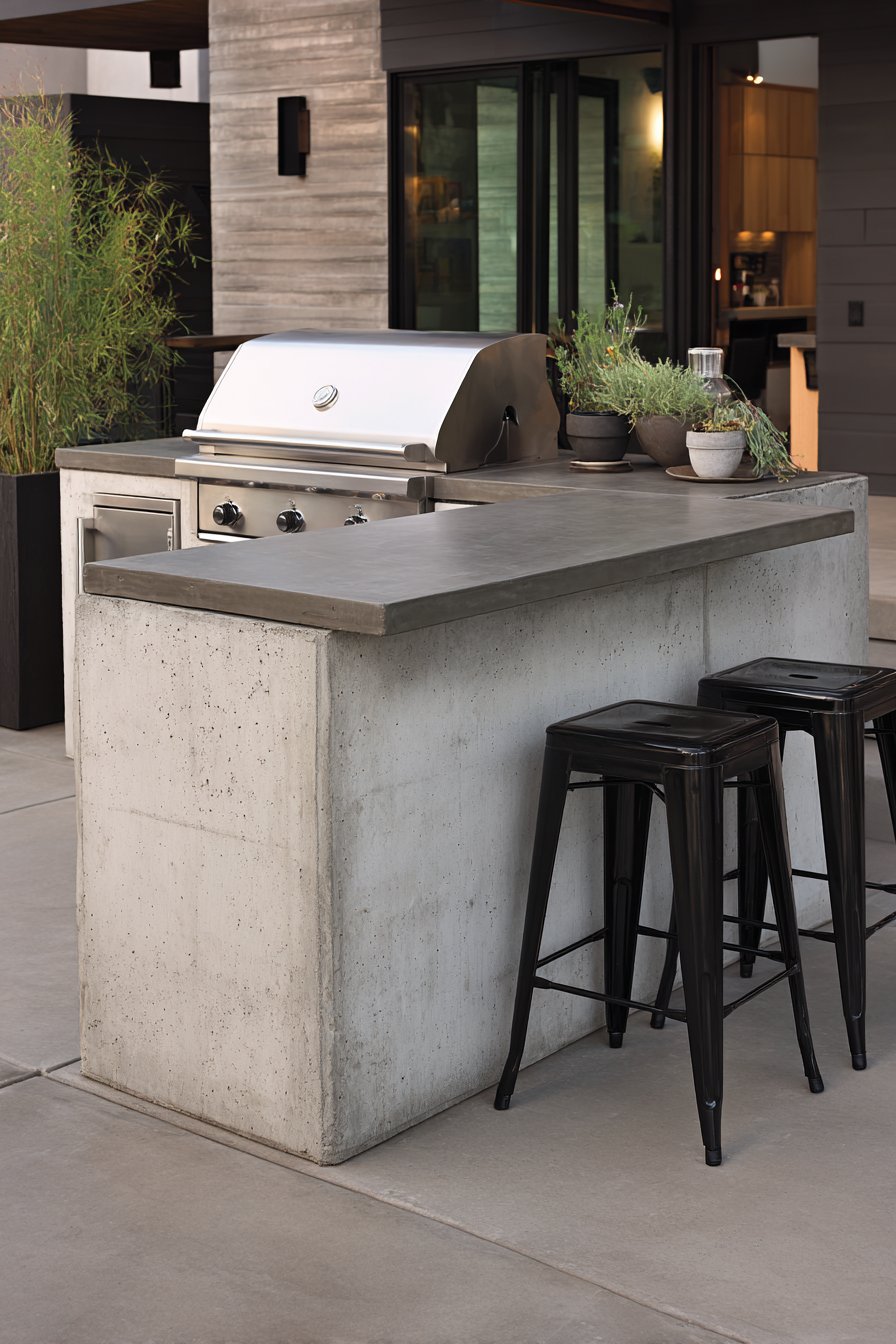
A single bar stool tucked under an extended counter overhang transforms the cooking station into a casual dining spot, perfect for morning coffee or keeping the chef company during meal preparation. Matte black hardware accents punctuate the predominantly neutral palette, providing visual interest without disrupting the calm, uncluttered aesthetic. The white stucco island maintains a lightweight appearance despite its substantial construction, helping smaller patios feel spacious rather than cramped.
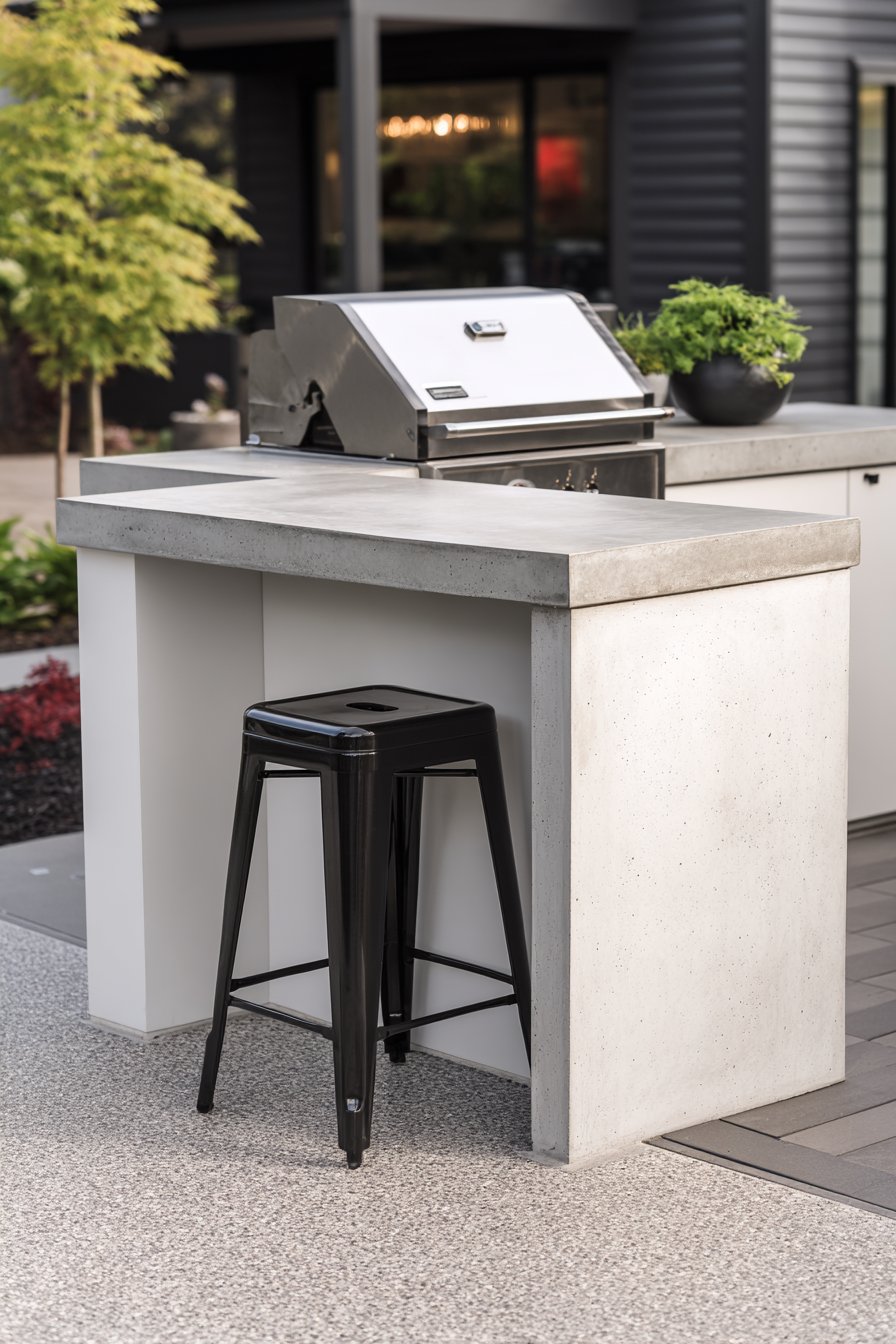
Professional architectural photography with balanced exposure reveals how soft diffused daylight interacts with reflective stainless steel and matte concrete surfaces throughout the day. This interplay of light and material creates subtle variations in appearance from morning to evening, ensuring the space never feels static or monotonous despite its restrained color palette.
Key Design Tips:
- Maintain the minimalist aesthetic by incorporating hidden storage compartments with push-to-open mechanisms
- Choose a grill with a seamless built-in appearance rather than a drop-in model to enhance the clean lines
- Use large-format tiles or poured concrete for countertops to minimize grout lines and maintain visual simplicity
- Install recessed lighting in any overhead structures to avoid dangling fixtures that disrupt clean sightlines
- Keep accessories and decorative elements to an absolute minimum, storing items inside cabinets when not in use
4. Rustic Stone and Wood Harmony
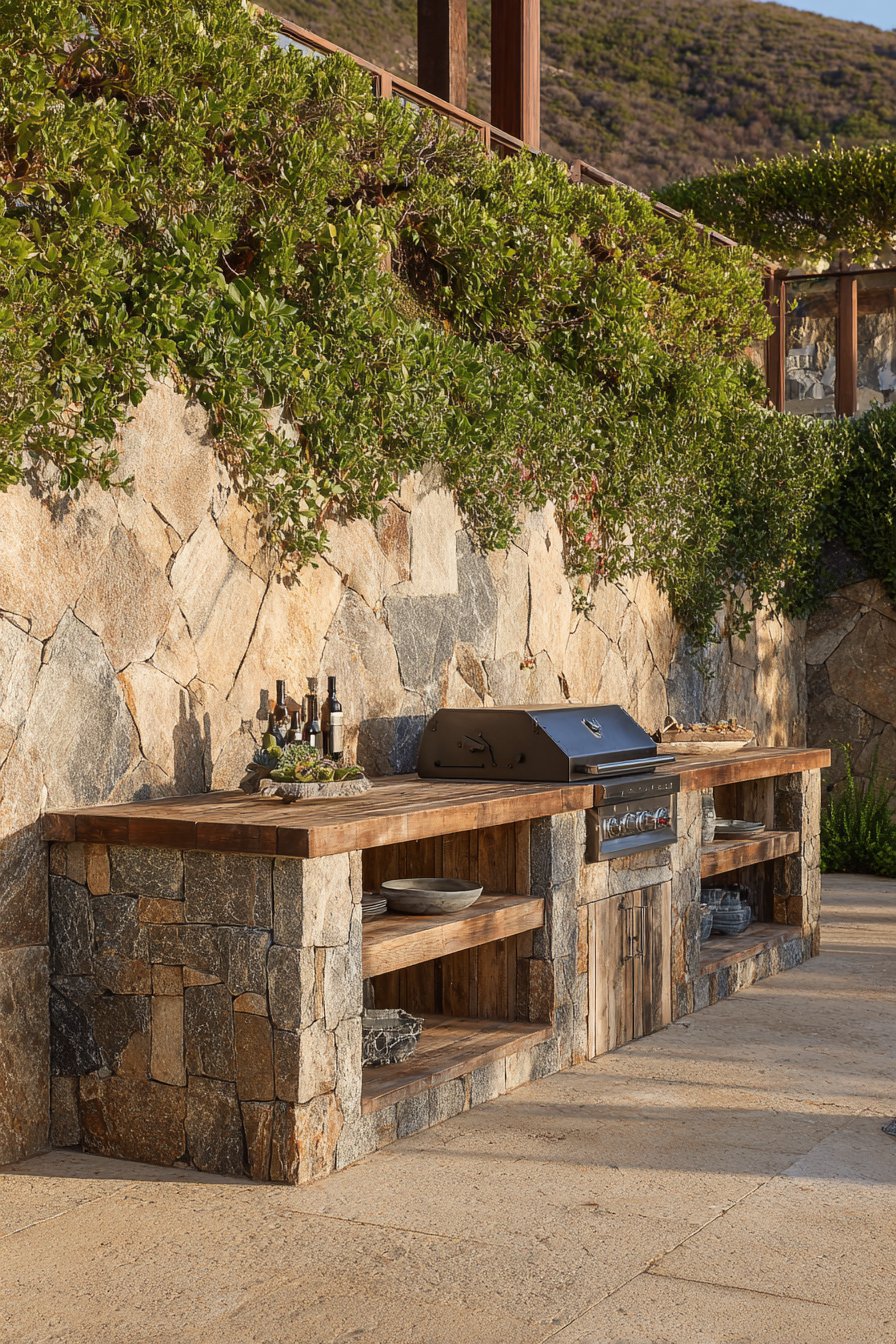
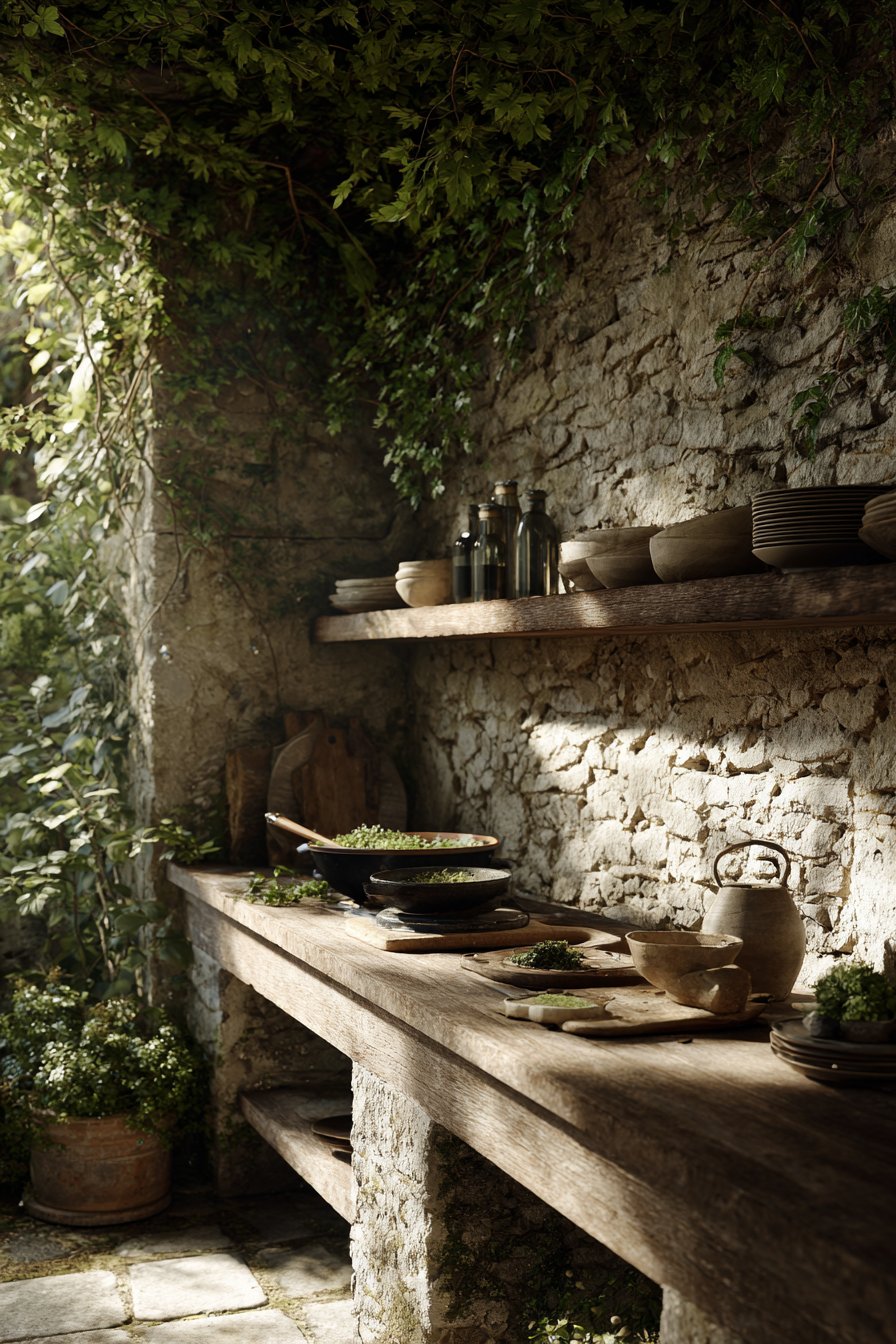
Natural materials take center stage in this rustic outdoor kitchen that celebrates organic textures and time-honored construction methods. The stone veneer base provides robust support while evoking the permanence of traditional masonry, creating a foundation that feels rooted to the landscape. Natural wood countertops sealed against weather exposure offer a warm, tactile work surface that develops a beautiful patina with use, while the built-in charcoal grill appeals to purists who appreciate the authentic smokiness that only live fire can provide.
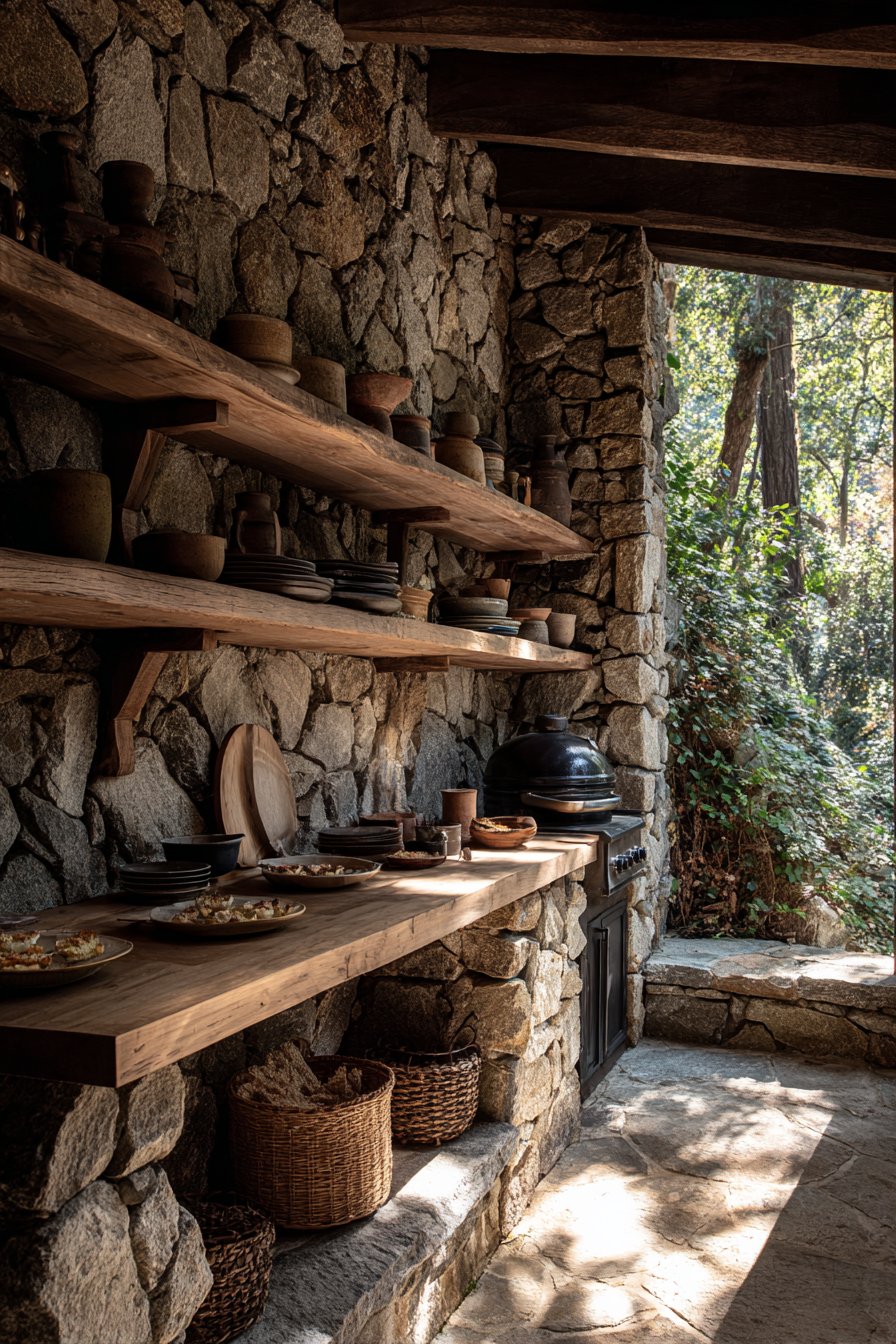
Open shelving constructed from reclaimed wood planks displays outdoor dinnerware and cooking essentials with an honest, unpretentious approach that suits the rustic aesthetic. A small side burner expands cooking capabilities beyond the main grill, allowing you to prepare sauces, side dishes, or coffee while monitoring the primary cooking surface. The setup nestles against a garden wall adorned with climbing vines, creating a seamless integration between built environment and natural landscape that exemplifies organic design principles.
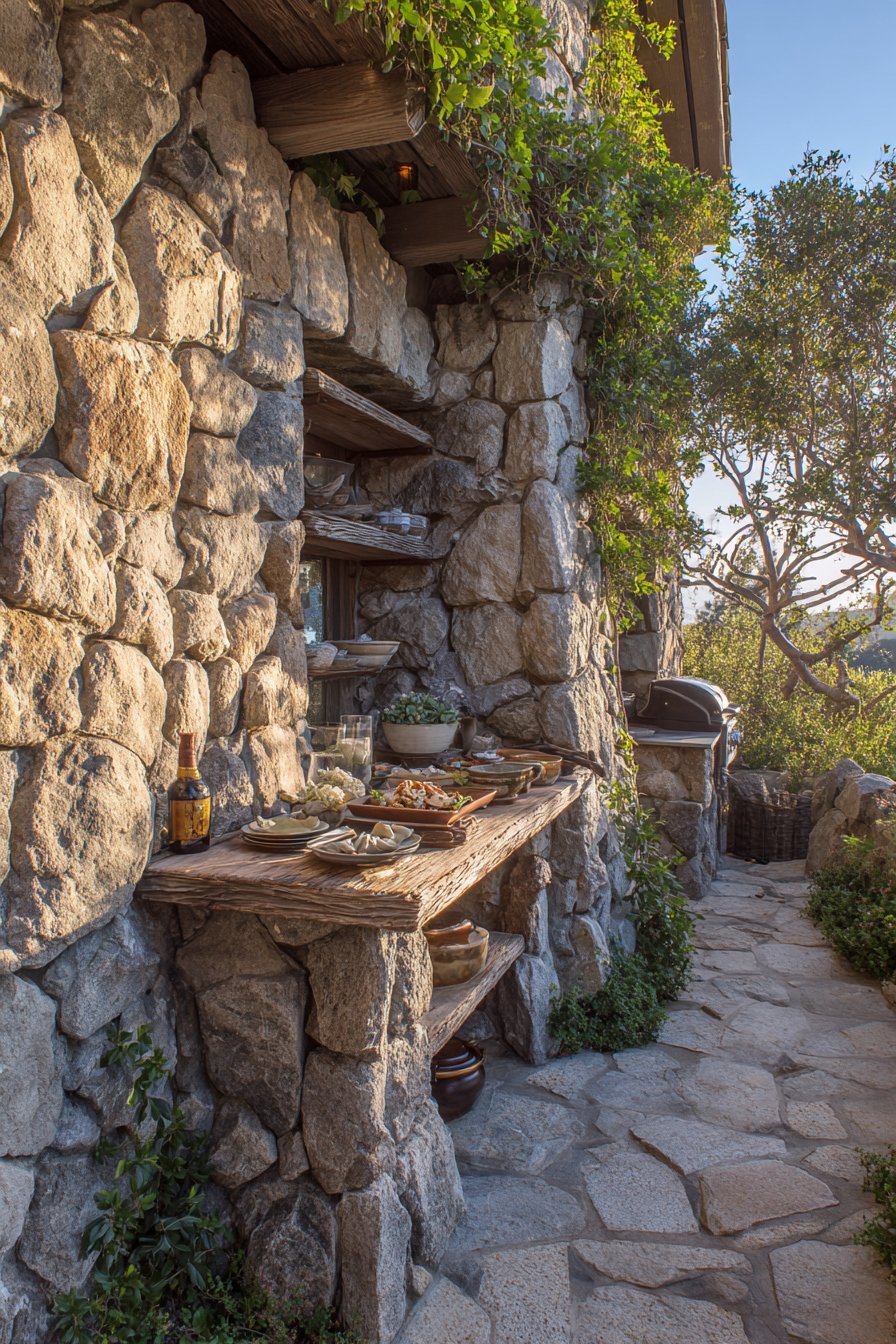
Morning light streaming through the vine-covered wall creates dappled patterns across the stone and wood surfaces, highlighting the texture variations that make each material unique. This interplay between architecture and nature demonstrates how outdoor kitchens can enhance rather than compete with their surrounding environments, becoming focal points that feel like natural extensions of the landscape itself.
Key Design Tips:
- Select locally sourced stone to ensure the materials harmonize with regional architectural traditions
- Treat wood countertops with food-safe mineral oil monthly to maintain moisture resistance
- Leave intentional gaps in stone veneer to accommodate climbing plants and encourage natural integration
- Install a small prep sink if water lines are accessible, dramatically improving functionality
- Consider a charcoal storage compartment with ventilation to keep fuel dry and ready for use
5. Practical L-Shaped Functionality
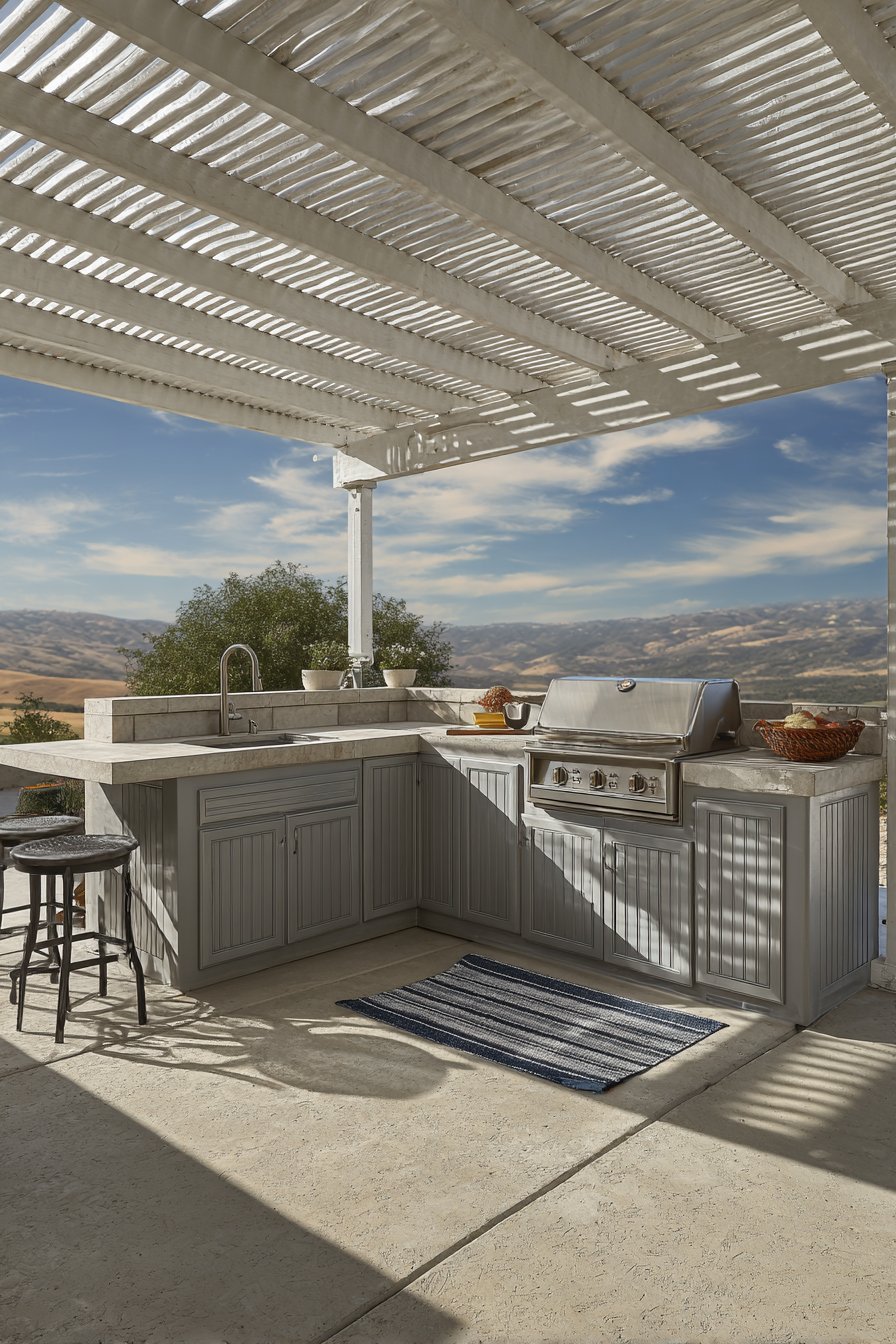
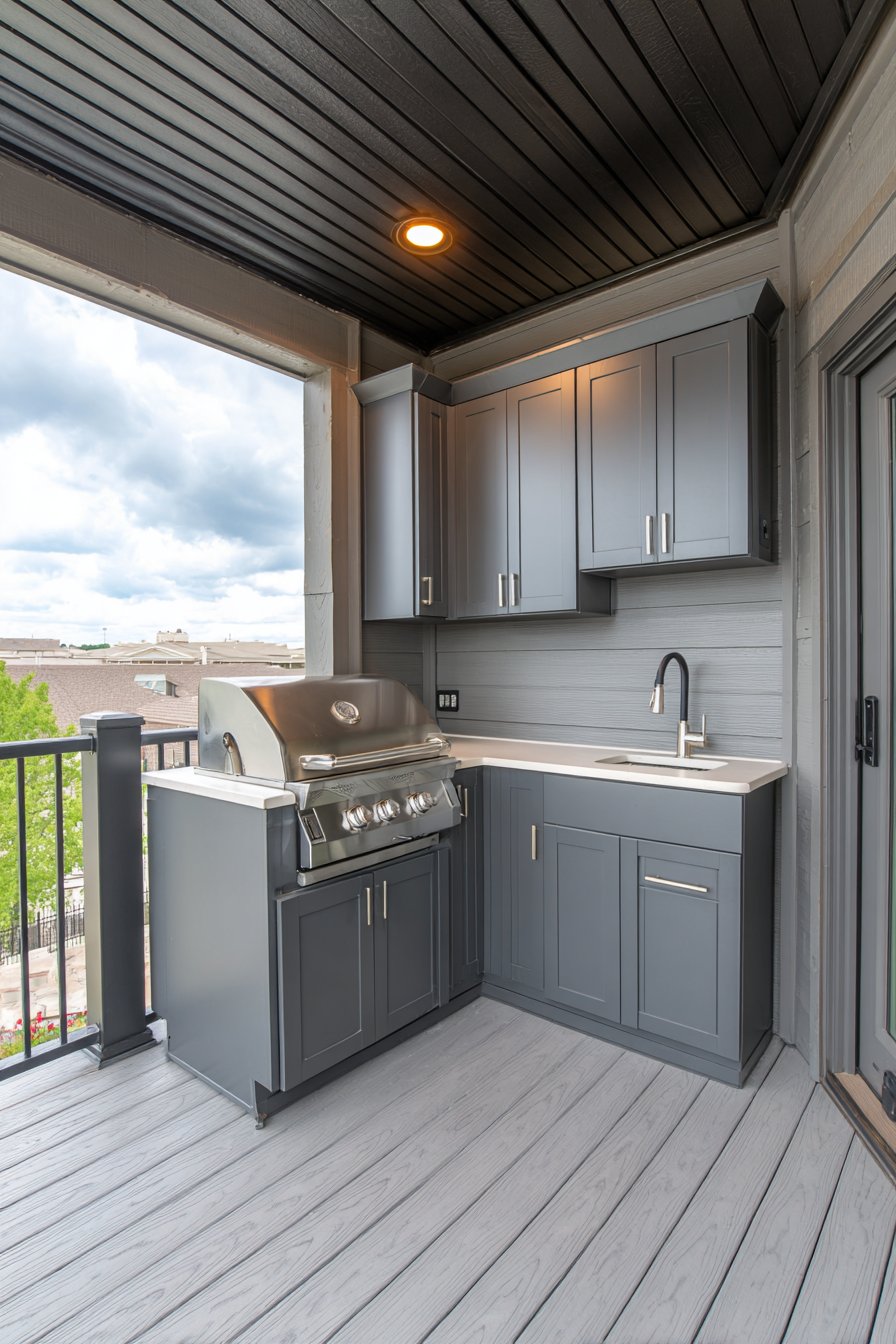
Strategic configuration meets weather-resistant materials in this practical L-shaped outdoor kitchen designed for serious cooking in any climate. The corner grill station anchors the layout, with an adjacent prep counter made from sealed concrete providing ample workspace for food preparation, plating, and serving. Weather-resistant cabinetry in grey composite material protects stored items from moisture and temperature fluctuations while maintaining a contemporary appearance that ages gracefully.
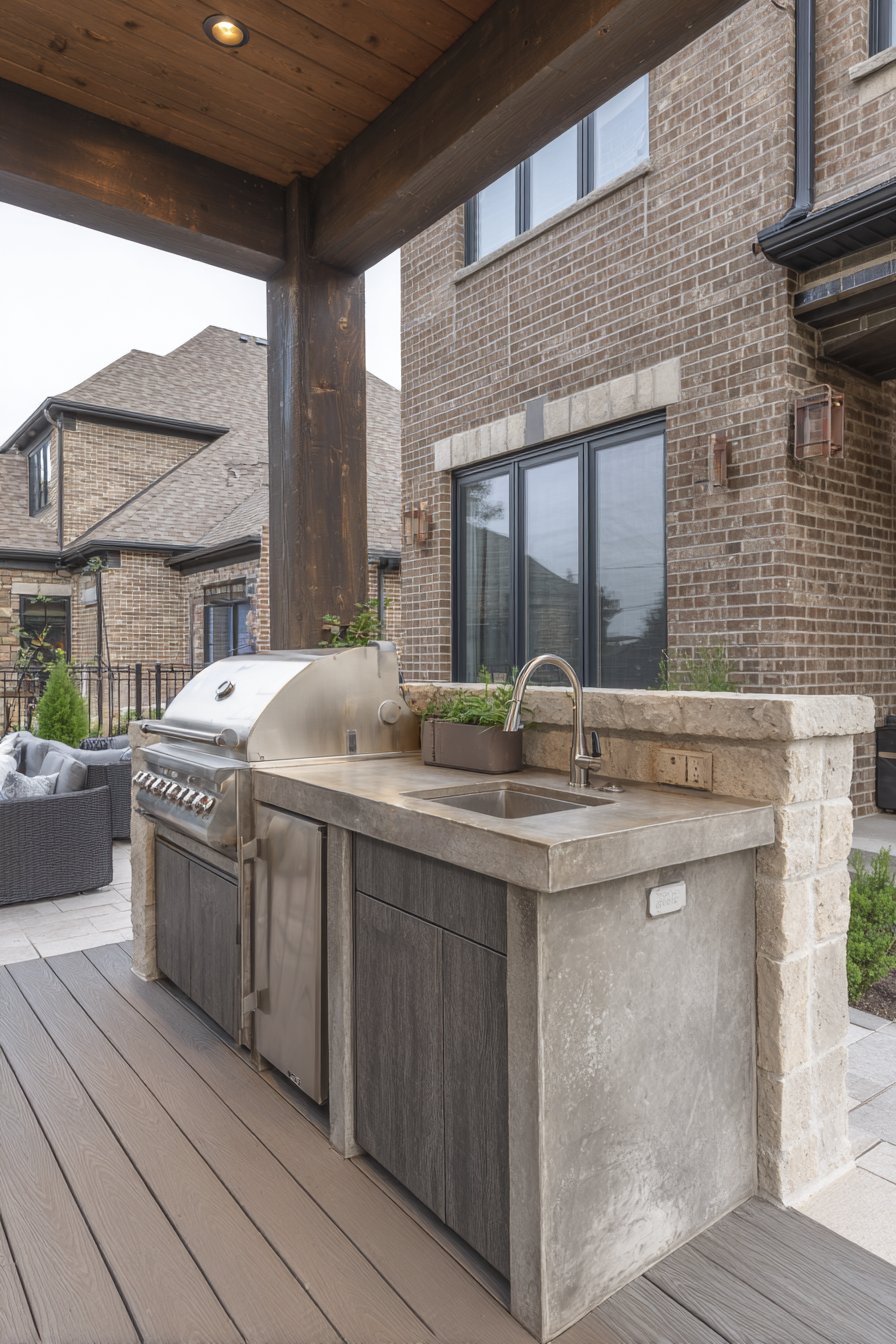
The inclusion of a compact sink with a pull-down faucet represents a game-changing feature that enables easy cleanup without interrupting the cooking flow. This single element transforms a basic grill setup into a fully functional outdoor kitchen capable of handling everything from quick weeknight dinners to elaborate entertaining. The kitchen sits on a covered patio with composite decking, creating a cohesive outdoor living environment that extends the home’s interior design vocabulary into exterior spaces.
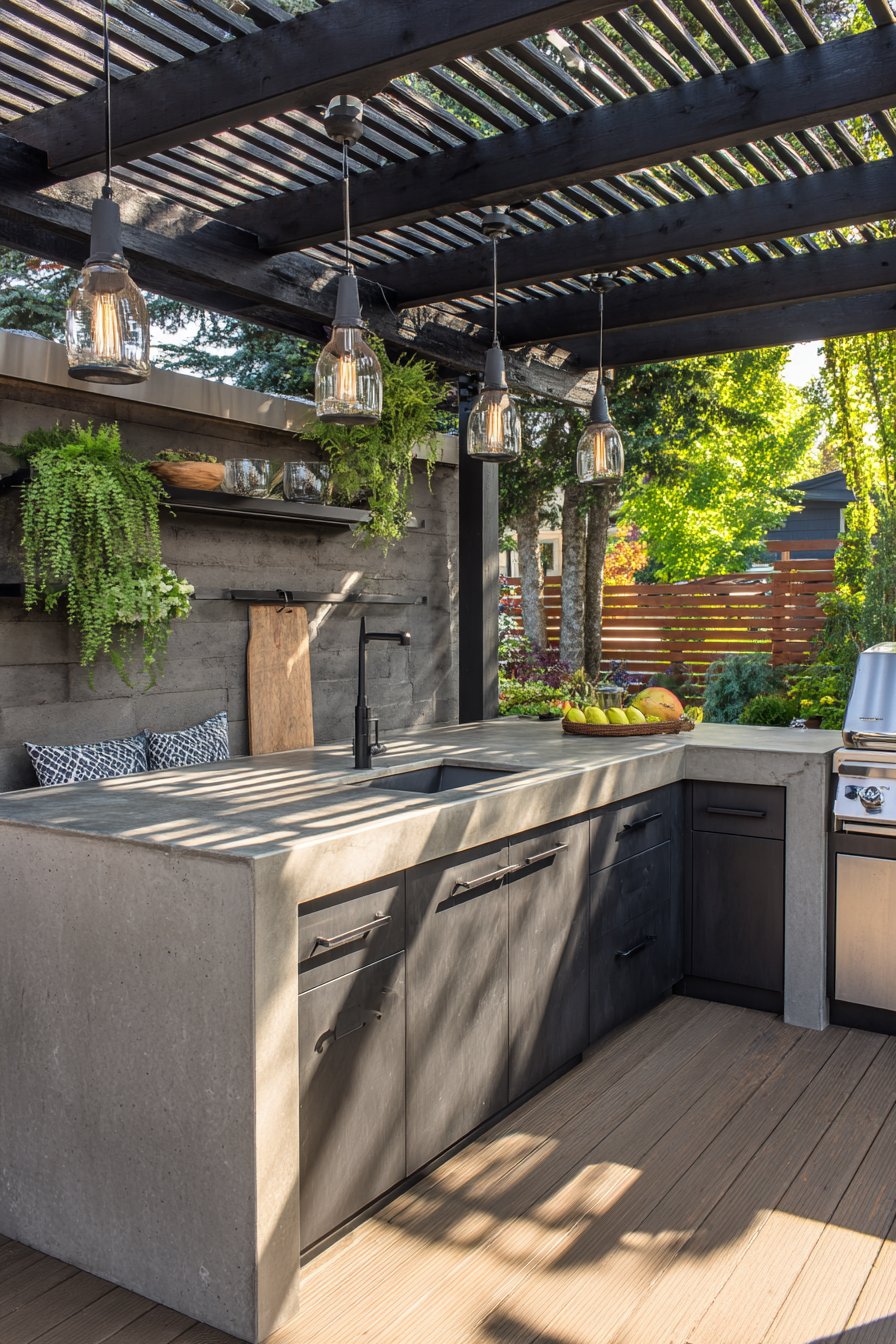
Soft overhead lighting from the pergola creates natural shadows throughout the day, emphasizing the functional layout while providing necessary task illumination. The grey color palette maintains a neutral backdrop that allows food, plants, and decorative accessories to provide color accents as desired, while the sealed concrete counters develop a subtle patina that adds character without appearing worn or damaged.
Key Design Tips:
- Install a hot and cold water supply to the sink for maximum utility and cleaning convenience
- Add a soap dispenser and paper towel holder within easy reach of the sink area
- Use stainless steel or composite cabinetry with sealed edges to prevent moisture infiltration
- Consider adding a small trash pull-out or compost bin within the base cabinets
- Incorporate electrical outlets with weatherproof covers on both sides of the L-configuration
6. Space-Saving Vertical Innovation
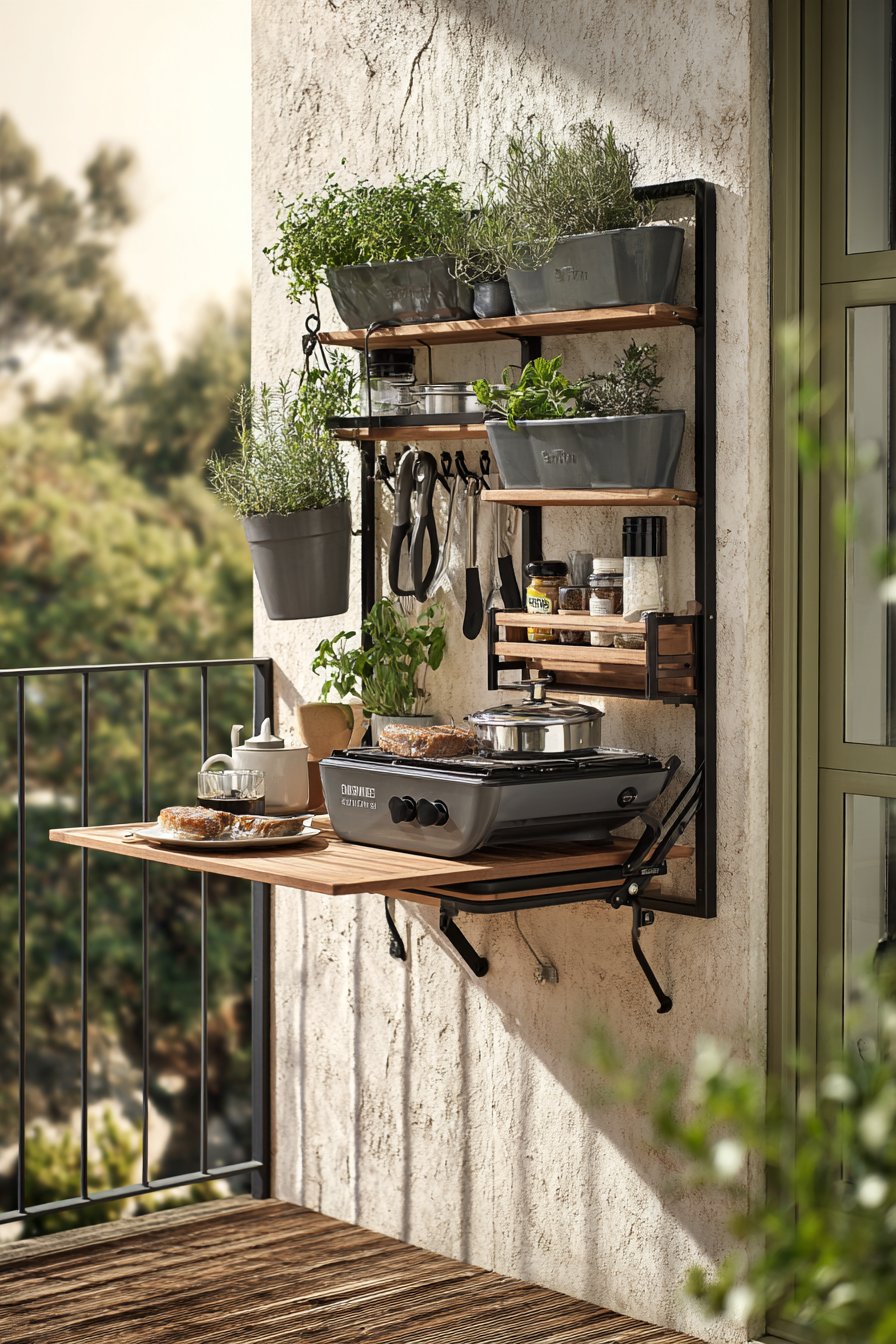
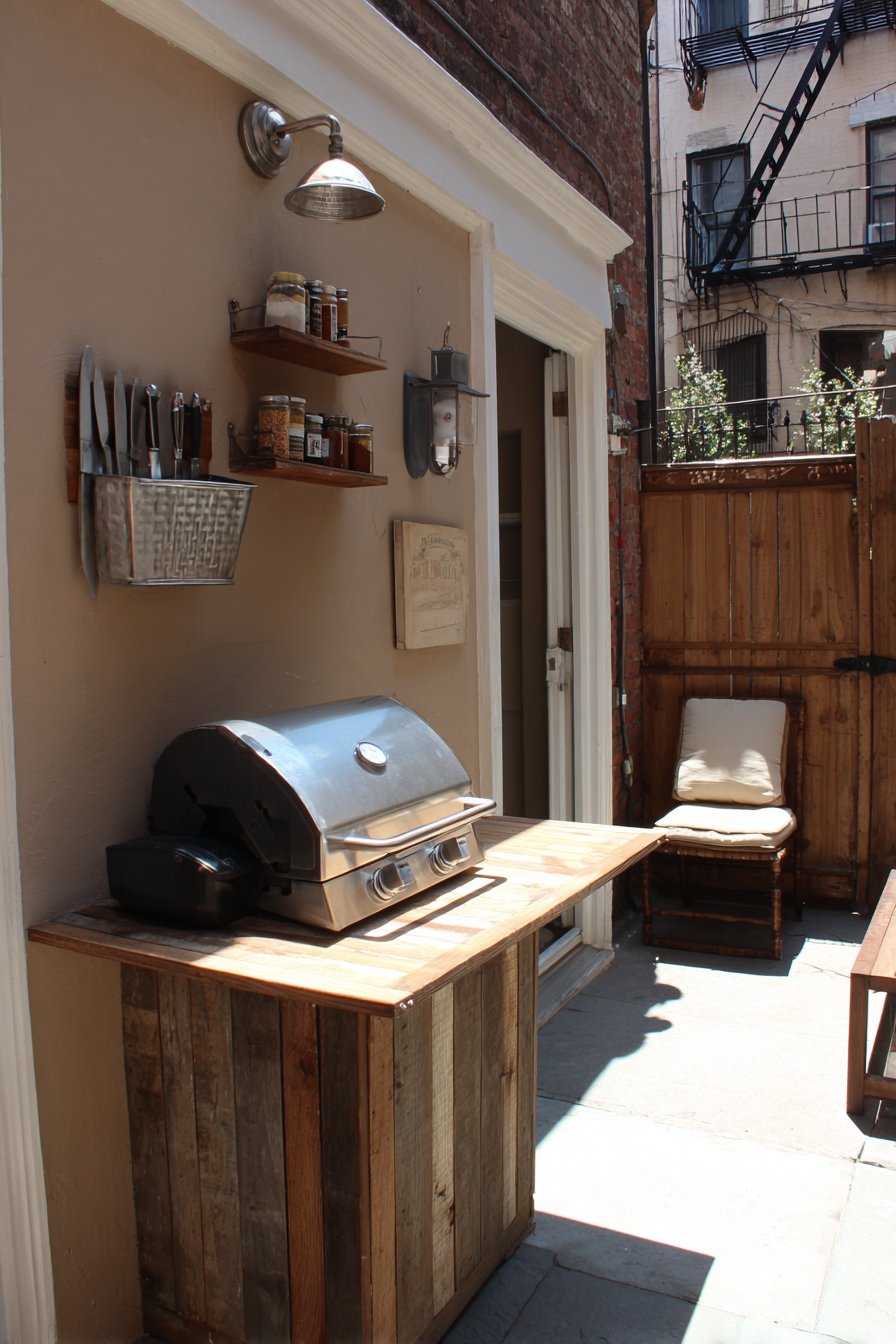
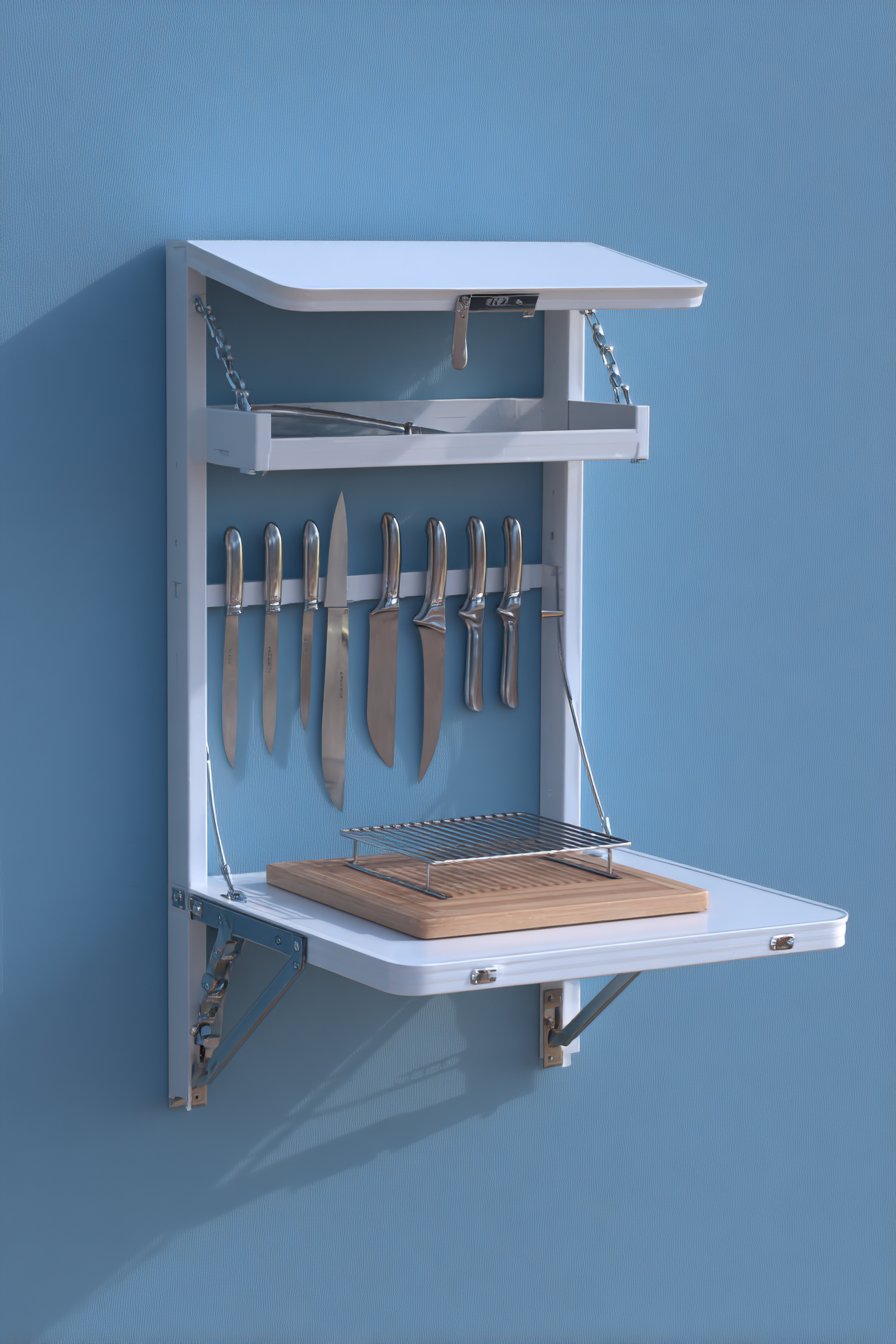
When horizontal space comes at a premium, vertical thinking provides the solution in this ingenious wall-mounted outdoor kitchen designed for narrow balconies and compact patios. A drop-leaf table serves as a prep counter when deployed and folds flush against the wall when not in use, maximizing the limited footprint. A portable electric grill positioned on a lower shelf eliminates the need for gas lines while providing reliable cooking performance suitable for apartment settings.
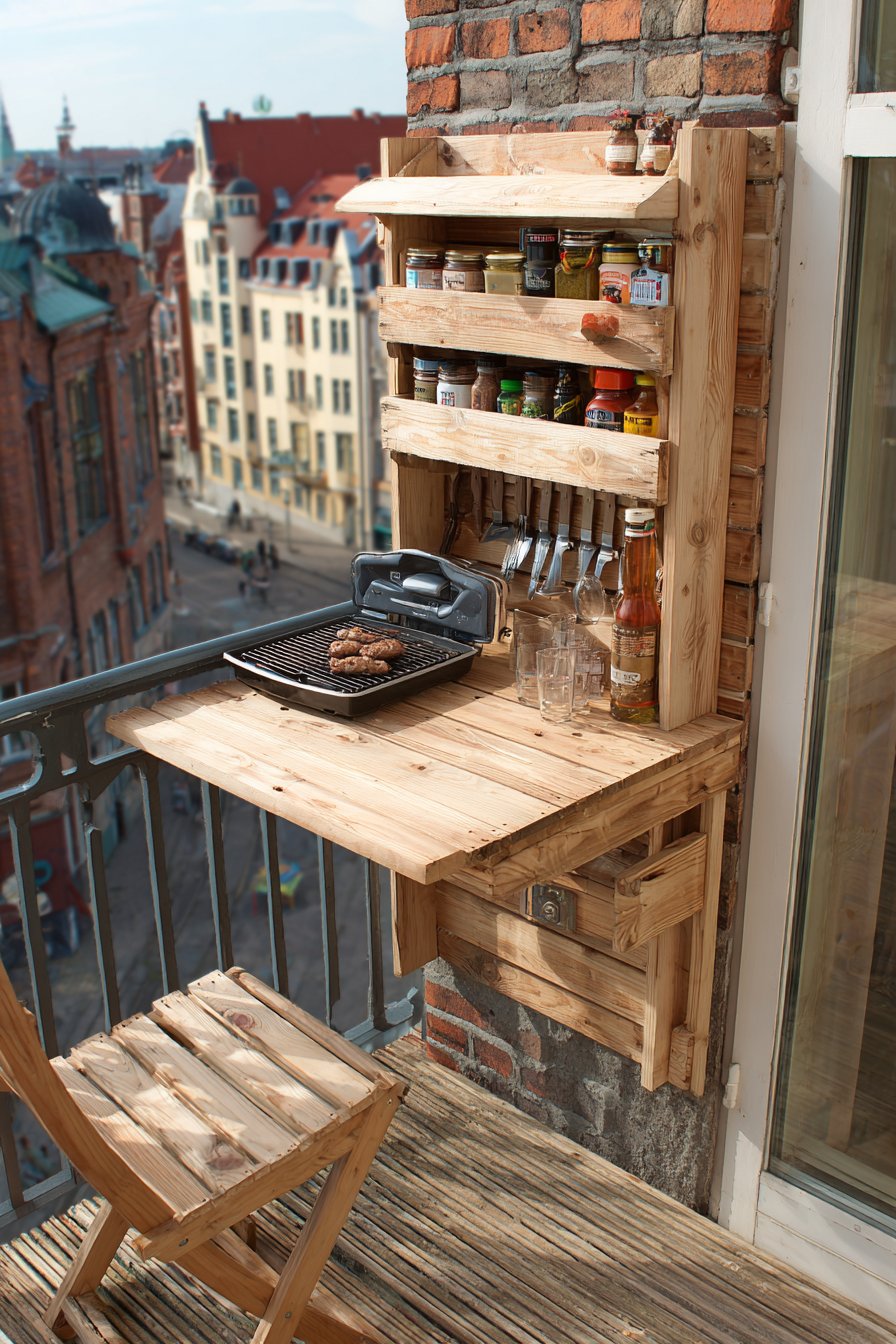
Magnetic knife strips and hanging baskets transform wall space into valuable storage real estate, keeping essential tools organized and accessible without consuming precious floor area. Weatherproof shelving holds spices, condiments, and frequently used items within arm’s reach, creating an efficient workspace despite the minimal footprint. This compact setup proves that even the smallest balcony can accommodate outdoor cooking when creativity and smart product selection come together.
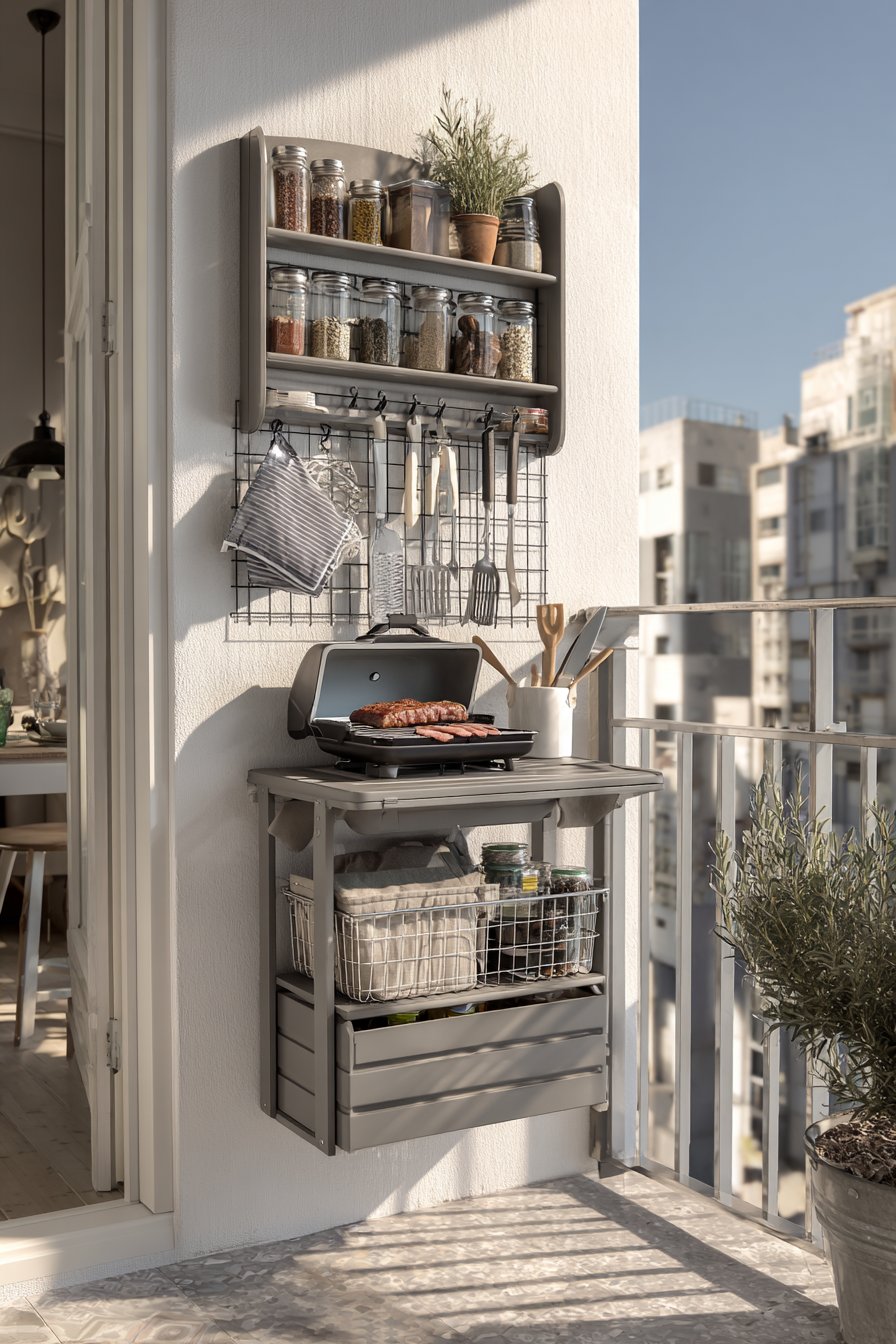
Detail-focused photography captures the clever vertical organization, demonstrating how thoughtful design can create practical accessibility within tight constraints. The balanced natural lighting reveals how even compact spaces can feel open and inviting when elements are arranged with intention and every vertical surface contributes to functionality.
Key Design Tips:
- Secure all wall-mounted components to studs or use appropriate anchors rated for outdoor use
- Choose a drop-leaf table with locking mechanisms to ensure stability during food preparation
- Install a small fold-down drying rack for utensils and dishes to maximize vertical utility
- Use clear containers for stored items to quickly identify contents without rummaging
- Add LED strip lighting under shelves to illuminate work surfaces during evening cooking
7. Mediterranean Pizza Oven Paradise
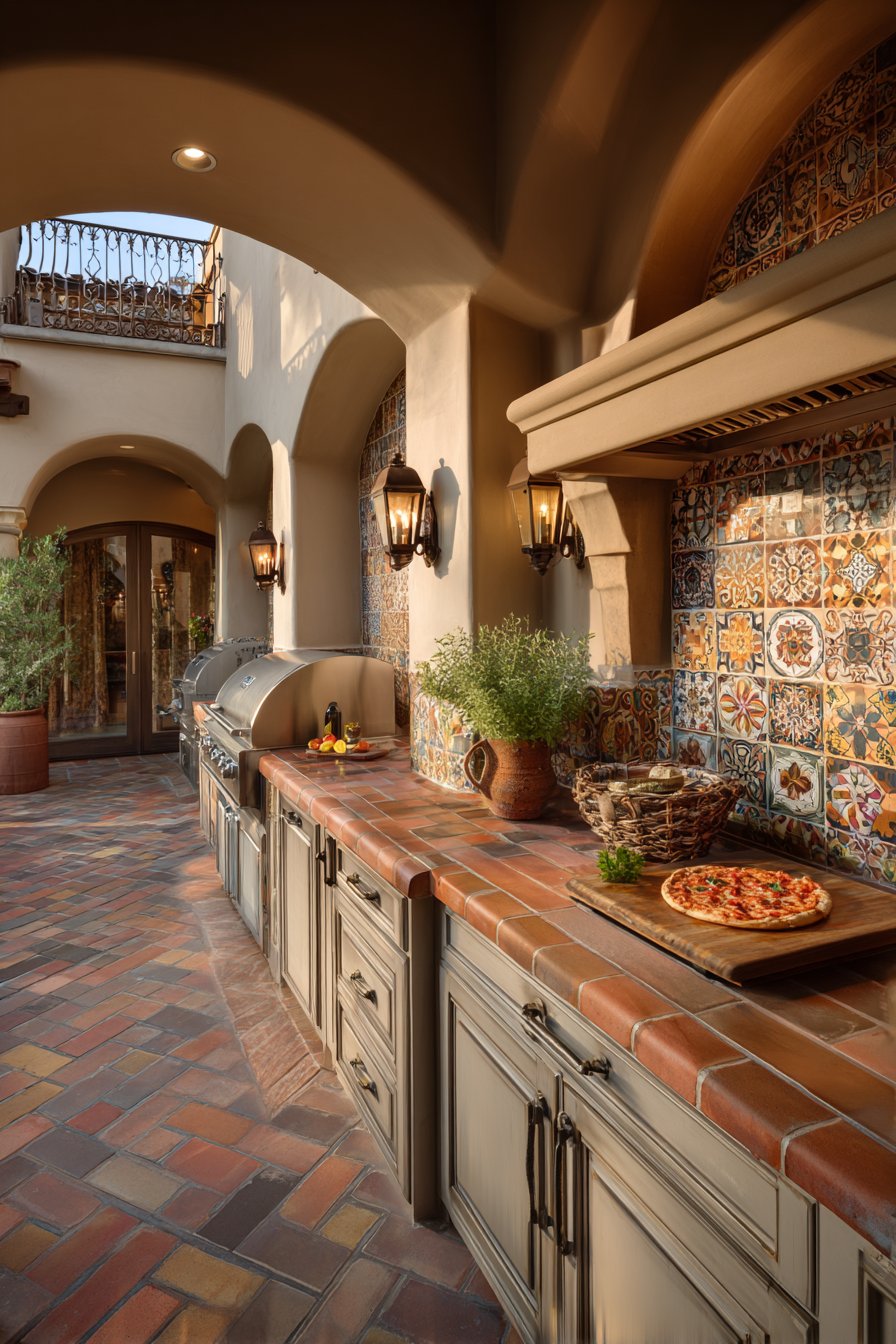
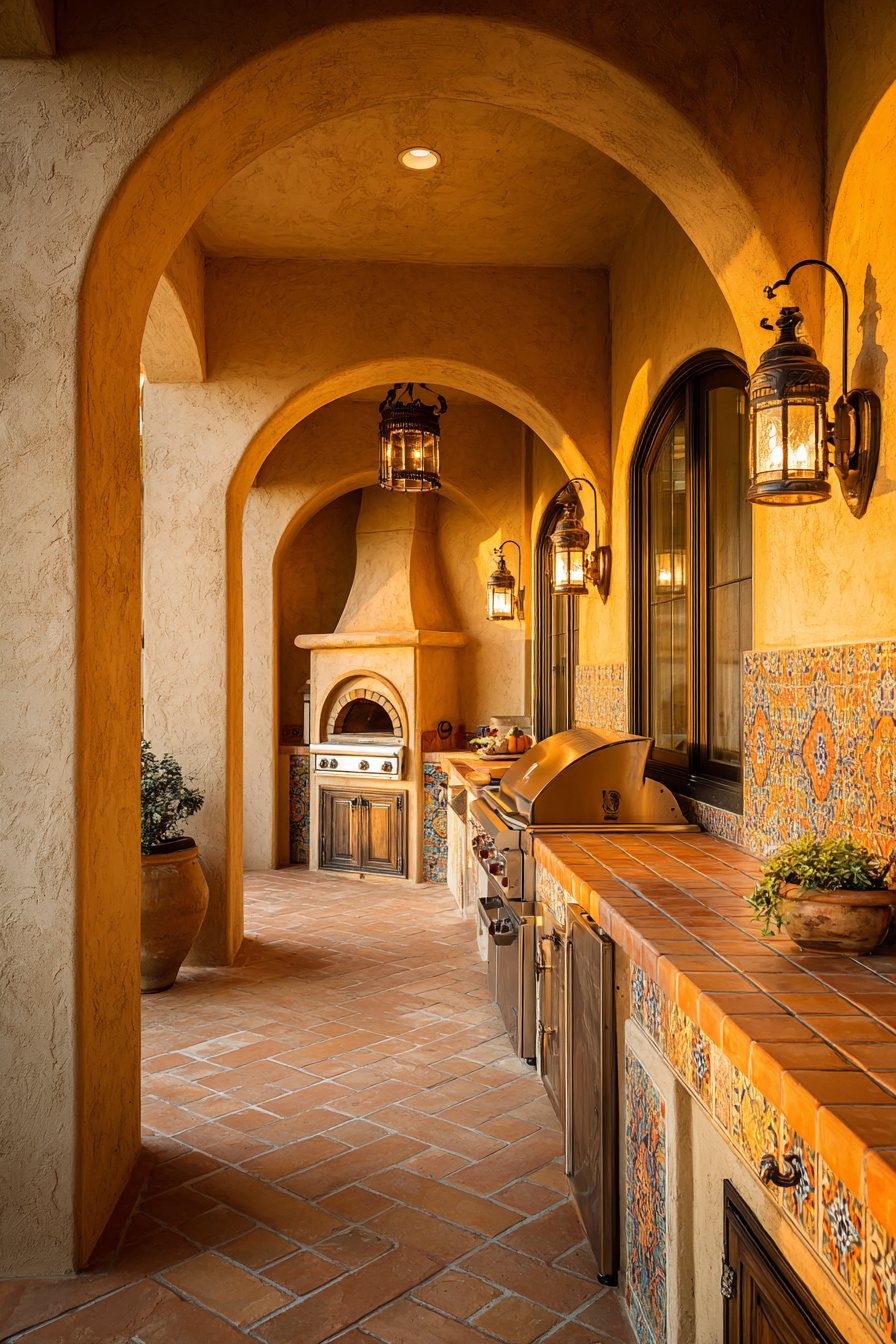
Transport your backyard to the Italian countryside with this Mediterranean-inspired outdoor kitchen that celebrates Old World charm and artisanal cooking techniques. Terracotta tile countertops provide authentic color and texture while offering excellent heat resistance, making them ideal companions for the built-in pizza oven that serves as the design’s focal point. A compact gas grill positioned alongside the oven expands cooking versatility, allowing you to prepare complete meals without relying solely on wood-fired cooking.
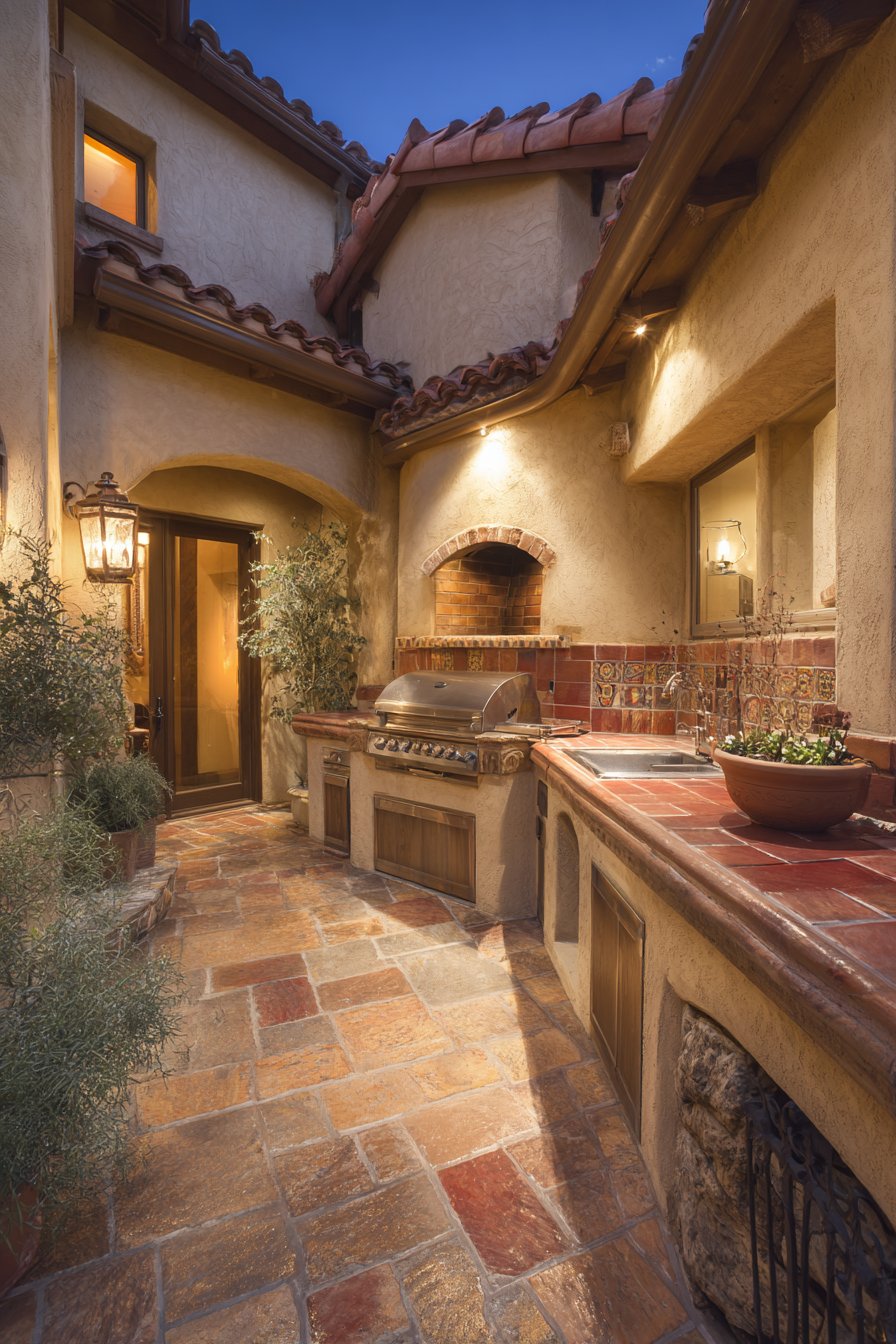
Wrought iron accents complement cream-colored stucco cabinetry featuring arched openings that echo Mediterranean architectural traditions. Decorative tiles create a colorful backsplash that introduces pattern and visual interest without overwhelming the earthy palette. Warm ambient lighting from wall sconces extends usability into evening hours while creating an enchanting atmosphere reminiscent of Mediterranean coastal villages.
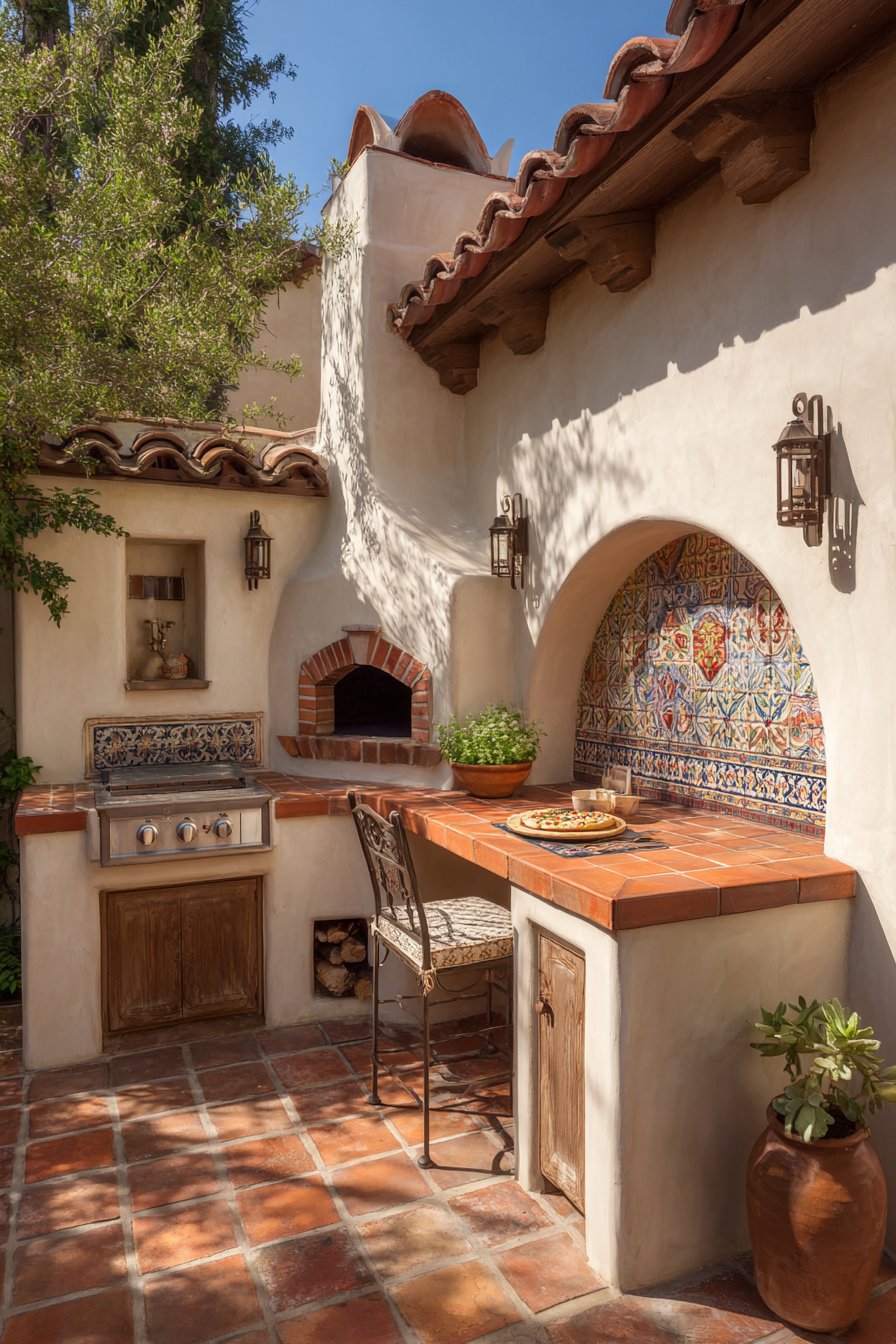
Golden hour sunlight enhances the earthy color palette, causing terracotta and stucco surfaces to glow with warmth that invites gathering and leisurely dining. The textured surfaces catch and reflect light throughout the day, creating subtle variations in appearance that keep the space visually engaging despite its traditional design vocabulary.
Key Design Tips:
- Position the pizza oven at a comfortable working height to avoid back strain during extended cooking sessions
- Install a small wood storage area near the oven to keep fuel dry and convenient
- Use heat-resistant grout between terracotta tiles to prevent cracking from thermal expansion
- Add a small prep area adjacent to the oven for assembling pizzas before baking
- Consider decorative tile patterns that reference traditional Mediterranean motifs for authentic character
8. Modern Black and Teak Sophistication
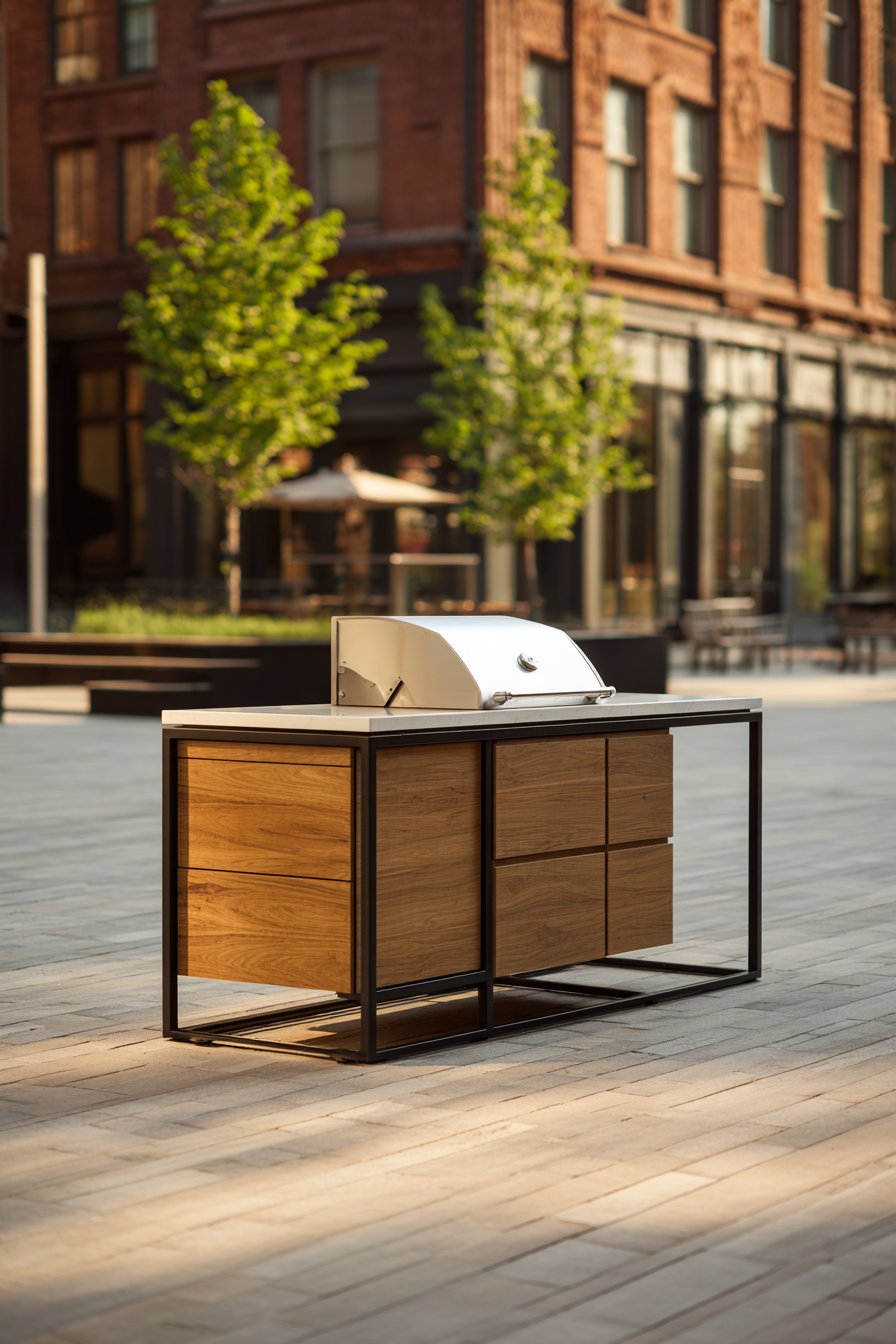
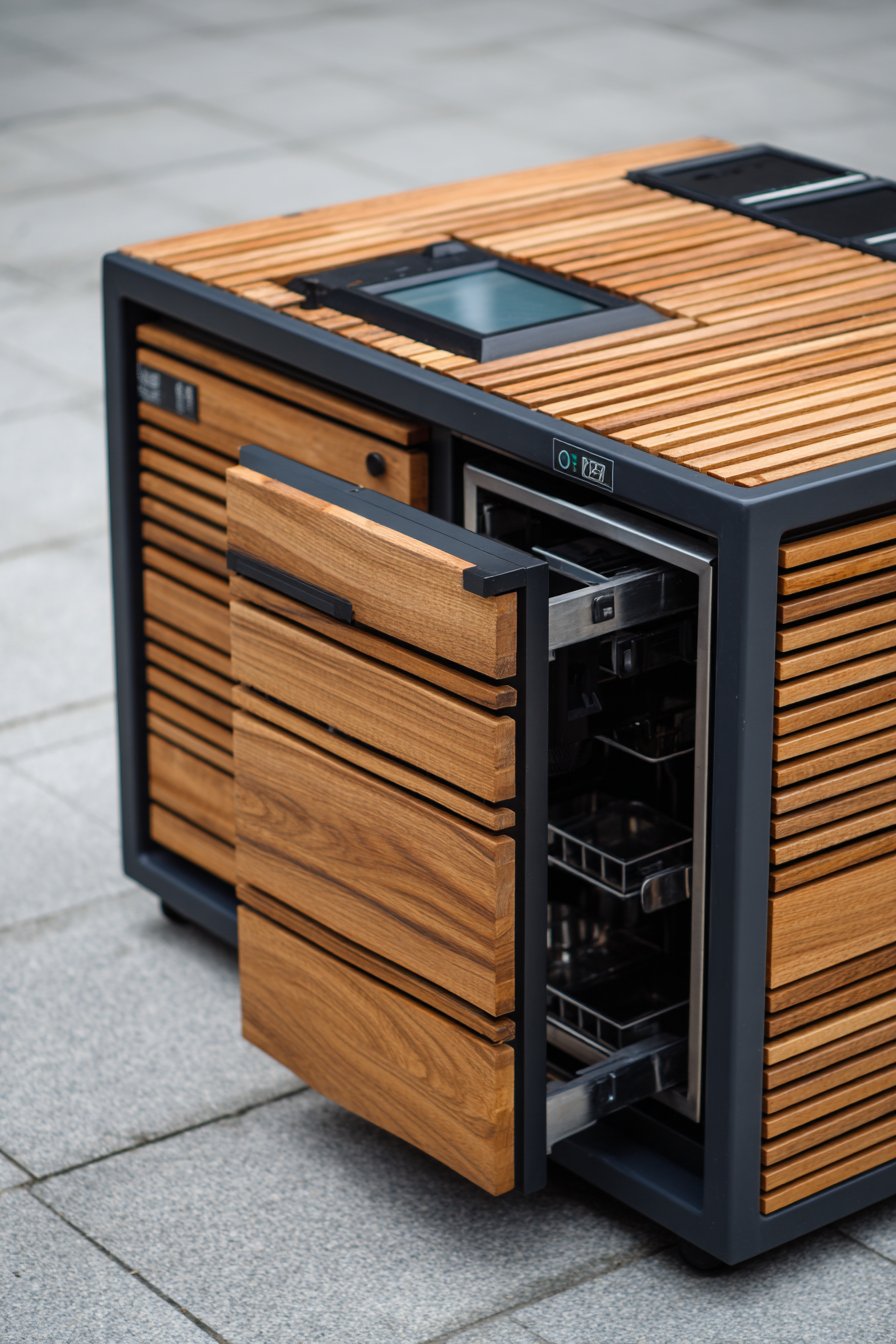
Contemporary design reaches new heights in this modern outdoor kitchen where black powder-coated metal frames contrast beautifully with warm teak wood accents and quartz composite countertops. The minimalist design integrates an efficient grill, small refrigerator drawer, and pull-out trash compartment within a sleek geometric form that prioritizes clean lines and functional elegance. Stainless steel accessories provide subtle metallic accents that catch light without competing with the primary material palette.
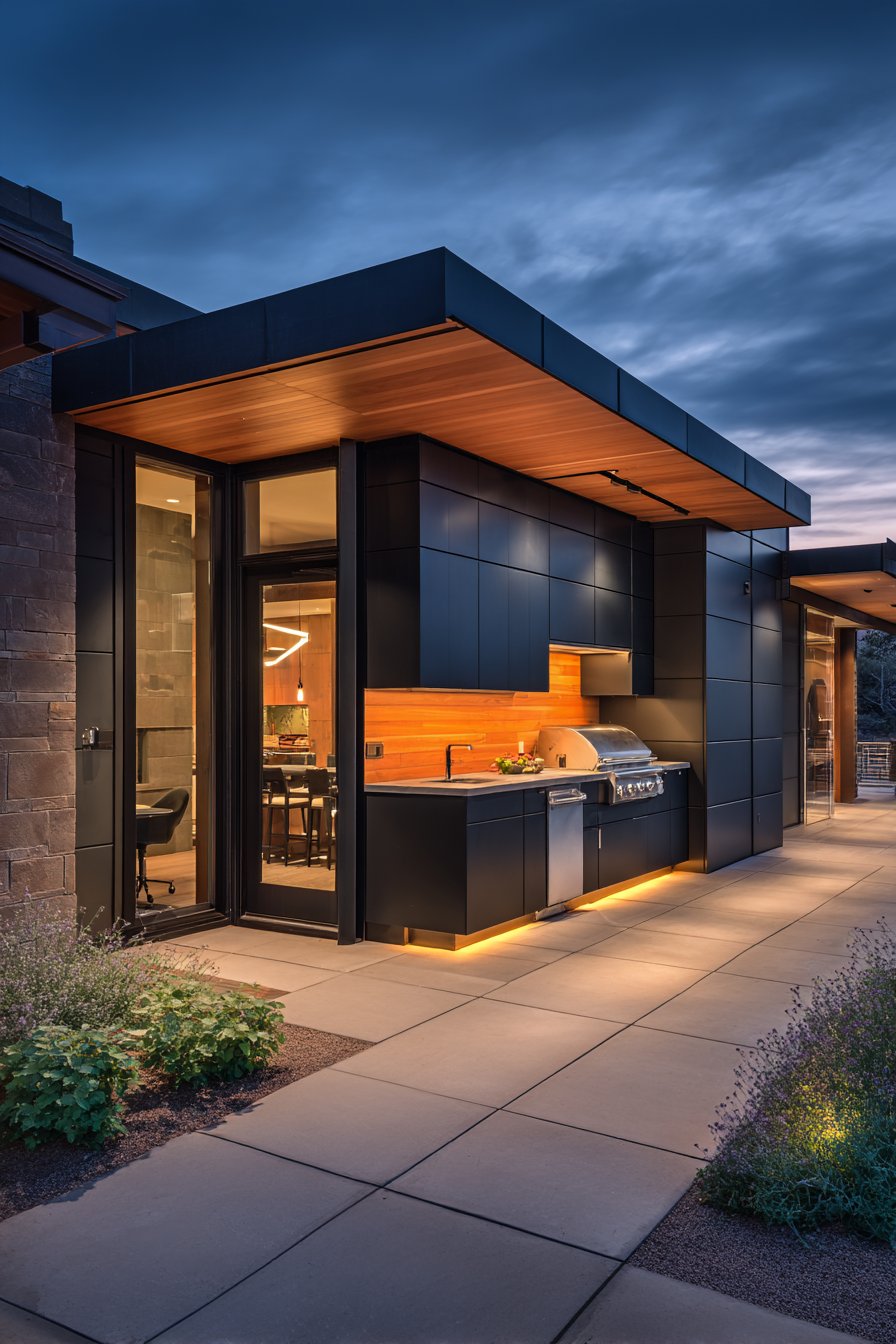
The kitchen sits on a contemporary patio featuring large format pavers that create visual continuity with the kitchen’s modern aesthetic. The teak wood components develop a silvery patina over time when left untreated, adding character while maintaining the contemporary design vocabulary. Alternatively, regular oiling preserves the wood’s original honey tones for those who prefer consistent appearance.
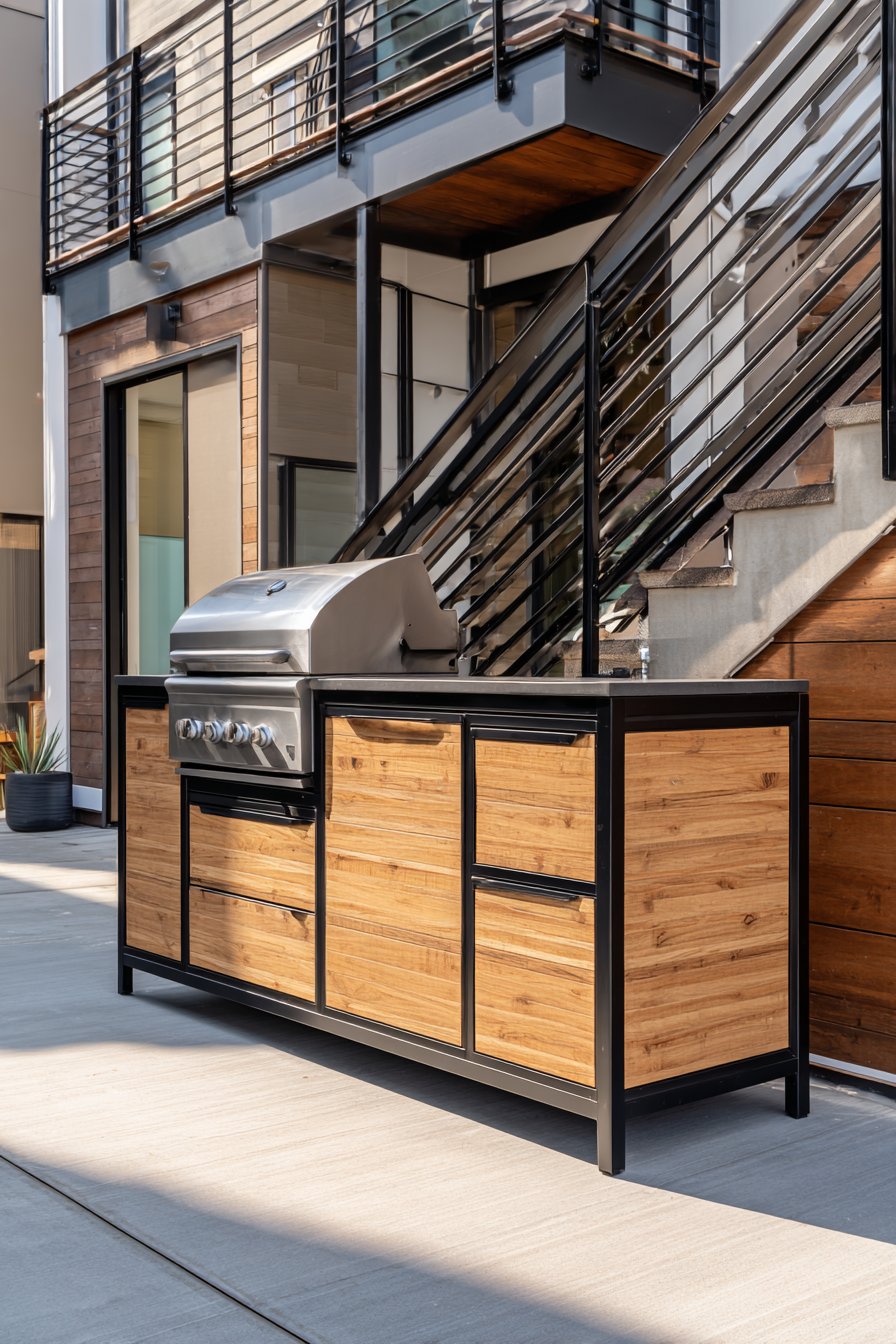
Architectural photography with crisp lighting highlights the clean geometric lines and thoughtful material contrast, revealing how precision in detail and proportion creates sophisticated outdoor spaces. The interplay between matte black metal, warm wood tones, and cool white quartz generates visual interest through material contrast rather than ornamental decoration.
Key Design Tips:
- Choose marine-grade teak or equivalent hardwood rated for outdoor exposure to ensure longevity
- Apply specialized metal protectants to powder-coated surfaces to prevent oxidation and maintain finish
- Install soft-close drawer slides on the refrigerator and trash compartments for refined operation
- Use hidden hinges and handles to maintain the minimalist aesthetic when cabinet doors are closed
- Add LED lighting strips under upper components to illuminate work surfaces without visible fixtures
9. Budget-Friendly Cinder Block Creativity
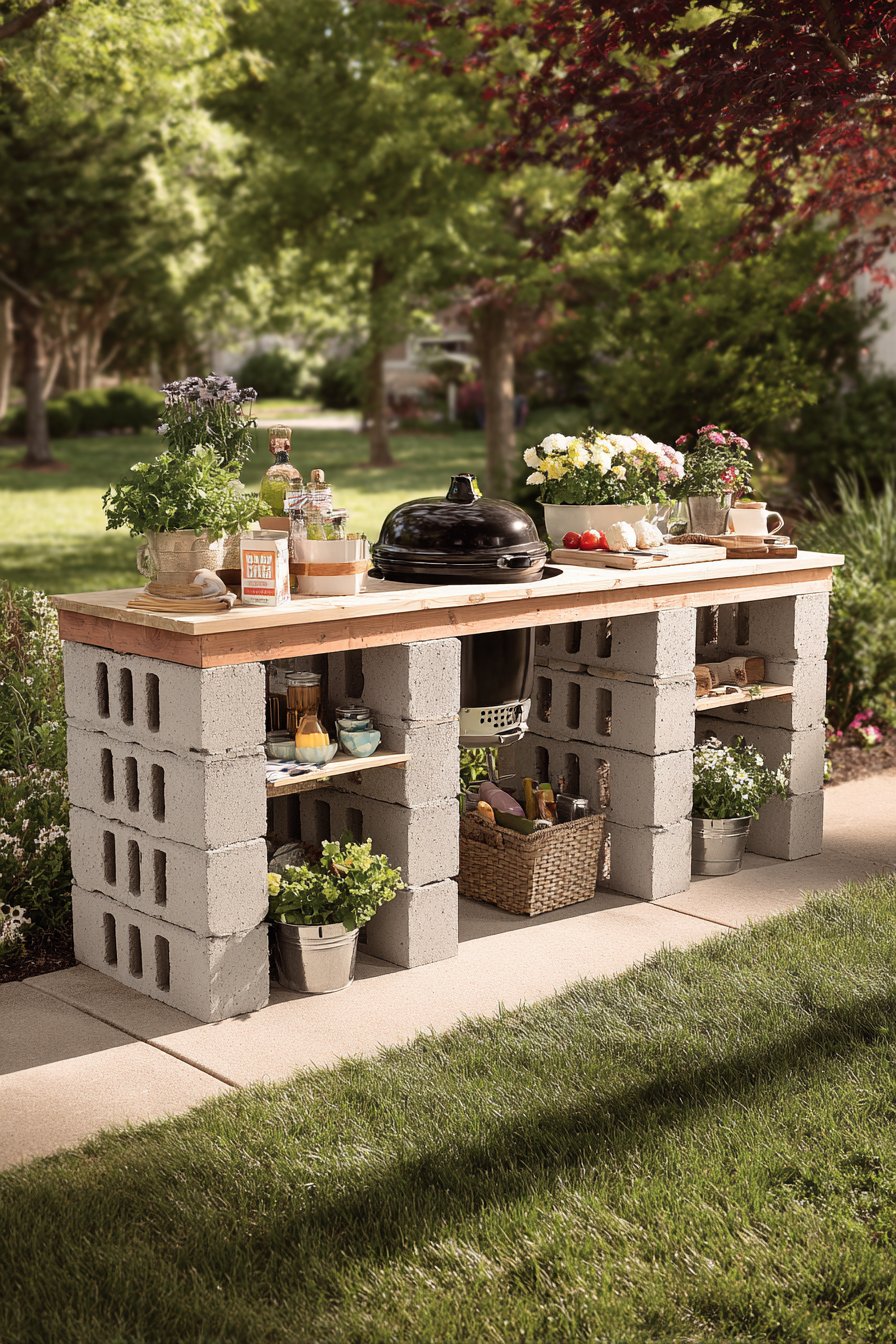
Resourcefulness and creativity combine in this budget-friendly outdoor kitchen that transforms humble cinder blocks into a functional cooking station without sacrificing style. The base structure uses standard concrete blocks arranged to create both support and storage, with wooden plank countertops sealed for weather resistance providing a warm, organic work surface. A built-in kettle grill sits flush with the counter surface, creating a seamless integration that belies the economical construction method.
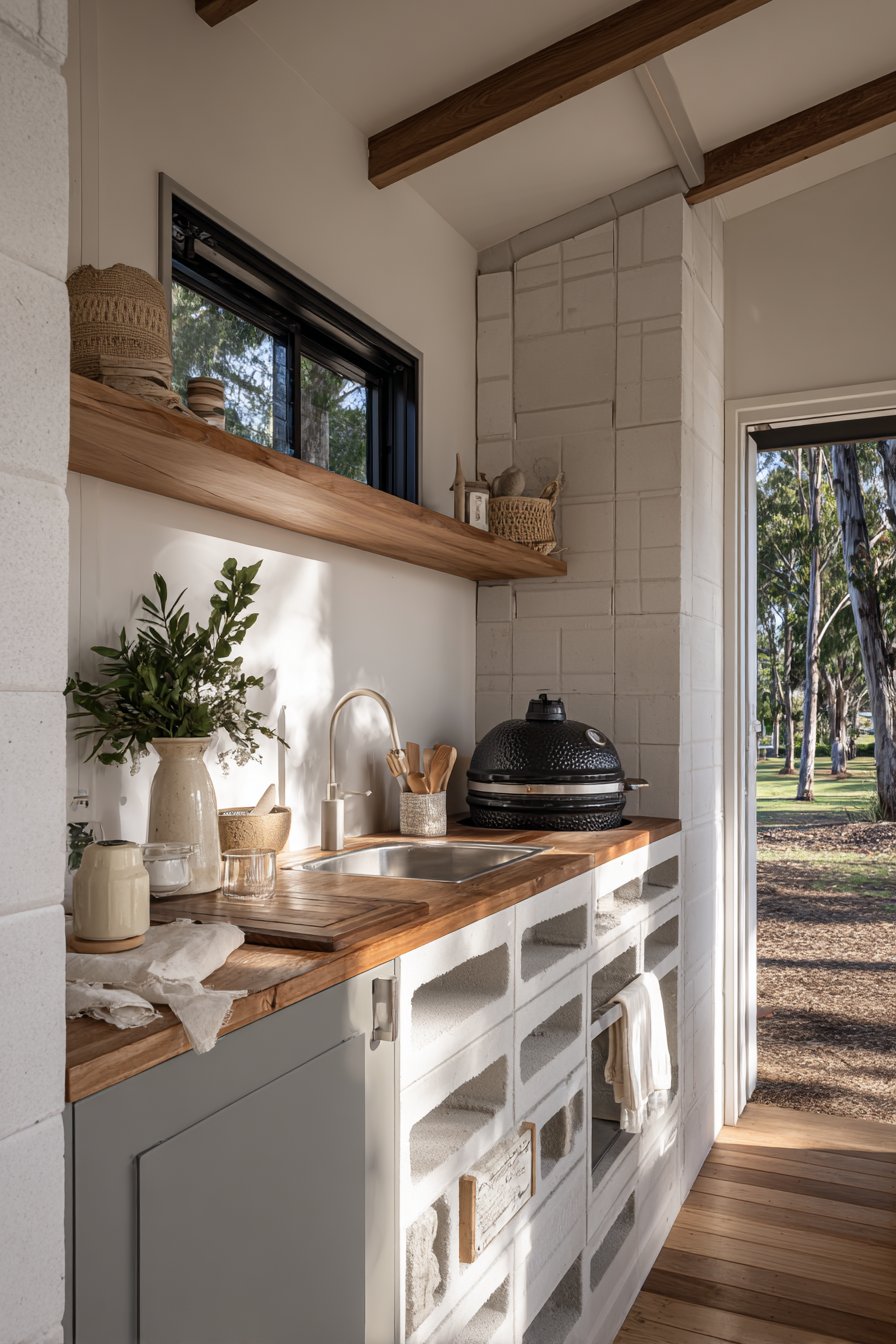
Open shelving created from the natural cavities in cinder blocks provides practical storage for grilling tools and supplies while showcasing the honest construction technique. The DIY aesthetic embraces painted blocks in neutral grey, demonstrating how simple materials can create attractive results when approached with intentionality. This design proves that outdoor kitchen dreams need not remain out of reach due to budget constraints—creativity and elbow grease can achieve remarkable results.
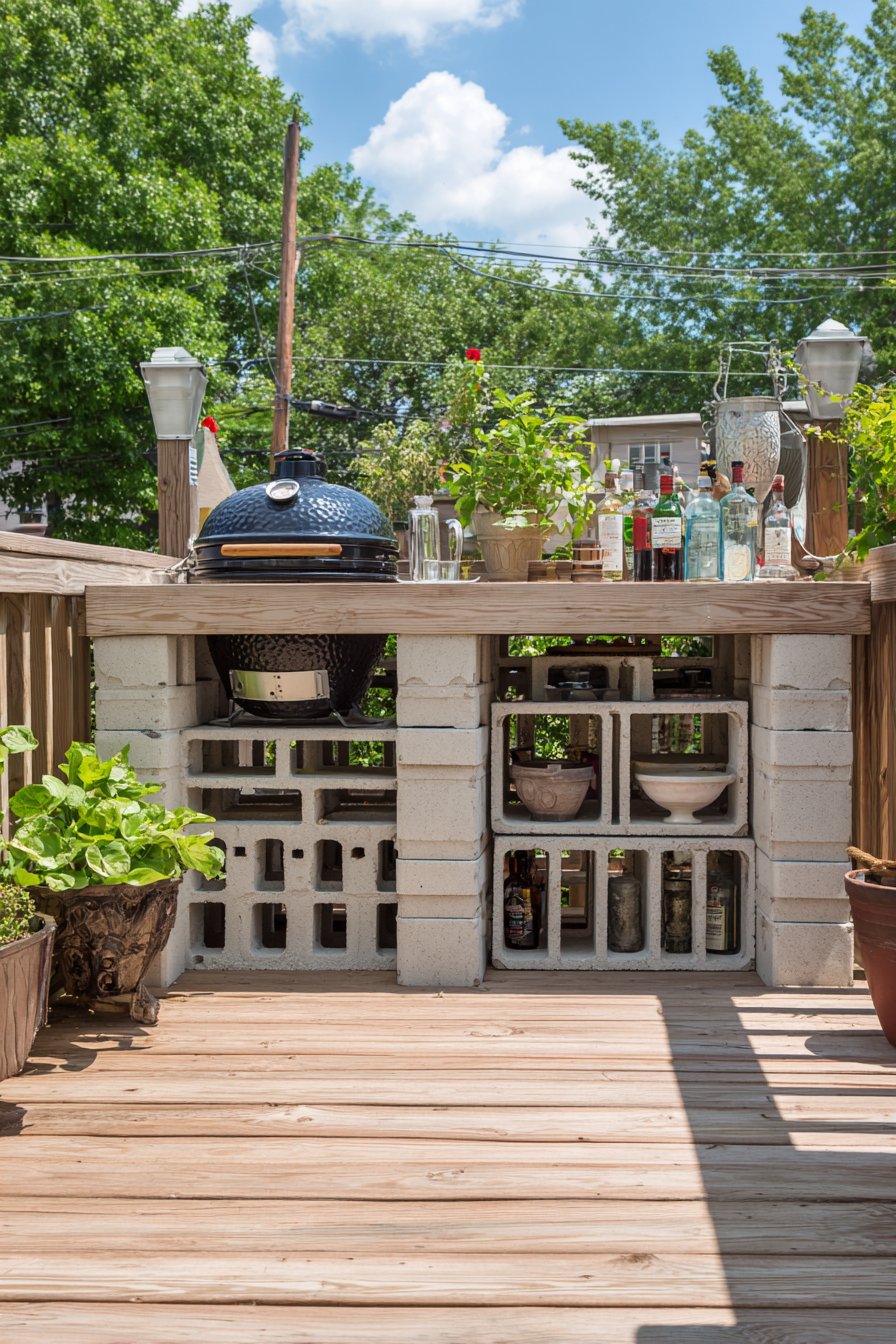
Natural daylight emphasizes the achievable, practical construction in wide-angle photography that reveals the complete build process and encourages others to attempt similar projects. The combination of industrial concrete and natural wood creates an unexpectedly sophisticated appearance that transcends its modest material costs.
Key Design Tips:
- Fill cinder block cavities with rebar and concrete for enhanced stability and longevity
- Use pressure-treated lumber for countertops and apply multiple coats of exterior-grade sealant
- Paint or stain cinder blocks with masonry paint designed to withstand weather exposure
- Install a layer of cement board between blocks and wooden countertop for fire protection
- Add furniture-grade legs or posts at corners for additional support and visual refinement
10. Compact Mobile Island Solution
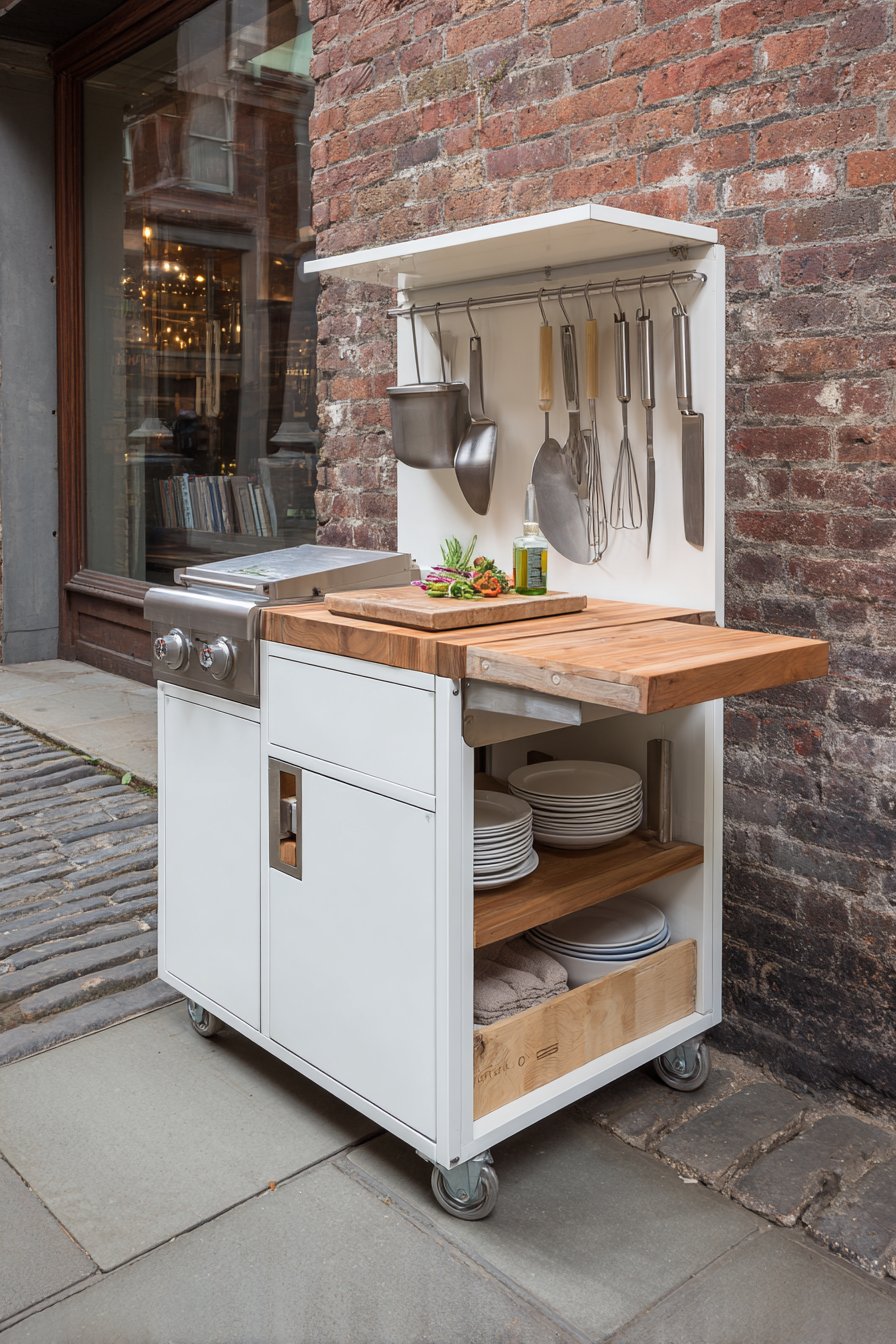
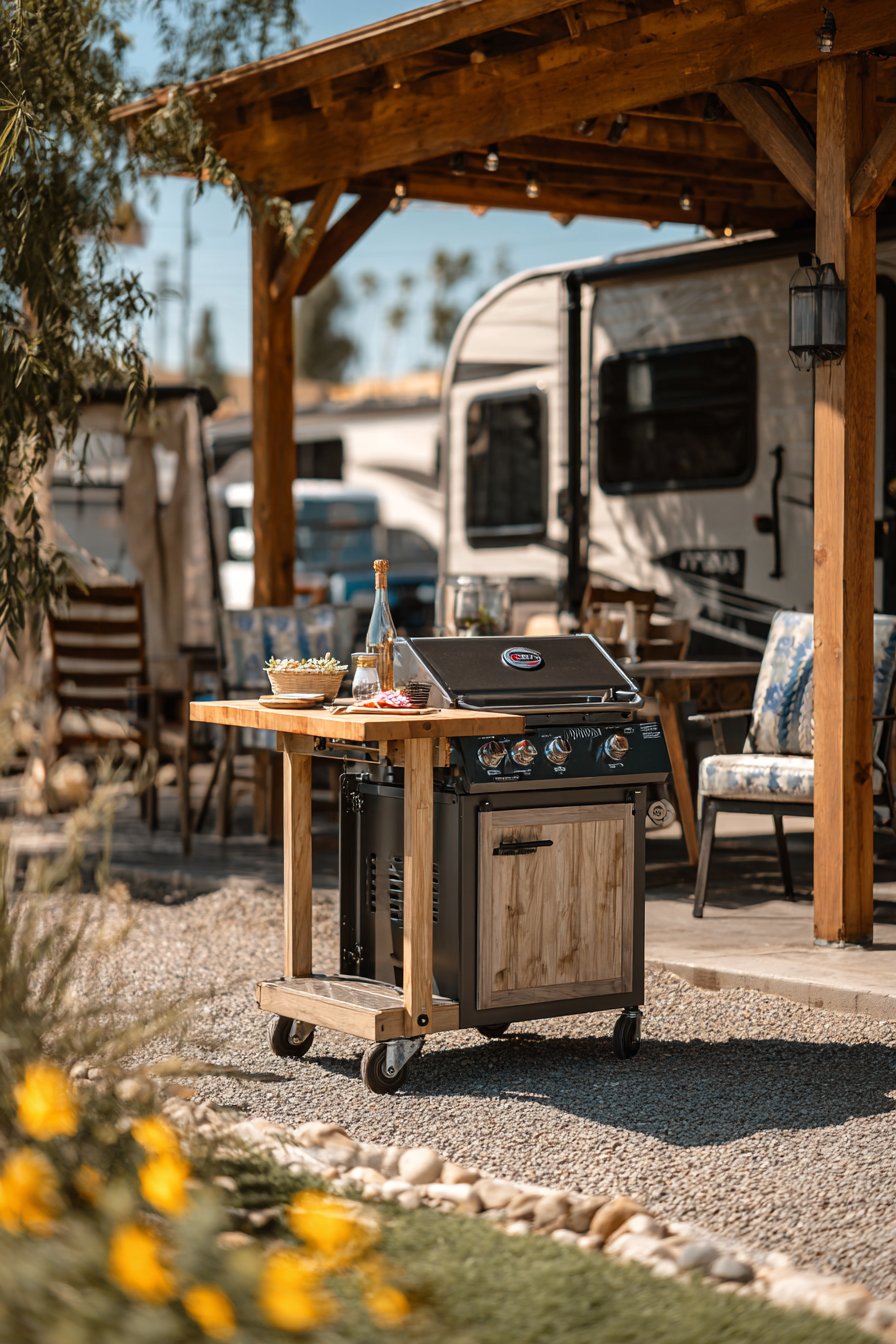
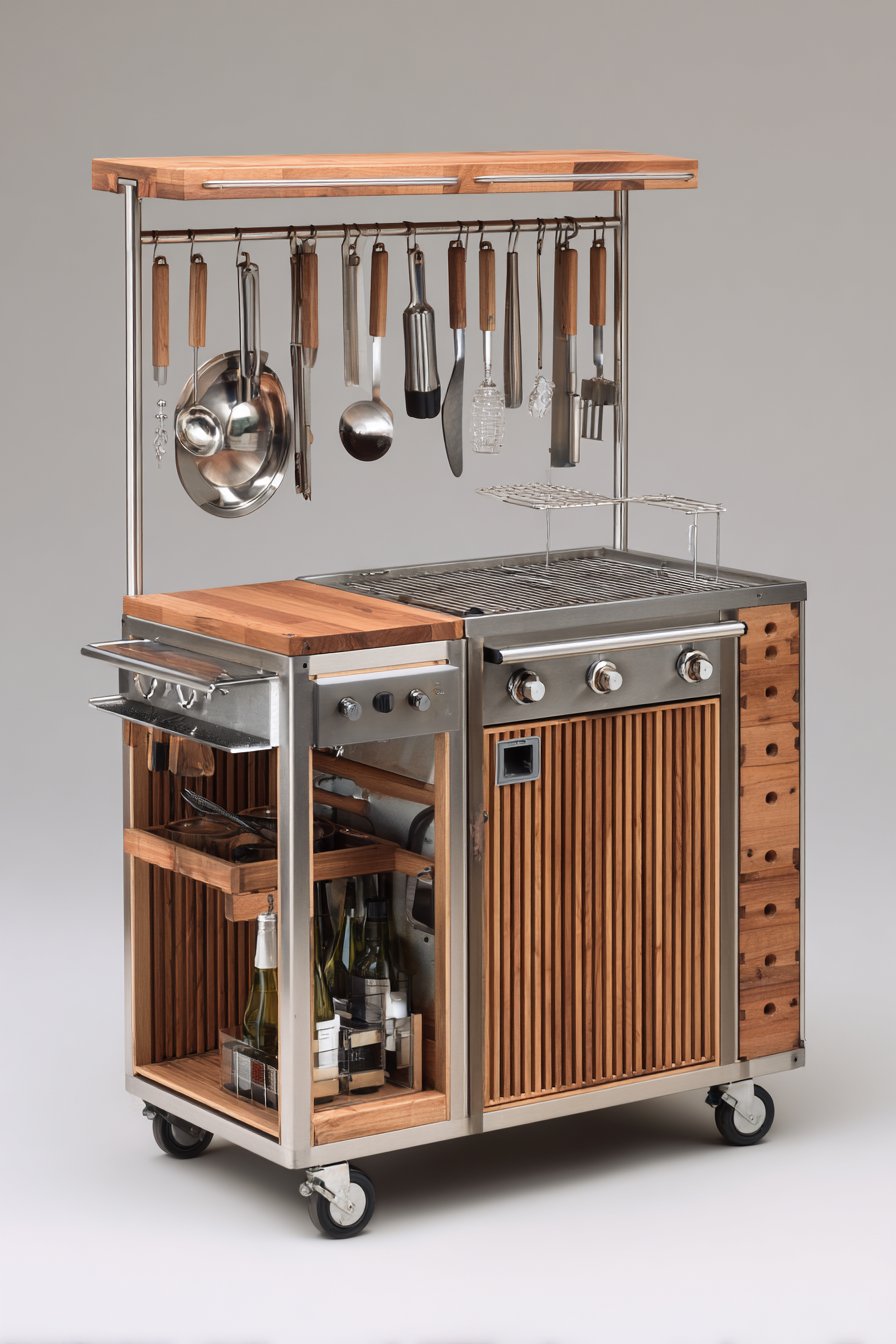
Optimization defines this compact mobile island that delivers maximum functionality within a minimal footprint ideal for space-constrained patios and decks. The butcher block top provides a generous prep surface for chopping, seasoning, and plating, while the built-in propane grill offers reliable cooking performance without requiring permanent gas line installation. The storage cabinet below keeps grilling tools, propane tanks, and supplies organized and protected from weather exposure.
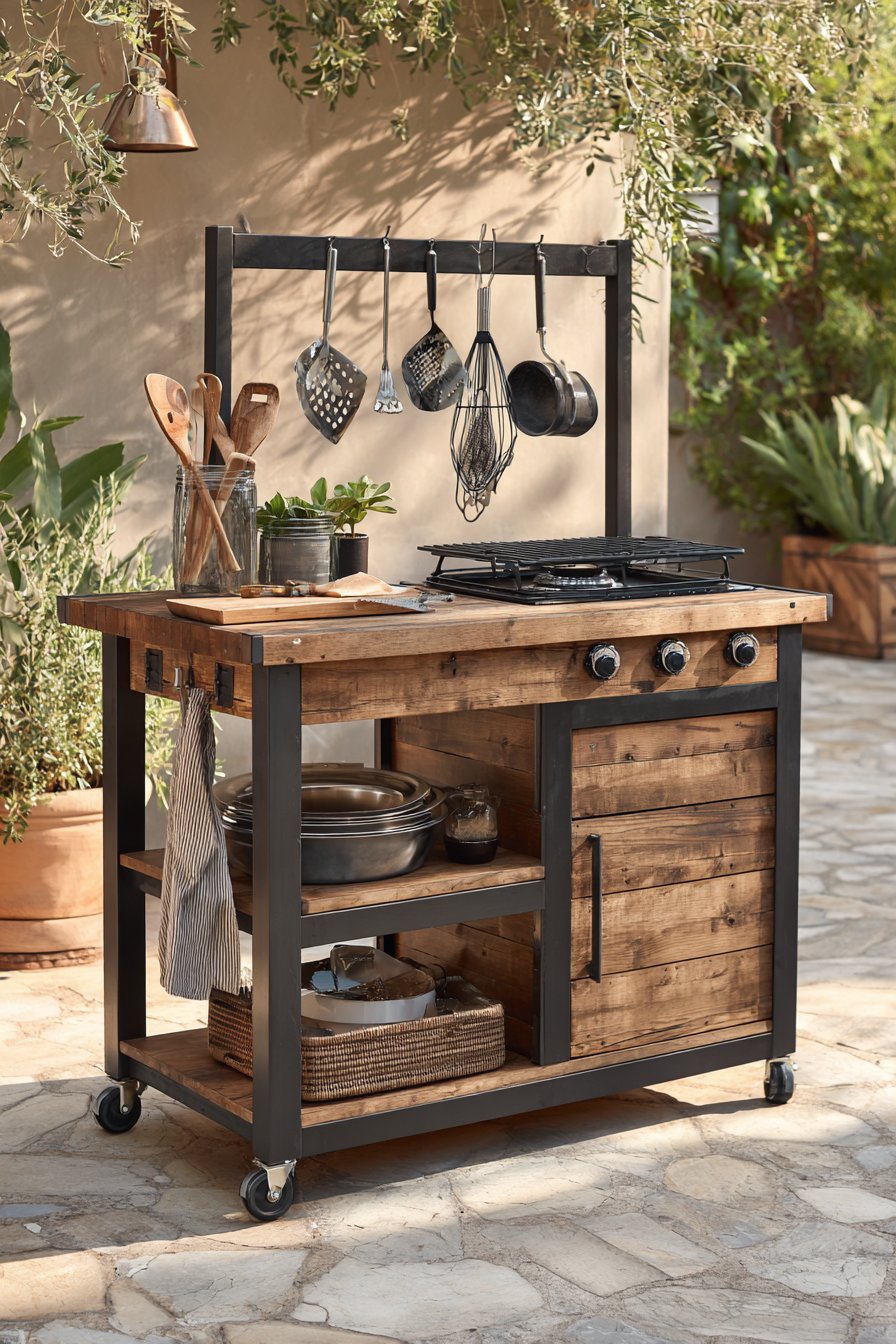
The mobile design incorporates locking casters that provide flexibility to relocate the entire station based on changing needs—move it closer to the house for convenient ingredient access, position it for optimal shade during hot afternoons, or roll it into storage during harsh weather or off-season months. A fold-down side shelf expands prep space when needed and tucks away when not in use, demonstrating the thoughtful space-saving features that make this island ideal for small-space living.
Stainless steel hooks mounted along the sides hold frequently used utensils within easy reach, eliminating the need to dig through drawers mid-cooking. Professional product-style photography shows the versatile setup from multiple angles with even lighting that highlights functional details and quality craftsmanship, helping readers visualize how this solution might work in their own spaces.
Key Design Tips:
- Select a grill with side-mounted controls to maximize usable countertop space
- Install heavy-duty locking casters with at least 3-inch wheels for easy movement over uneven surfaces
- Add a towel bar on one side for convenient access to cleaning cloths and oven mitts
- Consider a butcher block with juice grooves to contain liquids during food preparation
- Include a small shelf inside the cabinet specifically sized to hold a standard propane tank securely
11. Coastal Beach House Aesthetic
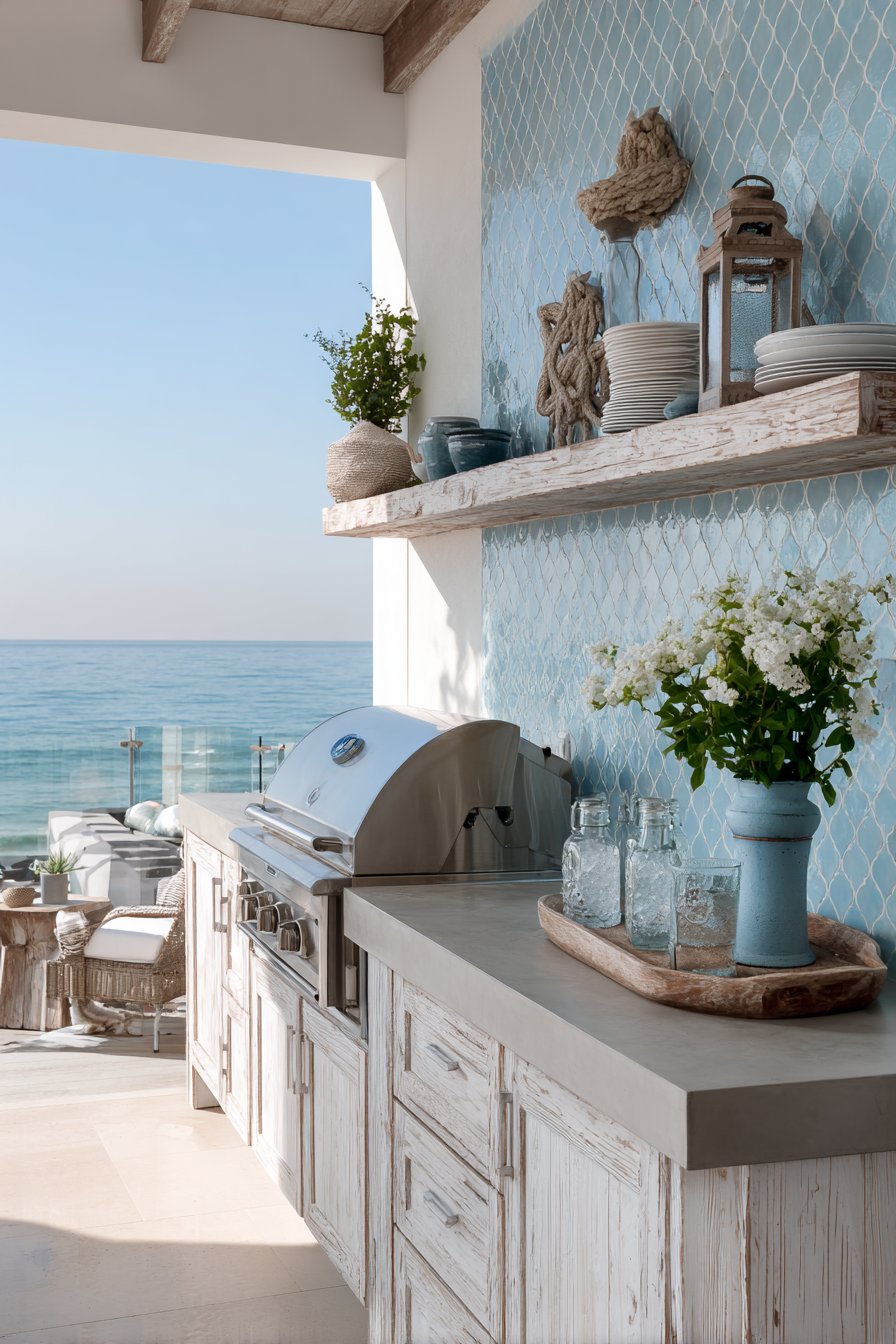
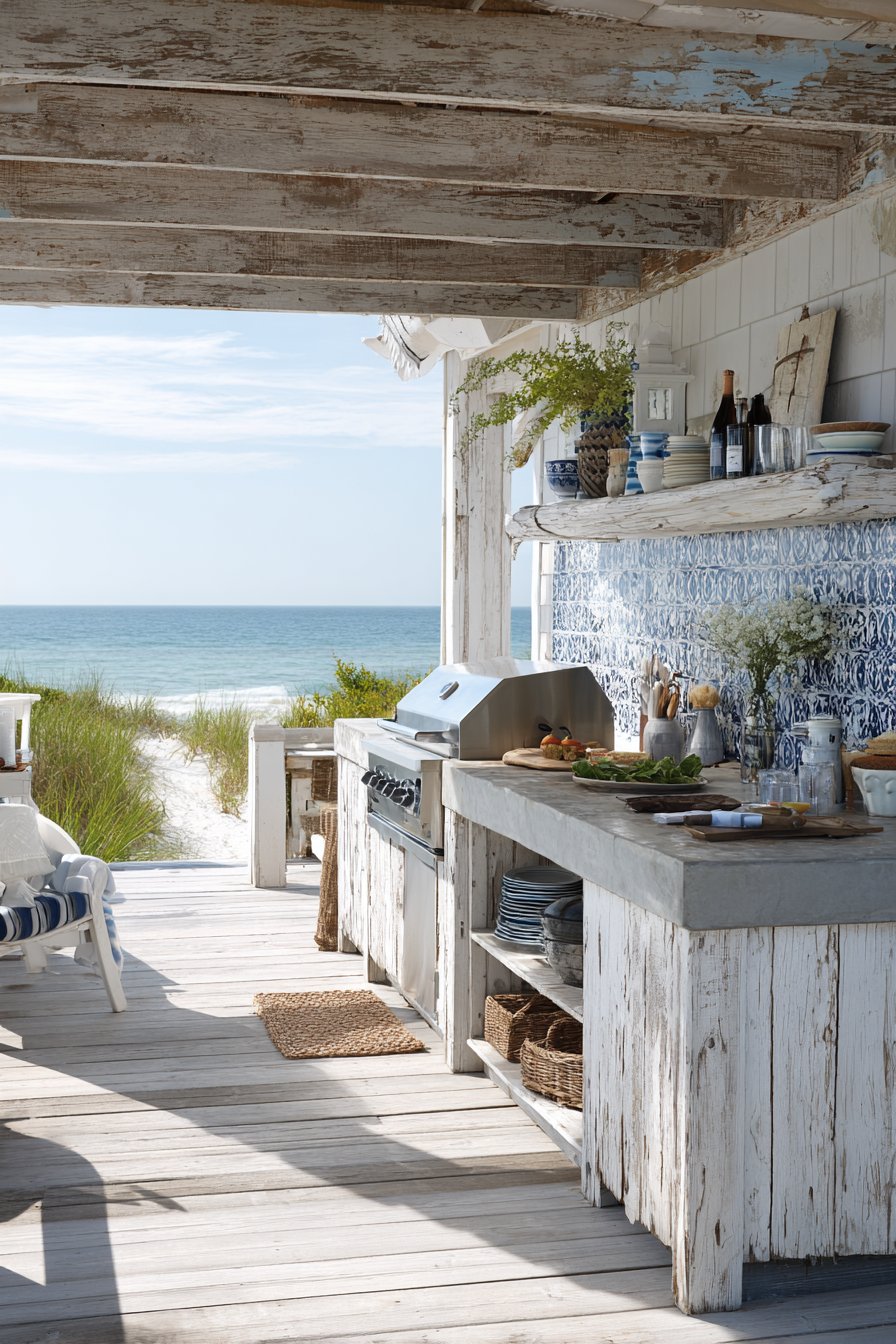
Breezy coastal style transforms outdoor cooking into a seaside escape with this beach-inspired kitchen featuring weathered white-washed wood cabinetry and pale blue tile accents. A stainless steel grill nestles into a concrete countertop with an integrated ice bucket that keeps beverages and ingredients chilled during cooking and entertaining. Rope hardware and nautical details enhance the beach house aesthetic without venturing into theme park territory, maintaining sophisticated restraint.
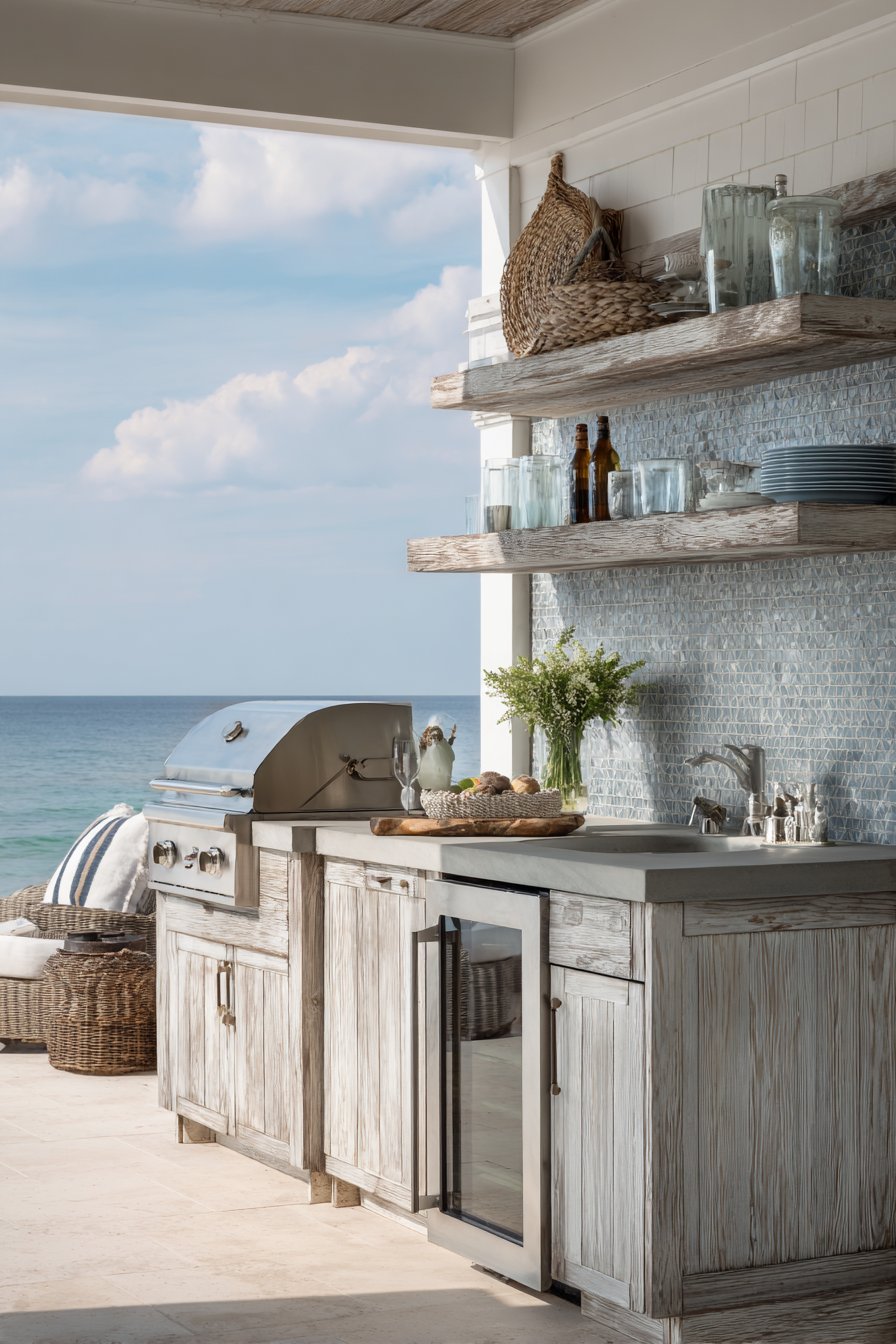
Open shelving displays casual outdoor dinnerware in whites and blues, reinforcing the coastal palette while keeping frequently used items accessible. The space overlooks a seaside view that becomes part of the design itself, with the kitchen positioned to take maximum advantage of ocean breezes and sunset vistas. Soft natural light reflecting off light-colored surfaces creates a bright, airy atmosphere that embodies relaxed waterfront living.
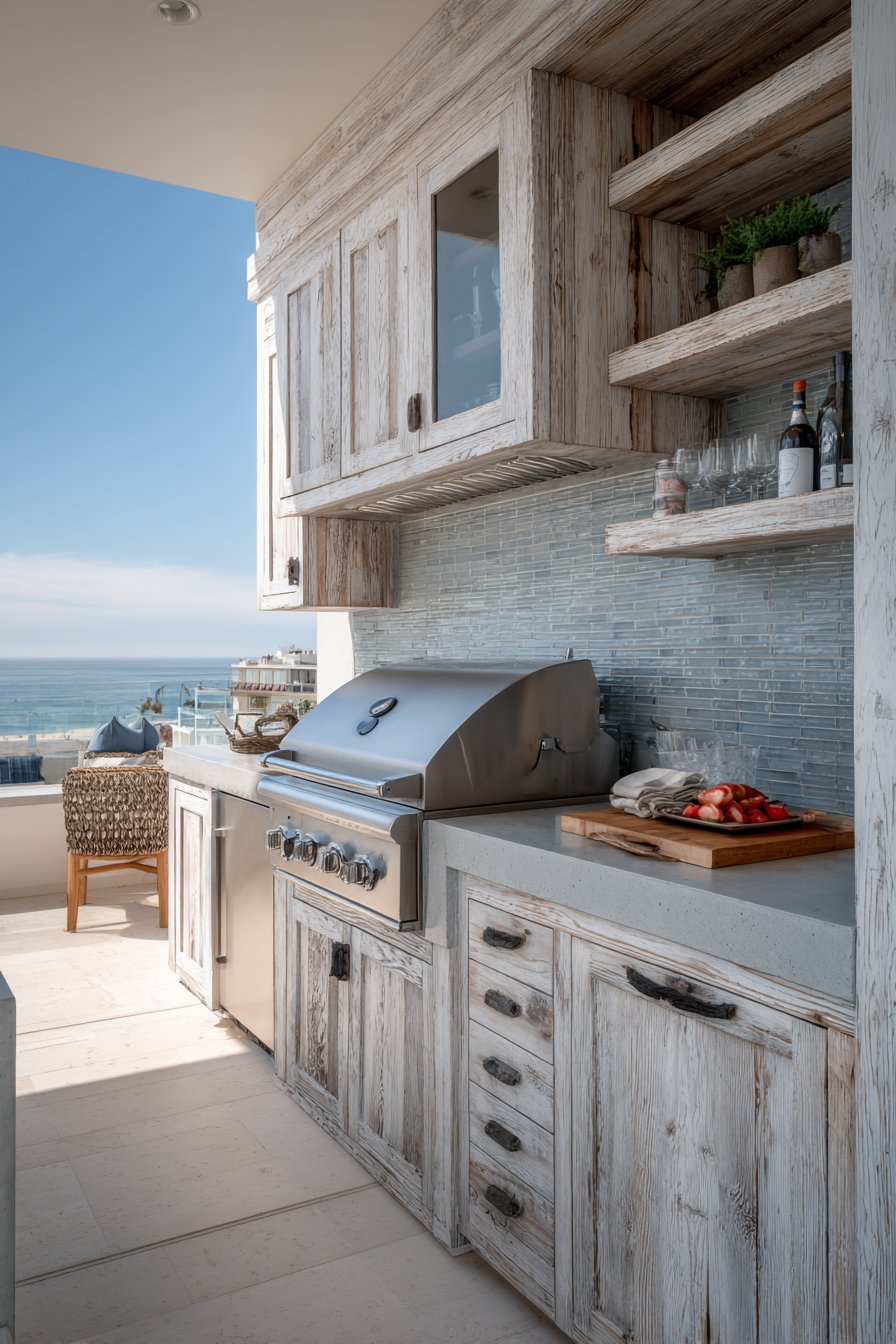
The weathered finish on wood surfaces develops naturally over time through exposure to salt air and sun, or can be achieved initially through specialized finishing techniques. This imperfect, lived-in quality suits the coastal aesthetic perfectly, where signs of use and exposure become design features rather than flaws to be hidden or repaired.
Key Design Tips:
- Choose marine-grade hardware and fasteners to prevent corrosion from salt air exposure
- Apply multiple coats of exterior-grade sealant to white-washed wood for enhanced weather protection
- Install wind-resistant features like weighted items and secured elements for breezy coastal locations
- Use slip-resistant flooring materials to accommodate wet feet and occasional rain exposure
- Incorporate drainage solutions in the countertop design to manage water from the ice bucket and sink
12. Corner Configuration Efficiency
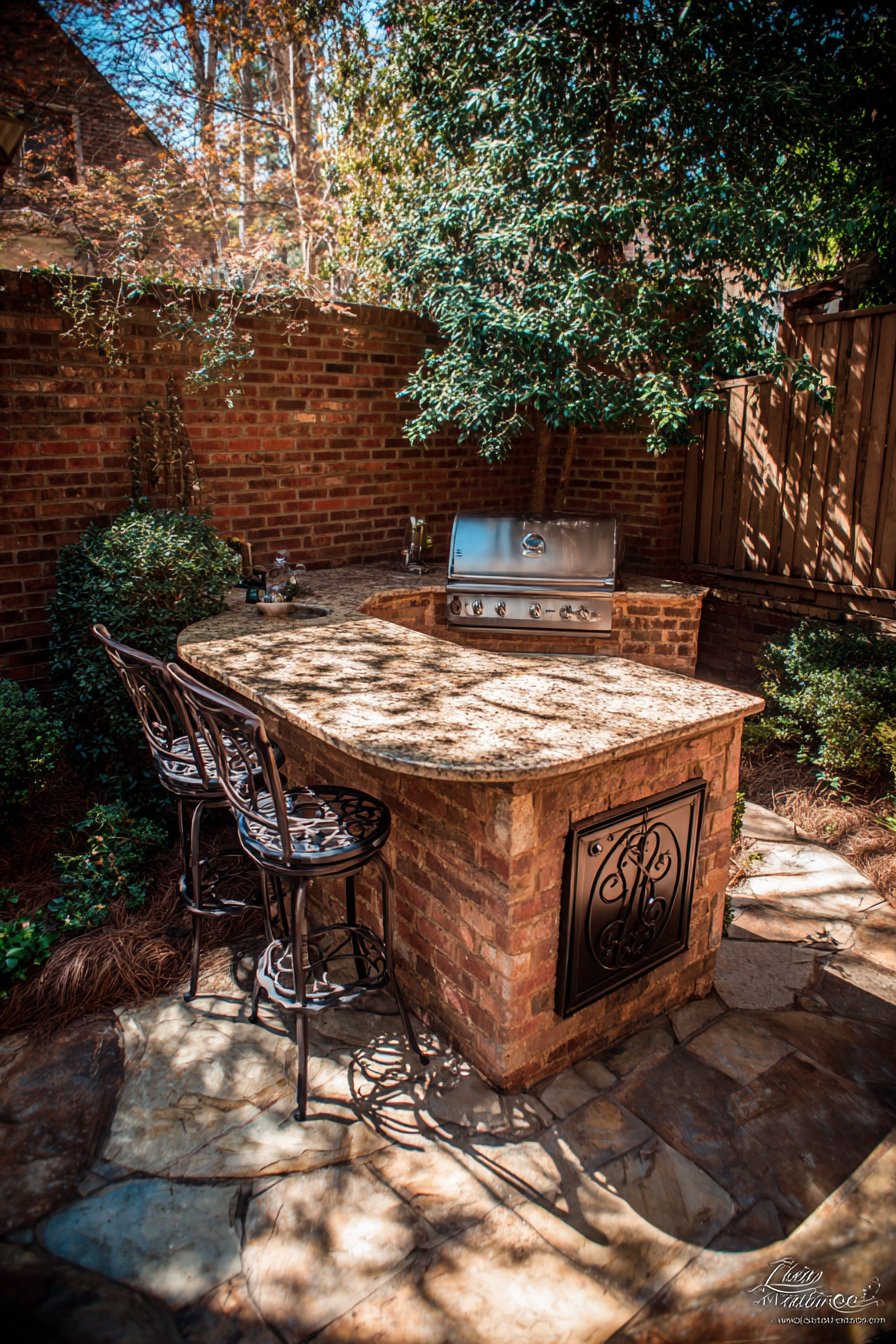
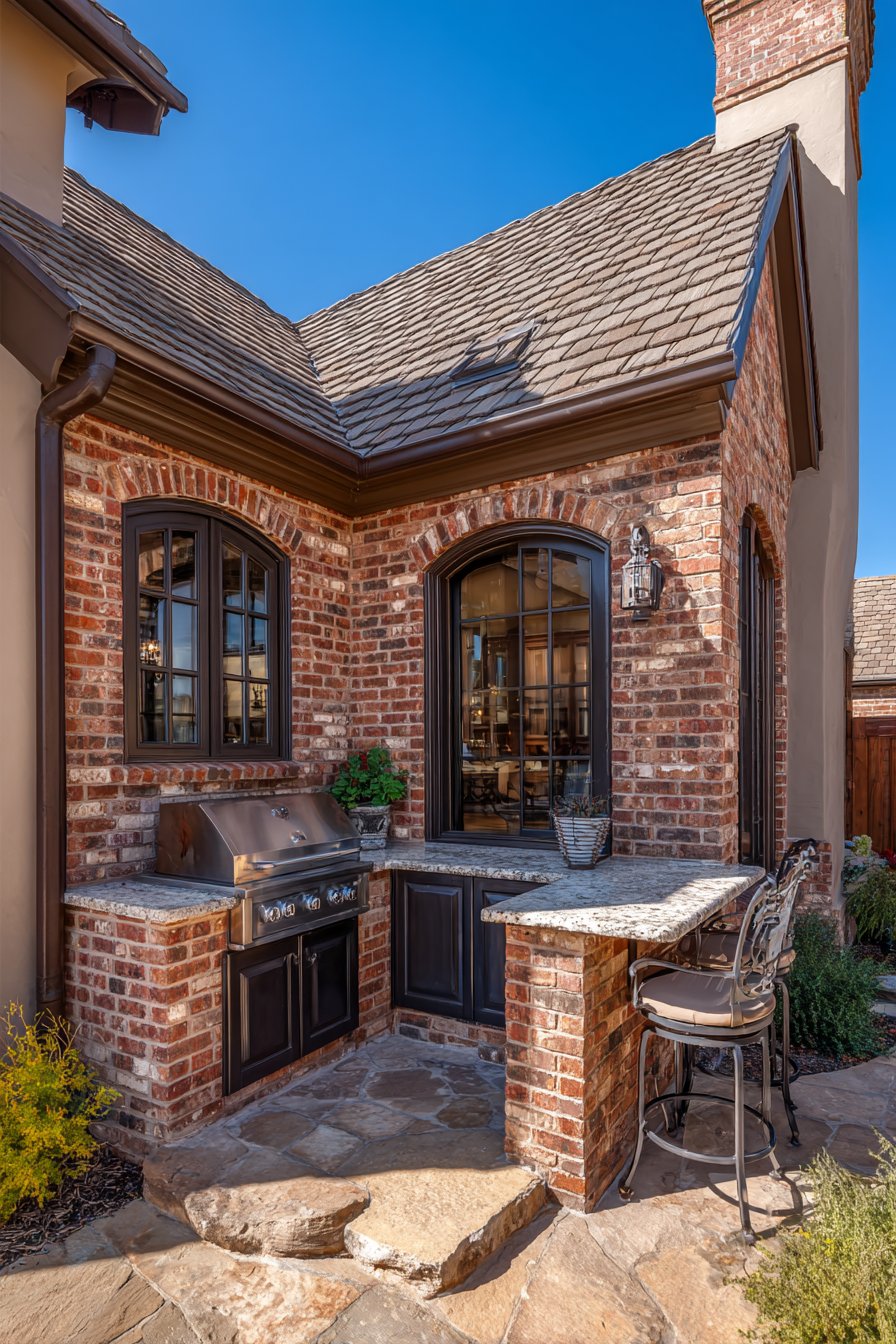
Smart spatial planning shines in this corner outdoor kitchen that transforms an often-underutilized L-shaped patio space into a fully functional cooking zone. Red brick construction provides traditional aesthetic appeal and excellent durability, while a granite countertop slab offers a sophisticated work surface that withstands weather and heat exposure. The built-in grill and side burner provide comprehensive cooking capabilities, with the corner positioning creating an efficient work triangle that minimizes unnecessary movement.
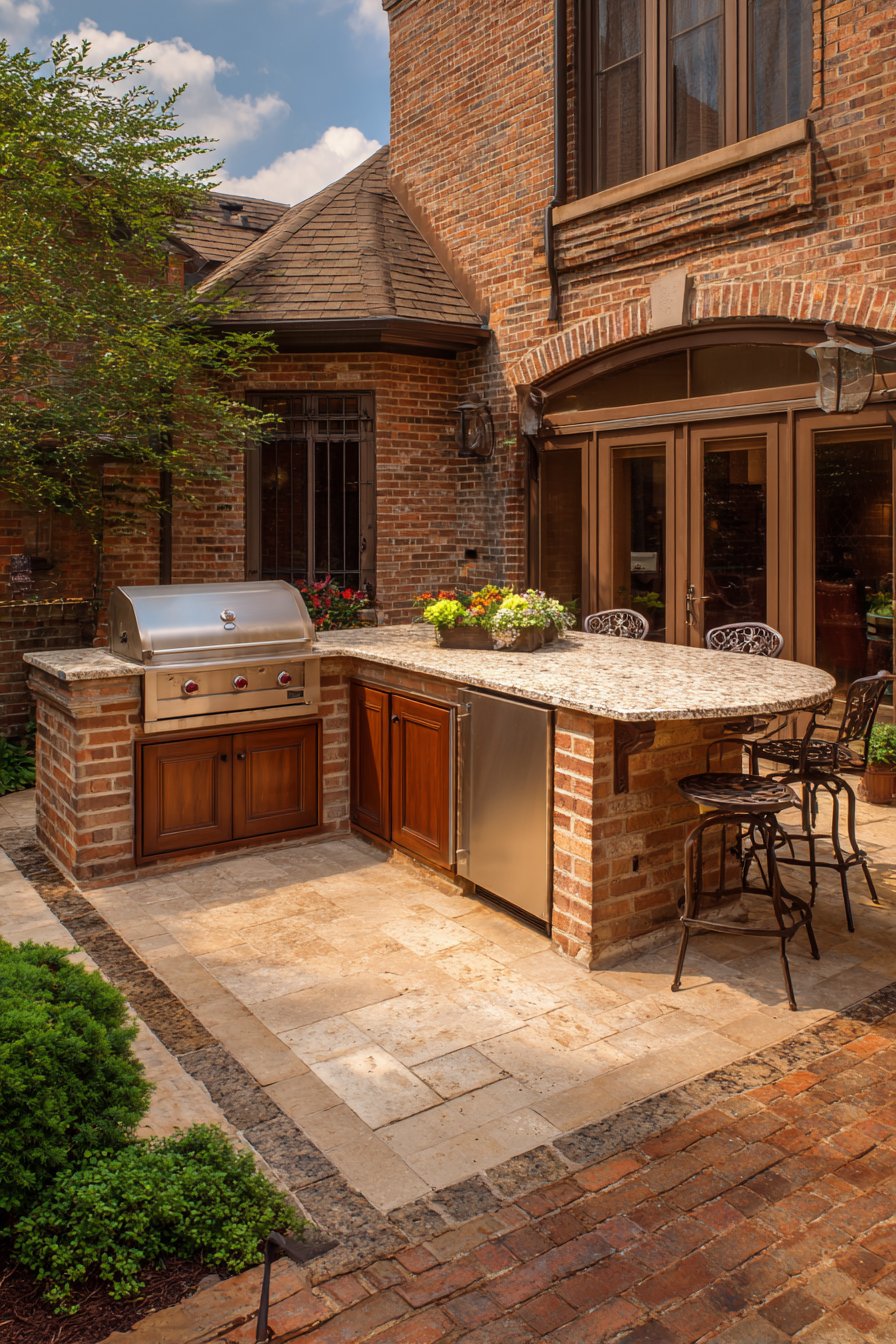
A small bar area extending from one side accommodates two stools, transforming the kitchen into a casual dining and socializing space. Traditional styling with wrought iron cabinet doors adds architectural interest while maintaining airflow to stored items. The wide-angle architectural photography demonstrates how corner configurations maximize awkward spaces that might otherwise remain empty or underutilized.
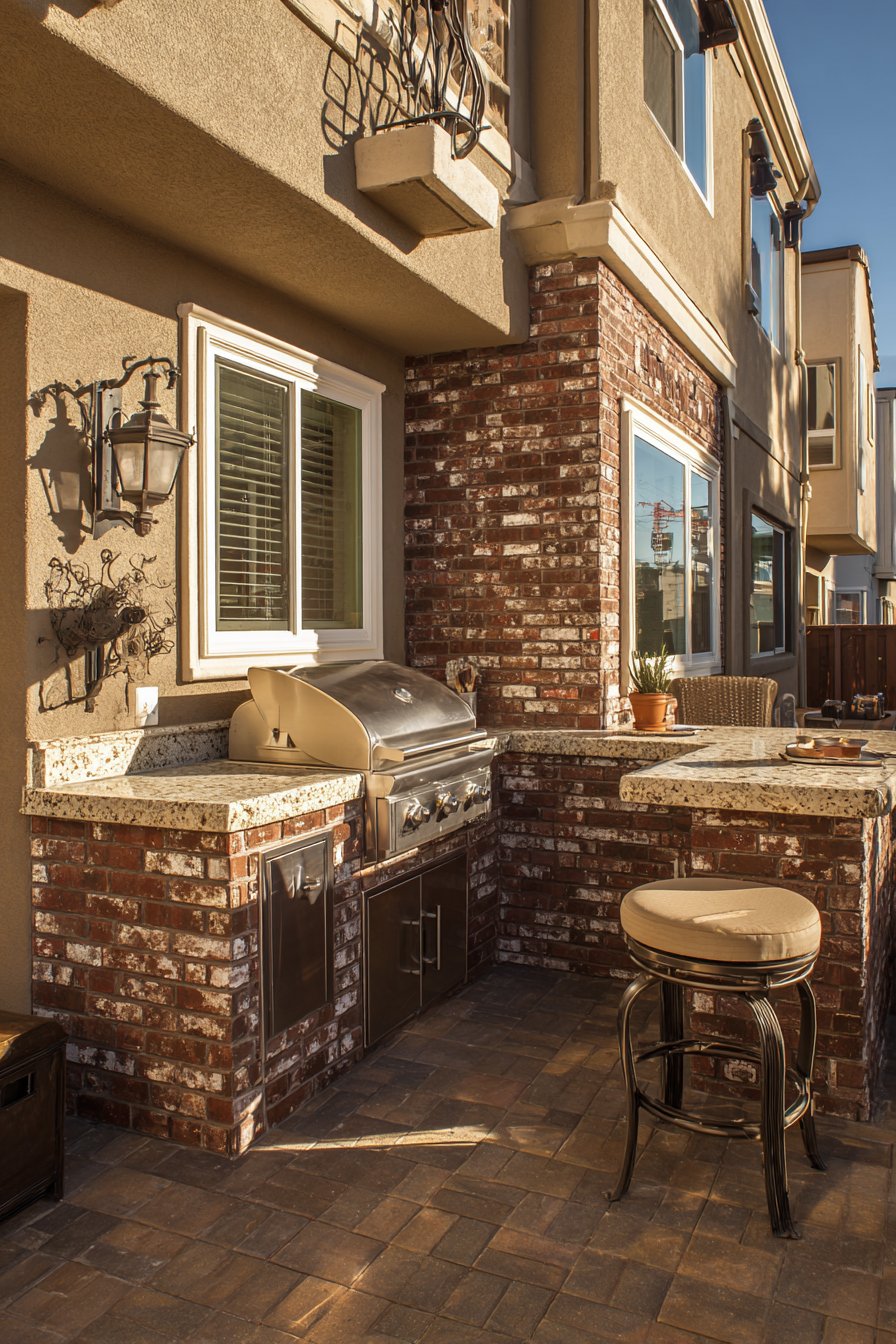
Afternoon sunlight creates depth through natural shadows that emphasize the texture of brick and granite surfaces while highlighting the dimensional aspects of the corner design. The traditional materials and classical styling ensure this kitchen will remain relevant for decades, avoiding trendy elements that might feel dated as design fashions evolve.
Key Design Tips:
- Plan the corner carefully to ensure the grill lid can open fully without hitting walls or overhead structures
- Install task lighting focused on the cooking surface rather than ambient lighting for the entire area
- Use corner cabinet solutions with rotating shelves or pull-out organizers to maximize deep corner storage
- Consider installing a small fan or misting system for comfort during hot weather cooking sessions
- Add electrical outlets on multiple walls to accommodate various appliance positions
13. Contemporary Cedar and Granite Fusion
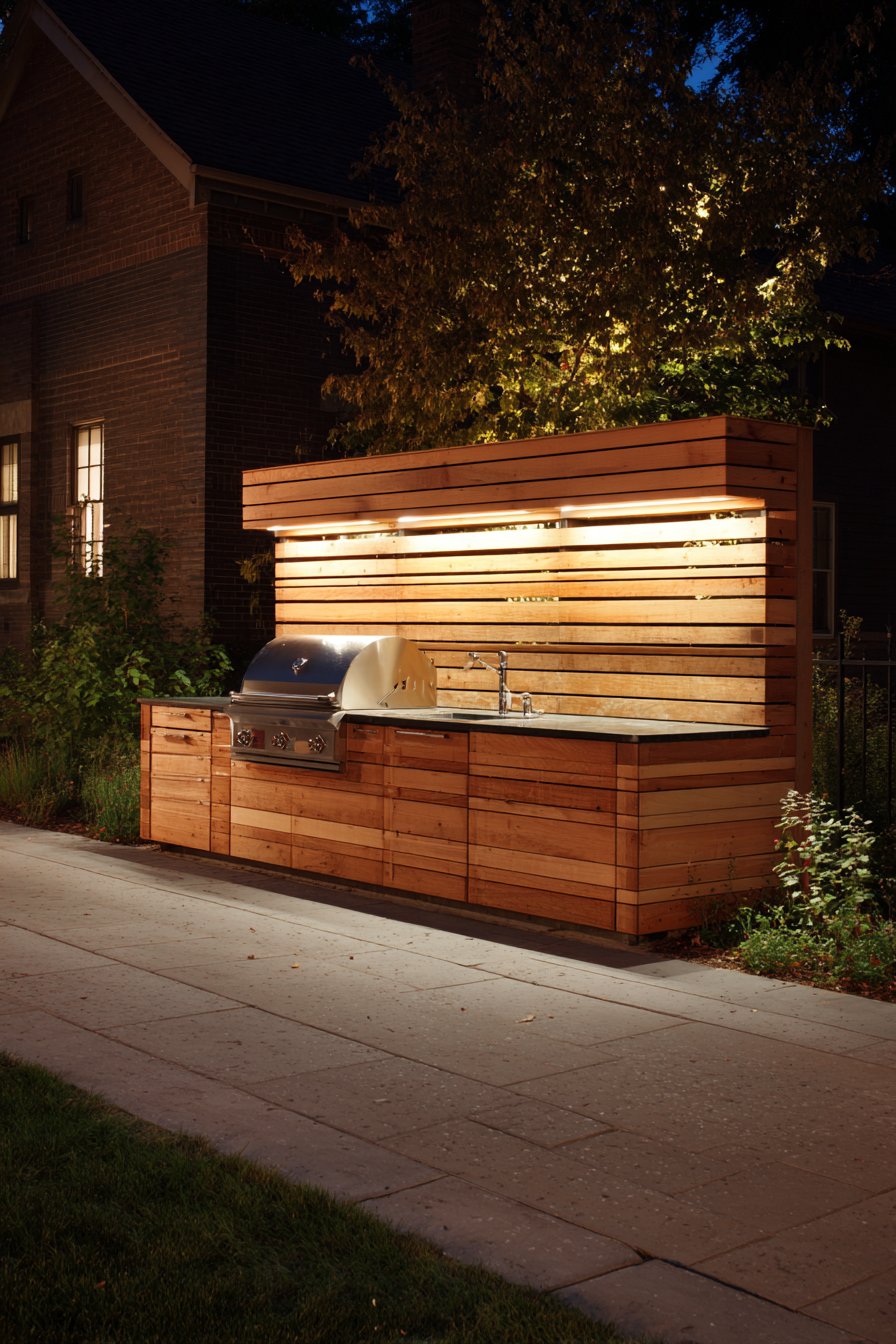
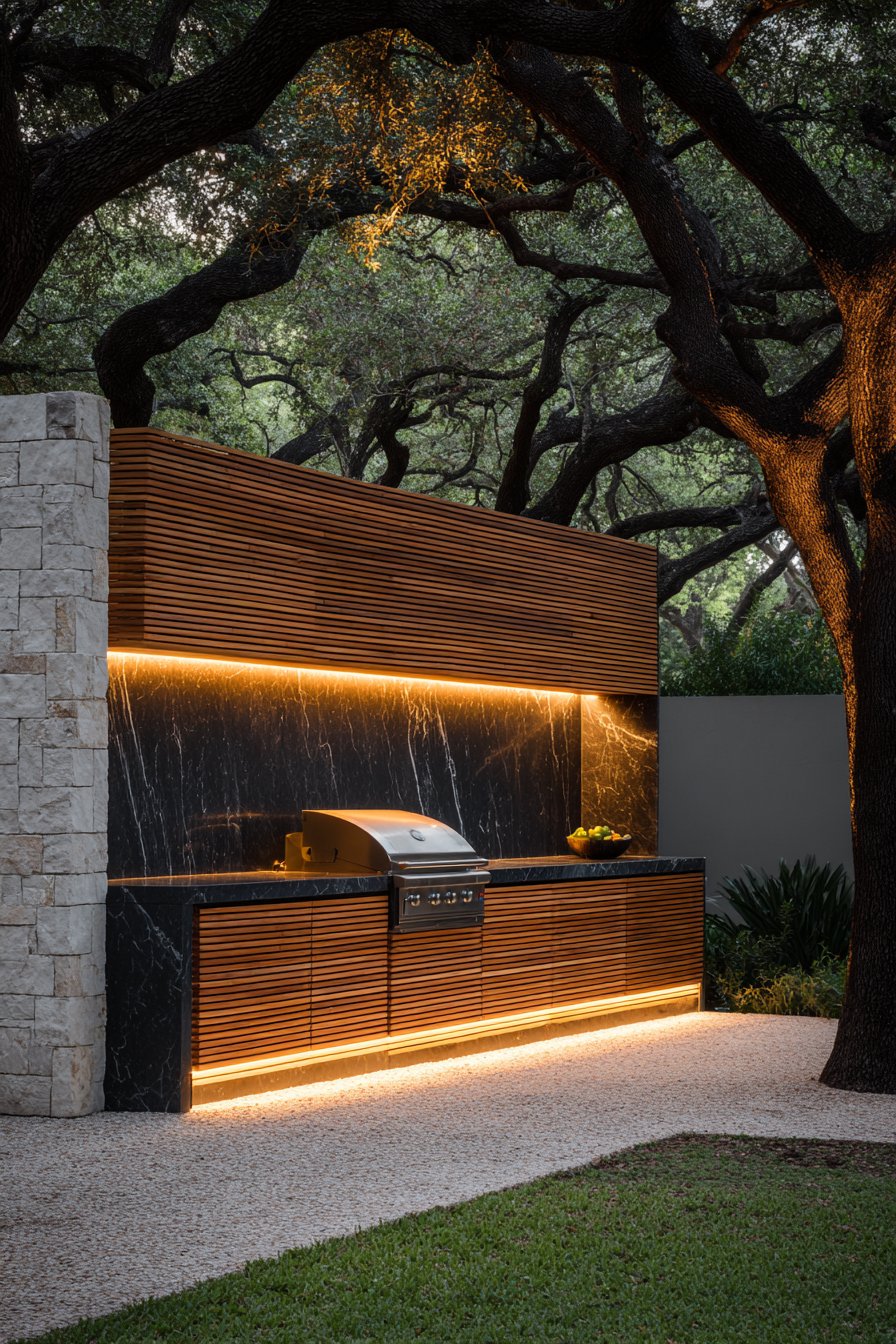
Horizontal wood slats create striking visual rhythm in this contemporary outdoor kitchen where natural cedar cabinetry meets honed black granite countertops. The streamlined design incorporates a flush-mounted grill that sits level with the counter surface for seamless integration, joined by a prep sink and under-counter storage that maintains the clean-lined aesthetic. Integrated LED strip lighting illuminates work surfaces while creating dramatic visual effects during evening use.
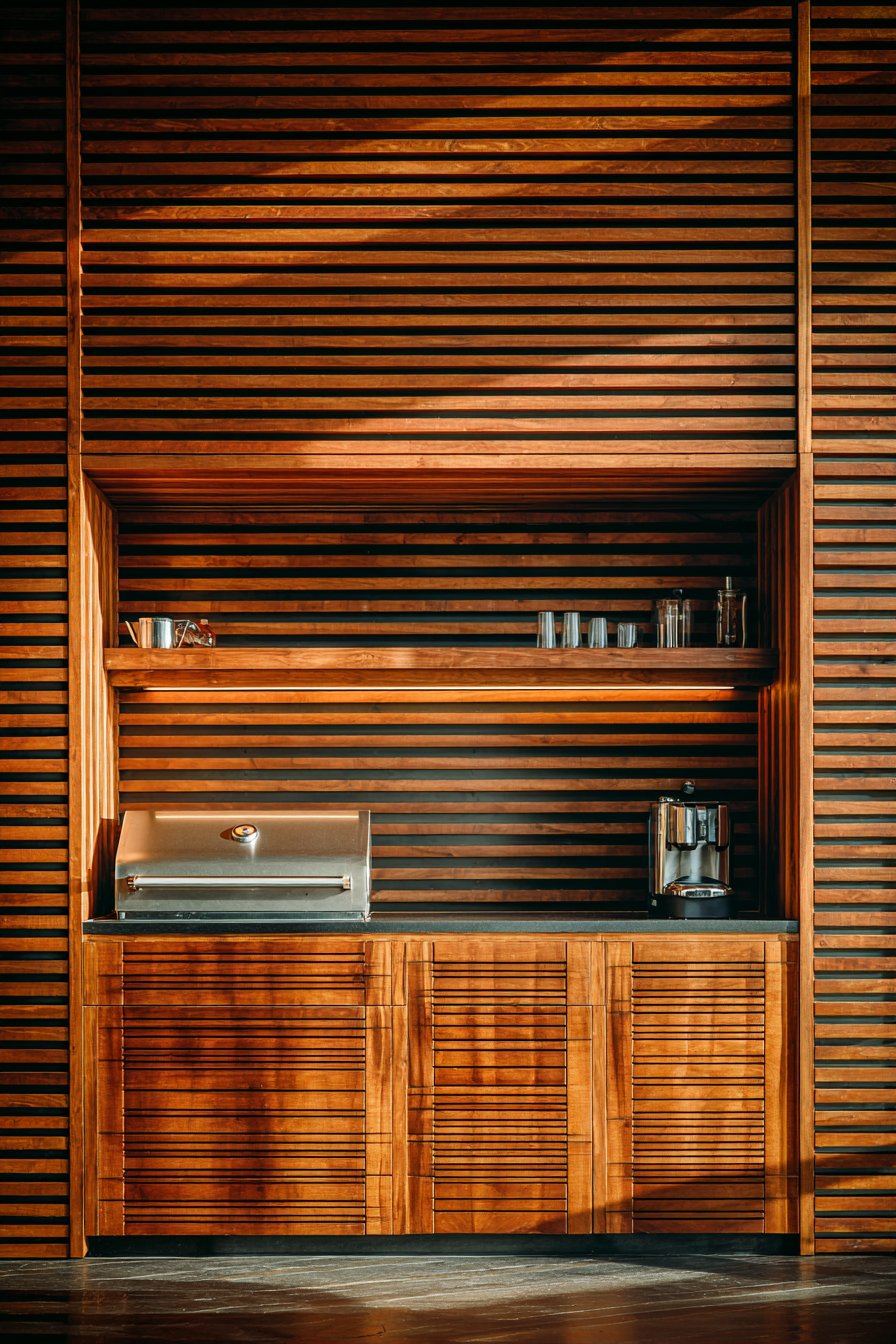
Minimal hardware maintains the contemporary vocabulary, with touch-latch mechanisms or recessed pulls preventing hardware from disrupting the horizontal slatted pattern. The natural cedar develops a silvery grey patina over time, or can be regularly treated with oil to preserve its original warm tones. The honed finish on black granite provides slip resistance while avoiding the high-maintenance requirements of polished stone.
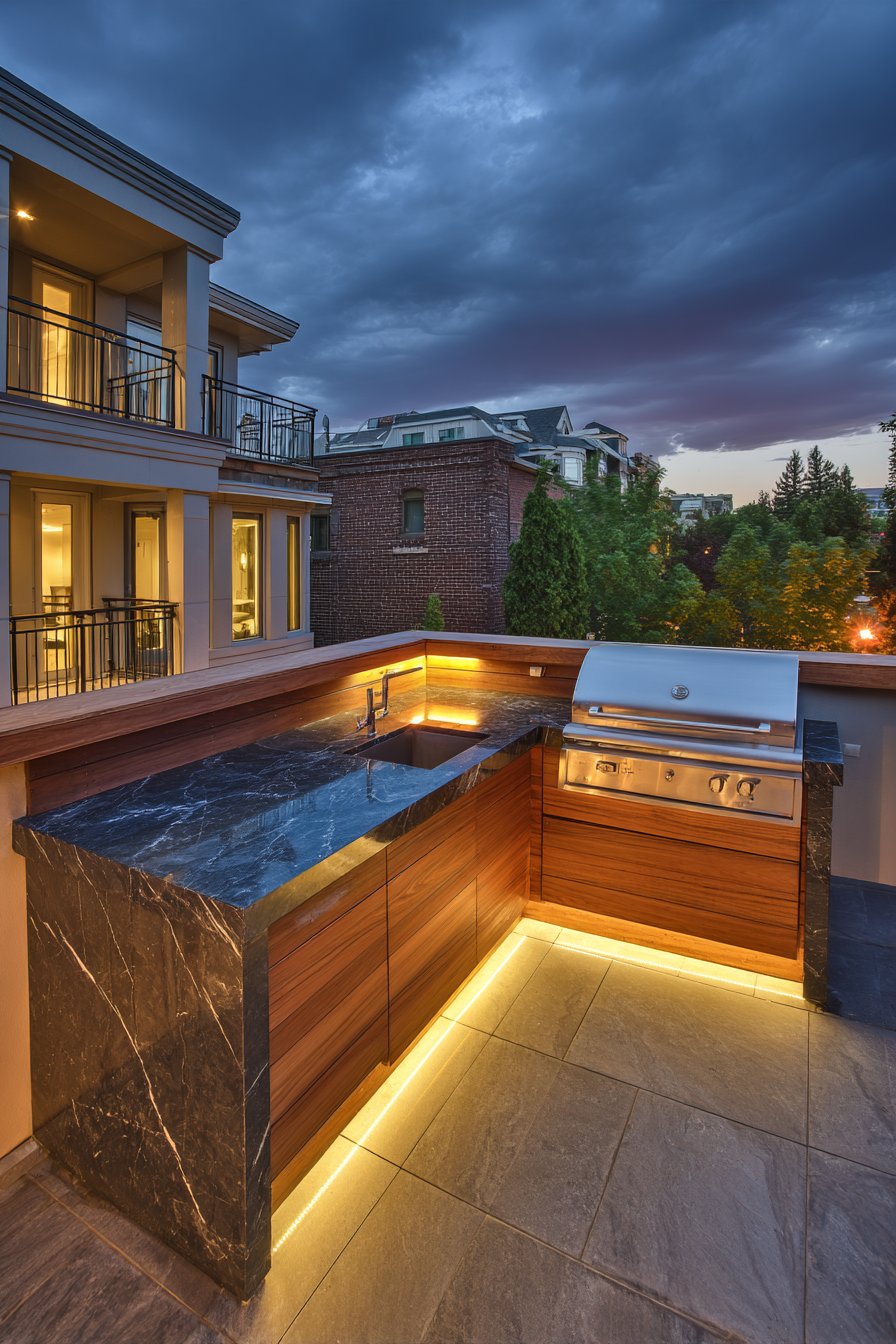
Professional evening photography captures the dramatic interplay between warm wood tones and cool stone surfaces, with subtle artificial lighting enhancing material textures and creating atmospheric depth. This sophisticated approach demonstrates how outdoor kitchens can achieve the design refinement typically associated with interior spaces while remaining appropriate for exterior conditions.
Key Design Tips:
- Space cedar slats with slight gaps to allow for natural expansion and contraction with moisture changes
- Install LED strips in waterproof channels with proper drainage to prevent moisture accumulation
- Choose honed or leather-finished granite rather than polished surfaces for better slip resistance when wet
- Add a small backsplash behind the grill area using matching granite to protect wood from heat and grease
- Consider motion-sensor activation for LED lighting to provide automatic illumination when approaching
14. Integrated Pergola Structure
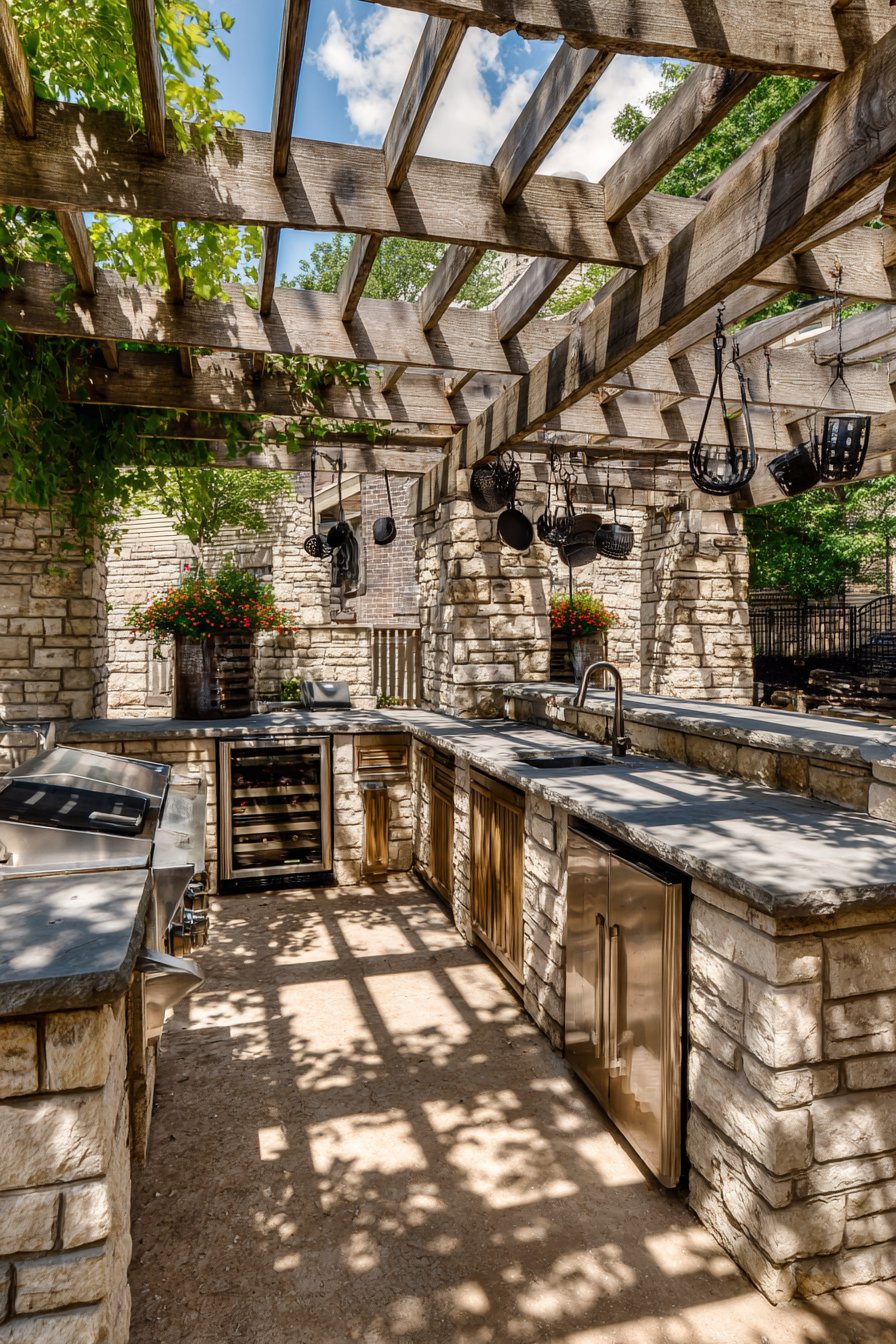
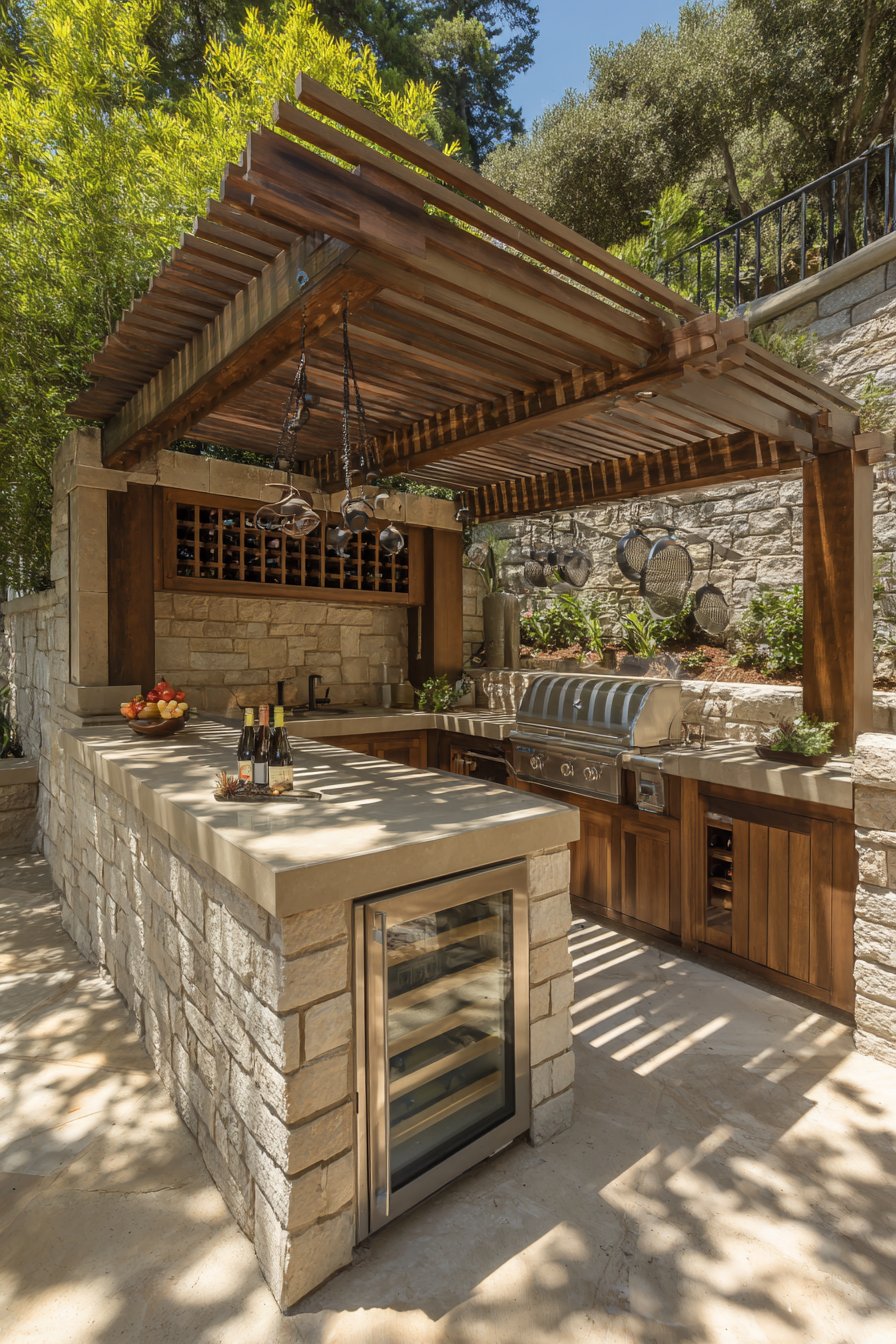
Architectural integration reaches its pinnacle in this outdoor kitchen where a custom pergola provides both structure and style while supporting essential cooking functions. The built-in grilling station features stone veneer base and sealed concrete counters that balance rustic texture with modern durability. Hanging pot racks suspended from overhead beams maximize storage while keeping frequently used cookware within easy reach, transforming functional storage into decorative display.
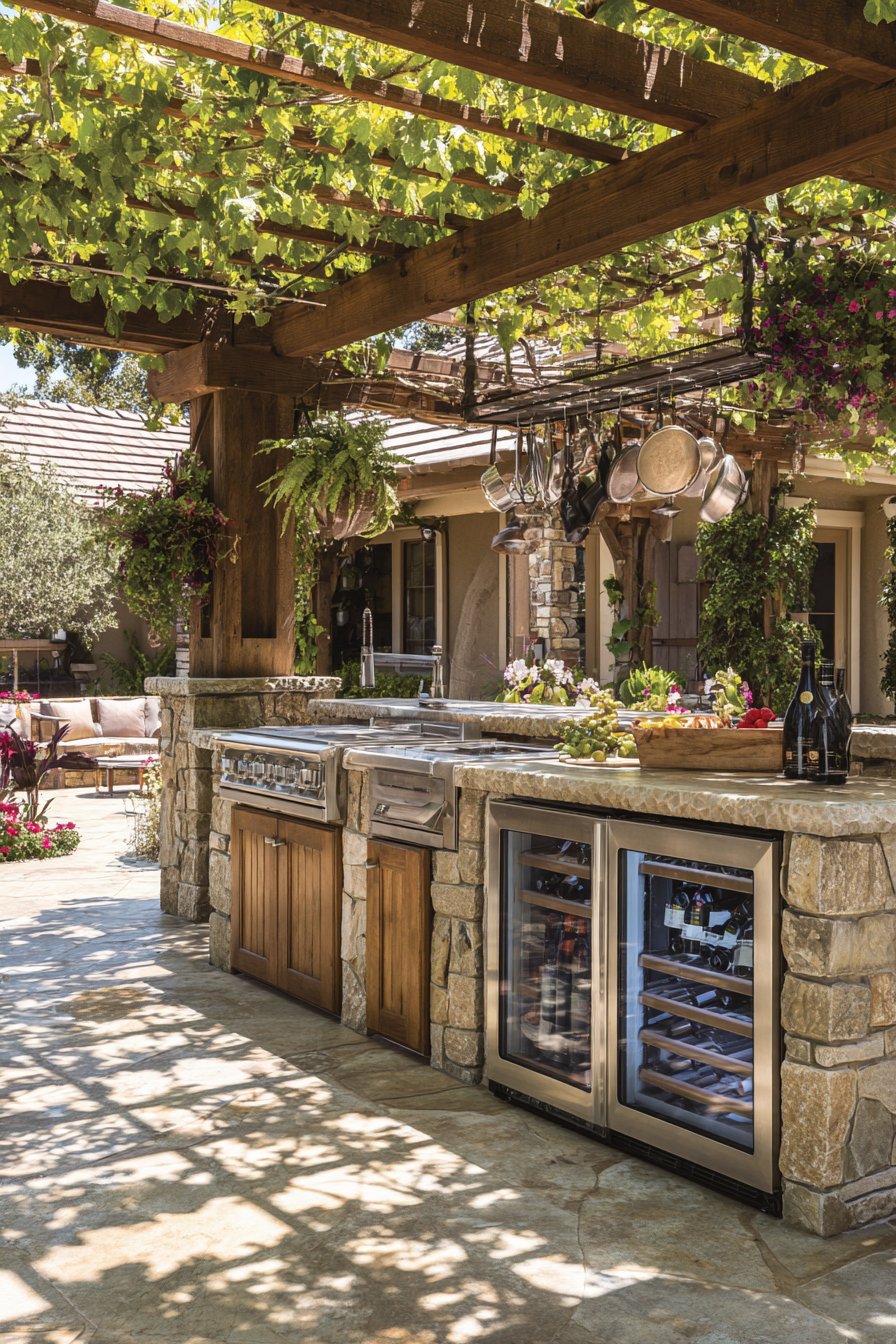
A compact bar sink with gooseneck faucet provides utility for food prep and cleanup, while a small wine cooler built into the cabinetry offers sophisticated beverage storage ideal for entertaining. The integrated structure creates defined outdoor rooms within larger patios, using the kitchen itself as an architectural element that organizes space and creates destination zones.
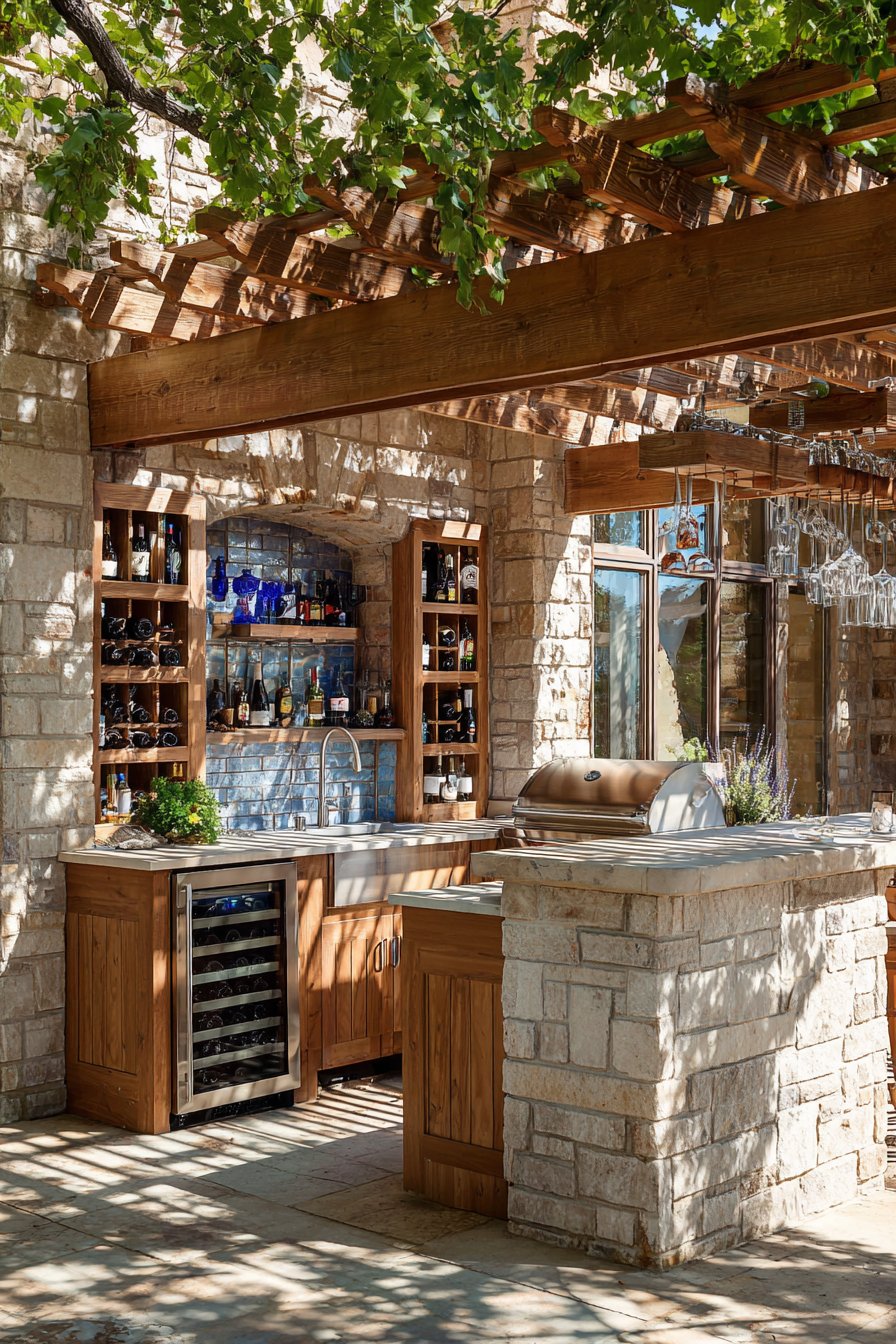
Dappled natural light filtering through the pergola creates atmospheric shadows that shift throughout the day, ensuring the space remains visually dynamic despite its permanent architecture. The interplay between solid structure and filtered light softens the presence of cooking equipment while providing just enough weather protection to extend the season without requiring fully enclosed construction.
Key Design Tips:
- Size pergola beams to support the weight of hanging storage plus stored items
- Install the pergola posts in concrete footings for stability and longevity
- Consider removable shade cloth or retractable canopy panels for adjustable weather protection
- Add hooks at varying heights to accommodate different pot and utensil sizes
- Plan electrical runs during construction to support lighting, appliances, and outdoor entertainment systems
15. Farmhouse Reclaimed Character
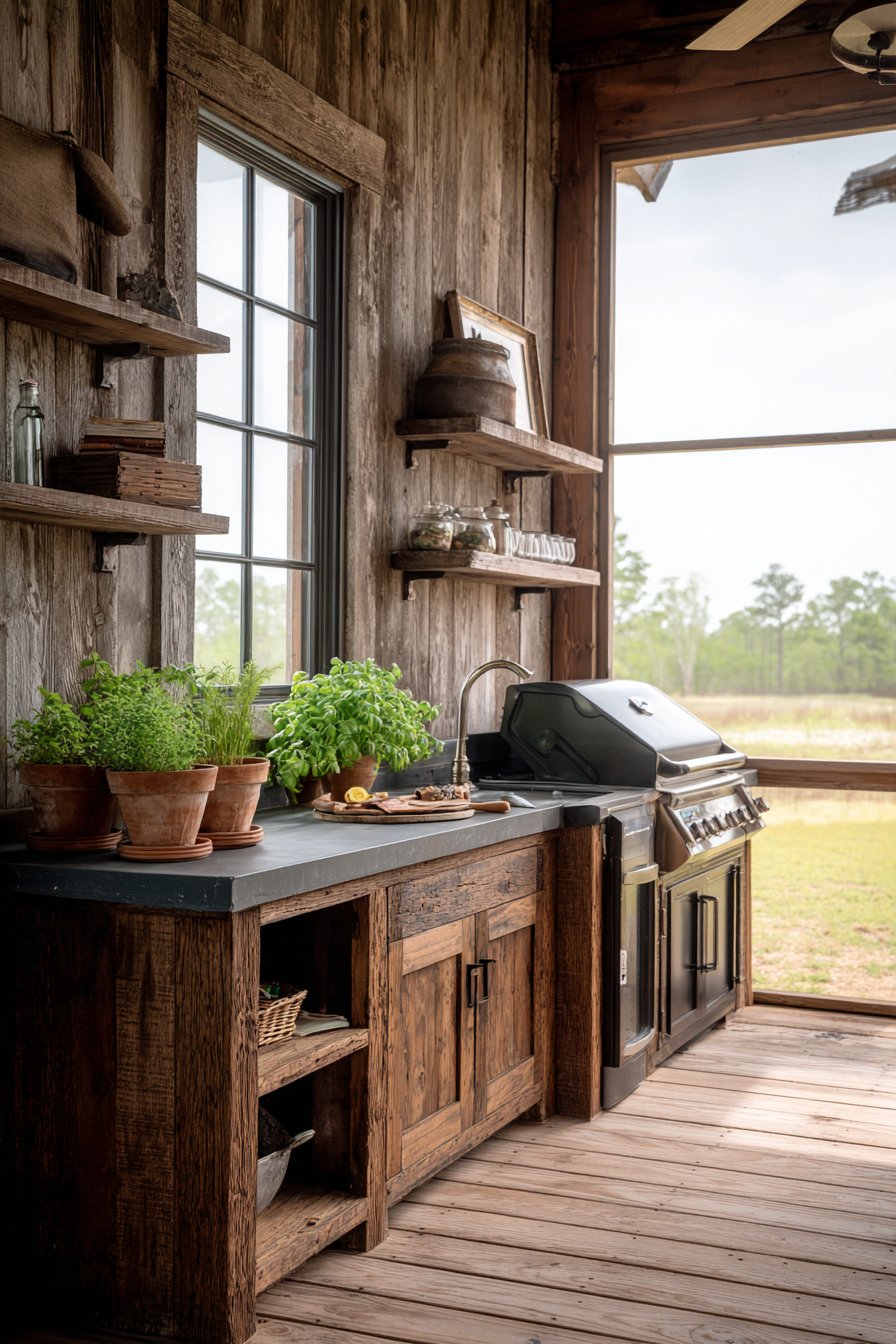
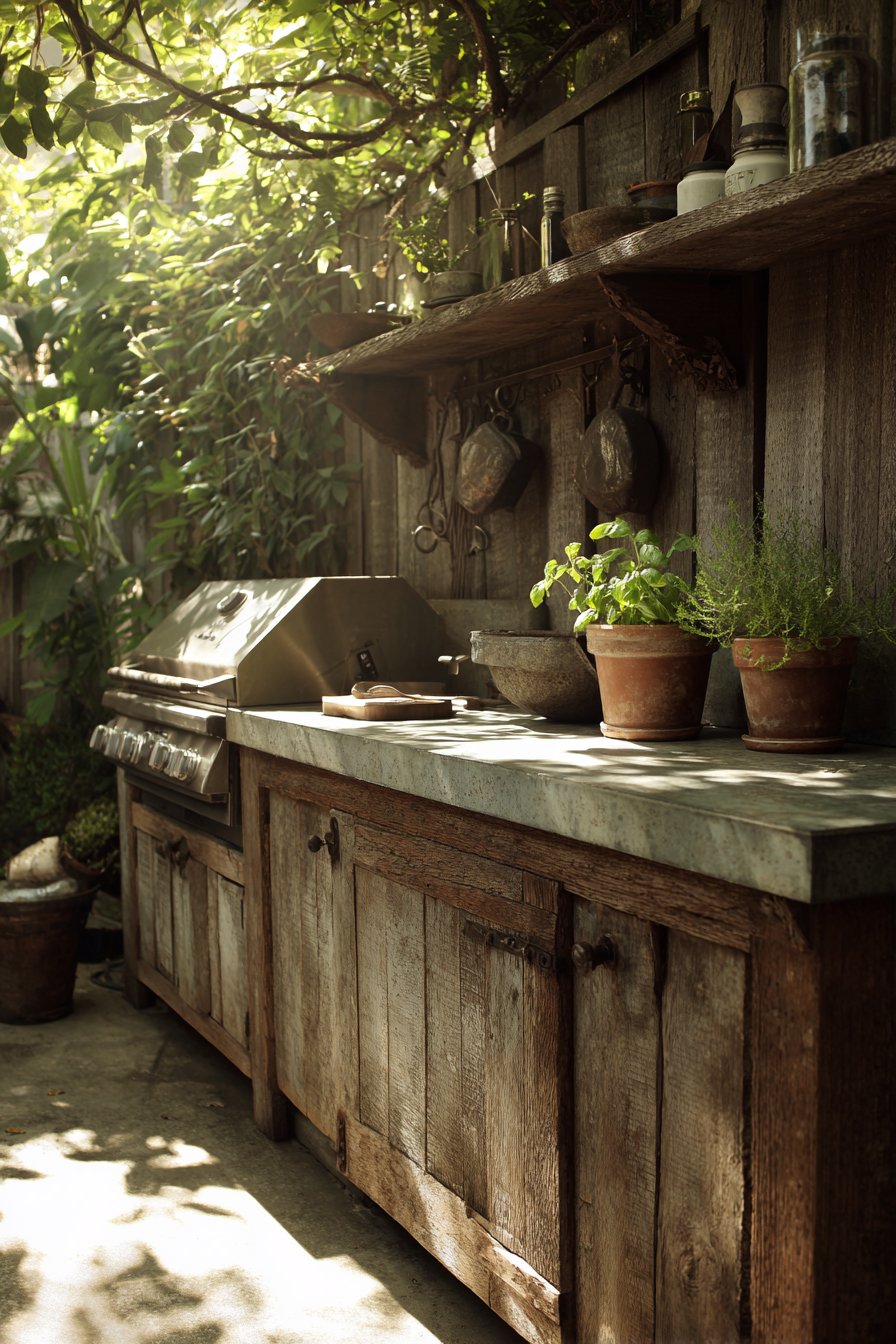
Authentic farmhouse style embraces imperfection and history in this outdoor kitchen featuring reclaimed barn wood cabinetry and soapstone countertops that develop natural patina with age and use. The vintage-inspired grill station includes open shelving with chicken wire cabinet doors that provide visual texture while protecting stored items from weather. Galvanized metal accents add utilitarian character that references agricultural buildings and honest construction.
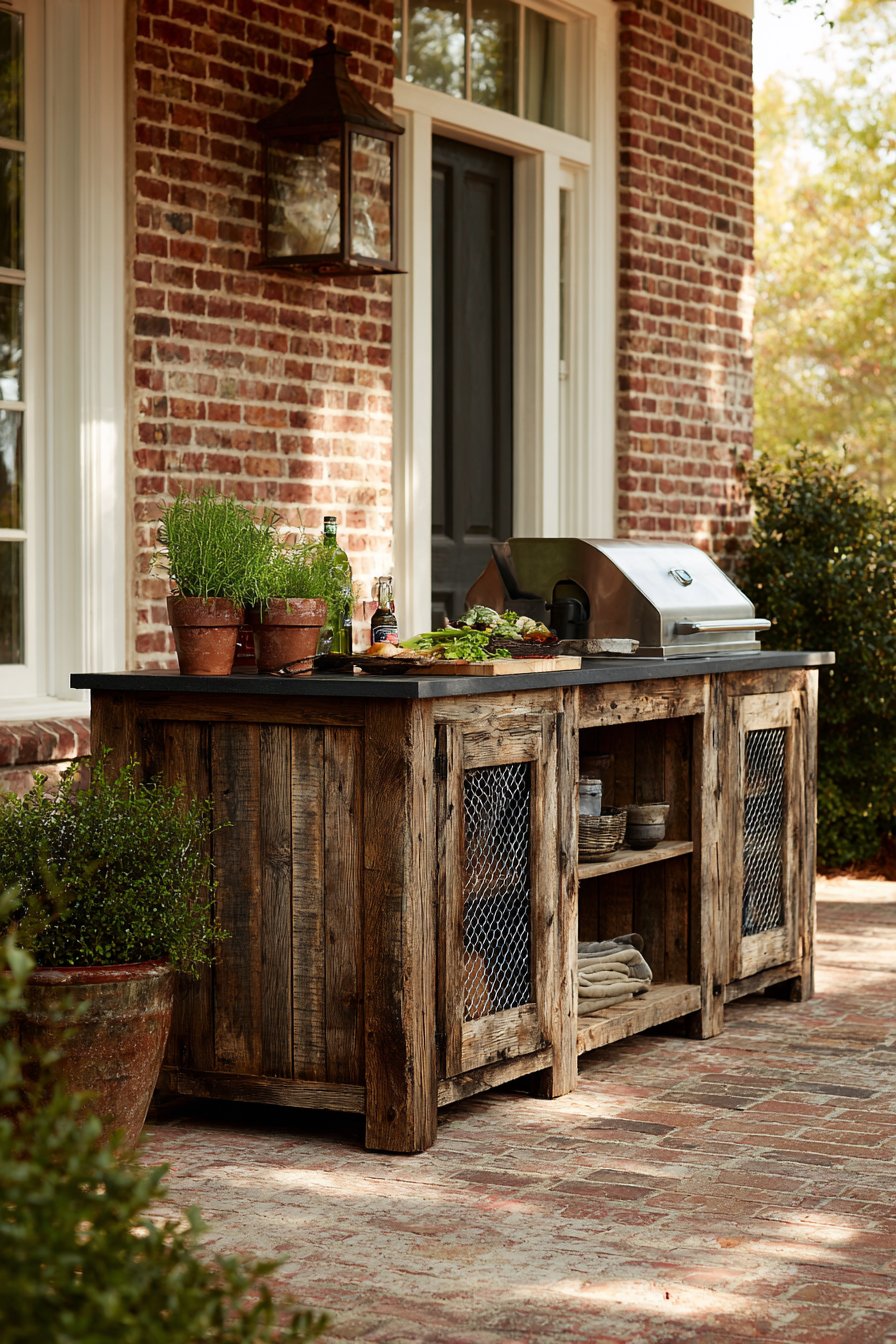
Fresh herbs growing in weathered terra cotta pots line the counter, providing both culinary utility and living decoration that reinforces the connection between cooking and gardening. The farmhouse aesthetic celebrates materials that show their age gracefully, where scratches, dents, and weathering become valued characteristics rather than defects requiring repair or replacement.
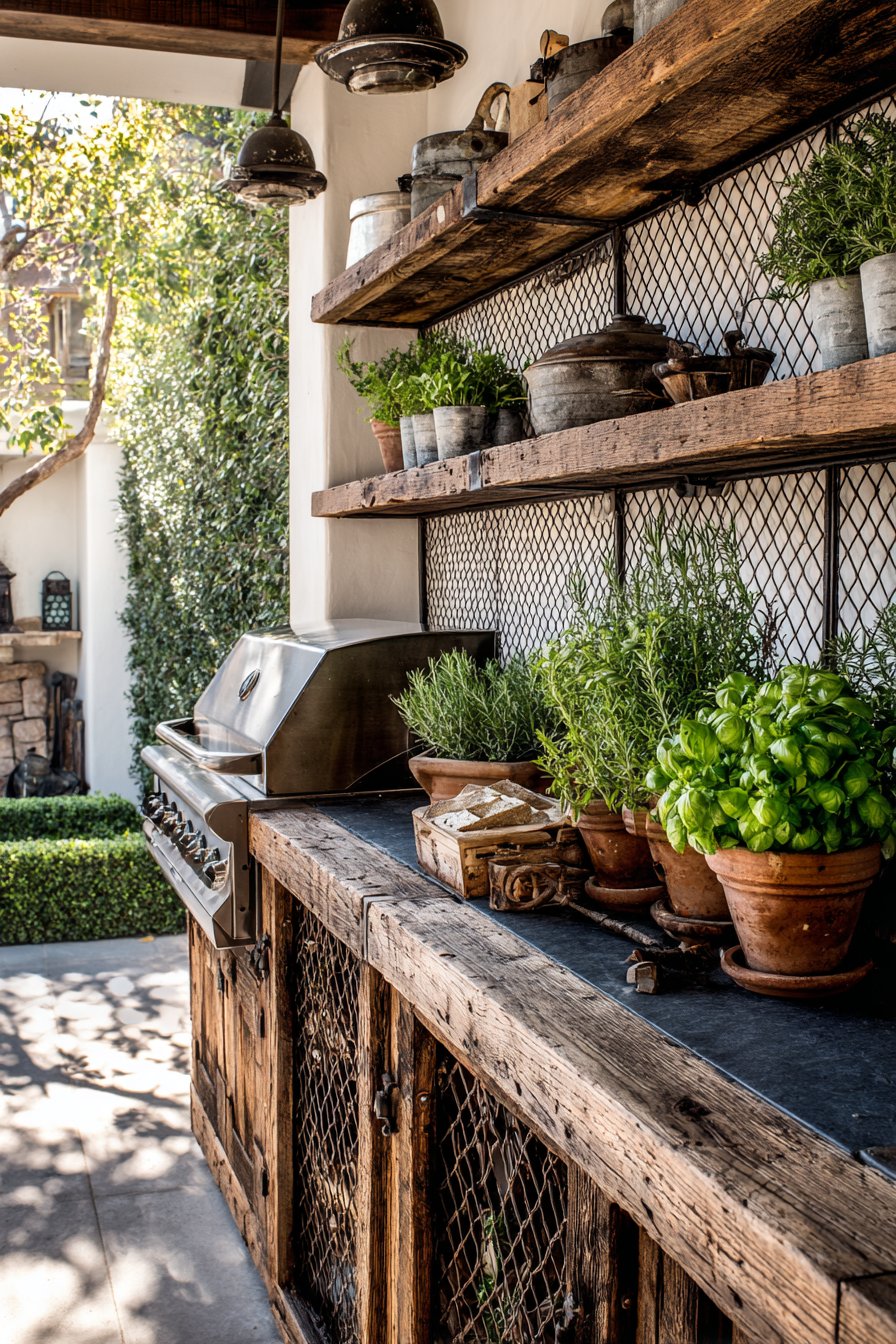
Morning light highlights wood grain and stone texture variations in interior design photography that captures the authentic aged materials, revealing how surfaces change throughout the day. This design approach appeals to those who value sustainability, historical materials, and the stories that old wood and stone carry forward into new constructions.
Key Design Tips:
- Source reclaimed wood from reputable suppliers who can verify the material’s history and treatment
- Apply food-safe mineral oil to soapstone regularly to enhance its darkening patina
- Install chicken wire using galvanized staples or wire to prevent rust staining on wood
- Create drainage holes in terra cotta pot saucers to prevent water accumulation
- Use vintage or reproduction hardware that matches the farmhouse aesthetic for authentic character
16. Urban Balcony Adaptation
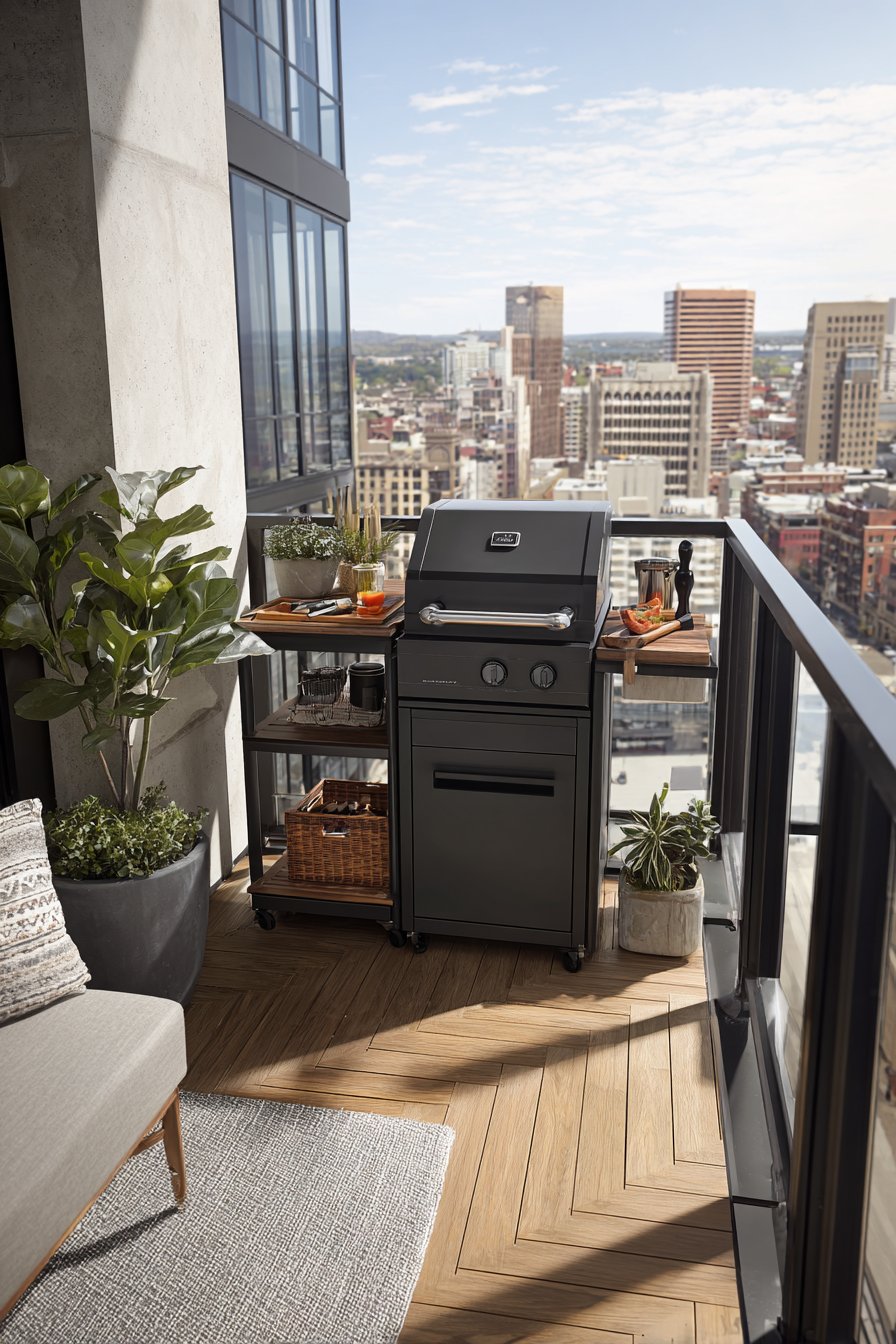
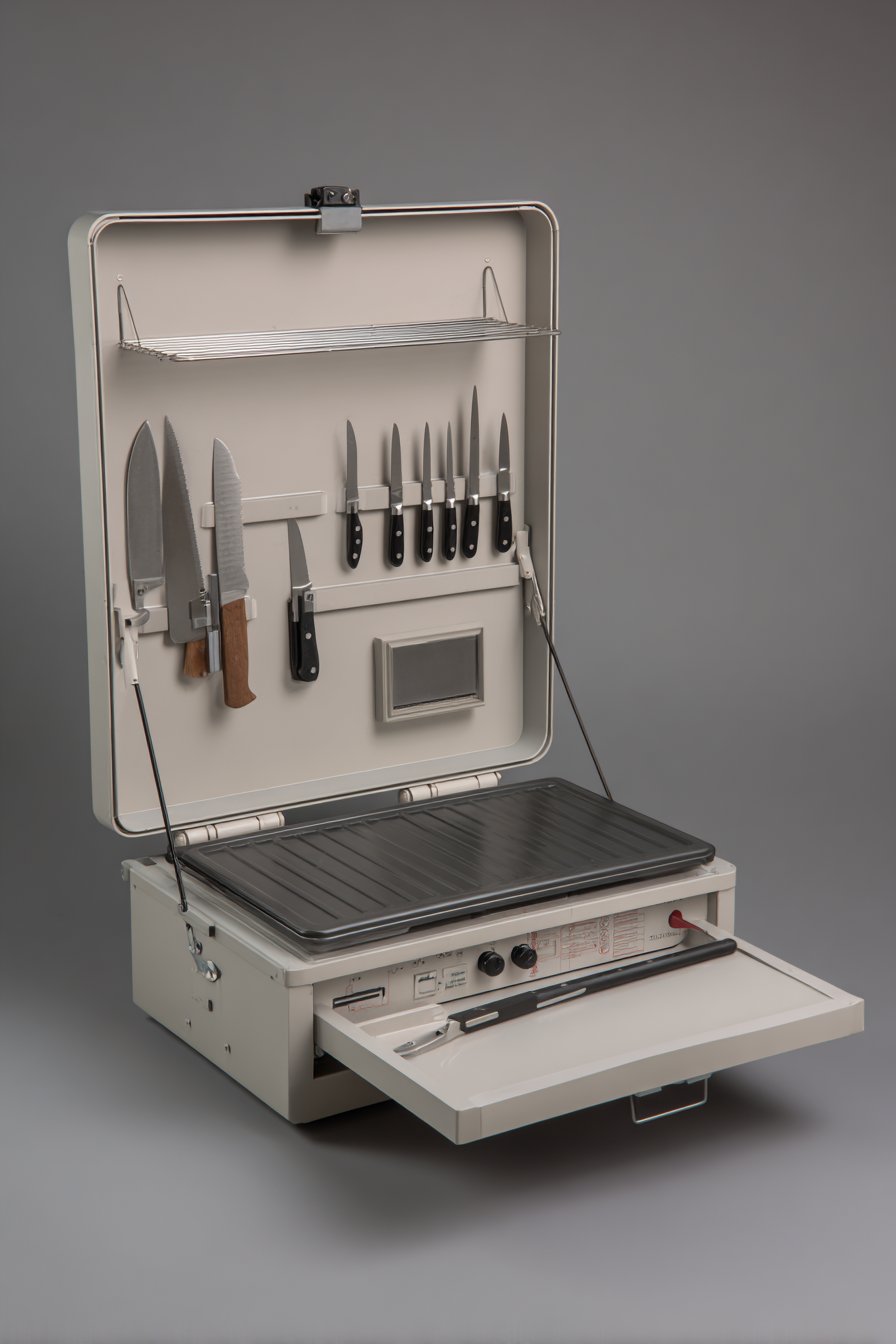
City living meets outdoor cooking in this innovative balcony kitchen designed specifically for apartment dwellers with limited square footage. The narrow console features a built-in electric grill, fold-down prep surface, and compact storage cabinet below—all scaled to fit restricted balcony dimensions while maintaining full functionality. Space-saving wall-mounted magnetic strips hold knives and tools vertically, reclaiming valuable counter space for food preparation.
A small shelf unit provides additional organization for spices, oils, and frequently used ingredients, while the weather-resistant powder-coated aluminum construction suits urban outdoor spaces exposed to varied weather conditions. The portable functionality means this setup can move with renters to new locations or be stored during winter months when balcony access becomes less desirable.
Detail photography with balanced lighting showcases the ingenious space-maximizing features that make outdoor cooking possible even in the most space-constrained urban environments. This design proves that outdoor kitchen benefits need not remain exclusive to single-family homeowners with spacious yards—with creativity and proper product selection, apartment dwellers can enjoy alfresco cooking too.
Key Design Tips:
- Verify your apartment’s regulations regarding outdoor cooking equipment before purchasing
- Choose electric grills to avoid propane storage restrictions common in multi-family buildings
- Install rubber pads under the console to protect balcony flooring and prevent movement
- Add vertical planters with edible herbs to maximize greenery without consuming floor space
- Consider a retractable awning or large umbrella for weather protection during cooking
17. Industrial Urban Loft Style
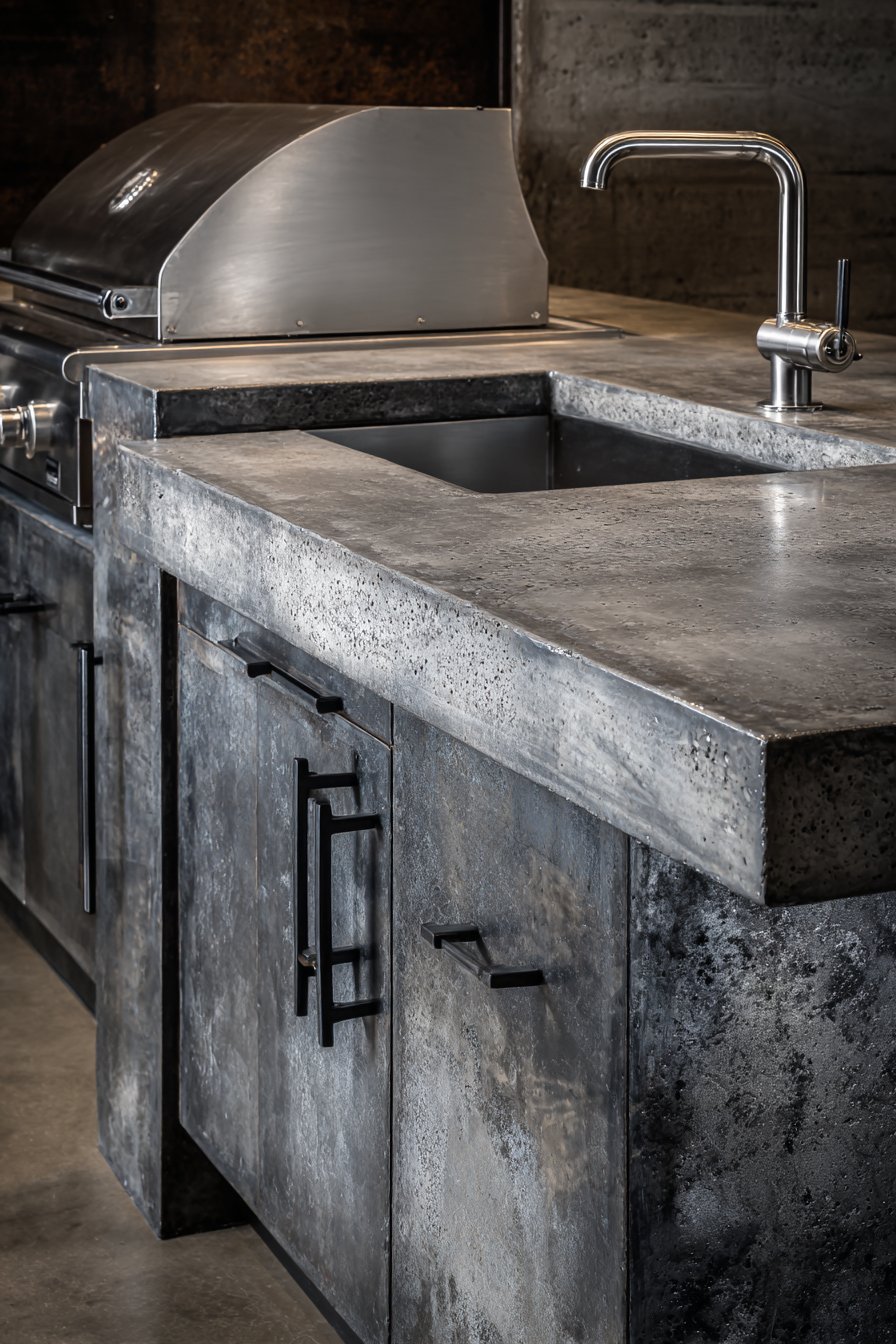
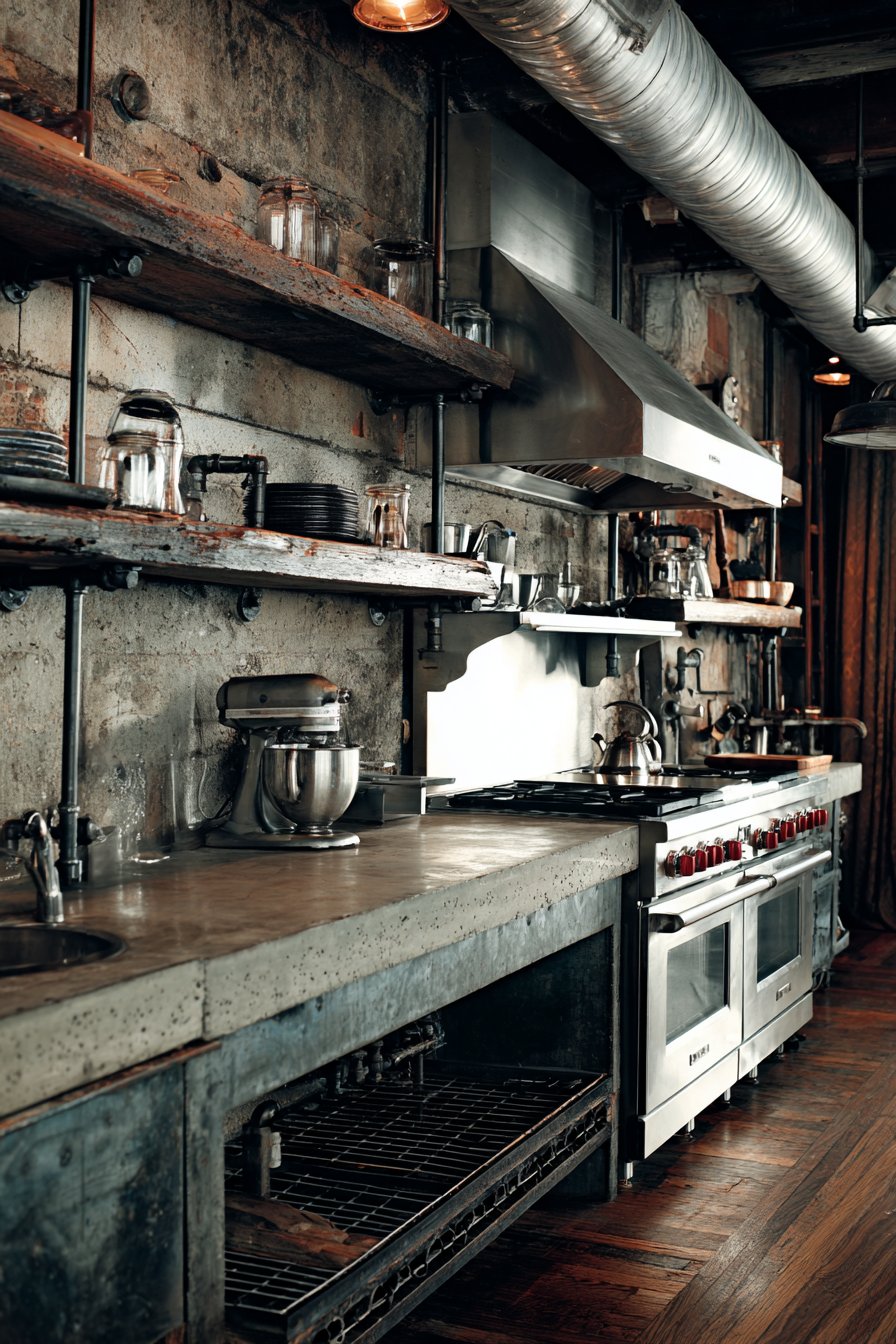
Raw materials and utilitarian aesthetics define this industrial-style outdoor kitchen that brings urban loft sensibility to exterior cooking spaces. Steel frame construction provides structural integrity while contributing to the industrial vocabulary, joined by concrete countertops with exposed aggregate that showcase the material’s natural beauty. A commercial-grade stainless steel grill delivers professional-level performance that suits serious outdoor chefs.
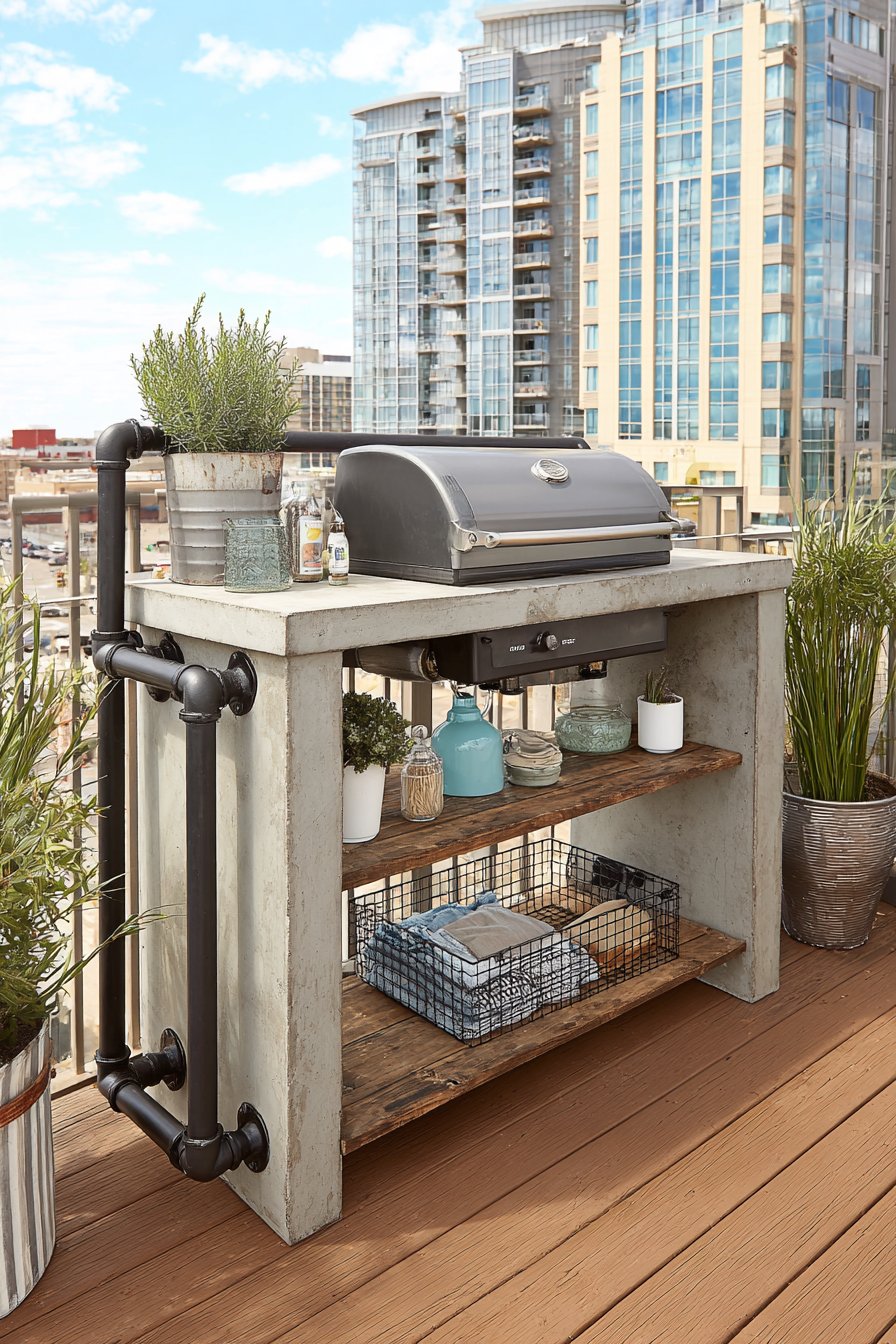
Metal grid shelving provides open storage that maintains the utilitarian aesthetic while allowing air circulation to prevent moisture accumulation. Black metal hardware and plumbing fixtures complement the raw materials, creating cohesive design language throughout the space. The industrial approach celebrates honest construction where structural elements and functional components remain visible rather than concealed behind decorative panels.
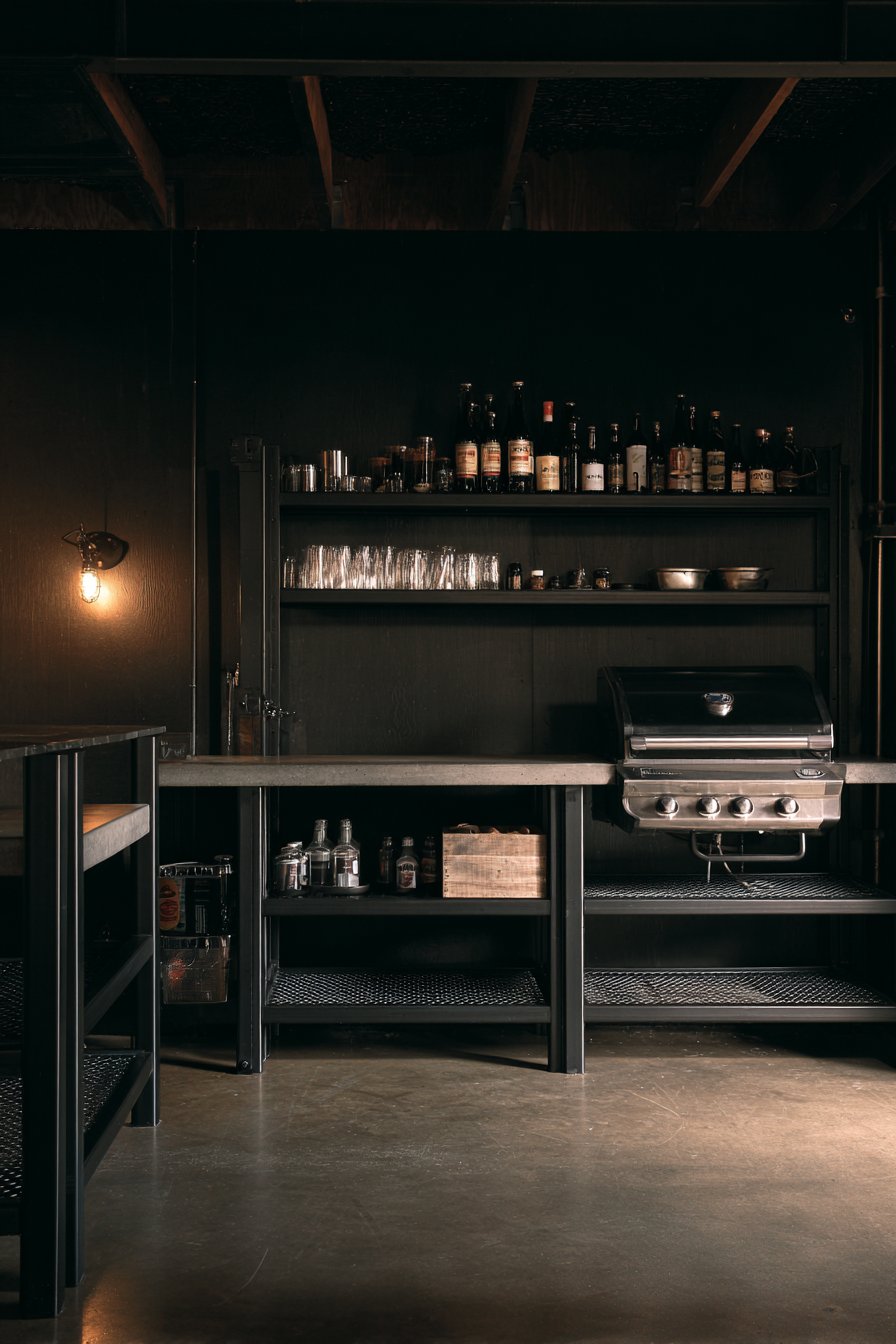
Dramatic side lighting in professional architectural photography emphasizes the textured concrete and metallic surfaces, creating strong shadows that add depth and visual interest to the monochromatic material palette. This design appeals to those who appreciate minimalist aesthetics, honest materials, and the visual vocabulary of commercial kitchens and industrial architecture.
Key Design Tips:
- Apply clear sealant to steel frames to prevent rust while maintaining the raw metal appearance
- Use stainless steel fasteners exclusively to prevent rust staining on concrete surfaces
- Install adjustable shelving brackets to accommodate items of varying heights
- Consider adding a concrete backsplash with integral color for visual interest within the neutral palette
- Use industrial-style pendant lights with Edison bulbs for authentic period-appropriate illumination
18. Stone and Bluestone Elegance
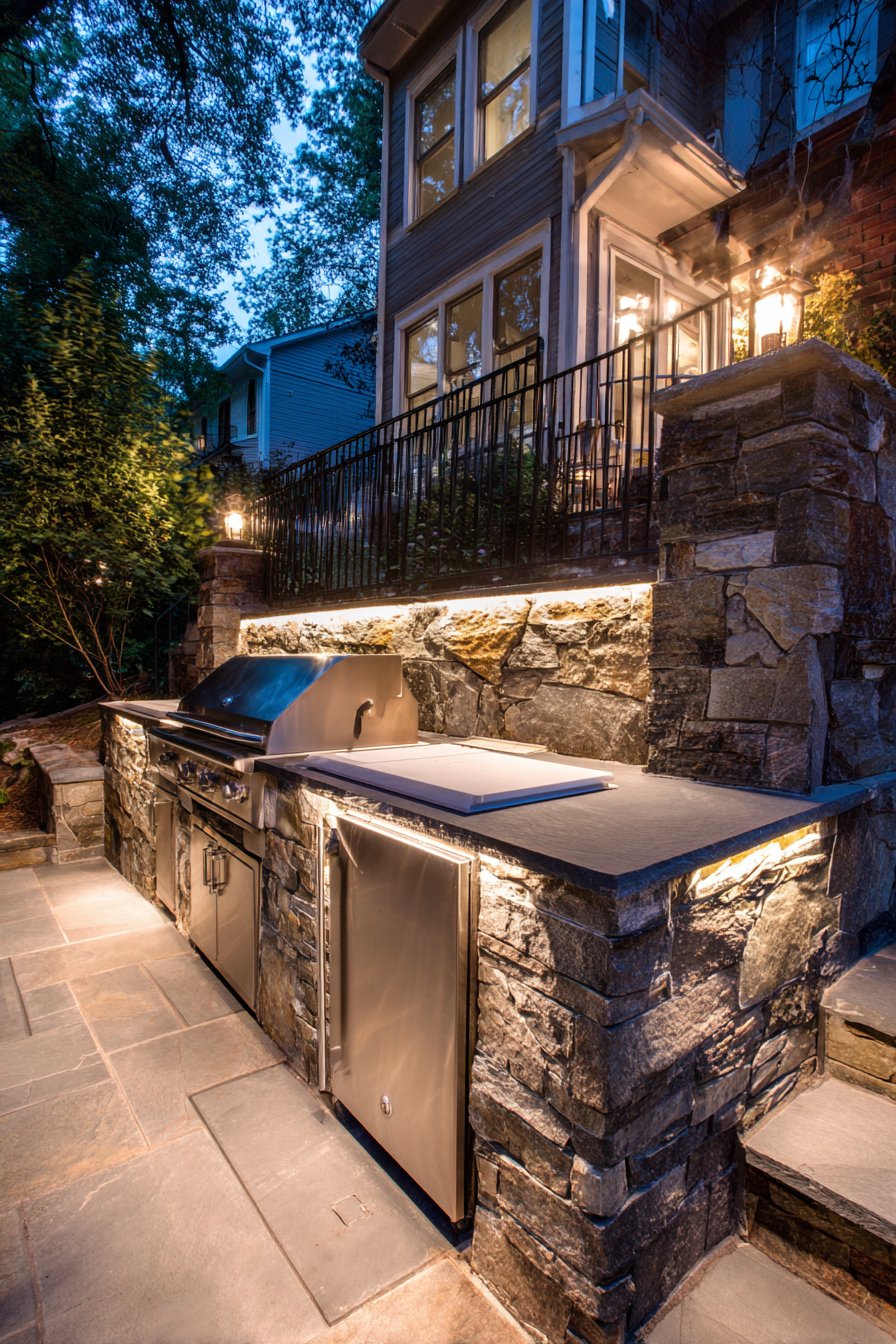
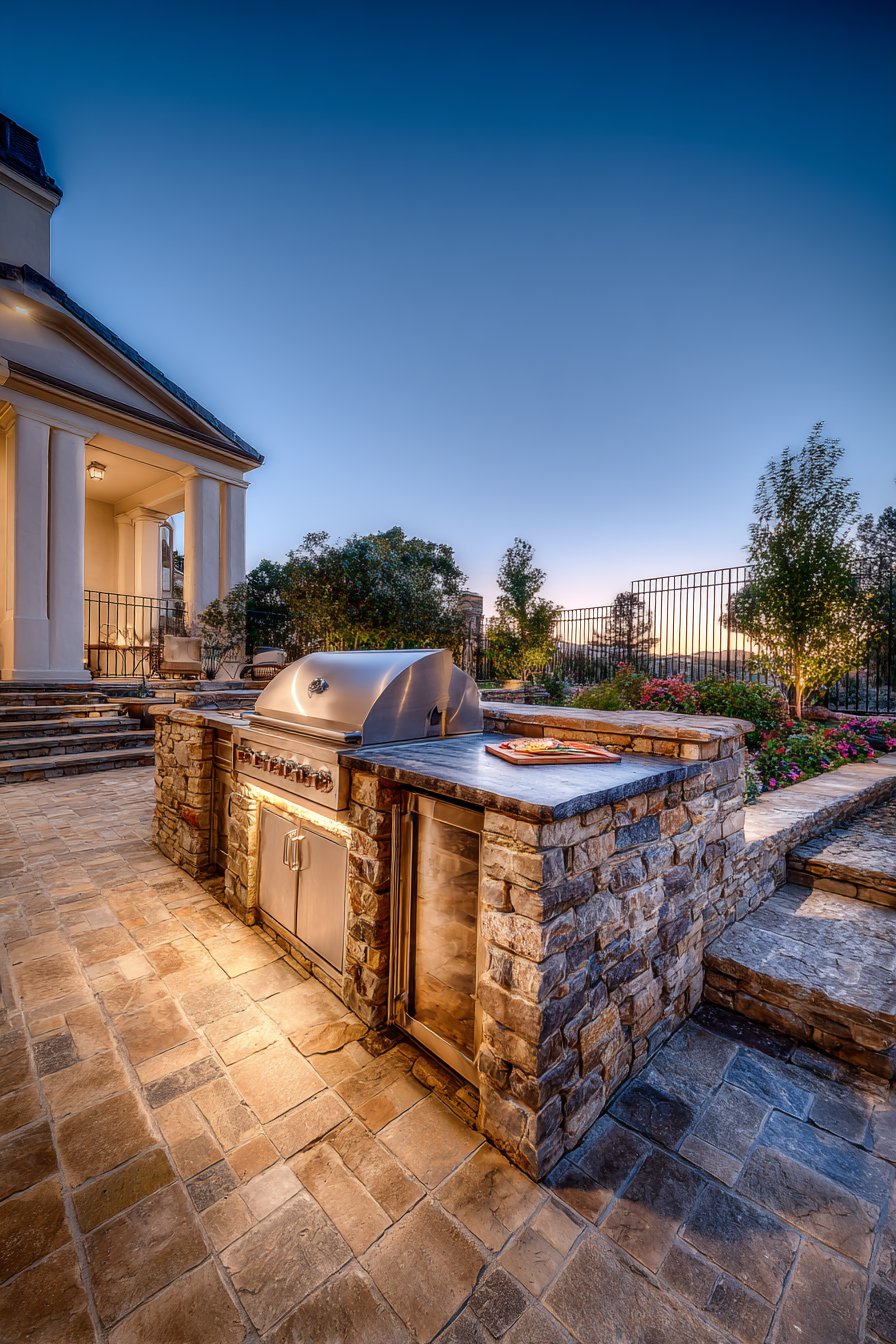
Natural stone construction creates timeless elegance in this built-in grilling station where stacked stone surround meets bluestone countertops for a sophisticated outdoor cooking environment. The design includes a dedicated prep area with a cutting board insert that provides a specialized surface for chopping and slicing, joined by a small outdoor-rated refrigerator that keeps ingredients fresh and beverages cold throughout extended cooking sessions.
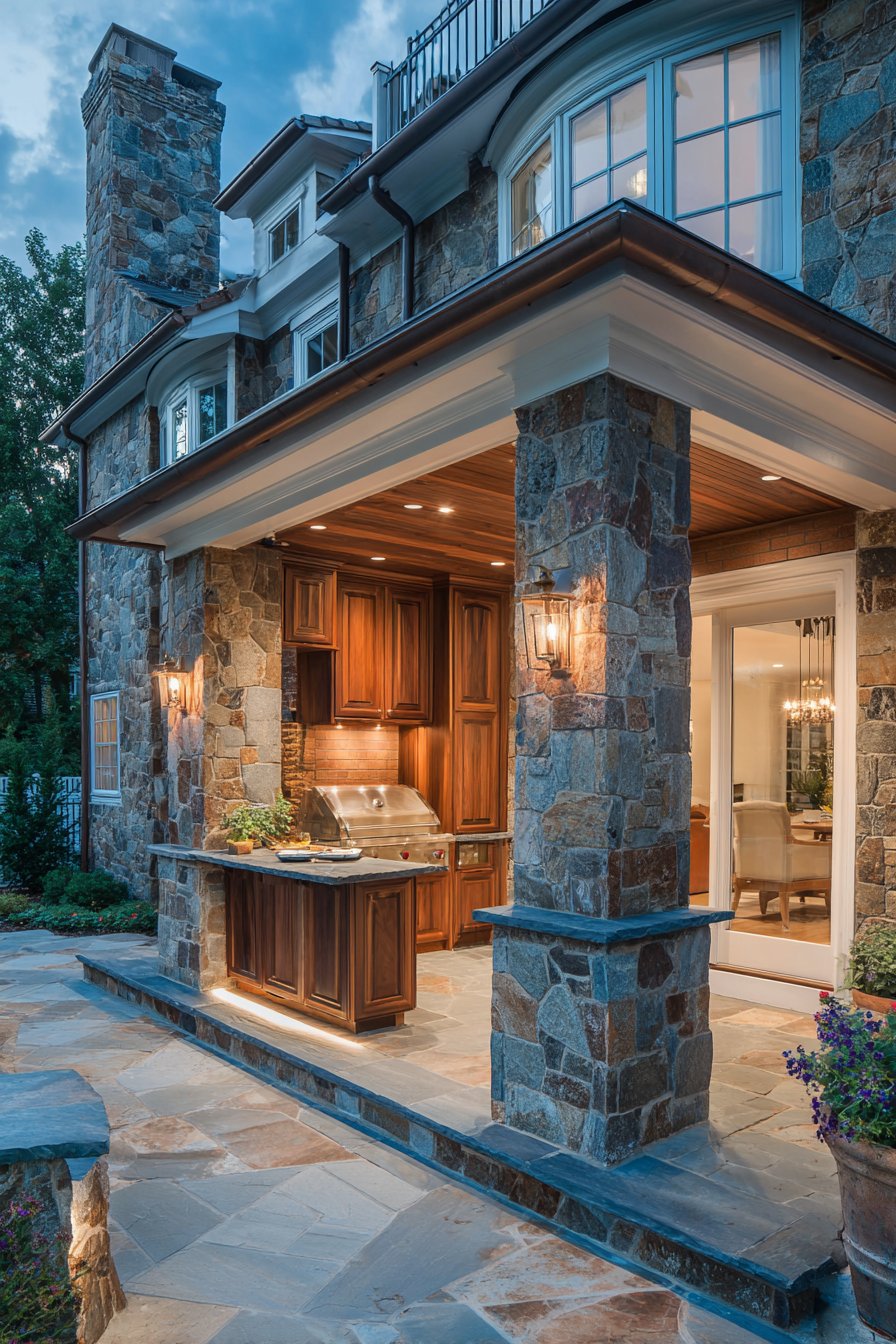
Natural wood cabinetry with marine-grade finish provides weather protection while maintaining organic warmth that softens the stone’s inherent coolness. Landscape lighting beneath the counter creates ambient glow during evening hours, transforming the functional cooking station into an architectural feature that enhances the entire outdoor living area even when not in use.
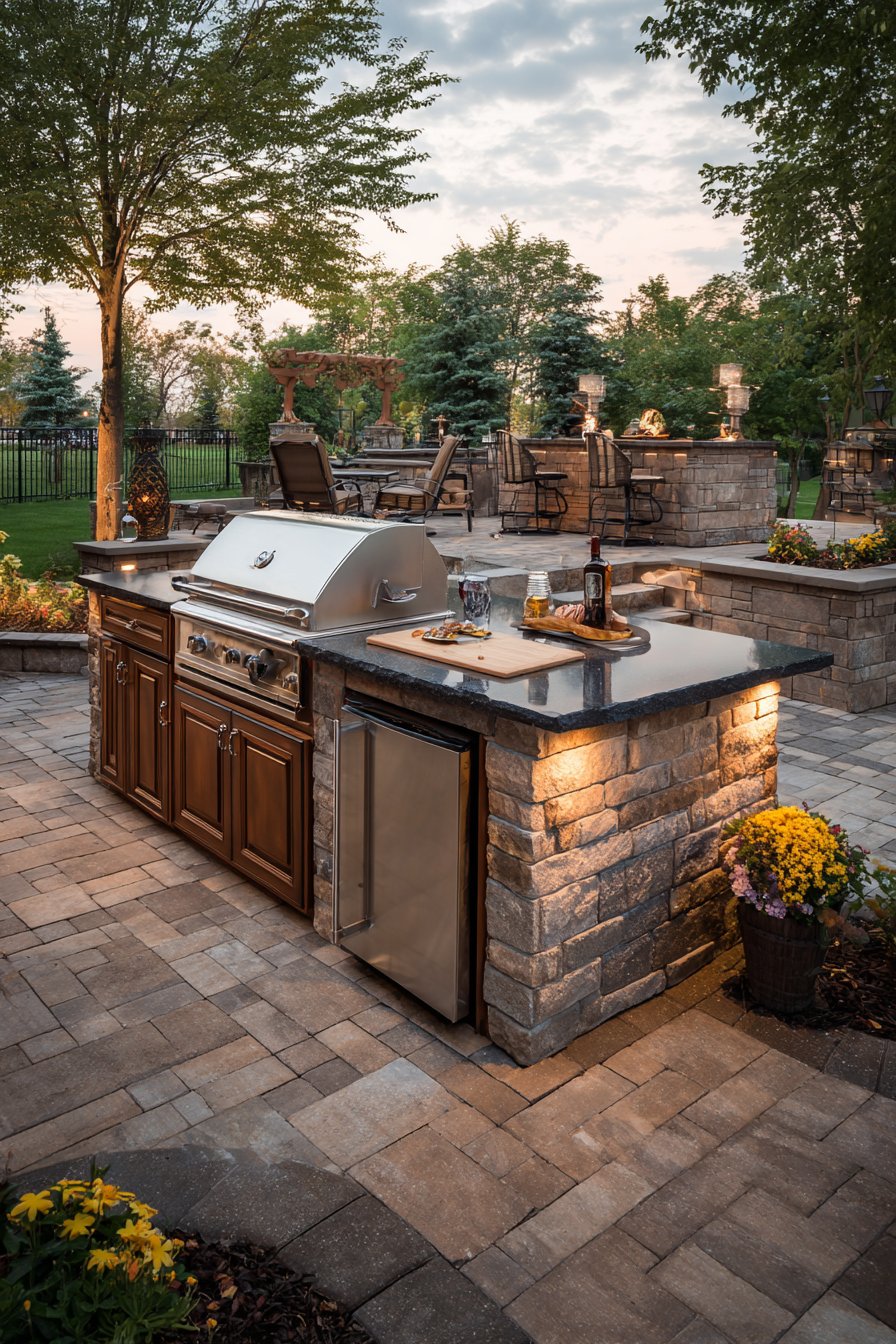
Twilight blue hour lighting in wide-angle photography creates atmospheric effects that showcase the elegant integration with surrounding hardscape elements. The combination of stacked stone, bluestone, and natural wood creates a material palette that feels connected to the landscape while maintaining refined sophistication appropriate for elegant outdoor entertaining.
Key Design Tips:
- Choose bluestone with a thermal or cleft finish for slip resistance when wet
- Install the cutting board insert in a section of countertop with adequate support to prevent flexing
- Use marine-grade plywood as substrate under natural wood doors to prevent delamination
- Position landscape lighting to avoid glare while highlighting textural stone surfaces
- Apply penetrating sealers to both stone and bluestone to enhance stain resistance and simplify cleaning
19. Tropical Bamboo Paradise
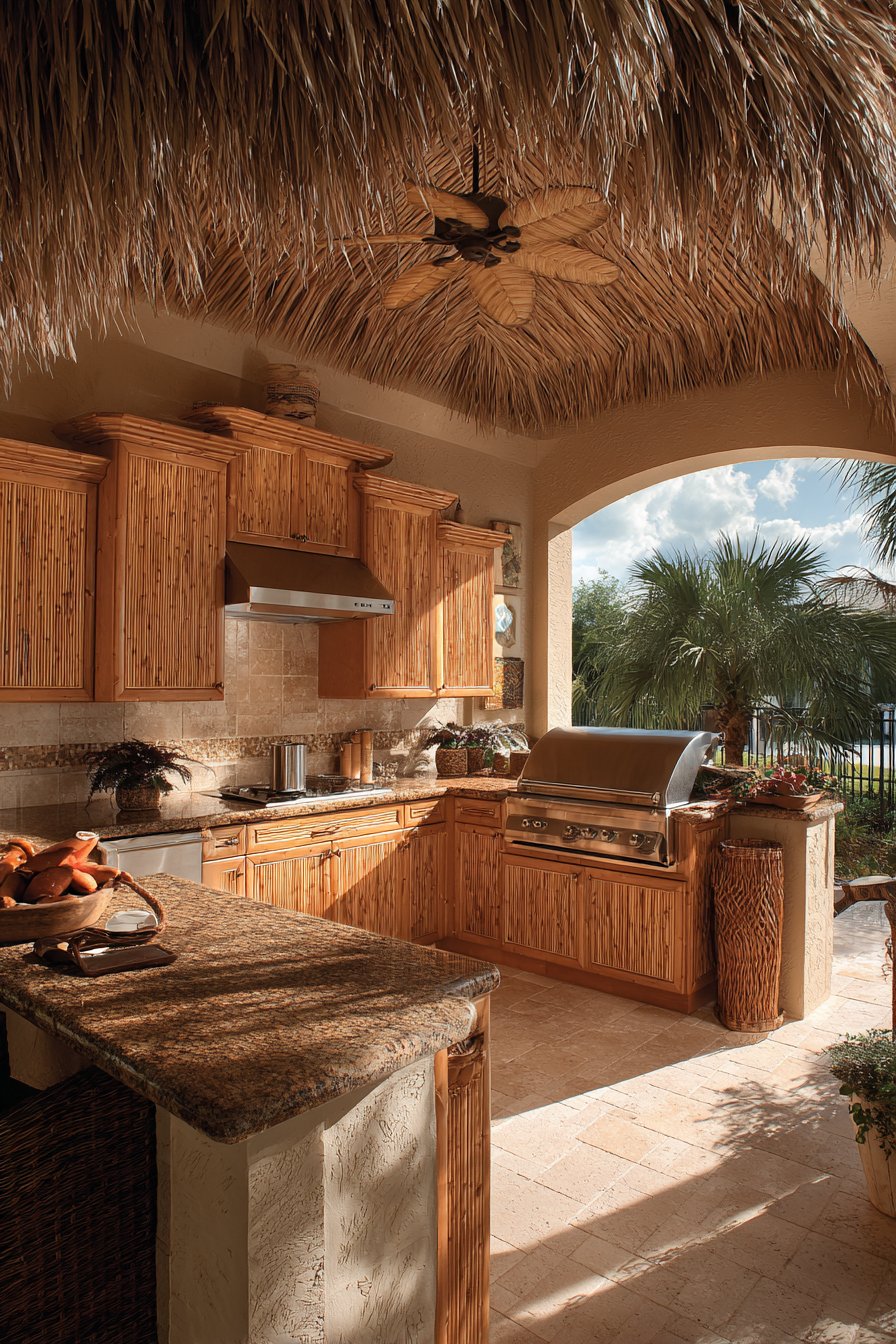
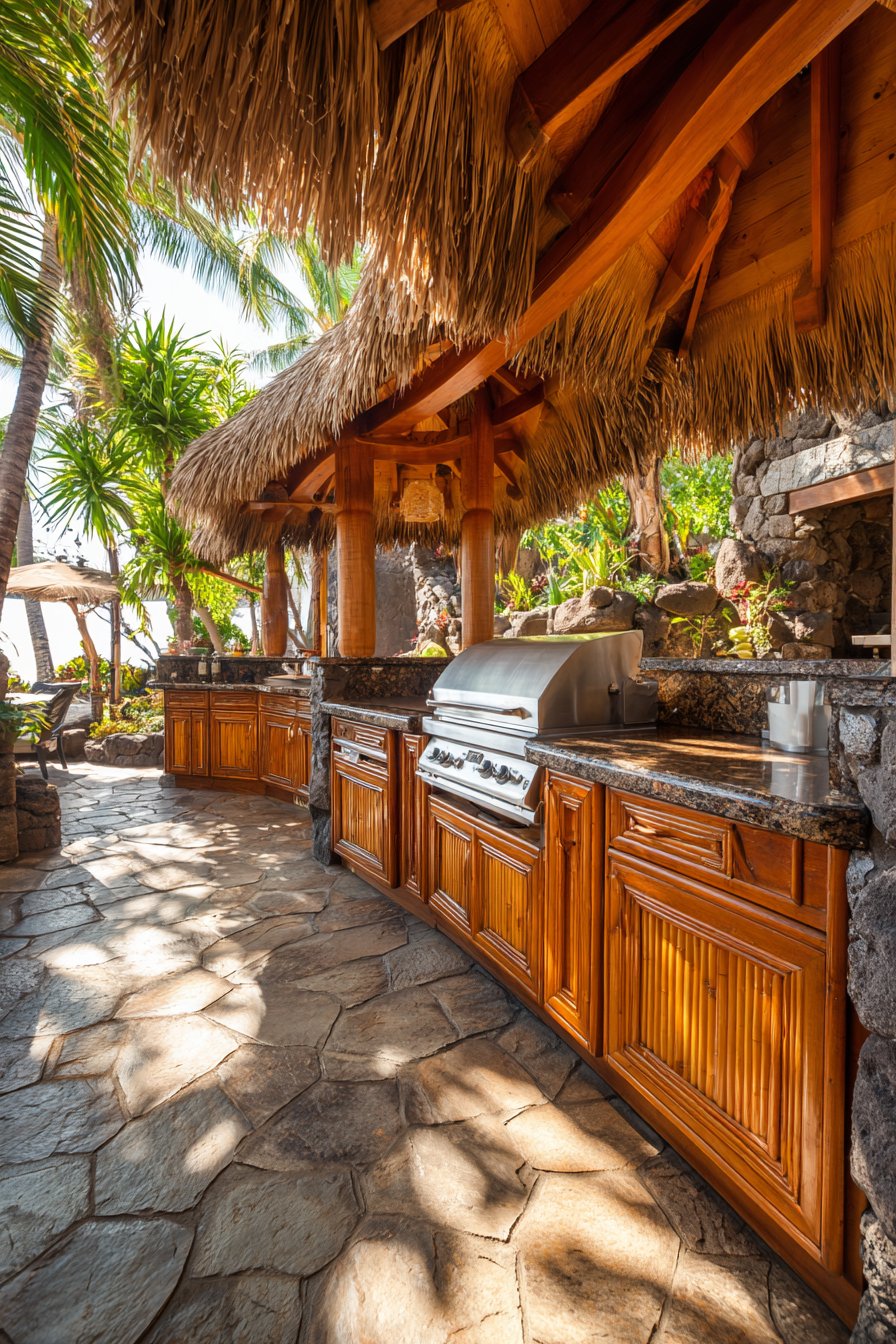
Island-inspired design transports your backyard to tropical locales with this exotic outdoor kitchen featuring bamboo cabinetry and lava rock countertops. The built-in gas grill shares space with a specialized wok burner that expands cooking capabilities for Asian-inspired cuisine and high-heat cooking techniques. Teak wood accents and rattan storage baskets enhance the island aesthetic while providing practical storage solutions.
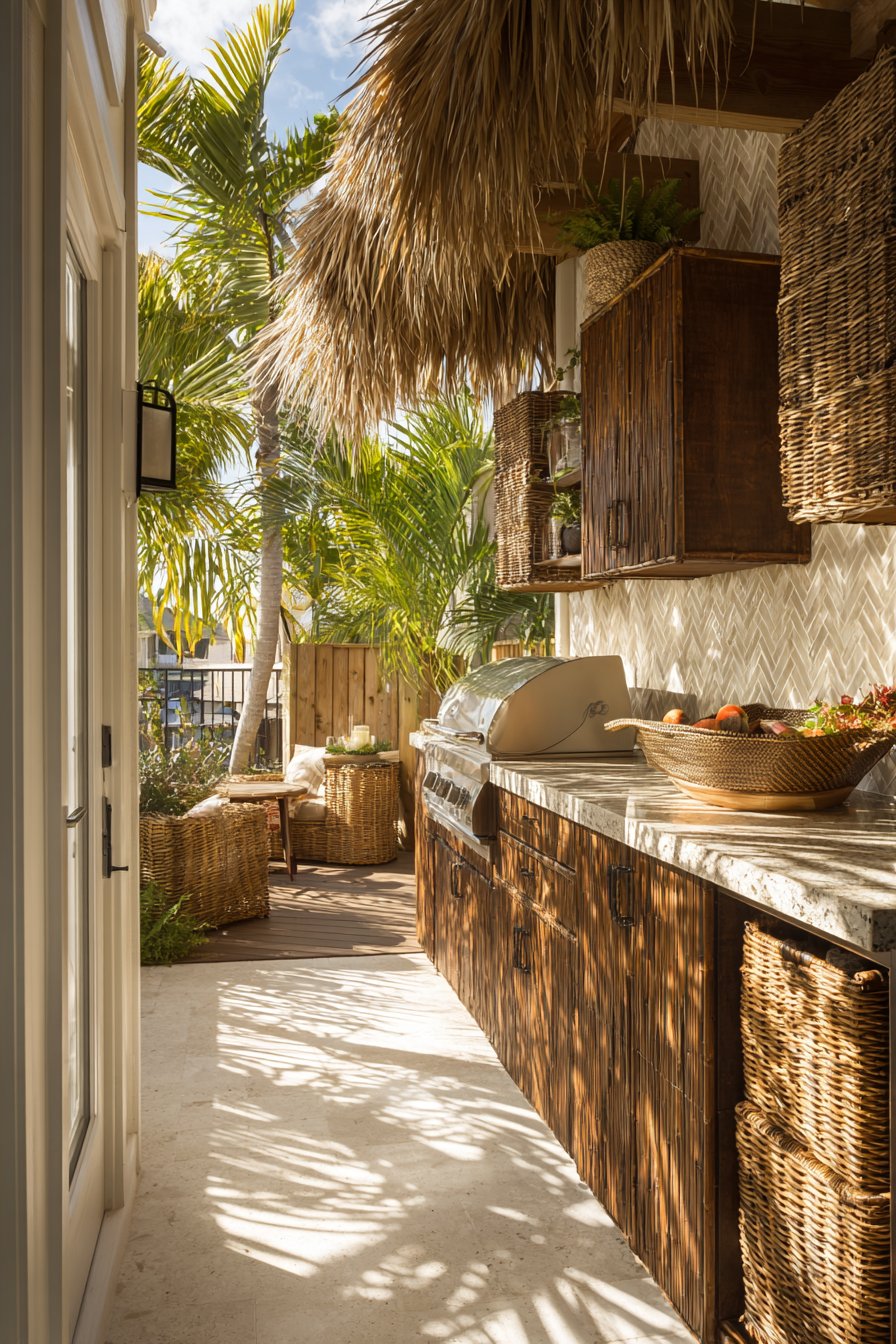
The open-air design embraces natural ventilation, with a thatched roof overhang providing shade from intense sun while maintaining the indoor-outdoor connection that defines tropical living. This design creates a resort-style atmosphere that turns everyday cooking into vacation-like experiences, with the exotic materials and island styling providing daily escape from routine surroundings.
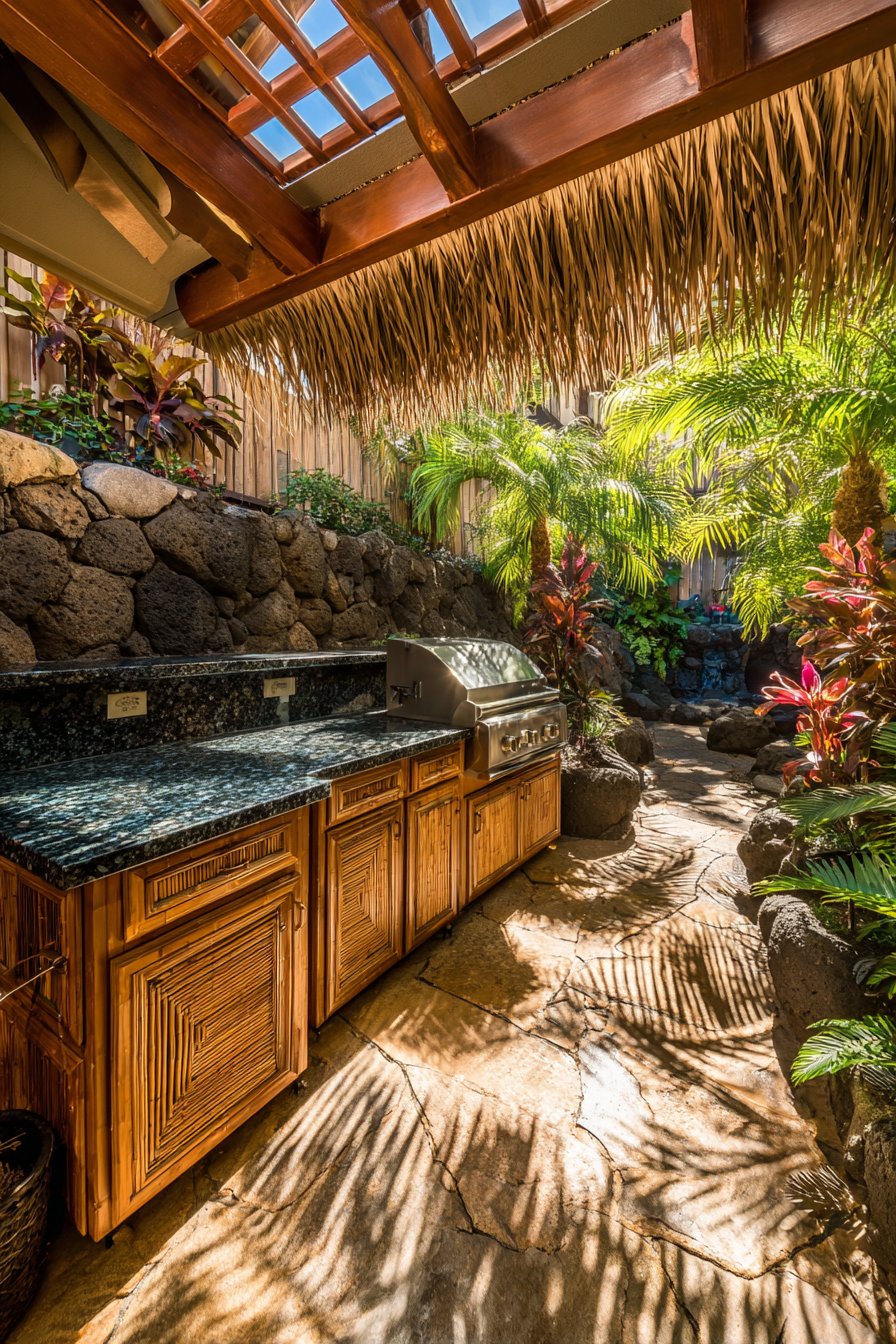
Professional photography captures the resort-style ambiance as warm natural lighting filters through palm fronds, creating dappled shadows on exotic materials. The tropical aesthetic celebrates lush vegetation, natural materials, and the relaxed lifestyle associated with island living, bringing vacation sensibility to everyday outdoor cooking.
Key Design Tips:
- Choose bamboo products specifically rated for outdoor use, as interior-grade bamboo degrades quickly when exposed
- Apply UV-protective finishes to teak and bamboo annually to prevent premature greying
- Install proper drainage under lava rock counters to prevent water accumulation in the porous stone
- Position the wok burner away from flammable materials due to its high heat output
- Add tropical plants in weathered containers to reinforce the island aesthetic and provide living privacy screens
20. Modular Reconfigurable System
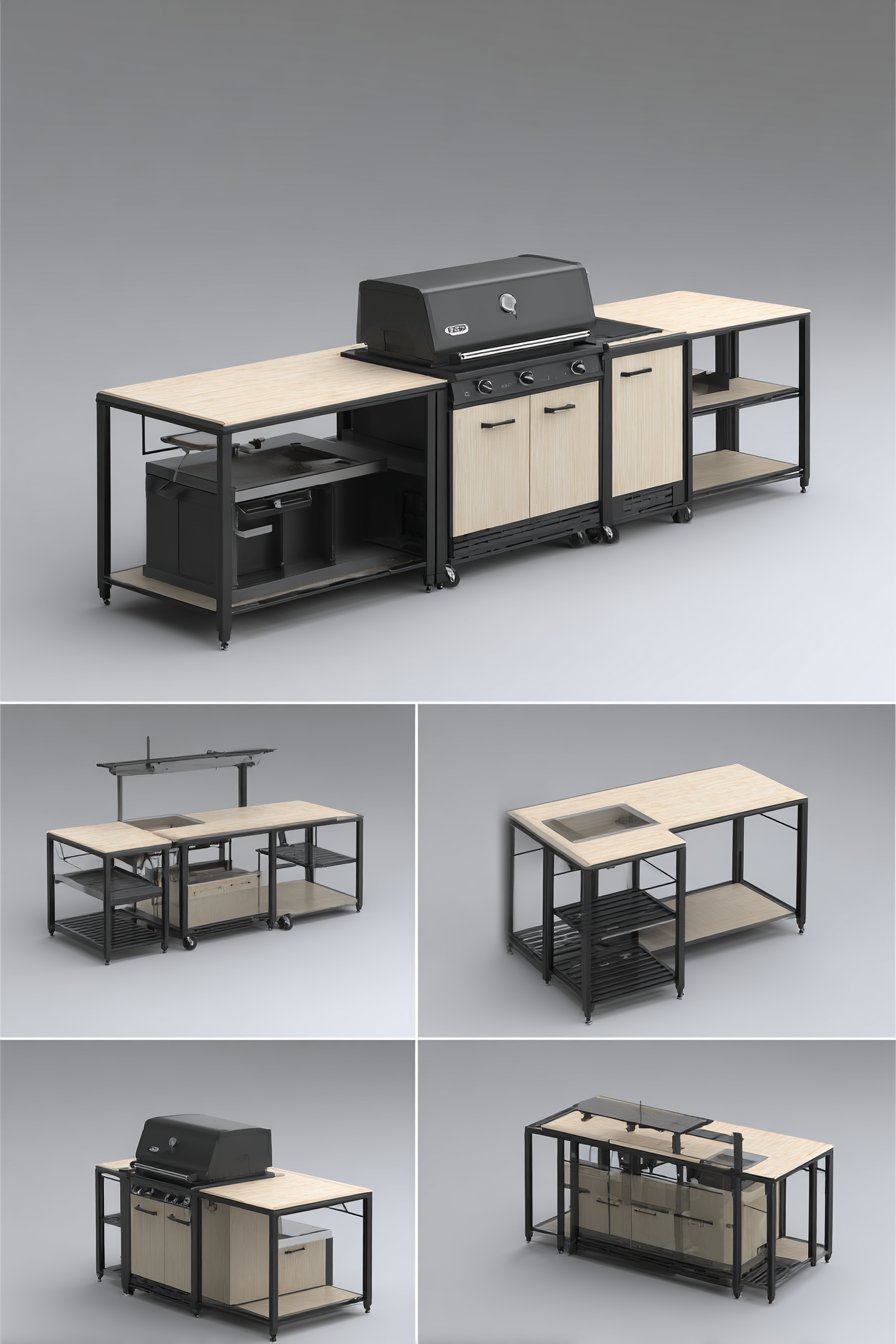
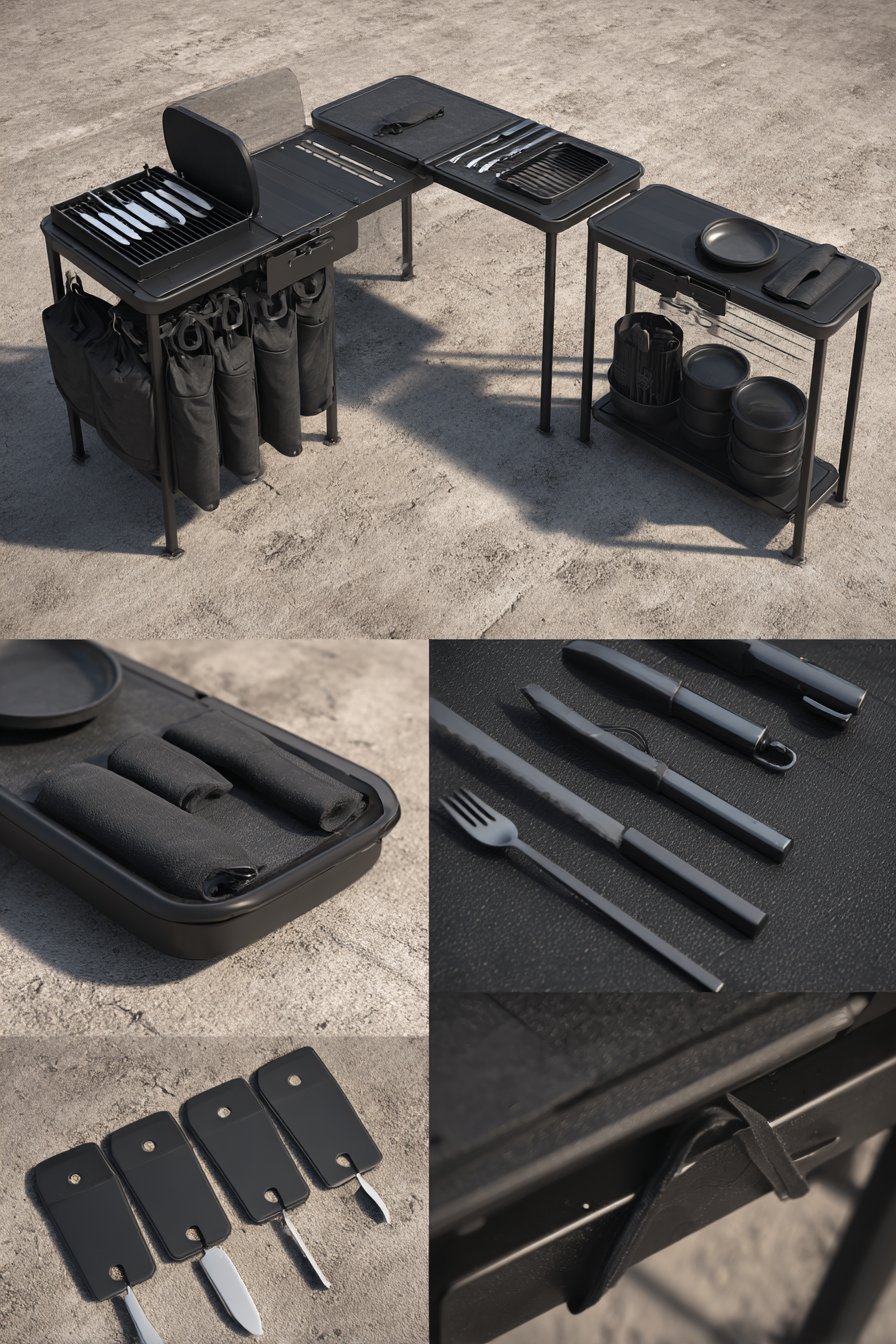
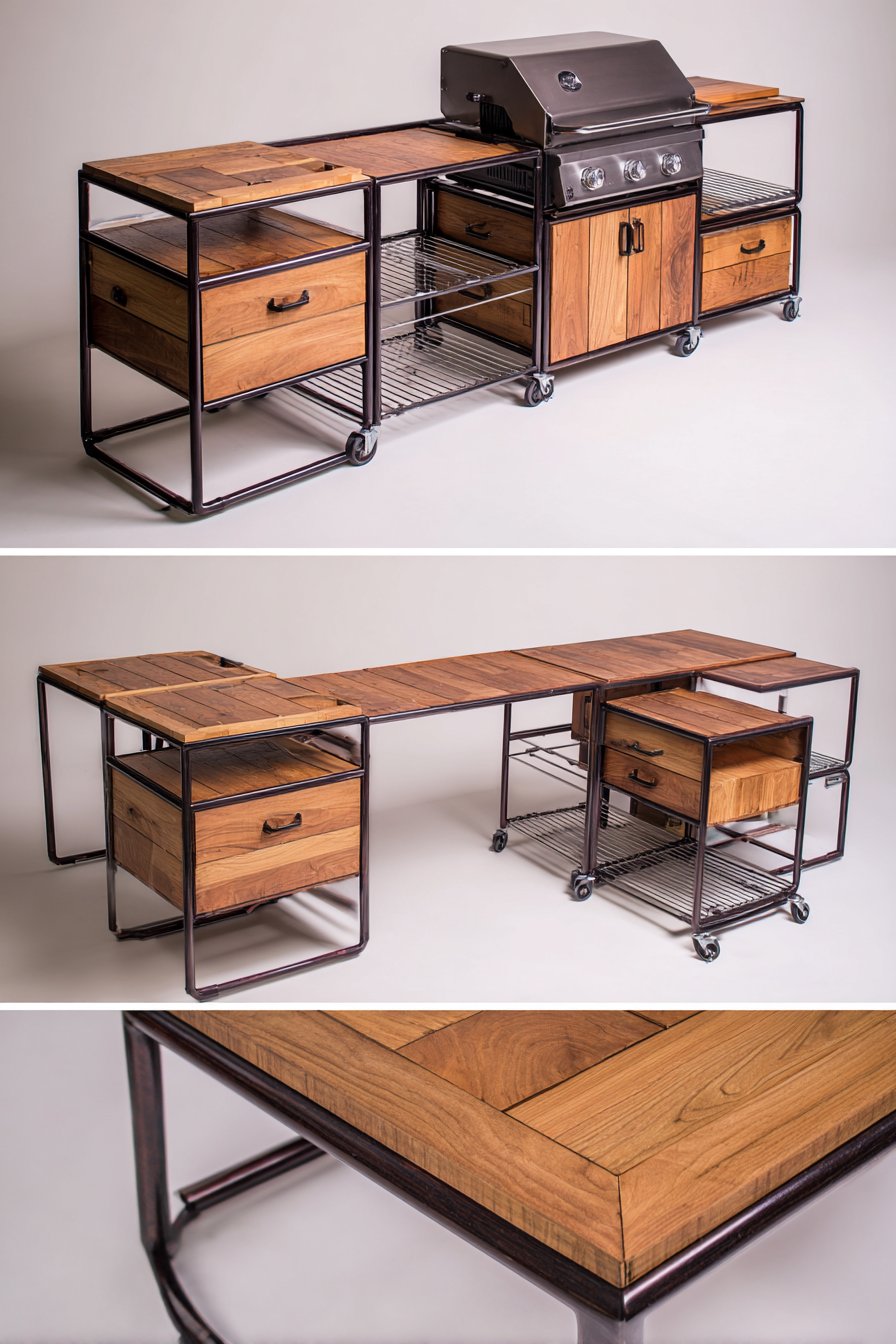
Ultimate flexibility defines this modular outdoor kitchen where separate components can be rearranged to suit changing needs and spatial constraints. A standalone grill cart with attached side tables connects seamlessly to a matching prep station and storage unit, with powder-coated steel frames providing durability and composite wood-look surfaces offering realistic appearance without natural wood’s maintenance requirements.
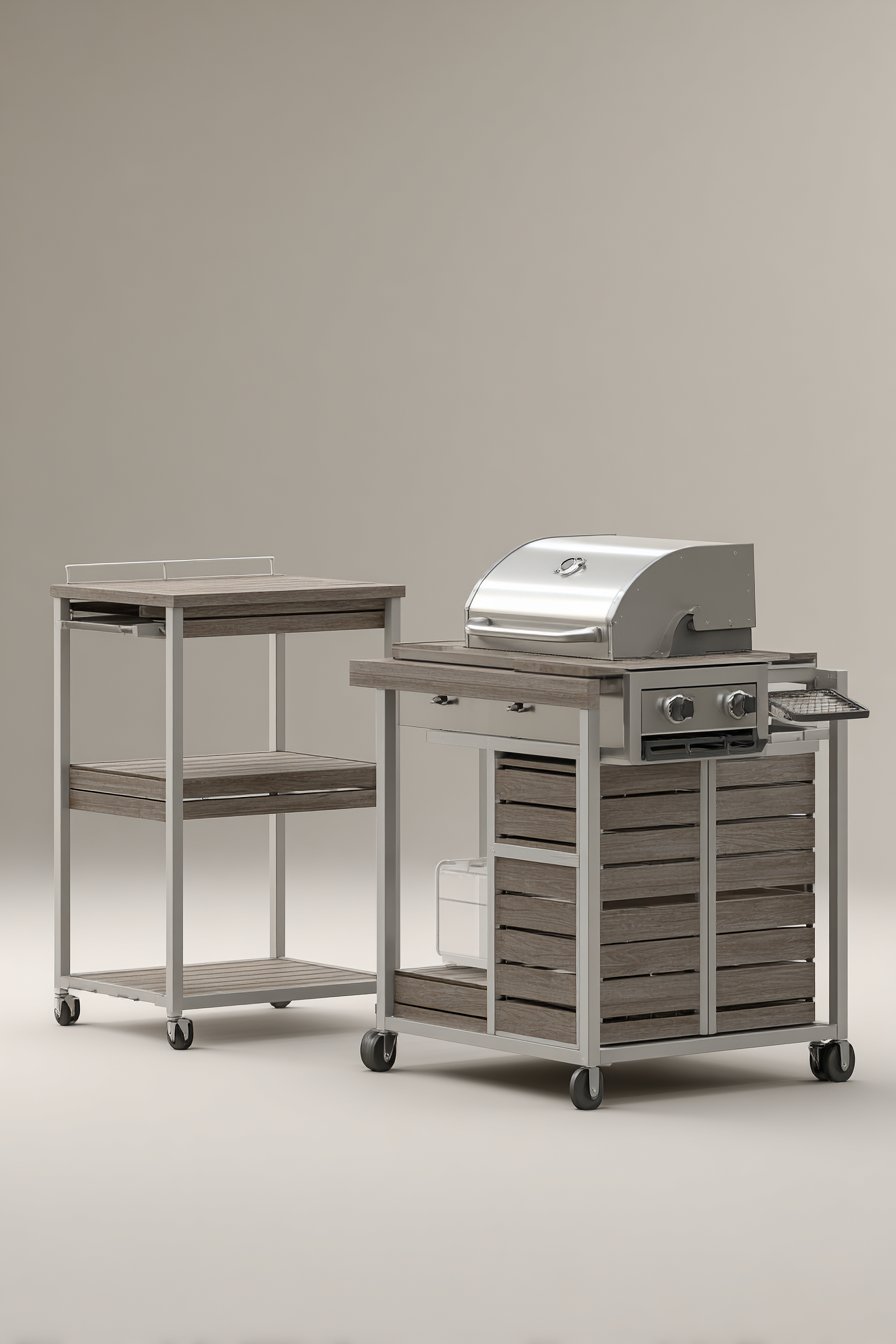
The flexible configuration adapts to various situations—compact arrangements for intimate dinners, expanded layouts for large gatherings, or complete disassembly for storage during off-season months. This system-based approach allows homeowners to start with essential components and expand over time as budget permits or needs evolve, avoiding the all-or-nothing commitment of permanent installations.
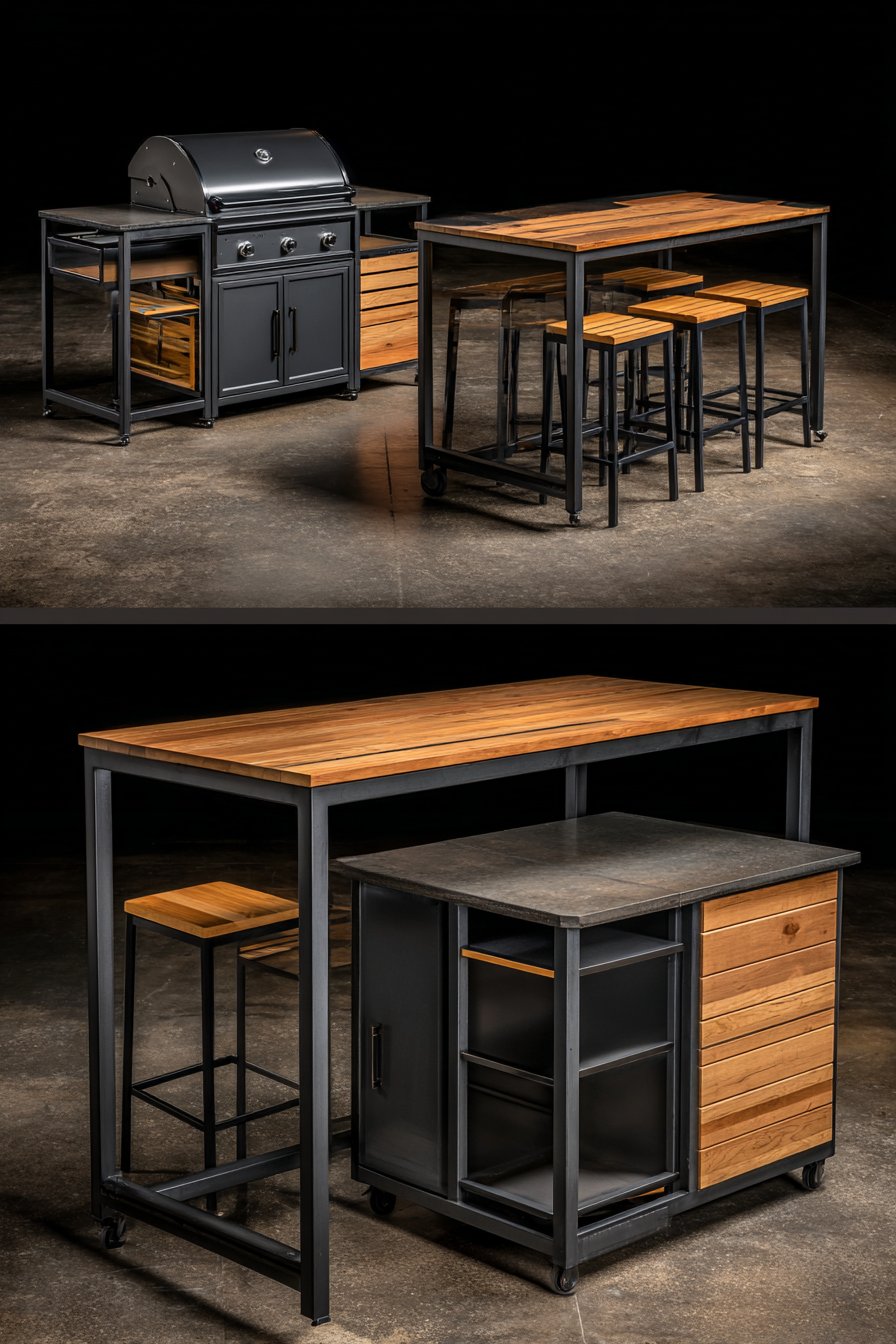
Product-style photography with clean studio lighting highlights the modular functionality and quality construction details from multiple angles, helping readers understand how components work independently and together. This design solution particularly suits those who value flexibility, prefer to invest gradually, or anticipate relocating in the future.
Key Design Tips:
- Ensure all modules share consistent height dimensions for seamless integration when arranged together
- Choose components with leveling feet to accommodate uneven patio surfaces
- Look for matching finishes across all modules to create cohesive appearance when arranged
- Consider purchasing connection brackets or clips to secure modules together during use
- Plan a protected storage location for off-season component storage to extend product lifespan
21. Scandinavian Minimalist Serenity
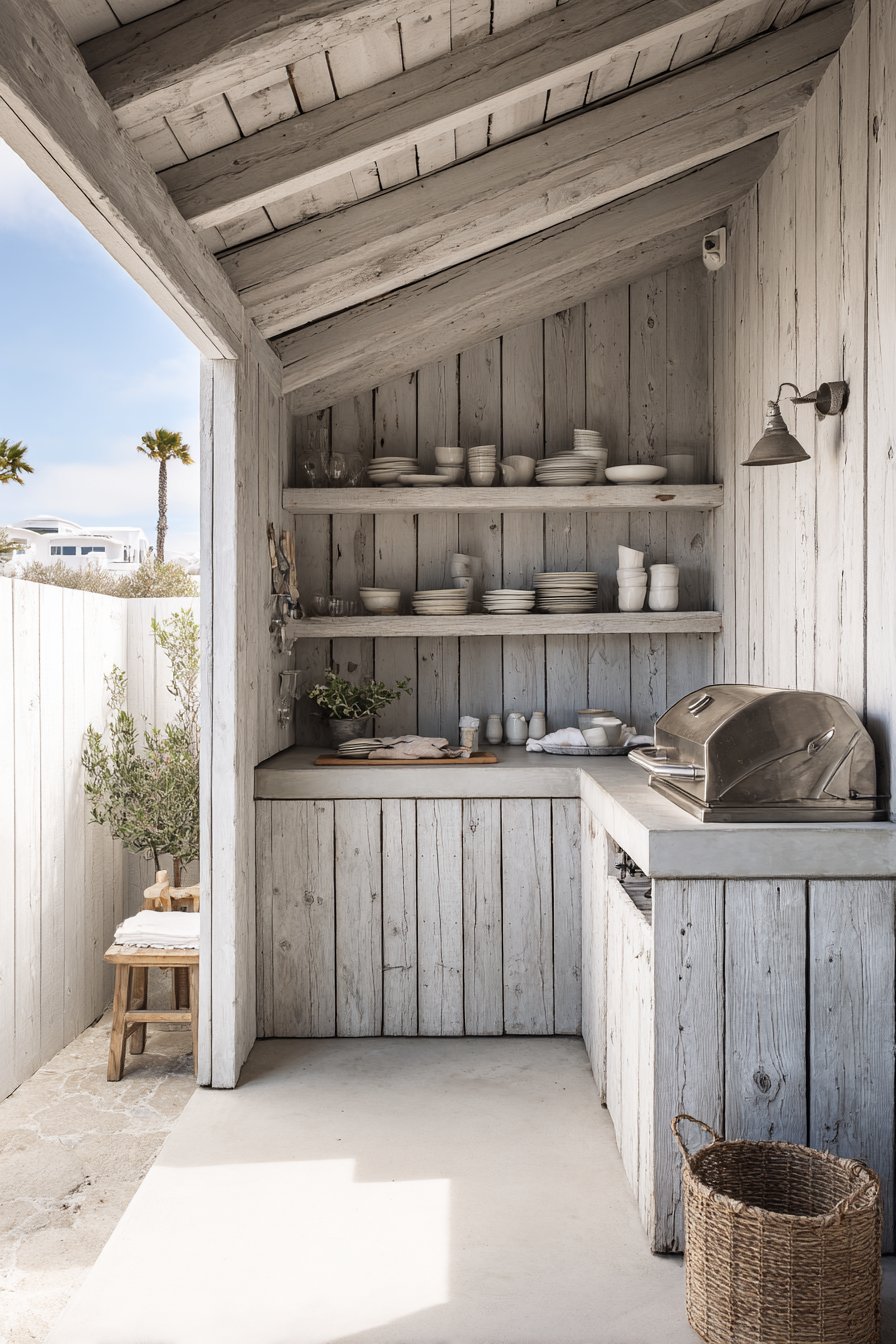
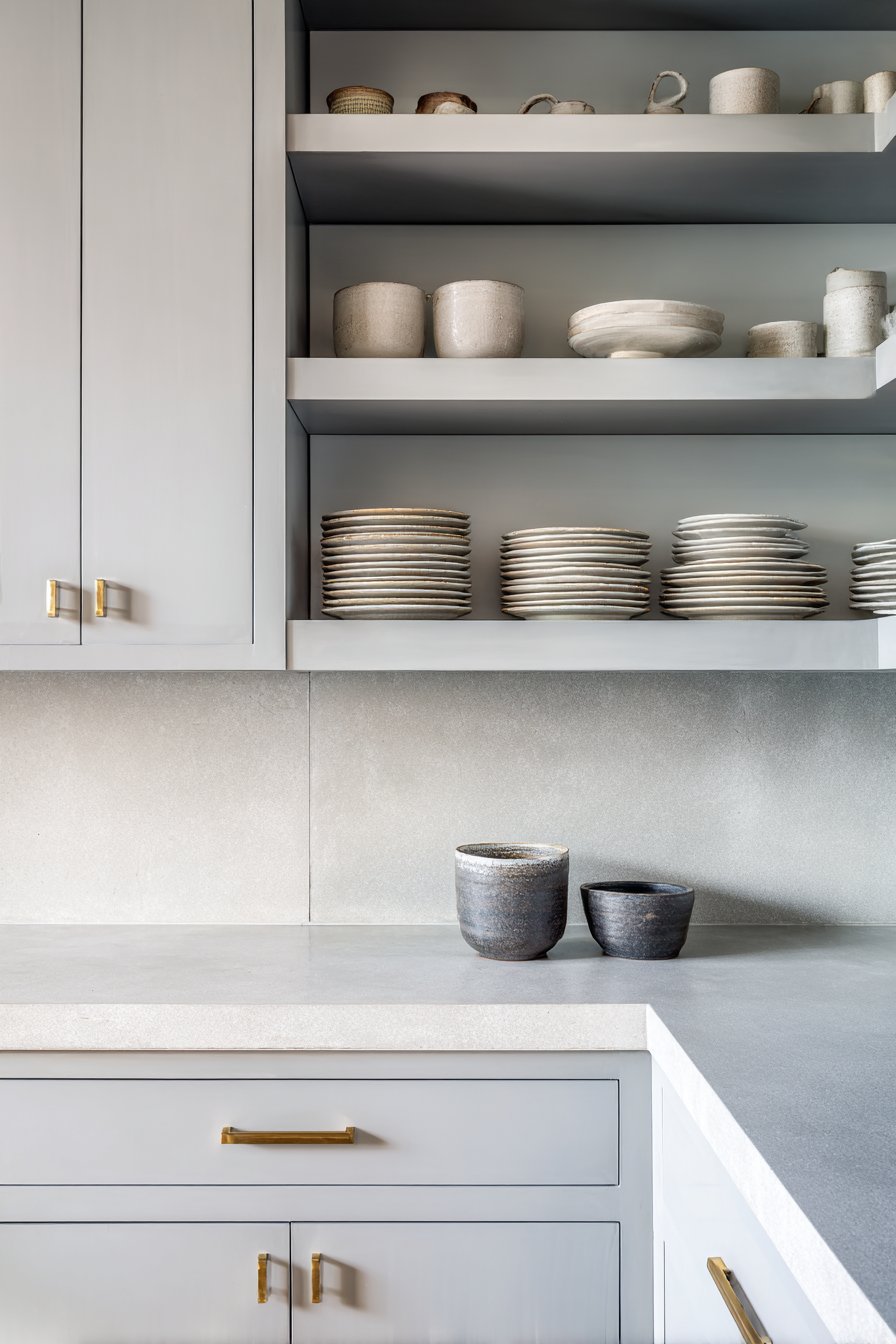
Nordic design principles bring calm sophistication to outdoor cooking spaces through this Scandinavian-inspired kitchen featuring light grey painted wood cabinetry with simple brass hardware. Pale concrete countertops complement the monochromatic palette while providing durable work surfaces that age gracefully. The compact built-in grill integrates seamlessly into the minimalist design, with clean lines and understated presence that avoids dominating the serene aesthetic.
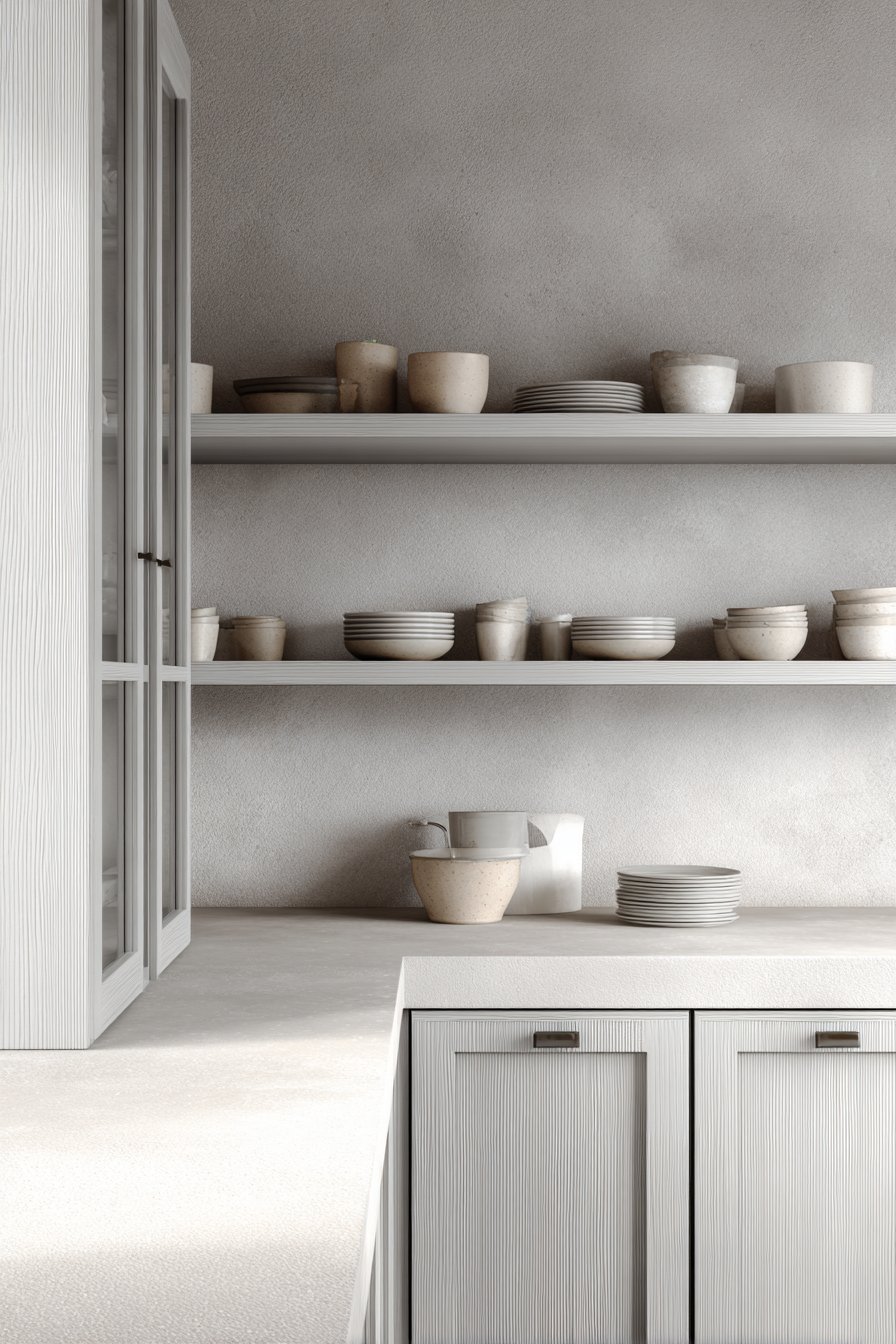
Open upper shelving displays neutral-toned outdoor dinnerware that reinforces the calm color palette while keeping items accessible for casual outdoor dining. The clean aesthetic embraces plenty of negative space and natural materials, creating an uncluttered environment that promotes relaxation and mindful cooking experiences. The Scandinavian approach values quality over quantity, with each element carefully selected for both function and aesthetic contribution.
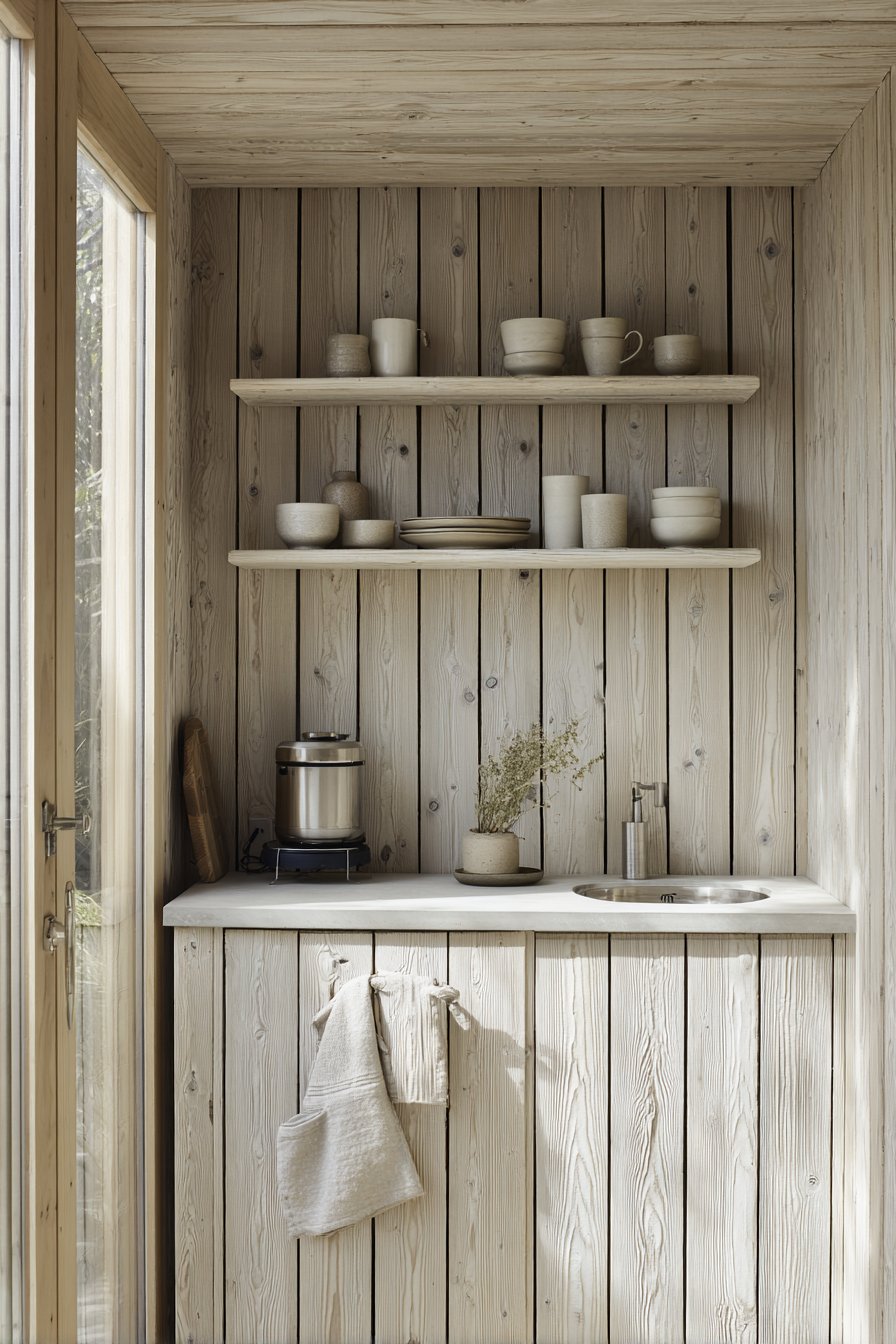
Interior design photography captures the serene Nordic aesthetic through soft diffused natural lighting that emphasizes the monochromatic palette and understated elegance. The minimalist approach creates a backdrop that allows food, nature, and human interaction to become the focal points rather than competing with ornamental design elements.
Key Design Tips:
- Choose pale grey tones with warm undertones to prevent the space from feeling cold or institutional
- Apply multiple coats of exterior-grade paint with UV protection to prevent premature fading
- Use simple geometric forms and avoid ornamental details to maintain the minimalist aesthetic
- Install under-shelf lighting with warm color temperature to create cozy evening ambiance
- Incorporate natural wood cutting boards and serving pieces to add organic warmth without disrupting the calm palette
Why These Small Outdoor Kitchen Ideas Represent the Best Designs
The outdoor kitchen designs presented throughout this article represent the pinnacle of small-space outdoor cooking solutions because they address the fundamental challenges that homeowners face when attempting to bring culinary functionality into exterior spaces. Each design demonstrates how thoughtful planning, appropriate material selection, and strategic layout can overcome the limitations of compact footprages while creating spaces that rival—and sometimes exceed—the functionality of their indoor counterparts. From budget-conscious DIY cinder block constructions to sophisticated modular systems and integrated pergola structures, these ideas span the complete spectrum of investment levels, style preferences, and spatial constraints.
What elevates these outdoor kitchen concepts above generic backyard grilling setups is their holistic approach to outdoor living spaces. They recognize that modern outdoor kitchens serve multiple functions beyond basic food preparation—they’re entertainment venues, architectural features, property value enhancers, and lifestyle statements. The best small outdoor kitchen ideas incorporate weather-resistant materials that withstand seasonal exposure while developing character rather than deteriorating. They utilize smart storage solutions that keep tools and supplies organized without cluttering work surfaces. They include proper lighting for extended usability beyond daylight hours. Most importantly, they create efficient workflows that make outdoor cooking genuinely convenient rather than a novelty that wears thin after initial excitement fades.
The variety of styles represented—from rustic farmhouse to contemporary minimalist, from Mediterranean villa to industrial urban loft—ensures that every homeowner can find inspiration that aligns with their personal aesthetic preferences and existing architecture. These designs prove that small outdoor kitchens need not sacrifice style for functionality or compromise design vision due to spatial limitations. Whether you’re drawn to the mobile flexibility of cart-style setups, the permanent elegance of stone and granite installations, or the innovative space-saving solutions of vertical wall-mounted configurations, these ideas demonstrate that exceptional outdoor cooking environments remain accessible regardless of budget, space, or existing conditions.
The inclusion of specific materials, dimensions, and technical details throughout these designs provides actionable information that readers can immediately apply to their own projects. Rather than vague inspiration that leaves homeowners wondering how to actually implement ideas, these concepts specify concrete countertop finishes, stainless steel grill options, weather-resistant cabinetry materials, and lighting solutions. This practical specificity transforms abstract design concepts into achievable projects that real people can execute with confidence, whether through professional installation or ambitious DIY efforts.
Conclusion
Creating a small outdoor kitchen represents one of the most rewarding home improvement investments you can make, transforming underutilized outdoor space into a functional extension of your living area that enhances daily life and entertainment capabilities. The twenty-one designs explored throughout this comprehensive guide demonstrate that spatial limitations need not constrain your outdoor cooking dreams—with creativity, smart planning, and appropriate product selection, even the most compact patios, balconies, and deck areas can accommodate fully functional outdoor kitchens that rival indoor cooking spaces in utility and surpass them in ambiance.
The key to successful small outdoor kitchen design lies in understanding your specific needs, honestly assessing your available space, and choosing solutions that align with both your lifestyle and aesthetic preferences. Whether you’re a weekend grilling enthusiast who needs basic functionality or an aspiring outdoor chef seeking comprehensive cooking capabilities, the right design exists to match your requirements. Start by evaluating how you actually use your outdoor spaces, considering factors like sun exposure, prevailing winds, proximity to indoor kitchens, and existing architectural features that might influence placement and design decisions.
As you move forward with your outdoor kitchen plans, remember that the most successful projects balance aspiration with practicality. Choose durable, weather-resistant materials appropriate for your climate. Plan for adequate storage to keep your outdoor kitchen organized and functional. Include proper lighting for extended usability. Consider how the kitchen integrates with existing outdoor living areas and circulation patterns. Most importantly, design a space that you’ll actually use rather than creating an impressive showcase that sits idle because it’s inconvenient or impractical for daily life.
The outdoor kitchen revolution has democratized alfresco cooking, making it accessible to apartment dwellers with small balconies, urban homeowners with modest patios, and suburban residents with expansive backyards alike. These designs prove that you don’t need unlimited space or unlimited budgets to create outdoor cooking environments that enhance your quality of life, increase your property value, and provide years of culinary enjoyment under open skies. Take inspiration from these ideas, adapt them to your specific situation, and begin transforming your outdoor space into the cooking paradise you’ve always envisioned.
