
The kitchen has long been considered the heart of the home—a gathering place where families share meals, stories, and create lasting memories. In recent years, there has been a remarkable resurgence in the appreciation of natural materials, with wood taking center stage as the material of choice for homeowners seeking to infuse their kitchens with warmth, character, and organic beauty. Wood kitchen ideas encompass far more than simple cabinetry choices; they represent a design philosophy that celebrates craftsmanship, sustainability, and the irreplaceable aesthetic that only natural materials can provide. From the rich, deep tones of walnut to the light, airy feel of Scandinavian-inspired ash, wood offers an incredible spectrum of possibilities that can complement virtually any design style while creating spaces that feel inherently welcoming and lived-in.
Whether you’re drawn to the rustic charm of reclaimed barn wood, the sleek sophistication of contemporary flat-panel cabinetry, or the timeless elegance of traditional raised-panel designs, incorporating wood into your kitchen creates an environment that transcends fleeting trends. Wood brings texture, dimension, and visual interest to spaces in ways that synthetic materials simply cannot replicate. The natural grain patterns, subtle color variations, and tactile qualities of wood engage our senses and create an emotional connection to our living spaces. As we explore these diverse wood kitchen ideas, you’ll discover how different wood species, finishes, and design approaches can transform your kitchen from a purely functional space into a room that reflects your personal style while providing a warm, inviting atmosphere that naturally draws people together.
In this comprehensive guide, we’ll explore twenty-three distinct wood kitchen ideas that showcase the versatility and beauty of this timeless material. From space-saving solutions for compact kitchens to luxurious custom installations, from mixing multiple wood species to focusing on sustainable choices, each design concept offers unique insights and practical inspiration. You’ll find ideas that span the design spectrum—minimalist and maximalist, traditional and contemporary, rustic and refined—demonstrating that wood kitchen designs can accommodate any aesthetic preference while maintaining the inherent warmth and authenticity that makes wood an enduring favorite among designers and homeowners alike.
1. Comprehensive Wood Kitchen Showcase
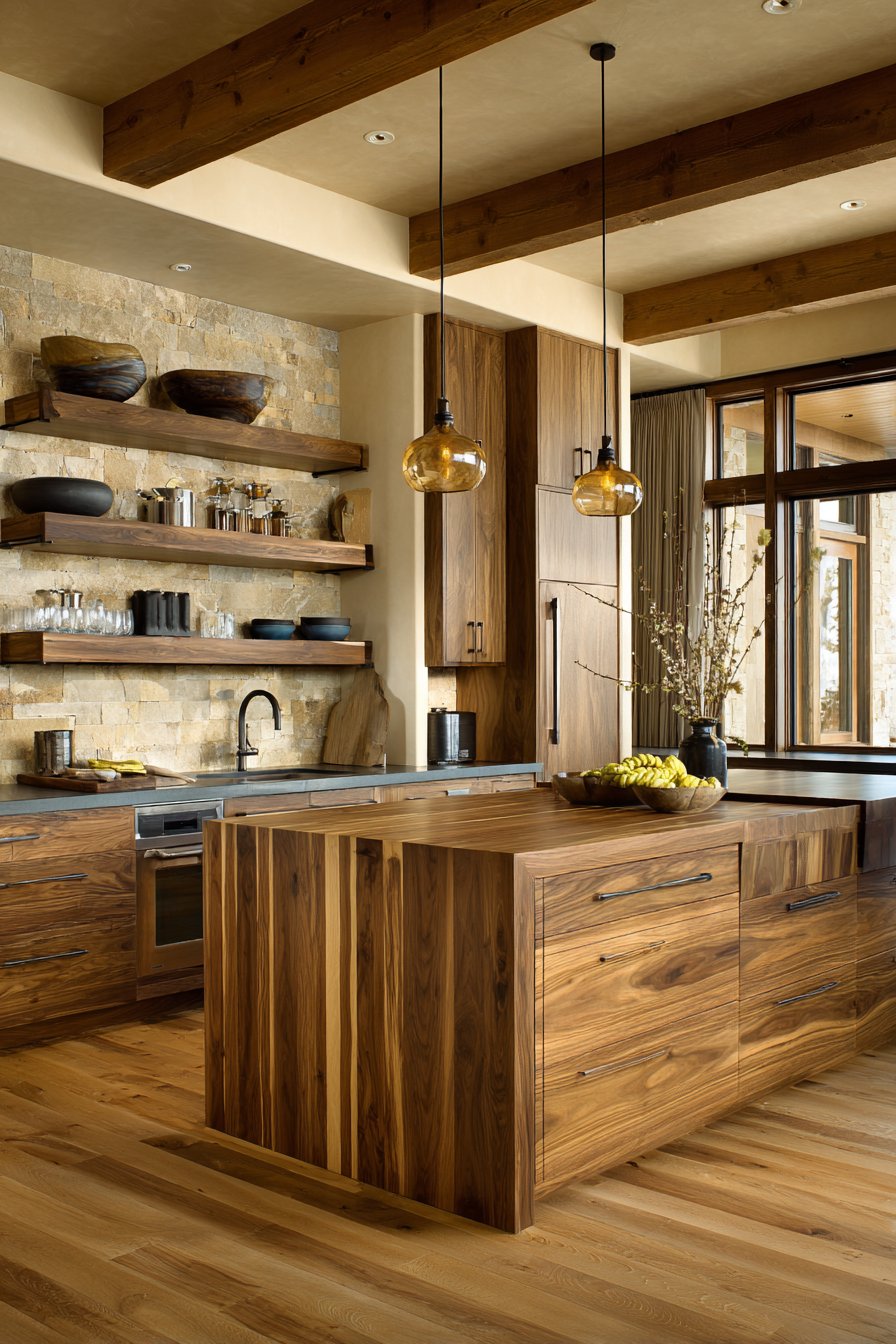
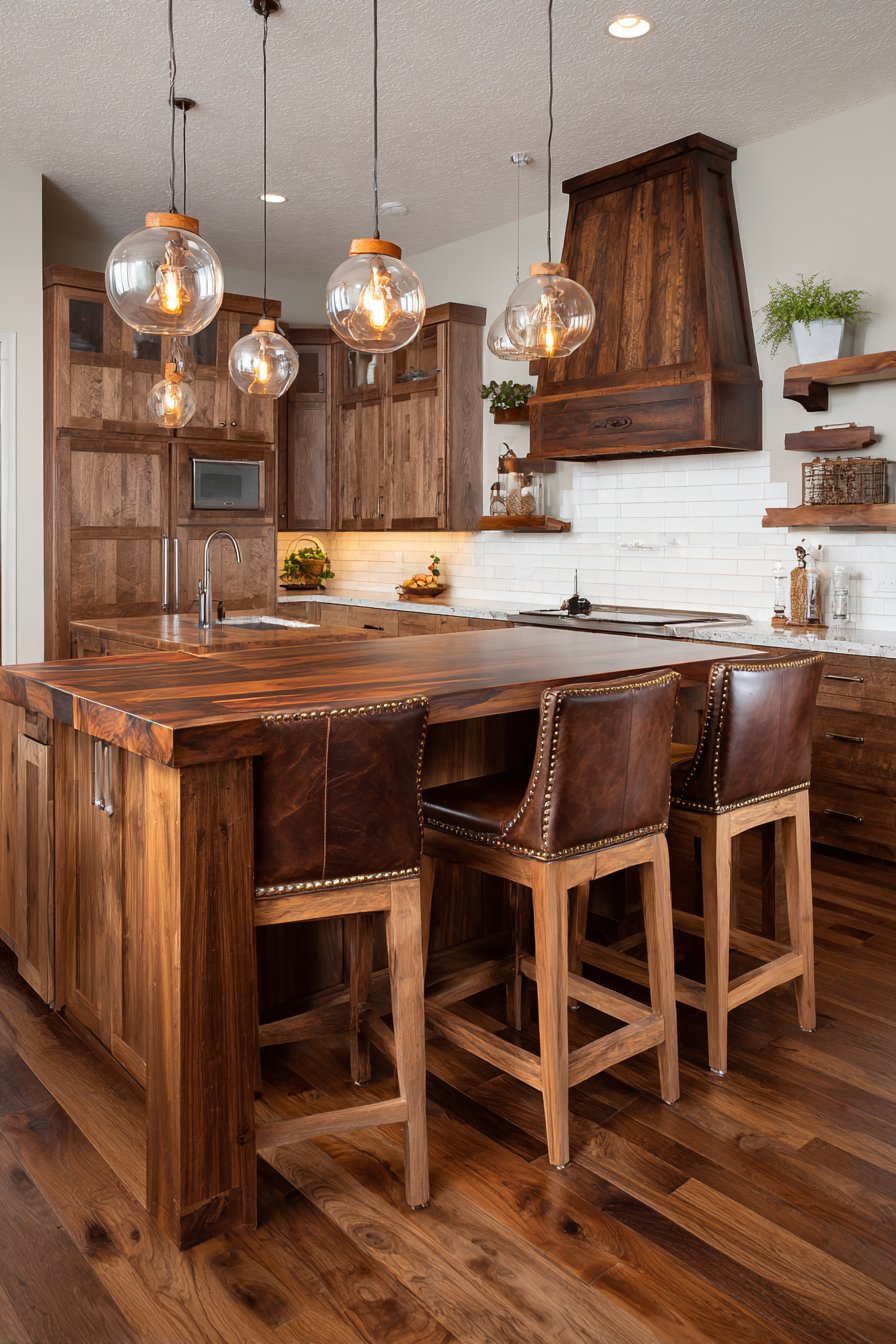
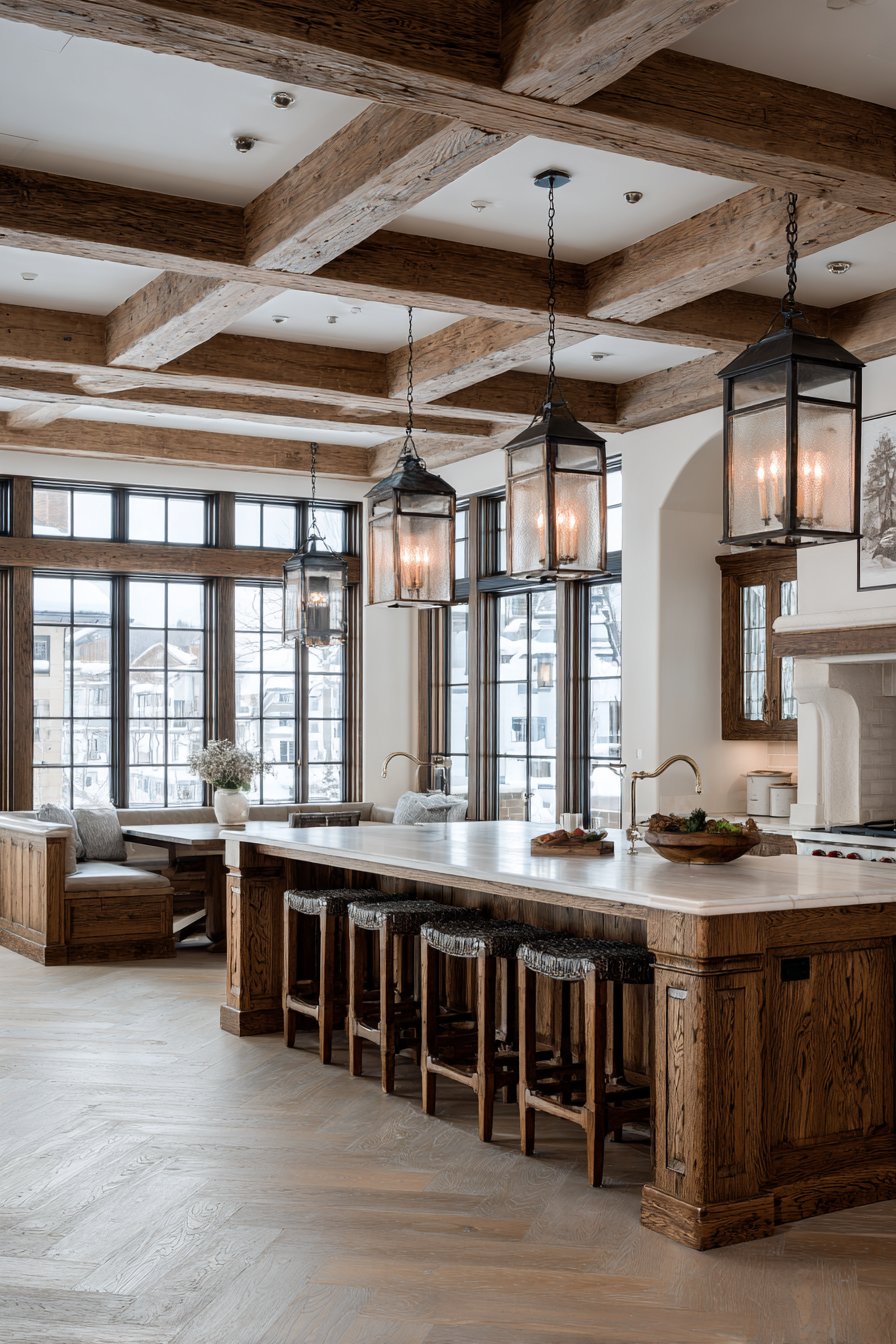
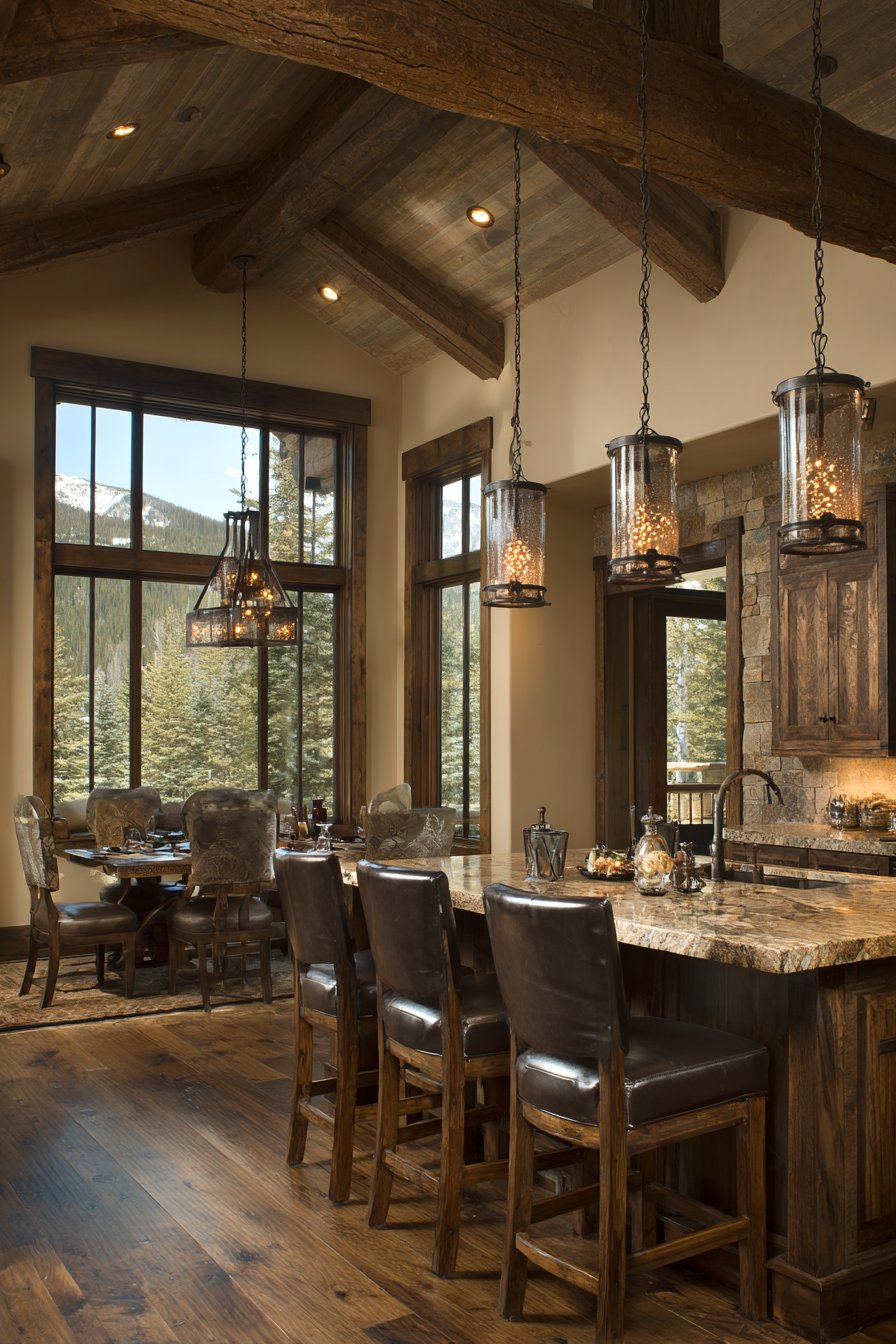
The ultimate wood kitchen design brings together multiple wood elements in a harmonious composition that celebrates the material in all its varied forms. Picture a stunning space featuring rich walnut cabinetry with natural grain patterns that tell their own unique stories, complemented by a substantial center island topped with warm butcher block that invites both food preparation and casual gathering. Floating shelves crafted from reclaimed barn wood add character and display space while introducing a different wood tone and texture that creates visual interest without overwhelming the design. The exposed wooden ceiling beams add architectural gravitas and draw the eye upward, expanding the perceived space while adding another layer of wood texture to the environment.
What makes this comprehensive approach so compelling is the thoughtful layering of different wood species, finishes, and applications throughout the space. Light oak flooring provides a neutral foundation that grounds the design, while the darker cabinet finishes create depth and sophistication. The interplay between these varied wood elements—each with its own grain pattern, color, and character—creates a rich, textured environment that feels curated rather than monotonous. Warm pendant lighting strategically positioned throughout the space highlights the wood textures, casting gentle shadows that emphasize grain patterns and create an ever-changing visual experience as natural light shifts throughout the day.
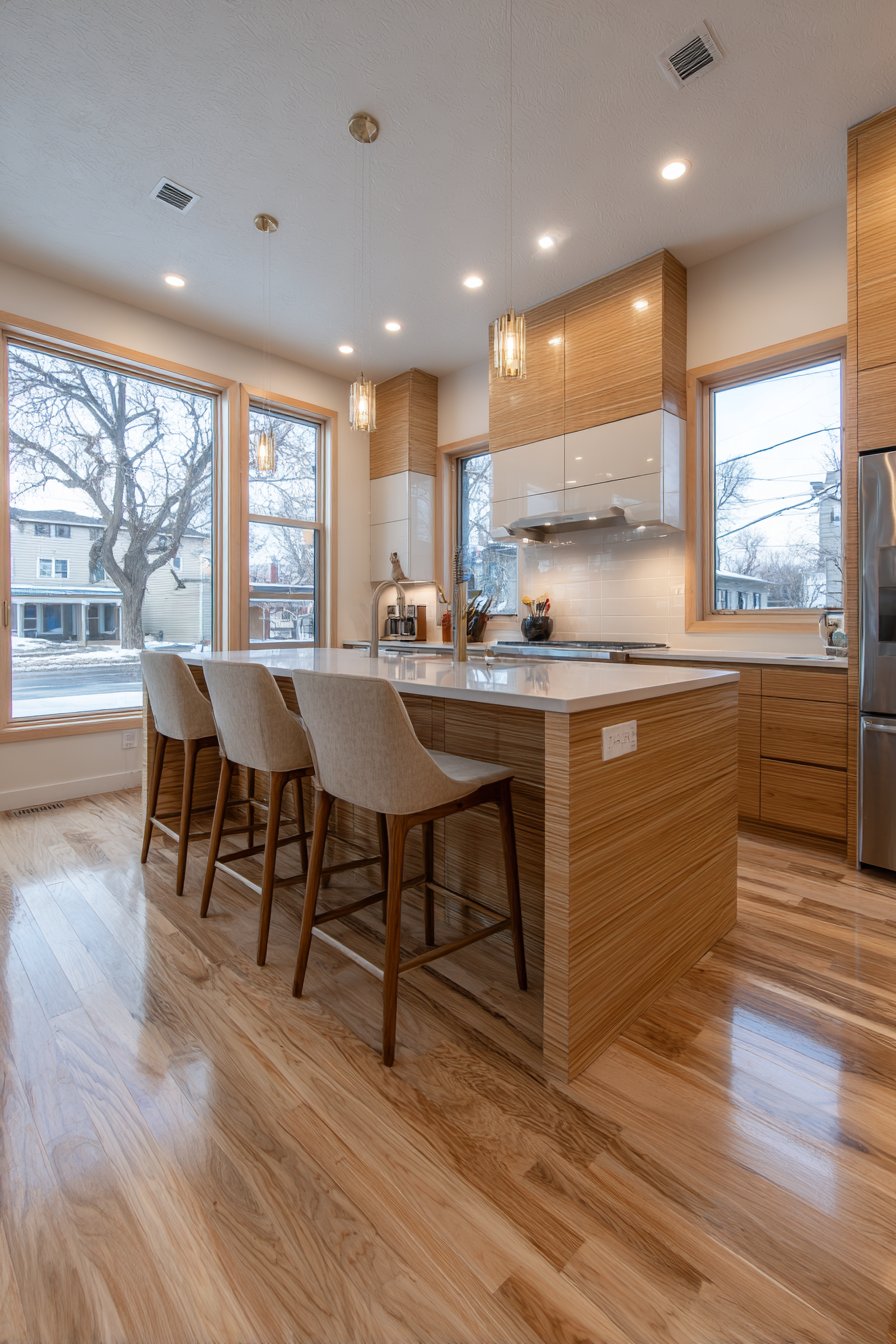
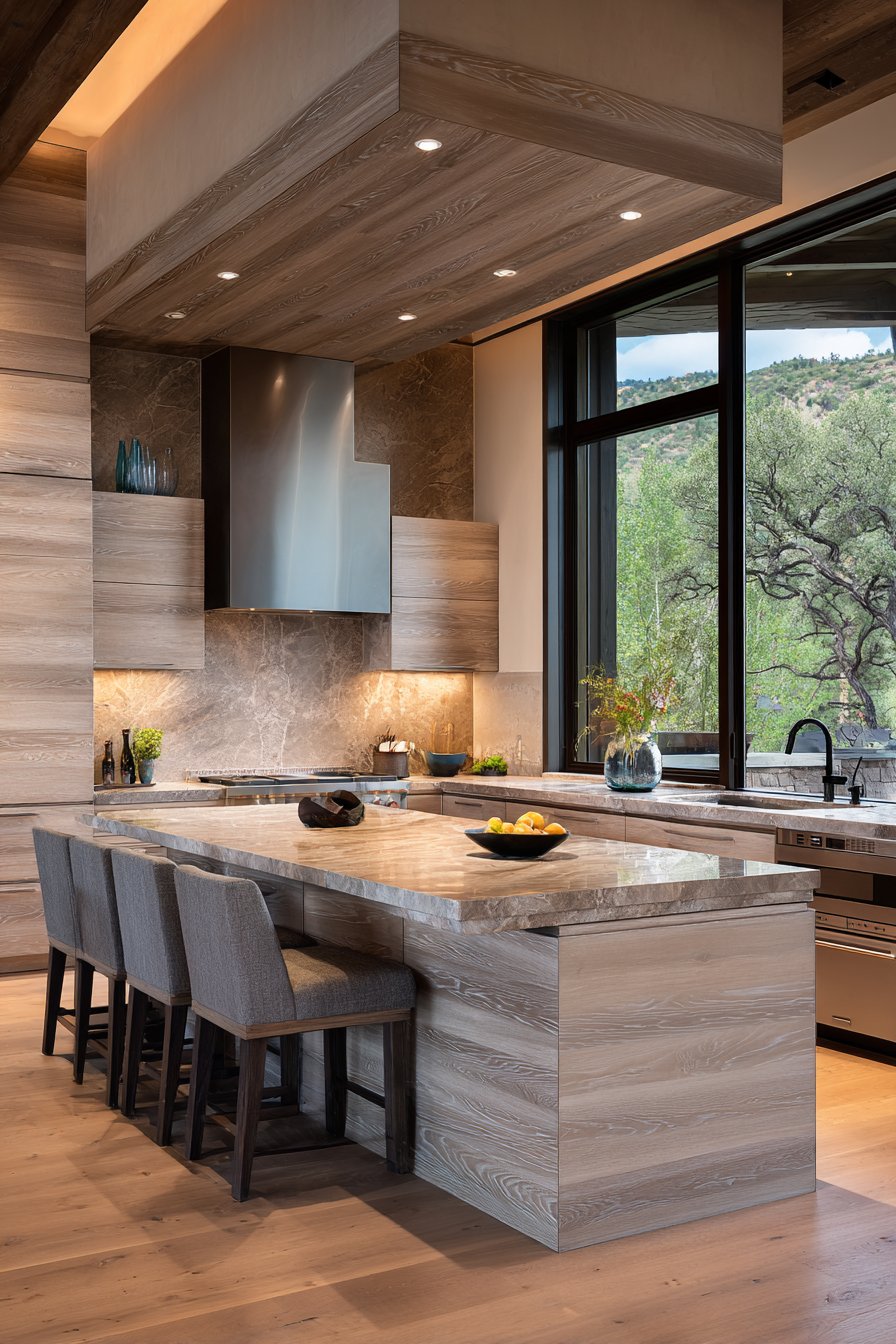
The beauty of this layered wood approach lies in its ability to create a cohesive design that feels both intentional and organic. When executed properly, the combination of multiple wood types doesn’t feel busy or chaotic; instead, it creates depth and interest while maintaining a unified aesthetic. The key is ensuring that the various wood elements share complementary undertones—whether warm honey tones or cooler grey undertones—so that despite the variety, everything works together harmoniously. This approach also allows for the integration of both new and reclaimed materials, adding sustainability credentials while introducing authentic patina and character that new materials simply cannot replicate.
Key Design Tips:
- Layer different wood species and finishes to create depth while maintaining color harmony through shared undertones
- Balance darker and lighter wood elements to prevent the space from feeling too heavy or washed out
- Use lighting strategically to highlight wood grain patterns and create visual interest through shadow and texture
- Incorporate both horizontal and vertical wood applications to guide the eye throughout the space
- Mix smooth, polished finishes with more textured or distressed surfaces for tactile variety
- Ensure adequate spacing between different wood elements to let each component shine without overwhelming the design
2. Modern Blonde Oak Elegance
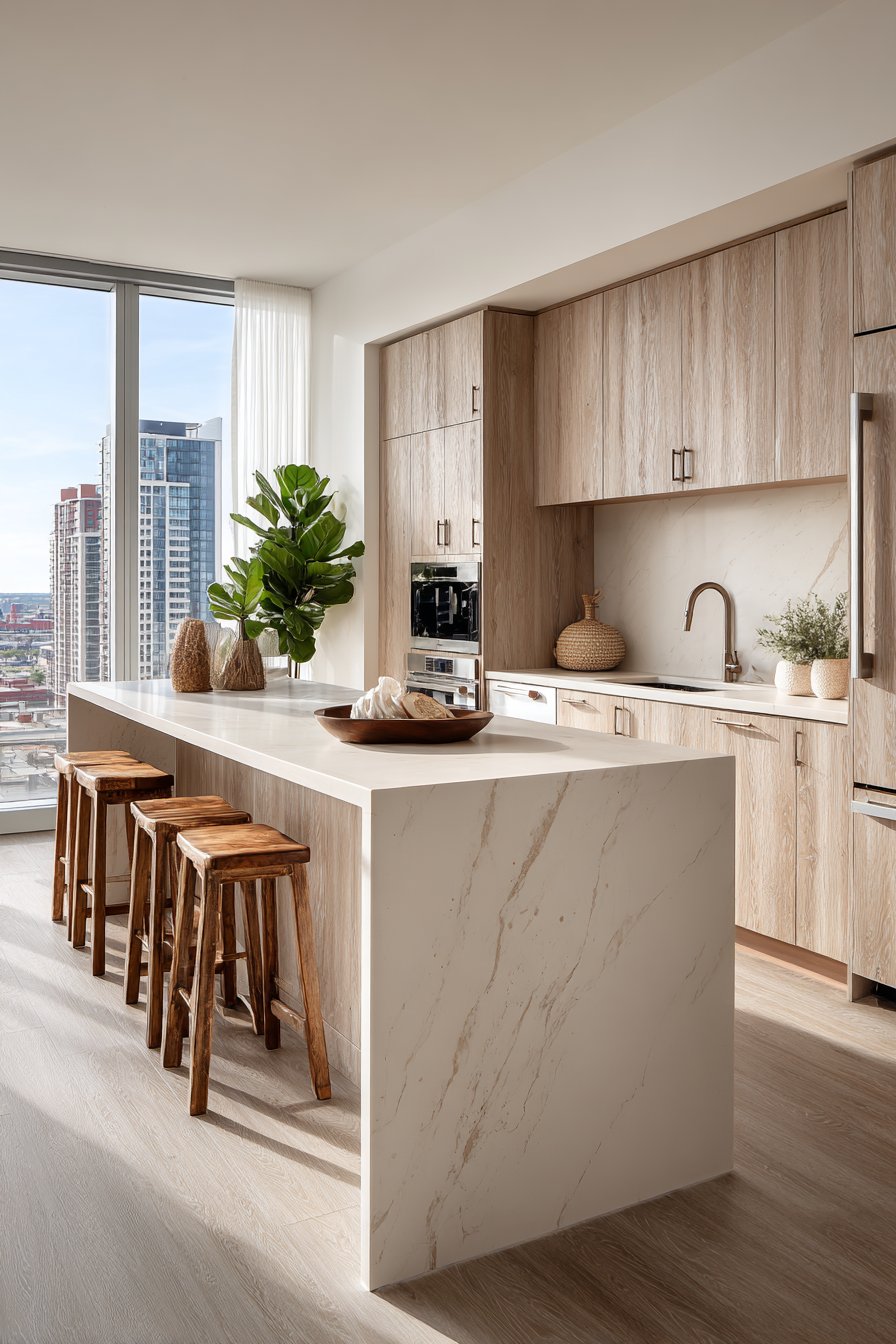
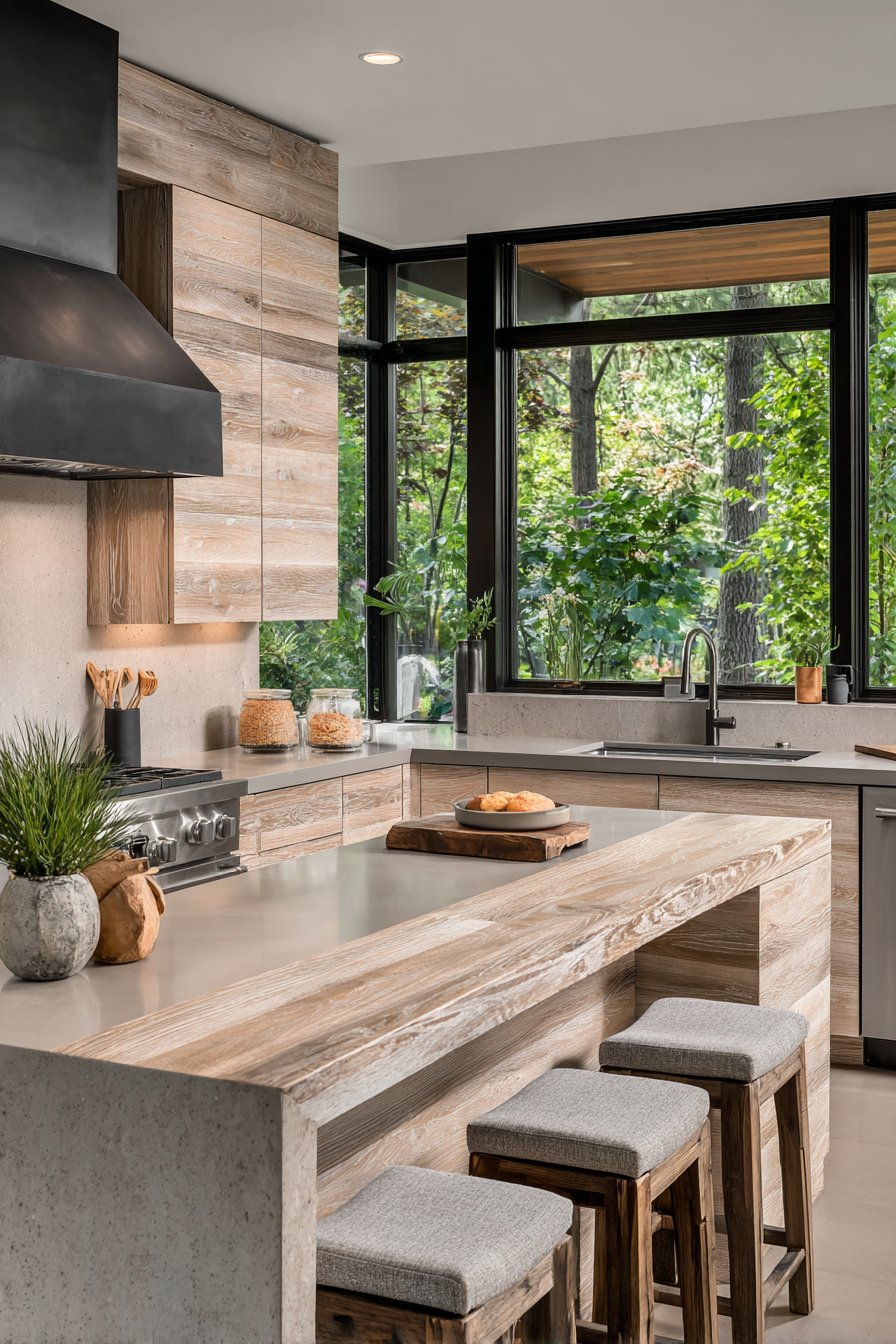
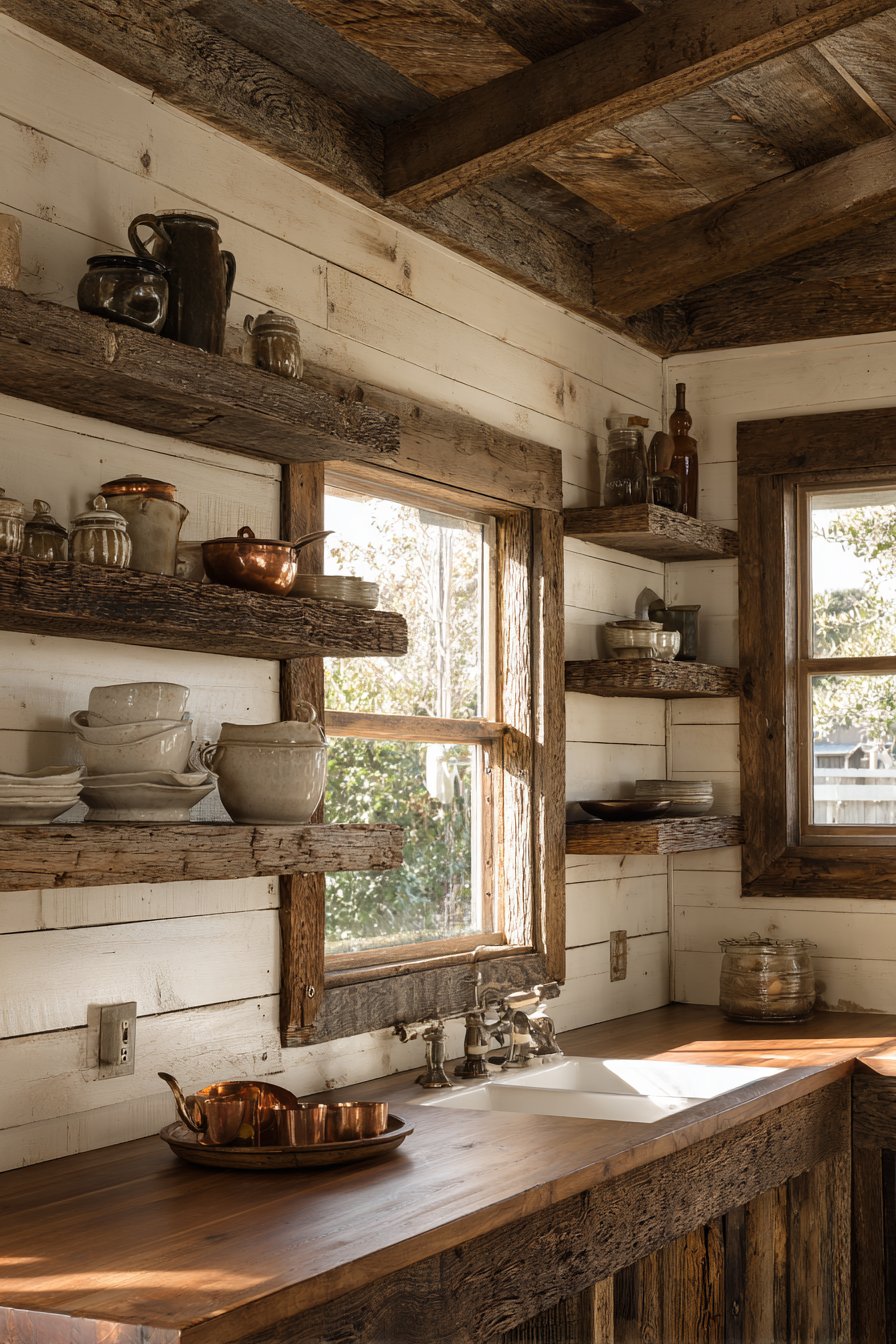
Sleek flat-panel oak cabinets in a natural blonde finish represent the perfect marriage of contemporary design sensibility and organic material warmth. This modern wood kitchen idea showcases how minimalist design principles can coexist beautifully with natural materials, creating spaces that feel both cutting-edge and inviting. The horizontal grain pattern running continuously across the cabinet faces creates visual flow and emphasizes the clean lines that define modern design. A waterfall-edge wooden island serves as the sculptural centerpiece, where the wood grain continues seamlessly from the horizontal surface down the vertical sides, creating a continuous visual statement that celebrates both the material and the craftsmanship required to achieve such precision.
The introduction of stainless steel appliances provides essential contemporary contrast while ensuring that the wood remains the star of the show. This juxtaposition of warm organic wood against cool metallic surfaces creates dynamic tension that energizes the space without disrupting its fundamental serenity. The integrated seating at the island invites casual dining and conversation while maintaining the clean, uncluttered aesthetic that modern design demands. Natural light flooding through large windows becomes an active design element, creating ever-changing patterns of light and shadow across the wood surfaces that emphasize the grain texture and bring out the subtle color variations inherent in natural oak.
What distinguishes this modern approach to wood kitchen design is its restraint and precision. Every element serves a purpose, and the beauty emerges from the quality of materials and execution rather than from ornamentation or complexity. The blonde oak finish brightens the space while maintaining warmth, making it particularly suitable for kitchens that might otherwise feel cold or sterile with more typical modern materials. The visible wood grain provides visual interest and texture without requiring additional decorative elements, proving that when working with beautiful natural materials, sometimes the most powerful design choice is simply to let the material speak for itself.
Key Design Tips:
- Choose flat-panel cabinet doors with horizontal grain orientation to emphasize contemporary clean lines
- Incorporate waterfall-edge details on islands to showcase wood grain continuity and craftsmanship
- Balance warm wood tones with cool metallic appliances and fixtures for dynamic contrast
- Maximize natural light to highlight wood grain patterns and subtle color variations
- Use integrated or concealed hardware to maintain sleek, uninterrupted surfaces
- Select light-toned wood species like oak, ash, or maple to keep modern spaces feeling bright and open
3. Rustic Reclaimed Barn Wood Character
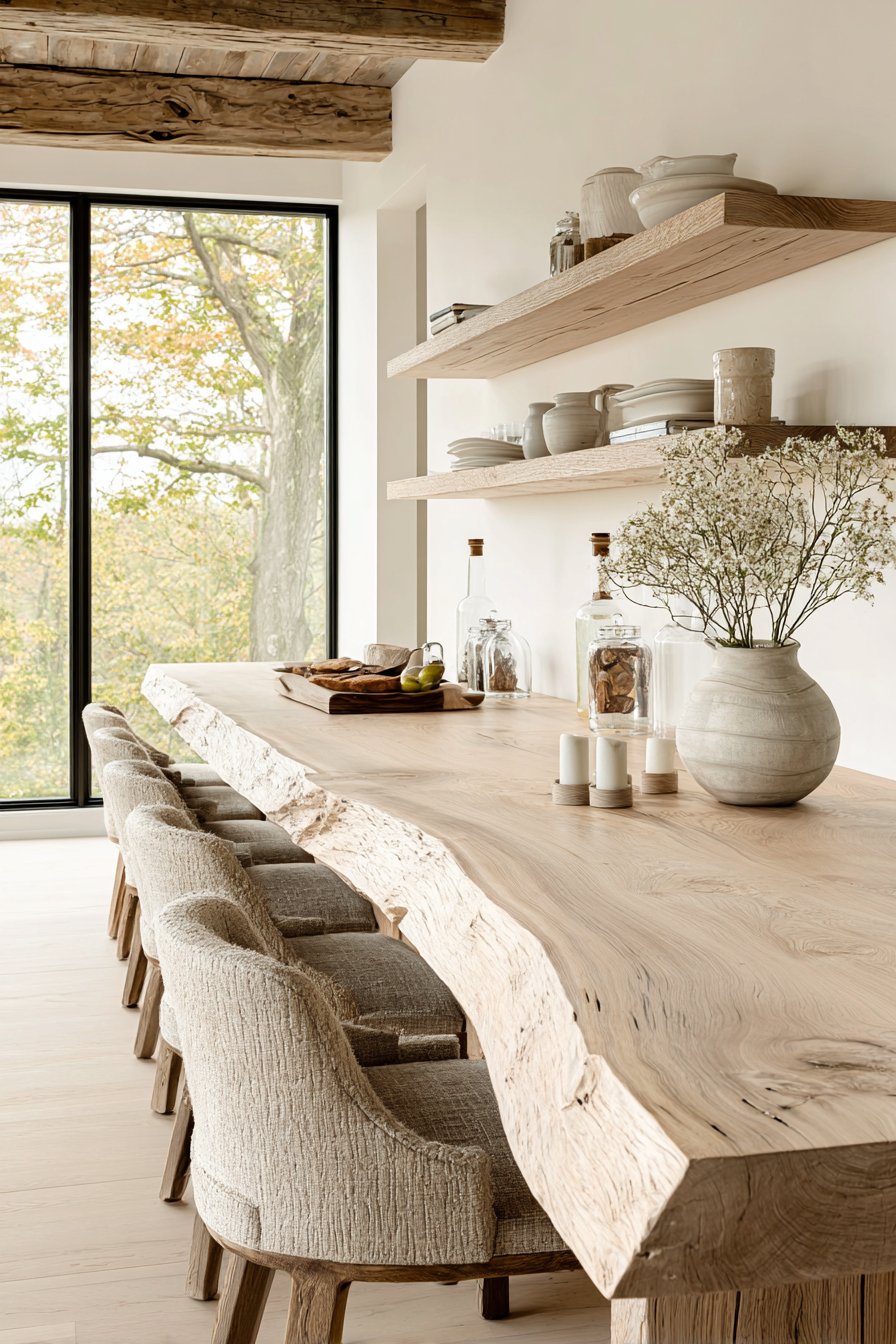
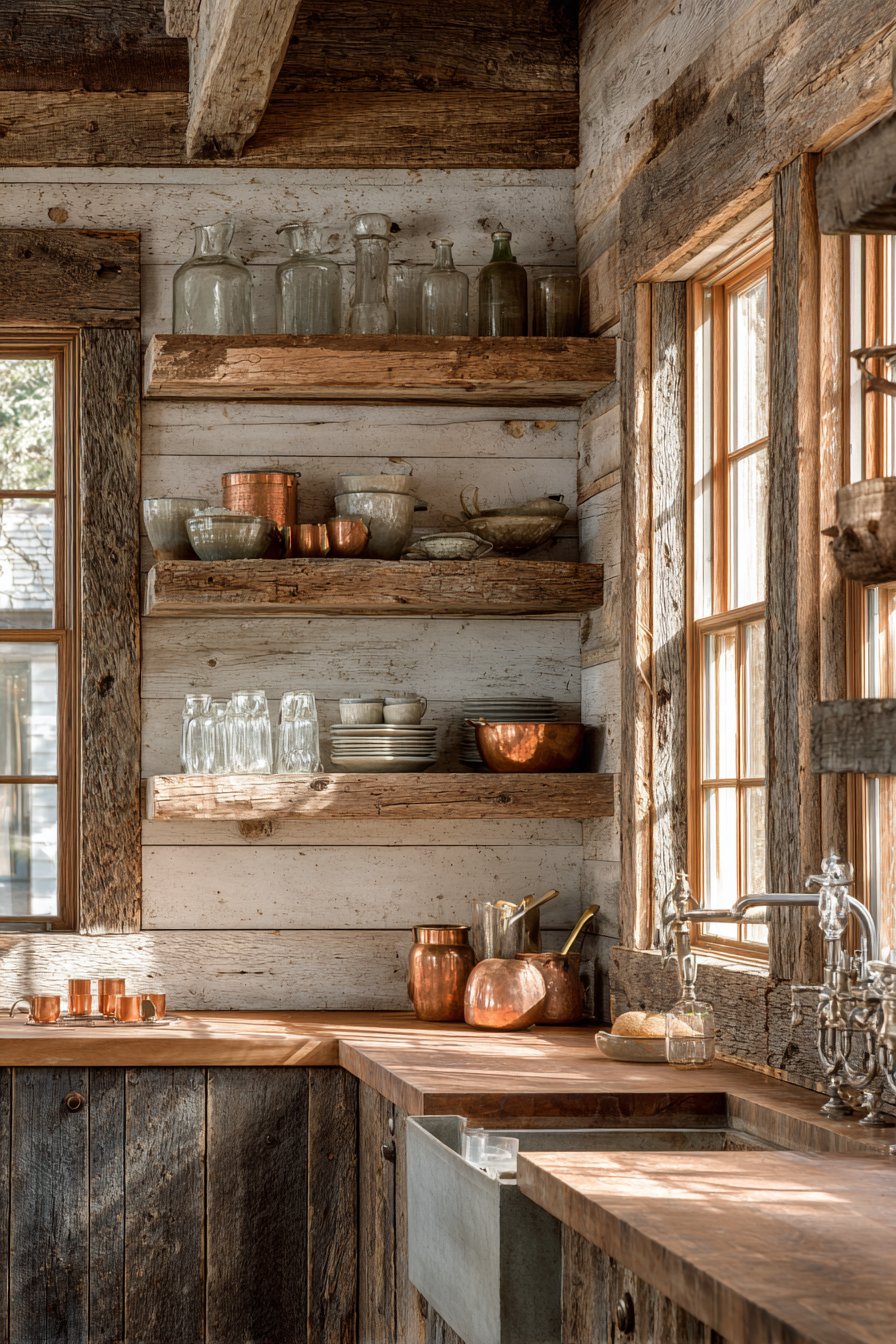
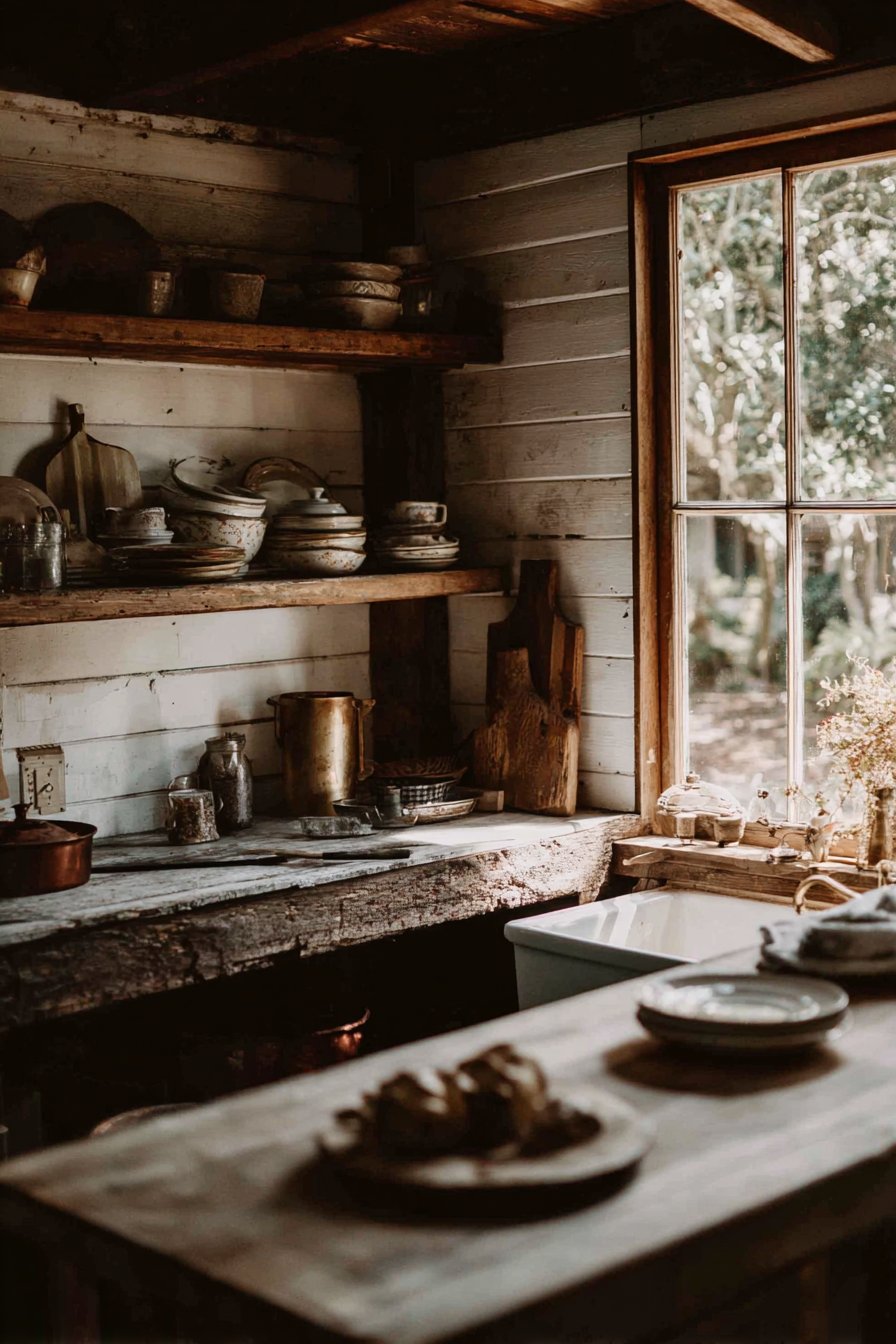
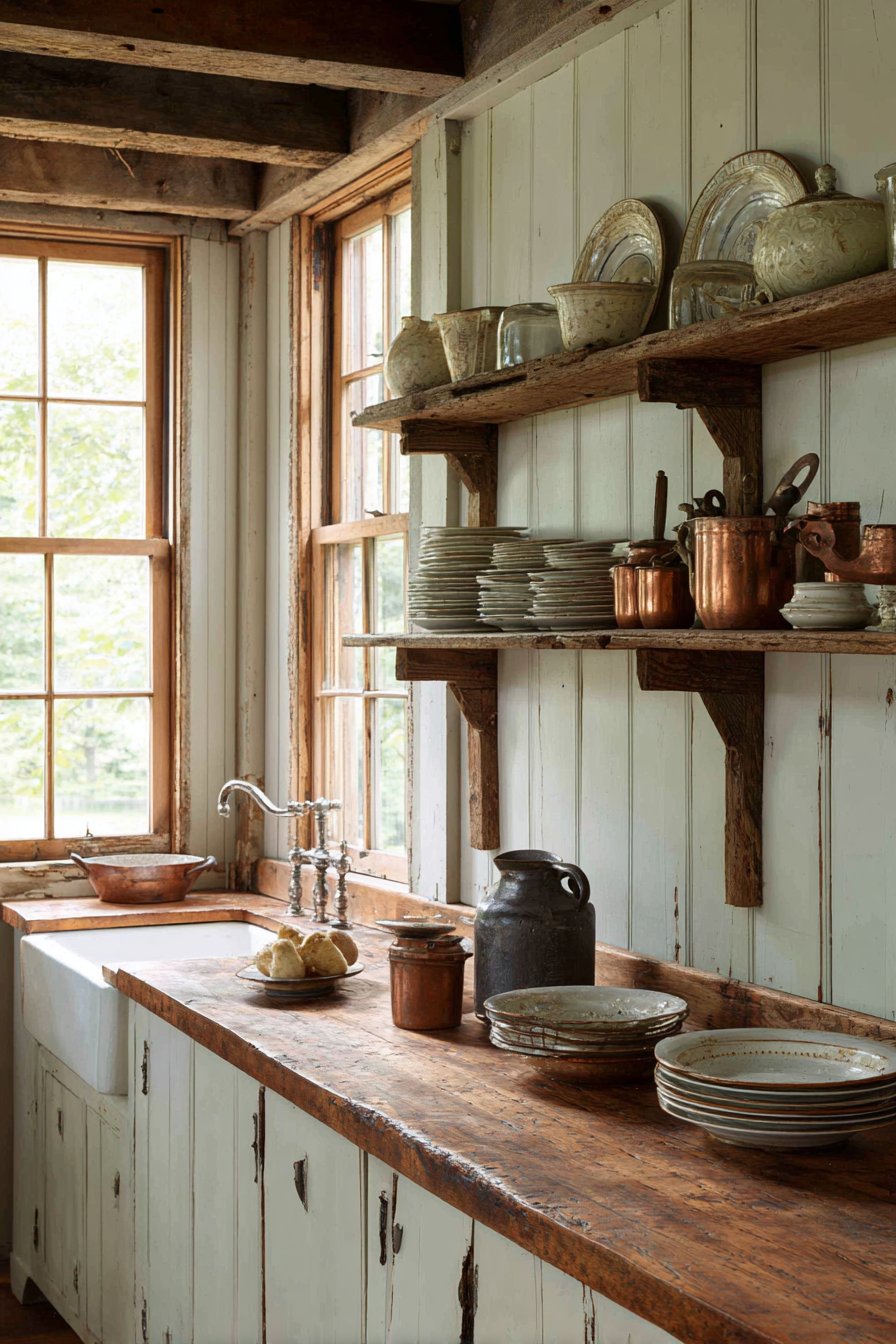
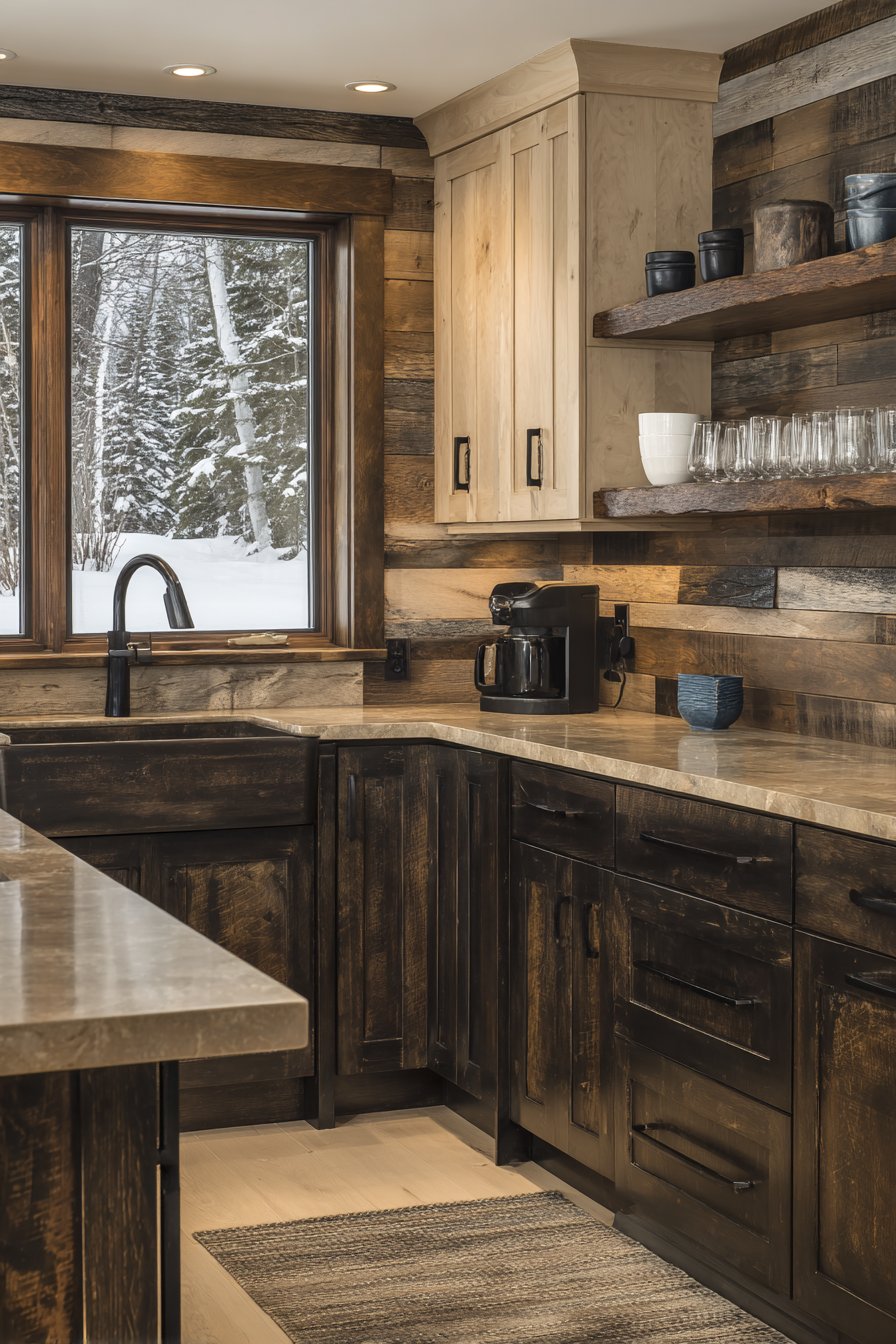
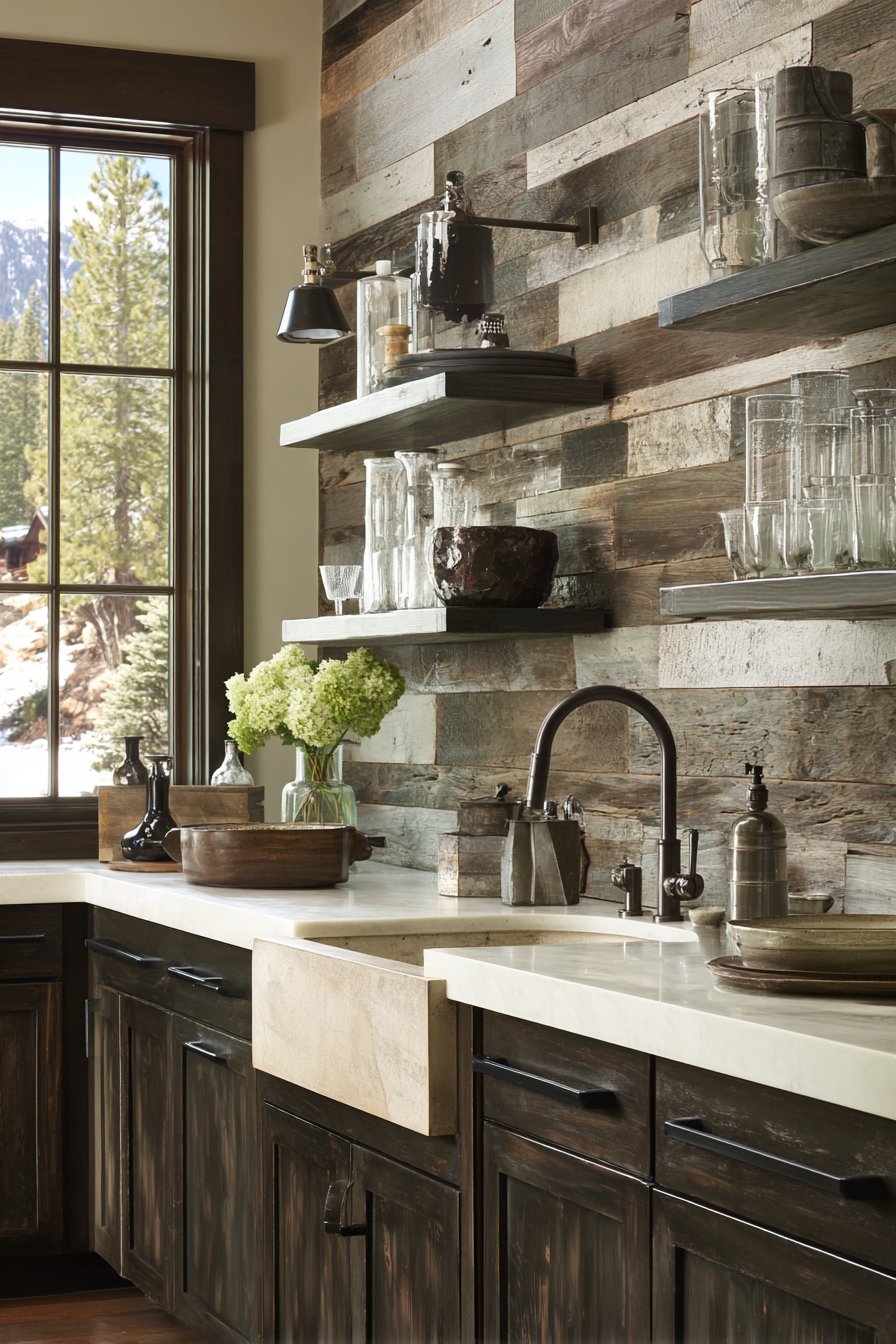
There’s something profoundly appealing about incorporating materials with history and patina into our living spaces, and reclaimed barn wood open shelving delivers exactly this quality in abundance. Mounted against crisp white shiplap walls, these shelves become both functional storage and visual focal points, their weathered surfaces telling stories of decades spent protecting crops and livestock before finding new purpose in contemporary kitchens. The visible wood knots, nail holes, and natural weathering patterns aren’t flaws to be hidden but rather badges of authenticity that add character and depth impossible to replicate with new materials. Ceramic dishware and vintage copper cookware displayed on these shelves enhance the rustic narrative while serving practical purposes.
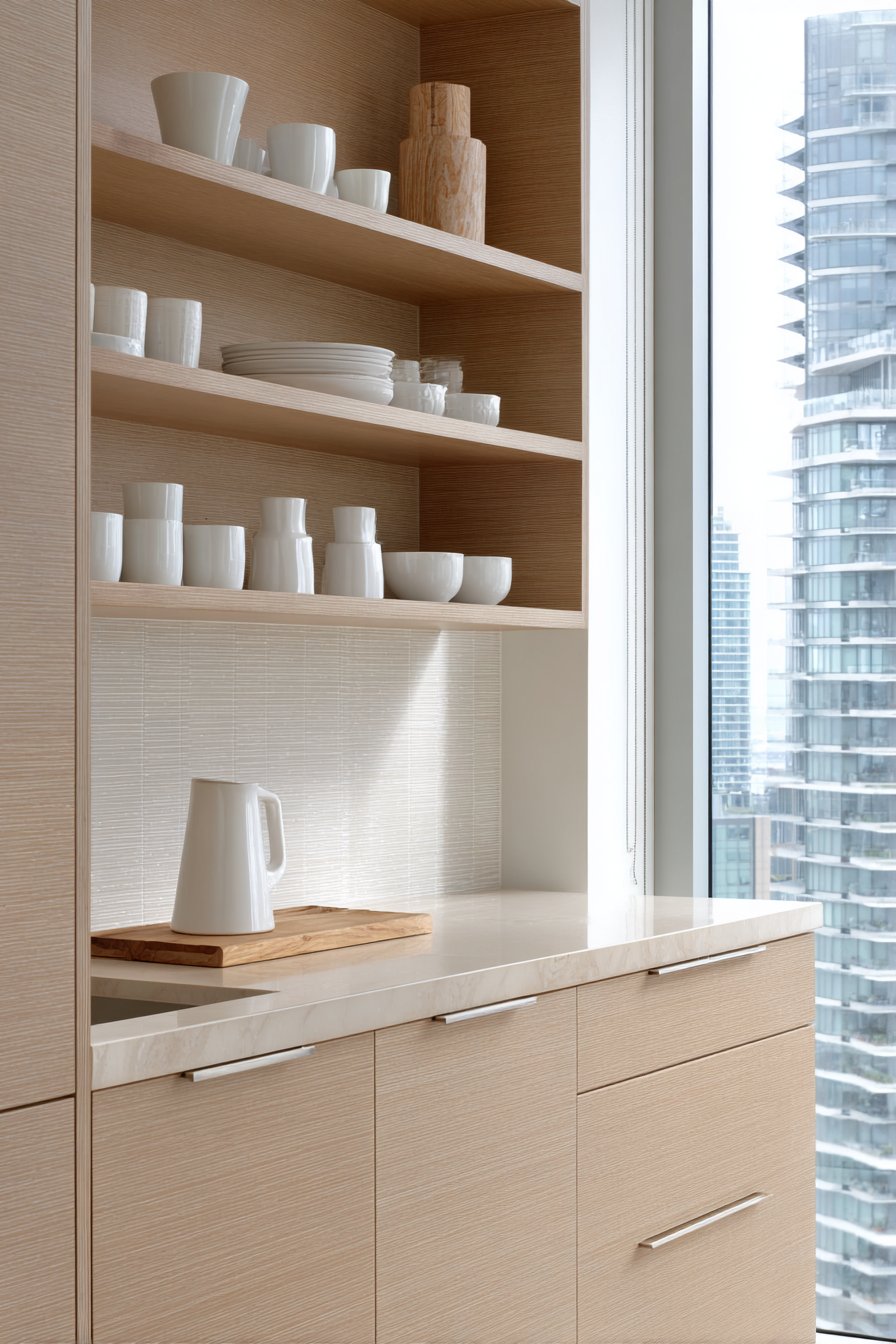
The farmhouse sink positioned beneath a window with wooden trim creates another opportunity to introduce wood elements while maintaining the rustic aesthetic. Butcher block countertops provide durable, practical workspace that only improves with age and use, developing a rich patina that reflects the life lived in the space. The combination of these elements—reclaimed shelving, wooden trim, and butcher block surfaces—creates a layered rustic narrative that feels genuine rather than contrived. Soft natural daylight streaming through the window highlights the authentic character and texture variations in the salvaged wood, emphasizing the three-dimensional quality of the weathered surface and creating shadows that change throughout the day.
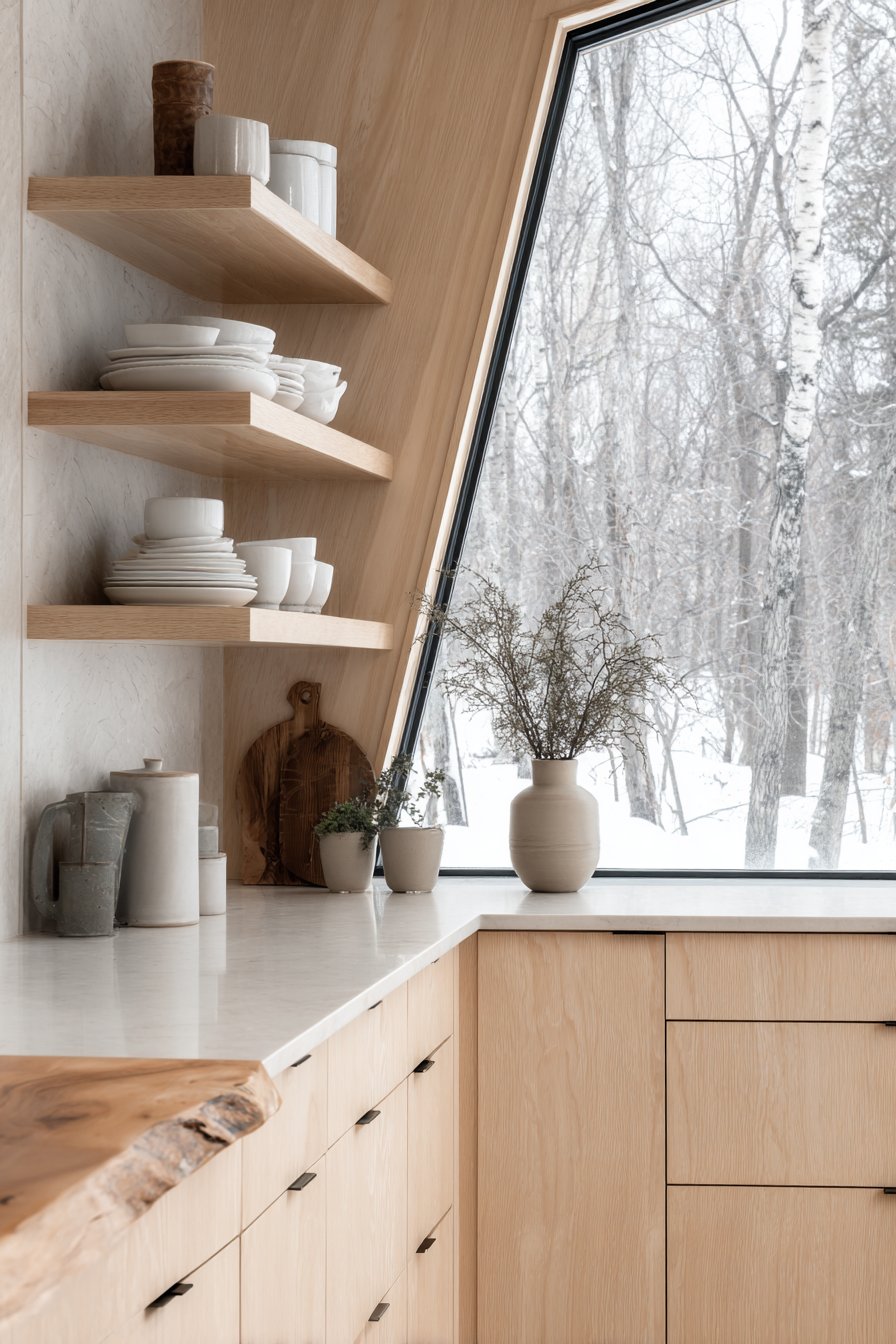
This rustic wood kitchen approach succeeds because it embraces imperfection and celebrates age rather than trying to create a pristine, showroom-perfect space. The knots, cracks, saw marks, and color variations in reclaimed wood provide endless visual interest and ensure that no two installations look exactly alike. This uniqueness adds value and personality to the kitchen while also making an environmental statement—reclaimed materials represent the ultimate in sustainable design, giving new life to wood that might otherwise end up in landfills. The practical functionality of open shelving keeps frequently used items accessible while creating opportunities for display that adds personality and warmth to the kitchen.
Key Design Tips:
- Source authentic reclaimed barn wood from reputable suppliers who can verify the material’s history
- Embrace natural imperfections like knots, nail holes, and color variations as design features rather than flaws
- Contrast rustic wood elements against cleaner, simpler backgrounds like white walls to let the wood shine
- Incorporate complementary vintage or antique accessories to reinforce the historical narrative
- Ensure reclaimed wood is properly cleaned, treated, and sealed for kitchen use while preserving character
- Balance open shelving with closed cabinetry to maintain practical storage while showcasing rustic wood elements
4. Scandinavian Light Ash Simplicity
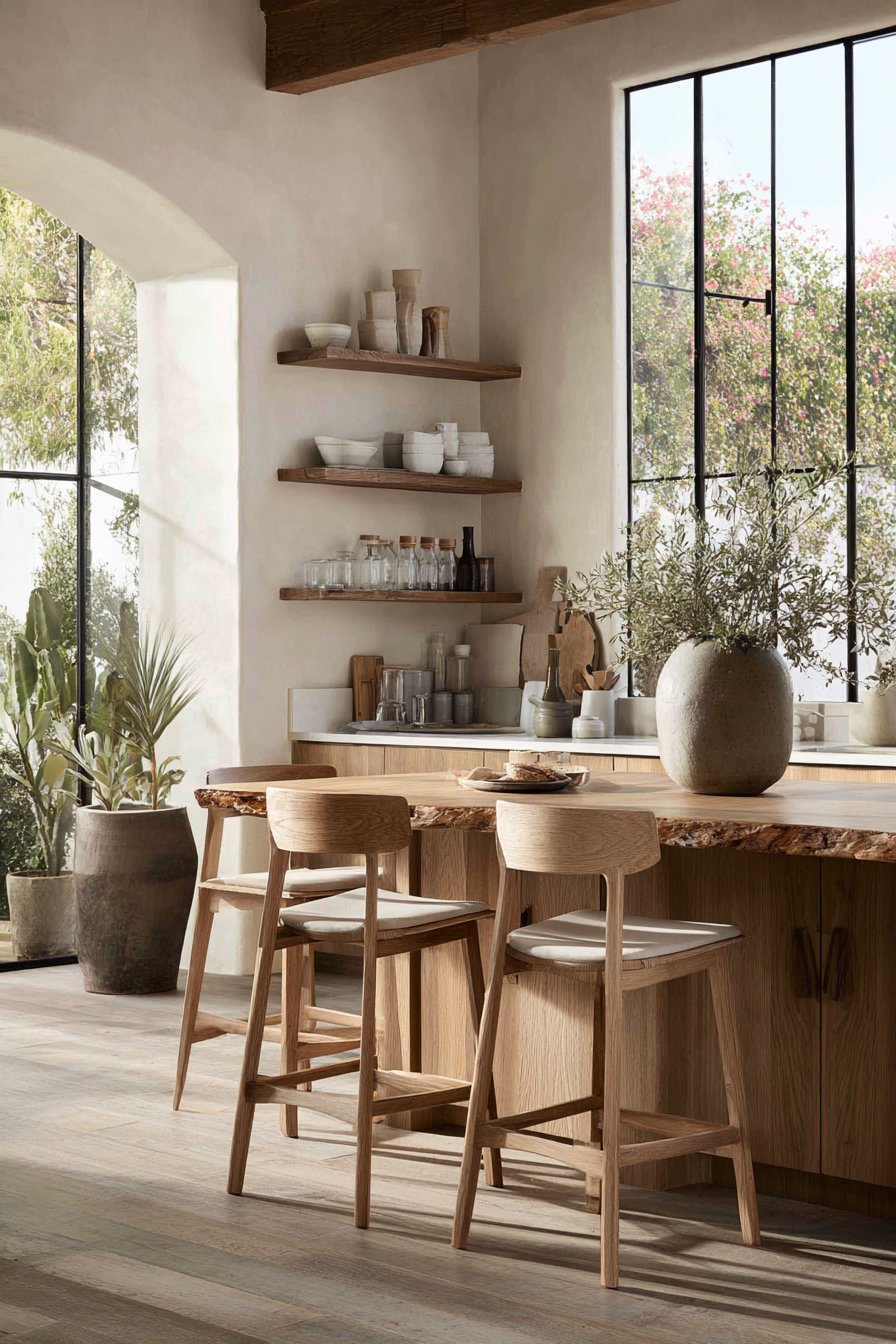
Scandinavian design philosophy finds perfect expression in kitchens featuring light ash wood cabinetry with minimalist hardware and clean geometric lines. This approach to wood kitchen design celebrates simplicity, functionality, and the inherent beauty of natural materials without unnecessary ornamentation or complexity. The pale, neutral tone of ash wood creates an airy, spacious feeling even in smaller kitchens, while the subtle grain pattern provides just enough visual interest to prevent the space from feeling sterile or cold. Open upper shelving in matching wood eliminates the visual weight of upper cabinets while displaying simple white ceramics that reinforce the minimalist aesthetic and create opportunities for careful curation rather than cluttered accumulation.
A wooden breakfast bar extending from the counter with natural edge detail visible adds an organic element that softens the geometric precision of the cabinetry while providing casual seating and dining space. This live-edge detail represents one of the few moments where the design acknowledges the natural, irregular form of the tree, creating a subtle but meaningful connection to nature within the otherwise refined and controlled space. Large windows become essential design elements, flooding the space with diffused northern light that emphasizes the pale wood tones and creates the bright, clean atmosphere characteristic of Scandinavian interiors. This abundant natural light reduces the need for artificial illumination during daylight hours while highlighting the natural grain patterns in the ash wood.
The success of this Scandinavian-inspired wood kitchen lies in its restraint and careful editing. Every element serves a clear purpose, and decoration exists only in the form of functional objects displayed with intention. The light wood tones create a neutral backdrop that allows the quality of the materials and the precision of the craftsmanship to take center stage. This approach demonstrates that wood kitchens need not be dark or heavy—by selecting light-toned species and maximizing natural light, wood can create spaces that feel open, fresh, and contemporary while maintaining the warmth and tactile appeal that only natural materials can provide.
Key Design Tips:
- Choose light-toned wood species like ash, birch, or white oak for an airy Scandinavian feel
- Minimize hardware or select slim, discreet pulls that don’t interrupt clean cabinet lines
- Incorporate open shelving to reduce visual weight and create display opportunities
- Maximize natural light through large windows or skylights to emphasize pale wood tones
- Keep color palettes neutral with whites, grays, and natural wood tones dominating
- Add organic elements like live-edge details or potted plants to soften geometric precision
5. Traditional Cherry Wood Sophistication
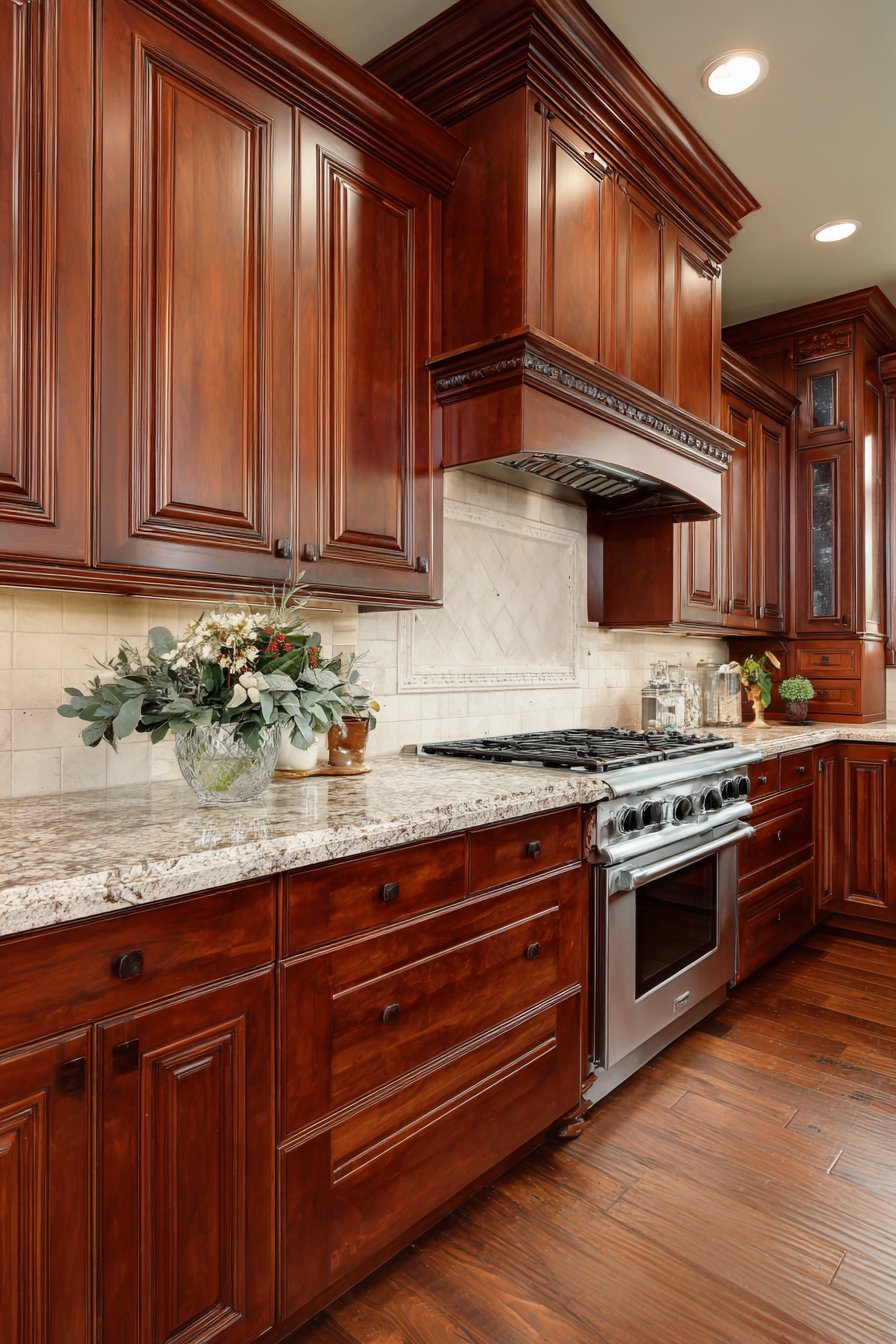
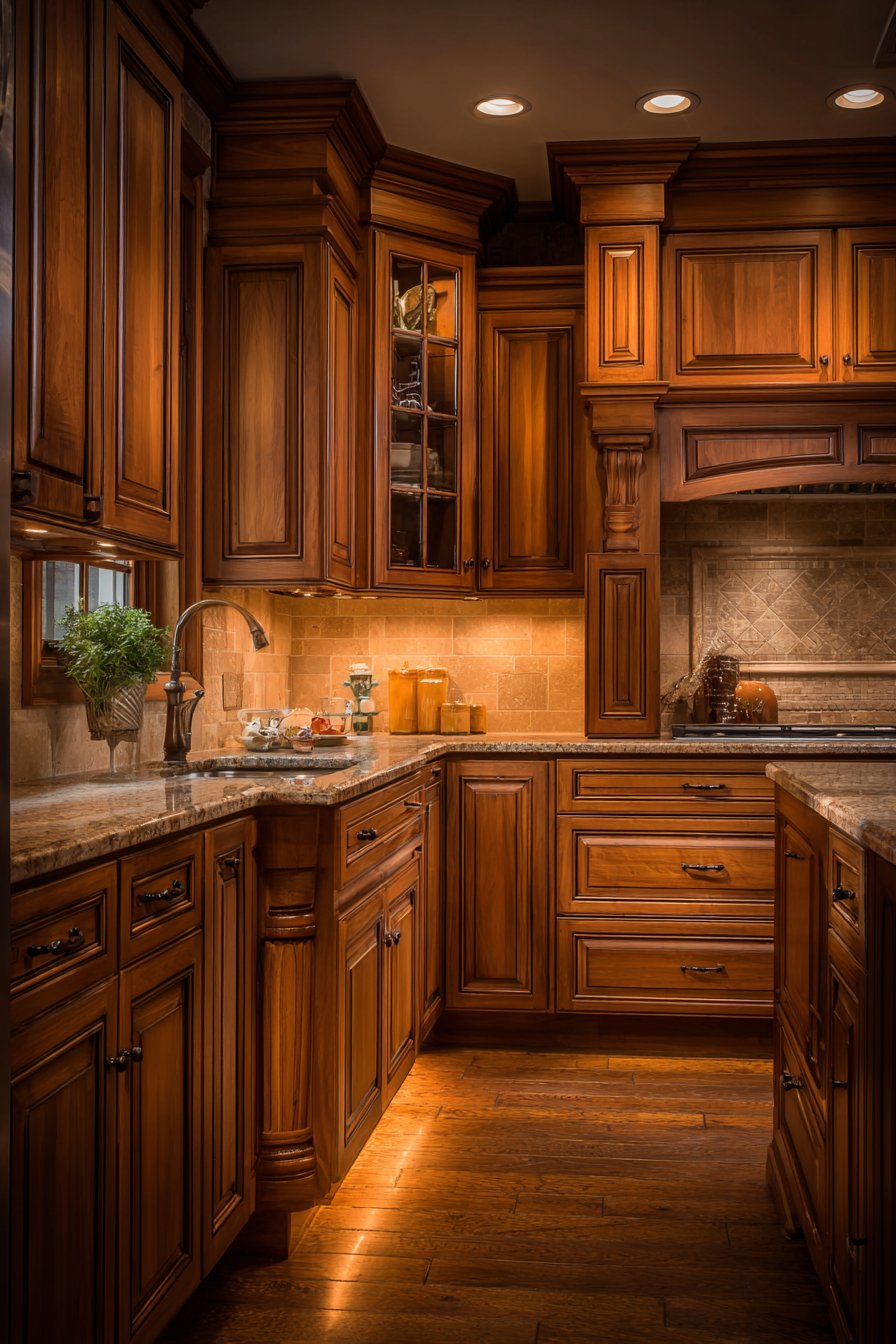
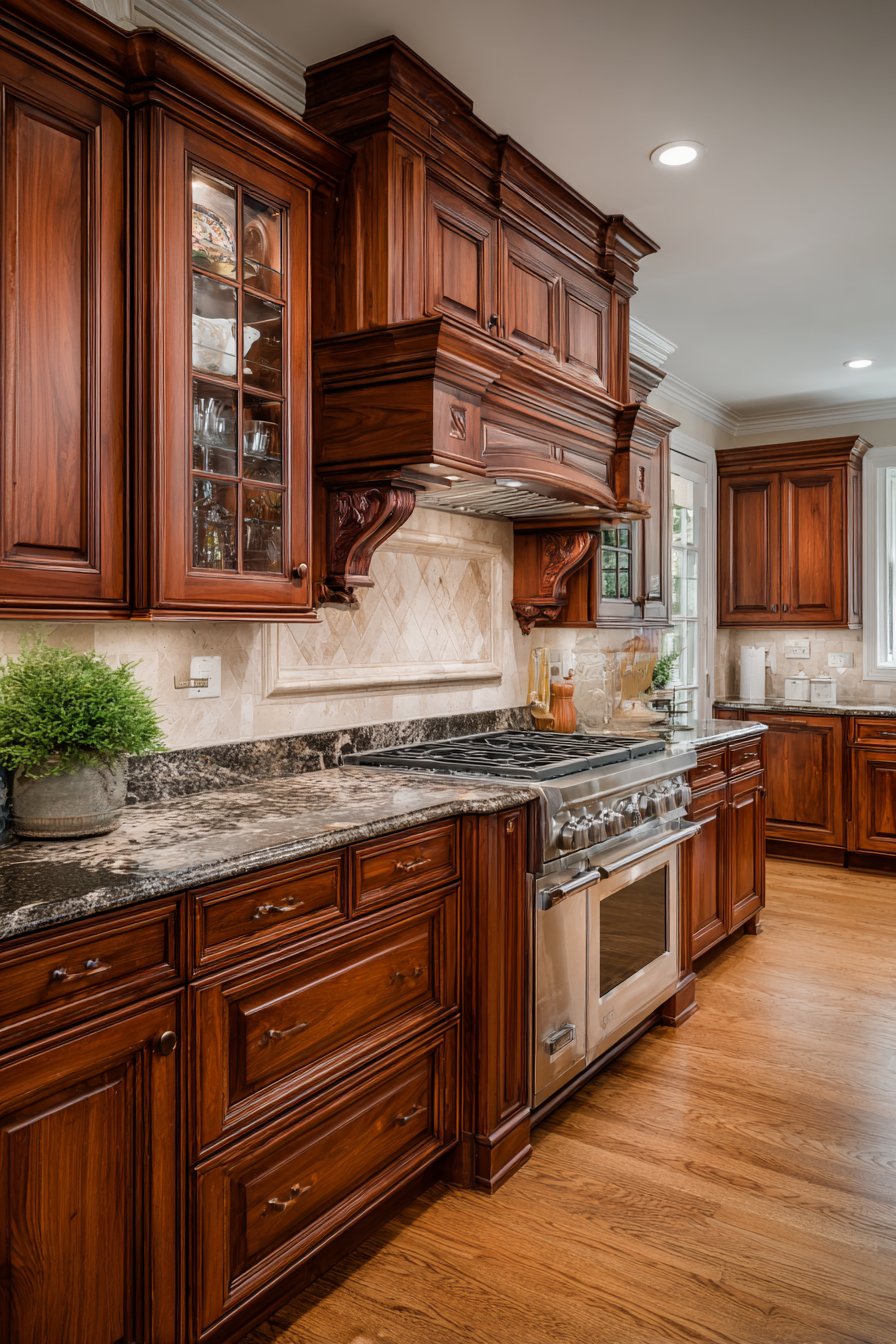
Rich cherry wood raised-panel cabinets displaying warm reddish-brown tones and subtle grain variations represent the pinnacle of traditional kitchen design. This classic approach to wood kitchen ideas never goes out of style because it draws on centuries of furniture-making tradition and showcases wood in its most refined form. The raised-panel construction adds depth and shadow lines that create visual interest even within a monochromatic color scheme, while crown molding and detailed woodwork demonstrate the level of craftsmanship that distinguishes truly custom installations from standard cabinetry. A wooden range hood serves as the architectural focal point, transforming a functional necessity into a statement piece that anchors the entire design.
The warm, reddish undertones characteristic of cherry wood create an inherently inviting atmosphere that seems to embrace occupants and guests alike. As cherry wood ages, it develops an even richer patina, deepening in color over time—a characteristic that many homeowners consider a feature rather than a drawback, as it means the kitchen becomes more beautiful with age rather than showing wear. Granite countertops in complementary tones provide practical, durable work surfaces while their cool mineral quality contrasts beautifully with the warm, organic wood. Under-cabinet lighting creates gentle highlights on the polished wood surfaces, emphasizing the grain pattern and creating ambient illumination that makes the space functional even when overhead lights aren’t needed.
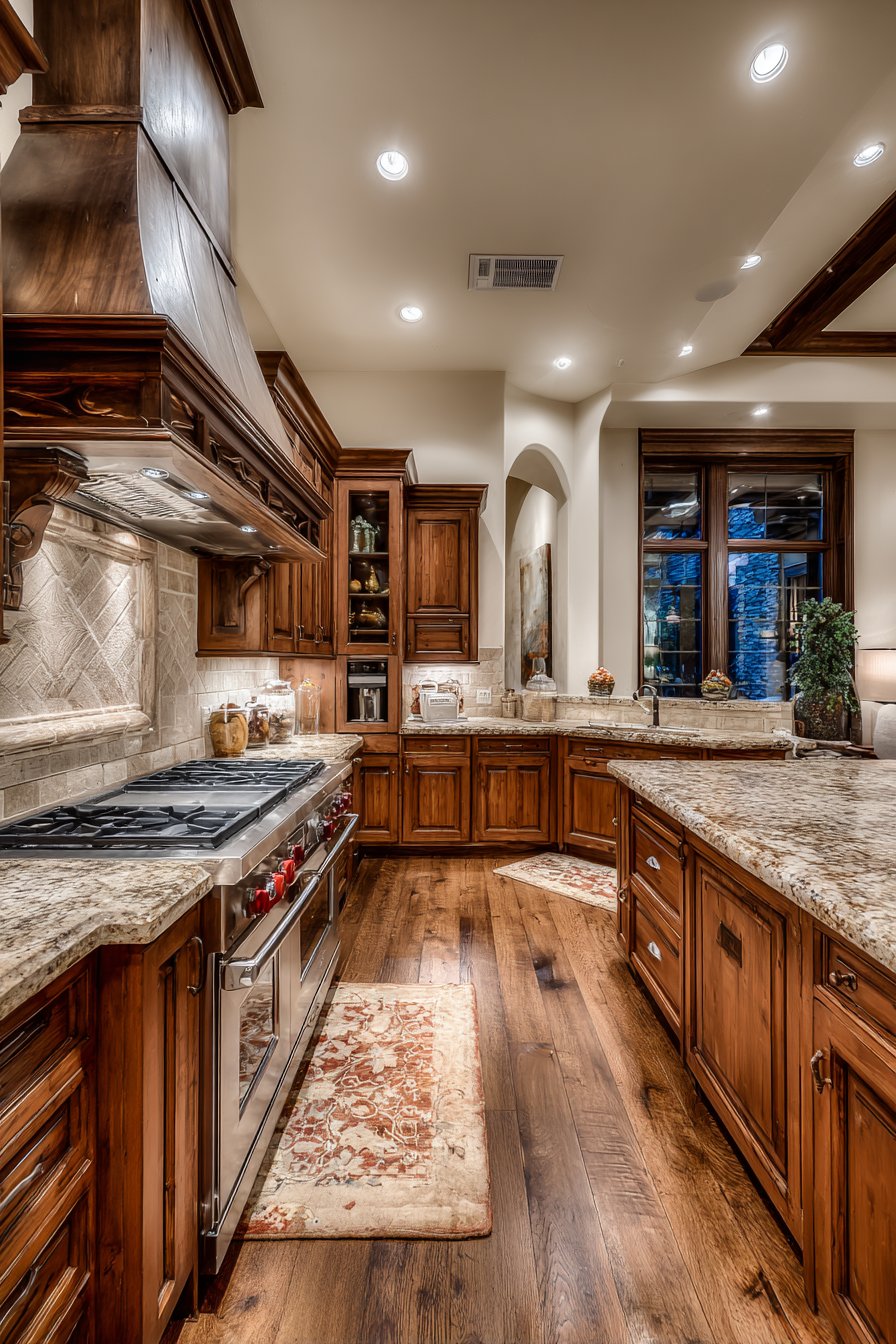
Traditional cherry wood kitchens succeed because they create spaces that feel substantial, permanent, and thoughtfully composed rather than trendy or temporary. These are kitchens designed to serve families for decades, aging gracefully as they develop the patina of daily use. The formal quality of raised-panel construction and detailed woodwork brings a sense of occasion to everyday activities, elevating meal preparation and family gatherings into something more significant. Wide-angle interior photography captures the timeless craftsmanship and sophisticated wood detailing, revealing how every element—from the crown molding to the turned legs on the island—contributes to a cohesive traditional aesthetic.
Key Design Tips:
- Select cherry wood for its warm tones and characteristic deepening patina that develops over time
- Incorporate raised-panel construction for traditional depth and shadow lines
- Add crown molding and detailed trim work to emphasize custom craftsmanship
- Create a custom wood range hood as an architectural focal point
- Use under-cabinet lighting to highlight wood grain and provide functional task lighting
- Pair wood cabinetry with natural stone countertops for textural contrast and durability
6. Contemporary Two-Tone Wood Contrast
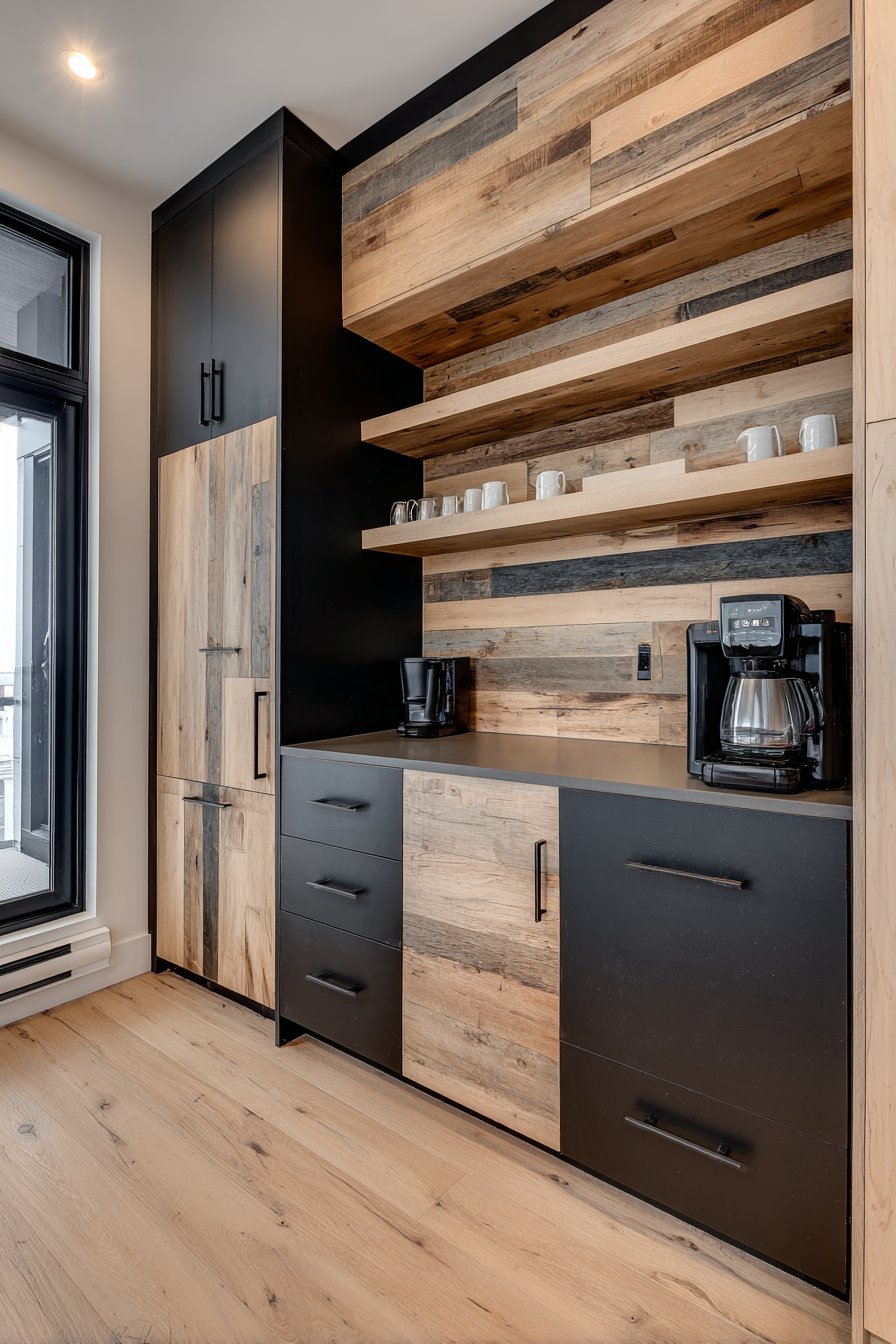
Two-toned cabinetry featuring dark walnut lower cabinets and light birch upper cabinets creates dynamic visual interest while maintaining wood material continuity throughout the kitchen. This contemporary approach to wood kitchen design demonstrates how contrasting wood tones can define different zones within the space while creating a more visually engaging composition than single-tone installations. The contrast prevents the space from feeling visually heavy, as darker lower cabinets ground the design while lighter uppers keep the space feeling open and airy. A horizontal wood plank accent wall behind open shelving adds architectural depth and creates a third wood tone that bridges the gap between the light and dark cabinetry.
Matte black hardware provides modern contrast against the natural wood tones, creating punctuation points that define the cabinet doors and drawers while reinforcing the contemporary aesthetic. This hardware choice prevents the wood from feeling too traditional or rustic, firmly anchoring the design in contemporary territory. Natural window light combined with strategically placed recessed lighting highlights the varied wood species and finishes, emphasizing how each type of wood responds differently to light—the walnut absorbing light and creating rich, deep tones, while the birch reflects more light and contributes to the overall brightness of the space. This interplay of light and shadow across different wood surfaces creates a dynamic visual experience that changes throughout the day.
The success of this two-tone wood approach lies in the careful calibration of contrast—too similar and the effect is muddled, too extreme and the space feels disjointed. By selecting woods with complementary undertones (both with warm undertones or both with cool undertones), the different tones work together rather than fighting for attention. The horizontal wood plank accent wall serves as a transitional element that helps unify the two cabinet tones while adding another layer of texture and interest. This approach demonstrates that wood kitchen designs need not be monolithic or uniform—thoughtful use of contrasting wood tones can create sophisticated, contemporary spaces with genuine depth and visual complexity.
Key Design Tips:
- Select wood species with complementary undertones even when creating tonal contrast
- Use darker tones on lower cabinets to ground the design and lighter tones on uppers to maintain openness
- Introduce a third wood element like an accent wall to bridge the gap between contrasting tones
- Choose contemporary hardware finishes like matte black to prevent two-tone wood from feeling traditional
- Layer natural and artificial lighting to highlight how different wood species respond to light
- Maintain consistent wood grain direction across different tones for visual continuity
7. Detailed Maple Grain Showcase
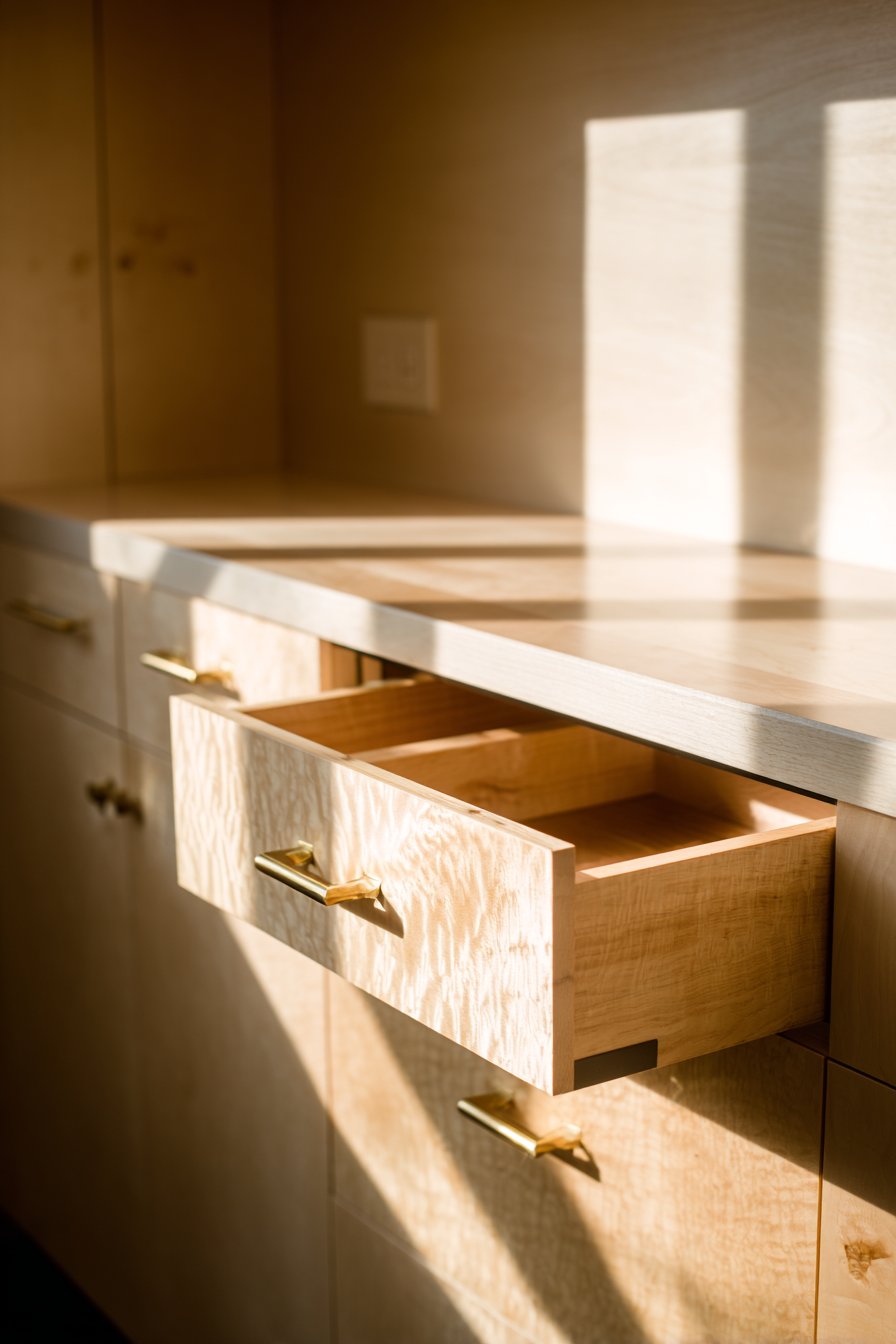
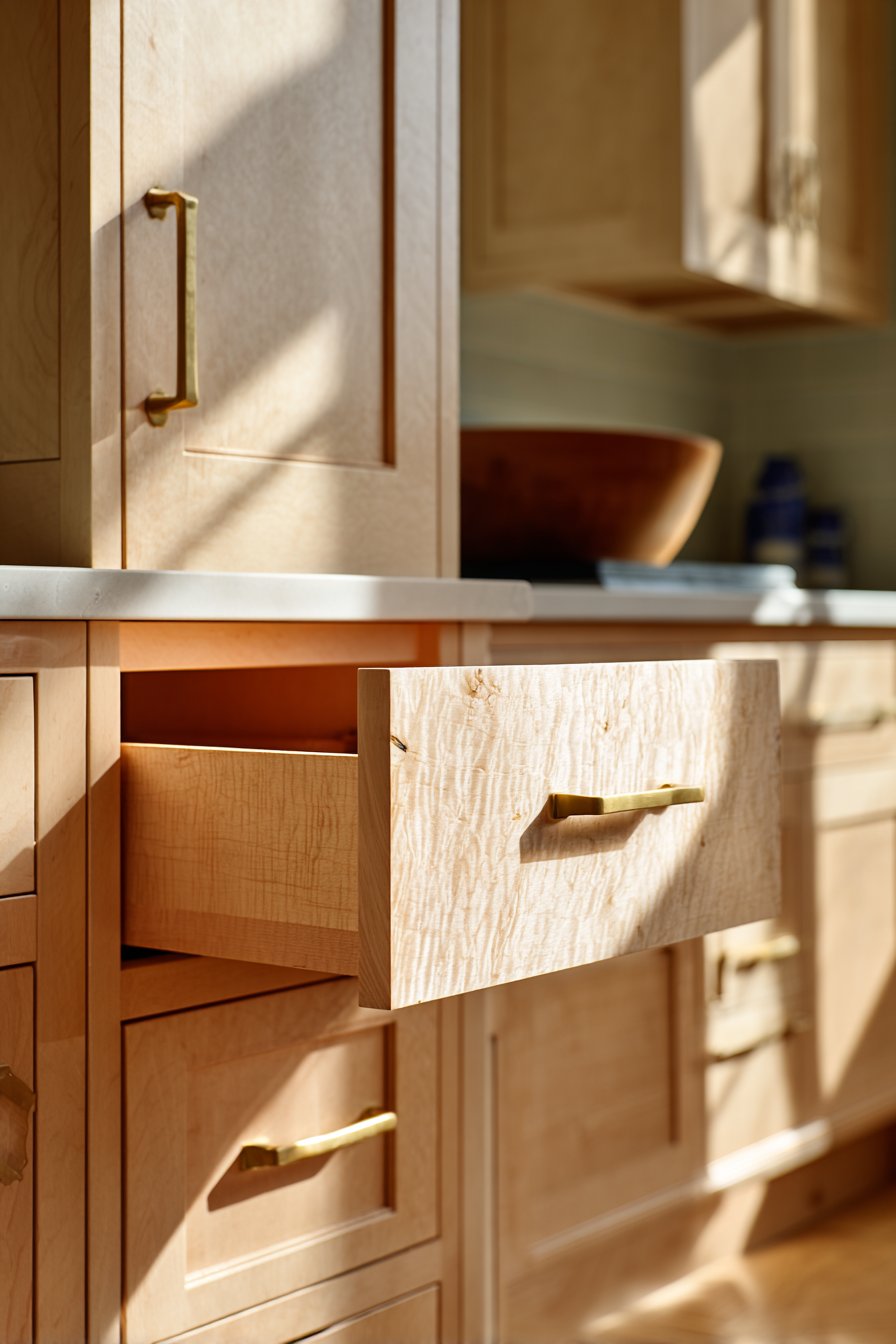
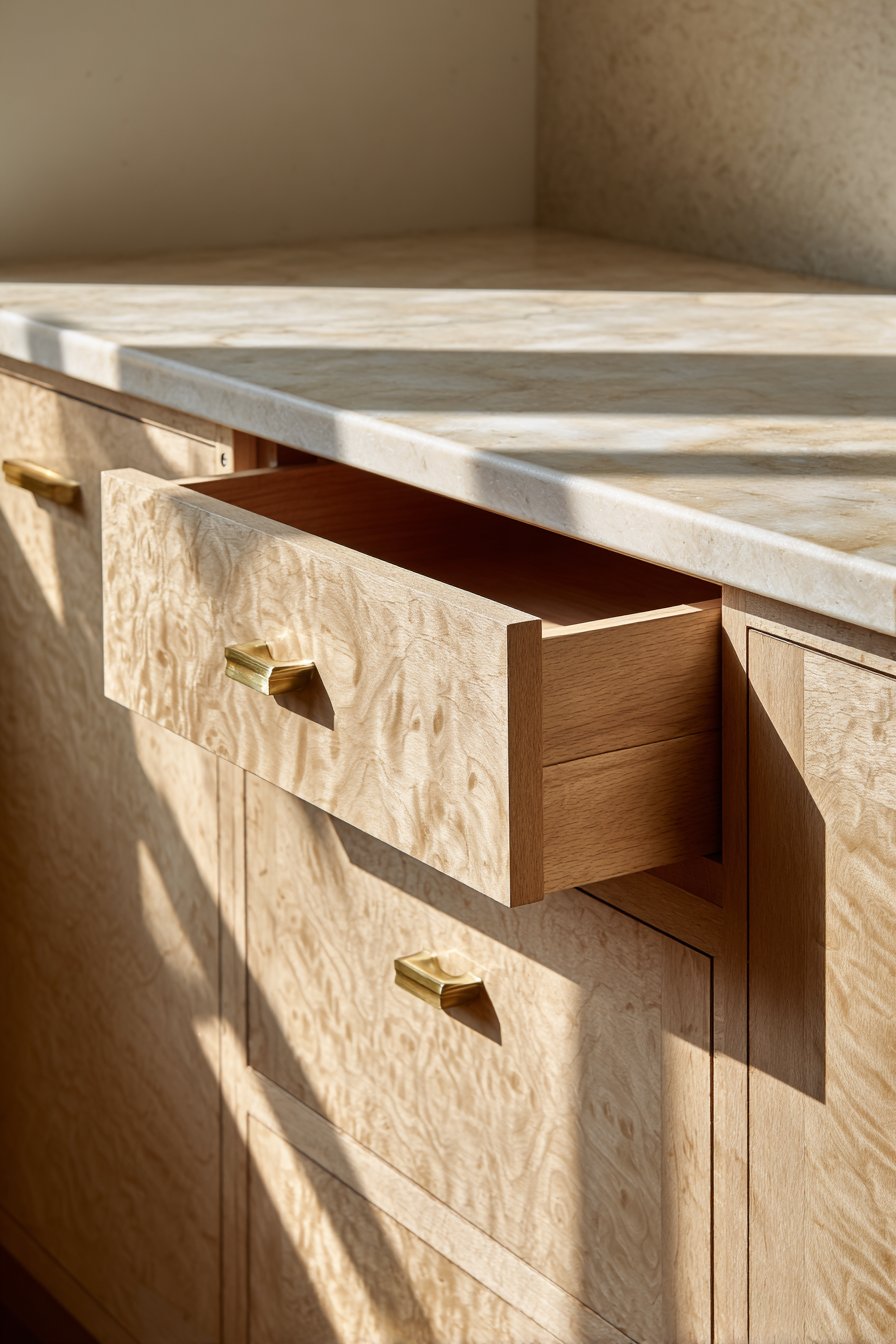
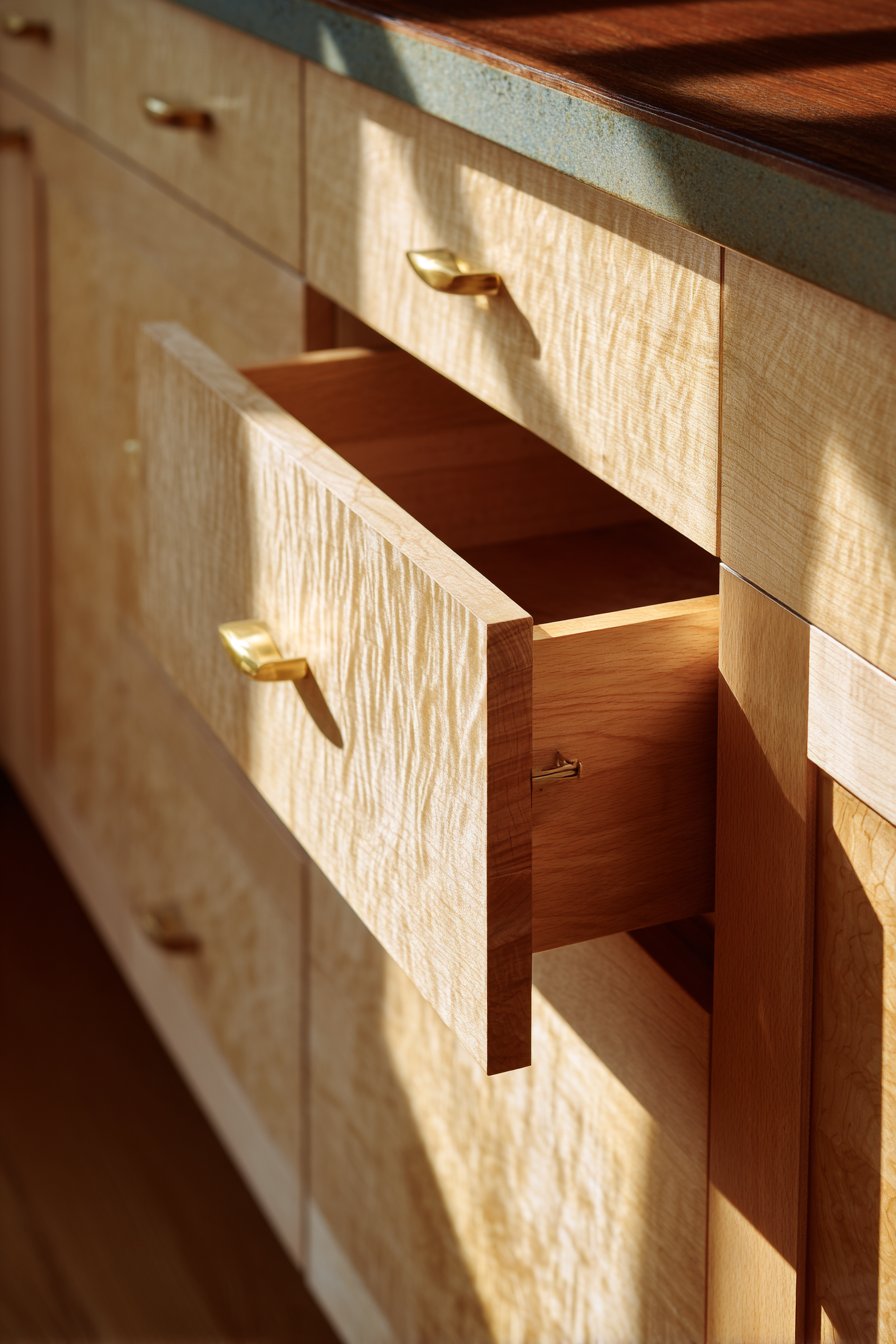
A close-up perspective on custom maple cabinetry with visible cathedral grain pattern and natural color variations reveals the extraordinary beauty present in wood when examined closely. This detail-focused approach to wood kitchen ideas celebrates the material itself, showcasing the natural artistry that exists within each board. Soft-close drawer mechanisms with visible dovetail joinery in a partially opened drawer demonstrate the level of craftsmanship that goes into quality cabinetry—these are functional elements that also serve as markers of quality and attention to detail. Brushed brass hardware complements the warm wood tones, providing tactile and visual interest while maintaining a connection to traditional craftsmanship.
The cathedral grain pattern in maple—where the grain arches upward in a series of peaks reminiscent of Gothic architecture—creates natural focal points within each cabinet door panel. These patterns occur naturally where boards are cut through the growth rings of the tree, and their presence indicates quality material selection and careful attention to grain matching. Subtle wood grain texture is emphasized by directional natural lighting that creates depth and shadow detail, revealing the three-dimensional quality of the wood surface and highlighting how grain patterns rise and fall across the surface. This type of close-up perspective helps viewers appreciate aspects of wood beauty that might be missed in wider-angle shots focused on entire room layouts.
This detail-oriented approach to showcasing wood in kitchen design reminds us that one of wood’s greatest assets is its ability to reward close inspection. Unlike synthetic materials that may look acceptable from a distance but reveal their manufactured origins upon closer examination, quality wood cabinetry becomes even more impressive when viewed up close. The dovetail joinery visible in the drawer represents traditional woodworking techniques that have endured for centuries because they create the strongest possible connection between drawer sides. The combination of beautiful material, skilled craftsmanship, and thoughtful details like quality hardware creates cabinetry that represents a genuine investment in quality rather than a disposable commodity.
Key Design Tips:
- Select wood with distinctive grain patterns like cathedral-cut maple for maximum visual interest
- Specify dovetail joinery for drawer construction as a marker of quality craftsmanship
- Choose hardware finishes that complement wood undertones—brass with warm woods, nickel with cool woods
- Use directional lighting to emphasize wood grain texture and three-dimensional surface qualities
- Invest in soft-close mechanisms that demonstrate attention to functional details
- Consider grain matching when selecting cabinet doors to create cohesive visual flow
8. Farmhouse Distressed Pine Character
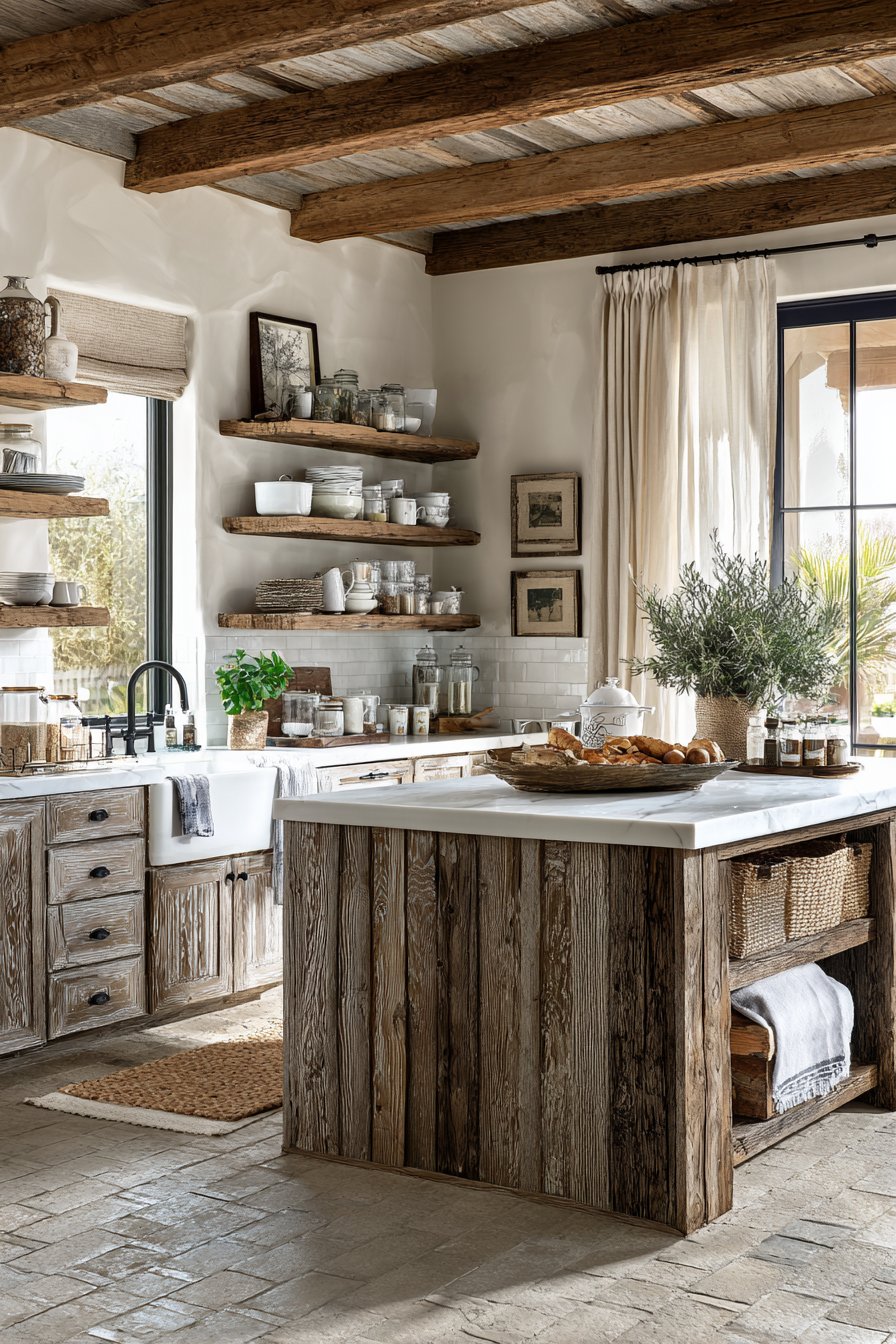
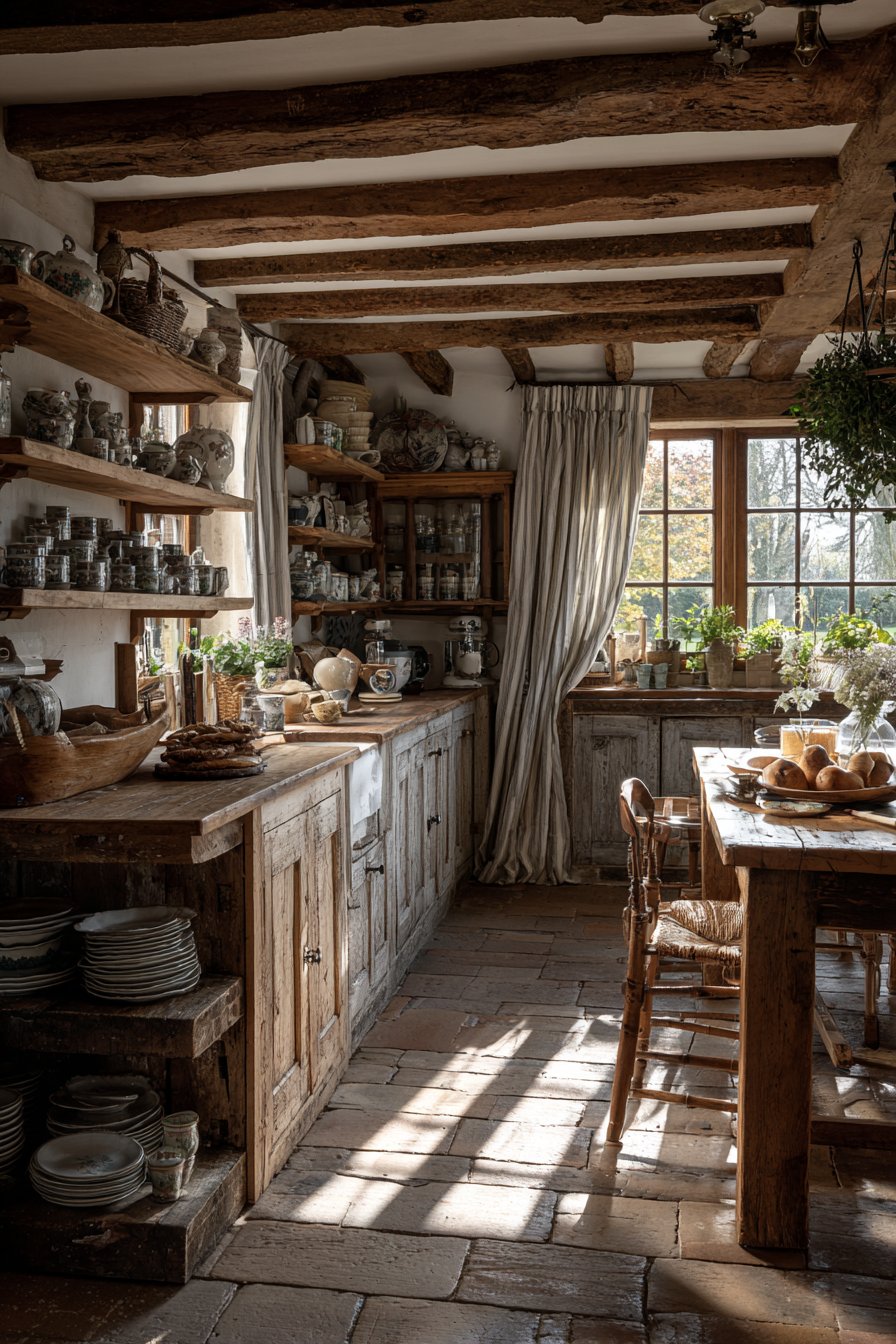
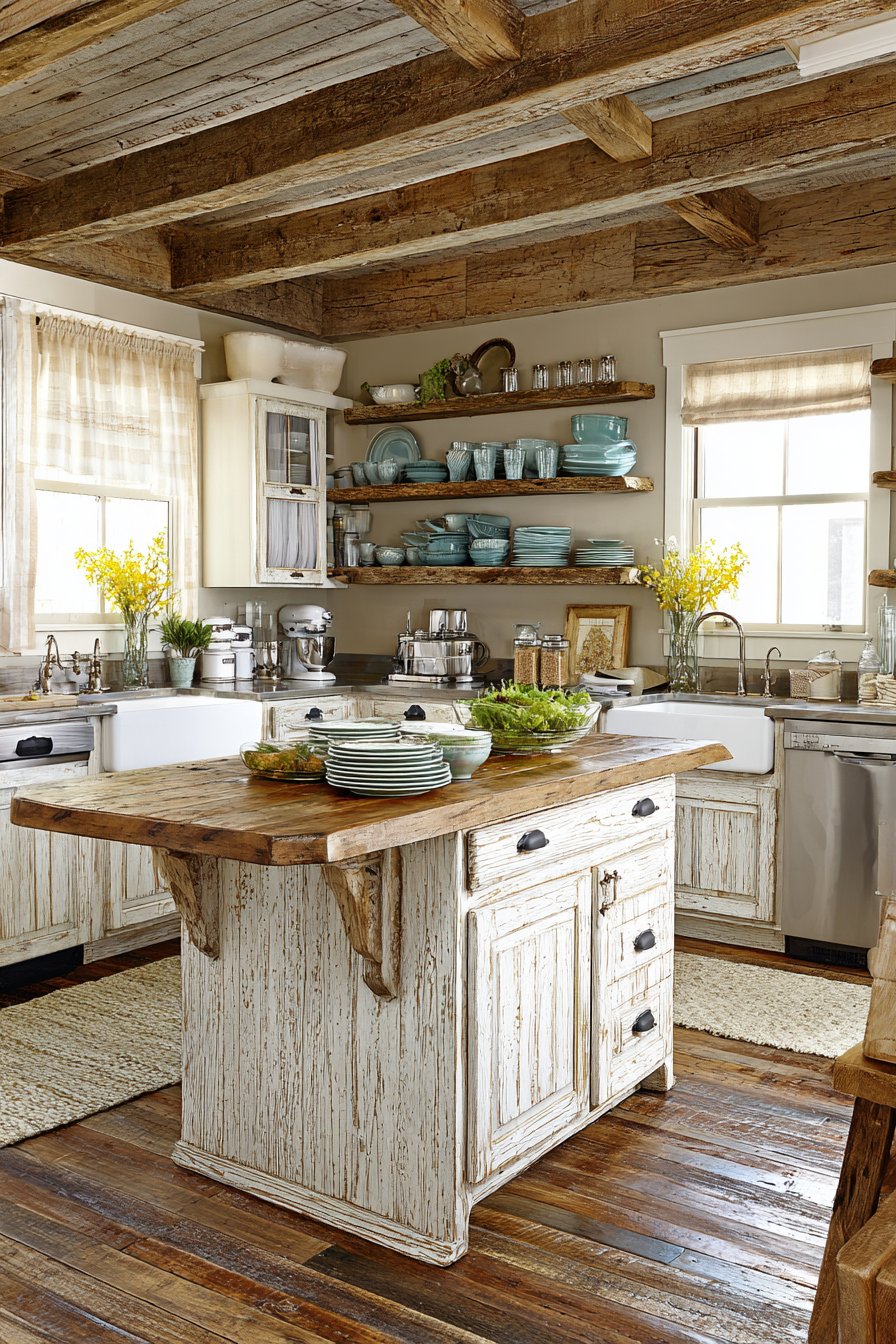
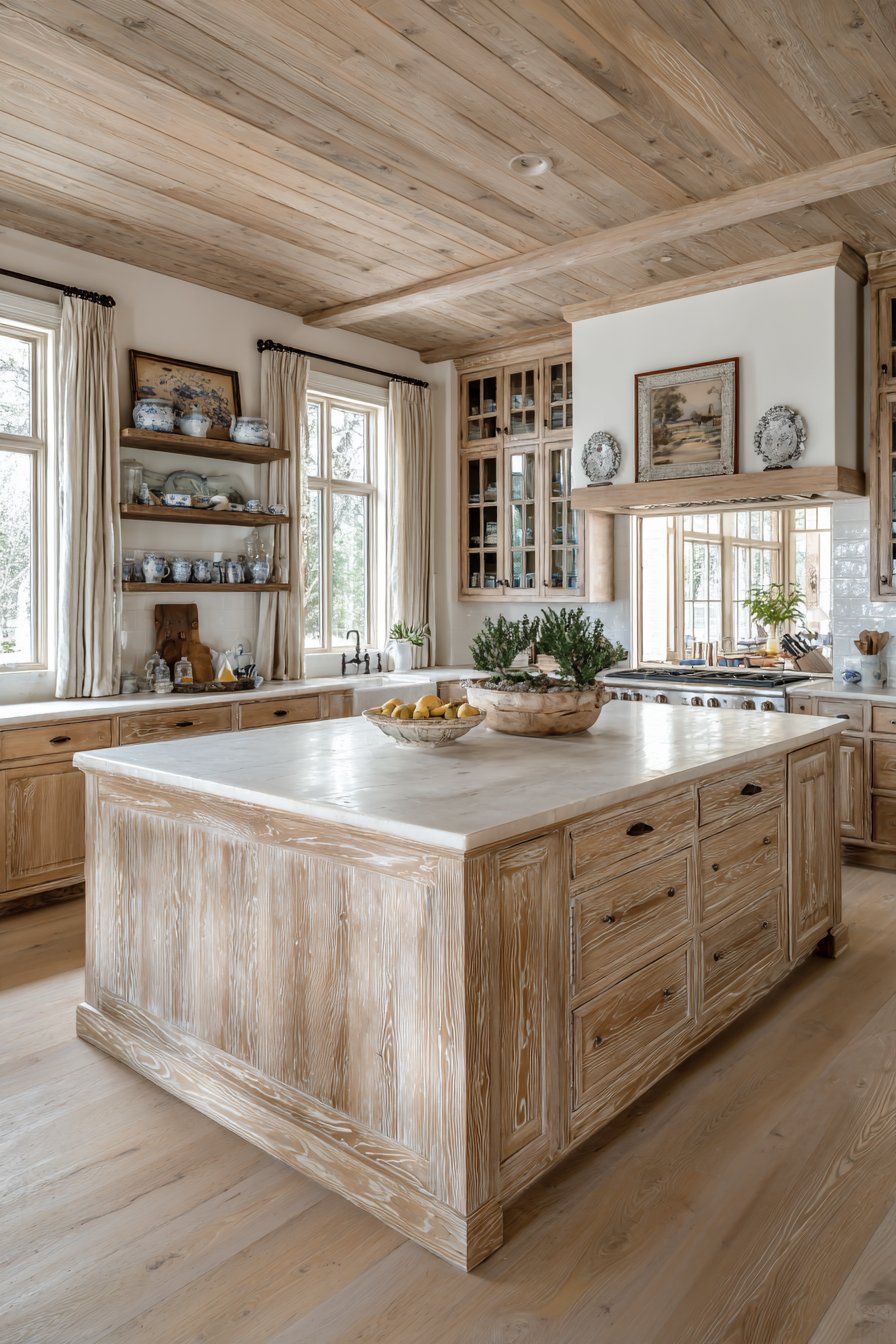
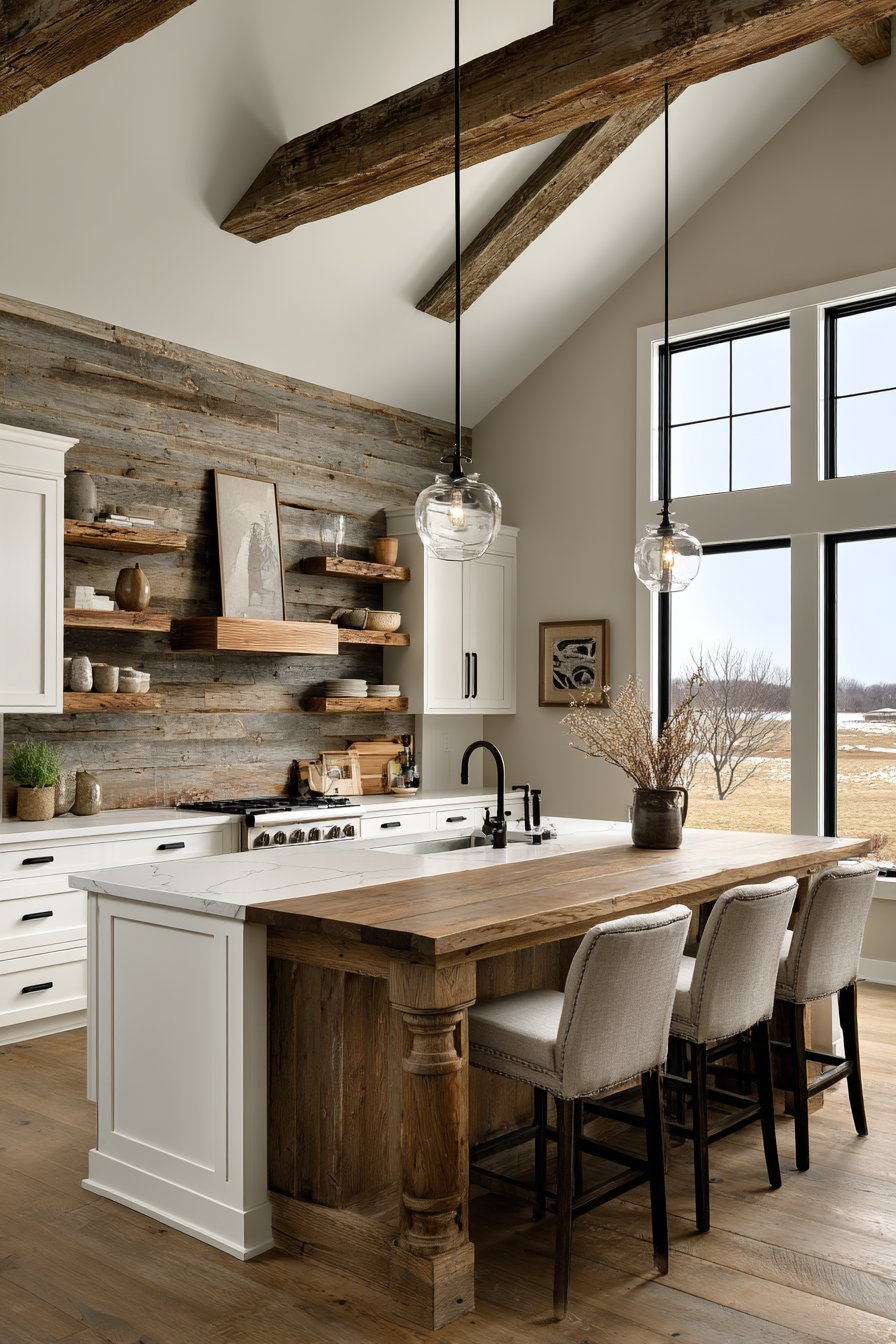
Distressed pine cabinets with a weathered white-wash finish represent the ultimate expression of lived-in farmhouse charm. The finish allows the wood grain to show through while providing a lighter, brighter appearance than natural wood, creating kitchens that feel fresh and airy while maintaining rustic character. Open shelving constructed from thick reclaimed wood beams displays vintage crockery, transforming functional storage into a curated display that reinforces the farmhouse narrative. A large farmhouse table in natural wood serves as the kitchen island centerpiece, its turned legs and plank top showing natural grain patterns that contrast beautifully with the painted cabinetry while providing substantial workspace and casual dining accommodation.
The shiplap wood ceiling adds overhead texture and draws the eye upward, creating a sense of architectural interest that makes the space feel more finished and intentional. This horizontal wood application also helps to visually expand the space, making the kitchen feel wider than its actual dimensions might suggest. Natural daylight streaming through windows dressed with café curtains creates the soft, diffused lighting characteristic of farmhouse interiors, highlighting the layered wood textures and creating the lived-in character that makes this style so universally appealing. The interplay between painted and natural wood elements creates visual variety while maintaining a cohesive aesthetic rooted in American rural tradition.
What makes the farmhouse wood kitchen approach so enduringly popular is its ability to create spaces that feel welcoming, unpretentious, and genuine. These aren’t kitchens designed to impress guests with their sophistication but rather to invite people in and make them feel comfortable. The distressed finish on the cabinetry suggests a history of use and wear, implying that this is a space designed for living rather than for show. The combination of practical elements like substantial work tables and open shelving with charming details like vintage crockery displays creates kitchens that balance function and aesthetics in ways that feel natural rather than contrived.
Key Design Tips:
- Apply white-wash or milk paint finishes that allow wood grain to remain visible
- Incorporate authentic reclaimed wood elements like beam shelving for genuine character
- Use a large farmhouse table as an island to serve as both workspace and gathering spot
- Add shiplap or plank ceiling treatments to create overhead texture and visual interest
- Balance painted wood elements with natural wood to prevent the space from feeling too uniform
- Choose period-appropriate accessories like vintage crockery to reinforce the farmhouse narrative
9. Minimalist Teak Refinement
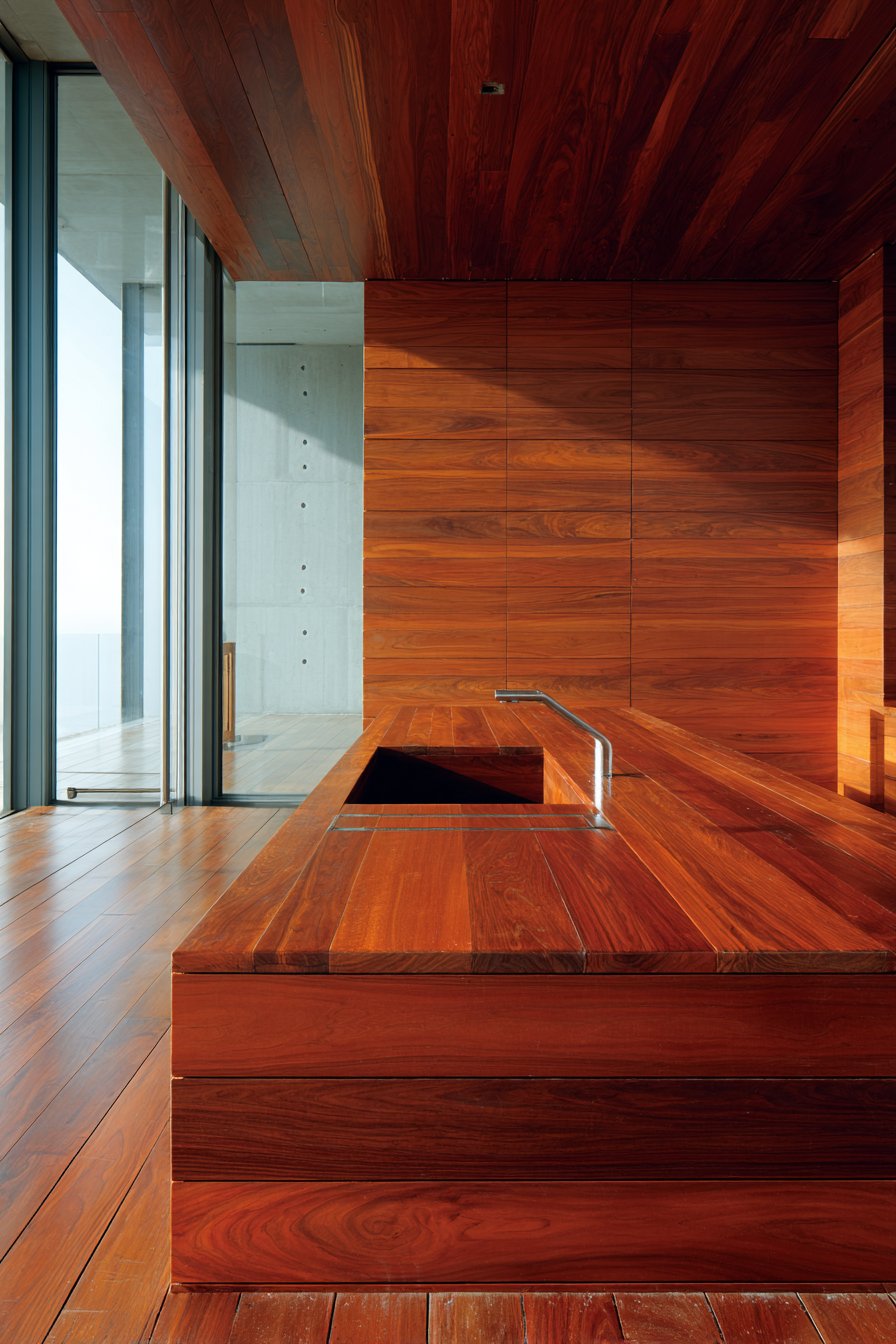
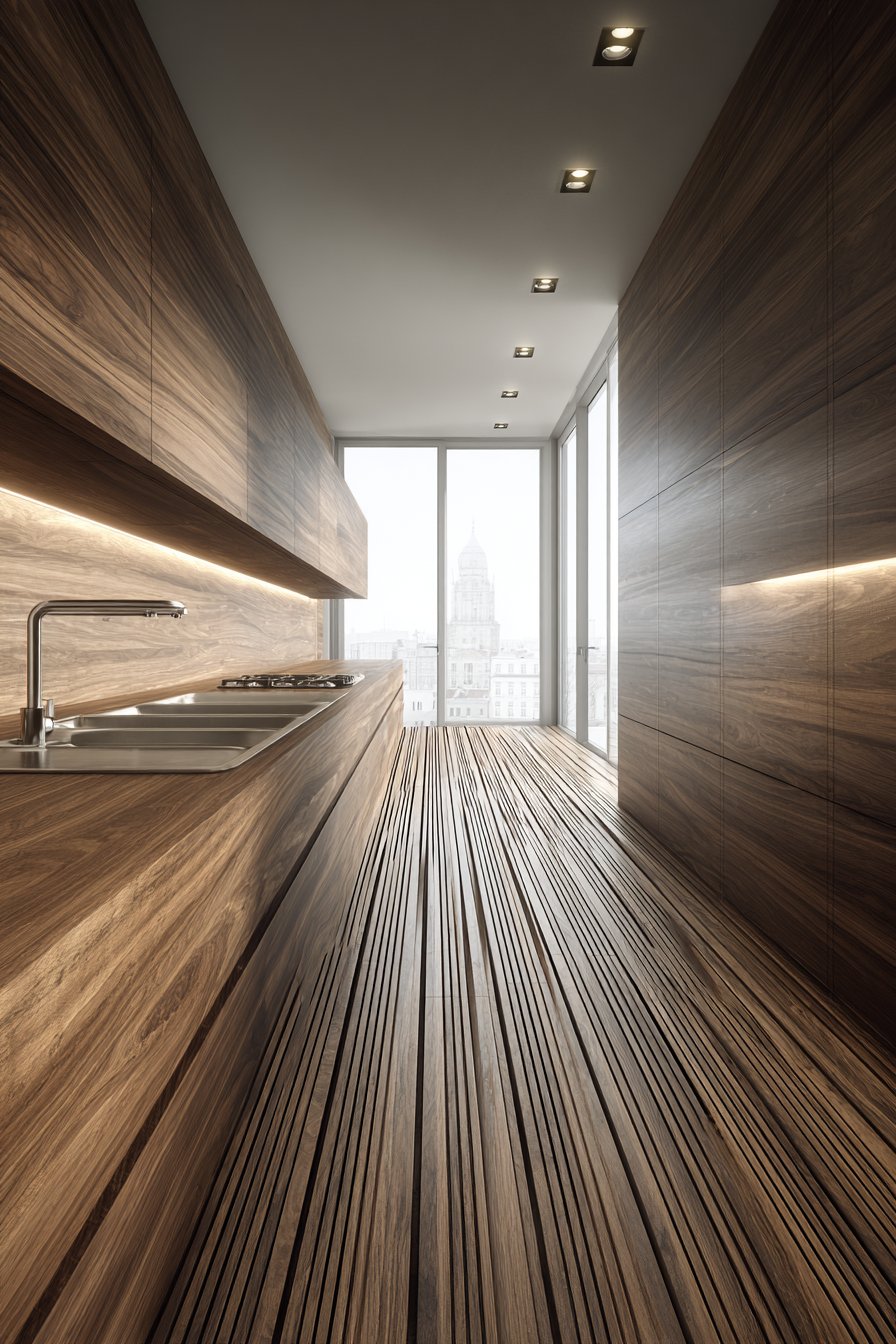
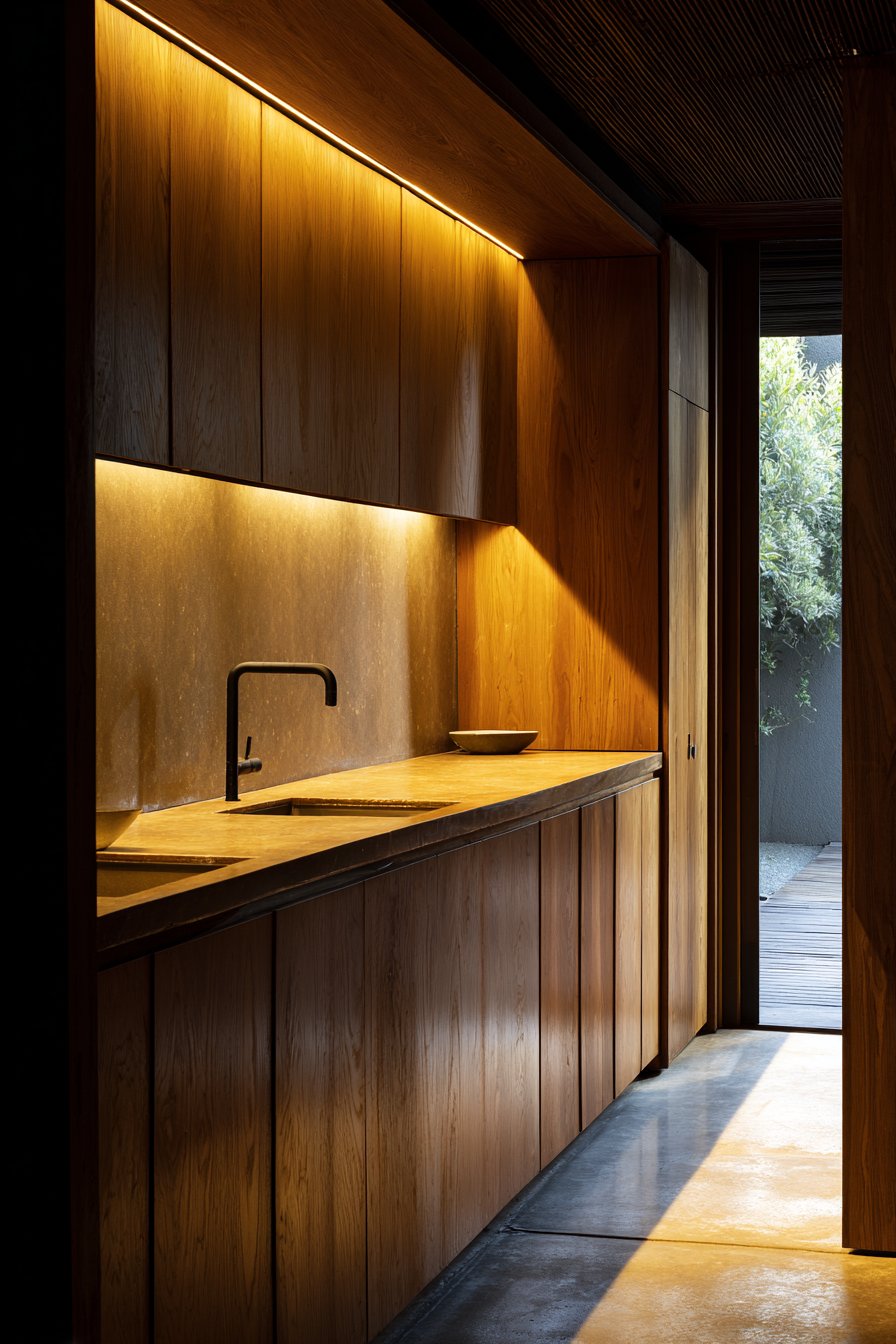
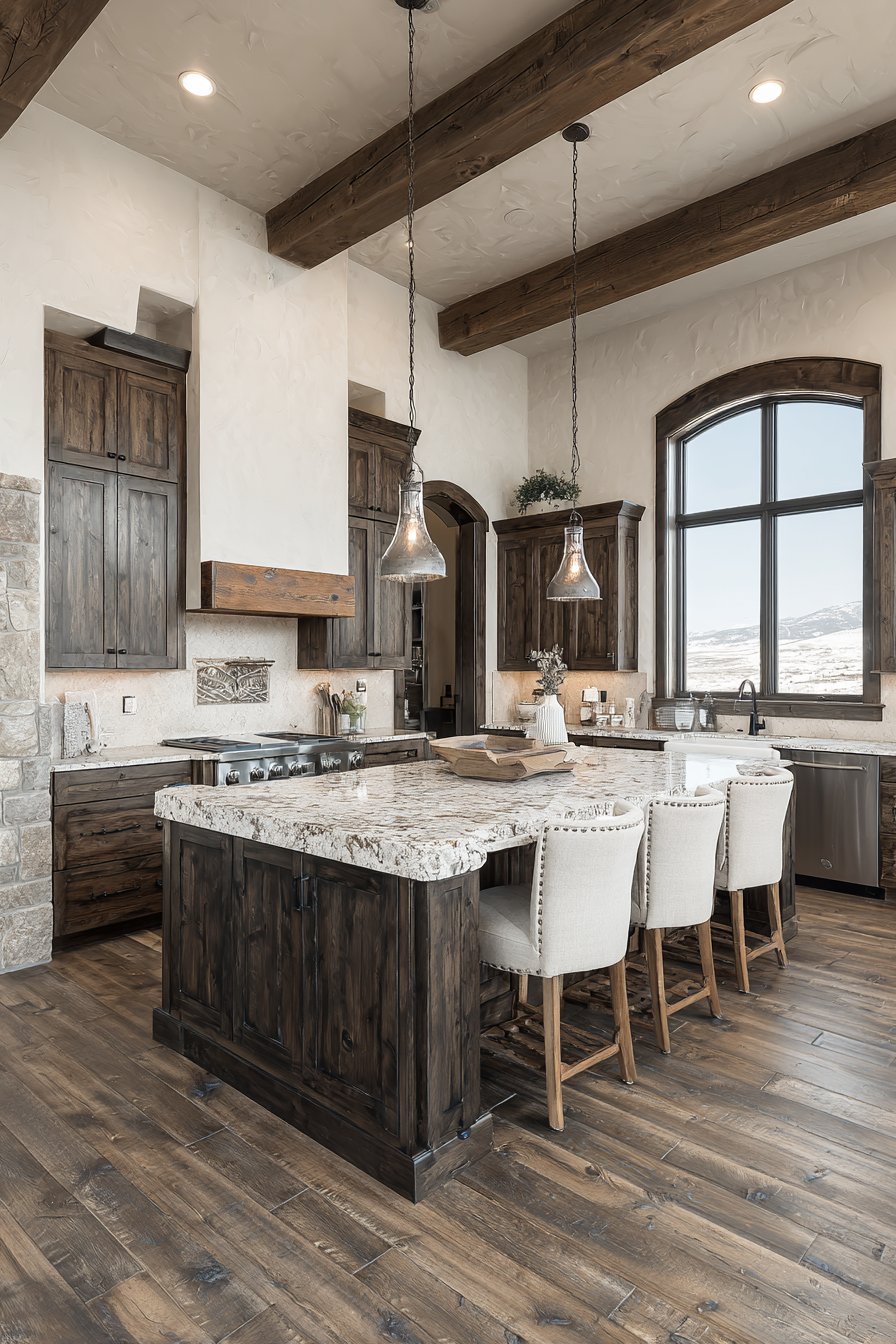
Horizontal grain teak cabinetry featuring finger-pull openings eliminates visible hardware entirely, creating the ultimate minimalist expression of wood kitchen design. This approach celebrates clean lines, material purity, and the inherent beauty of teak—a wood prized for its natural oils, durability, and distinctive grain pattern. The seamless wooden countertop with integrated sink and drainage grooves demonstrates how wood can serve even the most demanding functional roles when properly selected and finished. Floor-to-ceiling wood paneling creates a continuous natural surface interrupted only by subtle lighting strips between panels that provide ambient illumination while maintaining the clean, unbroken visual flow that defines minimalist design.
Large glass doors bring abundant natural light into the space, emphasizing the wood’s natural oils and grain direction while creating the bright, open atmosphere essential to minimalist interiors. The natural light also highlights how teak responds to light—sometimes appearing golden-brown, sometimes more honey-toned depending on the angle and intensity of illumination. This dynamic quality keeps the space visually interesting despite the restrained palette and minimal ornamentation. The finger-pull openings along the cabinet edges maintain clean surfaces while providing functional access, demonstrating how thoughtful design can eliminate unnecessary elements without sacrificing usability.
This minimalist approach to wood kitchen design requires exceptional attention to detail and quality because there’s nowhere to hide mistakes or subpar materials. Every joint must be perfect, every grain match carefully considered, every surface precisely finished. The result, however, is a kitchen of remarkable serenity and timeless beauty that won’t look dated in five, ten, or twenty years. The focus on material quality over ornamentation creates spaces that feel expensive and refined without being ostentatious, and the use of natural wood ensures warmth and organic character that purely minimalist designs in synthetic materials often lack.
Key Design Tips:
- Select horizontal grain orientation for a contemporary, streamlined appearance
- Incorporate finger-pulls or touch-latch mechanisms to eliminate visible hardware
- Create seamless surfaces by integrating sinks and other functional elements
- Use floor-to-ceiling wood paneling to create continuous vertical surfaces
- Maximize natural light to highlight wood’s natural oils and grain patterns
- Add subtle integrated lighting between panels for ambient illumination without visual clutter
10. Transitional Hickory Balance
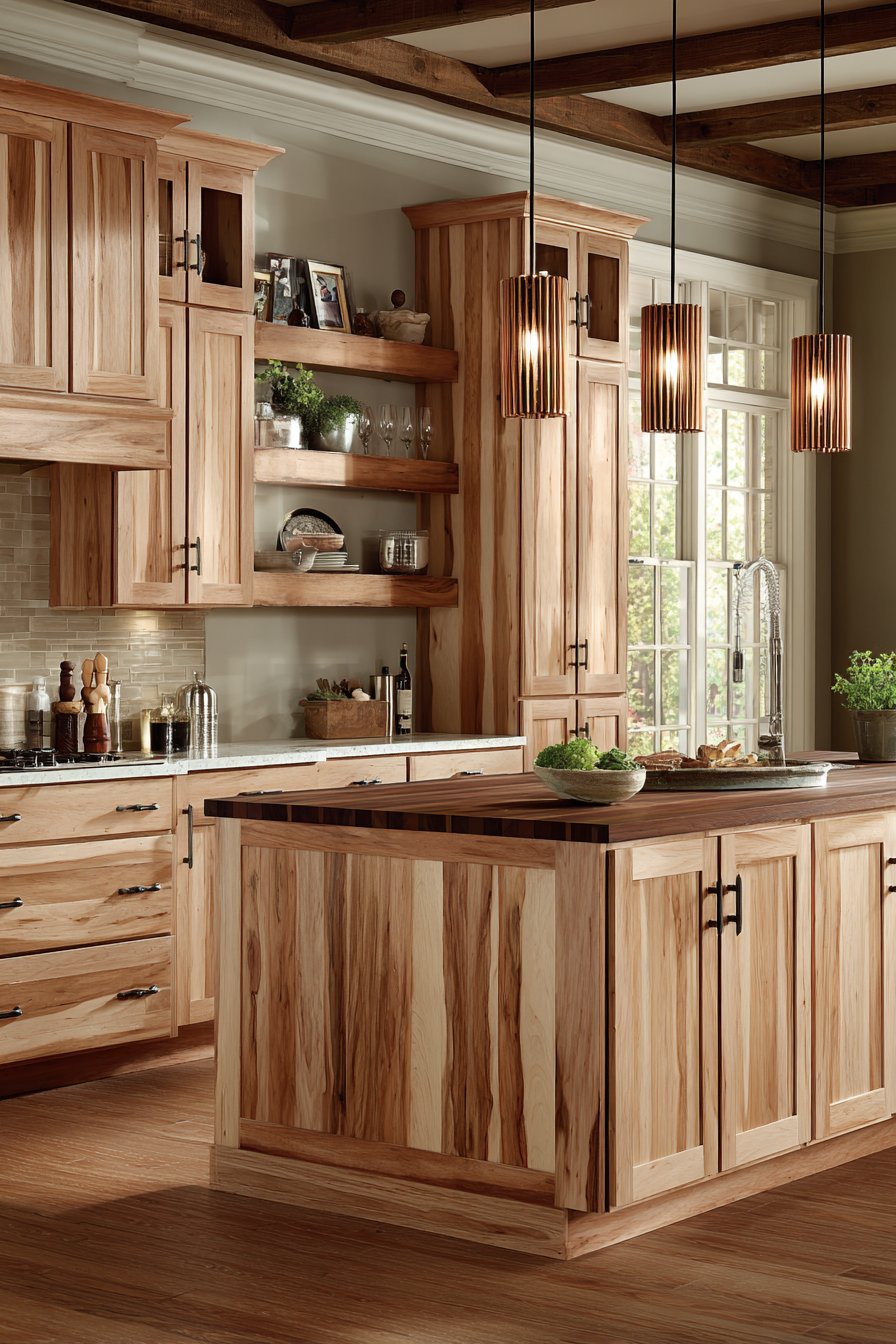
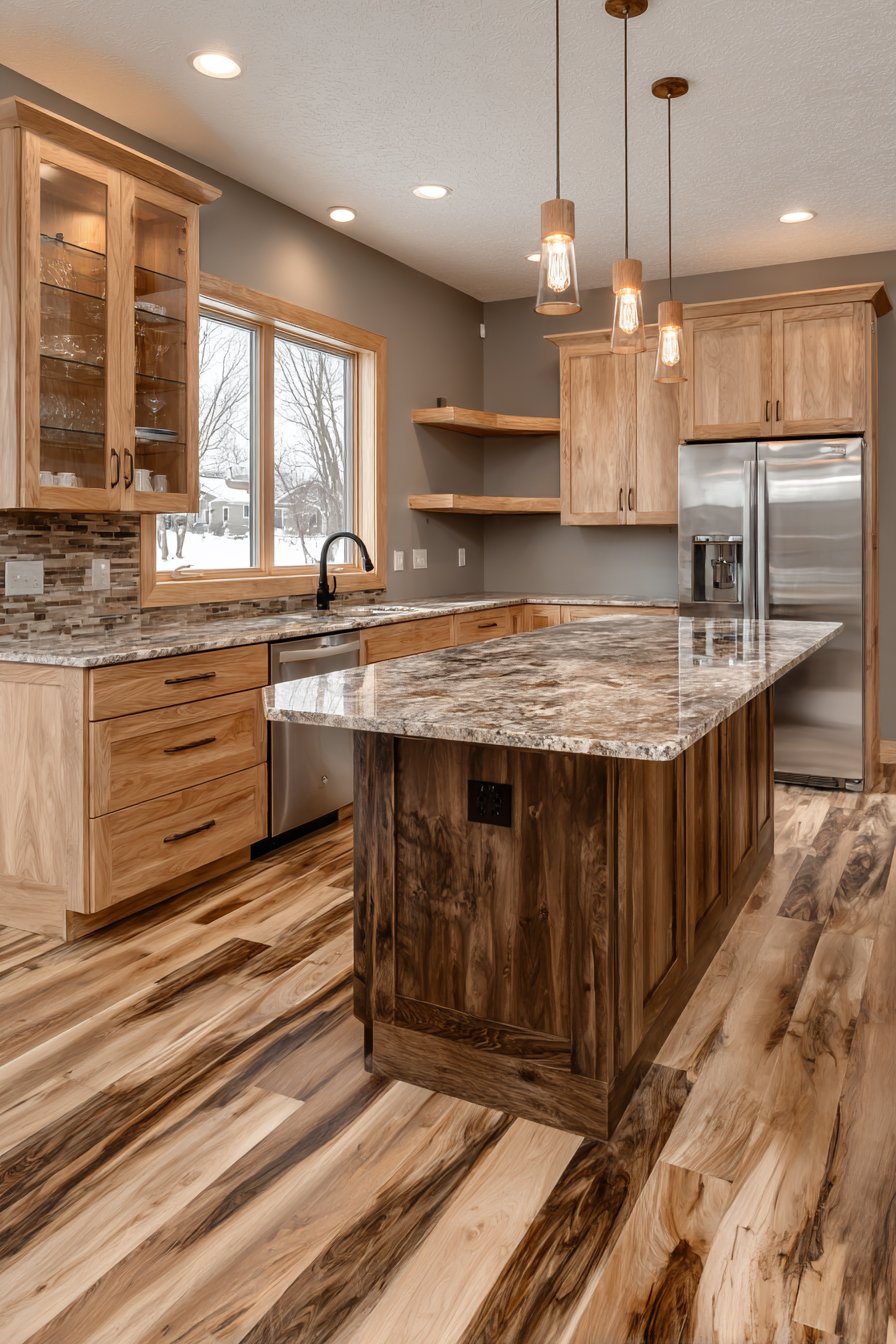
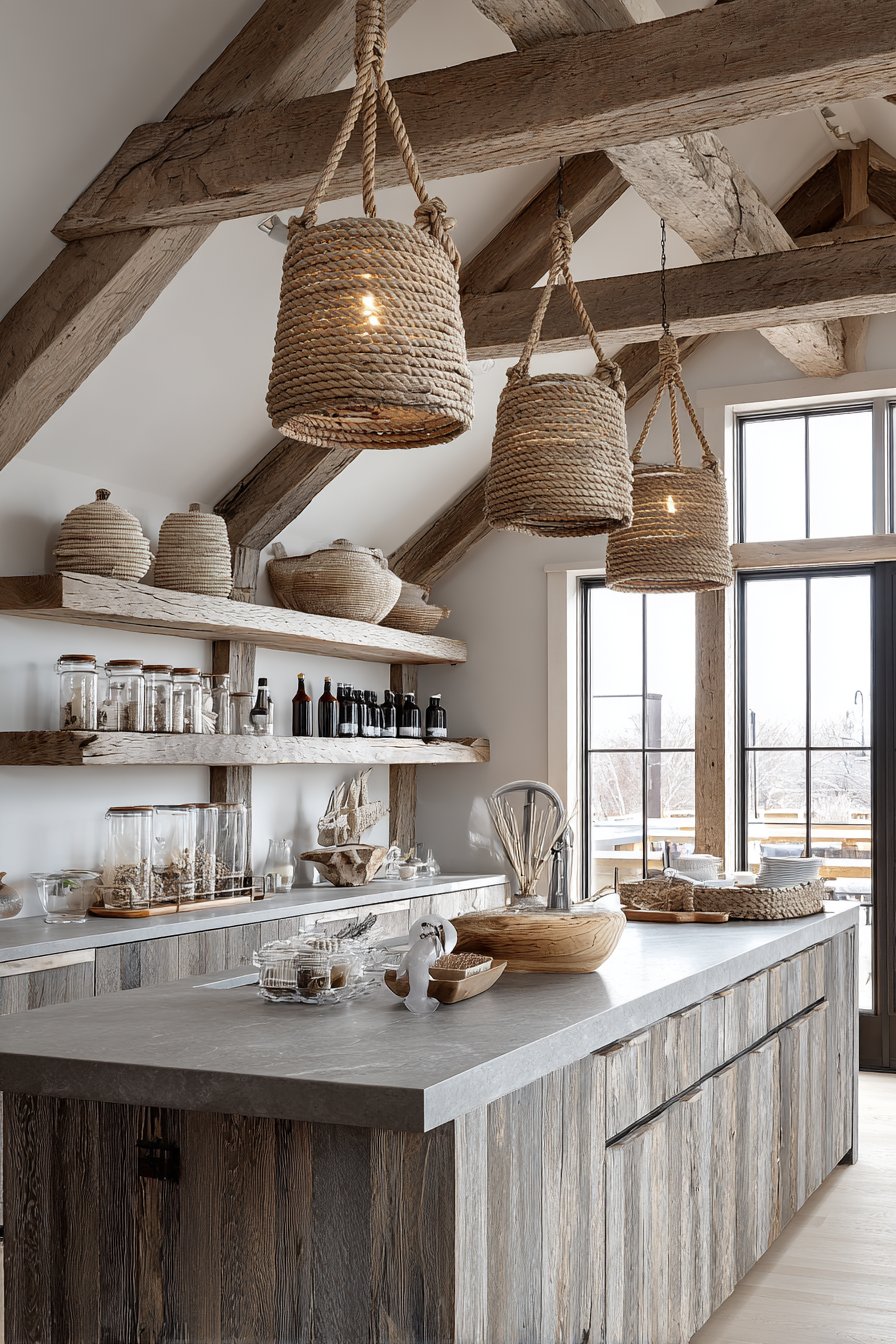
Medium-toned hickory cabinets with Shaker-style doors and subtle grain character represent the perfect middle ground between traditional and contemporary design sensibilities. This transitional wood kitchen idea demonstrates how classic forms can be updated with contemporary proportions and finishes to create spaces that feel current without sacrificing timeless appeal. The central island constructed from a contrasting darker wood species creates visual interest and defines the kitchen’s core workspace while providing opportunities to introduce different wood tones that add depth to the overall design. Wooden corbels supporting floating shelves maintain structural authenticity while serving as decorative elements that add architectural interest without overwhelming the clean Shaker aesthetic.
Pendant lights with wooden accents hanging above the island reinforce the wood theme while providing task lighting that makes the island functional for food preparation and casual dining. The coordination between the wooden elements in the cabinetry, island, shelving supports, and light fixtures creates a cohesive design narrative without becoming monotonous or predictable. Balanced natural and artificial lighting creates even illumination that showcases the wood variations throughout the day, preventing the darker island wood from appearing too heavy while ensuring the medium-toned cabinetry doesn’t look washed out. This careful attention to lighting design is essential in transitional spaces where the goal is balance rather than dramatic contrast.
The transitional approach to wood kitchen design appeals to homeowners who appreciate traditional quality and craftsmanship but want spaces that feel fresh and current rather than dated or overly formal. Hickory is an excellent choice for this aesthetic because its grain pattern and color variations create interest without being too bold or rustic, occupying a comfortable middle ground that works with both traditional and contemporary elements. The Shaker-style door—with its simple recessed panel and clean lines—similarly bridges traditional and contemporary aesthetics, remaining recognizable as a classic form while feeling perfectly at home in modern contexts.
Key Design Tips:
- Choose medium-toned woods like hickory that bridge traditional and contemporary aesthetics
- Incorporate Shaker-style doors for their timeless simplicity and versatility
- Create focal points with contrasting wood species on islands or other featured elements
- Add architectural details like wooden corbels that serve both structural and decorative purposes
- Layer wood elements throughout the space—cabinetry, shelving, lighting—for cohesive design
- Balance natural and artificial lighting to showcase wood variations without creating heavy contrasts
11. Japanese Hinoki Cypress Zen
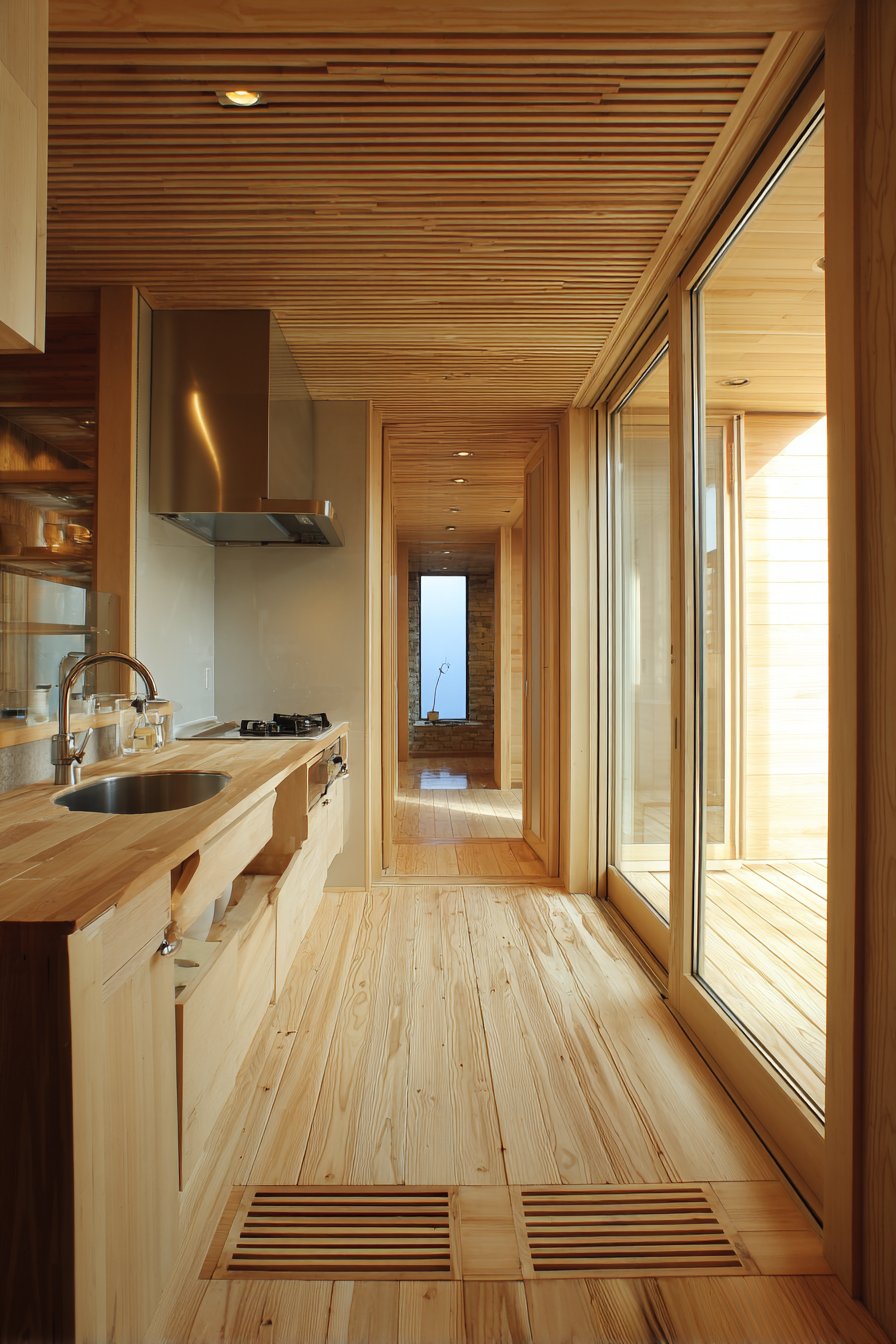
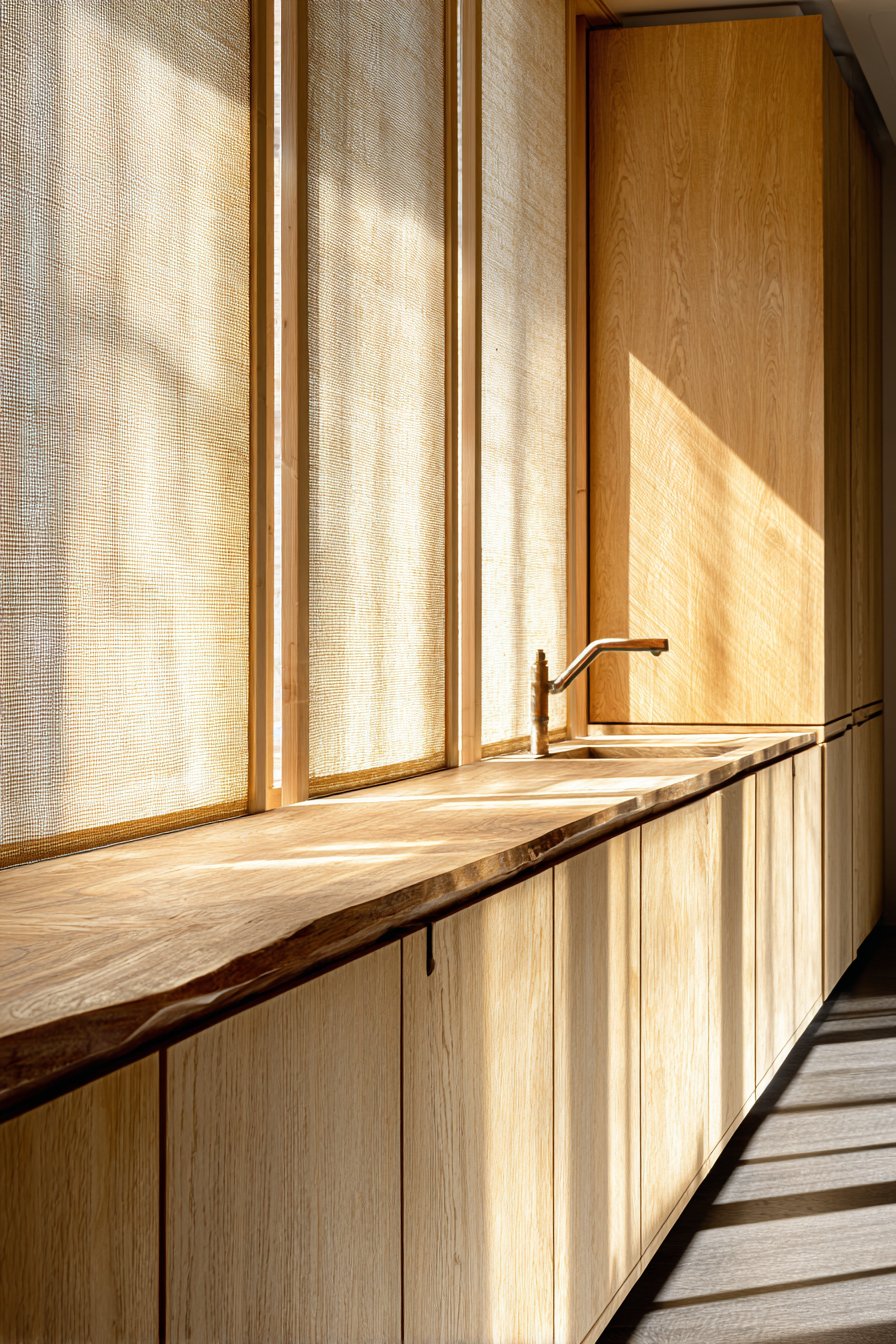
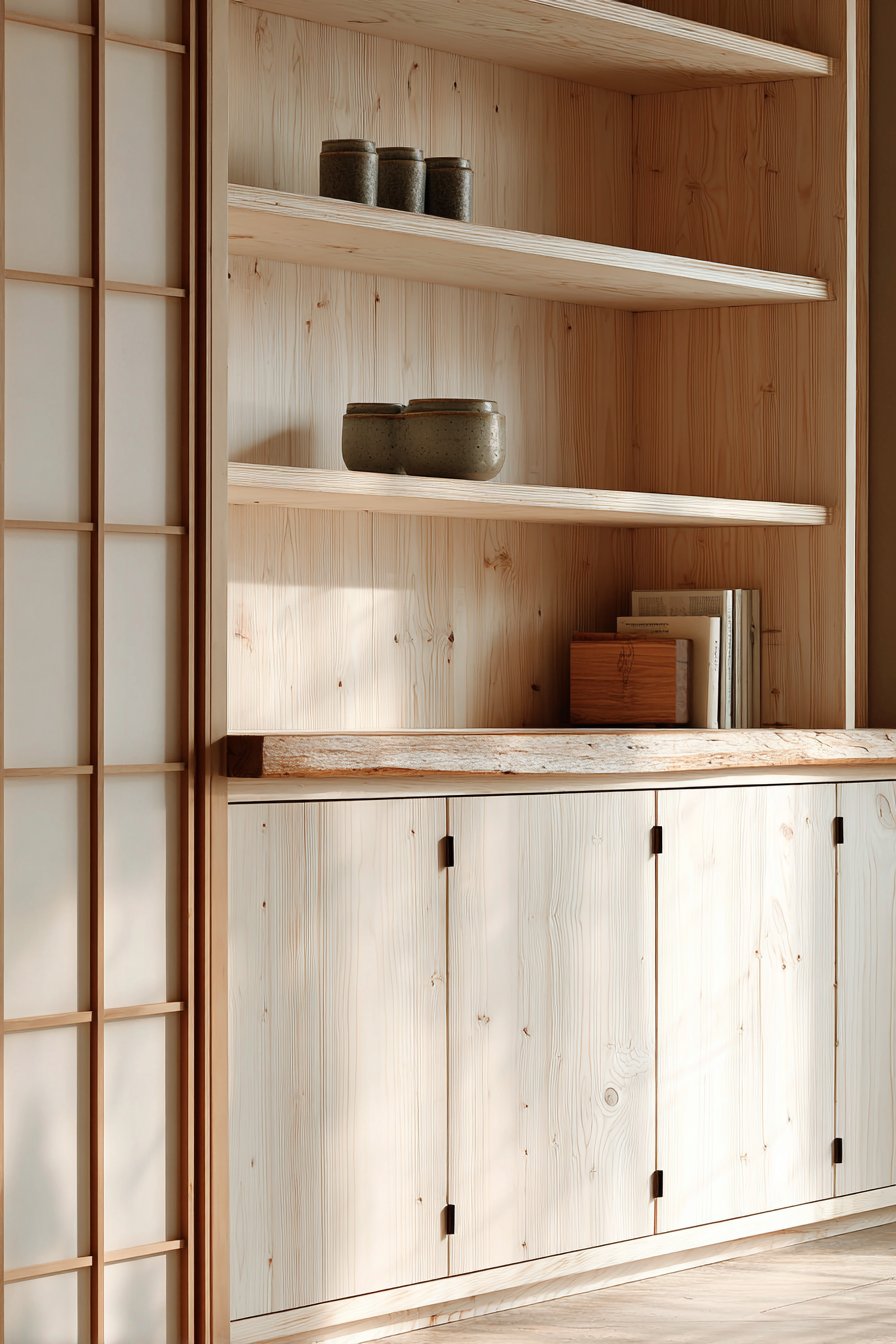
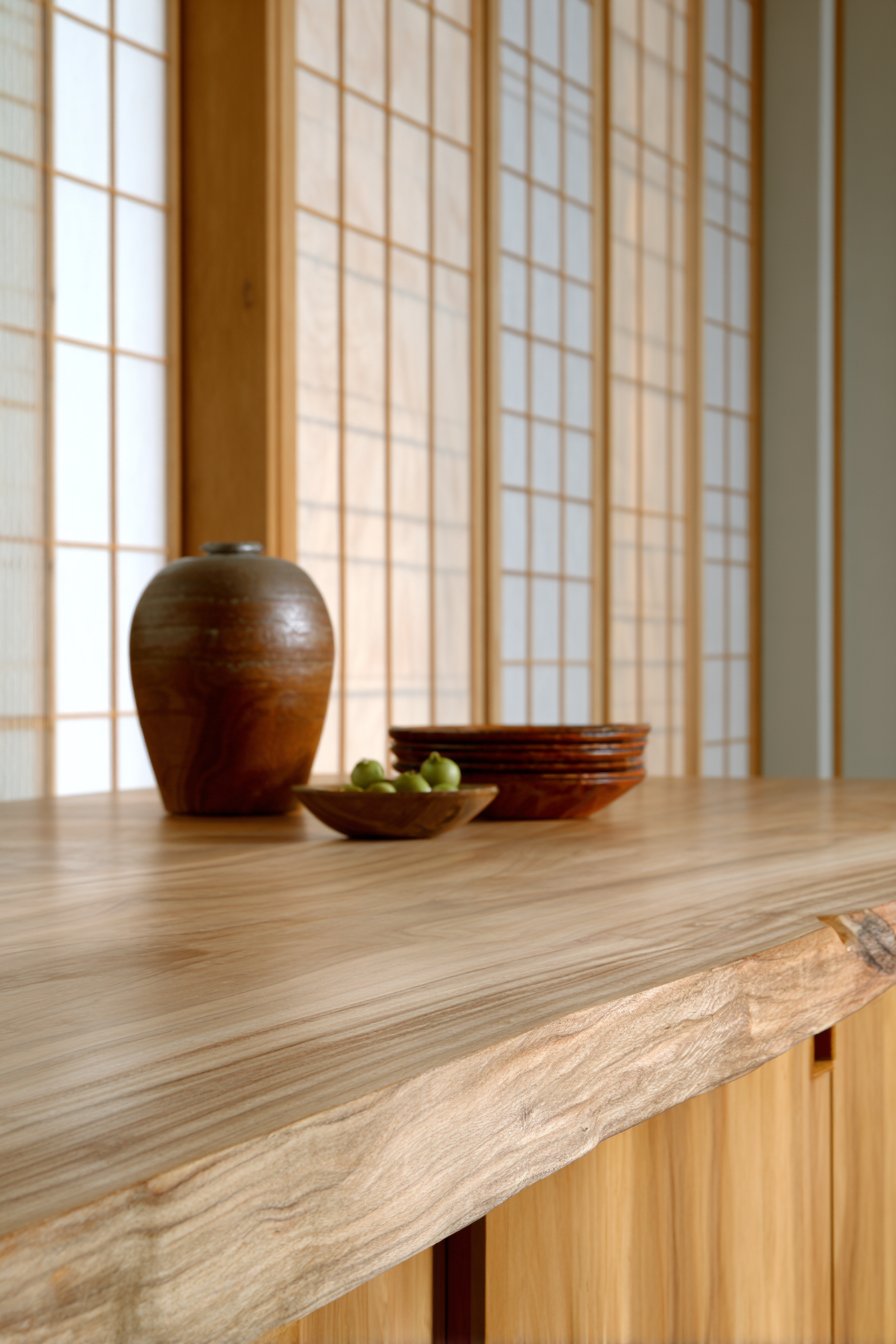
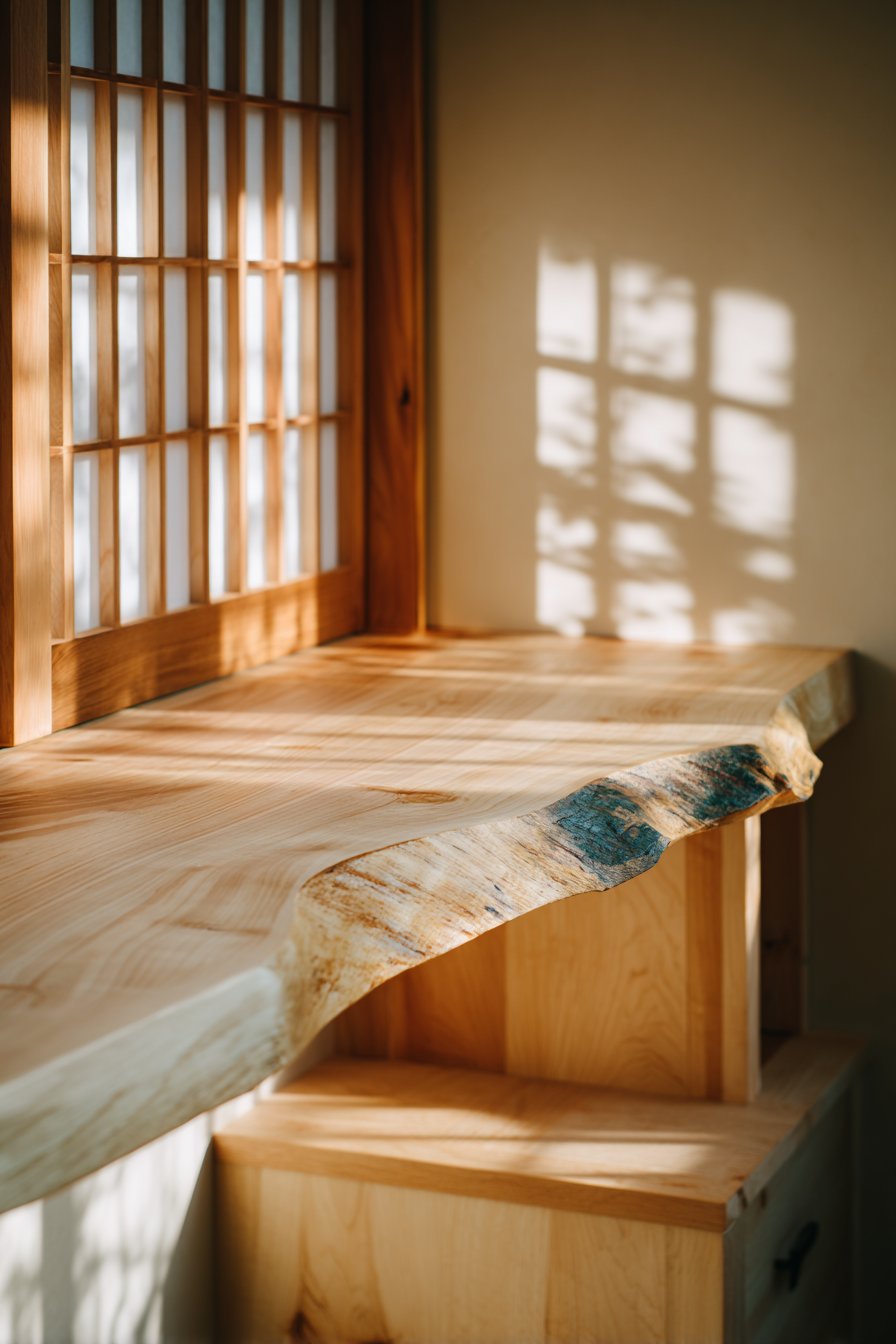
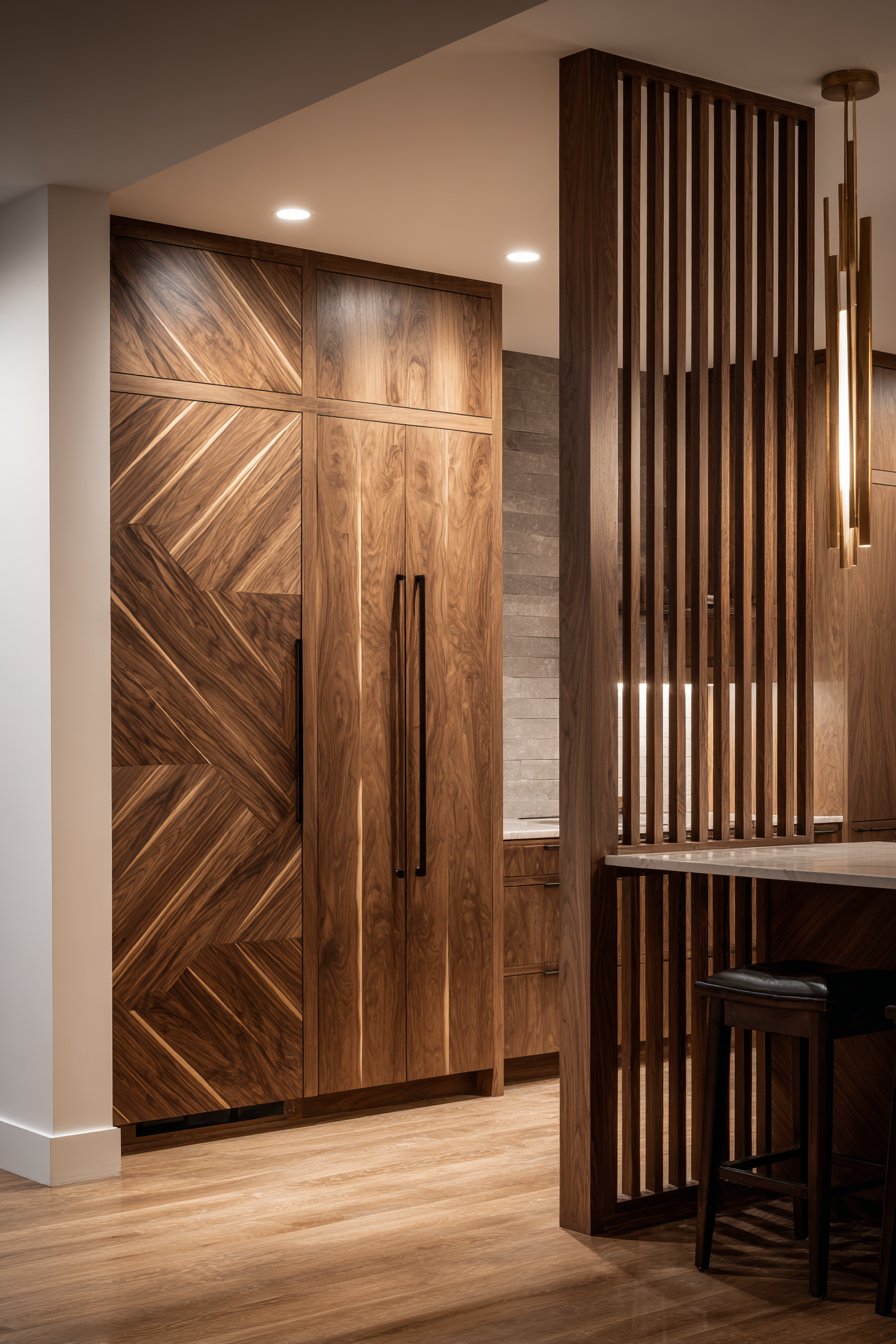
Light hinoki cypress wood cabinetry featuring clean lines and natural finish brings authentic Japanese design philosophy into the kitchen space. Hinoki is a precious wood in Japanese culture, prized for its subtle fragrance, natural antibacterial properties, and spiritual significance—it’s traditionally used in temple construction and high-quality bath products. Sliding wooden panels that conceal storage while adding traditional shoji screen aesthetic create flexible space definition while maintaining the clean, uncluttered appearance essential to Japanese design. A wooden countertop with live edge detail provides organic visual interest, acknowledging the natural form of the tree while serving practical purposes.
Minimal hardware in dark bronze complements the pale wood without drawing excessive attention, maintaining the restrained aesthetic that characterizes Japanese design. The bronze finish also references traditional Japanese metalwork, creating subtle cultural connections that add authenticity to the design. Soft diffused natural light filtering through rice paper window coverings creates gentle shadows on wood surfaces, emphasizing grain patterns while creating the serene, contemplative atmosphere associated with Japanese interiors. This quality of light—soft, indirect, and ever-changing—transforms the wood surfaces throughout the day, creating subtle variations that reward sustained attention and reflection.
The Japanese-inspired wood kitchen succeeds because it represents a complete design philosophy rather than simply an aesthetic style. Every element serves a purpose, excess is eliminated, and the focus remains on quality materials, precise craftsmanship, and the creation of serene, harmonious spaces. The use of hinoki cypress connects the design to centuries of Japanese woodworking tradition while providing practical benefits—the wood’s natural properties make it resistant to moisture and bacteria, making it suitable for kitchen applications. The integration of traditional elements like sliding panels and shoji-screen aesthetics creates cultural authenticity while maintaining functional relevance in contemporary kitchens.
Key Design Tips:
- Select hinoki cypress or other light Japanese woods for authentic material connections
- Incorporate sliding panels for flexible space definition and cultural authenticity
- Include live-edge details that acknowledge the natural form of the tree
- Choose dark bronze or iron hardware that references traditional Japanese metalwork
- Filter natural light through translucent materials for soft, diffused illumination
- Maintain restraint and eliminate unnecessary ornamentation to achieve authentic Japanese aesthetics
12. Coastal Driftwood Grey Finish
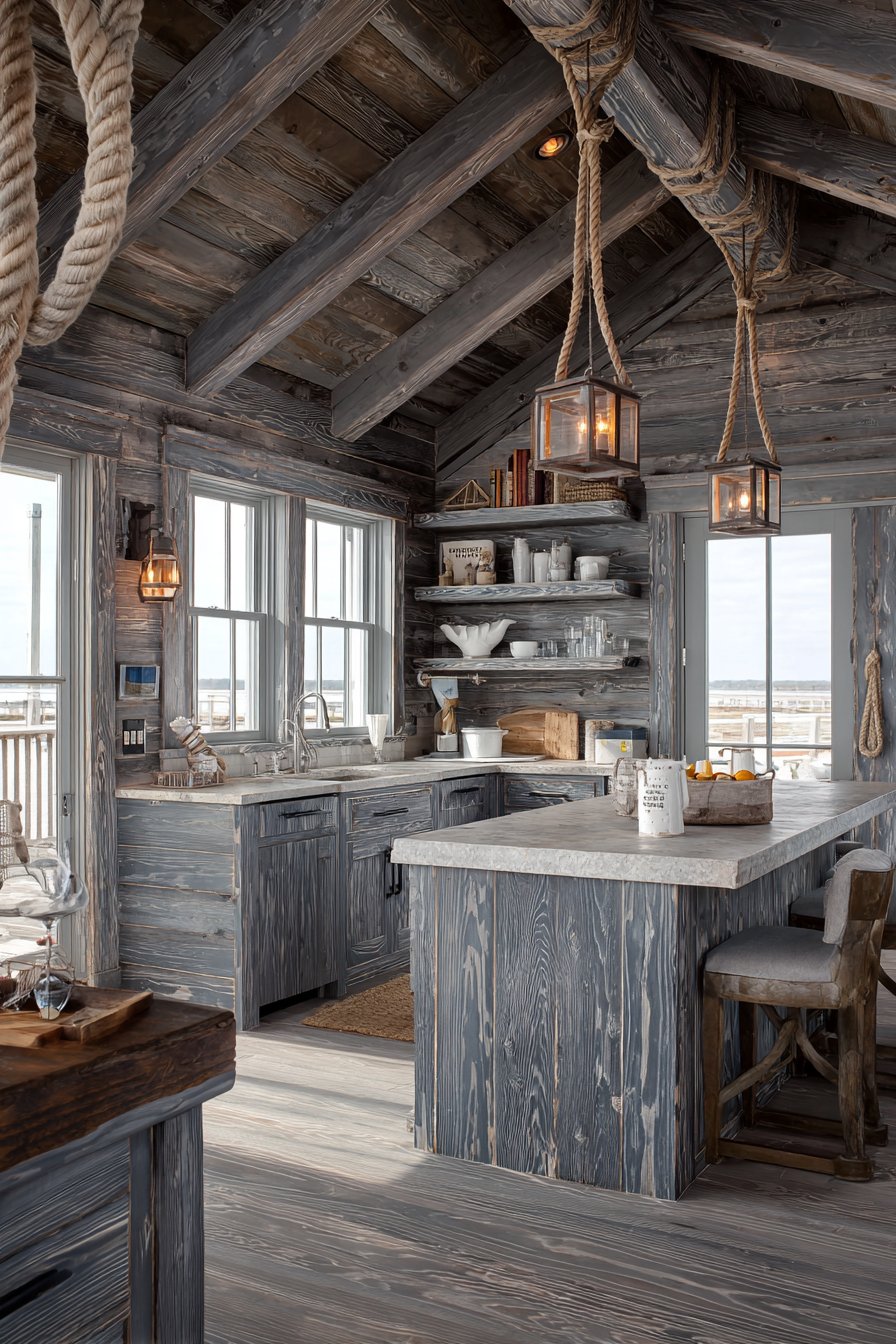
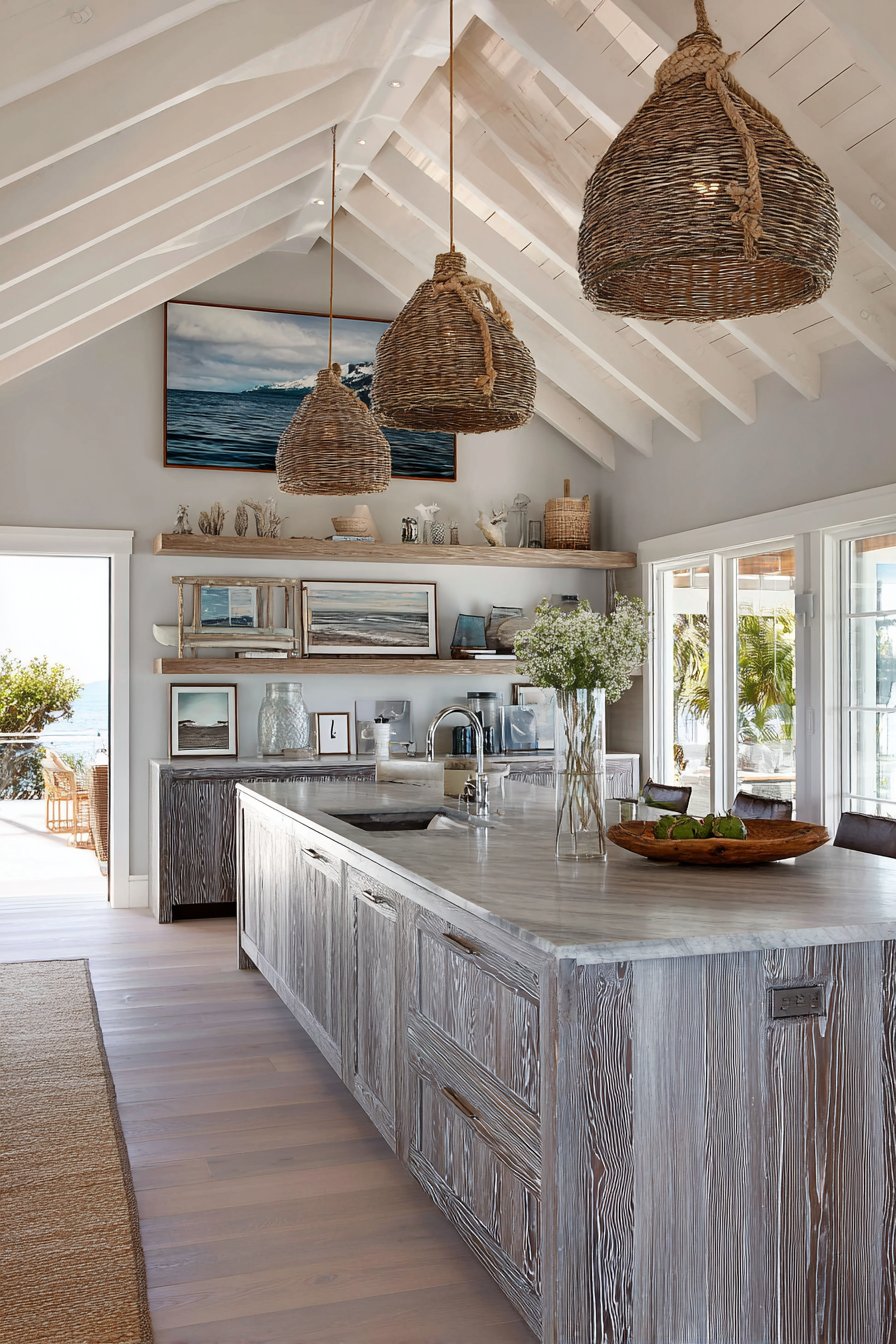
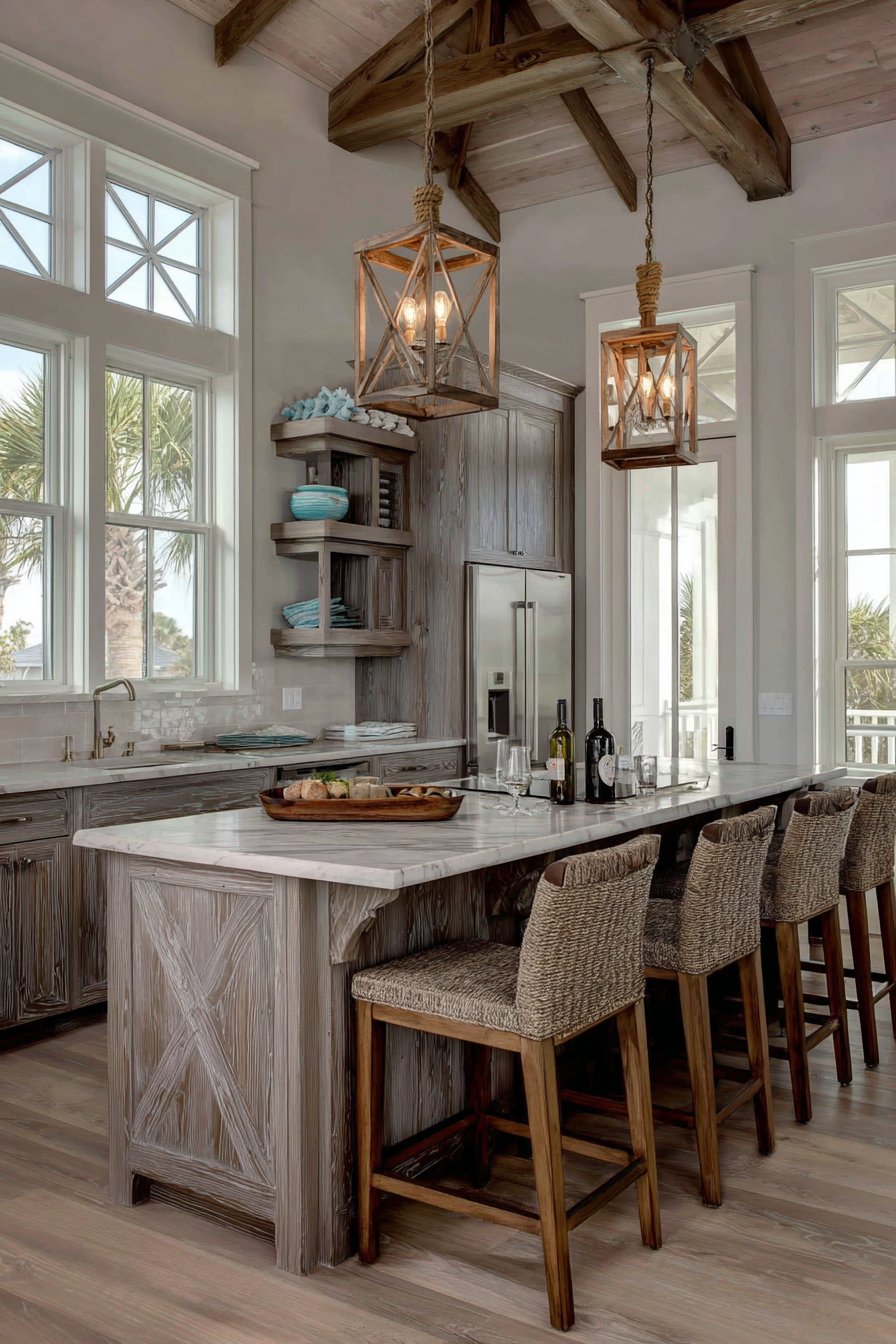
Driftwood-grey finished oak cabinets with visible wood grain showing through weathered treatment capture the relaxed, breezy character of coastal living. This finish technique acknowledges the material’s natural beauty while transforming its color to evoke the weathered wood found along beaches and shorelines. Open shelving made from whitewashed wood beams displays beach-inspired décor, creating opportunities to reinforce the coastal narrative through carefully curated accessories. A wooden island with planked sides resembles dock construction details, directly referencing maritime architecture while providing substantial workspace and storage. Rope-wrapped wooden light fixtures add nautical character while providing functional illumination that emphasizes the wood materials throughout.
Natural light from large windows is essential to this coastal wood kitchen approach, as it highlights the varied grey-wood tones and creates the bright, airy atmosphere associated with beachside living. The grey tones in the wood finish help reflect light rather than absorbing it, keeping the space feeling open and fresh even with substantial wood presence. The visible grain showing through the finish prevents the grey from feeling flat or lifeless, maintaining textural interest and organic character despite the color transformation. This balance between color manipulation and material authenticity creates kitchens that feel carefully considered rather than gimmicky or theme-heavy.
What distinguishes successful coastal wood kitchens from heavy-handed thematic design is restraint and authenticity. Rather than filling the space with obvious beach symbols and decorative clichés, the design achieves its coastal character through materiality, color palette, and subtle references to maritime construction. The weathered grey finish on the cabinetry suggests wood that has been naturally aged by sun, salt, and sea air rather than artificially distressed. The planked island construction references actual dock and boat-building techniques rather than merely evoking them symbolically. This approach creates spaces that feel genuinely connected to coastal living rather than simply decorated with coastal motifs.
Key Design Tips:
- Apply driftwood-grey or weathered finish that allows wood grain to remain visible
- Incorporate whitewashed wood elements for varied tones within the grey palette
- Reference maritime construction through planked details and boat-building techniques
- Add subtle nautical elements like rope-wrapped fixtures that serve functional purposes
- Maximize natural light to emphasize grey-wood tones and create breezy atmosphere
- Maintain restraint in beach-themed accessories to avoid heavy-handed decorating
13. Mid-Century Walnut Retro Style
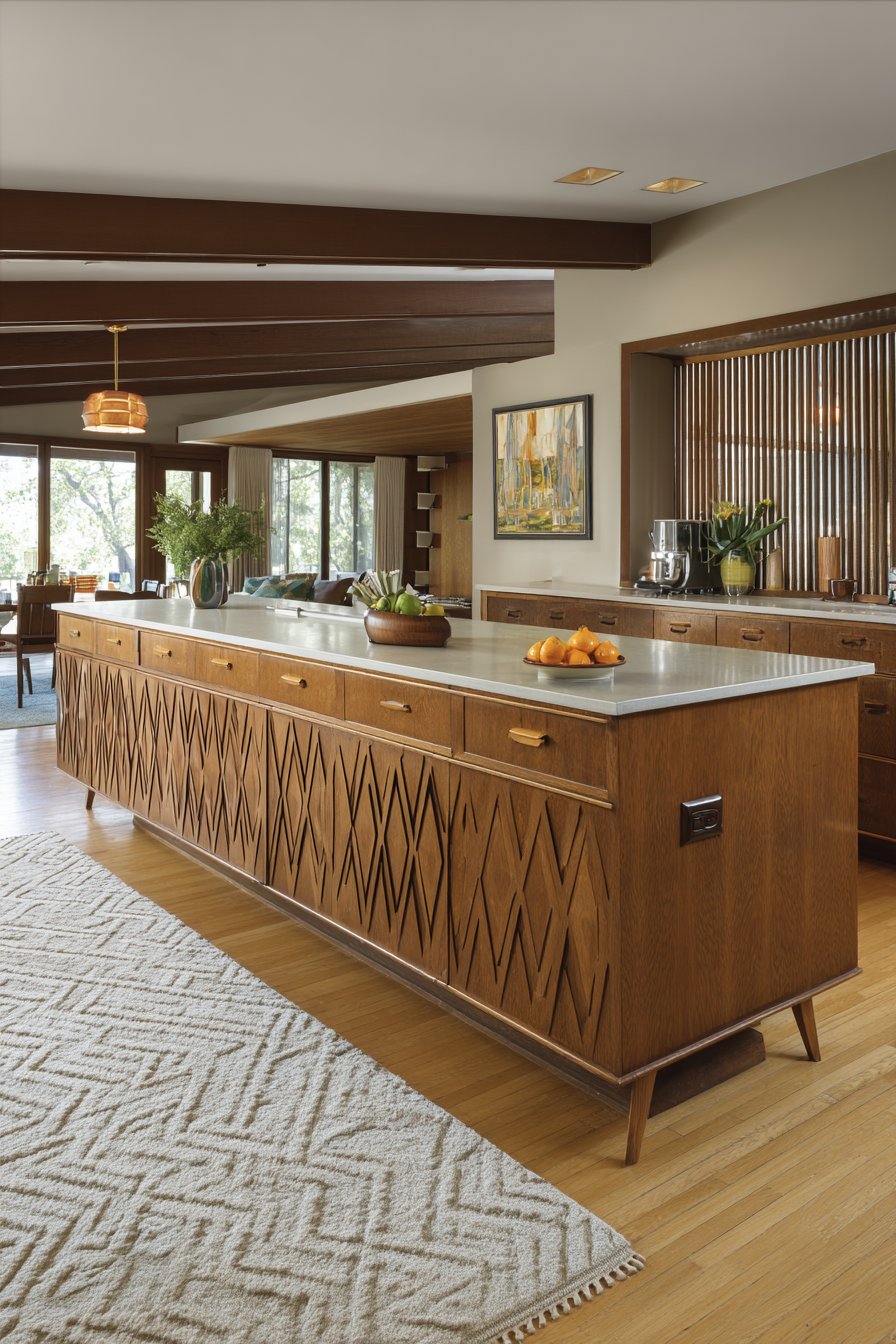
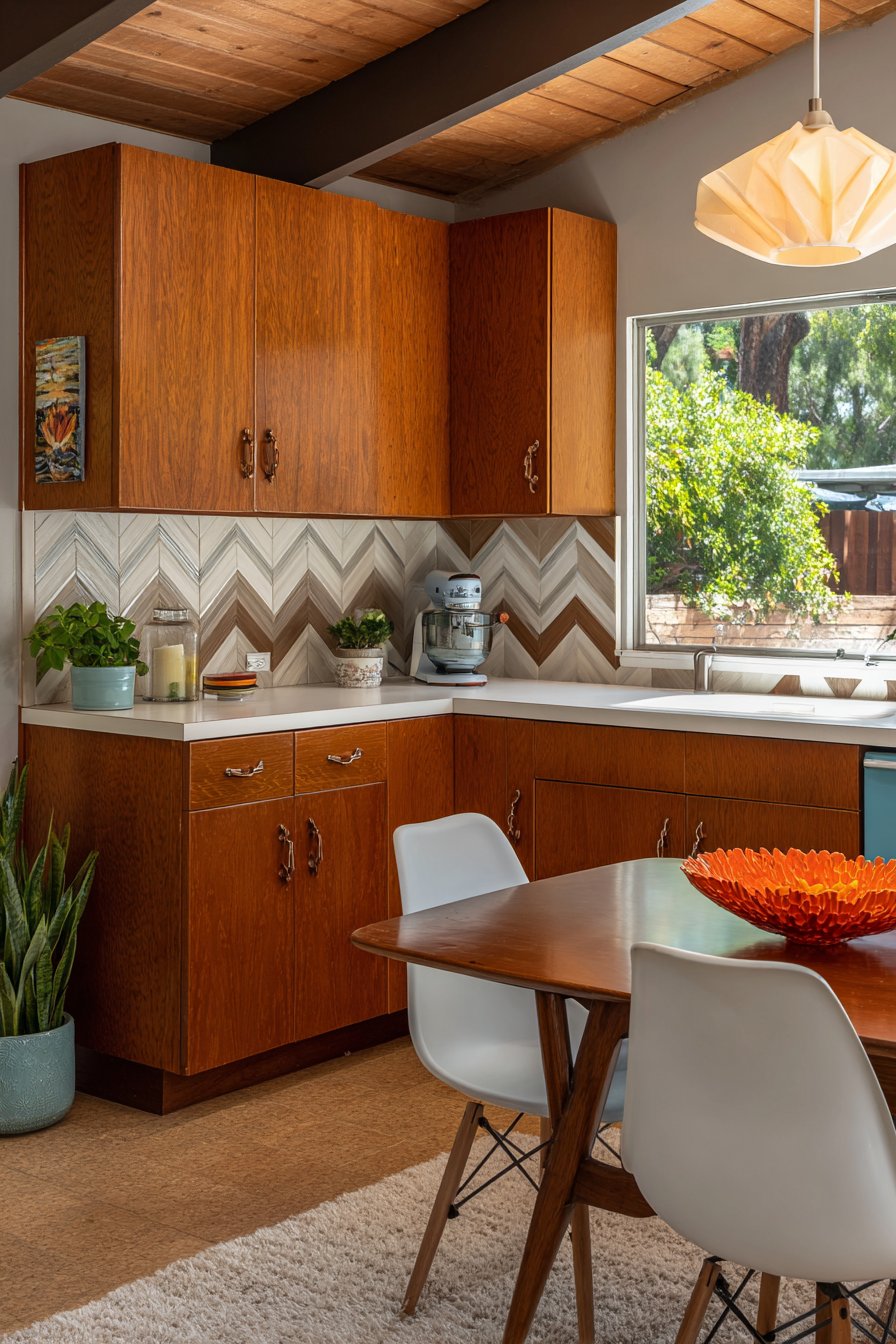
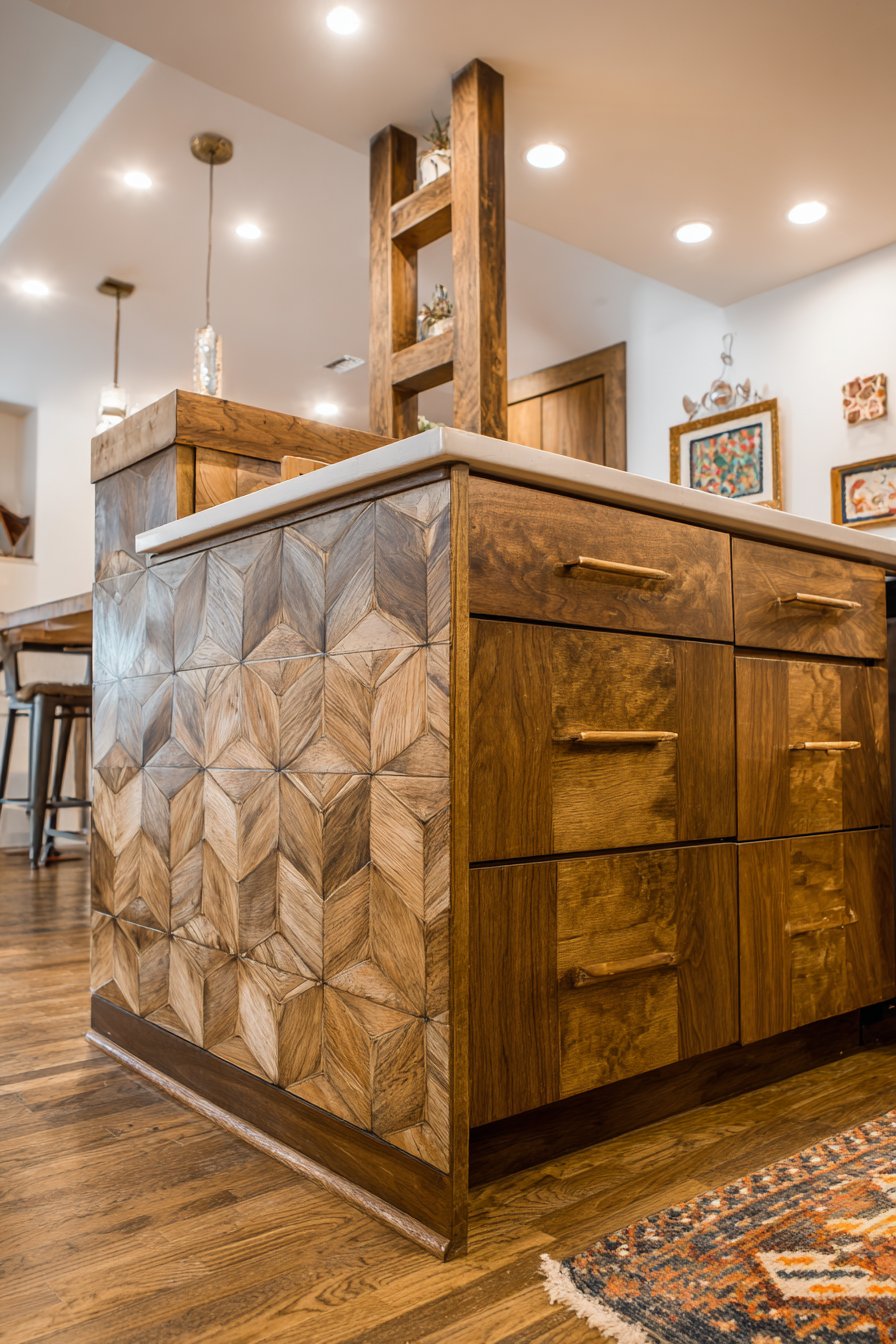
Flat-panel walnut cabinets with tapered wooden legs creating a floating appearance represent the iconic aesthetic of mid-century modern design. This wood kitchen idea celebrates the design innovations of the 1950s and 60s, when designers reimagined furniture and cabinetry to reflect new manufacturing capabilities and changing lifestyles. The built-in wooden breakfast nook with geometric wood paneling provides integrated seating that eliminates the need for separate dining furniture while showcasing the geometric patterns and wood applications characteristic of the period. Teak wooden handles provide authentic period-correct hardware that references the Scandinavian influences that heavily shaped mid-century design while offering comfortable, ergonomic grip.
A wood slat partition separates the kitchen from the dining area while maintaining visual flow, demonstrating how mid-century designers used partial walls and screens to define spaces without creating complete enclosure. This approach maintains the open-plan living concept that was revolutionary in its time while providing subtle space definition that helps different areas maintain their functional identity. Warm ambient lighting emphasizes the rich wood tones and retro craftsmanship, creating the inviting glow associated with mid-century interiors. The lighting design typically includes period-appropriate fixtures with organic forms, metal accents, and shaded bulbs that create pools of warm light rather than even, bright illumination.
The enduring appeal of mid-century modern wood kitchen design lies in its successful marriage of form and function, its celebration of natural materials, and its fundamentally optimistic outlook that remains appealing decades after the style’s initial emergence. The clean lines and lack of ornamentation feel contemporary even today, while the warm wood tones and organic forms prevent the style from feeling cold or sterile. The floating cabinet design—achieved through legs or wall-mounting that leaves floor space visible beneath—makes spaces feel larger and easier to clean while showcasing the craftsmanship of the cabinet construction. This approach demonstrates how historical design styles can remain relevant and appealing when they’re based on sound principles rather than superficial trends.
Key Design Tips:
- Select rich, warm woods like walnut or teak that were popular during the mid-century period
- Create floating appearance through tapered legs or wall-mounting that exposes floor beneath
- Incorporate geometric wood paneling and patterns characteristic of the era
- Choose period-correct hardware like teak handles that reference Scandinavian influences
- Use wood slat partitions for space definition that maintains visual flow
- Add warm ambient lighting through period-appropriate fixtures with organic forms
14. Organized Oak Storage Solutions
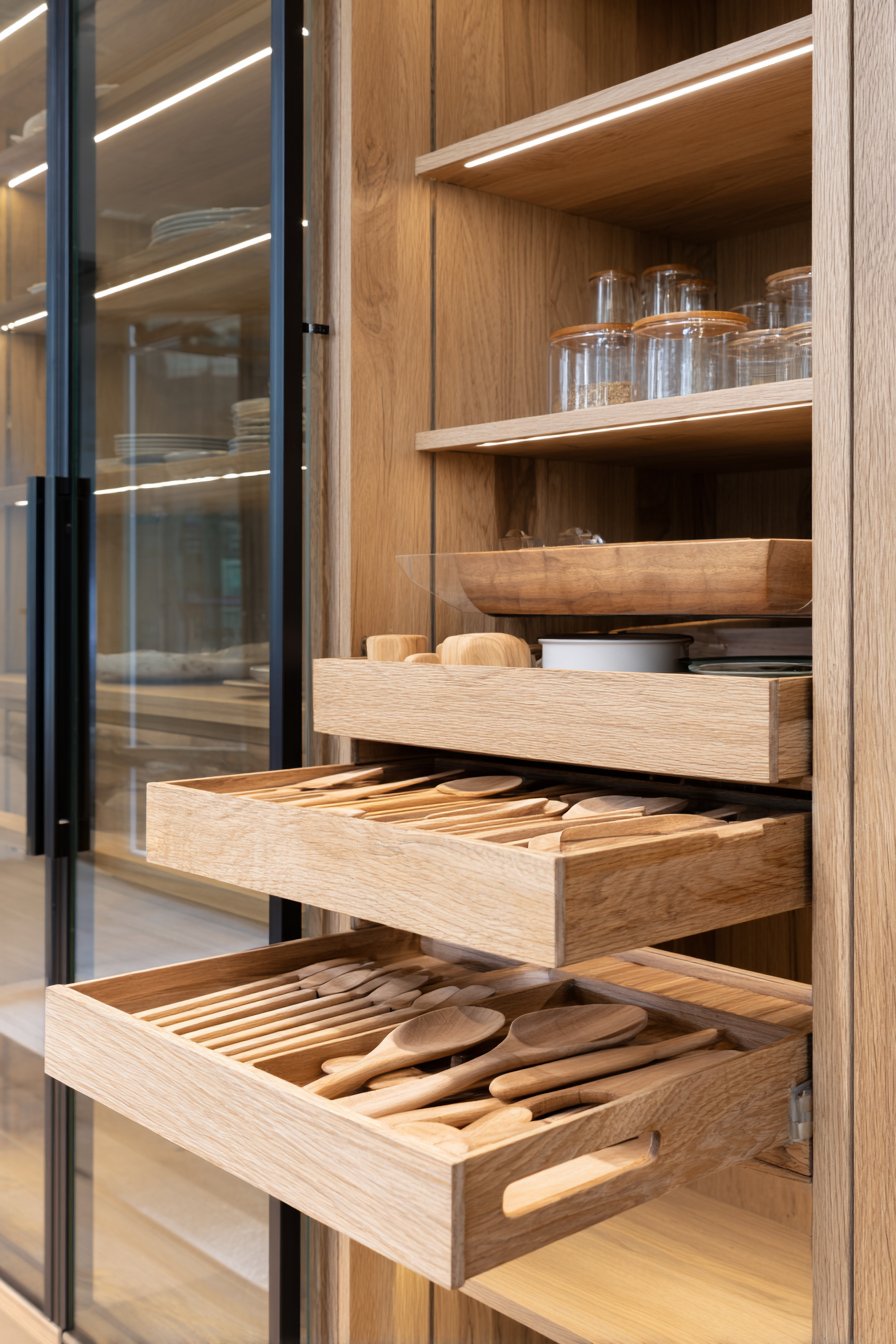
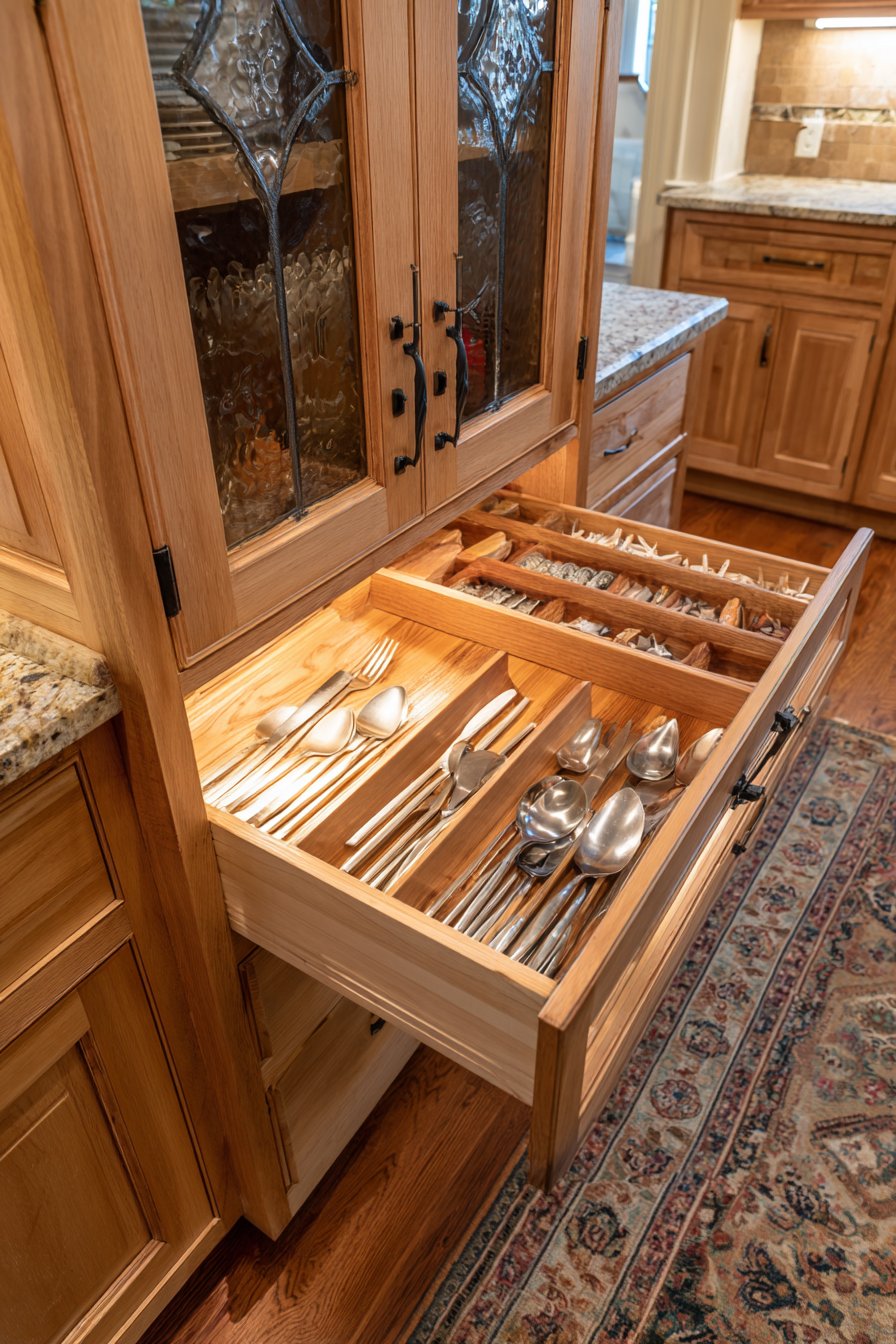
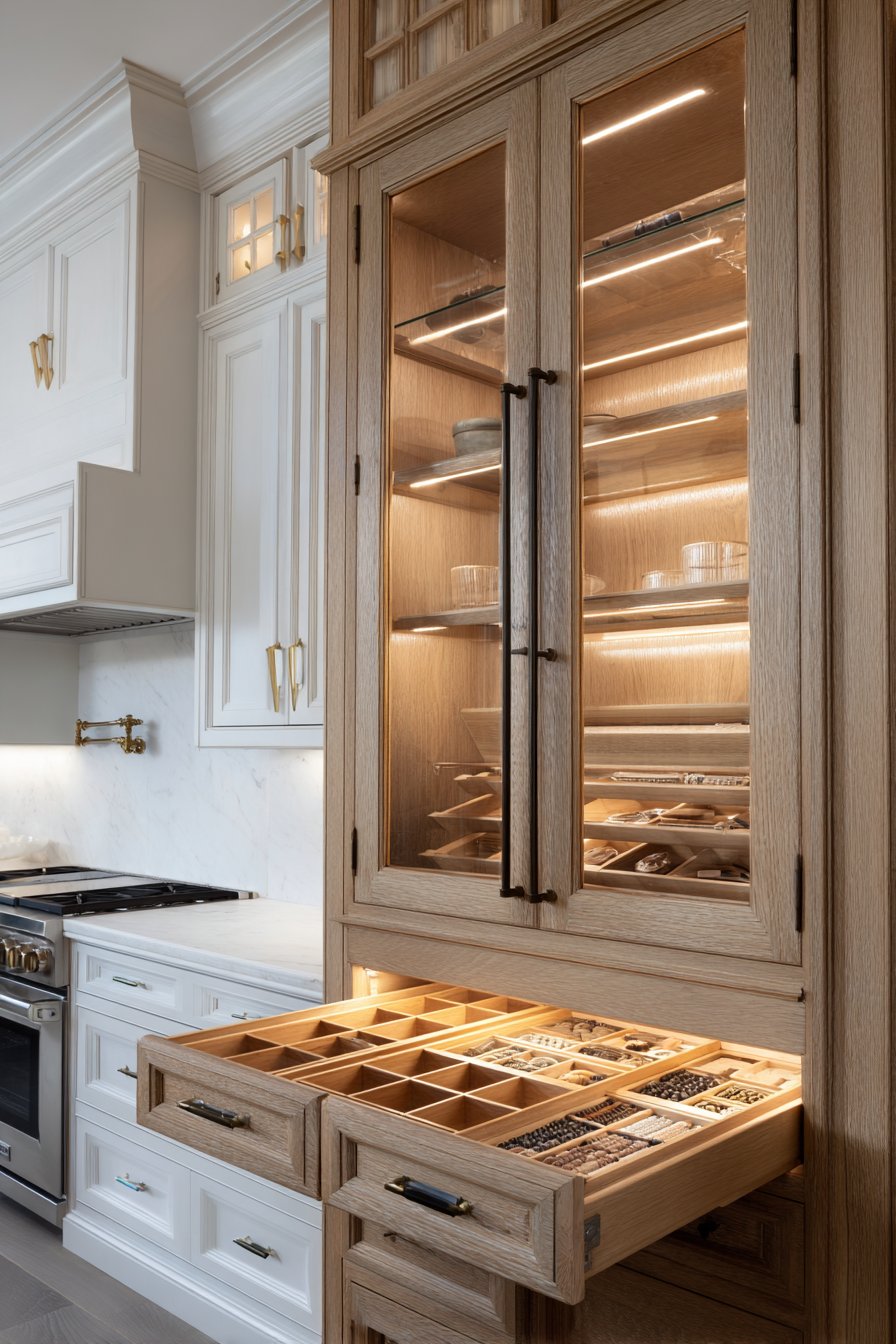
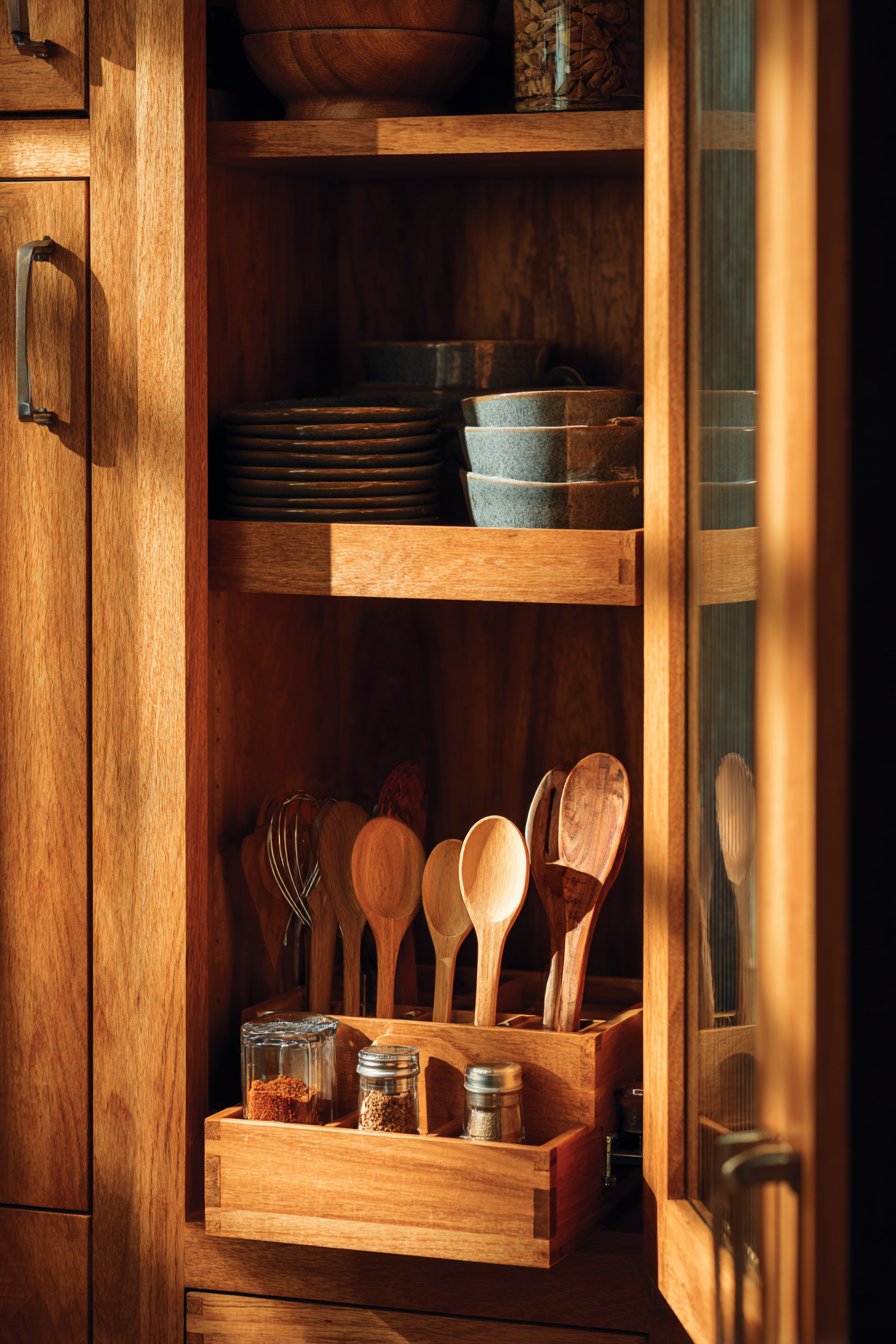
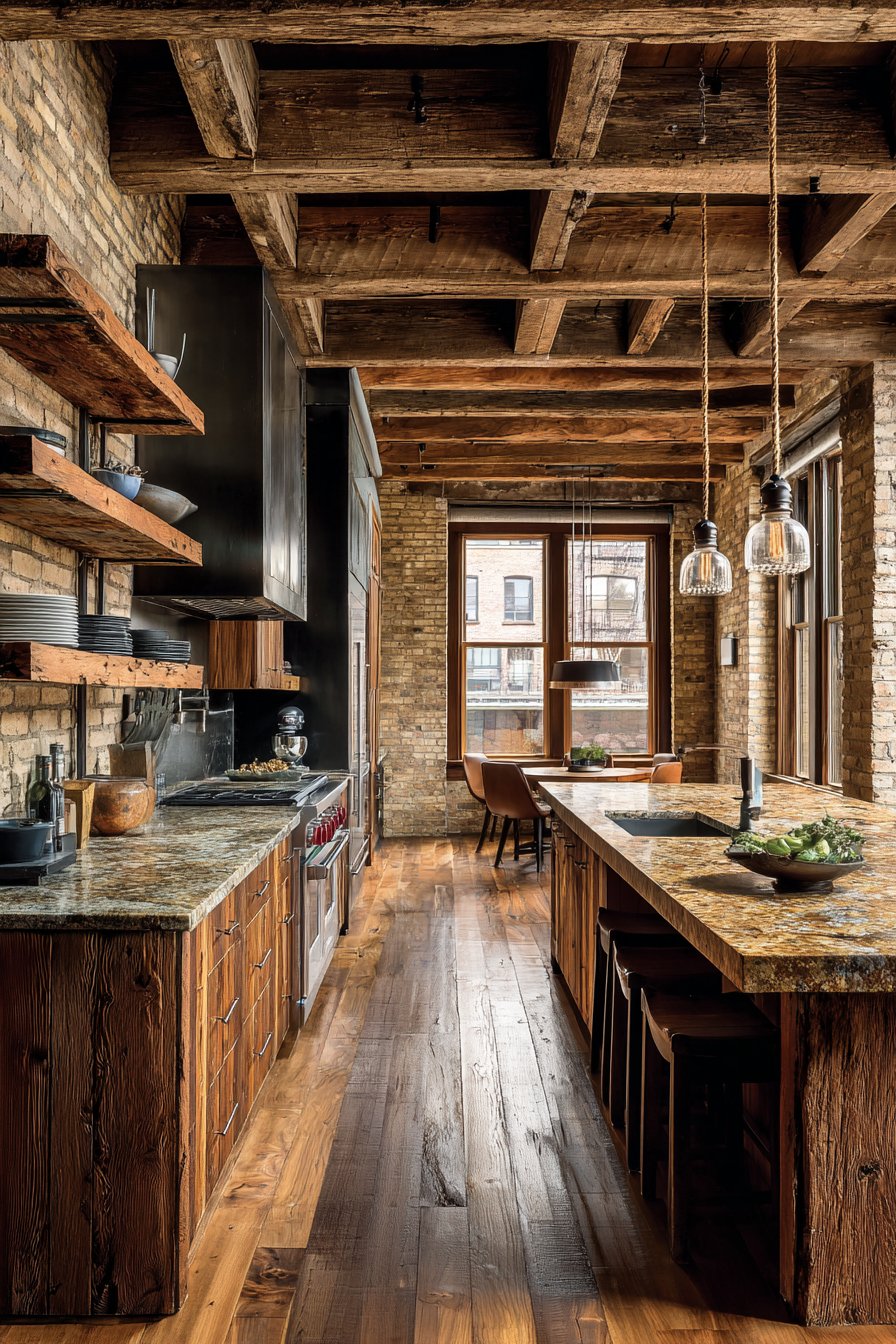
Floor-to-ceiling pantry cabinets in natural oak with glass-panel doors represent the ultimate in functional wood kitchen storage. The transparency of the glass panels reveals organized wooden shelving inside, transforming storage from a hidden necessity into a display opportunity that encourages organization and curation. Pull-out wooden drawer organizers with custom compartments showcase how wood can serve organizational purposes while maintaining aesthetic appeal—these aren’t generic plastic dividers but custom-crafted solutions that match the cabinetry quality. A wooden spice rack with individual slots demonstrates detailed woodworking that makes finding the right spice quick and easy while creating a pleasing visual display of varied bottle shapes and colors.
Natural wood drawer dividers organize utensils with precision, creating dedicated spaces for different tool types while maintaining the wood material throughout the organizational system. Side lighting creates dimension that highlights the functional wood organization systems, casting shadows that emphasize the compartmentalization and creating visual interest even within practical storage areas. This attention to lighting design transforms what could be purely functional spaces into elements that contribute to the overall aesthetic quality of the kitchen. The consistency of wood material across both visible cabinetry and hidden organizational systems demonstrates a commitment to quality and material integrity throughout the entire kitchen.
The wood kitchen storage approach succeeds because it demonstrates that functionality and beauty need not be separate concerns. By crafting organizational systems from the same quality wood used for visible cabinetry, the design maintains material consistency while ensuring that every opened drawer or cabinet reveals the same level of craftsmanship and attention to detail. Glass-panel doors on pantry cabinets eliminate the “black hole” effect of closed storage while encouraging organization—when storage contents are visible, there’s natural motivation to maintain order. This transparency also makes finding items easier, reducing the time spent searching through closed cabinets and creating a more efficient kitchen workflow.
Key Design Tips:
- Install floor-to-ceiling pantry cabinets to maximize storage capacity
- Use glass-panel doors to create accountability for organization while showcasing contents
- Craft pull-out organizers from wood that matches cabinetry for material consistency
- Create custom compartments sized for specific items rather than using generic dividers
- Add interior lighting to enhance visibility and create visual interest in storage areas
- Incorporate specialized storage like spice racks that organize specific item types efficiently
15. Industrial Cedar and Brick Fusion
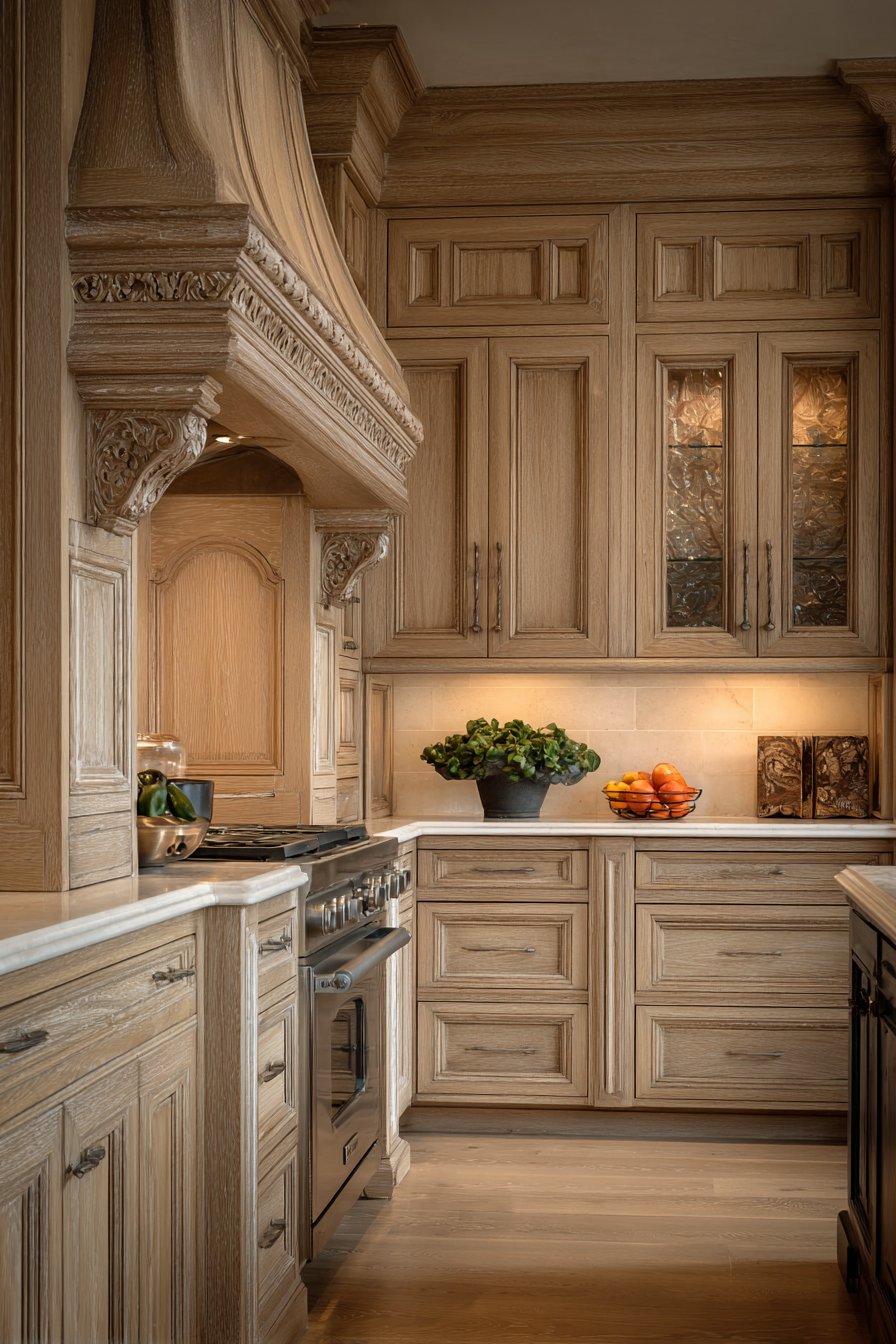
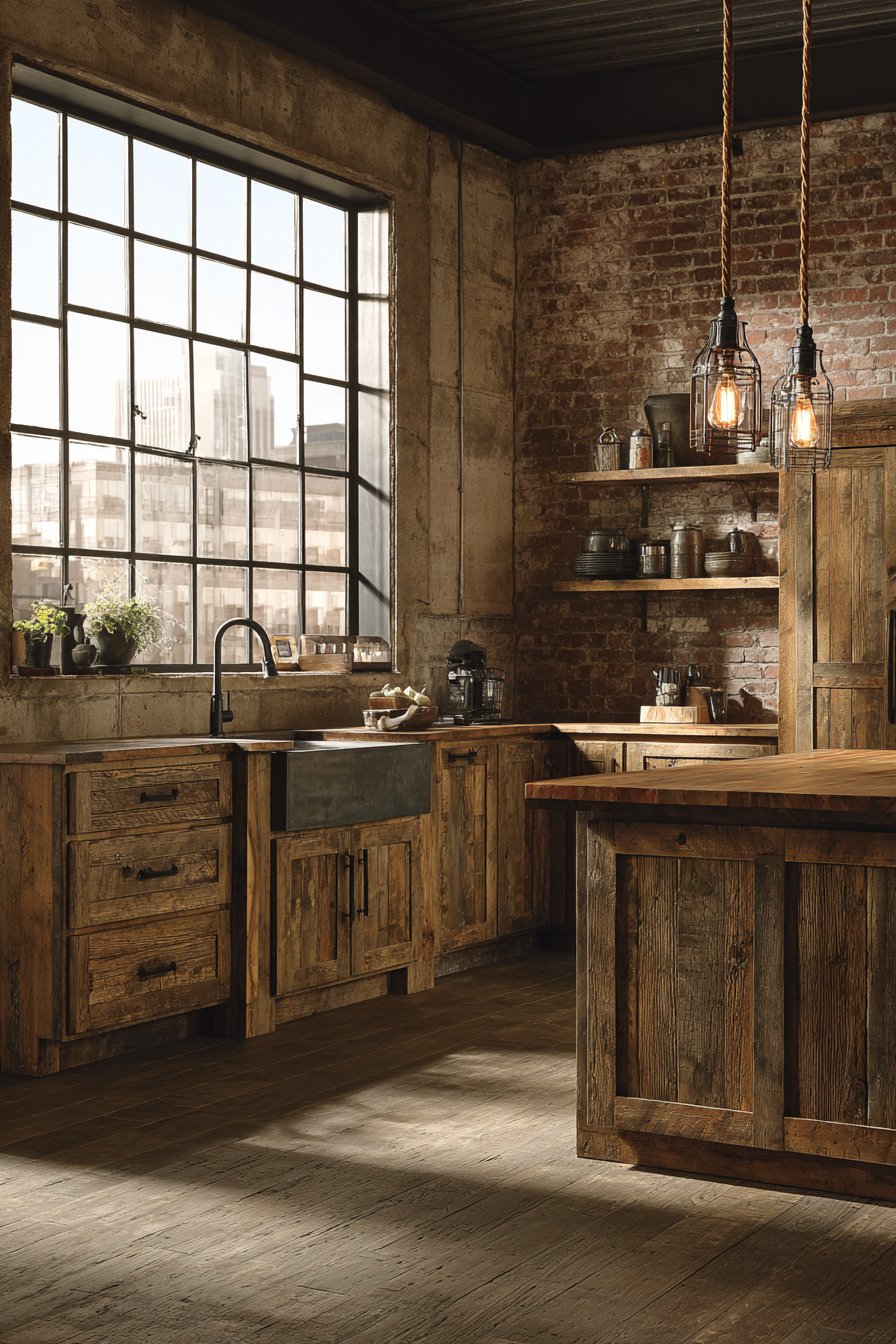
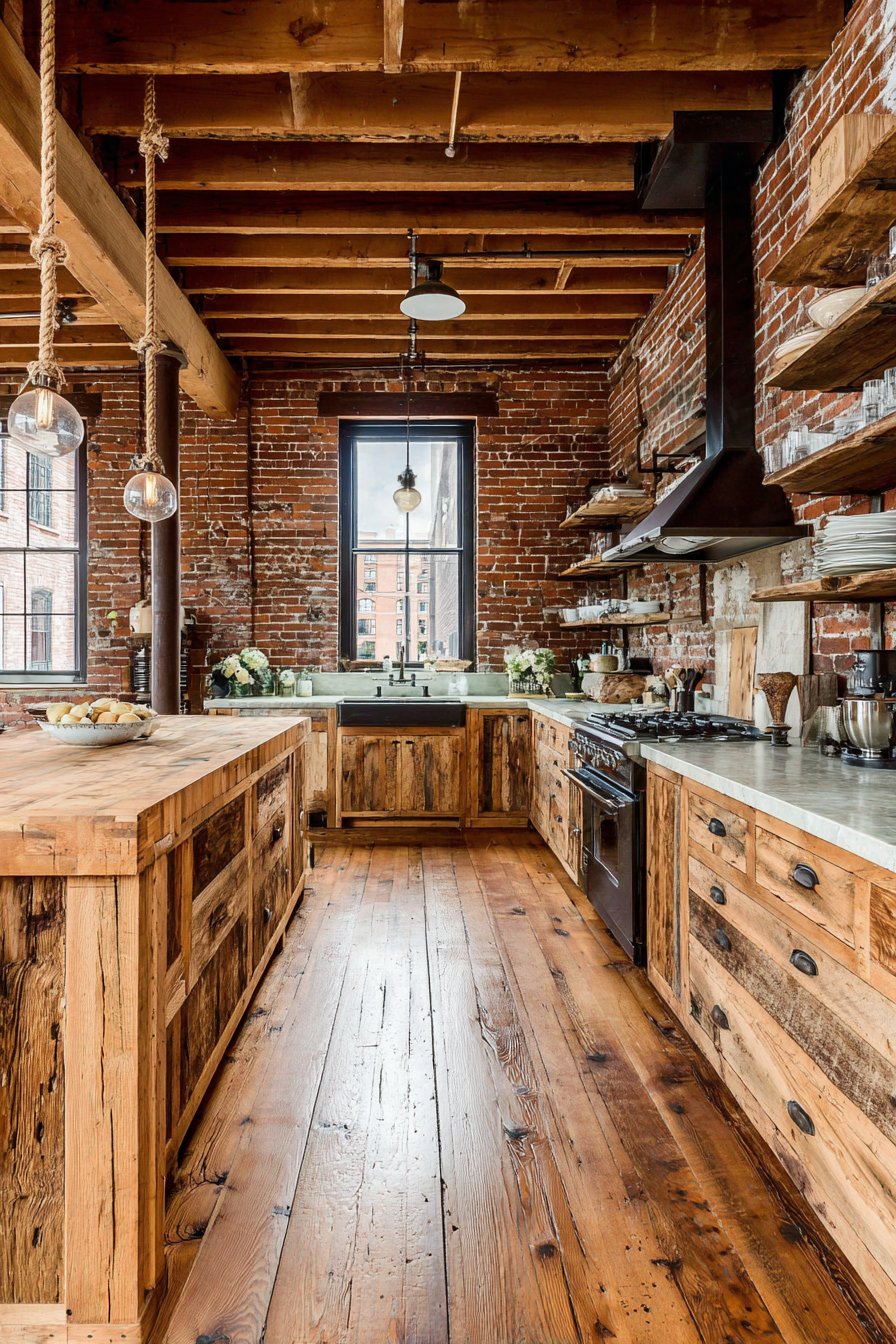
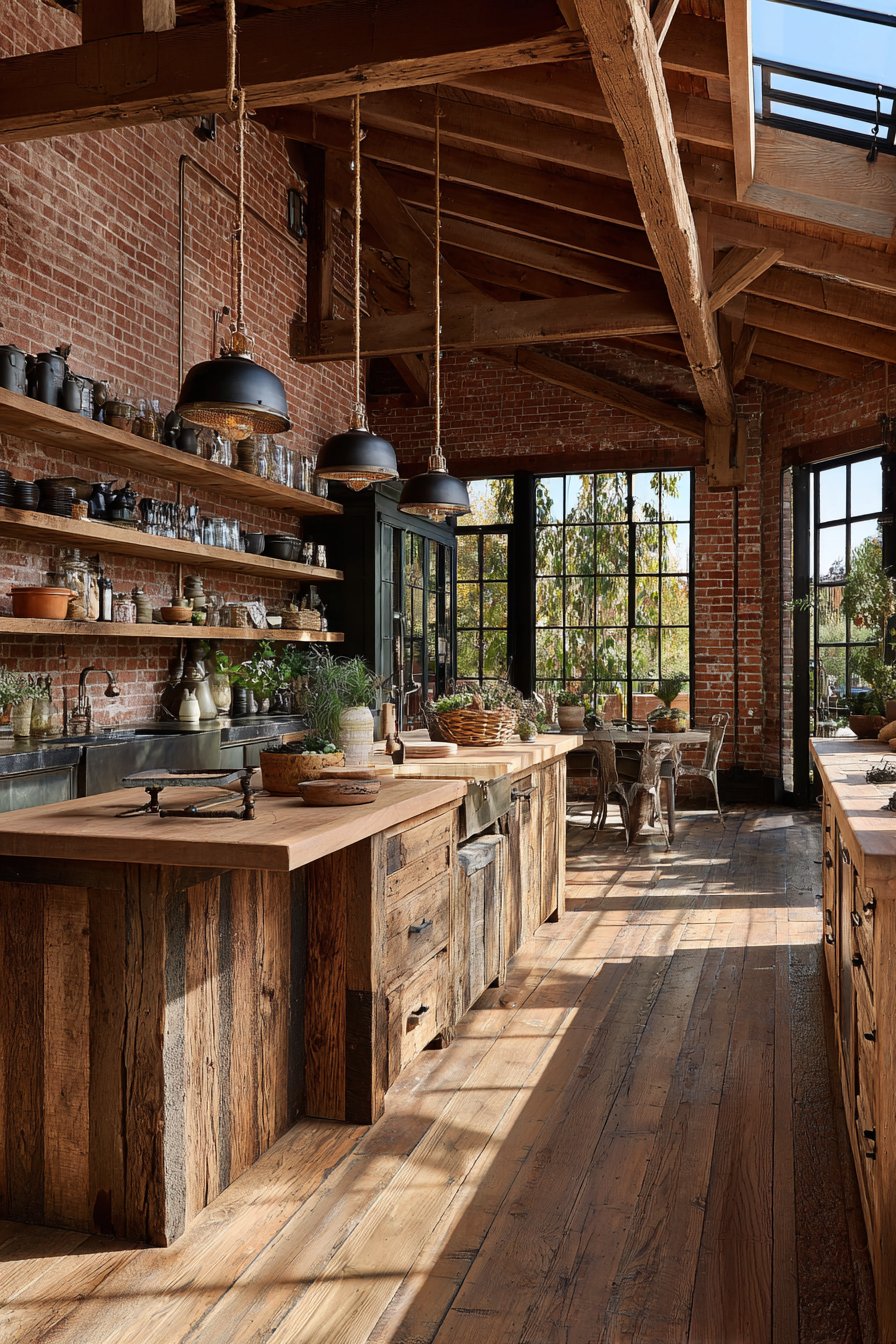
Rough-sawn cedar wood cabinets with exposed grain and natural imperfections combine with exposed brick walls to create an industrial wood kitchen aesthetic that celebrates raw materials and honest construction. The rough-sawn surface texture—created by cutting wood with coarse blades that leave visible saw marks—provides pronounced three-dimensional quality that catches light and creates shadow lines. Thick butcher block countertops showing knife marks and natural patina demonstrate that beauty can emerge from use rather than being diminished by it, embracing the Japanese concept of wabi-sabi that finds perfection in imperfection and authenticity in age.
Open shelving constructed from iron pipe and reclaimed wood planks displays vintage cookware, combining industrial materials with warm wood to create the material juxtaposition that defines industrial style. Edison bulb pendants with wooden cord wraps hang above the island, providing ambient illumination through exposed-filament bulbs that reference early electrical lighting while the wooden cord wrap adds warmth to otherwise stark industrial fixtures. Natural warehouse-style windows flood the space with bright daylight, highlighting the raw wood character and creating the connection to industrial loft spaces that inspired this aesthetic. The combination of natural and artificial light creates dynamic shadows across the rough wood surfaces, emphasizing their texture throughout the day.
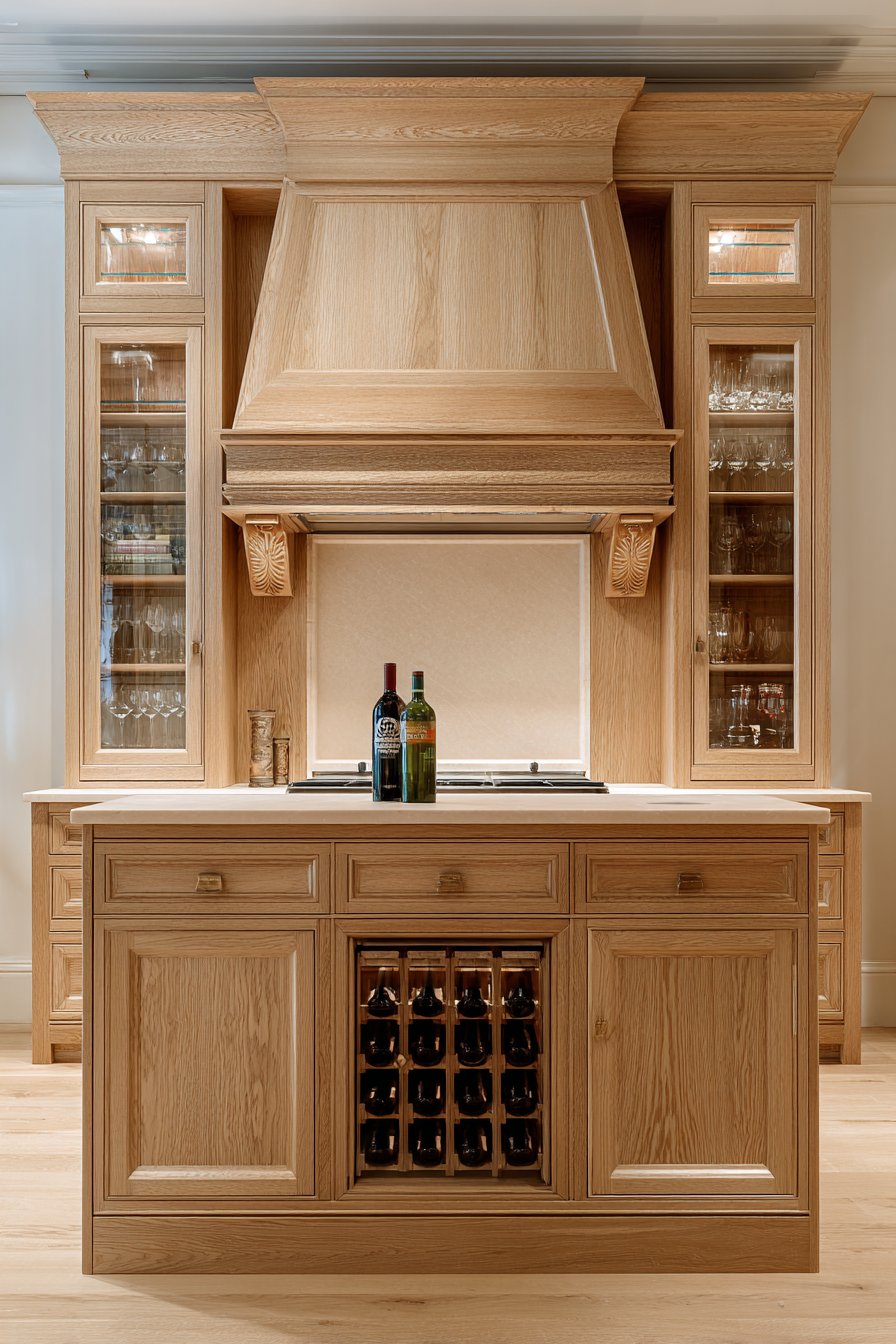
Industrial wood kitchen design appeals to those who appreciate honest materials, visible construction, and spaces that acknowledge their building’s history rather than concealing it. The rough-sawn cedar cabinets make no attempt to create perfectly smooth, refined surfaces—instead, they celebrate the sawing process and the wood’s natural character. The incorporation of authentic industrial elements like iron pipe shelving and Edison bulbs creates material contrast that prevents the wood from feeling too rustic or country, firmly anchoring the design in urban loft aesthetic. This style demonstrates how wood can adapt to multiple design contexts, feeling equally at home in rustic farmhouses and converted industrial spaces.
Key Design Tips:
- Select rough-sawn wood that retains visible saw marks and natural texture
- Embrace imperfections like knots, cracks, and color variations as design features
- Combine wood with industrial materials like iron, brick, and concrete for material contrast
- Use thick butcher block countertops that develop patina and show evidence of use
- Incorporate Edison bulb lighting with wooden accents for period-appropriate illumination
- Maximize natural light through large windows that emphasize raw material character
16. Luxury Quarter-Sawn White Oak
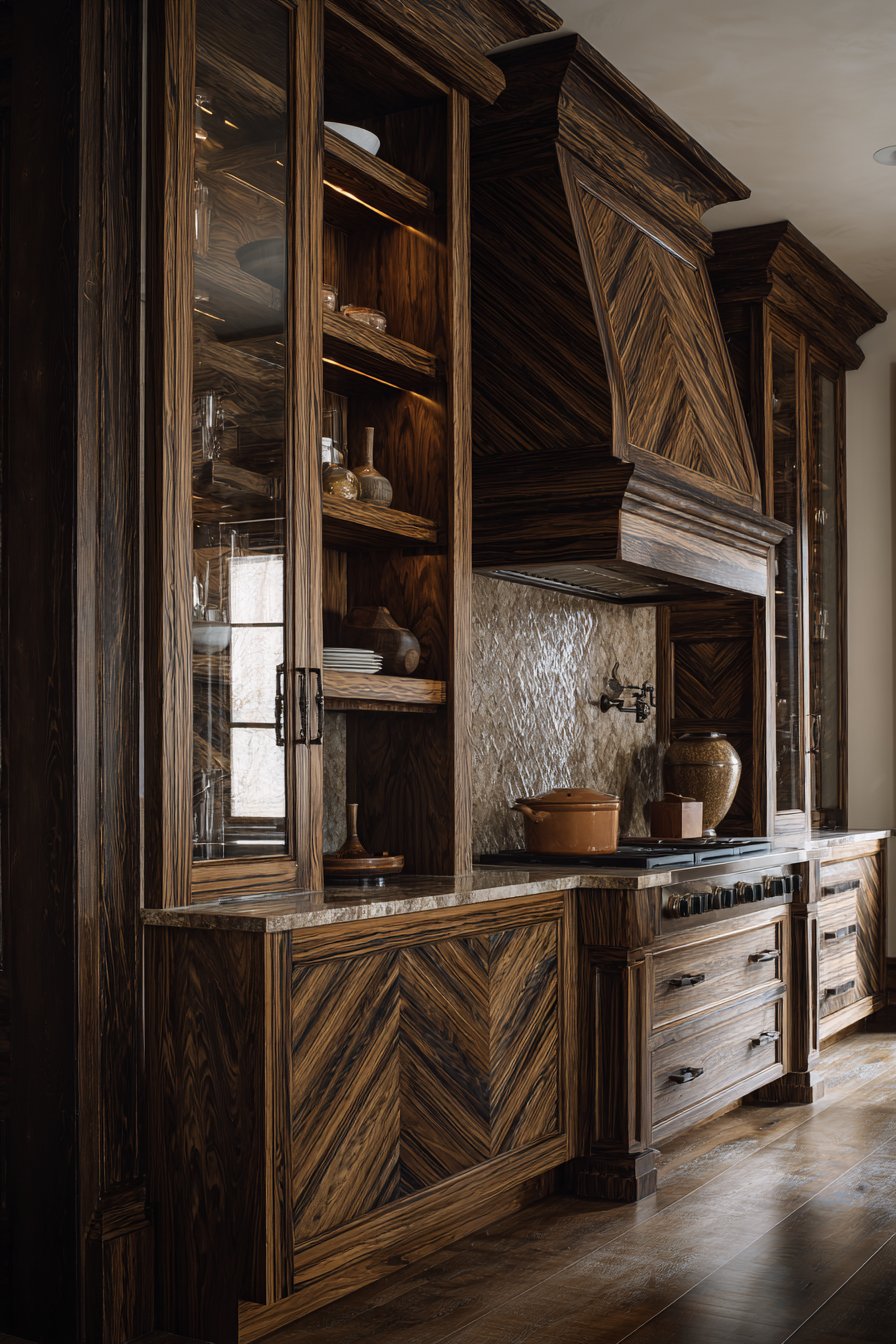
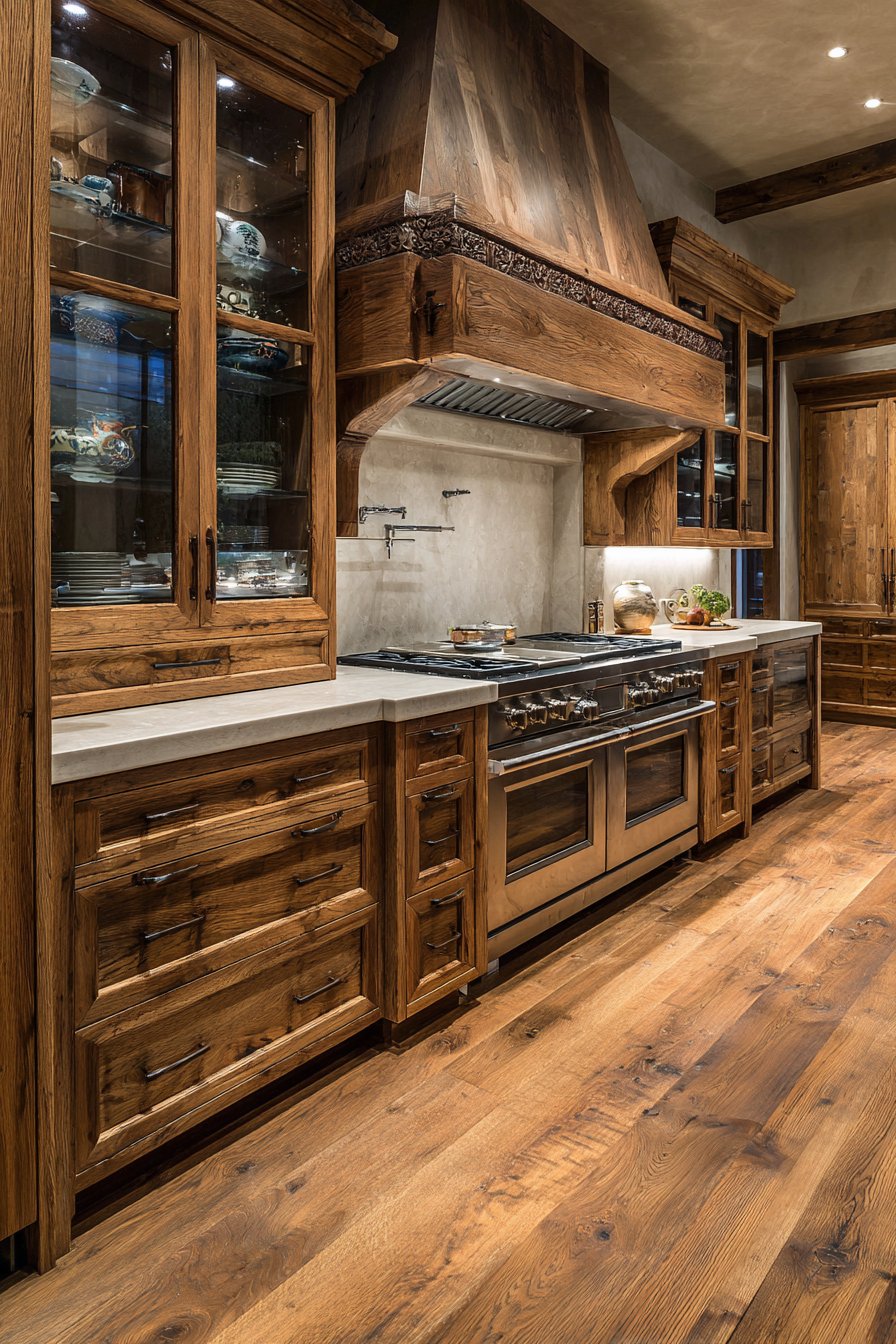
Custom quarter-sawn white oak cabinetry with book-matched veneer panels creating mirror-image grain patterns represents the pinnacle of luxury wood kitchen design. Quarter-sawing is a specialized cutting technique that produces distinctive ray fleck patterns—beautiful medullary rays that appear as flashes or ribbons across the wood surface—while also creating the most stable, warp-resistant boards possible. Book-matching takes consecutive wood veneer sheets and mirrors them like opening a book, creating symmetrical grain patterns that showcase the wood’s natural beauty while demonstrating the skill required to achieve perfect alignment. Glass-fronted cabinets with interior wooden shelving and integrated LED lighting allow display of fine dishware while providing another opportunity to showcase wood craftsmanship.
A thick wooden range hood with carved corbel details serves as the architectural focal point, transforming a functional necessity into a statement piece that anchors the entire design and demonstrates the level of custom craftsmanship possible when budget allows for bespoke solutions. The polished wood floors reflect subtle ambient light, amplifying the illumination and creating depth while maintaining the wood material throughout the kitchen from floor to ceiling. This comprehensive wood approach creates an immersive environment where the material’s beauty is celebrated at every level. Professional interior photography with attention to wood grain matching and premium craftsmanship details captures the high-end custom woodworking throughout, revealing how every cabinet door, drawer front, and panel has been carefully selected and positioned to create visual harmony.
Luxury wood kitchens succeed not through ostentatious ornamentation but through exceptional materials, expert craftsmanship, and meticulous attention to detail. The quarter-sawn white oak provides superior stability and distinctive beauty unavailable in more common cutting methods. The book-matched veneers require careful selection, precise cutting, and expert installation to achieve the mirror-image effect. The custom range hood with carved details demonstrates traditional woodworking skills that few craftspeople still possess. Every element reflects significant investment in both materials and labor, creating kitchens that represent genuine heirloom quality designed to serve families for generations while becoming more beautiful with age.
Key Design Tips:
- Specify quarter-sawn wood for distinctive ray fleck patterns and superior stability
- Request book-matched veneer panels for symmetrical grain patterns on cabinet doors
- Incorporate glass-fronted cabinets with interior lighting to display fine items
- Create custom range hoods with carved details as architectural focal points
- Extend wood material to floors for comprehensive material application
- Document grain matching and craftsmanship details through professional photography
17. Compact Honey Birch Efficiency
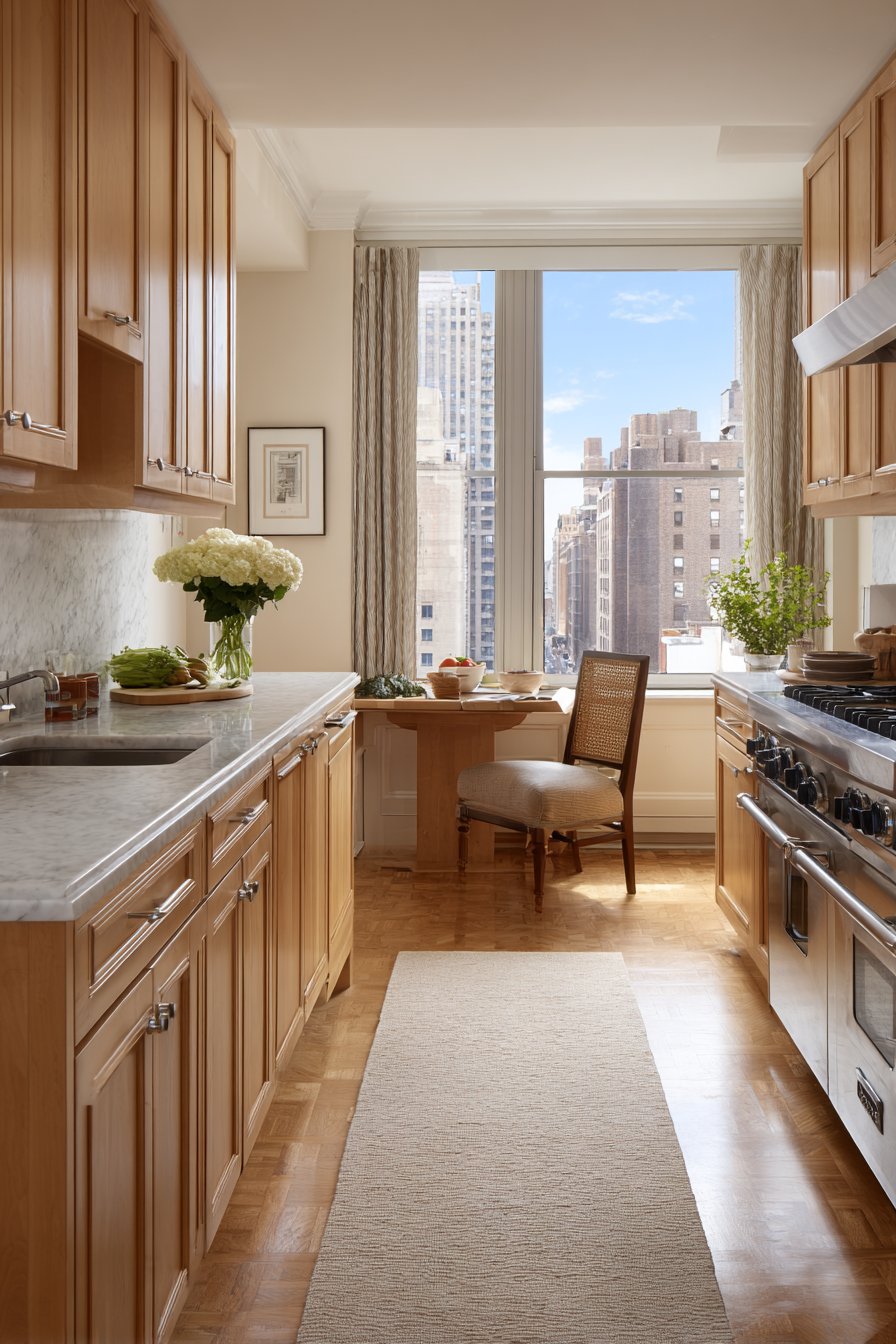
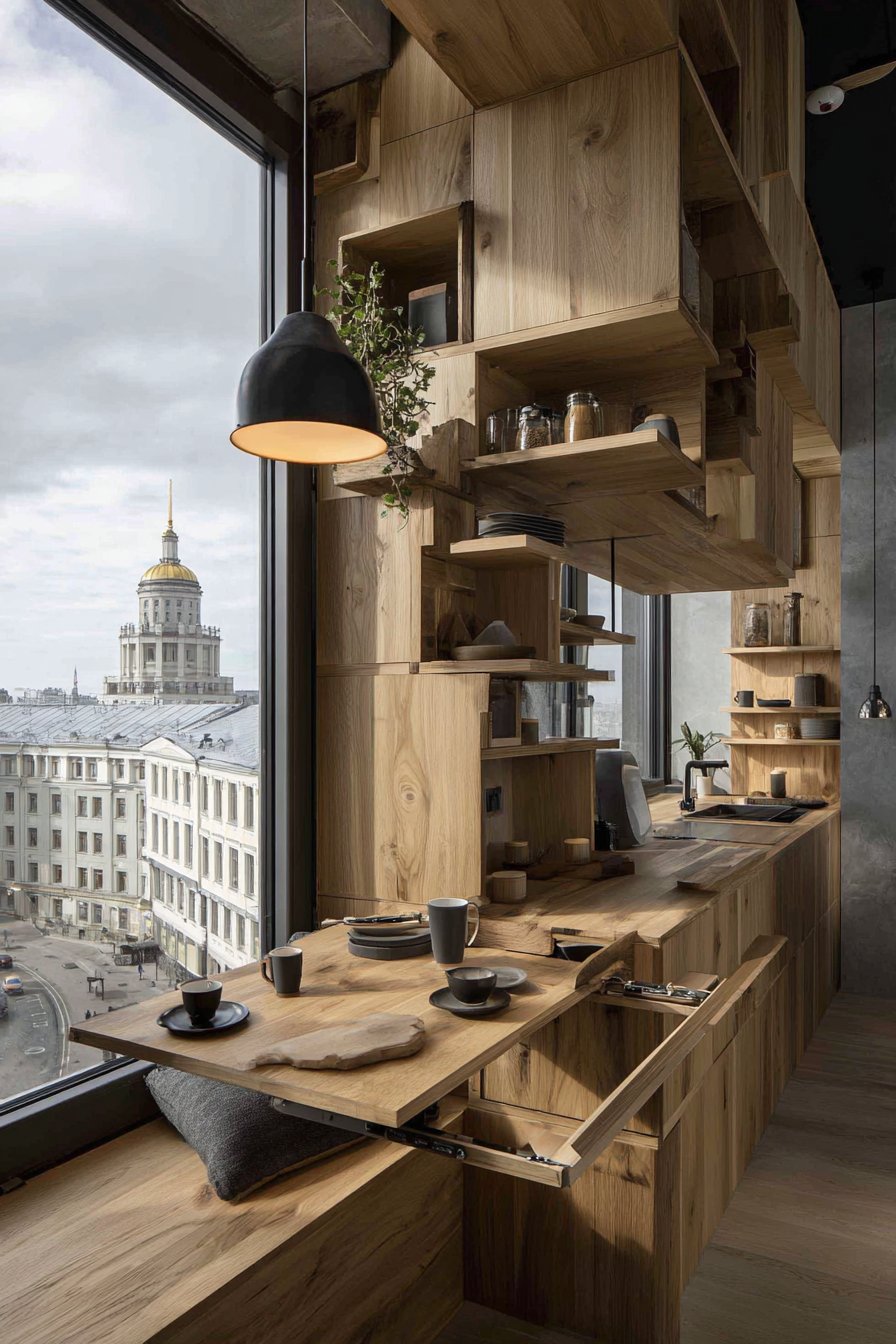
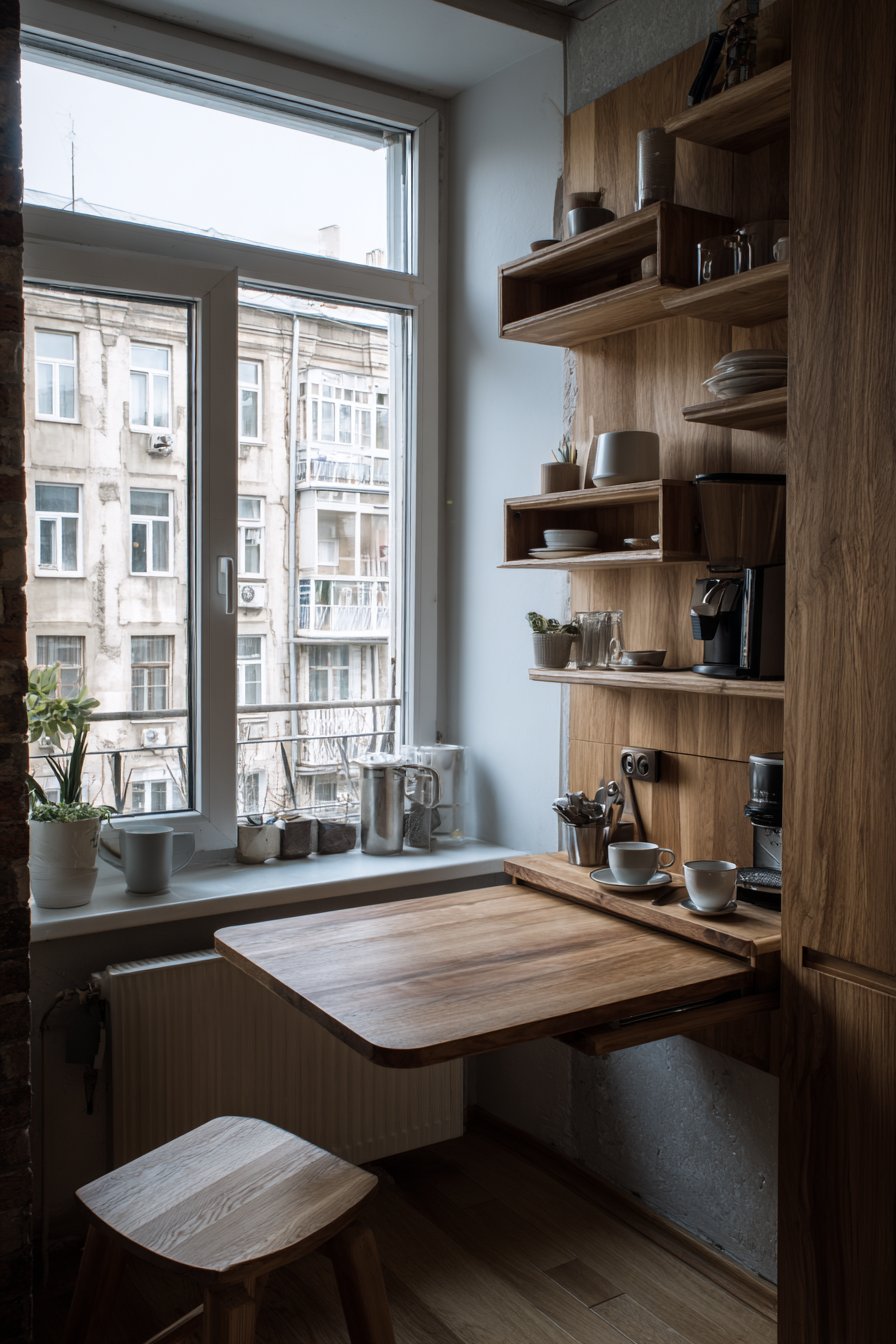
Small space wood kitchen design featuring honey-toned birch cabinets extending to ceiling height demonstrates how wood can make compact kitchens feel warm rather than cramped. The light color of honey birch reflects available light, making the space feel larger than its actual dimensions while the wood grain adds visual interest that prevents the space from feeling sterile or builder-basic. Pull-out wooden cutting boards and fold-down wooden breakfast tables demonstrate space-saving wood elements that maximize functionality without requiring permanent floor space—these elements hide away when not in use while providing essential workspace and dining surfaces when needed. Narrow wooden open shelving fits between windows, utilizing otherwise wasted space while maintaining the wood aesthetic throughout.
Light wood tones are essential in small kitchens because they reflect rather than absorb light, creating the illusion of more space while maintaining the warmth and character that wood provides. Bright natural light from multiple windows emphasizes the efficient use of wood materials, highlighting how every available surface has been thoughtfully utilized without creating visual clutter. The floor-to-ceiling cabinet height draws the eye upward, creating a sense of vertical space that makes the kitchen feel more spacious than its square footage suggests. This vertical emphasis also provides significantly more storage than standard-height cabinets, essential in compact spaces where every cubic foot must work efficiently.
Small space wood kitchen design demonstrates that wood is suitable for kitchens of any size when properly specified and designed. The key is selecting light-toned species, maximizing natural light, and incorporating multi-functional elements that adapt to different needs throughout the day. Pull-out cutting boards provide temporary workspace without requiring a permanent footprint, while fold-down tables offer dining surfaces that disappear when not needed. These flexible elements, combined with floor-to-ceiling storage that maximizes every available inch, create compact kitchens that function far beyond what their size might suggest while maintaining the warmth and character that only wood can provide.
Key Design Tips:
- Select light-toned woods like birch, maple, or ash for small spaces
- Extend cabinets to ceiling height to maximize storage and create vertical emphasis
- Incorporate pull-out and fold-down elements that provide function without permanent footprint
- Utilize narrow spaces between windows or appliances for slim shelving or storage
- Maximize natural light through multiple windows or skylights
- Maintain consistent wood tone throughout to create visual continuity in compact spaces
18. Horizontal Wood Plank Backsplash
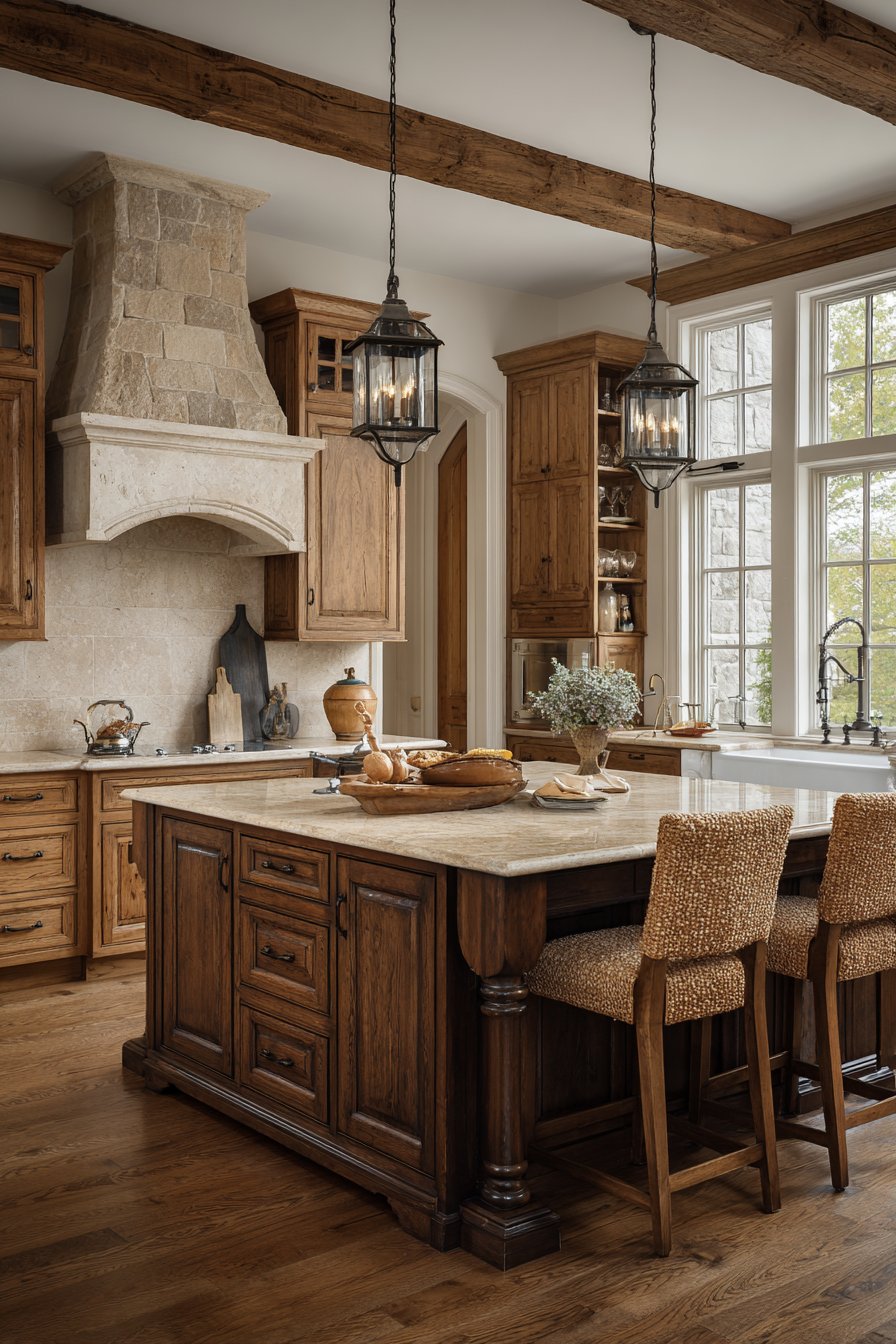
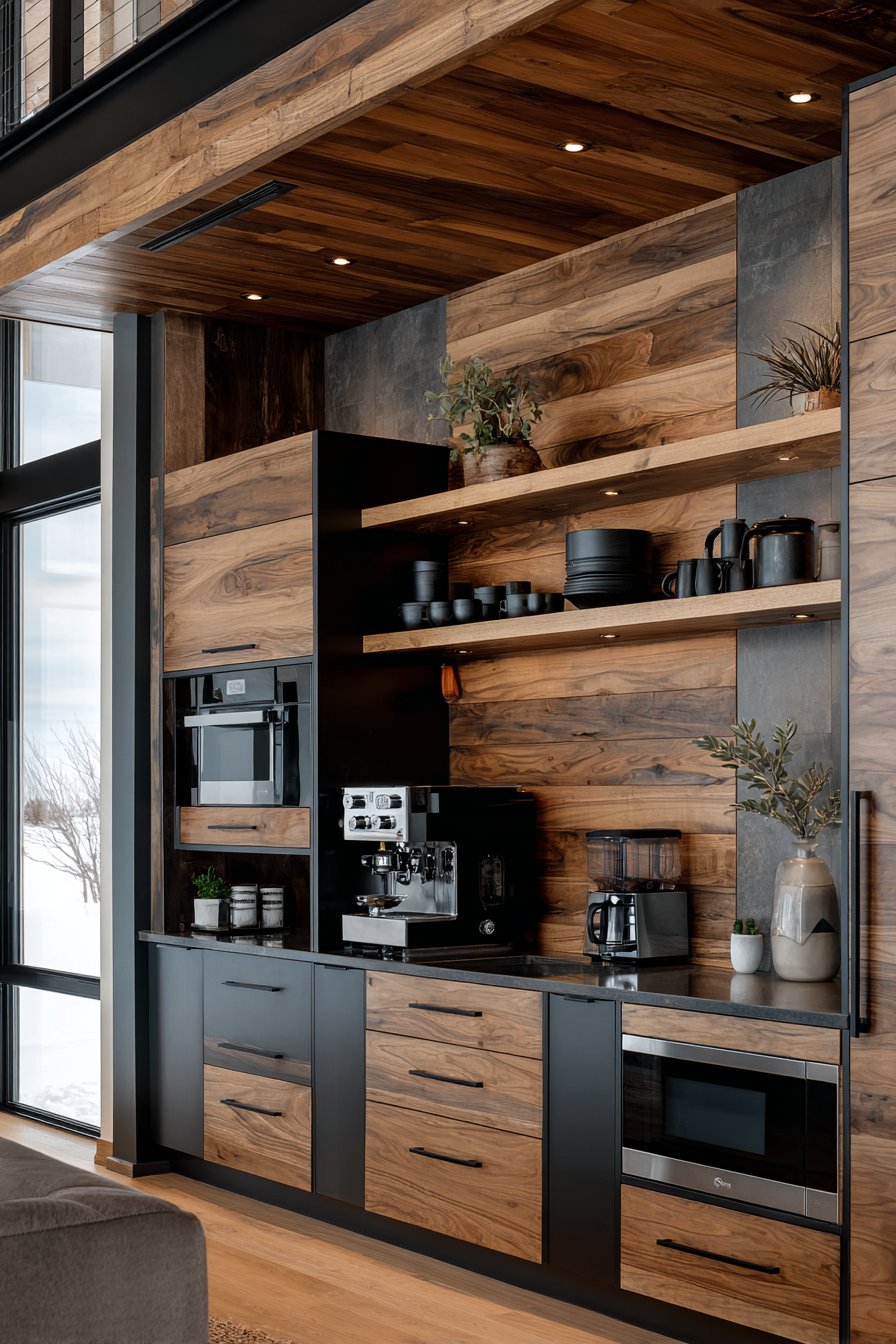
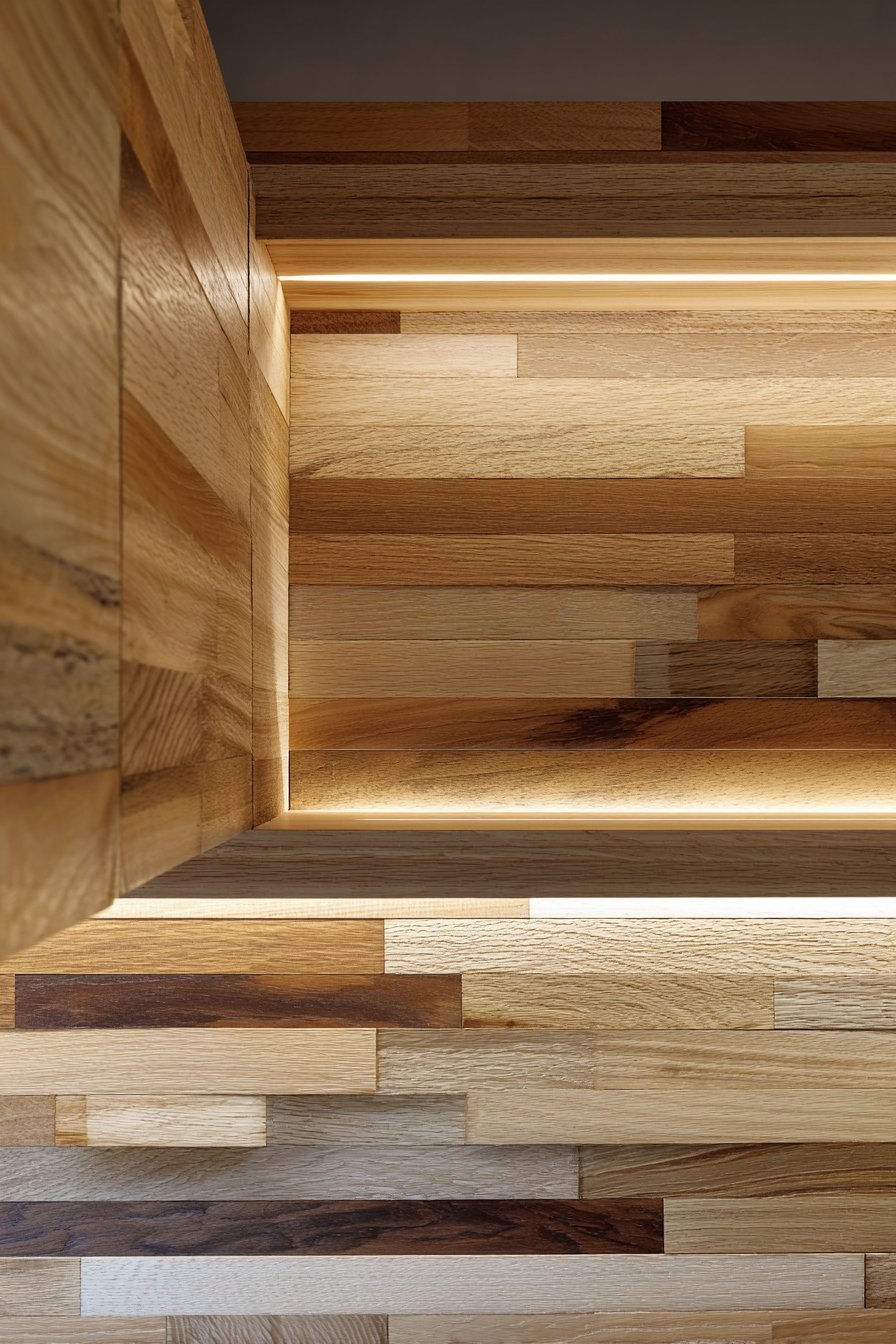
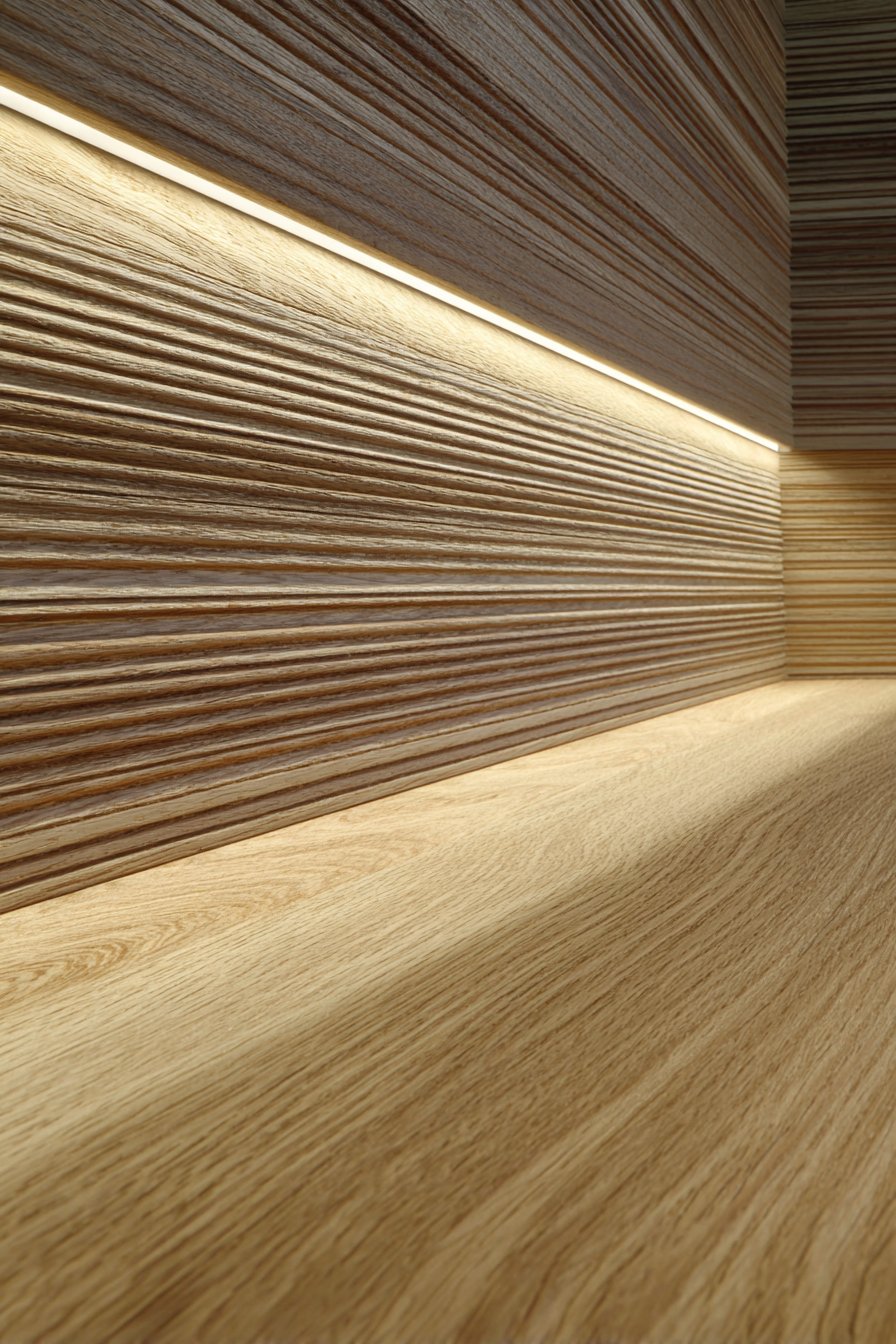
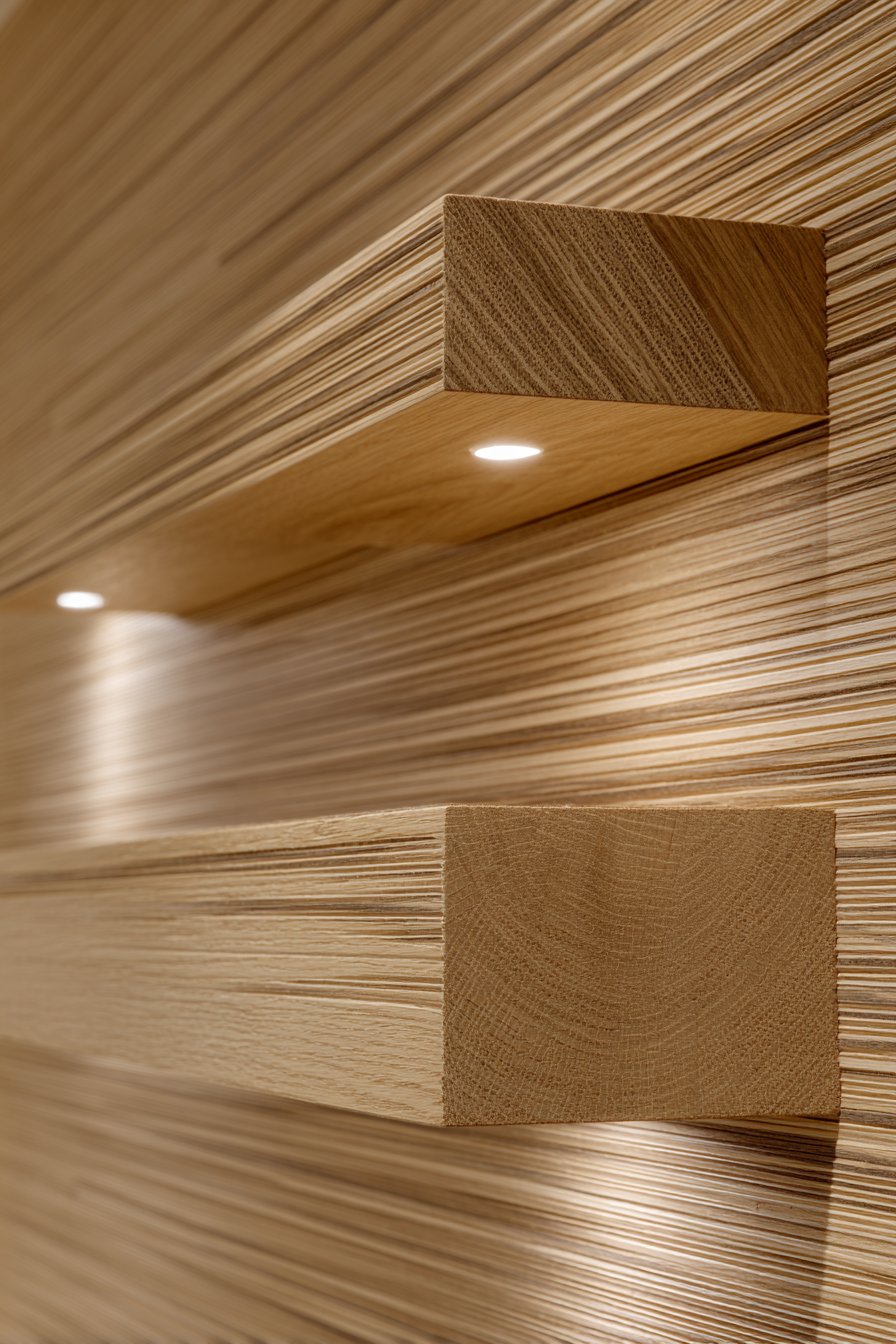
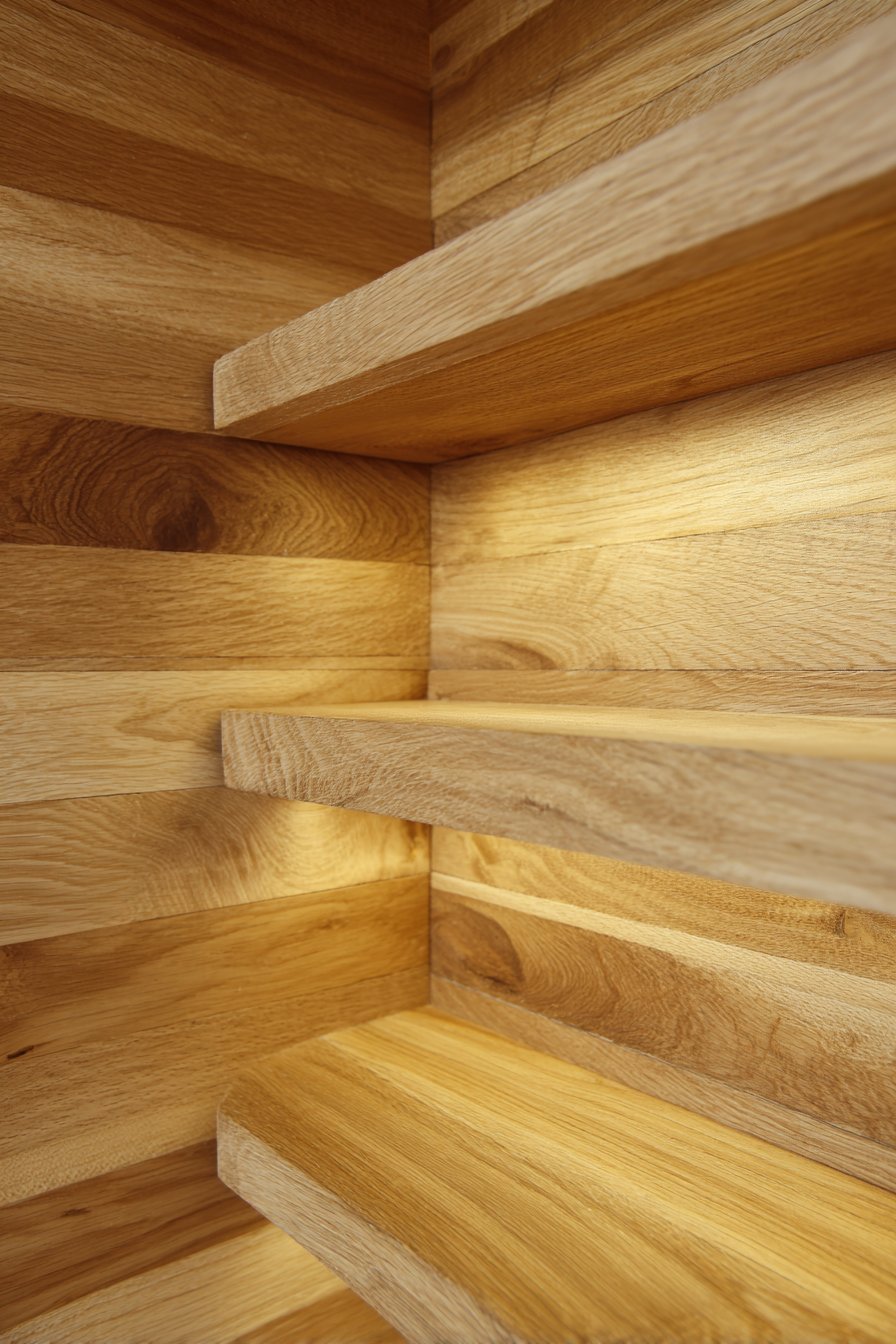
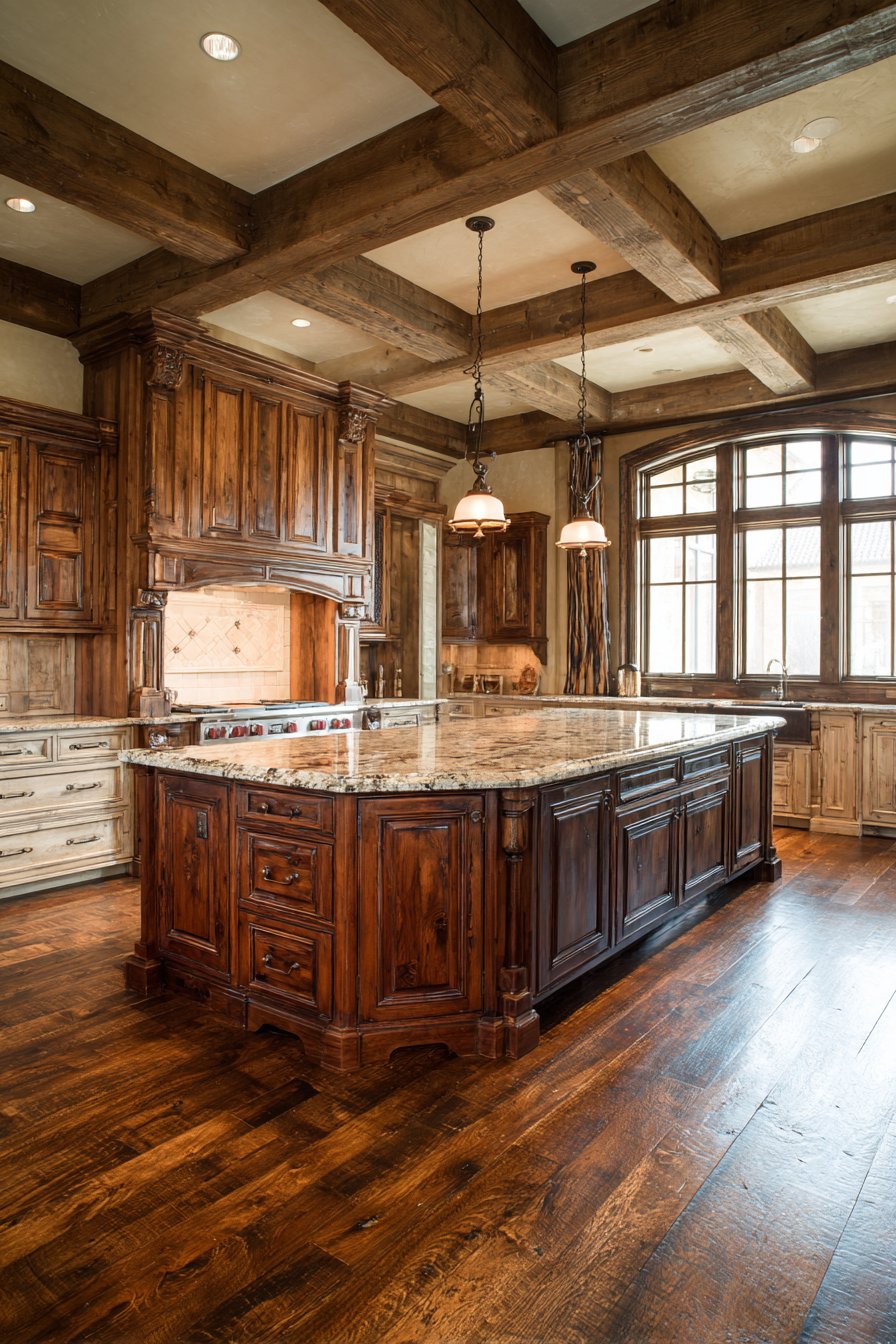
A horizontal wood plank wall treatment in varied shades of natural oak creates a subtle striped pattern that transforms the typically tile-dominated backsplash area into an opportunity for creative wood application. The wood is sealed with clear protective finish that maintains the natural color while providing moisture resistance necessary for behind-sink areas where water splashing is inevitable. Wooden open shelving in matching species mounts directly to the wood wall, creating seamless integration where shelving and wall surface share material and finish. Under-cabinet lighting grazes across the wood grain, creating texture and shadow detail that emphasizes the three-dimensional quality of the wood surface while providing functional task lighting.
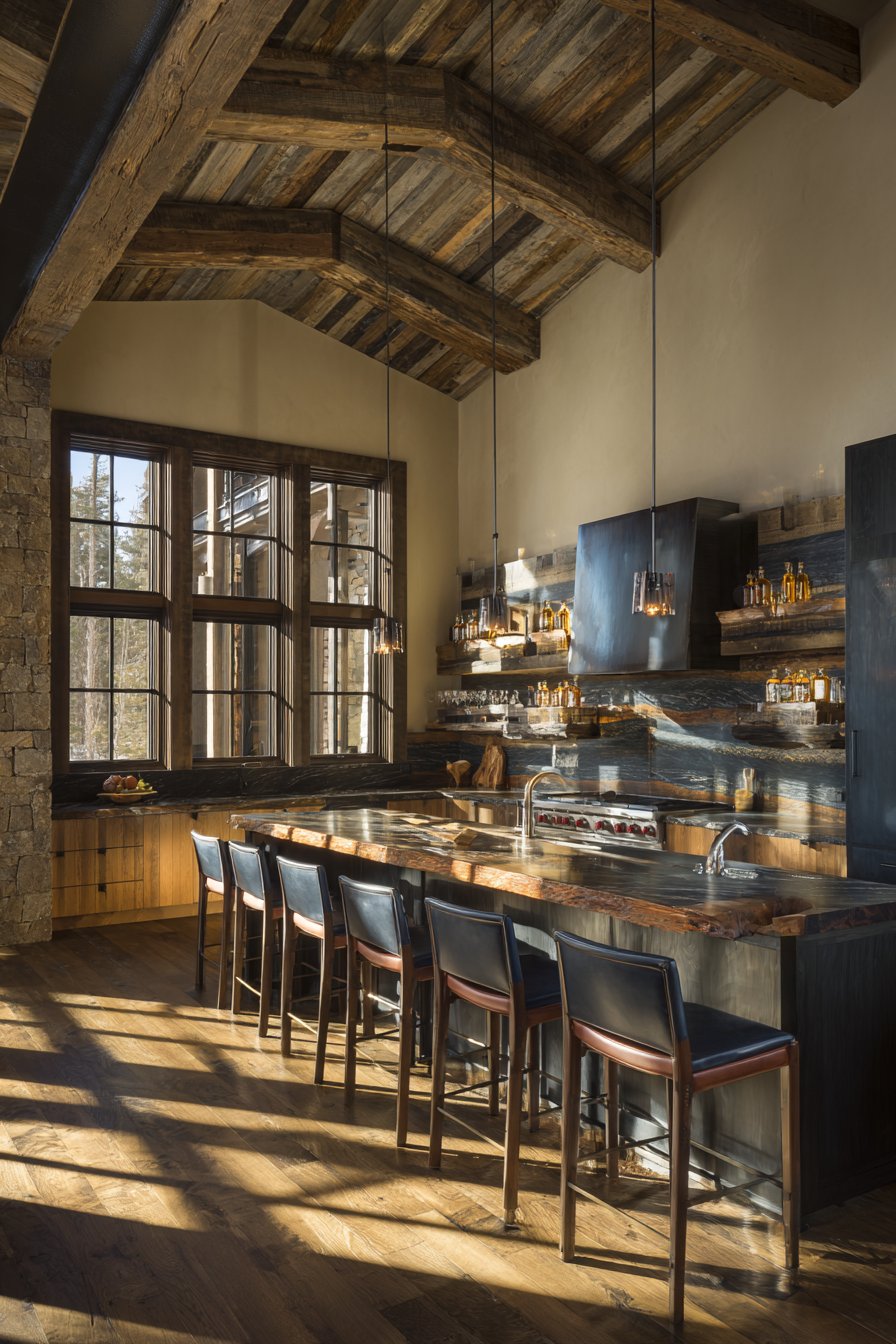
This innovative use of wood in the backsplash area demonstrates how the material can succeed in applications typically reserved for tile, stone, or other moisture-resistant materials when properly sealed and maintained. The horizontal plank orientation creates visual width, making the kitchen feel more expansive while the varied shades within the oak planks create subtle pattern and visual interest without requiring additional decorative elements. The grain direction running horizontally emphasizes the linear quality while showcasing how each plank’s grain pattern differs from its neighbors. This variation creates organic pattern that’s never repetitive or predictable, distinguishing it from manufactured materials where pattern repeats are inevitable.
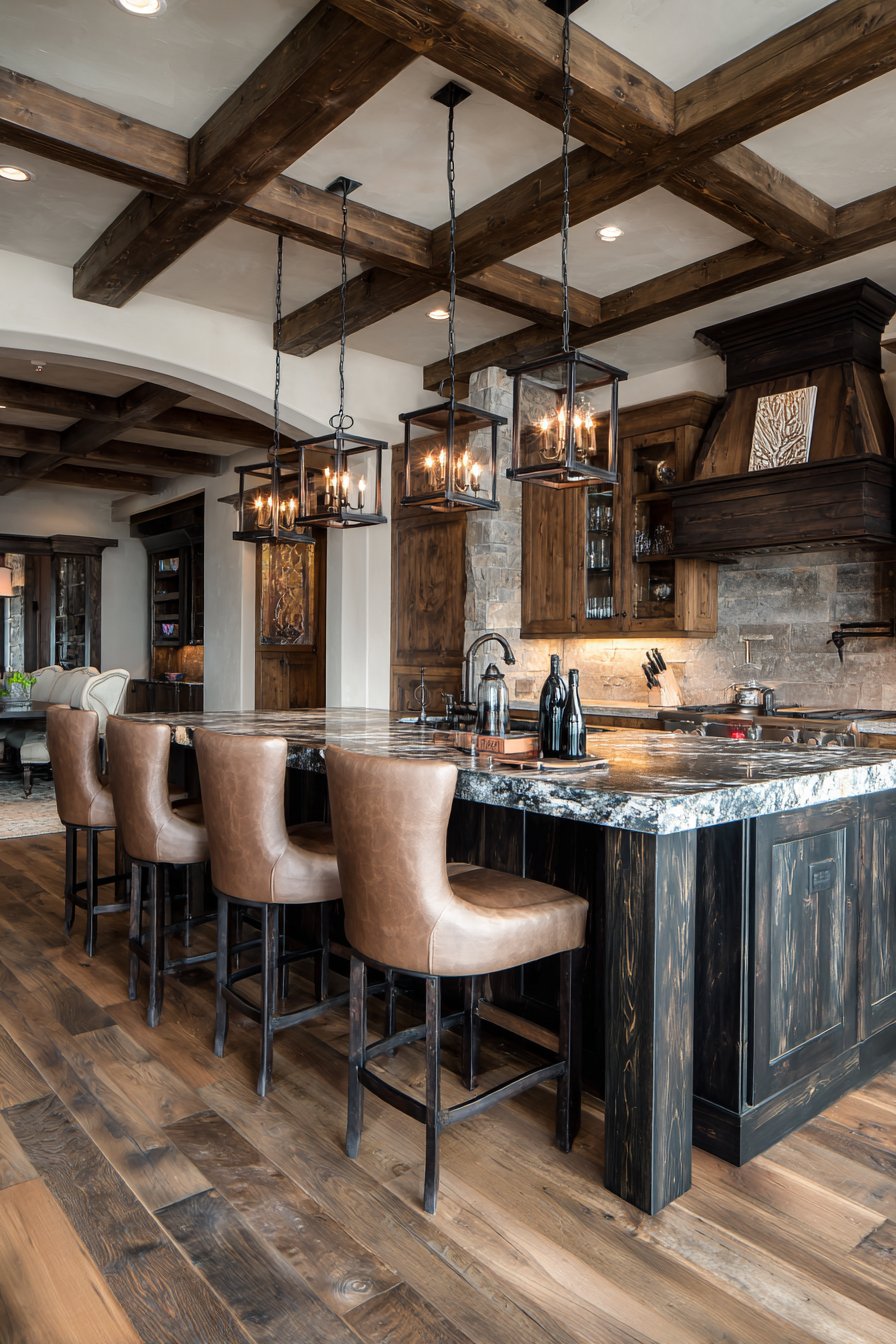
Wood backsplash applications succeed when proper attention is paid to material selection, sealing, and maintenance. Not all woods are suitable for this application—oak, with its tight grain and good stability, works well when properly finished. The protective finish must be food-safe, moisture-resistant, and durable enough to withstand the occasional splash and frequent cleaning. When these conditions are met, wood backsplashes offer warmth, texture, and visual interest impossible to achieve with traditional backsplash materials. The ability to mount shelving directly to the wood surface without additional blocking or anchors provides practical benefits while creating the seamless material consistency that distinguishes thoughtfully designed kitchens from standard installations.
Key Design Tips:
- Select tight-grained woods like oak that perform well in moisture-exposed areas
- Apply food-safe, moisture-resistant clear finish suitable for kitchen applications
- Orient planks horizontally to create visual width and showcase grain direction
- Use varied shades within the same species for subtle pattern without bold contrast
- Mount shelving directly to wood surface for seamless material integration
- Add under-cabinet lighting that grazes across wood surface to emphasize grain texture
19. Eclectic Multi-Species Mix
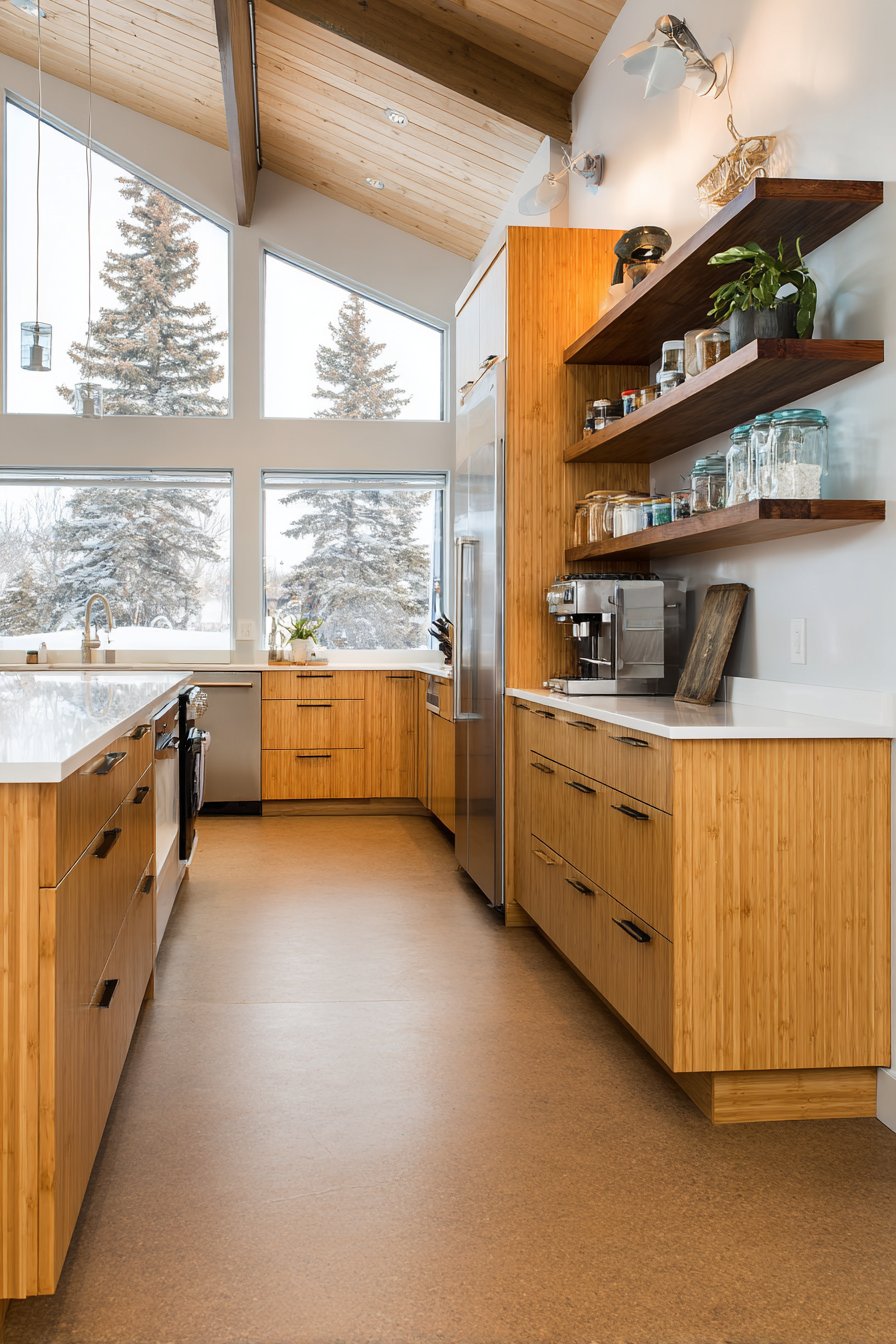
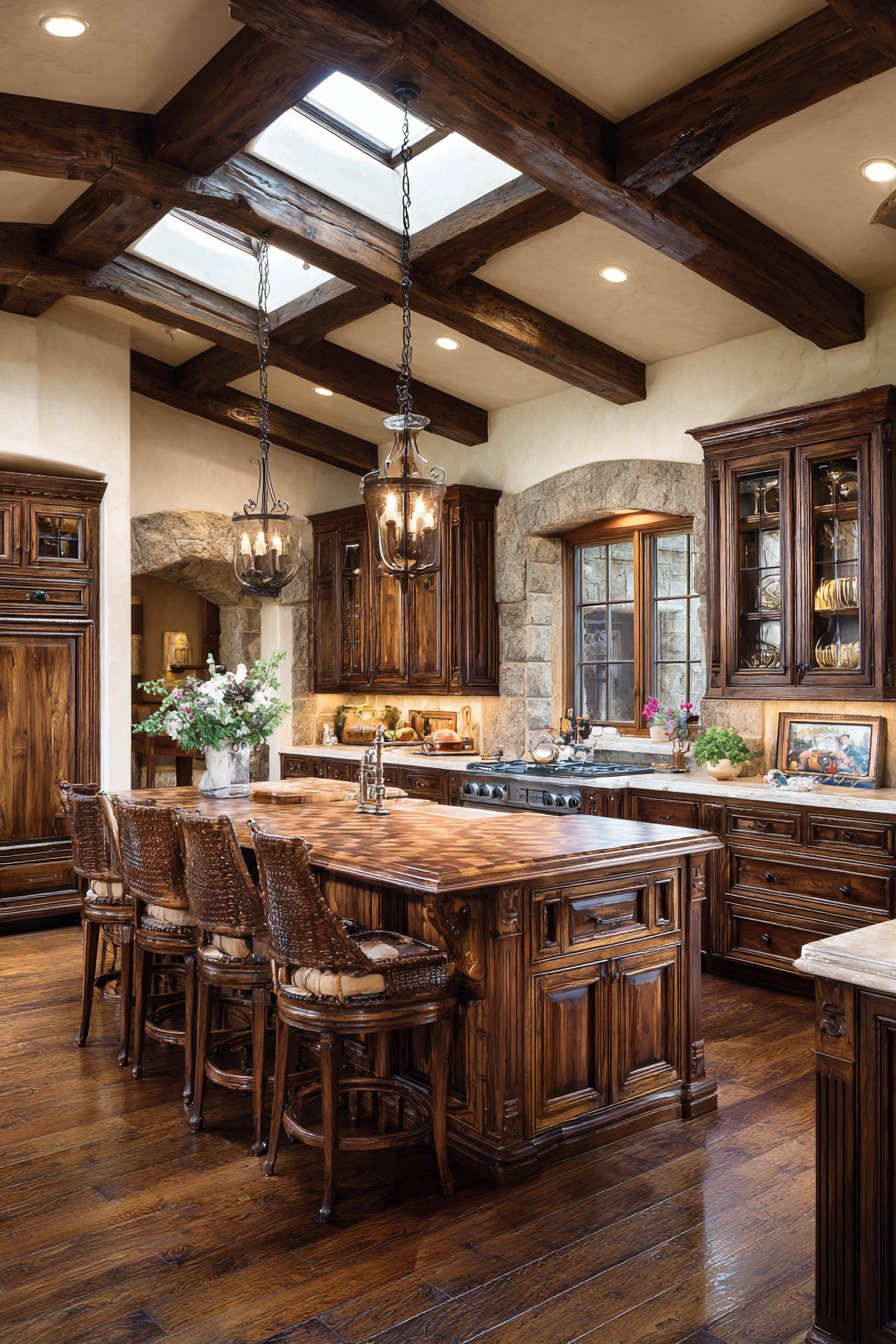
Mixing multiple wood species including maple base cabinets, walnut upper cabinets, and cherry wood island creates intentional contrast that celebrates wood diversity rather than pursuing monolithic uniformity. This eclectic wood kitchen approach demonstrates sophisticated color sense and confident design decision-making—successfully mixing woods requires understanding undertones, grain patterns, and how different species respond to light. Wooden ceiling beams in reclaimed pine add overhead visual interest while introducing another wood tone to the mix, creating vertical layers of varied wood that give the space depth and complexity. Open shelving alternates between different wood tones, reinforcing the multi-species approach while providing display space for items that add additional color and texture.
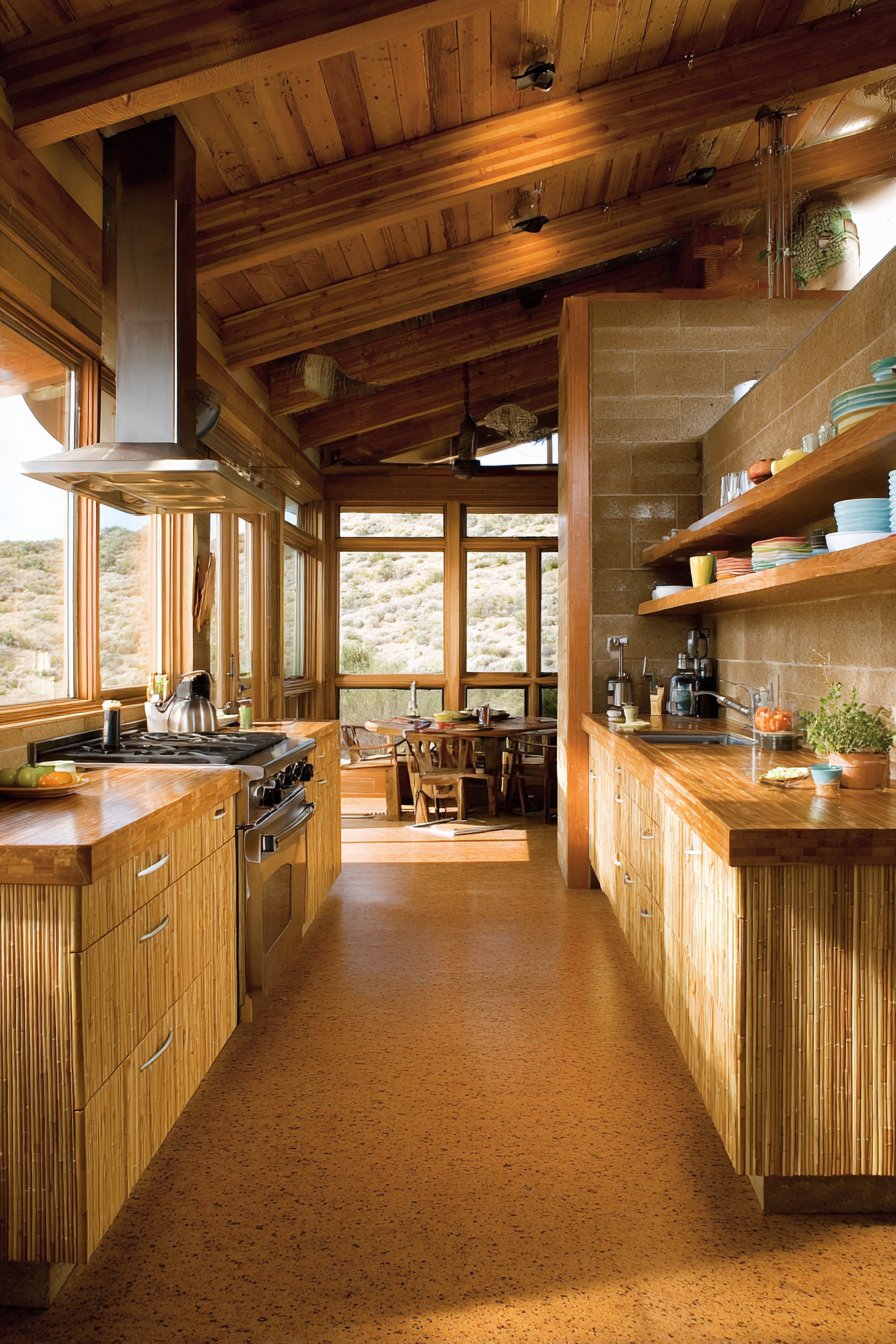
Various wood finishes from natural to dark stain demonstrate a layered approach where not only species but also finish treatments vary throughout the space. This variation creates richness and visual interest while requiring careful calibration to ensure the different elements work together rather than creating chaos. Natural light and pendant lighting create varied highlights across the different wood surfaces, emphasizing how each species has its own character and responds uniquely to illumination—maple reflects light with a bright, clean quality, walnut absorbs light creating depth and richness, while cherry glows with warm undertones. This interplay of light across varied surfaces creates a dynamic visual experience that changes throughout the day.
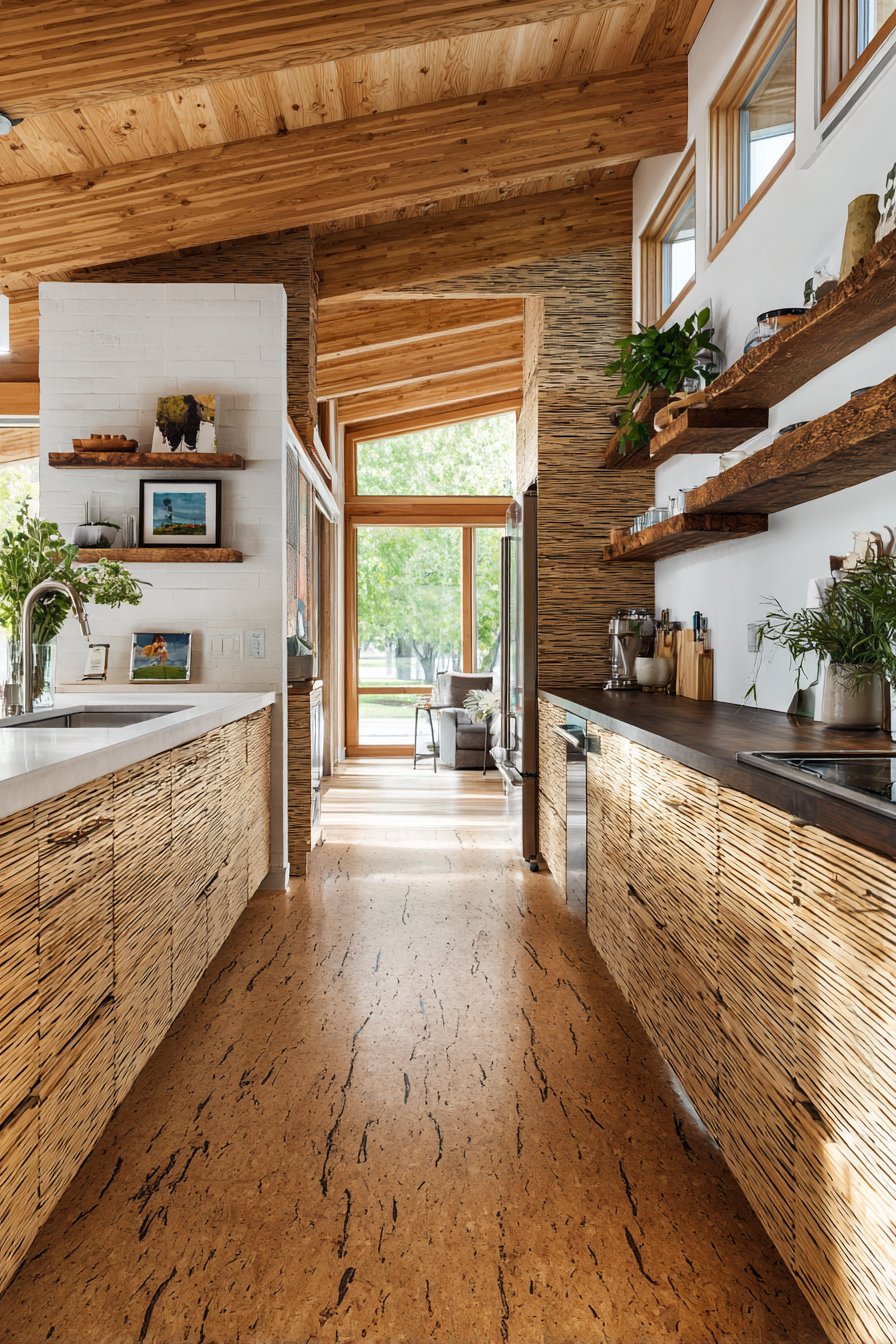
The eclectic multi-species wood approach appeals to homeowners with strong personal style who view their kitchens as opportunities for creative expression rather than spaces that should fade into neutral background. This style requires confidence and careful planning—randomly mixing woods creates confusion rather than sophisticated eclecticism. The key is identifying a unifying element, whether that’s shared undertones (all warm or all cool), similar grain patterns, or a controlled color palette. When properly executed, multi-species wood kitchens create spaces with genuine personality and visual richness impossible to achieve with single-species installations, demonstrating that rules about matching woods can be broken when done intentionally and skillfully.
Key Design Tips:
- Mix woods with compatible undertones even when creating contrast through different species
- Incorporate at least three different wood species to establish intentional eclectic approach
- Vary both species and finishes to create maximum visual interest and depth
- Add reclaimed elements that introduce weathered tones and authentic patina
- Use lighting strategically to highlight how different woods respond uniquely to illumination
- Maintain a unifying element like shared undertones or grain patterns for cohesive design
20. Sustainable Bamboo and Cork
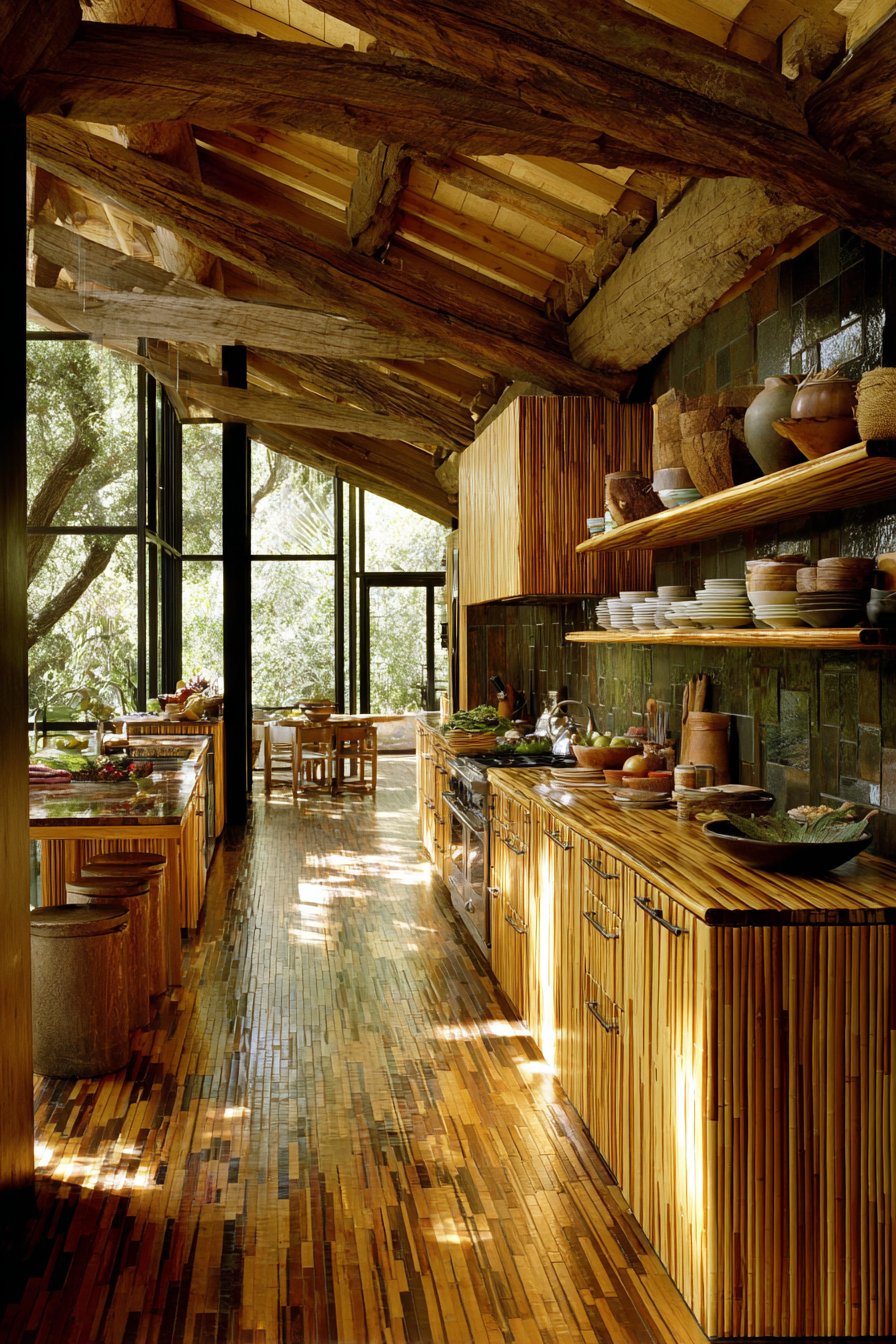
FSC-certified bamboo cabinets with distinctive vertical grain pattern and natural blonde coloring represent environmentally responsible wood kitchen design that doesn’t sacrifice aesthetics for sustainability. Bamboo, technically a grass rather than wood, regenerates incredibly quickly—reaching maturity in just 3-5 years compared to decades for traditional hardwoods—making it among the most sustainable cabinet materials available. Cork flooring provides additional renewable material that complements the bamboo while offering comfortable resilience underfoot and natural acoustic properties that reduce kitchen noise. Reclaimed wood floating shelves add character while supporting the eco-friendly design philosophy by giving new life to wood that might otherwise be wasted.
Countertops made from recycled wood composite show subtle color variations that create visual interest while representing another sustainable material choice. These composites often contain post-industrial wood waste combined with bio-based resins, creating durable surfaces with environmental credentials far superior to traditional options. Large windows provide passive natural lighting, reducing energy needs while highlighting the environmentally responsible wood choices and natural material beauty. This connection to natural light reinforces the sustainable design philosophy—the kitchen’s design itself reduces energy consumption rather than merely using sustainable materials in an energy-intensive space.
Sustainable wood kitchen design demonstrates that environmental responsibility and aesthetic appeal need not be competing concerns. Modern sustainable materials like bamboo and cork offer beauty, durability, and distinctive character while dramatically reducing environmental impact compared to traditional materials. The vertical grain pattern in bamboo creates visual interest unavailable in traditional wood cabinetry, while cork’s warm tones and subtle texture provide comfort and acoustic benefits. By combining these innovative sustainable materials with reclaimed wood elements that prevent waste, the design creates a comprehensive approach to environmental responsibility that addresses both material sourcing and waste reduction while creating kitchens with genuine style and character.
Key Design Tips:
- Select FSC-certified bamboo to ensure sustainable forestry practices
- Incorporate cork flooring for renewable material that provides comfort and acoustic benefits
- Add reclaimed wood elements to give new life to materials that might otherwise be wasted
- Choose recycled wood composite countertops made from post-industrial waste
- Maximize natural lighting to reduce energy consumption and highlight sustainable materials
- Emphasize the environmental story of material choices without sacrificing aesthetic appeal
21. Butcher Block Island Centerpiece
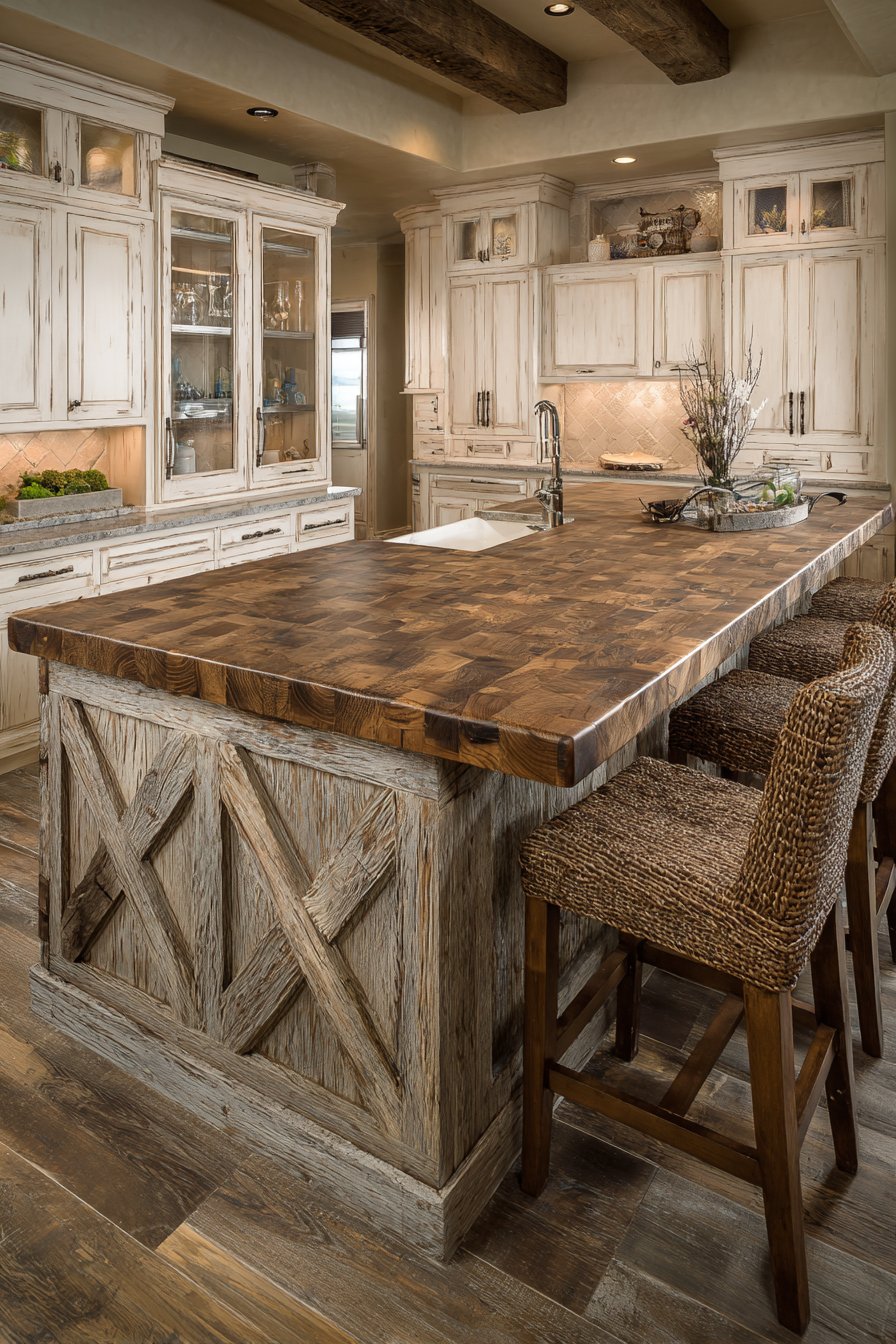
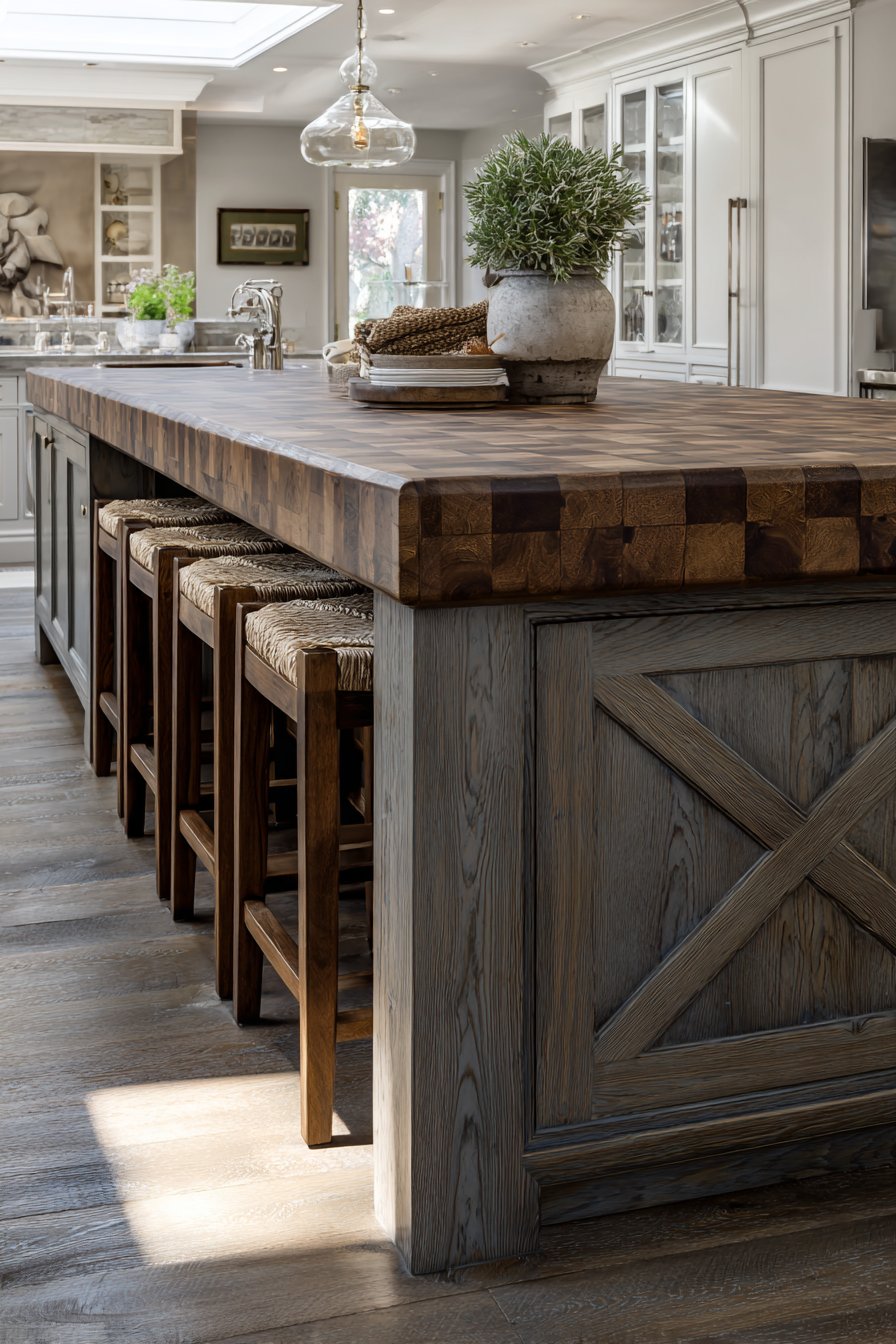
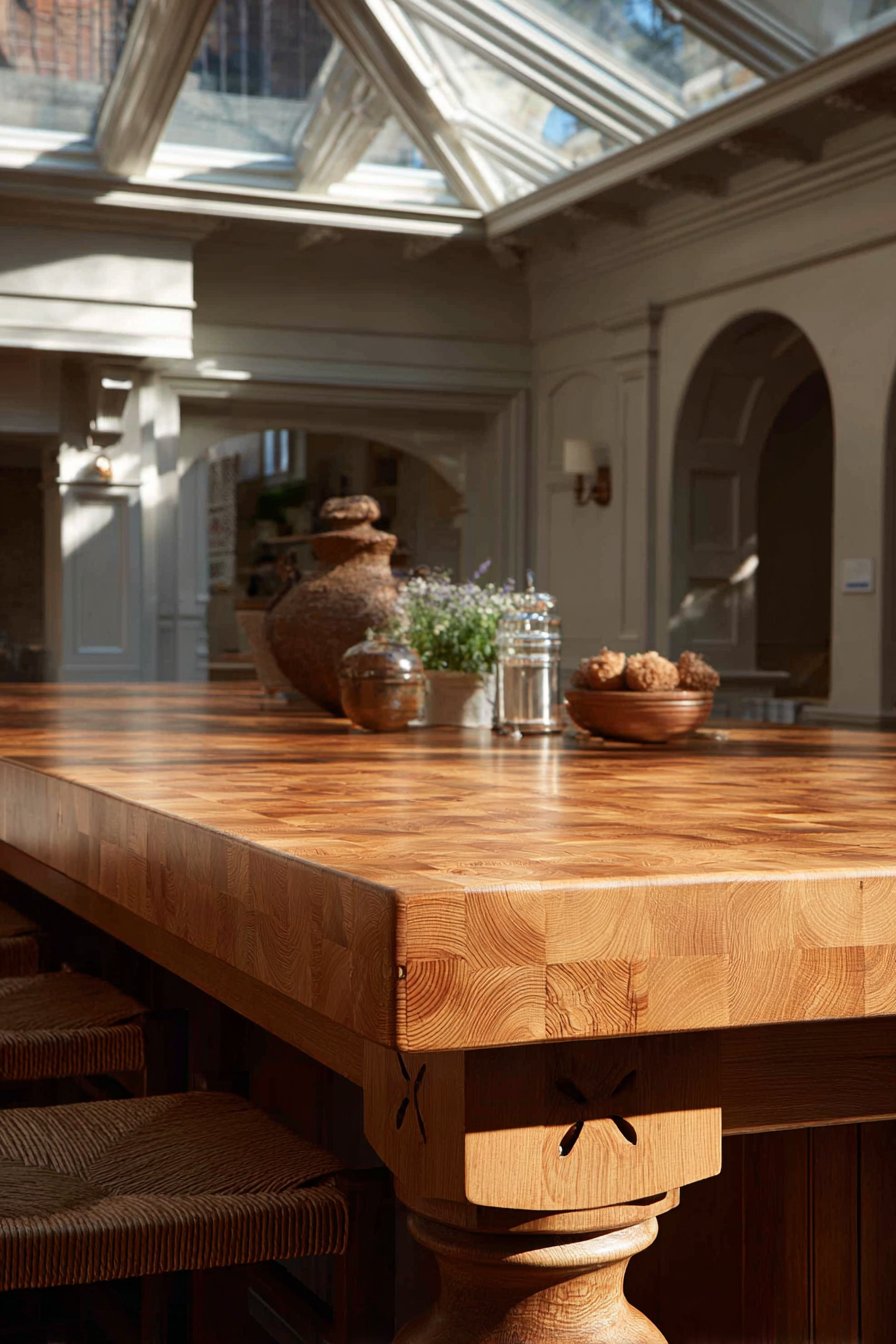
A substantial butcher block top crafted from end-grain maple showing the distinctive checkerboard pattern created when wood grain runs perpendicular to the surface represents both functional excellence and visual beauty. End-grain construction—where the wood fibers stand vertically rather than laying horizontally—creates the most durable cutting surface possible because knife blades slip between the fibers rather than severing them, extending both the knife’s sharpness and the board’s lifespan. The island base consists of painted wood cabinets that provide color contrast while wooden corbel supports and X-brace detailing on the sides add structural reinforcement that also serves decorative purposes, creating visual interest and architectural character.
Wooden bar stools with woven seats provide seating at the island, introducing another wood element while the woven seats add texture and craft quality that reinforces the handmade character of the butcher block top. Natural light from an overhead skylight creates highlights on the butcher block surface, emphasizing the end-grain pattern while revealing subtle knife marks and natural patina that develop through use. These marks aren’t defects but rather evidence of the island’s function as a working surface, similar to how a well-used leather jacket develops patina that increases rather than decreases its appeal. This acceptance of use marks represents a design philosophy that values authenticity and function over pristine perfection.
The butcher block island succeeds as both a functional element and design centerpiece because it celebrates the marriage of beauty and utility that defines the best kitchen design. The end-grain maple provides an unmatched cutting surface that professional chefs prefer, while the checkerboard grain pattern creates visual interest that makes the island a natural focal point. The painted cabinet base prevents the island from feeling too heavy while allowing the butcher block top to command attention. The wooden corbels and X-bracing reference traditional furniture construction, creating connections to craft traditions while providing actual structural support. This combination of genuine function, traditional craftsmanship, and honest materials creates islands that anchor kitchens both visually and practically.
Key Design Tips:
- Specify end-grain maple construction for maximum durability and distinctive checkerboard pattern
- Combine painted cabinet base with natural wood top to prevent visual heaviness
- Add wooden corbels and bracing for structural support that also serves decorative purposes
- Choose wooden bar stools that introduce additional wood while providing necessary seating
- Position under skylights or windows to highlight butcher block grain pattern and patina
- Embrace use marks and patina as evidence of authentic function rather than flaws
22. Modern Farmhouse White and Wood
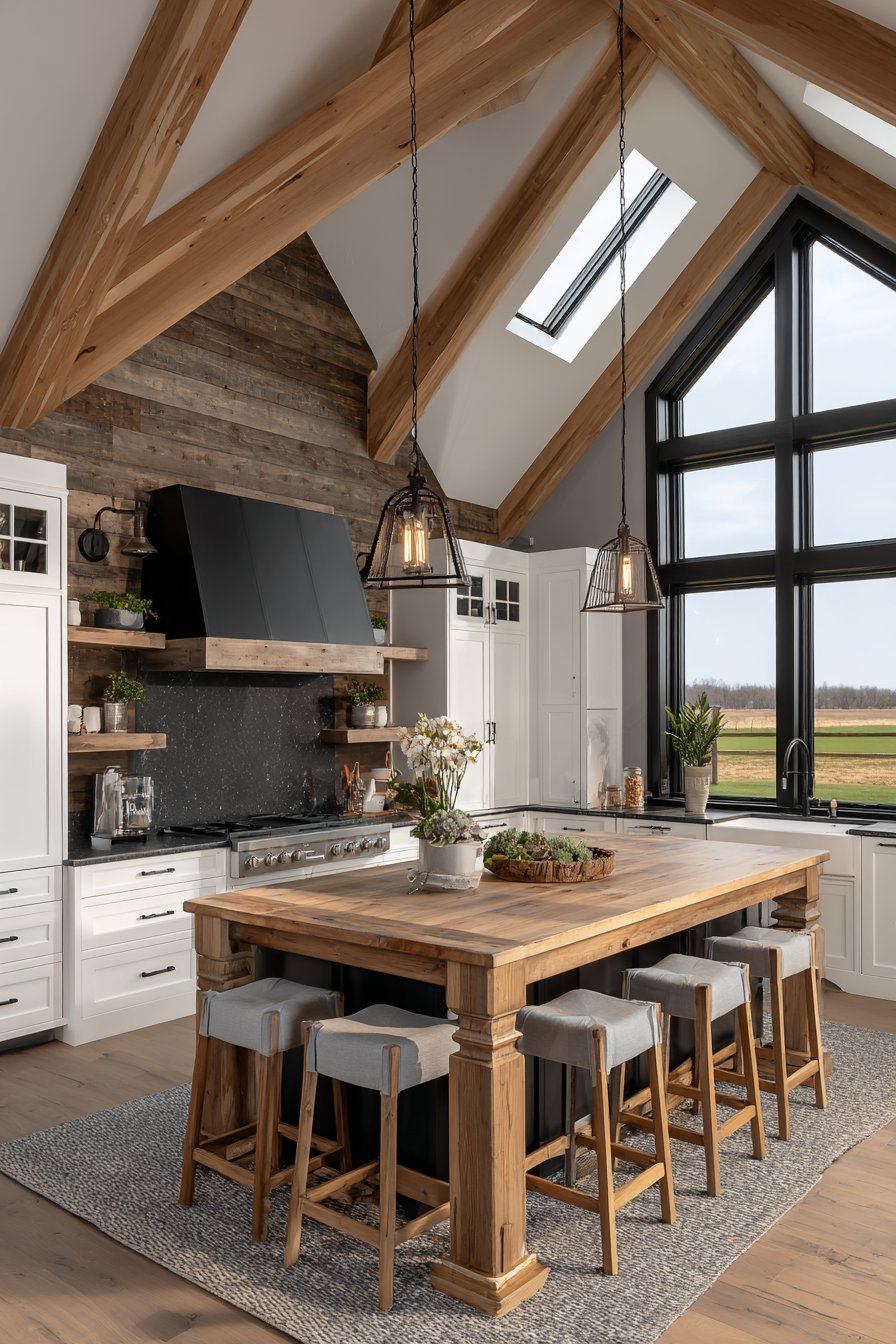
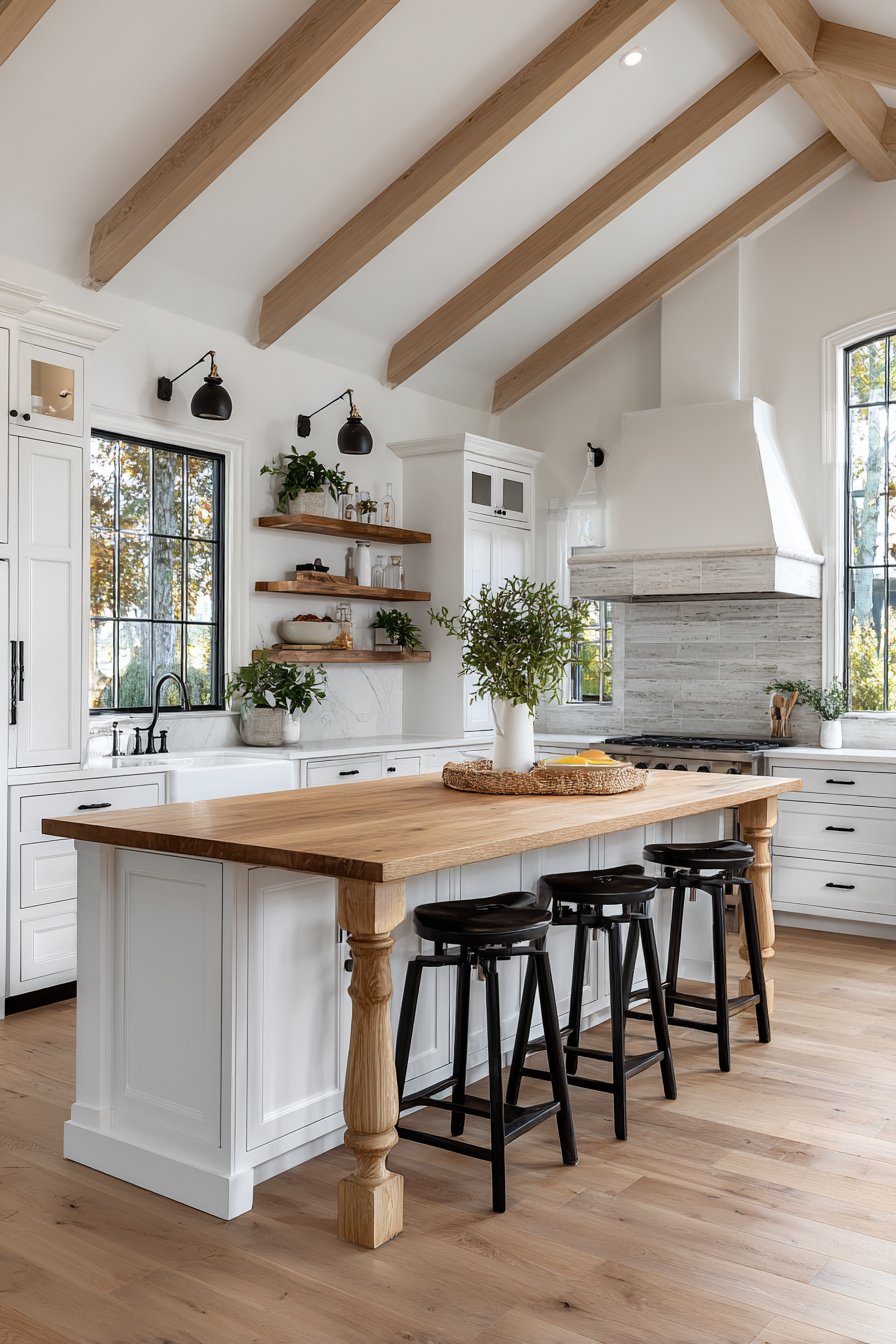
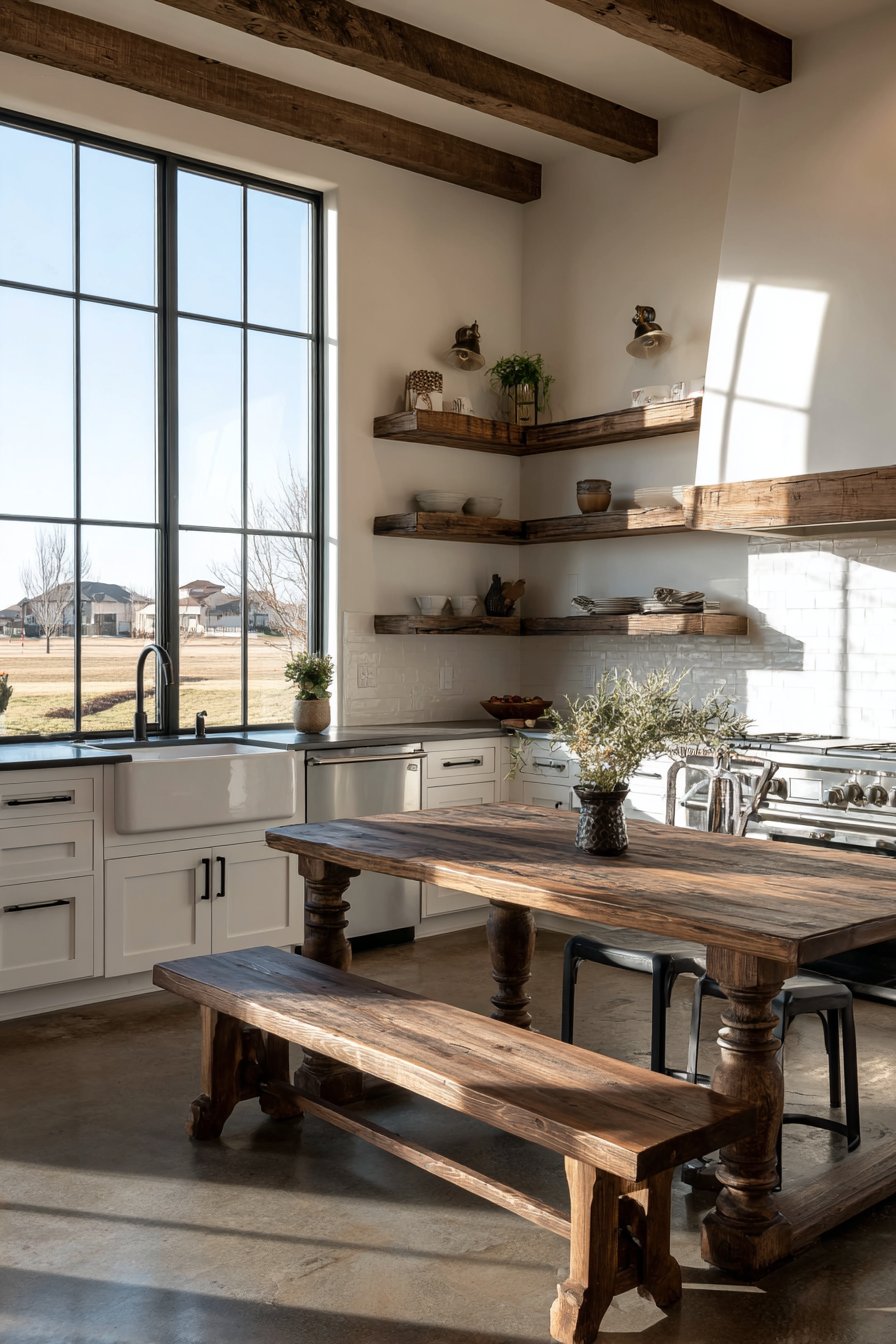
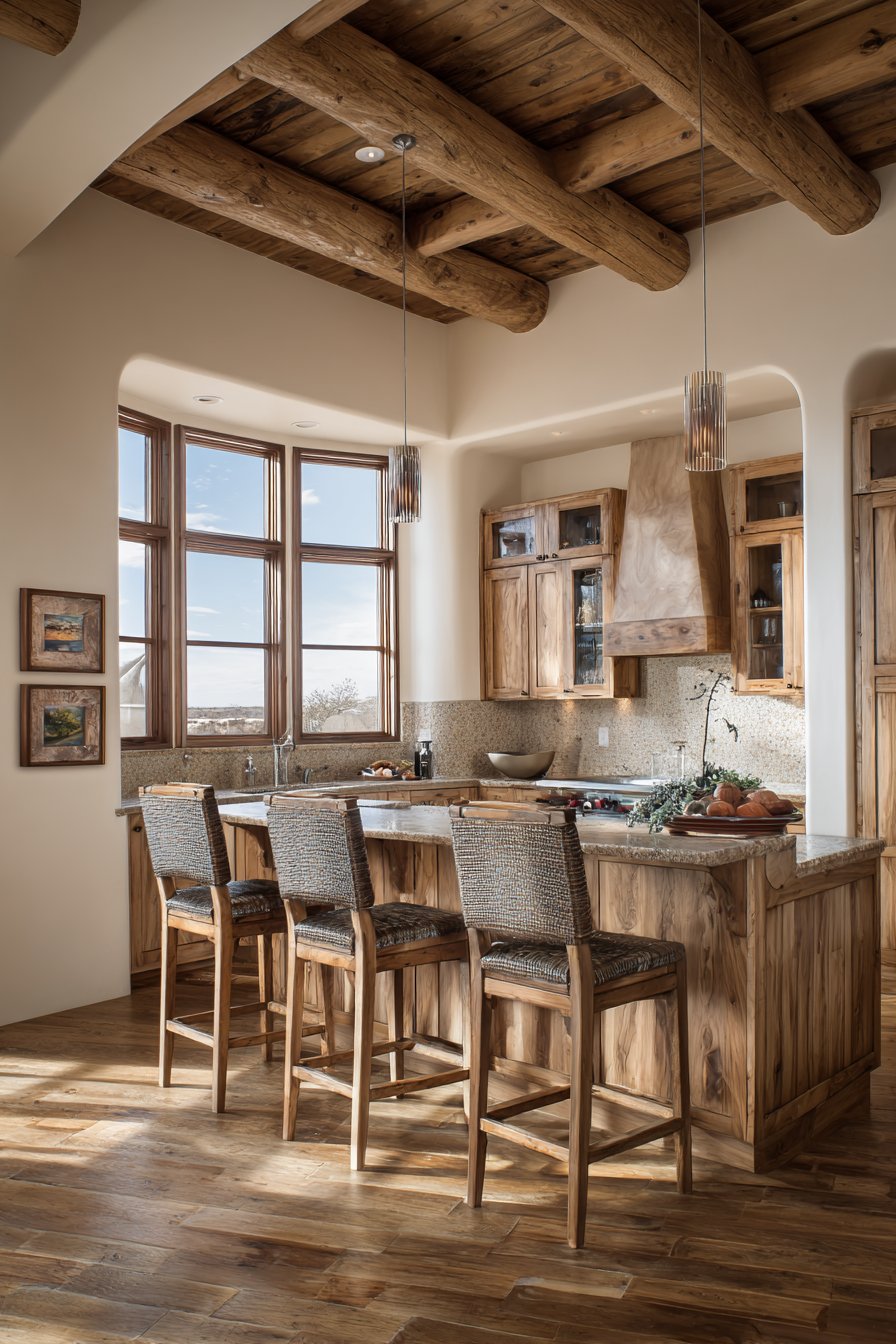
Painted white wood cabinets combined with natural wood open shelving and wooden ceiling beams creates the fresh, updated take on farmhouse style that has captured widespread popularity. This modern farmhouse wood kitchen approach maintains traditional farmhouse elements while updating them with contemporary proportions, cleaner lines, and brighter color palettes. A large wooden farmhouse table serves as the kitchen island with turned legs and plank top showing natural grain—this central element grounds the design in farmhouse tradition while providing substantial workspace and casual dining accommodation. A wood plank accent wall behind the range adds texture and serves as a focal point that draws attention while reinforcing the wood material throughout the space.
Matte black hardware punctuates the wood elements, providing contemporary contrast that prevents the design from feeling too traditional or country. This hardware choice—along with the bright white painted cabinets—firmly anchors the design in contemporary territory while maintaining the warmth and character of traditional farmhouse kitchens. Soft natural light from large windows creates gentle shadows on the varied wood surfaces, highlighting grain patterns on the natural wood elements while emphasizing the texture of the painted cabinetry. The interplay between painted and natural wood creates visual variety while maintaining material consistency—everything is wood, but the different treatments create depth and interest.
Modern farmhouse wood kitchen design succeeds because it updates traditional elements rather than abandoning them, creating spaces that feel both familiar and fresh. The white painted cabinets brighten the space and create a contemporary feel while the natural wood elements maintain warmth and prevent the space from feeling too stark or clinical. The wooden farmhouse table grounds the design in tradition while serving practical purposes, and the ceiling beams add architectural interest that references actual farmhouse construction. This balance between traditional and contemporary, painted and natural, clean and textured creates kitchens with broad appeal that feel both current and timeless.
Key Design Tips:
- Combine painted white cabinets with natural wood elements for contemporary farmhouse aesthetic
- Use large farmhouse table as island to ground design in traditional forms
- Add wooden ceiling beams for architectural interest and overhead texture
- Create focal point with wood plank accent wall behind range or sink
- Choose matte black hardware for contemporary contrast against white and wood
- Maximize natural light to highlight interplay between painted and natural wood surfaces
23. Layered Wood Lighting Design
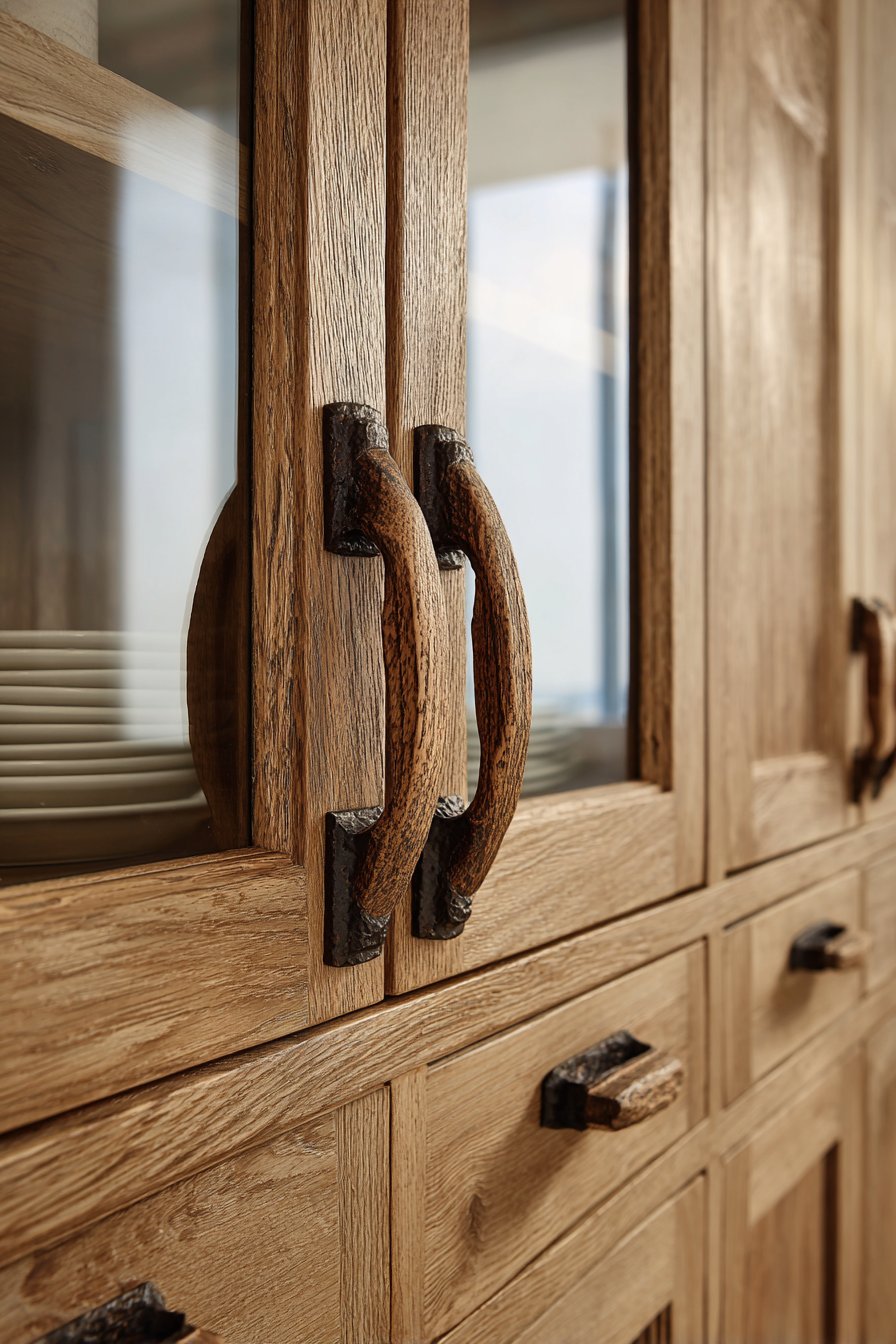
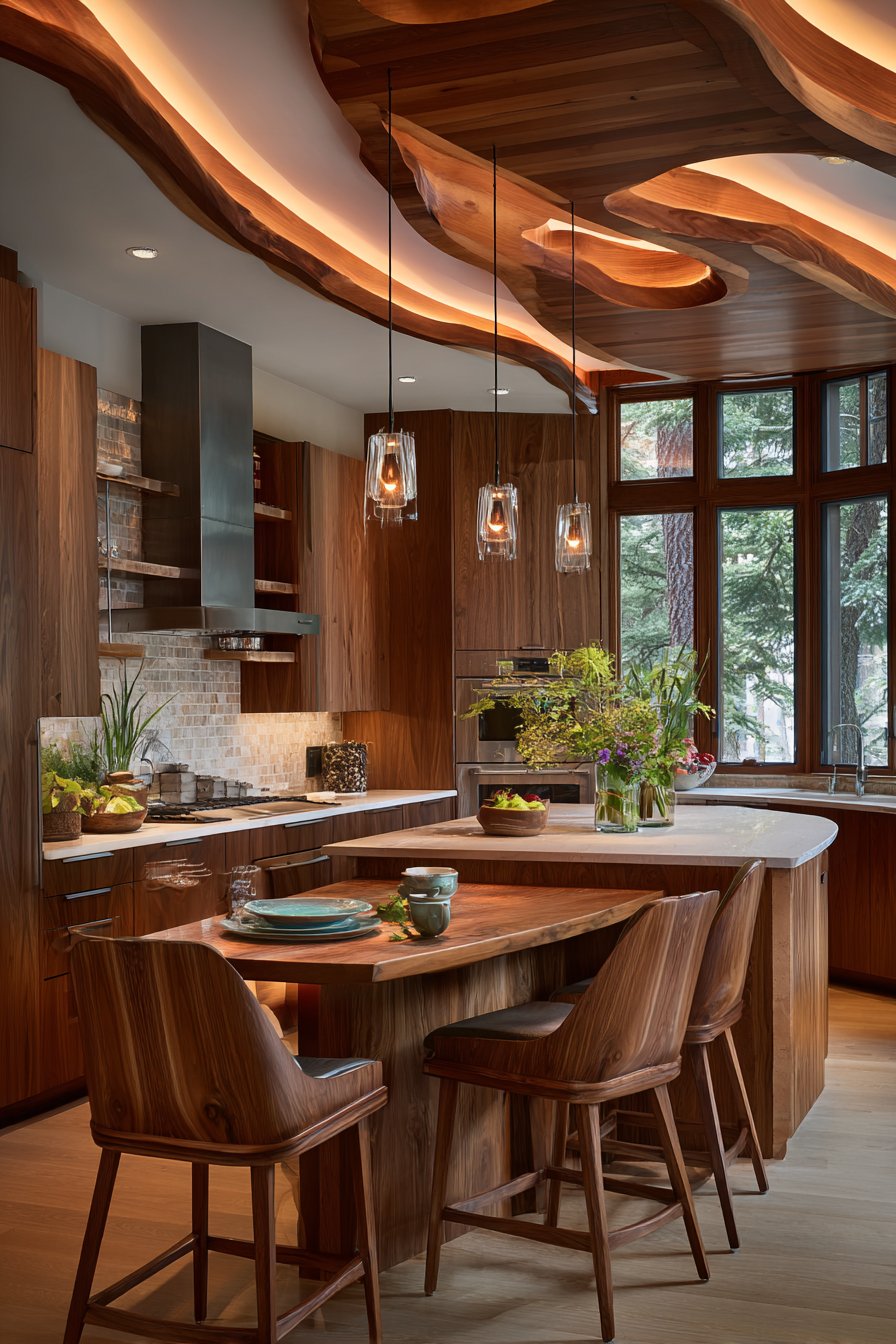
Wooden pendant fixtures with natural wood grain visible through clear finish suspended above a wooden island demonstrate how wood can extend beyond cabinetry and structural elements into lighting design. These fixtures provide functional illumination while serving as sculptural elements that celebrate wood’s beauty even in non-traditional applications. Wooden corbels with integrated LED strips provide under-cabinet lighting while adding decorative detail—this dual-purpose approach demonstrates how functional elements can serve aesthetic roles without requiring additional space or resources. An exposed wooden ceiling with recessed lighting between beams creates ambient illumination while showcasing another wood application that adds architectural interest and visual texture overhead.
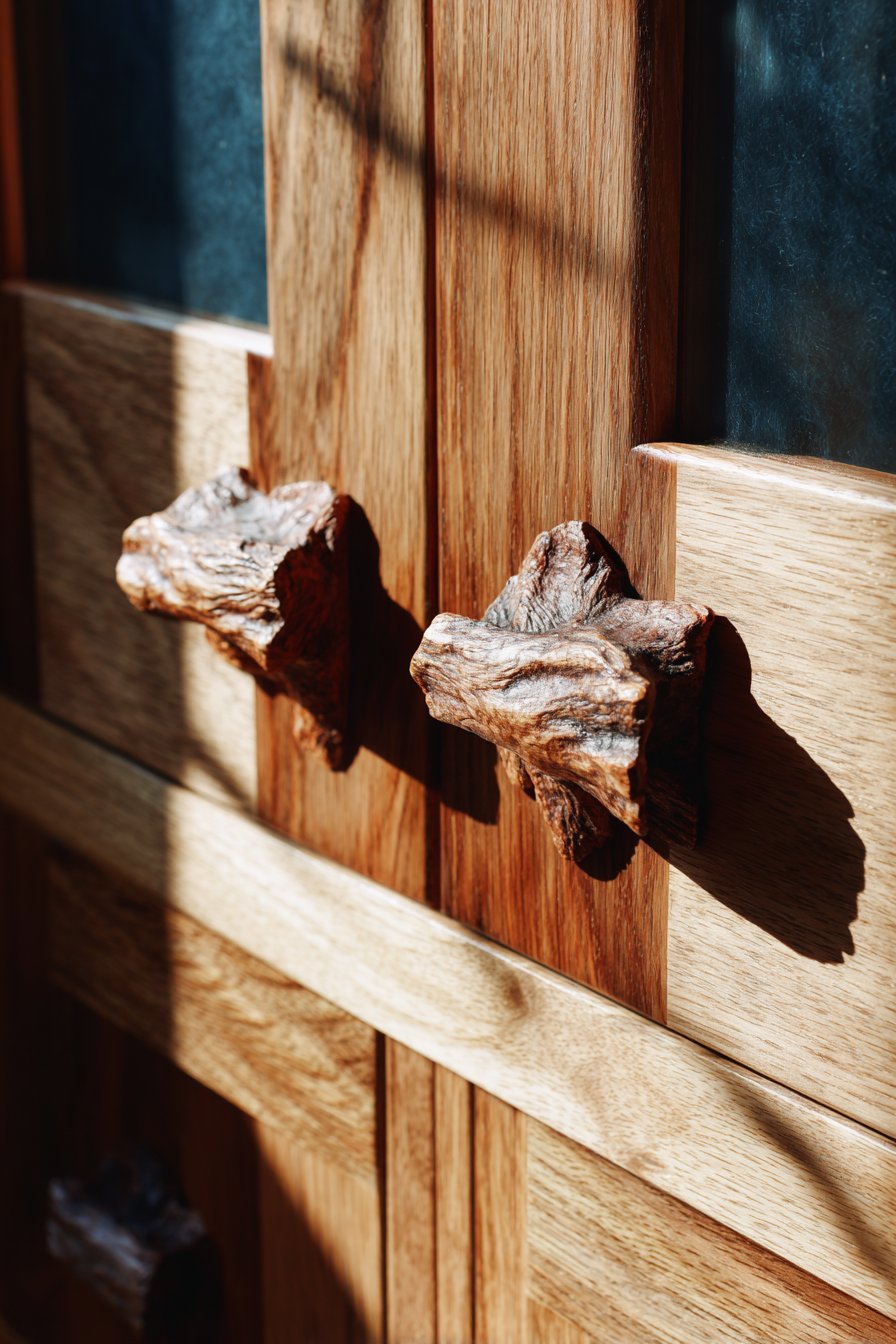
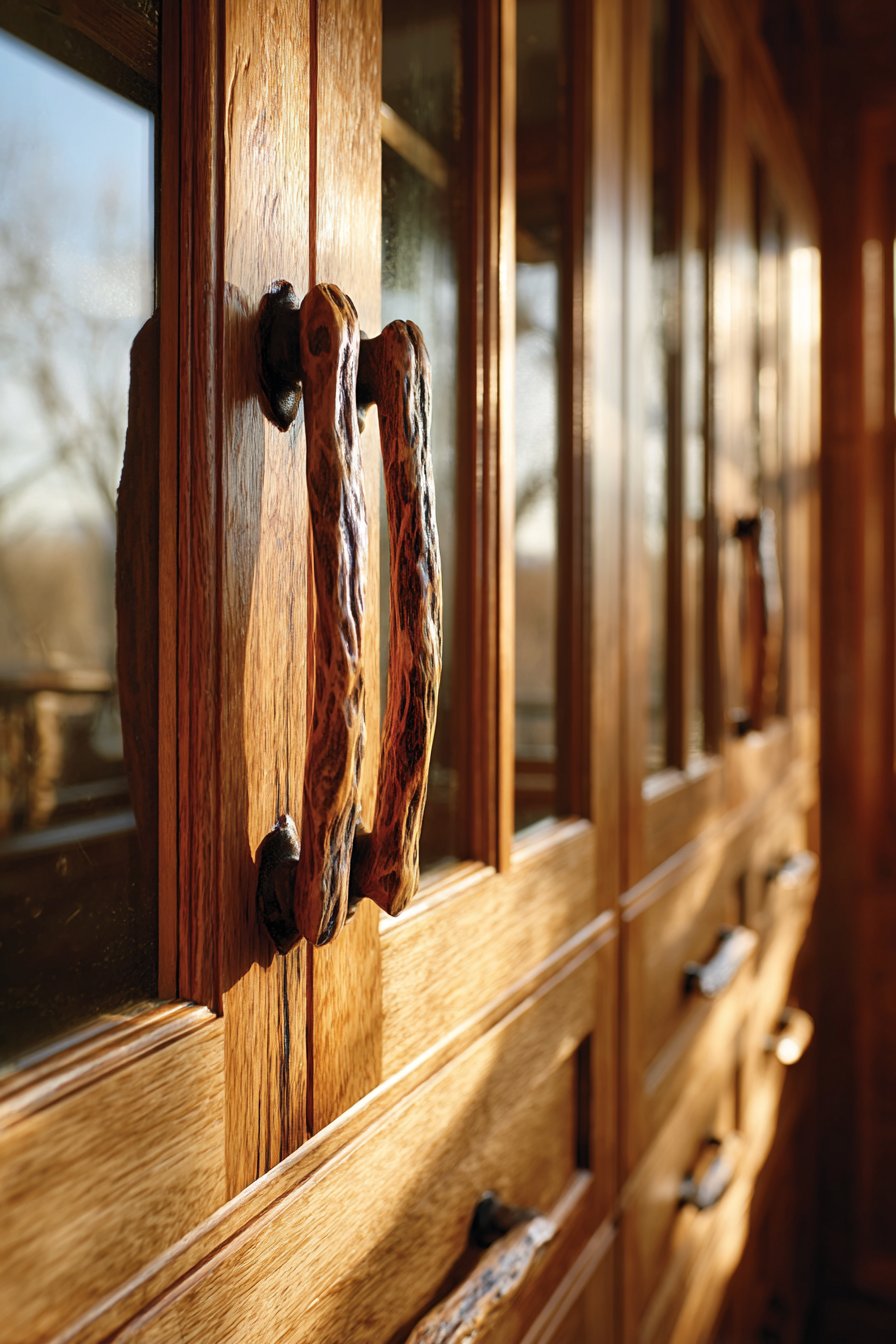
Natural wood window frames maximize daylight entry while maintaining wood material consistency throughout the space—even utilitarian elements like window frames become opportunities to reinforce the wood aesthetic and create material harmony. The layered lighting approach highlights various wood surfaces throughout the kitchen, with task lighting emphasizing work areas, ambient lighting creating overall illumination, and accent lighting drawing attention to featured wood elements. This comprehensive lighting strategy ensures that wood grain, texture, and natural material warmth are visible and appreciated throughout the day and evening, preventing the space from feeling dark or heavy despite substantial wood presence.
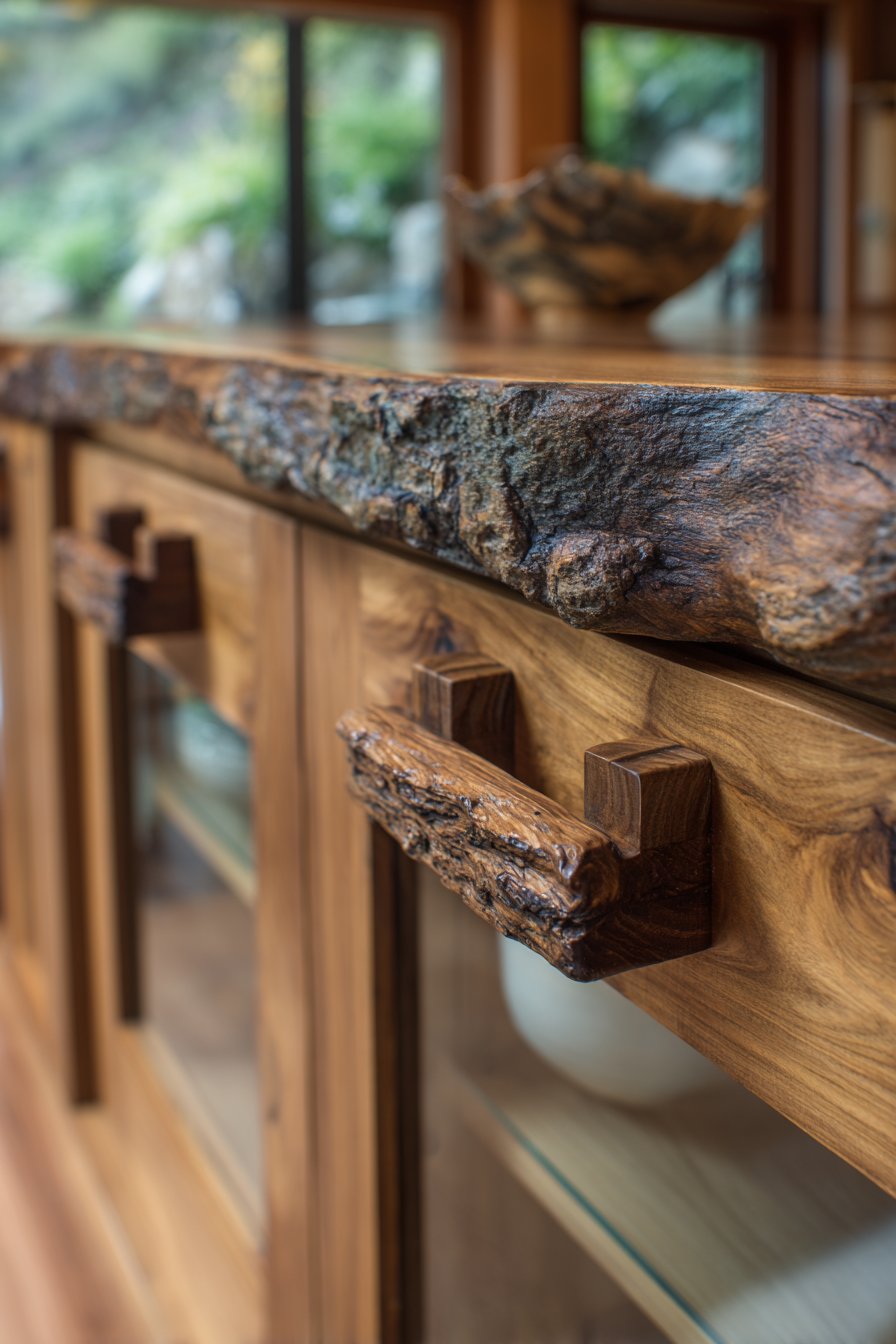
Successful wood kitchen lighting design requires understanding how different wood species and finishes respond to various lighting conditions. Some woods like maple appear bright and reflective, while others like walnut absorb light and create depth. Strategic lighting placement can emphasize grain patterns, create shadow detail that reveals texture, and highlight the three-dimensional quality of wood surfaces. The combination of wooden light fixtures, illuminated wooden corbels, recessed lighting between ceiling beams, and natural light from wood-framed windows creates a comprehensive approach where lighting and wood material work together synergistically, each enhancing the other to create spaces that feel warm, inviting, and visually interesting at all hours.
Key Design Tips:
- Incorporate wooden pendant fixtures that serve both functional and decorative purposes
- Add integrated LED strips to wooden corbels for task lighting with architectural interest
- Install recessed lighting between exposed wooden ceiling beams for ambient illumination
- Frame windows with natural wood to maintain material consistency throughout
- Layer task, ambient, and accent lighting to highlight wood at different times and locations
- Consider how different wood species respond to lighting when planning illumination strategy
Why These Wood Kitchen Ideas Represent the Best in Design
These twenty-three wood kitchen ideas represent the finest approaches to incorporating this timeless material into contemporary living spaces because they demonstrate wood’s remarkable versatility, enduring beauty, and practical functionality. From the comprehensive multi-wood showcase to the focused simplicity of minimalist teak designs, each approach offers unique benefits while sharing a commitment to celebrating wood’s natural character. The modern blonde oak design proves that wood belongs in contemporary spaces, while traditional cherry installations demonstrate its ability to create timeless elegance. The two-tone contemporary approach shows how contrast creates interest, while the Scandinavian light ash concept illustrates how wood can brighten rather than darken spaces.
What elevates these designs beyond mere trend-following is their foundation in sound design principles and authentic material appreciation. The rustic reclaimed barn wood approach doesn’t simply apply distressing techniques to new material—it gives genuine second life to wood with authentic history. The Japanese hinoki cypress design doesn’t just borrow surface-level aesthetic elements but embodies genuine Japanese design philosophy rooted in material respect and spatial harmony. The sustainable bamboo and cork concept demonstrates that environmental responsibility and aesthetic appeal are compatible rather than competing concerns. Each design represents thoughtful consideration of how wood’s inherent properties—grain pattern, color, texture, durability—can be leveraged to create functional spaces with genuine beauty.
These wood kitchen ideas succeed across diverse design styles because wood itself transcends stylistic boundaries. The material works equally well in rustic farmhouse settings and sleek contemporary spaces, in traditional formal kitchens and casual coastal designs. This adaptability comes from wood’s fundamental qualities—it’s warm without being overpowering, textured without being busy, organic without being messy. Wood provides visual interest through natural grain patterns that never feel repetitive because they’re never exactly the same. It ages gracefully, developing patina that increases rather than decreases its appeal. Unlike synthetic materials that reveal their manufactured origins upon close inspection, wood rewards detailed examination with increasingly complex beauty.
The practical functionality demonstrated across these designs further establishes their superiority. The organized oak storage solutions prove that wood excels in functional applications while maintaining aesthetic appeal. The compact honey birch efficiency demonstrates that wood makes small spaces feel larger rather than more cramped when properly specified. The butcher block island centerpiece shows how wood can serve demanding functional roles—as cutting surface, work space, and gathering spot—while creating focal point beauty. The layered lighting design illustrates how wood interacts with light to create dynamic spaces that change throughout the day. These aren’t just beautiful kitchens—they’re highly functional spaces where the wood contributes to both beauty and performance.
The wood kitchen ideas presented here also demonstrate important principles about mixing and matching wood elements. The eclectic multi-species mix proves that successfully combining different woods creates richness unavailable in single-species designs, while the two-tone contemporary approach shows how contrast within wood materials creates visual interest. The modern farmhouse white and wood design illustrates how painted and natural wood can coexist beautifully, each enhancing the other. The comprehensive showcase demonstrates how layering multiple wood applications—cabinetry, flooring, beams, shelving, countertops—creates immersive environments that celebrate the material throughout. These mixing principles free designers and homeowners from restrictive “rules” about matching, opening creative possibilities while maintaining cohesive design.
The detail-focused maple grain showcase reminds us that one of wood’s greatest assets is its ability to reward close inspection. Unlike materials whose beauty exists only at a distance, wood becomes increasingly interesting as we examine it more closely. The grain patterns, growth rings, ray fleck, and color variations create endless visual complexity at every scale. The dovetail joinery and quality hardware featured in this design demonstrate how wood excellence extends beyond surface appearance into structural quality and craftsmanship. This attention to detail distinguishes genuine quality from surface-level aesthetics, creating kitchens built to serve families for generations rather than disposable installations designed for obsolescence.
The range of finishes and treatments demonstrated—from natural clear-coated surfaces to painted cabinets, from distressed weathered looks to polished sophistication—proves that wood accommodates diverse aesthetic preferences. The driftwood grey coastal finish shows how color can be manipulated while maintaining wood’s textural character. The white-washed farmhouse pine demonstrates how paint can lighten wood while allowing grain to show through. The minimalist teak with finger pulls illustrates how restraint in finish and hardware allows wood’s natural beauty to dominate. The luxury quarter-sawn white oak with book-matched panels shows how specialized cutting and careful grain matching create premium results. This finish diversity means wood works for virtually any design vision.
These wood kitchen ideas also address important contemporary concerns about sustainability and environmental responsibility. The sustainable bamboo and cork design demonstrates that environmentally conscious material choices need not compromise aesthetic appeal. The rustic reclaimed barn wood approach gives new life to materials that might otherwise be wasted. The FSC-certified woods referenced in several designs ensure that even new wood comes from responsibly managed forests. This environmental dimension adds another layer of value to wood kitchen design—these aren’t just beautiful and functional spaces, they’re also spaces created with conscience and awareness of material impact. This sustainability becomes increasingly important as consumers seek to align purchasing decisions with environmental values.
The cultural and historical dimensions present in several designs add depth that transcends pure aesthetics. The Japanese hinoki cypress design connects to centuries of woodworking tradition and cultural values around material respect and spatial harmony. The mid-century walnut retro style references a specific moment in design history when optimism about the future combined with respect for craft traditions. The traditional cherry wood sophistication draws on furniture-making heritage extending back centuries. These cultural connections create meaning beyond surface beauty, allowing kitchens to tell stories and embody values while serving practical functions. This narrative dimension distinguishes spaces with genuine character from generic installations.
The lighting strategies demonstrated throughout these designs—from the comprehensive layered lighting approach to the strategic use of natural light in the Scandinavian and coastal designs—prove that wood and light work synergistically when properly orchestrated. Different woods respond to light in characteristic ways, with some reflecting and brightening spaces while others absorb light and create depth. The interplay of natural and artificial light across wood surfaces creates dynamic spaces that change throughout the day, preventing the static quality that can afflict spaces dominated by inert materials. The integration of lighting into wooden elements—corbels with LED strips, wooden pendant fixtures—shows how functional and aesthetic concerns can merge seamlessly.
Finally, these wood kitchen ideas succeed because they create spaces that feel inherently welcoming and warm. Wood’s organic origin creates psychological comfort that synthetic materials cannot replicate—we evolved in environments where natural materials dominated, and our positive response to wood reflects this evolutionary history. The tactile quality of wood invites touch in ways that cold stone or plastic laminate do not. The visual warmth of wood grain and color creates spaces that feel inhabited and loved rather than sterile or impersonal. Whether in rustic farmhouse settings or sleek contemporary designs, wood creates kitchens where people naturally want to gather, linger, and create the memories that make houses become homes.
Conclusion
The twenty-three wood kitchen ideas explored in this comprehensive guide demonstrate conclusively that wood remains unmatched in its ability to create warm, beautiful, and functional culinary spaces. From the comprehensive multi-species showcase to the focused simplicity of minimalist designs, from sustainable bamboo innovations to traditional cherry elegance, wood proves its versatility across every design style and functional requirement. The material’s natural beauty—expressed through grain patterns, color variations, and textural qualities—creates visual interest that synthetic materials simply cannot replicate, while its practical durability ensures these kitchens will serve families for decades.
Whether you’re planning a complete kitchen renovation or seeking ways to incorporate more wood into your existing space, these ideas provide concrete inspiration and actionable guidance. Consider how different wood species might suit your aesthetic preferences and functional needs—light woods for brightness and contemporary feel, rich dark woods for traditional elegance, or mixing multiple species for eclectic character. Think about which applications make sense for your space—comprehensive cabinetry installations, accent elements like islands or shelving, or innovative uses like wood backsplashes. Evaluate finish options that align with your maintenance preferences and design vision, from natural clear-coats that showcase wood beauty to painted treatments that provide color while maintaining textural interest.
As you move forward with your wood kitchen project, remember that success lies in respecting the material’s inherent character while shaping it to serve your specific needs. Wood rewards quality—invest in good materials, skilled craftsmanship, and thoughtful design rather than cutting corners that will disappoint over time. Wood also rewards patience—allow adequate time for material selection, grain matching, and proper finishing that will protect your investment while showcasing its beauty. Most importantly, wood rewards authenticity—embrace its natural variations, allow it to develop patina through use, and resist the temptation to make it look like something it’s not.
The kitchen remains the heart of the home, and incorporating wood into this essential space creates environments that nurture both bodies and spirits. Whether you’re drawn to the rustic charm of reclaimed materials, the sleek sophistication of contemporary designs, or the timeless elegance of traditional styles, wood offers pathways to create kitchens that reflect your personality while providing the warmth, beauty, and functionality that transform everyday cooking and gathering into genuine pleasure. Start exploring these wood kitchen ideas today, and discover how this timeless material can transform your culinary space into a room that welcomes, inspires, and endures for generations to come.
