
In today’s urban landscape, where square footage comes at a premium, the art of maximizing small bedroom spaces has become an essential skill for homeowners and renters alike. A small bedroom doesn’t have to feel cramped or limiting—with thoughtful design choices, strategic furniture placement, and creative storage solutions, even the most modest sleeping quarters can become a haven of style, comfort, and functionality. The challenge lies not in the size of the room, but in how we approach its design, treating limitations as opportunities for innovation rather than obstacles to overcome.
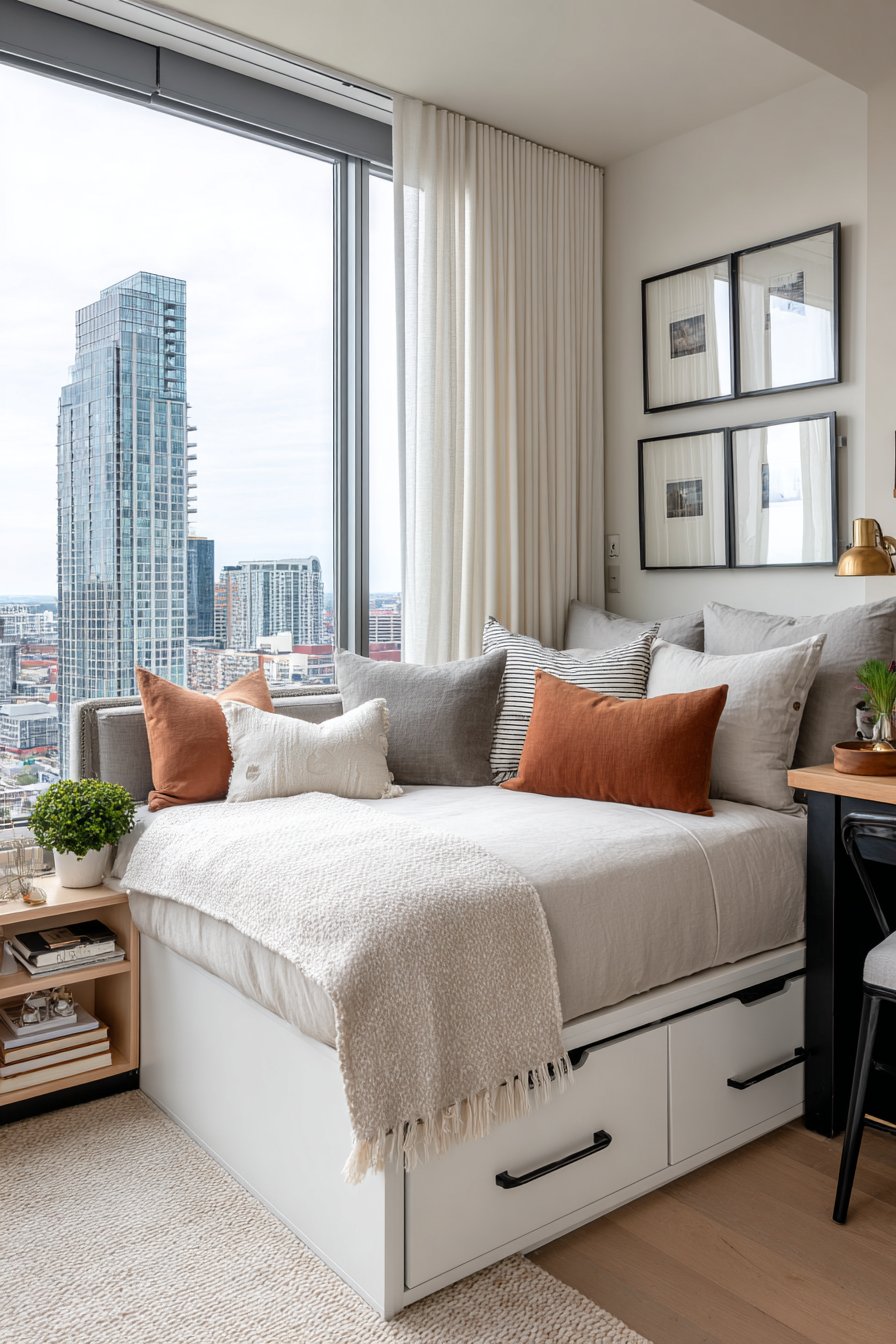
The beauty of small bedroom design is that it encourages intentionality. Every piece of furniture, every color choice, and every decorative element must earn its place in the space. This necessity breeds creativity, pushing us to discover multifunctional solutions, vertical storage opportunities, and visual tricks that make rooms feel larger than their actual dimensions. From Murphy beds that disappear into walls to floating shelves that draw the eye upward, small bedroom decor has evolved into a sophisticated design discipline that celebrates efficiency without sacrificing aesthetic appeal.
In this comprehensive guide, we’ll explore twenty-one distinct approaches to small bedroom design, each offering unique solutions to common space constraints. Whether you’re drawn to minimalist Scandinavian aesthetics, bohemian eclecticism, industrial edge, or coastal serenity, you’ll discover practical strategies and inspiring ideas that prove small spaces can deliver big impact. These designs showcase how different styles, color palettes, and organizational approaches can transform compact bedrooms into personalized retreats that reflect your taste while maximizing every precious inch.
1. The Murphy Bed Revolution: Vertical Living at Its Finest
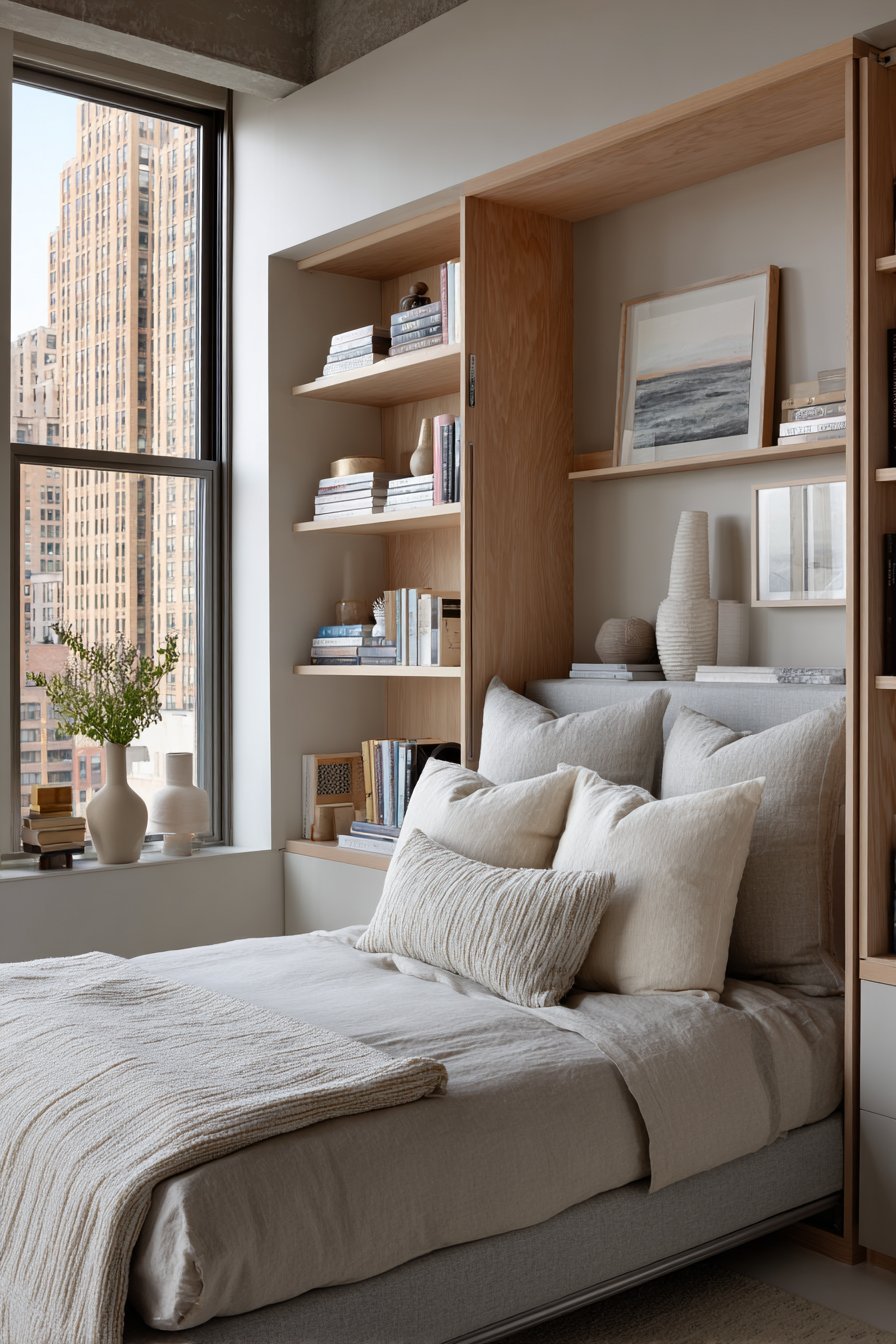
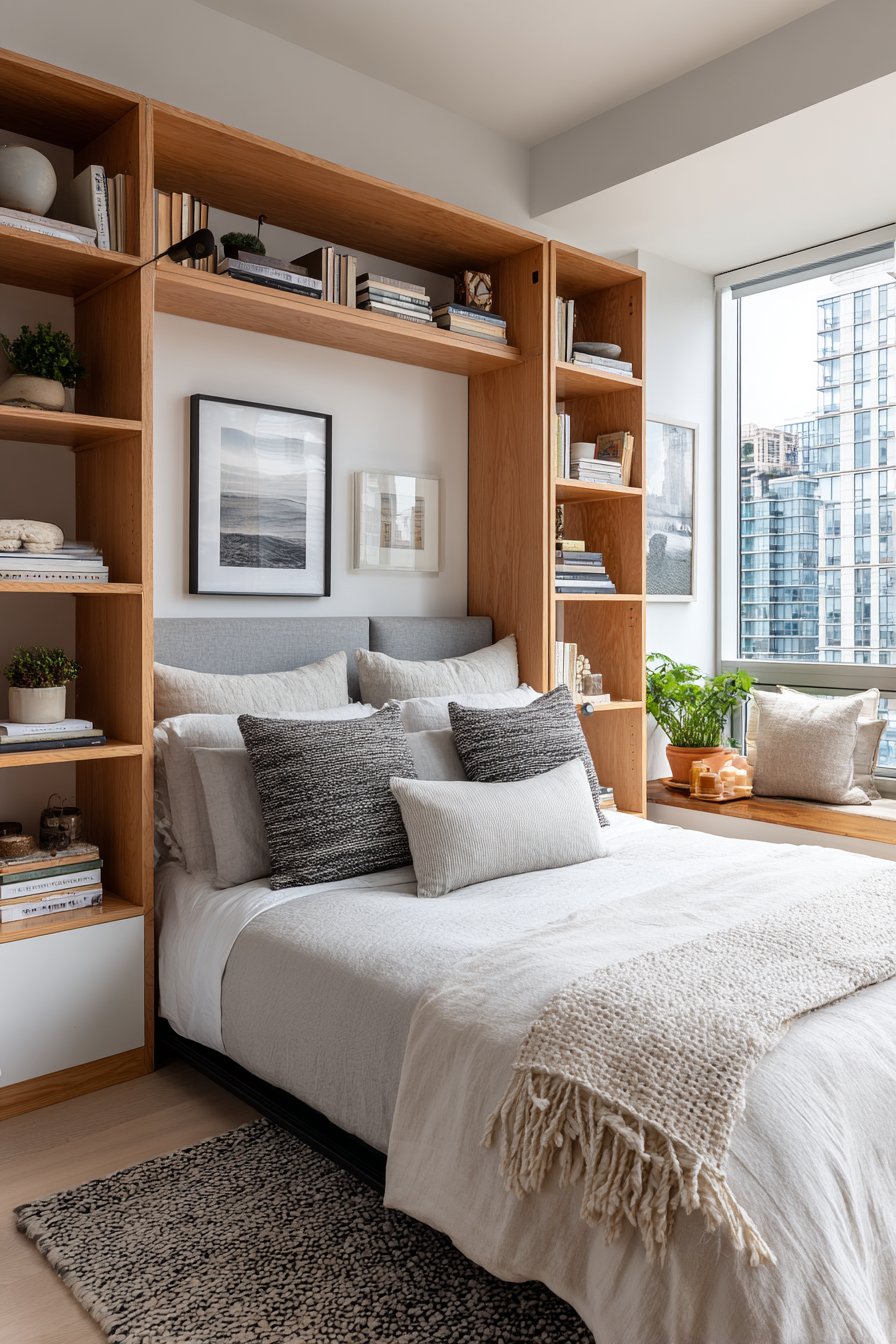
The Murphy bed represents one of the most ingenious solutions to small bedroom challenges, and this interpretation showcases its potential in a modern urban setting. Picture a light oak wall system that seamlessly integrates a fold-down bed with surrounding shelving units, creating a cohesive furniture piece that dominates the wall while preserving precious floor space. When lowered, the bed provides a comfortable sleeping surface; when raised, it reveals a compact workspace underneath, transforming the bedroom into a home office during daylight hours. The warm honey tones of the oak bring natural warmth to what might otherwise feel like a purely functional setup, while the visible grain patterns add organic texture that softens the mechanical nature of the folding mechanism.
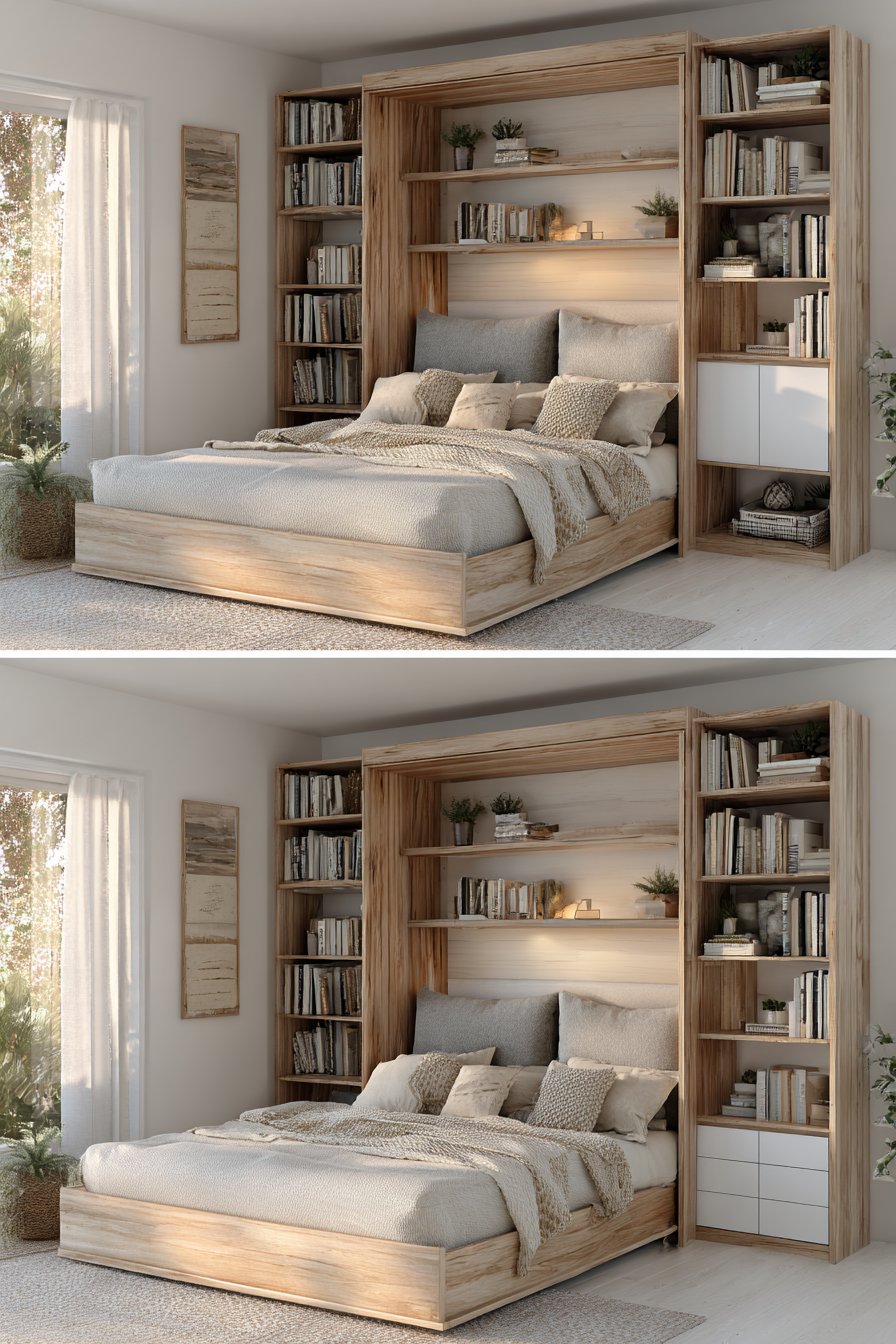
Morning light filtering through minimal window treatments illuminates the ingenious engineering of this space-saving solution, highlighting how the integrated shelving provides homes for books, decorative objects, and bedtime essentials without requiring additional floor-standing furniture. The shelving units flanking the bed create symmetry and balance, while offering customizable storage that adapts to your changing needs. Small decorative items, framed photographs, and a few carefully selected books personalize the space without creating visual clutter, demonstrating that multifunctional furniture doesn’t have to sacrifice style for practicality.
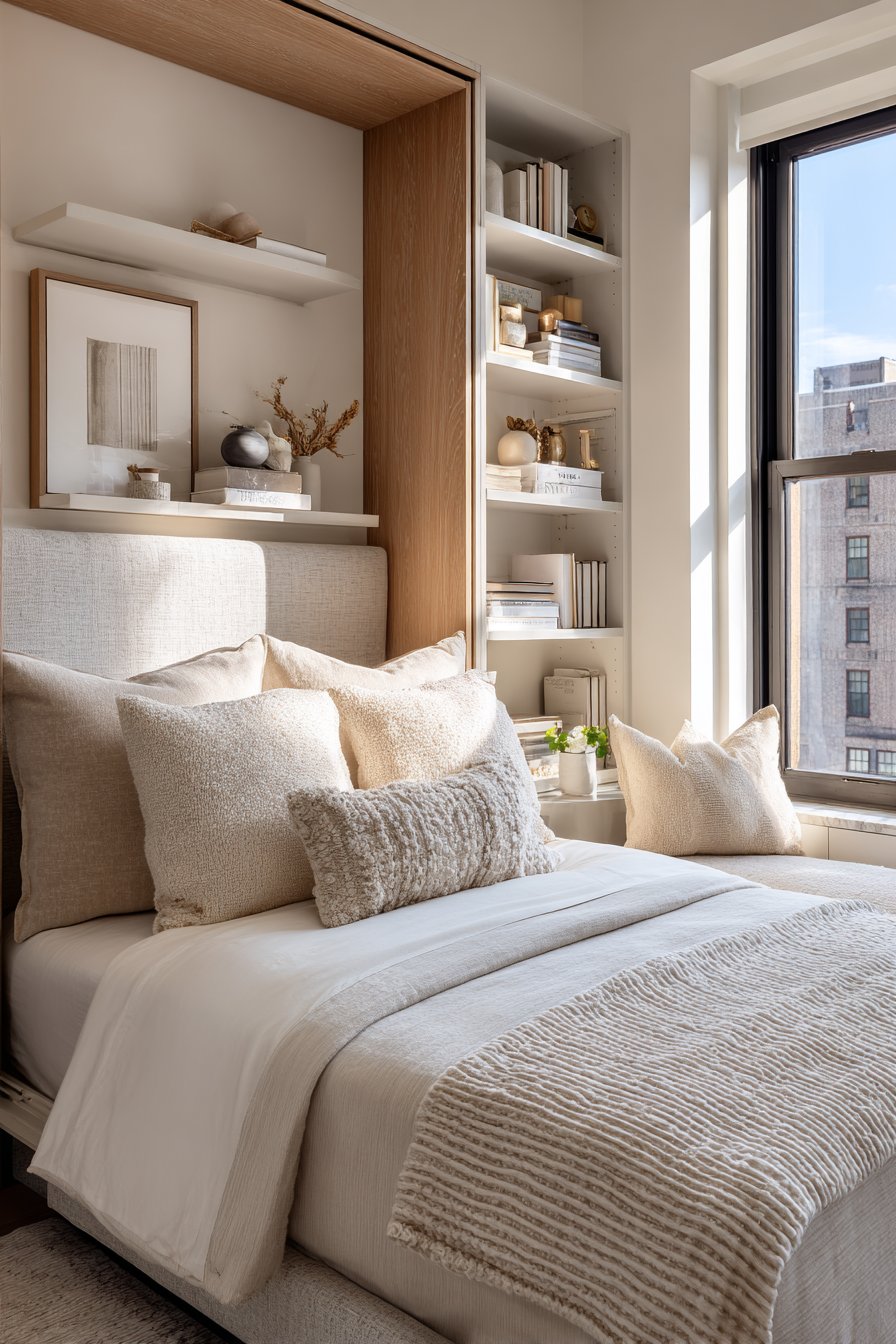
The genius of this design lies in its ability to create distinct zones within a single compact room. During the day, with the bed folded away and the workspace revealed, the room serves as a productive home office. Come evening, a simple motion transforms it back into a restful sleeping quarters. This dual functionality is particularly valuable in studio apartments or small one-bedroom homes where every room must work harder. The light wood finish keeps the space feeling airy and open rather than heavy or closed-in, while the clean lines and minimal hardware maintain a contemporary aesthetic that won’t feel dated in years to come.
Key Design Tips:
- Invest in a quality Murphy bed mechanism with smooth operation and secure locking systems for safety
- Choose light-colored wood finishes to maintain an airy feeling and prevent the wall unit from visually overwhelming the space
- Incorporate integrated lighting within the shelving units to highlight displayed items and provide ambient illumination
- Keep the workspace area beneath minimal and clutter-free with built-in cord management solutions
- Add a comfortable rug to define the room’s different functional zones and add warmth underfoot
2. Scandinavian Serenity: The Art of Hygge in Compact Quarters
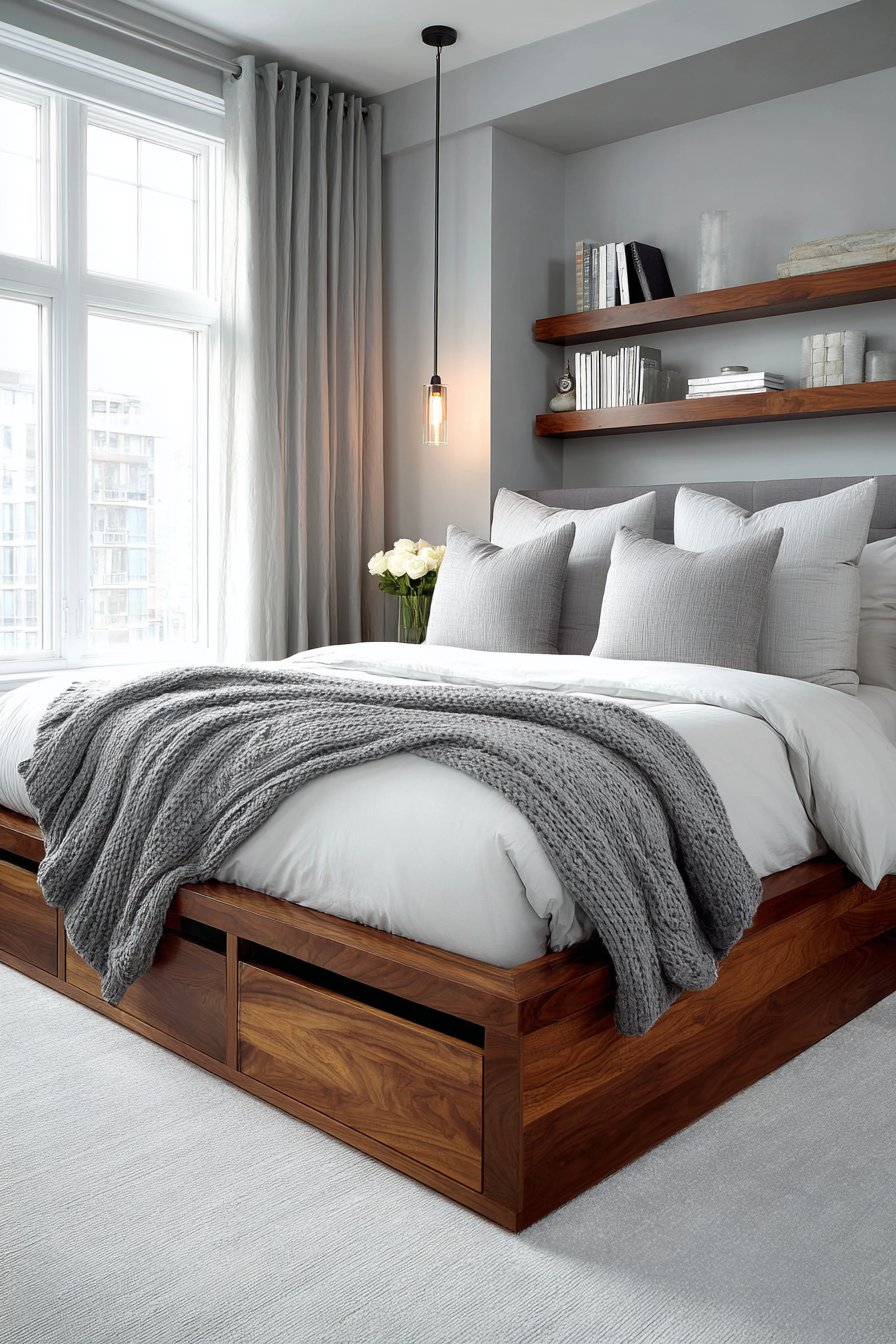
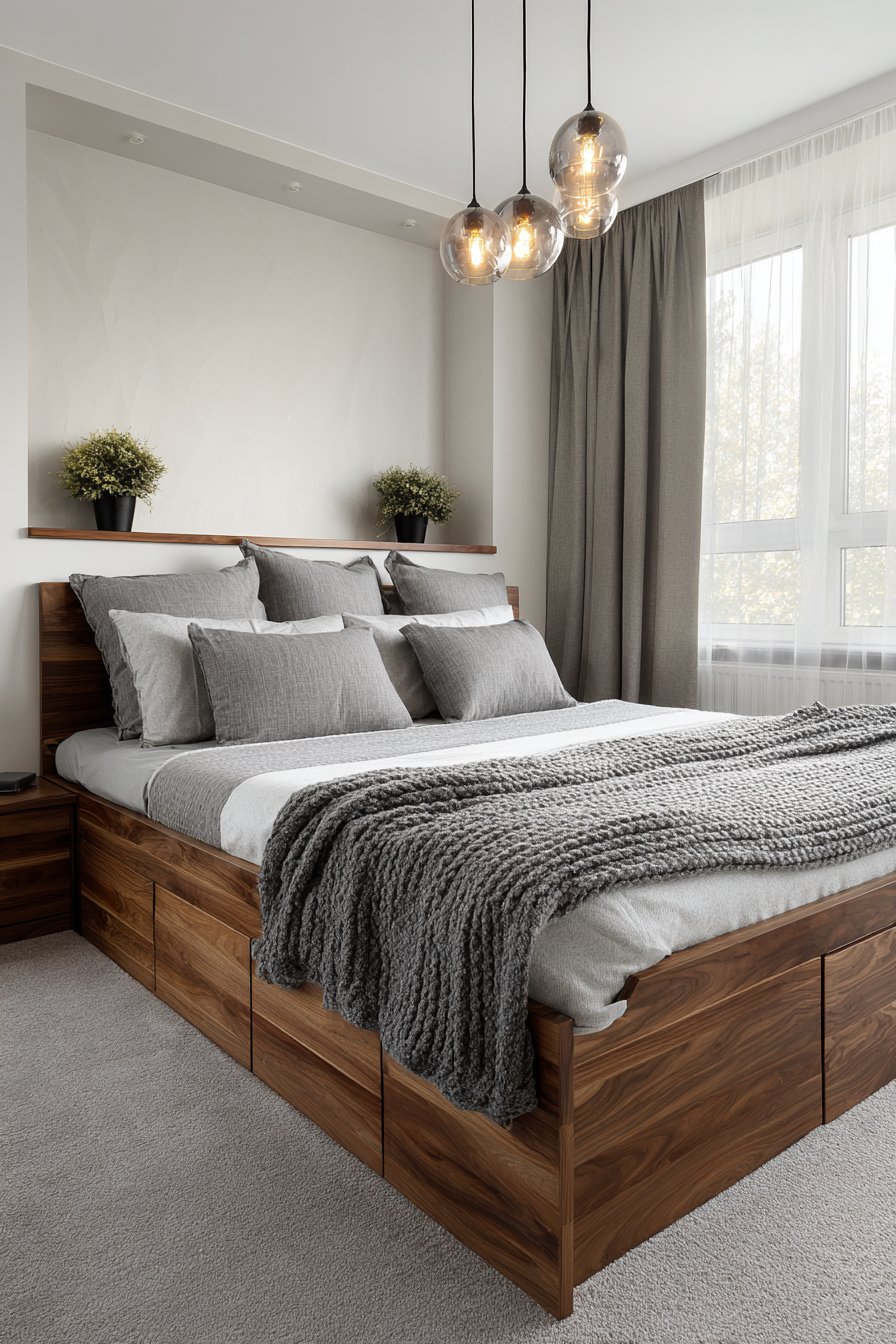
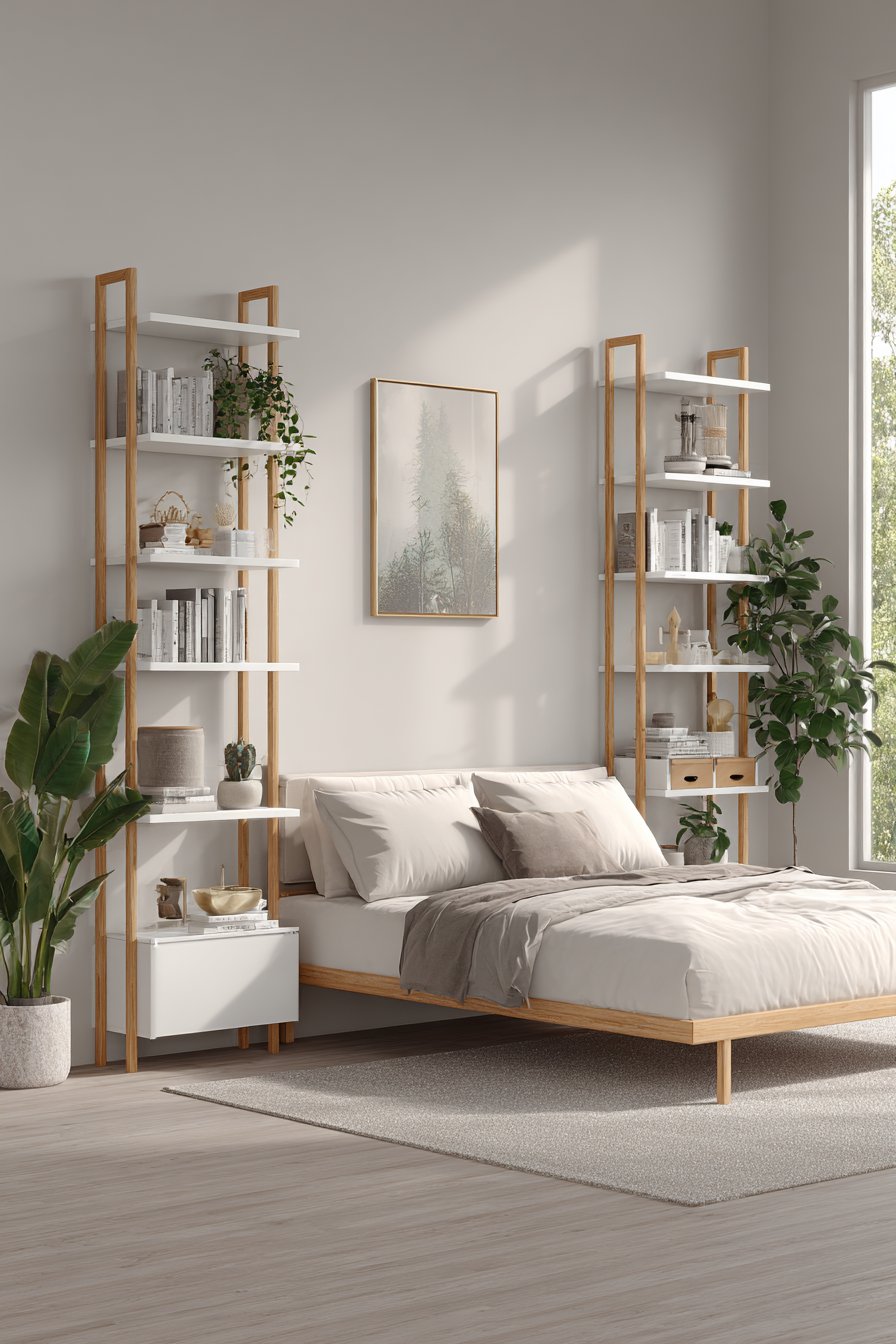
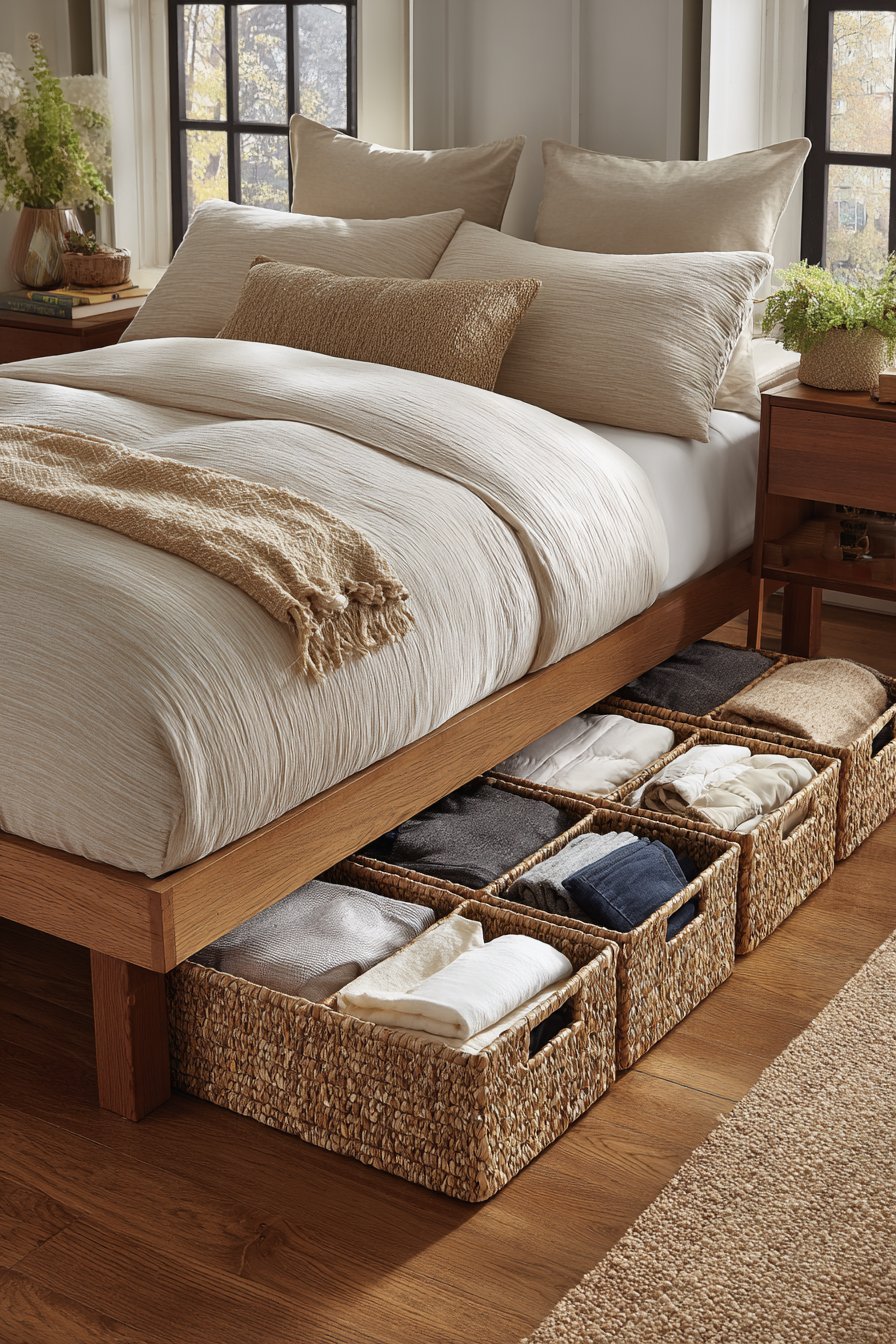
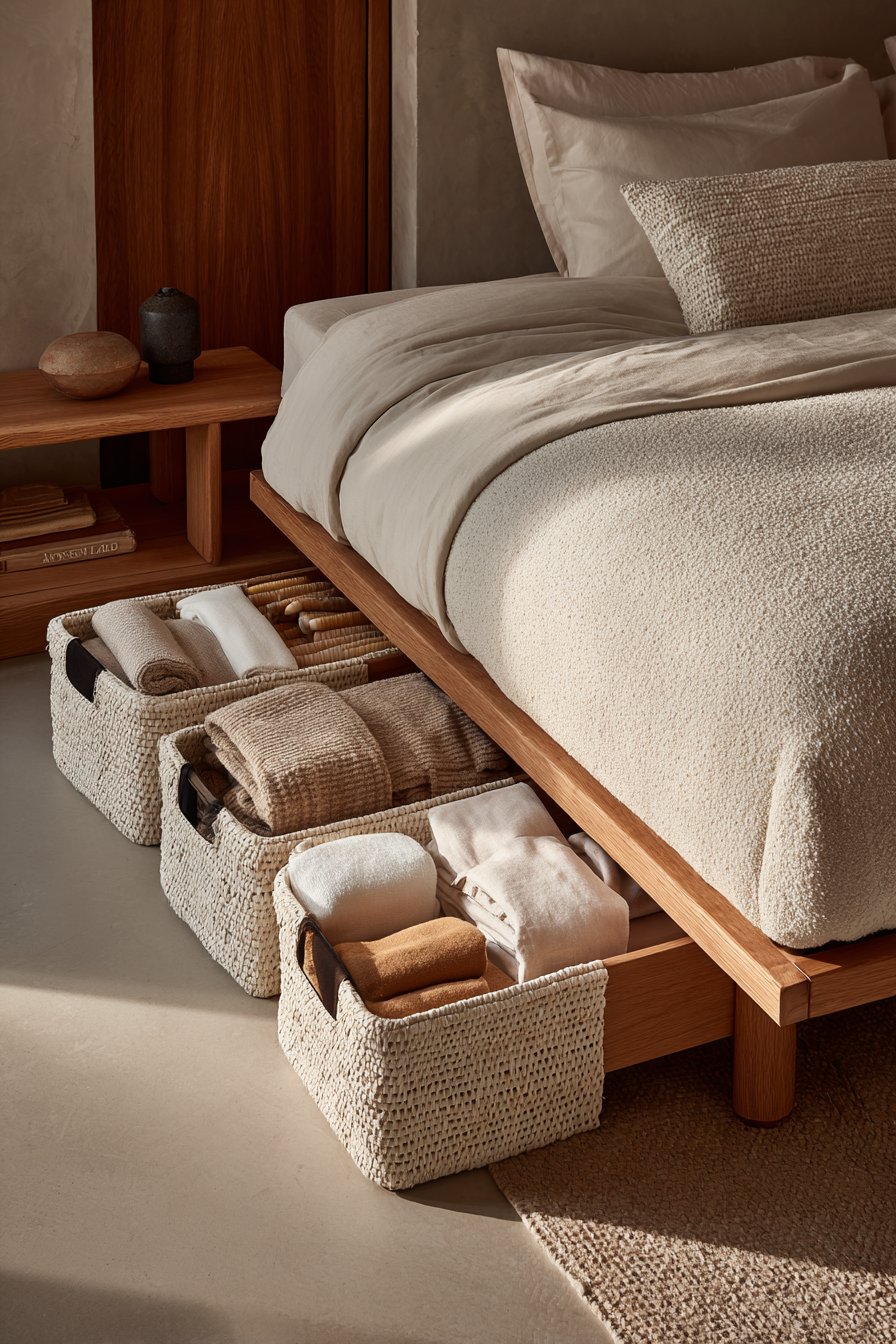
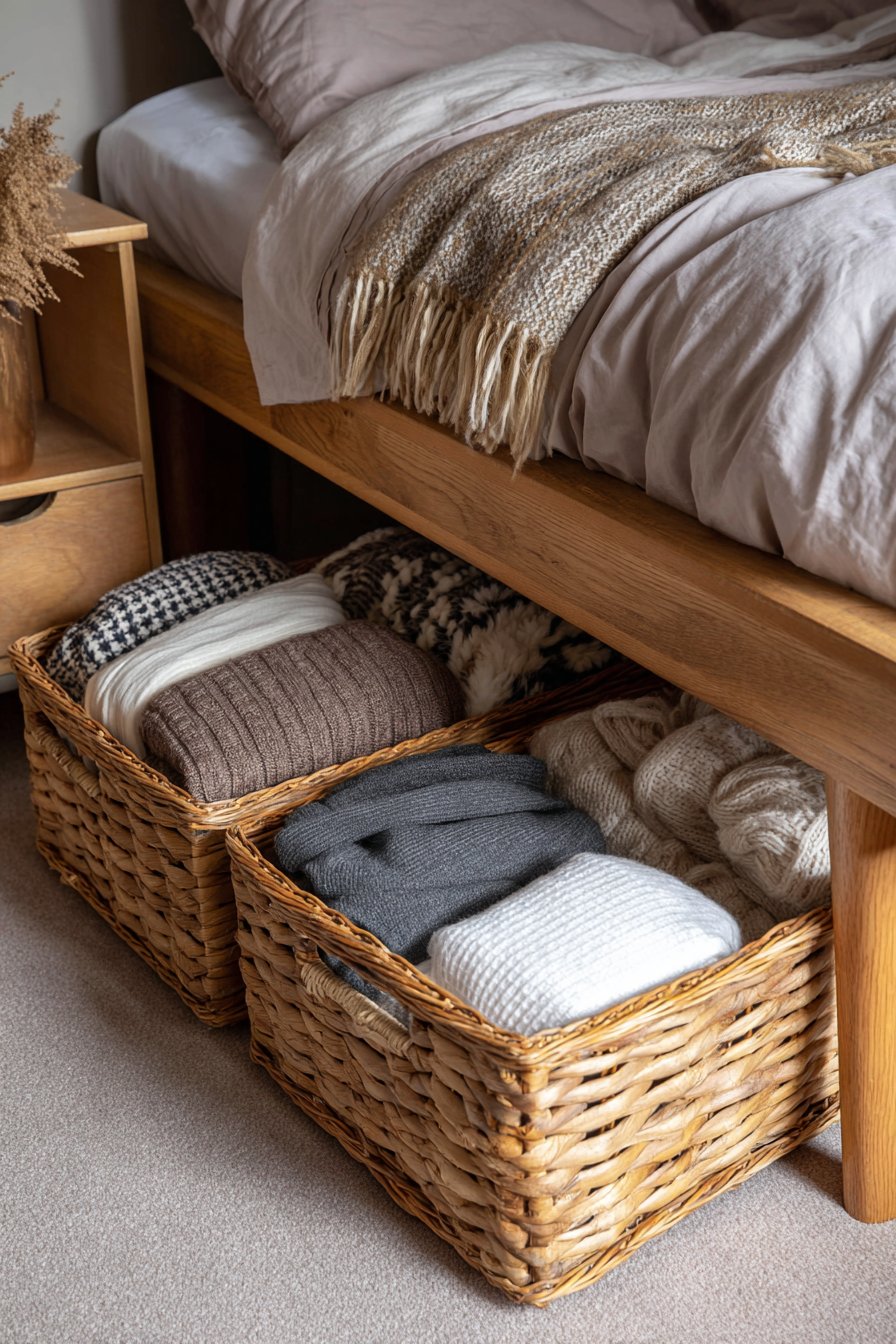
Scandinavian design philosophy has long championed the idea that less is more, making it perfectly suited for small bedroom applications. This interpretation showcases a low platform bed positioned against the wall, its simple lines and minimal profile creating an unobtrusive foundation for the room’s design. The bed sits close to the floor, a characteristic feature of Scandinavian furniture that creates visual openness by maintaining clear sightlines across the room. Underneath, natural woven storage boxes in rattan or seagrass provide concealed organization for out-of-season clothing, extra linens, or personal items, demonstrating that storage doesn’t have to be visually intrusive.
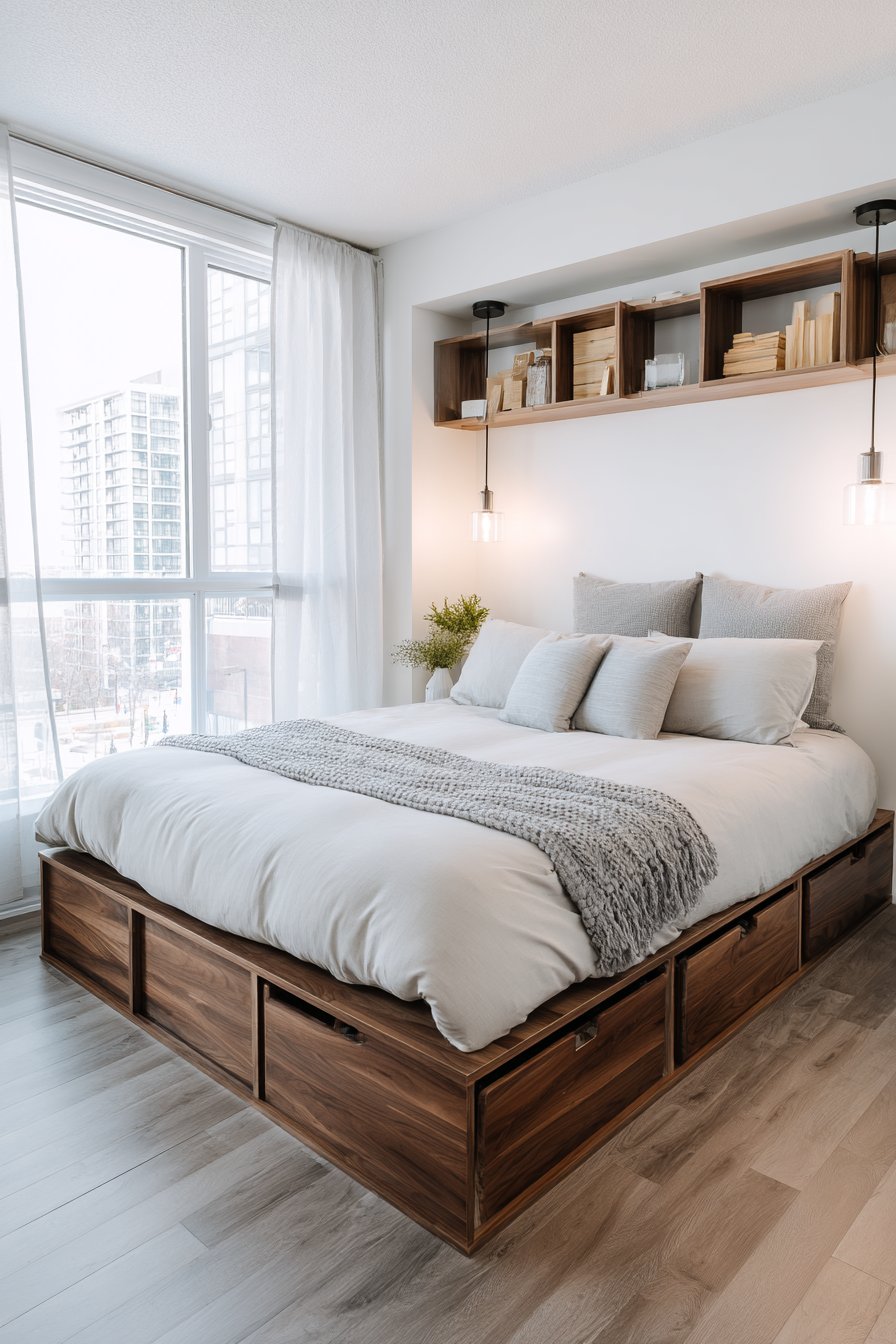
The color palette epitomizes Nordic restraint—soft greys blend harmoniously with crisp whites, punctuated by warm natural wood accents that prevent the scheme from feeling cold or clinical. This monochromatic foundation creates a sense of spaciousness, as the eye moves uninterrupted across surfaces without being stopped by contrasting colors. Floating shelves mounted at varying heights display a carefully curated selection of books, small plants, and minimal decorative objects, each item chosen for both beauty and meaning. A compact ladder shelf serves double duty as a nightstand and additional display space, its open construction maintaining the room’s airy quality while providing essential bedside storage.
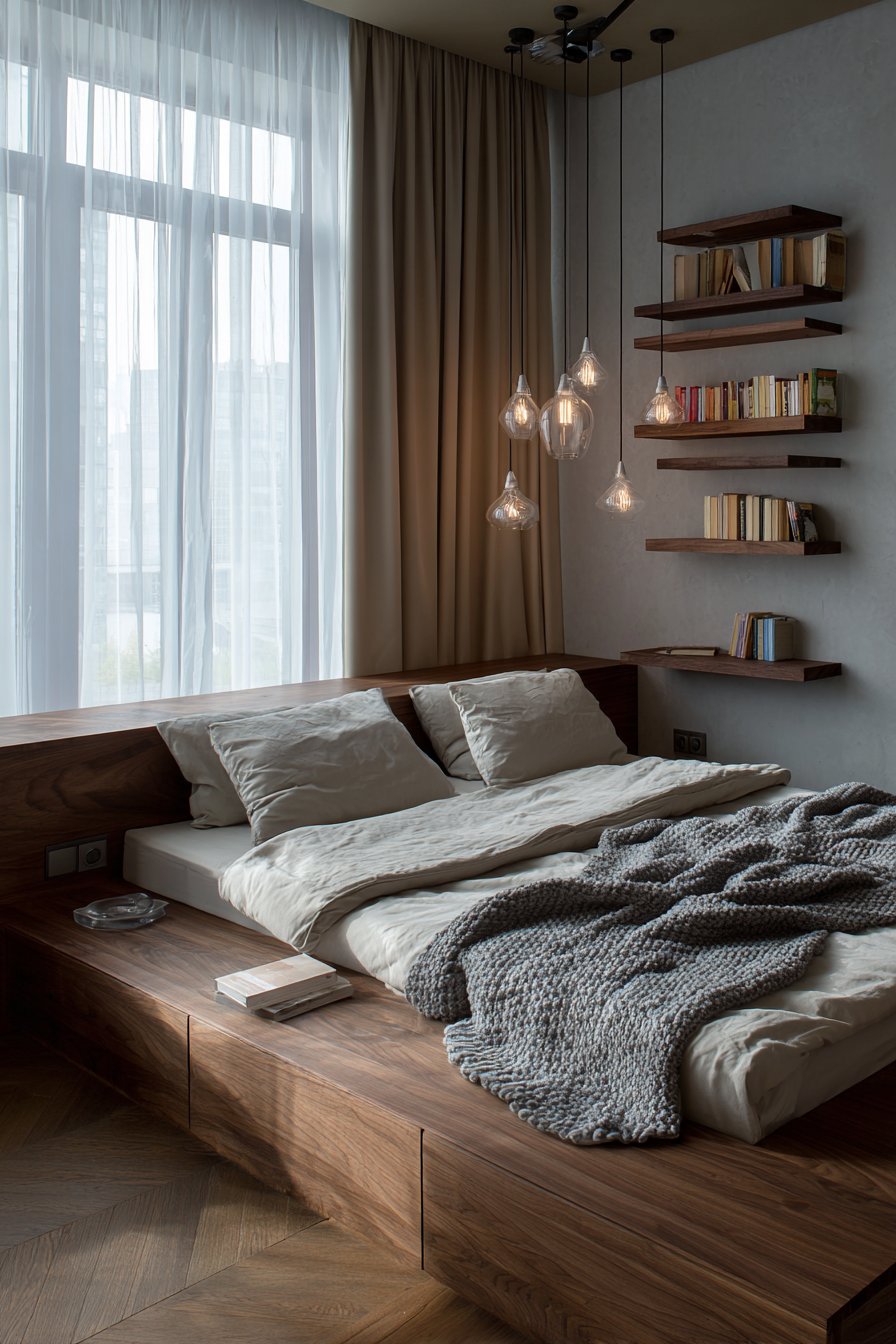
Natural light is paramount in Scandinavian design, and this room maximizes whatever sunlight is available through sheer linen curtains that filter rather than block illumination. The quality of light in the space changes throughout the day, casting soft shadows that add depth and interest to the otherwise minimal palette. Texture plays a crucial role in preventing the simplicity from feeling stark—a chunky knit throw draped across the bed, a sheepskin rug beside it, and the visible weave of the linen curtains all contribute tactile richness that invites touch and comfort.
Key Design Tips:
- Embrace a limited color palette of whites, greys, and natural wood tones to create visual continuity
- Choose furniture with exposed legs and open construction to maintain sightlines and create an airy feeling
- Incorporate natural materials like wool, linen, cotton, and untreated wood for warmth and authenticity
- Maximize natural light with minimal window treatments and strategically placed mirrors
- Edit ruthlessly—display only items that serve a purpose or bring genuine joy
- Layer textures through textiles to add warmth without visual clutter or additional furniture pieces
3. Corner Optimization: Rethinking Bedroom Layout Fundamentals
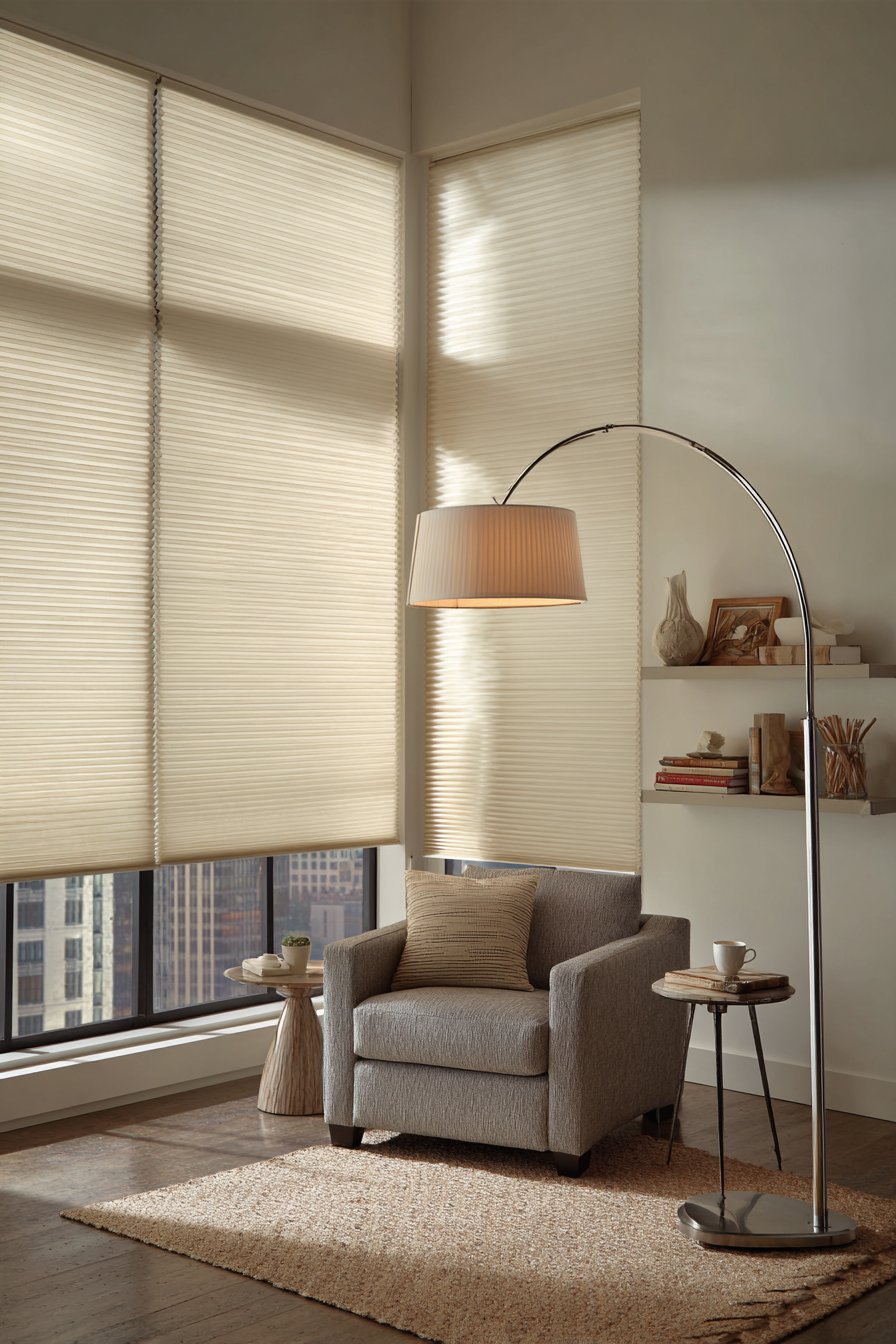
Traditional bedroom layouts typically center the bed against a wall, but this innovative approach challenges that convention by positioning the bed in a corner, creating an L-shaped configuration that fundamentally changes how the room functions. This seemingly simple shift has profound implications for the usable space, freeing up a significant portion of the floor for movement and additional functionality. The corner placement makes the bed feel more like a cozy nook or built-in feature rather than a standalone piece of furniture, creating an intimate sleeping area that feels protected and cocoon-like.
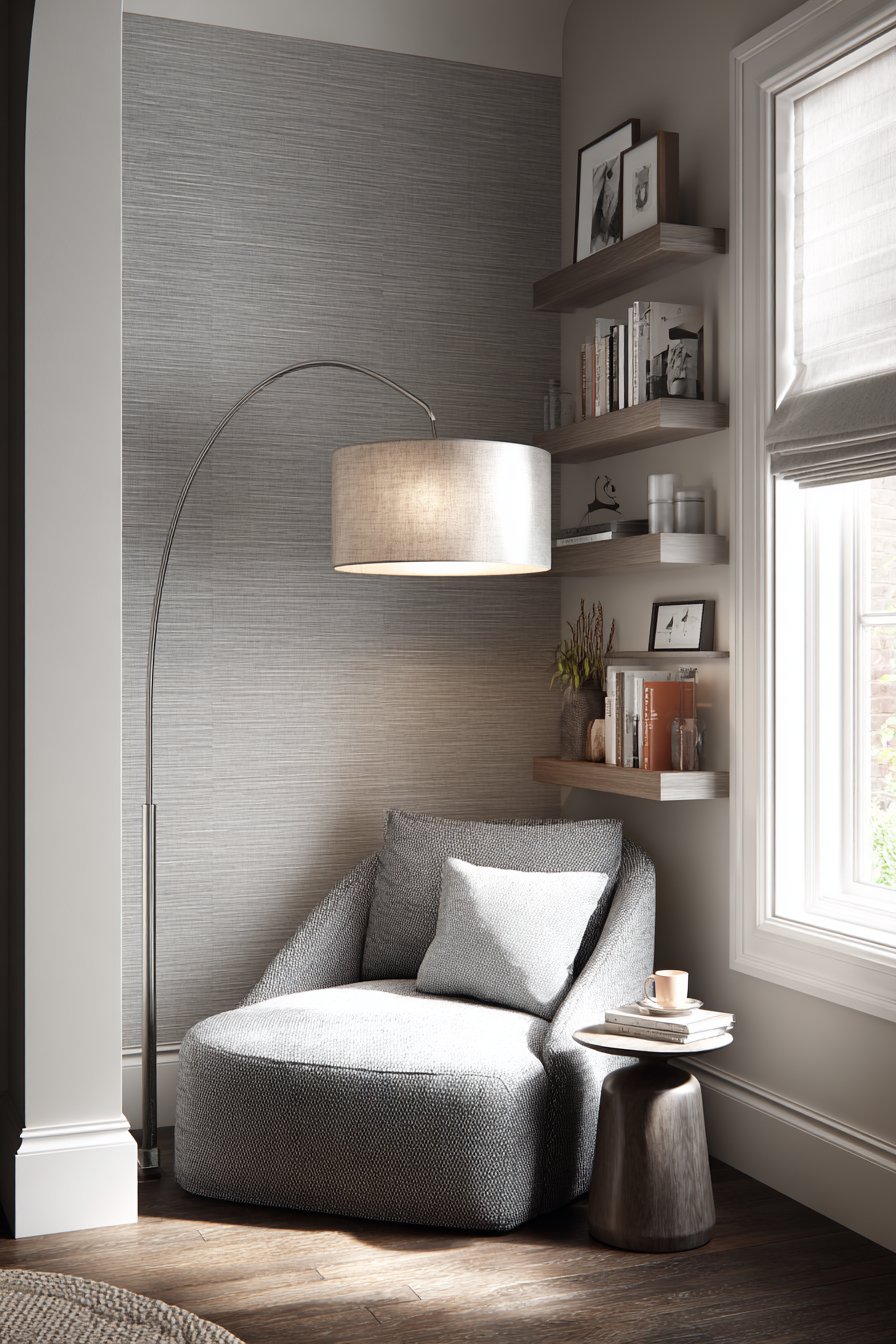
Wall-mounted pendant lights suspended from the ceiling on either side of the bed eliminate the need for traditional nightstands, their adjustable cords allowing for customized positioning that directs light exactly where needed for reading. This vertical lighting solution is particularly clever in small spaces, freeing up surface area while adding sculptural interest. A narrow console table positioned along an adjacent wall doubles as both a desk and a dresser, its slim profile providing essential functionality without encroaching on circulation space. The table’s surface might hold a laptop, a small lamp, and a few carefully chosen accessories during the day, then transform to hold a jewelry tray and nighttime essentials in the evening.
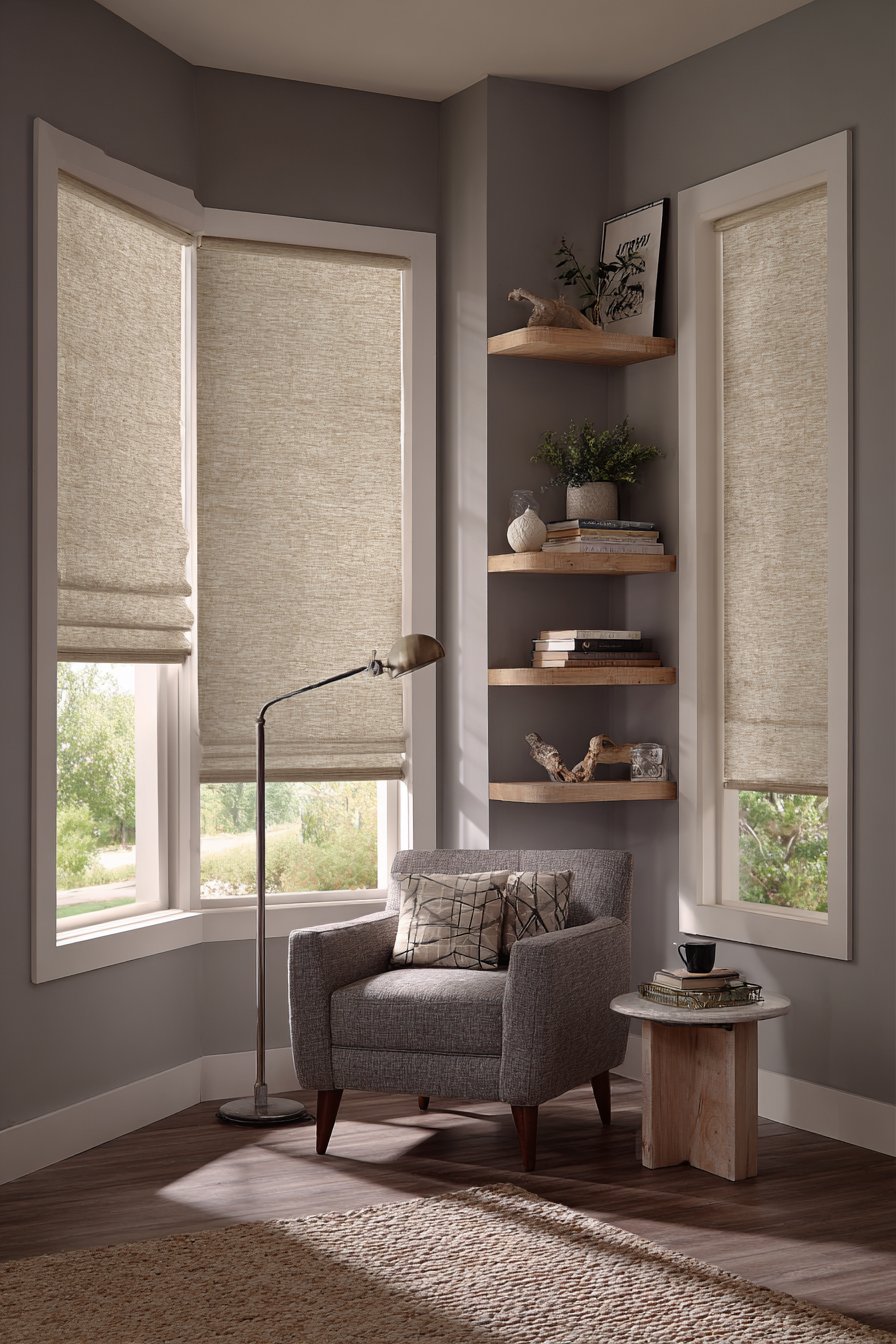
The color strategy here demonstrates sophisticated understanding of spatial psychology. Light neutral walls form a recessive backdrop that visually expands the room’s boundaries, while a single accent wall in soft sage green adds depth and creates a focal point without overwhelming the modest dimensions. The muted green hue brings nature indoors, creating a calming atmosphere conducive to rest while adding just enough color interest to prevent the neutral scheme from feeling bland. Sheer linen curtains in natural tones frame windows without blocking light, their relaxed drape adding softness to the room’s architectural lines.
Key Design Tips:
- Position beds in corners to maximize central floor space and create a more spacious feeling
- Use wall-mounted lighting fixtures to eliminate surface clutter and free up nightstand space
- Choose narrow, multifunctional furniture pieces that serve multiple purposes throughout the day
- Create focal points with subtle accent walls in muted colors that add interest without overwhelming
- Maintain clean sightlines from the doorway to the windows to enhance the perception of spaciousness
- Consider the room’s traffic flow when placing furniture, ensuring comfortable movement paths remain clear
4. Minimalist Elegance: The Power of Restraint
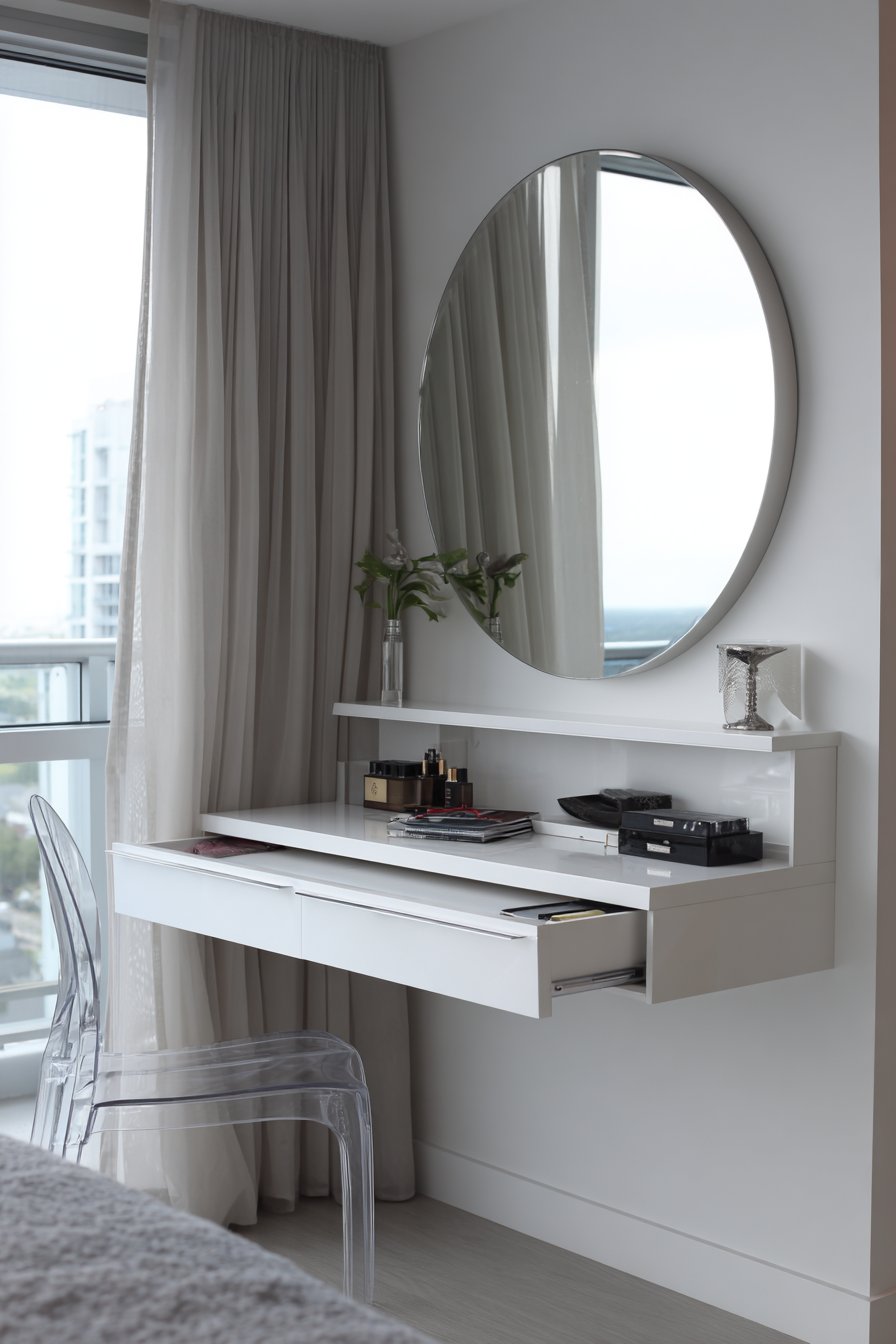
This minimalist interpretation of small bedroom design proves that eliminating excess can create remarkable tranquility and visual spaciousness. At its heart sits a simple upholstered bed frame in light grey linen, its neutral tone and soft texture providing comfort without demanding attention. The bed’s low profile and clean lines allow it to recede visually, becoming a backdrop rather than a focal point. Flanking it are wall-mounted floating nightstands with single drawers, their suspension creating the illusion that they’re hovering weightlessly, a visual trick that makes the floor appear larger and the room feel less crowded.
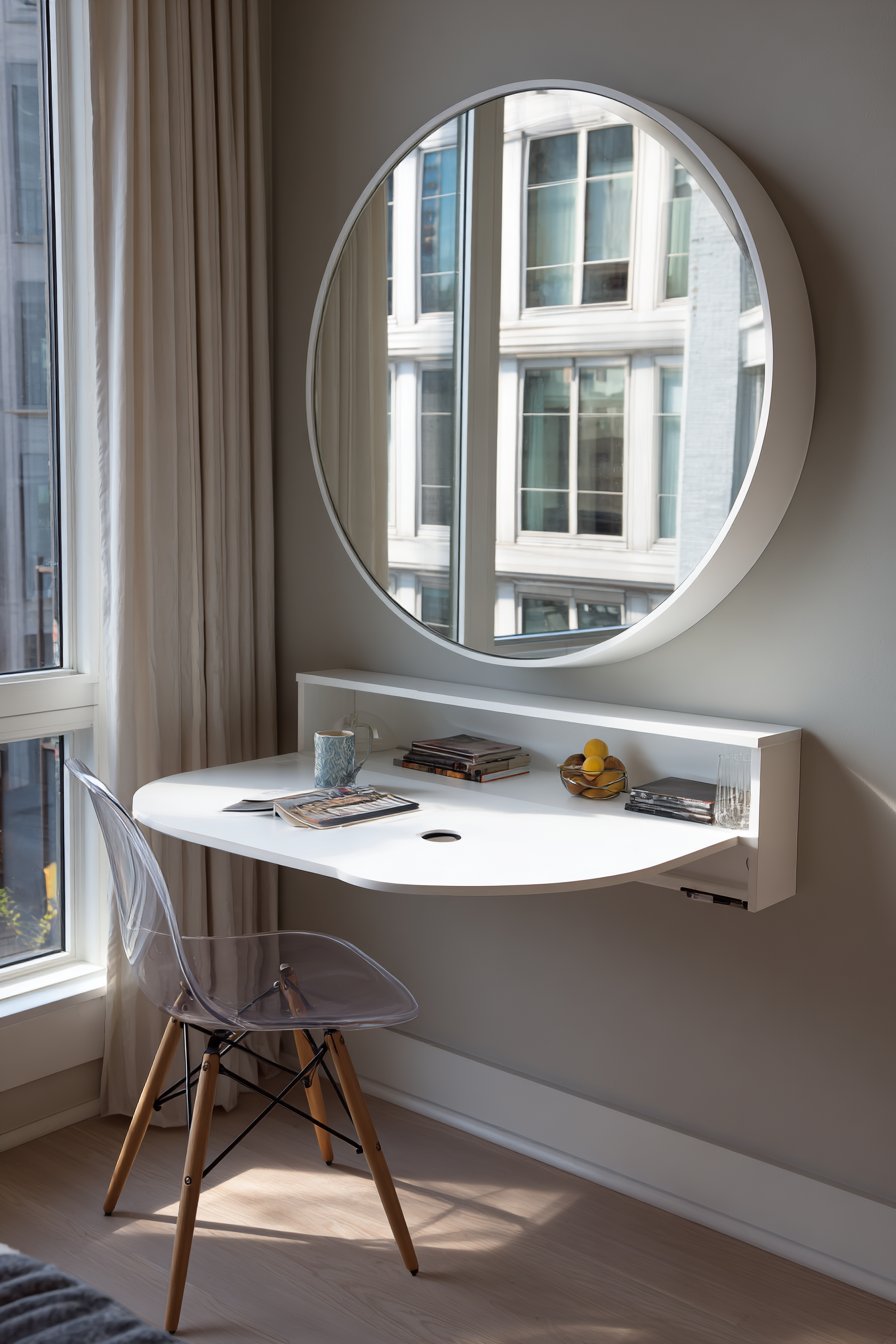
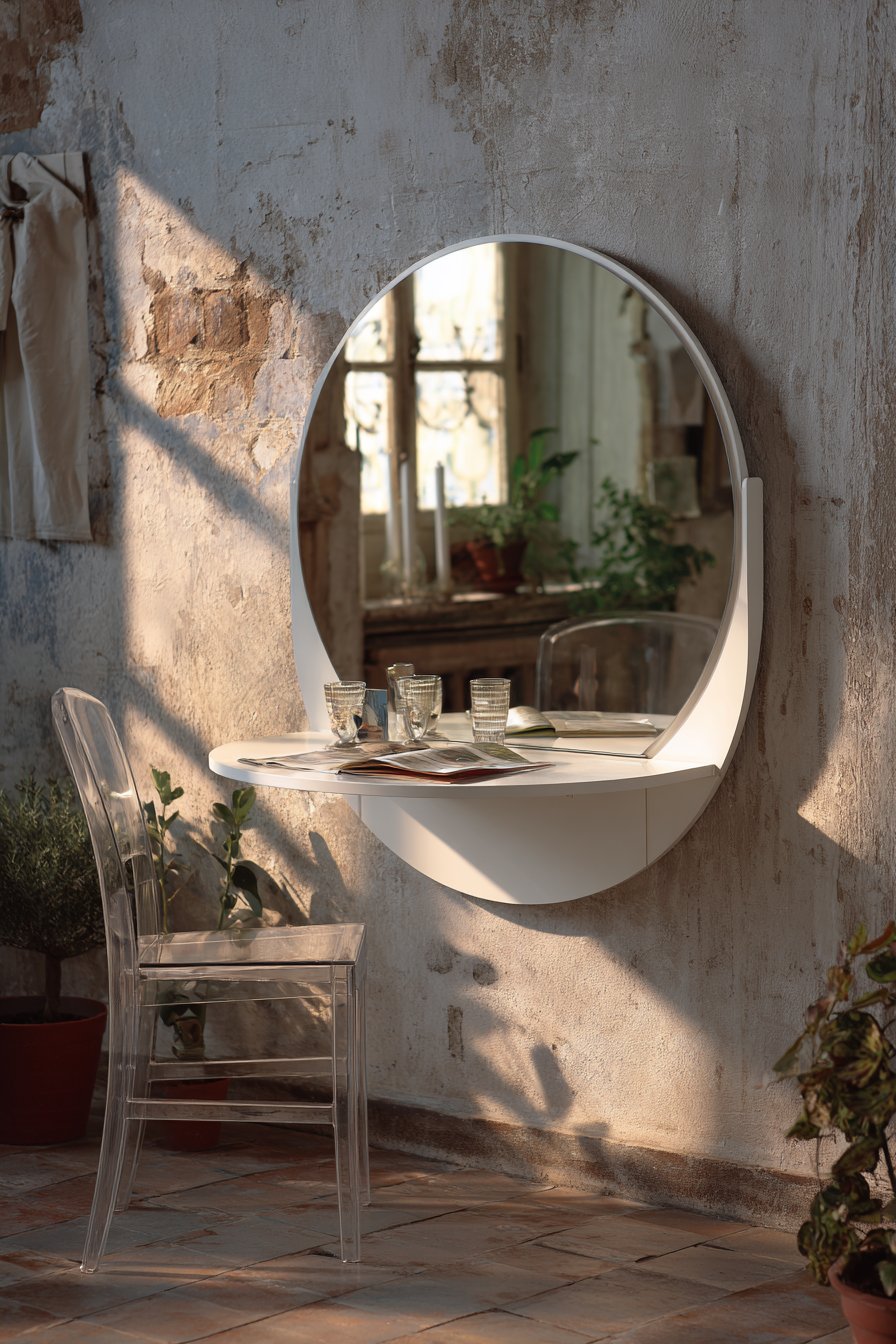
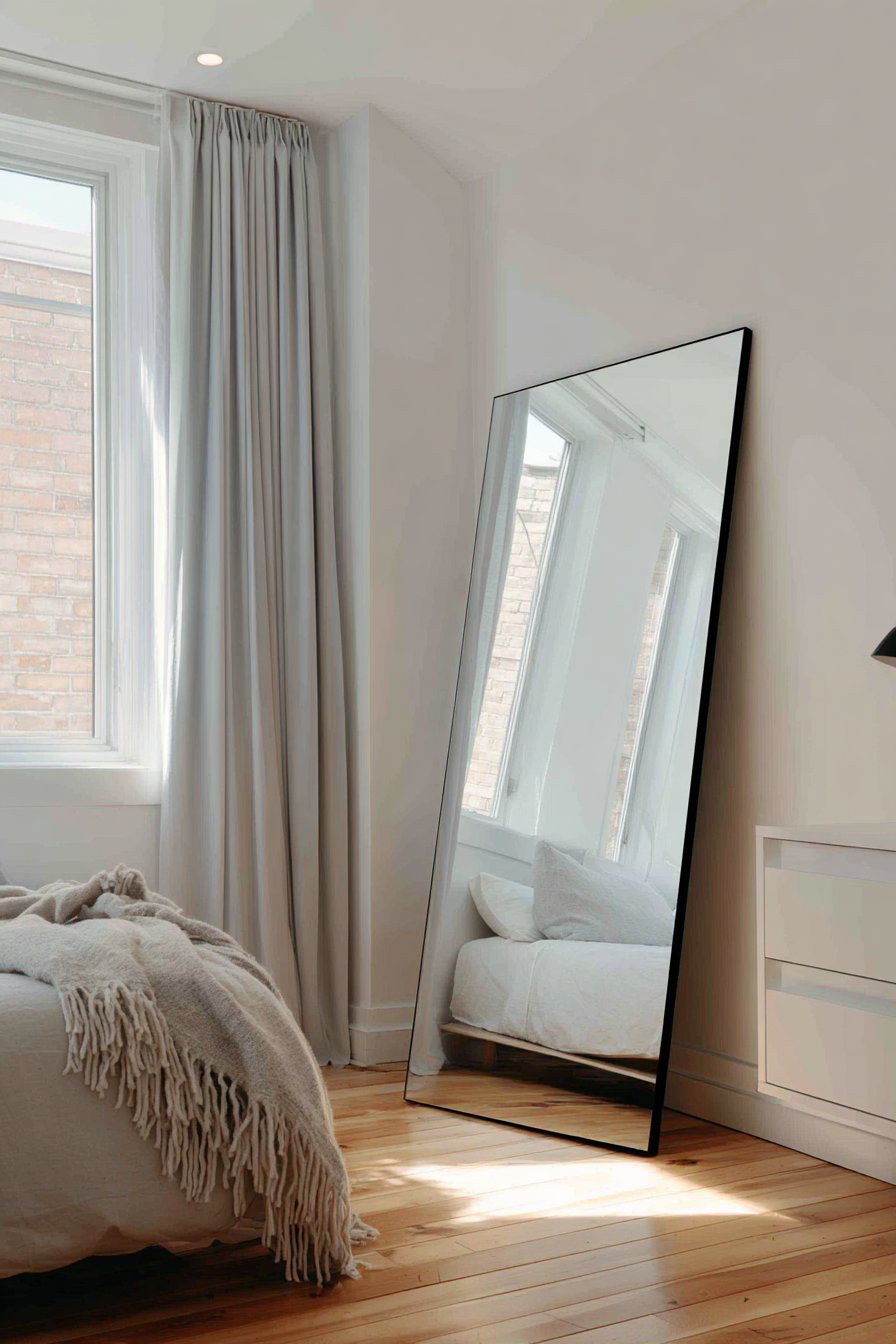
A full-length mirror leans casually against the wall rather than hanging, its oversized proportions reflecting light and views across the room to effectively double the perceived space. This leaning placement adds an element of relaxed sophistication while serving the practical function of providing a dressing mirror without requiring wall mounting or taking up floor space with a standing version. At the foot of the bed, a simple upholstered bench provides seating and a surface for laying out clothing, while woven storage baskets tucked beneath it offer concealed organization for items that would otherwise create visual noise.
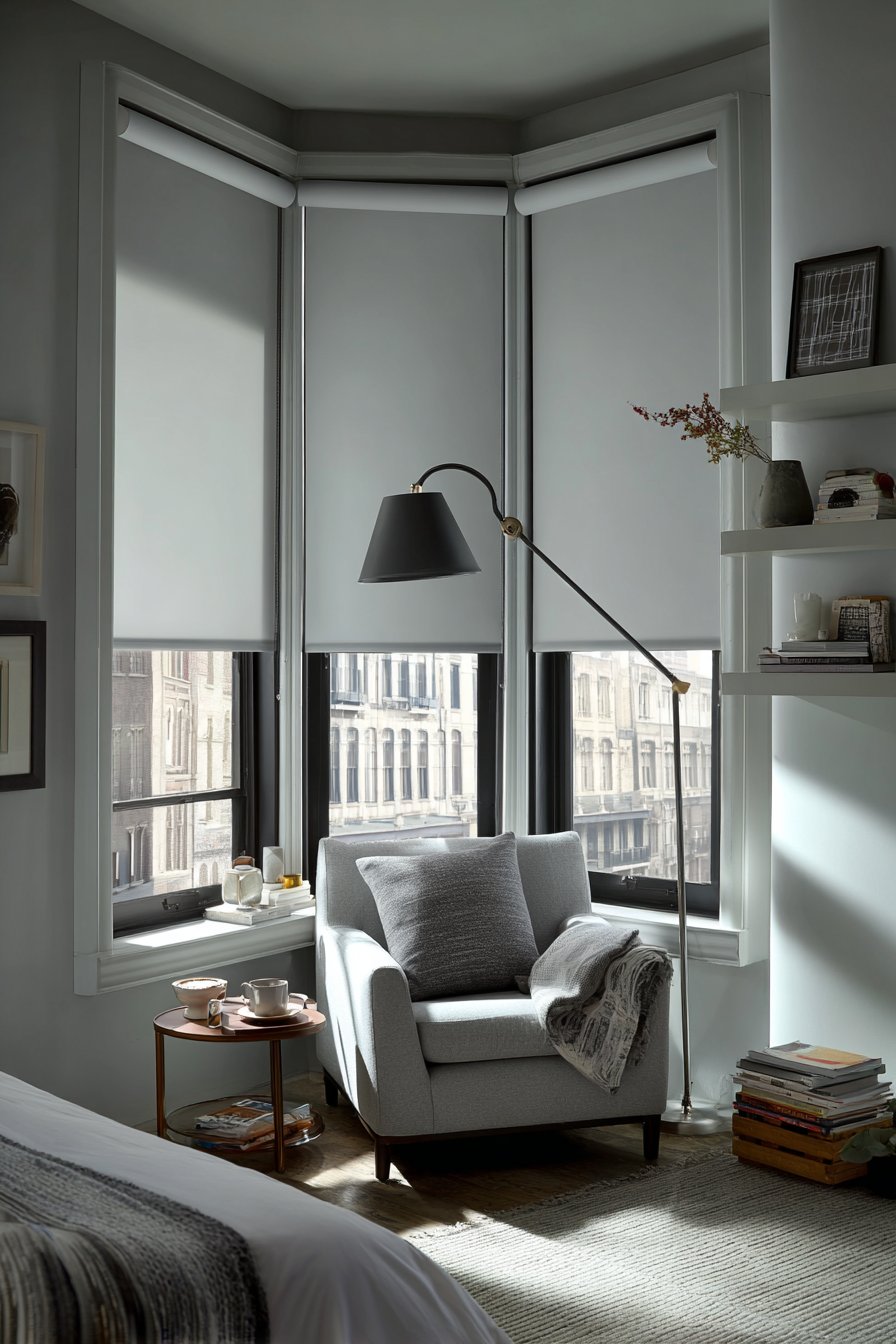
The room’s lighting strategy emphasizes natural illumination, with white roller shades that can be fully raised during the day to flood the space with sunlight or lowered for privacy without adding visual weight through heavy curtains or complex window treatments. The color palette remains strictly controlled—variations of white, light grey, and natural beige create a seamless envelope that makes boundaries between surfaces less distinct, effectively making the walls seem to recede. Texture becomes the primary source of visual interest, with the linen bedding, woven baskets, and nubby upholstery providing tactile richness that prevents the simplicity from feeling cold.
Key Design Tips:
- Limit your color palette to three tones maximum for maximum visual impact and cohesion
- Choose floating or wall-mounted furniture to preserve floor visibility and create airiness
- Use oversized mirrors to reflect light and create the illusion of expanded space
- Incorporate texture through textiles and natural materials rather than through color or pattern
- Maintain clear surfaces with concealed storage solutions that hide everyday clutter
- Edit possessions ruthlessly, displaying only essential items or those with deep personal meaning
- Choose window treatments that maximize light while providing necessary privacy without bulk
5. Vertical Thinking: Maximizing Height When Square Footage Is Limited
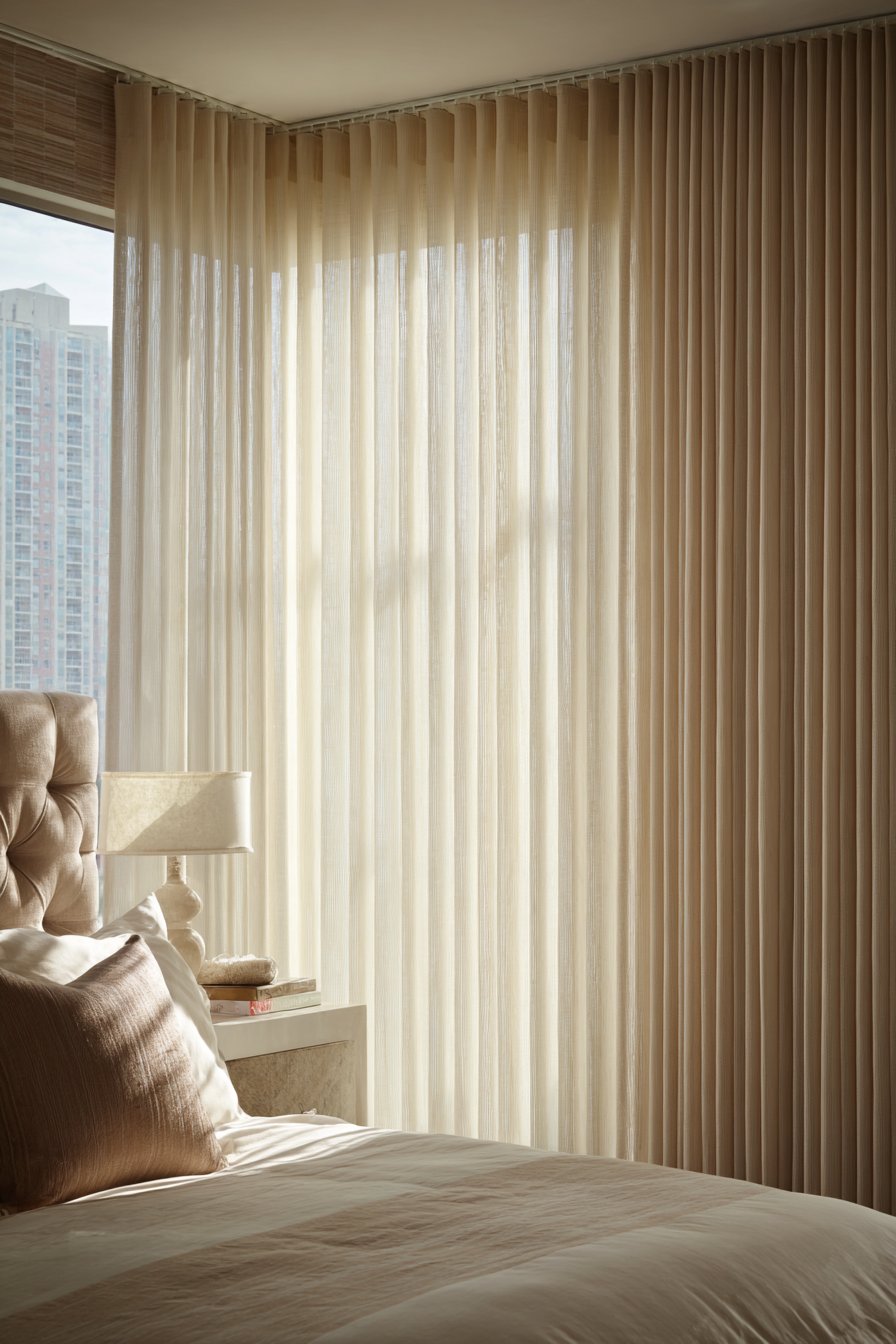
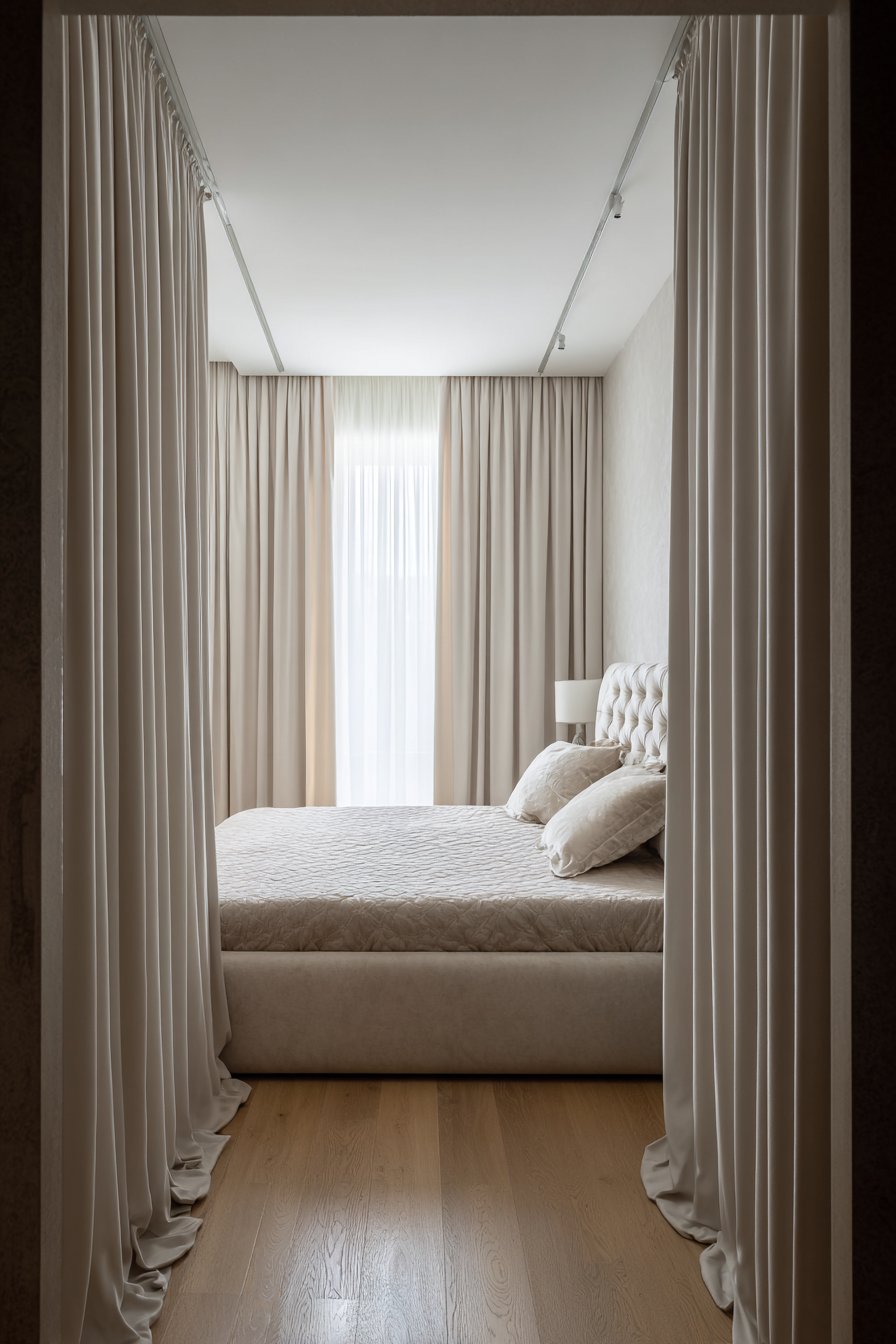
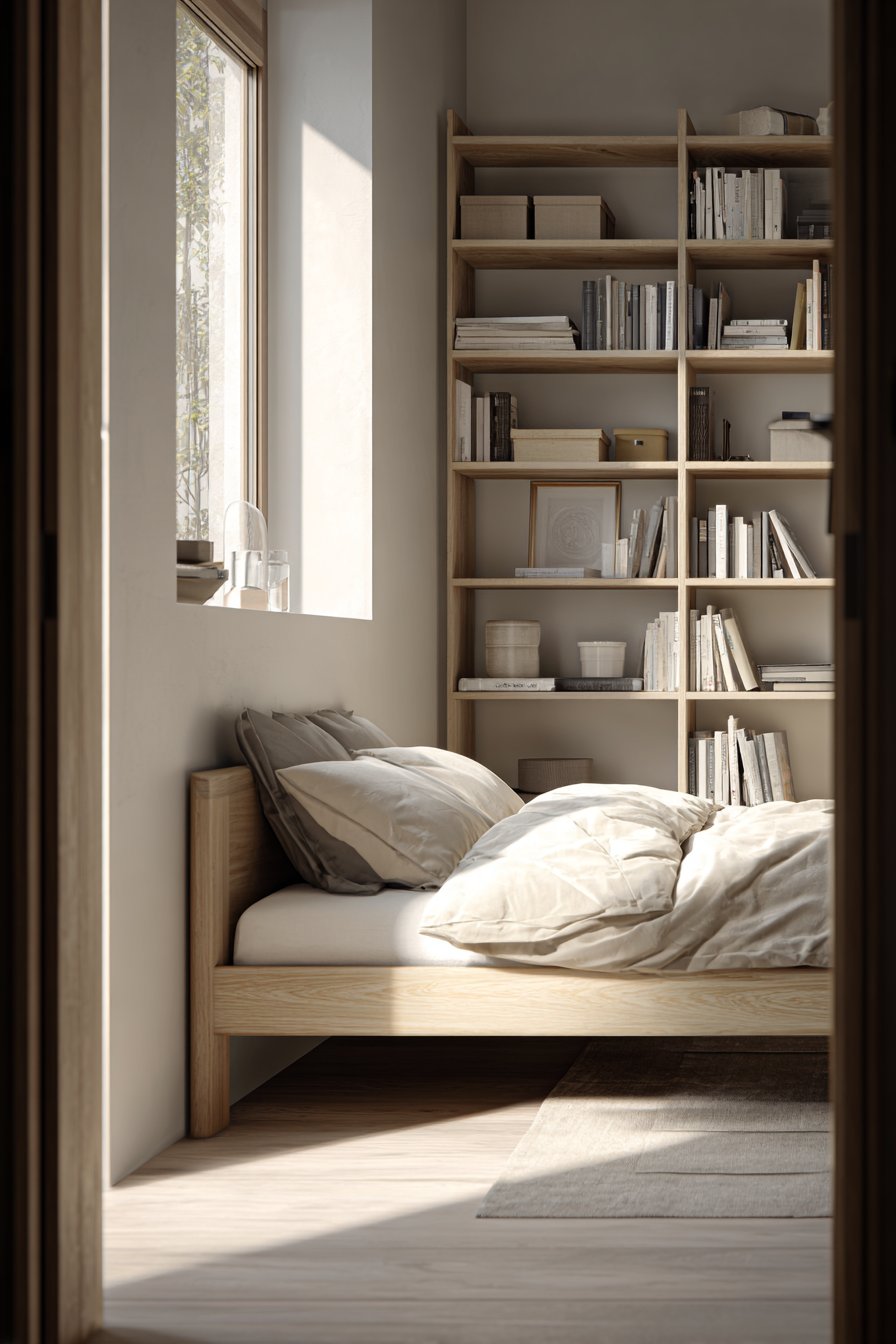
When floor space is at a premium, the only direction to expand is upward, and this design demonstrates how vertical storage solutions can transform a small bedroom’s functionality without sacrificing style. A tall, narrow bookshelf positioned beside the bed reaches toward the ceiling, its slim footprint occupying minimal floor space while providing substantial storage for books, decorative objects, and essential items. The vertical orientation naturally draws the eye upward, creating the perception of greater ceiling height and overall spaciousness—a valuable optical illusion in compact rooms with standard ceiling heights.
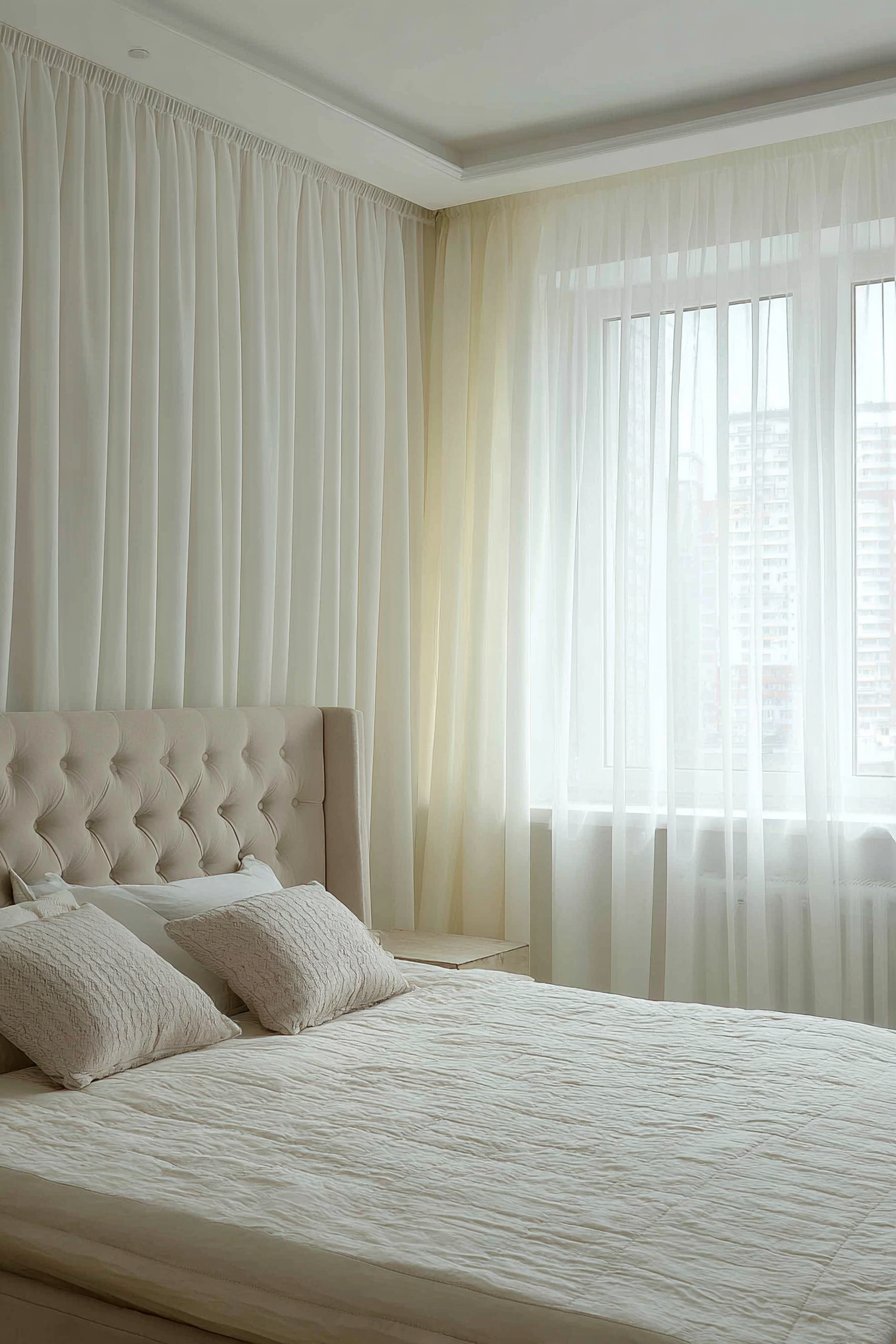
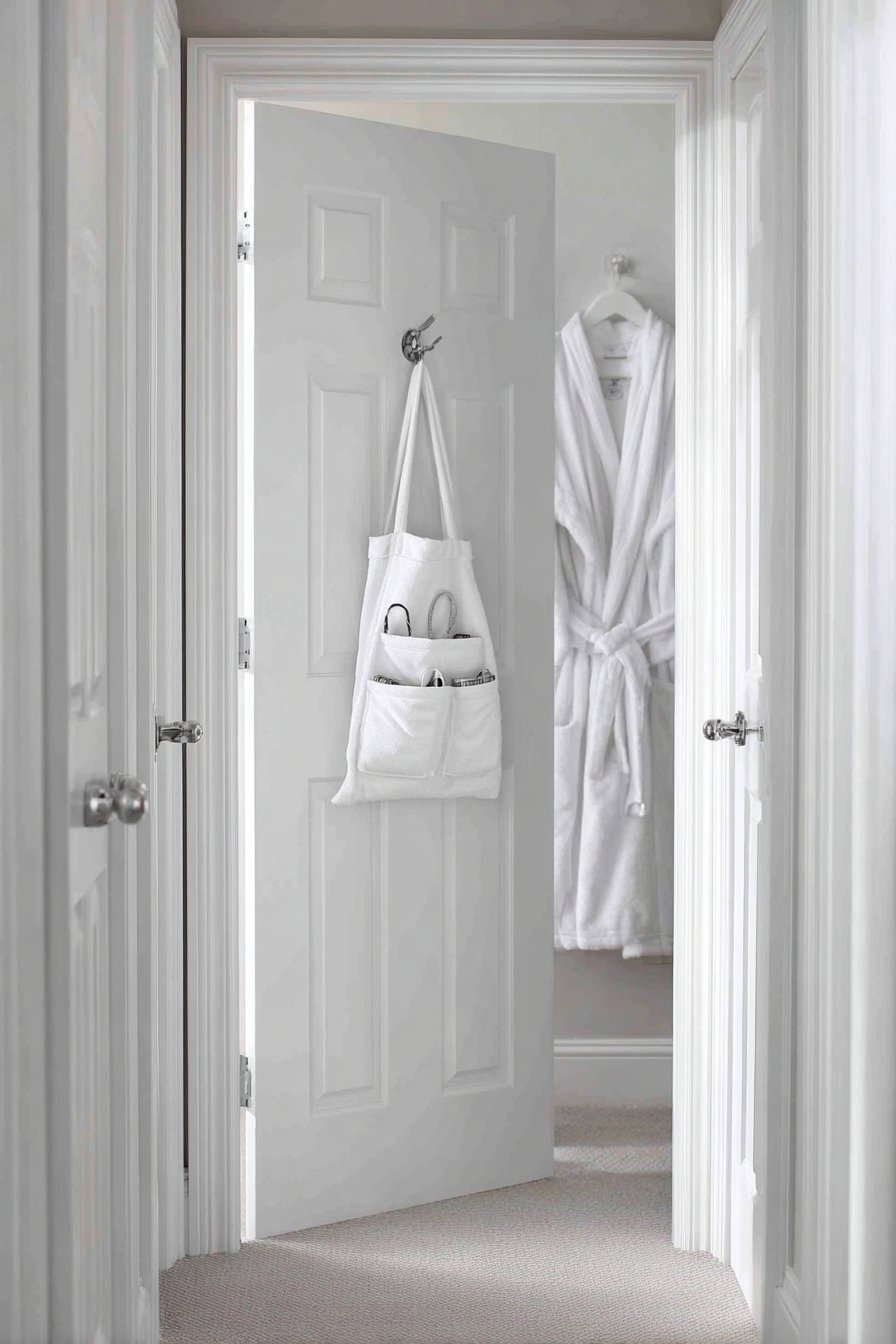
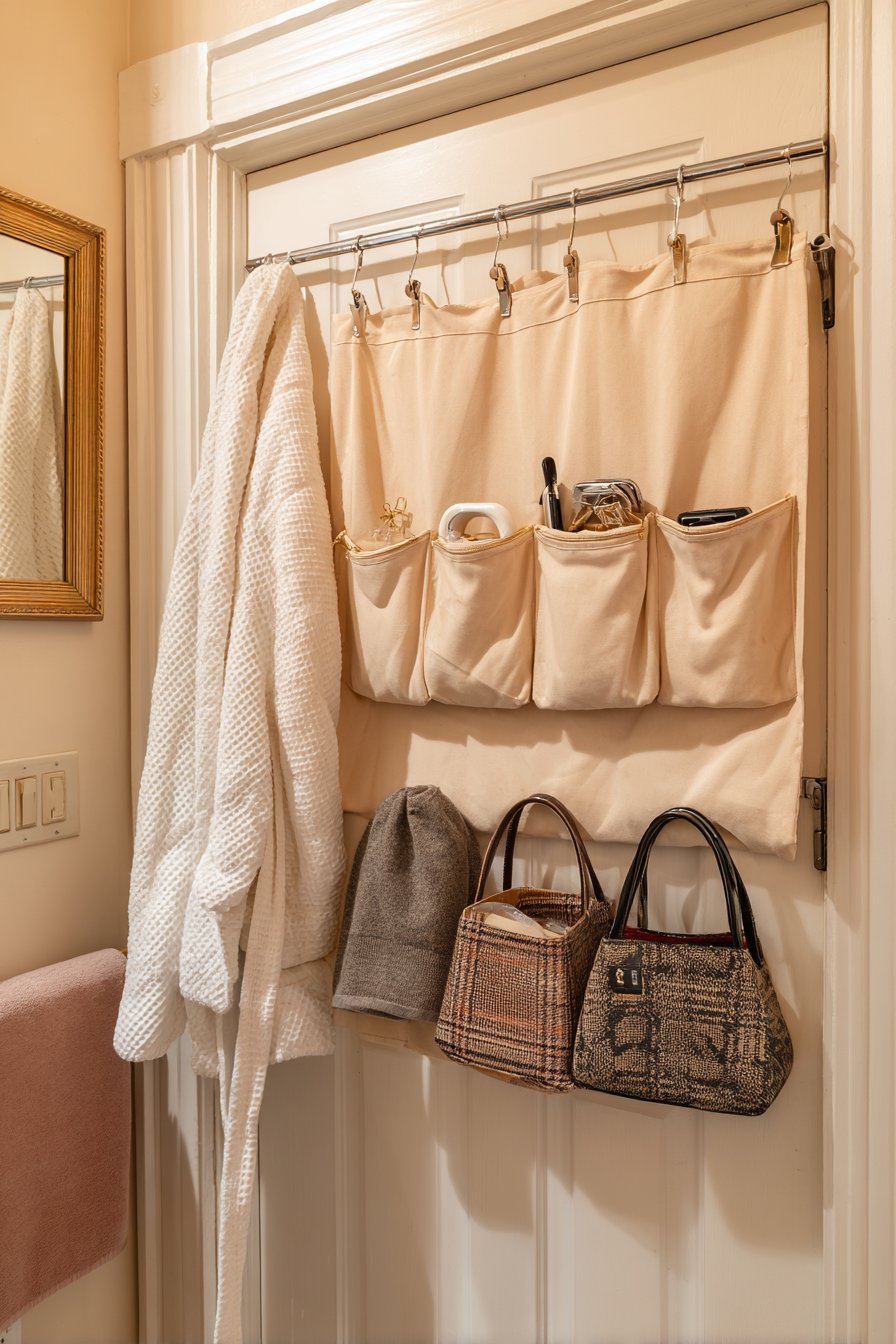
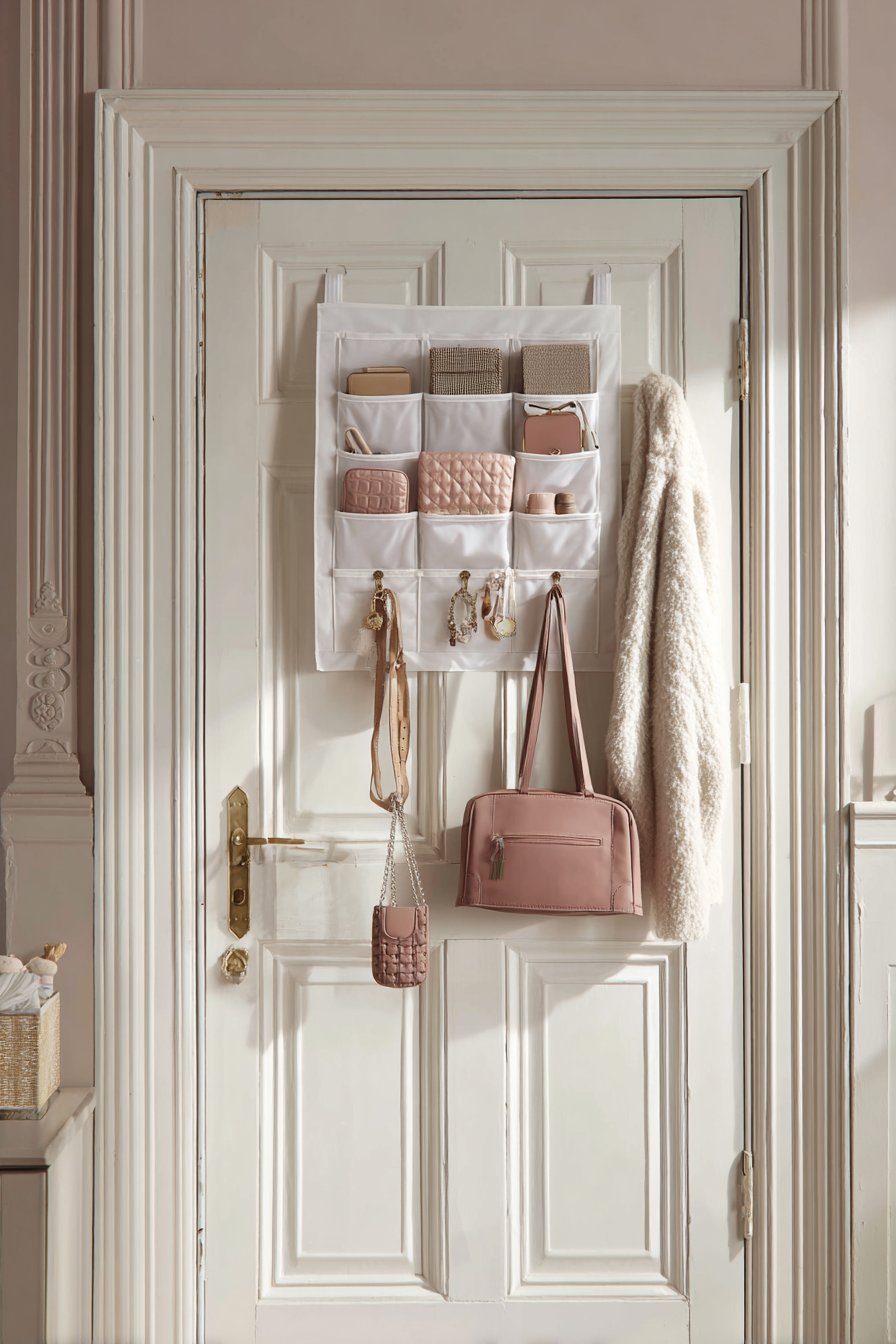
The bed itself is dressed in a quilted coverlet in soft neutral tones, with minimal pillows arranged to avoid the overstuffed look that can make small bedrooms feel cluttered. This restraint in bedding creates a cleaner, more spacious appearance while maintaining comfort. A small round side table on hairpin legs provides bedside functionality while maintaining an open, airy quality—its slim legs and compact circular top take up less visual and physical space than traditional rectangular nightstands. Hanging organizers on the back of the door capitalize on often-overlooked vertical real estate, providing additional storage without requiring any floor or wall space within the room proper.
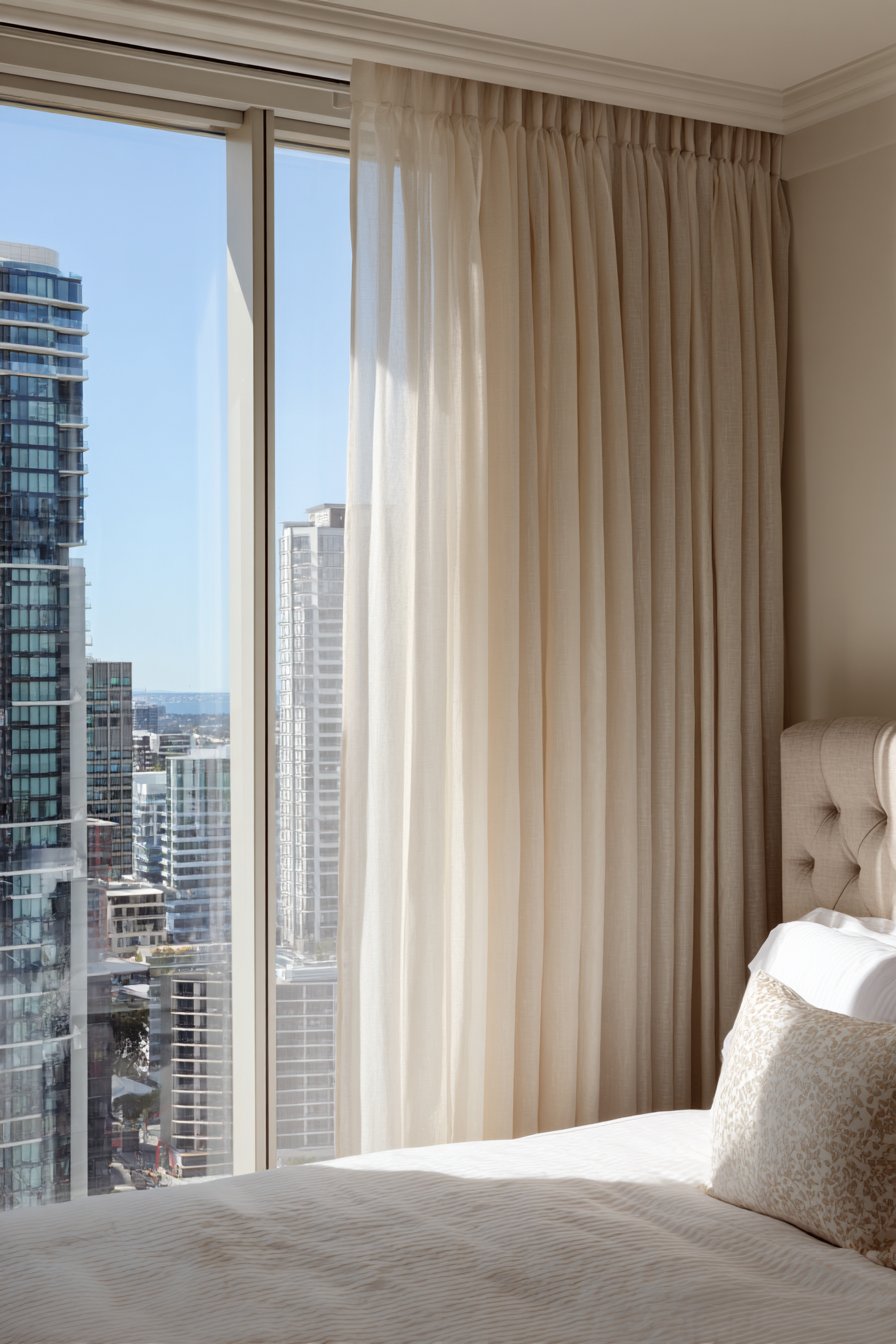
The overall aesthetic prioritizes function without sacrificing beauty, demonstrating that practical storage solutions can be visually pleasing when thoughtfully selected. The key lies in maintaining proportions appropriate to the room’s scale—tall but narrow shelving, compact but adequate surface space, and slim-profile furniture that serves its purpose without overwhelming. Natural diffused lighting creates an even illumination that prevents harsh shadows or dark corners that would make the space feel smaller or more closed-in.
Key Design Tips:
- Install floor-to-ceiling storage units that maximize vertical space while maintaining narrow profiles
- Choose tall, slim bookcases over short, wide ones to emphasize ceiling height
- Utilize over-door organizers and wall-mounted hooks to capture unused vertical surfaces
- Keep bedding minimal and streamlined to avoid visual bulk that clutters small spaces
- Select furniture with exposed legs and open construction to maintain floor visibility
- Create zones of organization at different heights to make retrieval easy and maintain order
- Use matching baskets or boxes on high shelves to conceal stored items while maintaining visual cohesion
6. Modern Farmhouse: Rustic Charm Adapted for Small Spaces
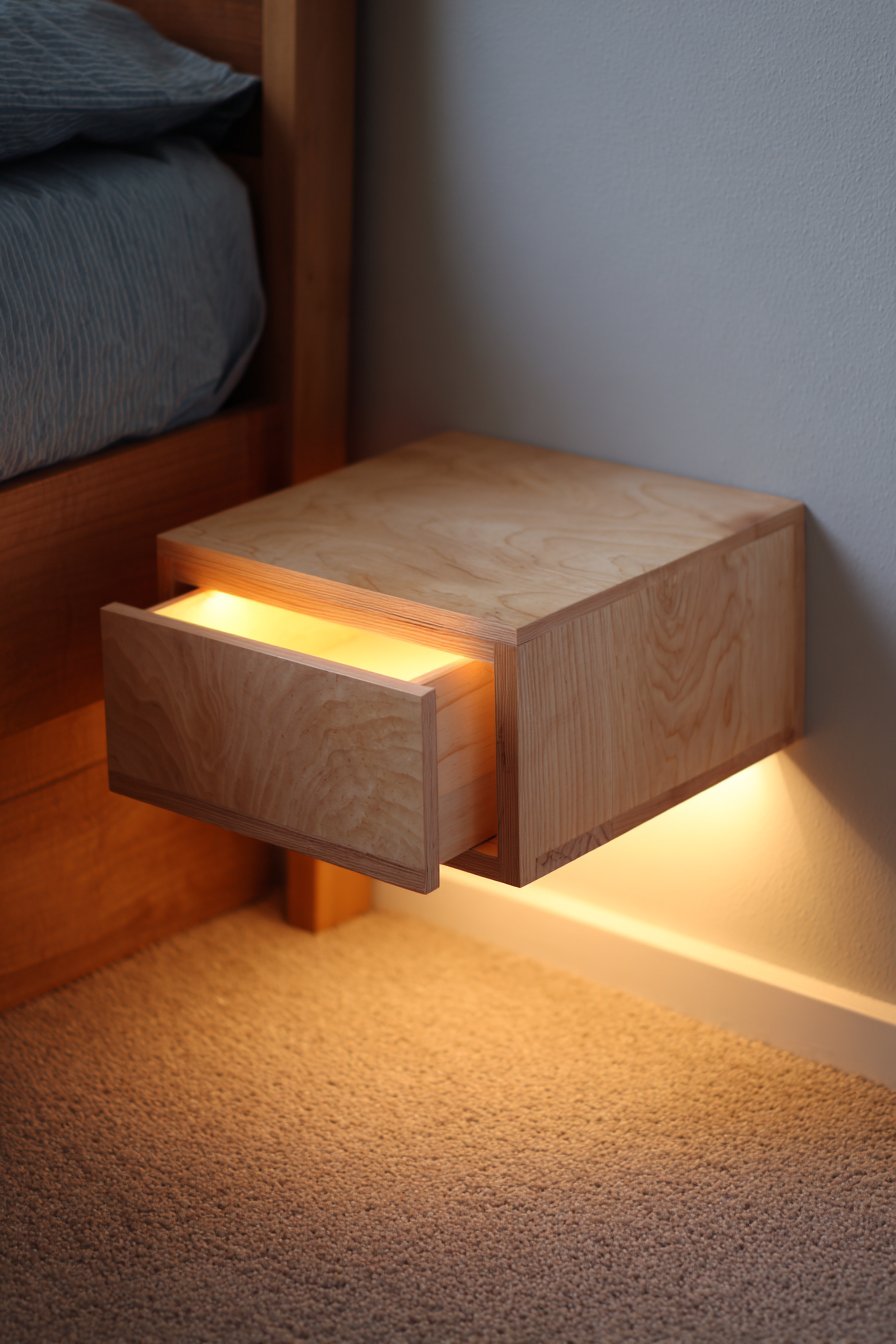
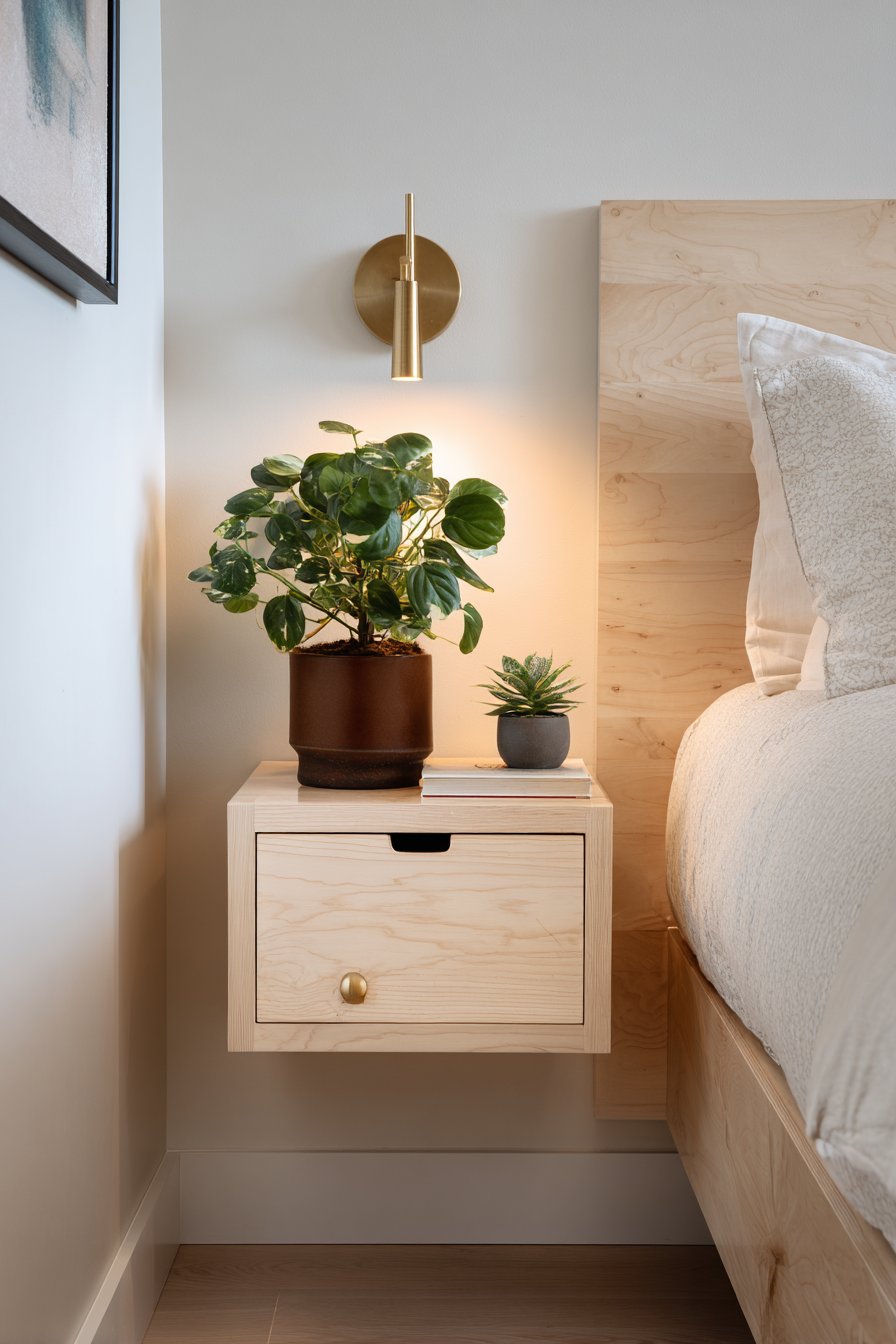
The modern farmhouse aesthetic has captivated homeowners with its blend of rustic warmth and contemporary clean lines, and this small bedroom interpretation proves the style translates beautifully to compact dimensions. A white wooden bed frame with built-in cubbies in the headboard serves as the room’s centerpiece, its painted finish brightening the space while the integrated storage eliminates the need for additional furniture. These cubbies provide perfect homes for books, a reading lamp, phone charging, and decorative items, keeping necessities within arm’s reach without cluttering bedside tables.
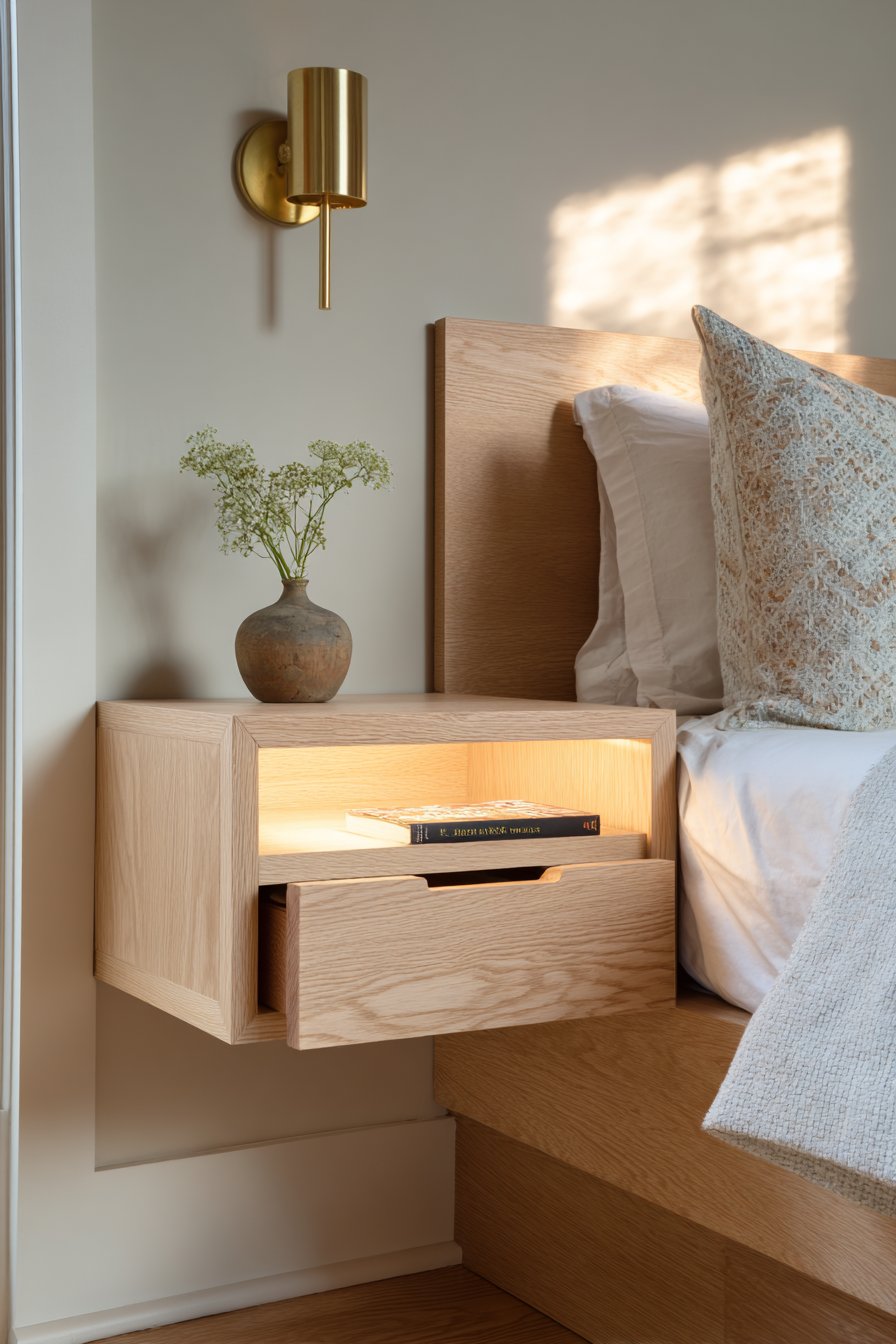
A compact distressed wood dresser exhibits the weathered patina and visible wear that gives farmhouse furniture its character and sense of history. Its smaller scale makes it appropriate for the room’s dimensions while still offering essential clothing storage. Above, mason jar lighting fixtures mounted as sconces add whimsy and country charm while providing functional task lighting—their clear glass and visible Edison bulbs create warm, ambient illumination that enhances the room’s cozy atmosphere. A soft white shiplap accent wall adds architectural interest and texture without overwhelming the space, its horizontal lines subtly widening the room’s perceived dimensions.
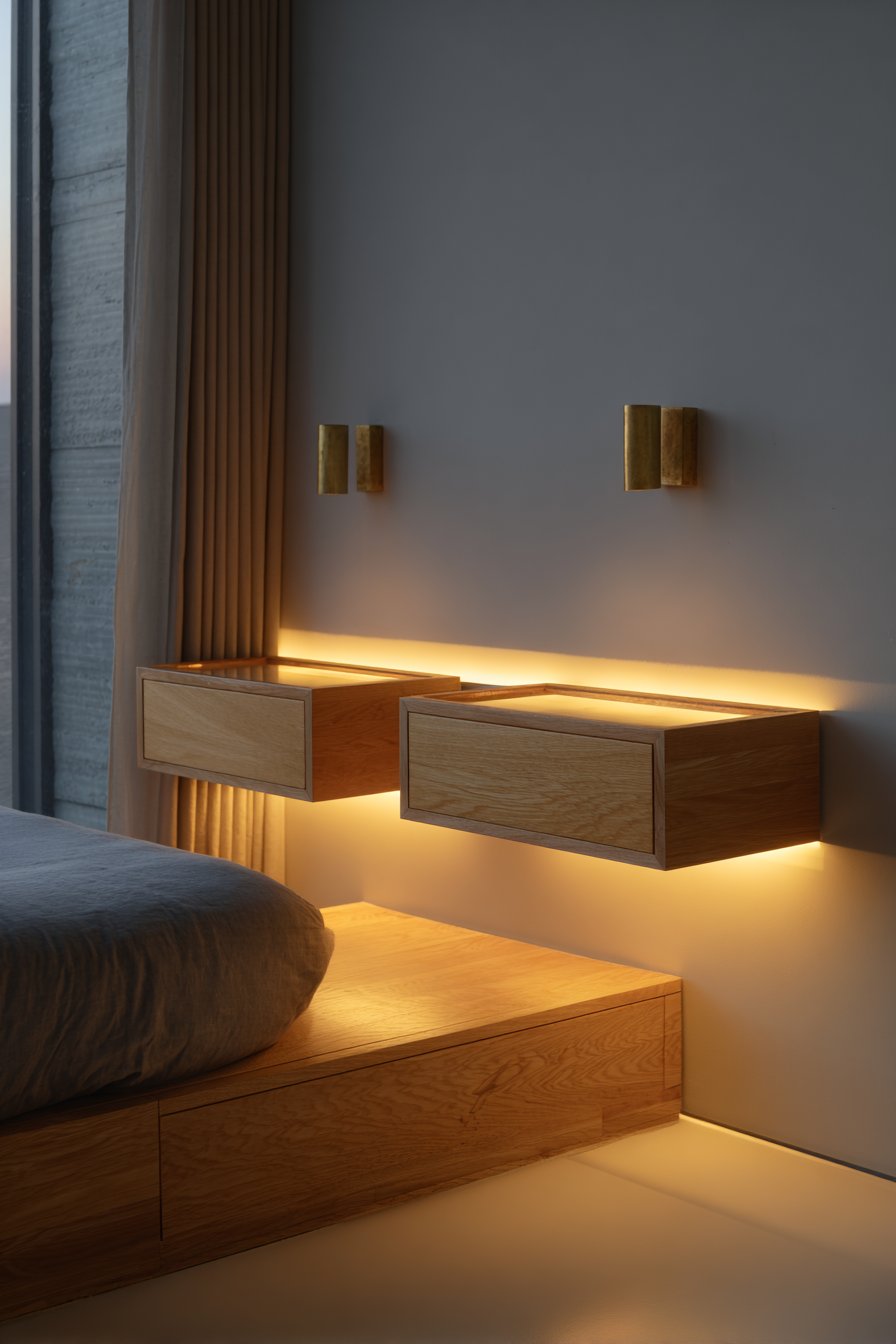
The flooring features a woven jute rug that defines the sleeping area while adding natural texture and warmth underfoot. Its neutral tone and organic material bridge the white painted furniture and the natural wood elements, creating visual cohesion. The overall color palette stays light and bright—predominantly whites and creams with warm wood tones—ensuring the farmhouse elements add character without making the small space feel heavy or dated. Small touches like vintage-inspired hardware, weathered wood picture frames, and perhaps a small galvanized metal container used as a planter bring authentic farmhouse character without requiring significant space.
Key Design Tips:
- Choose white or light-painted furniture to keep the farmhouse aesthetic from feeling too heavy in small spaces
- Incorporate architectural elements like shiplap or board-and-batten on a single accent wall for impact without overwhelm
- Use distressed or weathered finishes to add character and visual interest within a light color palette
- Select smaller-scale farmhouse pieces that maintain style while fitting proportionally in compact rooms
- Add vintage-inspired lighting fixtures that serve as both functional elements and decorative features
- Layer natural textures through jute, linen, and wood to create warmth and depth
- Keep the overall palette light and neutral, using natural wood tones as your primary color accent
7. The Daybed Solution: Dual-Purpose Design for Maximum Flexibility
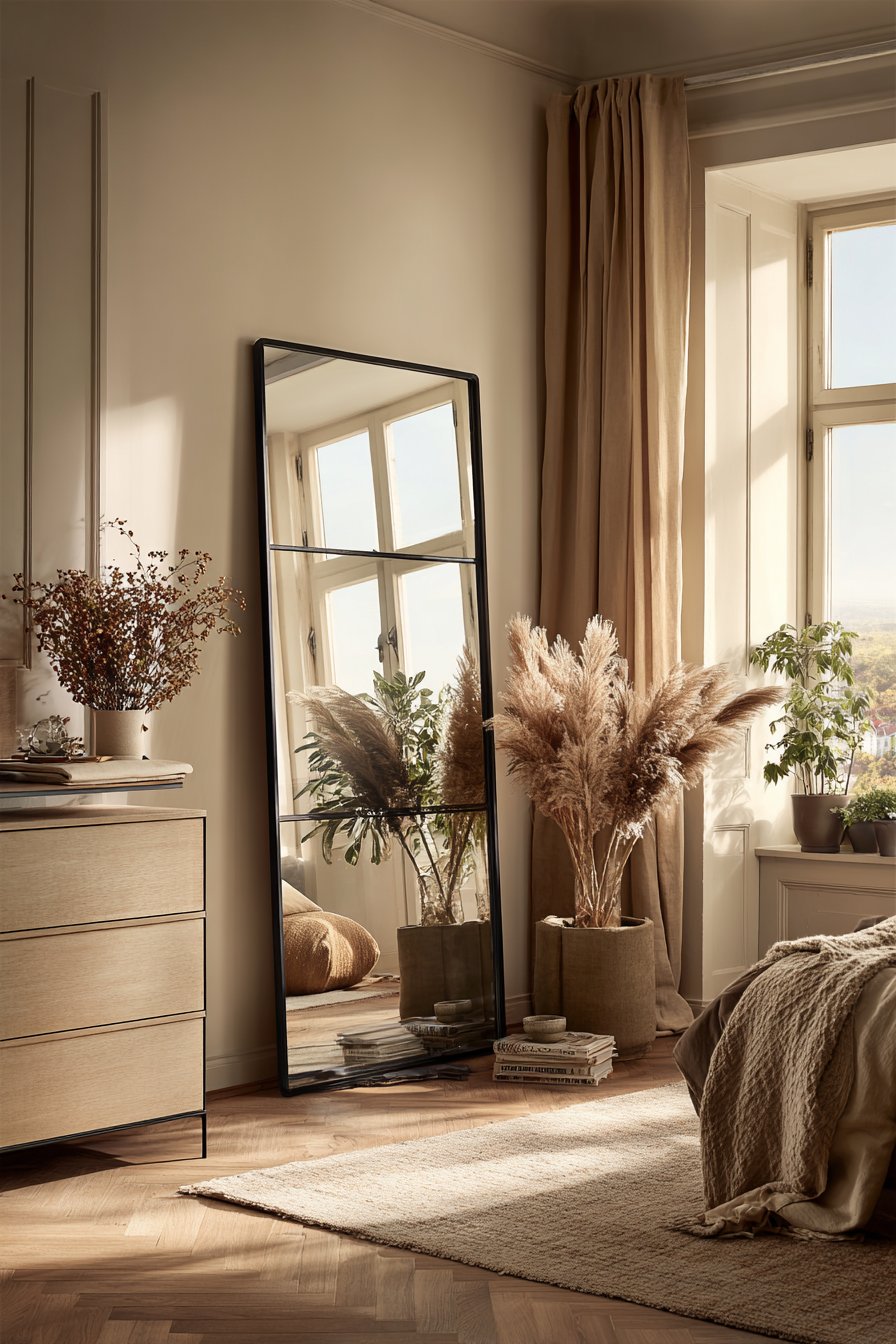
This innovative approach centers around a daybed positioned lengthwise against the wall, fundamentally changing how we think about bedroom furniture. Unlike traditional beds that are purely for sleeping, a daybed functions as seating during the day and sleeping surface at night, making it ideal for small bedrooms that must serve multiple purposes. Styled with an array of cushions and pillows arranged against the wall, it creates an inviting spot for reading, working on a laptop, or simply lounging—essentially functioning as a sofa during waking hours.
Built-in shelving above the daybed takes advantage of often-wasted wall space, creating a display area for books, small plants, and carefully curated decorative objects. This vertical storage solution keeps items within easy reach while maintaining the room’s open feel, as the shelves don’t extend far from the wall or create visual barriers. A compact fold-out desk attached to an adjacent wall provides a workspace that can be deployed when needed and tucked away when not in use, demonstrating the kind of transformable furniture that makes small space living functional and comfortable.
The soft blue-grey walls create a calming, contemplative atmosphere that works for both the room’s daytime and nighttime functions. This muted color adds personality and warmth without overwhelming the modest dimensions, while its cool undertones help the walls appear to recede, making the room feel slightly larger than it is. The overall design demonstrates how thoughtful furniture selection and placement can allow a single small bedroom to serve as bedroom, home office, and casual living area without feeling cramped or compromised in any of these functions.
Key Design Tips:
- Choose a daybed over a traditional bed in rooms that must serve multiple functions throughout the day
- Install floating shelves above the daybed at comfortable reaching height for both display and storage
- Invest in quality cushions and pillows that provide comfortable back support for daytime sitting
- Add a fold-out or wall-mounted desk to create workspace without permanently sacrificing floor space
- Use calming, neutral wall colors that work for both active and restful activities
- Keep the floor clear of unnecessary furniture to maintain flexibility for yoga, exercise, or other activities
- Choose bedding and cushions in coordinating colors to create a cohesive look whether configured for sitting or sleeping
8. Japanese Minimalism: Zen Principles in Compact Living
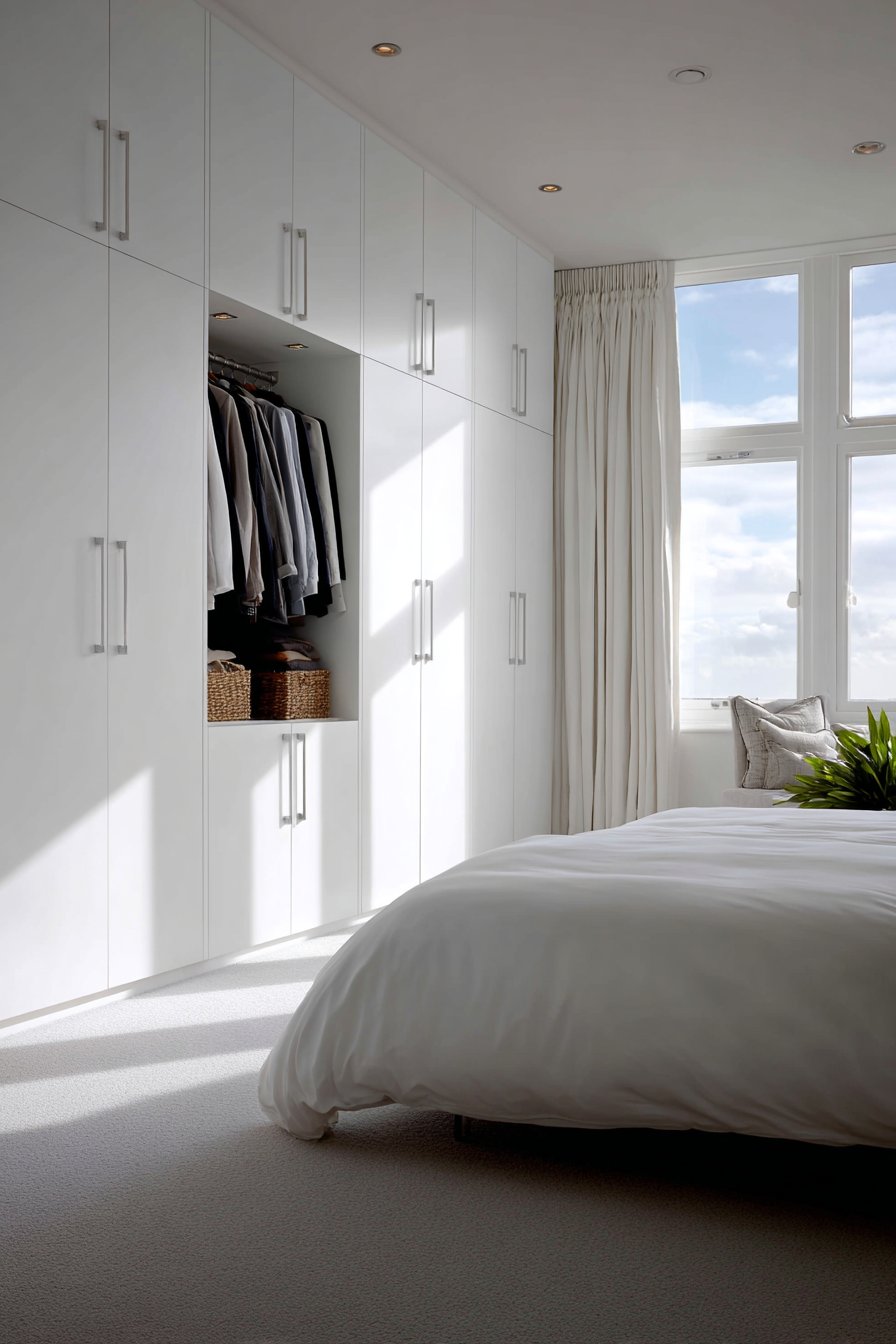
Drawing inspiration from traditional Japanese interiors where minimalism isn’t just an aesthetic choice but a way of life, this bedroom demonstrates how Eastern design principles create remarkable tranquility in small spaces. At its foundation is a low futon bed on a simple platform frame, positioned close to the floor in the Japanese manner. This low profile creates generous visual space above, making the ceiling feel higher and the room more expansive. Flanking the bed are small cubic side tables in natural wood, their simple geometric forms and compact scale providing essential bedside functionality without visual clutter.
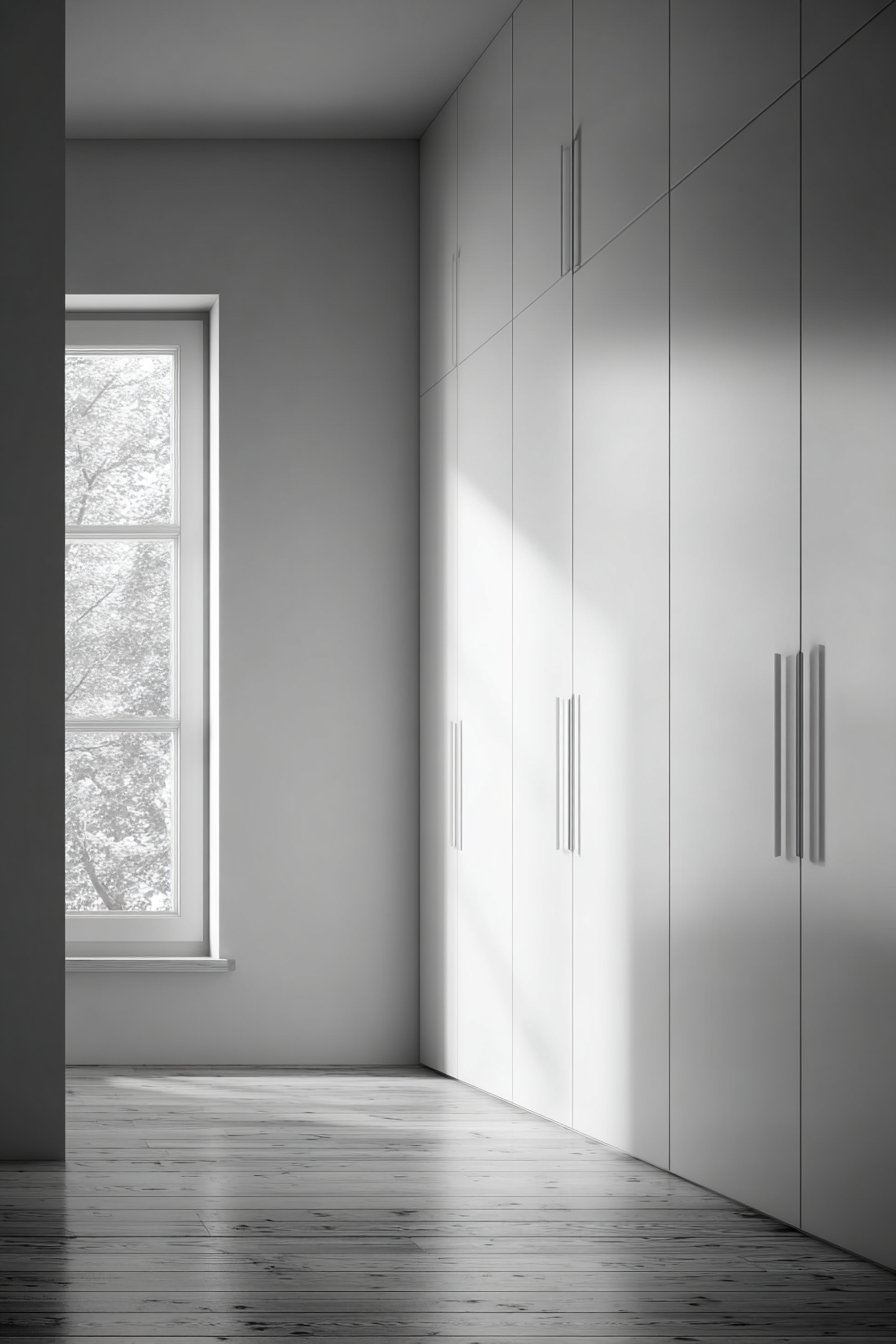
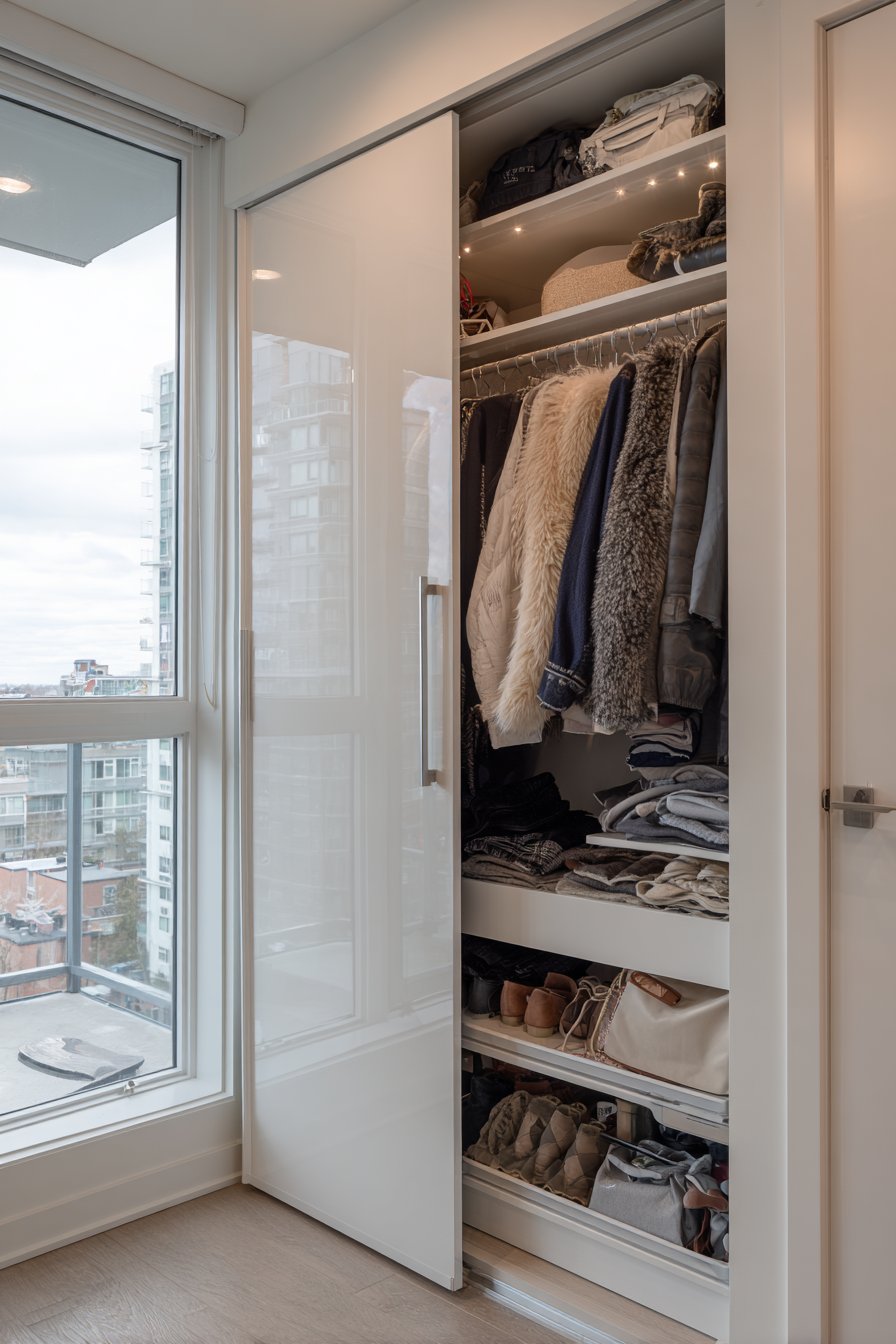
Sliding shoji-style panels for the closet replace traditional swinging doors, an ingenious space-saving solution that eliminates the clearance zone required for door operation. These translucent panels filter light beautifully while providing privacy for clothing storage, their rice paper or fabric inserts adding textural interest and a distinctly Japanese aesthetic. The panels’ clean lines and neutral tones allow them to function as a subtle backdrop rather than a dominant feature. Throughout the room, the emphasis remains on natural materials—wood in its most honest expression, showing grain and subtle color variations; stone or ceramic elements in lamps or decorative objects; and natural fiber textiles in bedding and floor covering.
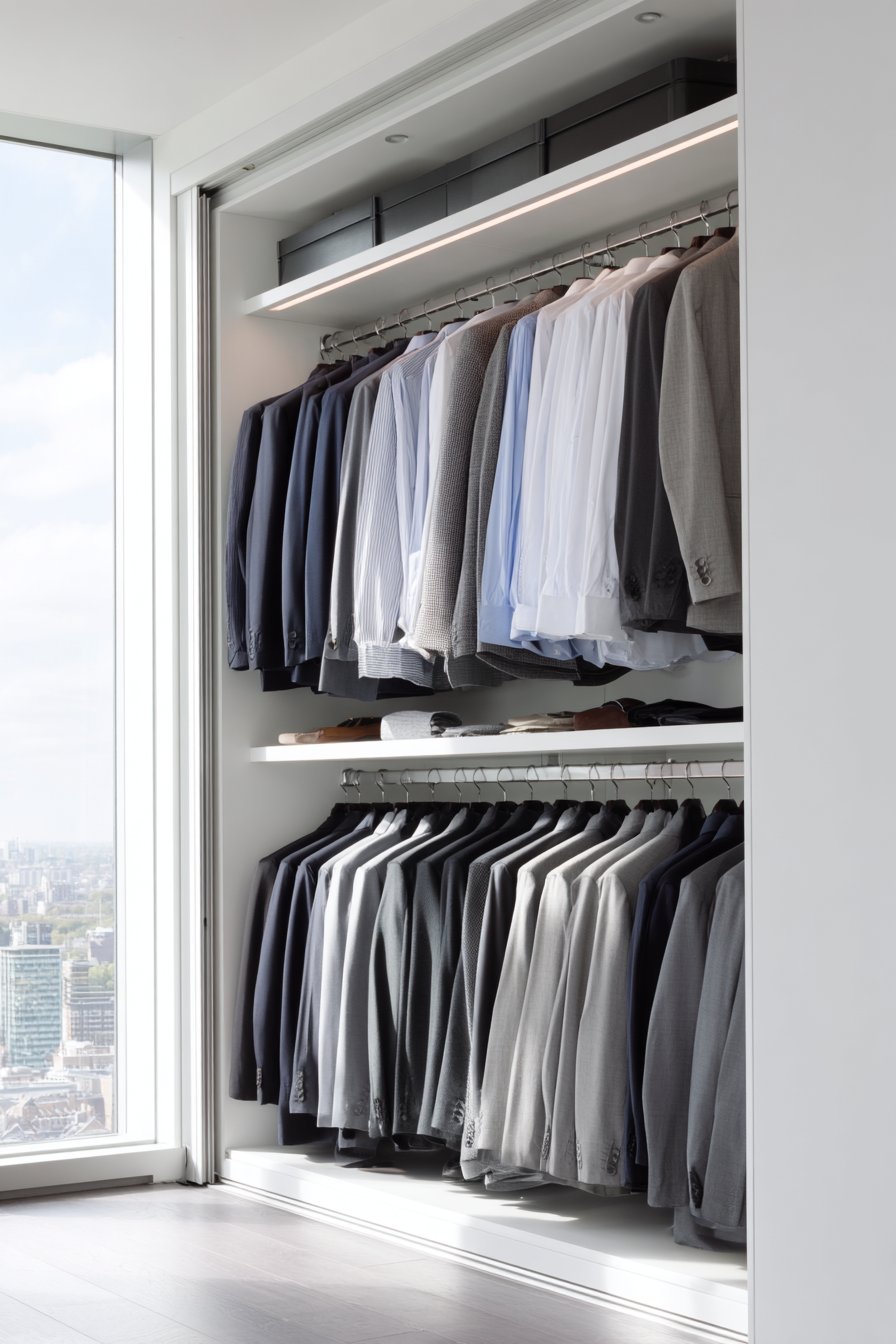
Plants introduce life and organic form into the spare environment, their presence connecting the interior to nature in accordance with Japanese design philosophy. A small bonsai on a side table or a simple orchid on the windowsill provides visual interest and a sense of careful cultivation without requiring much space. The overall palette stays neutral—soft beiges, warm woods, off-whites—creating a serene envelope that encourages meditation and rest. The absence of unnecessary objects and decorative excess allows each remaining element to be fully appreciated, embodying the Japanese concept of “ma” or negative space as an active design element.
Key Design Tips:
- Embrace low furniture profiles that create expansive visual space and connect occupants to the floor plane
- Install sliding panels or doors wherever possible to eliminate space-consuming door swings
- Choose furniture with clean, simple lines and minimal ornamentation to maintain visual calm
- Incorporate natural materials in their most honest expression, celebrating wood grain and material properties
- Create intentional negative space as a design feature rather than trying to fill every area
- Add one or two carefully chosen plants to connect the interior with nature
- Maintain a neutral, natural color palette that creates tranquility and timeless appeal
- Store items out of sight in closets or concealed storage to maintain the minimal aesthetic
9. Bohemian Eclecticism: Maximalist Style in Minimal Square Footage
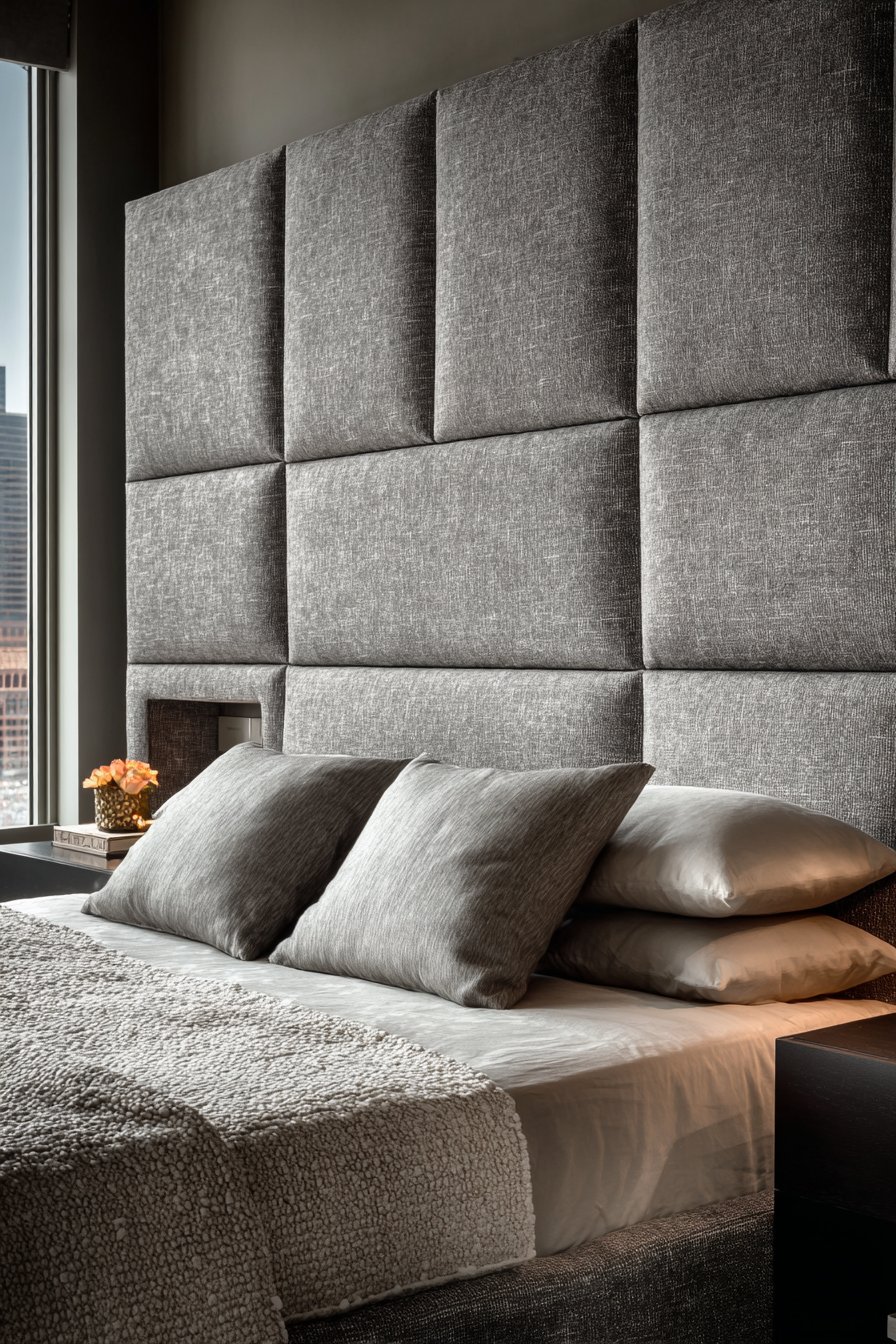
Bohemian design might seem antithetical to small space decoration, given its typical embrace of layered textiles, collected objects, and visual abundance. However, this interpretation proves that boho style can thrive in compact bedrooms when approached with thoughtful curation. A matte black metal bed frame provides industrial structure that grounds the more organic, flowing elements characteristic of bohemian design. Layered textiles in earthy tones—rust, terracotta, ochre, olive—create warmth and visual richness without requiring any floor space, as these textural layers exist entirely on the bed surface.
Macramé wall hangings draw the eye upward, utilizing vertical space to add bohemian character while leaving the floor clear. These handcrafted textile pieces introduce intricate patterns and organic forms that soften the room’s architectural lines. Hanging plants cascade from ceiling hooks, bringing nature indoors while capitalizing on overhead space that often goes unused in conventional bedroom design. Varieties like pothos, string of pearls, or spider plants work beautifully, their trailing growth adding dynamic movement and living texture without requiring surface space for pots.
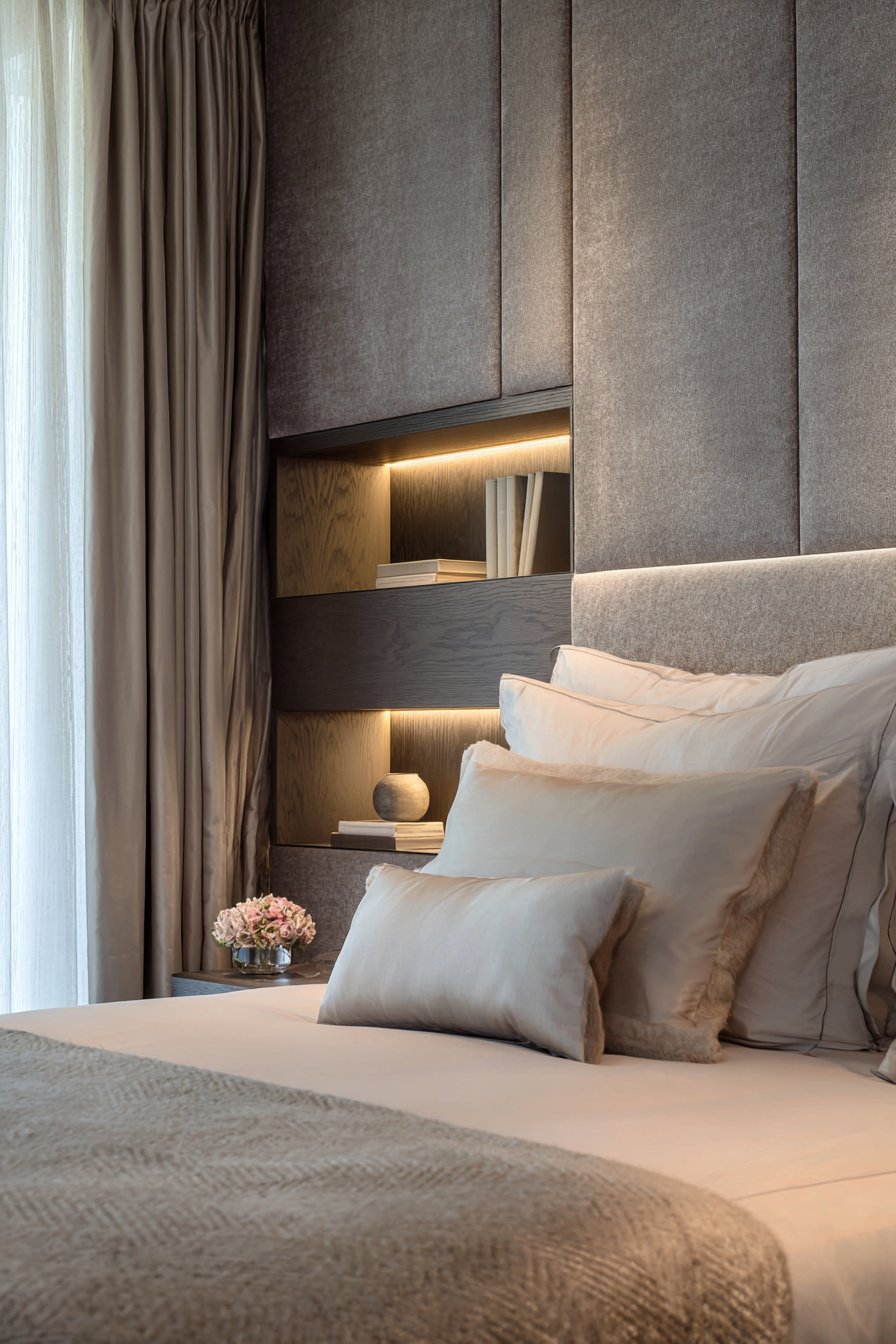
A small vintage trunk positioned beside the bed serves triple duty as nightstand, storage container, and decorative accent, embodying the bohemian principle of functional beauty. Its weathered surface and brass hardware add patina and history, suggesting stories and travels that infuse the space with character. Warm string lights draped along the walls or around the headboard area create cozy ambient lighting that enhances the room’s inviting, lived-in quality. The overall effect balances bohemian abundance with small-space necessity, proving that personality-filled eclectic style doesn’t require expansive square footage—just thoughtful layering and vertical thinking.
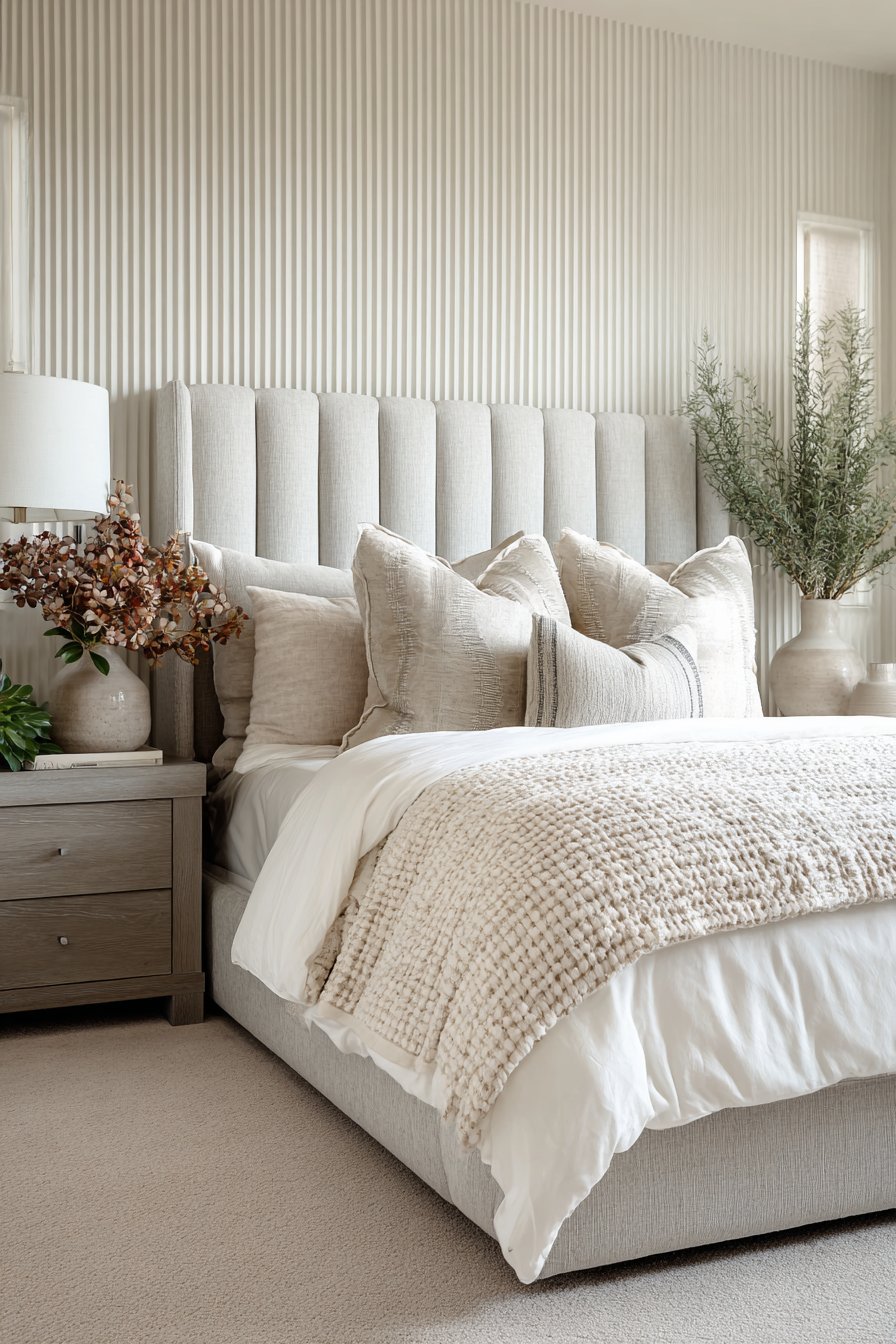
Key Design Tips:
- Use wall space liberally for macramé, woven baskets, and other textile art to add boho style without using floor space
- Incorporate hanging plants to bring nature indoors while capitalizing on unused overhead space
- Layer textiles on the bed generously, as this vertical layering doesn’t consume additional square footage
- Choose furniture pieces that serve multiple functions, like trunks that provide storage, seating, and display surfaces
- Add warm string lights for ambient lighting that creates cozy atmosphere without requiring lamp space
- Embrace a rich, earthy color palette that adds warmth without feeling visually heavy
- Curate collections thoughtfully, displaying fewer items with greater intention rather than cluttering every surface
- Mix vintage and new pieces to create depth and character without requiring expensive complete room renovations
10. The White-on-White Strategy: Luminous Monochrome Expansion
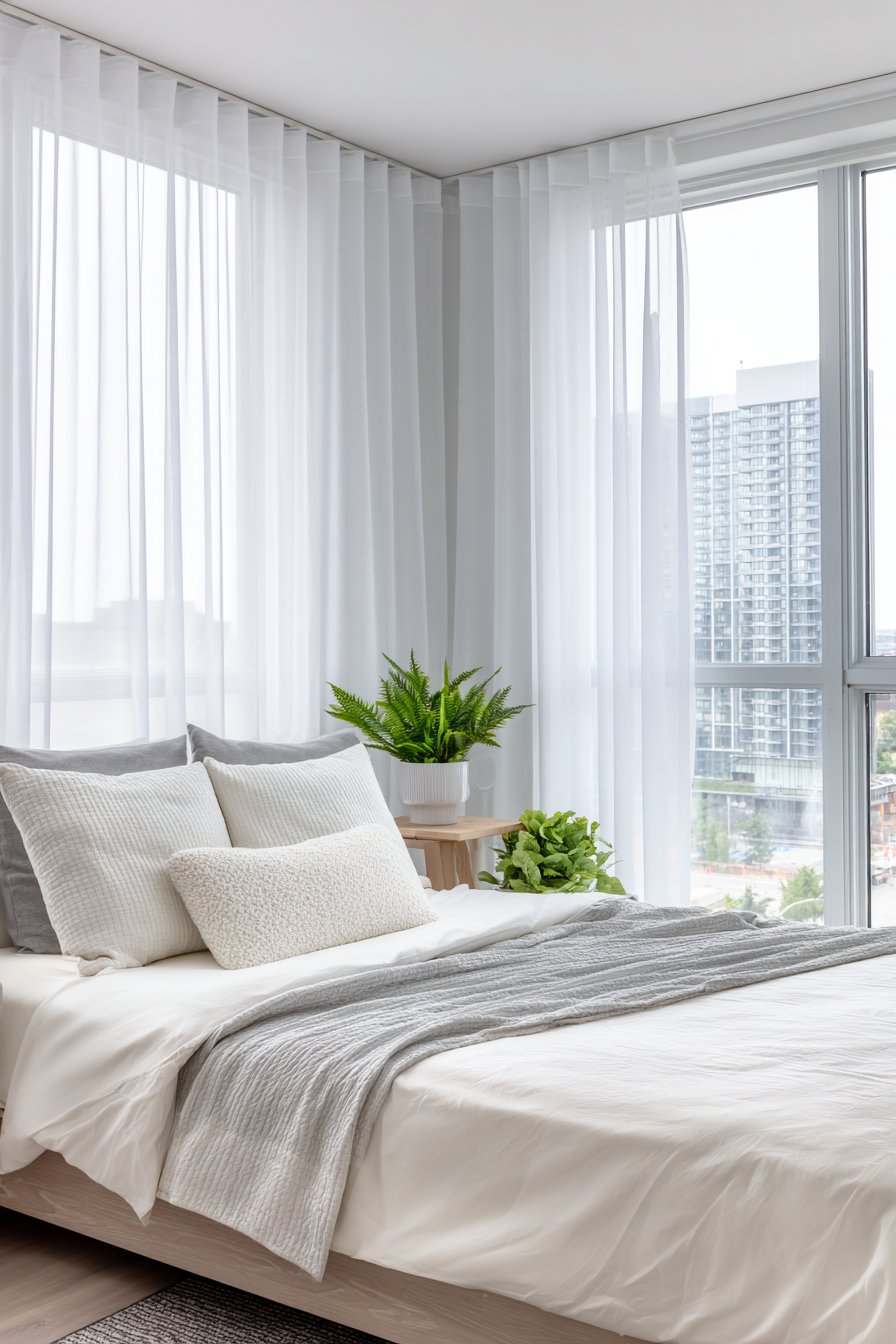
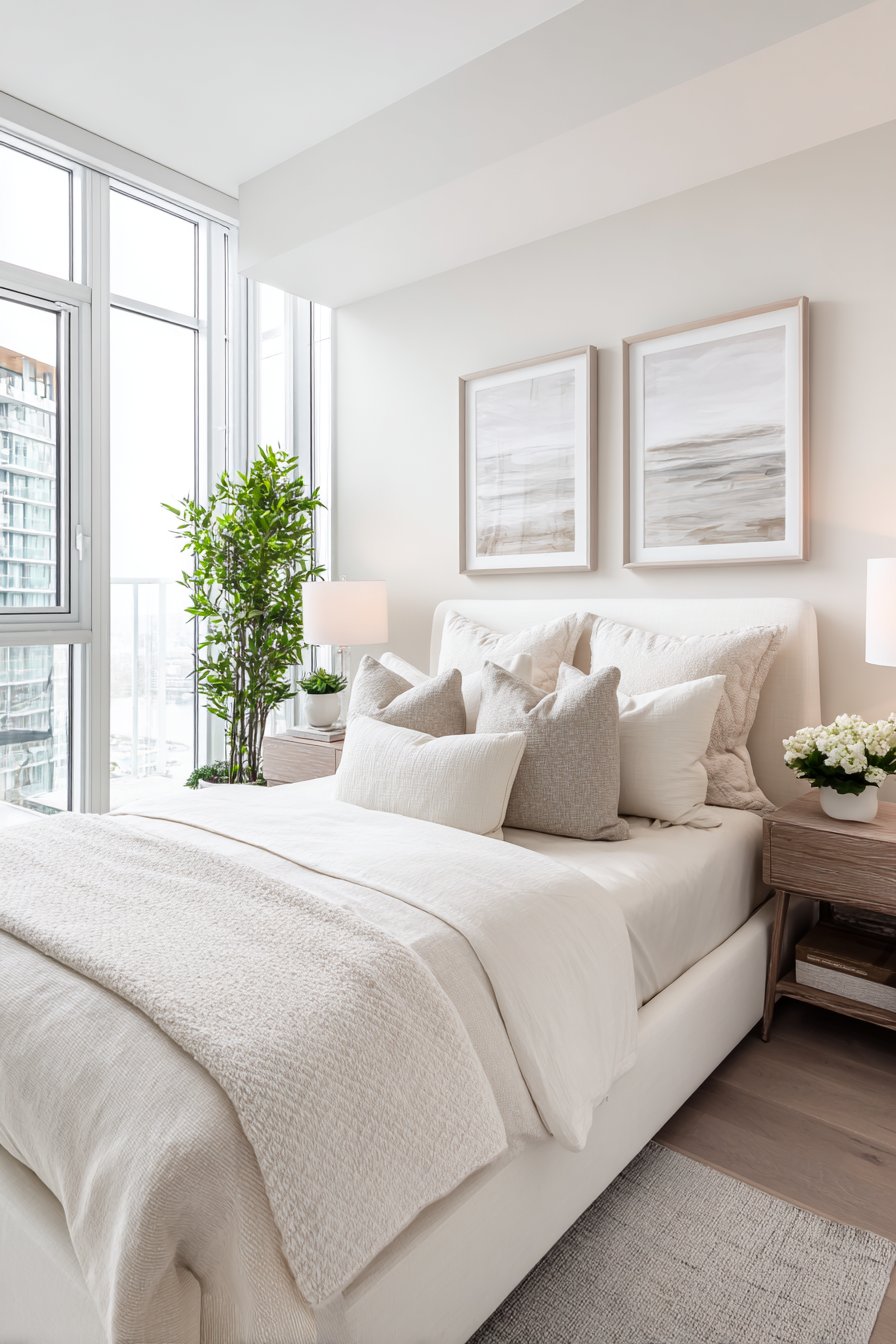
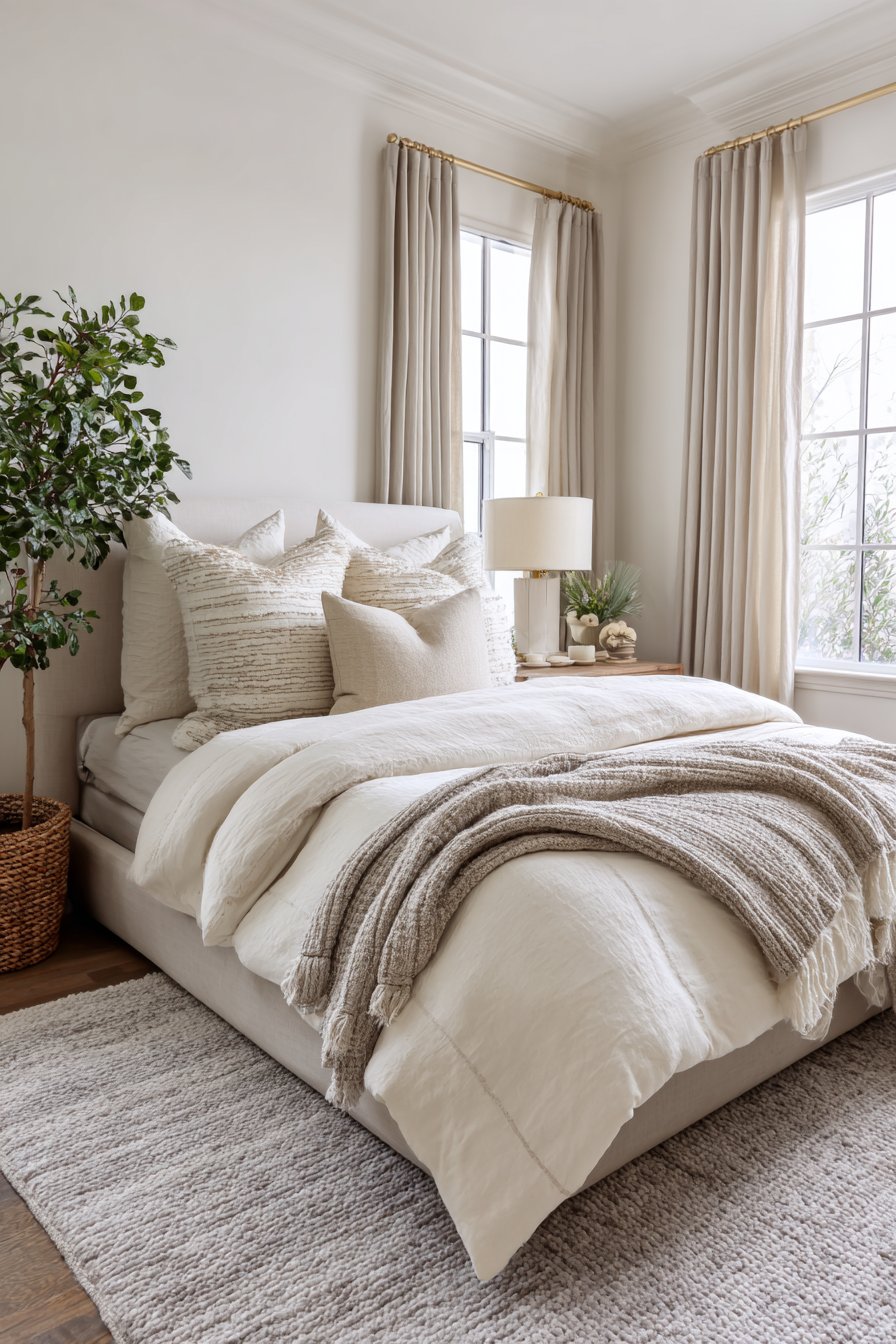
This approach embraces monochromatic design as a powerful tool for visually expanding small bedrooms. By creating a seamless envelope of white and cream tones, the room’s boundaries become less distinct, making the space feel larger and more expansive than its actual dimensions. A tufted upholstered bed in ivory or off-white provides comfort and subtle texture without introducing color contrast that would break up the visual field. White floating shelves mounted on white walls nearly disappear, providing storage and display without visual weight—items placed on them appear to float, creating an ethereal, gallery-like effect.
Translucent curtains in sheer white fabric maximize natural light penetration, crucial in this light-dependent color scheme. These curtains provide privacy without blocking the luminous quality that makes the room feel airy and spacious. When sunlight filters through them, it creates a soft, diffused glow that illuminates the entire space evenly, eliminating harsh shadows and dark corners that make rooms feel smaller. A round mirror positioned above the bed reflects this light throughout the room, effectively doubling the brightness while creating intriguing depth.
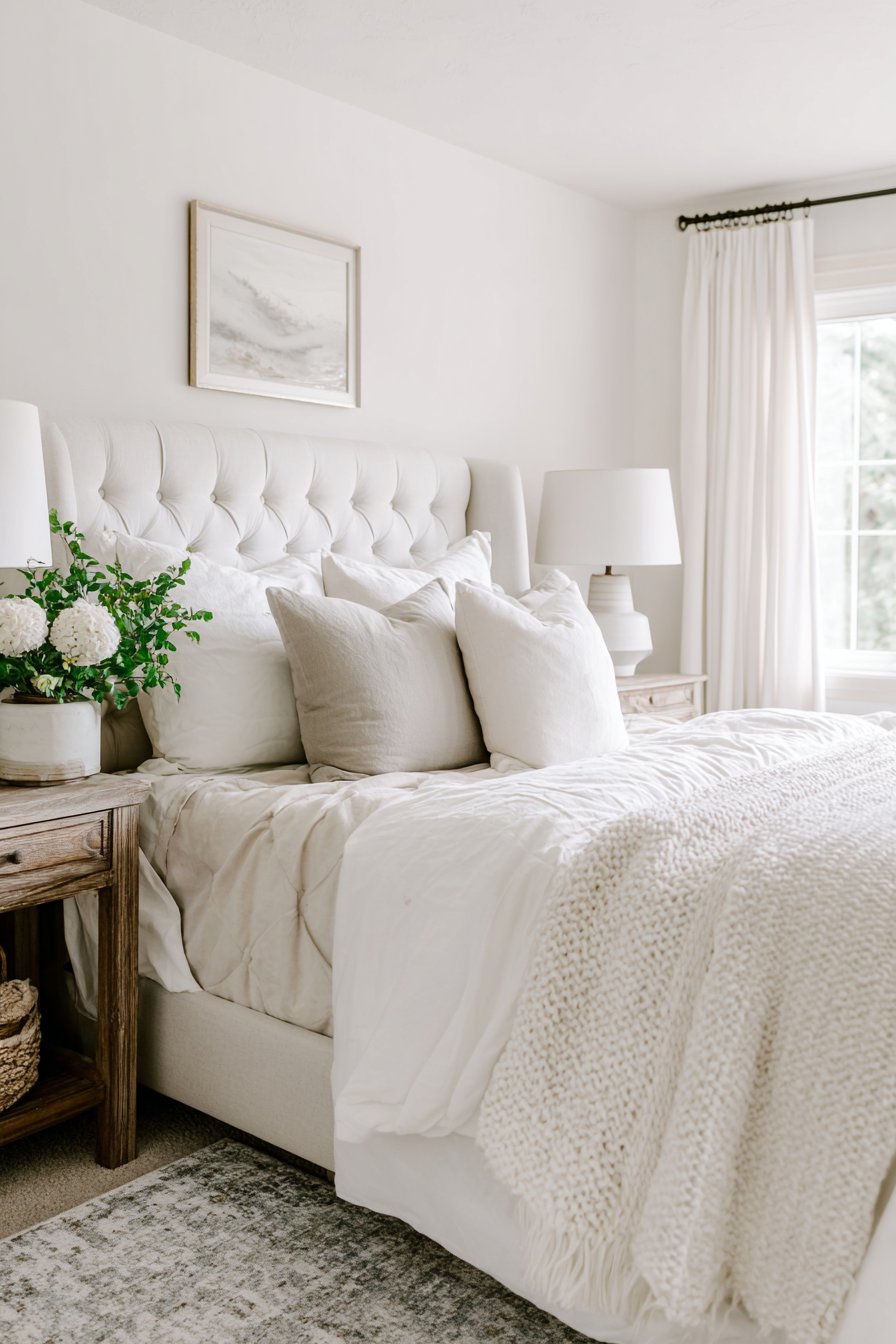
The genius of this approach lies in its use of texture rather than color for visual interest. A chunky knit throw in cream introduces substantial tactile texture, its dimensional quality creating shadows and highlights within the white palette. Similarly varied linens—perhaps a Belgian linen duvet cover with visible weave texture paired with smooth cotton pillowcases—provide depth through material variation rather than hue changes. A shag or deeply textured rug in off-white adds another textural layer while maintaining the cohesive color scheme. The result is a space that feels luminous, spacious, and serene without being clinical or cold.
Key Design Tips:
- Embrace multiple shades of white and cream to create subtle depth within the monochromatic palette
- Maximize natural light with sheer window treatments that provide privacy without blocking illumination
- Layer diverse textures abundantly to prevent the white scheme from feeling flat or one-dimensional
- Incorporate both matte and subtle sheen finishes to create visual interest through light reflection variations
- Add white or cream furniture with interesting shapes or tufting to introduce form-based visual interest
- Use strategic mirror placement to reflect and multiply available natural light throughout the space
- Include warm whites and creams rather than stark white to maintain warmth and prevent a clinical feeling
- Keep the space impeccably clean and organized, as any clutter or dirt shows prominently in all-white environments
11. Industrial Edge: Urban Aesthetic in Compact Quarters
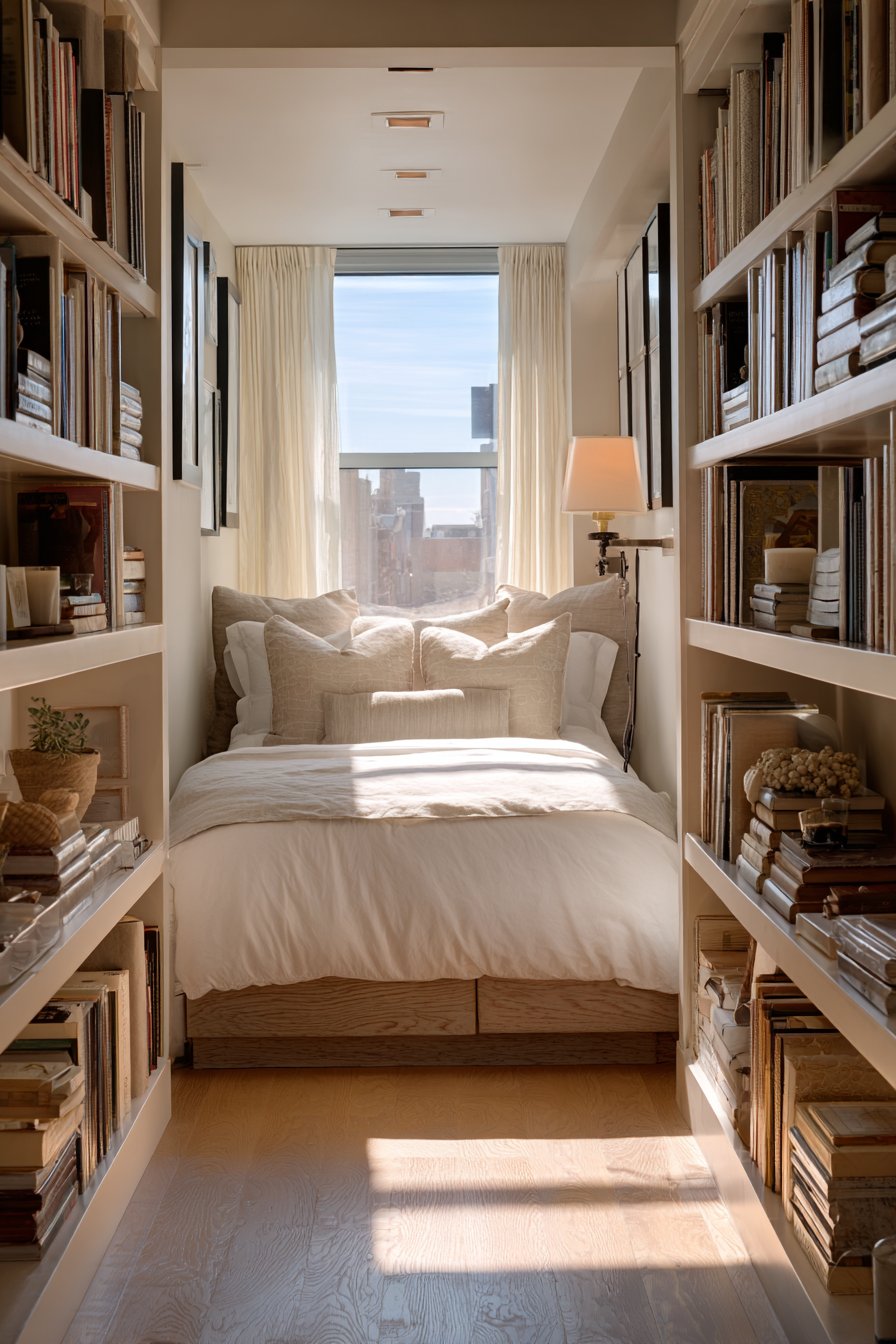
Industrial design’s raw, honest aesthetic translates surprisingly well to small bedrooms, where its emphasis on functional simplicity aligns with spatial constraints. This interpretation features a bed frame constructed from black metal pipe, its exposed construction and utilitarian materials creating architectural interest while maintaining a slim profile that doesn’t overwhelm the space. An exposed brick accent wall provides textural richness and urban character, its rugged surface and warm terracotta tones contrasting beautifully with cooler metal elements.
Edison bulb pendant lights suspended from exposed cord create ambient lighting while serving as sculptural elements in their own right. These industrial lighting fixtures embody the aesthetic’s honest approach to materials and construction—visible filaments, simple bulb shapes, and exposed electrical components celebrated rather than concealed. Open metal shelving provides storage and display without the visual weight of solid cabinetry, its skeletal construction maintaining the room’s open quality while offering homes for books, plants, and decorative objects. The shelving’s industrial pipe construction echoes the bed frame, creating design continuity.
A compact vintage trunk serves multiple purposes—storage for linens or out-of-season clothing, seating when topped with a cushion, and coffee table alternative when paired with a bed tray for morning beverages. Its weathered metal or aged wood surface adds patina and history that enhances the industrial aesthetic’s appreciation for materials that show their age and use. Dark grey bedding contrasts with lighter walls, grounding the space and adding depth while maintaining the somewhat moody, urban atmosphere characteristic of industrial interiors. The overall palette combines metal greys, exposed brick reds, weathered wood browns, and matte black finishes, creating a cohesive masculine-leaning aesthetic.
Key Design Tips:
- Incorporate exposed construction elements like pipe frames or bracket shelving to celebrate functional honesty
- Feature one accent wall in exposed or faux brick to add substantial texture and urban character
- Choose lighting fixtures with Edison bulbs or exposed filaments for authentic industrial styling
- Use open metal shelving rather than closed cabinetry to maintain visual openness while providing storage
- Mix metal finishes—black, galvanized steel, aged brass—to create depth within the metallic palette
- Add aged or weathered elements with visible patina to introduce history and warmth
- Keep bedding and textiles in darker, moodier tones that complement rather than contrast the industrial elements
- Balance raw industrial elements with some softer textiles to prevent the space from feeling cold or harsh
12. Coastal Calm: Bringing Beach Serenity to Limited Space
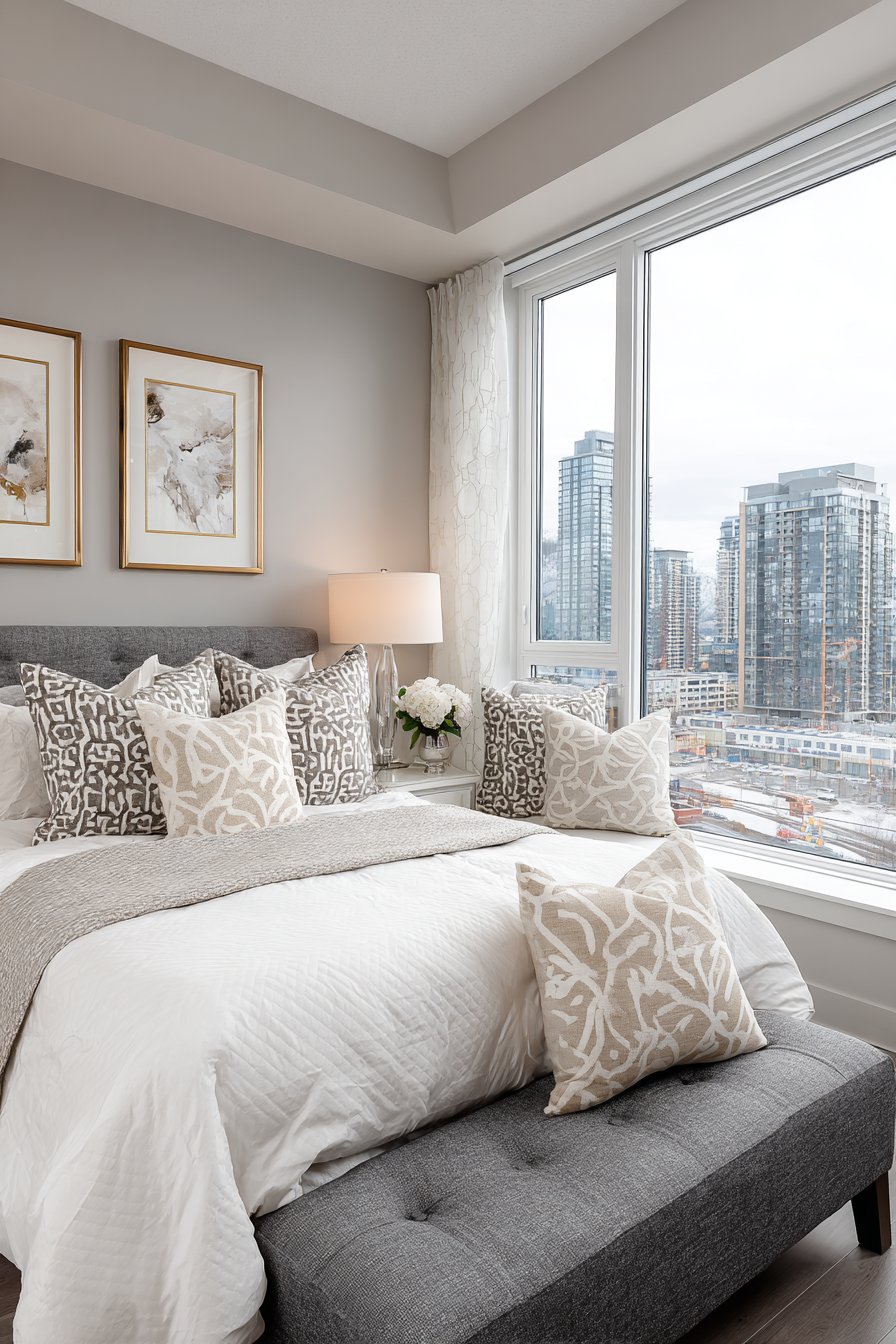
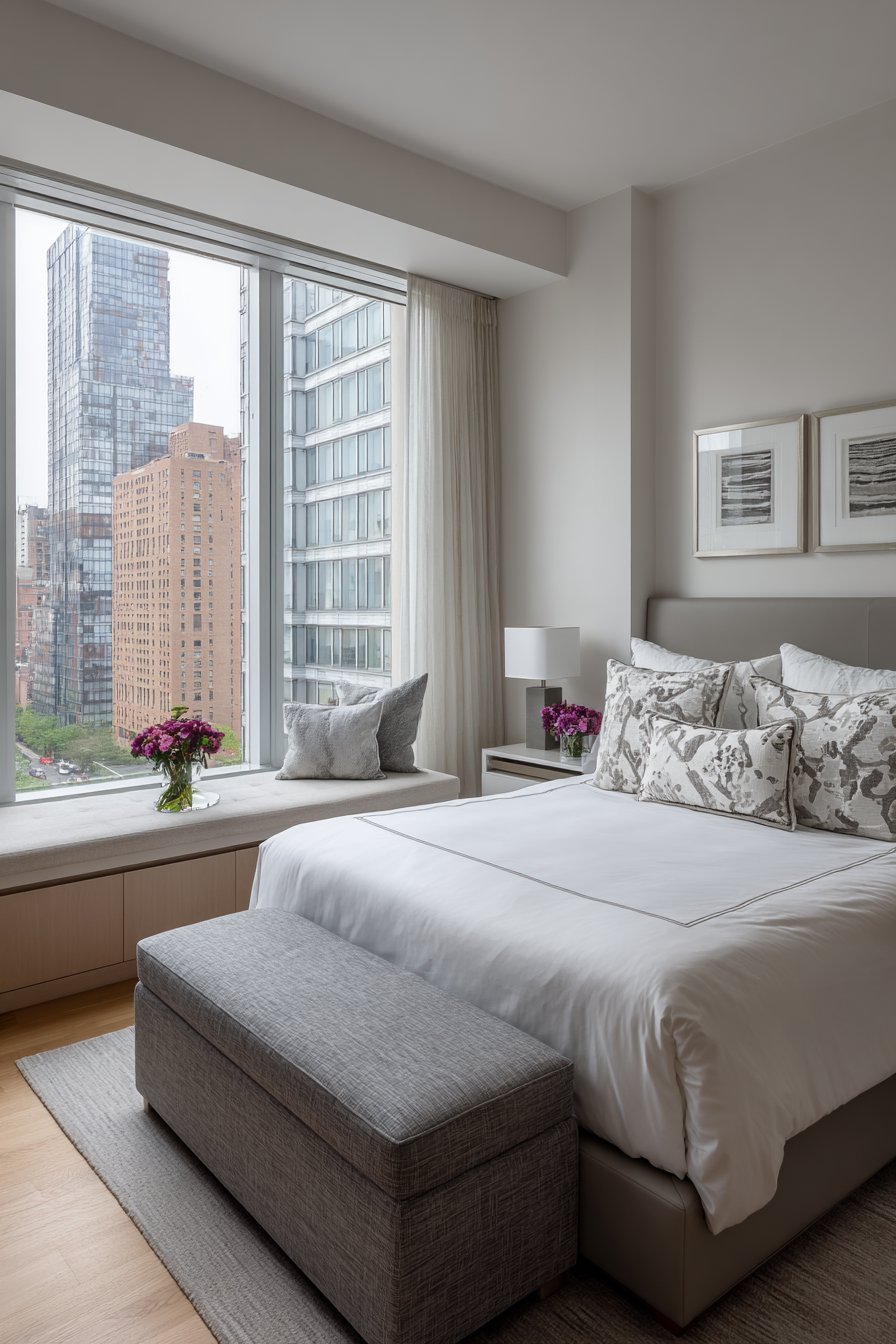
This coastal-inspired bedroom brings the tranquil essence of seaside living into compact urban spaces. A whitewashed wooden bed frame serves as the foundation, its weathered finish suggesting driftwood smoothed by ocean waves. This treatment adds texture and interest while maintaining the light, airy quality essential for small spaces. A rope-detailed mirror above the bed references nautical design without resorting to cliché anchors or ship wheels, its woven frame adding organic texture while the mirror surface reflects light to brighten the space.
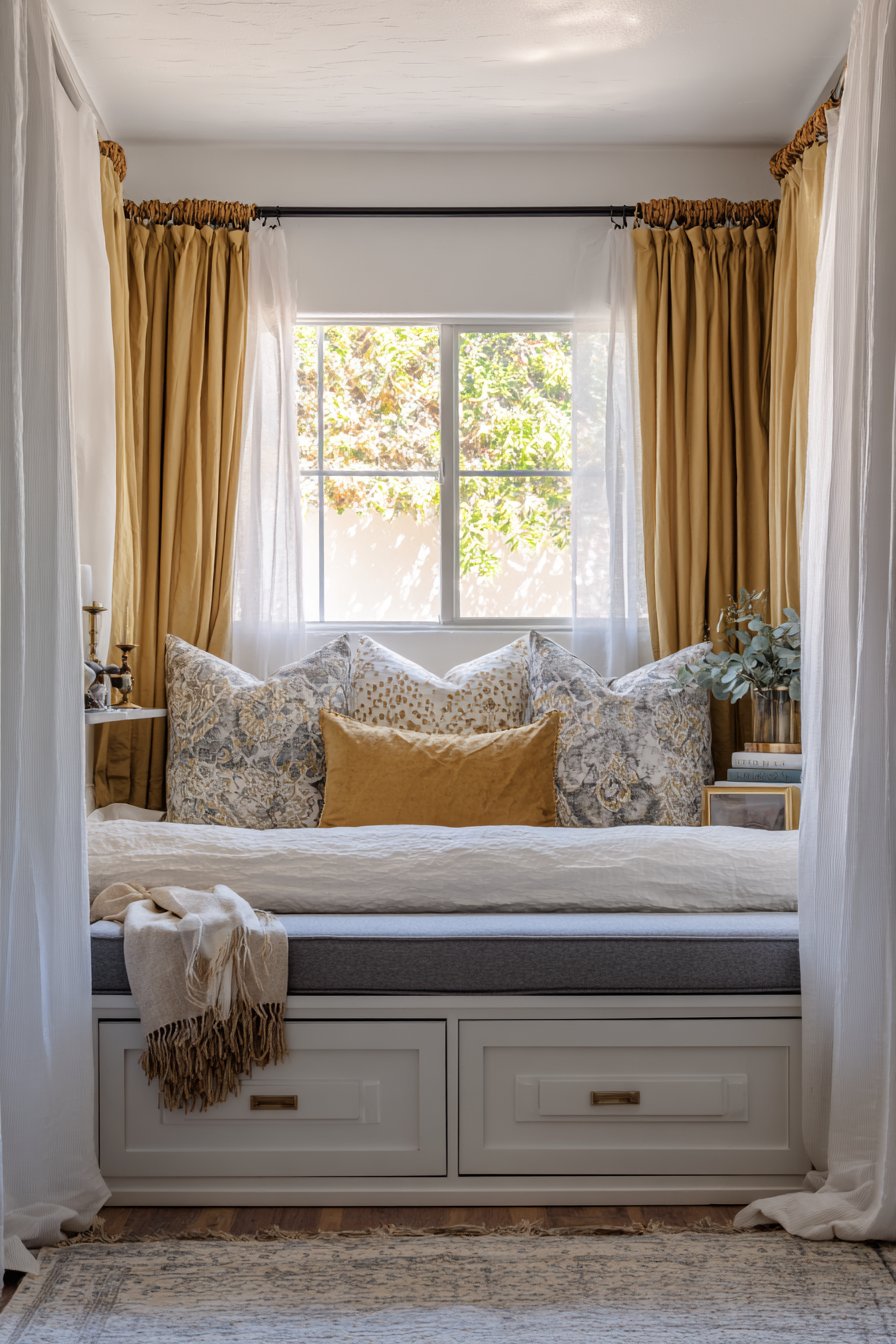
The color palette carefully evokes coastal environments—a soft blue-grey accent wall reminiscent of misty ocean horizons, crisp white linens suggesting sea foam, and sandy beige accents in throw pillows or a lightweight blanket. These colors work together to create the serene, restful atmosphere associated with beach environments while employing the spatial expansion properties of light, cool colors. Woven seagrass storage baskets slide easily under the bed, providing concealed organization while introducing natural texture. Their organic material and neutral tone feel appropriately coastal while serving essential storage functions without cluttering visible surfaces.
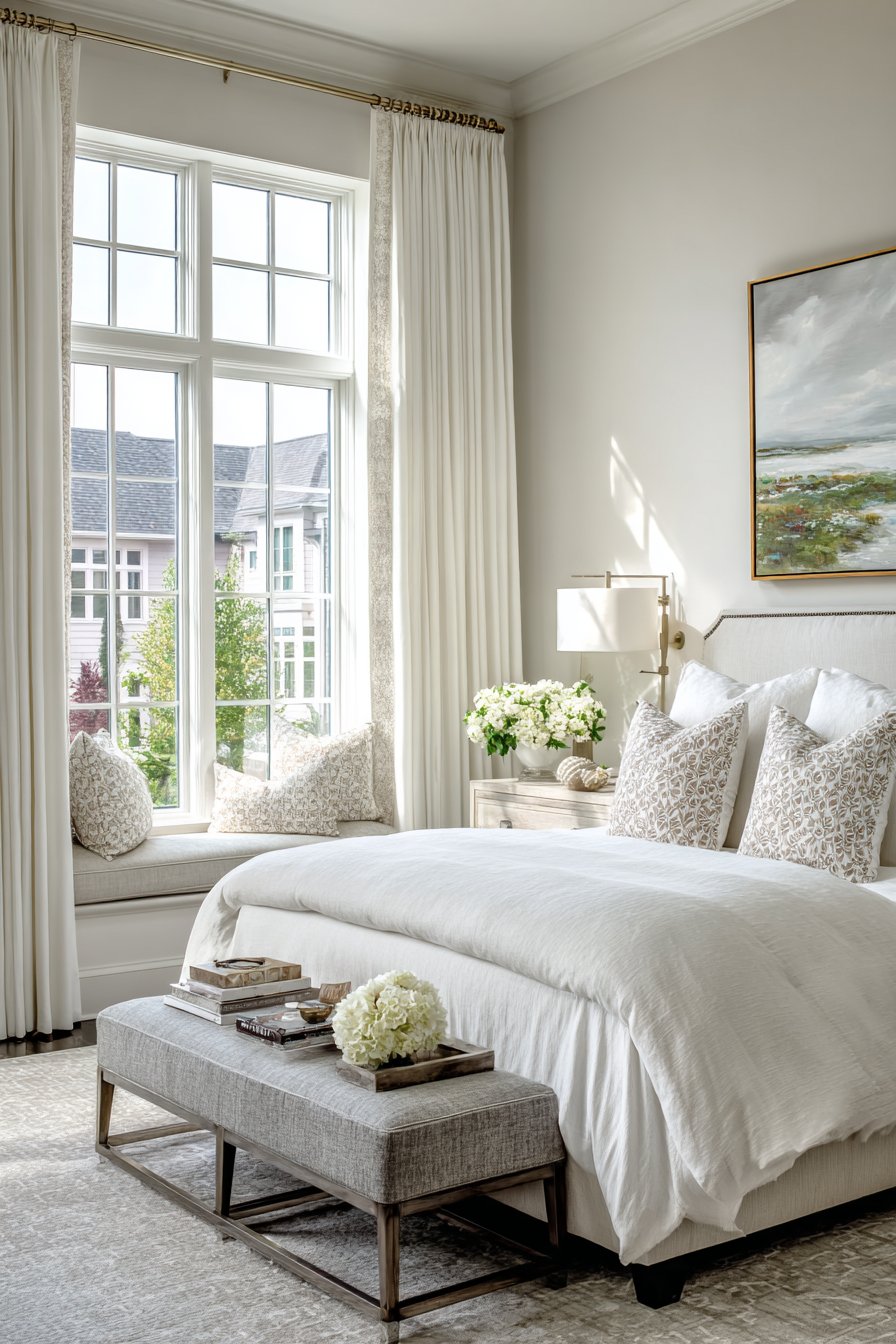
Driftwood-style wall hooks provide hanging storage for lightweight items like scarves, hats, or jewelry, their twisted, organic forms adding sculptural interest to wall space. Natural linen bedding in sandy tones completes the coastal palette, its soft drape and visible weave adding relaxed texture that enhances the beach-inspired atmosphere. Small touches—perhaps a bowl of collected shells on the nightstand, a piece of coral as decorative sculpture, or framed coastal photography—personalize the space and reinforce the theme without requiring significant space or investment. The overall effect creates a restful retreat that evokes vacation serenity in everyday living.
Key Design Tips:
- Embrace a color palette of soft blues, whites, sandy beiges, and seafoam greens to evoke coastal atmospheres
- Choose whitewashed or weathered wood finishes that suggest driftwood and beach structures
- Incorporate natural textures like seagrass, jute, linen, and rope for organic coastal authenticity
- Add subtle nautical references through rope details, weathered finishes, or natural materials rather than obvious maritime symbols
- Keep the overall aesthetic light, airy, and uncluttered to evoke the spacious feeling of beach environments
- Use sheer curtains or minimal window treatments to maximize light and suggest ocean views
- Include collected natural elements like shells, coral, or sea glass sparingly for personal connection to the coast
- Maintain a sense of relaxed imperfection—slightly rumpled linens, casual arrangement—to capture beach house informality
13. Mid-Century Modern: Timeless Design for Contemporary Small Spaces
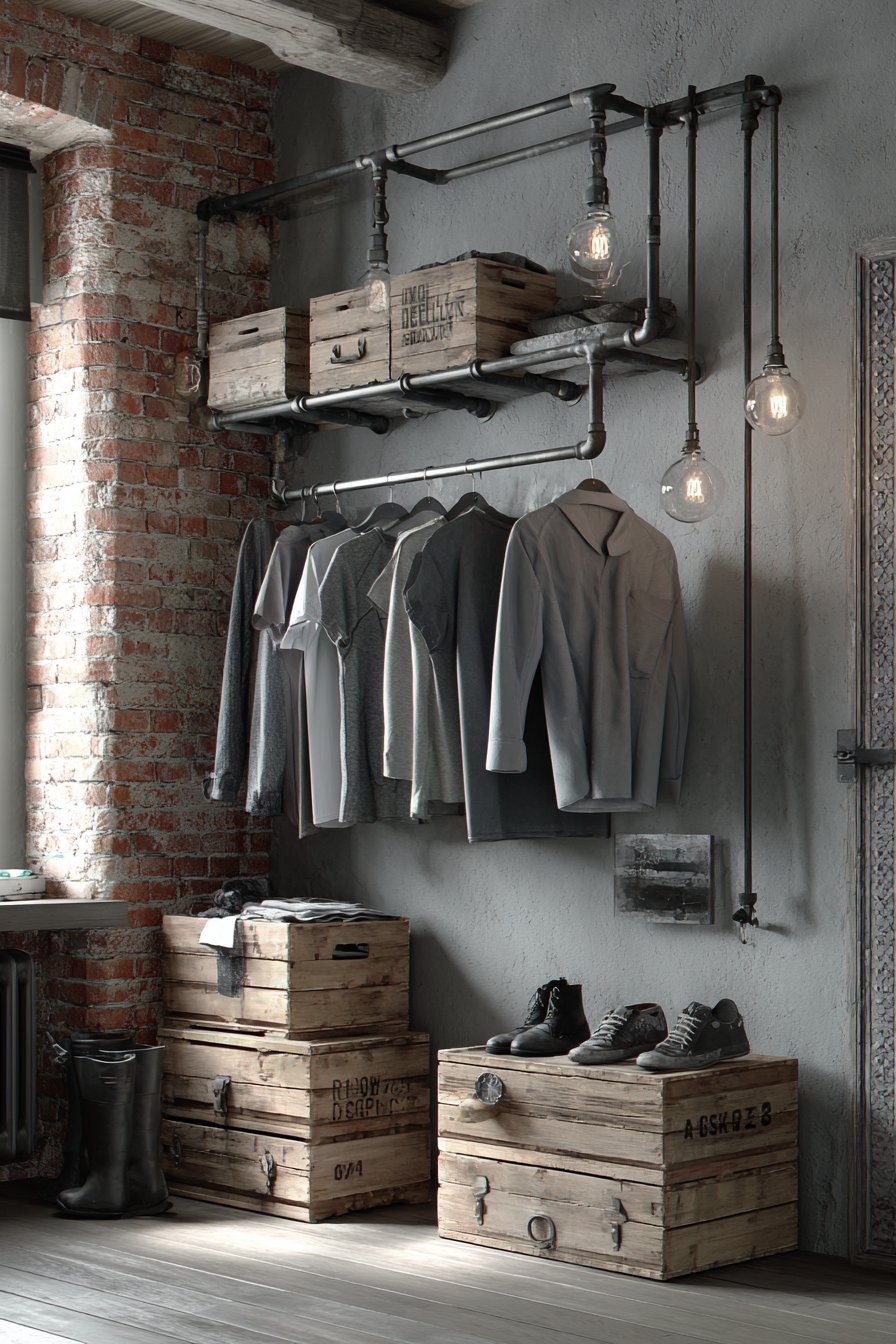
Mid-century modern design’s emphasis on clean lines, functional furniture, and quality craftsmanship makes it ideally suited for small bedroom applications. This interpretation features a walnut platform bed with characteristic tapered legs, its horizontal emphasis and low profile creating a grounded, stable foundation without visual heaviness. The rich walnut wood brings warmth and sophistication while the clean-lined design prevents any dated or overly retro feeling. A compact credenza serves as the room’s dresser, its sliding doors and organized interior providing substantial storage in a relatively slim footprint.

The credenza’s brass drawer pulls and door hardware add the kind of refined metallic detail typical of the era, their warm gold tone complementing the walnut wood beautifully. A classic arc floor lamp curves gracefully over from behind the bed, its sculptural form providing both functional reading light and artistic statement while eliminating the need for table lamps that would require nightstand space. This lamp design is quintessentially mid-century, its elegant curve and tripod base creating dynamic visual interest without bulk.
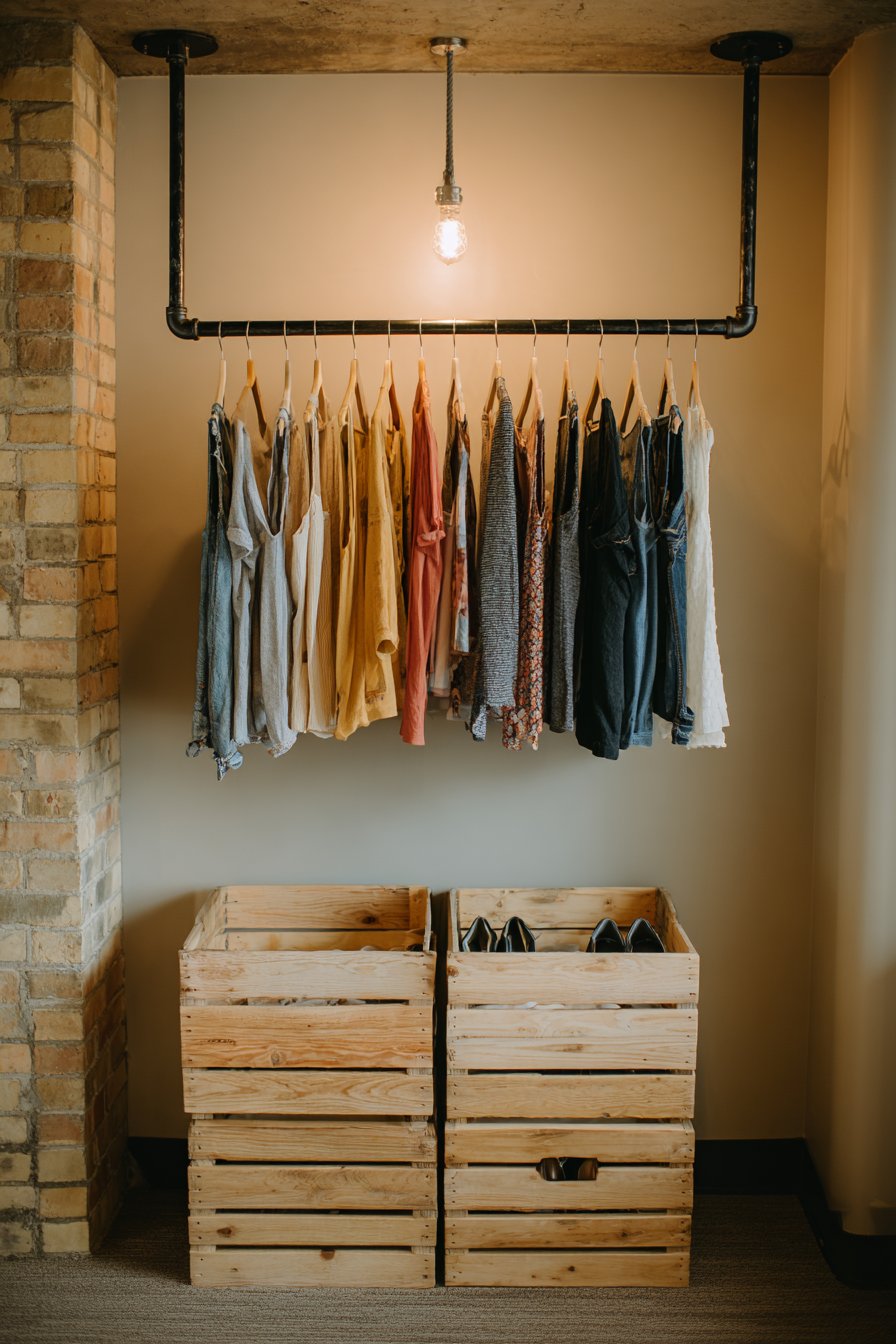
Geometric patterned throw pillows introduce the period’s characteristic embrace of abstract patterns and bold graphics, their shapes referencing atomic-age optimism and modernist abstraction. A small abstract print above the bed continues this theme, perhaps featuring the work of artists like Ellsworth Kelly or Josef Albers whose geometric compositions defined the era’s visual language. Warm wood tones against soft grey walls create a sophisticated, timeless palette that feels both vintage and contemporary—a hallmark of well-executed mid-century design. The overall aesthetic balances form and function perfectly, demonstrating why this sixty-year-old design movement remains relevant and desirable today.

Key Design Tips:
- Choose furniture with exposed tapered legs and clean-lined construction for authentic mid-century styling
- Incorporate rich wood tones, particularly walnut, teak, or oak, for warmth and sophistication
- Add brass or gold-tone hardware and accents for characteristic metallic warmth
- Use geometric patterns in textiles and artwork to reference the era’s graphic sensibility
- Select sculptural lighting pieces that serve as both functional elements and artistic statements
- Maintain a restrained color palette with grey walls and wood tones as the foundation
- Add organic curves alongside straight lines to create the balanced dynamism typical of the period
- Invest in quality reproductions or vintage pieces rather than cheap imitations to honor the era’s craftsmanship values
14. Corner Configuration: Innovative Space Planning Solutions
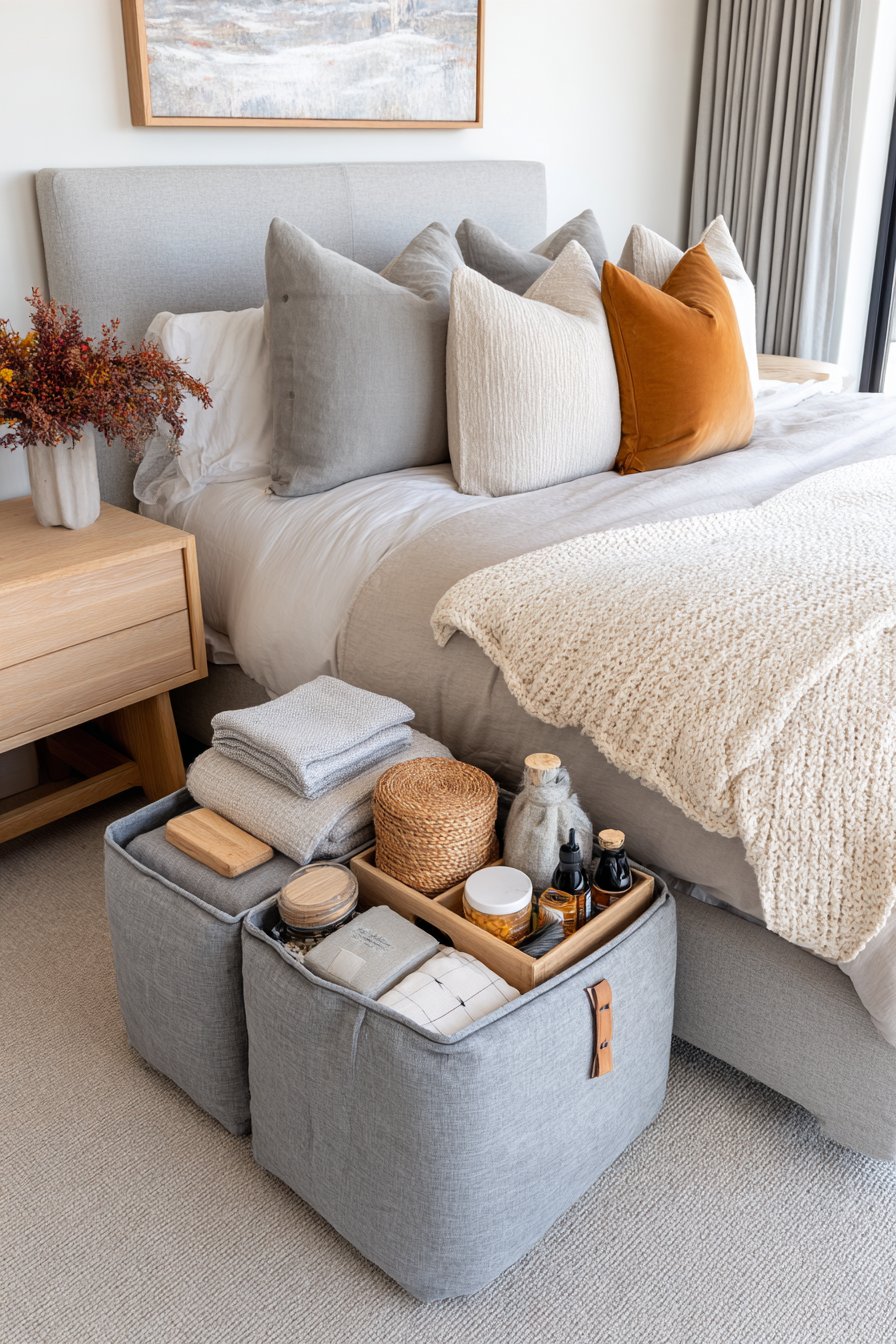
This design challenges conventional bedroom layout assumptions by utilizing corner spaces in unexpected ways. Positioning the bed diagonally in a corner creates an efficient footprint that maximizes the remaining floor space for other functions. This angular placement makes the bed feel more integrated into the room’s architecture rather than appearing as a free-standing furniture piece. A triangular corner shelving unit capitalizes on what would otherwise be dead space, its graduated shelves providing display and storage while fitting perfectly into the room’s geometry.
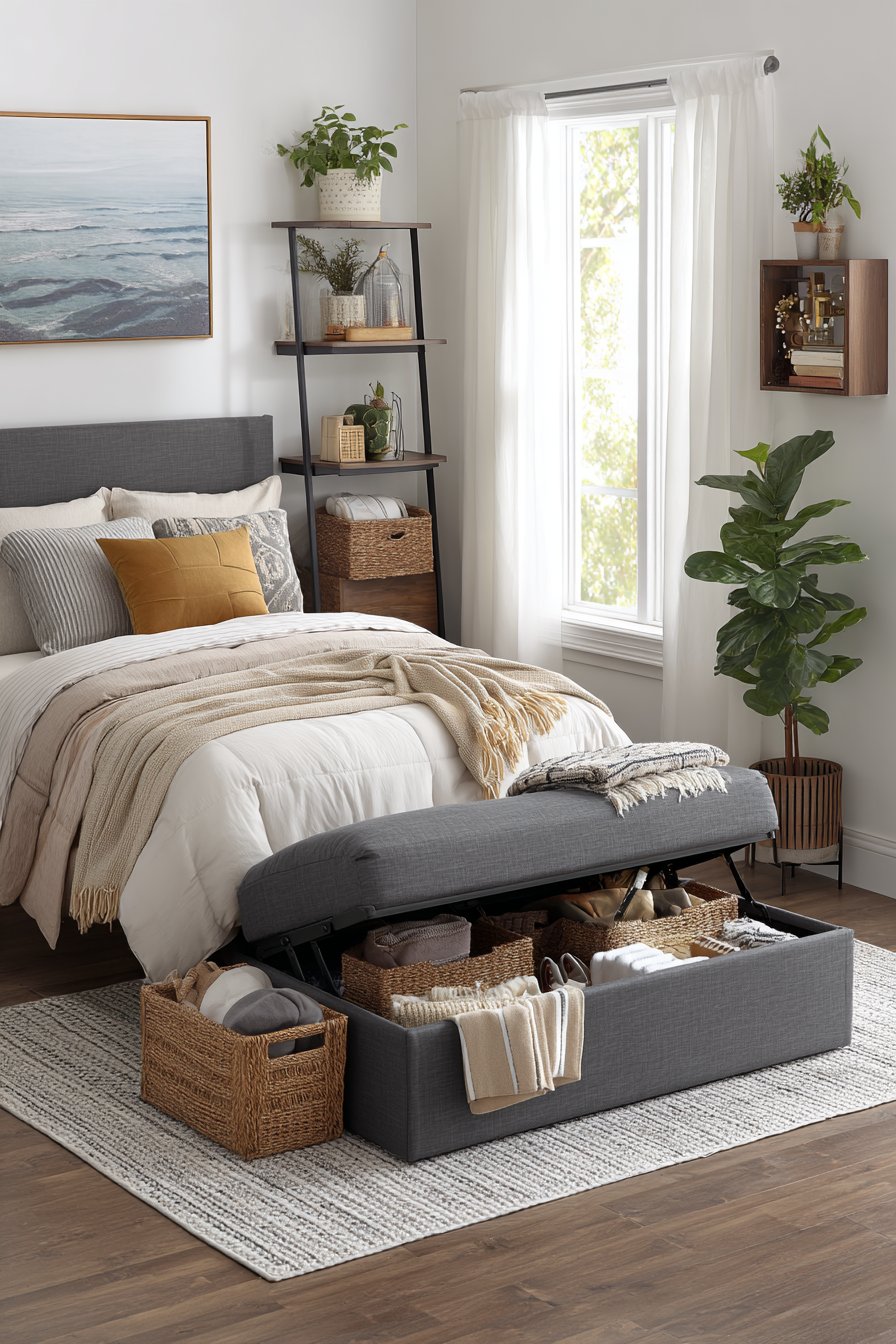
An angled desk setup continues the diagonal theme, creating a dedicated workspace that doesn’t feel squeezed in or afterthought but rather appears as an intentional component of the room’s design. This configuration works particularly well in small bedrooms with awkward dimensions—spaces that are too narrow for traditional furniture arrangements but gain functionality through creative angular thinking. Light oak furniture throughout maintains brightness and prevents the unconventional layout from feeling cramped or dark, while white walls maximize light reflection and create a neutral backdrop that doesn’t compete with the interesting geometry.
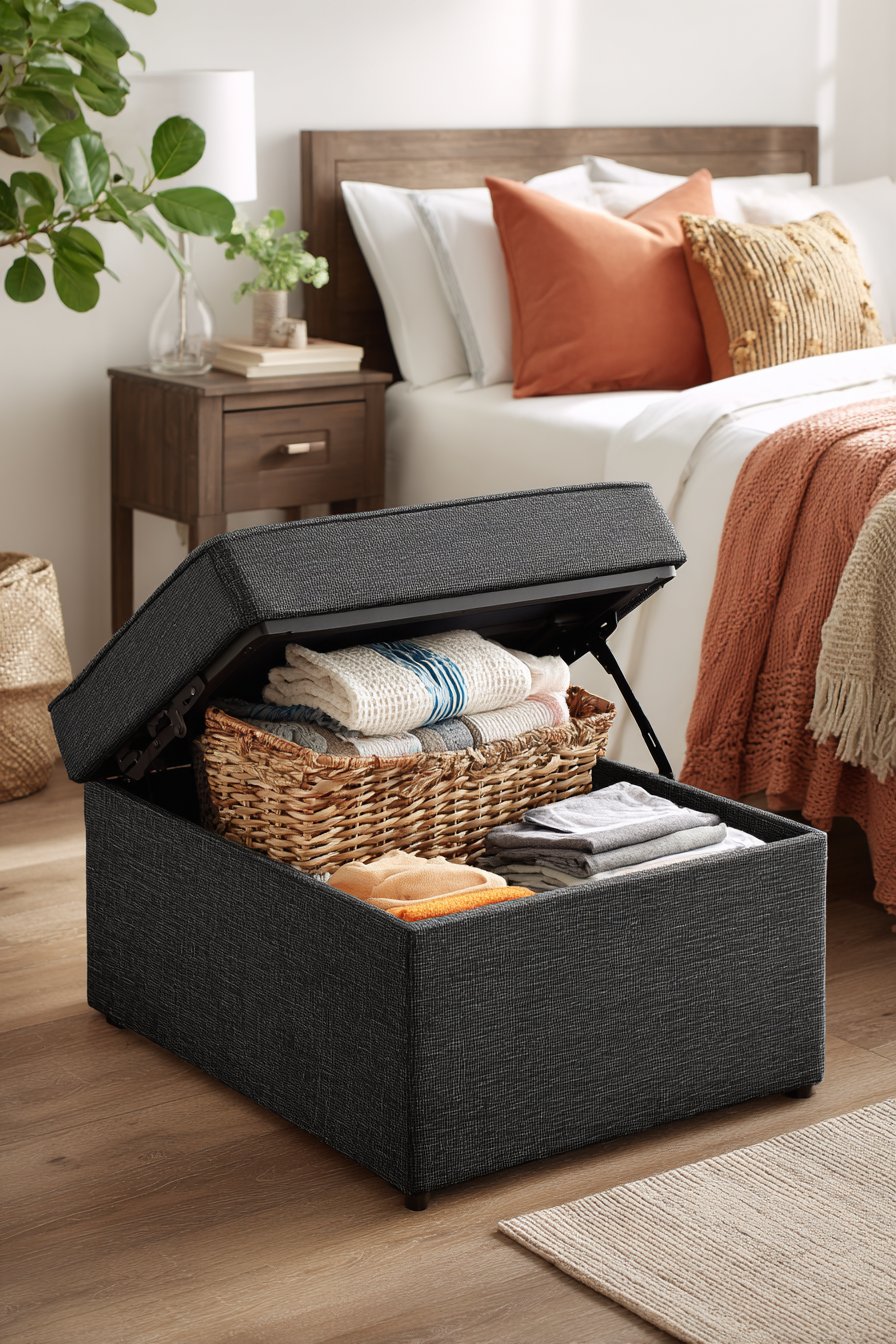
A single burnt orange accent chair provides a bold pop of color and creates a distinct seating zone separate from both the sleeping and working areas. This touch of warm color adds personality and visual focus without requiring paint or wallpaper. Natural light from adjacent windows illuminates the clever layout, helping visitors understand the intentional nature of the angular furniture placement. The overall design demonstrates how thinking beyond traditional parallel-to-wall furniture arrangement can unlock hidden potential in challenging spaces, particularly those with irregular shapes or proportions.
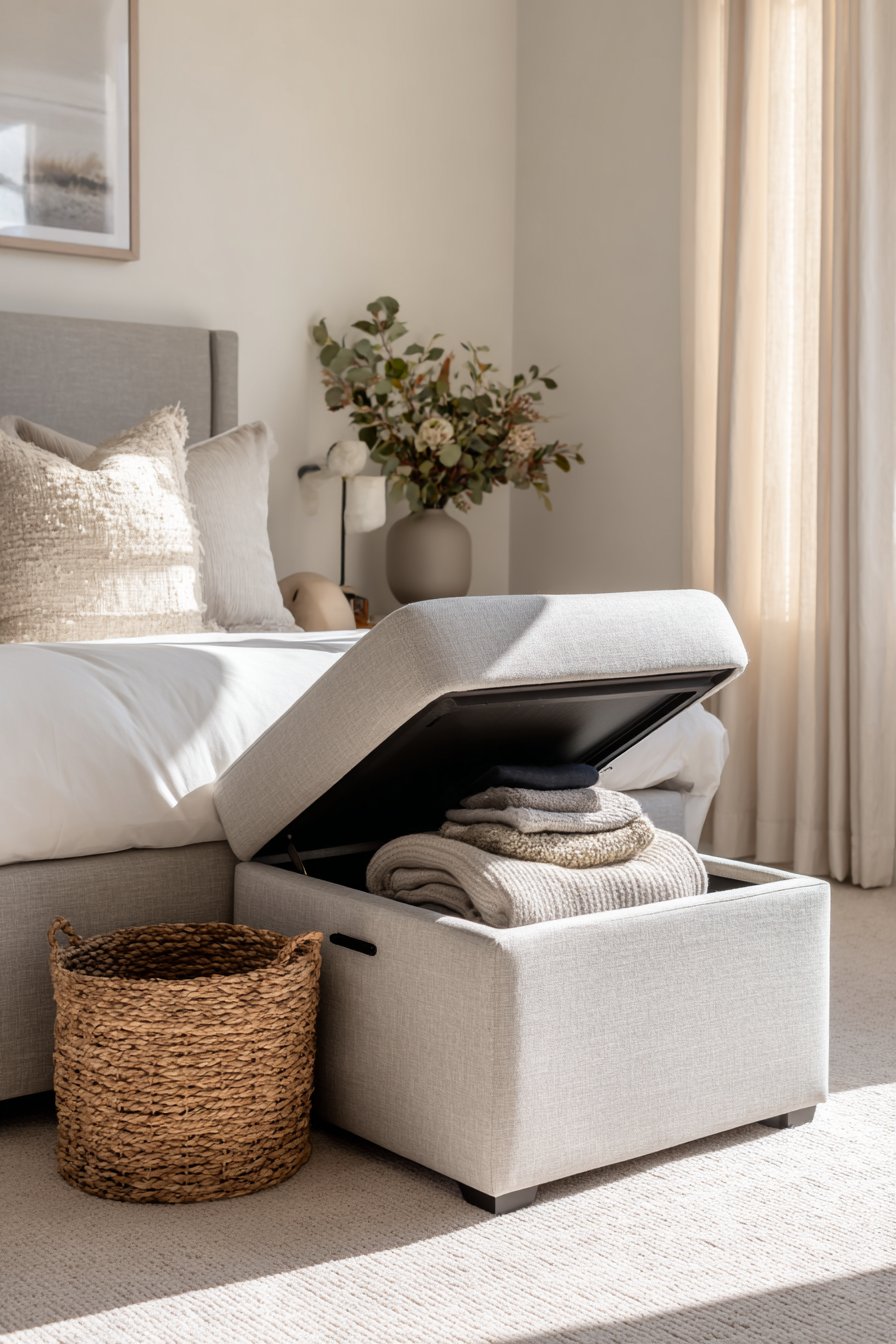
Key Design Tips:
- Consider diagonal bed placement in square or awkward rooms to maximize usable floor space
- Use corner shelving units to capitalize on typically underutilized angular spaces
- Maintain light furniture finishes in unconventional layouts to prevent unusual configurations from feeling cramped
- Create distinct zones for sleeping, working, and relaxing even within compact dimensions
- Add one bold accent piece or color to provide visual focus and prevent neutral schemes from feeling bland
- Ensure adequate lighting reaches all areas, as unconventional layouts can sometimes create dark corners
- Measure carefully and use painter’s tape to outline furniture footprints before committing to angular arrangements
- Embrace the uniqueness of awkward room proportions rather than fighting against them with standard solutions
15. Budget-Friendly Brilliance: DIY and Thrifted Style
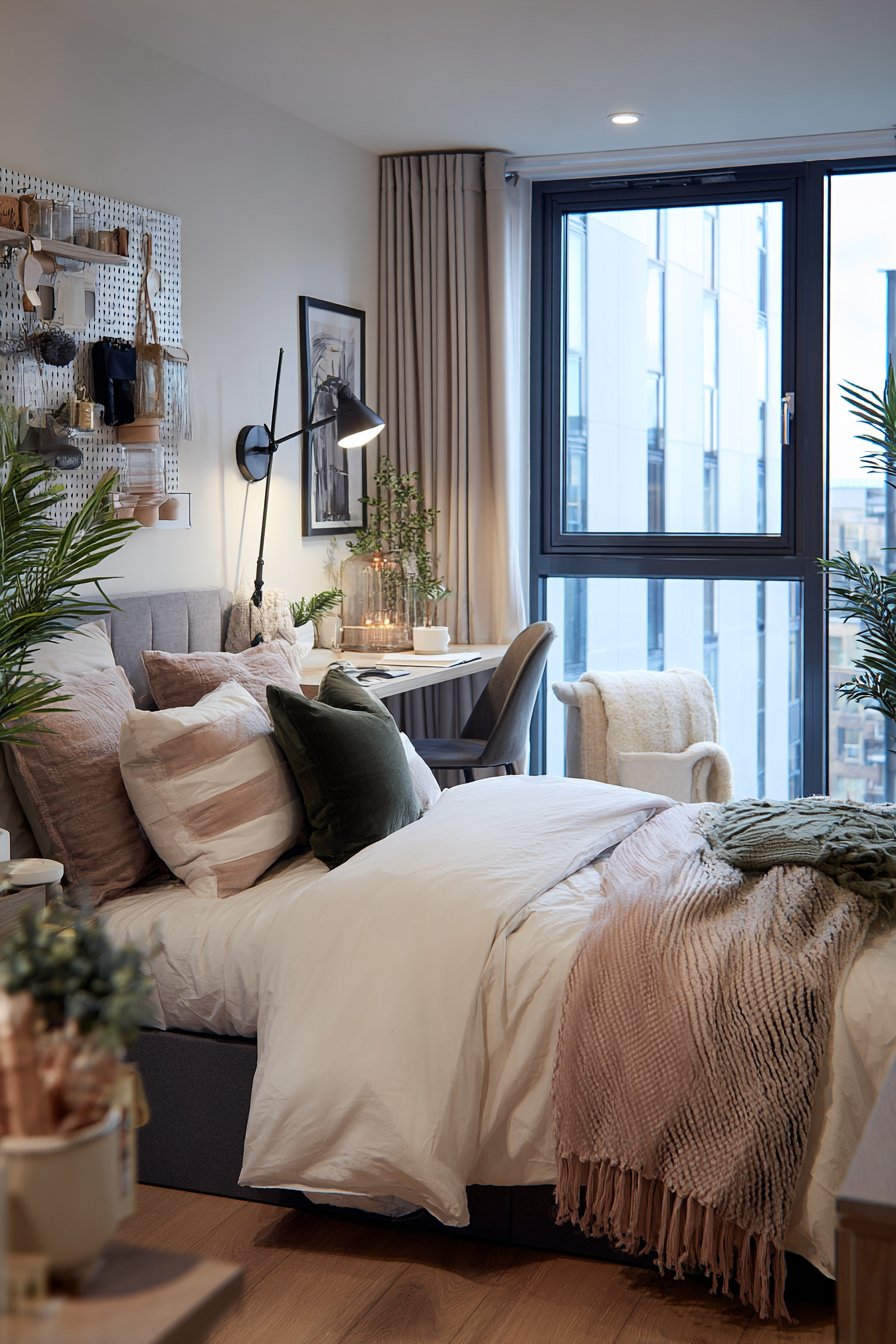
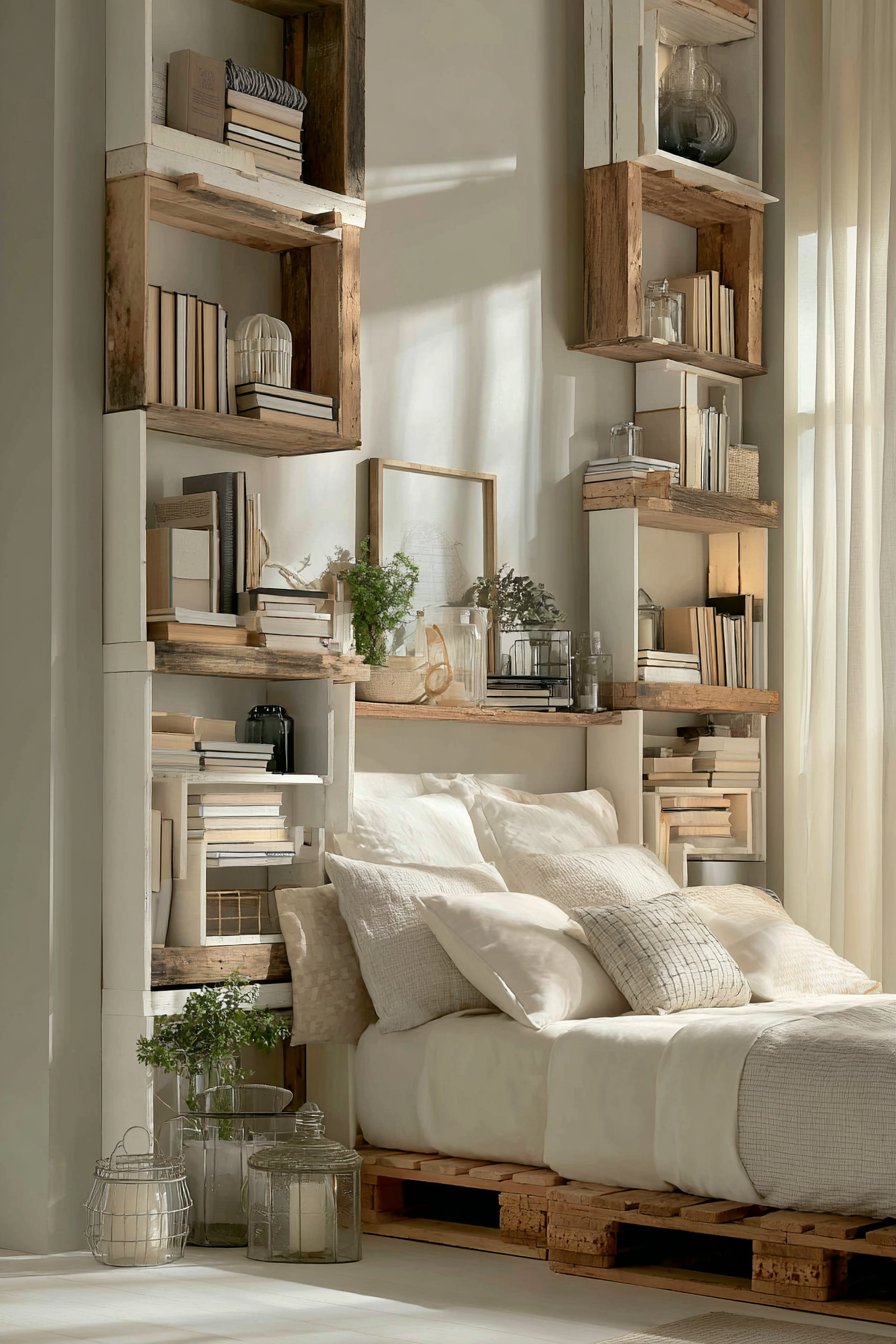
This design proves that limited budgets need not limit style or functionality in small bedroom design. DIY crate shelving painted white and mounted on walls provides customizable storage that costs a fraction of traditional bookcases while offering the same functionality. These wooden crates, sourced from craft stores or recycled from shipping materials, can be arranged in various configurations to suit the room’s specific needs and available wall space. Their rustic construction adds character while the white paint keeps them feeling fresh and cohesive.
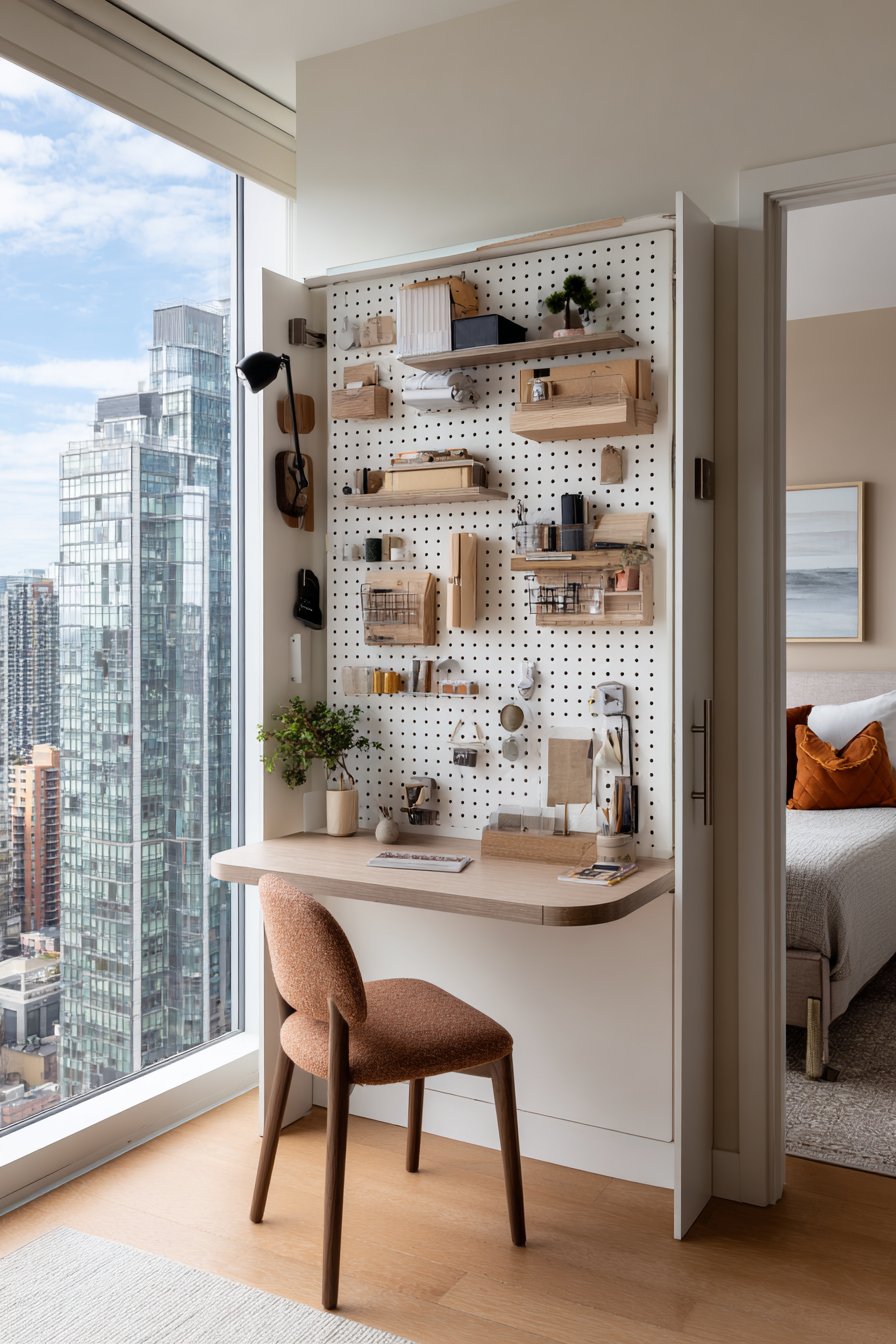
A simple metal bed frame provides a sturdy, no-frills foundation that allows the bedding to become the focal point. Layering affordable textiles—perhaps a duvet cover from a discount home store topped with throw pillows from various sources—creates visual richness without significant investment. The key lies in choosing coordinating colors and patterns that work together despite their disparate origins. A repurposed wooden ladder leans against the wall serving as a blanket rack, its rustic character adding charm while providing functional storage for extra blankets or throws.
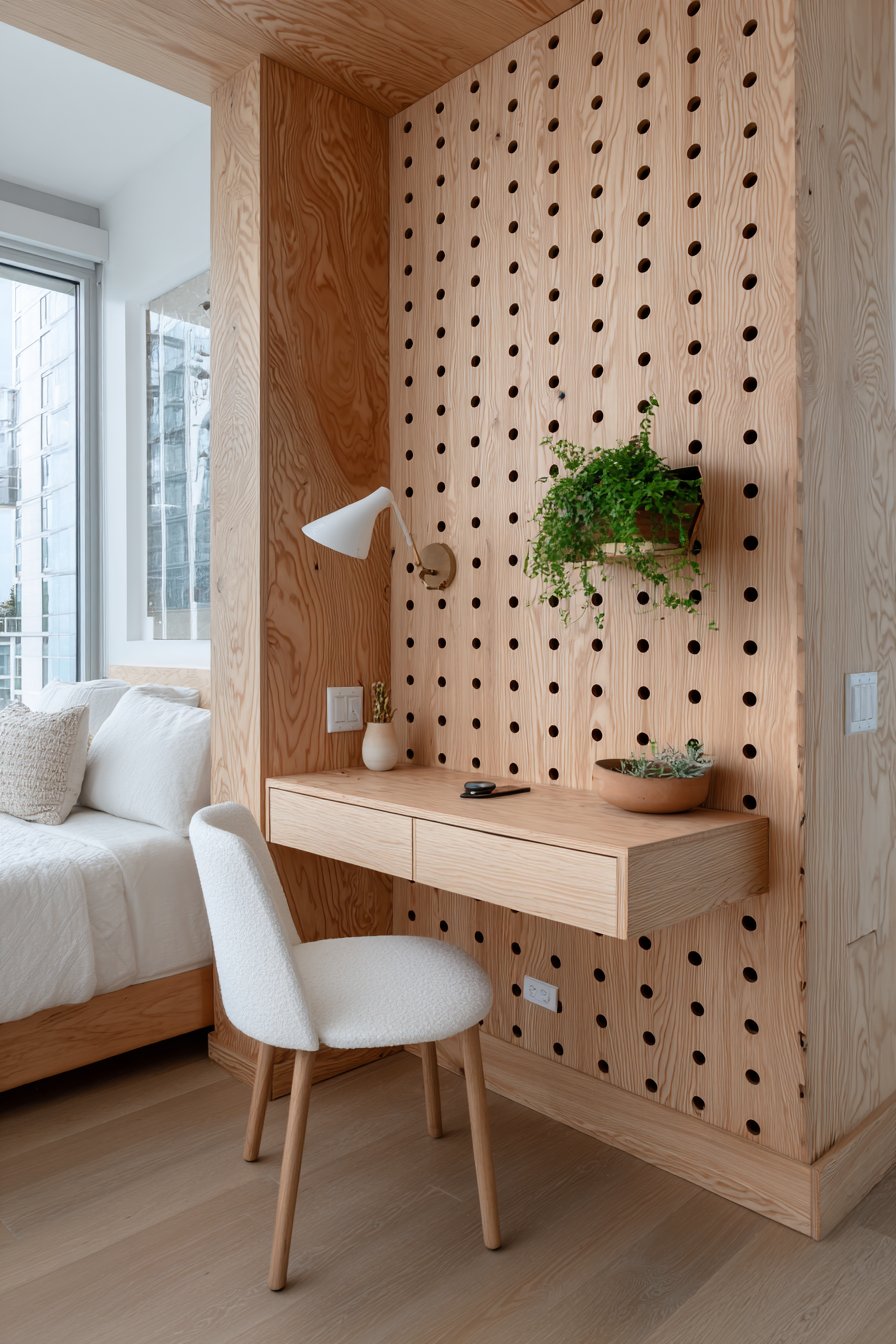
String lights add warm ambient illumination and youthful charm at minimal cost, their soft glow creating an inviting atmosphere perfect for relaxation. Thrifted artwork personalized the space with unique finds that reflect individual taste without the price tag of gallery pieces or retail prints. The neutral base palette with pops of color through accessories allows for easy updates as tastes change or new items are found—simply swapping out throw pillows or adding a different thrift store find can refresh the entire look without starting from scratch. This design celebrates resourcefulness and creativity, proving that style emerges from thoughtful curation rather than budget size.
Key Design Tips:
- Embrace DIY projects like crate shelving or painted furniture to maximize style while minimizing costs
- Shop thrift stores, estate sales, and online marketplaces for unique furniture and decor at fraction of retail prices
- Invest in quality basics like mattress and bedding where comfort matters, saving on decorative elements
- Use paint to unify mismatched furniture pieces, creating visual cohesion from disparate sources
- Layer affordable textiles to create richness, mixing inexpensive items with a few quality pieces
- Repurpose items creatively—ladders as blanket racks, crates as shelves, vintage suitcases as nightstands
- Add inexpensive but impactful touches like string lights or DIY artwork to personalize without significant investment
- Focus on thoughtful curation and arrangement rather than quantity or price of possessions
- Remember that constraint breeds creativity—limited budgets often result in more unique, personal spaces
16. Teen Territory: Functional Zones for Growing Independence
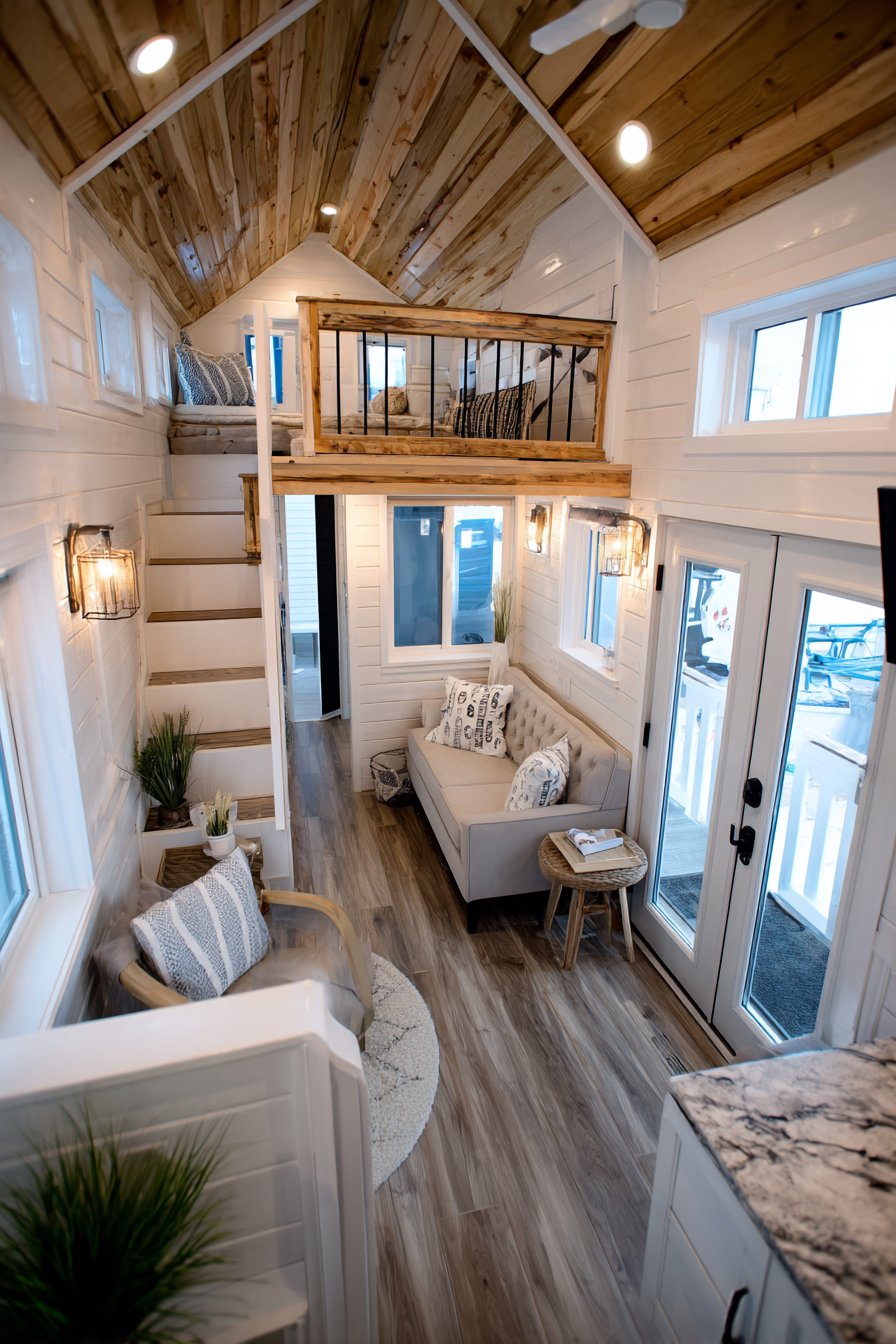
Designing for teenagers requires balancing their need for independence, study space, and self-expression with the practical constraints of small bedrooms. This loft bed solution maximizes vertical space brilliantly by creating a sleeping area elevated above a dedicated study zone. The area underneath the loft bed contains a desk, task lighting, and organizational systems, transforming what would be wasted space beneath a standard bed into productive workspace. This configuration creates distinct zones for sleeping and studying—a crucial separation that helps teenagers maintain focus and establish healthy boundaries between work and rest.
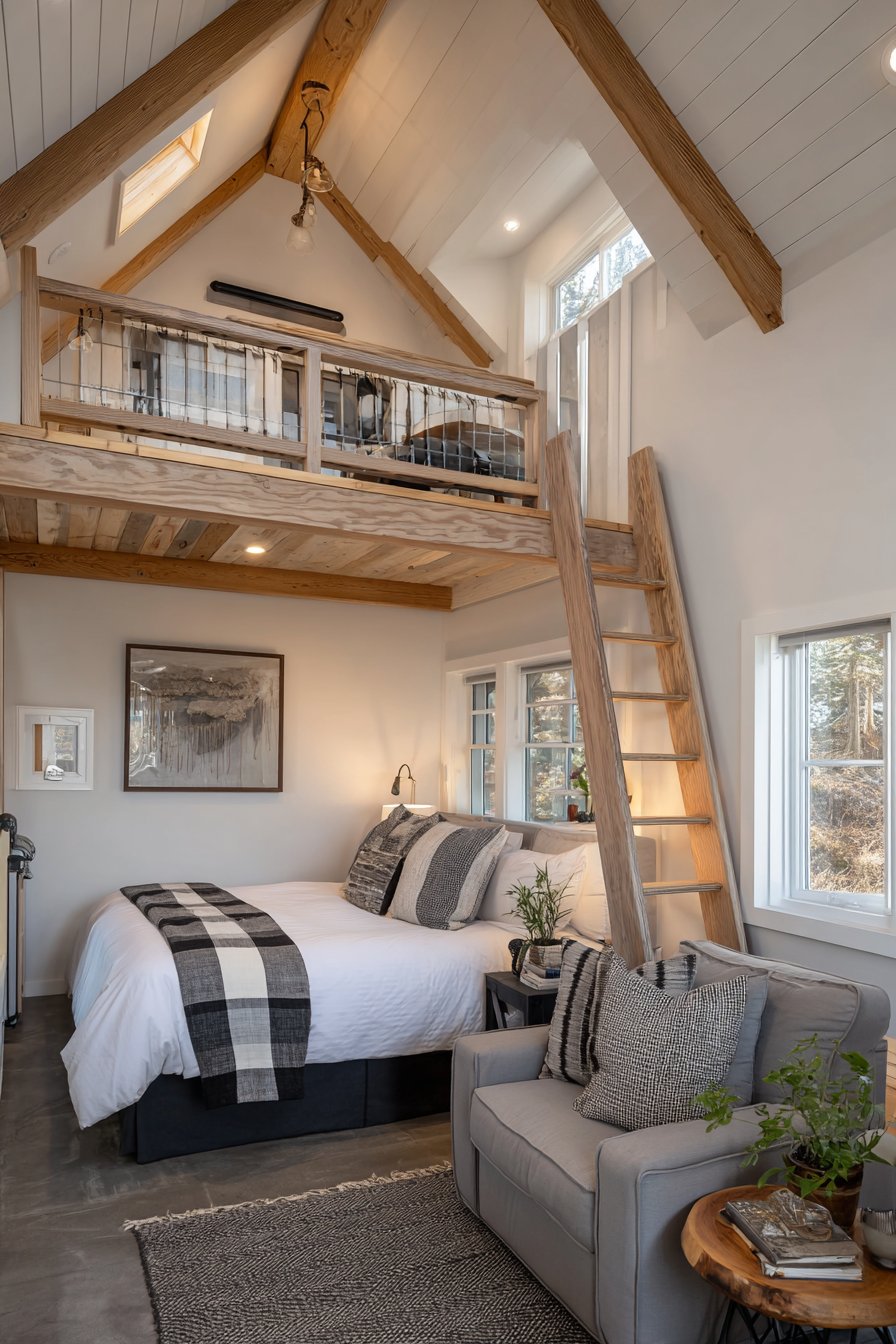
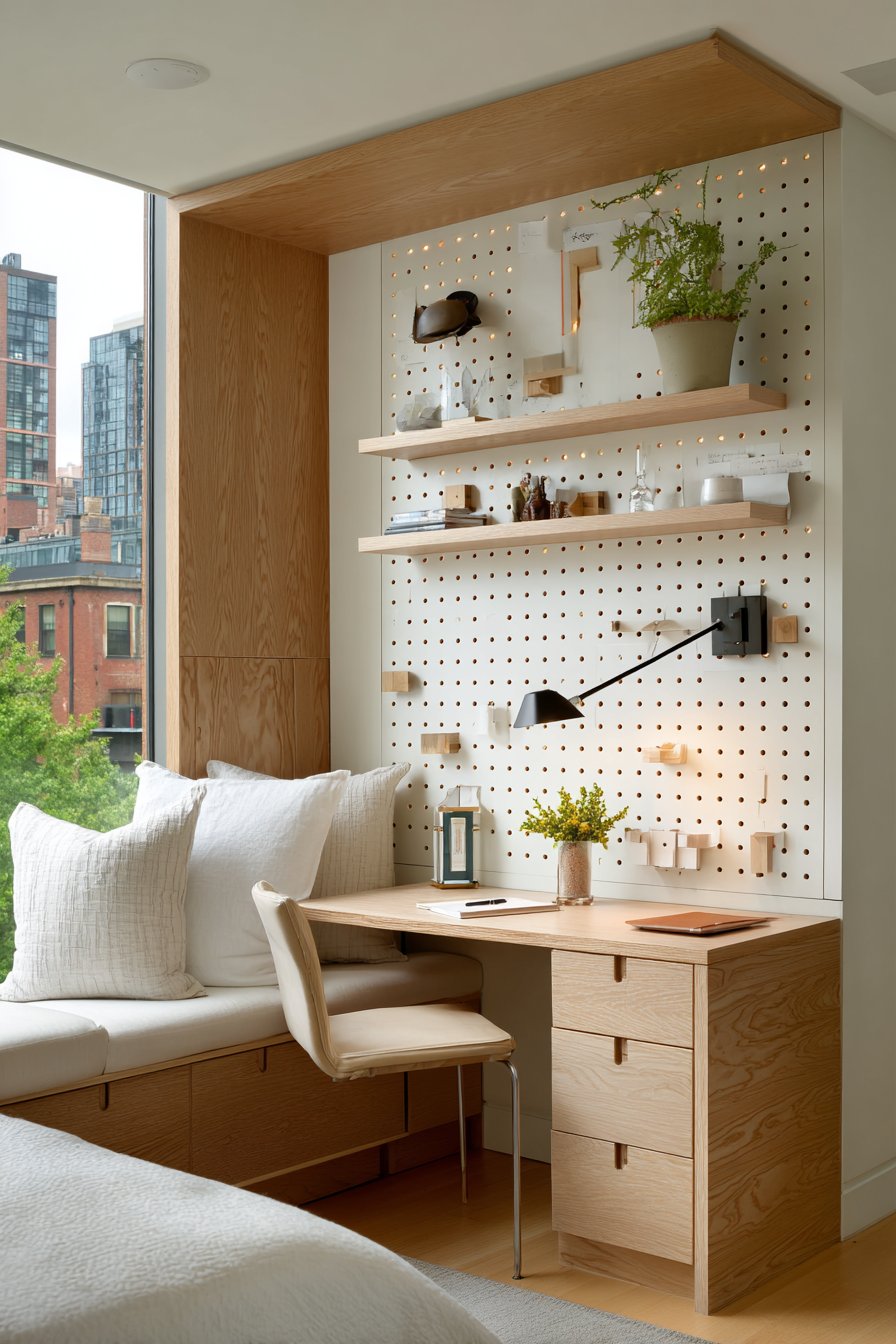
A pegboard wall organizer keeps supplies, accessories, and frequently used items accessible and visible without requiring drawer or shelf space. These customizable organizational systems allow teenagers to arrange and rearrange their possessions as needs change, promoting independence and organizational skills. Under-bed storage solutions—whether built-in drawers integrated into the loft structure or rolling containers that slide beneath the study desk—provide homes for clothing, sports equipment, or seasonal items without cluttering the room’s living areas.
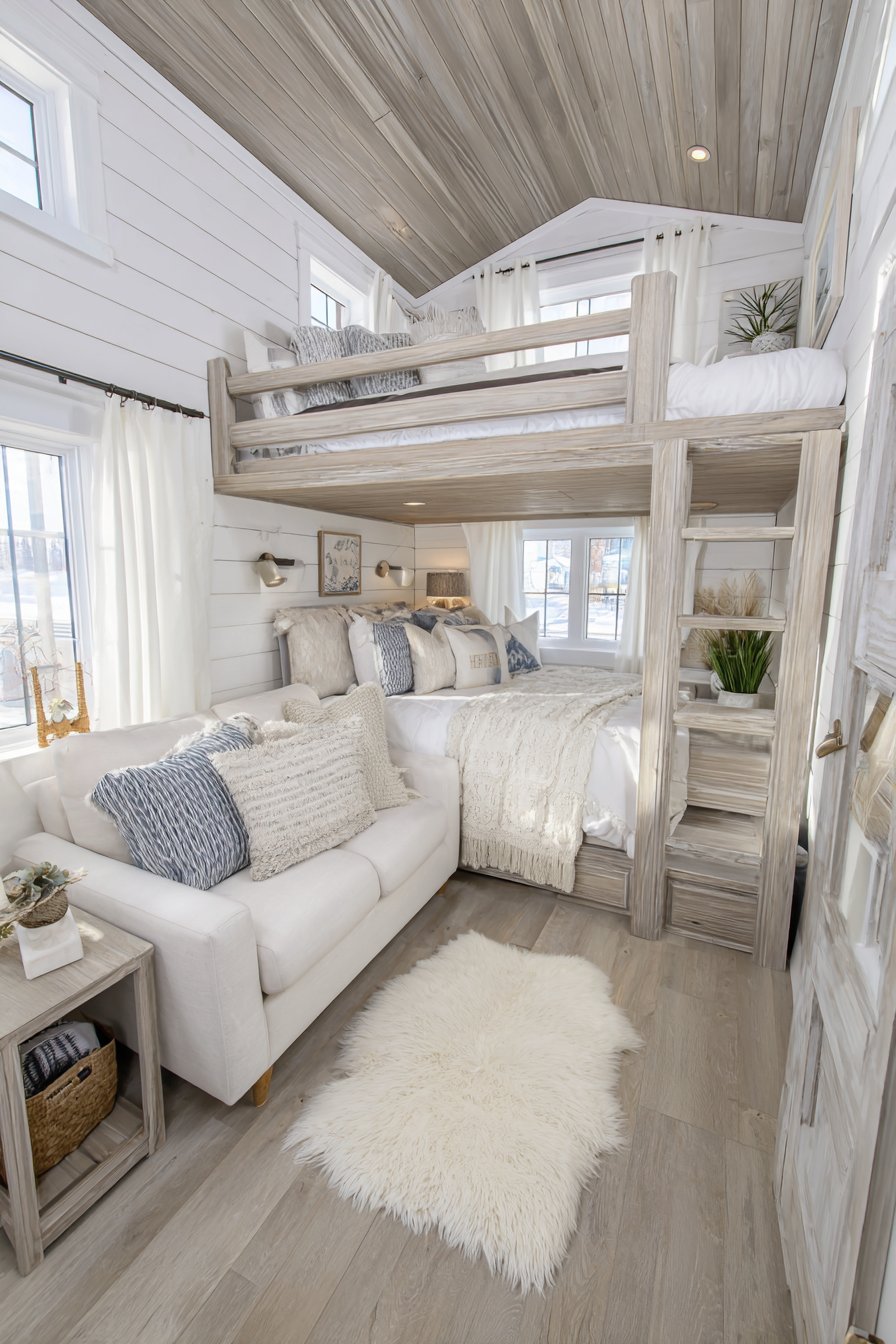
Floating shelves supplement the pegboard organization, offering display space for books, trophies, collectibles, or decorative items that reflect evolving teenage interests and identity. A bold accent wall in deep teal adds personality and sophistication without requiring permission or skill to paint, as it’s easily updated when tastes mature. The remaining walls stay white to maximize light and maintain flexibility. The overall design respects the teenager’s growing need for a space that functions as bedroom, study hall, and personal retreat while acknowledging the reality of limited square footage in many family homes.
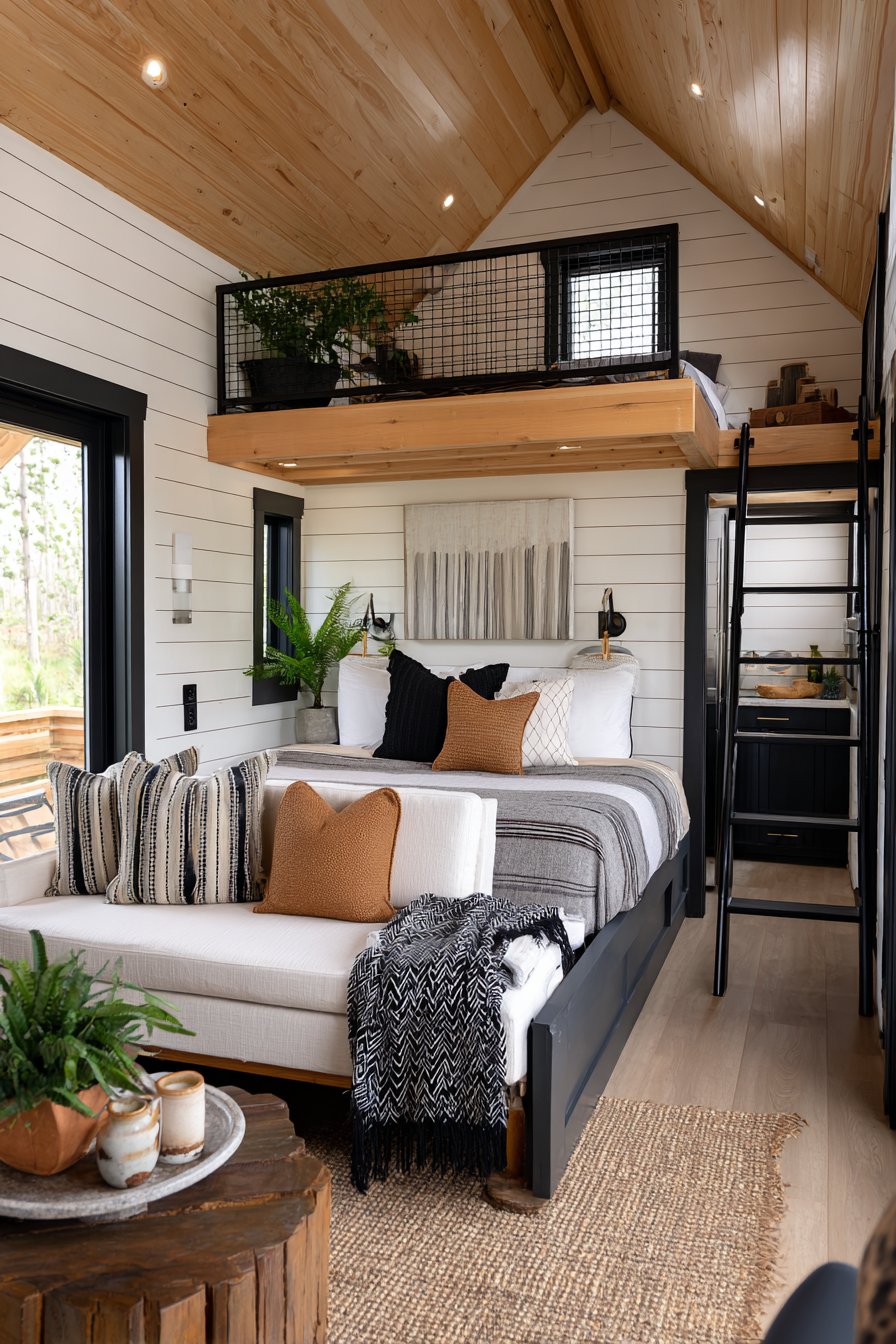
Key Design Tips:
- Utilize loft beds to create distinct sleeping and study zones within a single compact room
- Install organizational systems like pegboards that adapt as teenagers’ needs and interests change
- Incorporate a proper desk and task lighting for homework and computer use—essential for academic success
- Allow teenagers to choose one bold accent wall color to express personality while keeping other walls neutral
- Provide adequate storage solutions for clothing, sports equipment, hobbies, and collections
- Include display space for accomplishments, artwork, and items important to developing identity
- Ensure good lighting throughout, including task lighting for study and ambient lighting for relaxation
- Build in flexibility, as teenage needs and preferences change rapidly during these developmental years
- Respect their need for privacy and personal space within the home environment
17. Luxe in Little Space: Elegant Sophistication Without Expansion
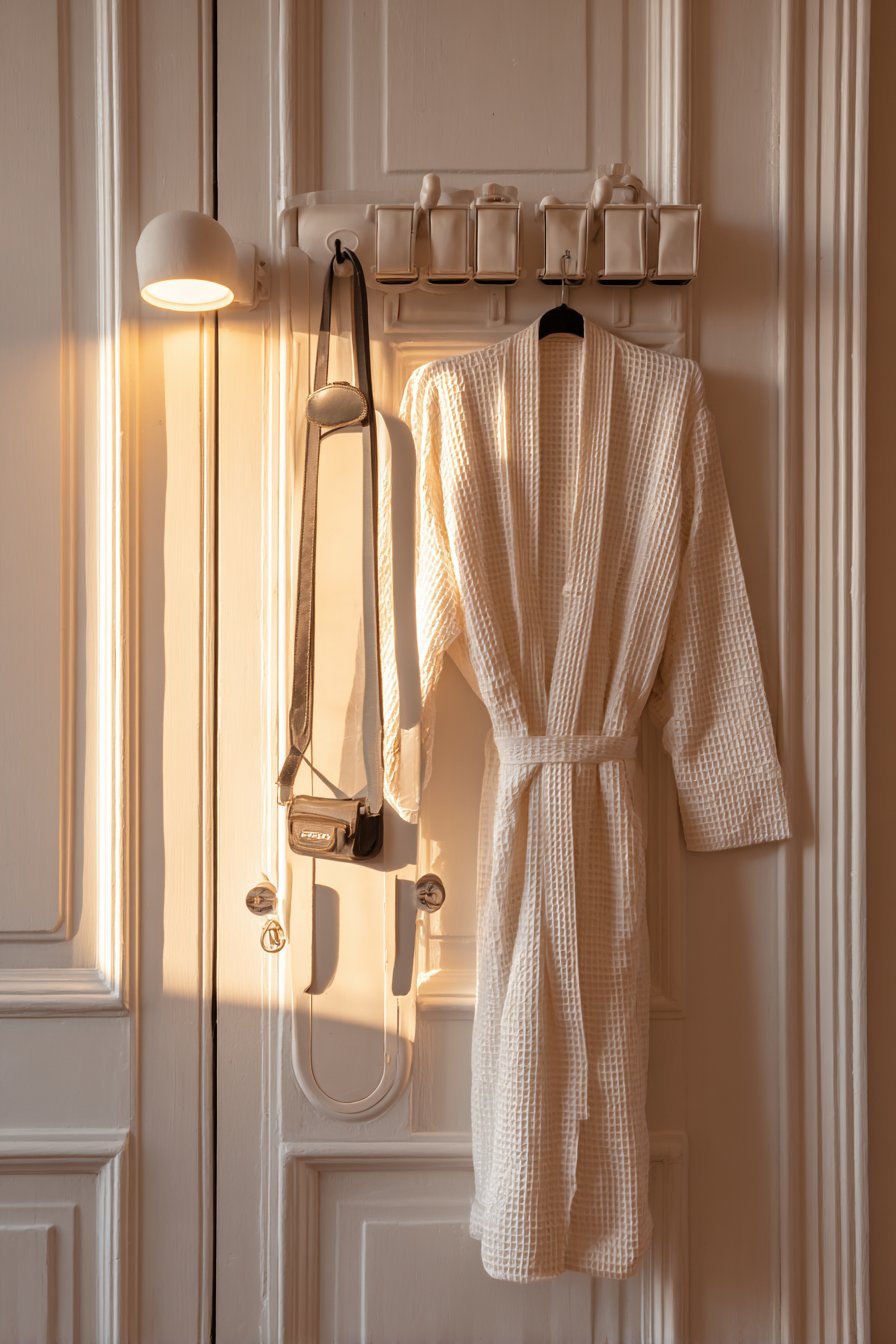
This design demonstrates that small bedrooms can feel luxurious and sophisticated through thoughtful material choices and refined details. A velvet upholstered bed in soft blush pink becomes the room’s jewel-like centerpiece, its plush texture and subtle color creating an elegant focal point without overwhelming the modest dimensions. Mirrored nightstands flanking the bed serve double duty—their reflective surfaces bounce light around the room while the mirrors themselves create the illusion of expanded space by reflecting views and making boundaries less defined.
A crystal chandelier adds glamorous overhead lighting without consuming floor or surface space. Its delicate construction and light-refracting crystals create sparkle and visual interest while maintaining the room’s airy quality—unlike a solid fixture that would add weight and mass. Sheer metallic curtains in champagne or soft gold tones frame windows elegantly, their subtle shimmer adding luxury while the sheer quality maintains light penetration essential for keeping the small space bright and open.
A plush area rug in cream defines the sleeping zone and adds softness underfoot, its luxurious texture enhancing the room’s upscale atmosphere. The color palette stays refined—soft pinks, champagne metallics, cream, and warm whites—creating a harmonious envelope that feels expensive and carefully considered. Small luxe touches like silk pillowcases, a cashmere throw folded at the bed’s foot, or a small crystal perfume tray on the mirrored nightstand add richness without requiring space. This design proves that luxury stems from quality and attention to detail rather than square footage, demonstrating how small bedrooms can feel indulgent through judicious material selection and refined aesthetic choices.
Key Design Tips:
- Invest in one high-quality upholstered statement piece like a velvet bed to anchor the luxurious aesthetic
- Use mirrored furniture strategically to reflect light and create spatial expansion through reflection
- Add one elegant lighting fixture overhead to provide ambient glamour without consuming surface space
- Choose rich, tactile fabrics like velvet, silk, and cashmere in subtle, sophisticated colors
- Incorporate metallic accents through curtains, hardware, or accessories for subtle shimmer and elegance
- Maintain a cohesive, refined color palette rather than introducing many disparate colors
- Layer textures—plush carpet, smooth silk, soft velvet—to create sensory richness
- Edit ruthlessly, displaying only high-quality items rather than cluttering surfaces with lesser pieces
- Focus on quality over quantity in every element, from bedding to lighting to decorative accents
18. Multi-Zone Living: Creating Distinct Areas Within Compact Footprints
This design addresses the challenge of creating a bedroom that serves multiple lifestyle needs beyond sleeping. A cozy reading nook positioned near the window capitalizes on natural light, featuring a comfortable armchair and floor lamp that create an inviting spot for reading, meditation, or simply gazing outside. This dedicated zone provides psychological separation from the sleeping area, important for those who work from home or spend significant time in their bedrooms. A tall narrow bookshelf nearby offers easy access to reading material without requiring additional floor space for wider shelving units.
The bed tucks efficiently to one side of the room rather than centering on a wall, leaving the main floor area more open and flexible. This asymmetrical arrangement might feel unconventional but maximizes usable space and creates better flow through the room. Layered lighting including wall sconces, string lights, and the floor lamp in the reading nook allows for customized illumination appropriate to different activities—bright reading light, soft ambient glow for relaxation, or focused task lighting for detailed work.
The warm neutral color scheme with forest green accents provides sophistication and calm while the green brings nature-inspired restfulness. These green touches might appear in throw pillows, the reading chair’s upholstery, or a small accent rug, tying the various zones together through color continuity. The design demonstrates that even small bedrooms can offer differentiated spaces for sleeping, reading, working, and relaxing when furniture placement and zoning receive careful consideration. Creating these distinct areas enhances the room’s functionality and makes the compact space feel more expansive through its varied uses.
Key Design Tips:
- Position a comfortable chair near windows to create a dedicated reading or relaxation zone
- Use asymmetrical furniture placement to maximize central floor space and improve flow
- Implement layered lighting with multiple sources appropriate to different activities and times of day
- Add tall, narrow furniture pieces that provide functionality without consuming excessive floor space
- Connect different zones through color continuity in accessories and accents
- Ensure each zone has adequate lighting appropriate to its intended use
- Consider traffic flow between zones, maintaining clear pathways despite multiple furniture groupings
- Use area rugs to visually define different zones without building walls or adding architectural elements
- Keep furniture scaled appropriately—smaller pieces in each zone rather than trying to fit full-size items
19. Biophilic Design: Bringing Nature into Compact Urban Bedrooms
This nature-inspired bedroom demonstrates how biophilic design principles—connecting interior spaces with nature—can be adapted for small urban bedrooms. Botanical wallpaper on a single accent wall brings the outdoors inside through lush tropical or forest imagery, creating an immersive focal point without the space requirements of real plants or the maintenance they demand. This concentrated burst of nature imagery satisfies our innate need for connection to natural environments while the remaining walls stay neutral to prevent the small space from feeling overwhelming.
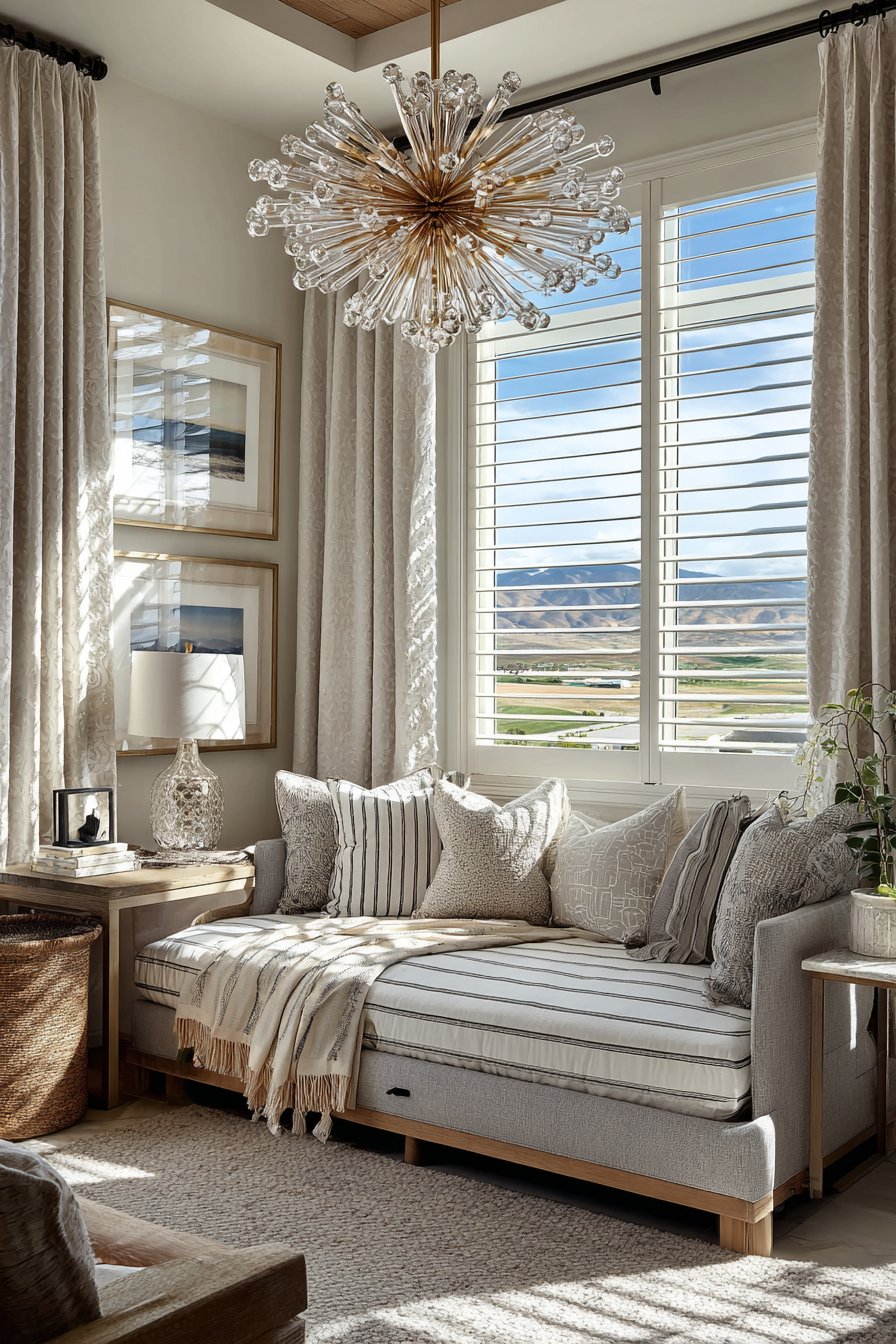
Live plants on floating shelves and in hanging planters bring authentic nature indoors, their varied heights, textures, and shades of green creating visual richness and improving air quality. Hanging plants like pothos or philodendron capitalize on vertical space while their cascading growth adds dynamic movement and living texture. A rattan bed frame introduces organic material and texture, its woven construction and natural honey tones creating warmth while maintaining visual lightness through its open weave construction.
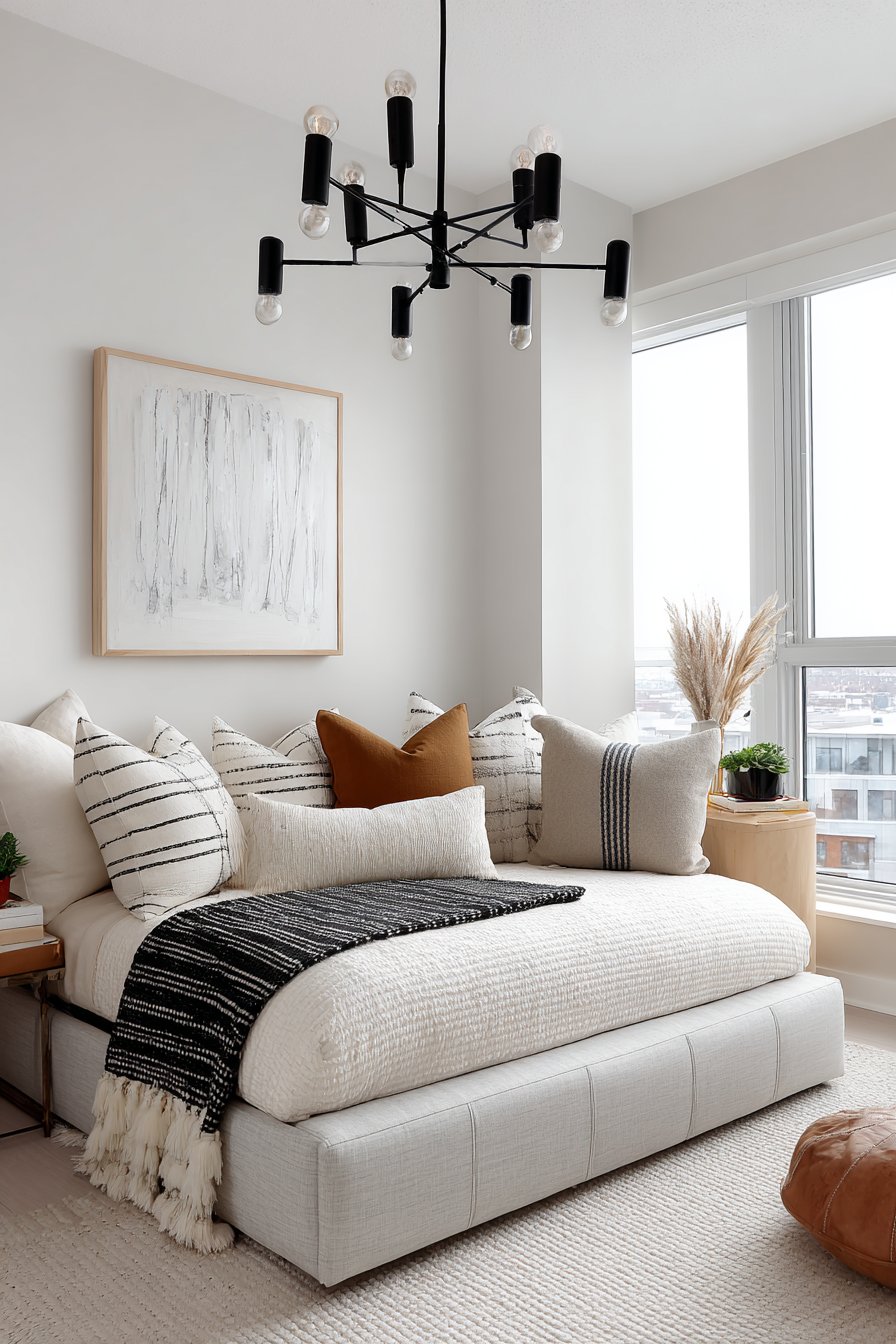
Natural linen bedding in undyed beige enhances the organic aesthetic, its visible weave texture and slightly irregular finish celebrating natural fibers. Wooden storage boxes and woven baskets provide organization while contributing additional natural textures—smooth wood grain, intricate basket weaving, and organic shapes that contrast with the room’s architectural straight lines. The sage green and cream color palette enhances the biophilic theme, these nature-inspired hues creating a serene, restful atmosphere that promotes wellbeing and connection to the natural world despite the urban setting.
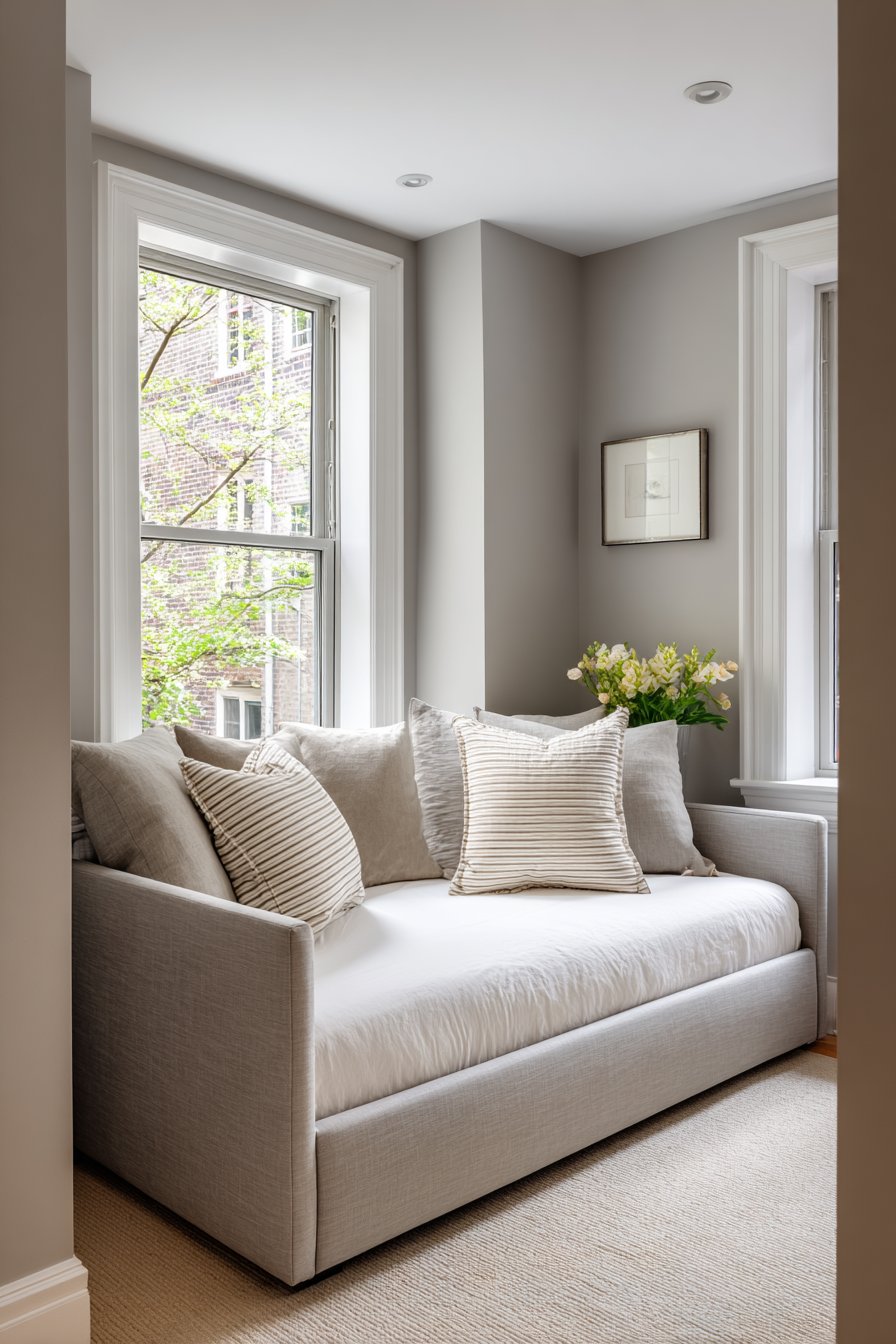
Key Design Tips:
- Incorporate botanical wallpaper or murals to bring concentrated nature imagery into small spaces
- Add multiple live plants at varying heights using shelves, hanging planters, and floor placement
- Choose furniture made from natural materials like rattan, bamboo, wood, or seagrass
- Use natural fiber textiles including linen, cotton, jute, and wool in neutral earth tones
- Maximize natural light through minimal window treatments to support both plant health and circadian rhythms
- Incorporate organic shapes and curved forms to balance architectural straight lines
- Add nature sounds through white noise machines or apps featuring rain, forest, or ocean sounds
- Use colors drawn from nature—greens, browns, beiges, soft blues—to create calming environments
- Include natural elements like stones, driftwood, or shells as decorative accents
20. Couples’ Compromise: Shared Small Spaces with Balanced Design
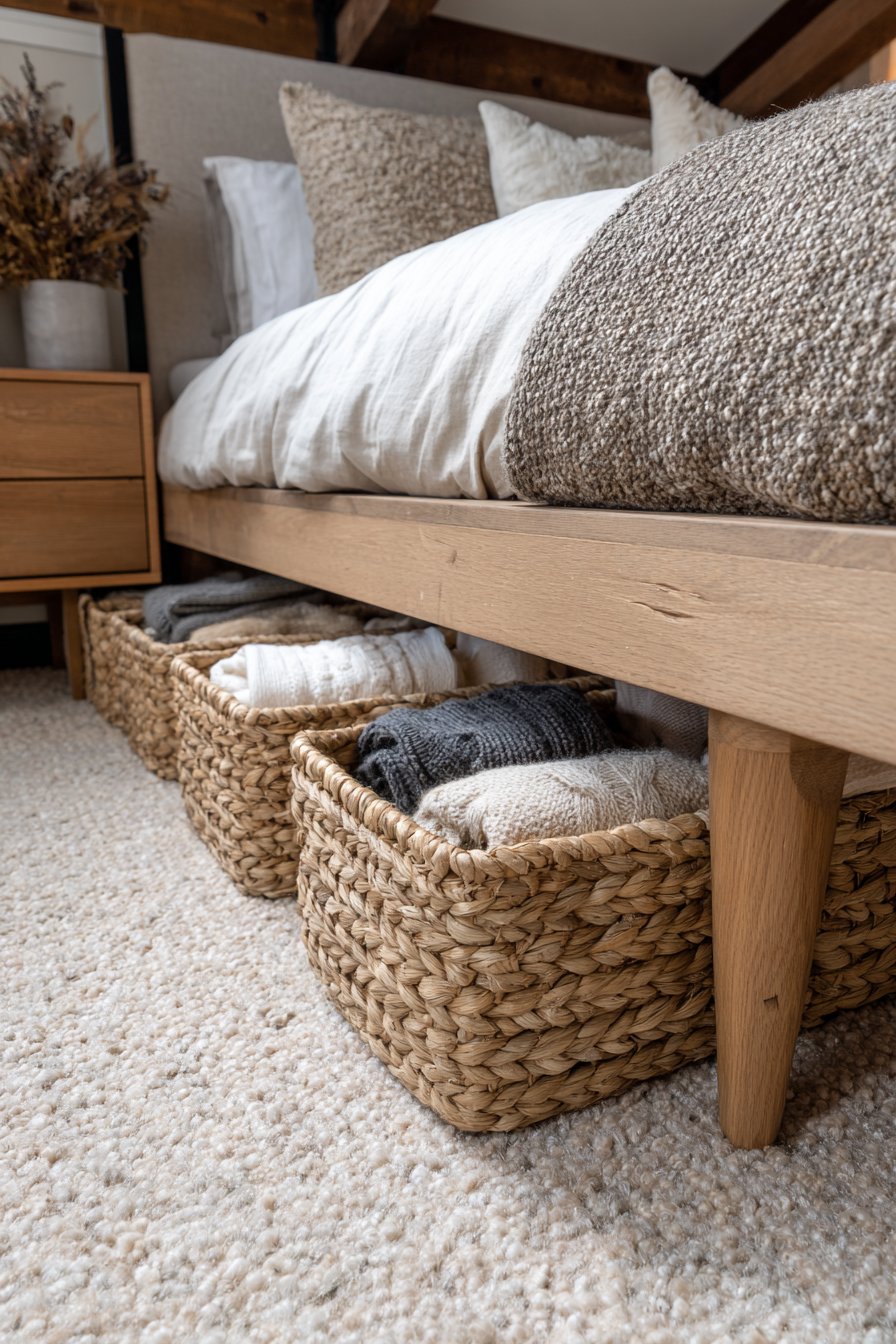
Designing small bedrooms for couples requires careful consideration of both individuals’ needs and preferences while maintaining cohesion. This design features a queen bed positioned centrally with matching slim-profile nightstands providing equal access and storage for both partners. The nightstands’ narrow depth saves precious floor space while still offering essential surface area for phones, books, water glasses, and other bedside necessities. Wall-mounted reading lights on each side provide individual task lighting without requiring space for table lamps, allowing each person to read without disturbing their partner.
A shared dresser with divided organization—perhaps designated drawers for each person or an internal divider system—provides clothing storage while occupying less floor space than two separate dressers. Matching floating shelves on each side of the bed maintain symmetry and visual balance, important in shared spaces where neither person should feel their needs are prioritized over the other’s. Each shelf might hold a few personal items, creating individualized zones within the unified design.
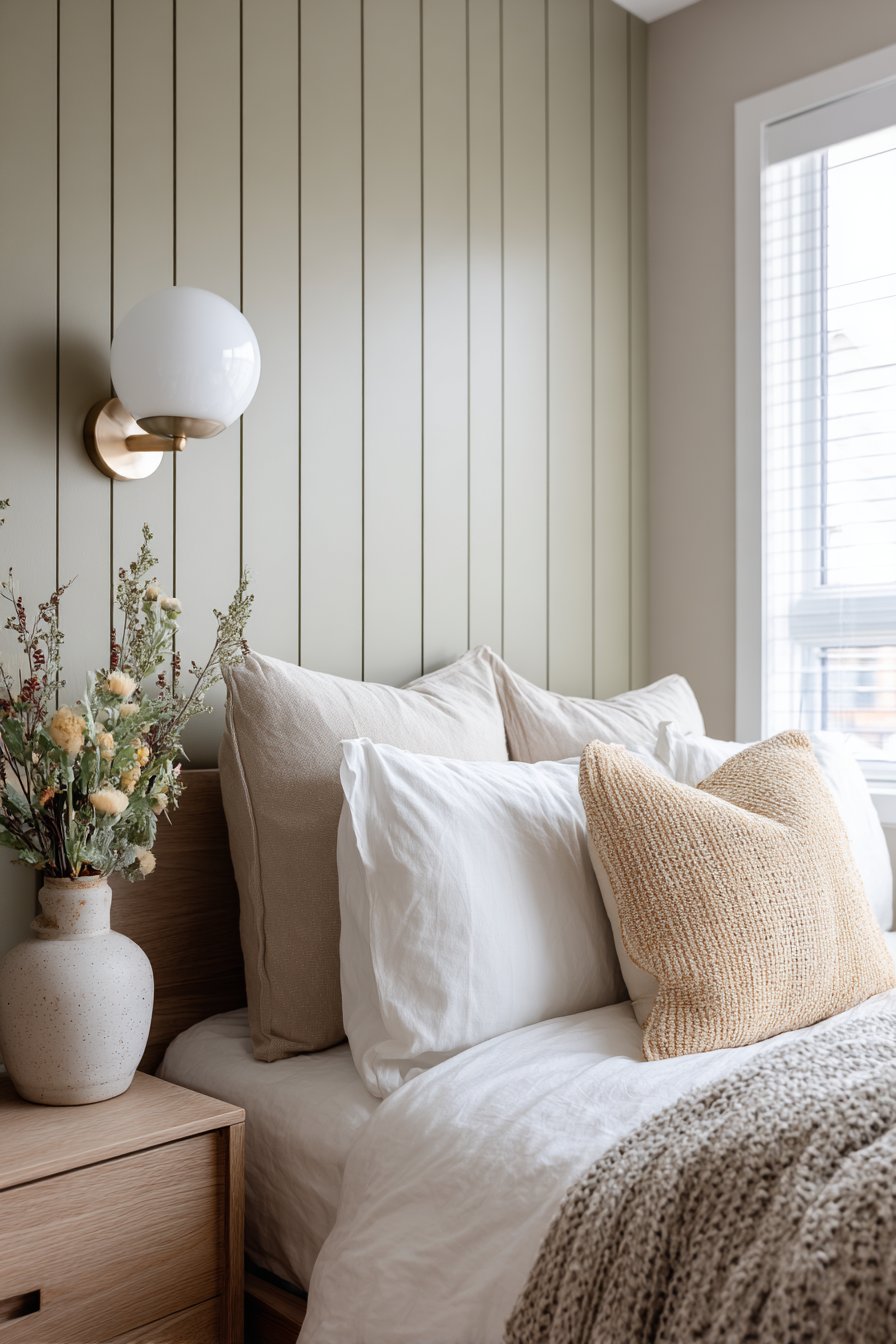
The soft grey walls with white trim provide a neutral backdrop that works for varying tastes, while the complementary bedding in layered neutrals creates harmony without being boring. This neutral foundation allows both partners to add personal touches through accessories, artwork, or textiles without clashing aesthetically. The overall design emphasizes balance, symmetry, and equal consideration—essential elements in successfully shared small bedrooms where space constraints require extra compromise and communication between partners.
Key Design Tips:
- Choose centrally positioned beds with equal access and space on both sides
- Provide matching nightstands and storage solutions to ensure both partners have equivalent amenities
- Install individual reading lights that can be controlled separately for personalized lighting
- Use neutral color palettes that accommodate both partners’ preferences while providing a cohesive foundation
- Maintain symmetry in layout and furnishings to create visual balance and equality
- Designate separate storage zones within shared furniture to maintain organization and respect boundaries
- Include some individual expression through personal items on shelves or nightstands
- Prioritize quality bedding and mattress as sleep quality affects relationship quality
- Ensure adequate storage for both partners’ clothing and belongings to prevent tension over space
- Communicate openly about design decisions, compromising to create a space both people feel comfortable in
21. Smart Technology Integration: Connected Bedrooms for Modern Living
This contemporary bedroom demonstrates how smart technology can enhance small space functionality without cluttering surfaces or complicating aesthetics. Wireless charging nightstands eliminate cord clutter while providing convenient phone charging—simply placing the device on the nightstand surface powers it up without plugging in cables. These sleek contemporary pieces in white or light grey maintain clean lines and minimal profiles appropriate for small spaces while incorporating cutting-edge functionality.
Voice-controlled lighting integrated into minimalist fixtures allows for hands-free operation and customizable lighting scenes—bright and energizing for morning routines, dim and warm for evening relaxation, or anything in between. This smart lighting eliminates the need for multiple lamps or complicated dimmer switches, streamlining both the room’s aesthetics and its operation. A wall-mounted tablet serves as a control center for room functions, displaying time, weather, calendar, and providing controls for integrated smart home systems.
Cable management solutions built into furniture or hidden behind minimal panels keep technology present but not visually dominant. Modern minimalist furniture in white and light grey maintains clean contemporary lines while concealing the technology infrastructure required for smart functions. A platform bed with hidden storage drawers provides space for items without surface clutter, while the overall color scheme of whites and cool greys creates a streamlined, tech-forward aesthetic. The design proves that smart home technology and minimalist design sensibilities can coexist successfully, enhancing convenience without sacrificing visual calm in small bedrooms.
Key Design Tips:
- Invest in furniture with integrated wireless charging capabilities to eliminate charging cable clutter
- Install smart lighting systems that offer voice control and programmable scenes for varied activities
- Mount tablets or control panels on walls to consolidate controls and free up surface space
- Incorporate cable management systems during initial setup to hide necessary technology infrastructure
- Choose furniture with hidden storage compartments for technology accessories and charging equipment
- Maintain a minimalist aesthetic in cool, neutral tones that complements contemporary technology design
- Program smart home routines that automate lighting, temperature, and other functions for convenience
- Ensure all smart devices work on unified systems to avoid complicated multiple app management
- Consider privacy and security when integrating cameras, voice assistants, or other recording devices in bedrooms
Why These Small Bedroom Designs Excel
These twenty-one design approaches represent diverse solutions to the universal challenge of creating beautiful, functional bedrooms within limited square footage. What makes them particularly effective is their foundation in core design principles that transcend specific styles—principles like maximizing vertical space, employing light colors and reflective surfaces to create visual expansion, choosing multifunctional furniture that serves multiple purposes, and maintaining intentional editing to prevent clutter accumulation that makes small spaces feel even smaller.
Each design demonstrates specific strategies that work regardless of personal aesthetic preferences. The Murphy bed solution in the first example provides a blueprint for radical space transformation through mechanical furniture, while the Scandinavian approach showcases how restricted color palettes create visual continuity that expands perceived space. The corner configuration design challenges conventional layout assumptions, proving that unconventional thinking can unlock hidden potential in awkward spaces. Meanwhile, the budget-conscious approach demonstrates that financial constraints need not limit design ambitions when creativity and resourcefulness are applied thoughtfully.
These designs succeed because they acknowledge the realities of small space living while refusing to accept limitations as permanent barriers. They employ visual tricks—mirrors, light colors, vertical emphasis—to make rooms feel larger than their measurements. They embrace multifunctionality, with daybeds serving as sofas, desks folding into walls, and storage hidden beneath every possible surface. They demonstrate that style need not be sacrificed for function, showing how industrial edge, coastal calm, bohemian warmth, or luxurious elegance can all be achieved within compact dimensions through material choices, color strategies, and thoughtful curation.
The common thread connecting these varied approaches is their emphasis on intentionality. In small bedrooms, every decision matters—furniture size and placement, color selection, lighting design, storage solutions. There’s no room for afterthoughts or impulse purchases that don’t serve the overall vision. This constraint, while initially challenging, ultimately produces more cohesive, carefully considered spaces than might emerge in larger rooms where mistakes can be hidden or relegated to corners. Small bedroom design forces us to be better designers, more thoughtful consumers, and more creative problem-solvers.
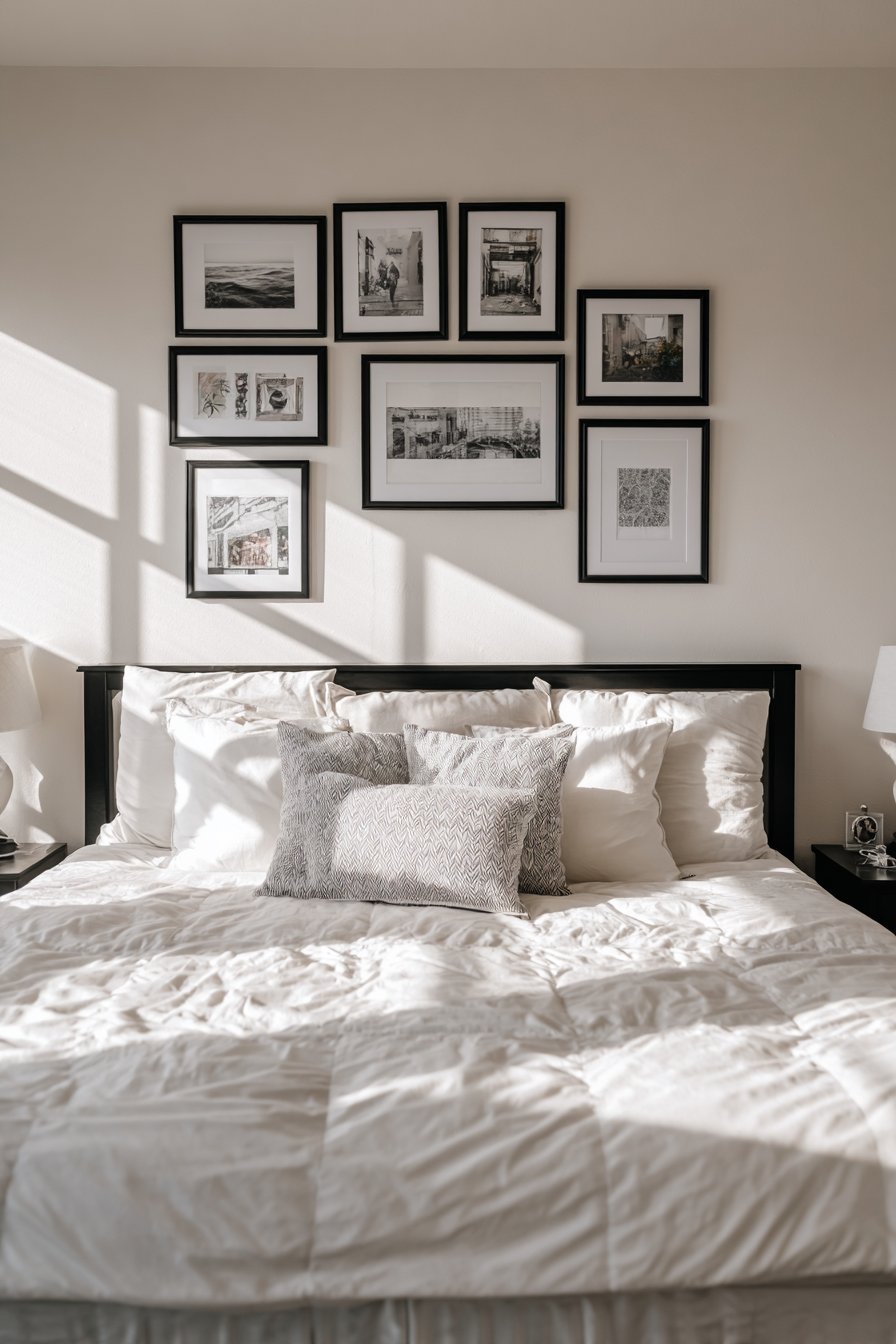
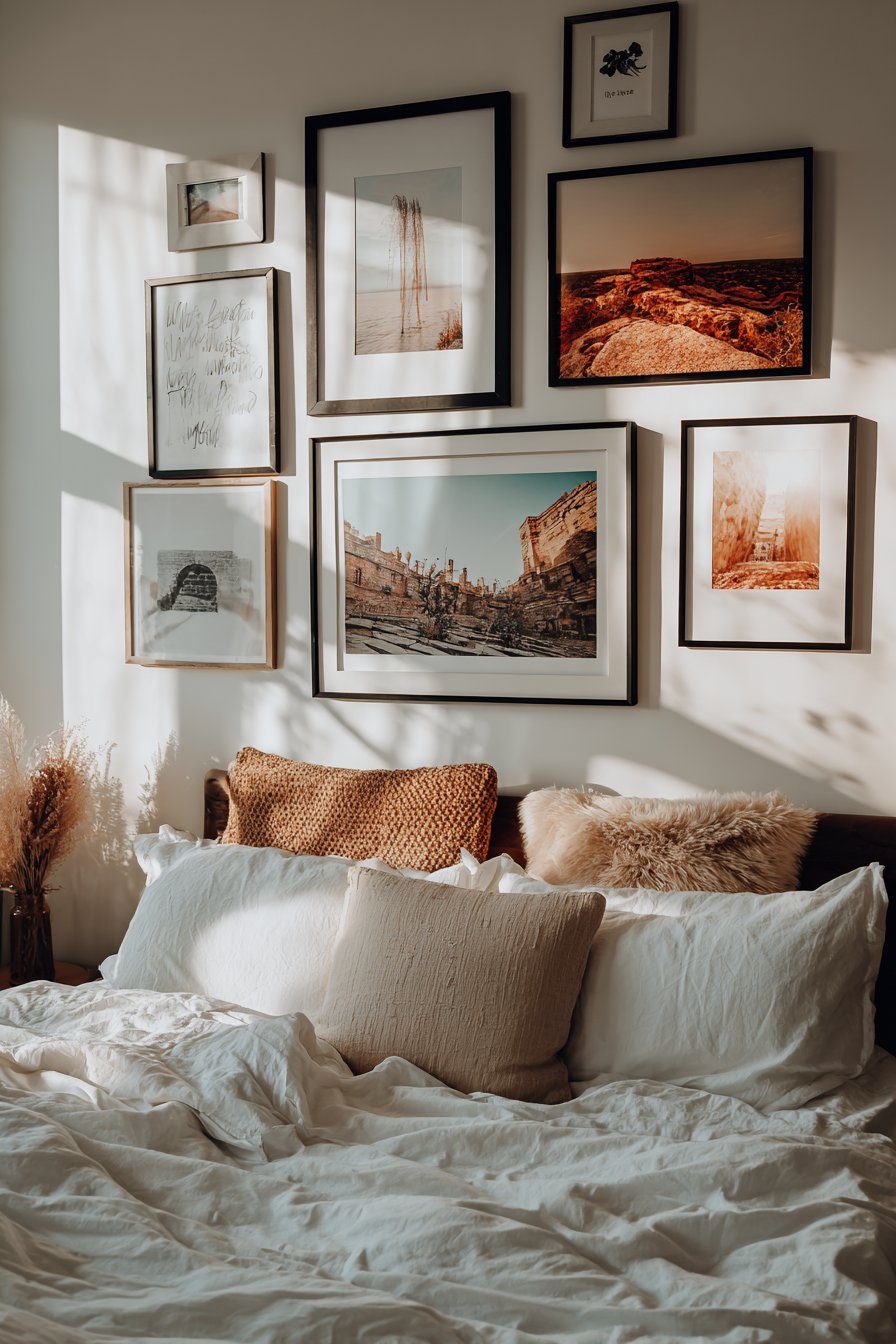
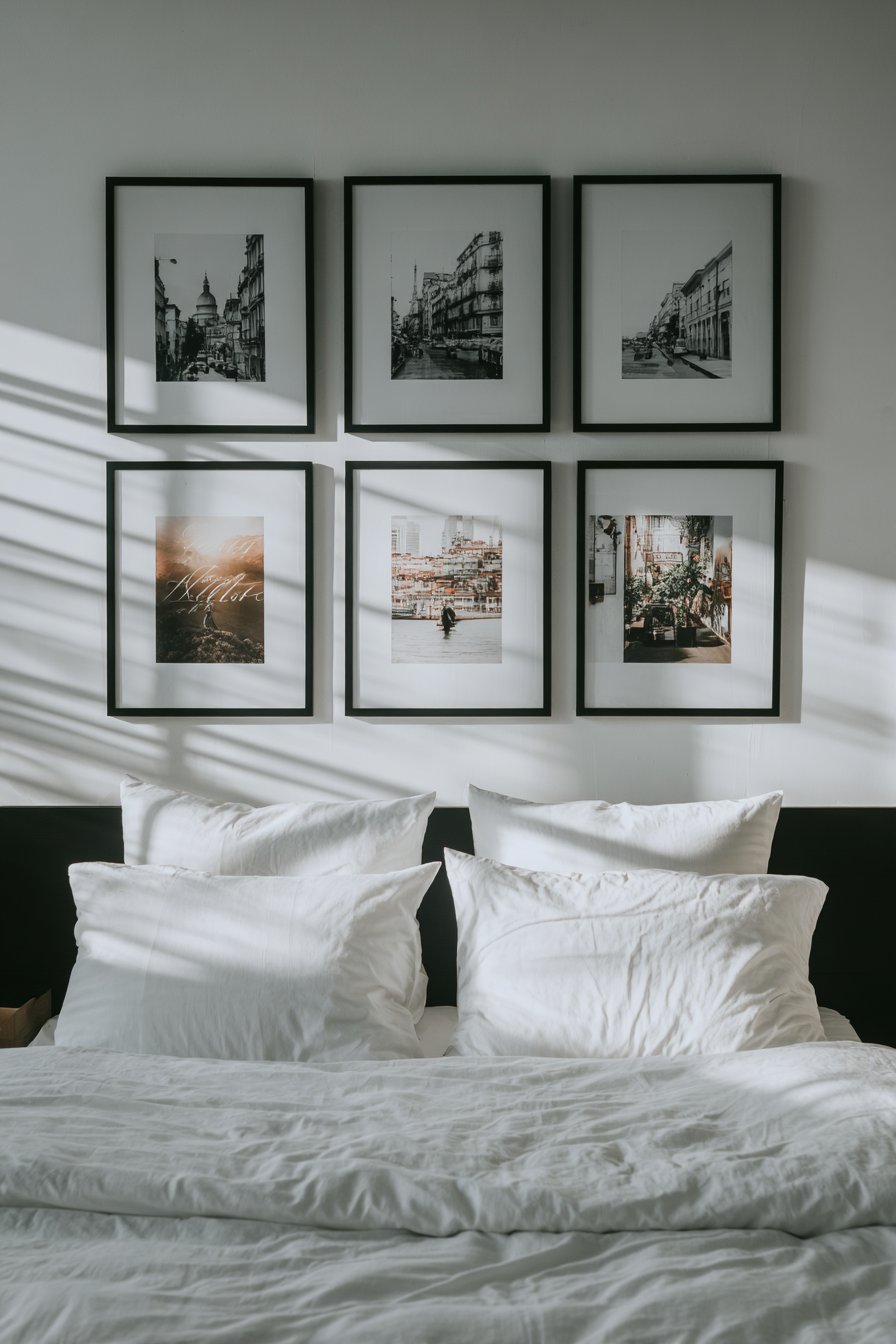
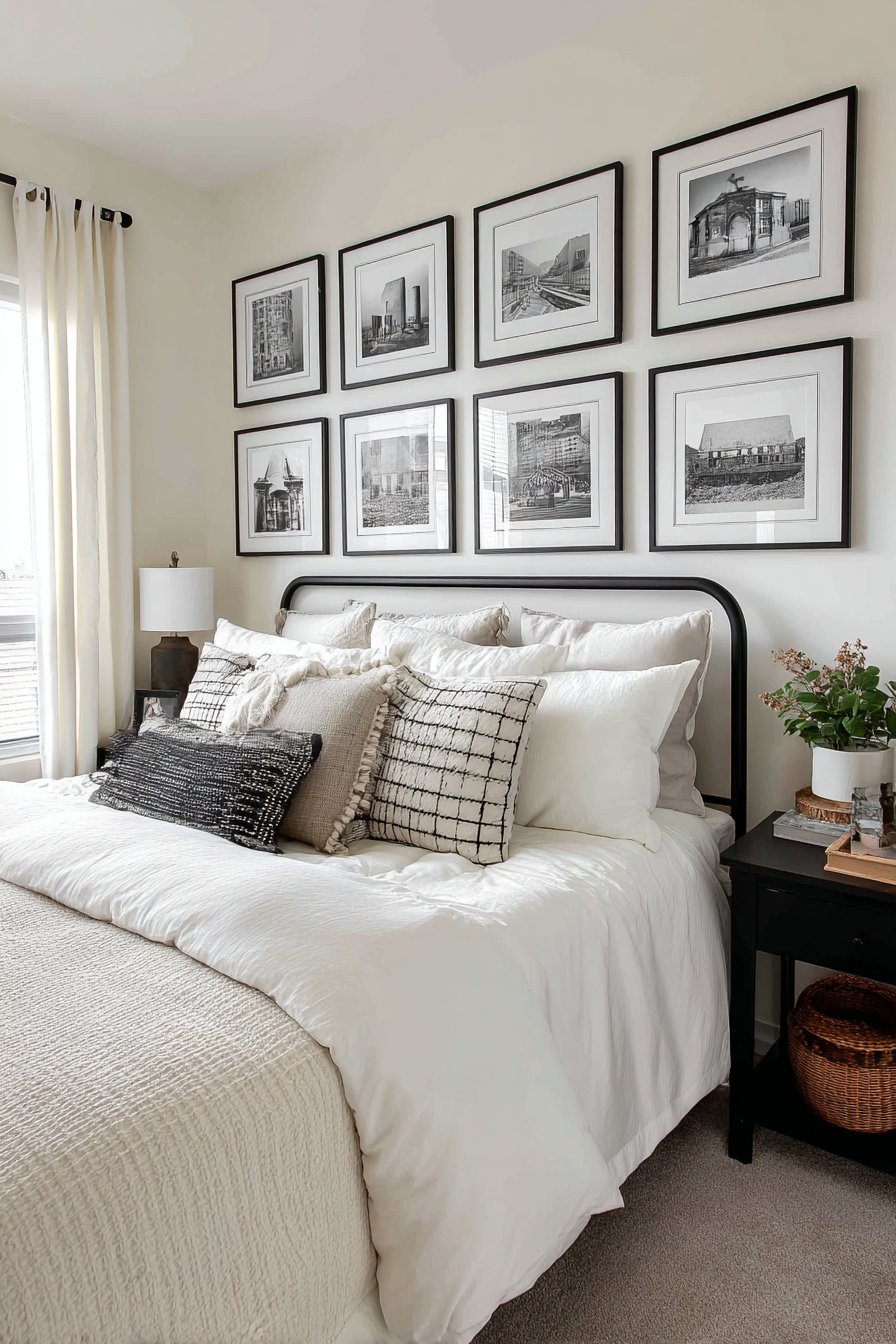
These designs also share an understanding that small doesn’t mean sacrificing personality or style. The bohemian bedroom layers textiles and plants with abandon, the mid-century modern space showcases iconic furniture designs, the gallery wall approach transforms a bedroom into a personal art exhibition. Each demonstrates that size limitations don’t require aesthetic compromise—they simply require different strategies for expressing personal style and creating emotionally resonant environments.
The practical solutions showcased across these designs—loft beds creating two-story functionality, floating furniture maintaining floor visibility, vertical storage utilizing often-wasted wall space, sliding doors eliminating swing clearance zones—provide a toolkit that readers can adapt to their specific situations. Not every solution will work for every space, but the variety ensures that everyone facing small bedroom challenges will find multiple applicable strategies. Perhaps the Murphy bed isn’t practical, but the corner configuration might work. Maybe industrial style doesn’t appeal, but the space-maximizing strategies it employs certainly could.
Conclusion: Embracing the Art of Small Space Living
Designing small bedrooms successfully requires shifting perspective from what’s missing to what’s possible. The twenty-one approaches explored in this guide demonstrate that compact sleeping spaces can accommodate diverse styles, multiple functions, and strong personal expression without feeling cramped, cluttered, or compromised. From transformative Murphy beds that reinvent rooms throughout the day to gallery walls that make art the architecture, these designs prove that thoughtful planning and creative problem-solving can overcome dimensional limitations.
The key takeaways span both practical strategies and philosophical approaches. Practically, prioritize multifunctional furniture that serves multiple purposes, maximize vertical space through tall storage and floating shelves, employ light colors and reflective surfaces to create visual expansion, and maintain ruthless editing to prevent clutter accumulation. Philosophically, embrace constraints as creative catalysts, recognize that intentional design produces more cohesive results, and understand that personal style can manifest powerfully in compact spaces through material choices, color strategies, and thoughtful curation.
As you consider implementing these ideas in your own small bedroom, remember that successful design emerges from understanding your specific needs, constraints, and aesthetic preferences. Not every strategy will suit every situation, but exploring these diverse approaches should spark ideas and reveal possibilities you hadn’t previously considered. Start with one or two concepts that resonate—perhaps introducing floating furniture to free floor space, or adding mirrors to multiply light and create depth. Small changes often produce surprising impact in compact spaces, building confidence for more ambitious transformations.
Ultimately, small bedroom design is about rejecting the notion that limited square footage means limited potential. Whether you’re furnishing a urban studio, reimagining a childhood bedroom, or maximizing a guest room, these approaches prove that thoughtful design transcends size. Your small bedroom can be a sanctuary of style, a haven of functionality, and a true reflection of personal taste—you just need to think vertically, edit intentionally, and embrace the creative challenge of making every inch count.
